

Chapters:

Need help with your trip?
Our support team is available 24/7. Request a callback or call us directly at (833) 619-0908
Dallas trips often start with a downtown hotel, a museum day, and a dinner reservation, but travelers can miss how much the city shifts from block to block. Distances are longer than the map suggests, and a plan that ignores traffic can lose an hour without warning.
That matters because the main sights sit in distinct districts, from Uptown and the Arts District to Bishop Arts and White Rock Lake. Without a clear order, each move adds another rideshare, another parking decision, and another stretch of empty sidewalk.
This guide breaks the city into five days that match its geography, so each stop sits near the next one and the pace stays grounded in actual travel time.
Useful things to know

Main language(s): English

Currency: The local currency is the US dollar (USD, $).

Cash and cards: Cards and contactless are widely accepted; carry about $20 to $40 in cash for small tips and backups.

Tipping: Tip 15 to 20% in restaurants; round up small bills and tip taxi drivers about 10%.

Traditional food: barbecue brisket, chicken-fried steak, breakfast tacos, chili

Water and coffee costs: Water about $2 ($2), bar espresso about $4 ($4).

Taxis and ride apps: Uber and Lyft operate here; confirm your pickup zone at DFW.

Plug and voltage: Type A/B socket, 120V

Dining and shop opening hours: Breakfast is about 07:00-10:00, lunch 11:30-14:00, and dinner 17:30-21:30. Many kitchens close by 22:00, later in nightlife areas.

Emergency number: Call 911 for police, fire, and medical emergencies.
Where to stay in Dallas
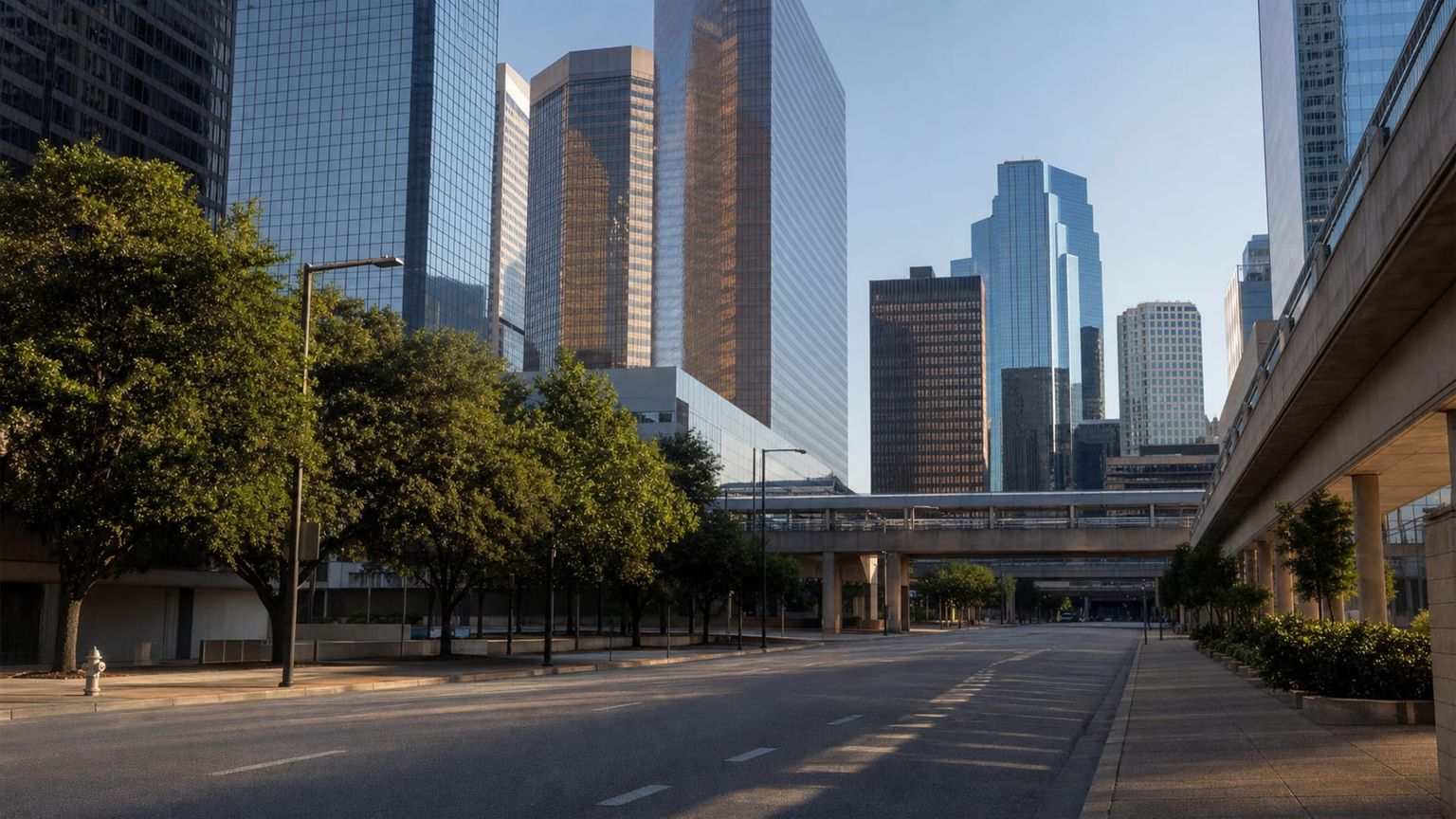
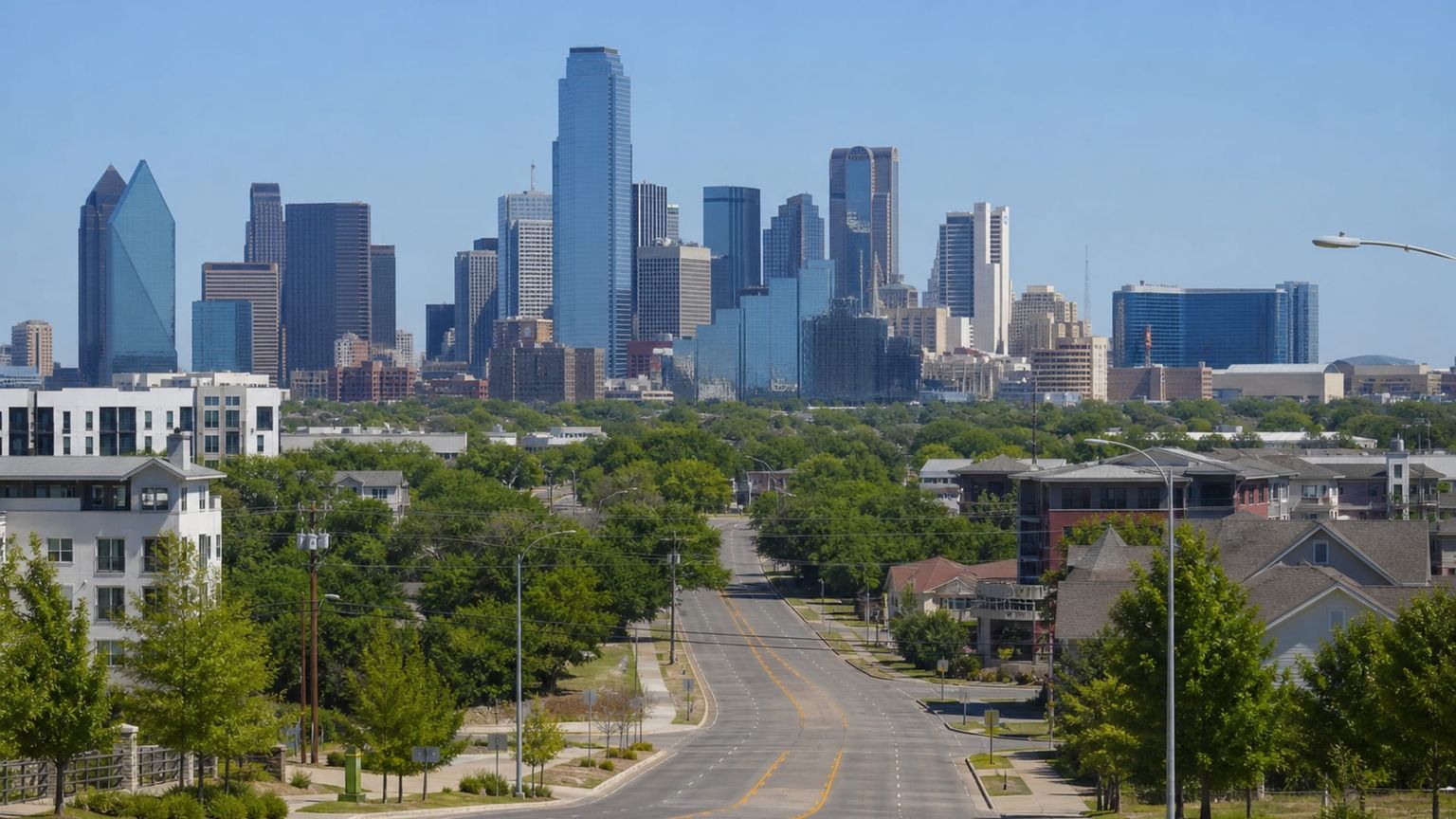
Dallas’s central business and convention district places you near major museums, skyscrapers, and the Main Street corridor. It suits visitors who want the shortest hop to Reunion Tower, the Dallas World Aquarium, and the city’s busiest transit links.
Best for: First-time visits, business trips, and easy access to major sights
What to expect: Tall hotels, office towers, and busy sidewalks at lunch, then a quieter pace after office hours.
Hotel prices: Usually about $170 to $320 per night for well-rated stays
Distance to major sights: About 10 to 15 minutes on foot to Reunion Tower, about 15 minutes by transit to the Dallas World Aquarium
Quietness: Busy in the day, noticeably quieter at night outside event weekends.
Main trade-off: You pay for central location, and some blocks empty out after work, so late dining choices can thin quickly.
Good to know: If you want to move between attractions with minimal transit planning, this is the easiest base, but check parking fees before booking.
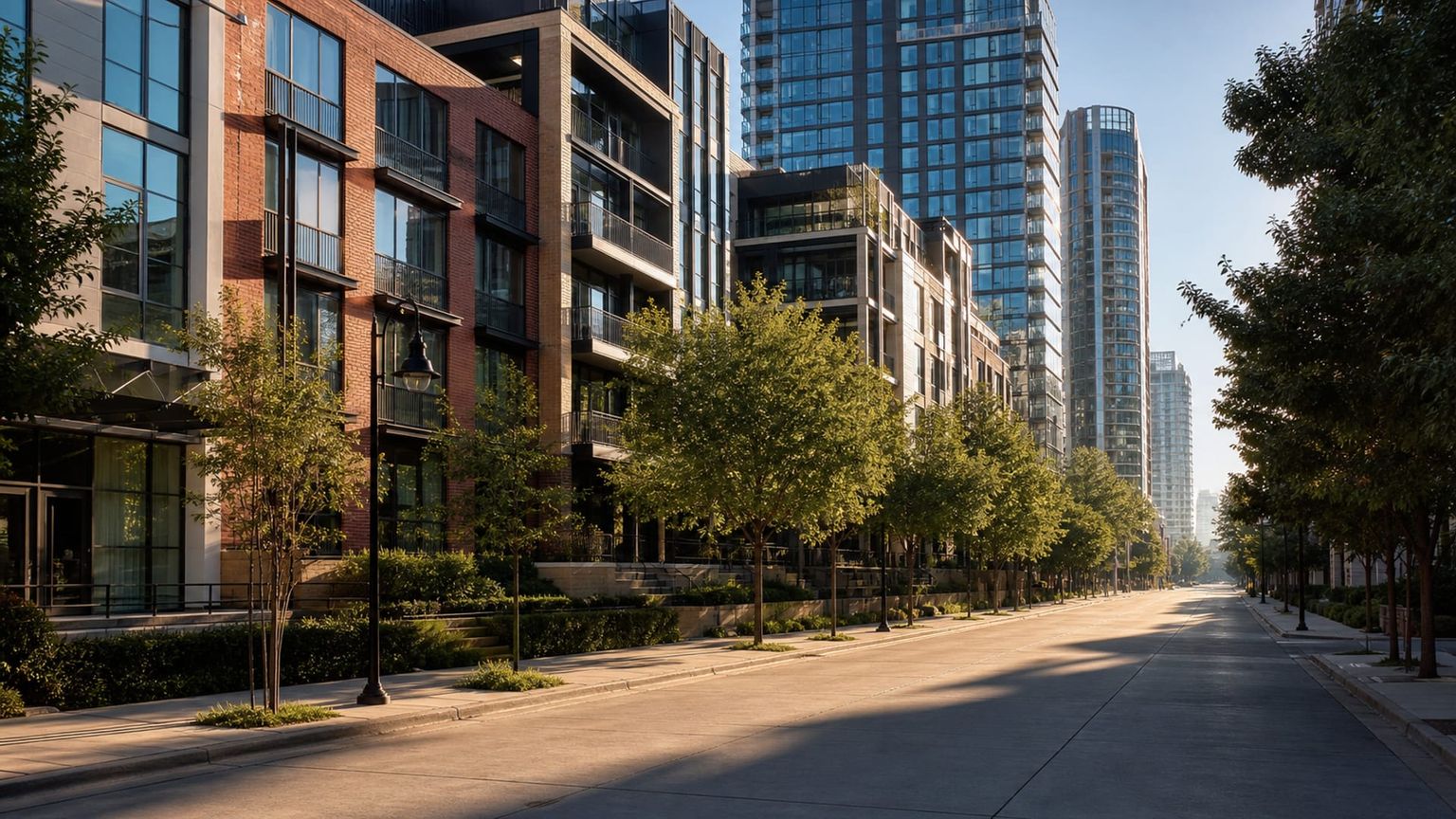
Uptown sits just north of downtown and mixes high-rise hotels, apartments, and restaurant corridors around McKinney Avenue. It works well for travelers who want walkable dining, light rail access, and a livelier evening scene without staying in the core.
Best for: Dining, nightlife, and travelers who want a walkable base near downtown
What to expect: Sidewalk traffic stays active into the evening, with bars, patios, and rideshares moving through the area.
Hotel prices: Usually about $190 to $360 per night for well-rated stays
Distance to major sights: About 10 minutes by transit to the Dallas Museum of Art, about 20 minutes on foot to Klyde Warren Park
Quietness: Active late on weekends, softer on weeknights but not silent.
Main trade-off: Rates rise on busy weekends, and the most interesting blocks can bring more late-night noise than downtown hotel districts.
Good to know: You can leave a car parked for much of the trip, but plan for surge pricing if you head out after dinner.
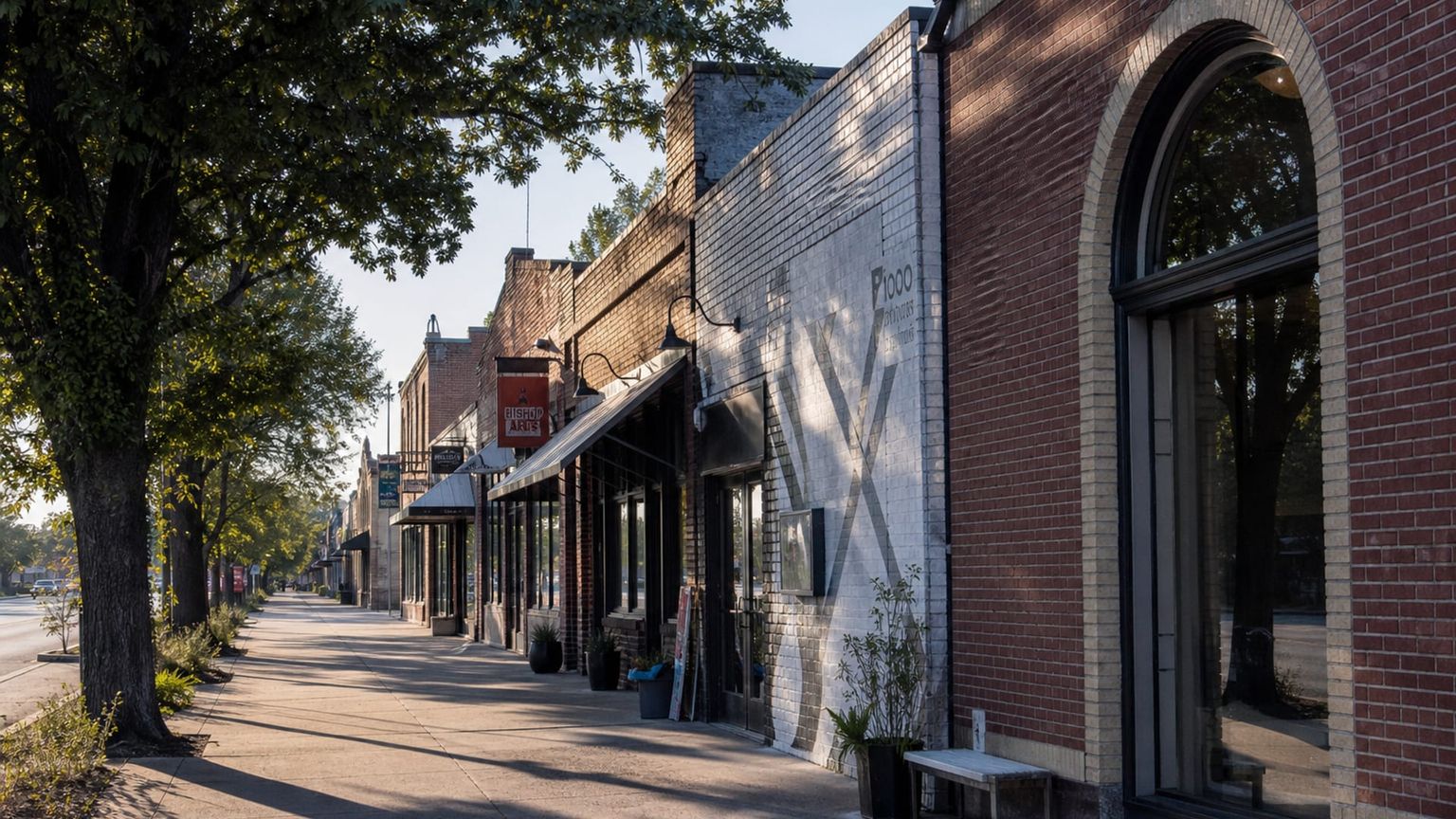
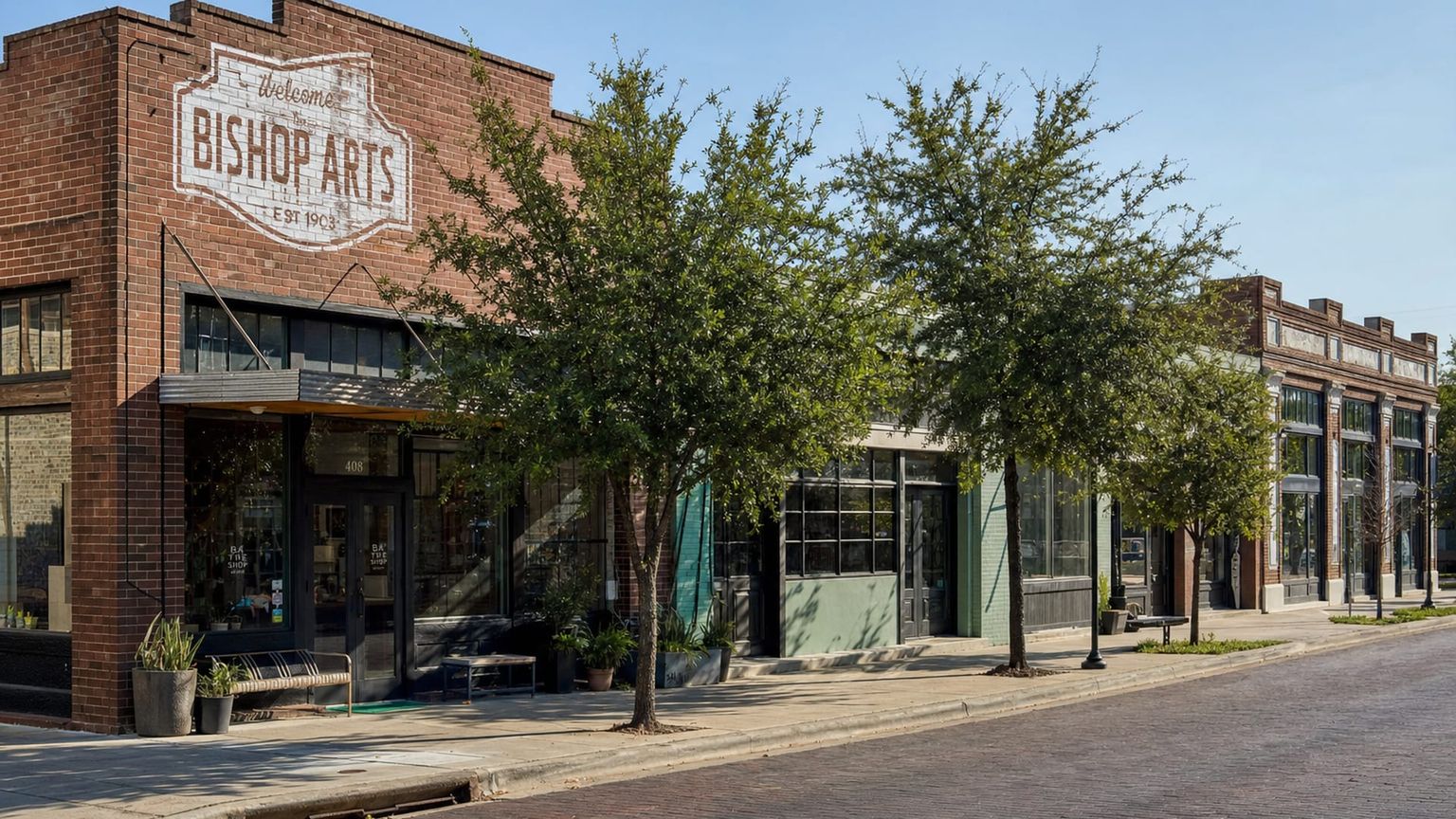
Bishop Arts is a compact neighborhood in Oak Cliff known for independent restaurants, galleries, and small shops. It gives you a more local base with easy access to the Colorado-style creative energy of south Dallas and quick rides into the core.
Best for: Food-focused stays, independent shopping, and travelers who prefer neighborhood character
What to expect: Low-rise streets, busy dinner tables, and a lot of foot traffic around the main blocks in the evening.
Hotel prices: Usually about $150 to $280 per night for well-rated stays
Distance to major sights: About 15 to 20 minutes by transit to downtown Dallas, about 10 minutes by transit to the Dallas Zoo
Quietness: Calmer in the morning, lively at dinner, and quieter again after the restaurants close.
Main trade-off: You will usually need rideshares or transit for major museums and downtown sightseeing, and room inventory is smaller.
Good to know: Book early if you want a stay here, because smaller hotels and boutique properties sell out faster than in the central districts.
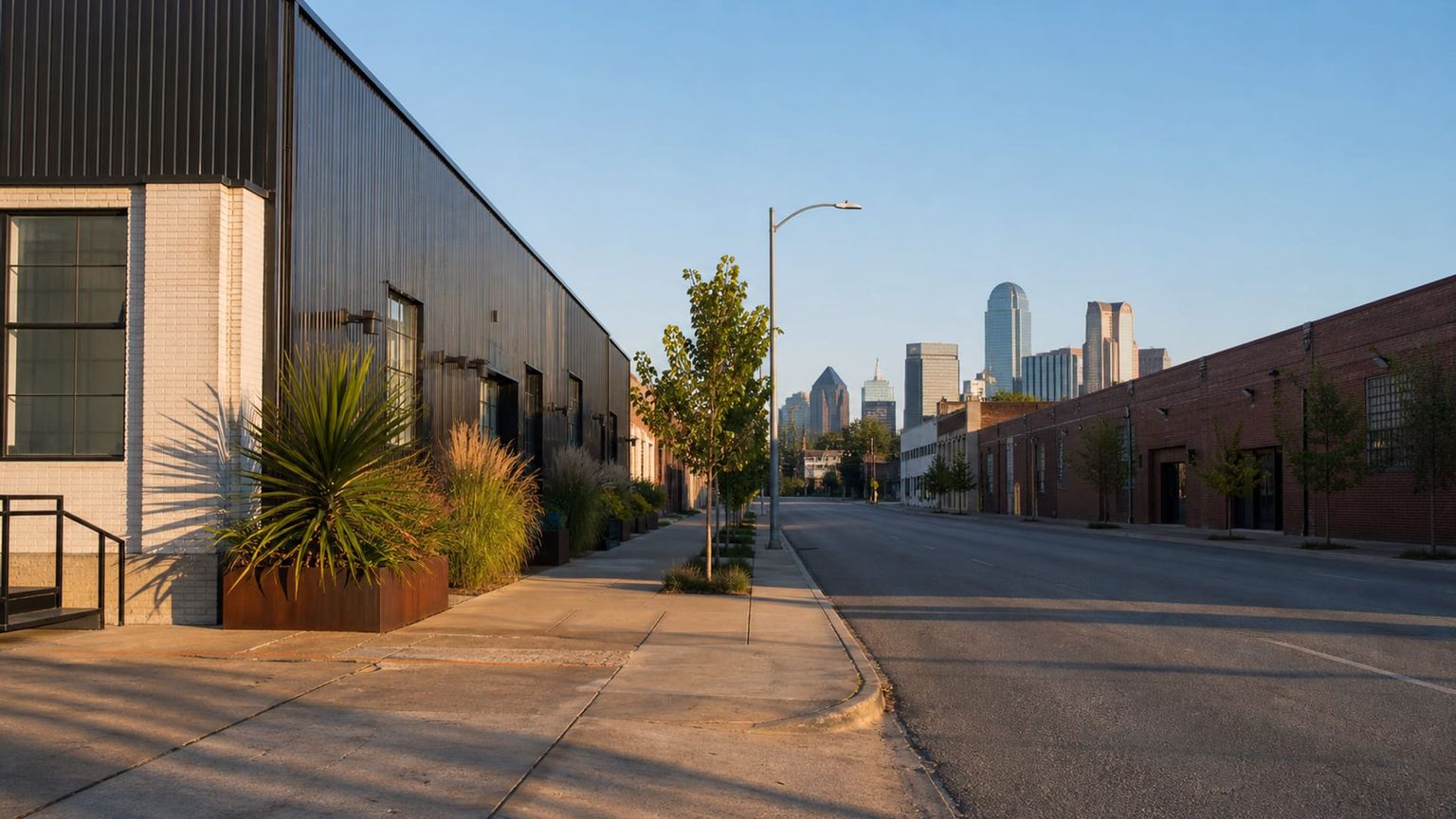
The Design District sits northwest of downtown along the Trinity River corridor and is known for galleries, showrooms, and warehouse conversions. It appeals to travelers who want a central base with quick access to downtown, the airport road network, and destination restaurants.
Best for: Design-minded travelers, short business stays, and access to downtown without a full downtown setting
What to expect: Industrial streets, occasional gallery traffic, and busy restaurant blocks at lunch and dinner.
Hotel prices: Usually about $170 to $310 per night for well-rated stays
Distance to major sights: About 10 minutes by car to downtown Dallas, about 15 minutes by transit to the Dallas World Aquarium
Quietness: Quiet on many side streets by night, with pockets of activity around dining spots.
Main trade-off: The area is less walkable for everyday errands, so your stay may depend more on rideshare or a car.
Good to know: If your plans include both downtown and the airport area, this location cuts cross-city travel better than neighborhoods farther south.
Travelers usually avoid staying in Irving near the airport, because it sits far from downtown Dallas, Deep Ellum, and the Design District, and evening transit options are limited. Parts of Arlington, Grand Prairie, and far north Plano are also less convenient for visitors, since they are far from the main sights and depend on long car rides for dinner and nightlife.
Hotel deals
How to get around Dallas efficiently
Dallas depends on short car rides, with DART rail, buses, rideshares, and taxis filling different gaps across the city and the airport.

Metro
for longer distances
Dallas has no subway or metro network at DFW; the closest rail option is DART commuter service on the Trinity Railway Express and DART light rail after a transfer downtown. From the airport, you can take the DART Orange Line from Terminal A to downtown Dallas in roughly 50 to 60 minutes, with 90-minute passes at $3 ($3) and day passes at $6 ($6).

Bus and tram
for convenience
DART buses cover the airport area through Terminal Link and nearby connections, with local rides typically taking about 15 to 40 minutes depending on the destination and transfer. Use the GoPass app or contactless payment, and expect a 90-minute local fare of $3 ($3), with day passes at $6 ($6) for broader trips across the network.

Taxi
for convenience or late hours
Licensed taxis at Dallas, Fort Worth (DFW) use metered fares rather than flat airport rates for most trips, with a common airport-to-downtown Dallas total of about $45 to $65, traffic permitting. You can queue at the marked taxi stands outside each terminal, and most cabs accept cards, though it is worth confirming before departure.
*Prices are based on rates updated as of July 2026 and may change at the time of travel.
Use DART for cheaper airport and downtown links, rideshares for point-to-point moves across neighborhoods, and taxis when you want a metered ride from the airport stand.
Iconic landmarks
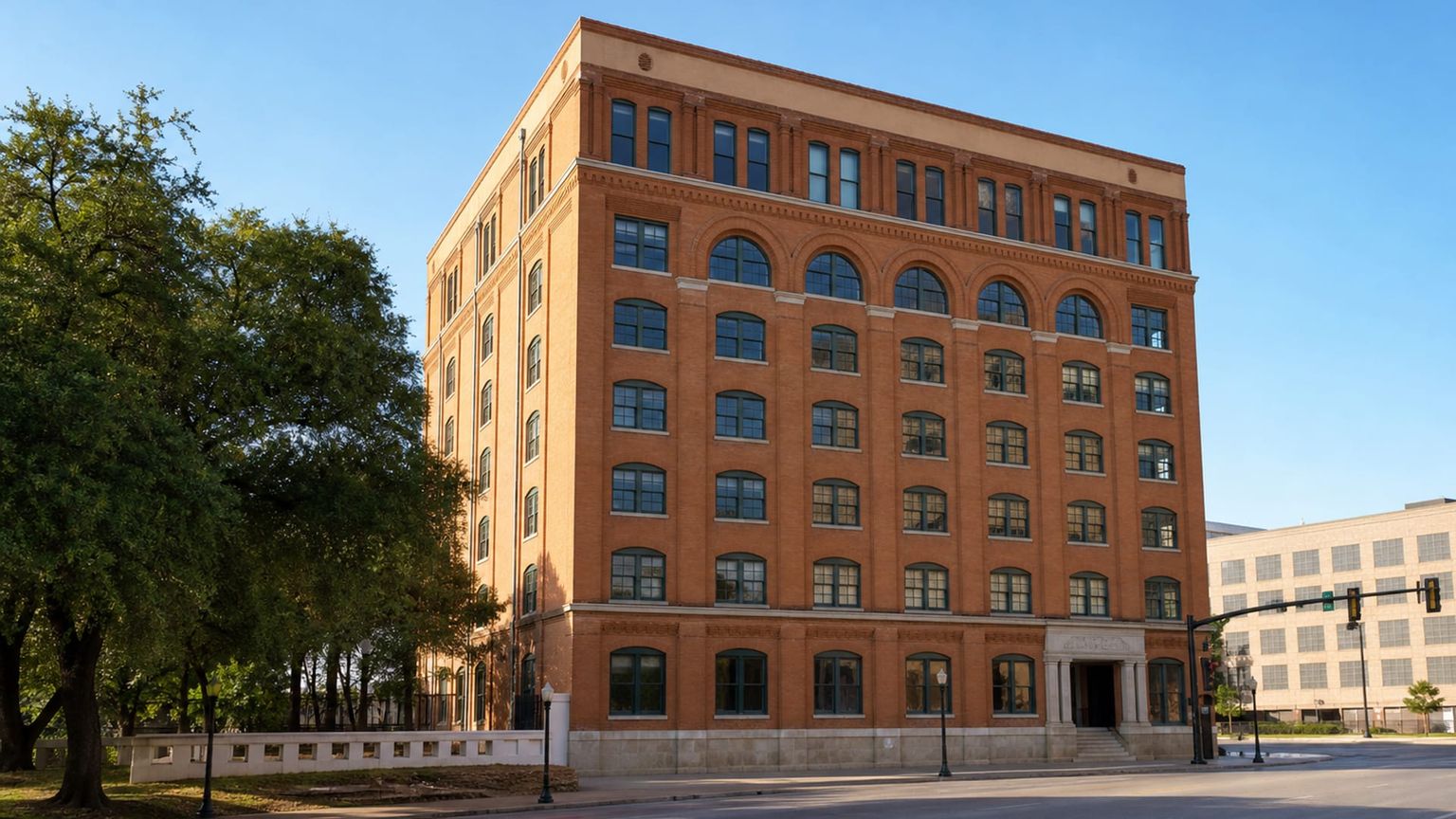
The Sixth Floor Museum at Dealey Plaza
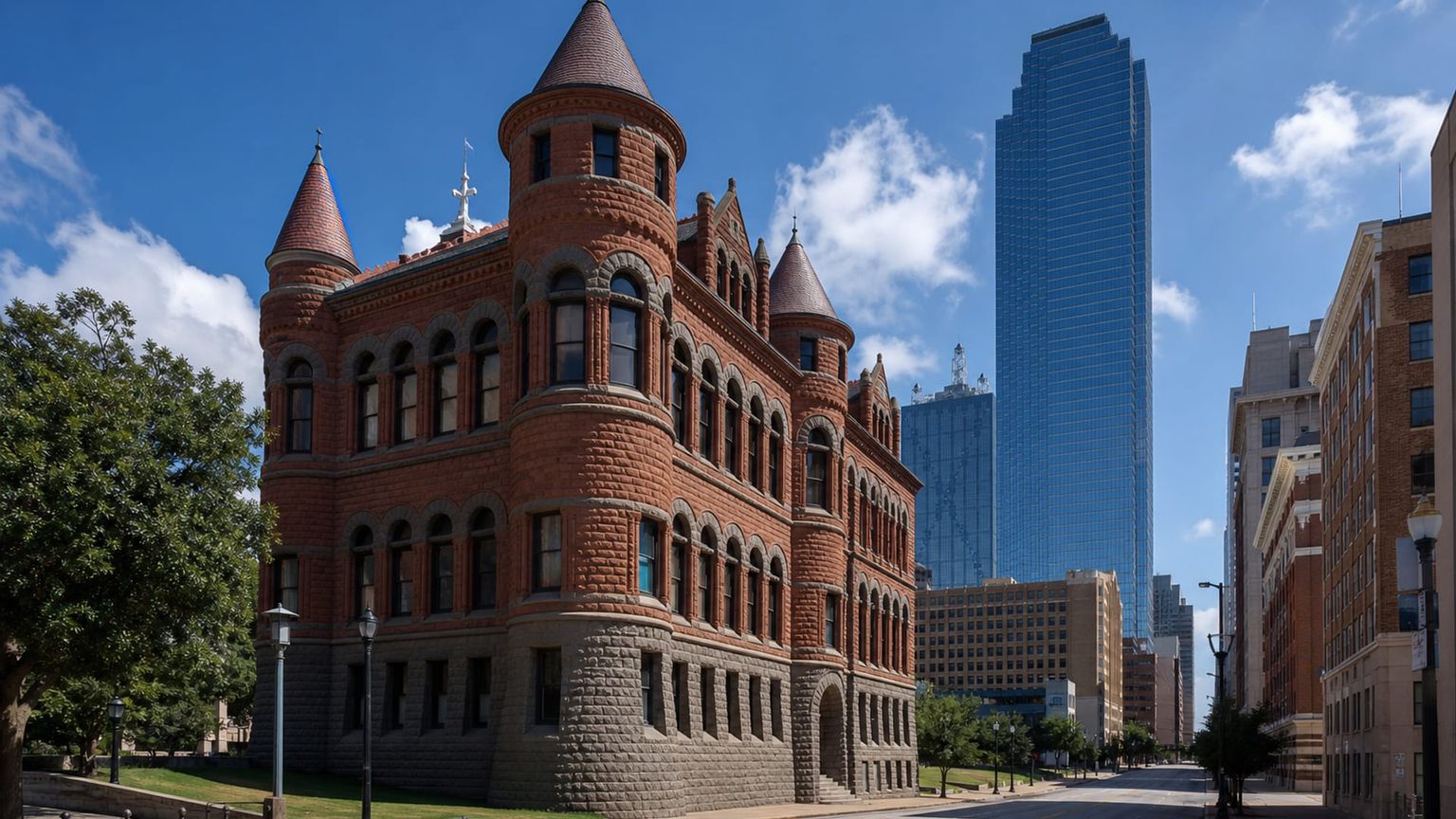
This museum occupies the former Texas School Book Depository, where exhibits trace John F. Kennedy’s life, the 1963 assassination, and its aftermath. It sits in Dealey Plaza, a National Historic Landmark District in downtown Dallas.
Time needed: About 2 hours
Entry: Standard admission costs $18.50 ($18.50). Discounts are available for children, seniors, and military visitors. Visit the official site for details.
Tip: Arrive early to avoid crowding, then pair the museum with a walk through Dealey Plaza.
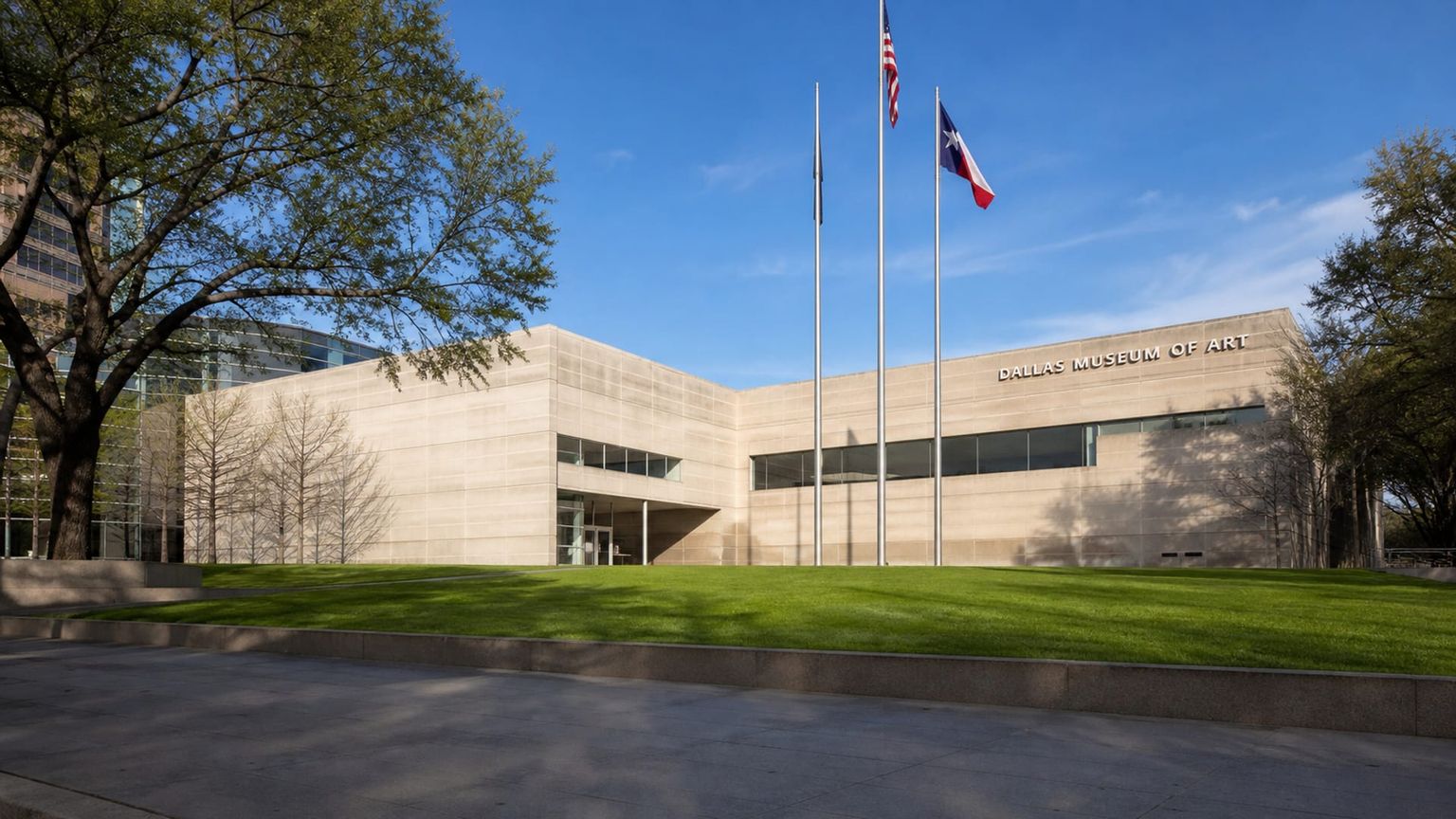
Dallas Museum of Art
The Dallas Museum of Art holds more than 24,000 works spanning ancient Mediterranean pieces, European painting, African art, and modern American collections. Its downtown Arts District location makes it easy to combine with nearby cultural stops.
Time needed: About 2 to 3 hours
Entry: Free to access; special exhibitions may require separate paid tickets, with prices set by the museum. Visit the official site for details.
Tip: Go on a weekday morning for quieter galleries and easier access to special exhibits.
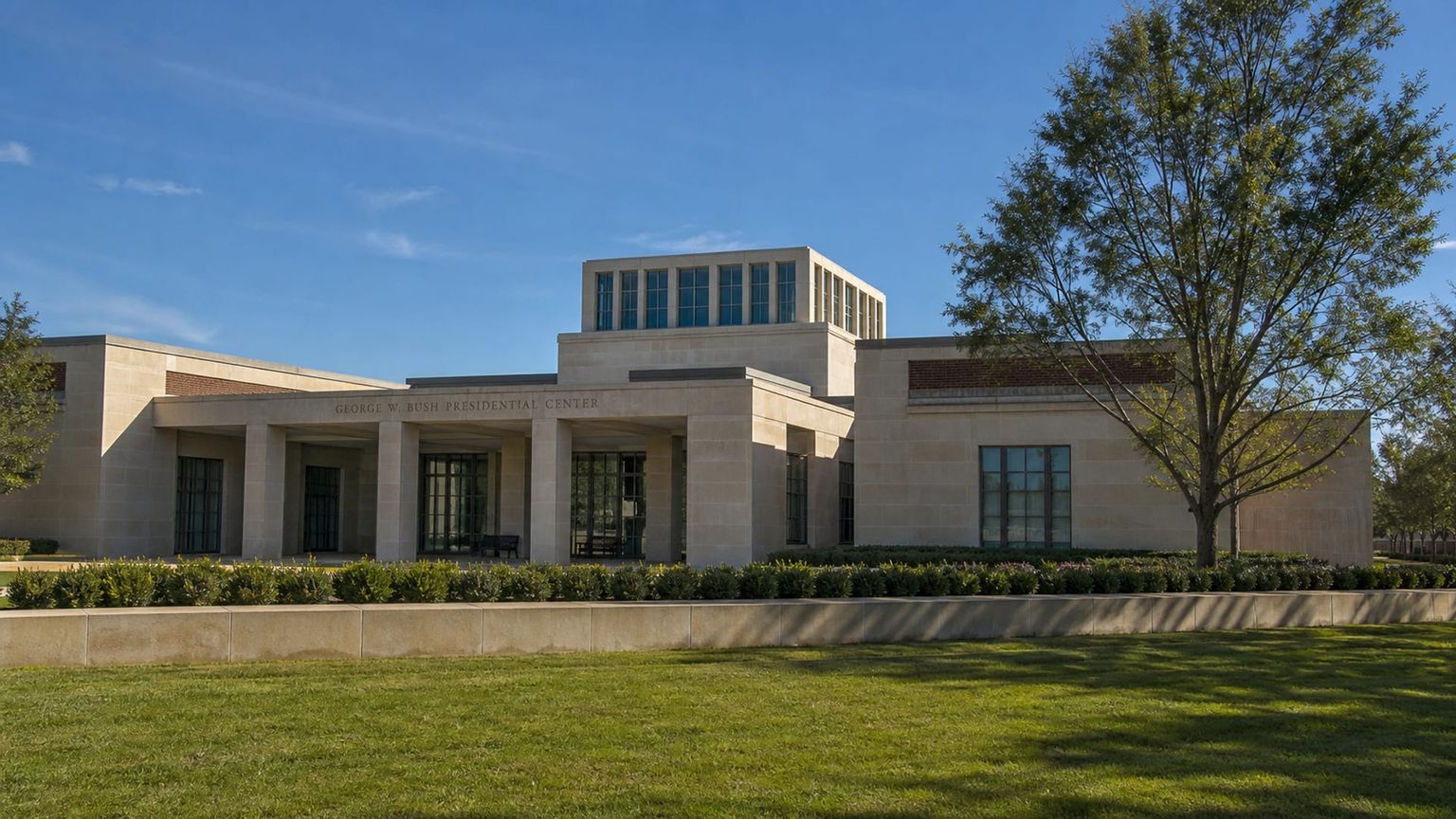
George W. Bush Presidential Center
The George W. Bush Presidential Center includes the George W. Bush Presidential Library and Museum, a replica Oval Office, and rotating exhibits on the early 2000s. It stands on the Southern Methodist University campus in University Park.
Time needed: About 2 hours
Entry: Timed admission costs $26 ($26) for adults, $20 ($20) for seniors, and $14 ($14) for children ages 5 to 17. Visit the official site for details.
Tip: Plan extra time for the museum café and the outdoor grounds on a mild day.
Overlooked sites worth visiting

Dallas Arboretum and Botanical Garden
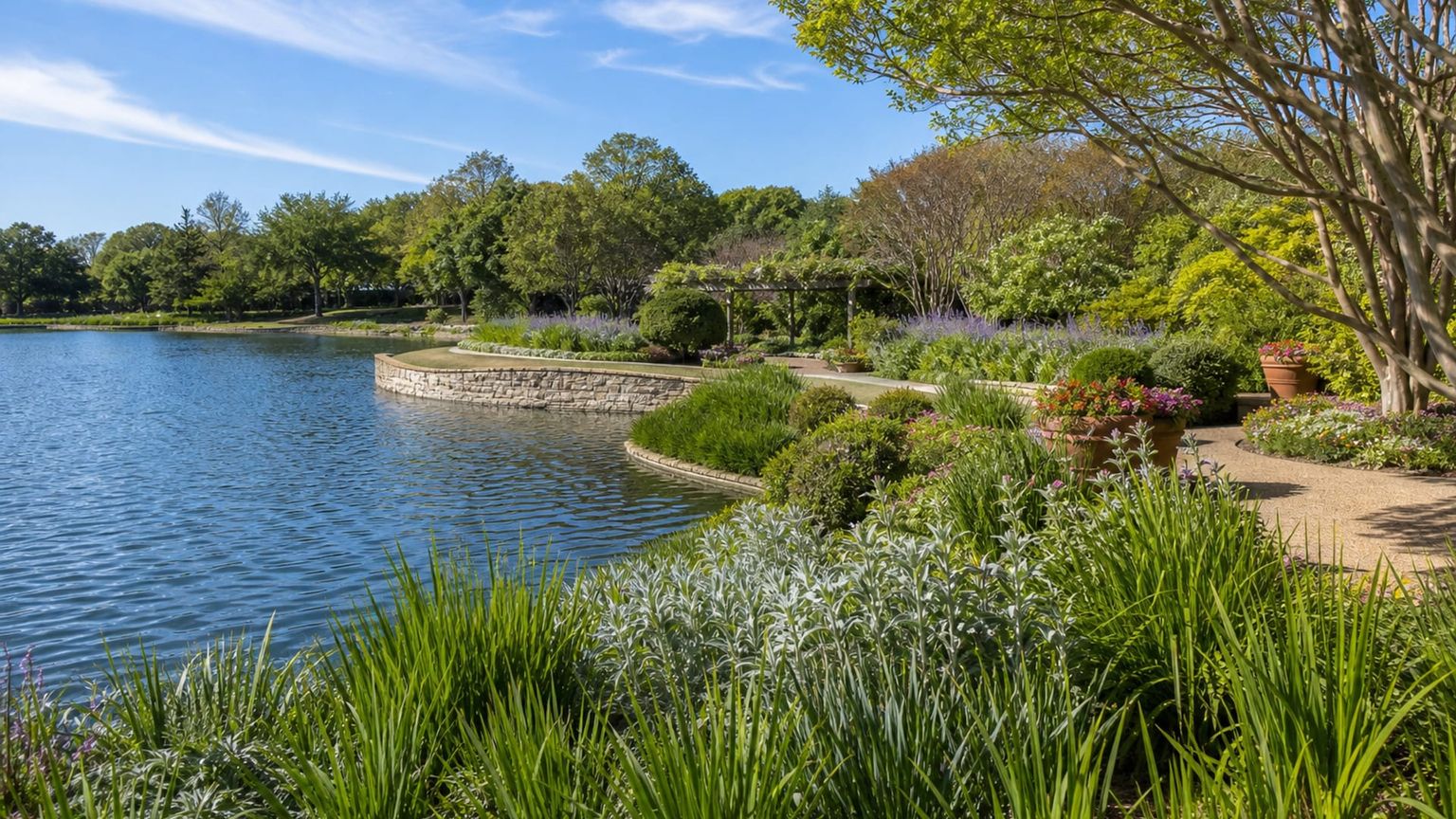
This 66-acre garden on White Rock Lake has seasonal beds, shaded paths, and a lakeside promenade. It draws fewer first-time visitors than the city’s headline museums, and spring blooms add the best color.
Time needed: About 2 to 3 hours
Entry: General admission typically costs $15 to $22 ($15 to $22), with lower prices on select weekdays and higher rates for peak seasonal events. Parking adds an extra fee, and special exhibits can carry separate tickets. Visit the official site for details.
Tip: Arrive at opening for cooler paths and softer lake light.

Dallas Heritage Village at Old City Park
This compact open-air museum preserves 19th-century houses, a chapel, and period storefronts in a walkable setting. It gives a clear look at early Dallas architecture without a long visit or a crowded circuit.
Time needed: About 1 to 2 hours
Entry: Admission usually costs $10 to $12 ($10 to $12) for adults, with reduced rates for children, seniors, and students. Some special programs, guided tours, and seasonal events price separately; check the calendar before you go. Visit the official site for details.
Tip: Go on a weekday morning for quieter paths and better photos.
Traditional food
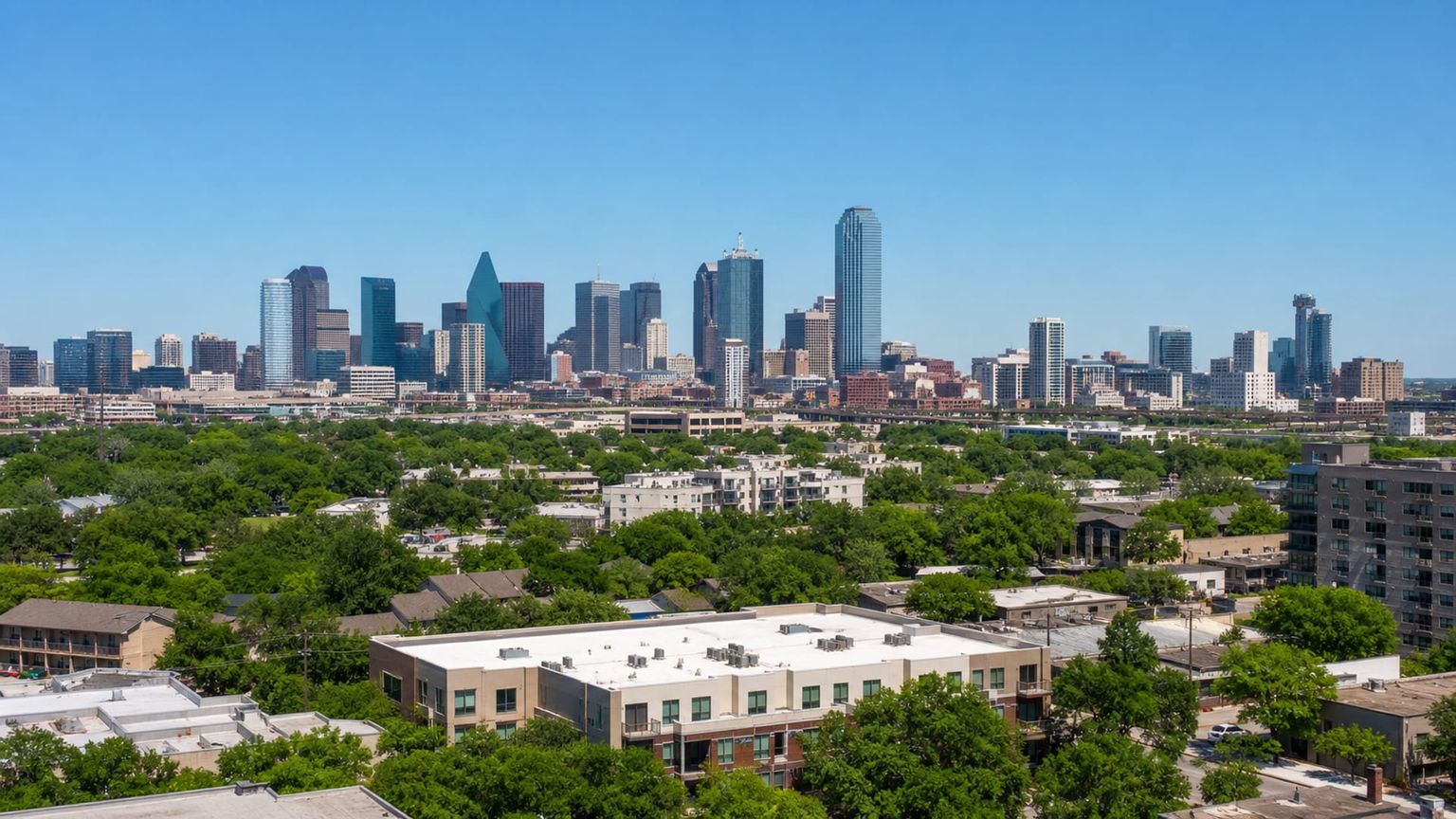
Dallas cooking leans on smoke, beef, eggs, and Tex-Mex heat, with barbecue brisket, chicken-fried steak, breakfast tacos, and chili anchoring most menus. Portions run generous, and many of the best meals come from casual counters and neighborhood spots.
Barbecue brisket
Slow-smoked brisket is the Dallas staple to order when you want a clear read on the city’s barbecue tradition. Pecan Lodge in Deep Ellum is a canonical stop for it, with a line that says as much as the menu.
Chicken-fried steak
This Texas classic pairs a breaded cutlet with cream gravy, usually alongside mashed potatoes or greens. Bubba’s Cooks Country is a Dallas favorite for it, especially if you want a diner-style version.
Breakfast tacos
Breakfast tacos in Dallas usually start with eggs, potatoes, bacon, or chorizo, folded into warm tortillas and eaten early. Velvet Taco serves a more modern take, while local taquerias cover the classic version.
Chili
Dallas chili tends to favor beef, spice, and a deep, slow-cooked base, often served without beans in the Texas style. The Original Mexican Eats Cafe is a long-running place to try a hearty bowl in the city.
Best time to visit Dallas
Dallas works in every season, but spring and autumn bring the most comfortable walking weather, while summer demands earlier starts and more indoor breaks.
Best for: Garden visits, patio lunches, and long walks in the Arts District
What you get: About 60 to 82°F (16 to 28°C), with moderate crowds and busy weekends during festival periods
Trade-offs: Pollen and sudden storms can interrupt outdoor time
Best for: Museum days, evening dining, and pool time between air-conditioned stops
What you get: About 76 to 97°F (24 to 36°C), with lighter daytime crowds but strong heat and full indoor venues
Trade-offs: Afternoons can feel hot enough to change the order of the day
Best for: Neighborhood exploring, state fairs, and outdoor meals
What you get: About 58 to 84°F (14 to 29°C), with comfortable conditions and fuller hotel demand on event weekends
Trade-offs: Popular dates can book up quickly
Best for: Museum circuits, hotel stays, and shorter sightseeing days
What you get: About 38 to 61°F (3 to 16°C), with lighter crowds and occasional cold snaps
Trade-offs: Wind and rain can make open-air plans less appealing
A realistic 5-day plan in Dallas
The five-day plan follows Dallas in the order that makes the most sense on the ground. It starts downtown, moves through the Arts District and White Rock Lake, then shifts south to Bishop Arts before ending with a lighter final day near your departure.
Fly into Dallas (DFW), then take a rideshare or airport shuttle into Downtown Dallas or Uptown, usually about 20 to 35 minutes depending on traffic and about $35 to $65 for a rideshare, sometimes more at peak arrival times. If you land at Dallas Love Field (DAL), the same trip usually takes about 15 to 25 minutes and costs about $20 to $40. Check into a hotel near Main Street, McKinney Avenue, or the Arts District, drink water, and keep dinner simple with a light meal in Downtown Dallas or Uptown before an early night.
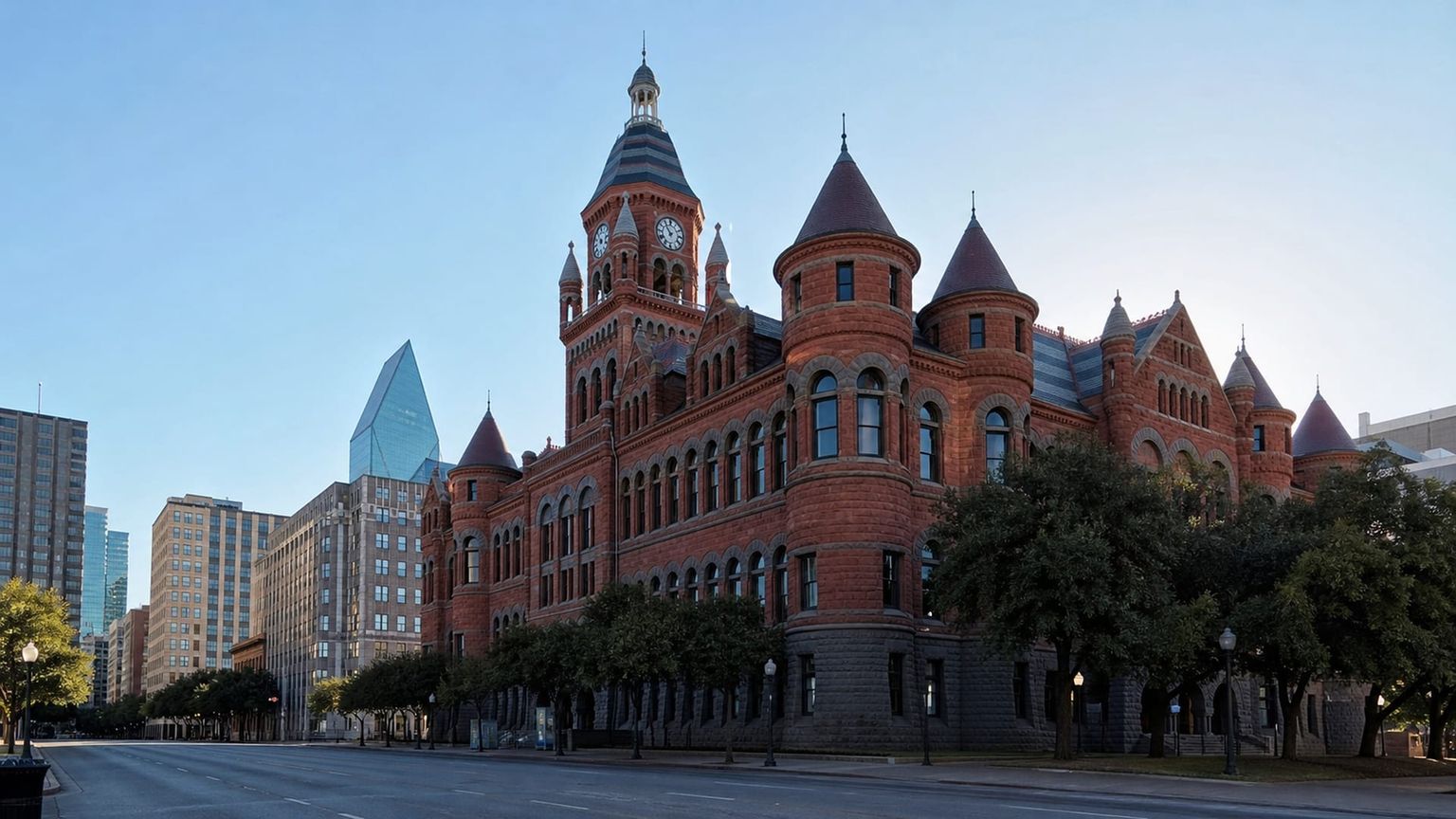
Start in the Dallas Museum of Art, where free general admission makes it easy to linger for about 2 to 3 hours, then walk about 10 minutes to the nearby Klyde Warren Park area for a lunch break. From there, head to The Sixth Floor Museum at Dealey Plaza, which takes about 10 to 15 minutes by transit from the Arts District or about 25 minutes on foot from the park, and plan about 2 hours inside. Finish with a walk through Dealey Plaza itself before dinner in Downtown Dallas, keeping the evening close to your hotel.
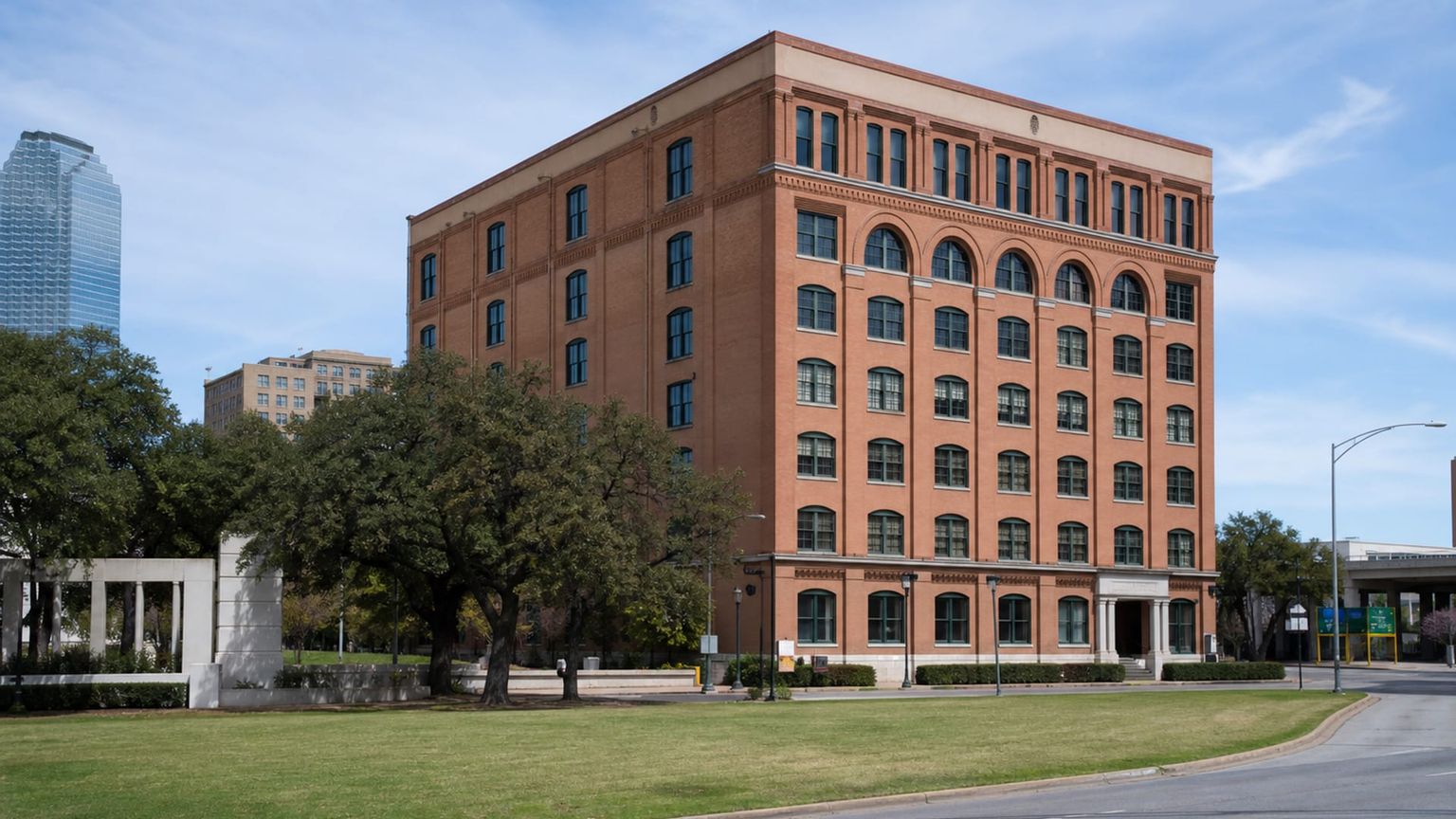
Begin at the George W. Bush Presidential Center on the Southern Methodist University campus, where timed entry and about 2 hours on site make for a focused morning. Afterward, take a rideshare or transit about 15 to 20 minutes to the Dallas Arboretum and Botanical Garden on White Rock Lake, and allow 2 to 3 hours for the gardens and lakeside promenade. Return to Uptown or Downtown Dallas for dinner, since both areas keep evening options within a short ride.
The morning works well in Bishop Arts District, where you can browse independent shops and galleries, then stay for lunch on the main blocks before heading back toward the center. From Bishop Arts to Dallas Heritage Village at Old City Park, the trip takes about 10 to 15 minutes by rideshare or transit, and the museum itself needs about 1 to 2 hours. End the day with a late afternoon return to Downtown Dallas, where the shorter hop gives you time for an easy dinner without crossing the city again.
Set aside the last day for a final museum stop, an unhurried shopping run, and one last coffee break before you leave. If you have a morning flight, choose the Dallas Museum of Art for a short return visit, or, if your schedule runs later, spend a few hours in the Design District browsing showrooms and gallery spaces, then stop in Bishop Arts District for a café lunch. From either area, you can reach Dallas (DFW) by car in about 20 to 35 minutes, so a late morning check-out still leaves enough time for one more relaxed stop.
Business-class flights from the US to Dallas
For long-haul arrivals, Dallas usually fits into a one-stop pattern from both coasts, and the best price depends on whether you want the shortest total trip or the fewest connections. These two examples show how the airport’s major international partners shape the options.
From New York, American Airlines, Delta Air Lines, Qatar Airways, British Airways, Lufthansa, and United Airlines all appear in the mix. Nonstop travel takes about 3 to 4 hours, while one-stop itineraries often connect through DOH, LHR, FRA, MUC, CDG, or AMS; round-trip fares usually run from $1,000 to $3,000.
Los Angeles fares often begin lower if you accept a connection, and the common one-stop hubs are DOH, LHR, FRA, MUC, AMS, and CDG. Direct flights take about 3 to 4 hours, and round-trip business fares usually start at $900 and can reach $2,800.
Dallas feels different when you slow down
A good Dallas trip works district by district, with downtown museums, Uptown dinners, White Rock Lake mornings, and a Bishop Arts evening all linked by rideshare, DART, or a short taxi ride. That order keeps the city legible and leaves room for a final coffee in the Design District before you head out. If you want help building that kind of plan, the AranGrant experts can shape it around your dates and departure airport







