

Chapters:

Need help with your trip?
Our support team is available 24/7. Request a callback or call us directly at (833) 619-0908
Many visits to Dali settle into the same loop, an old-town check-in, a quick temple stop, then a lake outing squeezed between arrivals and departures. That works well enough, but it often leaves the quieter edges, the best walking hours, and the easier meal times outside the plan.
The problem is distance, Dali spreads its sights between the historic core, Erhai Lake, and the Cangshan side, so rushed transfers add time and fragment the day. Crowd timing matters too, because the stone lanes and the pagoda complex change sharply after late morning.
This guide arranges the city by pace and location, so each day has a clear focus, from lane walking to lake time to hill visits, with transit, meals, and departure logistics set in a tighter order.
Useful things to know

Main language(s): Chinese
你好 (nǐ hǎo) – Hello
请 (qǐng) – Please
谢谢 (xiè xie) – Thank you
你会说英语吗? (nǐ huì shuō yīng yǔ ma?) – Do you speak English?
多少钱? (duō shao qián?) – How much does it cost?

Currency: The local currency is the Chinese yuan (CNY, ¥).

Cash and cards: Cards and contactless are accepted in many hotels and larger shops; carry about CNY 200 to 500 ($28 to $70) in cash.

Tipping: Tipping is not customary; round up only for small bills or good extra help.

Traditional food: Crossing-the-Bridge Noodles, Dali raw milk cheese, Dali cured pork, Dali fish

Water and coffee costs: Water about CNY 3 ($0.40), bar espresso about CNY 25 ($3.50).

Taxis and ride apps: Didi works here; have your destination in Chinese if the driver does not use English.

Plug and voltage: Type A/C socket, 220V

Dining and shop opening hours: Breakfast is about 07:00-09:00, lunch 12:00-14:00, and dinner 18:00-20:30. Some restaurants close between lunch and dinner.

Emergency number: 110 police, 120 ambulance, 119 fire.
Where to stay in Dali
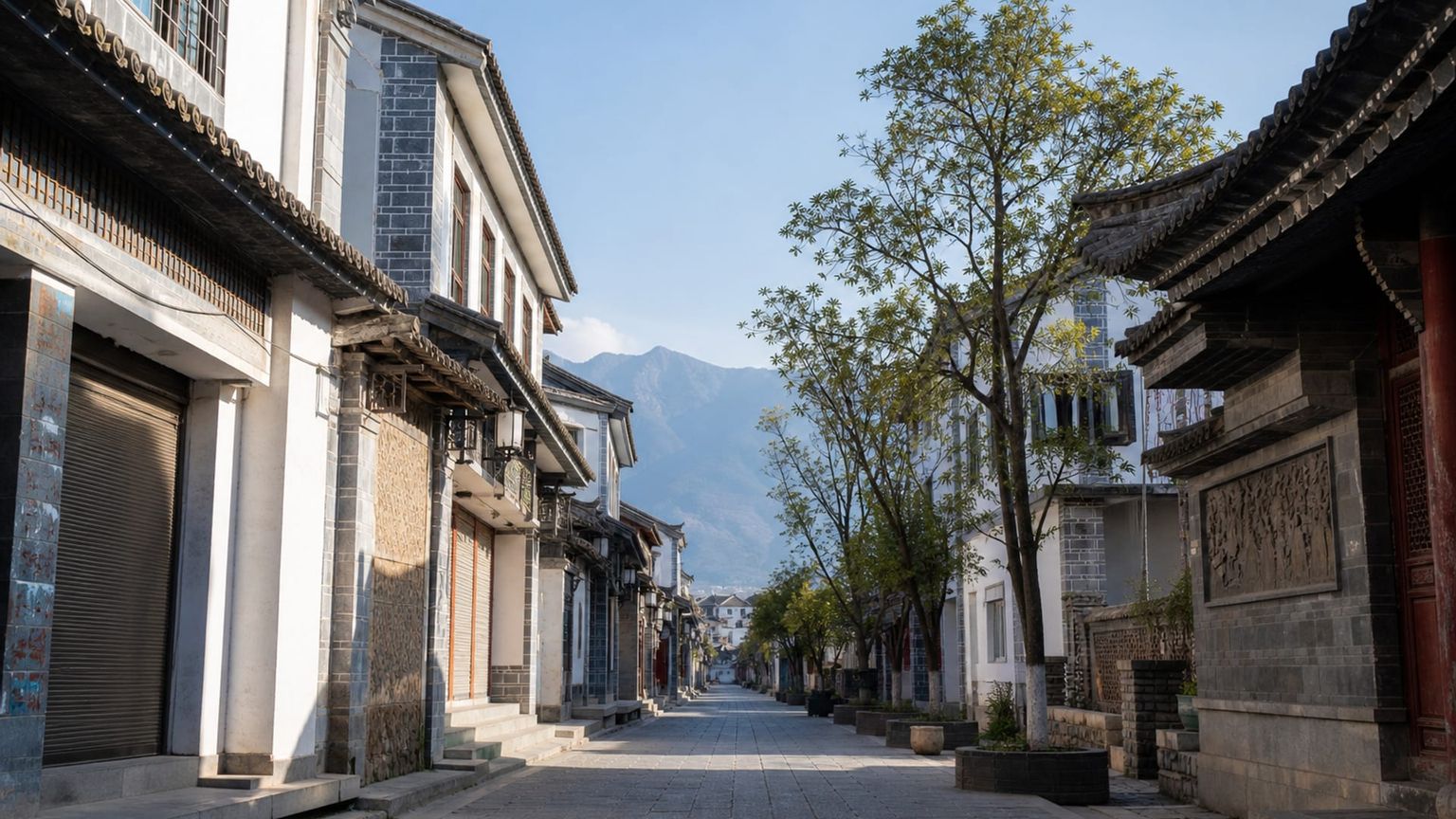
The old walled town sits at the foot of the Cang Mountains and serves as Dali’s main visitor base, with Bai-style lanes, courtyards, cafes, and guesthouses. Stay here for easy access to historic streets, temple visits, and evening walks without needing a long ride back.
Best for: First-time visits, sightseeing, and travelers who want to explore on foot
What to expect: Busy pedestrian streets, tour groups by day, and a lighter but still lively dining scene at night.
Hotel prices: Usually about $40 to $140 per night for well-rated stays
Distance to major sights: 10 to 15 minutes on foot to South Gate and about 20 minutes by taxi to Three Pagodas Temple
Quietness: Lively in the daytime, with more settled streets after about 9:00 pm, though weekend nights stay active.
Main trade-off: Central rooms can be noisy, and the most atmospheric lanes often sit away from drop-off points, so luggage transfers may take a little longer.
Good to know: Choose a room near the outer lanes if you want easier taxi access, since the narrowest streets can be difficult for cars.
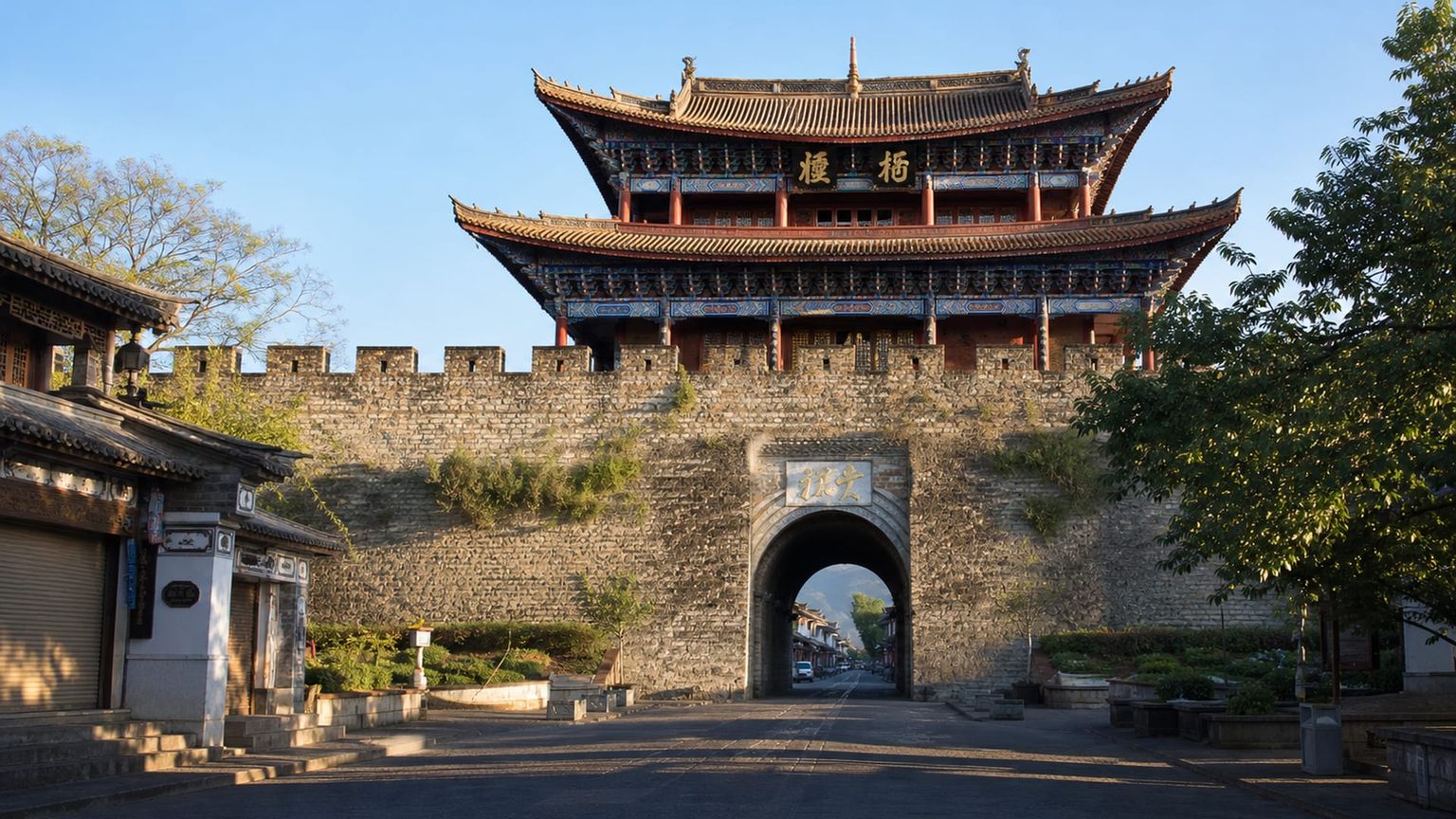
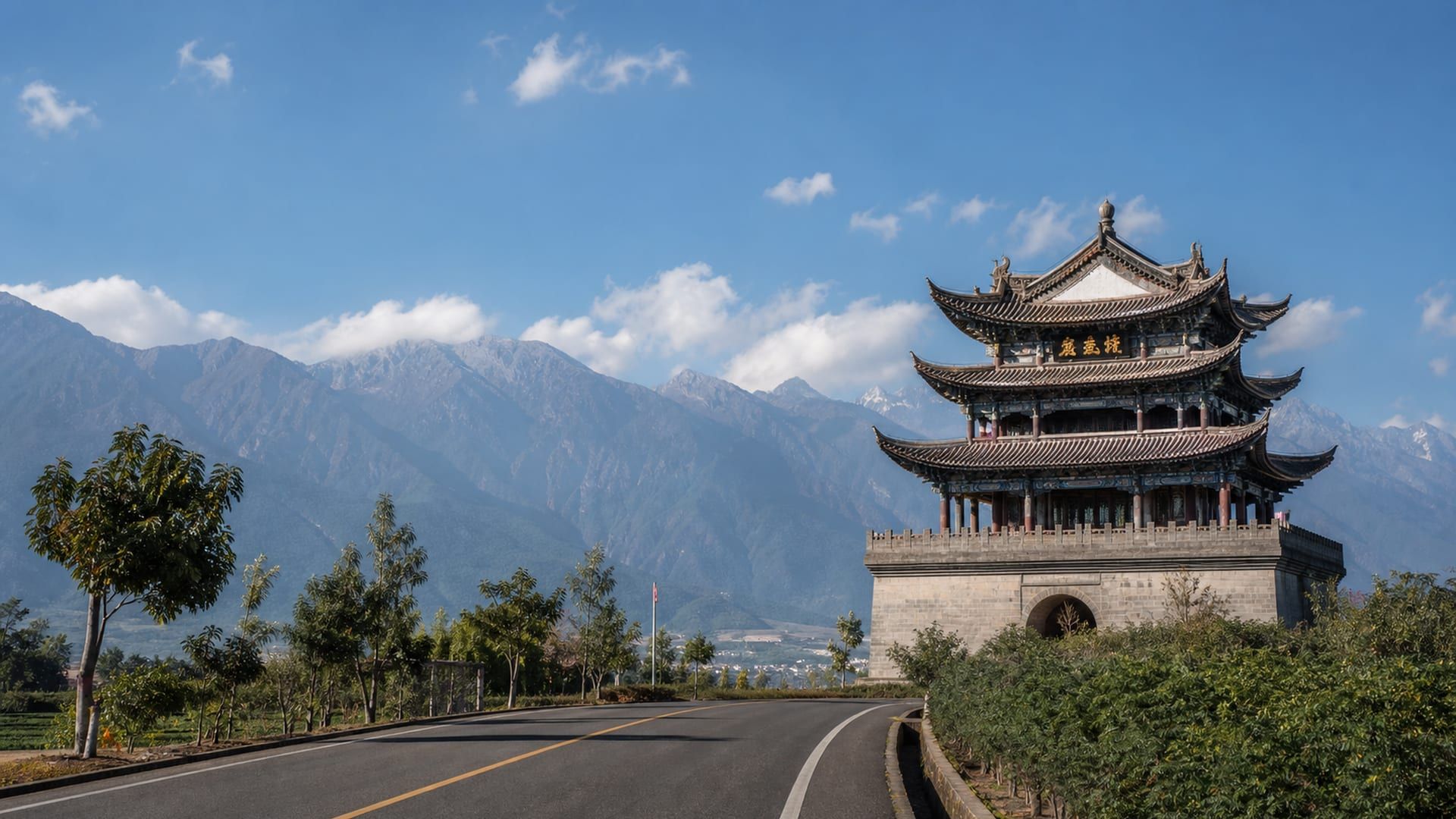
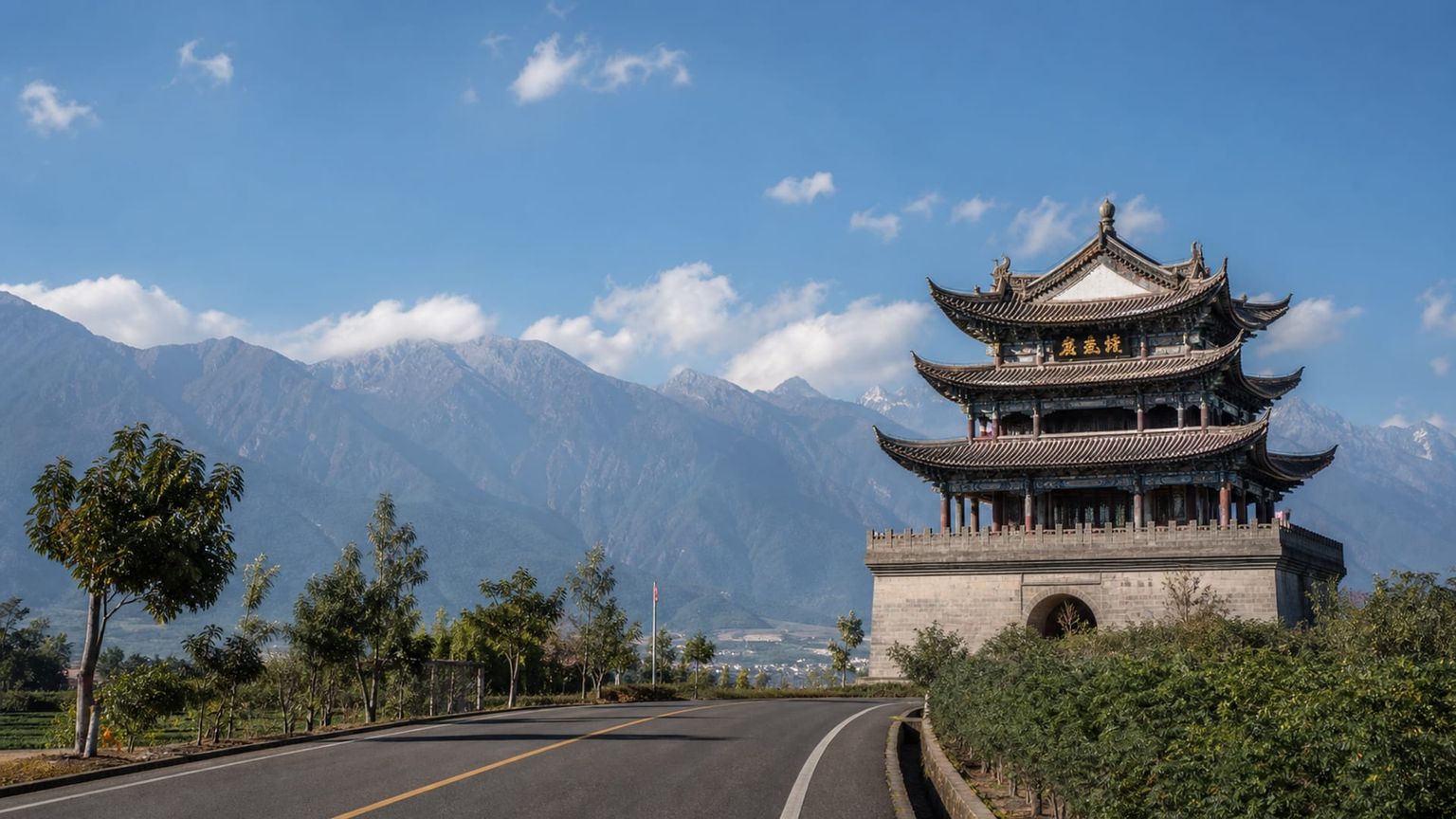
Erhai Gate sits on the eastern edge of Dali Ancient Town, close to the road toward Erhai Lake and the old town’s main entrances. It works well for visitors who want quicker vehicle access, a slightly calmer base, and short walks into the historic core.
Best for: Travelers with luggage, short stays, and visitors planning lake outings
What to expect: Quieter side streets, moderate foot traffic, and a thinner late-night scene than the center of the old town.
Hotel prices: Usually about $35 to $120 per night for well-rated stays
Distance to major sights: About 10 minutes on foot to Dali Ancient Town South Gate and roughly 25 minutes by taxi to Erhai Lake scenic access points
Quietness: Calm in the morning and evening, with more movement around meal times and tour departures.
Main trade-off: You give up some of the old town’s late-night energy, and the most atmospheric lanes are a short walk farther in.
Good to know: If you plan early departures, this side of town makes taxi pickup easier than the narrowest streets inside the old core.
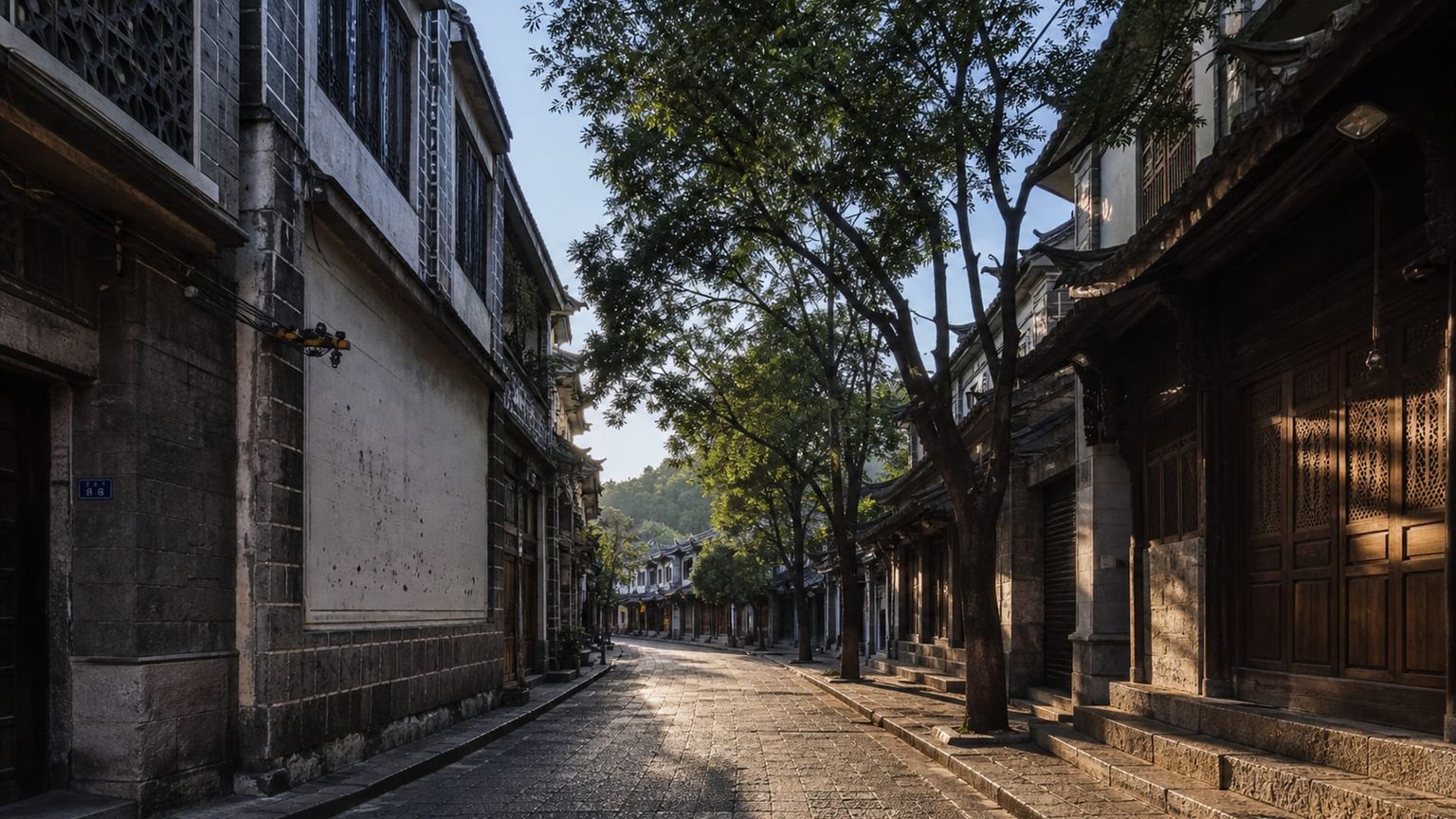
Xiaguan is Dali’s modern urban center, with bus links, larger hotels, shopping streets, and more local daily life than the historic districts. It suits travelers who want transport access and a fuller range of practical amenities, especially for arrivals, departures, or business-oriented stays.
Best for: Train and bus connections, practical overnight stays, and travelers who prefer modern hotels
What to expect: Busy roads, local shoppers, and a more everyday city atmosphere than the old town districts.
Hotel prices: Usually about $30 to $100 per night for well-rated stays
Distance to major sights: About 15 minutes by taxi to Dali Railway Station and roughly 35 to 45 minutes by taxi to Dali Ancient Town
Quietness: Noisy along the main roads by day, then noticeably calmer in residential blocks after business hours.
Main trade-off: You will spend more time reaching the old town and lakefront, and the area offers less of Dali’s historic character.
Good to know: Stay here if you value airport, rail, or bus links, because transfers from here are usually easier than from the lake or old town areas.
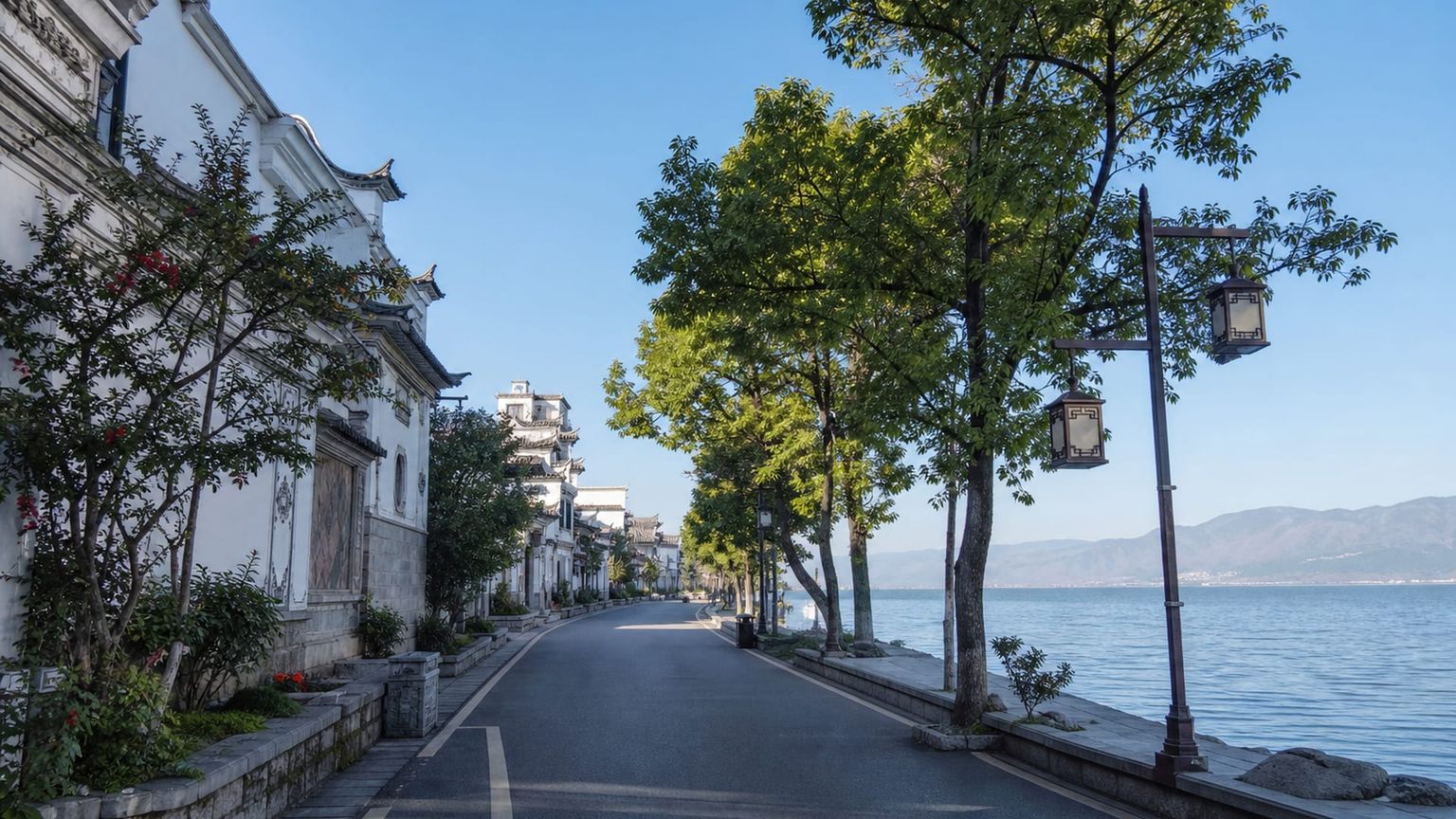
Binhai Road lines the western shore of Erhai Lake with newer resorts, lake-view hotels, and access to cycling and sunset walks. It is the best fit for travelers who want the water close by and do not mind staying outside the densest historic streets.
Best for: Lake views, cycling, resort stays, and slower-paced mornings
What to expect: Open views, resort traffic, and a thinner restaurant and nightlife scene than Dali Ancient Town.
Hotel prices: Usually about $60 to $220 per night for well-rated stays
Distance to major sights: About 20 to 30 minutes by taxi to Dali Ancient Town and 10 to 20 minutes by foot or bike to lake viewpoints
Quietness: Quiet in the morning and after dinner, with more activity near viewpoints and hotel entrances around sunset.
Main trade-off: You will rely on taxis or bikes for most meals and historic sights, and prices often run higher for lake-facing rooms.
Good to know: Book a lake-facing room only if the view matters to you, because inland rooms here do not offer the same payoff.
Travelers usually avoid staying in Xiaguan for a sightseeing stay, because it sits away from Dali Old Town, Erhai, and the main heritage sites, and late-night transit is more limited. The other less convenient areas are Dali New Town, where hotel stock is oriented to local business travel and you spend more time reaching the lake and old town, and Shuanglang waterfront edge, where prices are high and evening transport back to central Dali is limited.
Hotel deals
How to get around Dali efficiently
Dali has no metro, so getting between the old town, Erhai Lake, and Xiaguan depends on taxis, buses, shuttles, and rides through Didi.

Metro
for longer distances
Dali has no metro system, so there is no subway option for Dali (DLU); use airport shuttles, local buses, or taxis for the last leg into town.

Bus and tram
for convenience
Airport buses link Dali (DLU) with the main urban area and nearby transport hubs; fares are usually about $2 to $4 (CNY 15 to 30), with trip times of roughly 30 to 60 minutes depending on traffic and your final stop. Local buses cover the city and nearby towns, and most riders pay in cash or with a mobile payment app; ask the driver or station staff for the correct line before boarding because routes can change by district and season.

Taxi
for convenience or late hours
Licensed taxis at Dali (DLU) generally use metered fares rather than fixed airport pricing, with city trips often costing about $6 to $20 (CNY 40 to 140) and longer rides to resort areas or the old town costing more. Use the official taxi stand outside the terminal, avoid unlicensed drivers, and expect to pay by cash or mobile wallet; from the airport, the ride into central Dali usually takes about 30 to 45 minutes in normal traffic.
*Prices are based on rates updated as of June 2026 and may change at the time of travel.
Use taxis for airport and hill transfers, buses for budget links across town, and bikes or short rides for lake stretches and the narrow lanes near Dali Ancient Town.
Iconic landmarks
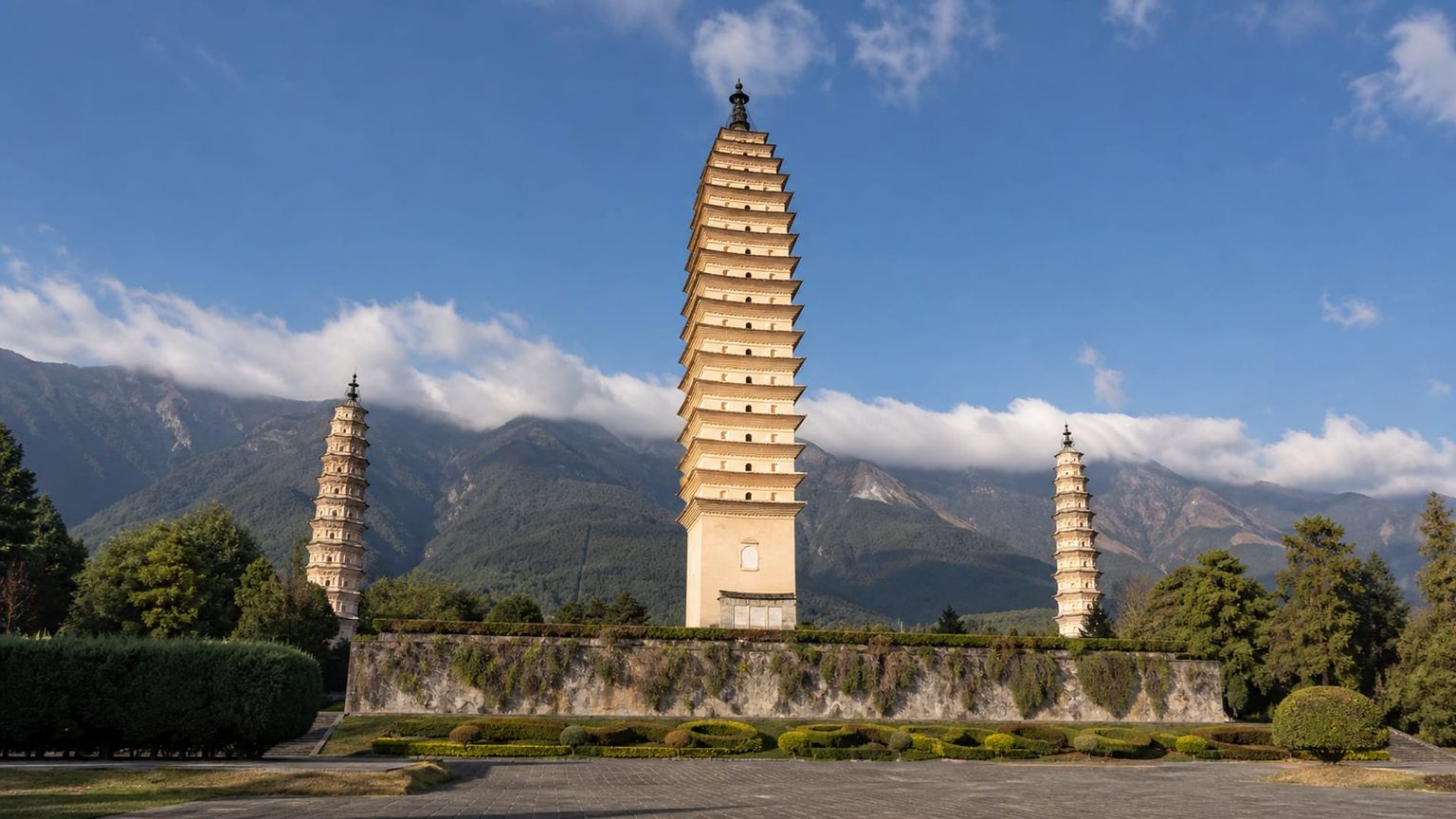
Three Pagodas of Chongsheng Temple
West of Erhai Lake, the Three Pagodas rise beside the rebuilt Chongsheng Temple complex. The main pagoda dates to the ninth century, and the three-tower group has become Dali’s best-known landmark.
Time needed: About 2 to 3 hours
Entry: Admission costs about $9 to $14 (¥65 to ¥100), with separate fees for temple areas and shuttle options. Visit the official site for details.
Tip: Go early for softer light and fewer tour groups around the pagodas and courtyards.
Dali Ancient City
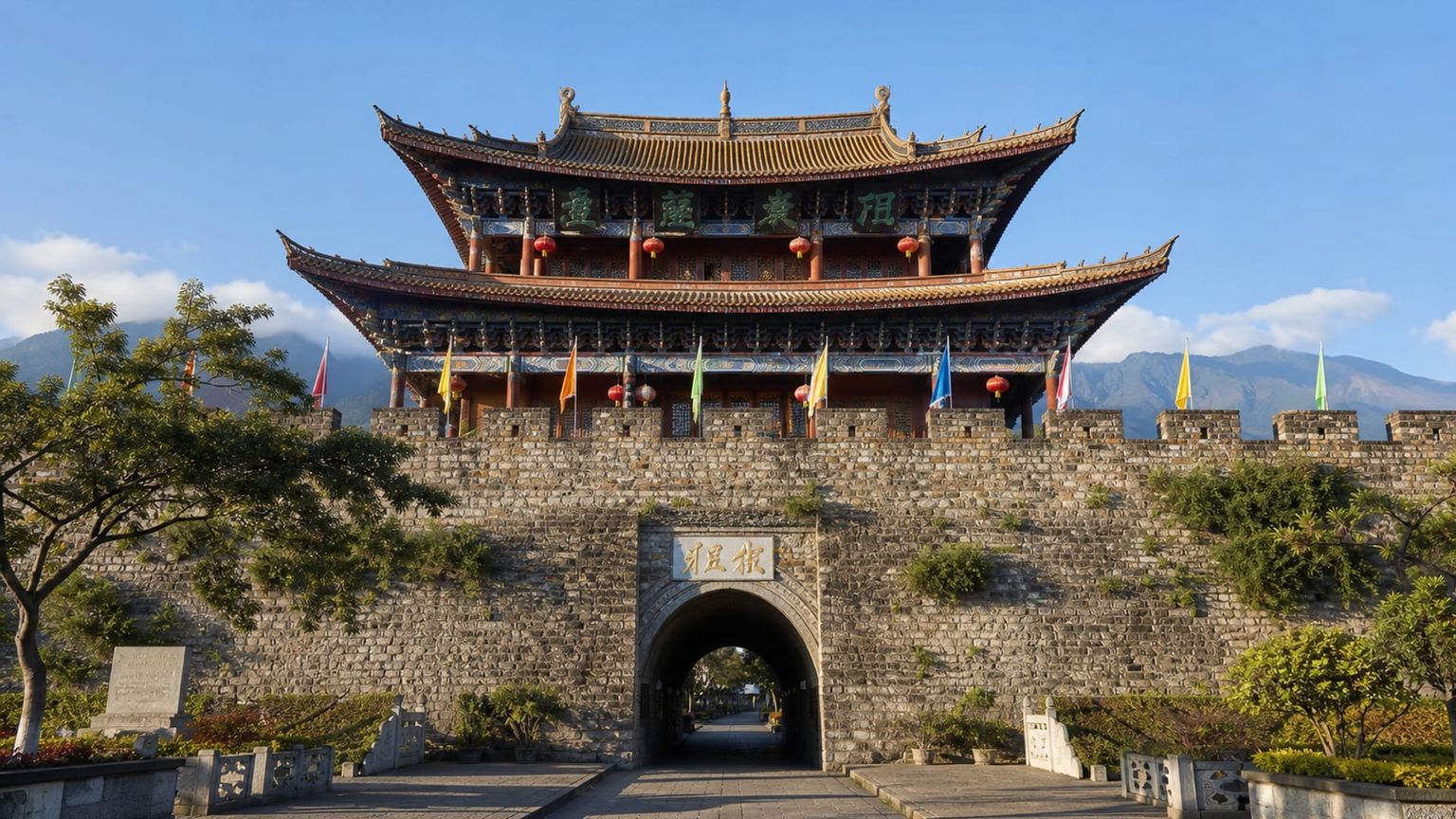
Inside the old city walls, Dali Ancient City keeps stone gates, market streets, and courtyard houses tied to the Bai trading center that grew here during the Nanzhao and Dali kingdoms.
Time needed: About 2 to 4 hours
Entry: Free to enter; some restored courtyards, museums, and gates may charge about $2 to $7 (¥15 to ¥50).
Tip: Visit in the morning to avoid the busiest lanes and midday heat on the stone streets.
Erhai Lake
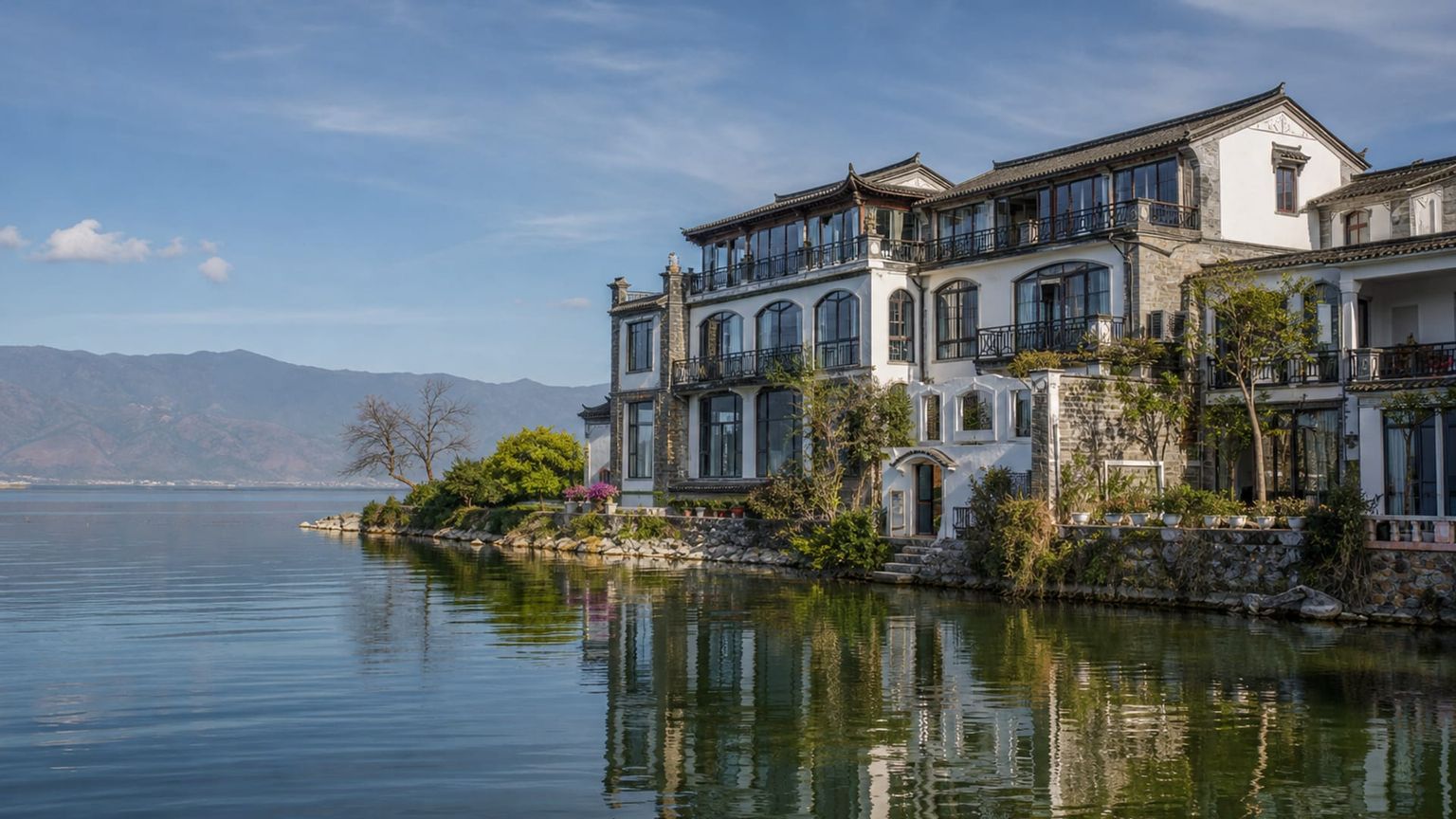
Erhai Lake stretches east of the city, with shoreline villages, cycling paths, and mountain views that define Dali’s setting. The lake edge works best for a half-day outing, especially near Xizhou and the western shore.
Time needed: About 3 to 5 hours
Entry: Free to access; boat rides, bike rentals, and lakeside parking cost about $3 to $29 (¥20 to ¥210).
Tip: Plan the lake for clear mornings, when Cangshan is more visible across the water.
Overlooked sites worth visiting

Dali Chongsheng Temple Three Pagodas
A compact Buddhist complex with three stone pagodas, a museum, and a pond that reflects the towers in calm weather. Visit for close-up architecture and a short history stop near Dali Old Town.
Time needed: About 1 hour
Entry: Admission costs about $10 to $12 (CNY 70 to 85), with possible separate fees for the park shuttle and small exhibits inside the complex; opening hours can change by season, so check the gate notice before you go.
Tip: Go early for softer light and fewer tour groups.

The Cangshan Grand View Garden
This hillside garden above the western slopes of Cangshan has winding paths, pavilions, and framed views of Erhai Lake. It suits a slower visit, with more attention on plants, terraces, and lookout points than on crowds.
Time needed: About 1 to 2 hours
Entry: Admission is about $6 to $9 (CNY 40 to 65), depending on the entrance and any internal shuttle use; some sections or seasonal displays may charge extra, and you may need cash or a local payment app at smaller ticket counters.
Tip: Wear shoes with grip, parts of the path are uneven.
Traditional food
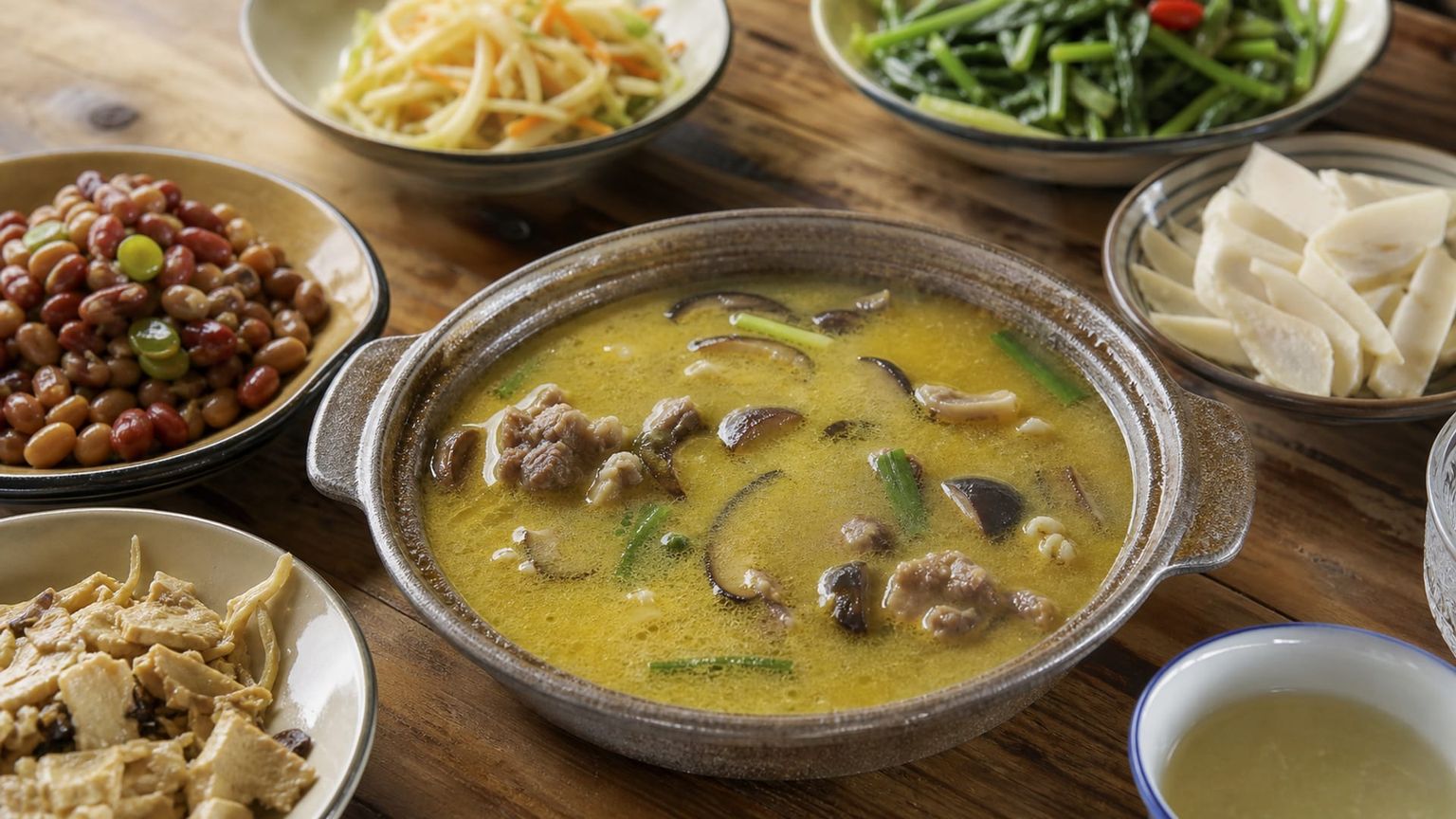
Dali cooking leans on mountain dairy, lake fish, cured pork, and hot noodle bowls, with Cross the Bridge Noodles anchoring the local table. Meals are often simple, regional, and timed around the midday break.
Crossing-the-Bridge Noodles
This Dali staple arrives as a bowl of broth, rice noodles, meat, and vegetables that you combine at the table. Yunnan Mafen is a strong canonical stop in Dali for a version that fits the city’s noodle tradition.
Dali raw milk cheese
Bai-style cheese appears grilled, pan-fried, or lightly sweetened, and it suits a quick snack or a simple dessert course. Dali Yan’s Kitchen is a good canonical pick for trying it in a modern setting.
Dali cured pork
Cured pork brings salt, smoke, and a deeper savory note to Dali home-style cooking, often paired with vegetables or rice. Tibetan Kitchen in Dali is a strong canonical restaurant for regional meat dishes with local overlap.
Dali fish
Fish from Erhai Lake usually comes grilled, braised, or cooked with herbs, and the clean lake flavor suits a late lunch after a shore visit. Dali Dadong Market area restaurants serve this dish well, and one dependable canonical choice is Dali Restaurant.
Best time to visit Dali
Dali changes most between spring and autumn, when clear skies suit the lake and mountain views, while summer brings more rain and winter delivers colder mornings but lighter crowds.
Best for: Best for mild weather, blossom views, and long walking days
What you get: About 52 to 72°F (11 to 22°C), with moderate crowds and clearer sightlines before summer travel peaks
Trade-offs: Wind can still pick up along Erhai Lake
Best for: Best for green hills and fuller lake scenery
What you get: About 63 to 81°F (17 to 27°C), with the heaviest crowds and the busiest hotel demand
Trade-offs: Afternoon rain can interrupt outdoor plans
Best for: Best for crisp air, mountain views, and steady sightseeing
What you get: About 54 to 76°F (12 to 24°C), with moderate crowds and some of the clearest weather of the year
Trade-offs: Evenings start to cool quickly
Best for: Best for quieter streets and lower seasonal pressure
What you get: About 37 to 61°F (3 to 16°C), with lighter crowds and colder mornings
Trade-offs: Lake outings need more layers and shorter stops
A realistic 5-day plan in Dali
A five-day stay in Dali works best when the days build from the old town outward. This plan starts with arrival and a light first evening, then pairs the historic core, the pagodas, the lake, and Cangshan so you are not crossing town more often than needed.
Land at Dali (DLU) and head by taxi to Dali Ancient Town or Erhai Gate, with the ride usually taking about 40 to 60 minutes and costing roughly $11 to $18 (¥80 to ¥130), depending on traffic and your exact hotel lane. Stay near the outer streets of Dali Ancient Town if you want an easier drop-off, or choose Erhai Gate if you prefer a calmer first night and a simpler pickup for tomorrow’s outings. After checking in, drink water, walk a short loop through the nearest pedestrian street, and keep dinner close to South Gate or the lanes just inside the old wall, where a bowl of crossing-the-bridge noodles or grilled skewers makes an easy first meal.
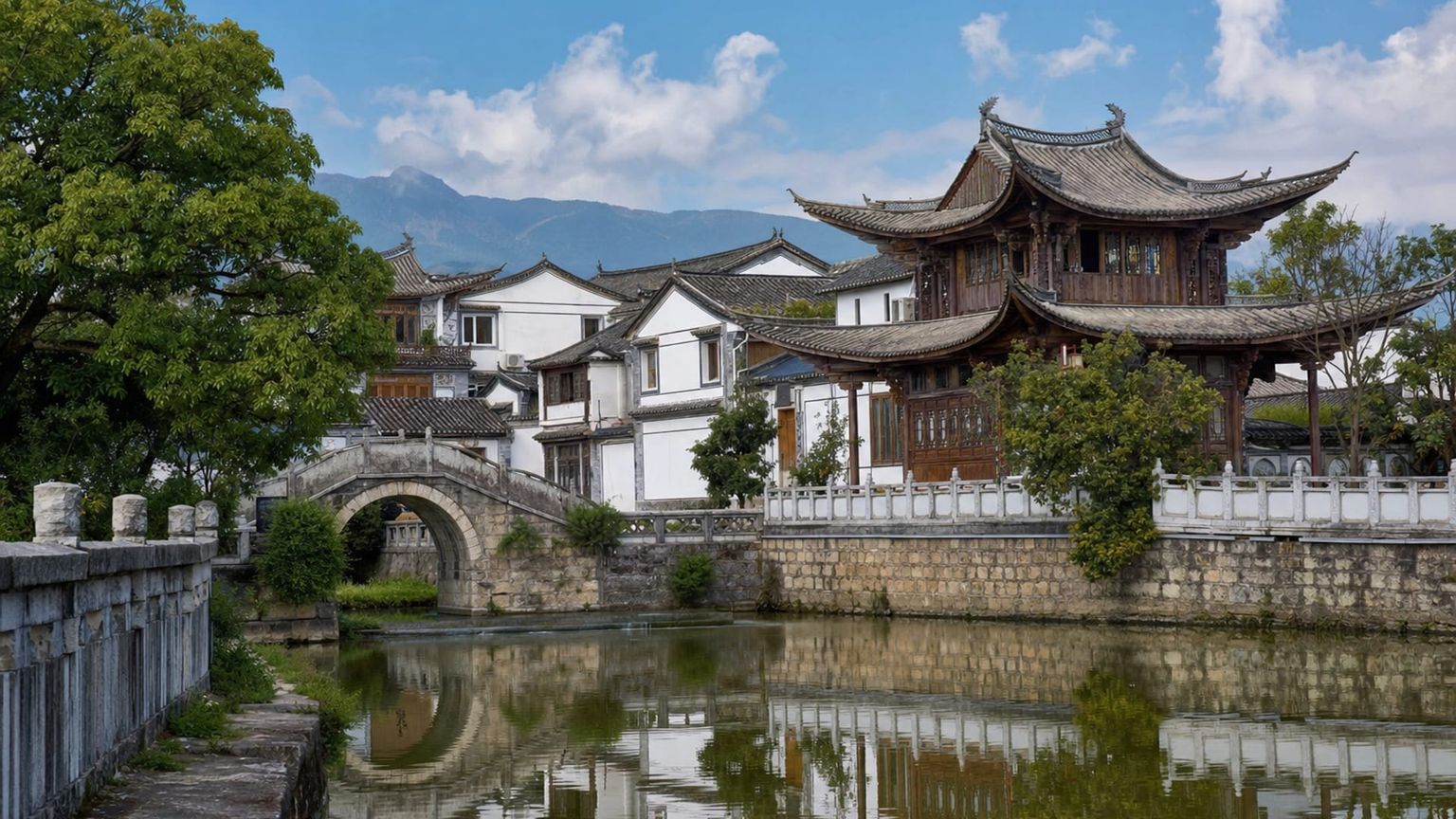
Start early in Dali Ancient City, because the stone lanes are quieter before midmorning and the restored courtyards are easier to visit before tour groups build up. From South Gate, walk about 10 minutes to the core market streets, then spend 2 to 4 hours moving through the gates, courtyard houses, and small museum stops, with the paid interiors adding roughly $2 to $7 (¥15 to ¥50) where you choose to enter. In the afternoon, continue by taxi about 15 to 20 minutes to the Dali Chongsheng Temple Three Pagodas, where admission runs about $10 to $12 (CNY 70 to 85), and stay about 1 hour for the compact temple complex, pond reflections, and close views of the towers. Return to the old town for dinner in the western lanes, where the evening scene is lighter than daytime but still active after 7:00 pm.
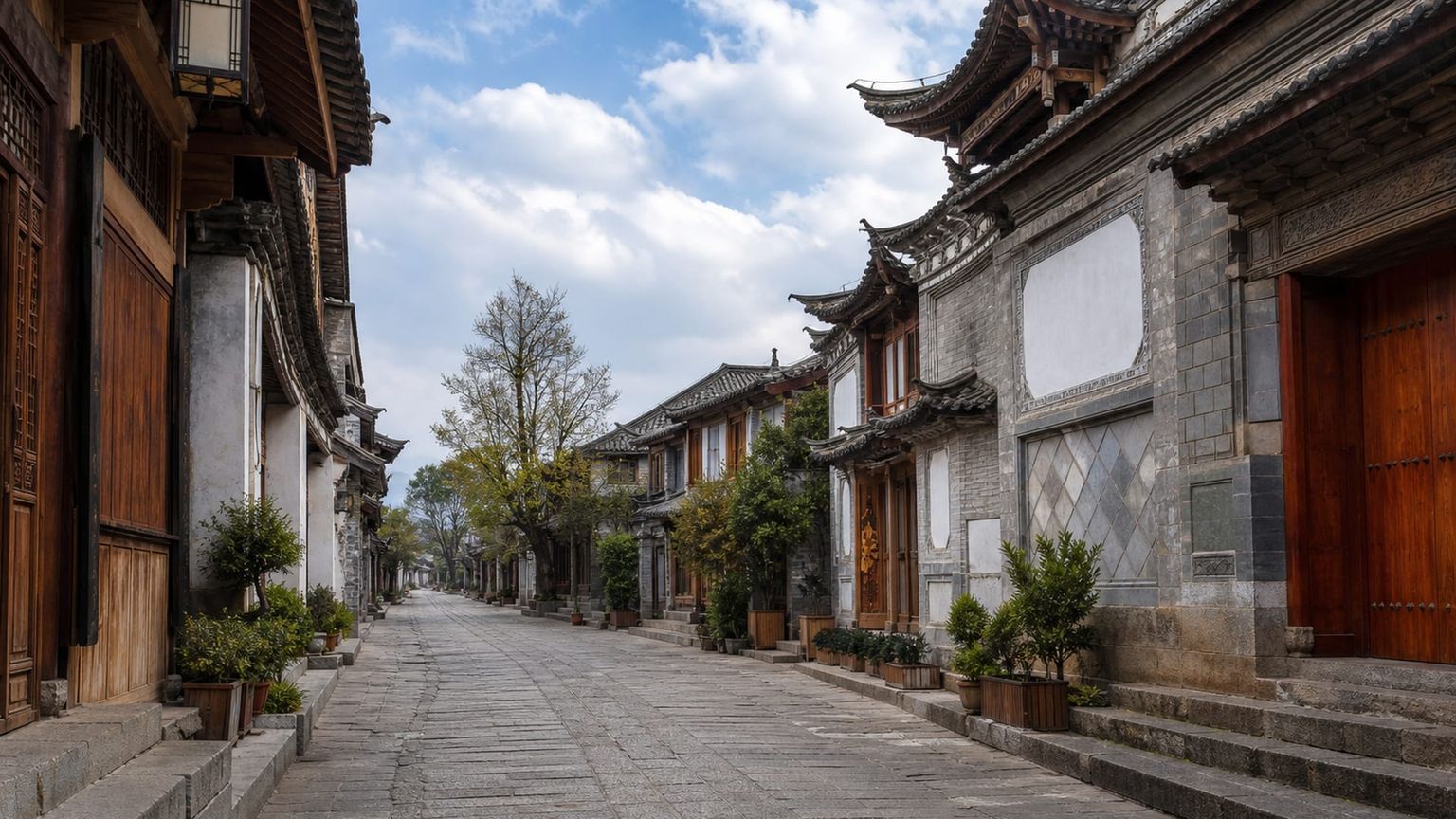
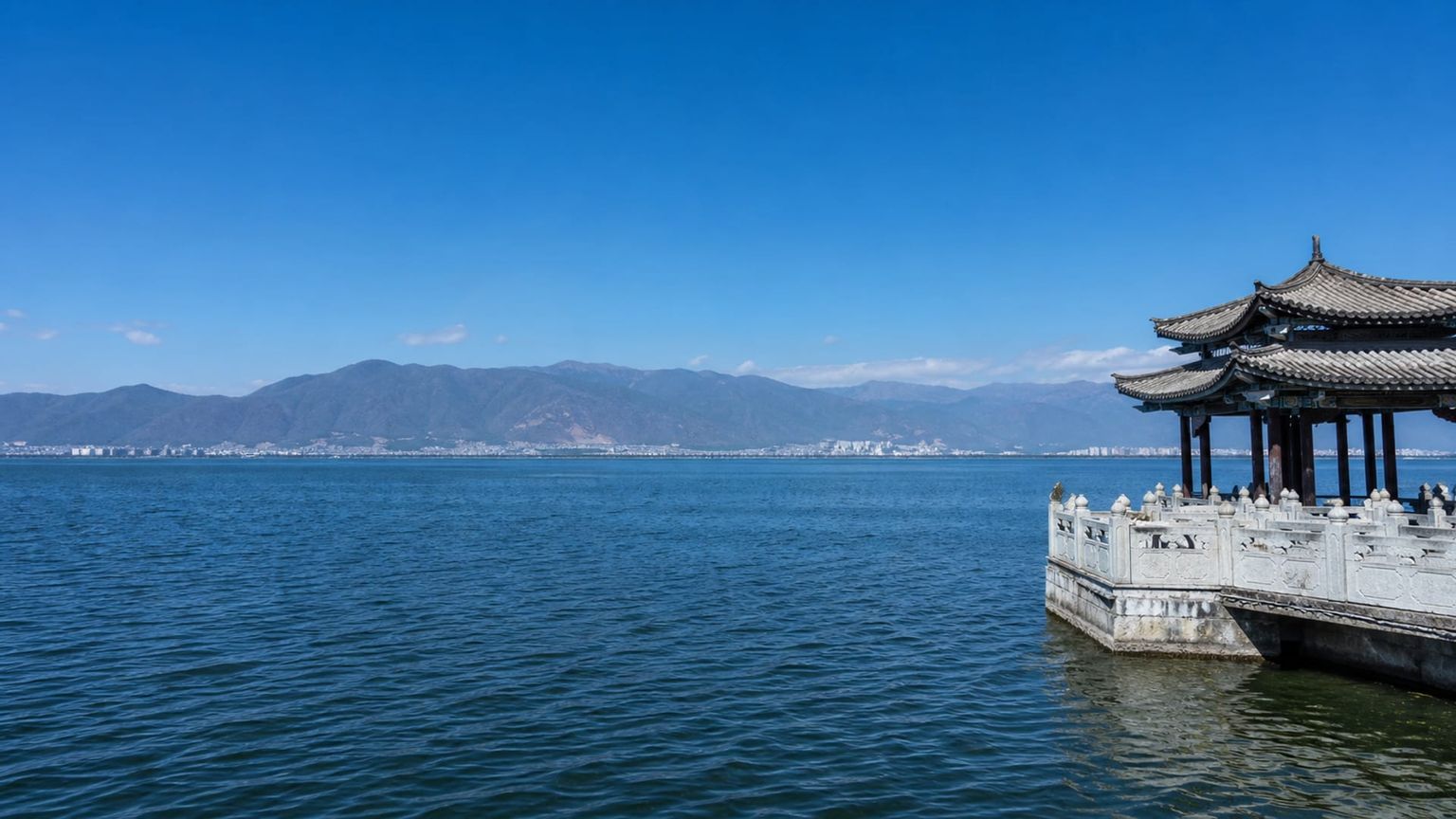
Begin with Erhai Lake on a clear morning, when Cangshan shows best across the water and the shoreline is easier to enjoy before the wind picks up. From Dali Ancient Town, plan on about 20 to 30 minutes by taxi to the lakefront, then rent a bike or arrange a short lakeside ride, with bike rentals and parking typically costing about $3 to $29 (¥20 to ¥210) depending on your plan. Spend 3 to 5 hours tracing part of the western shore, pausing for village views, open water, and a few photo stops, then return inland for a late lunch in the old town or at Erhai Gate. If you want an easier sunset, stay on Binhai Road and walk one more lakeside stretch before dinner, since the shoreline is quiet after dark and the hotel area has fewer late-night options than the historic core.
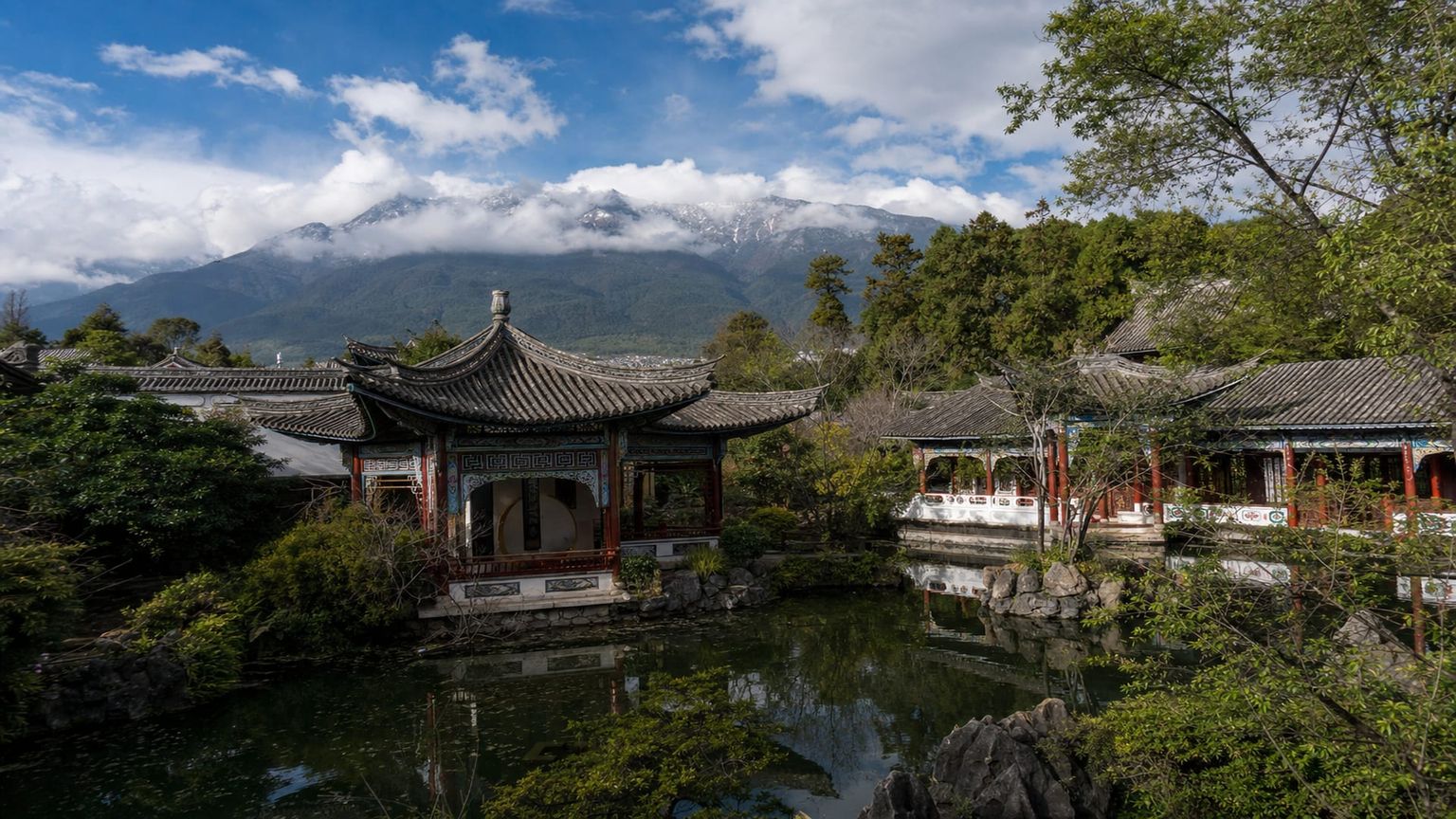
The Cangshan side of Dali gives this day a different angle, so head first to The Cangshan Grand View Garden and spend about 1 to 2 hours on the hillside paths, pavilions, and lookout points above Erhai Lake. Taxis from Dali Ancient Town usually take about 20 to 30 minutes, and admission runs roughly $6 to $9 (CNY 40 to 65), with some sections or shuttle use charged separately. Wear shoes with grip, because parts of the walk can be uneven, then continue to the Three Pagodas area afterward, where you can compare the larger temple complex with the smaller, more compact Dali Chongsheng Temple Three Pagodas stop if you missed it earlier or want a second look. Finish back in Dali Ancient Town for a slower evening meal, since the lanes are easier to enjoy after the day-trippers leave and many restaurants stay open into the night.
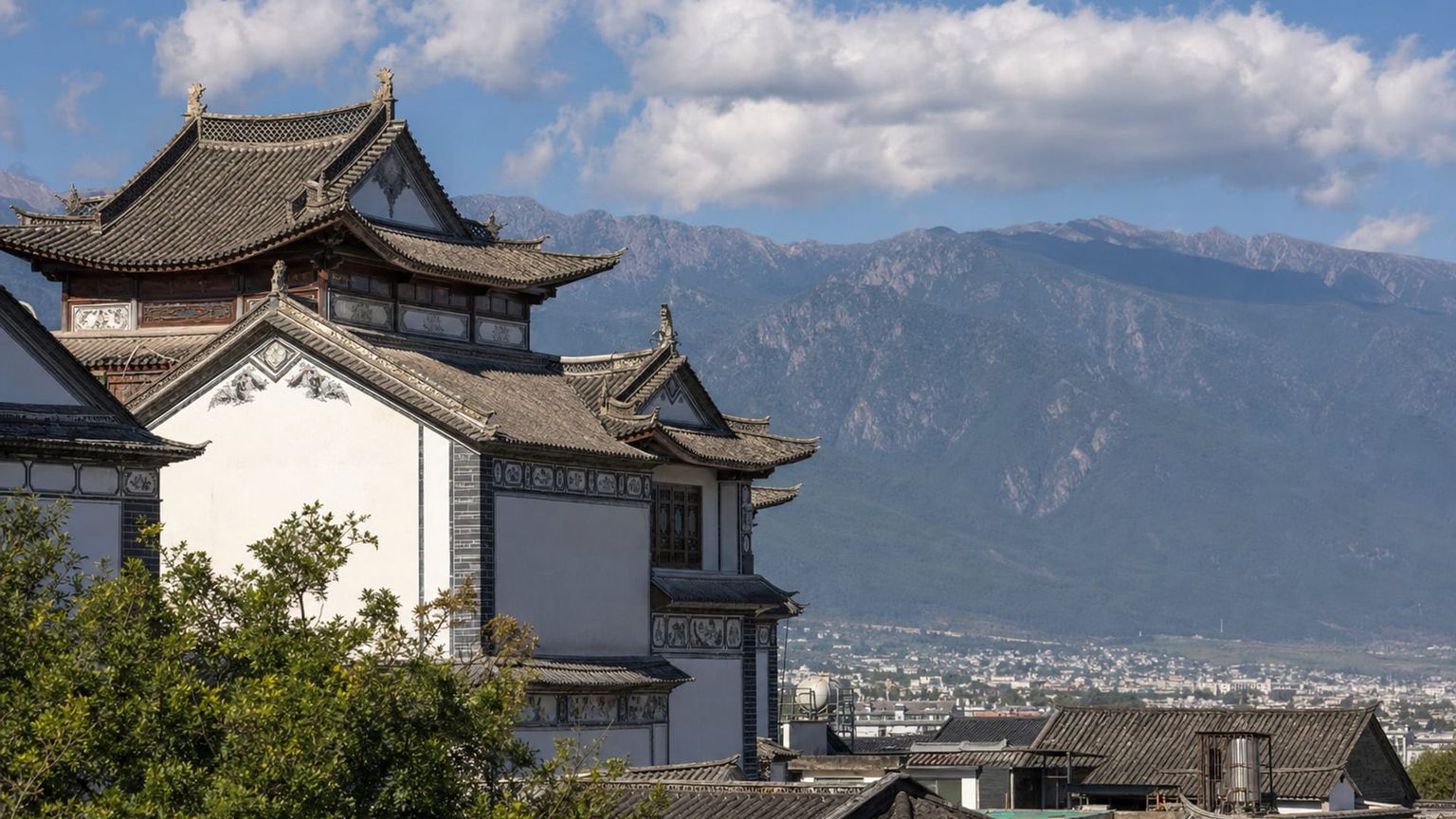
For a final morning, begin with one last short visit to Dali Ancient City or the Dali Chongsheng Temple Three Pagodas, whichever you did not linger over earlier, then keep the rest of the day close to Xiaguan for shopping and transport. Taxi time from Dali Ancient Town to Xiaguan is usually about 35 to 45 minutes, and the modern district offers larger shops, easier luggage handling, and a better place to wait before departure than the narrow lanes of the old town. After lunch, sit down at a cafe in Erhai Gate for a quiet break near the eastern edge of the historic core, where you can sort bags, use the last afternoon for tea or coffee, and head out without having to cross the busiest pedestrian streets again.
Business-class flights from the US to Dali
Flights to Dali usually route through one of China’s major hubs, so the useful comparison is not nonstop convenience but total transit time and the quality of the connection. East Coast and West Coast itineraries both hinge on where you connect and how long you want to spend in the air.
From New York, China Eastern Airlines, China Southern Airlines, Cathay Pacific, Korean Air, and Japan Airlines all appear on the route set, with total journey times of about 18 to 28 hours. Most itineraries connect through PVG, CAN, HKG, ICN, or NRT, and fares for round-trip business-class tickets usually start at about $3,200 and can reach $7,500.
Los Angeles travelers see the same airline mix, including China Eastern Airlines, China Southern Airlines, Cathay Pacific, Korean Air, and Japan Airlines, but the trip is shorter overall, at about 17 to 27 hours. Connections usually run through PVG, CAN, HKG, ICN, or NRT, and round-trip fares typically fall between $2,900 and $7,000.
Dali feels different when you slow down
A good Dali trip gives each zone its own day, the stone streets of Dali Ancient Town in the morning, Erhai Lake in clear weather, and Cangshan or the Three Pagodas when the light is softer and the crowds thin out. Staying near Erhai Gate or the outer lanes keeps taxi moves simpler, while Xiaguan works better for the final transfer. If you want a trip shaped with that kind of detail, talk with the AranGrant experts and map Dali to your pace