

Chapters:

Need help with your trip?
Our support team is available 24/7. Request a callback or call us directly at (833) 619-0908
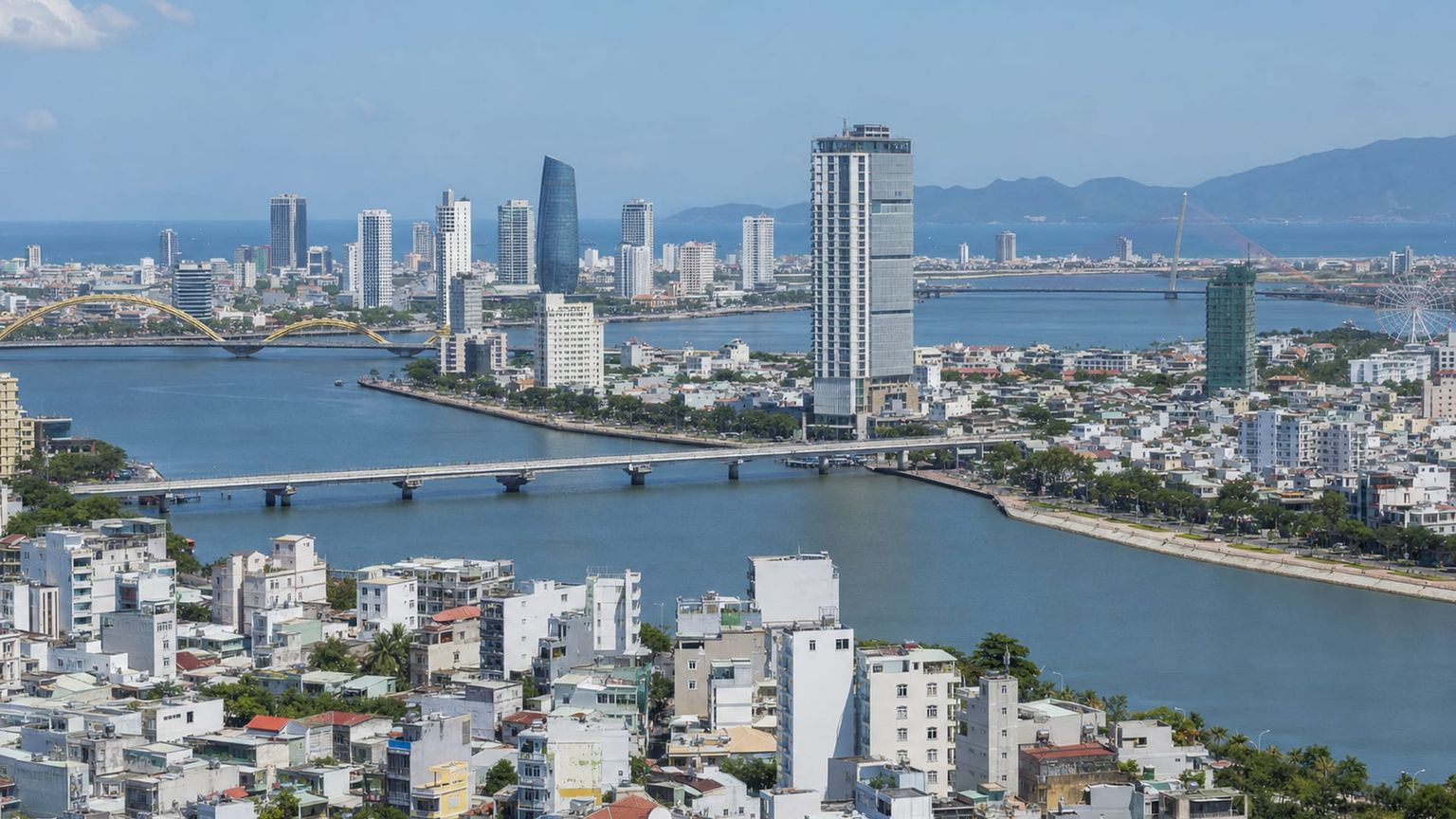
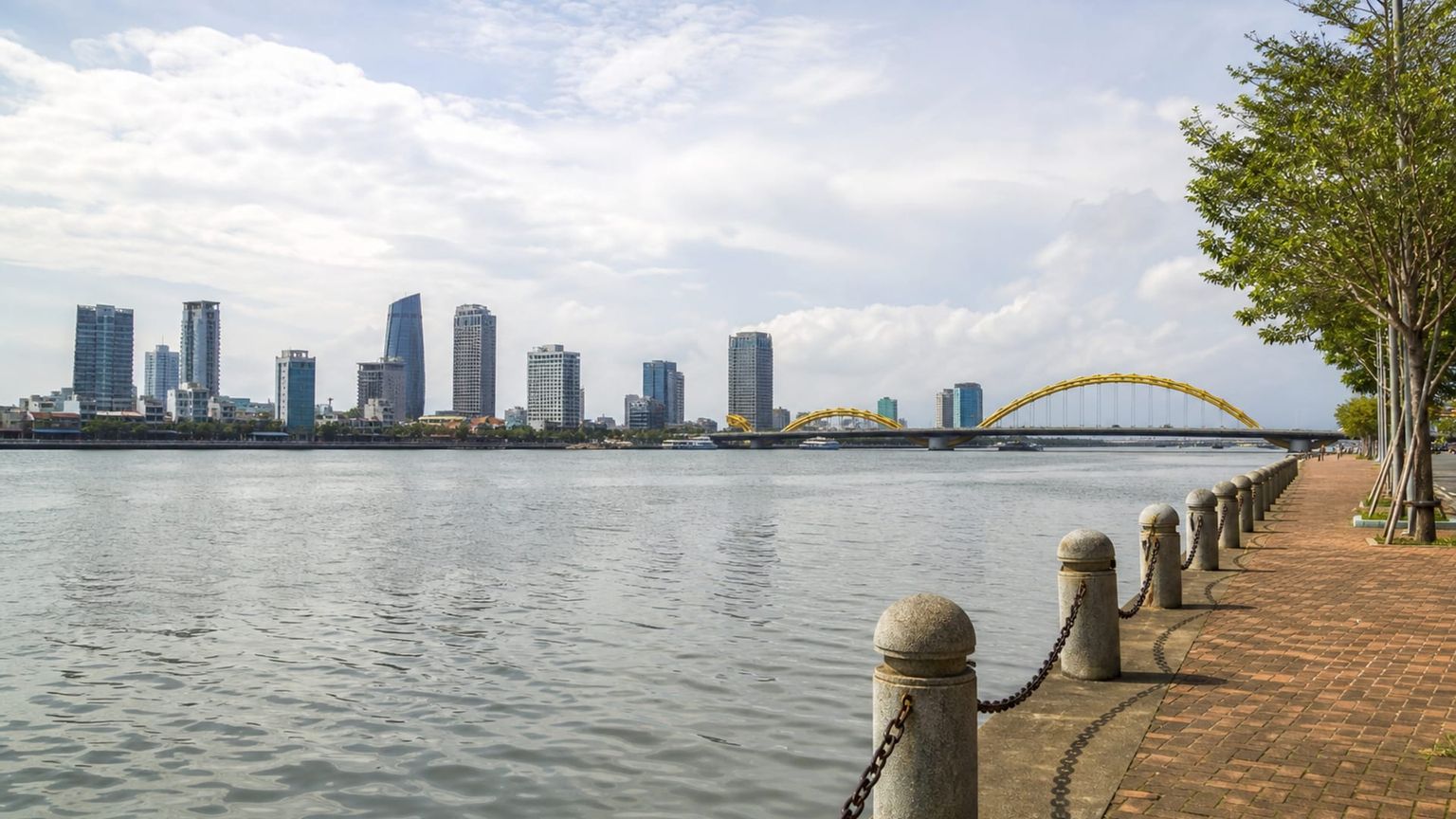
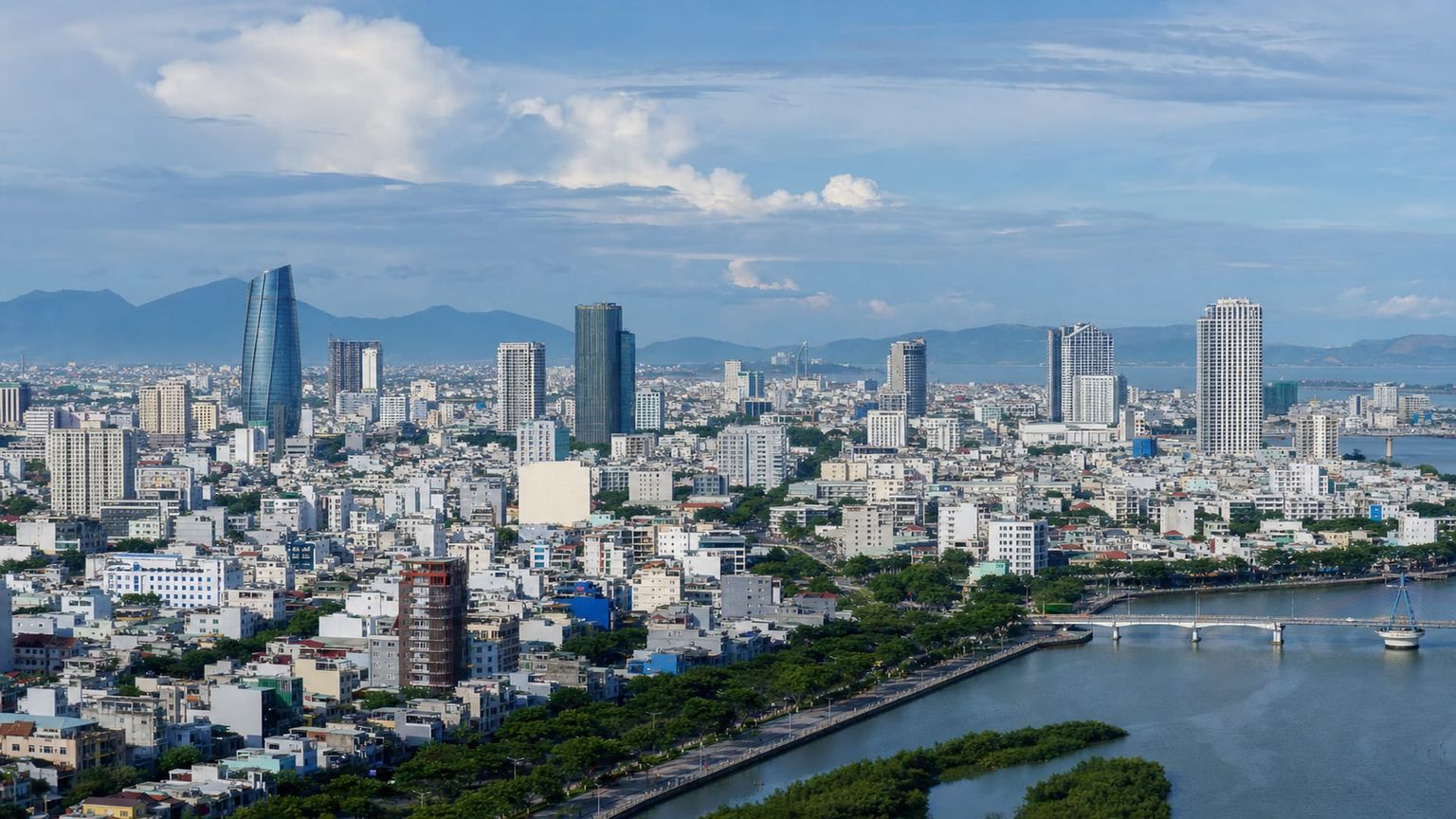
Da Nang is a coastal city in Central Vietnam. The Han River passes through the center, long beaches follow the eastern side, the forested Son Tra Peninsula is to the northeast, and the Marble Mountains are south of the city. Markets, museums, hotels, restaurants, and residential neighborhoods occupy both sides of the river.
This guide covers everything you need to know about where to stay, what to eat, how to get around, when to visit, which places to see, and how to plan five days in Da Nang.
Useful things to know

Main language(s): Vietnamese
Xin chào (sin chow) – Hello
Làm ơn (lahm uhn) – Please
Cảm ơn (gahm uhn) – Thank you
Bạn có nói tiếng Anh không? (bahn koh noy tee-eng ahn khong?) – Do you speak English?
Bao nhiêu tiền? (bao nyew tee-en?) – How much is it?

Currency: Vietnamese dong (VND, ₫)

Cash and cards: Hotels, shopping centers, restaurants, and many cafés accept cards. Keep VND 200,000 to VND 500,000 ($8 to $19) in cash for markets, street-food stalls, and smaller businesses.

Tipping: Tipping is optional. Many people round up small bills, while a tip of 5% to 10% is appreciated at higher-end restaurants when the service is good.

Traditional food: Mì Quảng, bánh xèo, bún chả cá, and bánh canh

Water and coffee costs: A bottle of water commonly costs VND 10,000 to VND 20,000 ($0.40 to $0.80). Coffee at a modern café often costs VND 35,000 to VND 60,000 ($1.30 to $2.30).

Taxis and ride apps: Grab operates throughout Da Nang. Licensed taxi companies such as Mai Linh, Vinasun, and Xanh SM also serve the city and airport.

Plug and voltage: Vietnam uses 220V electricity. Type A and Type C plugs are common.

Dining and shop opening hours: Local breakfast restaurants often open from 6:00 am. Many restaurants start serving lunch by 11:00 am and dinner from 5:00 pm or 6:00 pm. Shopping centers usually stay open into the evening.

Emergency number: Call 113 for police, 114 for fire emergencies, and 115 for an ambulance. Call 112 for search, rescue, and civil-defense emergencies.
Where to stay in Da Nang
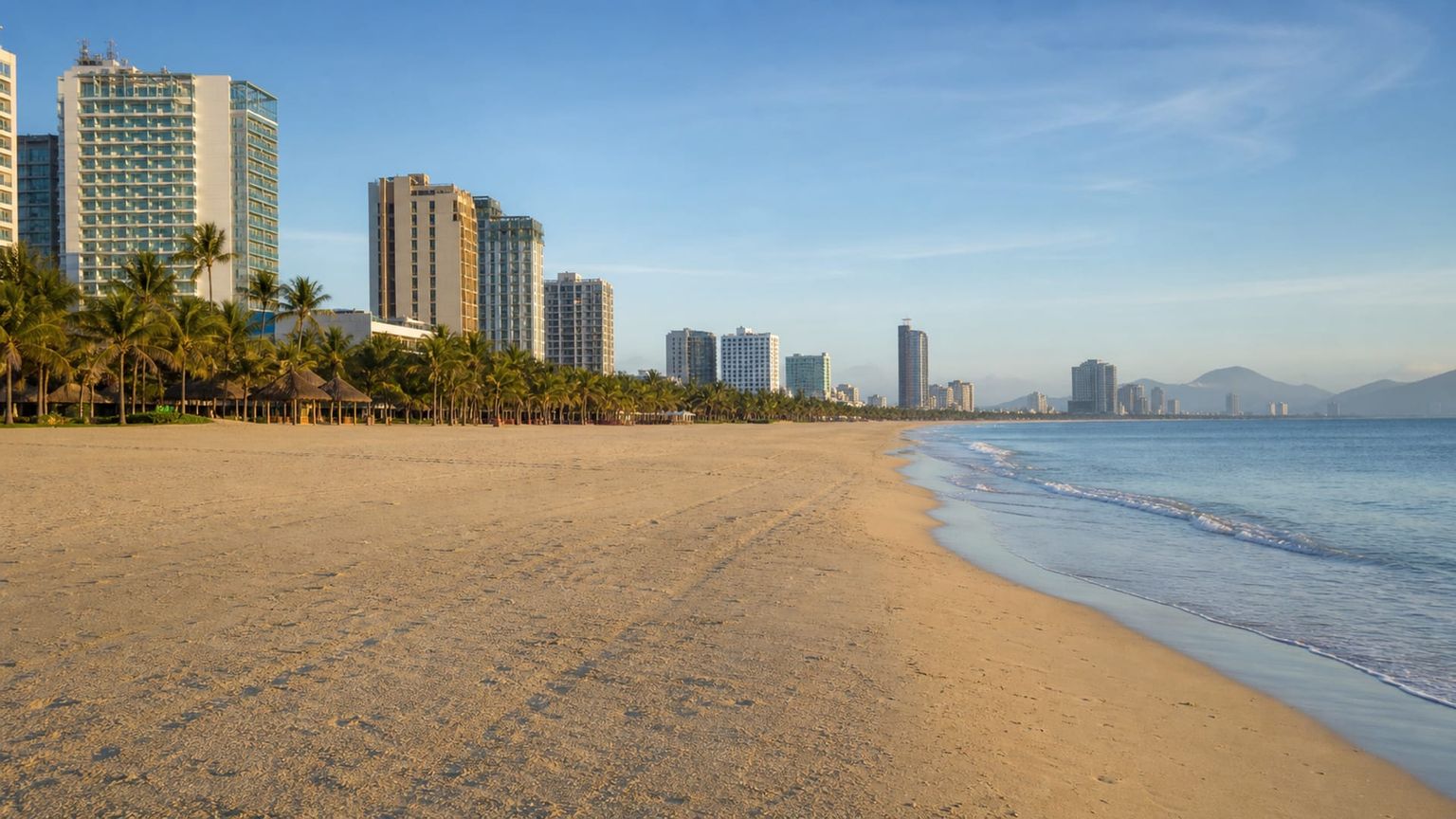
My Khe Beach is a long sandy beach on Da Nang’s eastern coast. Vo Nguyen Giap Street is the main road behind it, lined with hotels, seafood restaurants, cafés, and beach facilities.
Best for: Beach time, resort stays, and travelers who want direct access to the coast
What to expect: Busy in the morning and at sunset, with a steady mix of swimmers, runners, and hotel guests.
Hotel prices: Usually about $50 to $180 per night for well-rated stays
Distance to major sights: 10 to 15 minutes by taxi to Dragon Bridge, about 15 minutes to Han Market
Quietness: Quieter during midday, livelier near sunset and on weekend evenings.
Main trade-off: You will pay more for true beachfront positions, and dinner choices can be dominated by tourist-oriented places.
Good to know: Some hotels have My Khe in their name even when they are several blocks inland. Check the exact location if direct beach access is important.
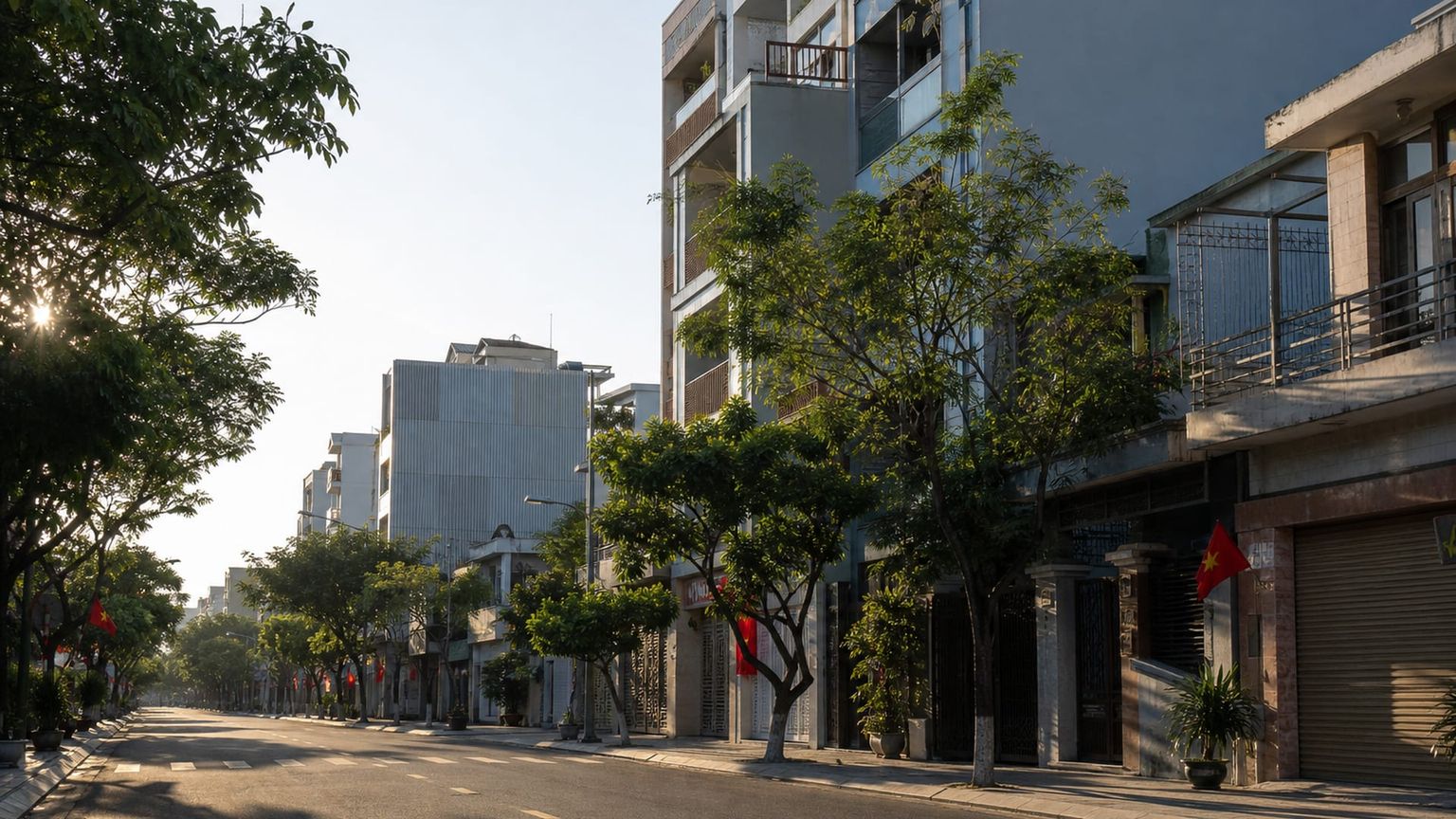
Hai Chau is the central district on the west side of the Han River. Han Market, Da Nang Cathedral, the Museum of Cham Sculpture, offices, shops, restaurants, and many of the city’s old commercial streets are located here.
Best for: First-time visits, sightseeing, and travelers who want central access to the river and markets
What to expect: Active daytime streets, office traffic, and plenty of local eating spots, with a more subdued scene late at night.
Hotel prices: Usually about $40 to $140 per night for well-rated stays
Distance to major sights: 5 to 10 minutes on foot to Han Market, about 10 minutes by taxi to Dragon Bridge
Quietness: Noisy at rush hour and around the market, then noticeably calmer after the shops close.
Main trade-off: You trade beach access for easier movement around the city’s core, and the most atmospheric streets can feel hectic at peak hours.
Good to know: Da Nang International Airport (DAD) is only 1.9 miles (3 km) from central Da Nang, and taxi rides from Hai Chau are usually short.
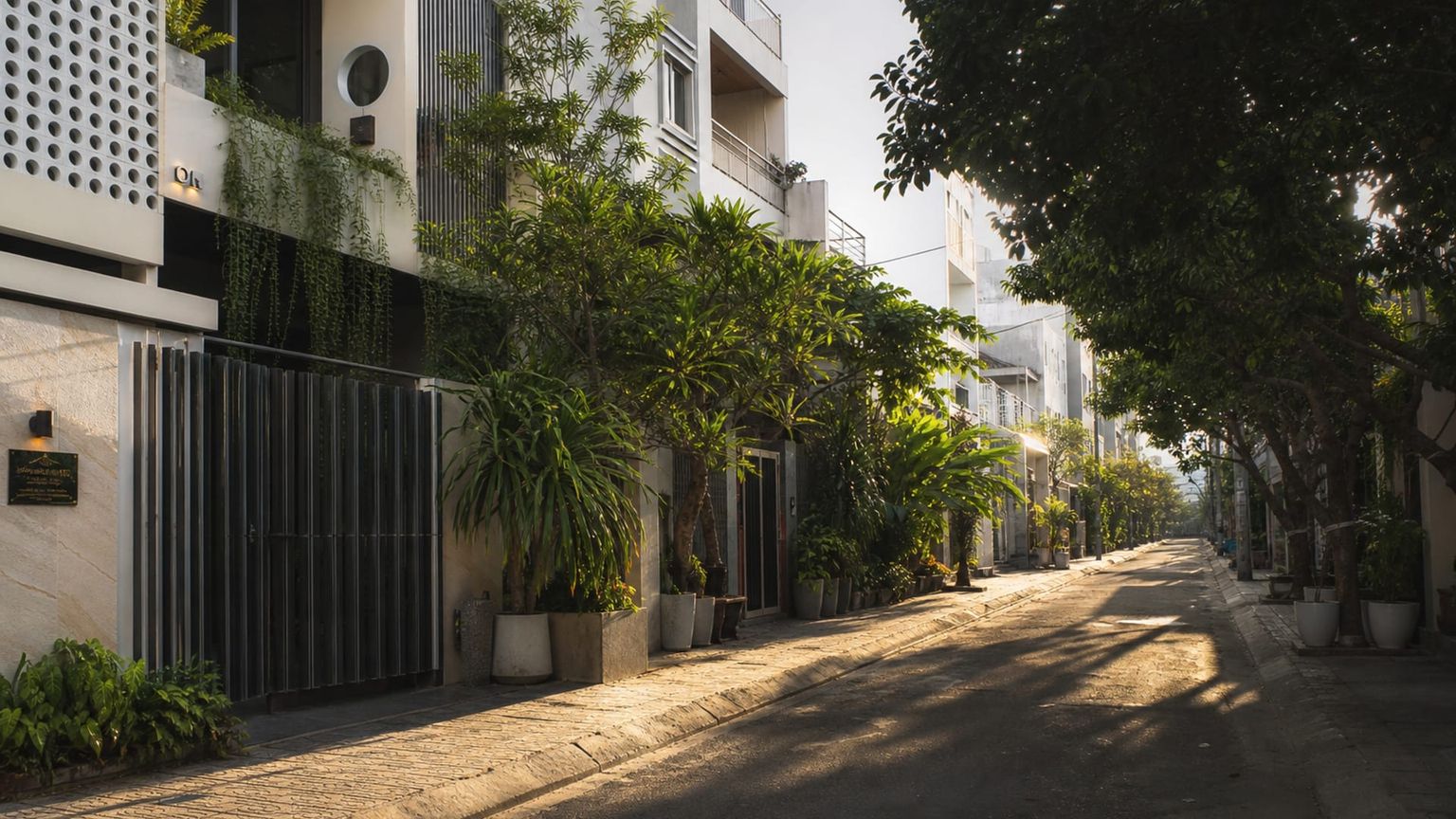
An Thuong is the main dining and nightlife area near My Khe Beach. Several compact streets are lined with cafés, bars, small hotels, and Vietnamese restaurants, while the beach is only a few blocks away.
Best for: Nightlife, casual dining, and travelers who want a walkable beachside base
What to expect: Lively after dark, with backpacker traffic, bar chatter, and a lot of short-stay guests.
Hotel prices: Usually about $35 to $120 per night for well-rated stays
Distance to major sights: 5 to 10 minutes on foot to My Khe Beach, about 15 minutes by taxi to Dragon Bridge
Quietness: Moderately busy by day and distinctly louder at night, especially on bar streets.
Main trade-off: Rooms can be smaller and noisier than in larger hotel districts, and the scene leans more casual than polished.
Good to know: Most nightlife is concentrated within a relatively small group of streets. Check the exact hotel location if nighttime noise is a concern.
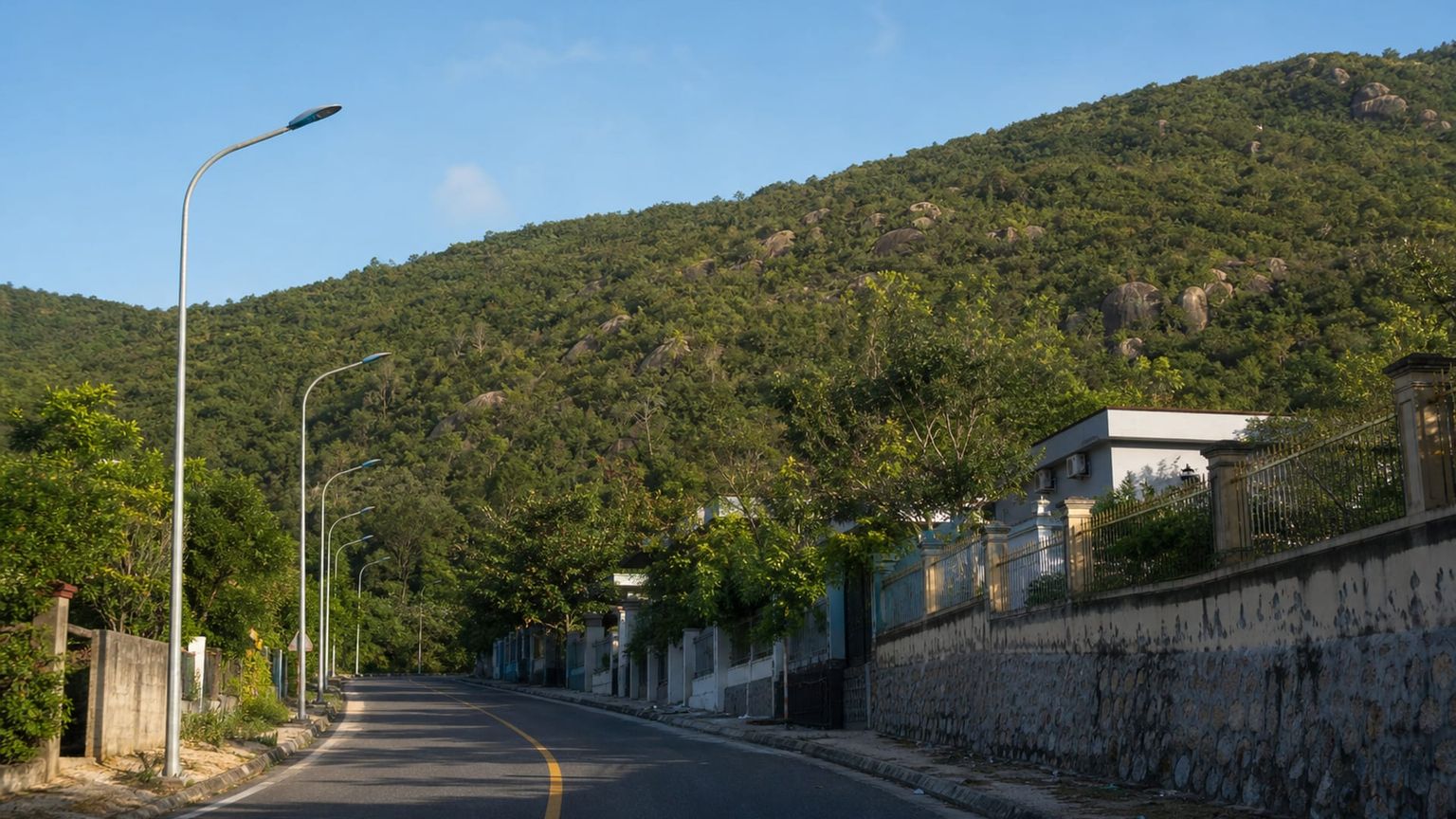
The Son Tra Peninsula lies northeast of central Da Nang. Dense forest covers most of the inland hills, while the coast has small beaches, rocky shoreline, hotels, and seafood restaurants.
Best for: Scenic drives, newer hotels, and travelers who want a quieter base near the coast
What to expect: Less street bustle than central districts, with car traffic replacing foot traffic and more movement along the main roads than in side streets.
Hotel prices: Usually about $45 to $160 per night for well-rated stays
Distance to major sights: 15 to 20 minutes by taxi to Dragon Bridge, about 20 minutes to Han Market
Quietness: Generally quiet through the day, with only moderate evening activity near main roads and hotel clusters.
Main trade-off: You will need transport for most meals and central sights, and the area feels spread out compared with the riverfront.
Good to know: Some roads higher on Son Tra are only open during set hours, and scooters are prohibited on several routes. Check the current restrictions on the official Da Nang tourism website.
Hotels in Hoa Khanh, the industrial parts of Lien Chieu, and the western outskirts of Da Nang are far from the main beach, Han River, and central sights, so these areas are less practical for a first sightseeing trip.
Hotel deals
How to get around Da Nang efficiently
Da Nang has no metro or tram system. Most visitors use buses, taxis, ride-hailing cars, or motorbike taxis to travel between the airport, central Da Nang, the beach, Marble Mountains, and Son Tra.

Bus
for trips to the airport and within central Da Nang
Routes 06 and 12 stop outside both terminals at Da Nang International Airport (DAD) and operate daily from 5:30 am to 7:00 pm. Route 12 costs VND 8,000 ($0.30) per trip, while Route 06 costs VND 15,000 to VND 22,000 ($0.60 to $0.85), depending on the distance. Passengers can pay in cash or through the DanaBus app.

Taxi and rideshare services
for convenience
In Da Nang, Grab and Xanh SM allow passengers to book a car through the app, which shows the estimated fare before the trip starts. GrabCar prices begin at VND 22,000 ($0.85) for the first 1.2 miles (2 km). Payment is available by cash or card in the app. Licensed taxis also operate across Da Nang, including from the airport.

Motorbike taxi
for short solo trips
Motorbike taxis are easy to book through GrabBike, Be, and Xanh SM. For short trips in central Da Nang, fares are often VND 15,000 to VND 40,000 ($0.60 to $1.50), depending on distance and demand. The app shows the price before booking, and passengers can usually pay in cash or by card. Drivers provide a helmet for the ride.
*Prices are based on rates updated as of June 2026 and may change at the time of travel.
Buses are useful for airport trips and travel within central Da Nang. Taxis and ride-hailing cars are best for direct journeys with luggage, while motorbike taxis are practical for short solo trips.
Iconic landmarks
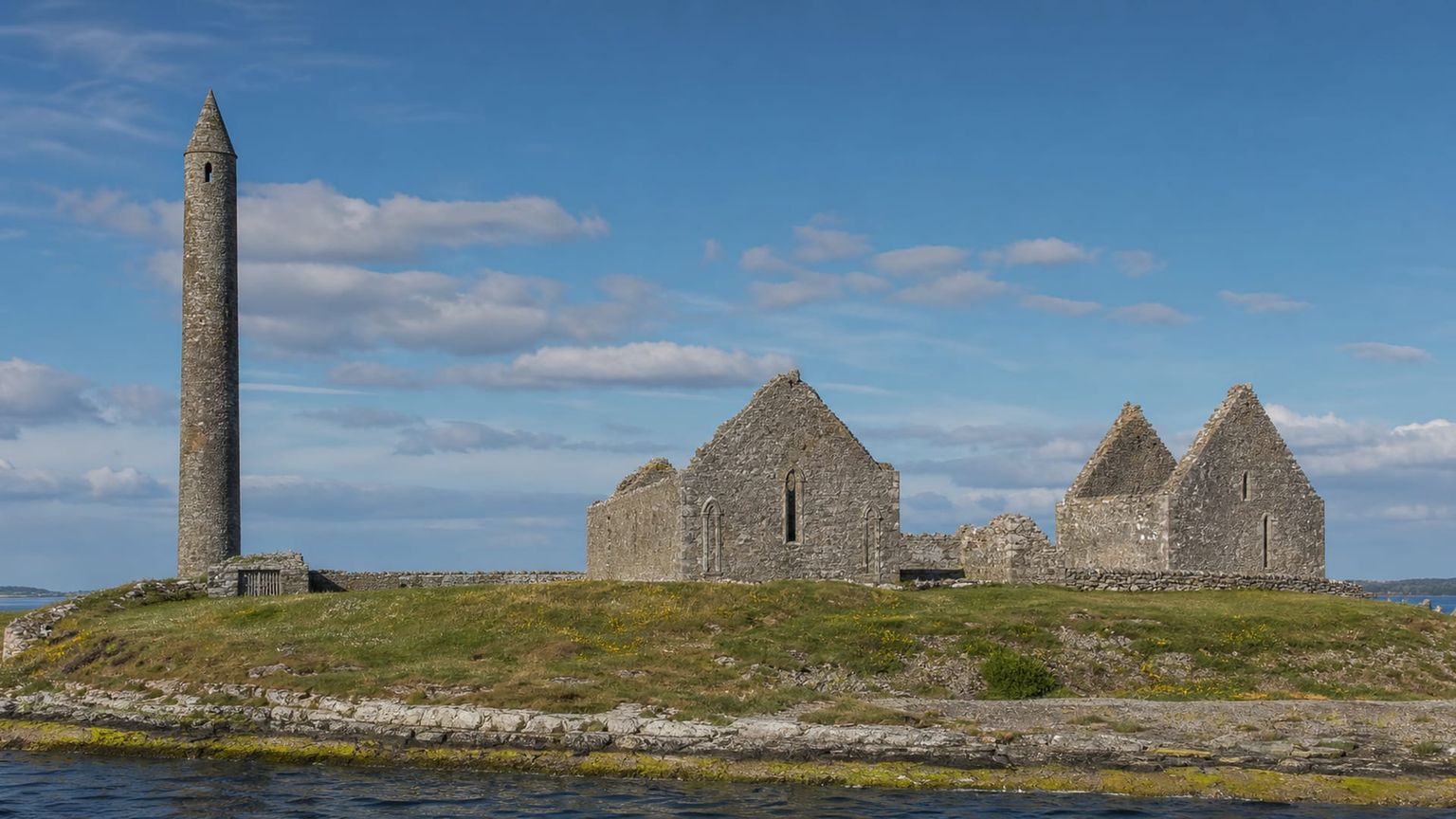
Marble Mountains
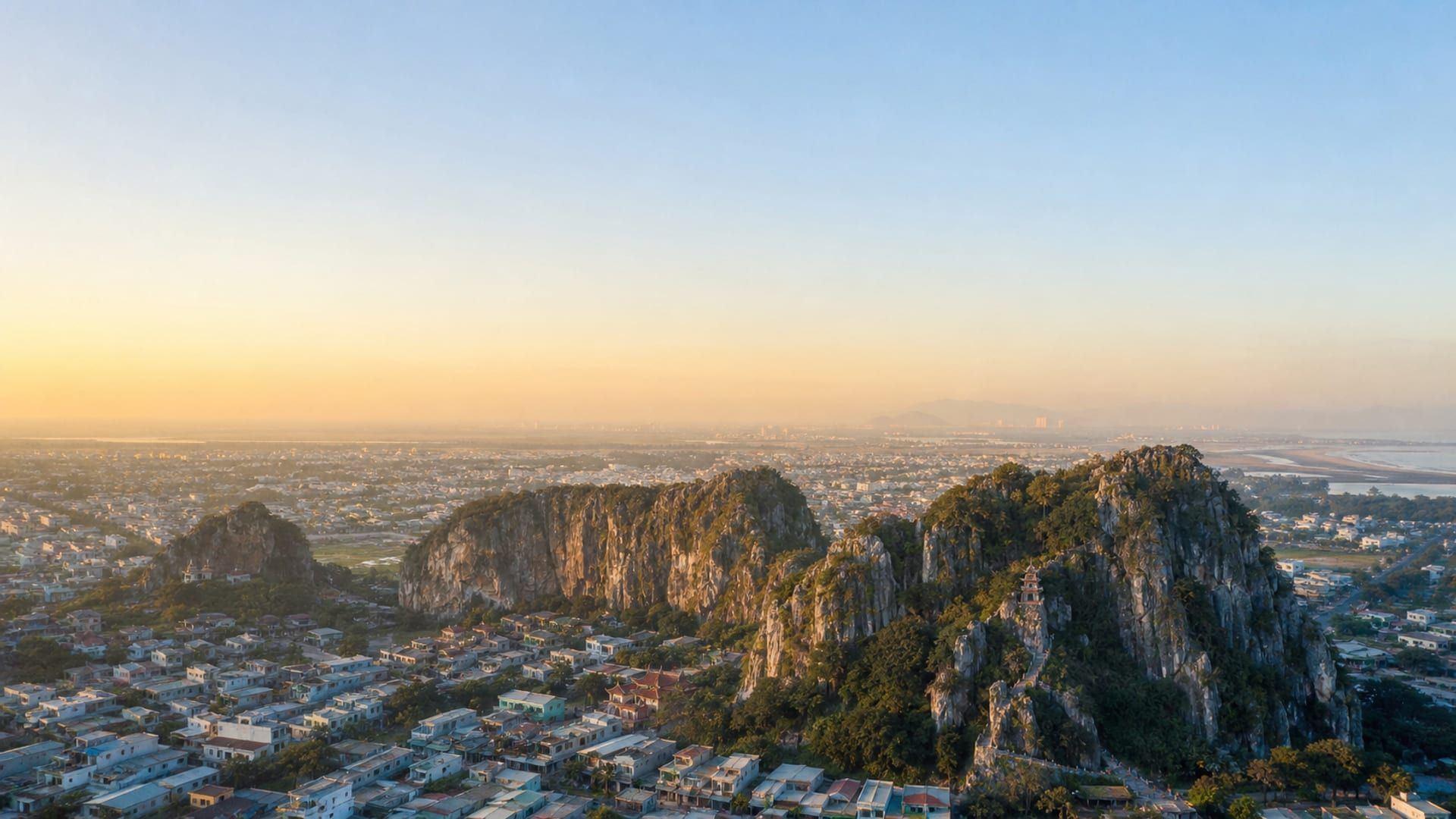
The Marble Mountains are five limestone and marble hills named after the five elements of traditional Asian philosophy. Thuy Son is the main visitor area, with old pagodas, cave sanctuaries, stone staircases, and viewpoints above southern Da Nang.
Time needed: About 2 to 3 hours
Entry: Entry costs $2 to $3 ($50,000 to 70,000 VND), with extra fees for the elevator, cave access, and some shrine areas on site.
Tip: Much of the visit involves climbing steep stone steps, which can become slippery after rain. Wear shoes with good grip.
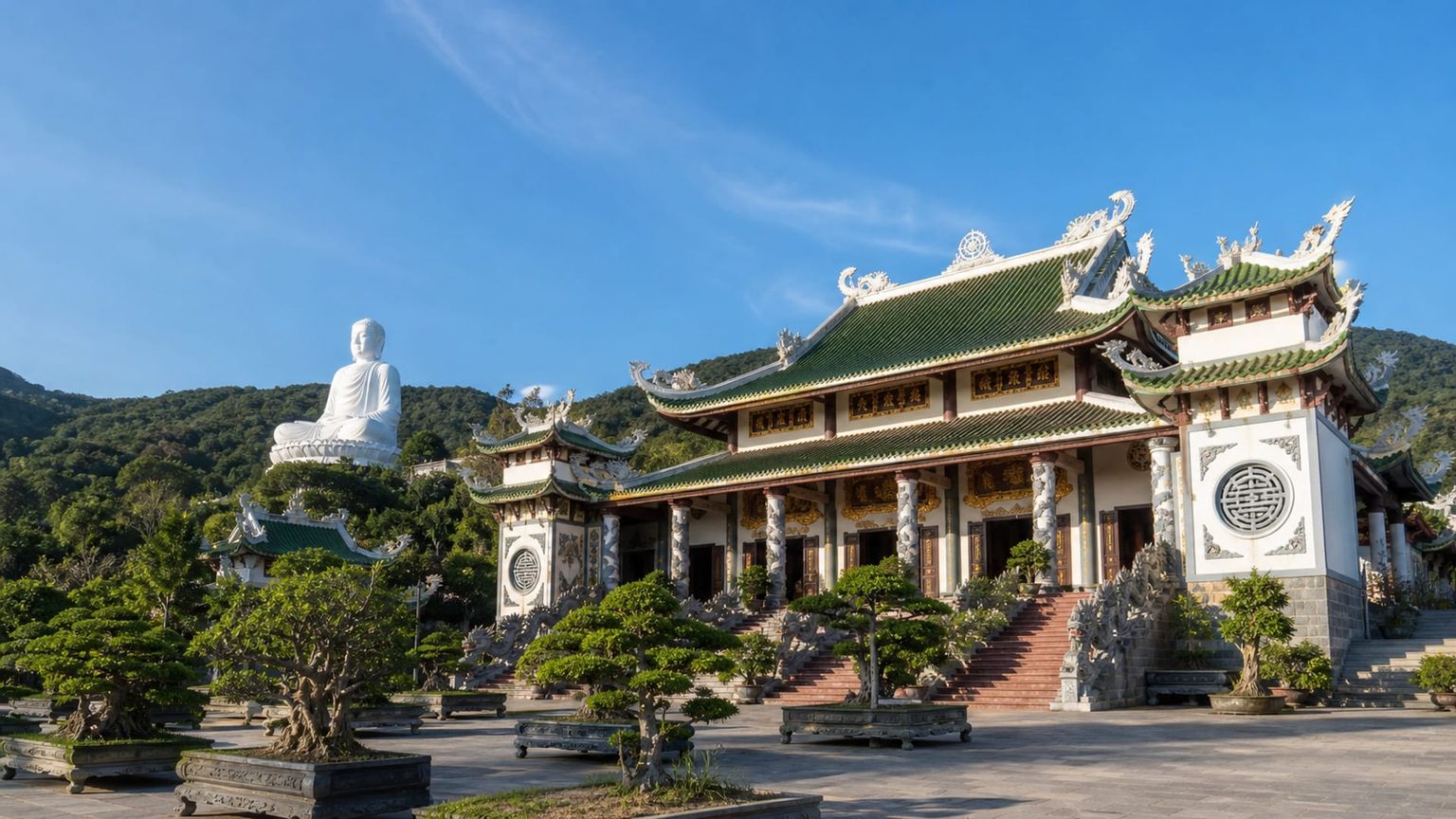
Linh Ung Pagoda, Son Tra Peninsula
Linh Ung Pagoda was completed in 2010 on Son Tra Peninsula. The grounds include broad courtyards, temple buildings, rows of Arhat statues, and a 220-foot (67-meter) Lady Buddha facing the sea.
Time needed: About 1 to 2 hours
Entry: Free to access, with no admission charge for the main grounds, terrace, or statue area; donations and small offerings are optional.
Tip: Monkeys sometimes appear near the pagoda and along the roads on Son Tra. Do not feed them or approach them with food.
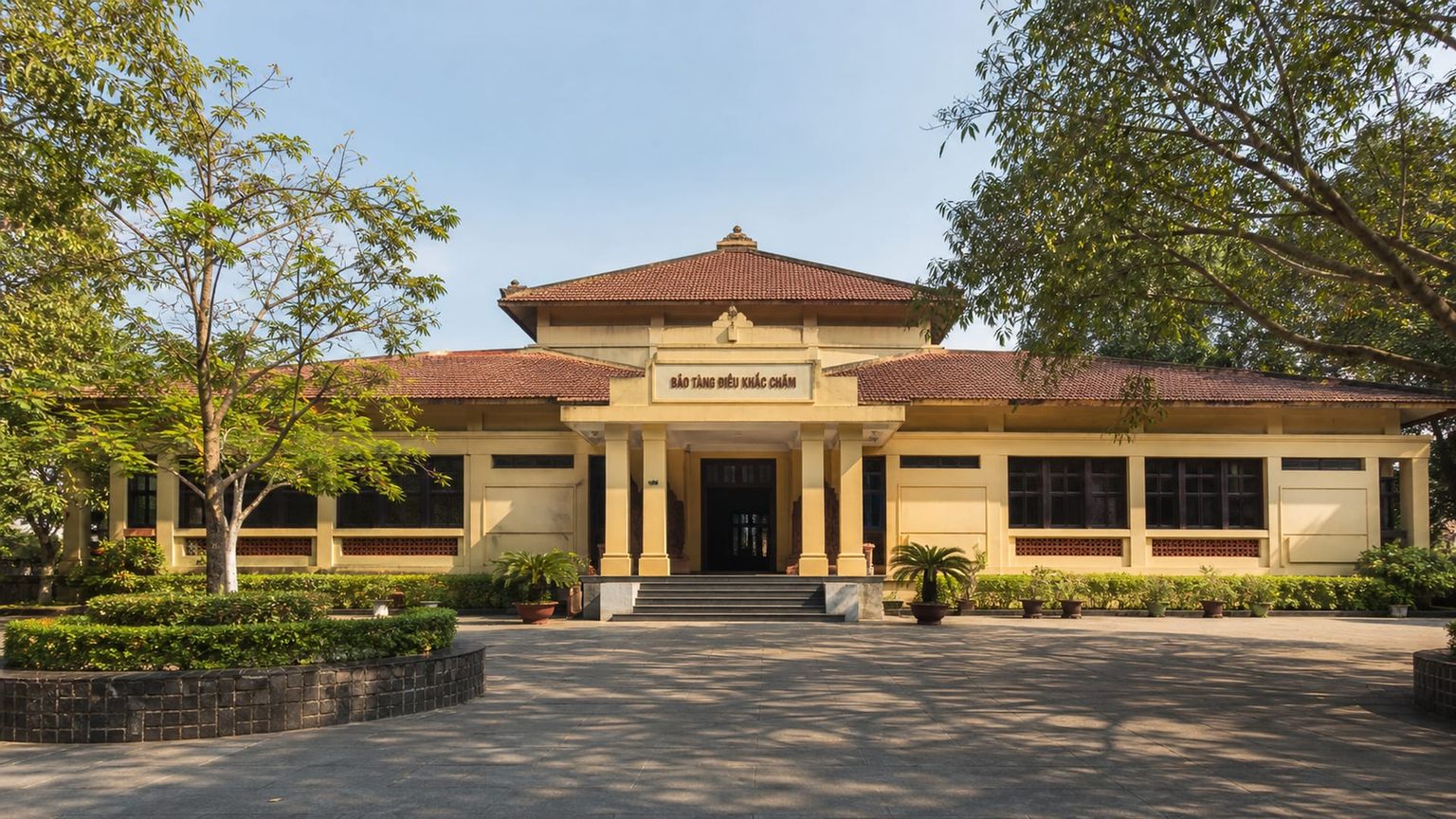
Da Nang Museum of Cham Sculpture
Founded in the early 20th century, the museum has one of the world’s largest collections of Cham sculpture. Its galleries display sandstone figures, altars, lintels, and religious carvings from sites across Central Vietnam.
Time needed: About 1 to 2 hours
Entry: Standard admission costs $2 to $3 ($40,000 to 70,000 VND), with reduced rates for children and some local student groups. Visit the official site for details.
Tip: Connect to the museum Wi-Fi to use the web audio guide. QR codes beside specific objects provide commentary in several languages.
Overlooked sites worth visiting

Nam O Traditional Fish Sauce Making Village
Families in Nam O have made fish sauce for more than 700 years. Local producers ferment black anchovies and salt using methods passed down through generations, and visitors can see how the sauce is prepared and aged.
Time needed: About 1 hour
Entry: Admission costs about $2 ($45,000 VND) for adults; children, students, and some local visitors may receive reduced rates. Audio guides and temporary exhibit access can cost extra, and the museum closes one day a week.
Tip: Nam O is about 9.3 miles (15 km) northwest of central Da Nang. A taxi or Grab ride is the simplest way to reach it.

Dong Dinh Museum
Dong Dinh Museum is on a wooded hillside on Son Tra Peninsula. Traditional wooden houses contain ancient ceramics, fishing tools, ethnographic objects, and Vietnamese art, with paths connecting the buildings through the trees.
Time needed: About 1 hour
Entry: Free to enter the pagoda area. If you continue onto Marble Mountains grounds, expect separate ticketing for cave and elevator access, with standard entry commonly about $3 to $4 ($40,000 to $100,000 VND) depending on access chosen.
Tip: Standard admission covers the museum collections. Trekking and other experiences require separate tickets.
Traditional food
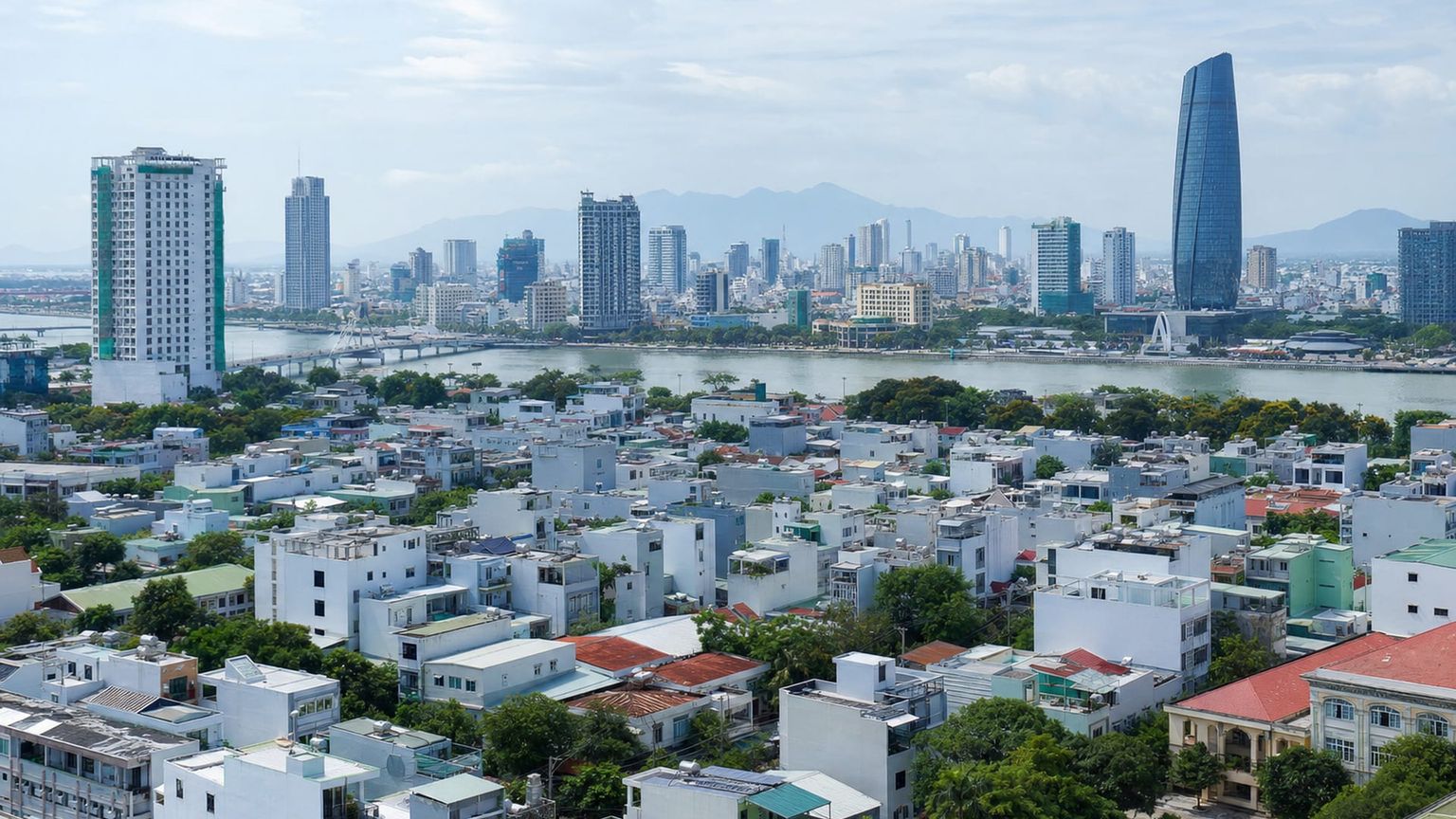
Vietnamese cuisine relies on rice, noodles, seafood, pork, fresh herbs, vegetables, and fish sauce, with dishes commonly grilled, steamed, simmered, or fried.
Mi Quang
Mì Quảng is made with noodles and yellow broth seasoned with fish sauce and turmeric. Peanuts, bean sprouts, herbs, and sesame rice crackers go on top with pork, shrimp, or chicken. Mì Quảng 1A serves pork-and-shrimp and chicken versions in Hai Chau.
Banh xeo
Bánh xèo are thin rice-flour pancakes fried until crisp, usually with pork, shrimp, and bean sprouts inside. They are eaten with herbs, vegetables, rice paper, and dipping sauce. Bánh Xèo Bà Dưỡng has served the dish for more than 30 years.
Bun cha ca
Bún chả cá is a noodle soup with fish cakes in a lightly sweet and sour broth. Tomatoes and pineapple are common ingredients, along with vegetables and herbs. Bún Chả Cá 109 makes its fish cakes in-house and has been open for more than five decades.
Banh canh
Bánh canh is made with thick noodles in a savory broth. Depending on the recipe, the bowl can include fish, pork, fish cake, crab, or other toppings. Bánh Canh Cua 102 is a good place to try it for the first time.
Best time to visit Da Nang
Da Nang has a tropical monsoon climate. March through August are generally drier, while rainfall increases sharply from September and continues through the final months of the year.
Best for: Marble Mountains, Son Tra Peninsula, beach days, and spending more time outdoors
What you get: Temperatures rise from the upper 70s°F into the upper 80s°F (mid-20s to low-30s°C). Rainfall is relatively low, and there are plenty of clear days.
Trade-offs: May is hotter and more humid, especially during the middle of the day.
Best for: Swimming, early mornings on the beach, seafood dinners, and evenings beside the Han River
What you get: Daytime temperatures commonly reach 90°F to 95°F (32°C to 35°C). Rainfall is relatively low, and these are among the busiest months for Da Nang’s beaches.
Trade-offs: The heat and humidity can make long walks uncomfortable during the day.
Best for: Restaurants, cafés, museums, markets
What you get: Temperatures gradually fall from the mid-80s°F into the upper 70s°F (upper 20s°C). Rain becomes much more frequent, particularly during October and November.
Trade-offs: Heavy rain and tropical storms can affect beach visits, Son Tra trips, road trips, and flight schedules.
Best for: Markets, museums, pagodas, city walks, and sightseeing in cooler weather
What you get: Temperatures generally range from 66°F to 79°F (19°C to 26°C). December can still receive substantial rain, but January and February are usually drier.
Trade-offs: Cloudy weather, wind, and cooler sea temperatures can limit beach time, especially in December.
A realistic 5-day plan in Da Nang
You can do a lot in Da Nang in five days: see central Da Nang, spend time on the coast, and visit both Marble Mountains and Son Tra Peninsula. With this plan, you can do that without rushing or backtracking.
After checking in, spend the first afternoon at My Khe Beach, where you can swim, walk along the sand, and enjoy the beach. In the evening, walk a few blocks inland to An Thuong for dinner. The area has plenty of cafés, Vietnamese restaurants, and bars, so there is no need for another taxi ride after the flight.
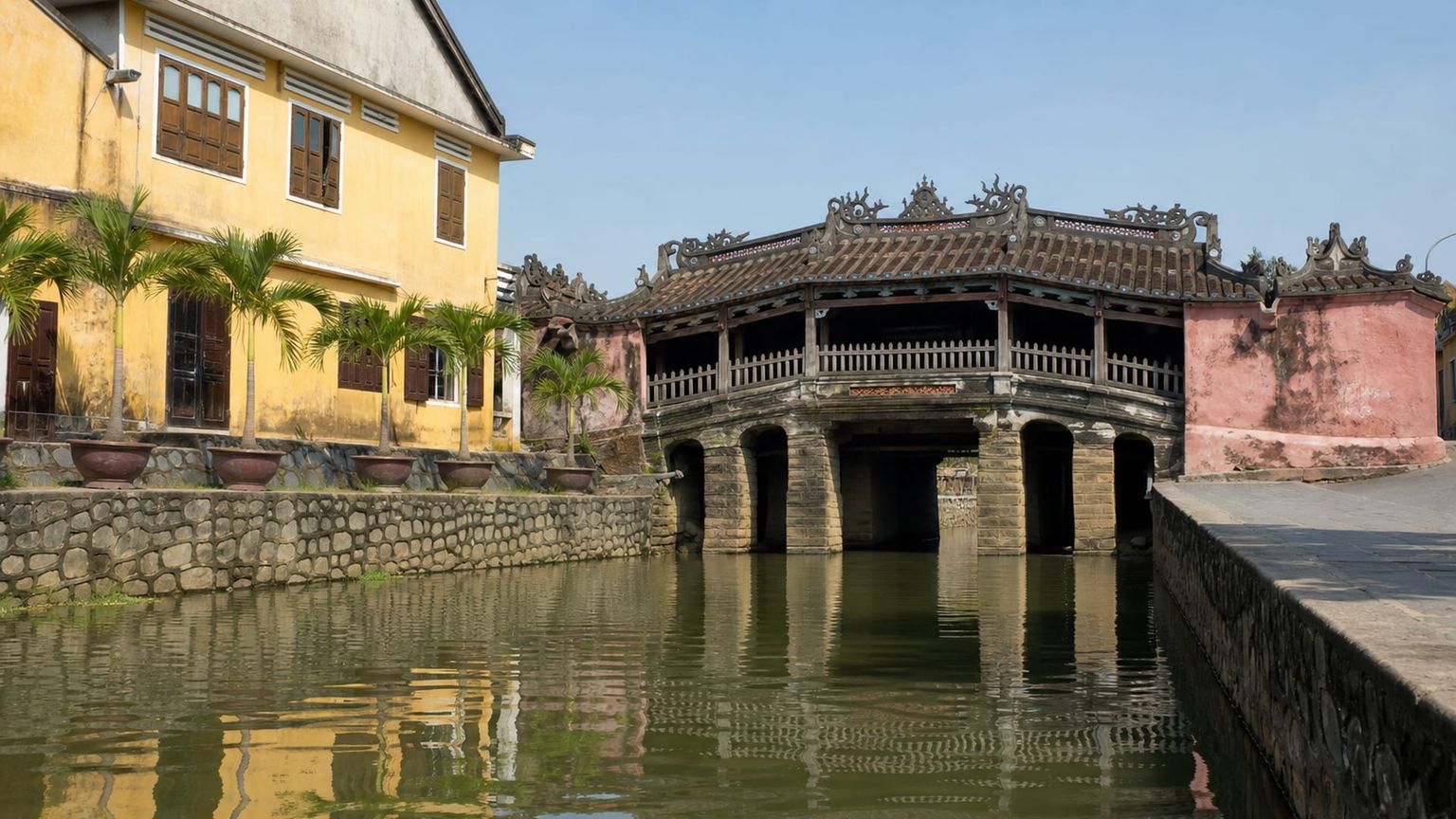
Begin at the Da Nang Museum of Cham Sculpture and allow 1.5 to 2 hours for the galleries. Continue north through Hai Chau to Da Nang Cathedral and Han Market, about a 15-minute walk away, where you will find plenty of food stalls and restaurants for lunch. Spend the late afternoon by the Han River and stay until after dark to see Dragon Bridge illuminated.
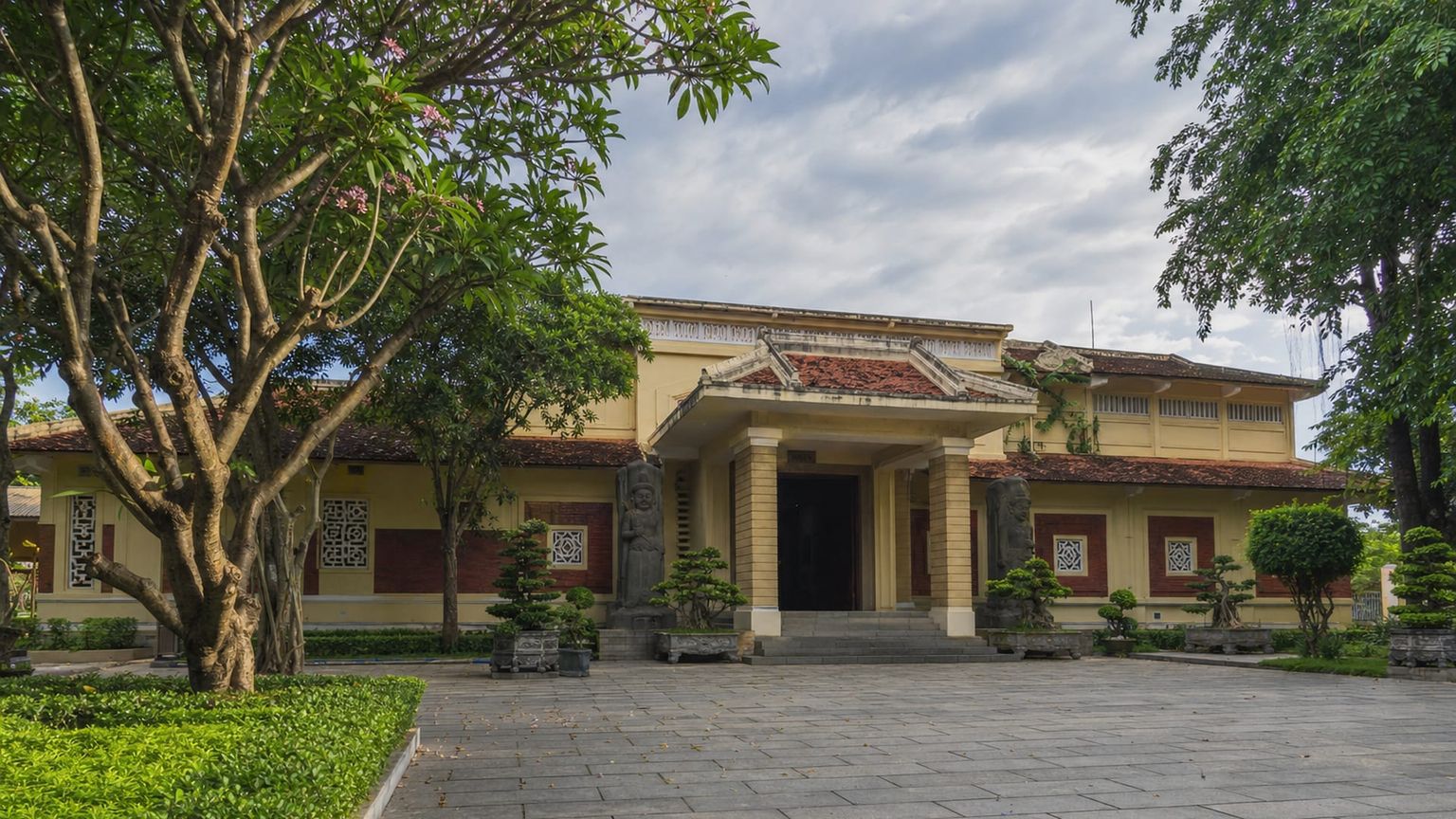
Take a taxi or Grab south to Marble Mountains in the morning and allow 2 to 3 hours for Thuy Son’s pagodas, caves, staircases, and viewpoints. Continue to the nearby Non Nuoc stone-carving area, where workshops display statues and decorative pieces. Return north in the afternoon and finish the day with a swim or walk at My Khe Beach before dinner.
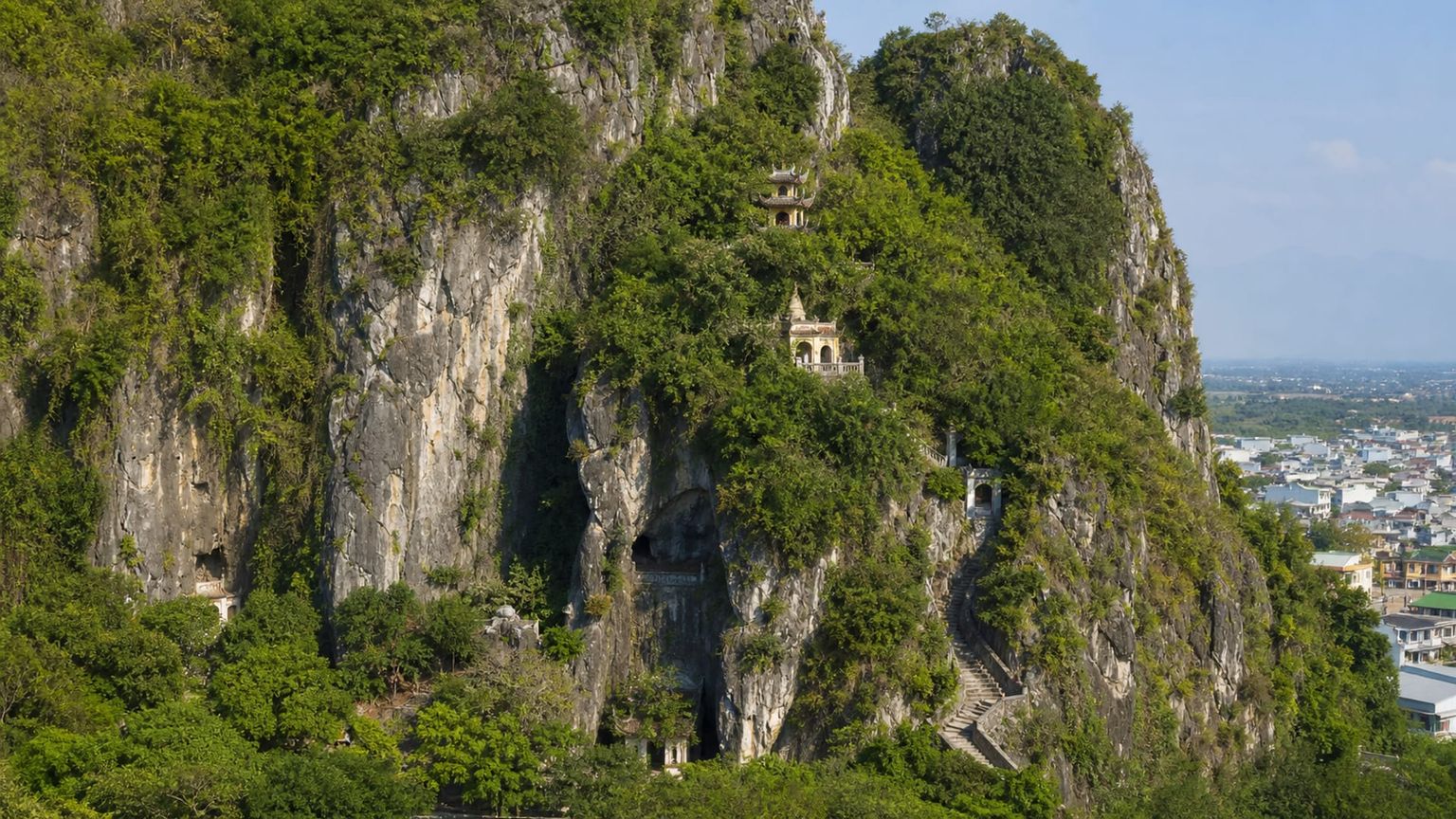
Start at Linh Ung Pagoda and spend 1 to 1.5 hours exploring the temple grounds, Arhat statues, and Lady Buddha. Continue by taxi to Dong Dinh Museum, where ceramics, fishing tools, and Vietnamese art are displayed in traditional wooden houses. Have lunch near the lower peninsula, then spend the afternoon along the coast before returning toward My Khe for dinner.
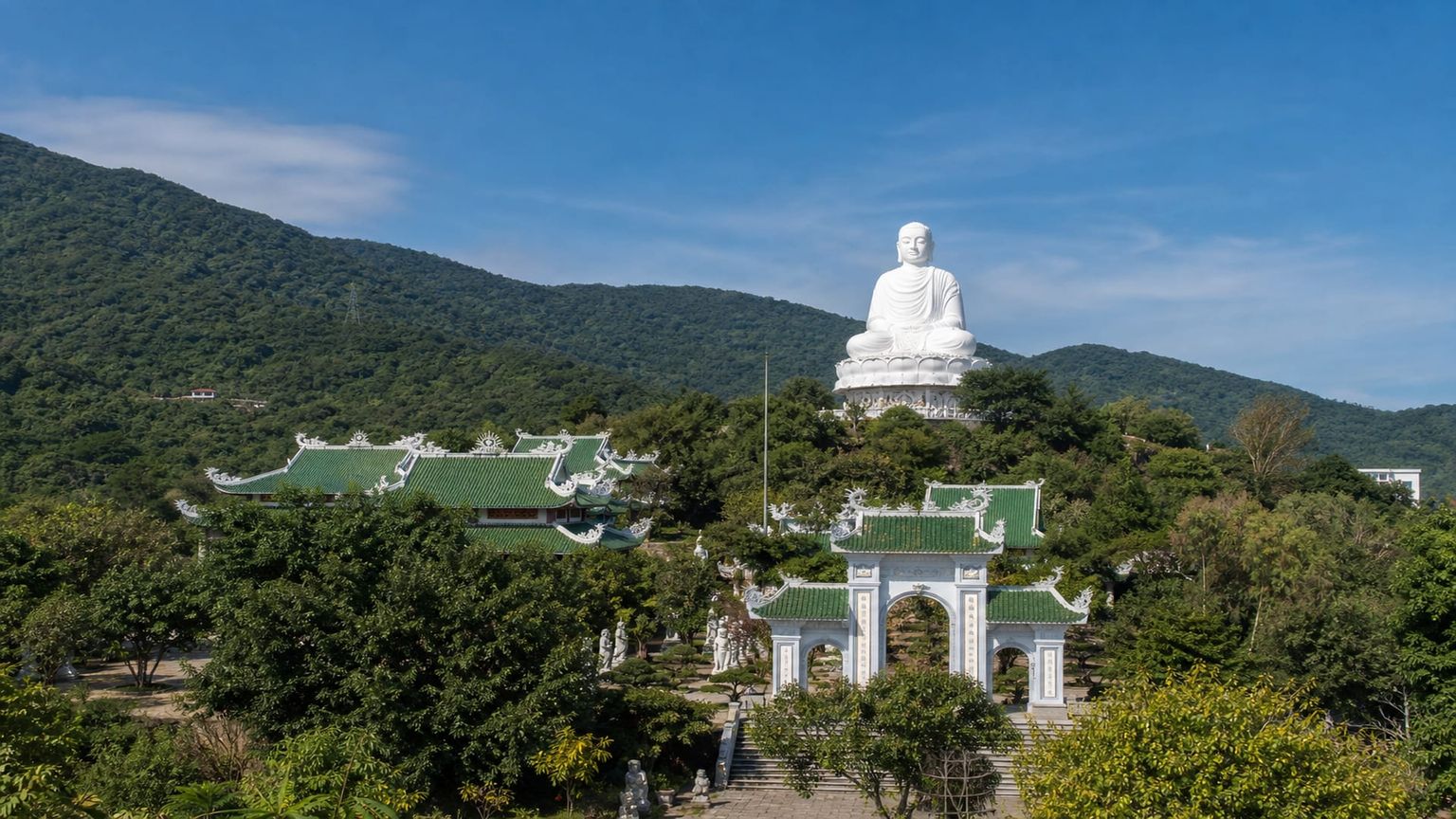
Spend the final morning at Con Market in Hai Chau, where vendors sell fruit, dried seafood, coffee, snacks, clothing, and souvenirs. Allow 1 to 1.5 hours for the market, then have an early lunch nearby before returning to the hotel for luggage. Da Nang International Airport (DAD) is only 1.9 miles (3 km) from central Da Nang, so the final taxi ride is short.
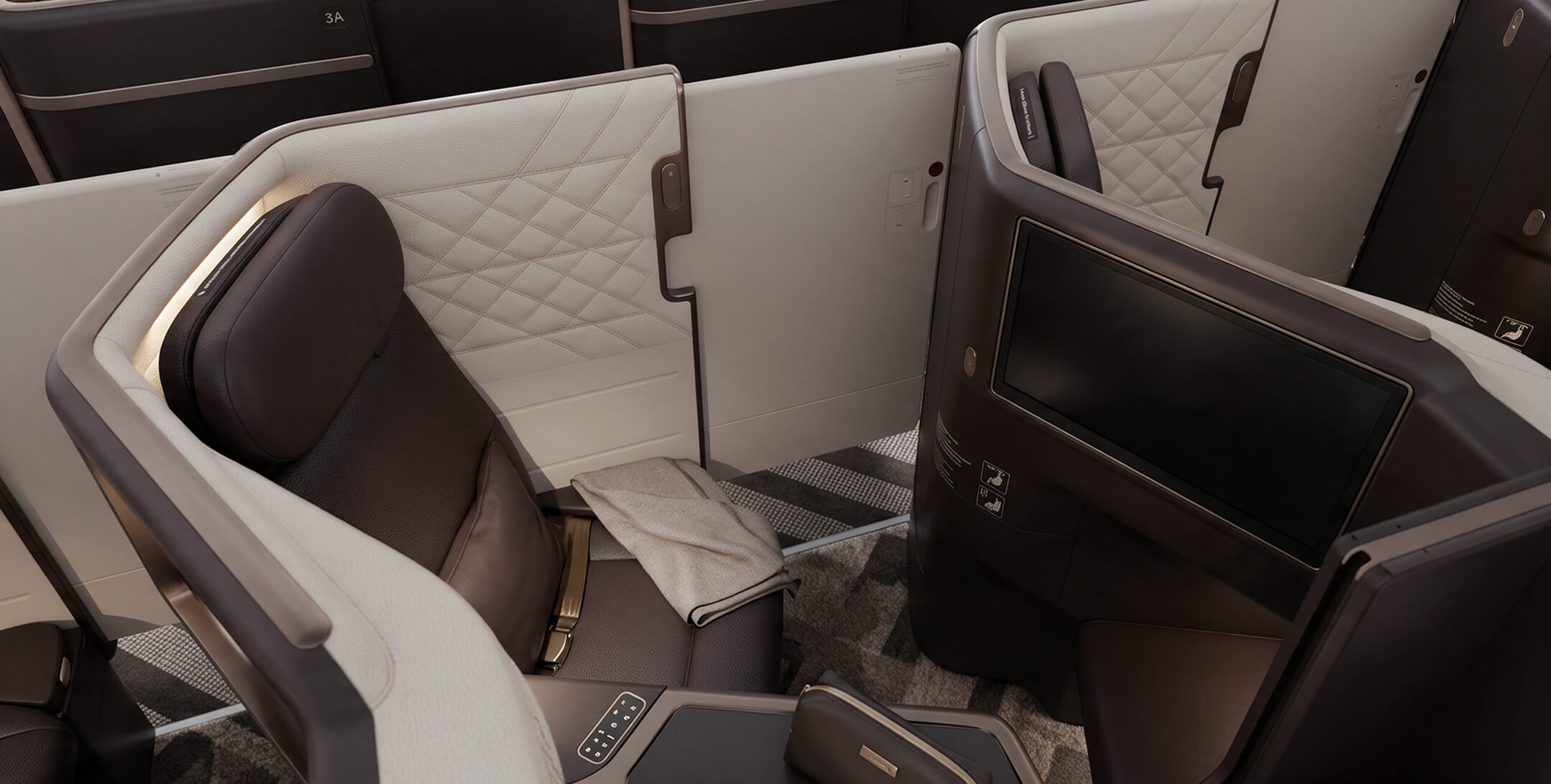
Business-class flights from the US to Da Nang
Reaching Da Nang from the US usually means a one-stop itinerary, and the best option depends on whether you fly from New York or Los Angeles. The airline mix and connection cities change enough that it pays to compare the route, not just the fare.
From New York, Cathay Pacific, Korean Air, All Nippon Airways, Japan Airlines, Emirates, and Qatar Airways all appear on one-stop itineraries, with connections through HKG, ICN, NRT, DOH, DXB, or BKK. Round-trip fares usually start at $3,200, and one-stop options via HKG, ICN, or NRT can lower that to about $1,400 to $2,100.
Los Angeles itineraries typically run on Cathay Pacific, Korean Air, Japan Airlines, EVA Air, Singapore Airlines, or Qatar Airways, and the layovers often pass through HKG, ICN, NRT, SIN, DOH, or TPE. Round-trip fares start at about $2,800, with one-stop itineraries often landing near $1,200 to $1,900.
There’s more to see in Da Nang
There is still more to discover once the main sights are done. Spend extra time in local markets, try regional dishes beyond the best-known names, explore quieter stretches of the coast, or plan another day in the neighborhoods outside the main tourist areas.
When you are ready to plan the trip, AranGrant can help you compare business-class flights to Da Nang and choose one that fits your dates and preferences.