

Chapters:

Need help with your trip?
Our support team is available 24/7. Request a callback or call us directly at (833) 619-0908
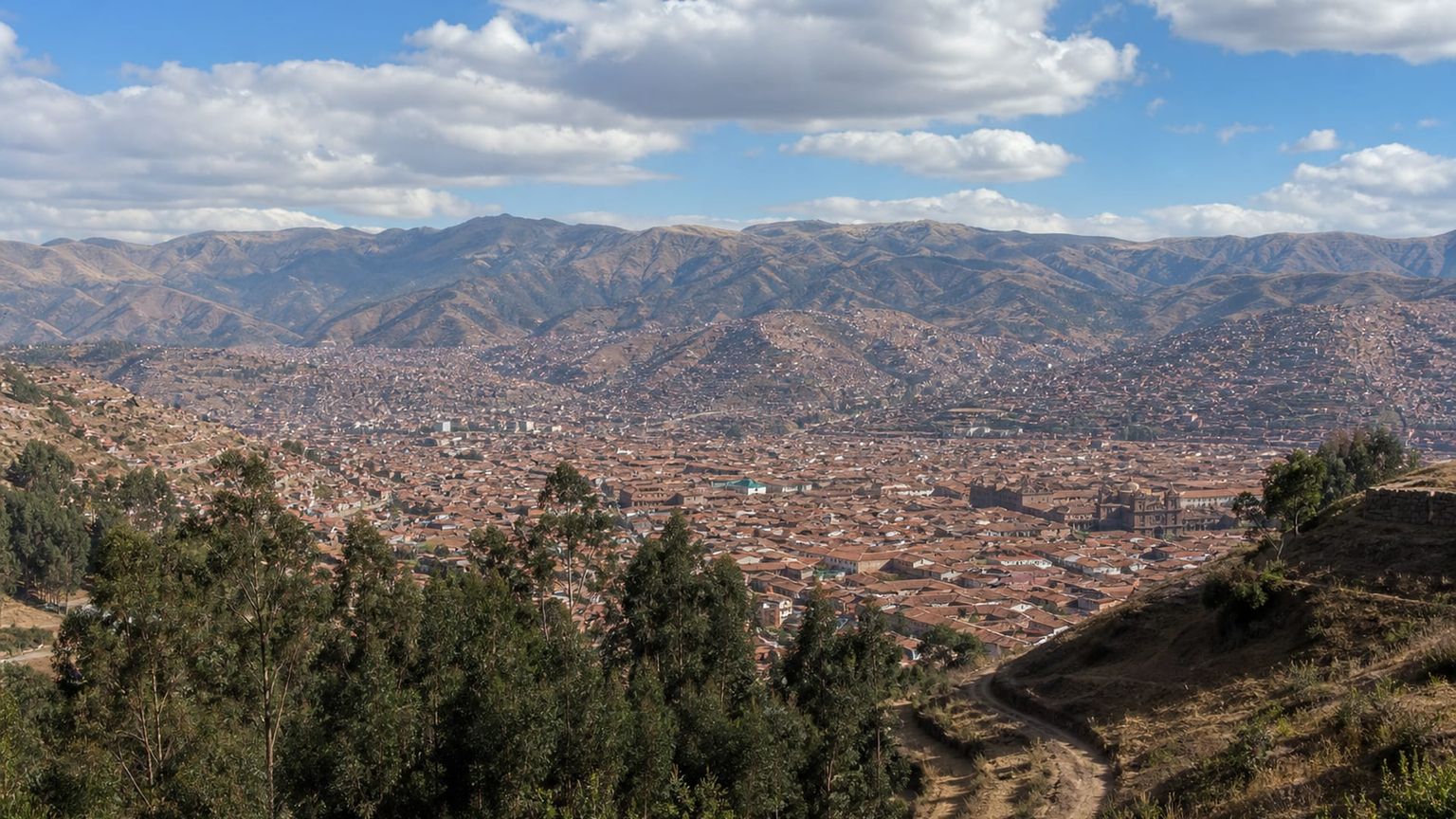
Cusco itineraries often start with the cathedral, Qorikancha, and a quick run to Sacsayhuamán, then leave little room for altitude or the uphill lanes that shape the city.
That approach can turn short distances into tiring ones, especially once you add crowds in Plaza de Armas, steep streets in San Blas, and the taxi time needed between districts.
This guide sets out the days in a way that matches Cusco’s layout, so you can space the climbs, pair nearby sights, and keep the center as your anchor.
Useful things to know

Main language(s): Spanish, Quechua
Hola (OH-lah) – Hello
Por favor (por fah-VOR) – Please
Gracias (GRAH-syah-s) – Thank you
¿Habla inglés? (AH-blah een-GLAYS) – Do you speak English?
¿Cuánto cuesta? (KWAHN-toh KWEHS-tah) – How much does it cost?

Currency: The local currency is the Peruvian sol (PEN, S/).

Cash and cards: Cards and contactless are widely accepted in Cusco, but carry about S/100 to S/200 ($27 to $54) in cash for taxis, markets, and small shops.

Tipping: Round up small bills; leave about 5-10% in restaurants if service is good.

Traditional food: Cuy, rocoto relleno, lomo saltado, chicharrón

Water and coffee costs: Water ~S/3 to S/6 ($1 to $2), bar espresso ~S/8 to S/12 ($2 to $3).

Taxis and ride apps: Uber and InDrive operate in Cusco; confirm pickup points, as coverage can vary by neighborhood.

Plug and voltage: Type A/C socket, 220V

Dining and shop opening hours: Breakfast is about 7:00-9:00 am, lunch 1:00-3:00 pm, and dinner 7:00-10:00 pm. Many kitchens close between meal periods and outside main tourist areas can close early.

Emergency number: 911 for police, fire, and medical emergencies.
Where to stay in Cusco
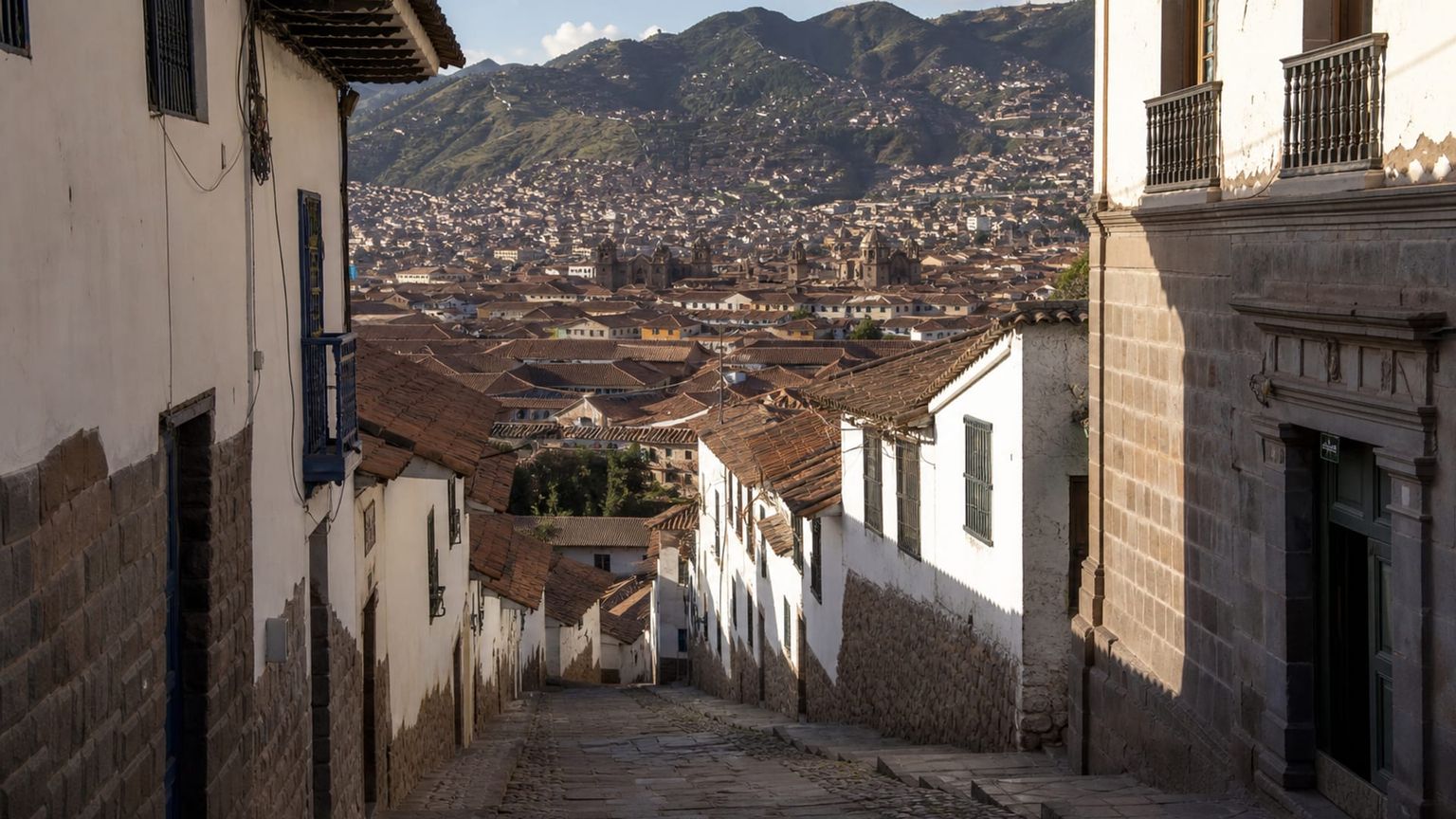
Cusco’s historic center clusters the Plaza de Armas, San Blas edge, and the main cathedral streets. It puts museums, churches, restaurants, and tour departures within an easy walk, which matters if you want to spend more time sightseeing than crossing the city.
Best for: First-time visits, walking access to major sights, and travelers who want restaurants nearby
What to expect: Busy sidewalks by day, frequent tour groups, and an active evening restaurant scene around the plazas.
Hotel prices: Usually about 250,000 to 650,000 COP (~$60 to ~$160) per night for well-rated stays
Distance to major sights: 5 to 10 minutes on foot to Plaza de Armas; 10 to 15 minutes on foot to the cathedral
Quietness: Daytime is lively and often crowded, while evenings are calmer on side streets but still active near the plazas.
Main trade-off: Rates run higher here, and the busiest blocks can pick up noise from late diners, agencies, and passing traffic.
Good to know: Pick a room on a side street or upper floor if you are sensitive to street noise; plaza-facing rooms get the most foot traffic.
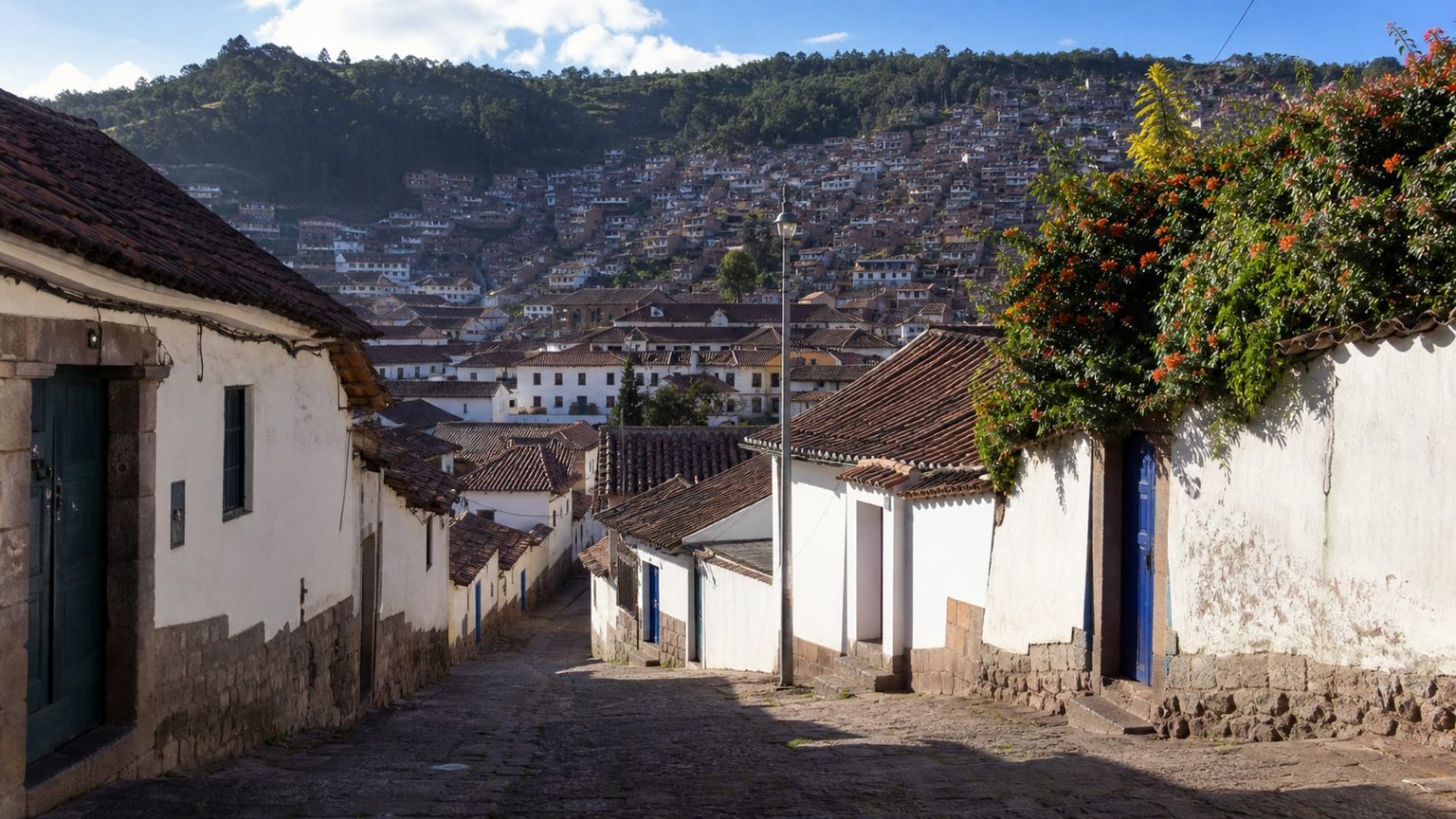
San Blas sits uphill from the main square and mixes steep cobbled lanes, small inns, galleries, and independent cafes. It matters because it gives you a more characterful base with easy access to the historic center, though the climb and narrow streets shape every outing.
Best for: Couples, boutique stays, cafes, and travelers comfortable with hill walking
What to expect: Narrow streets, craft shops, and a steady flow of people during the day, then a smaller, quieter crowd after dinner.
Hotel prices: Usually about 220,000 to 600,000 COP (~$55 to ~$150) per night for well-rated stays
Distance to major sights: 10 to 20 minutes on foot to Plaza de Armas; about 15 minutes on foot to the cathedral
Quietness: Daytime is active with visitors and shop traffic, while evenings turn noticeably quieter once the restaurants close.
Main trade-off: The uphill walk can be tiring, and taxis may not reach every door on the steepest lanes.
Good to know: If you plan early departures, check whether your property sits on a steep block, since luggage and taxis are harder to manage there.
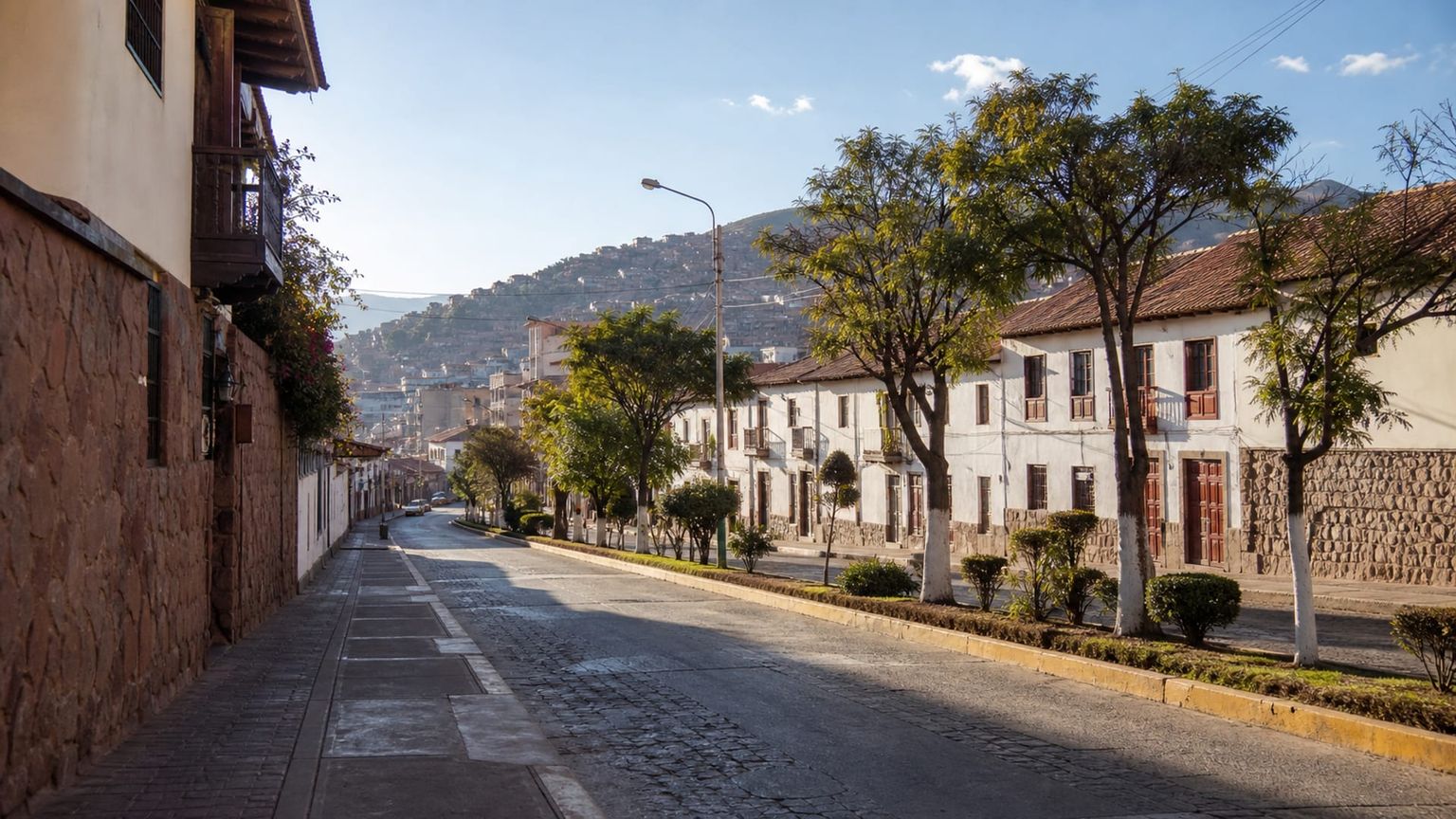
Wanchaq is a central residential and commercial district just south of the historic core, with a calmer street pattern and easy access to the train station and bus links. It matters if you want a more local base without losing access to Cusco’s main sights.
Best for: Travelers who want a quieter base, rail connections, and longer stays
What to expect: Broad streets, local shops, and less tourist traffic than the center, with a more everyday city feel after dark.
Hotel prices: Usually about 180,000 to 450,000 COP (~$45 to ~$110) per night for well-rated stays
Distance to major sights: 10 to 20 minutes by taxi to Plaza de Armas; about 15 minutes by taxi to the cathedral
Quietness: Daytime is active with local errands and traffic, and evenings are noticeably calmer than in the historic center.
Main trade-off: You will rely more on taxis or longer walks for dining and sightseeing, especially if you stay far from the core.
Good to know: Confirm your walking route to the center before booking, because some streets are less convenient on foot than they look on a map.
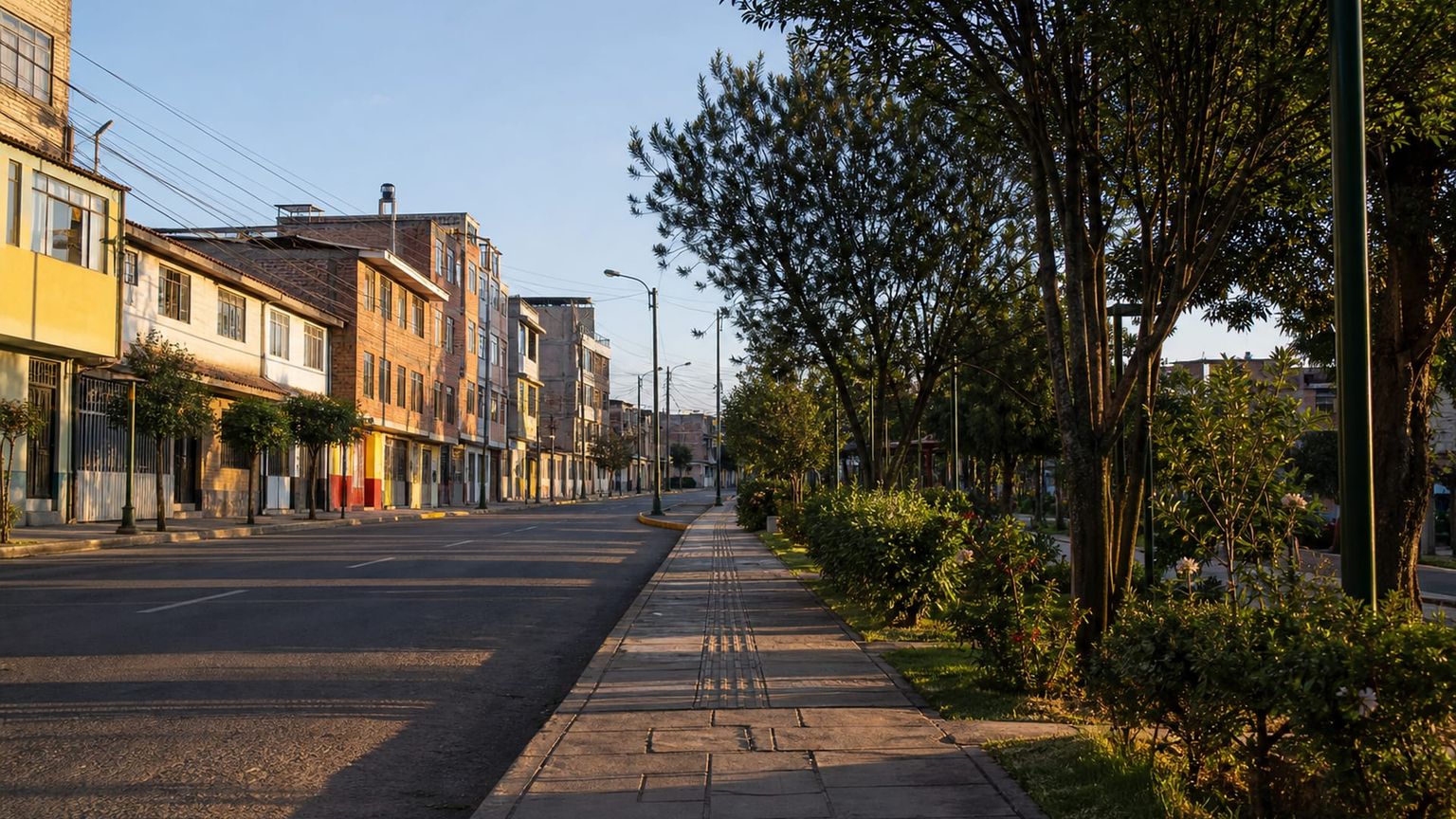
Magisterio lies east of the historic core and is a mainly residential district with larger blocks, local businesses, and more space than the old center. It matters for travelers who prefer quieter nights, easier vehicle access, and a base that stays well connected to central Cusco.
Best for: Families, longer stays, and travelers who prefer a residential setting
What to expect: Local traffic, neighborhood shops, and far fewer tourists than the historic center, especially in the evening.
Hotel prices: Usually about 160,000 to 380,000 COP (~$40 to ~$95) per night for well-rated stays
Distance to major sights: 15 to 25 minutes by taxi to Plaza de Armas; about 20 minutes by taxi to the cathedral
Quietness: Days can be busy with traffic and errands, but evenings are usually quieter than in the central tourist districts.
Main trade-off: You give up walkability to major sights, so most dinner and sightseeing plans start with a taxi ride.
Good to know: This area works best if you are comfortable using taxis for nearly every outing and do not mind being outside the historic core.
Travelers usually avoid staying in San Sebastián, San Jerónimo, and Santiago, since they sit well outside Cusco’s main visitor core and make evening taxi trips longer and less convenient. The area near Alejandro Velasco Astete Airport and the suburban edges of Wanchaq are also less convenient, with fewer sights within walking distance and fewer hotel-area amenities than the historic center.
Hotel deals
How to get around Cusco efficiently
Cusco has no metro, so short taxi rides, minibuses, and walkable stretches carry most trips between the historic center, San Blas, Wanchaq, and the airport area.

Metro
for longer distances
Cusco has no metro system; the closest equivalent is the city’s minibus network and short taxi rides, which cover the historic center, San Blas, Wanchaq, and the airport area more effectively than any rail option.

Bus and tram
for convenience
Minibuses and combis run the main corridors between the center, Wanchaq, San Sebastián, and nearby districts, with fares of about $0.30 to $0.60 (S/1 to S/2) and trips paid in cash on board. Use them for short cross-town hops, then allow extra time because stops are informal and journey times depend on traffic and how many people board.

Taxi
for convenience or late hours
Licensed taxis in Cusco are usually non-metered, so you should agree the fare before departure. Typical trips in the city center cost about $2 to $6 (S/7 to S/22), while rides to or from Cusco (CUZ) usually fall about $6 to $12 (S/22 to S/45); many drivers accept cash only, so carry small bills.
*Prices are based on rates updated as of June 2026 and may change at the time of travel.
Use walking for the center, taxis for uphill or airport trips, and minibuses for inexpensive cross-town rides when you do not mind a slower, more local trip.
Iconic landmarks
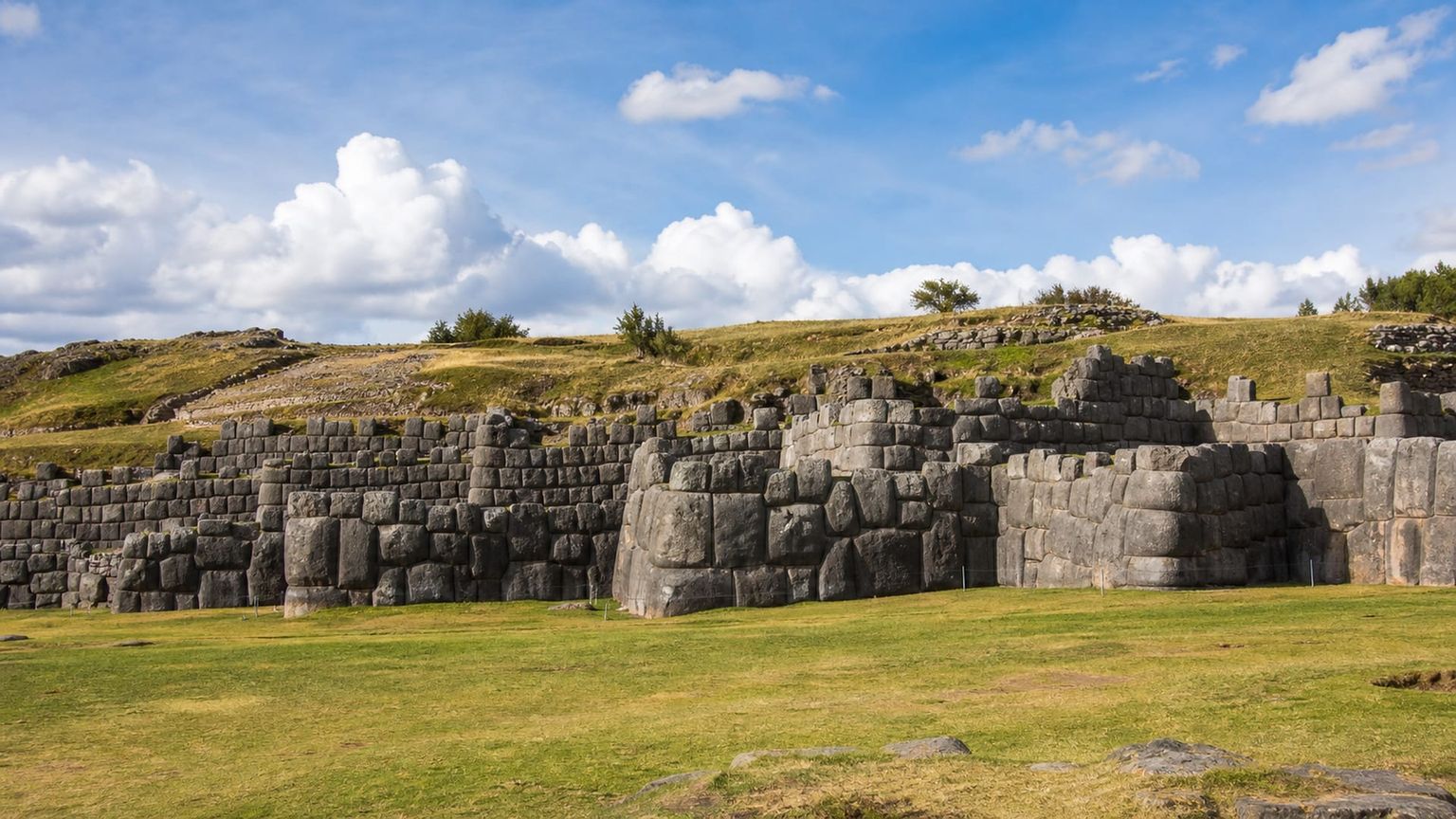
Sacsayhuamán
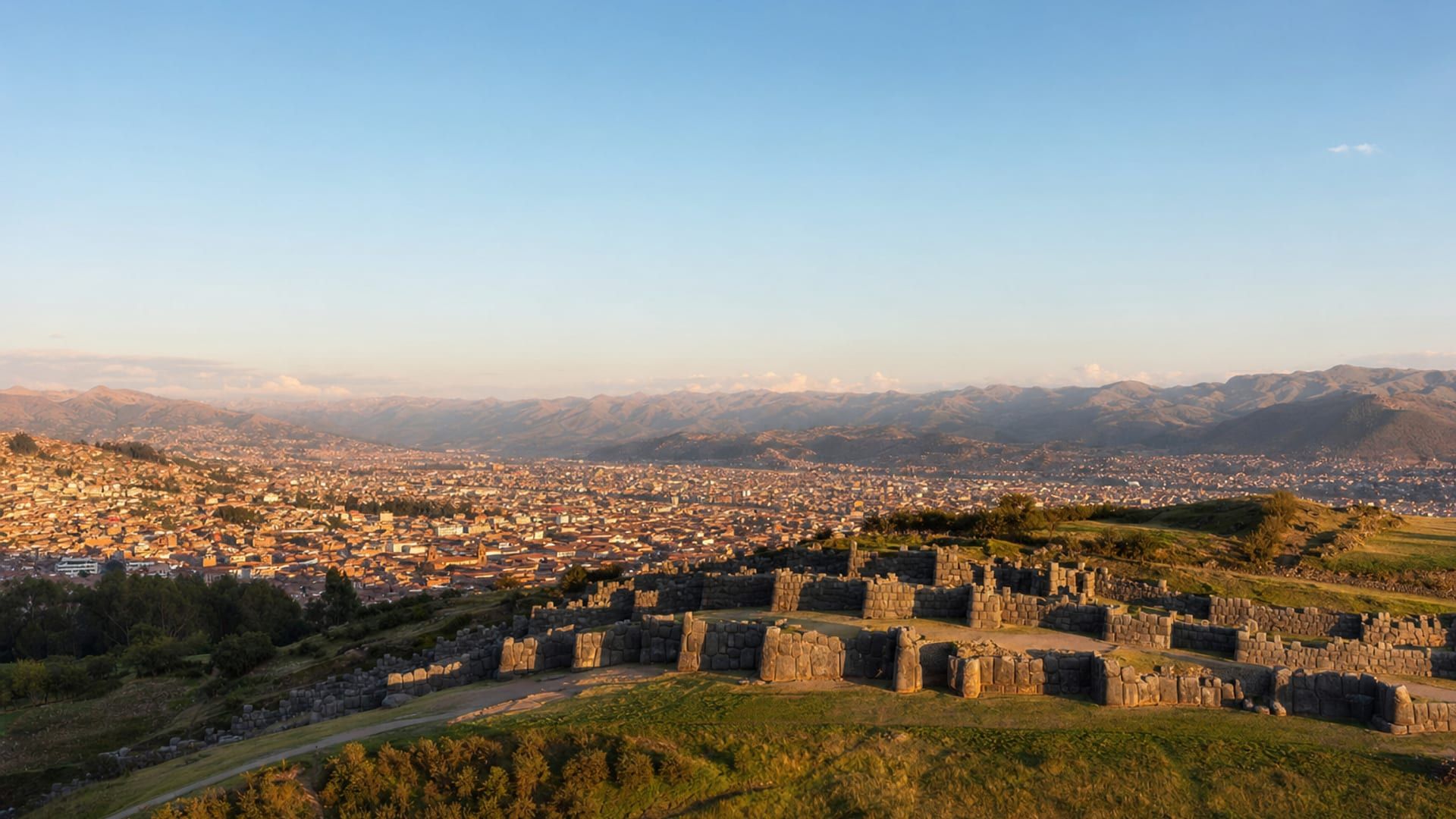
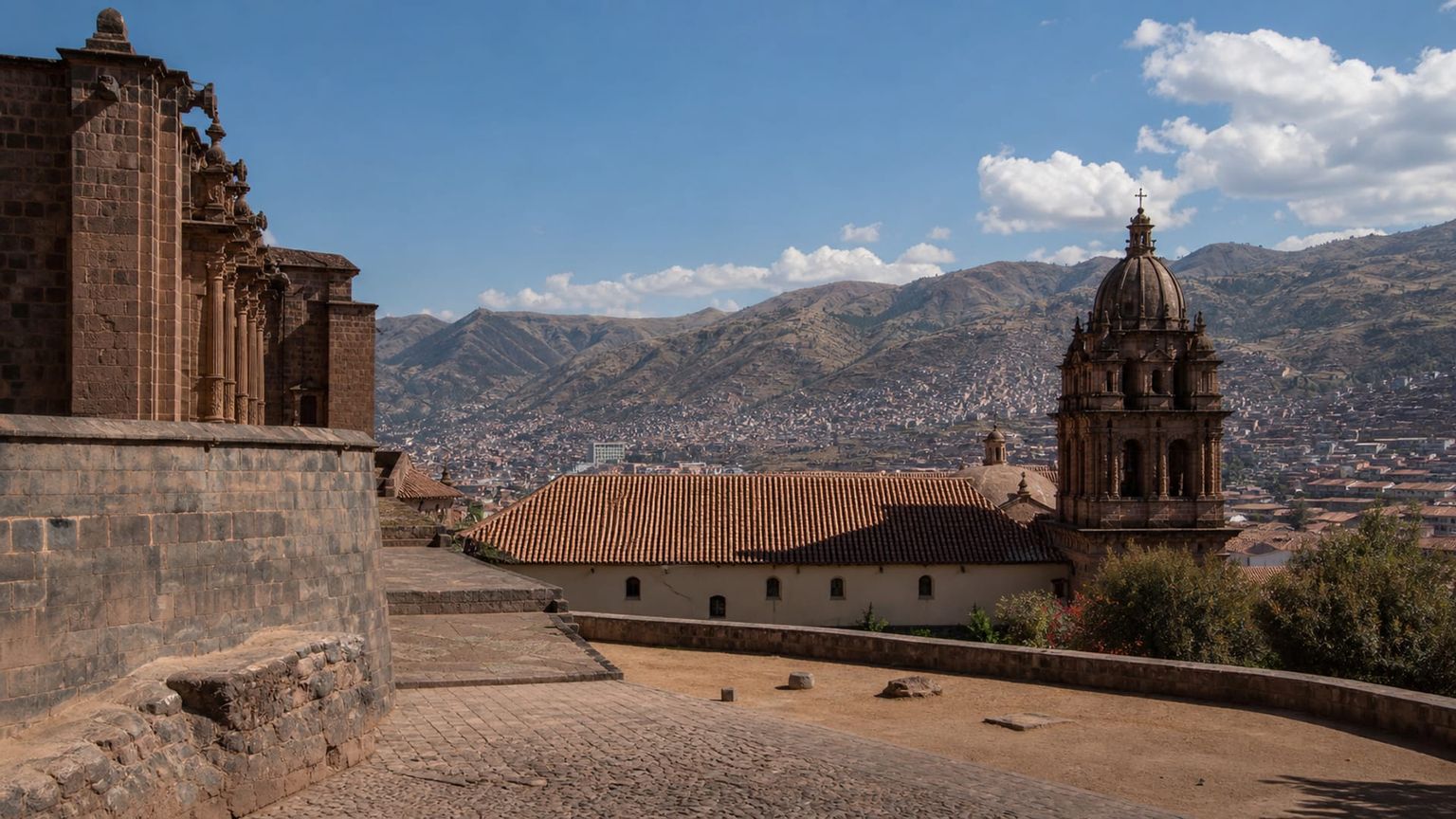
This hillside Inca fortress above Cusco pairs finely cut stone walls with wide city views and traces of ceremonial use. Walk the terraces to read the scale of the masonry, then continue along the nearby archaeological circuit.
Time needed: About 2 to 3 hours
Entry: Tourist ticket access costs $24 ($83) for the main circuit, which includes Sacsayhuamán and several nearby Cusco sites. Visit the official site for details.
Tip: Go early for cooler air and fewer crowds on the upper terraces.
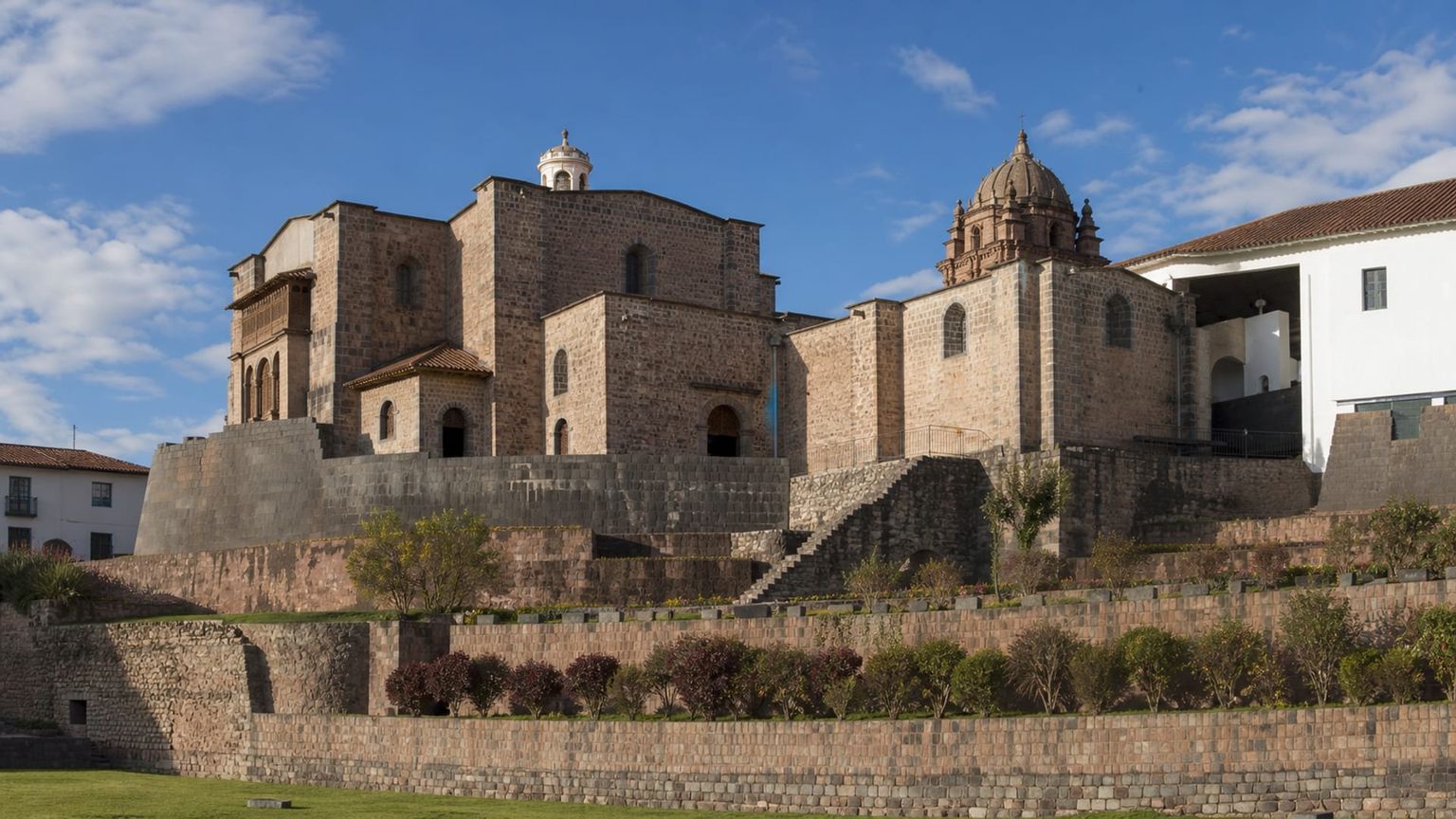
Qorikancha and Santo Domingo
Qorikancha was the Inca sun temple at the heart of Cusco, later partly enclosed by Santo Domingo. Its stonework, colonial arcades, and small museum make the layered history easy to trace in a compact visit.
Time needed: About 1 to 2 hours
Entry: Entry costs about $5 ($18) for adults, with reduced rates for students and Peruvians on some days.
Tip: Visit late morning, when the courtyard light is best for the stone details.
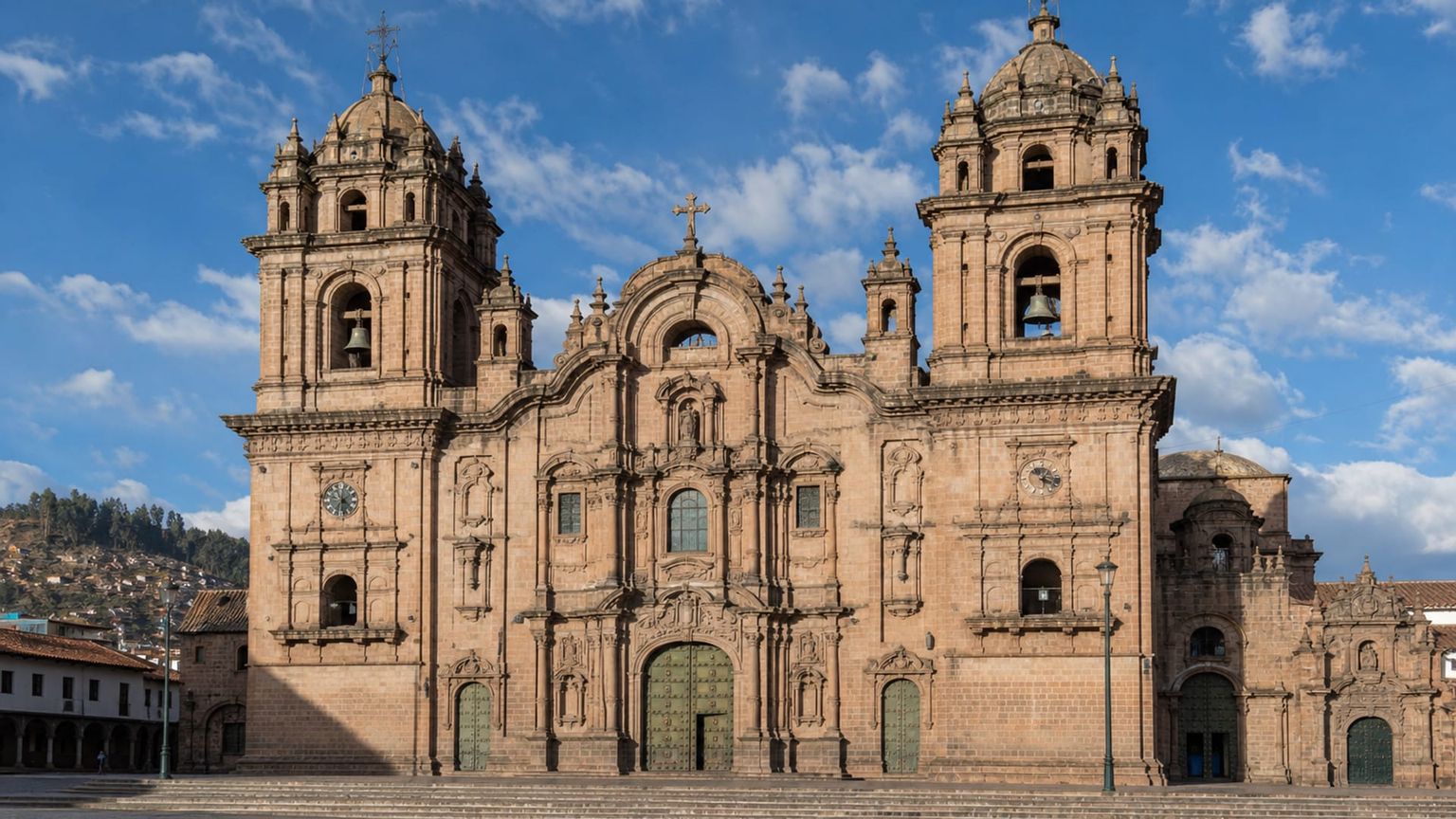
Cusco Cathedral
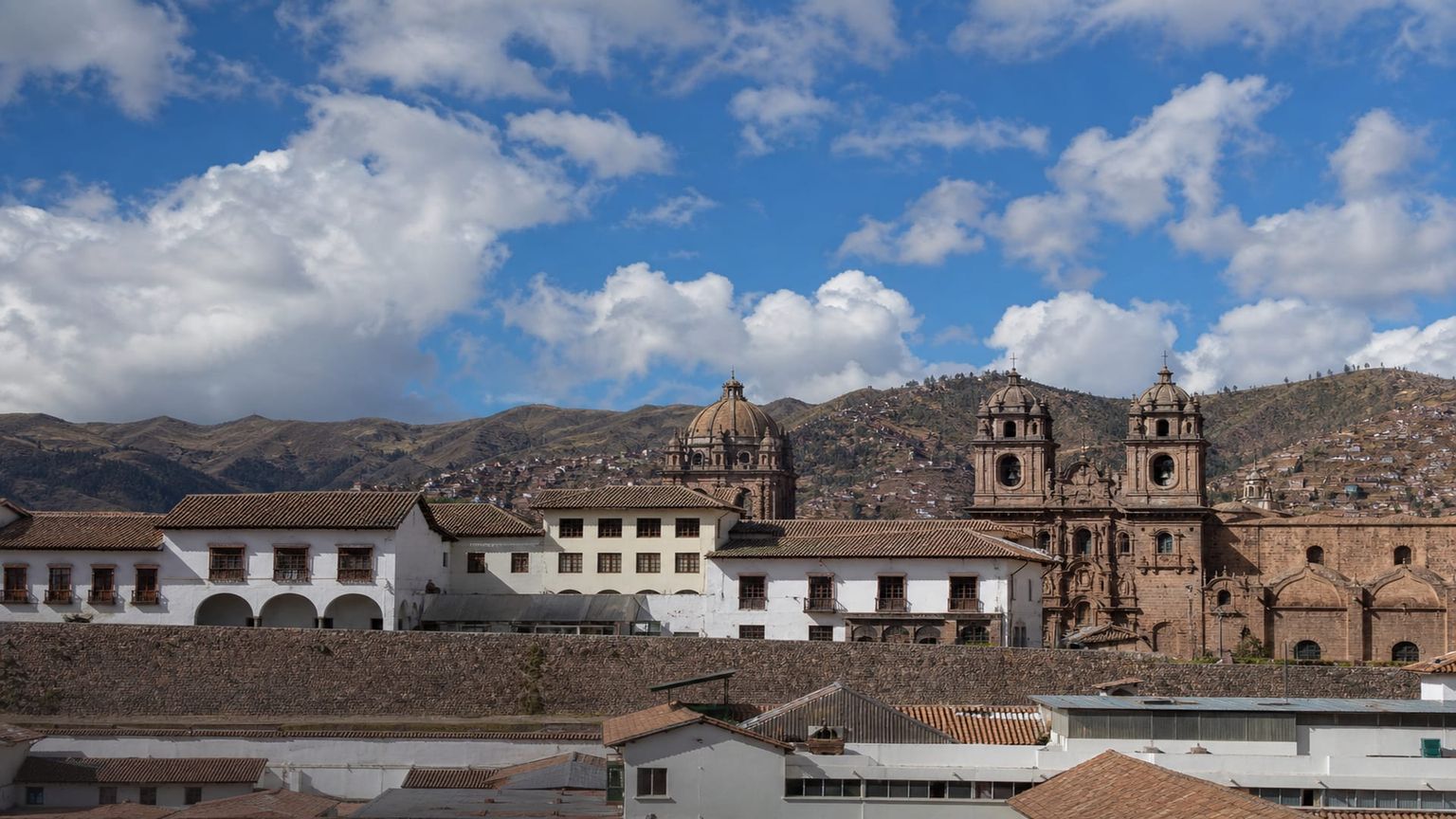
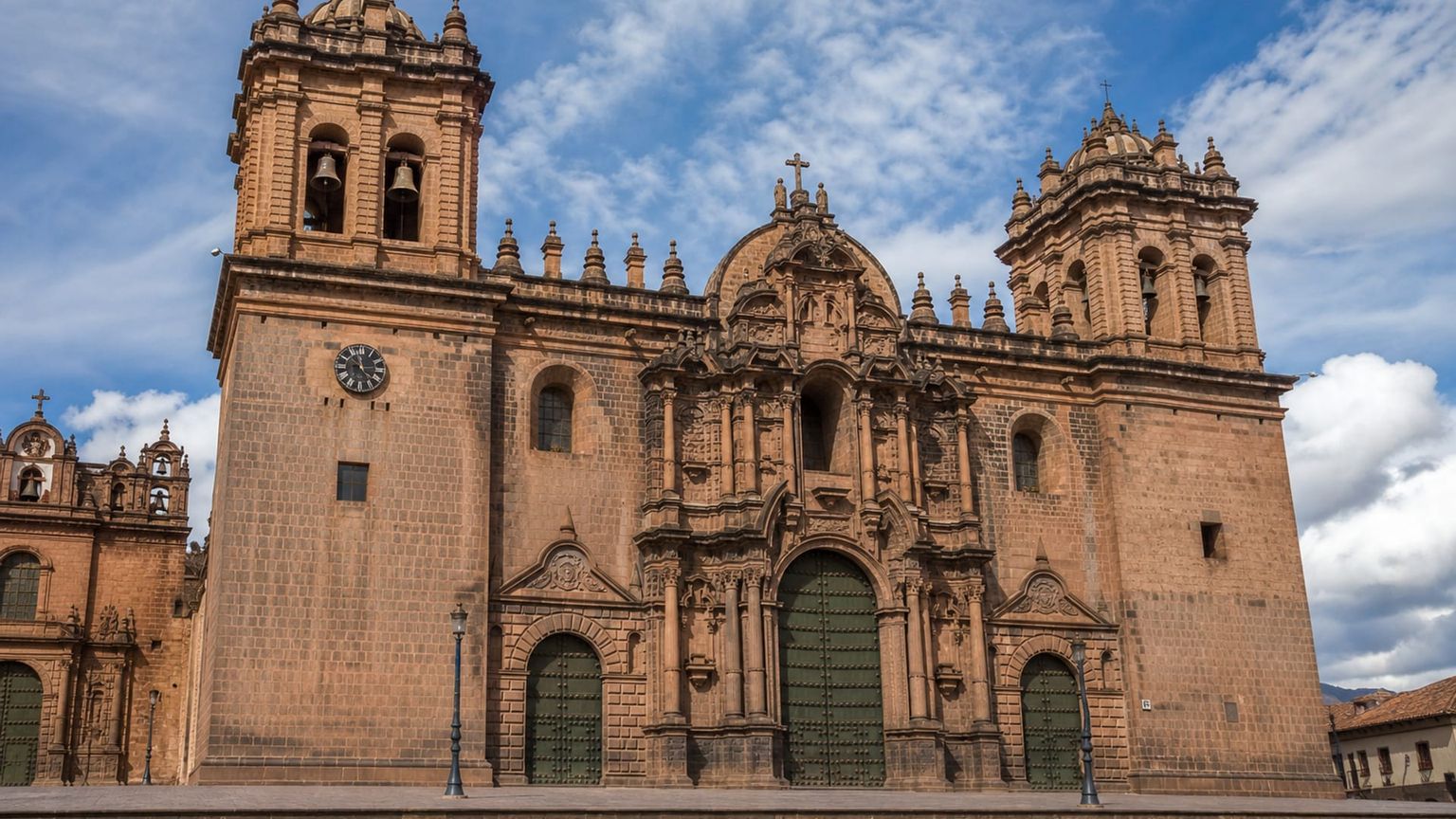
The Cusco Cathedral anchors Plaza de Armas with a dense interior of carved altars, silver, and paintings from the Cusco School. Its side chapels and chapels line-up reward a slow circuit after you enter the square.
Time needed: About 1 to 2 hours
Entry: Admission costs about $8 ($29), and the ticket also includes the nearby Church of the Society of Jesus. Visit the official site for details.
Tip: Arrive outside mass hours, when you can move through the chapels at an easier pace.
Overlooked sites worth visiting

Qorikancha and the Santo Domingo cloister
Cusco’s Inca temple base sits beneath a Spanish convent, with finely cut stone walls, quiet courtyards, and a small museum on site. Go early for softer light and fewer tour groups.
Time needed: About 1 to 1.5 hours
Entry: Admission costs $7 to $14 (about S/26 to S/52), with separate student and child discounts on some ticket types. The price usually covers the museum, cloister, and temple rooms; special exhibitions or guided visits may cost extra. Visit the official site for details.
Tip: Arrive before 9:00 am for the calmest visit.

San Blas neighborhood and artisan quarter
Climb the narrow lanes above Plaza de Armas for carved balconies, small workshops, and a tiny lookout over the tiled roofs. The streets stay active with local studios, not large tour stops.
Time needed: About 1 to 2 hours
Entry: Free to walk the streets, while some workshops, galleries, and small studios charge $1 to $5 (about S/4 to S/18) for entry or a short demo. Cafes and shops set their own prices.
Tip: Visit late afternoon for better light on the stone lanes.
Traditional food
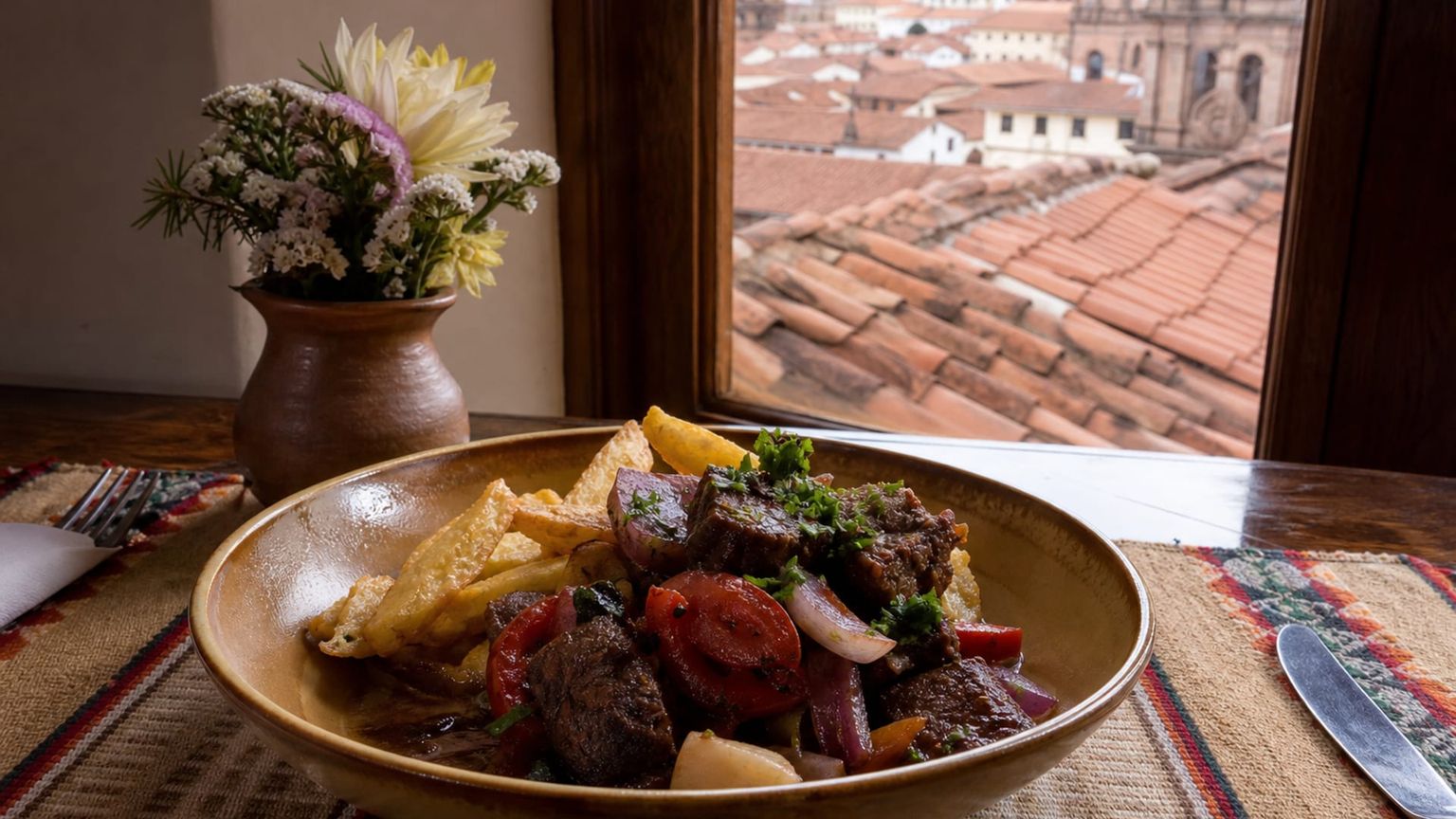
Cusco’s table leans on Andean staples, roasted meats, potatoes, corn, and bright rocoto heat. Expect cuy, chicharrón, lomo saltado, and slow meals that fit the city’s early lunch and dinner hours.
Cuy
This roasted guinea pig is one of Cusco’s most emblematic dishes, with crisp skin and rich meat that often arrives with potatoes and corn. Chicha Restaurant is a well-known place to try it in the historic center.
Rocoto relleno
Cusco’s stuffed spicy pepper dish balances heat, cheese, and meat in a baked pepper that usually comes with a side of potato or salad. Pachapapa in San Blas is a canonical stop for it.
Lomo saltado
This stir-fry of beef, onions, tomatoes, and fries is a familiar Peruvian classic that fits easily into a lunch stop in the center. Morena Peruvian Kitchen serves a strong version near Plaza de Armas.
Chicharrón
Crisp fried pork is often served with corn, potatoes, and a peppery salsa, making it a hearty breakfast or lunch choice in Cusco. Quinta Eulalia is a classic place to order it.
Best time to visit Cusco
Cusco rewards careful timing: dry-season days make sightseeing easier, while the rainy months bring greener hills, faster weather shifts, and a stronger need to keep indoor stops nearby.
Best for: Best for greener landscapes and fewer peak-season crowds
What you get: Temperatures roughly 40-65°F (4-18°C); expect frequent rain and lighter visitor traffic on some days
Trade-offs: Showers can interrupt outdoor plans and make uphill walks slower
Best for: Best for clear mornings and balanced sightseeing days
What you get: Temperatures roughly 38-66°F (3-19°C); crowds are moderate as rain tapers off
Trade-offs: Late-season showers can still affect afternoon plans
Best for: Best for the driest weather and the clearest highland views
What you get: Temperatures roughly 30-64°F (-1-18°C); this is the busiest period, especially around major landmarks
Trade-offs: Cold mornings and larger crowds make early starts worthwhile
Best for: Best for lighter crowds and comfortable city walking
What you get: Temperatures roughly 36-67°F (2-19°C); visitor numbers are usually lower than in peak winter
Trade-offs: Late spring can turn unsettled as the rains return
A realistic 5-day plan in Cusco
A five-day Cusco trip works best when you alternate uphill landmarks with lower-key streets and indoor stops. This plan keeps arrival simple, groups nearby sights, and leaves the final day open for San Blas before the airport run.
A taxi from Cusco (CUZ) to the historic center takes about 10 to 20 minutes and usually costs roughly $4 to $8. Check in near Plaza de Armas or in San Blas if you want easy access to dinner, then spend the rest of the afternoon hydrating, walking only a block or two, and settling in with a light meal at a plaza cafe or a quiet restaurant on a side street.
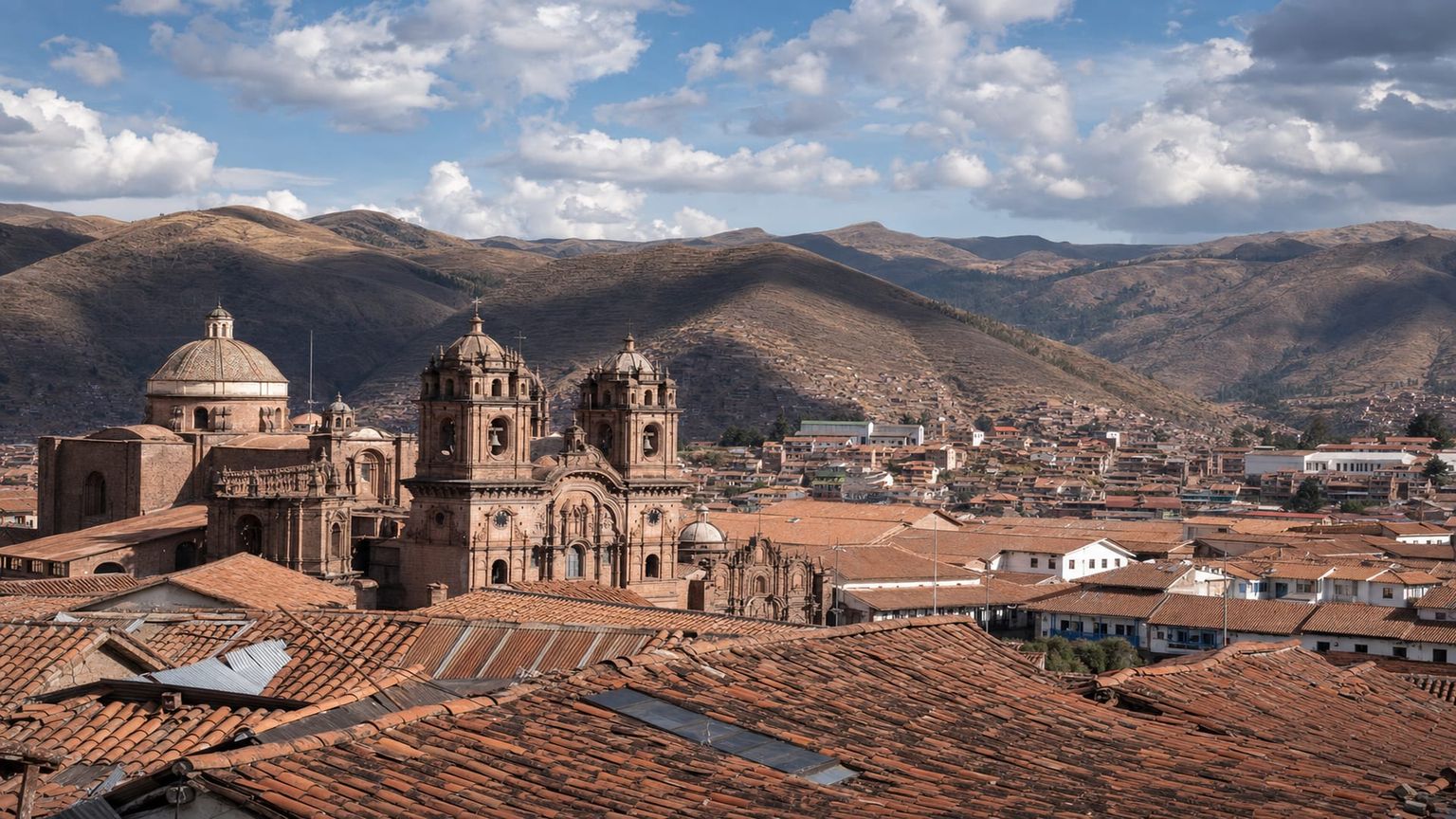
Begin at Qorikancha and Santo Domingo, where the courtyard light is best late in the morning, then walk about 15 minutes to Cusco Cathedral for the carved altars and Cusco School paintings. After lunch in the historic center, continue by taxi or a 25-minute uphill walk to Sacsayhuamán, where the stone walls and city views justify a slower pace. Plan about 1 to 2 hours at the cathedral, about 1 to 2 hours at Qorikancha, and roughly 2 to 3 hours at the fortress.
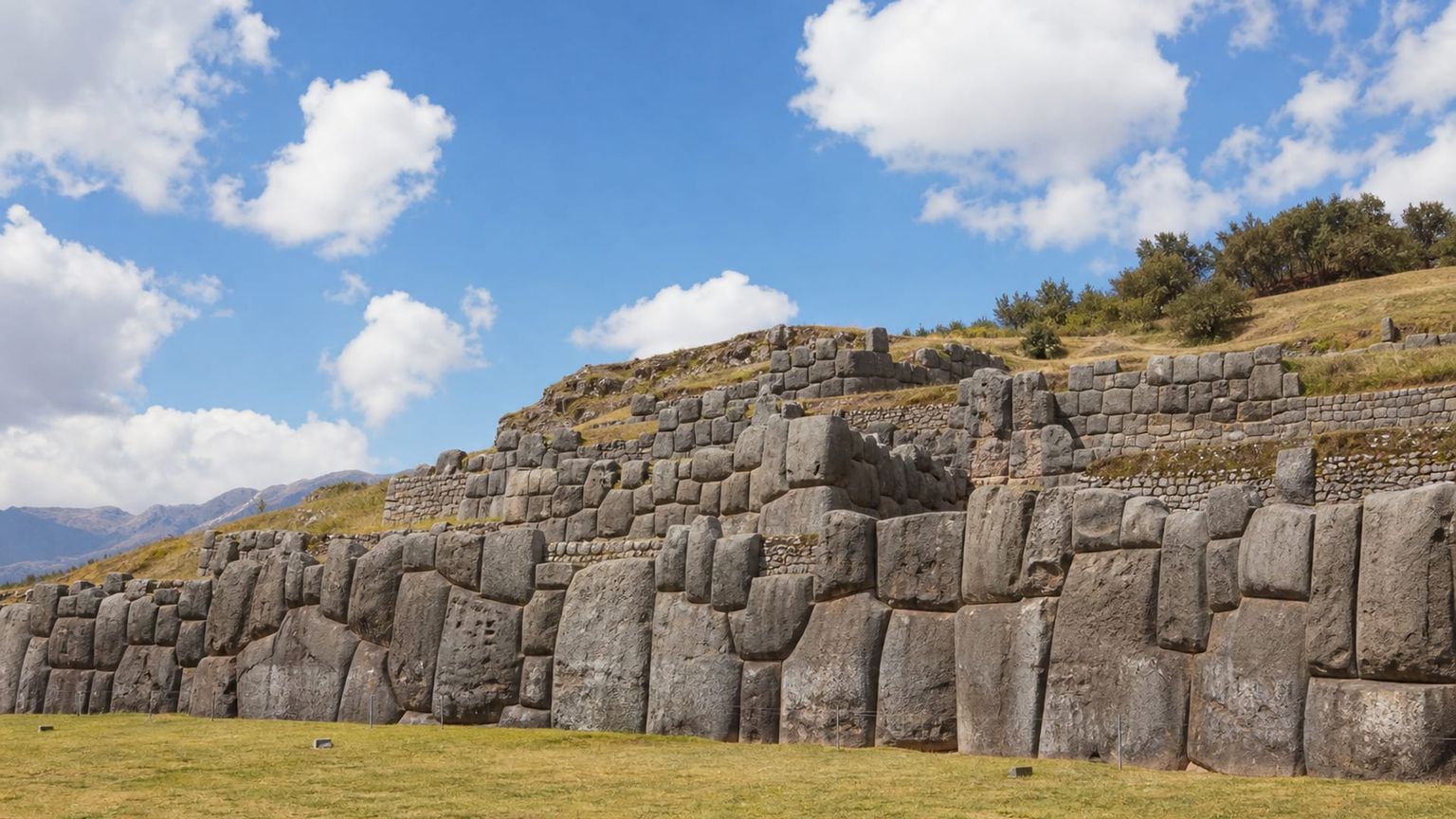
San Blas rewards a slower start: reach the neighborhood from Plaza de Armas in about 10 minutes on foot, then spend the morning following its narrow lanes, workshops, and small galleries. Late afternoon is a good time for the artisan quarter, when the light hits the carved balconies and rooftop views. If you want a longer day, pair that loop with a second visit to Qorikancha and the Santo Domingo cloister, which sits about 15 minutes downhill from San Blas and fits neatly into a 1 to 1.5-hour stop.
From the historic center, head first to Cusco Cathedral for an early look at the chapels, then walk about 5 minutes to the Plaza de Armas area for a coffee break before moving on to Qorikancha and the Santo Domingo cloister, about 10 minutes away on foot. In the afternoon, return to Sacsayhuamán for a different angle on the terraces and to catch the city in softer light. This day works well as a mix of short walks and one longer uphill visit, with each stop spaced far enough apart to avoid rushing.
Start with one final, unhurried stop at the San Blas neighborhood and artisan quarter, where you can browse small studios and pick up textiles or carved pieces before lunch. If you have time before departure, pause for coffee back in San Blas or near Plaza de Armas, then return to your hotel in the historic center or Wanchaq to collect luggage. A taxi back to Cusco (CUZ) from the center usually takes about 10 to 20 minutes, so you can leave the city after a final meal without packing the day too tightly.
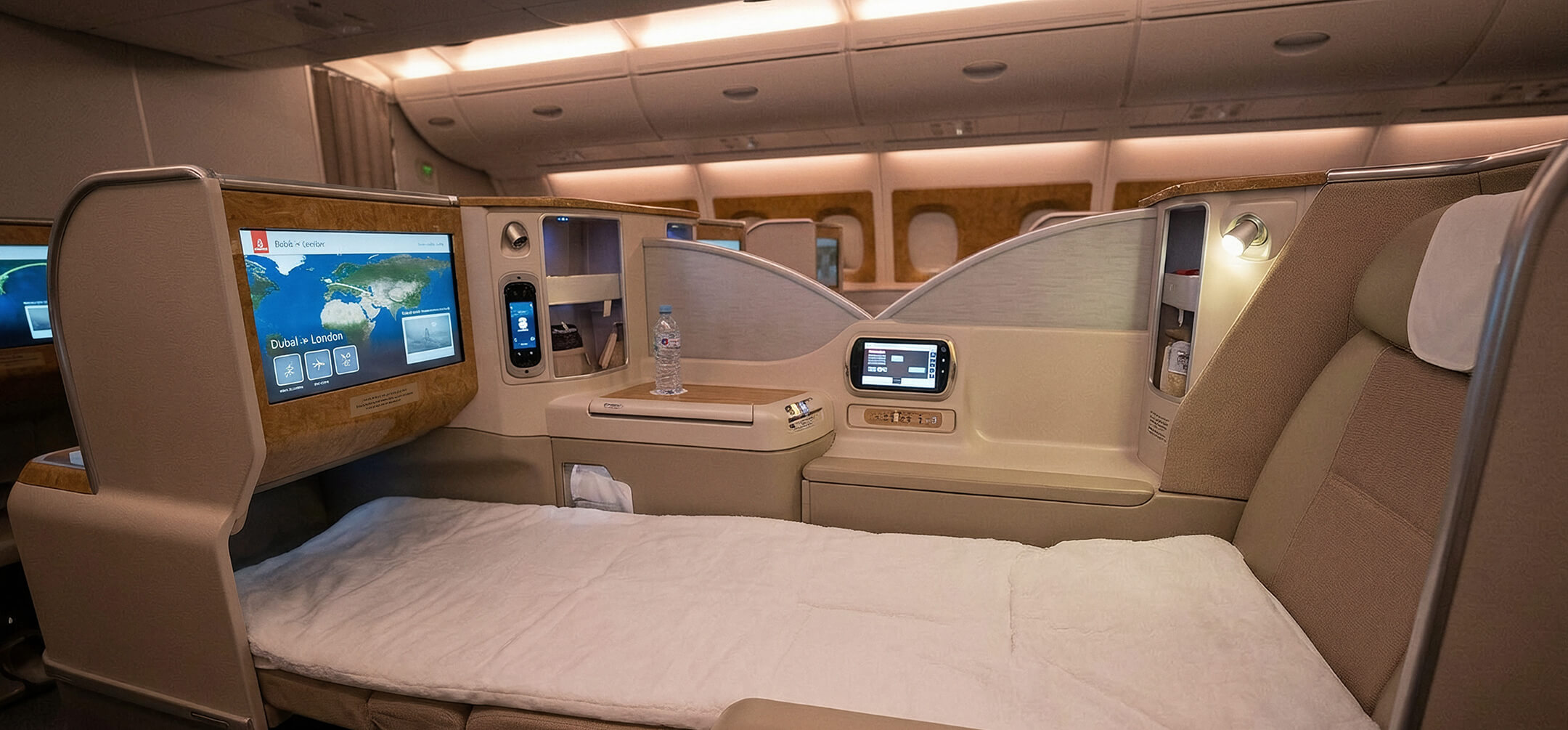
Business-class flights from the US to Cusco
Flights to Cusco usually connect through one or more Andean or Caribbean hubs, so the best fare often depends on how much layover time you are willing to accept. The East Coast and West Coast examples do not price the same way.
From New York, Avianca, Delta Air Lines, LATAM Airlines, American Airlines, and Copa Airlines all appear on the route, and common connections run through BOG, LIM, SCL, MIA, or PTY. Business-class round trips from New York usually price from $1,700 to $3,400; if you do not mind a layover, common routings via BOG, LIM, or PTY can cut fares.
Los Angeles itineraries often connect through LIM, SCL, BOG, PTY, or MIA, with LATAM Airlines, American Airlines, Delta Air Lines, Copa Airlines, and Avianca among the usual carriers. One-stop trips from Los Angeles commonly take 11 to 16 hours, and business-class round trips usually run $1,500 to $3,000, with one-stop itineraries often landing near the lower end of the range.
Cusco feels different when you slow down
A deliberate Cusco trip has room for the city’s altitude, its uphill streets, and the short transfers that tie the historic center to San Blas and Sacsayhuamán. You visit Qorikancha in better light, save the cathedral for quieter hours, and treat taxi rides as part of the plan rather than a delay. If you want help shaping the right stay and flight pair, connect with AranGrant experts for a Cusco trip built around your pace