

Chapters:

Need help with your trip?
Our support team is available 24/7. Request a callback or call us directly at (833) 619-0908
Curaçao trips often start with Willemstad’s waterfront, a beach day, and a few photo stops, while the island’s quieter corners, dining hours, and transit gaps slip past unnoticed.
That pattern can leave too much time in a car, too many meals planned too late, and too little room for the city’s compact historic districts, where walking short distances works better than chasing every sight across the island.
This guide sets a clearer order, pairing neighborhoods, transport, food, and timing so each day has a defined purpose.
Useful things to know
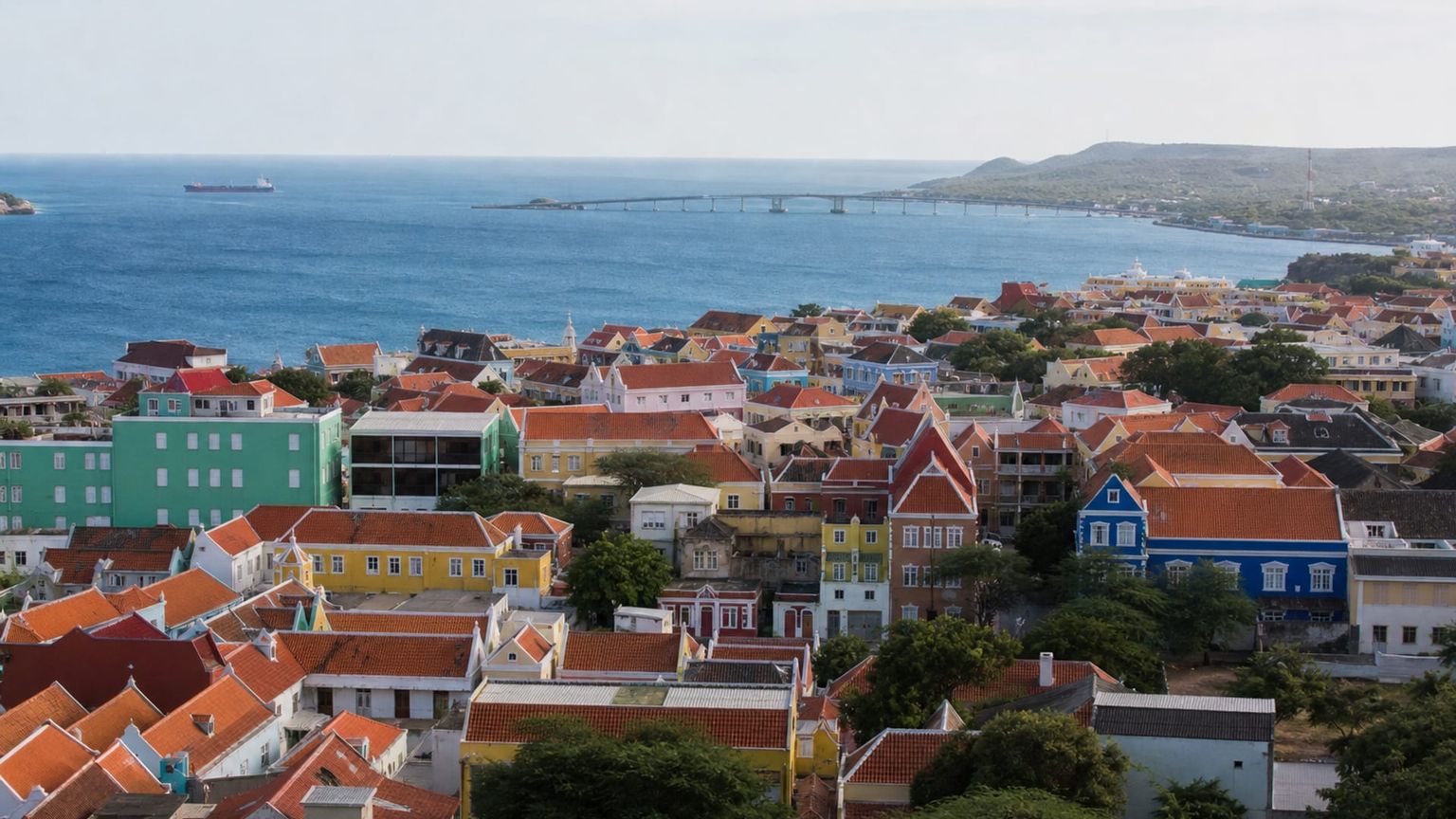

Main language(s): Papiamento, Dutch, English
Bon dia (bon DEE-ah) – Good morning / hello
Por fabor (por fa-BOR) – Please
Masha danki (MAH-sha DAN-kee) – Thank you
Bo papia Ingles? (bo pah-PEE-ah ING-gles) – Do you speak English?
Masha ku e ta? (MAH-sha koo eh tah) – How much does it cost?

Currency: The local currency is the Netherlands Antillean guilder (ANG, ƒ).

Cash and cards: Cards and contactless are widely accepted; carry about $20 to $40 in cash for small stalls and taxis.

Tipping: Round up small bills; add about 10% at restaurants if service is not included.

Traditional food: Keshi yena, stobá, tutu, pastechi

Water and coffee costs: Water about 2 ANG ($1), bar espresso about 6 ANG ($3).

Taxis and ride apps: Uber does not operate here; use local taxis or hotel-arranged rides.

Plug and voltage: Type A/B/C/F socket, 127V/120V

Dining and shop opening hours: Breakfast is about 7:00-10:00, lunch 12:00-14:30, and dinner 18:00-22:00. Many places close midafternoon, and some kitchens finish early on Sundays.

Emergency number: Call 911 for police, fire, or medical emergencies.
Where to stay in Curaçao Island
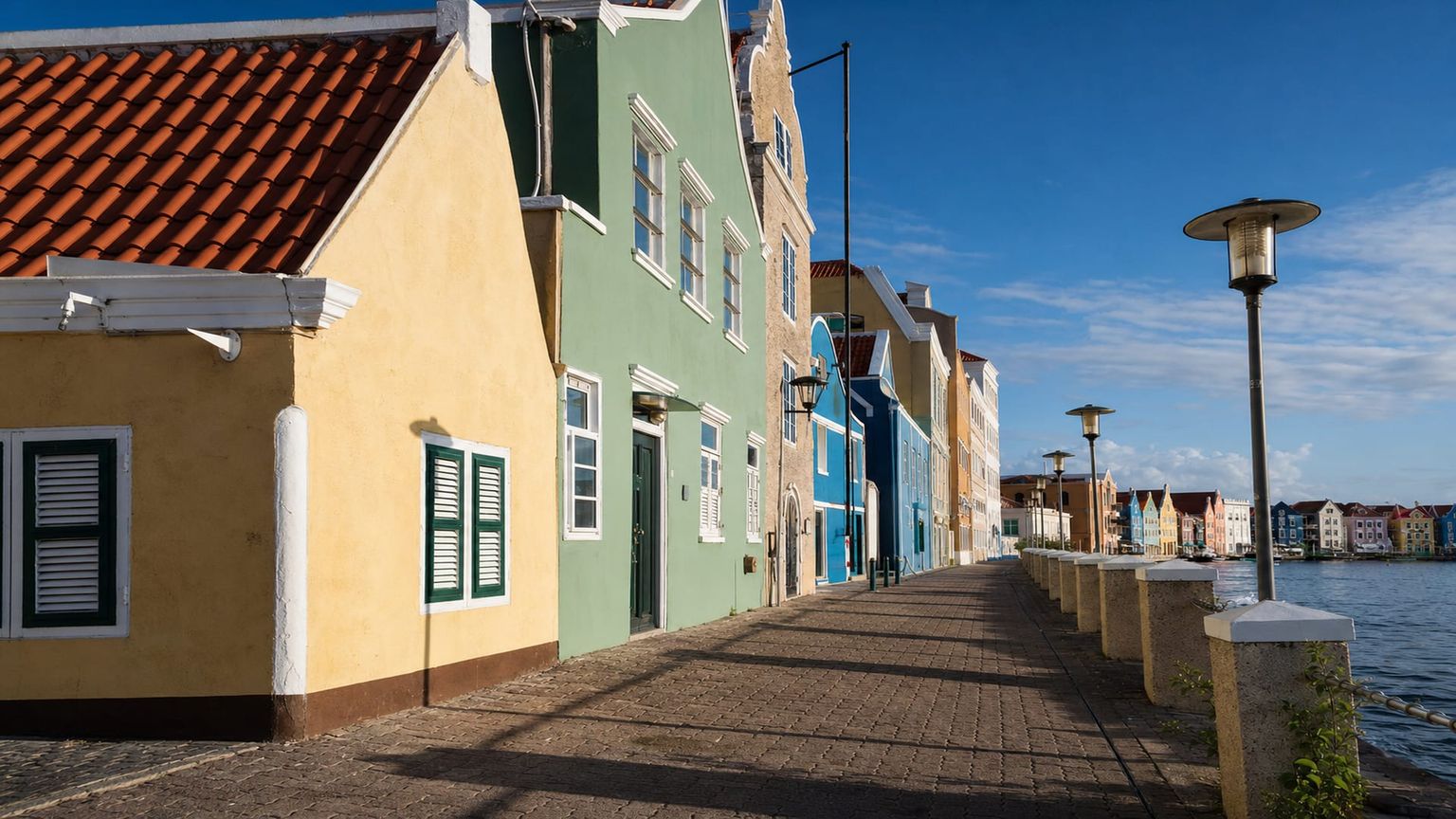
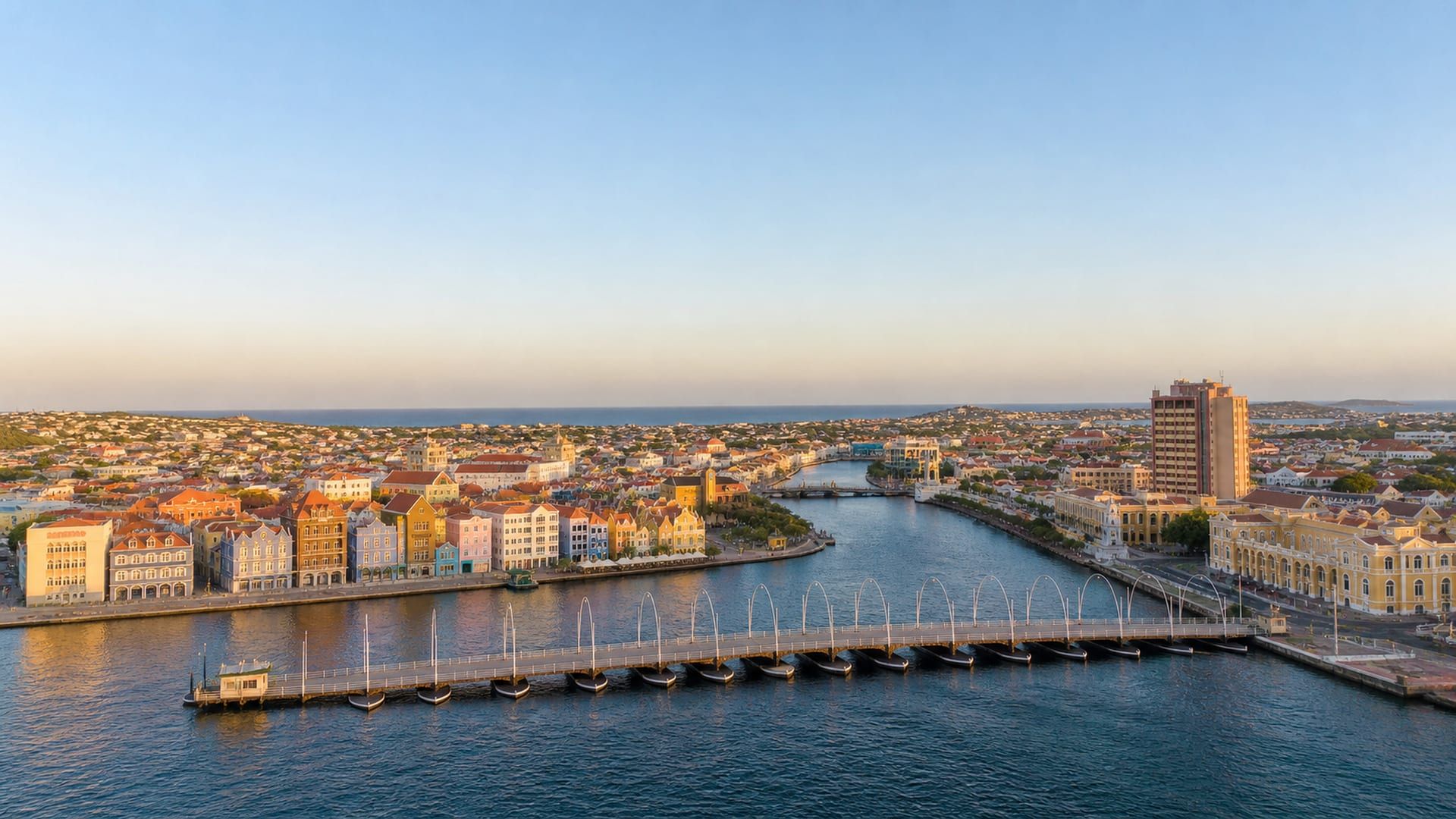
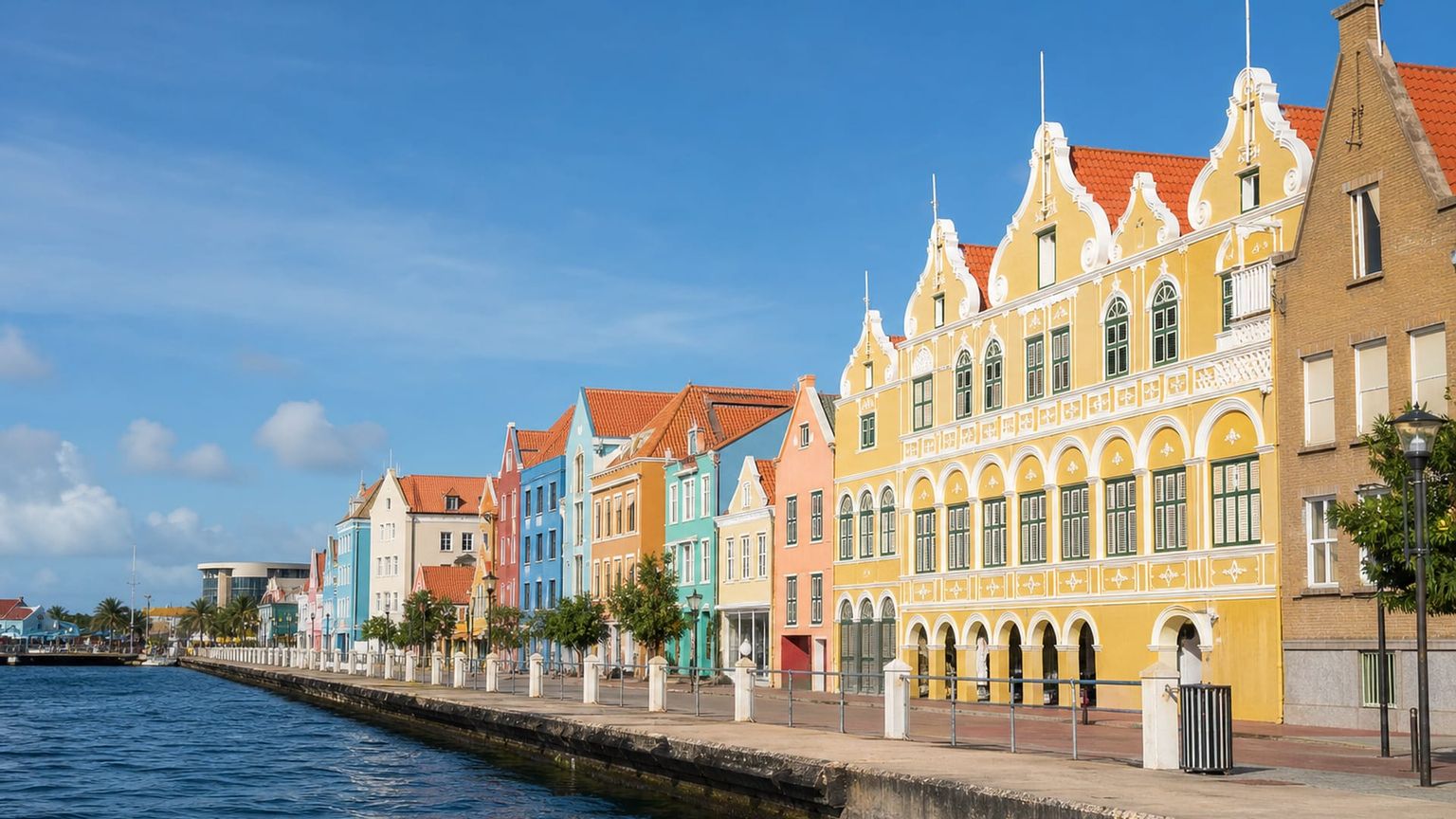
Curaçao’s colonial center, Punda sits on the east side of Willemstad’s harbor and holds the city’s most recognizable landmarks, shops, and waterfront views. Staying here puts you close to the Queen Emma Bridge, museums, and compact streets that make sightseeing easy.
Best for: First-time visits, harbor views, and walking access to Willemstad’s core sights
What to expect: Busy streets by day, with the waterfront and shopping lanes drawing steady foot traffic; evenings quiet down after shops close.
Hotel prices: Usually about $140 to $280 per night for well-rated stays
Distance to major sights: On foot to the Queen Emma Bridge, about 5 minutes; about 10 minutes by car to the Curaçao Maritime Museum
Quietness: Daytime is lively and pedestrian-heavy; evenings are much calmer once the shops and cruise-day crowds thin out.
Main trade-off: Parking can be limited, and some rooms sit above active streets with more noise than outer districts.
Good to know: If you want to walk to the harbor, choose a room away from the main shopping streets so late foot traffic and delivery noise do not spill into your stay.
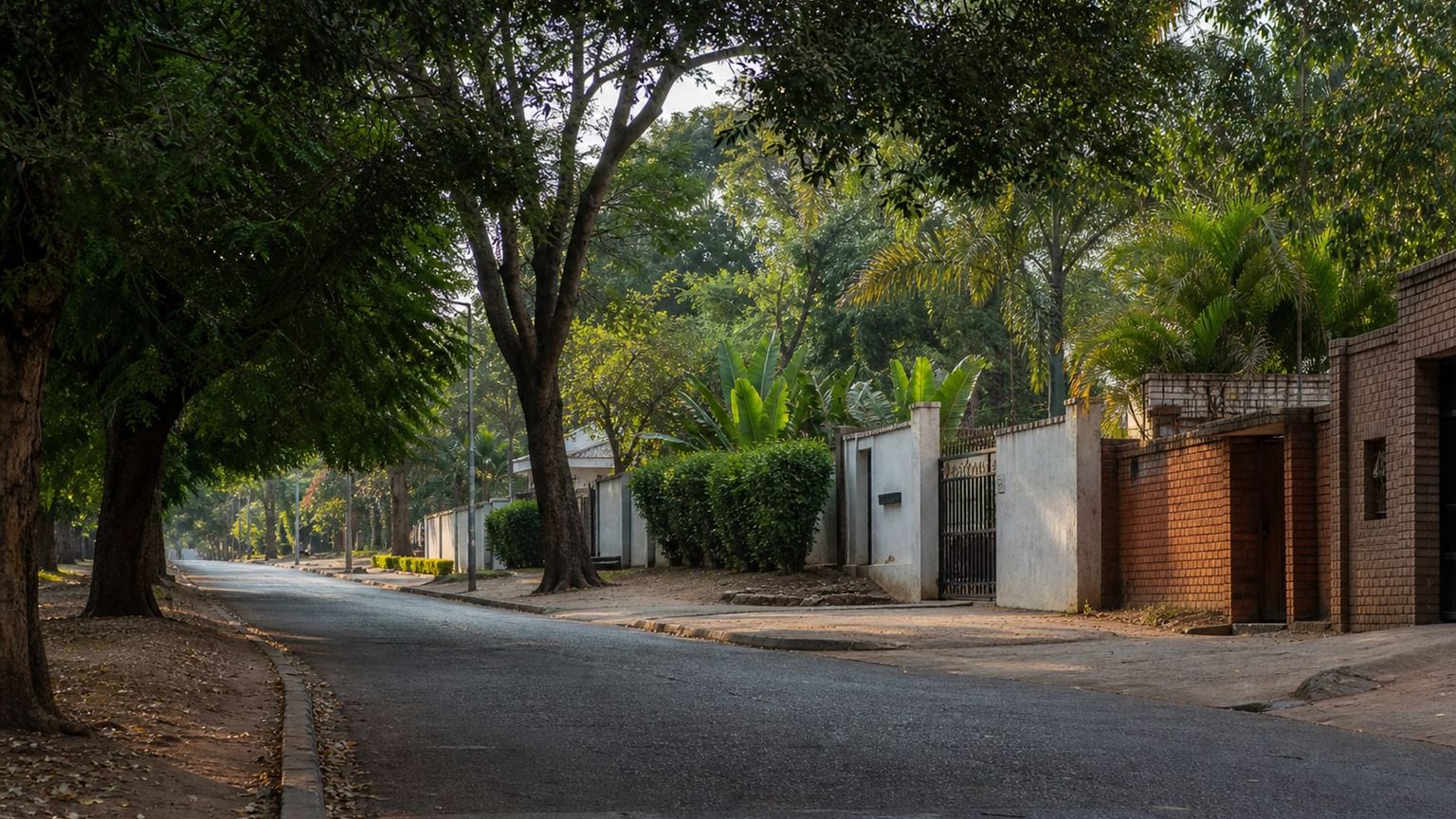
Otrobanda sits across St. Anna Bay from Punda and gives you access to restored historic buildings, murals, and broader residential streets. It matters because it places you close to the Queen Emma Bridge while often offering more space and a less tourist-focused setting.
Best for: Historic atmosphere, museum access, and travelers who want to stay near downtown without being in the busiest block
What to expect: Street activity is moderate, with local life, small eateries, and visitors around the main lanes; side streets are quieter.
Hotel prices: Usually about $110 to $230 per night for well-rated stays
Distance to major sights: About 5 minutes on foot to the Queen Emma Bridge; about 12 minutes by car to the Curaçao Sea Aquarium
Quietness: The main roads stay active in the day, while the back streets and evenings are noticeably quieter.
Main trade-off: You may walk a little more for dining and waterfront views than you would in Punda, depending on your exact address.
Good to know: Some blocks feel very calm after dark, but uphill walks and uneven sidewalks can make the final stretch less comfortable with luggage.
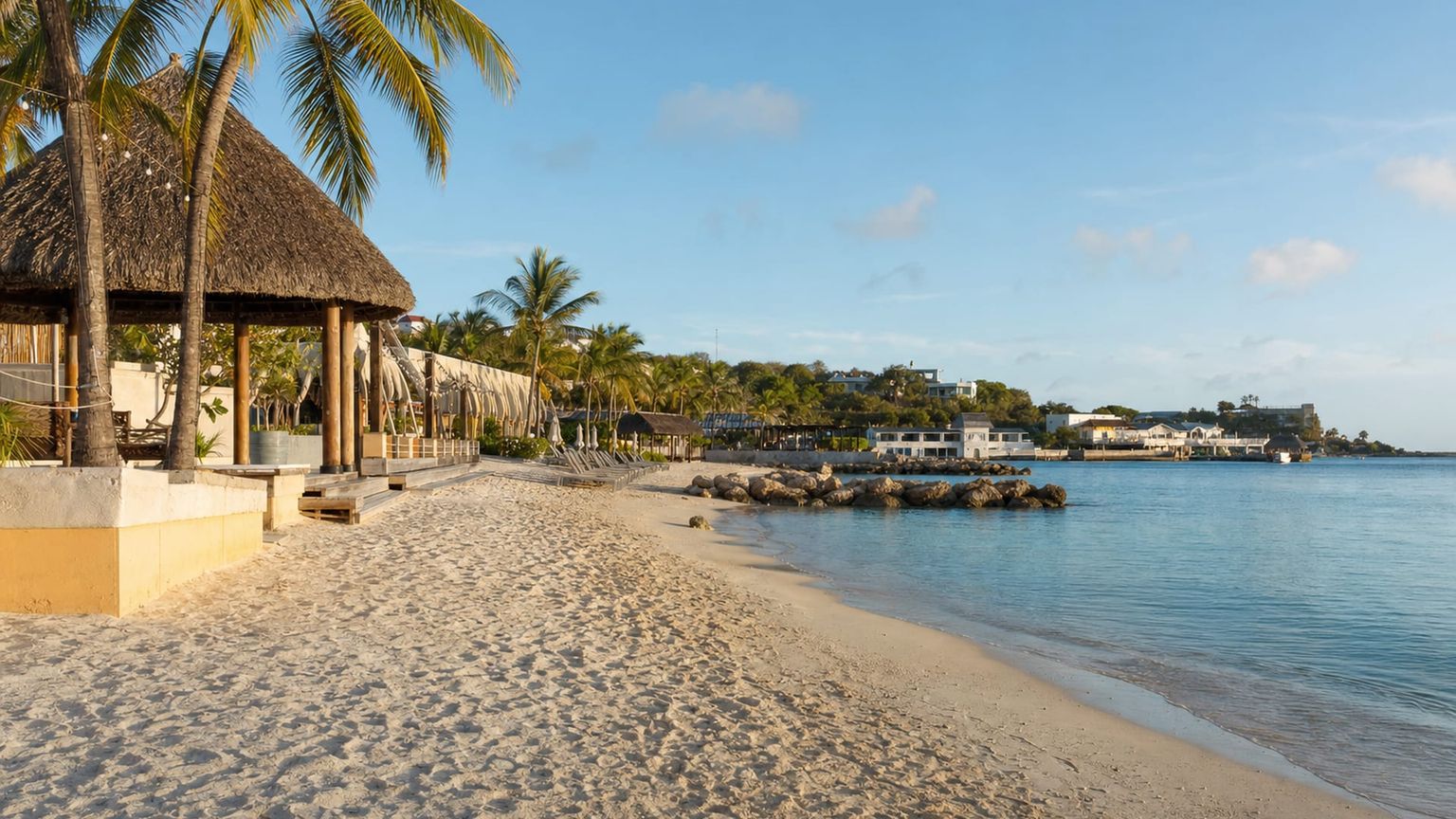
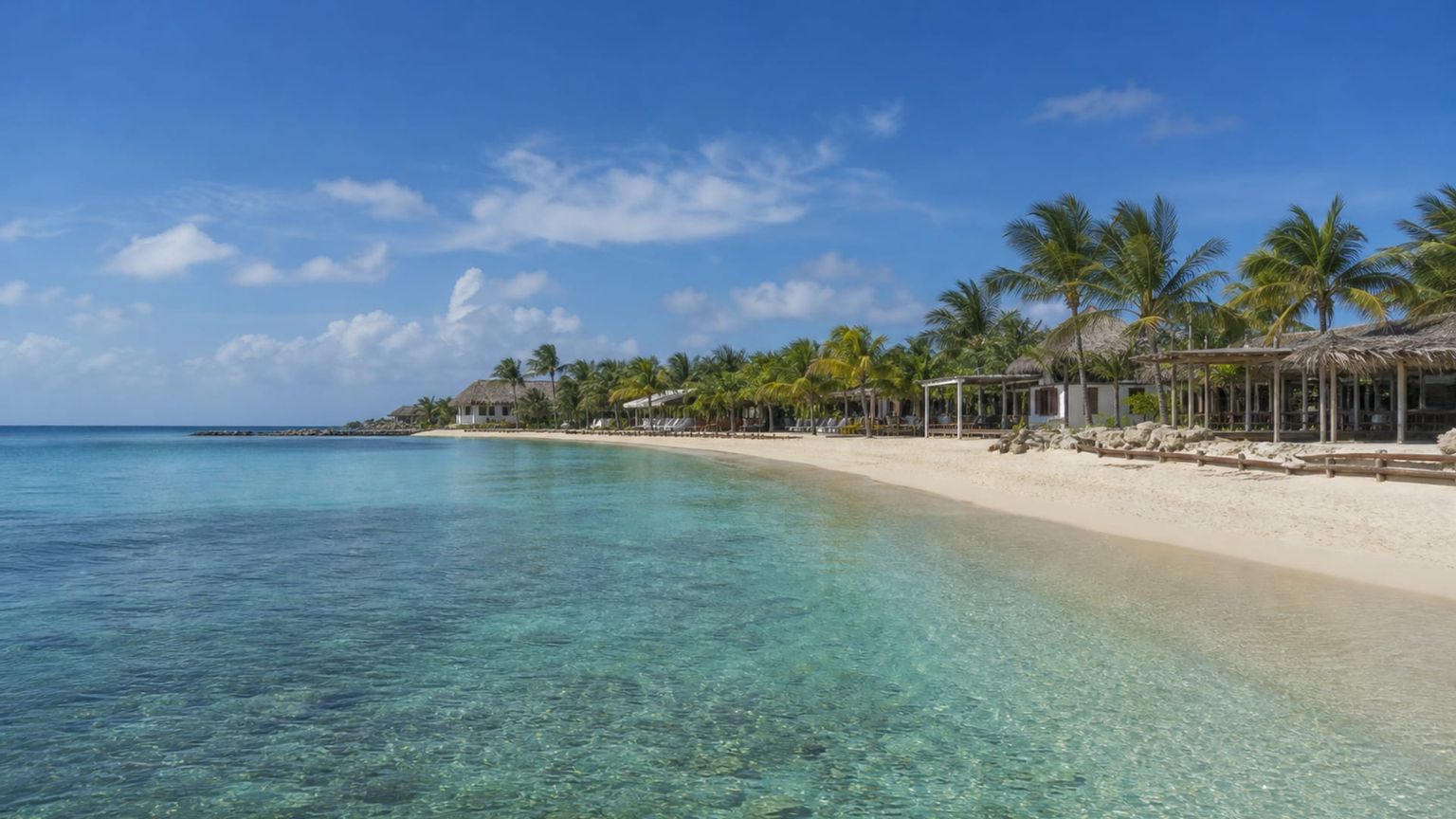
Mambo Beach is the island’s best-known resort-and-beach strip, with hotels, beach clubs, shops, and direct access to the sand. It matters for travelers who want swim time and easy evenings without leaving the waterfront area.
Best for: Beach holidays, snorkeling access, and travelers who want dining and nightlife near the sand
What to expect: Daytime is busy with beachgoers and families, then the area stays active into the evening around the beach clubs and restaurants.
Hotel prices: Usually about $180 to $420 per night for well-rated stays
Distance to major sights: About 15 minutes by car to Willemstad’s Queen Emma Bridge; on foot to Mambo Beach itself
Quietness: Days are lively and often crowded; nights are quieter than peak beach hours but still active near the main venues.
Main trade-off: You will pay more for direct beach access, and the area is farther from Willemstad’s historic center.
Good to know: If you plan to split time between the beach and town, expect to use a taxi or rental car for most museum and old-town visits.
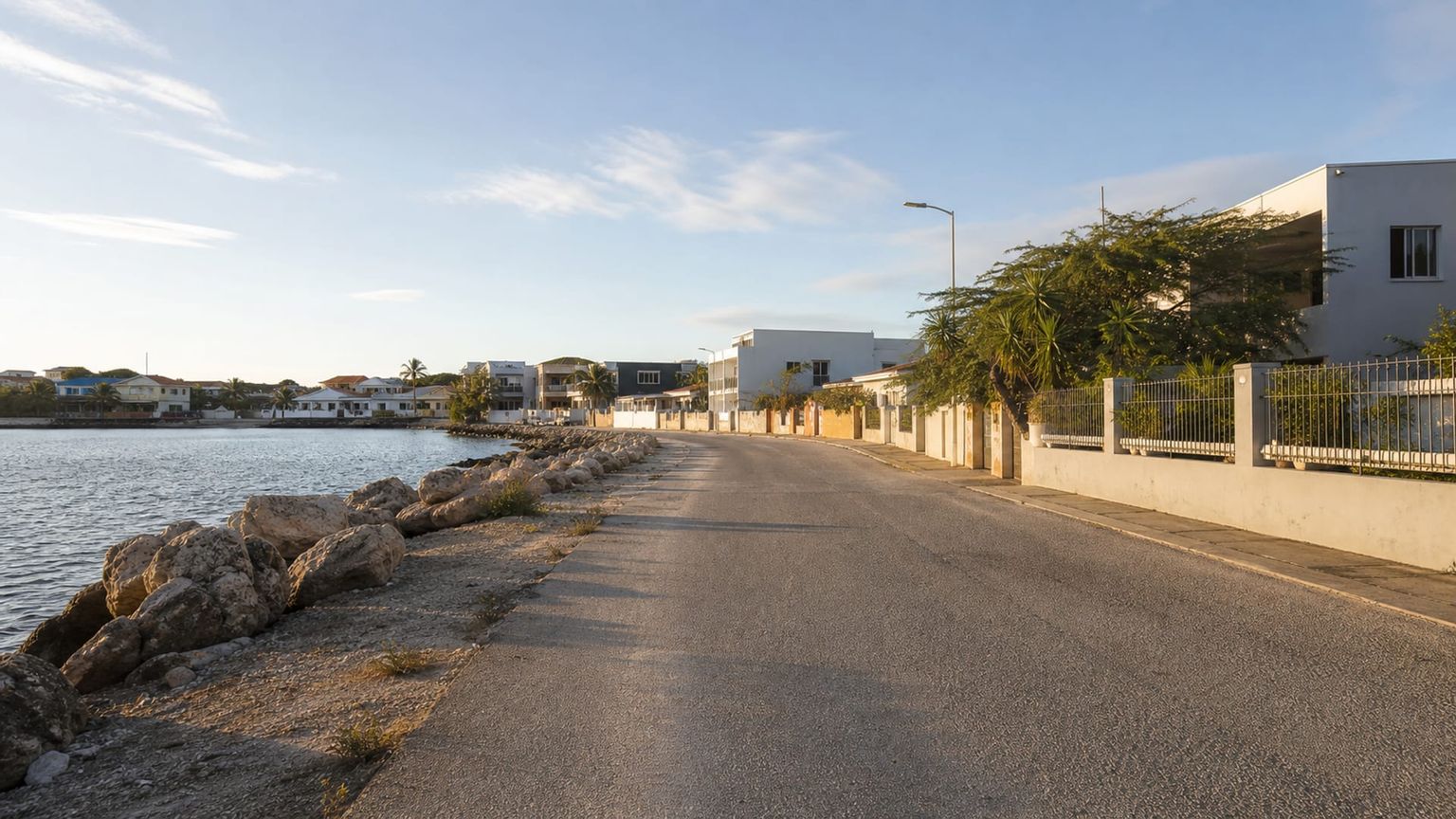
Piscadera is a western bay area with larger hotels, calm waterfront access, and quick road links to central Willemstad. It matters because it gives you a resort base that is close to the city without the density of the historic core.
Best for: Resort stays, couples, and travelers who want a quieter waterfront base with easy car access
What to expect: The atmosphere is hotel-centered and low-key, with guests moving between the beach, pools, and nearby restaurants rather than crowded streets.
Hotel prices: Usually about $160 to $360 per night for well-rated stays
Distance to major sights: About 12 minutes by car to the Queen Emma Bridge; about 18 minutes by car to the Curaçao Sea Aquarium
Quietness: Days are calm outside the hotel zones, and evenings are generally quiet unless you are near a larger resort or event venue.
Main trade-off: You will depend more on taxis or a rental car, and there is less to do on foot after dinner.
Good to know: Check whether your hotel has direct sea access, since some properties face the bay but require a longer walk to reach swimmable shoreline.
Travelers usually avoid staying in the eastern and remote northern parts of Curaçao Island, including Willemstad’s far outskirts, Sint Jorisbaai, Westpunt, and nearby rural settlements, because they sit far from the main sights in Willemstad and have fewer visitor amenities. These areas also make evening travel less convenient, since taxis and restaurant choices are limited compared with the central Pietermaai, Otrobanda, and Willemstad waterfront areas.
Hotel deals
How to get around Curaçao Island efficiently
Curaçao has no rail network, so getting between Willemstad, the beach strip, and the airport comes down to walking, Konvooi buses, taxis, and rental cars.

Metro
for longer distances
Curaçao has no metro or suburban rail, so visitors rely on buses, taxis, and rental cars. The island has no underground or tram network, and you should not expect rail-based transit for Curaçao (CUR).

Bus and tram
for convenience
Konvooi buses link Willemstad with spots such as Mambo Beach, Westpunt, and the airport area, but they run infrequently and often operate on limited hours. Fares are usually about $1 to $3 per ride, paid in cash, with better coverage on main roads than on beaches and smaller neighborhoods; allow extra time because departures do not follow a tight timetable.

Taxi
for convenience or late hours
Licensed taxis use set fares rather than meters, and drivers usually quote the price before departure. Short city rides often cost about $10 to $25, while trips between Willemstad and Curaçao Airport (CUR) commonly fall in the $25 to $40 range, with higher prices late at night or for longer island crossings; most taxis accept cash, and some take cards if you confirm in advance.
*Prices are based on rates updated as of June 2026 and may change at the time of travel.
Walk in Punda and Otrobanda, use taxis for set-fare cross-island trips, and lean on buses or a car when you head to beaches or places outside central Willemstad.
Iconic landmarks
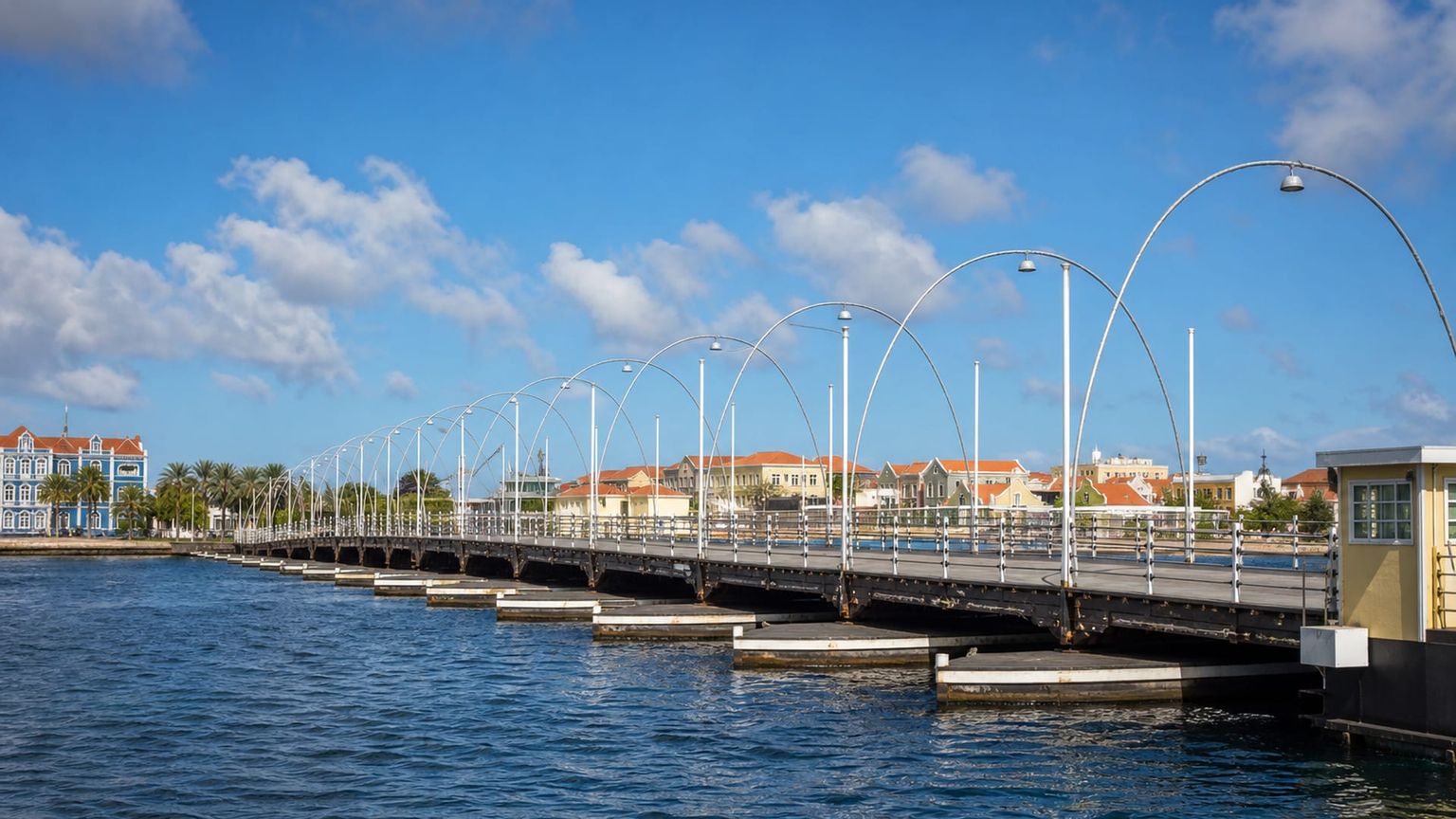
Queen Emma Bridge
This floating pontoon bridge links Punda and Otrobanda in Willemstad and swings open for ships entering St. Anna Bay. The pedestrian span is one of the island’s clearest city-center landmarks, with harbor views on both sides.
Time needed: About 20 to 30 minutes
Entry: Free to access, with no ticket required for pedestrians or cyclists using the bridge between Punda and Otrobanda.
Tip: Visit near sunset, when the bay light is softer and ship traffic often adds motion to the harbor.
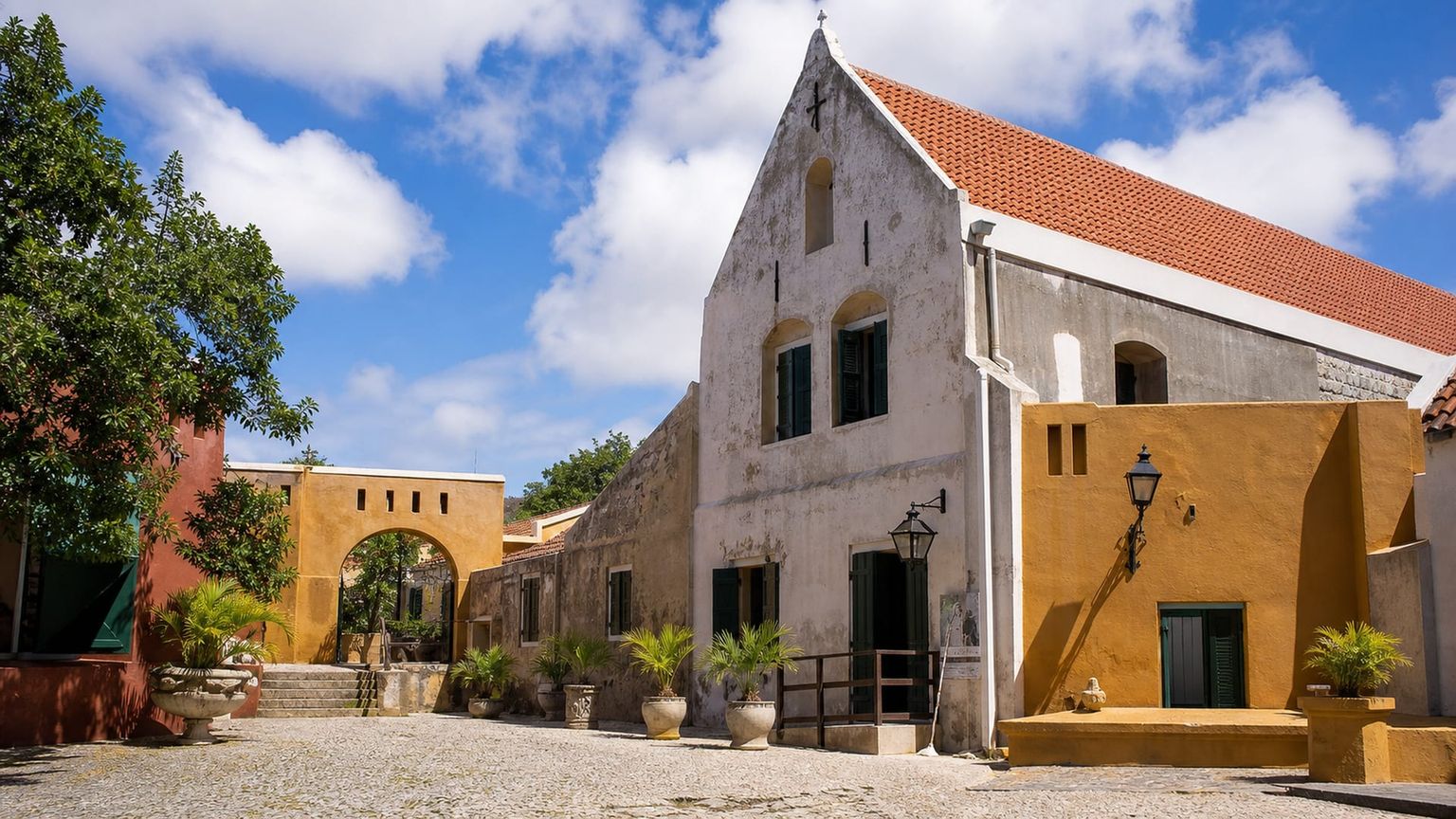
Kura Hulanda Museum
Set in a restored 18th-century district in Otrobanda, Kura Hulanda Museum traces slavery, West African history, and Curaçao’s colonial past through artifacts and exhibits. Its courtyard buildings and indoor galleries give you a focused look at the island’s history.
Time needed: About 1.5 to 2.5 hours
Entry: Standard admission costs $20 to $25 ($20 to 45) for adults, with reduced rates for children and group visits. Visit the official site for details.
Tip: Go early in the day, then continue into Otrobanda for murals and waterfront streets.
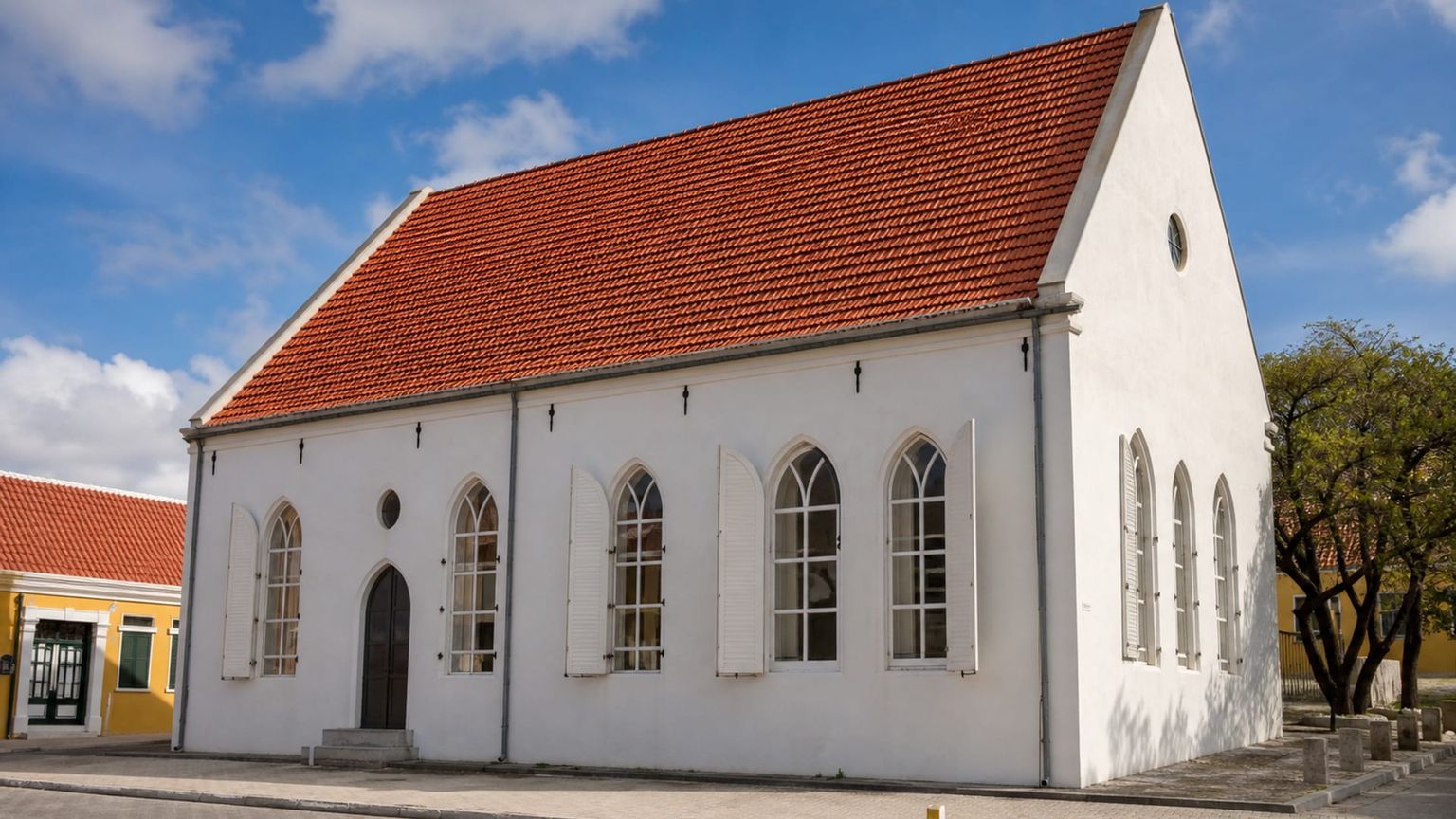
Mikve Israel-Emanuel Synagogue
Built in 1732, this synagogue in Punda is among the oldest still active in the Americas and has a sand-covered floor tied to Sephardic tradition. The attached museum adds records, ritual objects, and context for Curaçao’s Jewish community.
Time needed: About 45 to 60 minutes
Entry: Admission costs $12 ($12) for adults, with guided visits and museum access included during opening hours. Visit the official site for details.
Tip: Wear modest clothing and arrive before midday, when the museum and synagogue are easiest to visit.
Overlooked sites worth visiting

Hato Caves
A short guided route threads past limestone formations, Taino petroglyphs, and small chambers carved by water. The site sits close to the airport, but the underground passages stay quiet once tours move inside.
Time needed: About 1 hour
Entry: Guided admission costs about $11 ($20 ANG) for adults and about $6 ($10 ANG) for children. Tours run on set schedules, so check the next departure before you arrive, and bring cash for a faster ticket line at the entrance.
Tip: Go early for smaller groups and cooler cave air.

Kura Hulanda Museum
This compact museum traces Curaçao’s role in the Atlantic slave trade with ship models, artifacts, and archival displays. It sits in Otrobanda, where the restored courtyard adds a clear historic setting.
Time needed: About 1 to 2 hours
Entry: Admission costs about $16 ($30 ANG) for adults and about $8 ($15 ANG) for children, with reduced rates for students on some days. The museum is indoors, open daily except some holidays, and tickets are sold on site. Visit the official site for details.
Tip: Allow extra time for the courtyard before closing.
Traditional food
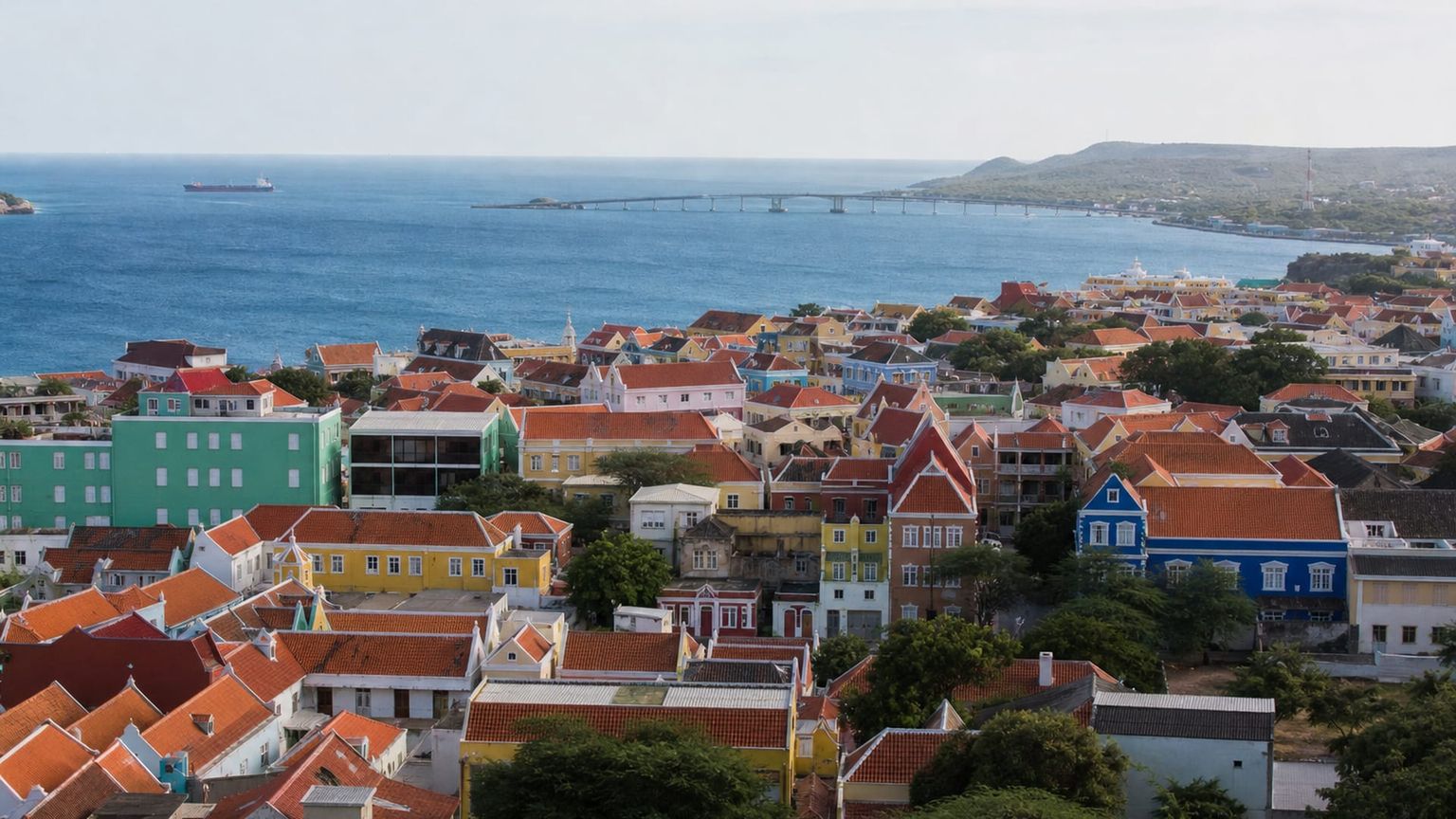
Curaçao’s table mixes Dutch, Caribbean, and Latin American influences, with seafood, stews, plantains, and baked pastries. Expect keshi yena, stobá, tutu, and pastechi, often served in lunch windows that close before the afternoon heat settles in.
Keshi yena
This baked, stuffed cheese dish layers spiced meat, olives, and raisins for one of Curaçao’s most recognizable plates. You can order a memorable version at Plasa Bieu, where several local stalls serve it in the heart of Willemstad.
Stobá
Stobá is a slow-cooked stew, usually made with goat, beef, or chicken, and it fits the island’s home-style cooking well. Maira’s Kitchen in Willemstad is a solid canonical stop for a rich, local version.
Tutu
Tutu combines cornmeal, beans, and sweet notes into a dense side that often appears beside fish or stewed meat. At Marshe Bieu, it shows up in the kind of everyday lunch setting that suits the dish best.
Pastechi
Pastechi are crisp filled pastries, usually made with cheese, meat, or fish, and they work well as a morning snack or early lunch. The Saliña branch of Purunchi Koki offers a classic take in a local setting.
Best time to visit Curaçao Island
Curaçao stays warm all year, but the drier months bring the most predictable beach weather, while the wetter season adds short showers and a quieter pace in town.
Best for: Best for dry weather, harbor walks, and beach time
What you get: About 79 to 86°F (26 to 30°C), with comfortable breezes and larger holiday crowds
Trade-offs: Hotel prices can climb, and popular restaurants book up faster
Best for: Best for balanced weather and easier sightseeing
What you get: About 80 to 88°F (27 to 31°C), with warm days and moderate visitor numbers
Trade-offs: Heat rises by late spring, especially on open streets at midday
Best for: Best for quieter beaches and longer daylight plans
What you get: About 81 to 89°F (27 to 32°C), with fewer crowds and occasional brief showers
Trade-offs: Humidity is higher, so midday walking can feel tiring
Best for: Best for lower hotel demand and flexible planning
What you get: About 80 to 88°F (27 to 31°C), with warm water and lighter crowds outside holiday periods
Trade-offs: This is the wettest stretch, so short rain showers are more common
A realistic 5-day plan in Curaçao Island
The five-day plan follows the island’s natural geography, starting in Willemstad’s core, then moving to caves, beach time, and a final history stop before departure. That order keeps the biggest transitions simple and reduces backtracking.
Land at Curaçao International Airport (CUR), then take a taxi to Punda or Otrobanda, which usually takes about 15 to 25 minutes and costs roughly $25 to $35. If you prefer a calmer base with more hotel space, Piscadera often sits about 20 minutes from the terminal by car, with fares that usually land in a similar range. Check in, drink plenty of water, and keep dinner close to your room, perhaps in Punda’s waterfront lanes or at a hotel restaurant in Piscadera, so your first evening stays simple after the flight.
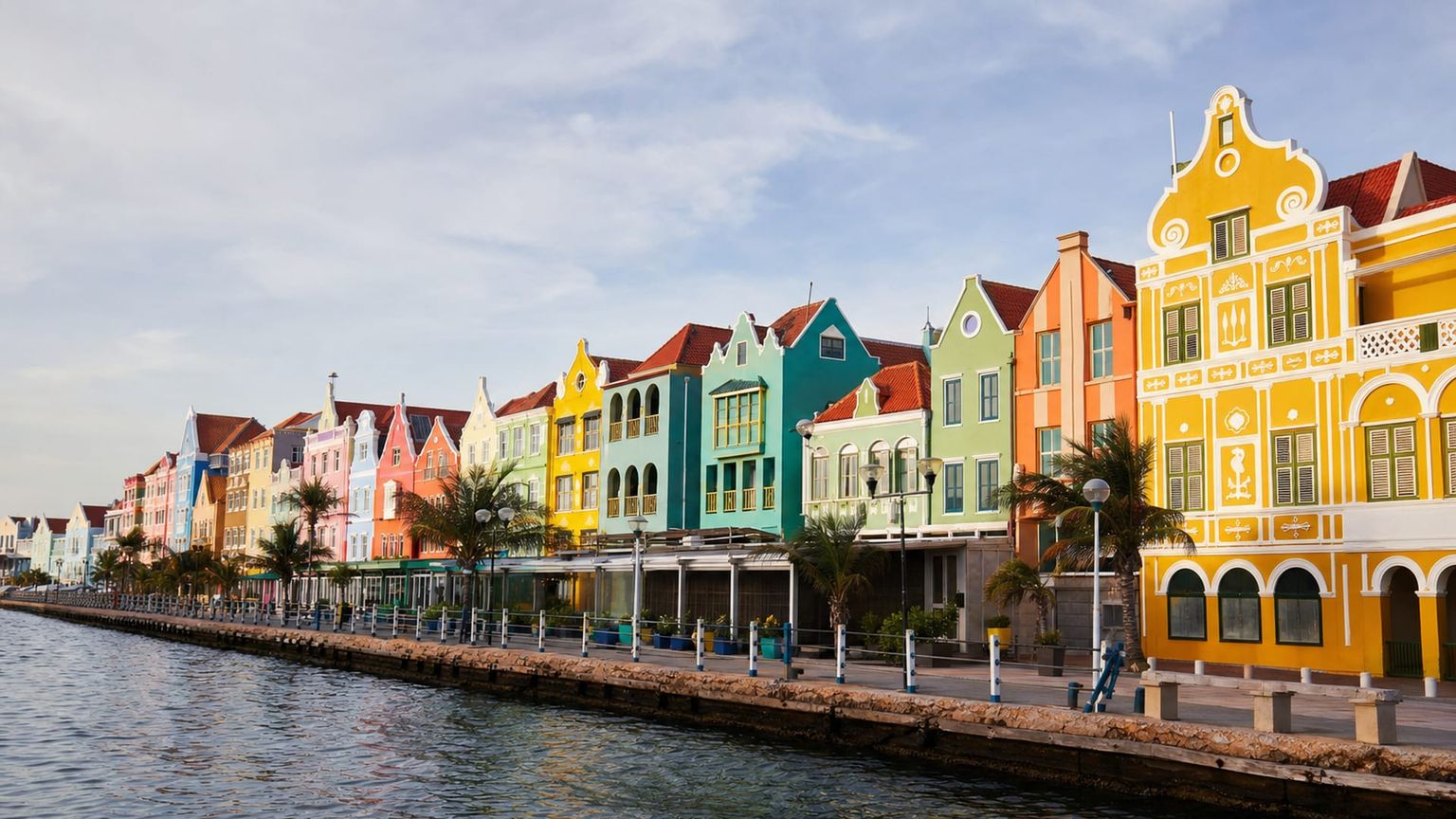
Start with Mikve Israel-Emanuel Synagogue in Punda, where the museum and sand-covered floor give the morning a focused history stop, then walk about 5 minutes to the Queen Emma Bridge for harbor views over St. Anna Bay. From there, cross into Otrobanda in roughly 10 minutes on foot, spend about 1.5 to 2.5 hours at Kura Hulanda Museum, and finish with a slow stroll through the restored streets nearby before dinner in Otrobanda or back on the Punda waterfront.
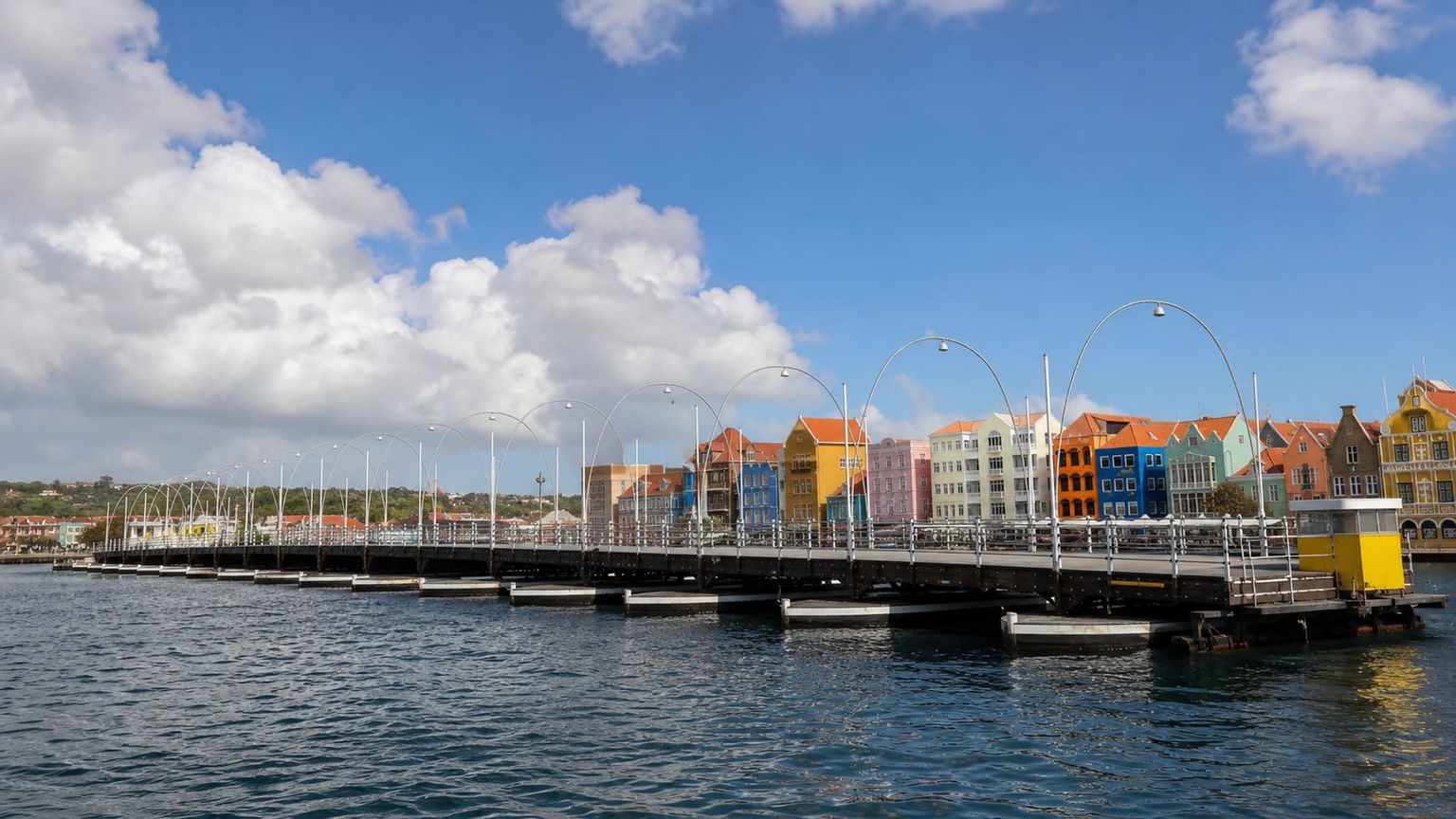
Begin early at Hato Caves, about 15 minutes by car from central Willemstad and closer to the airport side of the island, where the guided route takes about 1 hour. After that, head back toward the city and divide the afternoon between the harbor edge in Punda and the residential streets of Otrobanda, allowing about 5 minutes on foot to cross the Queen Emma Bridge and another 10 to 15 minutes to wander between murals, shops, and cafés.
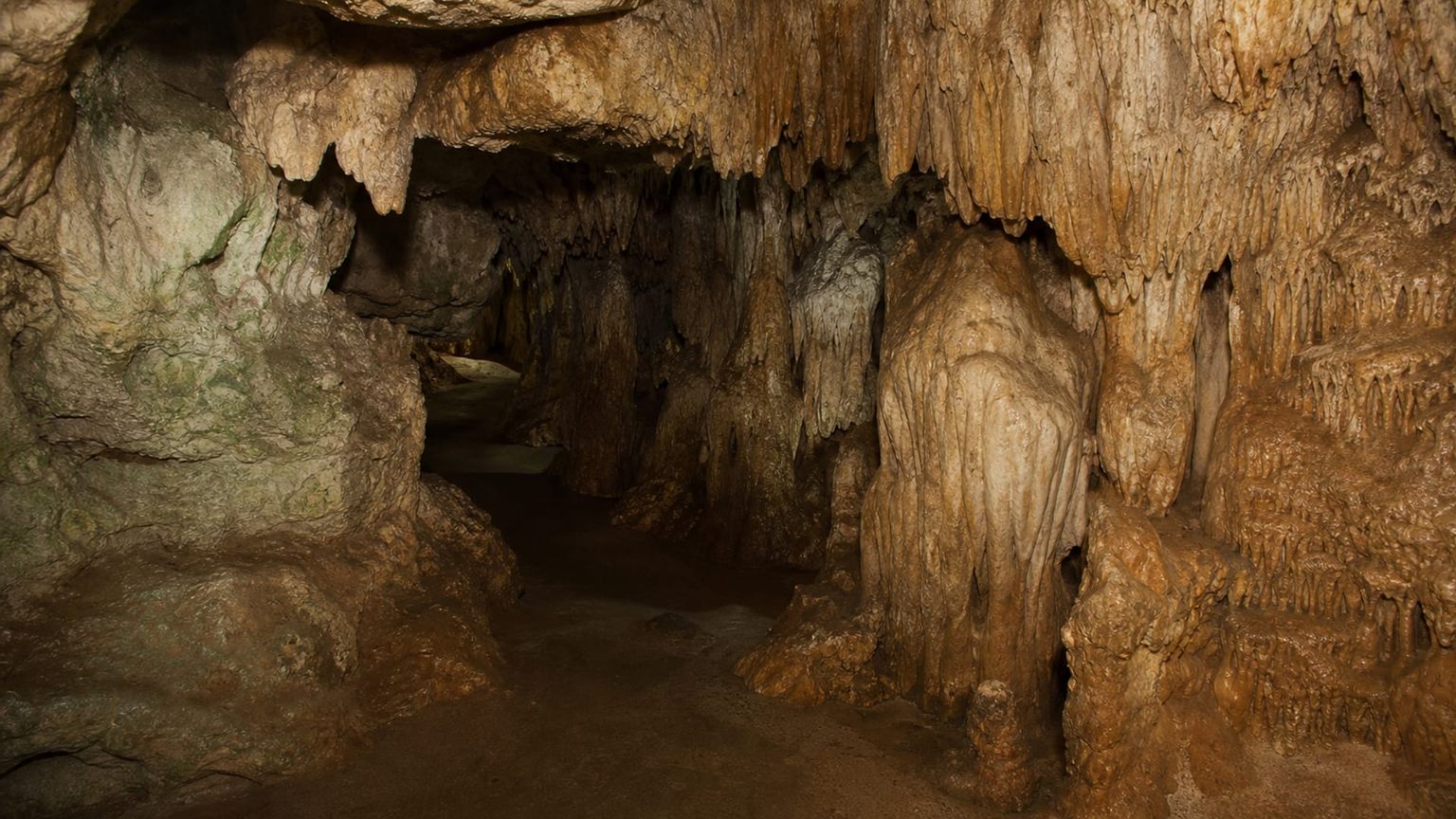
Mambo Beach should anchor the day, so plan on a taxi or rental car from Willemstad, about 15 minutes from the Queen Emma Bridge area and longer from Piscadera. Spend the main part of the day on the sand, then move into the beach-club and restaurant strip for lunch or a late swim, and if you want one more city stop, head back toward town in the evening for an easy harbor drive rather than building a long sightseeing circuit.
Before you head for the airport, fit in one last stop at Kura Hulanda Museum in Otrobanda if you want a final dose of the island’s history, then walk the nearby streets for a little shopping and lunch rather than crossing the island again. If you are staying in Punda, a café break by the waterfront works well for a relaxed last afternoon, while Otrobanda gives you a quieter place to sit between a museum visit and your transfer to Curaçao International Airport (CUR).
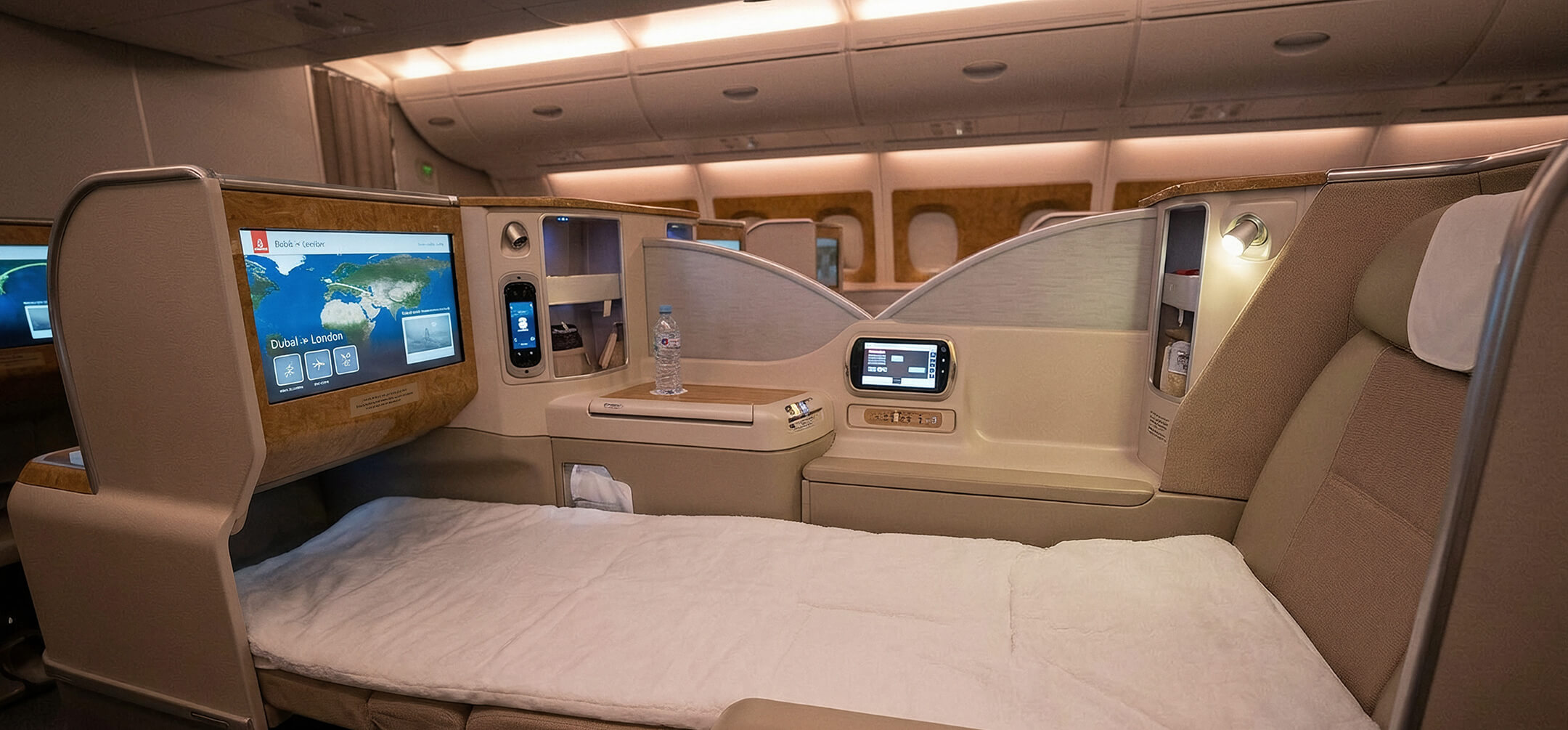
Business-class flights from the US to Curaçao Island
From the East Coast and West Coast, getting to Curaçao usually means a one-stop itinerary unless you pay for a pricier direct option. The most useful comparison is not just the route, but how much time each connection adds.
From New York, American Airlines, Delta Air Lines, JetBlue, KLM, Air Canada, and Copa Airlines are common choices. Round-trip fares usually run from $1,600 to $3,200; if you do not mind a layover, common routings via Amsterdam (AMS) and Panama City (PTY) can bring the fare down to about $1,100. The nonstop option takes about 4 to 5 hours.
Los Angeles travelers usually see American Airlines, Delta Air Lines, United Airlines, KLM, Air Canada, and Copa Airlines on the board. A nonstop trip takes about 6 to 7 hours, while one-stop itineraries usually stretch to about 9 to 14 hours. Prices generally start at $1,800 and climb to $3,600 on round-trip tickets; nonstop itineraries sit near the upper end, while one-stop options can land closer to the lower end.
Curaçao Island feels different when you slow down
A well-paced Curaçao trip usually stays anchored in Punda and Otrobanda, then adds one longer reach to Hato Caves or Mambo Beach instead of zigzagging across the island. Taxis make the crossings easy, while the bridge, museums, and waterfront lanes reward time on foot. If you want help matching that pace to flights and hotels, the AranGrant experts can build the route around Willemstad’s neighborhoods and your preferred beach days