

Chapters:

Need help with your trip?
Our support team is available 24/7. Request a callback or call us directly at (833) 619-0908
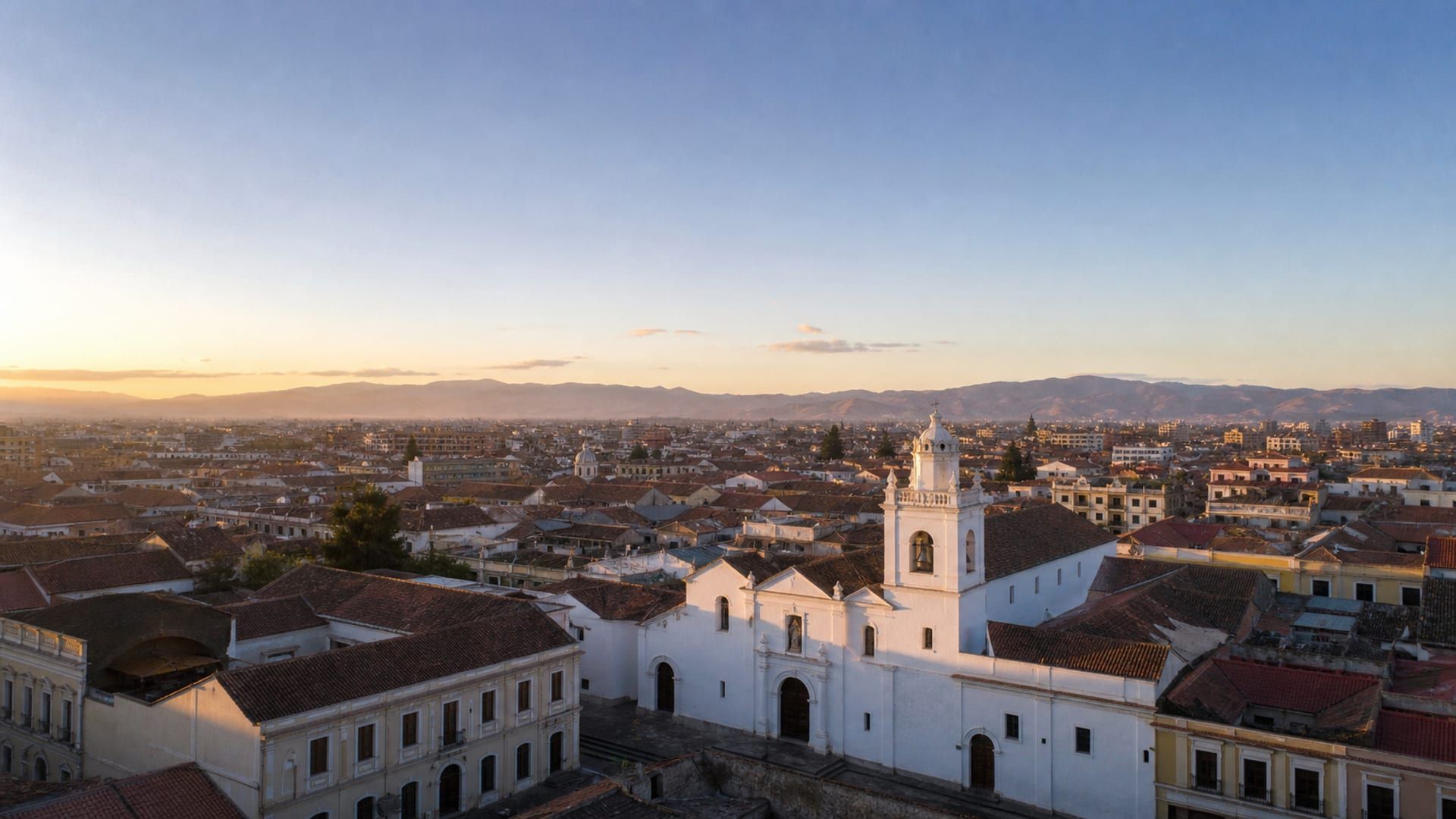
Cuenca trips often start with the cathedral squares, a museum stop, and a quick move to the next landmark, while the city’s riverfront, hillside edges, and highland detours get less time than they deserve.
That pattern can leave you spending too much time on short taxi hops and not enough time matching each site to the right hour of day, whether that means bright plaza light, a quieter convent visit, or a clear-weather run to El Cajas.
This guide sets a slower, more useful order: where to stay, how to move, which dishes to seek out, and how to shape five days so the center, the river, and the mountains each have their place.
Useful things to know

Main language(s): Spanish
Hola (OH-lah) – Hello
Por favor (pohr fah-VOHR) – Please
Gracias (GRAH-syahs) – Thank you
¿Habla inglés? (AH-blah een-GLES) – Do you speak English?
¿Cuánto cuesta? (KWAHN-toh KWES-tah) – How much does it cost?

Currency: The local currency is the US dollar (USD, $).

Cash and cards: Cards and contactless work in many hotels, restaurants, and shops; carry about $20 to $40 in cash for taxis, markets, and small purchases.

Tipping: Round up small bills; 5-10% is appreciated in nicer restaurants.

Traditional food: Mote pillo, cuy asado, llapingachos, hornado

Water and coffee costs: Water about $1.50 to $2 ($1.50 to $2), bar espresso about $1.25 to $2 ($1.25 to $2).

Taxis and ride apps: Uber and Cabify operate here; availability can thin outside the center.

Plug and voltage: Type A/B socket, 120V

Dining and shop opening hours: Breakfast is about 07:00-09:00, lunch 12:30-14:30, and dinner 19:00-21:30. Some restaurants close in the midafternoon.

Emergency number: 911 for police, fire, and medical emergencies.
Where to stay in Cuenca
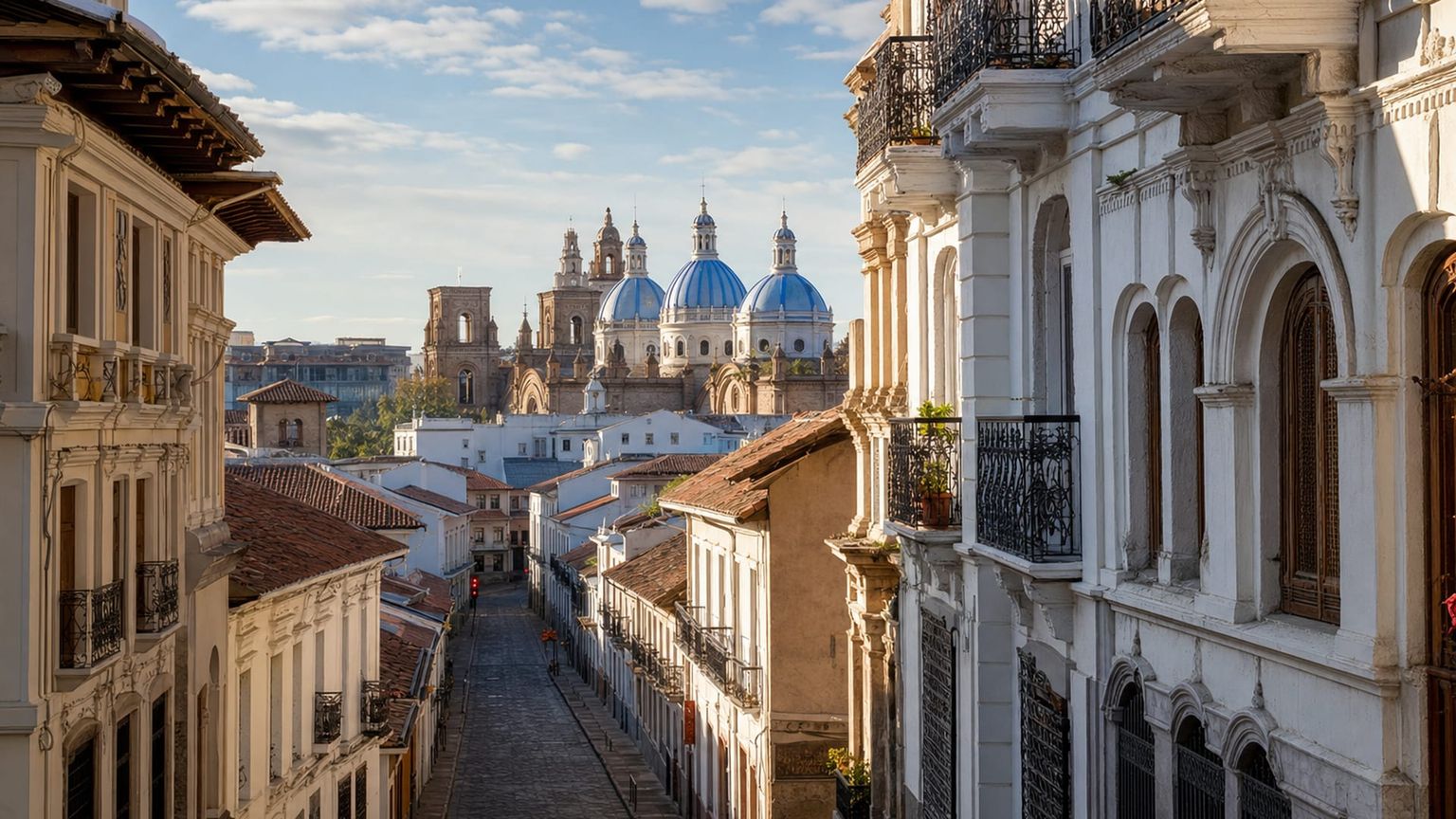
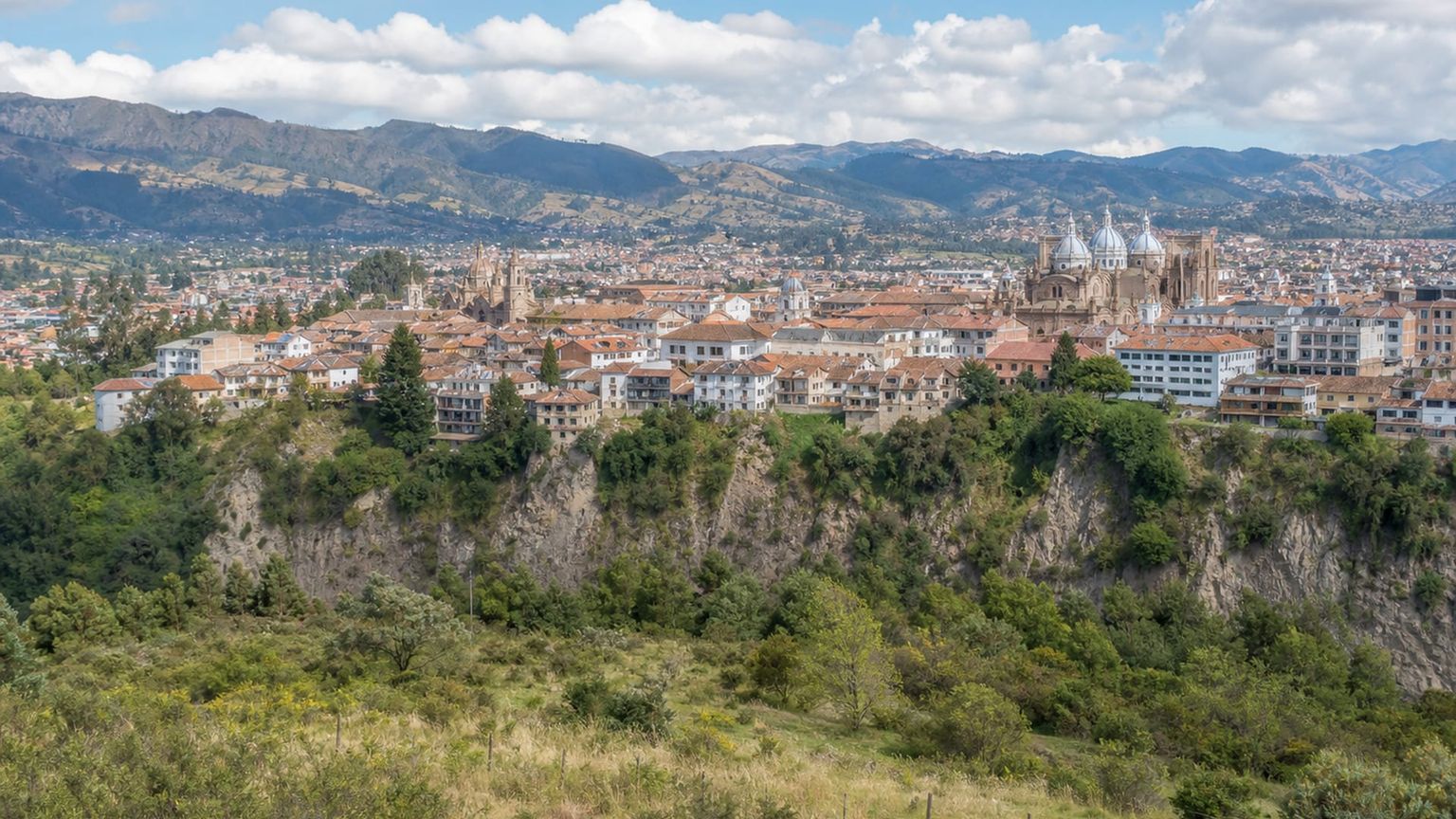
Cuenca’s historic core gathers the cathedral, colonial squares, museums, and many of the city’s classic hotels in one walkable grid. It matters because you can reach major sights, cafes, and evening dining on foot, with frequent daytime activity and the city’s strongest sense of place.
Best for: First-time visits, sightseeing, and travelers who want to walk to major landmarks
What to expect: Daytime streets are busy with visitors, office workers, and shoppers; evenings are calmer except near the main squares and restaurant streets.
Hotel prices: Usually about $55 to $140 per night for well-rated stays
Distance to major sights: 5 to 15 minutes on foot to the New Cathedral and Calderón Park
Quietness: Lively by day, quieter after dark once restaurants close and foot traffic thins
Main trade-off: Central locations place you near the busiest streets, so rooms facing the road can pick up traffic and late pedestrian noise.
Good to know: If you plan early museum visits or short restaurant walks, this area cuts taxi use, but parking is tighter and many older buildings have smaller rooms.
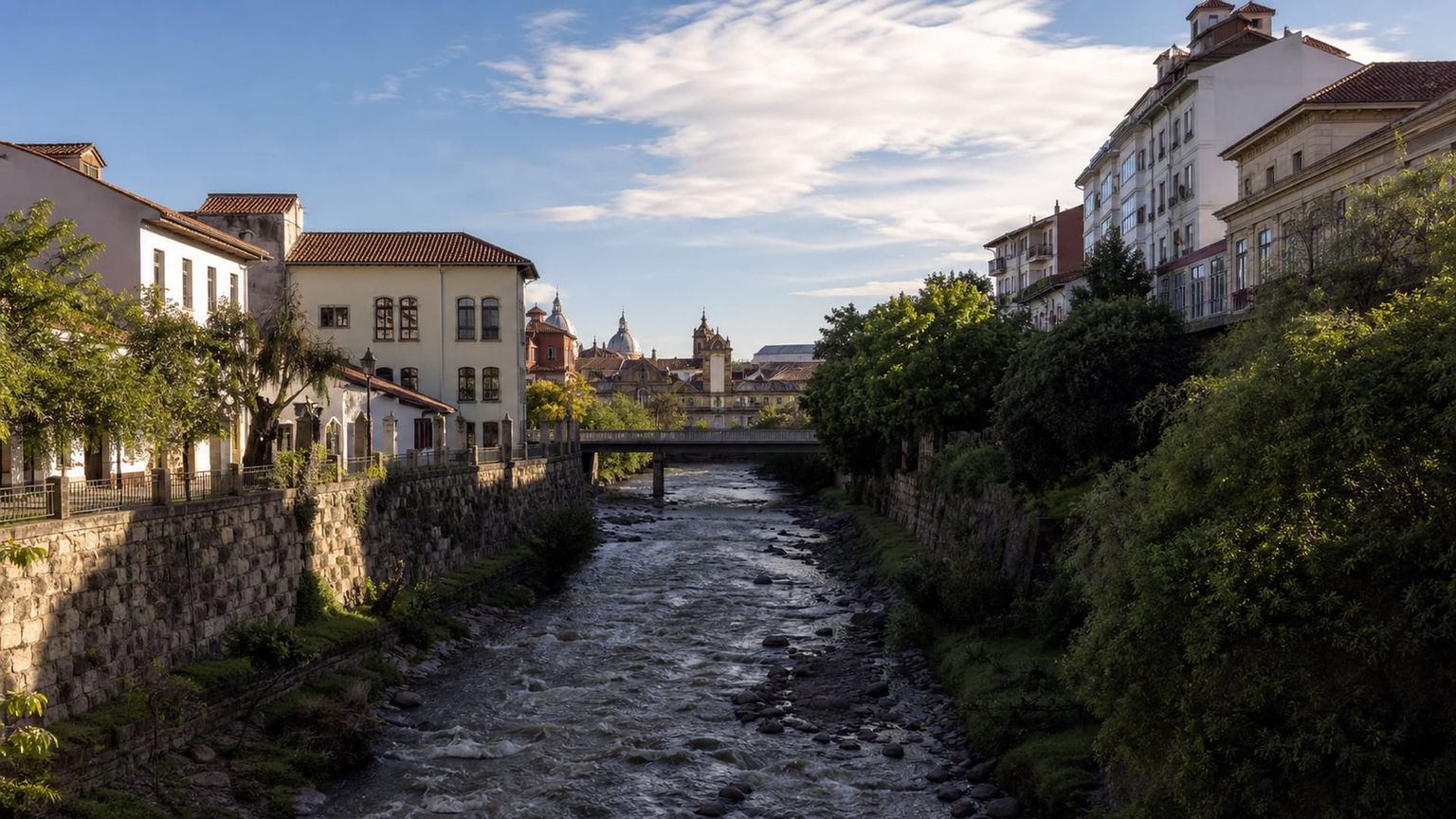
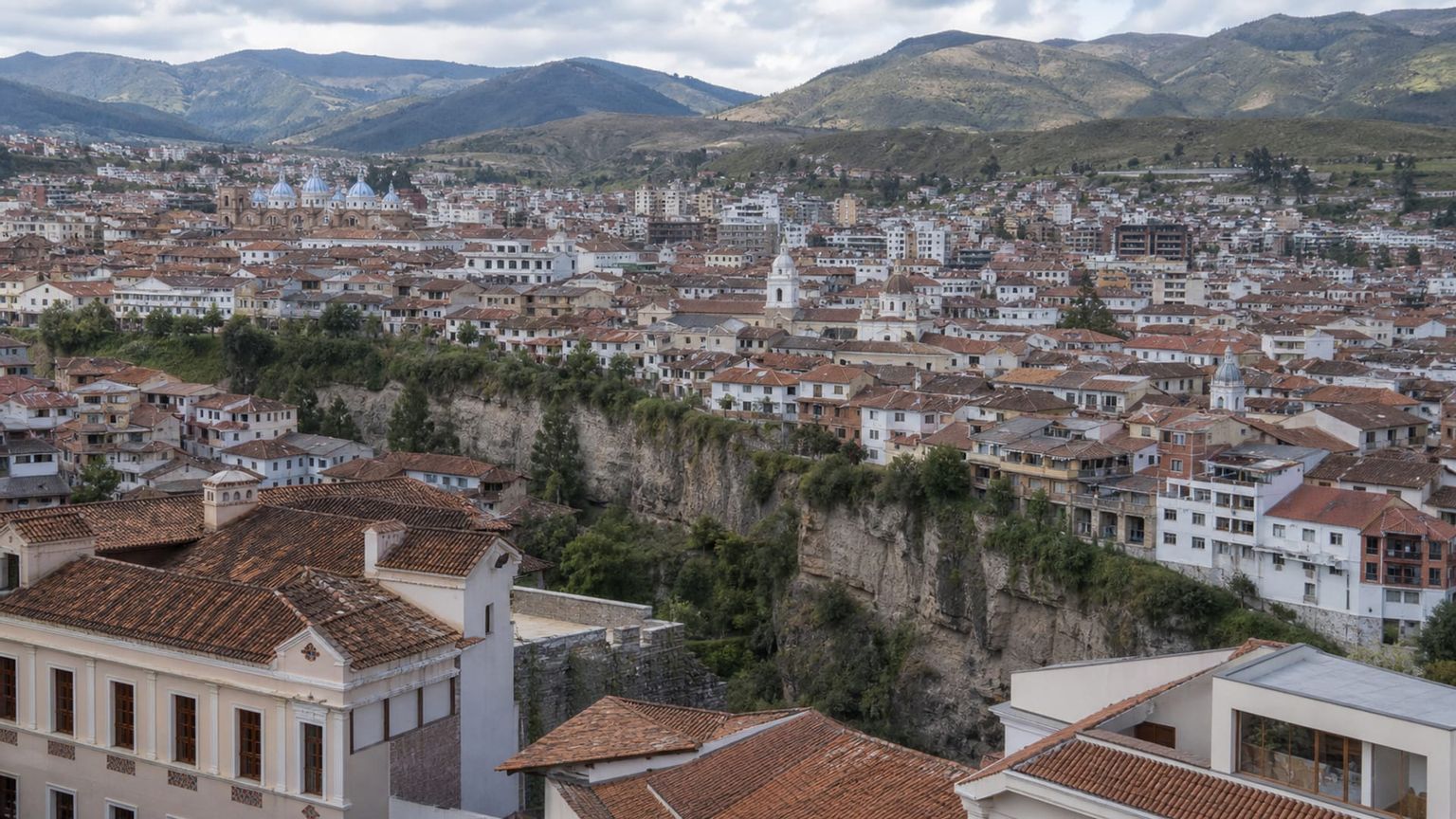
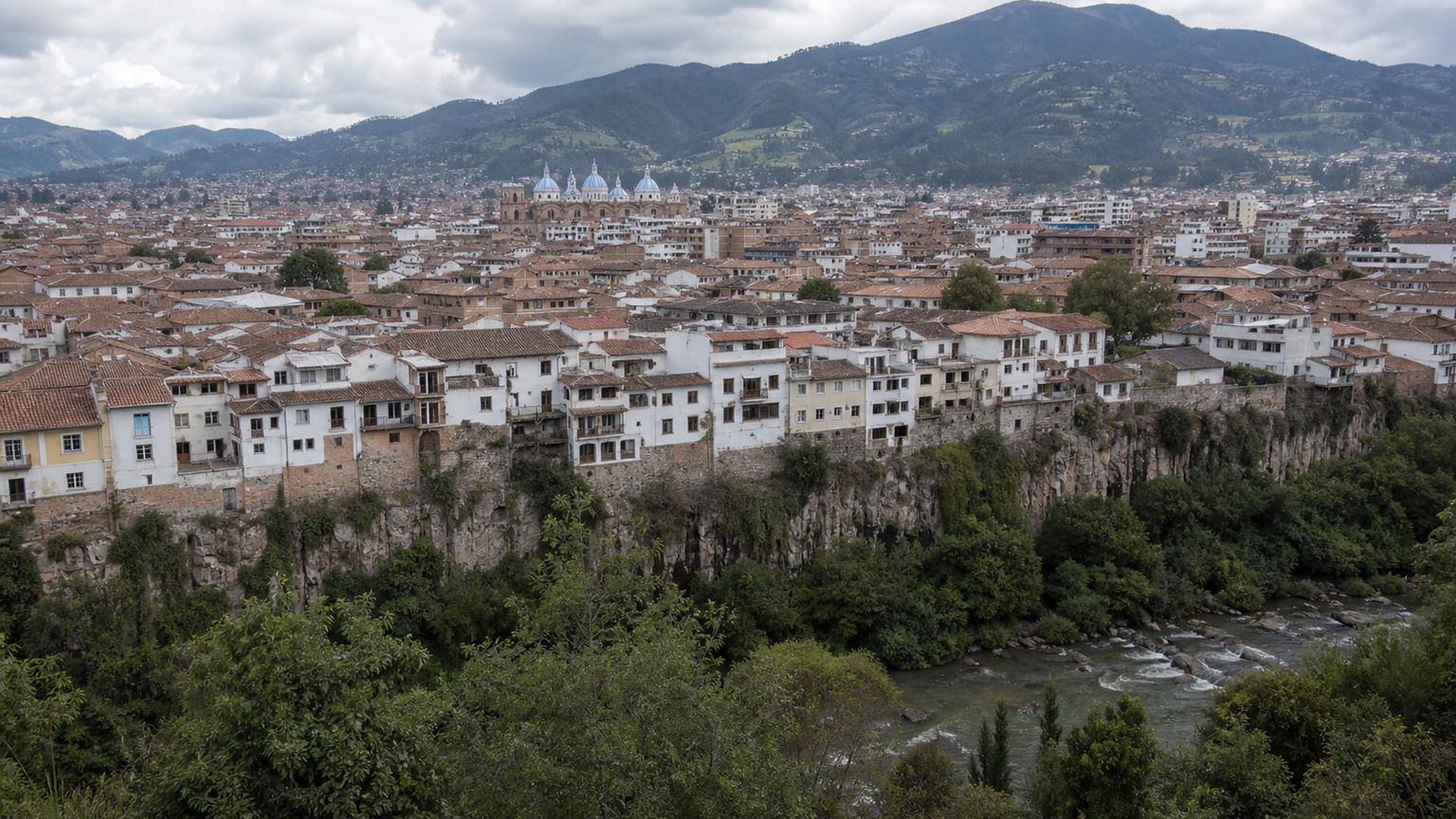
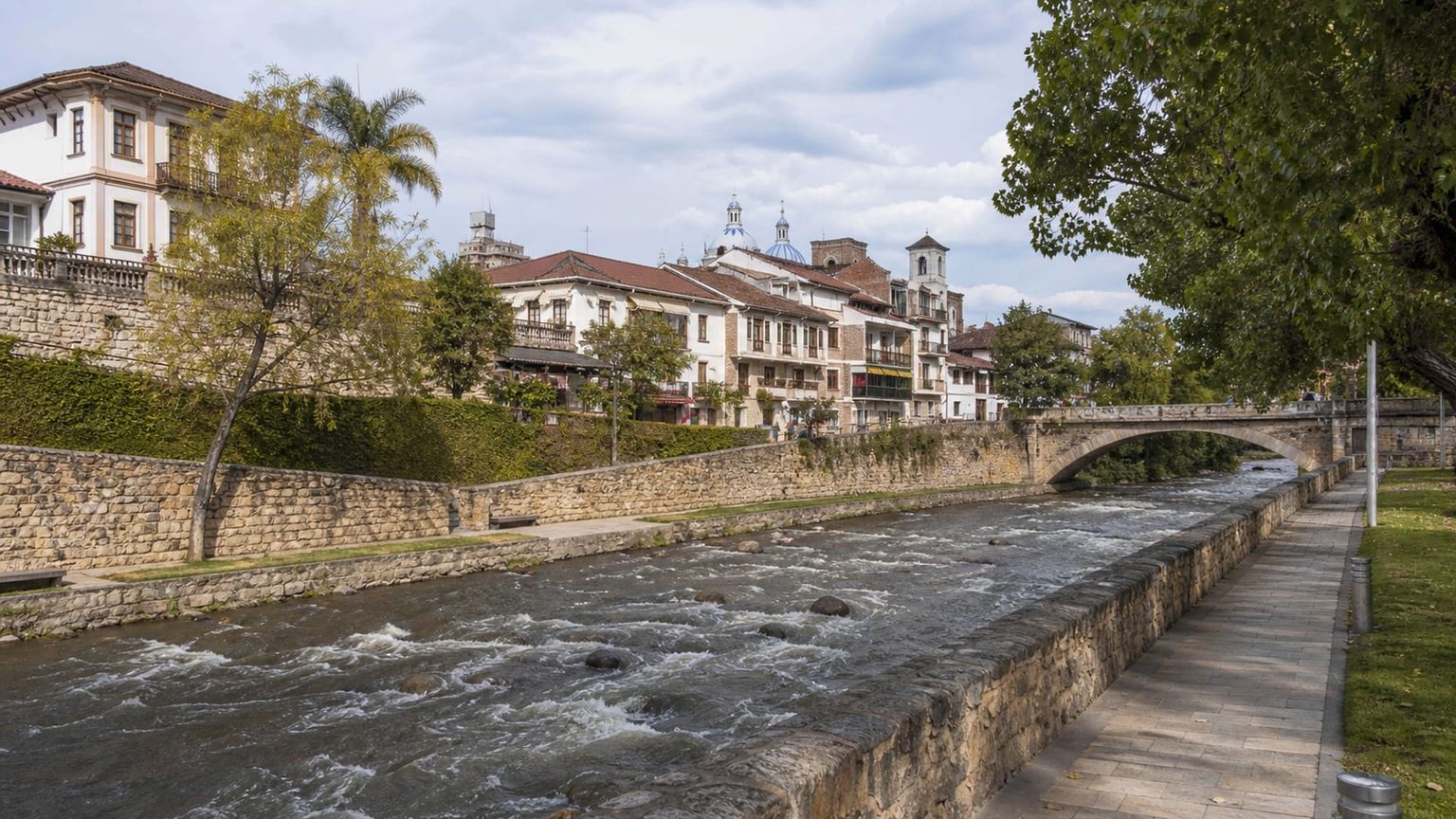
The riverfront stretches along the Tomebamba, with promenades, bridges, and a calmer residential edge just below the historic center. It matters for travelers who want green views and easy access to the old town without staying in the busiest blocks.
Best for: River walks, couples, and travelers who want a quieter base near the old town
What to expect: You will see walkers, joggers, and a modest local crowd along the river, especially in daylight and early evening.
Hotel prices: Usually about $50 to $130 per night for well-rated stays
Distance to major sights: 10 to 20 minutes on foot to the New Cathedral and central plazas
Quietness: Calm most of the day, with more movement at sunset along the promenade
Main trade-off: You gain a quieter setting, but the best dining and shopping still sit uphill in the historic core.
Good to know: Expect some slope when returning from downtown, so choose lodging with easy taxi access if stairs or hills are an issue.
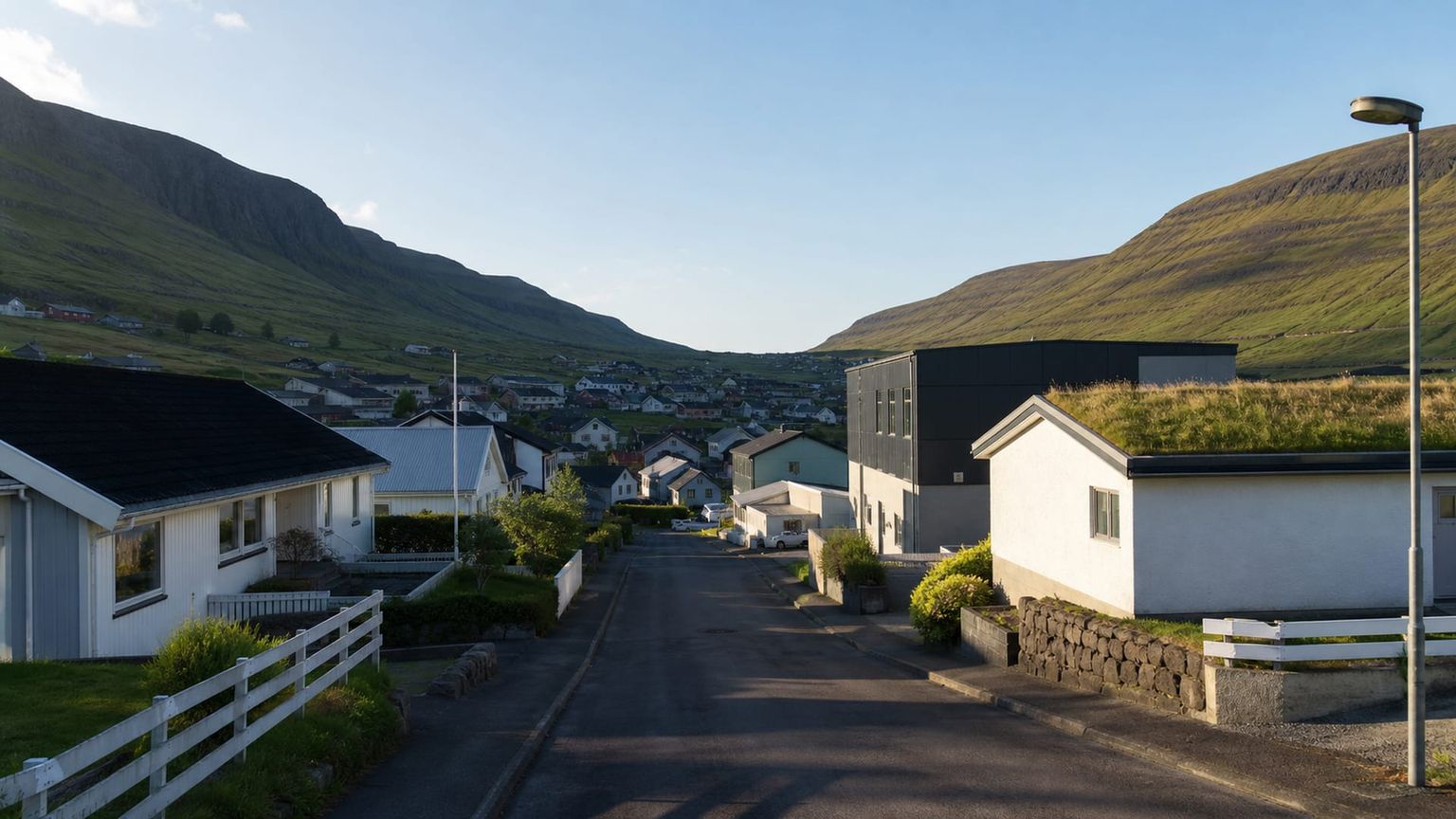
El Vergel sits just east of the historic center and mixes apartments, small hotels, medical offices, and neighborhood restaurants. It matters because it gives you a more residential stay with quick access to central Cuenca and easier arrivals by taxi.
Best for: Longer stays, business travelers, and visitors who prefer a residential base
What to expect: Street life is local and measured, with less tourist traffic than the historic core and more activity around shops and clinics.
Hotel prices: Usually about $45 to $110 per night for well-rated stays
Distance to major sights: 10 to 15 minutes by taxi to the New Cathedral, about 25 minutes on foot
Quietness: Generally quiet at night, with moderate daytime movement on main avenues
Main trade-off: You trade walk-to-everything convenience for a setting that can require taxis after dinner or on rainy evenings.
Good to know: If you carry luggage or arrive late, this area is easier than the steepest parts of the old town because streets are broader and car access is simpler.
Travelers usually avoid Miraflores, Totoracocha, and Ricaurte for a hotel base, since they sit farther from Cuenca’s main sights in the historic center and have fewer visitor-oriented amenities. El Vecino and Monay are also less convenient for short stays, because reaching the cathedral area or riverside attractions takes longer, especially in the evening.
Hotel deals
How to get around Cuenca efficiently
Cuenca has buses, the Tranvía de Cuenca, taxis, and walkable blocks in the historic core, so the best choice changes quickly from one part of the city to the next.

Metro
for longer distances
Cuenca has no metro system, so you will rely on buses, taxis, and walking for most trips. The closest thing to a rail link is the Tranvía de Cuenca, a single tram line that runs about 8.8 miles from the south side toward the airport area, with fares of about $0.30, valid for one ride.

Bus and tram
for convenience
Tranvía de Cuenca covers the city center, Parque Industrial, and the airport corridor, while local buses fill in most other neighborhoods and nearby suburbs. Bus fares are about $0.30 to $0.35 per ride, usually paid in cash or with a reloadable card, and trips across town often take 20 to 40 minutes depending on traffic.

Taxi
for convenience or late hours
Licensed taxis in Cuenca use metered fares rather than set citywide flat rates, and a short ride in town usually costs about $2 to $5, with airport trips often landing near $8 to $12. Hail one on the street, use a radio-dispatched car, or ask your hotel to call one, and carry small bills because many drivers prefer cash, although some now accept cards or mobile payment.
*Prices are based on rates updated as of June 2026 and may change at the time of travel.
Walk in El Centro, use taxis for uphill or late-evening trips, and lean on buses or the Tranvía when you want cheap cross-town connections without planning every segment around a car.
Iconic landmarks
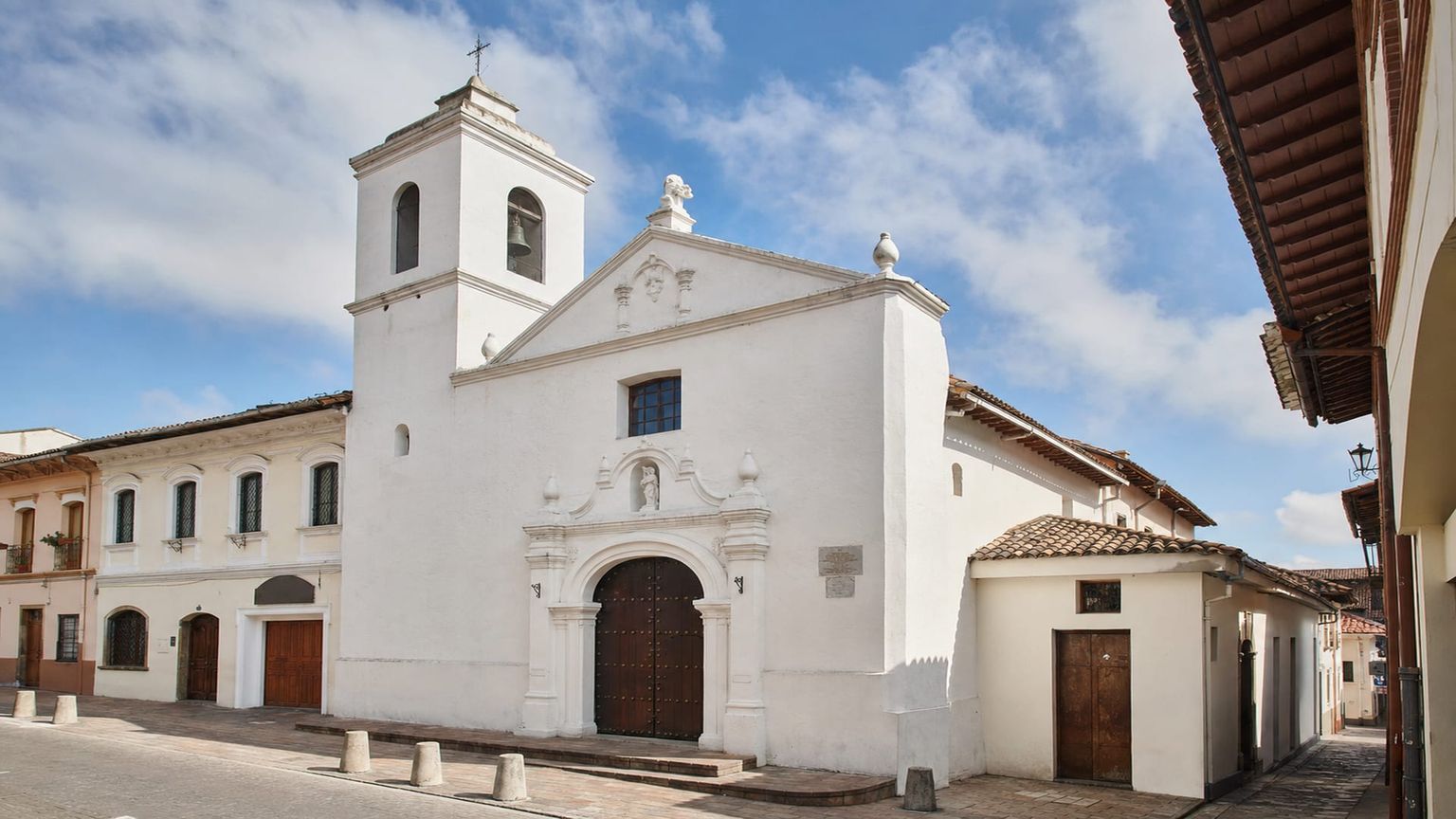
Old Cathedral of Cuenca
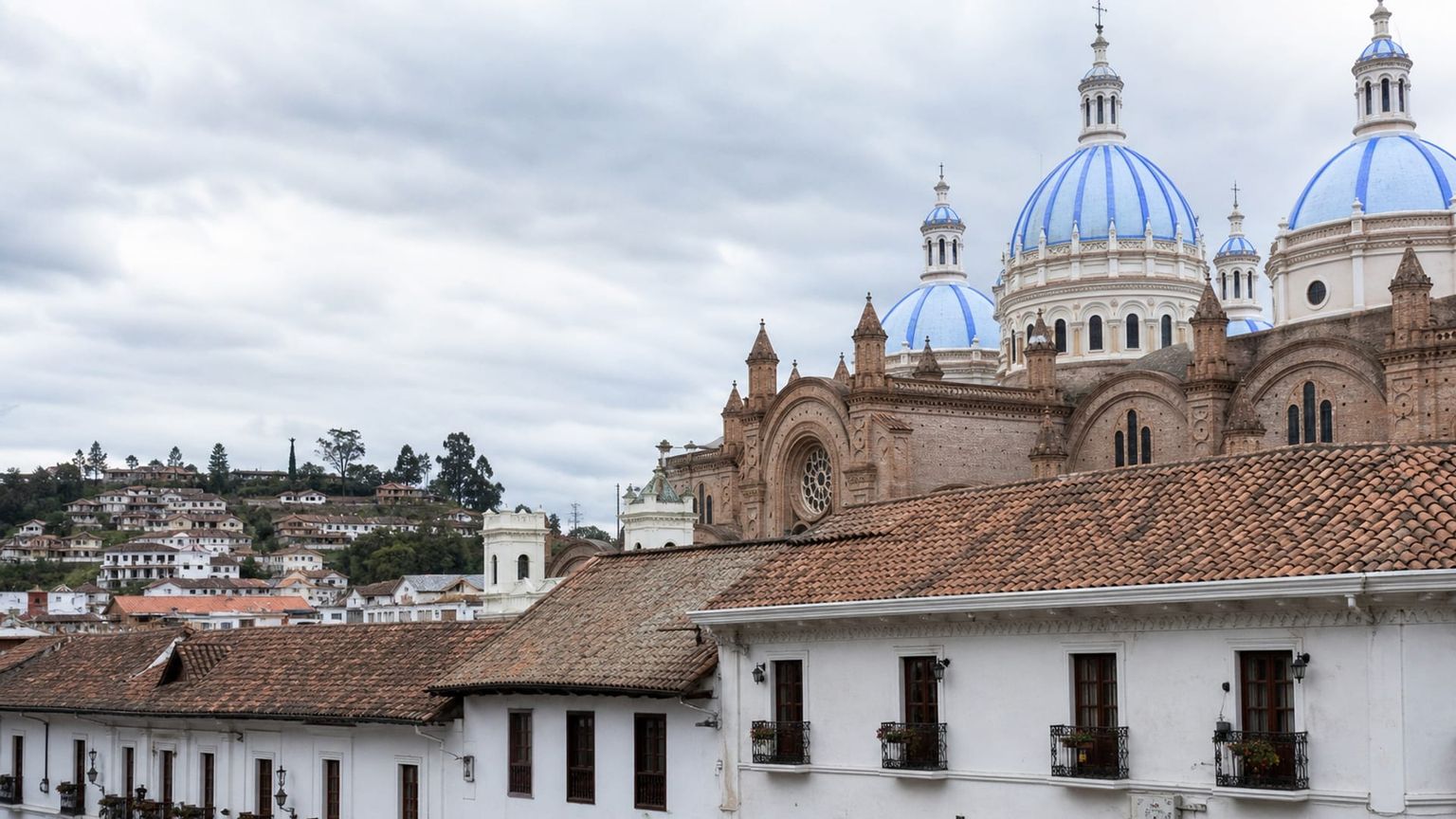
Cuenca’s former cathedral anchors the main square with twin blue domes, a neoclassical facade, and a museum of religious art inside. The church dates to the 19th century and sits steps from the Tomebamba riverfront.
Time needed: About 1 to 2 hours
Entry: General admission is free; museum access and special tower visits may carry a small separate charge depending on the day and program. Visit the official site for details.
Tip: Visit late morning for brighter dome photos and less shadow on the plaza facades.
New Cathedral of Cuenca
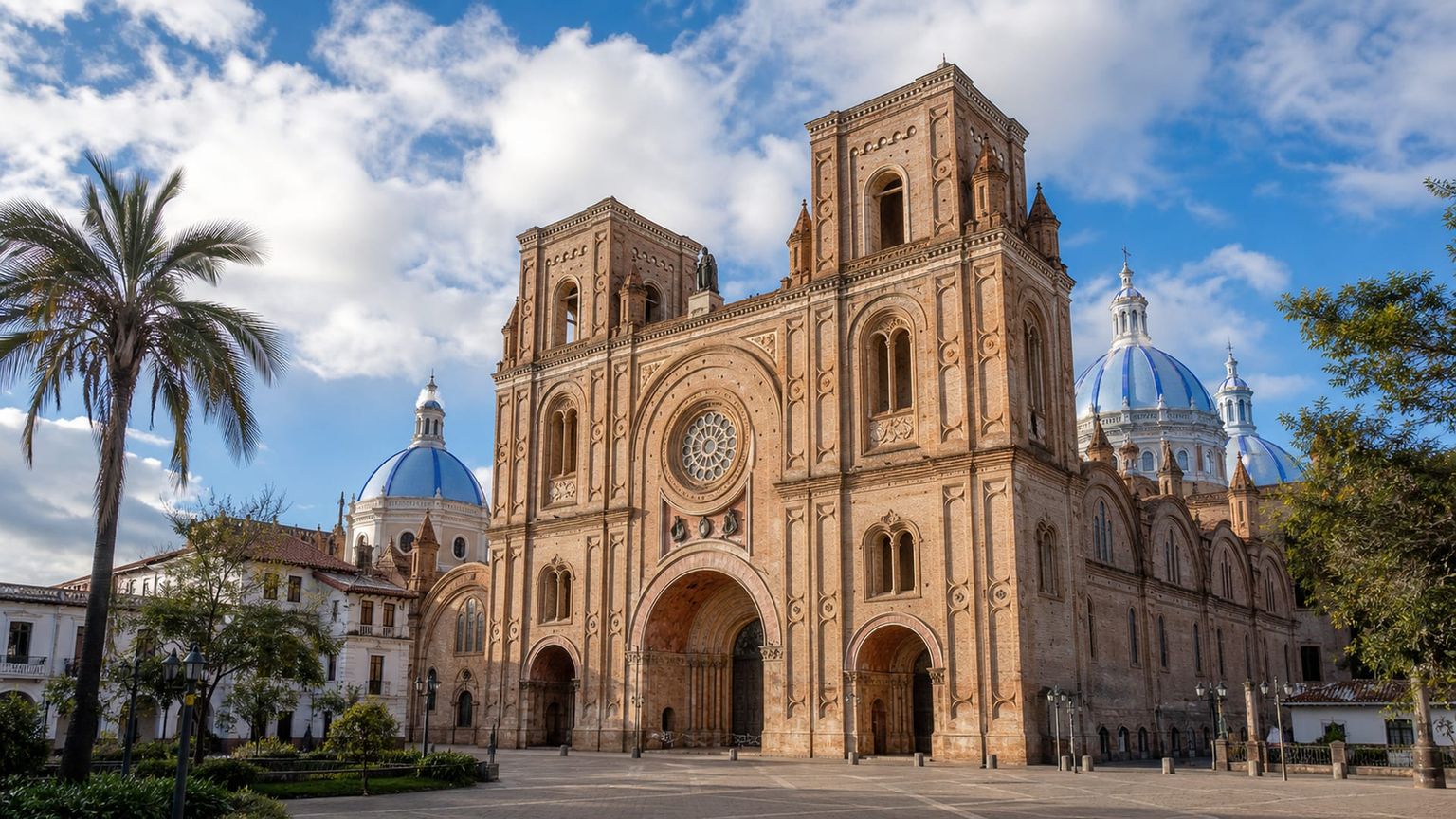
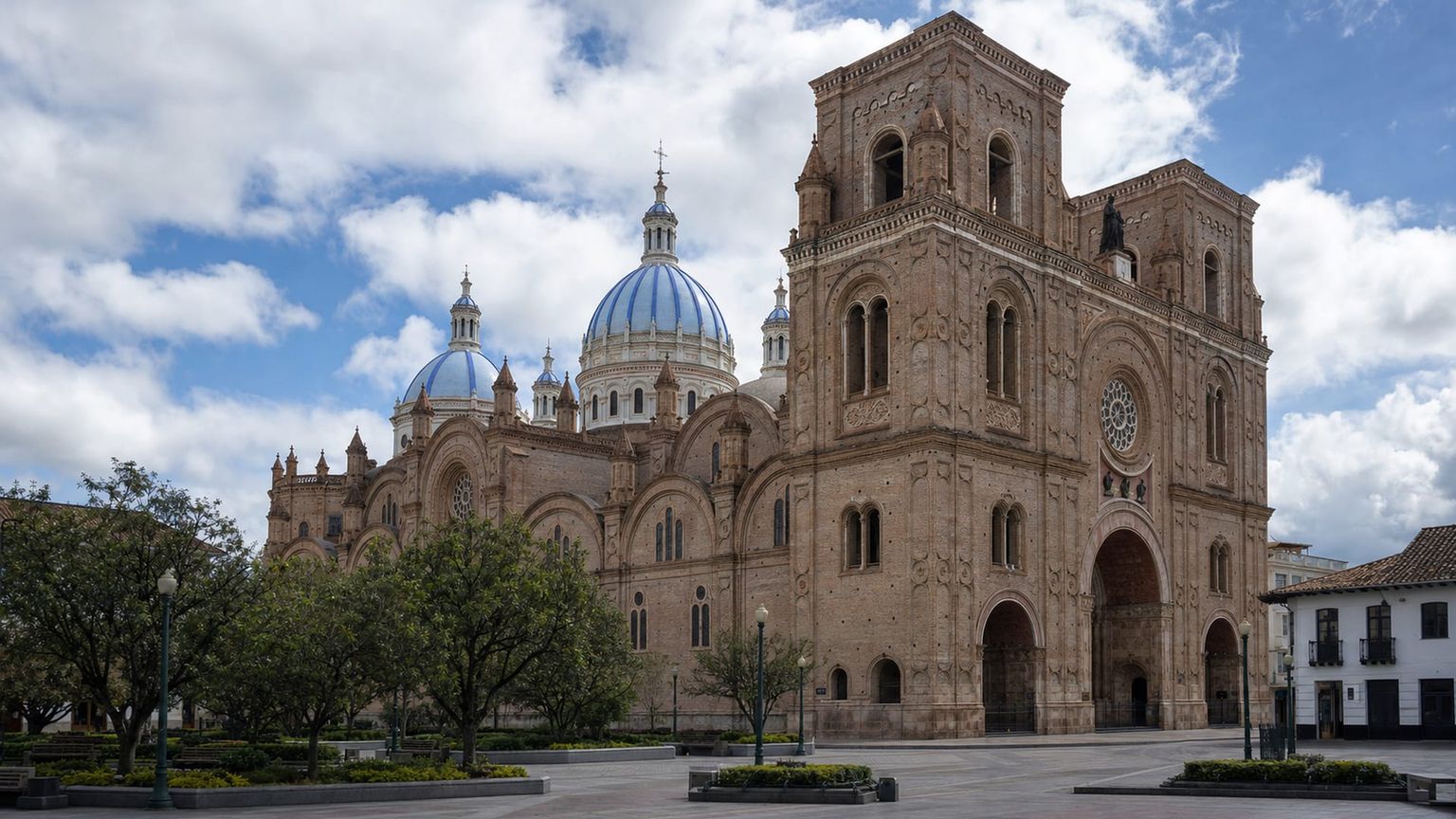
Cuenca’s New Cathedral dominates Parque Calderón with its white stone front and three blue domes, a landmark that took nearly a century to complete. Visitors can climb for city views and study the marble interior.
Time needed: About 1 to 2 hours
Entry: Standard entry costs about $2 to $4 ($2 to $4), with a small extra fee for tower access when it is open to visitors. Visit the official site for details.
Tip: Go early for quieter interior visits and the clearest light across the rooftops.
Pumapungo Archaeological Park
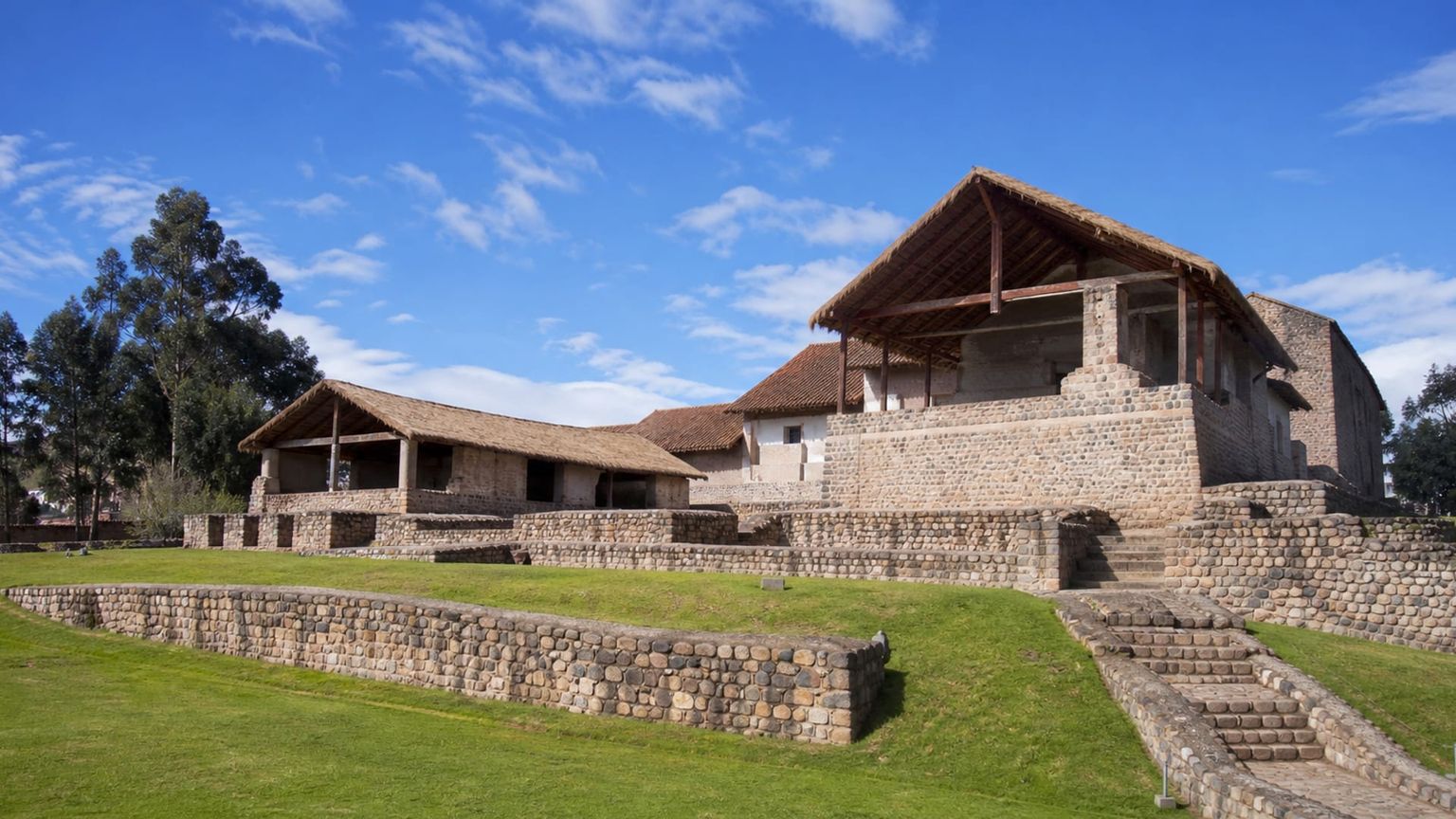
Pumapungo combines Inca ruins, reconstructed terraces, and the Museum of Cultures in one site just east of the center. Its grounds also hold llamas, native gardens, and wide views over the Tomebamba valley.
Time needed: About 2 to 3 hours
Entry: Admission is free for the park and museum galleries, though temporary exhibits or special programs may charge a separate fee. Visit the official site for details.
Tip: Start at the museum, then walk the ruins in the cooler afternoon light.
Overlooked sites worth visiting

El Cajas National Park
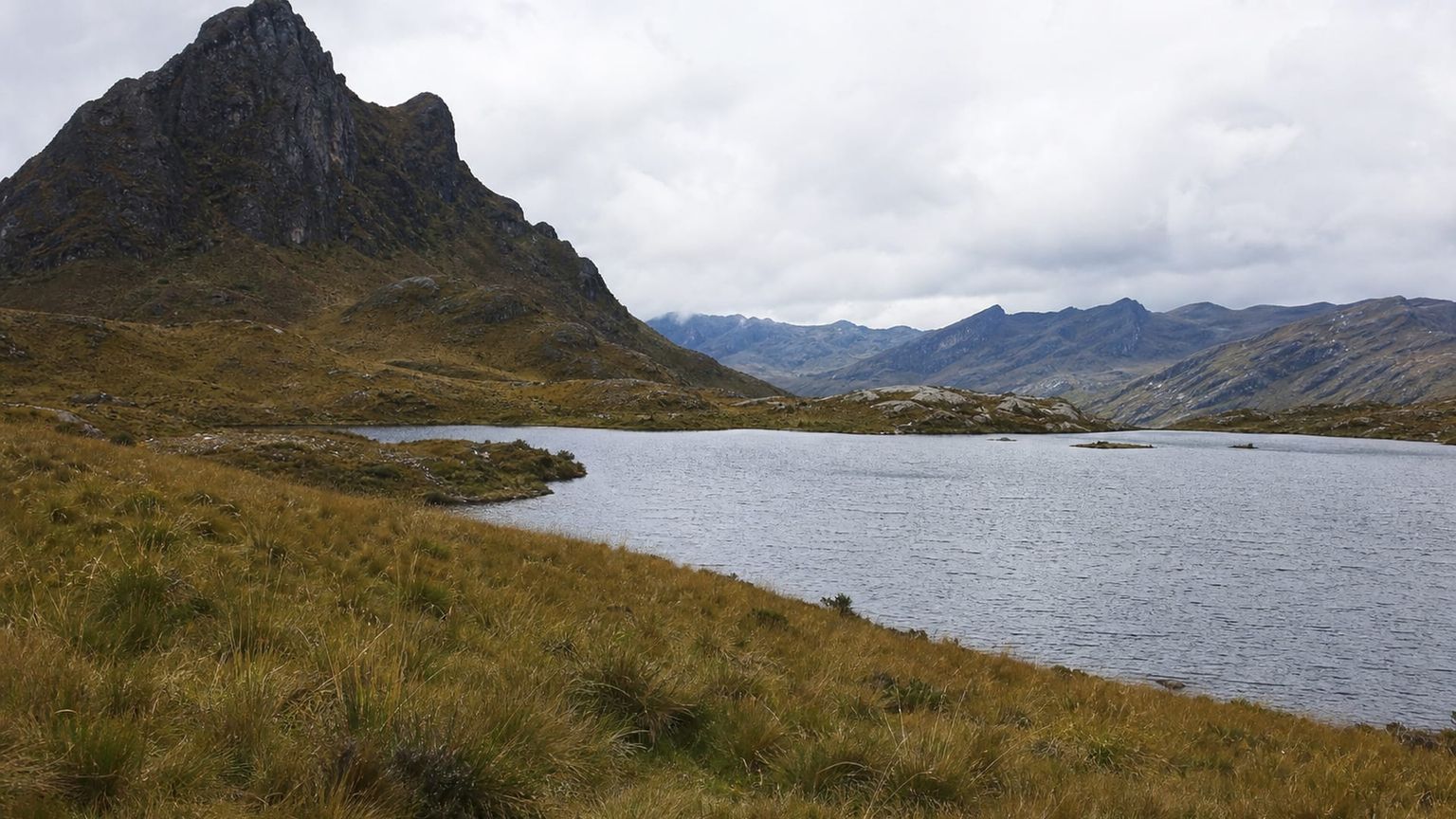
Highland lakes, polylepis forest, and open páramo sit about 30 km west of Cuenca. The Lagunas Toreadora sector offers short marked trails and wide views at roughly 3,900 meters.
Time needed: About 2 to 4 hours
Entry: Entry is free. If you take the park bus or a taxi from Cuenca, budget about $8 to $20 ($8 to $20) each way depending on the pickup point, time of day, and whether you stop at trailheads inside the park.
Tip: Go early for clearer weather and fewer clouds.

Museo de las Conceptas
This former convent in central Cuenca pairs cloistered rooms with colonial religious art, textiles, and daily objects from the convent’s past. Its compact layout suits a short visit between nearby plazas.
Time needed: About 45 minutes to 1 hour
Entry: Admission usually costs about $3 to $5 ($3 to $5) for adults, with reduced rates for students and seniors on some days. Temporary exhibits or guided visits may carry separate fees, so check current rates before you go.
Tip: Visit midmorning for quieter rooms and better light.
Traditional food
Cuenca’s kitchen leans on maize, potatoes, pork, trout, and fresh cheese, with hearty dishes such as mote pillo, cuy asado, llapingachos, and hornado often served at lunch in long-standing dining rooms.
Mote pillo
This corn-and-egg dish anchors many local breakfasts and works well when you want something savory before a day in the historic center. Tiesto’s Cafe is a strong canonical stop for it, with a menu that fits Cuenca’s morning routine.
Cuy asado
Roasted guinea pig arrives with a crisp skin and a more ceremonial feel than a casual plate. Tres Estrellas is a dependable Cuenca name for it, especially if you want a traditional preparation in a central setting.
Llapingachos
These stuffed potato patties usually come with eggs, sausage, and a bright peanut sauce, which makes them a solid lunch choice after sightseeing. El Mercado is a useful canonical restaurant for the dish in Cuenca.
Hornado
Slow-roasted pork gives Cuenca one of its most filling traditional plates, often served with hominy, lettuce, and ají. Raymipamba is a good canonical place to order it, with a setting that suits a long lunch.
Best time to visit Cuenca
Cuenca’s weather shifts more by rain, cloud, and altitude than by dramatic heat, so the best months balance clear mornings, lighter showers, and the easiest access to highland outings.
Best for: Good for museum time and city walks before the wetter months deepen
What you get: About 57 to 68°F (14 to 20°C), with moderate visitor numbers and some afternoon showers
Trade-offs: Rain can cut into open-air plans and mountain views
Best for: Best for El Cajas, long riverfront walks, and the clearest skies
What you get: About 52 to 66°F (11 to 19°C), with lighter rain and more visitors on dry weekends
Trade-offs: Cool mornings can feel brisk at altitude
Best for: Good for balanced city days, convent visits, and slower dining
What you get: About 55 to 69°F (13 to 21°C), with moderate crowds and a gradual rise in showers
Trade-offs: Conditions can change quickly from one afternoon to the next
Best for: Useful for quieter streets, indoor museums, and flexible short stays
What you get: About 56 to 67°F (13 to 19°C), with lighter crowds and frequent rain breaks
Trade-offs: Wet afternoons make outside plans harder to keep on schedule
A realistic 5-day plan in Cuenca
Five days in Cuenca work best when you keep the first and last days close to the center, set aside one full mountain outing, and leave room for riverfront walks and slower museum time between the headline sights.
Fly into Cuenca Airport (CUE), then take a taxi into El Centro or Río Tomebamba in about 15 to 25 minutes for roughly $5 to $10. Settle in near Parque Calderón if you want the easiest first evening on foot, then keep dinner close, perhaps a simple bowl of locro or grilled trout on the square streets, and drink plenty of water after the flight.
Start at the New Cathedral of Cuenca, then walk about 5 minutes to Calderón Park and another 5 to 10 minutes to the Old Cathedral of Cuenca for a second look at the main square. After lunch, continue by taxi or on foot, depending on your pace, to Pumapungo Archaeological Park in about 10 to 15 minutes from El Centro, where the museum galleries and Inca terraces take about 2 to 3 hours. Finish with an easy riverfront walk back toward the Tomebamba, about 15 minutes from the park, for sunset views over the bridges and stone walls.
Head west early for El Cajas National Park, which takes about 45 to 60 minutes by taxi or park bus from central Cuenca and costs roughly $8 to $20 each way if you are not on a tour. Spend the morning on the Lagunas Toreadora trails, then return to the city for a late lunch in El Centro, where a museum stop at Museo de las Conceptas, about 10 minutes by taxi from the main square, fits well before dinner.
Begin with Museo de las Conceptas in central Cuenca, then walk about 8 to 12 minutes to the New Cathedral and Calderón Park for a second, slower look at the historic core. From there, cross to the Old Cathedral of Cuenca in about 5 minutes, then continue downhill in roughly 10 minutes to the Tomebamba riverfront for an afternoon along the bridges and promenades. If you want one final cultural stop, Pumapungo Archaeological Park sits about 10 to 15 minutes away by taxi and makes a strong closing visit before dinner in El Centro.
A final morning works best with a short museum visit in El Centro, followed by a coffee stop in Río Tomebamba or near Calderón Park, so you stay close to the airport road and avoid a rushed midday transfer. If you need last-minute shopping, stay in the historic core, where the blocks around the cathedral and plazas offer artisan stores, bakery counters, and small gift shops within an easy walk. Plan a taxi to Cuenca Airport (CUE) about 45 to 60 minutes before the airport check-in time you need.
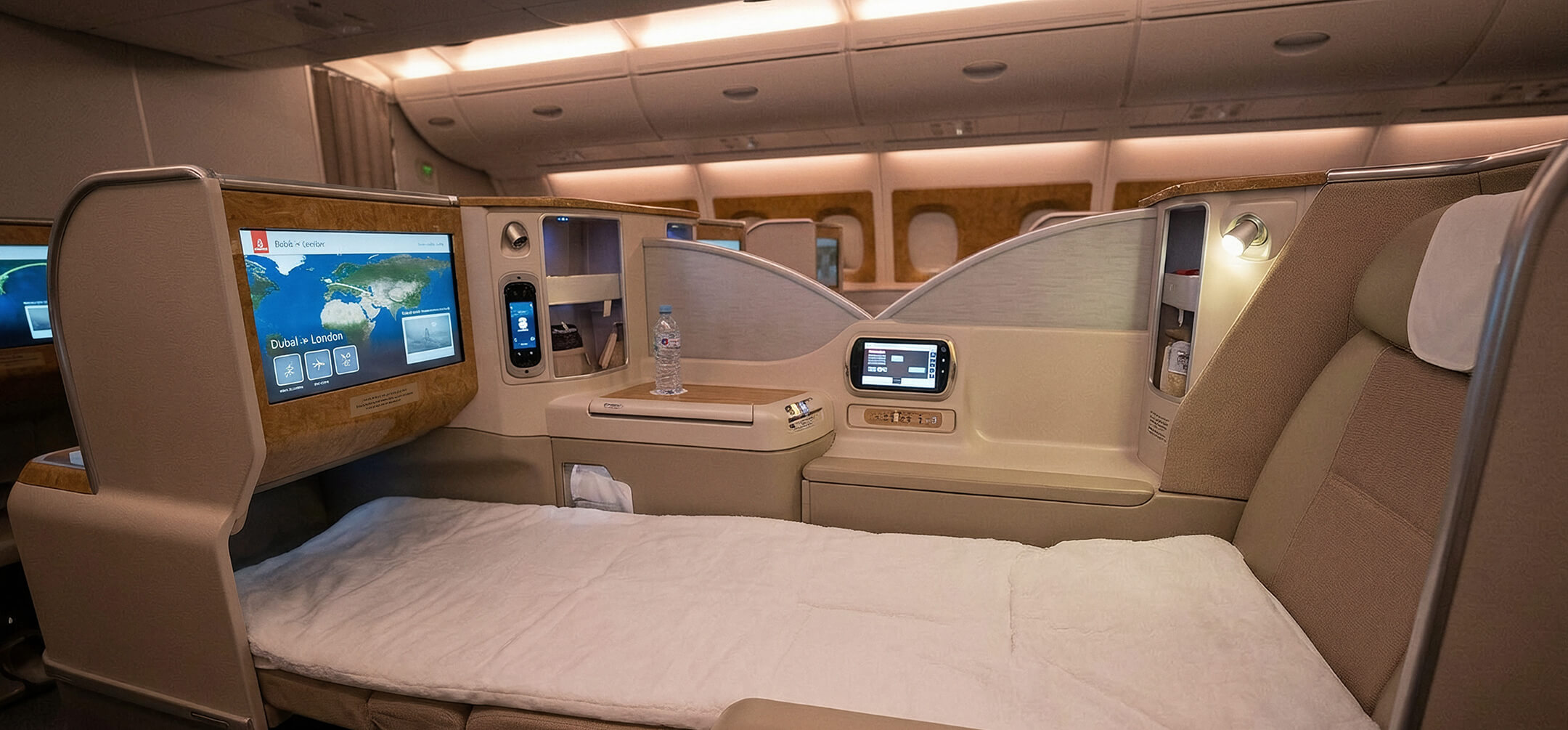
Business-class flights from the US to Cuenca
Flights to Cuenca usually involve one stop, so the cleanest options often come down to which hub fits your starting point and how long you want to spend in transit. The examples below show the typical East Coast and West Coast patterns.
From New York, Avianca, American Airlines, Copa Airlines, LATAM Airlines, and United Airlines commonly connect Cuenca through Bogotá, Panama City, Miami, or Lima. Typical itineraries take about 8 to 15 hours, and round-trip fares usually start at $1,200 and can reach $2,800, with the one-stop options often trimming the price.
Los Angeles travelers usually see Avianca, American Airlines, Copa Airlines, and LATAM Airlines on itineraries that route through Bogotá, Panama City, Miami, Mexico City, or Los Angeles, with total travel time often about 9 to 16 hours. Round-trip fares generally run $1,100 to $2,600.
Cuenca feels different when you slow down
A deliberate Cuenca stay gives you time to move between El Centro, the Tomebamba, and the museum circuit without rushing past the details that make the city work, then to step out for El Cajas when the weather clears. Use taxis for the uphill stretches, walk the cathedral blocks, and leave one morning open for coffee near Parque Calderón. If you want help shaping the final version, speak with AranGrant experts before you lock in the route