

Chapters:

Need help with your trip?
Our support team is available 24/7. Request a callback or call us directly at (833) 619-0908
Cork usually starts with a compact center, a market lunch, and a cathedral stop, then slips into a quick look at Shandon or UCC before dinner. What many visitors miss is how much the city changes once you leave the busiest streets and follow the River Lee toward its quieter edges.
That first approach can compress too much into one loop. Distances stay short, but the hills, one-way streets, and the pull of lunch and pub time can make a day feel scattered if you keep crossing the same blocks without a plan.
This guide gives Cork a clearer shape, with stay options, transport notes, food stops, and five days that move from the center outward and back again.
Useful things to know
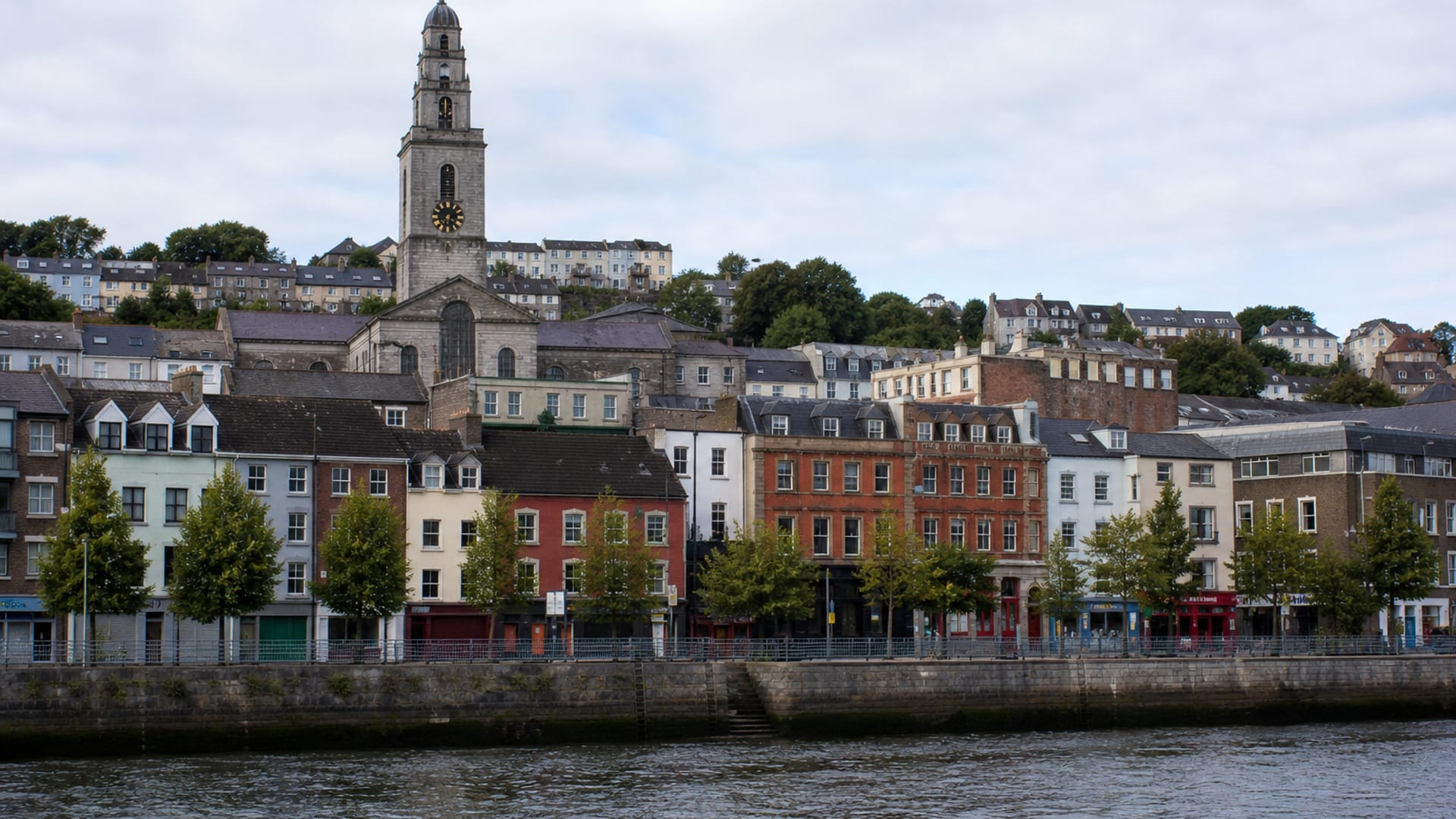

Main language(s): English

Currency: The local currency is the euro (EUR, €).

Cash and cards: Cards and contactless are widely accepted; keep about €20 to €40 ($22 to $43) in cash for small shops and taxis.

Tipping: Tip 10% to 15% in restaurants if service is not included; round up small taxi fares.

Traditional food: Cork-style tripe and drisheen, Irish stew, seafood chowder, spiced beef

Water and coffee costs: Water ~€2 ($2), bar espresso ~€3 ($3).

Taxis and ride apps: Free Now and Uber operate here; availability can thin late at night.

Plug and voltage: Type G socket, 230V

Dining and shop opening hours: Breakfast is about 07:00-10:00, lunch about 12:00-14:30, and dinner about 18:00-21:30. Many kitchens stop serving earlier on Sundays.

Emergency number: 999 or 112 for police, fire, or ambulance.
Where to stay in Cork
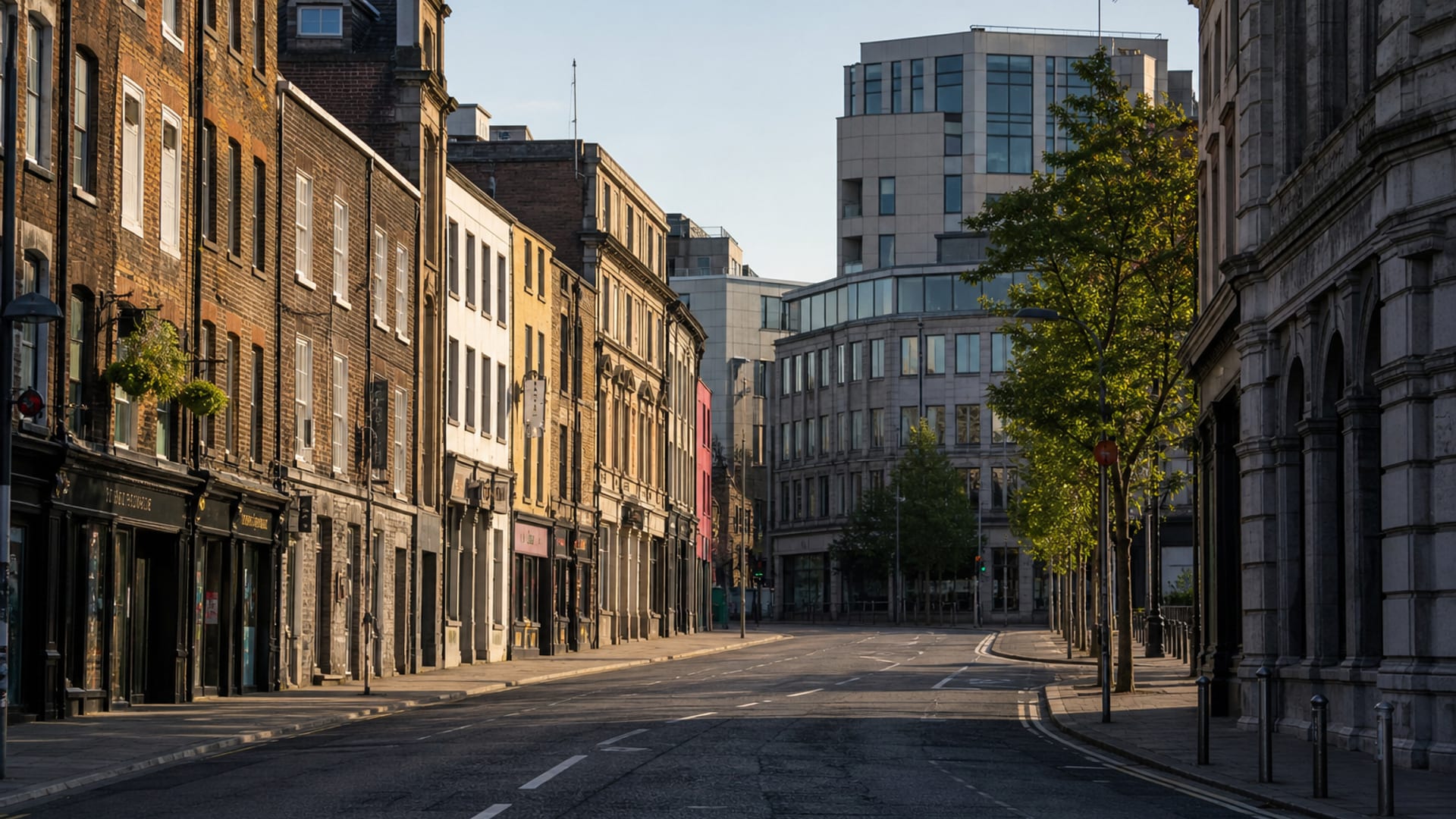
Cork’s compact center puts shops, pubs, museums, and the English Market within a short walk of each other. It suits visitors who want the city’s main sights, dining, and transport links on the doorstep.
Best for: First-time visits, dining, and travelers who want to move around on foot
What to expect: Busy streets by day, plenty of foot traffic near Patrick Street and the market, and a steady pub scene after dark.
Hotel prices: Usually about €150 to €260 (~$165 to ~$285) per night for well-rated stays
Distance to major sights: 5 to 10 minutes on foot to the English Market; about 10 minutes on foot to St. Patrick’s Street
Quietness: Lively all day, then quieter on side streets late at night.
Main trade-off: Central rooms often cost more, and some addresses pick up weekend noise from bars and late-opening venues.
Good to know: Choose a room away from late-night pubs if you want better sleep, especially on Friday and Saturday nights.
Travelers usually avoid Little Island, Mahon, Blackpool, Ballincollig, and Carrigaline for an overnight base, since they sit well outside Cork city center and add time to visits to the English Market, St. Patrick’s Street, and the riverside core. These areas also have fewer visitor-focused amenities, and evening trips back into the city can be inconvenient if you plan to dine or go out after dark.
Hotel deals
How to get around Cork efficiently
Cork has no metro, so walking, city buses, and short taxi rides do the main work between the airport, the center, and farther sights.

Metro
for longer distances
Cork has no metro or subway, so the nearest equivalent is the city bus network and short taxi trips. From Cork Airport (ORK), the bus into the center typically takes about 20 to 30 minutes, while taxis usually take about 10 to 15 minutes depending on traffic.

Bus and tram
for convenience
Bus Éireann’s city routes cover the airport, Kent Station, the city center, and suburbs such as Douglas, Bishopstown, and Blackpool. A single fare is typically about $2 to $5 (€2 to €5), and day tickets or Leap Card top-ups can lower the cost if you make several trips in one day.

Taxi
for convenience or late hours
Licensed taxis use meters rather than set citywide fares, and you can usually find them at Cork Airport (ORK), taxi ranks, or by phone booking. A trip between the airport and central Cork often costs about $18 to $30 (€17 to €28), with late-night or heavier-traffic rides landing higher; most cabs accept cards, but it is wise to confirm before you set off.
*Prices are based on rates updated as of June 2026 and may change at the time of travel.
Walk the center when your stops cluster near Patrick Street and the English Market, use buses for UCC and outer neighborhoods, and take taxis for the airport or steeper cross-city links.
Iconic landmarks
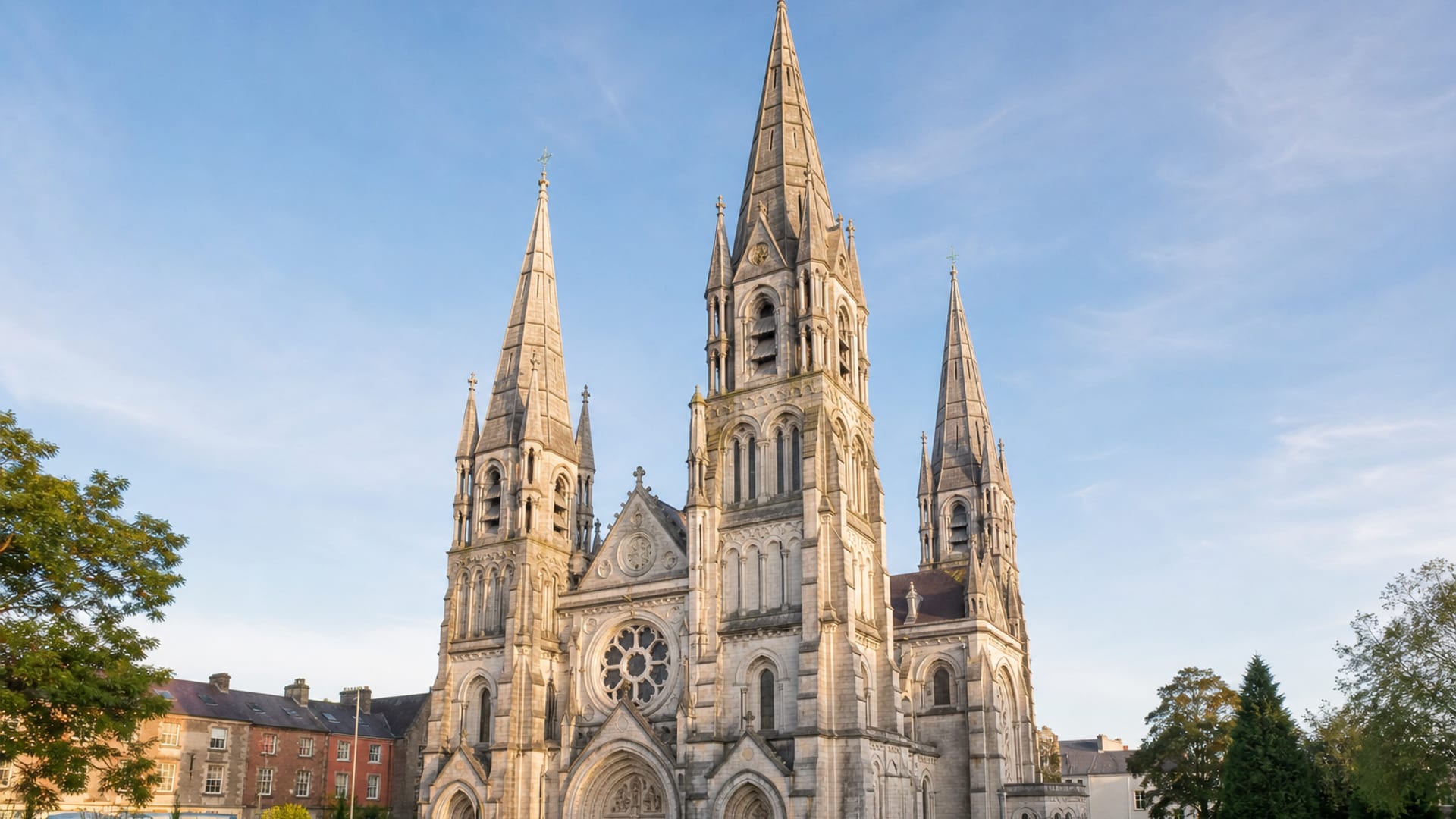
St Fin Barre's Cathedral
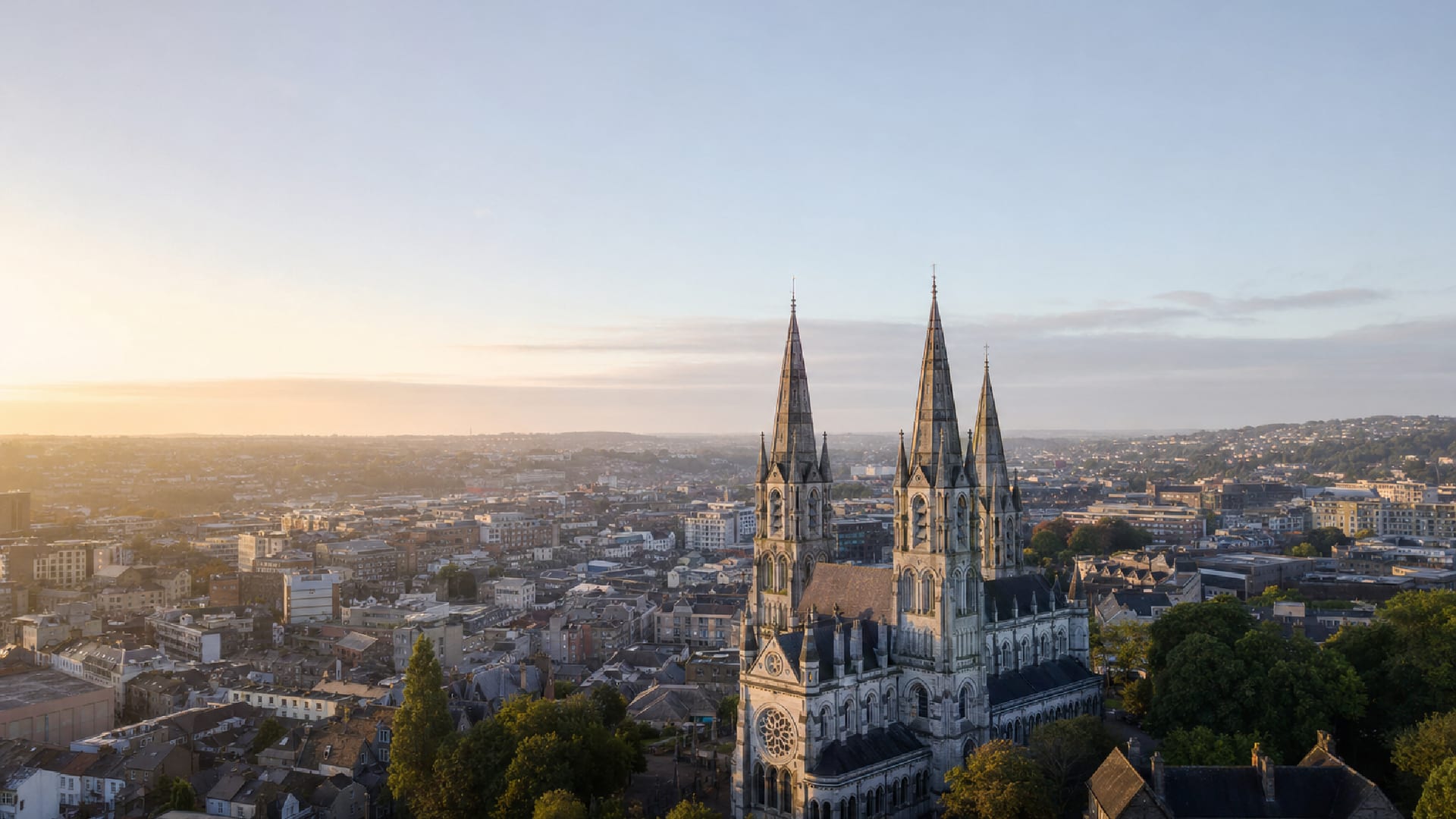
Gothic Revival cathedral by William Burges, completed in 1879 and built on a site used for worship for centuries. Look for the carved limestone exterior, vaulted nave, stained glass, and the arrow-topped spire that rises above Cork’s south side.
Time needed: About 1 to 1.5 hours
Entry: Adult admission costs $9.50 (€8.50); children, students, and seniors pay less, with family and group rates available on site Visit the official site for details.
Tip: Visit late morning for bright nave light and quieter viewing of the stained glass.
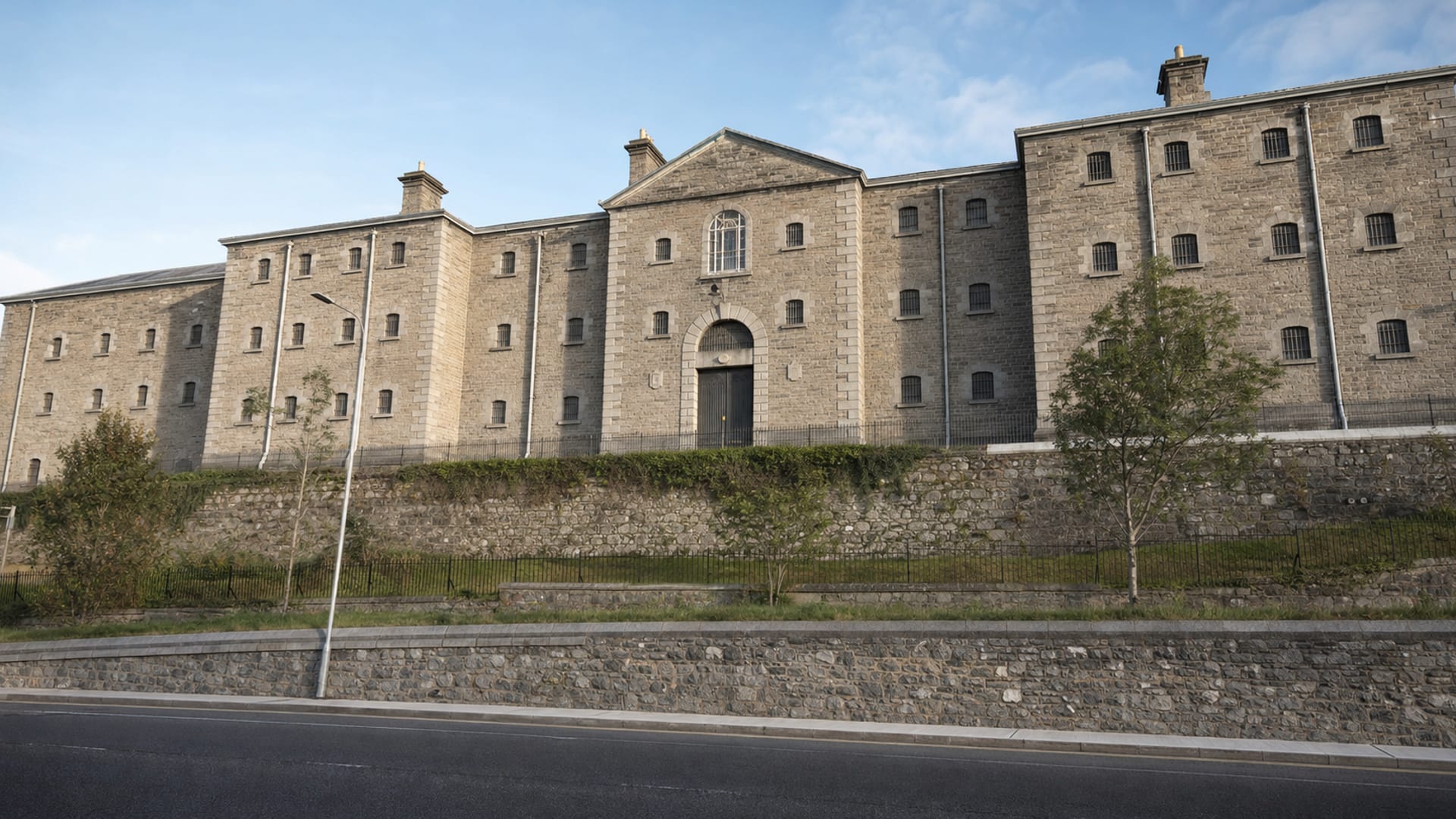
Cork City Gaol
This 19th-century former prison, now a museum, preserves cells, corridors, and the governor’s quarters in a limestone castle-like building. Audio displays explain prison life, transport, and the site’s links to Cork’s social history.
Time needed: About 1.5 to 2 hours
Entry: Tickets cost $14 ($12) for adults, $12 ($10) for seniors and students, and $8 ($7) for children; family tickets are also sold Visit the official site for details.
Tip: Go earlier in the day, then take time outside for views over the city and river.
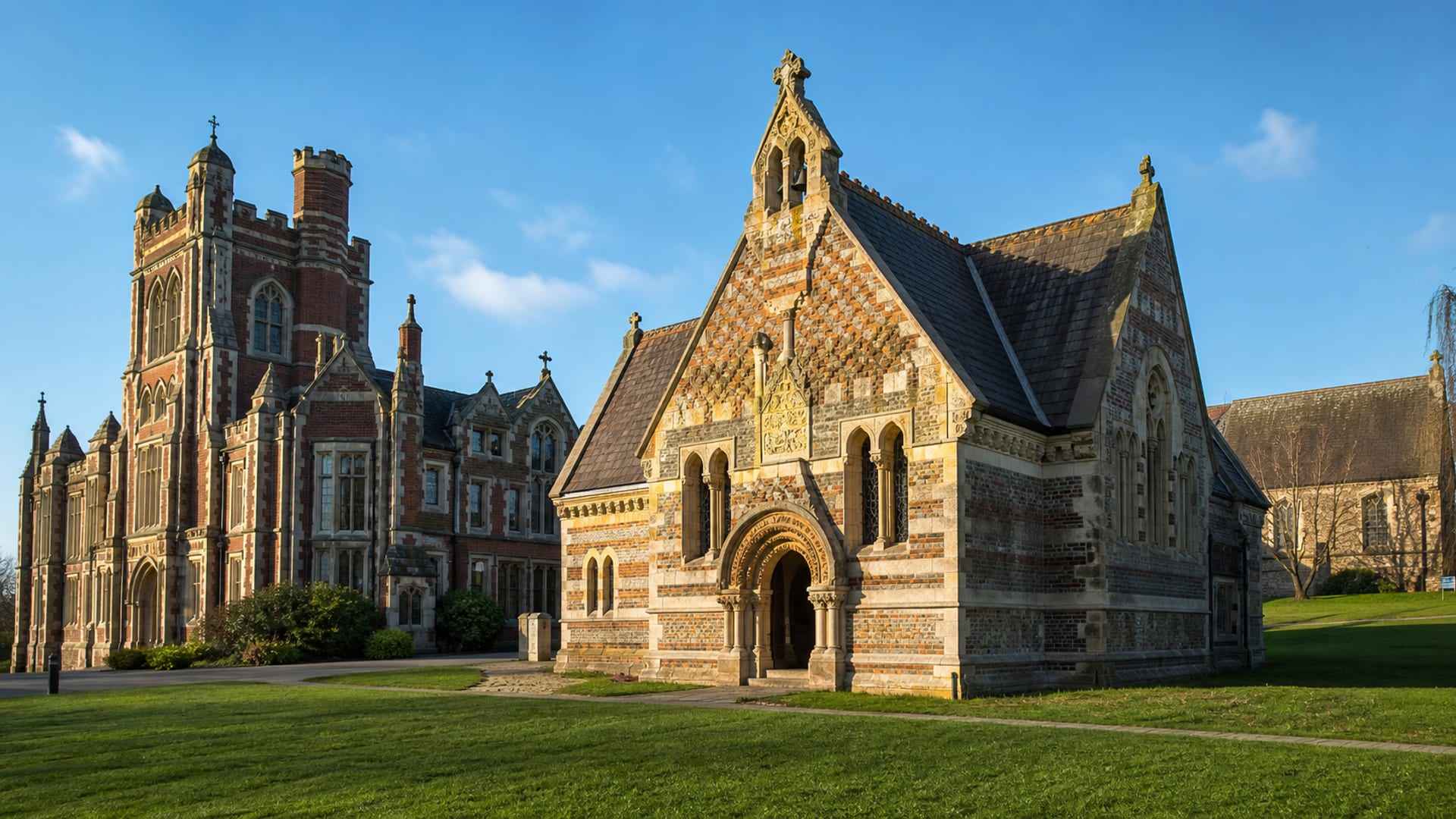
University College Cork and the Honan Chapel
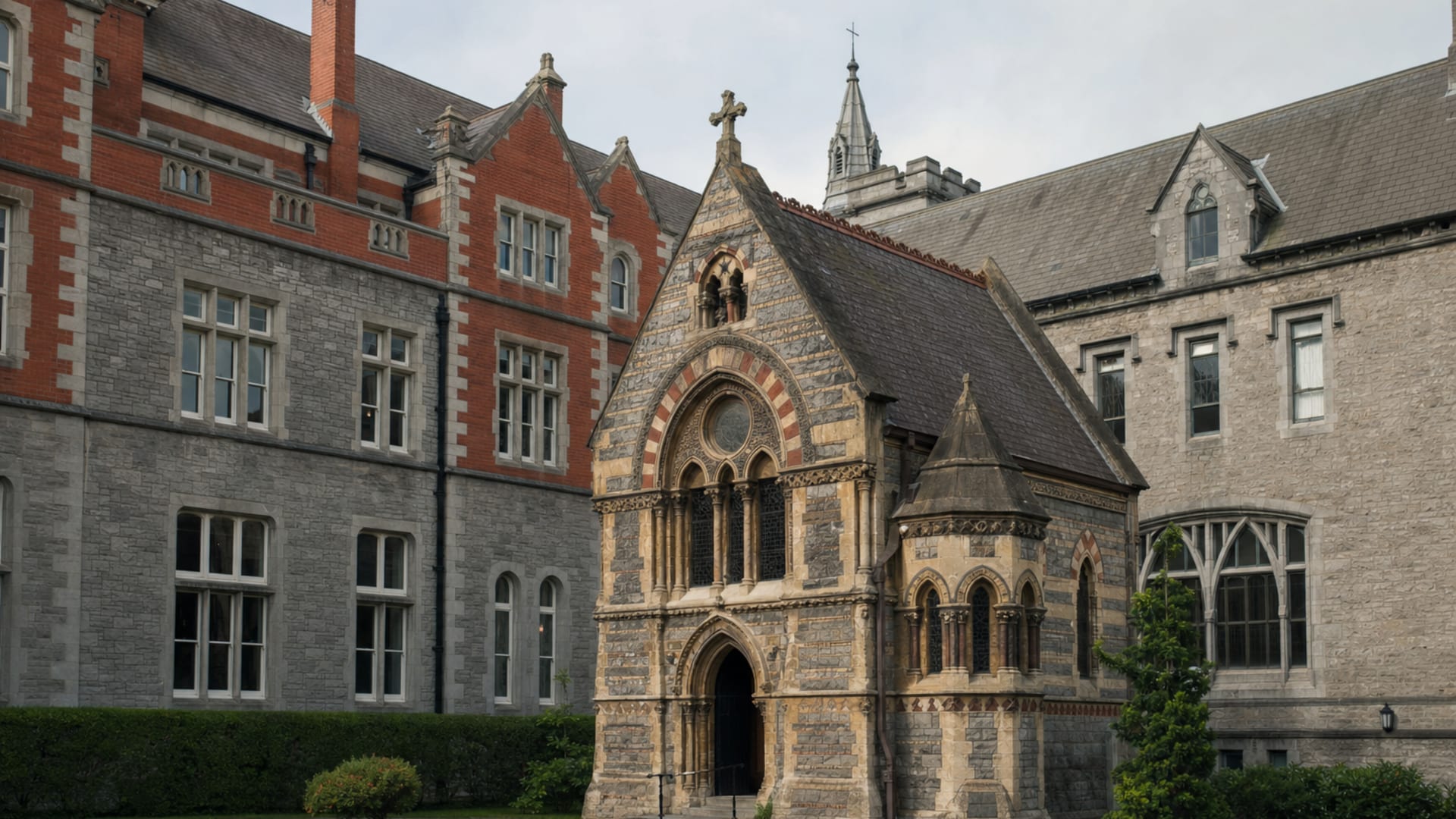
The UCC campus combines sandstone quadrangles, riverside paths, and the Honan Chapel, known for its Celtic Revival mosaics, stained glass, and carved details. The setting gives a clear look at Cork’s university architecture in one compact walk.
Time needed: About 1 to 2 hours
Entry: Free to access; the Honan Chapel may have limited opening hours, and donations are welcomed on site Visit the official site for details.
Tip: Start near the main quadrangles, then check chapel hours before you cross the campus.
Overlooked sites worth visiting

St. Anne's Church, Shandon
This 18th-century hilltop church is known for its whitewashed tower, red sandstone trim, and the Shandon Bells. The climb gives a close look at north-side Cork and the River Lee.
Time needed: About 1 hour
Entry: Adults $7 (€6), students and seniors $5 (€4), children under 5 free. Tickets cover the tower climb and bell-ringing visit; hours vary by season, so check the parish schedule before you go.
Tip: Go near opening for quieter tower access and clearer city views.

Cork Public Museum
Set in Fitzgerald’s Park, this compact museum covers Cork history, archaeology, and local life with clear, focused displays. Its scale suits a short stop between a park walk and lunch.
Time needed: About 45 minutes to 1 hour
Entry: Free to access. Temporary exhibitions sometimes charge a separate admission, but the permanent galleries are free for all visitors. Check posted opening hours before you plan a visit.
Tip: Pair it with a loop through Fitzgerald’s Park.
Traditional food
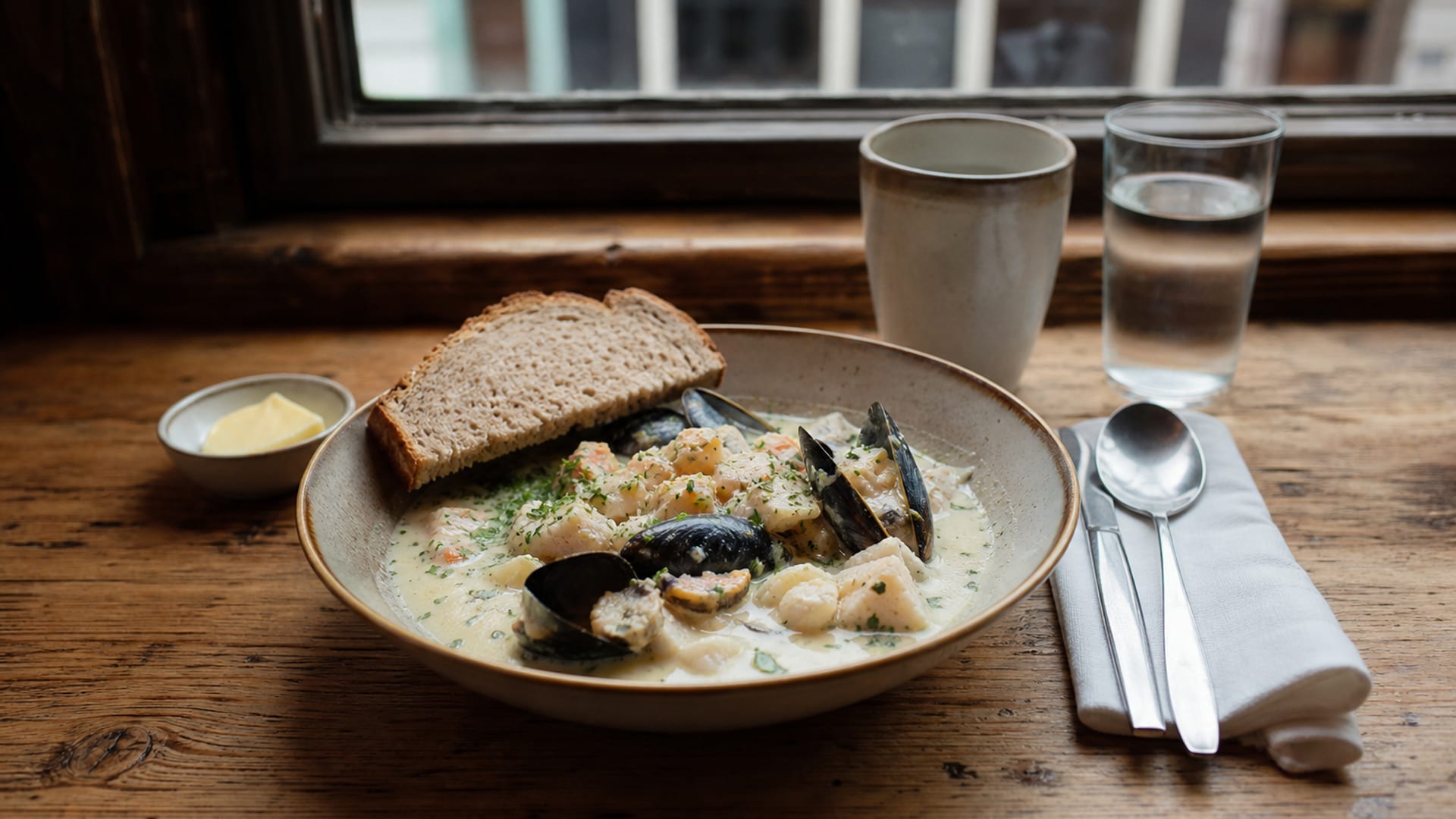
Cork’s food scene leans on seafood, beef, and old-school Irish plates, with tripe, drisheen, stew, and chowder still appearing beside coffee, market counters, and pub meals built for a slow lunch or an easy supper.
Cork-style tripe and drisheen
This classic Cork plate brings together tripe, a seasoned blood sausage, and a mustard-style sauce in a dish that still speaks to local tradition. The Long Valley Bar is a canonical stop for it in Cork.
Irish stew
Lamb, potatoes, and onions make this one of Ireland’s most familiar comfort dishes, usually served in a deep bowl with simple broth and soft vegetables. The SpitJack Cork is a strong city-center choice.
Seafood chowder
Creamy chowder packed with fish and shellfish suits Cork’s coastal pantry and often arrives with brown bread on the side. The English Market’s Farmgate Cafe is a classic place to order it.
Spiced beef
Thin slices of cured, spiced beef show up in sandwiches and market counters, especially in the run-up to holidays, but you can find versions year-round. The Market Lane restaurant is a dependable Cork address for it.
Best time to visit Cork
Cork works in every season, but rain, daylight, and pub traffic change the feel of the city enough that your dates can shape how much ground you cover comfortably.
Best for: Longer daylight for cathedral visits and riverside walks
What you get: About 46 to 60°F (8 to 16°C), with moderate crowds and frequent showers
Trade-offs: Rain can interrupt park time and outdoor views
Best for: The easiest season for long evenings, outdoor dining, and day trips
What you get: About 54 to 68°F (12 to 20°C), with the heaviest visitor flow and the most hotel demand
Trade-offs: Popular sights and restaurants book up faster
Best for: Museum time, market browsing, and cooler walking days
What you get: About 45 to 62°F (7 to 17°C), with moderate crowds and a more relaxed pace after summer
Trade-offs: Shorter days arrive quickly by late October
Best for: Pub meals, short museum stops, and lower sightseeing pressure
What you get: About 38 to 48°F (3 to 9°C), with light crowds and frequent wet weather
Trade-offs: Reduced daylight limits longer outdoor plans
A realistic 5-day plan in Cork
A five-day Cork stay works well when you group sights by side of the city instead of trying to cover everything from a single base. The plan below keeps the center close at hand, then adds Shandon, UCC, Fitzgerald’s Park, and Cork City Gaol in a sequence that avoids unnecessary backtracking.
Fly into Cork (ORK), then take a taxi or prebooked car into the city centre in about 15 to 20 minutes for roughly €20 to €30 ($22 to $33). Stay near Patrick Street or the English Market so you can walk to dinner, stretch your legs after landing with a short loop along the River Lee, and keep the evening simple with a pint or an early plate at a pub or brasserie close to your hotel.
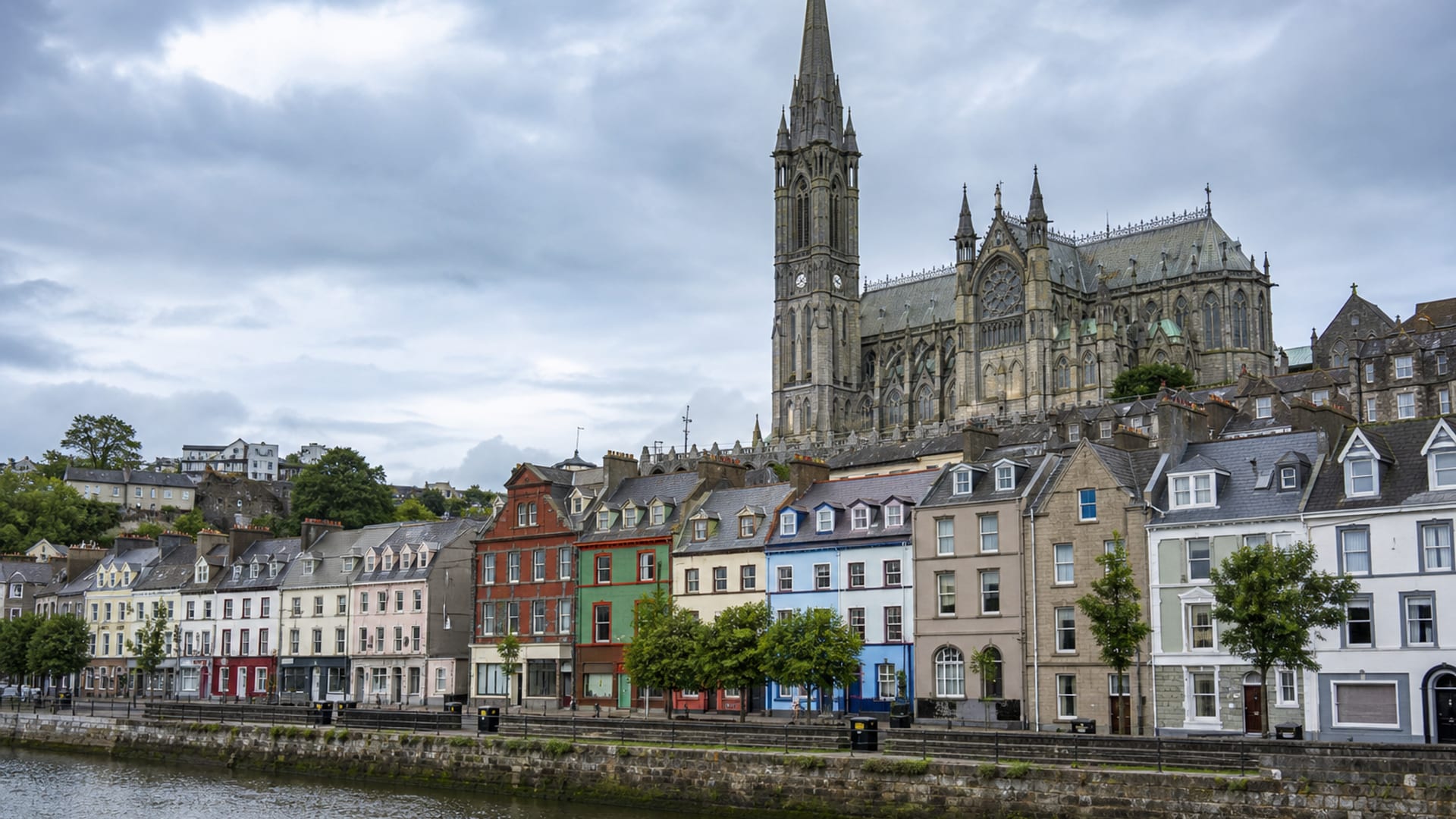
Start at St. Anne’s Church, Shandon, where the tower climb and bell-ringing visit take about 1 hour, then walk about 15 minutes downhill into the city centre for lunch by the English Market. After that, spend 1 to 2 hours at St Fin Barre’s Cathedral, which is about a 10-minute taxi ride or a 20-minute walk from the market area, then end with an easy evening around Patrick Street and the nearby pub streets.
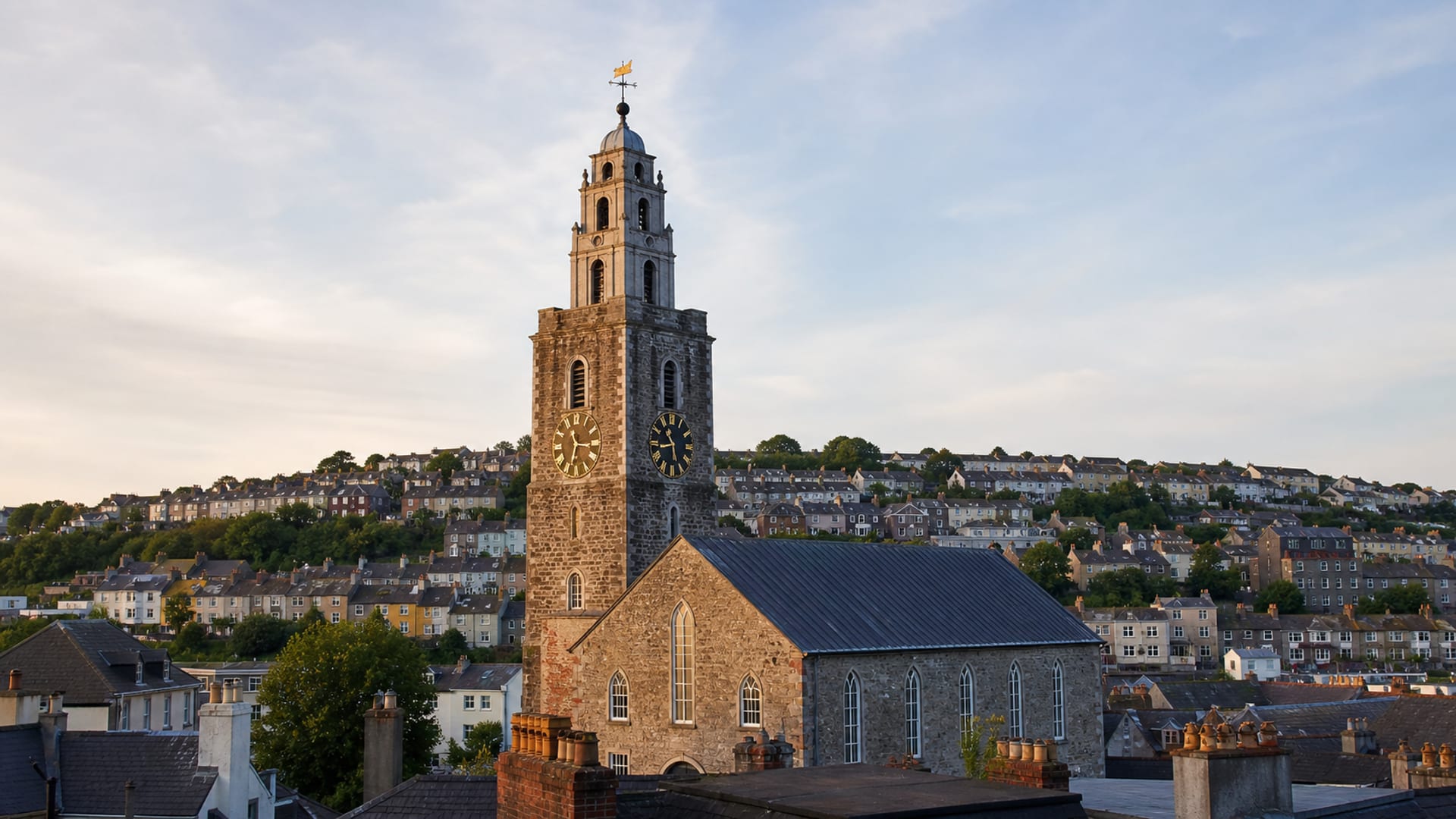
Begin on the UCC campus and Honan Chapel, where sandstone quadrangles and the chapel’s mosaics reward about 1 to 2 hours, then walk about 20 minutes or take a short bus ride to Cork Public Museum in Fitzgerald’s Park for a 45-minute to 1-hour visit. From the museum, continue along the park paths and river edge before heading back toward the city centre for dinner, which keeps the day compact without repeating the same streets.
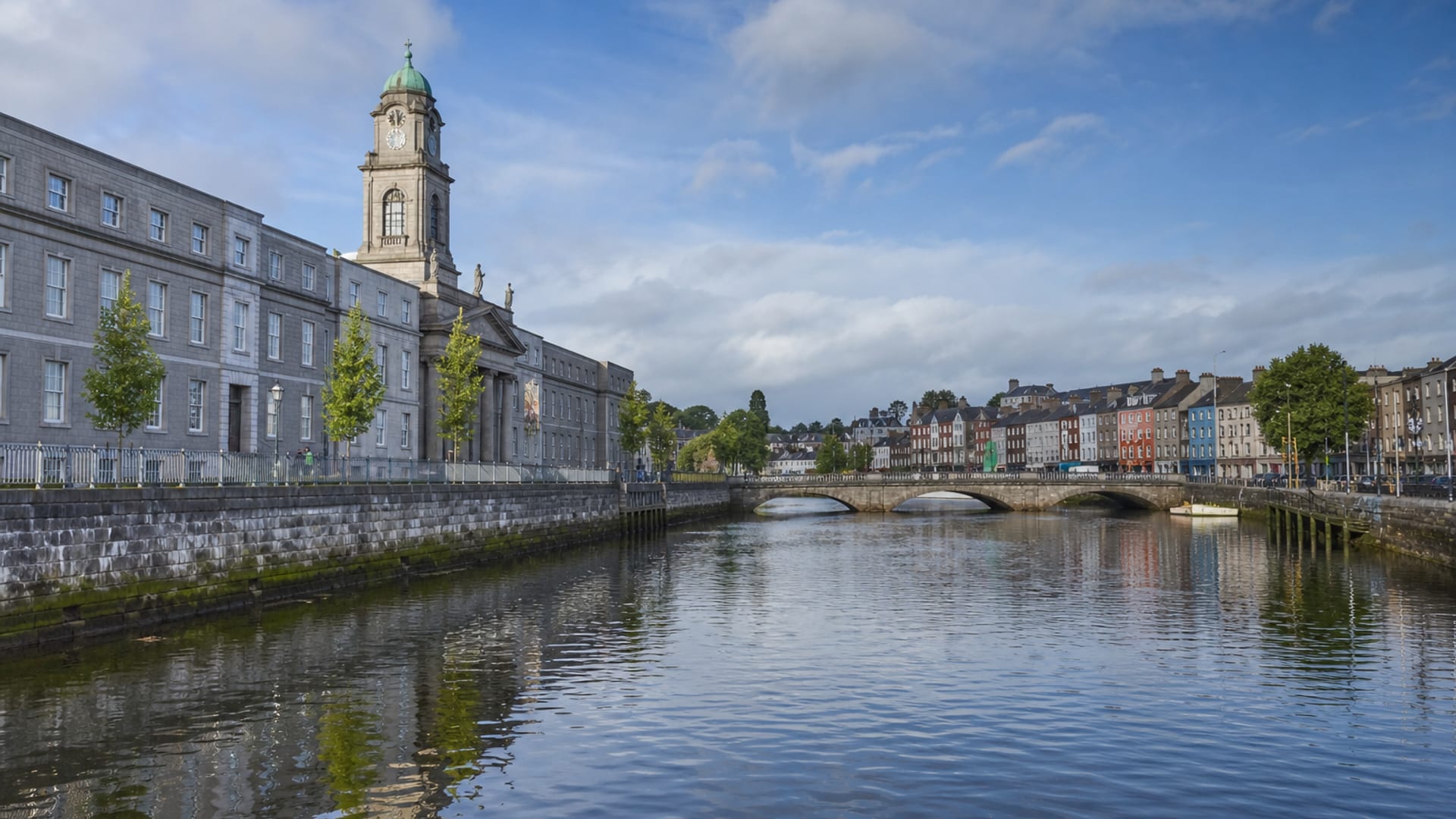
Cork City Gaol gives this day a stronger historical focus, so go there first, spend about 1.5 to 2 hours inside, and add time outside for views over the city and river. From the gaol, plan on roughly a 10-minute taxi ride or a 30-minute walk back toward the centre, then spend the afternoon on a slow circuit through the market area, with a coffee stop and an unhurried look at shops near St. Patrick’s Street.
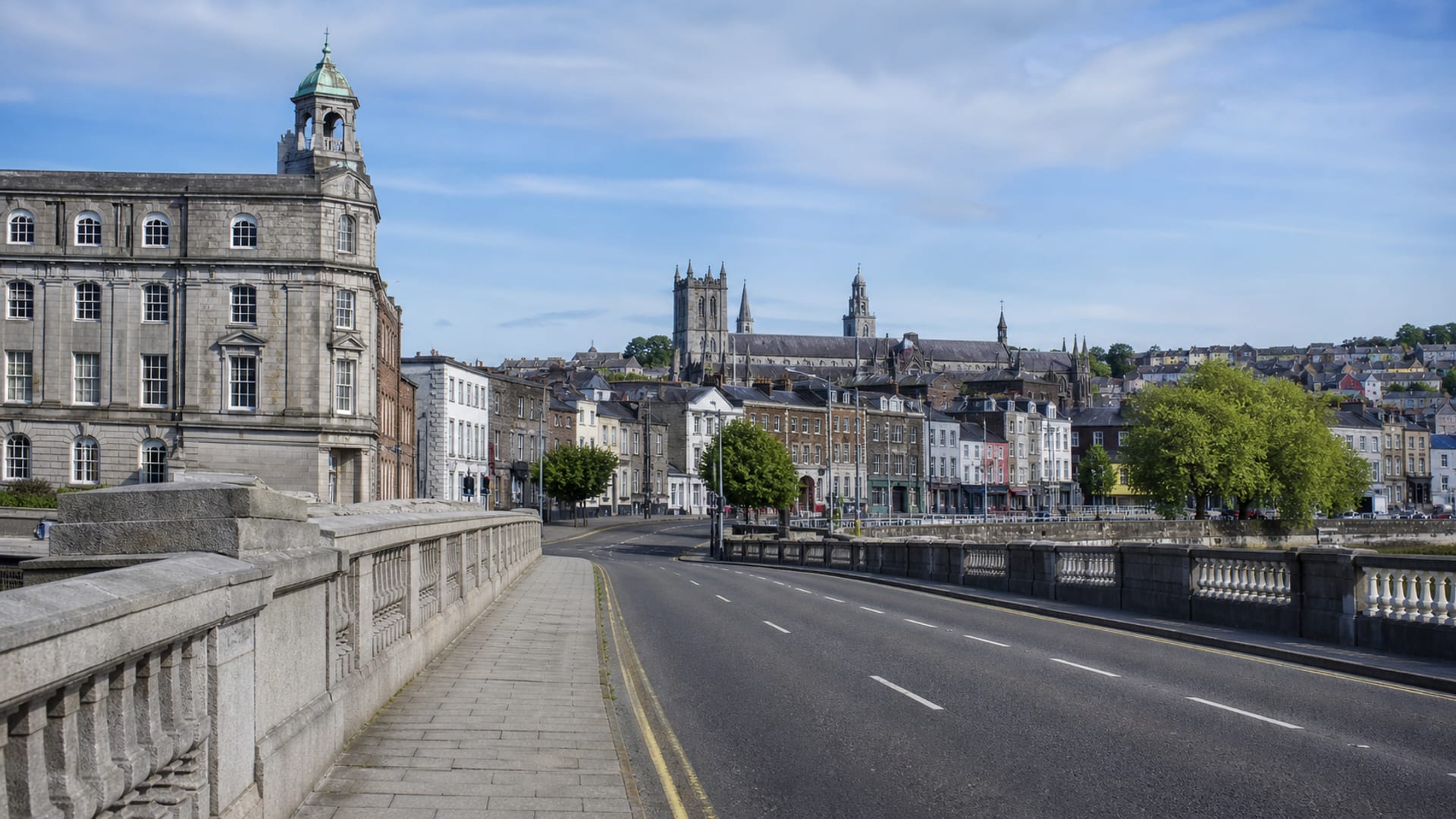
Finish with a short museum stop in the morning, then head to the English Market area for local foods, small purchases, and one last lunch near the city centre. In the afternoon, browse shops along St. Patrick’s Street and nearby side streets, then settle into a café in the city centre or around UCC before collecting bags and heading to Cork (ORK) with about 15 to 20 minutes for the transfer.
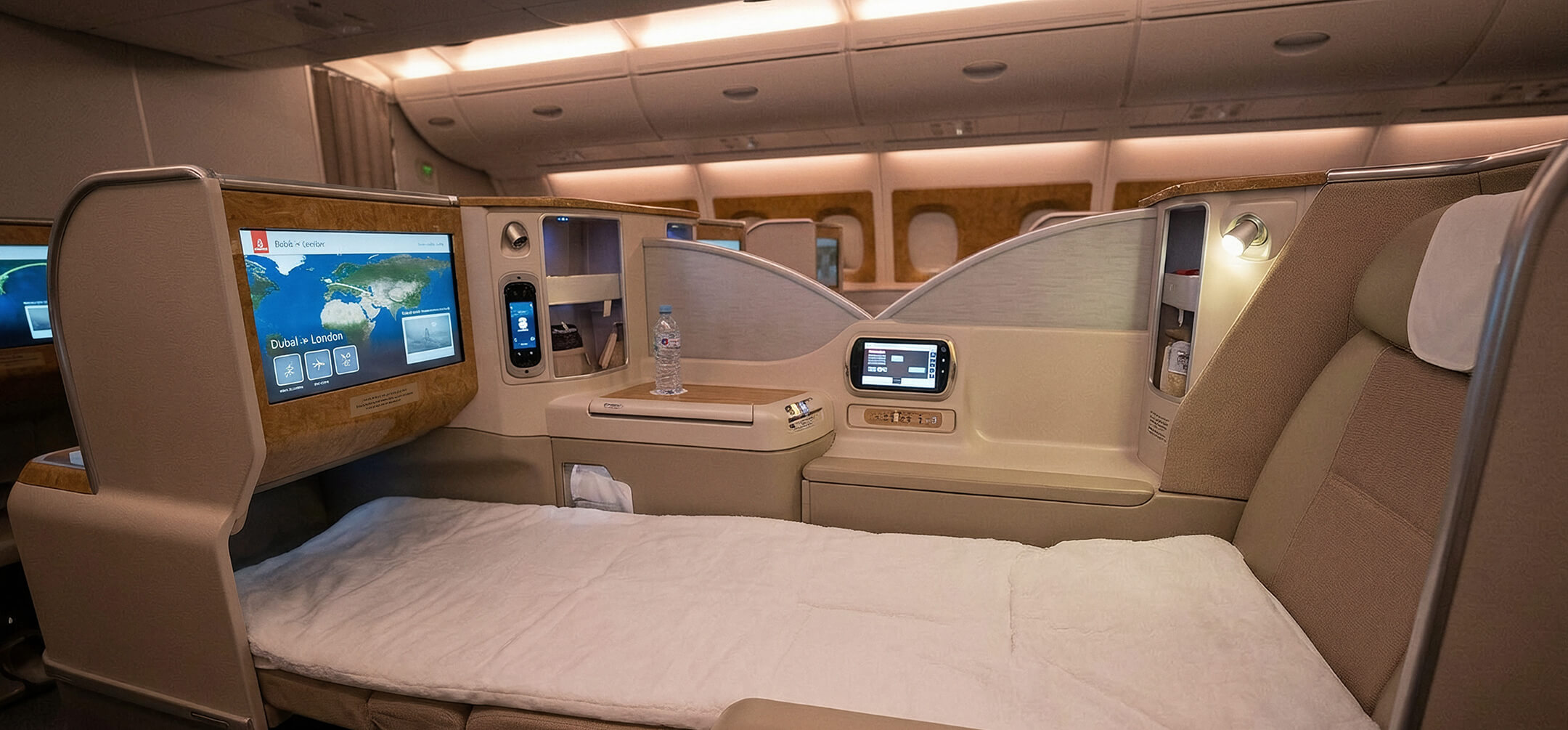
Business-class flights from the US to Cork
For long-haul arrivals, Cork usually means one-stop routing rather than a single direct option. The most workable fare bands for New York and Los Angeles both run through major European hubs.
From New York, Aer Lingus, Air France, British Airways, Delta Air Lines, KLM, and Lufthansa commonly appear on one-stop itineraries, and the total journey time is about 6 hours to 6 hours 30 minutes on nonstop options when they are offered. Typical connections run through Amsterdam (AMS), Paris (CDG), Dublin (DUB), Frankfurt (FRA), London (LHR), or Madrid (MAD), with layover itineraries taking about 9 hours to 14 hours. Round-trip fares usually start at $2,500 and can reach about $5,500.
Los Angeles travelers usually connect through Dublin (DUB), Frankfurt (FRA), London (LHR), Lisbon (LIS), or Madrid (MAD), and the full trip generally takes about 13 hours to 19 hours. Aer Lingus, British Airways, Lufthansa, TAP Air Portugal, and United Airlines are the names most often associated with those routings, and round-trip fares start at $2,900.
Cork feels different when you slow down
A good Cork trip stays close to the city center, then widens in measured steps, from Patrick Street to the English Market, up to Shandon, across UCC, and out to Cork City Gaol when you want a stronger historical day. Taxis work for the airport and steep transfers, while buses and walking cover most of the rest. If you want the trip shaped around these neighborhoods, AranGrant experts can help you plan it with the right pace and hotel base