

Chapters:

Need help with your trip?
Our support team is available 24/7. Request a callback or call us directly at (833) 619-0908
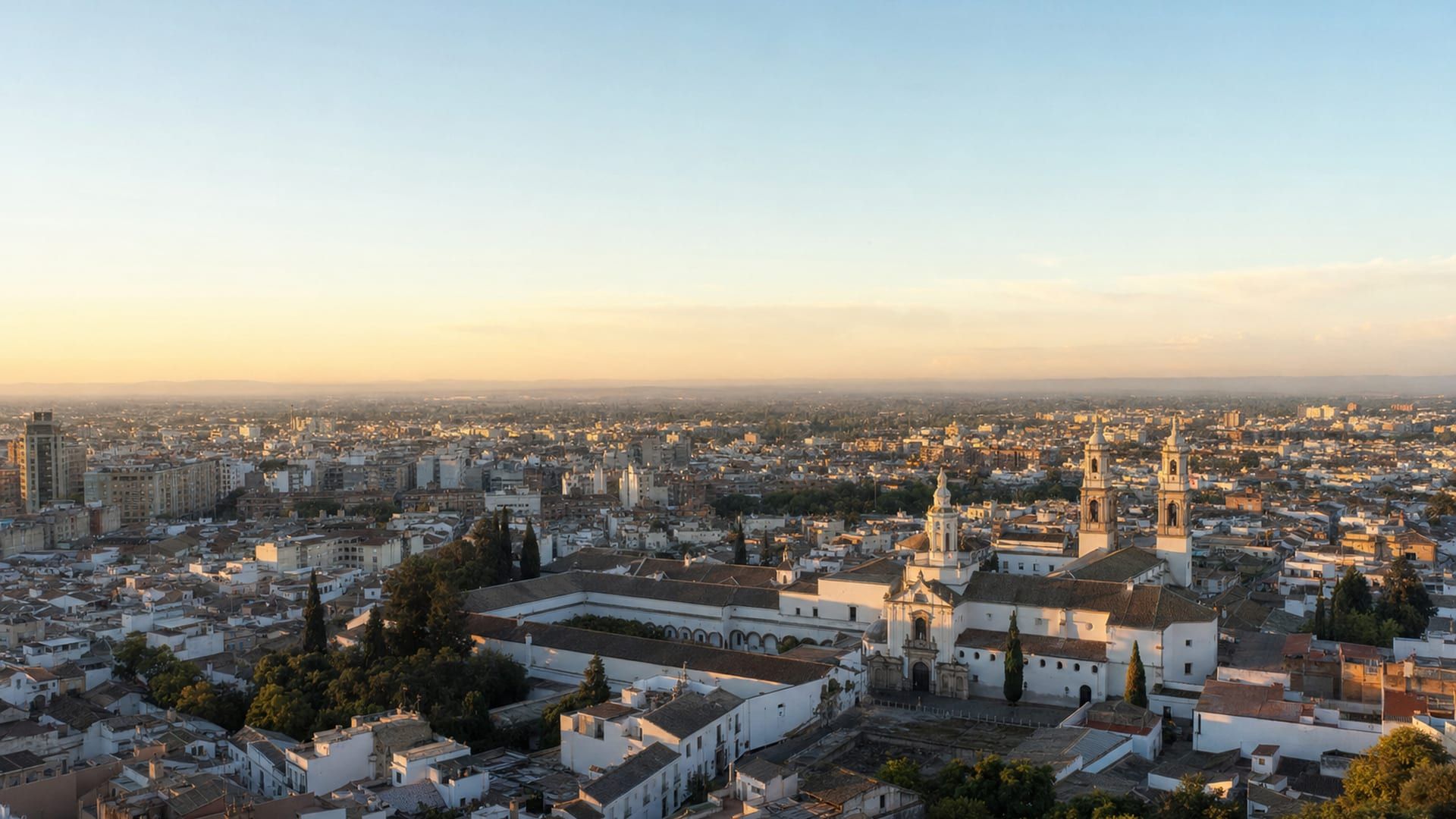
Córdoba rewards travelers who linger in the center, but many visits still compress the city into the Mosque-Cathedral, a quick walk through the old lanes, and a late meal.
That approach misses how close the Jesuit Block, Parque Sarmiento, and the riverside edge sit to one another, while taxis, buses, and walking each solve different parts of the day.
This guide maps those pieces in a set order, so you can see the historic core, use transit where it saves time, and leave space for meals and quieter neighborhoods.
Useful things to know
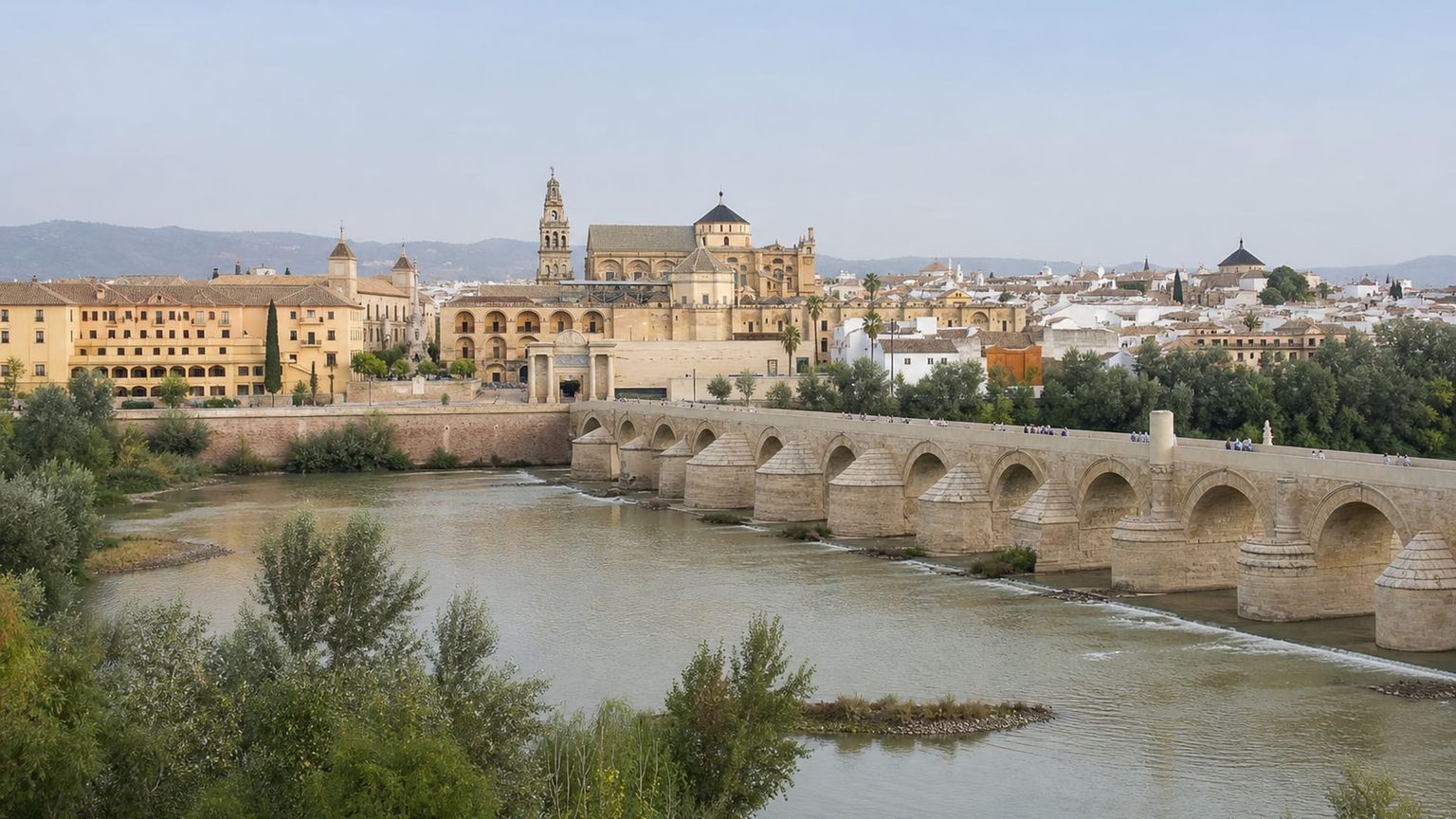

Main language(s): Spanish
Hola (OH-lah) – Hello
Por favor (por fah-VOR) – Please
Gracias (GRAH-syahs) – Thank you
¿Habla inglés? (AH-blah een-GLAYS) – Do you speak English?
¿Cuánto cuesta? (KWAHN-toh KWEHS-tah) – How much does it cost?

Currency: The local currency is the Argentine peso (ARS, $).

Cash and cards: Cards and contactless are widely accepted; carry about $20 to $40 (€18 to €37) in cash for small purchases.

Tipping: Round up small bills, and leave about 10% at restaurants for good service.

Traditional food: Salmorejo, flamenquín, rabo de toro, berenjenas con miel

Water and coffee costs: Water ~€2 ($2), bar espresso ~€1.50 to €2 ($2).

Taxis and ride apps: Uber and Cabify operate here; local taxis are often easier at the airport.

Plug and voltage: Type C/F socket, 220V

Dining and shop opening hours: Breakfast is roughly 7:00-10:00 am, lunch 1:00-3:00 pm, and dinner 9:00-11:00 pm. Many shops close for siesta in the afternoon.

Emergency number: 112 for all emergencies, including police, fire, and medical.
Where to stay in Córdoba
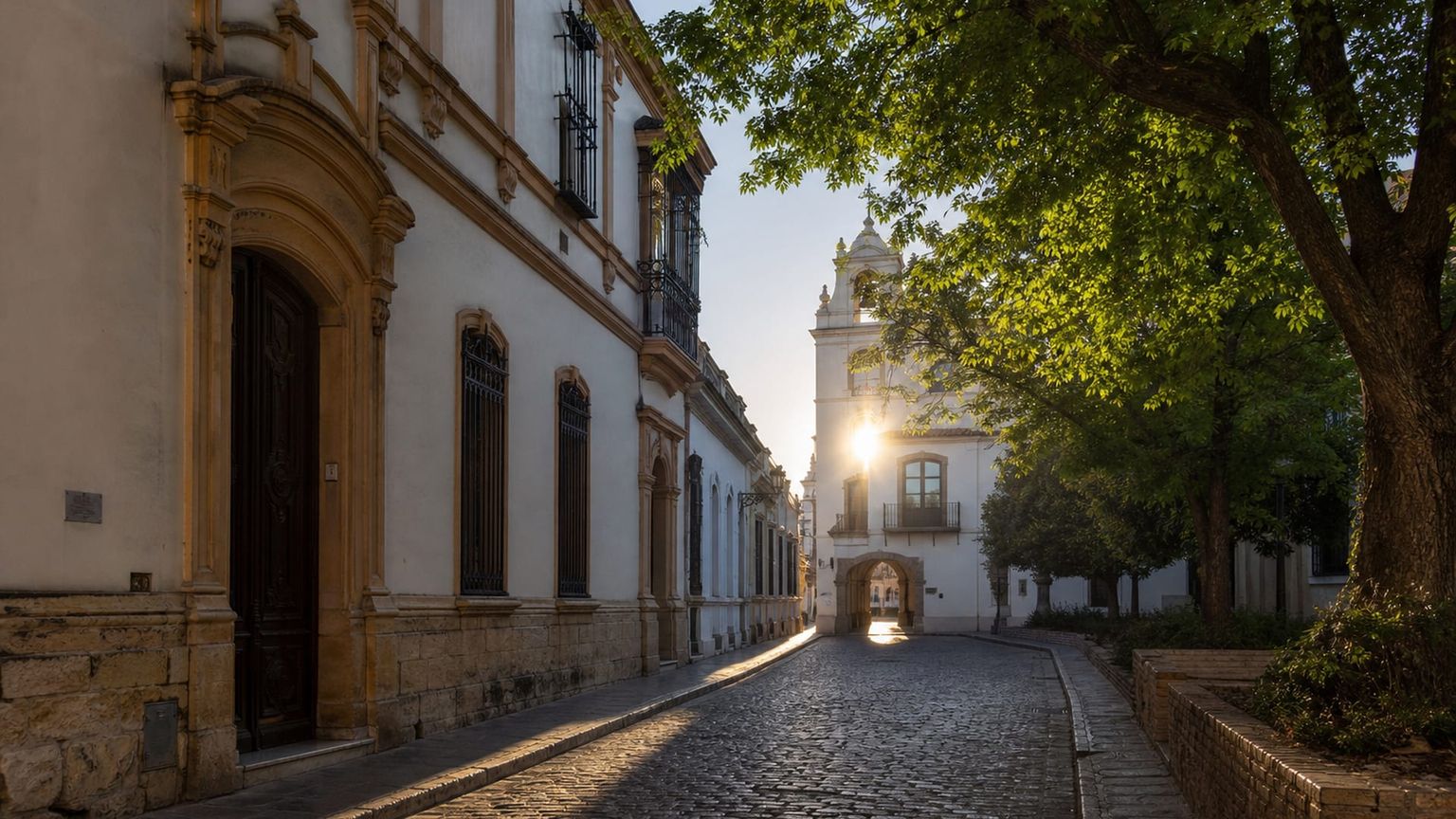
Córdoba’s historic center puts you among the cathedral, plazas, and compact shopping streets, with museums and tapas spots close at hand. It suits visitors who want to move between major sights on foot and keep most day plans close to the core.
Best for: First-time visits, sightseeing, and staying close to major landmarks
What to expect: Busy daytime streets, steady café traffic, and the most activity after work hours.
Hotel prices: Usually about $70 to $180 per night for well-rated stays
Distance to major sights: 5 to 15 minutes on foot to Córdoba Cathedral and the Plaza de la Corredera
Quietness: Lively through the day, with noticeable evening activity on main streets; side lanes calm down earlier.
Main trade-off: Central addresses cost more, and rooms on shopping streets can pick up late-night noise.
Good to know: Choose a side street if you want an easier sleep, since some of the best-located buildings sit above restaurants and bars.
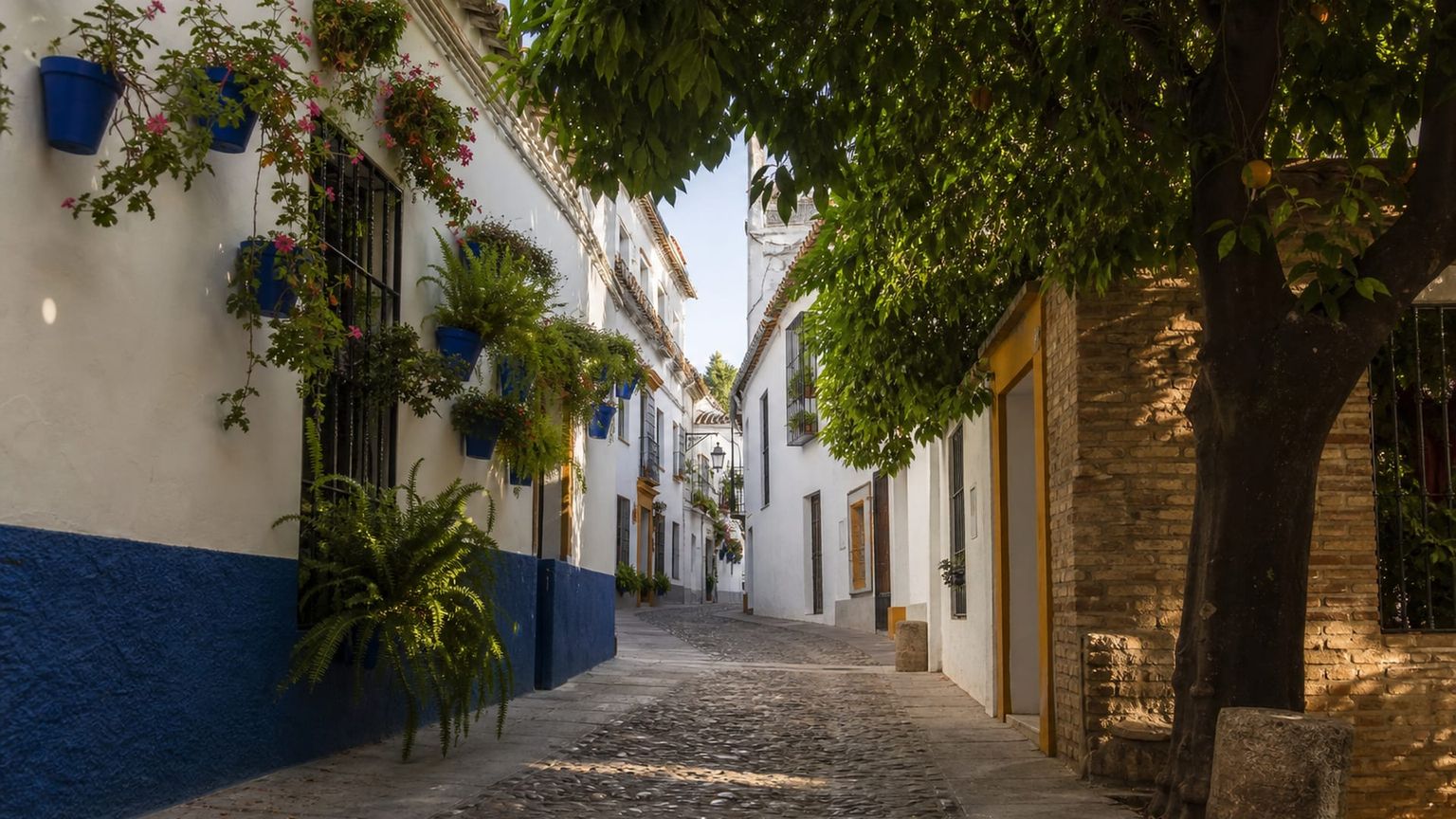
The Jewish Quarter wraps narrow lanes, whitewashed houses, and small courtyards around the mosque-cathedral area. It matters if you want one of the city’s most atmospheric bases, with heritage sights and intimate dining spots close together.
Best for: Architecture lovers, heritage walks, and travelers who want a characterful base near the mosque-cathedral
What to expect: Pedestrian lanes, guided tour groups, and a steady flow of visitors during the day.
Hotel prices: Usually about $80 to $200 per night for well-rated stays
Distance to major sights: 2 to 8 minutes on foot to the Mosque-Cathedral and 10 to 15 minutes on foot to the Roman Bridge
Quietness: Quieter at night than the center, though some lanes stay active with diners until late.
Main trade-off: Many streets are narrow and car access is limited, so luggage transfers can be less convenient.
Good to know: Book early if you want a room with easy taxi access, because some properties sit on lanes where vehicles cannot reach the door.
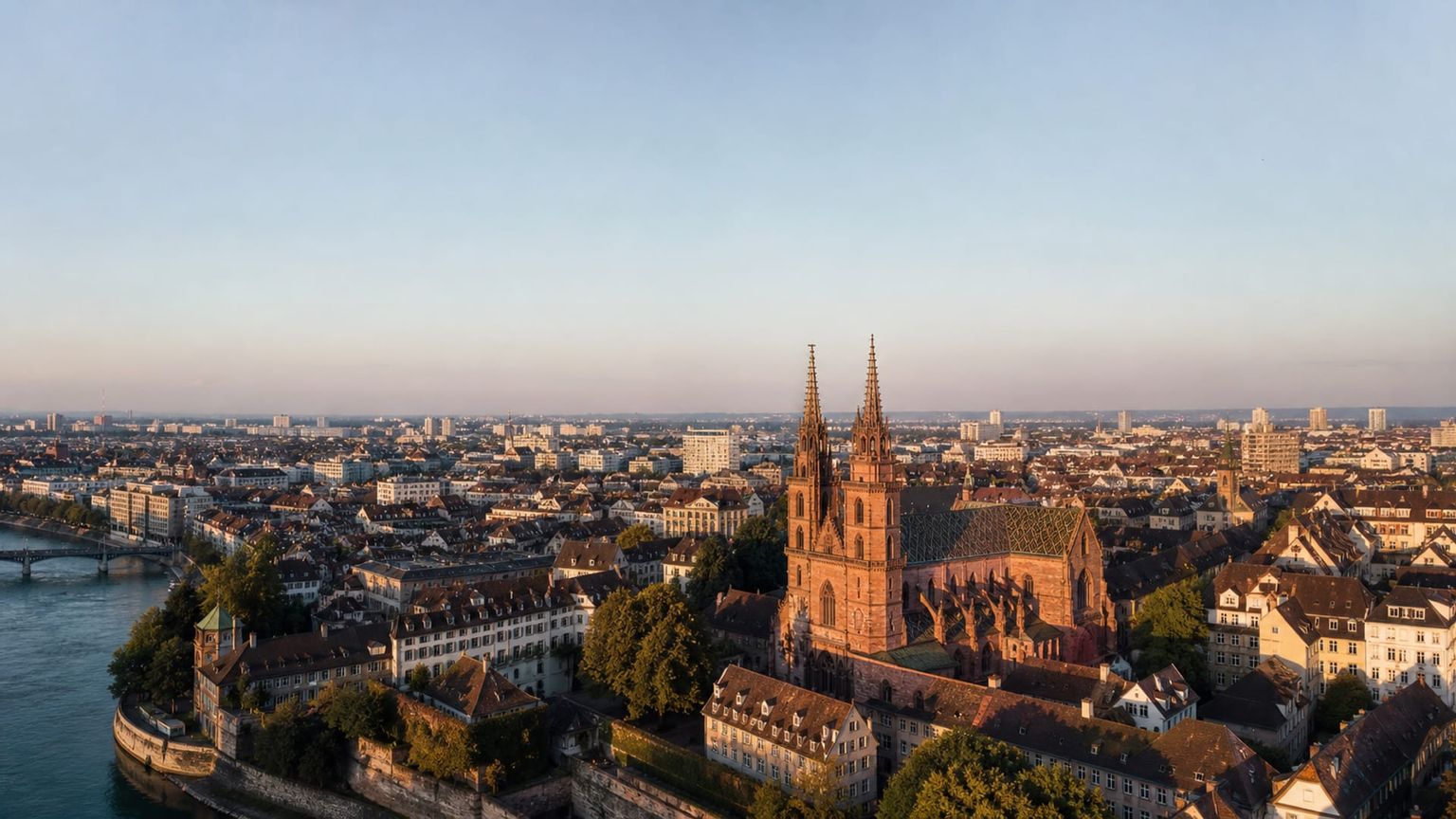
Vial Norte sits just north of the old center, near the train station and broad avenues lined with business hotels and apartments. It works well for travelers who want easier arrivals by rail and a calmer modern base without leaving central Córdoba.
Best for: Rail travelers, short business stays, and visitors who prefer modern hotels with simpler access
What to expect: Wider streets, fewer tourists, and a more local weekday pace than the historic quarters.
Hotel prices: Usually about $60 to $150 per night for well-rated stays
Distance to major sights: 10 to 15 minutes on foot to the old center, about 20 minutes on foot to the Mosque-Cathedral
Quietness: Calmer than Centro in the evening, with moderate traffic near the station and main roads.
Main trade-off: You will walk a bit farther for the most historic streets, and the area has less evening atmosphere.
Good to know: This is the easiest place to stay if you are arriving by train, since Córdoba Central station sits right next door.
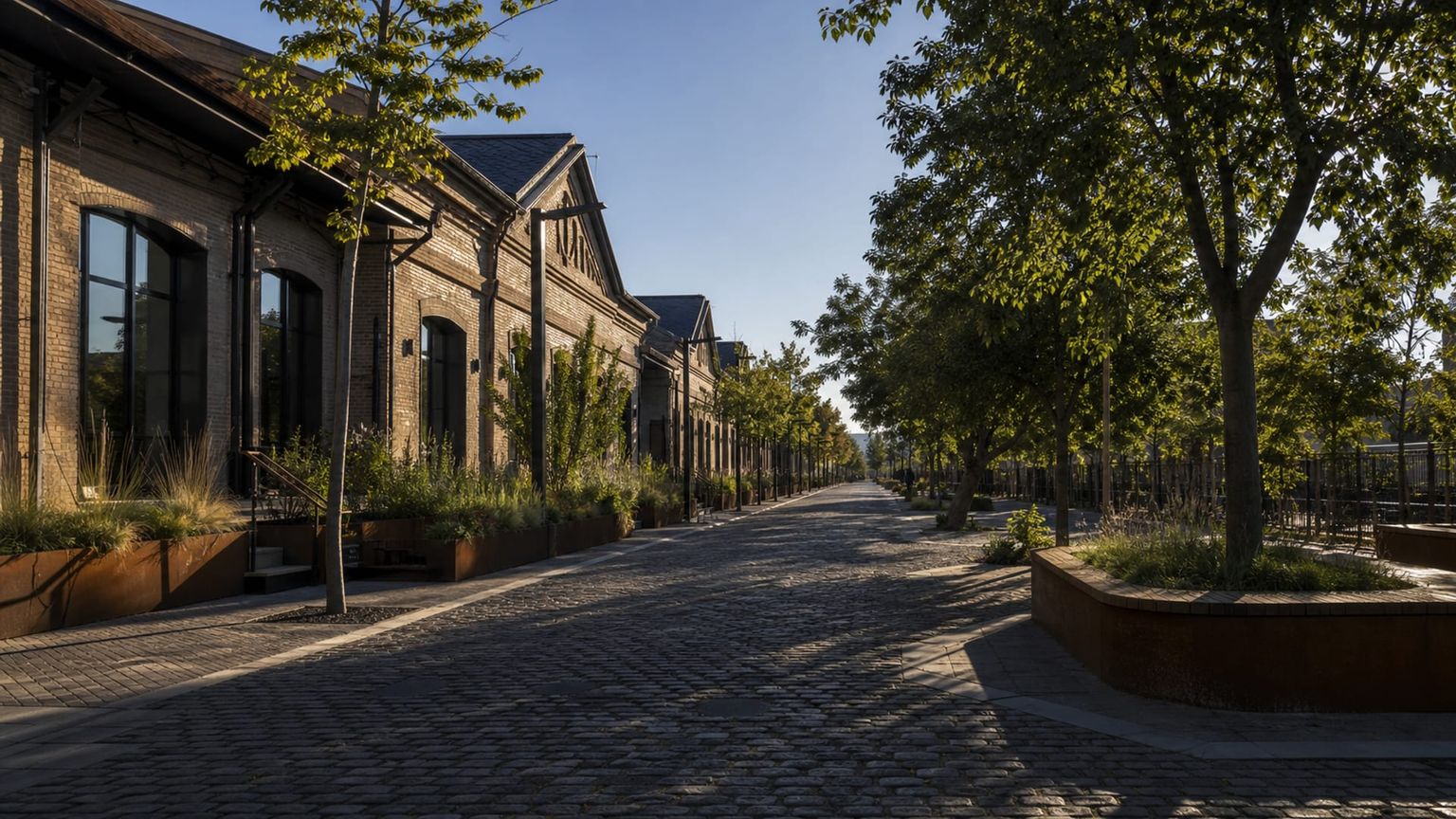
Distrito Sur covers the river-adjacent south side of the city, with residential blocks, local shops, and access toward the Roman Bridge. It can suit longer stays or travelers who want lower-key streets while still reaching the historic core without much effort.
Best for: Longer stays, lower-key residential bases, and travelers who do not mind a short ride to the center
What to expect: Local grocery runs, quieter sidewalks, and fewer visitor-heavy streets than in the old town.
Hotel prices: Usually about $50 to $120 per night for well-rated stays
Distance to major sights: 15 to 25 minutes on foot to the Roman Bridge, about 10 minutes by taxi to the Mosque-Cathedral
Quietness: Quieter than central districts by day and evening, though main roads carry regular traffic.
Main trade-off: Dining and late-night options are thinner, so you will likely head into Centro for most meals out.
Good to know: Use this area if you want to keep lodging costs down, but plan to rely on buses, taxis, or longer walks for sightseeing.
Travelers usually avoid staying in Villa Allende and Mendiolaza if they plan to spend most of their time in central Córdoba, because both sit well outside the main sights and add time for nighttime returns. Nueva Córdoba’s outer edges, Alberdi, and zones near the airport are also less convenient for overnight stays, since visitor amenities thin out fast outside the center and evening travel back from dinner or bars takes longer.
Hotel deals
How to get around Córdoba efficiently
Córdoba has no metro, so most visits blend walking with buses, taxis, and ride apps, especially between the historic center, Vial Norte, and Parque Sarmiento.

Metro
for longer distances
Córdoba has no metro system, so visitors rely on buses, taxis, and walking for central trips. There is no subway alternative in regular city use, and cross-town journeys are usually faster by taxi or bus than by trying to piece together rail.

Bus and tram
for convenience
The urban bus network covers the center, the train station, and neighborhoods beyond the historic core, with most rides taking about 10 to 30 minutes. Tickets are paid on board or with a transit card where available, and single fares are typically about $1 to $2 (roughly €1 to €2); services are frequent on main corridors but taper off late at night and on Sundays.

Taxi
for convenience or late hours
Licensed taxis in Córdoba use metered fares, with airport trips usually charged at the meter rather than a fixed rate. Expect about $8 to $15 for central rides and roughly $20 to $30 for longer airport transfers, with supplements possible for late-night travel or luggage; taxis can be hailed on the street, taken from stands, or booked by phone, and most accept cash with cards less universal.
*Prices are based on rates updated as of June 2026 and may change at the time of travel.
Walk in the center, take buses for short cross-town hops, and use taxis or ride apps for the airport and later evening returns.
Iconic landmarks
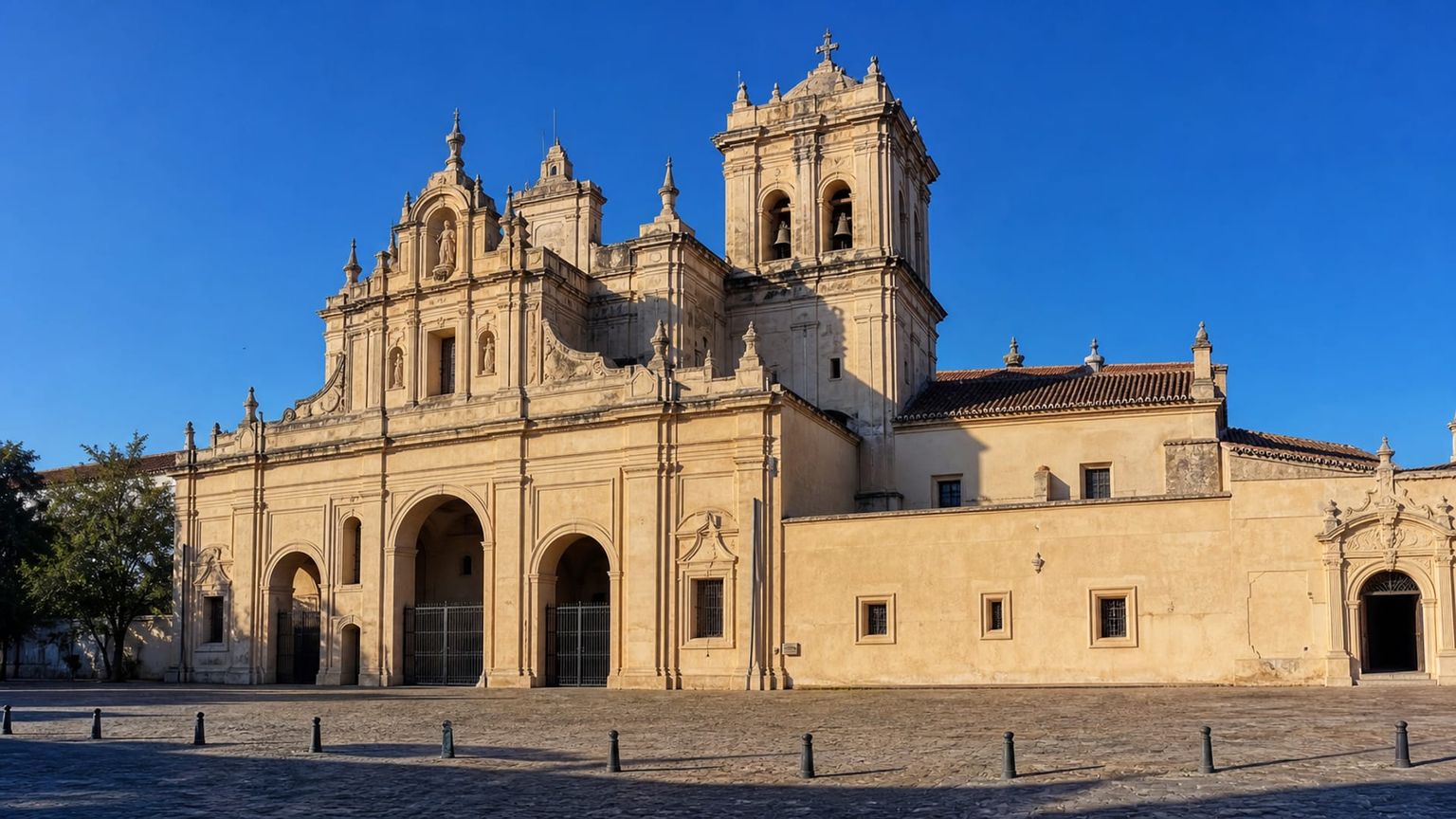
Manzana Jesuítica
Córdoba’s Jesuit Block links the 17th-century church, university, and residence around one compact historic core. It anchors the city’s UNESCO listing and shows how Jesuit education and colonial power shaped the center.
Time needed: About 2 to 3 hours
Entry: Free to enter the complex; museum areas may charge separate admission or ask for a small donation. Visit the official site for details.
Tip: Go early on a weekday, when the courtyards are quieter and easier to photograph.
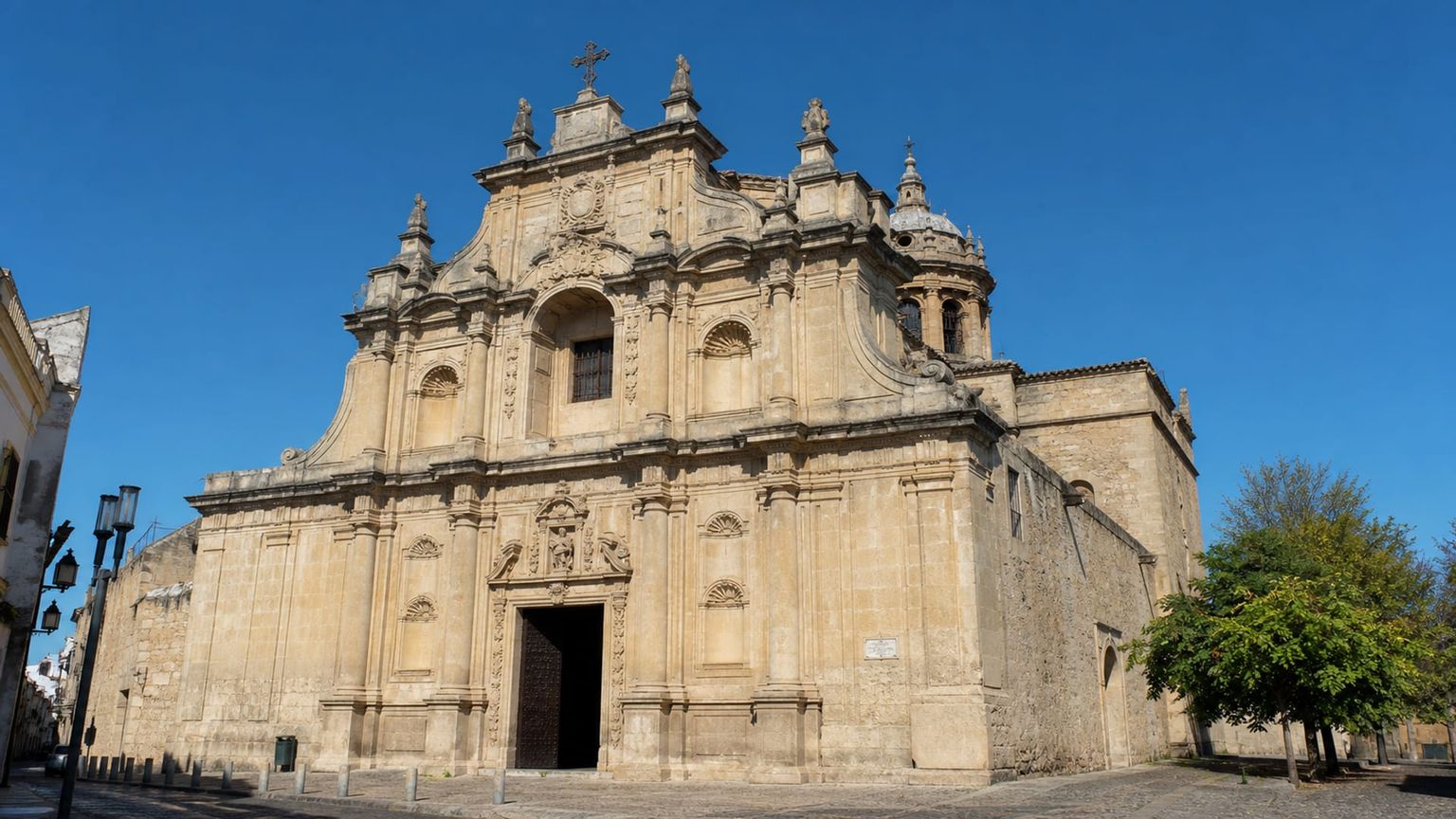
Iglesia de la Compañía de Jesús
This Jesuit church stands out for its carved stone facade and richly layered interior, including gilded altars and a painted ceiling. It sits in the city center, so you can pair it with nearby colonial buildings in one walk.
Time needed: About 45 minutes to 1 hour
Entry: Entry is free for general visits; donations are welcome, and some special areas or events may charge separately. Visit the official site for details.
Tip: Visit in late morning, when the light reaches the nave and the facade photographs well.
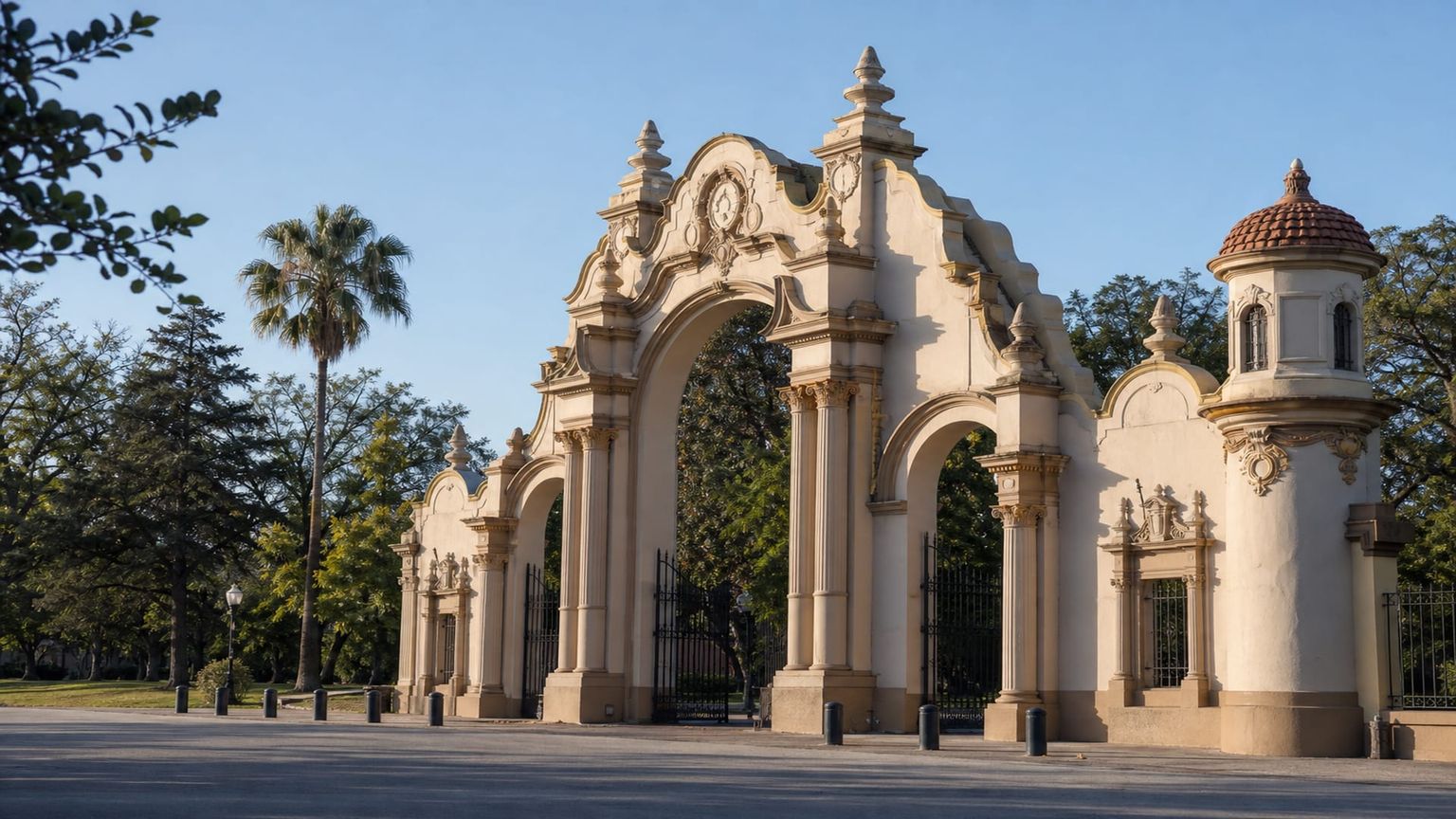
Parque Sarmiento
Parque Sarmiento is Córdoba’s largest urban park, with lakes, paths, monuments, and the nearby Evita Fine Arts Museum. It gives you an easy green break close to the center, and the lake edge is strongest at sunset.
Time needed: About 1 to 2 hours
Entry: Free to access; optional museum visits or attractions inside the park charge separately. Visit the official site for details.
Tip: Come near sunset, when the lake edge and monuments get the best light.
Overlooked sites worth visiting

Sierras Chicas ravine walk
This low-traffic ravine path east of Córdoba follows shaded banks, small footbridges, and pools set below the hills. It suits a slower half day with short stops for birds and water views.
Time needed: About 2 to 3 hours
Entry: Free to access
Tip: Go early for cooler air and quieter paths.

Marqués de Sobremonte Historical Museum
Set in an 18th-century house, this compact museum shows period rooms, paintings, and colonial domestic details in the center. It gives a quick look at elite life without a long visit.
Time needed: About 1 hour
Entry: Tickets cost about $3 to $5 (approximately $3 to $5)
Tip: Visit late morning to avoid school groups.
Traditional food
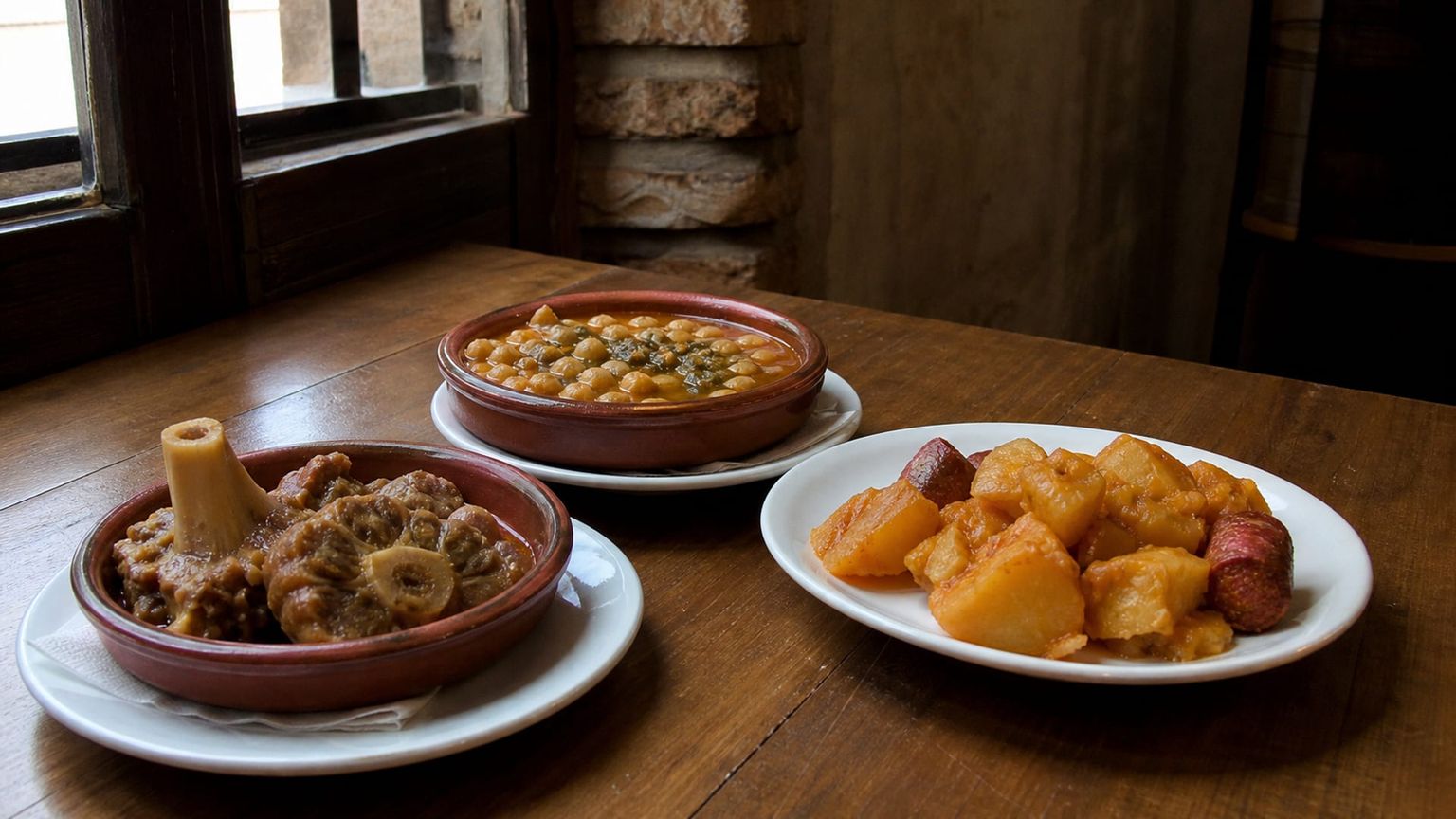
Córdoba’s cooking leans on roasted meats, sweet-savory sauces, and dishes that fit long lunch hours, with salmorejo, flamenquín, rabo de toro, and berenjenas with honey all showing up on local tables.
Salmorejo
This chilled tomato-and-bread soup is one of Córdoba’s best-known summer dishes, finished with egg and ham. At Bodegas Campos, it fits neatly into a classic Andalusian meal in the historic center.
Flamenquín
Flamenquín wraps cured ham in breaded pork and fries it until crisp, making it one of the city’s most recognizable comfort plates. Casa Pepe de la Judería serves a well-known version in the old quarter.
Rabo de toro
Rabo de toro, or oxtail stew, brings a deep, slow-cooked sauce that suits Córdoba’s long lunch service. Bodegas Campos is a canonical place to order it, especially with bread and wine.
Berenjenas con miel
Berenjenas con miel pairs fried eggplant with a sweet syrup finish, which makes it a common tapas choice around Judería and Centro. Casa Pepe de la Judería is a strong reference point for the dish.
Best time to visit Córdoba
Córdoba is warm to hot for much of the year, with spring and autumn giving the best balance for walking the center, while summer pushes more time into shaded streets, museums, and longer lunches.
Best for: Best for courtyard walks and the first comfortable terrace meals
What you get: About 55 to 79°F (13 to 26°C), with moderate visitor numbers and easy walking conditions
Trade-offs: Late spring can already feel warm by midday
Best for: Best for late dinners, shaded museum visits, and slower sightseeing
What you get: About 68 to 95°F (20 to 35°C), with lighter daytime crowds but hotter afternoons
Trade-offs: Heat can shorten outdoor plans in the center
Best for: Best for balanced days in Judería, Centro, and Parque Sarmiento
What you get: About 54 to 82°F (12 to 28°C), with comfortable weather and steady but manageable visitor traffic
Trade-offs: Popular sights still draw tours in peak weekends
Best for: Best for museum time, shorter walks, and clear city views
What you get: About 45 to 70°F (7 to 21°C), with lighter crowds and cooler mornings
Trade-offs: Evenings can feel cool enough to need a light layer
A realistic 5-day plan in Córdoba
Five days in Córdoba work well when you separate the historic core, one museum-and-park day, and one outward excursion. That order keeps the center easy to follow and leaves the airport day free of rushed cross-town transfers.
Land at Córdoba Airport (COR) and take a taxi into Centro or Judería, a ride of about 20 to 30 minutes that usually costs roughly $10 to $15. If you arrive by train instead, Córdoba Central station puts you in Vial Norte with an easy walk or short taxi into the historic core. For the first evening, stay near Plaza de la Corredera or the mosque-cathedral so you can settle in without crossing town, drink water, and keep dinner simple at a tapas bar in Centro.
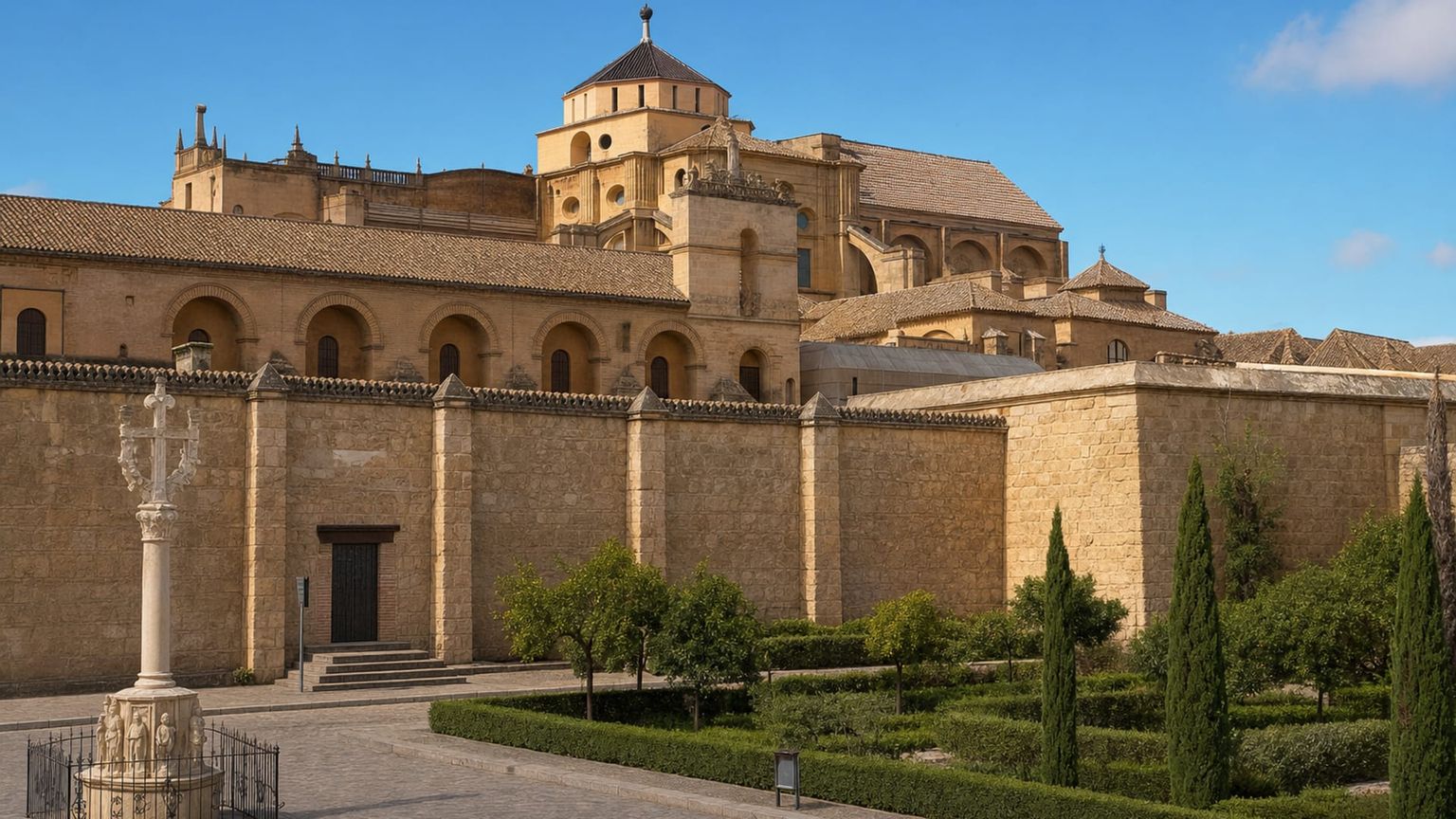
Start in the Jesuit Block, where the Manzana Jesuítica and the Iglesia de la Compañía de Jesús sit close enough to visit in one morning. The block takes about 2 to 3 hours, and the church itself needs roughly 45 minutes to 1 hour, so you can move on foot between them and still leave time for the surrounding colonial streets. After lunch, walk about 10 to 15 minutes to the Marqués de Sobremonte Historical Museum for about 1 hour, then finish with an easy stroll through the nearby center before dinner in Judería.
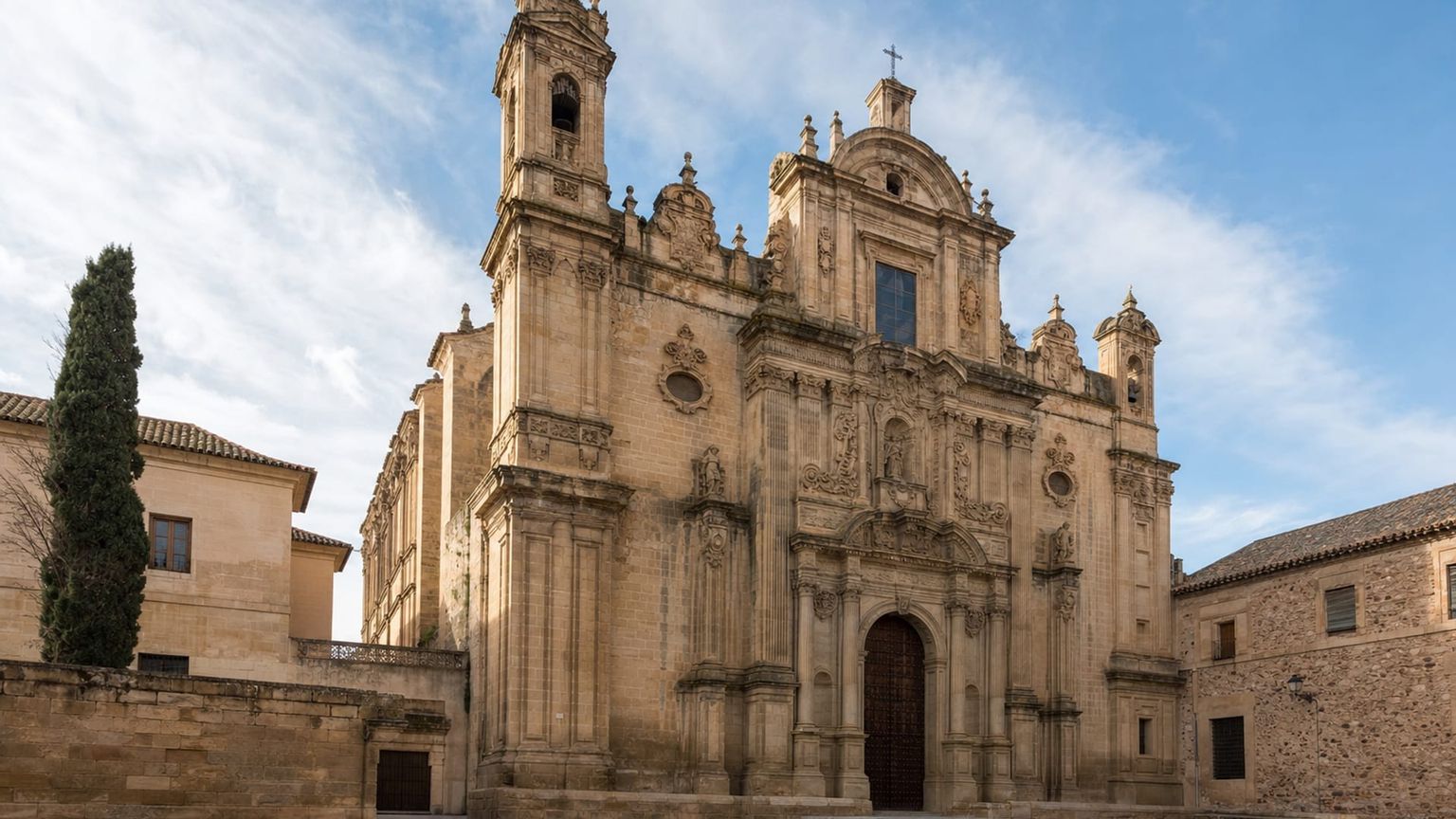
Begin in Judería with the Mosque-Cathedral area, then spend time in the narrow lanes that surround it, where the Roman Bridge sits about 10 to 15 minutes away on foot. From there, the Manzana Jesuítica is another compact stop in the center, so you can link Córdoba’s major heritage sites without long transfers. In the afternoon, walk or take a short taxi to Parque Sarmiento for about 1 to 2 hours, especially if you want the lake edge near sunset.
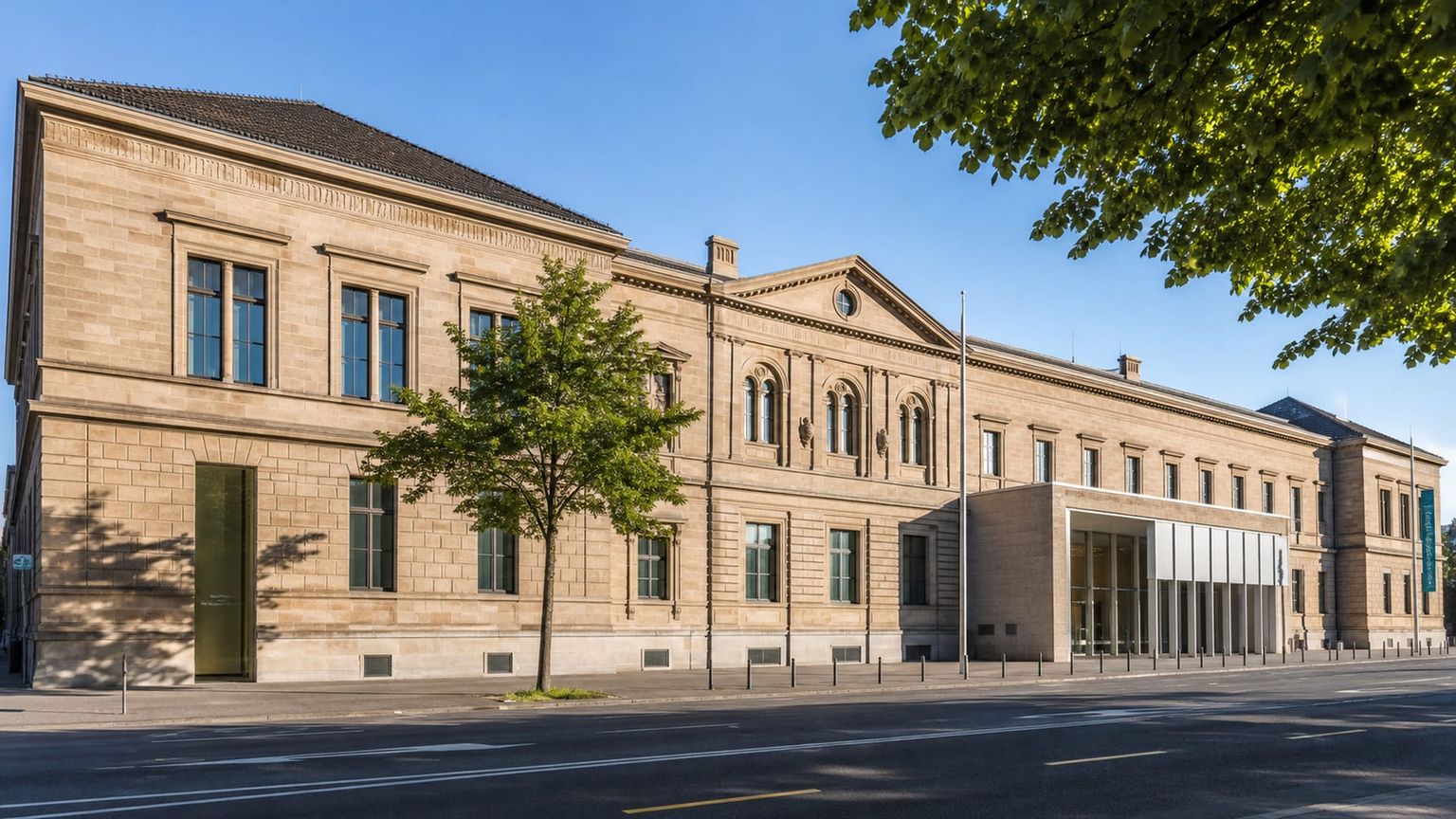
Head east early for the Sierras Chicas ravine walk, where the shaded path, footbridges, and pools reward a cooler start and take about 2 to 3 hours. After returning to the city, plan a late lunch in Centro, then spend the afternoon at Parque Sarmiento, which sits close enough to the center for an easy taxi ride or a longer walk. End with a quiet dinner back in Judería or Vial Norte, depending on whether you want historic streets or simpler access to your hotel.
Start the morning with one last museum visit in the center, then shift to shopping in Centro, where the compact streets near Plaza de la Corredera and the cathedral give you a last pass through Córdoba’s main retail area. If you want a slower finish, sit down for coffee in Judería and watch the lane traffic settle before you head out. Leave enough time to collect bags and reach Córdoba Airport (COR), since the transfer can take about 20 to 30 minutes from the old center.
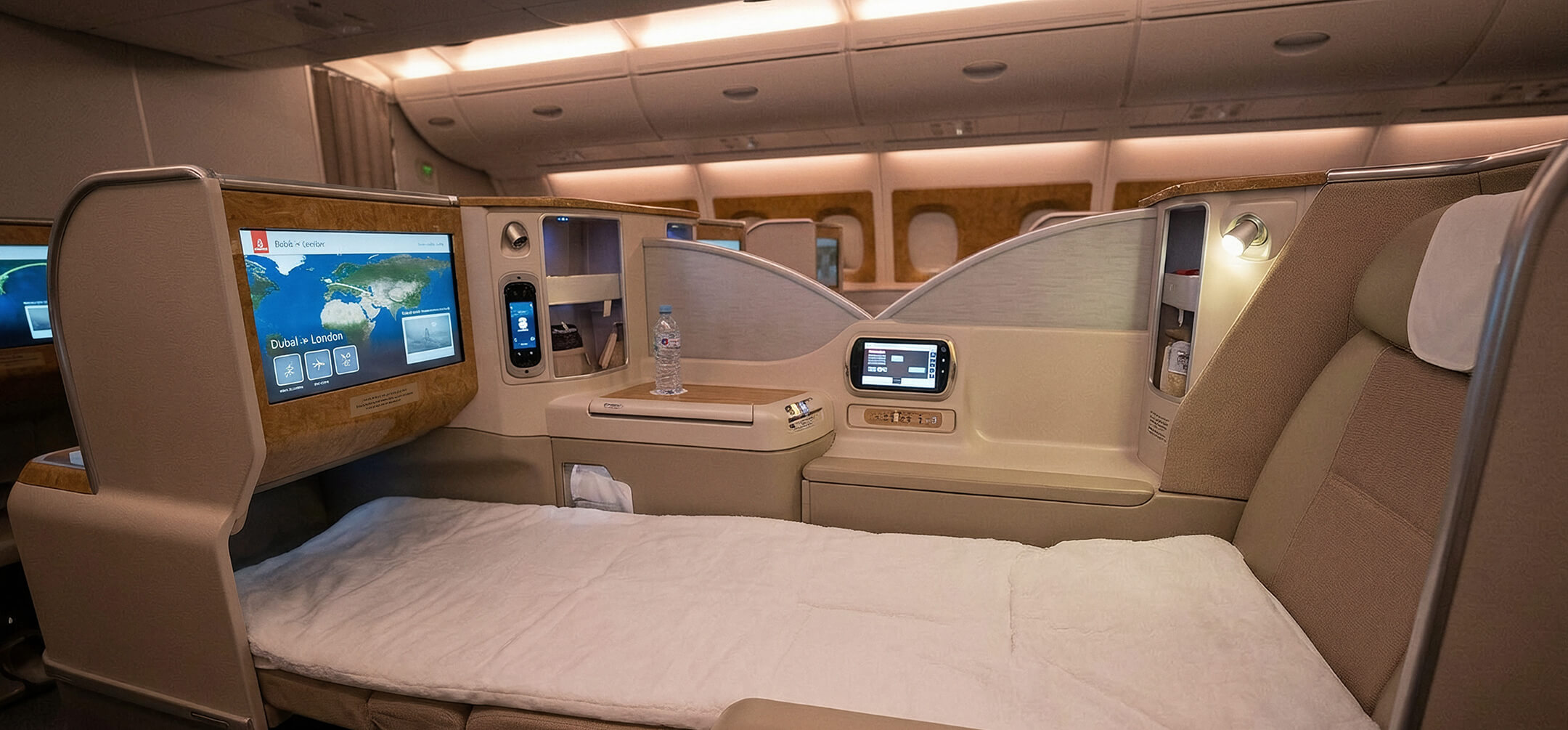
Business-class flights from the US to Córdoba
From New York and Los Angeles, the easiest long-haul options into Córdoba usually involve one stop, with layover cities shaping both the fare and total journey time. The routes below show how the North American market typically connects into COR.
Iberia, Air Europa, Air France, Lufthansa, and LATAM Airlines commonly handle the New York to Córdoba journey, and nonstop flying is not listed here, so one-stop options are the norm. Via Madrid (MAD), São Paulo (GRU), or another European connection point, itineraries usually take about 15 to 21 hours total. Business-class round-trips from New York to Córdoba usually price from $3,200 to $5,800; if you do not mind a layover, common routings via Madrid (MAD) or São Paulo (GRU) can cut fares to roughly $1,600 to $3,000.
From Los Angeles, American Airlines, LATAM Airlines, Delta Air Lines, Aeroméxico, and Copa Airlines are the names most often tied to Córdoba trips, with fares reflecting a long one-stop journey rather than a nonstop. A typical trip runs about 16 to 24 hours and connects through Mexico City (MEX), Panama City (PTY), Lima (LIM), Santiago (SCL), or Dallas-Fort Worth (DFW). Business-class fares often start at $3,600 and can reach $6,500 on peak dates; a one-stop ticket through Mexico City (MEX) or Panama City (PTY) usually lands in the $1,800 to $3,400 range.
Córdoba feels different when you slow down
A deliberate Córdoba trip gives each part of the city a clear role: the Jesuit Block in the morning, Judería for lunch, Parque Sarmiento near sunset, and taxis for airport runs or the return from late dinners. Walking does the rest in Centro, where the streets near Plaza de la Corredera and the cathedral stay compact enough for an unhurried final day. If you want help matching that plan to flights or hotels, ask the AranGrant experts for a trip built around Córdoba’s center and its quieter edges