

Chapters:

Need help with your trip?
Our support team is available 24/7. Request a callback or call us directly at (833) 619-0908
Copenhagen often gets compressed into a quick harbor stop, a photo at Nyhavn, a climb up the Round Tower, and a meal near the hotel. That pattern covers the highlights, but it can leave out how much the city depends on small moves between neighborhoods.
Those gaps matter because the center is compact, yet the best days still involve short Metro rides, canal crossings, and a pace that shifts by district. If you treat the city as one simple loop, crowds build up and the quieter waterfront streets slip by.
This guide maps Copenhagen in a clearer order, so each day has a specific base, a manageable route, and room for stops that fit naturally between the major sights.
Useful things to know

Main language(s): Danish
Hej (hyeh) – Hello
Tak (tahk) – Thank you
Undskyld (oon-skool) – Excuse me
Taler du engelsk? (TAH-ler doo ENG-elsk) – Do you speak English?
Hvad koster det? (vaht KOS-ter deh) – How much does it cost?

Currency: The local currency is the Danish krone (DKK, kr).

Cash and cards: Cards and contactless are widely accepted; carry about DKK 100 to 200 ($15 to $30) for small cash-only purchases.

Tipping: Round up the bill; add about 5-10% for good service, and leave coins or small notes at cafés.

Traditional food: Smørrebrød, frikadeller, æbleflæsk, flæskesteg

Water and coffee costs: Water ~DKK 20 ($3), bar espresso ~DKK 35 ($5).

Taxis and ride apps: Uber and Bolt operate here; taxis are also easy to find.

Plug and voltage: Type C/F socket, 230V

Dining and shop opening hours: Breakfast is about 7:00-10:00 am, lunch 12:00-2:00 pm, and dinner 6:00-9:00 pm. Many restaurants close between lunch and dinner, and kitchens often stop serving by about 10:00 pm.

Emergency number: Call 112 for police, fire, or ambulance.
Where to stay in Copenhagen
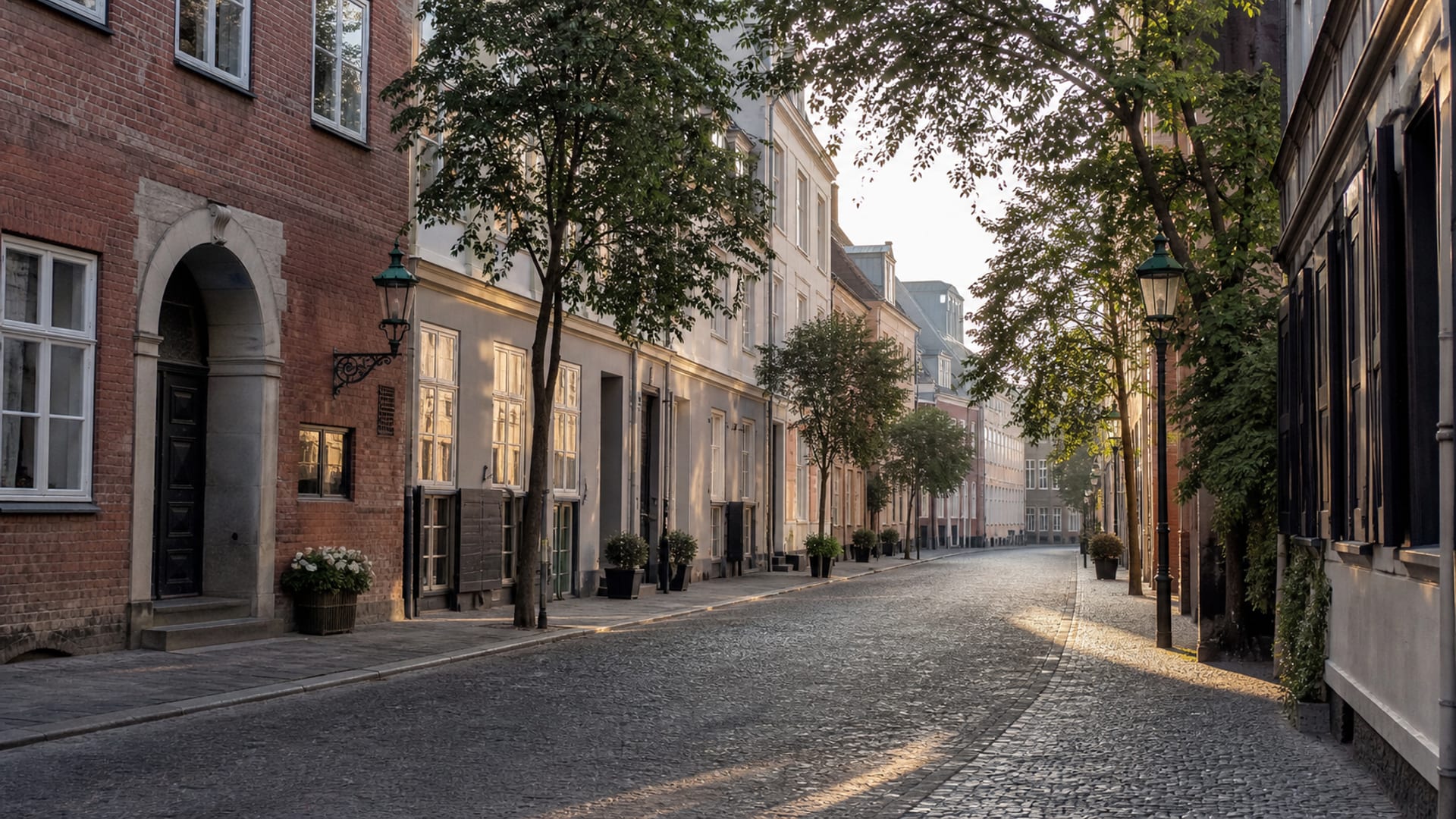
Copenhagen’s historic core gathers the Little Mermaid, Strøget, Nyhavn, and major museums in one walkable district. It suits visitors who want the city’s main sights, easiest transit links, and the broadest choice of restaurants, shops, and hotels.
Best for: First-time visits, sightseeing, and staying within easy reach of major landmarks
What to expect: Busy streets by day, especially near Strøget and Nyhavn, with a lively but not late-night-heavy evening scene.
Hotel prices: Usually about 180€ to 350€ (~$195 to ~$380) per night for well-rated stays
Distance to major sights: 10 to 20 minutes on foot to Nyhavn and Strøget; about 20 minutes by transit to the Little Mermaid
Quietness: Daytime is busy and tourist-heavy, while evenings are calmer once shops close.
Main trade-off: Central location comes with higher room rates and more foot traffic than outer neighborhoods.
Good to know: If you want easy walking between sights, pick a hotel one or two blocks off the main shopping streets to cut noise after dark.
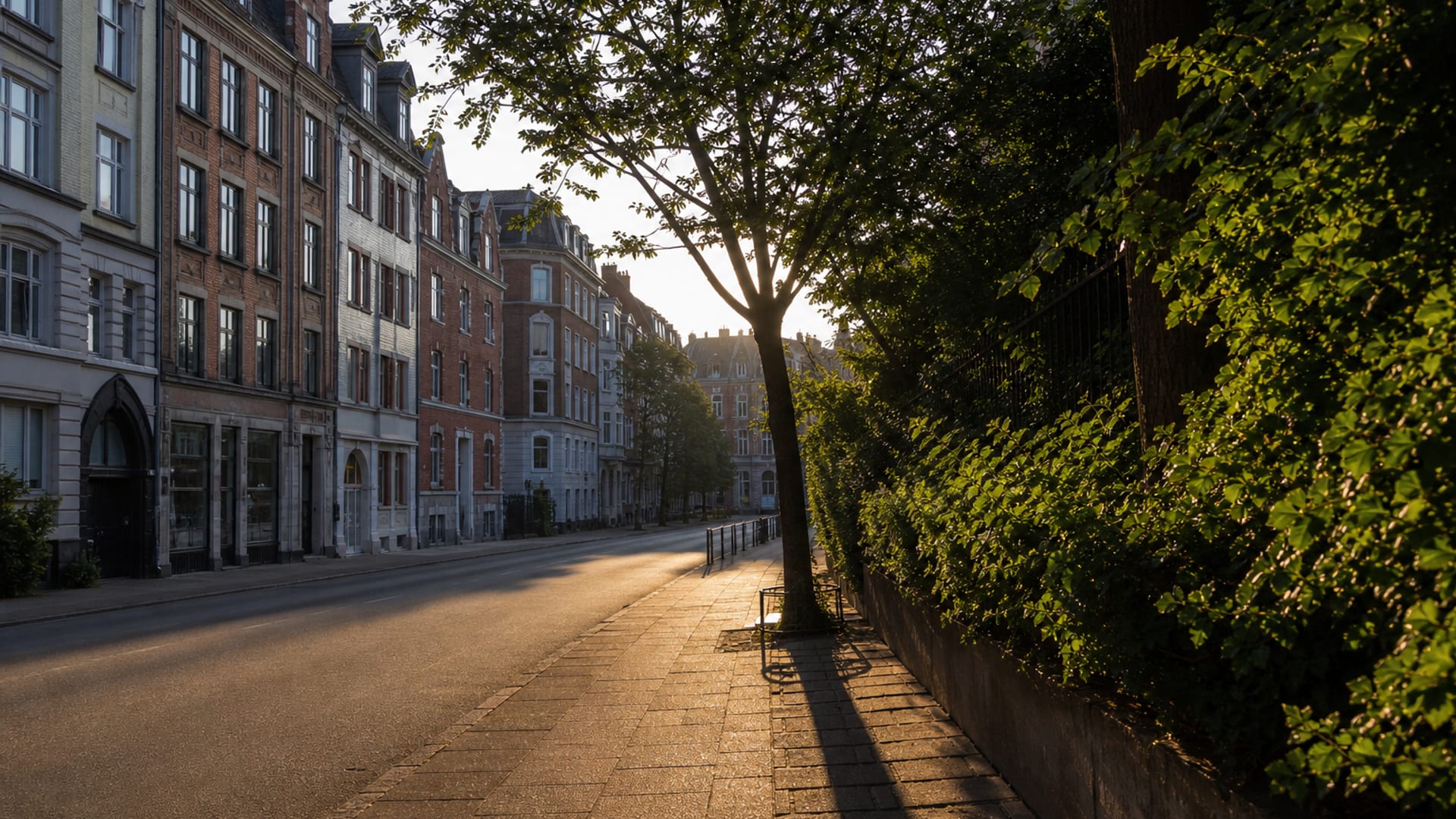
Vesterbro sits just west of the central station and mixes renovated apartments, cafés, bars, and design shops. It matters because it gives you fast rail access, a strong dining scene, and an easy walk into the center without staying in the middle of the tourist core.
Best for: Dining, nightlife, and travelers who want central access with a more local street mix
What to expect: Active sidewalks, especially around meatpacking and the station, with plenty of evening energy and a younger crowd.
Hotel prices: Usually about 150€ to 280€ (~$163 to ~$304) per night for well-rated stays
Distance to major sights: 5 to 10 minutes on foot to Central Station and Tivoli Gardens; about 20 minutes on foot to City Hall Square
Quietness: Days are lively, and evenings can be noisy near bars and late-opening restaurants.
Main trade-off: The best-located streets can be loud on weekends, and rates rise near the station and meatpacking area.
Good to know: Choose a side street if you are sensitive to late-night noise, since bar traffic clusters in a few blocks.
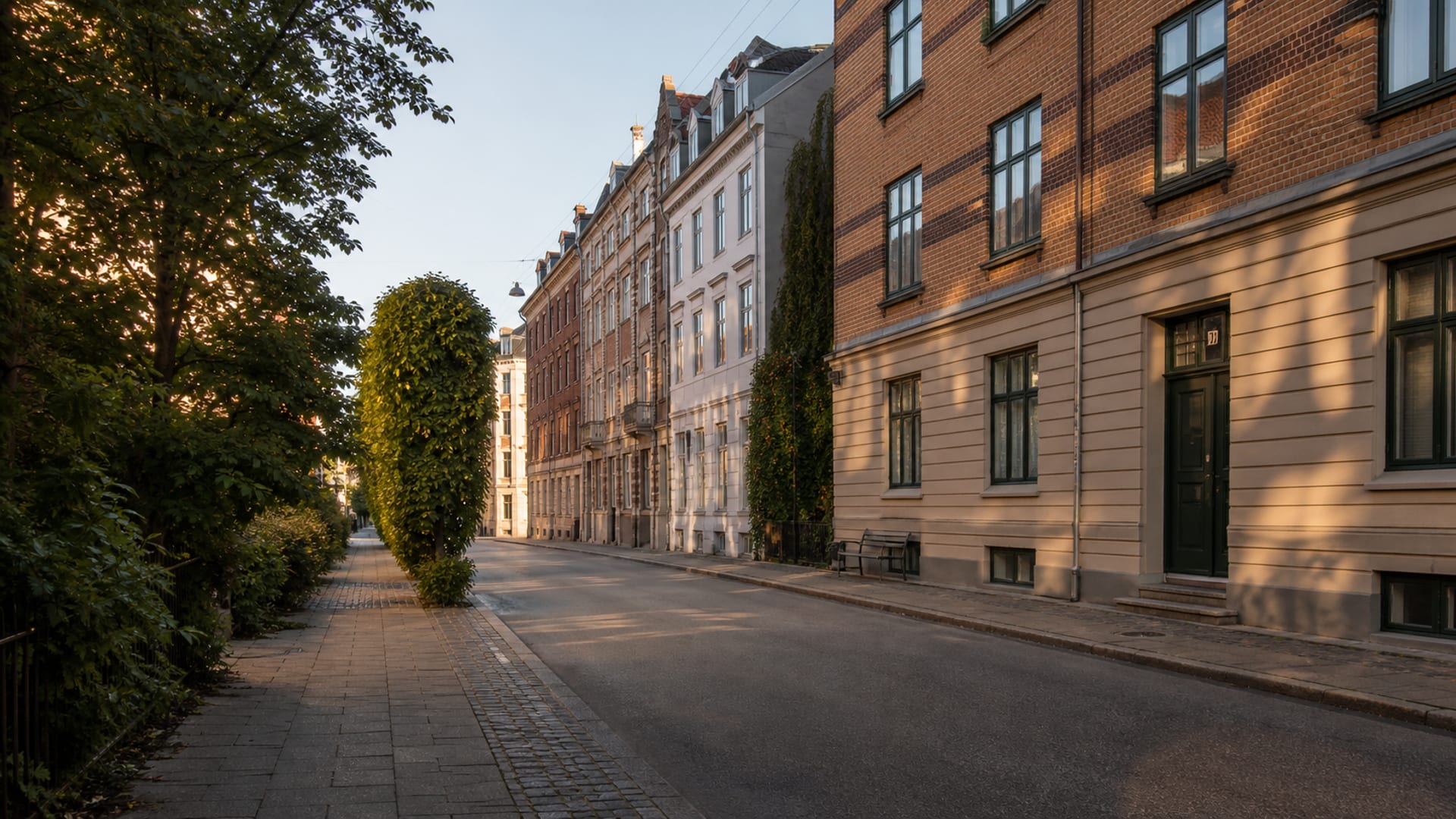
Nørrebro is a dense, multicultural district north of the center with markets, bakeries, parks, and independent shops. It matters for travelers who want a neighborhood feel, lower hotel prices than the core, and easy bus or metro links back to central Copenhagen.
Best for: Food-focused stays, independent shops, and travelers who want a local neighborhood base
What to expect: Busy sidewalks, lots of bike traffic, and a youthful, everyday city feel around main streets and squares.
Hotel prices: Usually about 120€ to 220€ (~$130 to ~$239) per night for well-rated stays
Distance to major sights: About 15 to 20 minutes by transit to City Hall Square; roughly 10 minutes by transit to the Round Tower
Quietness: Days are energetic, while evenings stay active around bars and takeout spots but quieter on residential streets.
Main trade-off: You save on room rates, but you will spend more time on transit or cycling to waterfront sights.
Good to know: If you plan late dinners or casual bars, stay near the metro rather than deep inside the side streets to shorten the walk home.

Christianshavn is a canal-side district east of the center, known for its narrow streets, waterways, and access to the Copenhagen Opera House and Christiania. It matters if you want scenic walks, quick metro links, and a quieter base close to central sights.
Best for: Canal walks, quieter central stays, and easy access to waterfront sights
What to expect: Calm residential streets with pockets of visitor traffic near the canals and waterfront attractions.
Hotel prices: Usually about 170€ to 320€ (~$185 to ~$348) per night for well-rated stays
Distance to major sights: 10 to 15 minutes on foot to Nyhavn; about 10 minutes by metro to City Hall Square
Quietness: Days bring steady visitor traffic along the canals, while evenings are noticeably calmer than in the entertainment districts.
Main trade-off: The area is beautiful and central, but restaurant choice is narrower than in Indre By or Vesterbro.
Good to know: Book close to the metro if you plan late returns, because the district spreads out along canals and bridges.
Travelers usually avoid staying in Brøndby, Albertslund, and Høje-Taastrup, since they sit well outside the main Copenhagen sights and require longer train rides back after dinner. Nordvest and parts of Amager beyond the airport are also less convenient for a short stay because they have fewer visitor-facing amenities and add time to evening travel into the center.
Hotel deals
How to get around Copenhagen efficiently
Copenhagen’s airport is tied directly into the city by Metro and train, so you can move from CPH into the center in well under half an hour and then rely on buses, bikes, and short walks for most sightseeing.

Metro
for longer distances
Copenhagen Airport (CPH) has direct Metro service from Terminal 3, with the M2 line reaching Kongens Nytorv in about 15 minutes and Nørreport in about 18 minutes, then continuing to the city’s main neighborhoods. A single ticket to central Copenhagen costs about $4 to $5 (DKK 24 to 36), is valid for 1.5 hours, and you can buy it from the ticket machines, the 7-Eleven in the terminal, or in the DOT app.

Bus and tram
for convenience
Bus 5C links Copenhagen Airport (CPH) with Central Station, Nørreport, and the city center, while the 5A and local routes fill in neighborhood coverage across Amager and the inner city. Buses run on the same ticket system as the Metro, so a standard ticket costs about $4 to $5 (DKK 24 to 36) and stays valid for 1.5 hours, with night buses covering the late hours when Metro frequency drops.

Taxi
for convenience or late hours
Licensed taxis wait outside the arrivals area at Copenhagen Airport (CPH), and they use metered fares rather than fixed citywide rates, although airport runs often land in roughly the $40 to $55 (DKK 280 to 380) range to the central area. All licensed cabs accept cards, and most also take contactless payment; ask the driver to start the meter and confirm whether any airport or luggage supplement applies before departure.
*Prices are based on rates updated as of June 2026 and may change at the time of travel.
Use the Metro for airport runs and cross-town hops, buses for gaps the rail lines do not cover, taxis or ride apps for late returns, and walking for the canal districts and the old center.
Iconic landmarks
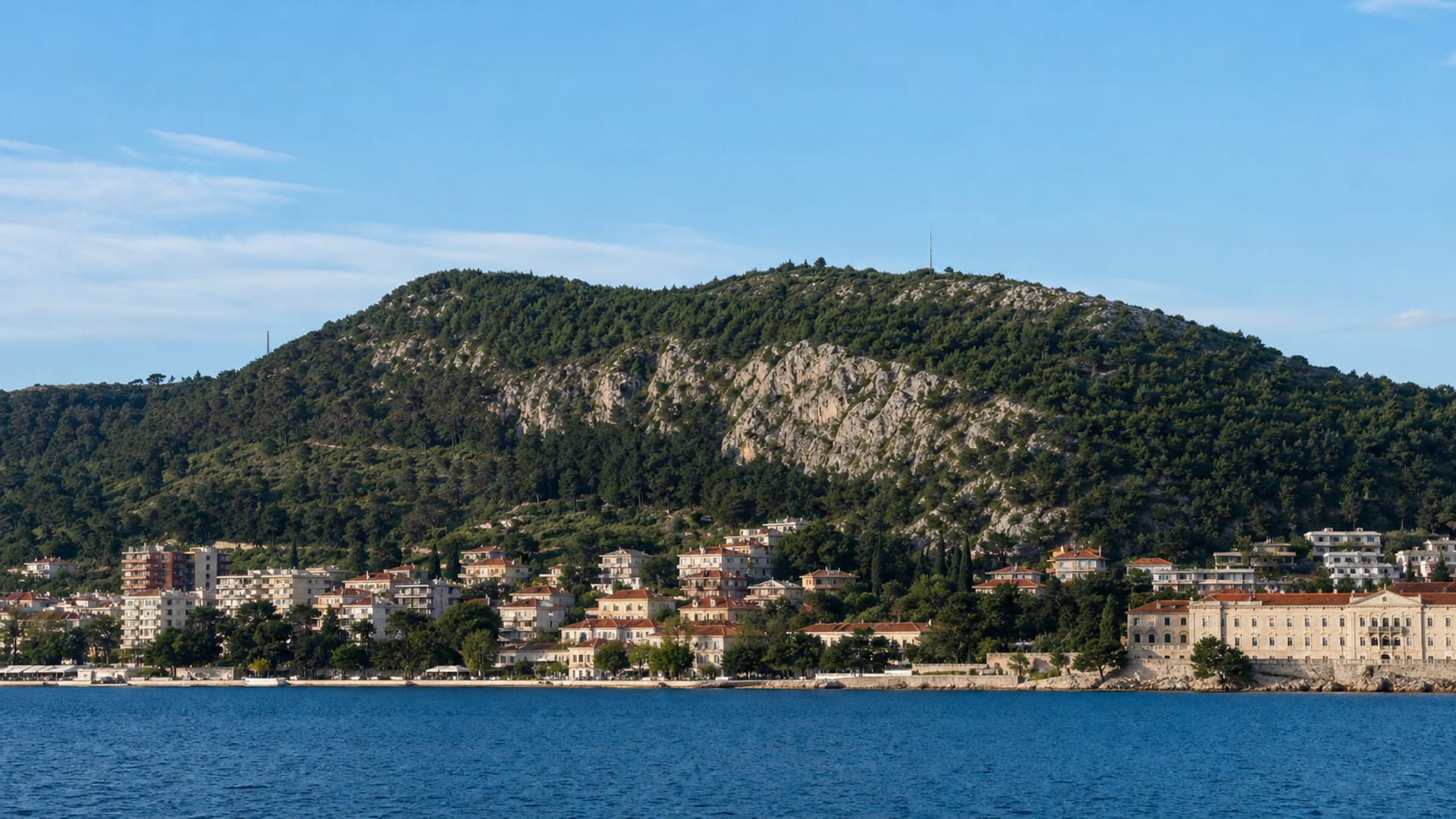
Nyhavn
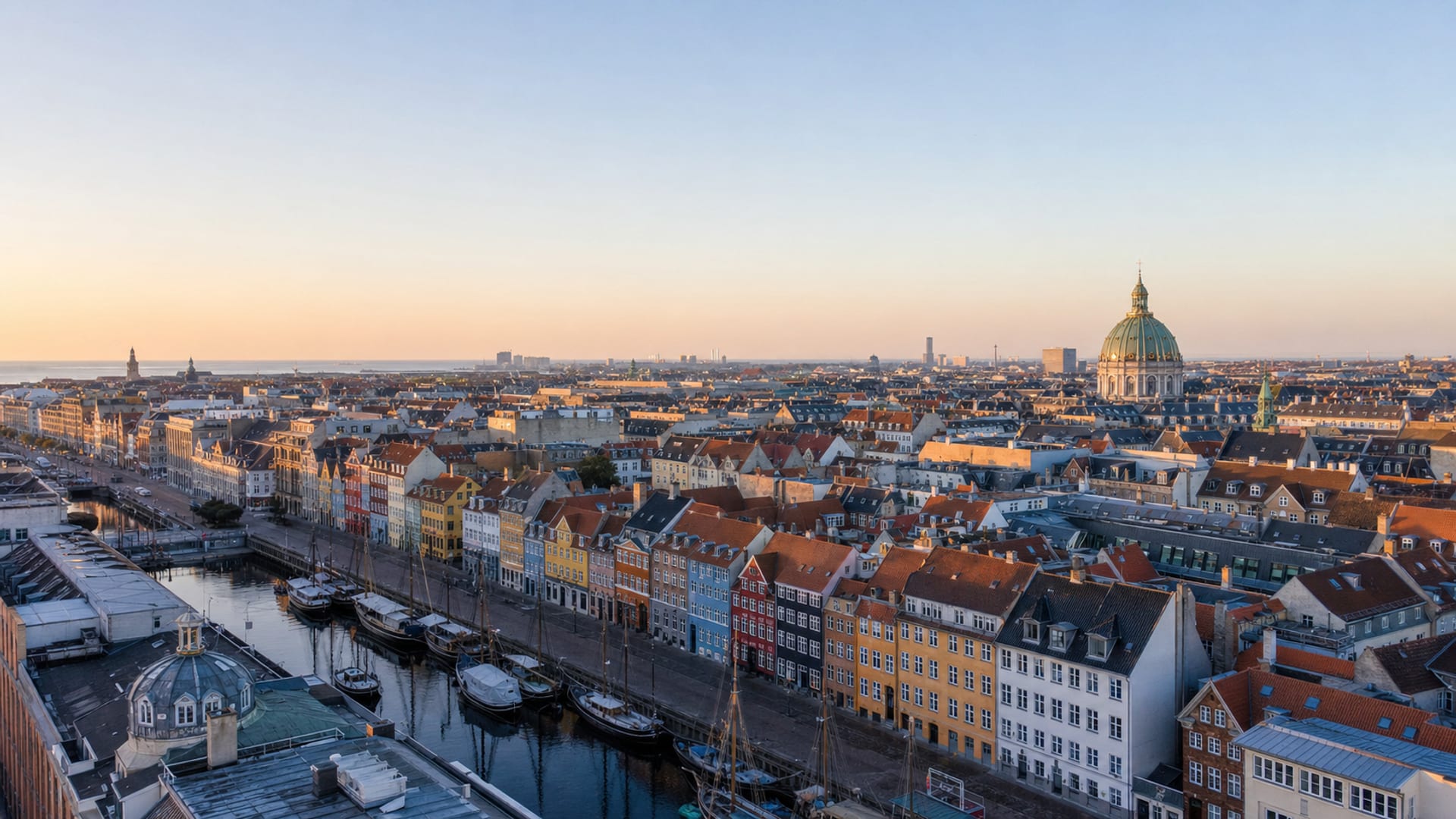
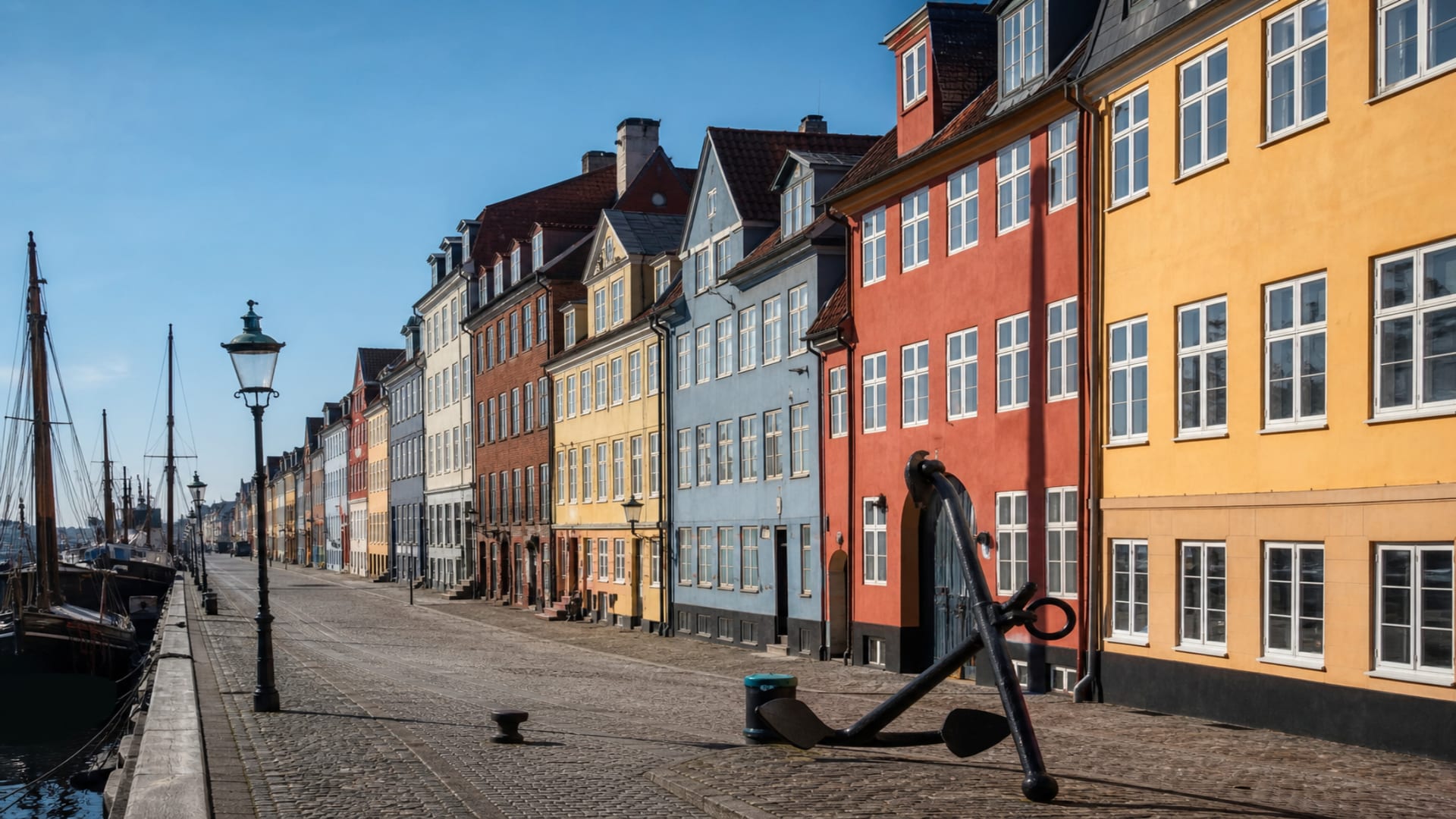
Nyhavn’s 17th- and 18th-century townhouses line a former cargo harbor that now hosts cafés, canal boats, and waterfront promenades. It is one of Copenhagen’s most photographed streets and a useful place to start a harbor walk.
Time needed: About 1 to 2 hours
Entry: Free to access; cafés, canal cruises, and museum visits in the area cost extra, and there is no timed-entry requirement for the waterfront itself.
Tip: Arrive early for clear photos, then walk toward Kongens Nytorv before lunch.
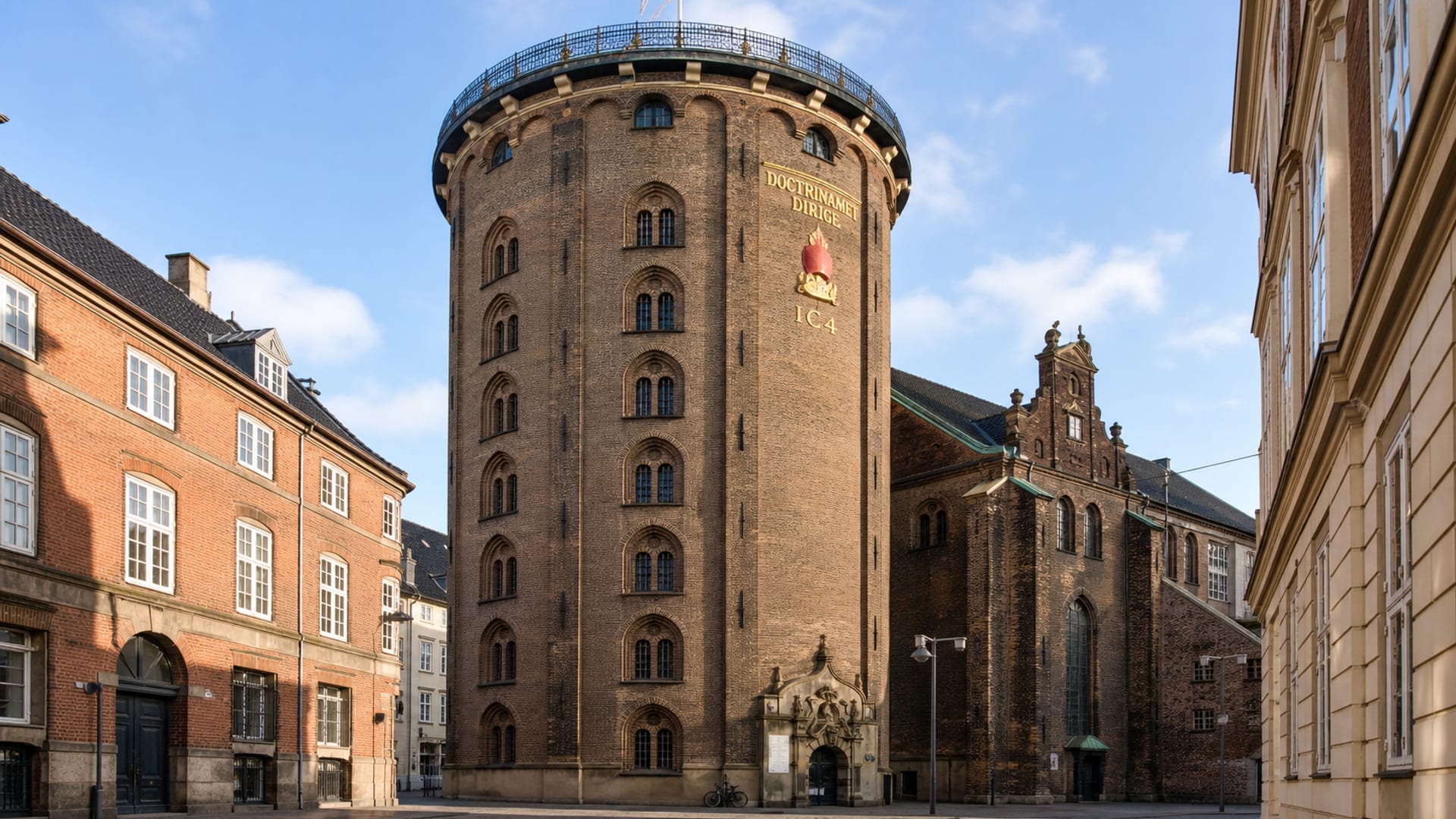
The Round Tower
Built in 1642, the Round Tower pairs a spiral ramp with a observatory platform and exhibition space inside Christian IV’s astronomy complex. The climb ends with wide views over central Copenhagen and the old city roofs.
Time needed: About 1 to 1.5 hours
Entry: Standard admission costs about $10 ($10.70); children under 18 enter free, and access to the tower, observatory, and exhibition spaces is included Visit the official site for details.
Tip: Go near sunset for the broadest city views and the least glare on photos.
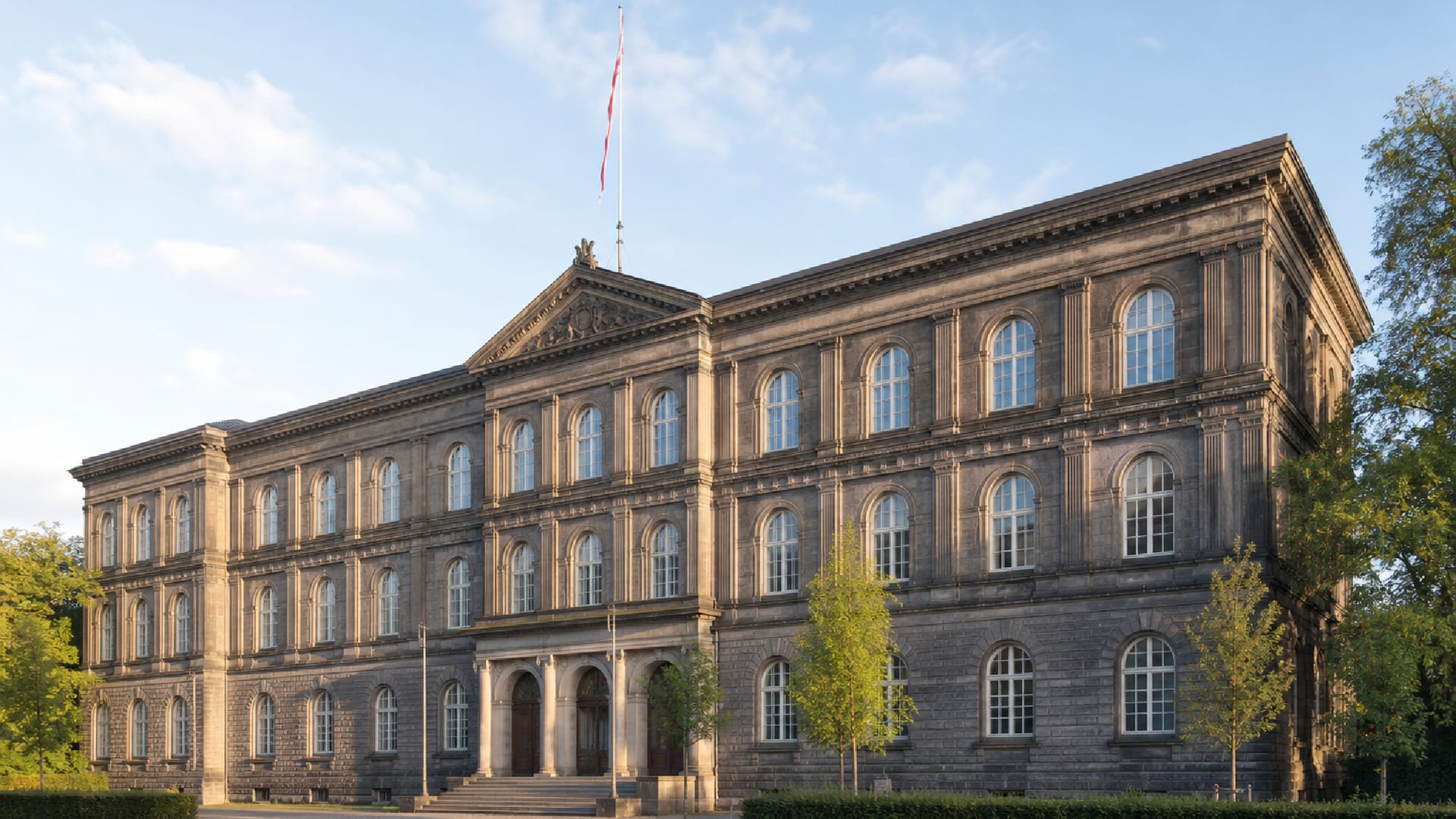
The National Museum of Denmark
The National Museum traces Danish history from Viking-age artifacts to modern statehood, with strong collections on religion, trade, and daily life. Its central location makes it an efficient stop between the canal district and the old town.
Time needed: About 2 to 3 hours
Entry: Standard admission costs about $20 ($135 DKK); children under 18 enter free, and temporary exhibitions may require separate tickets Visit the official site for details.
Tip: Start with the Viking and medieval galleries, then leave time for the main courtyard.
Overlooked sites worth visiting

The Silo
This former grain silo in Nordhavn now holds artist studios, a gallery, and a rooftop viewpoint over the harbor. The concrete shell and working waterfront make it a quiet contrast to central Copenhagen.
Time needed: About 1 hour
Entry: Entry is usually free for the public areas, though some exhibitions and events charge separate admission. Check current opening hours before going, since access can vary by tenant activity and special programming.
Tip: Go late afternoon for clear harbor views.

Tranquebar, Denmark's Museum of the Danish East India Company
This compact museum in Christianshavn covers Denmark’s colonial trading history with maps, artifacts, and archival material. It fits easily into a short stop and gives context for the canal district nearby.
Time needed: About 1 hour
Entry: Adult admission is typically about $12 to $15 (85 to 100 DKK), with reduced rates for students and children. Special talks or temporary exhibitions may use separate pricing, so check the current calendar before you go Visit the official site for details.
Tip: Pair it with a short walk along Christianshavn Canal.
Traditional food
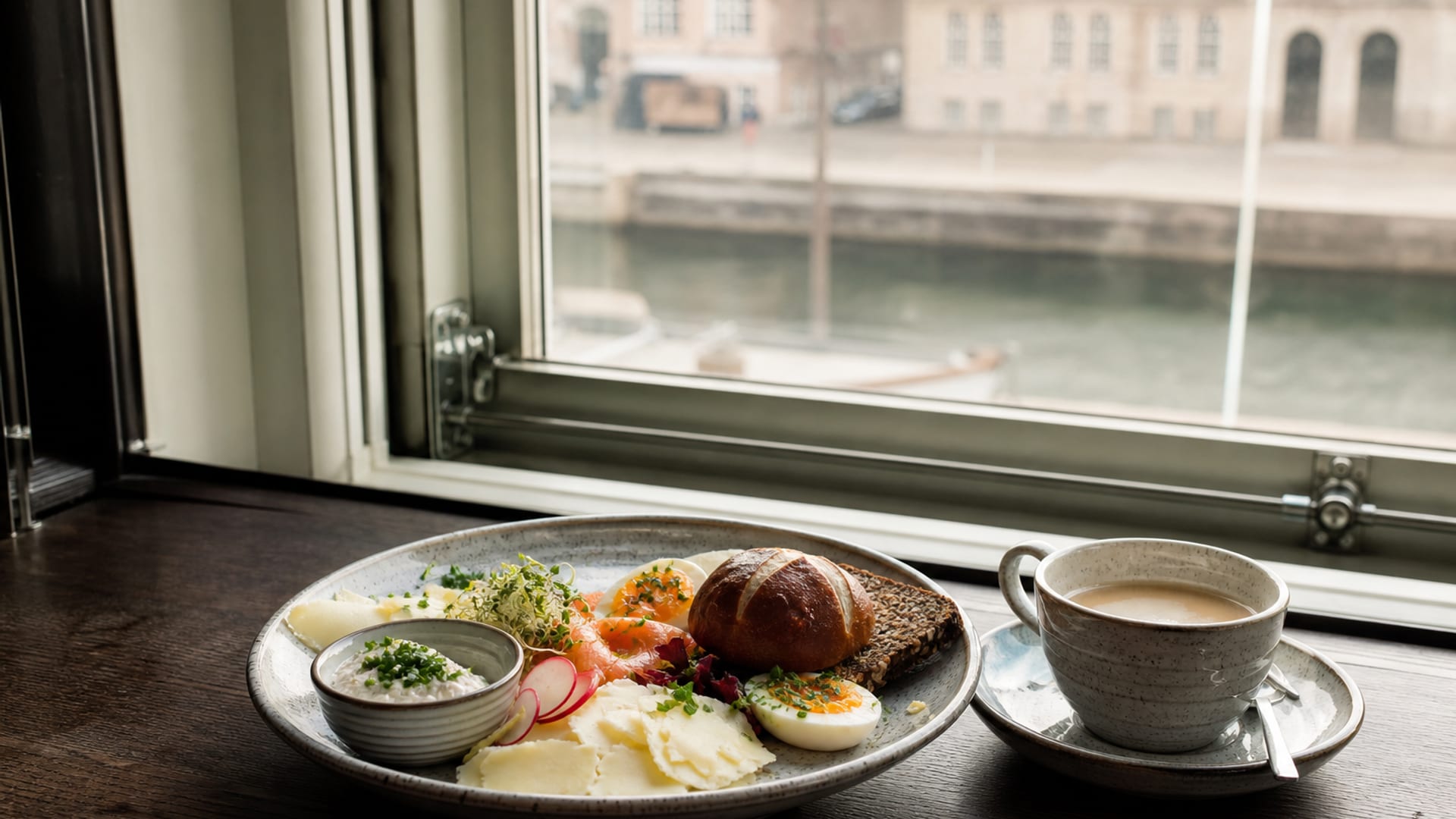
Copenhagen’s cooking leans on rye bread, pork, potatoes, dairy, and pickled flavors, then turns them into open-faced smørrebrød, meatballs, and hearty plates served at long lunch tables and early dinners.
Smørrebrød
Open-faced rye sandwiches are the city’s clearest lunch staple, topped with herring, shrimp, roast beef, or egg in combinations that reward a slow meal. Schønnemann is the classic Copenhagen address for it, with a long-standing reputation built on traditional toppings and Danish lunch service.
Frikadeller
These Danish meatballs are usually pan-fried and served with potatoes, cabbage, or gravy, making them a useful benchmark for home-style cooking in the city. Restaurant Grøften at Tivoli is a dependable Copenhagen stop for a classic version.
Æbleflæsk
Apples, pork, and onions meet in a sweet-sour combination that shows how Copenhagen cooking balances richness with brightness. Restaurant Kronborg has built a loyal local following for Danish dishes of this kind, including traditional plates that suit an unhurried lunch.
Flæskesteg
Roast pork with crackling is one of Denmark’s most recognizable comfort dishes, often served with potatoes, red cabbage, and gravy. Restaurants like Kong Hans Kælder prepare refined Danish versions, making it a strong choice when you want a formal meal in Copenhagen.
Best time to visit Copenhagen
Copenhagen changes most by daylight and wind, with long bright summers, damp shoulder seasons, and winters that reward indoor stops and short neighborhood walks between meals.
Best for: Canal walks, museum visits, and fewer queues than midsummer
What you get: Expect about 39°F to 59°F (4°C to 15°C), with lighter crowds in March and April and a gradual increase into May.
Trade-offs: Rain and cool wind can shorten outdoor plans.
Best for: Harbor walks, long evenings, and outdoor dining
What you get: Expect about 57°F to 72°F (14°C to 22°C), with the busiest streets and the fullest cafés, especially near Nyhavn and the center.
Trade-offs: Popular sights draw the largest crowds and the highest hotel rates.
Best for: Museum time, café stops, and clearer pacing between sights
What you get: Expect about 43°F to 61°F (6°C to 16°C), with moderate crowds in September and a quieter city by late October.
Trade-offs: Days shorten quickly, and rain becomes more common.
Best for: Indoor attractions, Christmas markets, and slower museum days
What you get: Expect about 30°F to 39°F (-1°C to 4°C), with the lightest tourist traffic outside holiday weeks.
Trade-offs: Cold, dark afternoons limit long walks along the water.
A realistic 5-day plan in Copenhagen
The five-day plan below starts with arrival recovery, then moves through the harbor core, Christianshavn, Vesterbro, Nørrebro, and Nordhavn so the city opens up in clear stages rather than all at once.
Land at Copenhagen (CPH) and take the Metro or train into the center, which usually takes about 15 to 20 minutes and costs roughly $5 to $6. Settle near Indre By or Christianshavn, so you can reach the main sights without a long first evening. After check-in, drink water, walk a short loop by Nyhavn if you still have energy, then keep dinner close to your hotel, perhaps a simple meal in Christianshavn or a café off Strøget, before an early night.
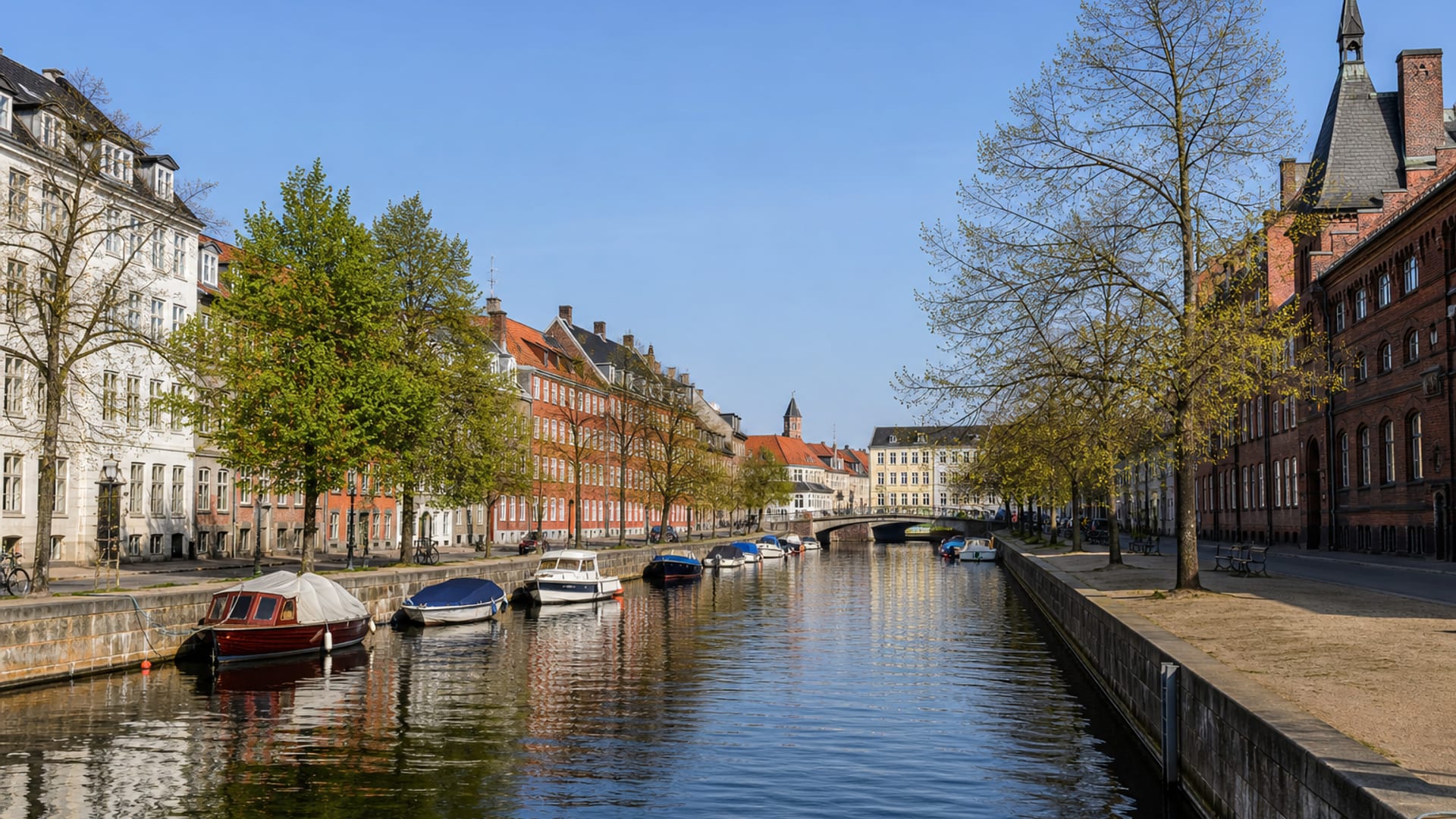
Begin in Nyhavn, where the harborfront gives you an easy first orientation, then walk about 10 minutes to Kongens Nytorv and continue toward the Round Tower, which is roughly a 10-minute stroll from the square. Go up the Round Tower near sunset for city views, then spend the rest of the afternoon in Indre By, with the National Museum of Denmark about 15 minutes on foot from the tower. Finish with dinner in the old center, where you can stay within walking distance of your hotel.
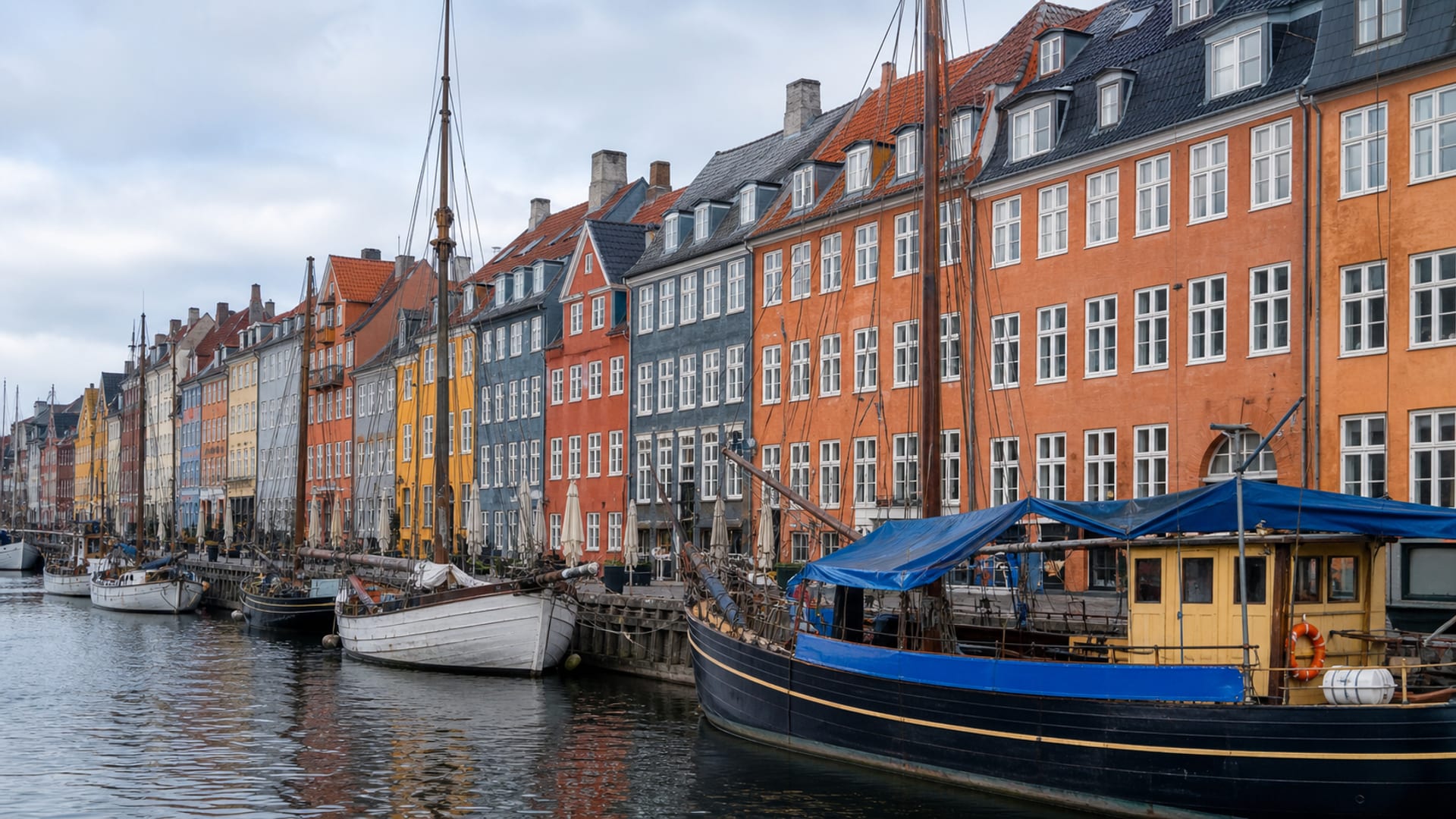
Start the day in Christianshavn, then take a short canal walk to Tranquebar, Denmark’s Museum of the Danish East India Company, and spend about an hour there before heading back along the water. From there, continue through the district toward the Copenhagen Opera House area for more harbor views, then cross or ride back toward central Copenhagen for lunch. In the afternoon, move to the National Museum of Denmark if you did not visit it on day 2, or return to the canals for a slower walk and an early evening meal near Christianshavn.
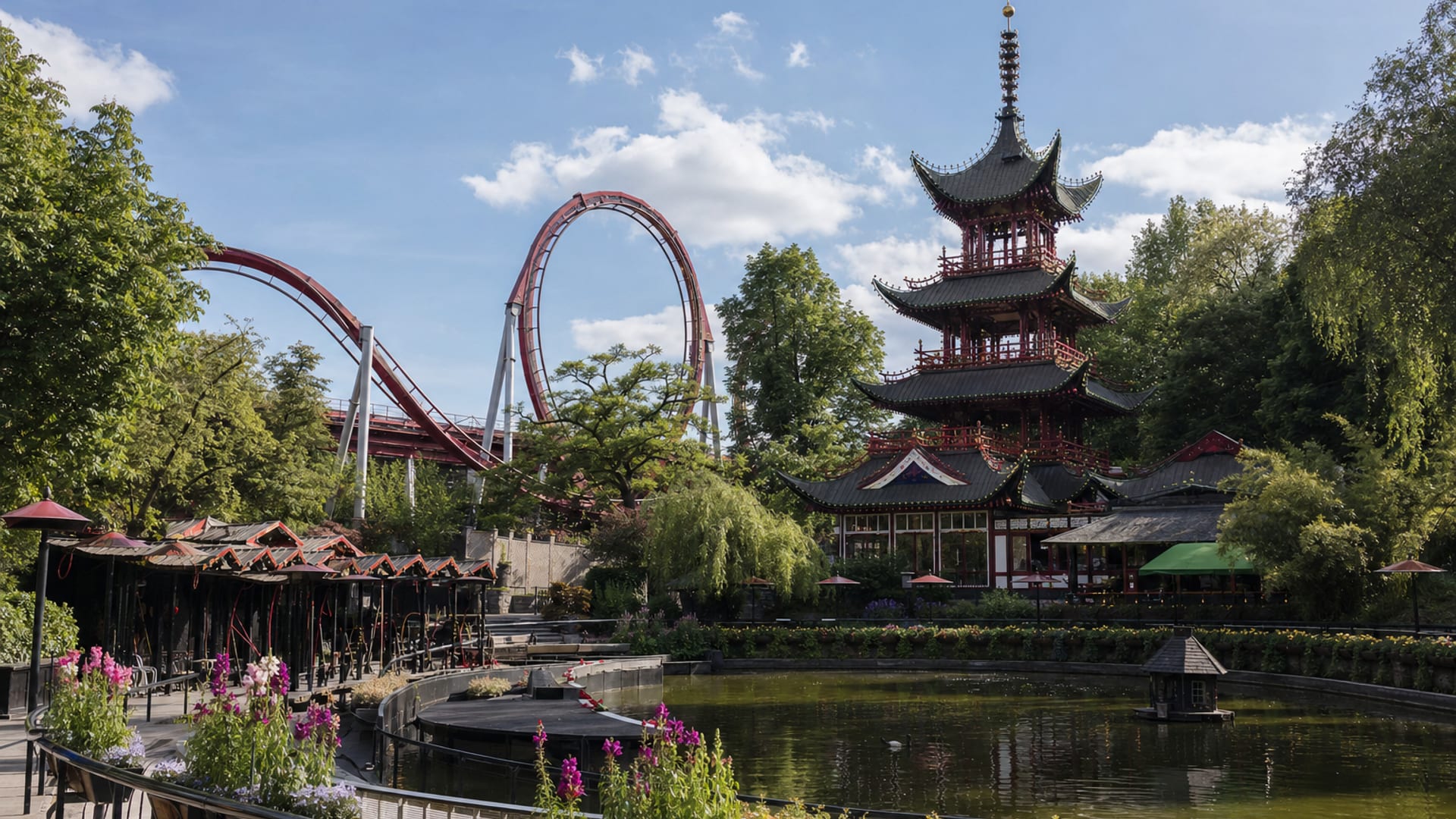
Vesterbro sets up a different side of the city, and from Central Station you can reach Tivoli Gardens in about 5 minutes on foot before wandering the surrounding streets. After lunch, take the train or a bike ride north to Nørrebro, where you can browse independent shops and cafés, then continue about 10 minutes by transit to The Round Tower if you want another city-center stop on the way back. End with dinner in Vesterbro, where the meatpacking area and side streets offer the widest evening choice.
A final morning in Copenhagen works well with The Silo in Nordhavn, which you can reach by transit from the center in about 15 to 20 minutes and cover in roughly an hour. After that, spend your last hours in Strøget for shopping, then sit down for coffee in Indre By or Christianshavn before heading back to your hotel. If your flight leaves later in the day, keep your bags near the station or hotel and take one last walk along the harbor rather than trying to add another major stop.
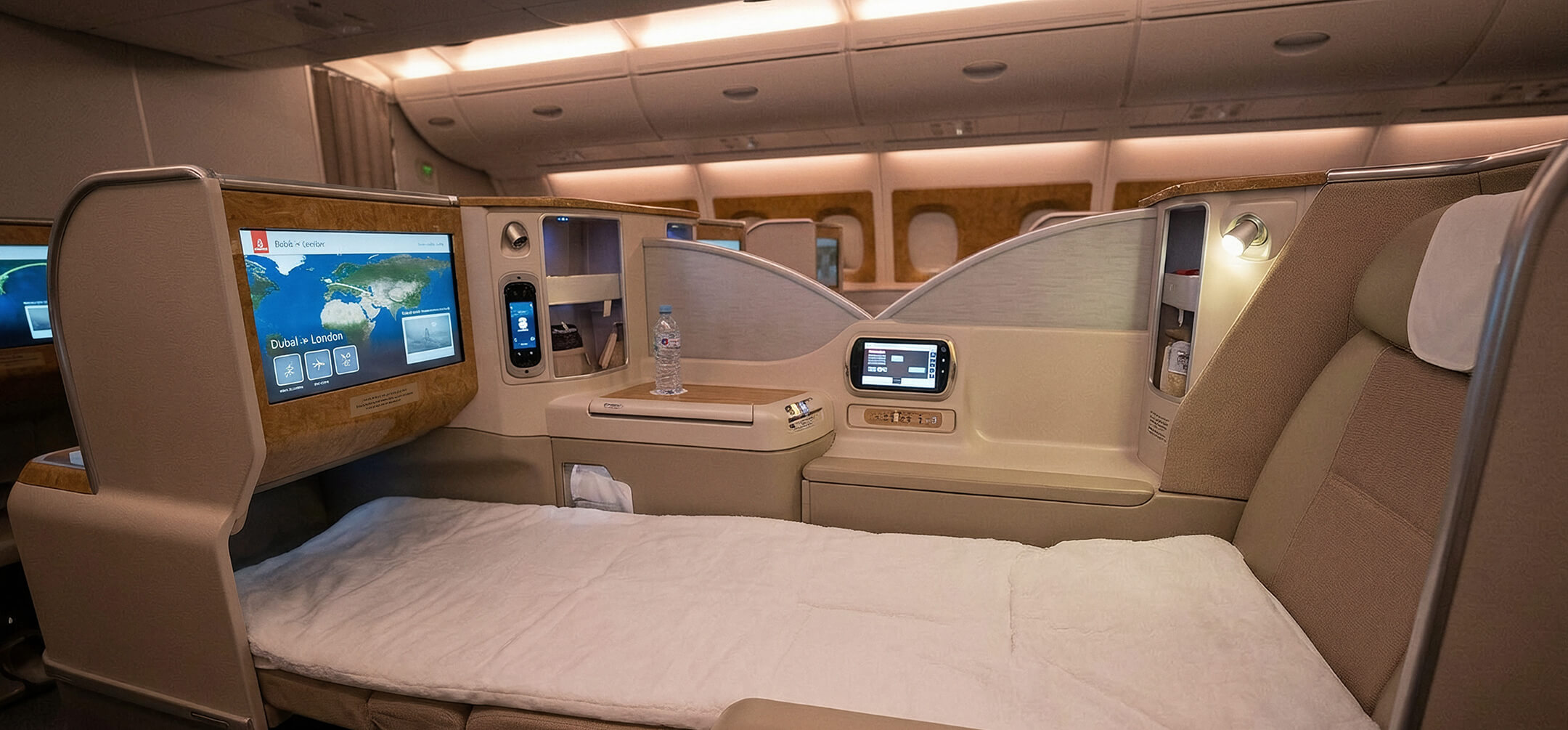
Business-class flights from the US to Copenhagen
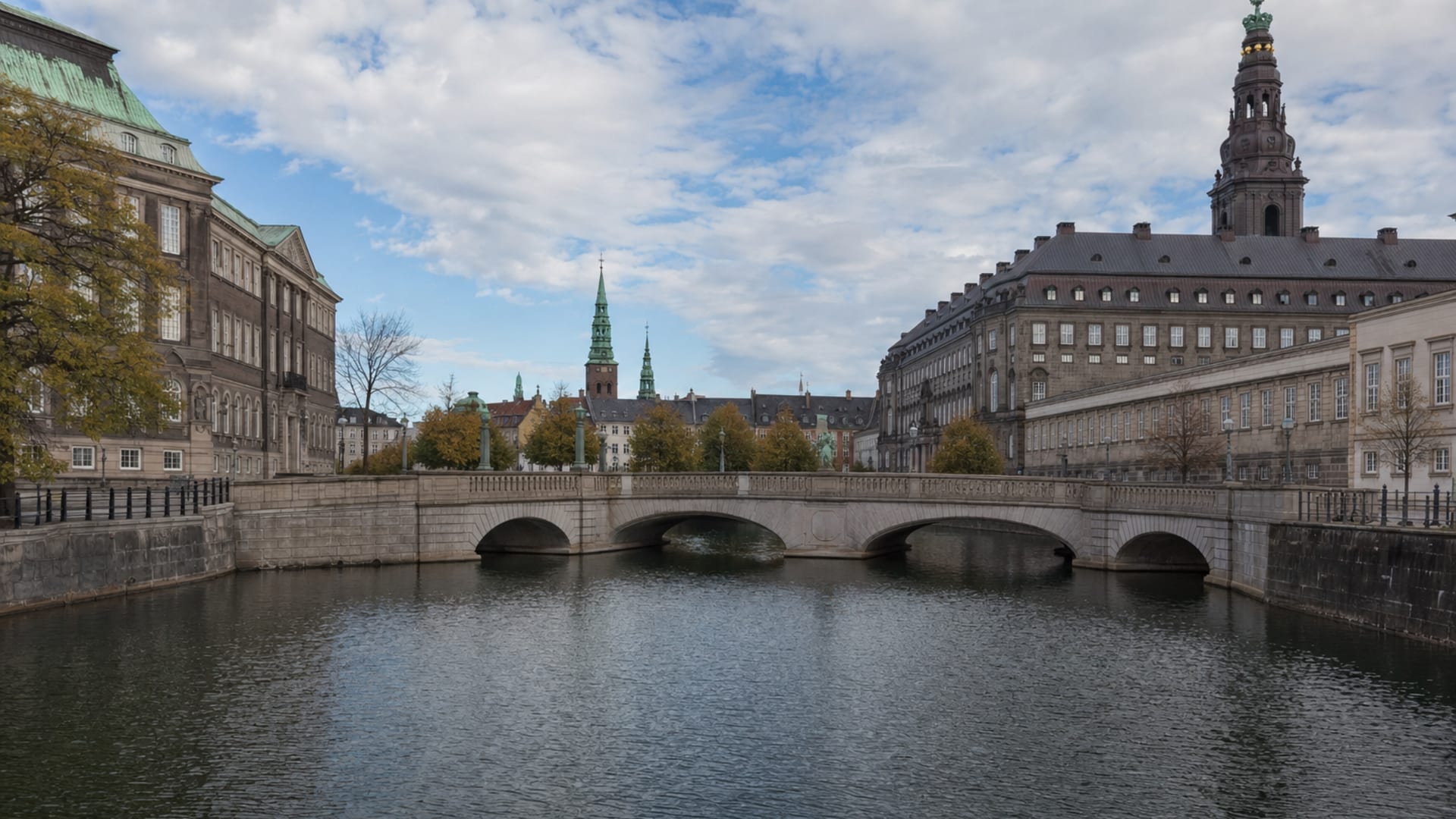
Copenhagen usually sits on one-stop long-haul itineraries from both coasts of the United States, and the routing details matter as much as the fare. The examples below show how the trip differs from New York and Los Angeles.
From New York, Delta Air Lines, Scandinavian Airlines, United Airlines, Lufthansa, Air France, and KLM all appear on common itineraries, with nonstop flying time of about 7 to 8 hours. If you do not mind a layover, routes via Frankfurt, Munich, Amsterdam, Paris, or London often lower the fare. Round-trip fares from New York to Copenhagen usually start at $2,400 and can reach $5,500.
From Los Angeles, Scandinavian Airlines, Lufthansa, Air France, KLM, British Airways, and Delta Air Lines are the main names to check, and the nonstop flight takes about 10 to 11 hours. Round-trip tickets from Los Angeles to Copenhagen usually run from $3,400 to $7,200, so the price spread is wide enough to make schedule and connection quality worth comparing carefully.
Copenhagen feels different when you slow down
A deliberate Copenhagen trip ties together the harbor edge of Nyhavn, the spiral climb at the Round Tower, the canal streets of Christianshavn, and a transit plan that lets you move without wasting time. If you keep the days anchored to neighborhoods, the city opens in a way that suits short walks, Metro hops, and long meals in the right order. For a trip shaped around those details, let the AranGrant experts help you plan Copenhagen with less guesswork