

Chapters:

Need help with your trip?
Our support team is available 24/7. Request a callback or call us directly at (833) 619-0908
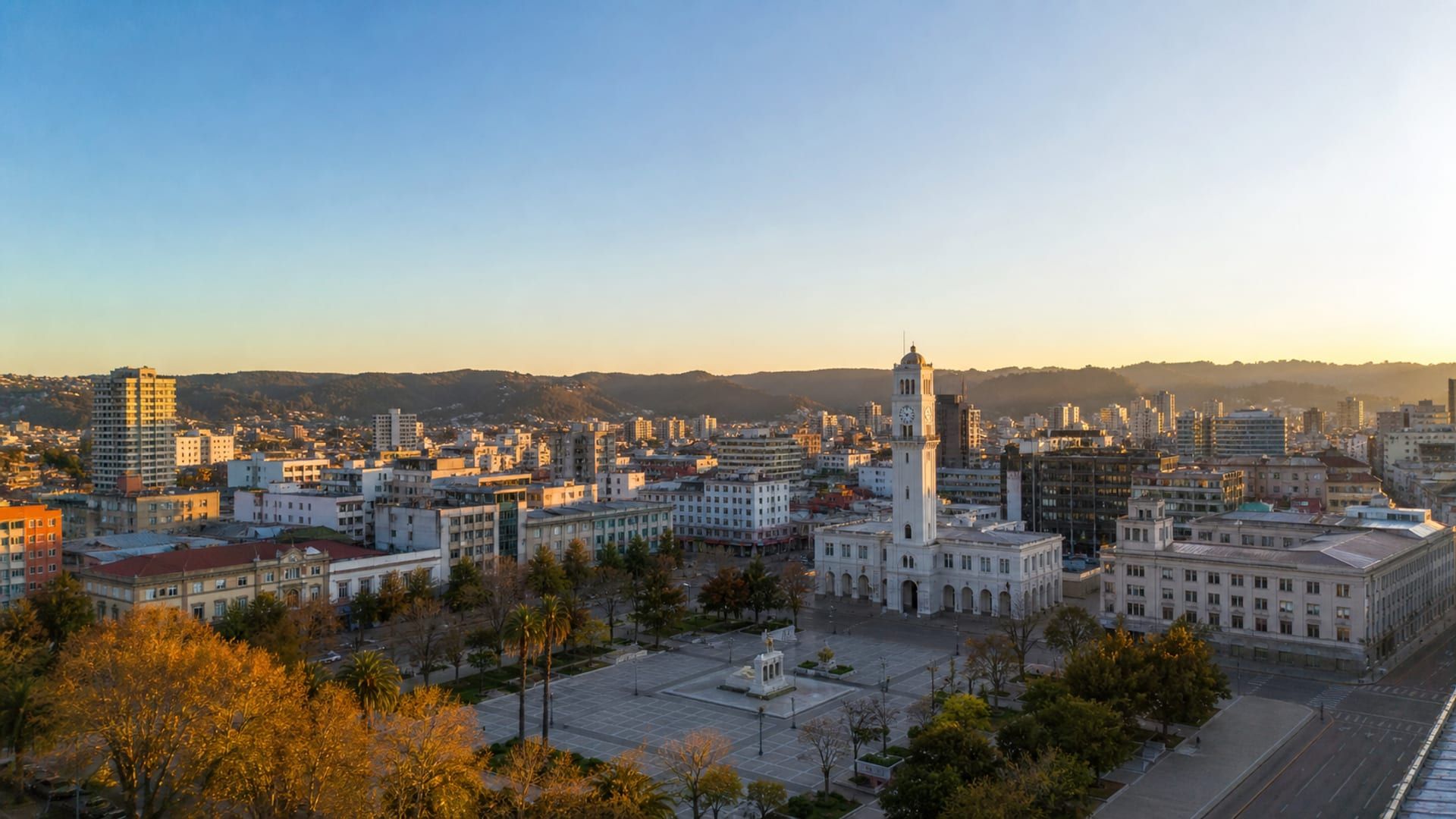
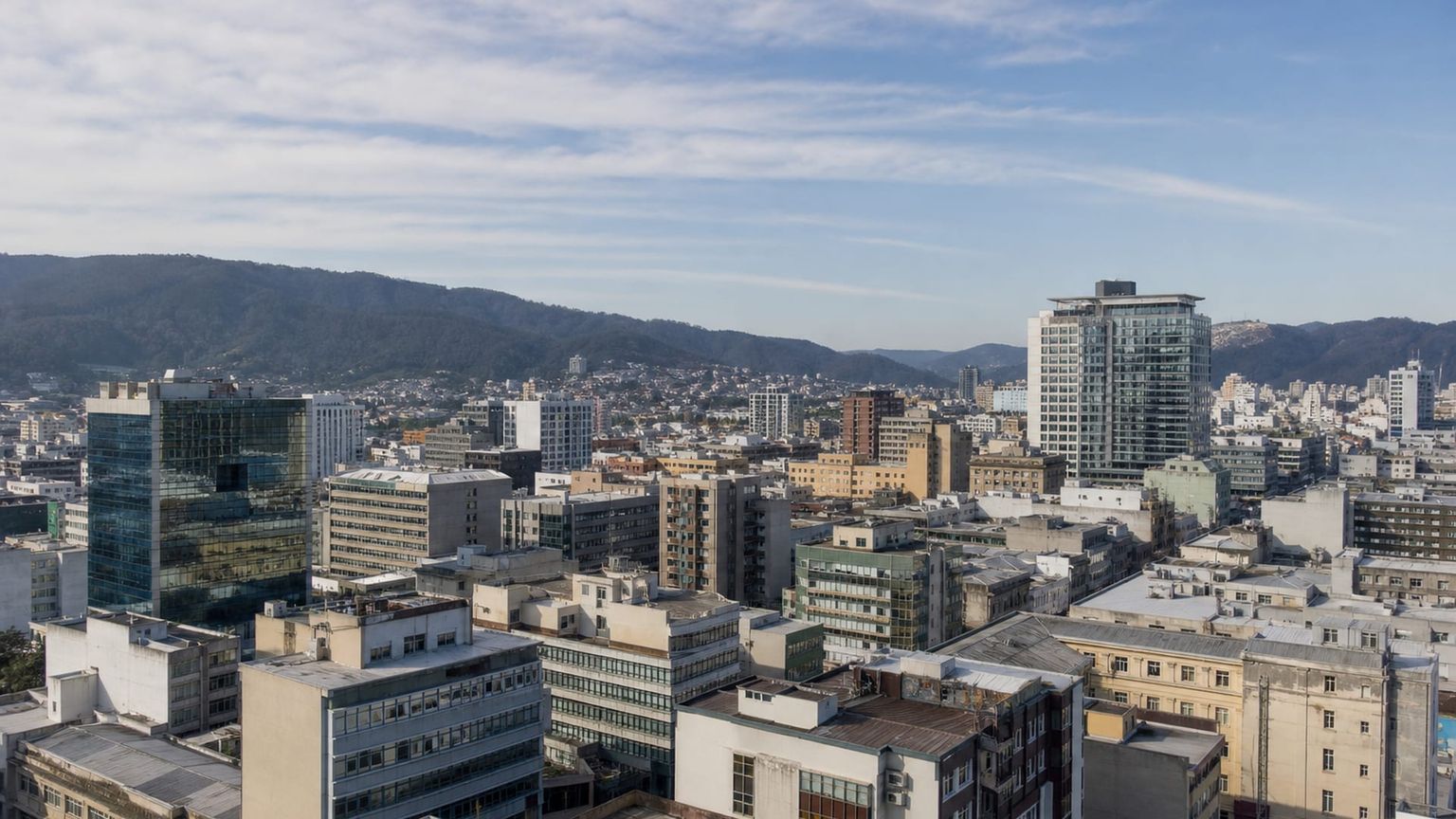
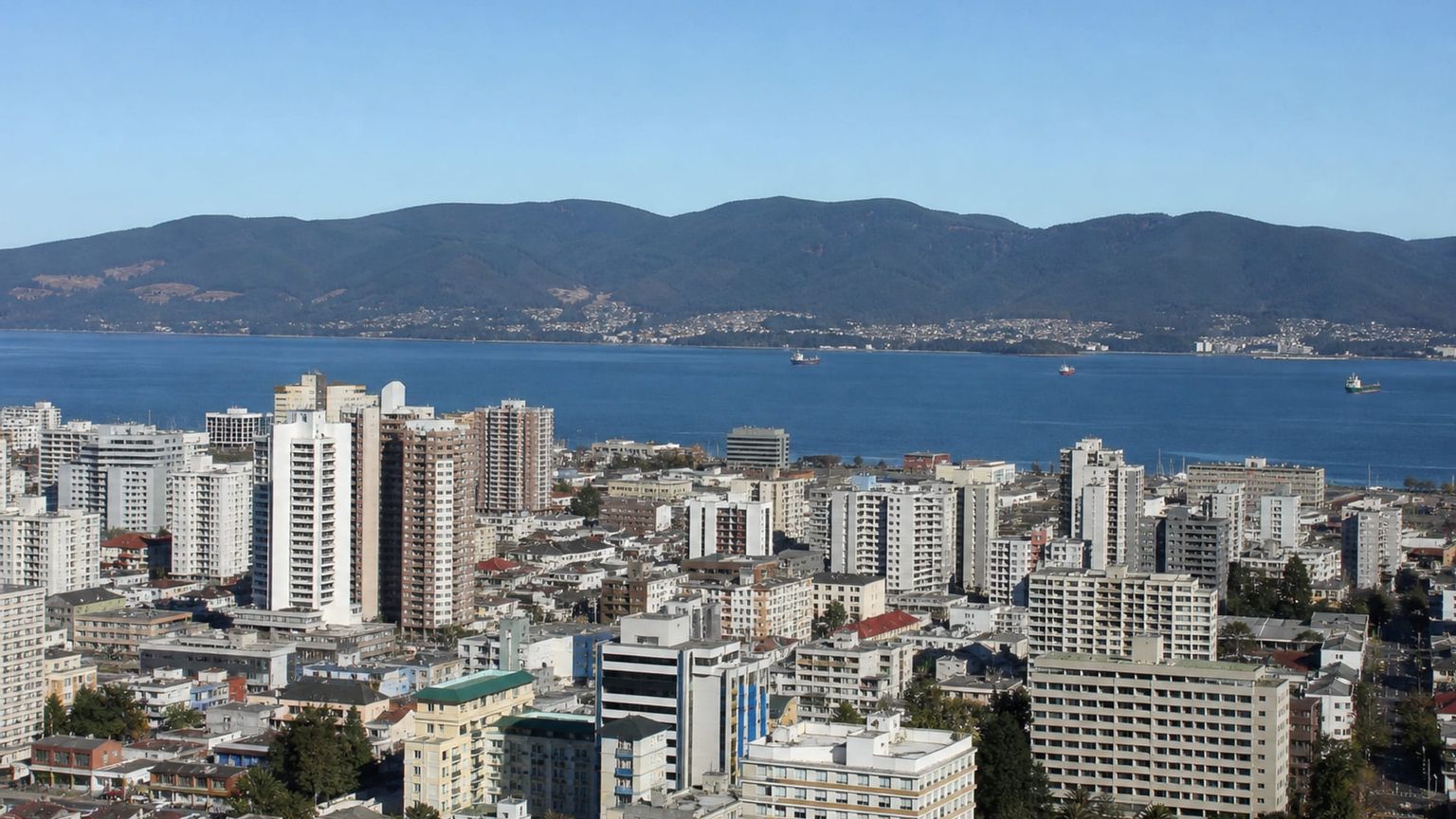
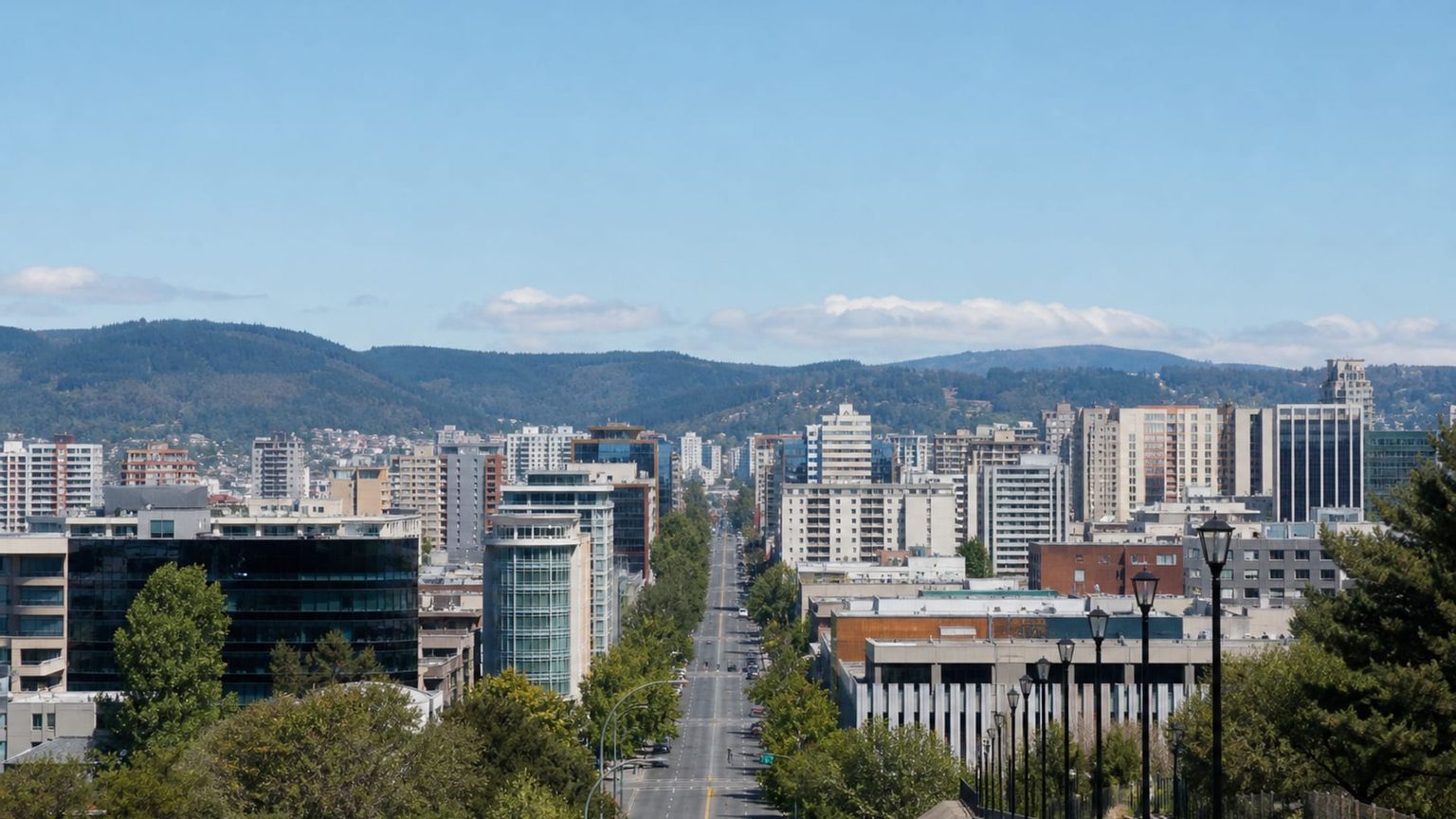
Concepción trips often start with a quick sweep of Plaza de la Independencia, a campus walk, and a coastal outing if time allows. What visitors miss is how much the city spreads out once you leave the center, and how much that affects timing.
That gap matters because bus routes, taxi hops, and walking links all serve different parts of town. If you treat every stop as close together, evenings can stretch and transfers can take longer than expected.
This guide keeps the city in a clearer order, pairing neighborhoods with the right transit, then building each day so the center, the university area, and the coast each get their own pace.
Useful things to know

Main language(s): Spanish
Hola (OH-lah) – Hello
Por favor (por fah-VOR) – Please
Gracias (GRAH-see-ahs) – Thank you
¿Habla inglés? (AH-blah een-GLAYS) – Do you speak English?
¿Cuánto cuesta? (KWAHN-toh KWEHS-tah) – How much does it cost?

Currency: The local currency is the Chilean peso (CLP, $).

Cash and cards: Cards and contactless are widely accepted in Concepción; carry about CLP 10,000 to CLP 20,000 ($11 to $22) for small cash-only purchases.

Tipping: Round up at casual spots; leave about 10% in nicer restaurants if service is good.

Traditional food: Cazuela de vacuno, pastel de choclo, empanada de pino, humitas

Water and coffee costs: Water about CLP 1,500 ($2), bar espresso about CLP 2,500 to CLP 3,000 ($3 to $3.50).

Taxis and ride apps: Uber and Cabify operate here; confirm the plate before getting in.

Plug and voltage: Type C/L socket, 220V

Dining and shop opening hours: Breakfast is about 07:30-10:00, lunch 13:00-15:00, and dinner 20:00-22:00. Many restaurants close between lunch and dinner.

Emergency number: Call 131 for ambulance, 132 for fire, 133 for police.
Where to stay in Concepción
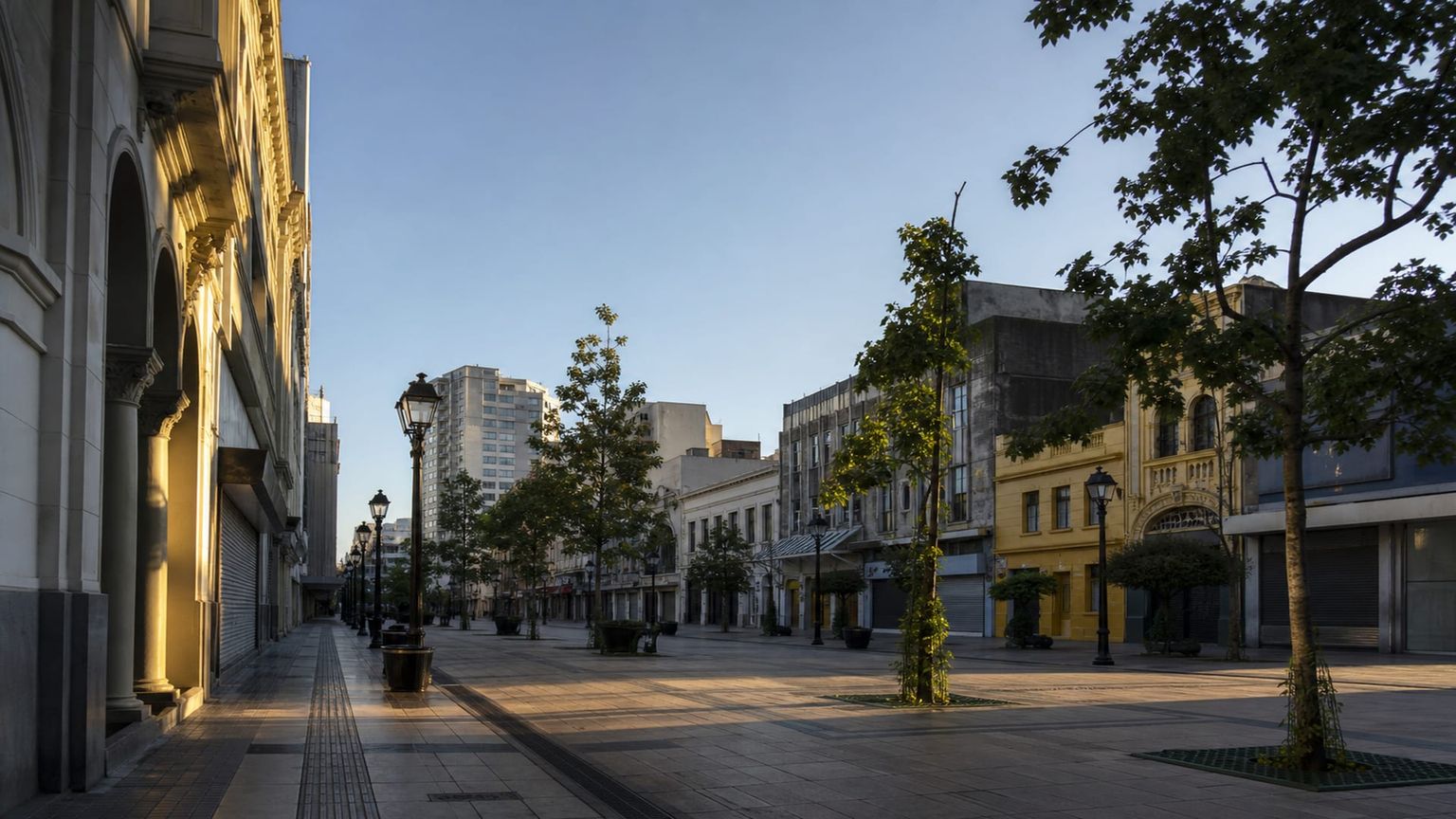
Concepción’s central district puts you beside Plaza Independencia, government offices, shops, and the main dining strip. It suits visitors who want the city’s busiest streets, easy taxi access, and the shortest hops to museums and transit.
Best for: First-time stays, short trips, and travelers who want the closest access to central sights and transit
What to expect: Busy sidewalks by day, with office traffic, student movement, and restaurant activity that continues into the evening.
Hotel prices: Usually about $55 to $110 per night for well-rated stays
Distance to major sights: About 5 minutes on foot to Plaza Independencia; about 10 minutes on foot to Casa del Arte and Universidad de Concepción
Quietness: Moderate during the day, then quieter after office hours, though main streets still see late movement.
Main trade-off: Rooms near the core can cost more, and street noise rises on commercial blocks and weekends.
Good to know: Choose a side street if you want to sleep earlier, because rooms facing the main avenues pick up traffic and late pedestrian noise.
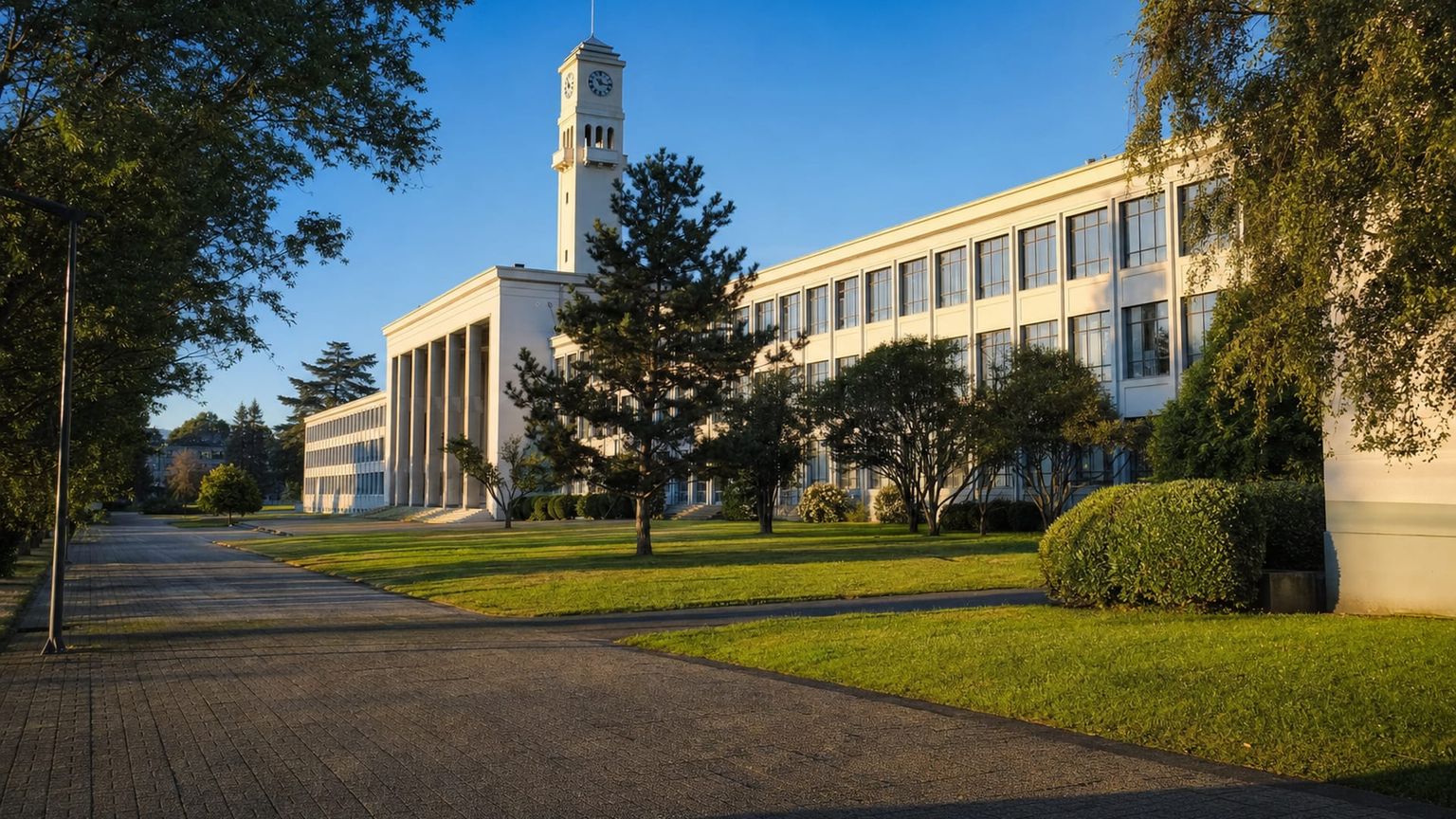
The university zone centers on the campus, green spaces, and the cultural institutions around Avenida Chacabuco. It works well for visitors who want a walkable base with museums, cafés, and an easy link back to the center.
Best for: Museum visits, campus walks, and travelers who prefer a greener base near the center
What to expect: Students, coffee spots, and more foot traffic than cars, with a lively but not party-heavy atmosphere.
Hotel prices: Usually about $50 to $100 per night for well-rated stays
Distance to major sights: About 10 minutes on foot to Casa del Arte; about 15 minutes on foot to Plaza Independencia
Quietness: Calmer than the city center in the evening, with activity concentrated around class times and café hours.
Main trade-off: You may pay a little more for attractive addresses near the campus edge, and some streets feel less active after dark.
Good to know: If you plan evening dinners in the center, check the walking route carefully, because some blocks get sparse once campus traffic thins out.
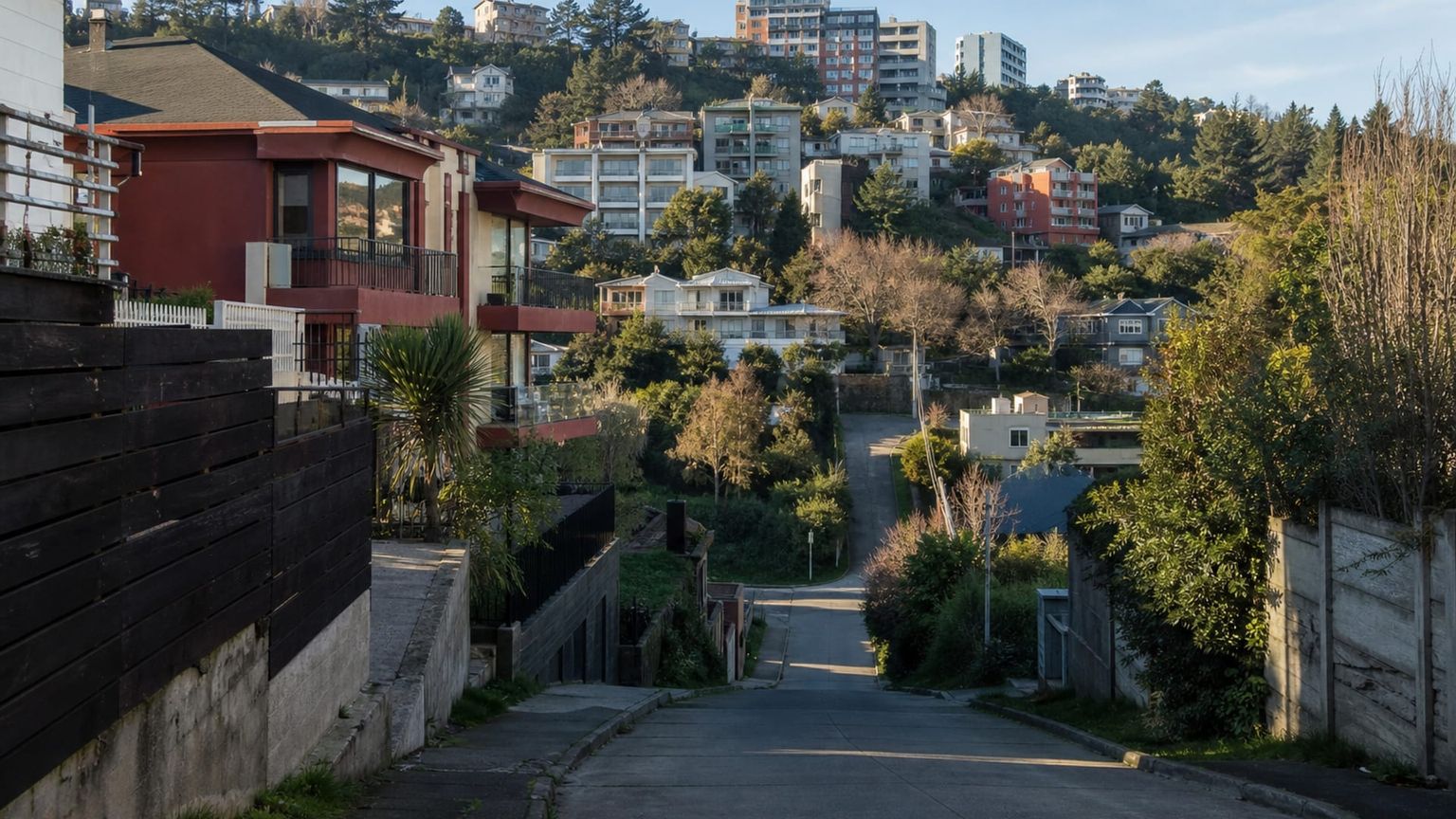
Lomas de San Andrés is a modern residential and commercial district near the airport corridor, with newer hotels, malls, and wide streets. It matters for travelers with early flights, car use, or business meetings on the city’s north side.
Best for: Airport access, business travel, and visitors who prefer newer hotels with parking
What to expect: Vehicle traffic, shopping-center activity, and a more residential feel than the downtown core.
Hotel prices: Usually about $60 to $130 per night for well-rated stays
Distance to major sights: About 15 to 20 minutes by taxi to Plaza Independencia; about 10 minutes by taxi to Concepción Airport
Quietness: Quieter at night than downtown, though hotel zones and arterial roads still carry steady traffic during the day.
Main trade-off: You will be farther from the main restaurant and nightlife clusters, so most evenings require a taxi or ride-hail.
Good to know: Plan on taxi budgets if you stay here, because the area works best when you are comfortable moving back and forth to the center.
Travelers usually avoid staying in Chiguayante, Talcahuano, San Pedro de la Paz, and Penco if they want to spend time in central Concepción, since these areas sit outside the main hotel cluster and add extra travel time for evening plans. Lomas de San Andrés can also be less convenient for visitors without a car, because it is set away from the historic center and has fewer walkable dining and shopping options than downtown.
Hotel deals
How to get around Concepción efficiently
Concepción has no metro, so getting around means combining buses, taxis, ride-hail, and short walks, with Biotren useful on a few suburban links.

Metro
for longer distances
Concepción has no metro system, so visitors rely on buses, taxis, and short walks instead. If you are heading beyond the central area, the closest rail-style option is the Biotren suburban network, which links the city with nearby communes on limited corridors, with fares of about $0.80 to $1.20 ($700 to CLP 1,100) and trips that usually take 15 to 40 minutes depending on the station pair.

Bus and tram
for convenience
Buses cover most trips in the Concepción metro area, with frequent services between downtown, Talcahuano, Hualpén, San Pedro de la Paz, and Coronel. Fares are usually about $0.80 to $1.30 ($700 to CLP 1,200), payable in cash on board on many routes, and rides across the urban area often take 20 to 50 minutes; check route numbers carefully, because multiple companies share the same streets.

Taxi
for convenience or late hours
Licensed taxis in Concepción use metered fares, while app-based rides and airport runs may quote fixed prices in advance. A downtown trip often costs about $4 to $8 ($3,500 to CLP 7,500), the airport to central Concepción fare is often about $20 to $30 ($18,000 to CLP 27,000), and drivers usually accept cash, with card payment more common through ride-hailing apps than in street taxis.
*Prices are based on rates updated as of June 2026 and may change at the time of travel.
Use buses for cross-town movement, taxis or ride-hail for airport and coastal trips, and walking when your day stays inside downtown or the university zone.
Iconic landmarks
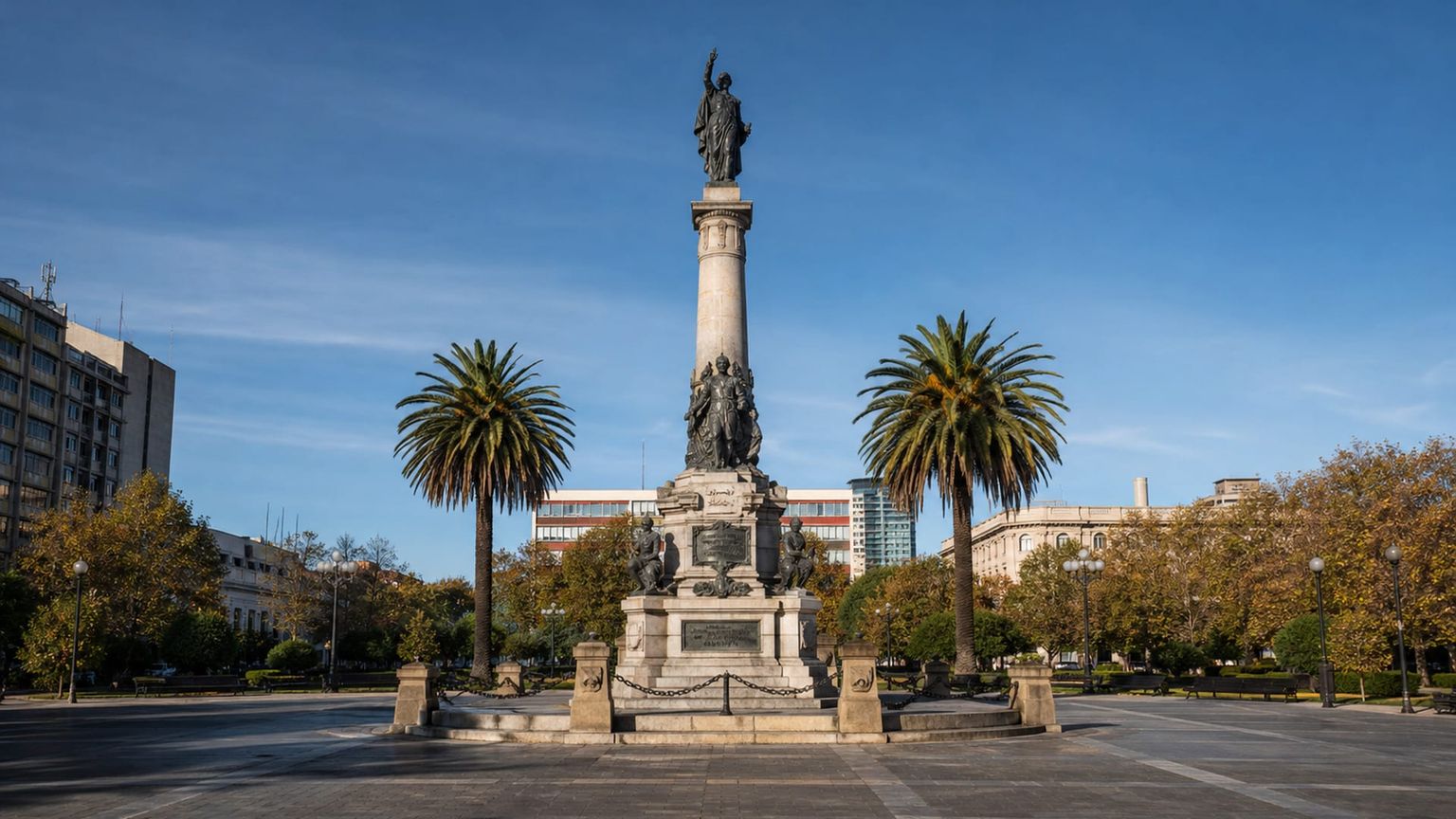
Plaza de la Independencia
Concepción’s main square marks the civic core of the city, framed by the cathedral, the municipal buildings, and broad pedestrian space. It works as a clear starting point for a walk through the historic center and nearby cafés.
Time needed: About 45 minutes
Entry: Free to access, with no ticket required for the square itself or the surrounding public sidewalks.
Tip: Visit in the morning for lighter foot traffic and softer light on the façades.
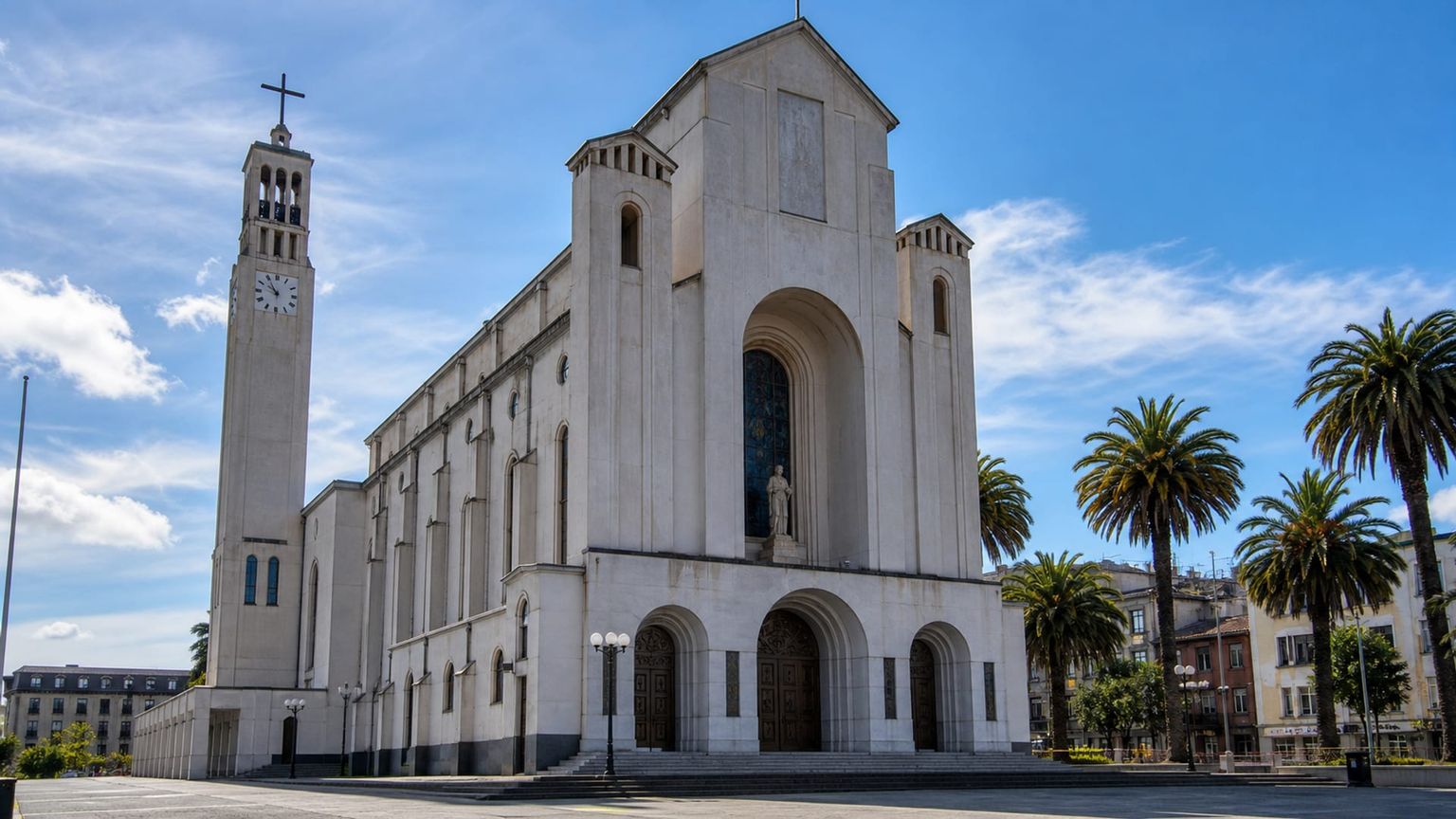
Cathedral of the Most Holy Conception
This downtown cathedral defines the main square with its modern lines and prominent bell tower. Step inside to see the scale of the nave, then pause outside to read the building against the plaza and surrounding civic frontage.
Time needed: About 30 to 45 minutes
Entry: Free to enter during regular visiting hours; donations are welcome, and special liturgical events may limit access.
Tip: Go outside mass times if you want to see the nave and altar without interruption.
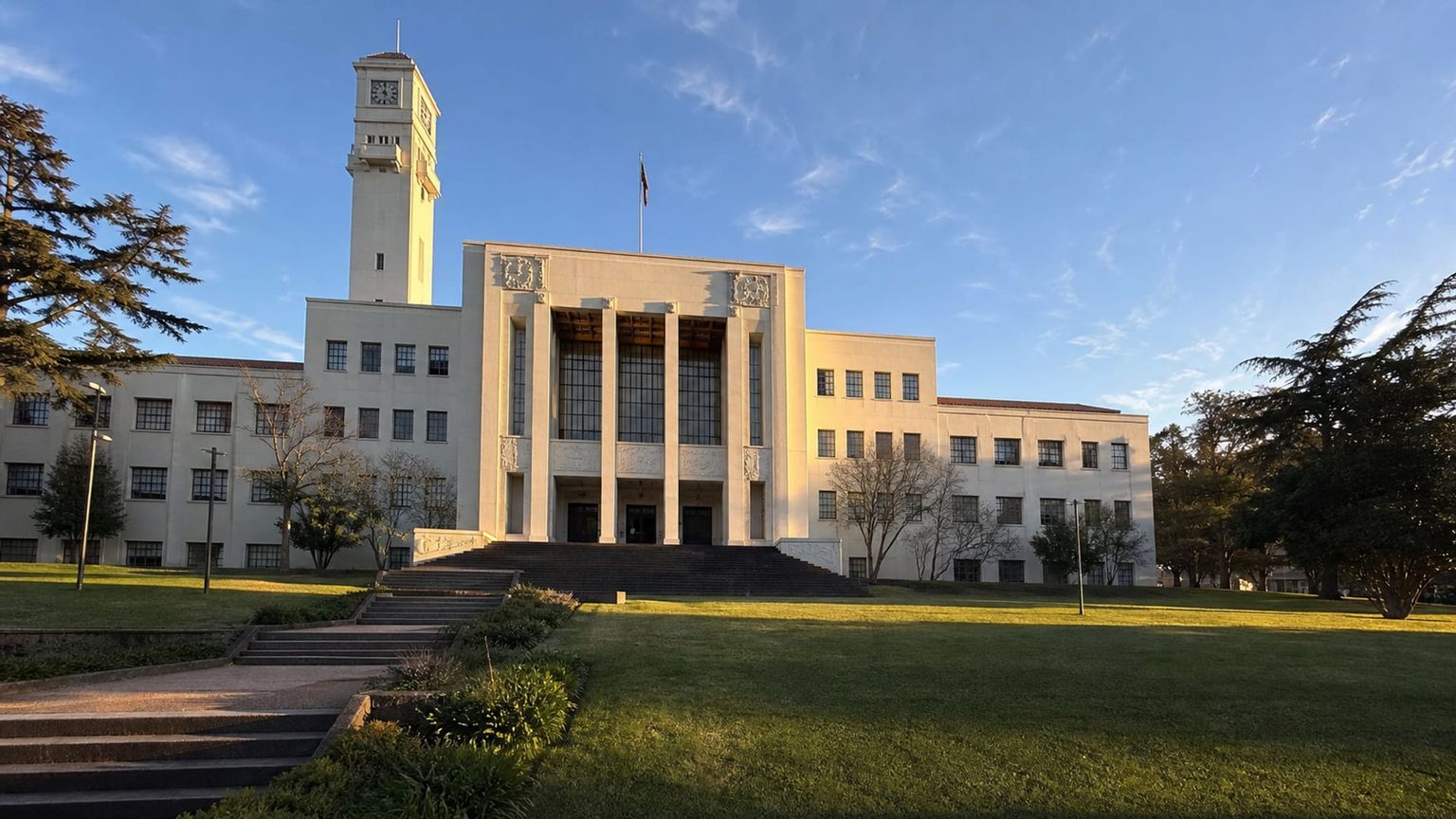
University of Concepción campus
The university campus pairs landscaped paths with major public art, including the famous Campanil tower and the open-air sculpture of The Great Journey. It gives the city one of its best walkable ensembles, with museum stops close by.
Time needed: About 2 hours
Entry: Free to walk the campus grounds; museums, galleries, and tower access may charge separate admission or have limited hours. Visit the official site for details.
Tip: Begin near the central avenue so you can link the tower, murals, and sculpture in one loop.
Overlooked sites worth visiting

Parque Museo Pedro del Río Zañartu
A coastal estate with gardens, trails, and a museum in the former mansion of Pedro del Río Zañartu. The grounds sit by the Hualpén Peninsula, with views across the mouth of the Biobío River.
Time needed: About 2 to 3 hours
Entry: Admission is approximately $4 ($3,500 CLP) for adults, with reduced rates for students and older adults. Hours and prices can change on holidays, and some areas may close during weather alerts or maintenance. Visit the official site for details.
Tip: Go in the morning for cooler paths and clearer bay views.

La Matriz de Concepción
This small church anchors one of the city’s oldest central blocks and offers a direct look at local religious architecture. Its compact interior, wood details, and plaza setting make it an easy cultural stop.
Time needed: 30 to 45 minutes
Entry: Free to enter, with no ticket needed for general visits. Donations are optional, and access can vary during services, feast days, or restoration work, so check posted hours before you go.
Tip: Visit outside Mass times to see the interior more easily.
Traditional food
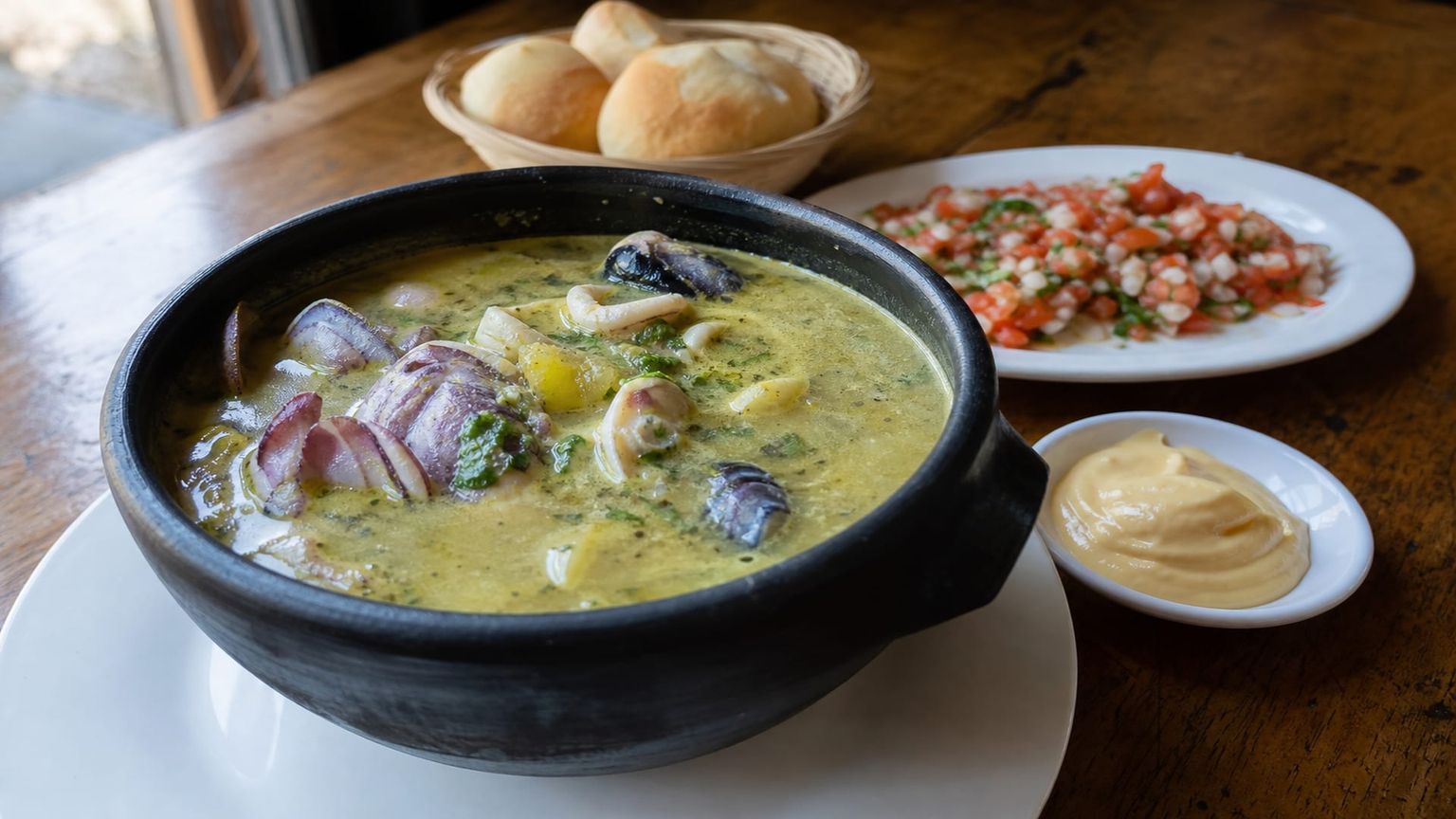
Concepción’s table leans on hearty Chilean staples, corn, beef, and dough-based snacks, with cazuela de vacuno, pastel de choclo, empanada de pino, and humitas showing up in simple lunch counters and fuller dining rooms.
Cazuela de vacuno
This beef-and-vegetable soup is a classic lunch dish in Concepción, with potatoes, squash, rice, and corn in a broth that works well after a walking morning. La Cuisine sits downtown and is a dependable place to order it.
Pastel de choclo
Corn pie with seasoned meat, onion, chicken, and a browned corn topping, usually served as a full meal rather than a side. El Aji Seco in central Concepción is a strong place to try it.
Empanada de pino
This baked pastry fills with beef, onion, egg, olive, and raisin, making it one of the easiest snacks to order between sightseeing stops. Espacio Vital offers a polished downtown setting for it.
Humitas
Humitas are steamed corn tamales, softer and more delicate than empanadas, and they often appear at lunch with salad or a simple sauce. Mercado del Gran Concepción is a natural stop for them if you want a market setting.
Best time to visit Concepción
Concepción shifts from warm, drier summers to wetter winters, so the best season depends on whether you want outdoor time on the coast or lighter crowds in the center.
Best for: Best for the university campus, coastal outings, and long daylight for day trips
What you get: About 58-82°F (14-28°C), with more visitors in holiday weeks and on sunny weekends
Trade-offs: Afternoon heat and stronger sun can make midday walking less comfortable
Best for: Best for downtown walks, museum stops, and easier pacing between neighborhoods
What you get: About 50-72°F (10-22°C), with moderate crowds and generally comfortable conditions
Trade-offs: Rain starts to pick up later in the season
Best for: Best for indoor sightseeing and quieter city-center days
What you get: About 43-60°F (6-16°C), with lighter tourist traffic and more frequent rain
Trade-offs: Wet weather can shorten coastal plans and add transit time
Best for: Best for green spaces, campus walks, and museum days before summer peaks
What you get: About 48-70°F (9-21°C), with moderate crowds and variable showers
Trade-offs: Weather can change quickly, so outdoor plans need flexibility
A realistic 5-day plan in Concepción
Five days in Concepción work best when you separate the city by zone instead of trying to string everything together at once. The plan below starts in the center, moves to the university, then adds the coastal estate and a final downtown reset before departure.
Land at Concepción (CCP) and head by taxi or ride-hail to the center, or to Universidad de Concepción if you want a greener base; the ride usually takes about 15 to 25 minutes and costs about $8 to $15, depending on traffic and the time of day. Settle in, drink some water, and choose a light first meal near Plaza de la Independencia or on the campus edge, where you can keep dinner simple and stay close to your hotel.
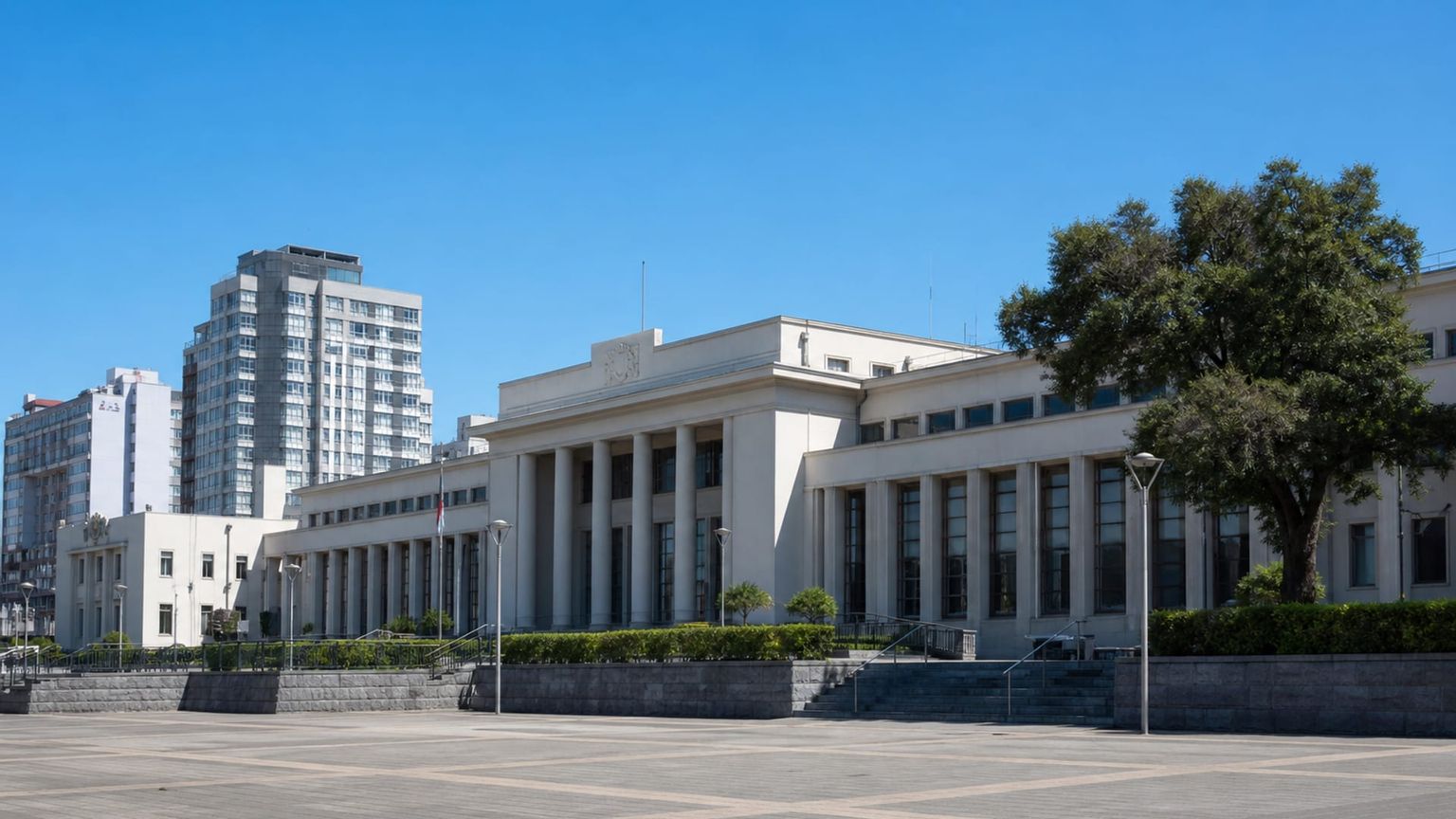
Start at Plaza de la Independencia, then walk about 2 minutes to the Cathedral of the Most Holy Conception for a short visit before the main square fills up. From there, continue about 10 minutes on foot to La Matriz de Concepción for a look at one of the city’s older religious landmarks, then spend the rest of the afternoon in the center with coffee and an easy loop through the surrounding streets; if you are staying in the Universidad de Concepción area, the walk to the square takes about 15 minutes.
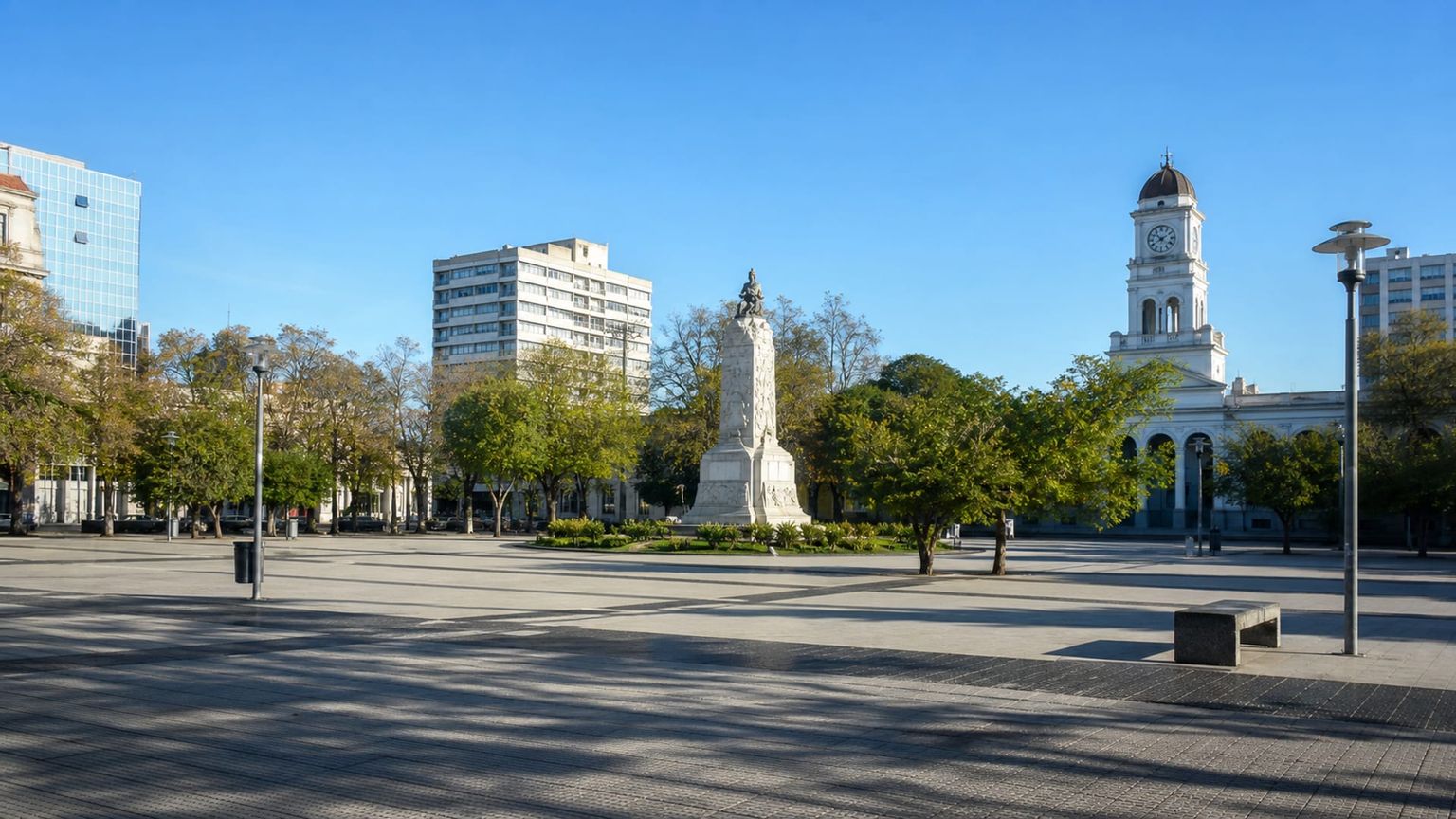
Begin on the University of Concepción campus, where the Campanil tower, the sculpture The Great Journey, and the landscaped paths sit close together, and plan about 2 hours for the walk. If you want more time with the museums or galleries, stay on campus through lunch, then return toward the center on foot in about 15 minutes for an early dinner near Plaza de la Independencia or Avenida Chacabuco.
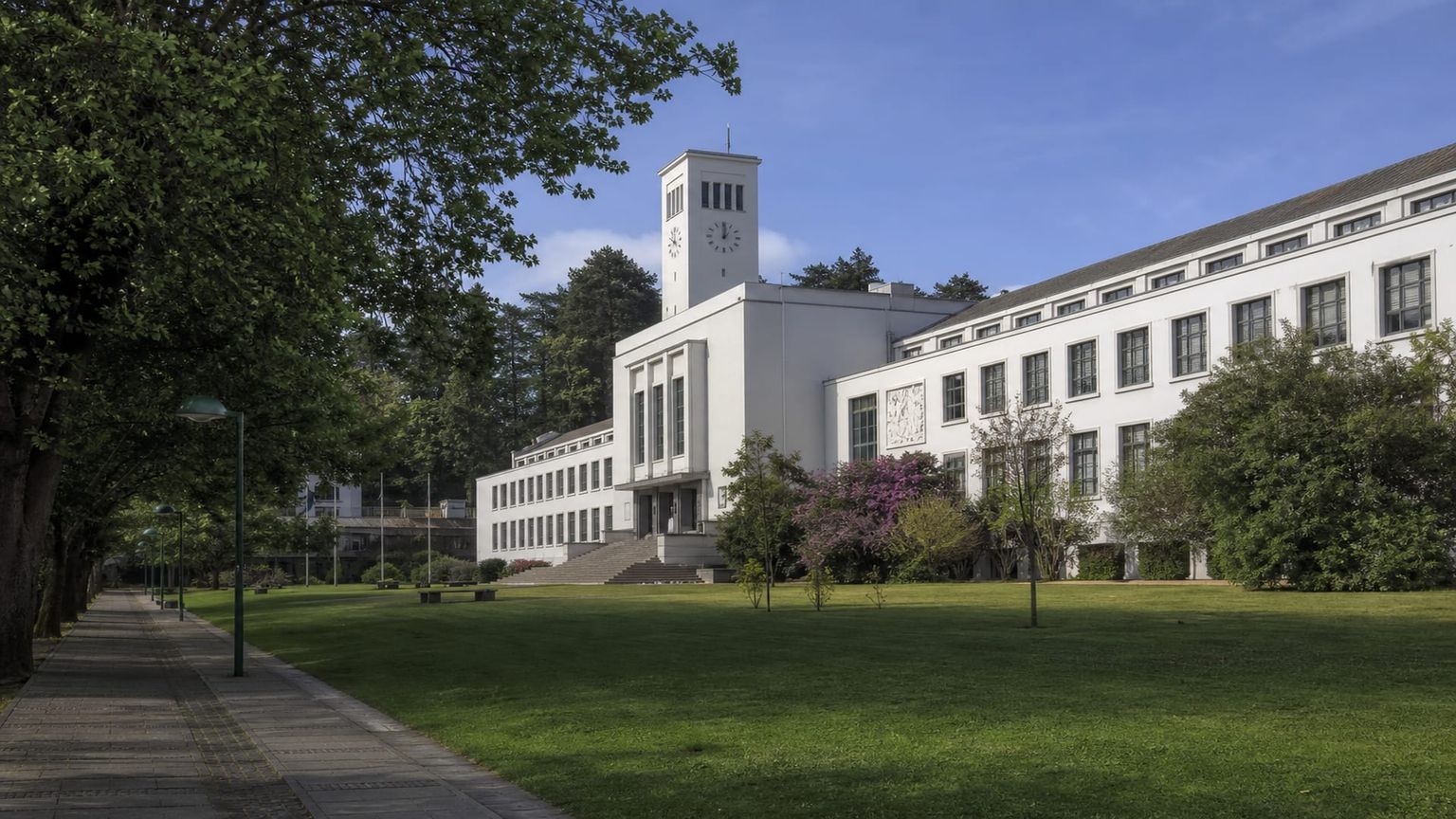
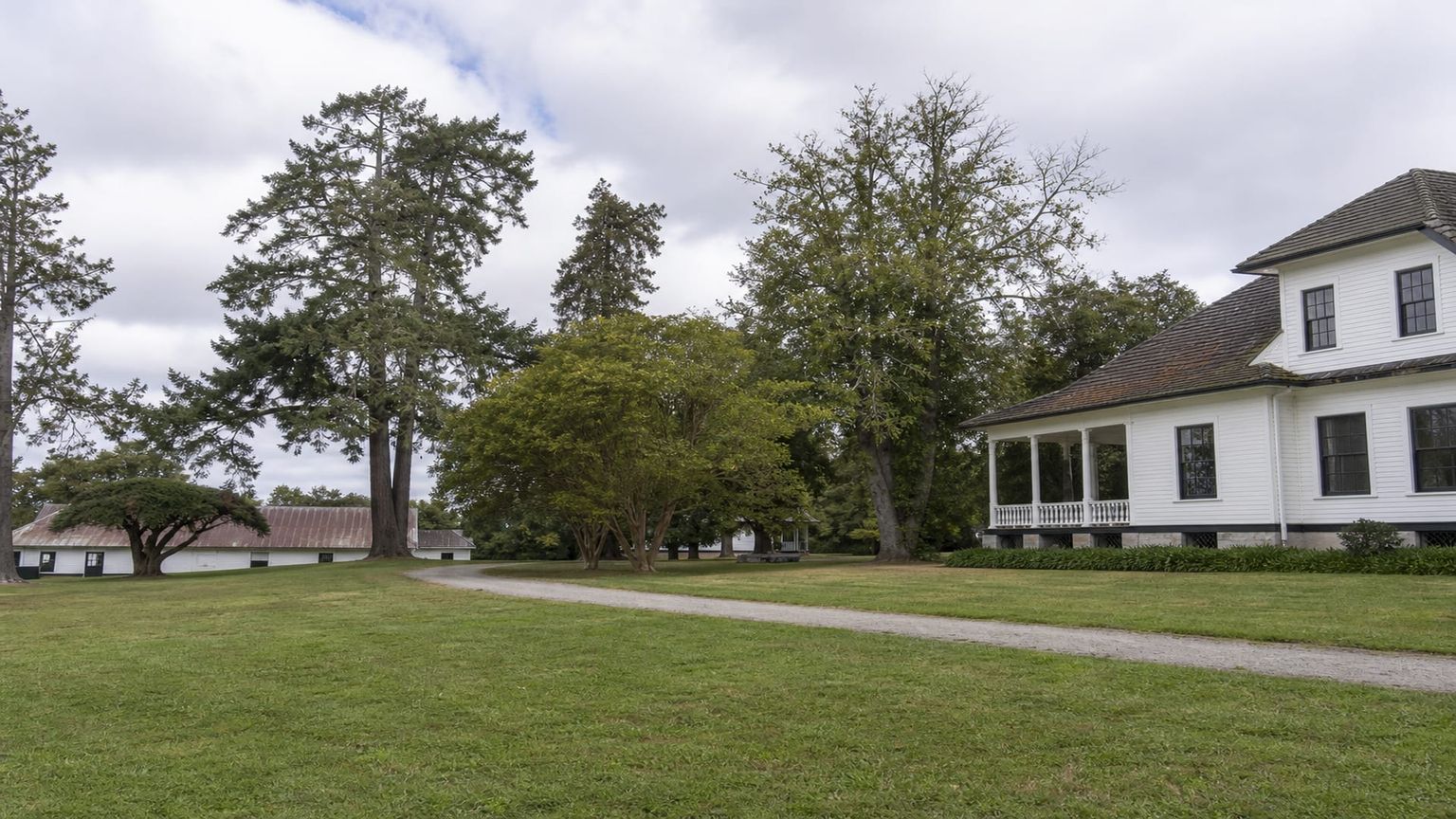
Drive or take a taxi to Parque Museo Pedro del Río Zañartu in the morning, since the trip from the center usually takes about 20 to 30 minutes and the best light falls early on the gardens and coastal paths. Spend 2 to 3 hours exploring the estate and museum, then head back to town for an unhurried afternoon; if you want one more easy stop, circle back to the university zone for a café break or a final walk through the campus grounds.
Finish with a short downtown circuit, starting at one museum or church stop you want to revisit, then shift to shopping time in the center before a final café stop in Universidad de Concepción, where the sidewalks and student cafés make an easy late-trip pause. If your flight is early, stay in Lomas de San Andrés the night before, since the airport corridor cuts transit time down and keeps the last evening simple.
Business-class flights from the US to Concepción
Long-haul travelers usually reach Concepción with at least one connection, and the most useful options are the business-class itineraries routed through Santiago or another major hub. The examples below show how departures from New York and Los Angeles tend to differ in timing and connection length.
From New York, carriers such as American Airlines, LATAM Airlines, Delta Air Lines, Avianca, and Copa Airlines sell itineraries that typically take about 9 to 10 hours when nonstop is available. One-stop choices usually route through Miami (MIA), Panama City (PTY), São Paulo (GRU), or Lima (LIM), with total travel time of about 13 to 20 hours, and round-trip fares in business class usually start from $2,500 and can reach $5,500, with nonstop and one-stop options both on the market.
Los Angeles itineraries usually run on LATAM Airlines, American Airlines, Delta Air Lines, Avianca, or Copa Airlines, and the nonstop journey takes about 10 to 11 hours. If you connect, common hubs include Lima (LIM), São Paulo (GRU), Panama City (PTY), and Santiago (SCL), with total trip times of about 14 to 22 hours; round-trip business-class fares usually run from $2,400 to $5,200.
Concepción feels different when you slow down
A deliberate Concepción stay gives each district a clear role: Plaza de la Independencia for the civic core, the University of Concepción for campus art and green paths, and Parque Museo Pedro del Río Zañartu for a coastal morning when the weather is right. Buses handle the middle-distance moves, while taxis and ride-hail make the airport corridor and the museum day easier to time. If you want help matching hotel area, flight timing, and route order, the AranGrant experts can build the trip around your dates







