

Chapters:

Need help with your trip?
Our support team is available 24/7. Request a callback or call us directly at (833) 619-0908
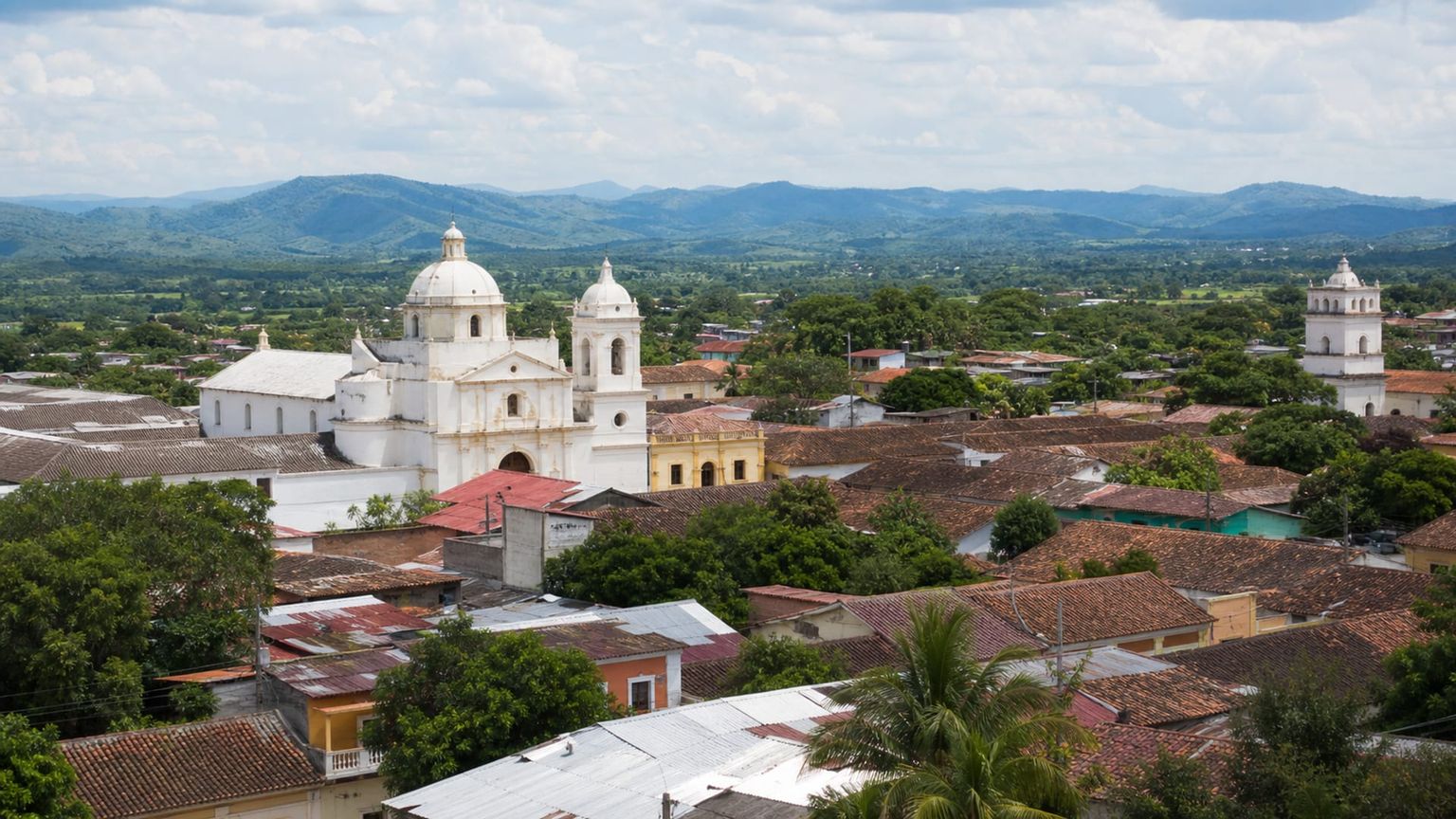
Comayagua trips often center on the cathedral, the plaza, and one or two museums, then leave the rest of the historic core for a quick pass. Travelers sometimes miss how close the sights sit to each other, and how much the town changes once the center quiets after dark.
That common approach can make the visit feel rushed. Distances are short, but daytime foot traffic, midday heat, and a few streets with limited evening activity shape how far you want to walk, and where you want to pause for lunch or coffee.
This guide gives the city a slower frame: where to stay, how to move between the center and nearby hillside streets, what to eat, when to visit each landmark, and how to fit five days together without wasting time in transit.
Useful things to know

Main language(s): Spanish
Hola (OH-lah) – Hello
Por favor (por fah-VOR) – Please
Gracias (GRAH-see-ahs) – Thank you
¿Habla inglés? (AH-blah een-GLAYS) – Do you speak English?
¿Cuánto cuesta? (KWAHN-toh KWEHS-tah) – How much does it cost?

Currency: The local currency is the Honduran lempira (HNL, L).

Cash and cards: Cards and contactless are accepted in some hotels and larger restaurants, but carry about L300 to L600 in cash.

Tipping: Round up small bills; leave about 10% in sit-down restaurants if service is good.

Traditional food: Baleadas, sopa de caracol, pastelitos, pollo con tajadas

Water and coffee costs: Water about L15 ($1), bar espresso about L40 ($2).

Taxis and ride apps: Uber and inDrive operate here; confirm pickup times late at night.

Plug and voltage: Type A/B socket, 110V

Dining and shop opening hours: Breakfast is about 06:00-09:00, lunch about 12:00-14:00, and dinner about 18:00-21:00. Many kitchens close by 21:00.

Emergency number: 911 for police, fire, and medical emergencies.
Where to stay in Comayagua
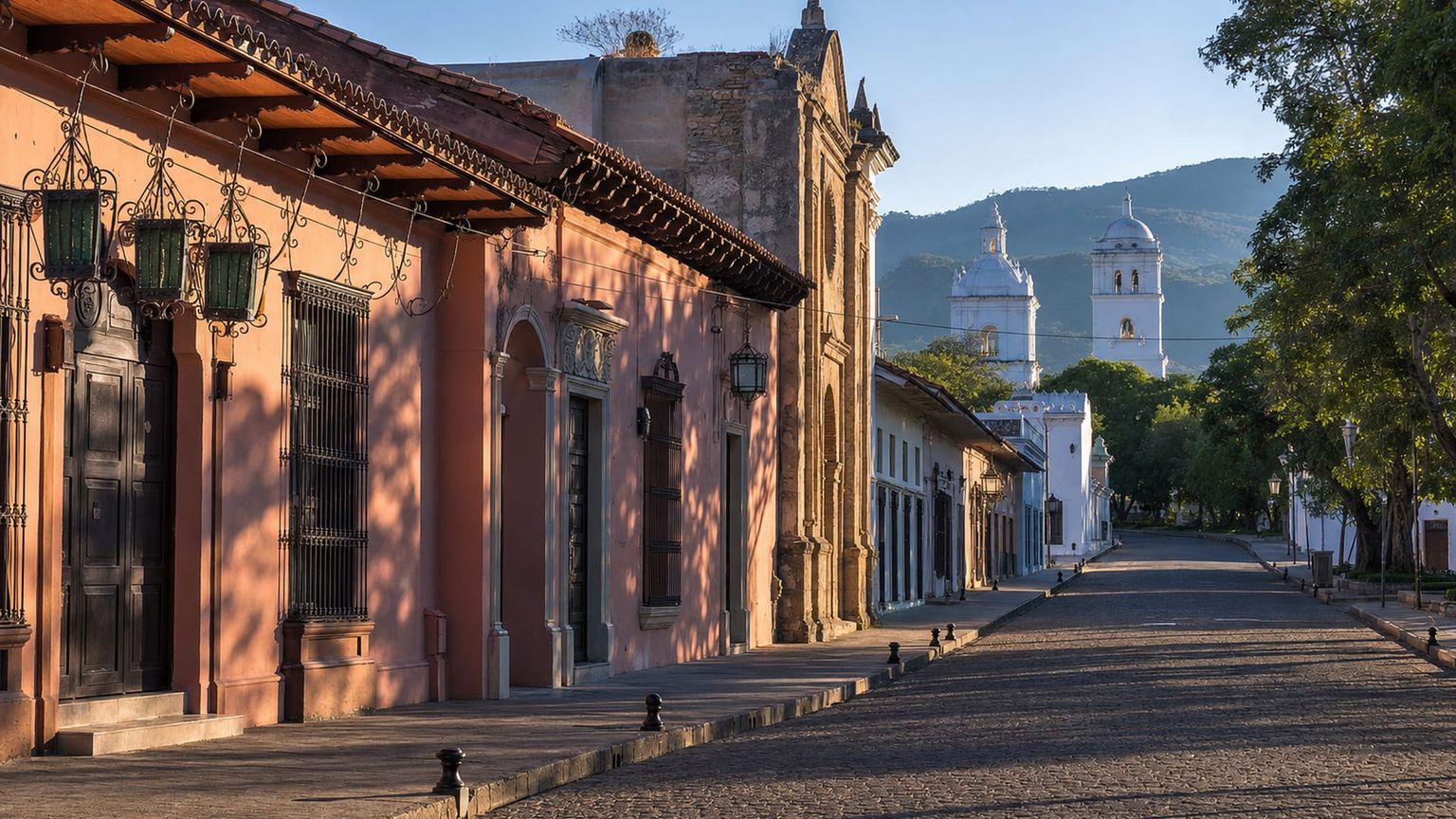
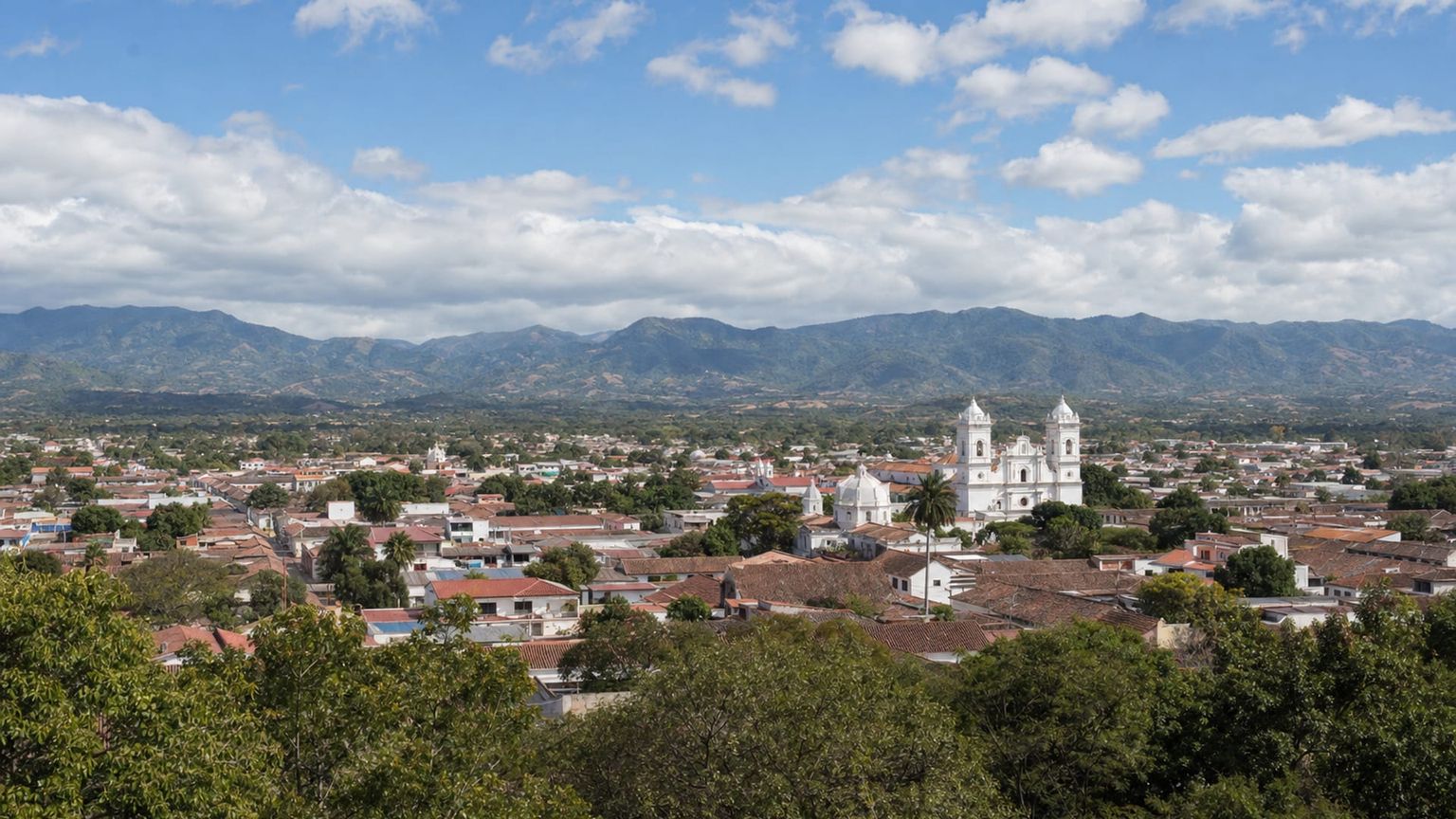
Comayagua’s historic center places you by the cathedral, arcades, and the main plaza, with most of the city’s heritage sights in easy reach. It suits travelers who want to step out to churches, cafes, and colonial streets without depending on long taxi rides.
Best for: Sightseeing, short stays, and travelers who want the main heritage zone at the door
What to expect: Daytime brings steady foot traffic, market activity, and school and office movement. Evenings are quieter after shops close, with a few people around the plaza.
Hotel prices: Usually about L1,000 to L2,000 (~$40 to ~$80) per night for well-rated stays
Distance to major sights: 5 to 10 minutes on foot to the Cathedral of the Immaculate Conception; roughly 10 minutes on foot to the central plaza
Quietness: Busier and noisier by day, then notably calmer after sunset
Main trade-off: You pay more for the central address, and some streets can feel lively or noisy near the plaza.
Good to know: Late-night dining choices are limited, so plan dinner earlier if you want to stay within walking distance after dark.
Travelers usually avoid staying in the outskirts south of the center near the airport road, which sit well away from Comayagua’s colonial core and leave you dependent on taxis for evening outings. The same goes for the more isolated residential edges east and west of the historic center, where visitor amenities are limited and walks to the main plaza, cathedral, and museums are less convenient after dark.
Hotel deals
How to get around Comayagua efficiently
With no metro or suburban rail, Comayagua works best as a mix of walking in Centro Histórico, taxis for the short hill and airport hops, and local buses for low-cost cross-town trips.

Metro
for longer distances
Comayagua has no metro or suburban rail, so travelers rely on road transport and taxis for trips from Comayagua (XPL).

Bus and tram
for convenience
Local buses link Comayagua with the main bus terminal, nearby neighborhoods, and intercity departures; fares are usually about $0.50 to $1.00, paid in cash, and most rides last 10 to 30 minutes depending on traffic and stops.

Taxi
for convenience or late hours
Licensed taxis in Comayagua typically use negotiated or zone-based fares rather than meters, with short city trips costing about $3 to $6 and transfers to Comayagua (XPL) about $8 to $12; agree on the price before departure, and drivers usually take cash in U.S. dollars or lempiras.
*Prices are based on rates updated as of June 2026 and may change at the time of travel.
Walk for the cathedral area, take taxis for La Campa and Comayagua Airport (XPL), and use buses when price matters more than direct routing.
Iconic landmarks
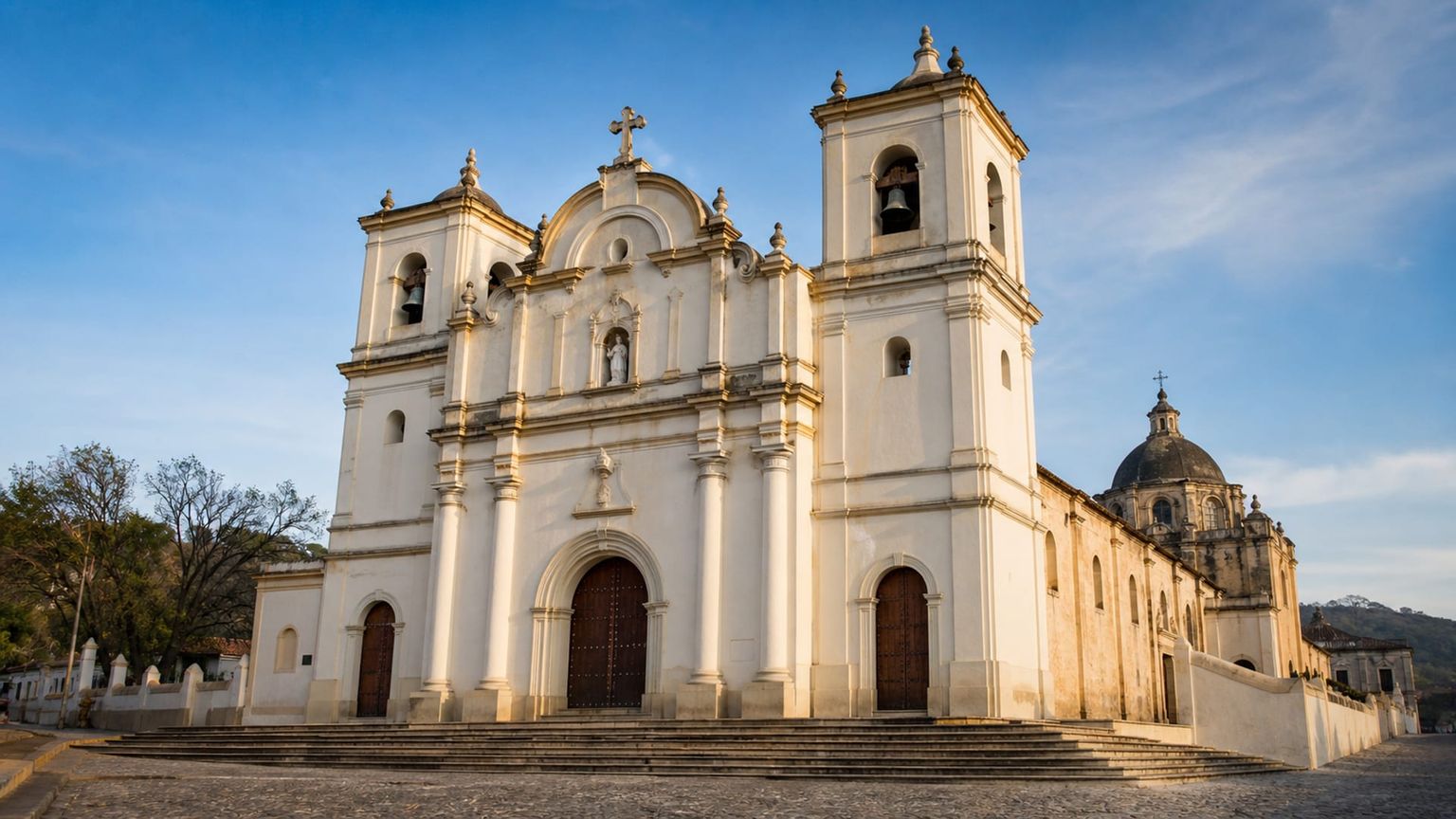
Cathedral of the Immaculate Conception
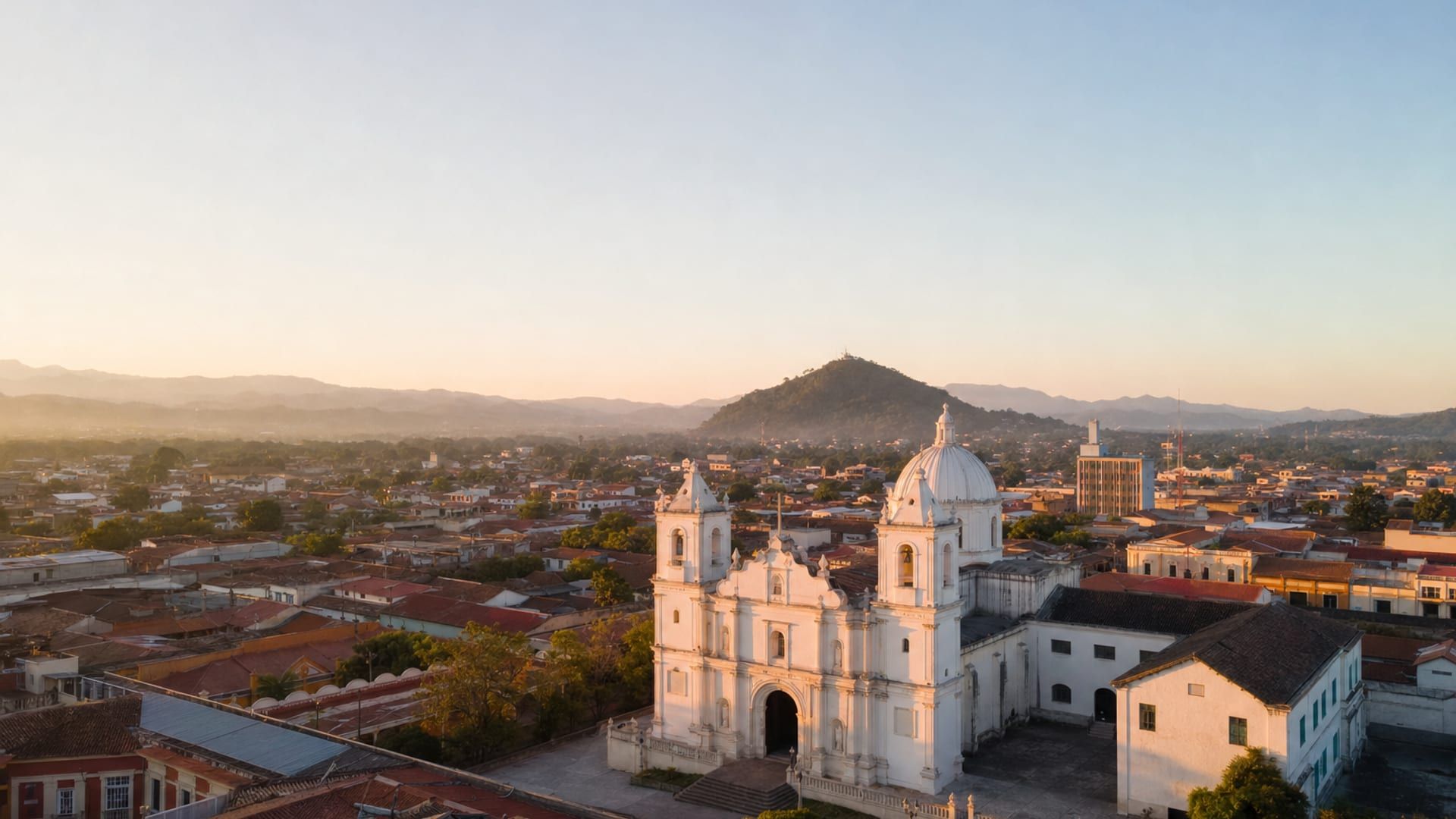
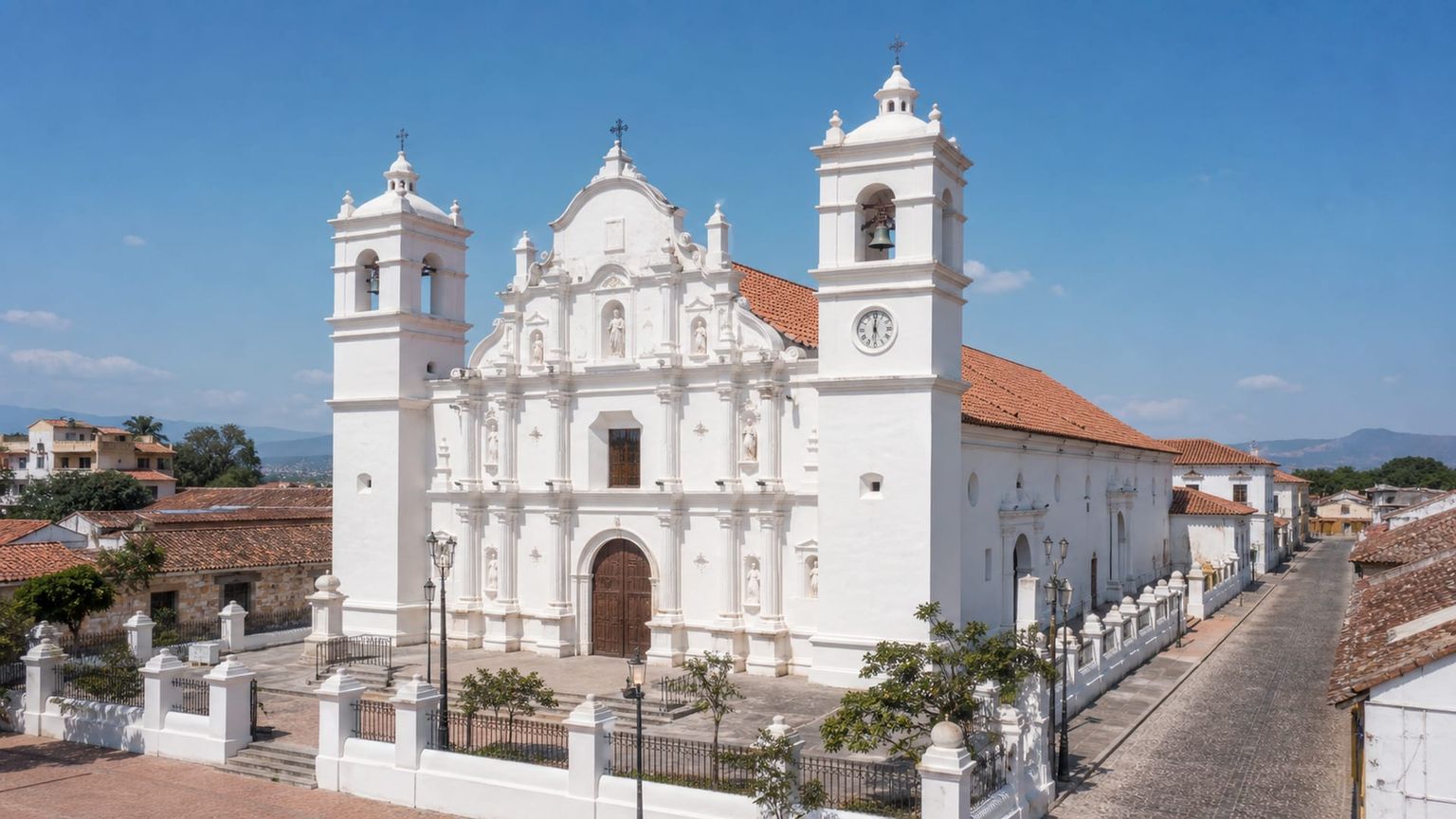
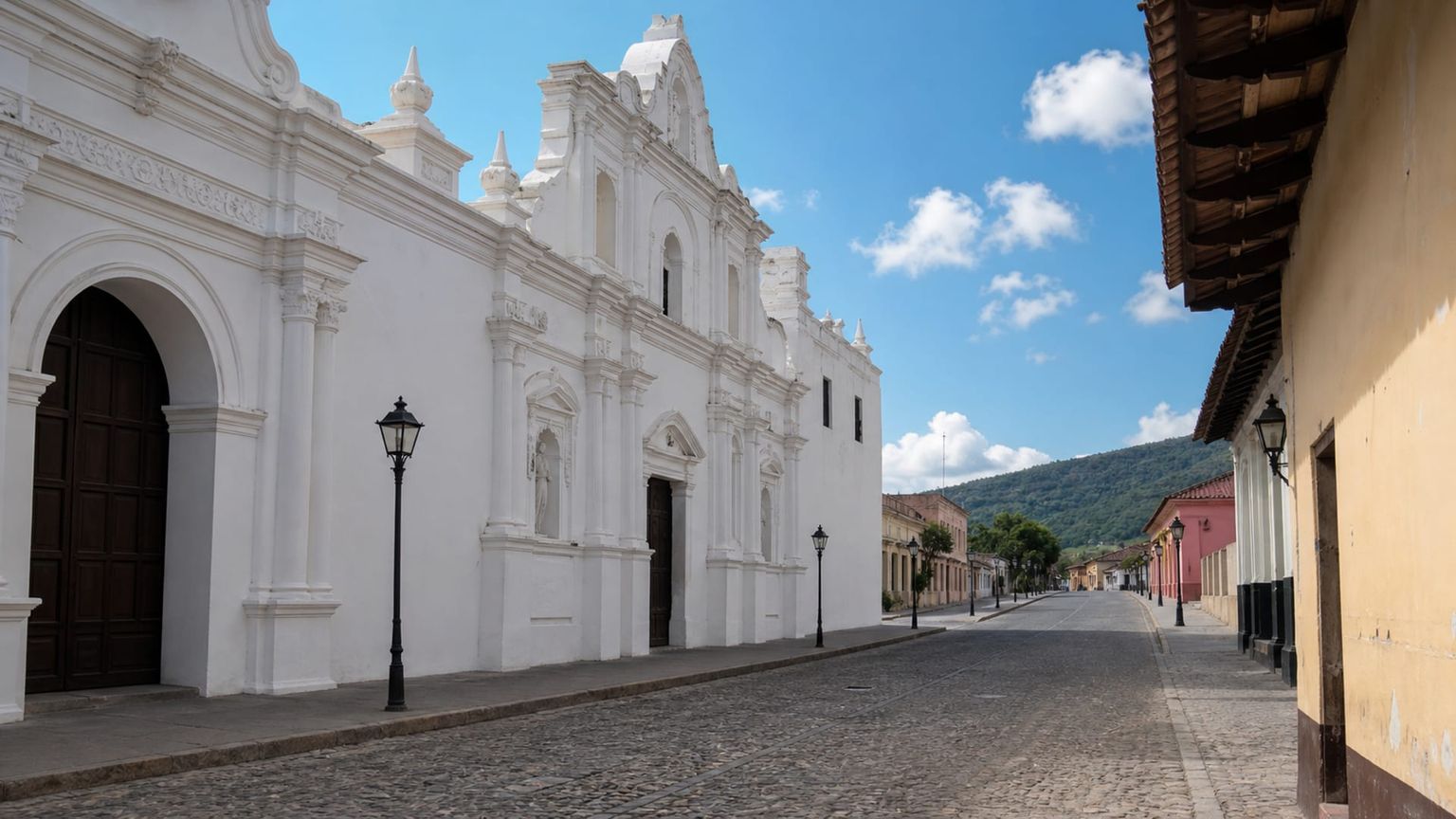
Comayagua’s main cathedral pairs a 17th-century facade with one of the oldest working clocks in the Americas, made in the Islamic world and installed in the tower. Its central plaza setting makes it an easy anchor for a historic walking circuit.
Time needed: About 45 to 60 minutes
Entry: Free to enter the cathedral; donations are welcome. Tower access, when offered, may carry a small separate charge for local maintenance and guided oversight.
Tip: Visit near noon for the clearest look at the facade and the clock tower details in full light.
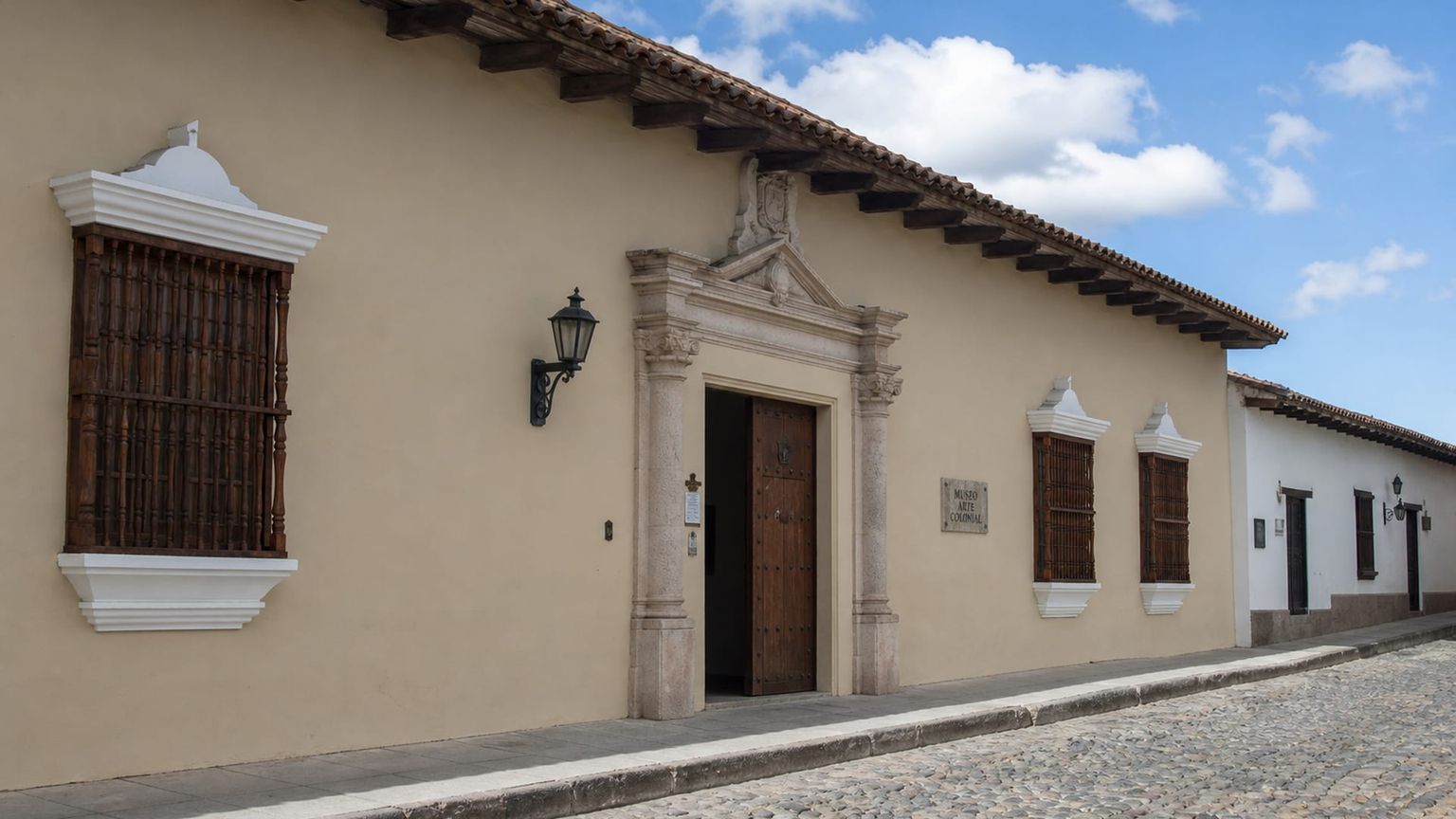
Museum of Colonial Art, Comayagua
Set in a former convent, this museum holds religious paintings, carved altarpieces, and colonial-period objects linked to the city’s church history. The rooms are compact, so you can cover the collection in a single unhurried visit.
Time needed: About 1 to 1.5 hours
Entry: Admission usually costs about $2 to $4 (about L50 to L100), depending on current local rates and any special exhibition access.
Tip: Go earlier in the day, when the rooms are quieter and the light is better for viewing the paintings.
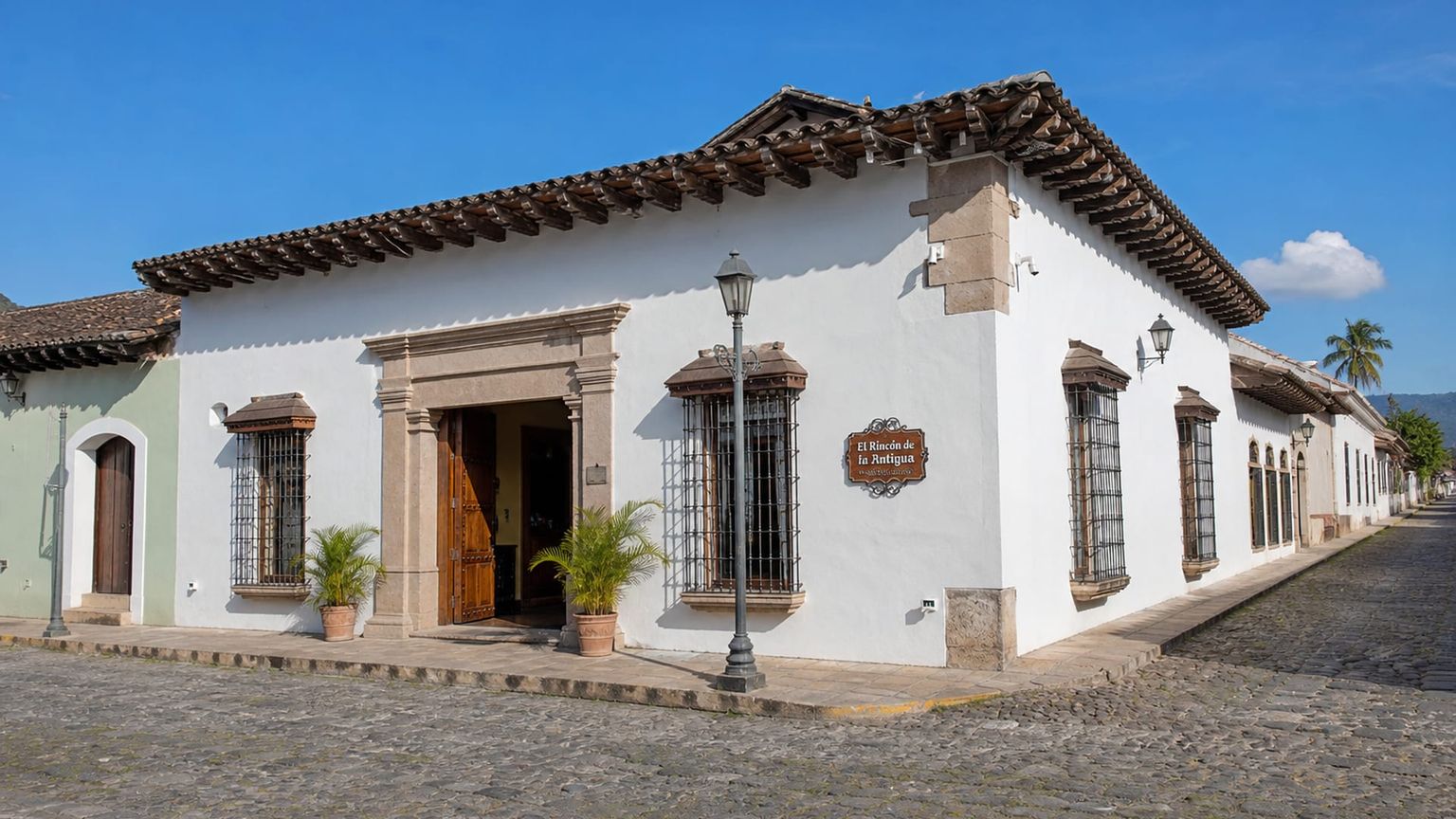
El Rincón de la Antigua, Comayagua
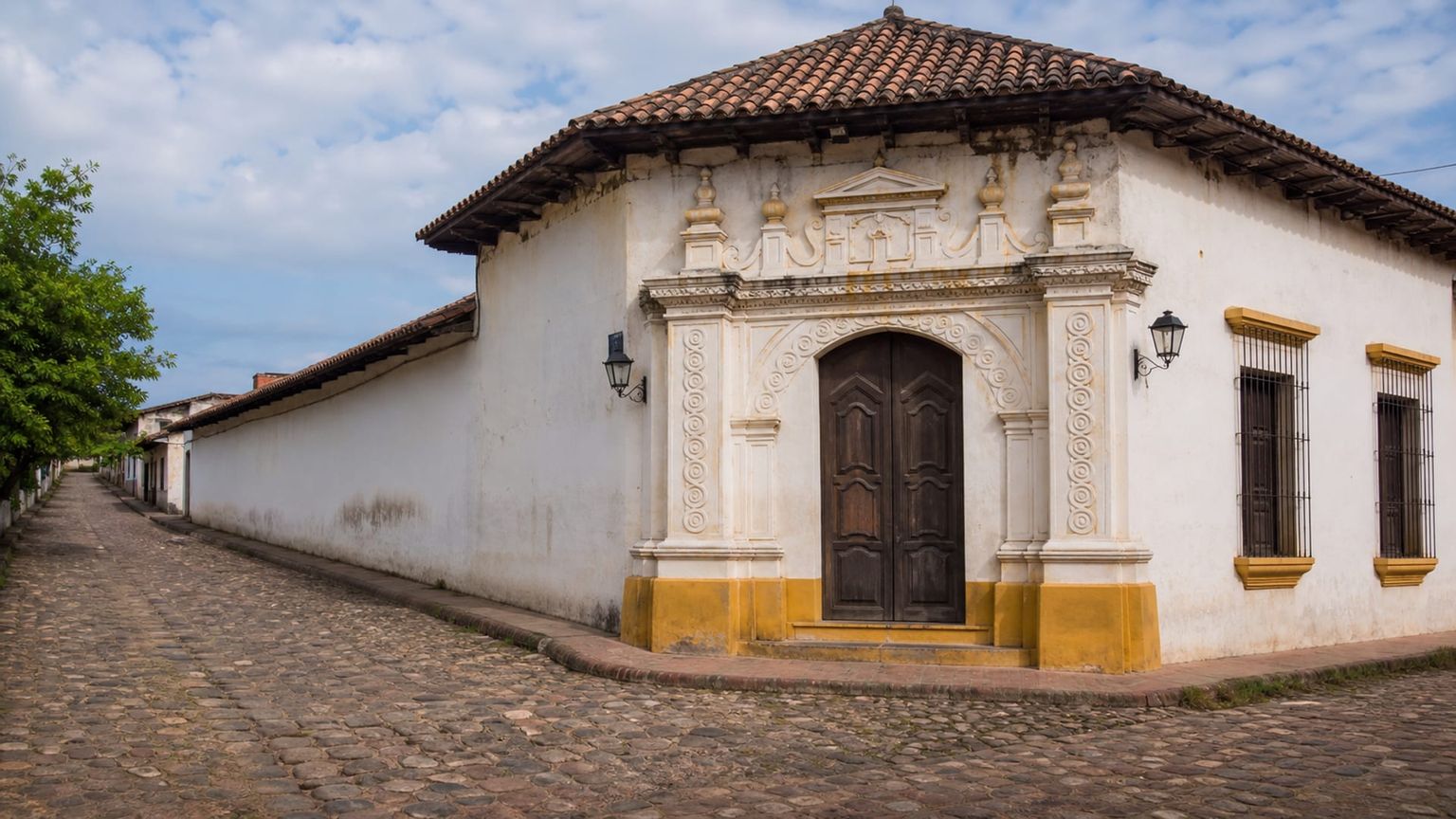
This restored colonial house near the center presents traditional architecture, tiled patios, and local history exhibits in a smaller, more domestic setting. It gives a clear sense of how elite homes in Comayagua were arranged in the colonial era.
Time needed: About 1 hour
Entry: Admission usually costs about $1 to $3 (about L25 to L75), with occasional discounts for children, students, and local residents.
Tip: Late morning works well, since the patio light shows the tilework and wood details best.
Overlooked sites worth visiting

La Campa neighborhood and San Isidro church
Walk the hillside streets for low-key colonial houses, then step inside the 18th-century San Isidro church, one of Comayagua’s oldest parish buildings. The area sees light foot traffic and easy photo stops.
Time needed: About 1 hour
Entry: Free to access; church donations are optional and any small voluntary contribution goes directly to upkeep and local parish work. No timed admission is posted for the surrounding neighborhood.
Tip: Go late afternoon for softer light on the white facades.

Comayagua Cathedral Museum
This compact museum beside the cathedral shows religious art, liturgical objects, and old city documents in a few small rooms. It gives a quick read on Comayagua’s colonial history without a long visit.
Time needed: About 45 minutes
Entry: Admission is usually about $3 to $5 (about L74 to L123), paid on site. Prices can vary for special exhibits or guided access, and children sometimes pay less than the standard adult rate.
Tip: Pair it with the cathedral square when the doors are open.
Traditional food
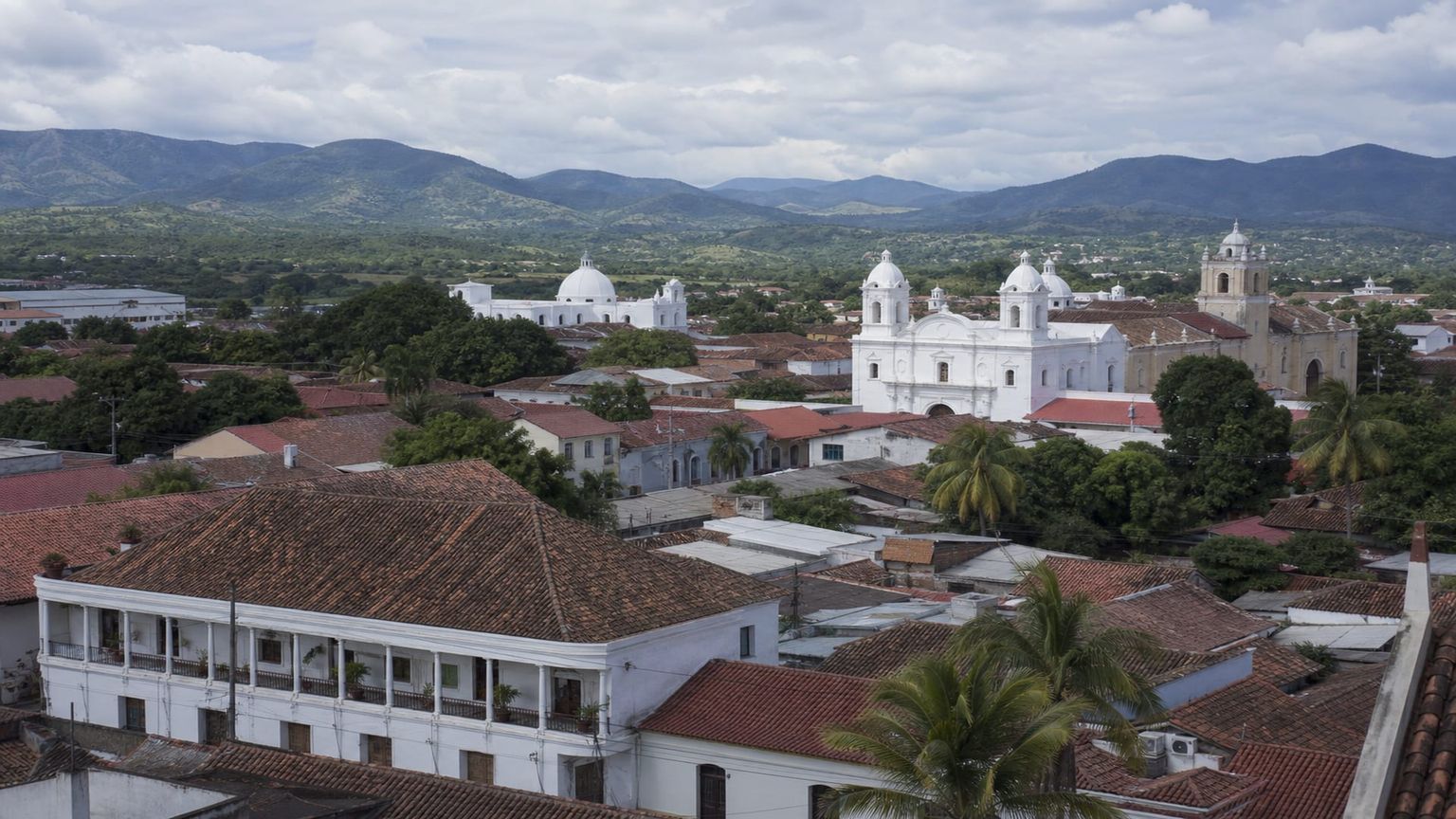
Comayagua’s table leans on corn, broth, and fried comfort: baleadas, sopa de caracol, pastelitos, and pollo con tajadas. Meals are simple, filling, and often timed to the city’s early dining hours.
Baleadas
Thick flour tortillas folded with beans, cheese, and often eggs or avocado make this the city’s everyday breakfast staple. Comayagua Cocina Hondureña serves a classic version that fits the local morning routine.
Sopa de caracol
This coconut-and-seafood soup brings a richer, briny side to Honduran cooking, with broth that rewards a slow lunch. Restaurante El Portal is a strong local stop for a traditional bowl.
Pastelitos
These crisp stuffed turnovers usually show up as a snack or light meal, with a savory filling that pairs well with coffee or fruit drinks. Comedor La Plaza is a natural place to order them in the historic center.
Pollo con tajadas
Fried chicken served over sliced, crisp plantains is one of the city’s most common lunch plates and often arrives with cabbage slaw and sauce. Restaurante El Rincón HN is a dependable place to order it in Comayagua.
Best time to visit Comayagua
Comayagua’s best months bring dry days and clearer walks through the center, while the wet season can still work if you plan museums and shorter outdoor stretches around the showers.
Best for: Best for dry sightseeing and the clearest cathedral and plaza walks
What you get: About 68 to 82°F (20 to 28°C), with comfortable daytime traffic and generally manageable visitor numbers
Trade-offs: Evenings can cool down after sunset, so light layers help
Best for: Best for warm mornings, church visits, and neighborhood walks
What you get: About 72 to 90°F (22 to 32°C), with moderate crowds and hotter afternoons by late spring
Trade-offs: Heat builds quickly, especially on open plaza and hillside routes
Best for: Best for indoor museums and flexible half-day planning
What you get: About 70 to 86°F (21 to 30°C), with lighter daytime crowds but more rain interrupts
Trade-offs: Afternoon showers can shorten outdoor time and slow taxi trips
Best for: Best for quieter streets and unhurried museum visits
What you get: About 68 to 84°F (20 to 29°C), with fewer visitors and changing weather as the rains ease
Trade-offs: Some days still bring showers, so you need backup indoor plans
A realistic 5-day plan in Comayagua
Five days gives Comayagua enough time to settle into the center, add a hillside morning, and return to the main square without rushing from one landmark to the next. The plan below keeps the days close to the city’s actual layout.
Land at Comayagua Airport (XPL) and take a taxi into Centro Histórico, usually about 15 to 20 minutes and roughly $8 to $12. Check in near the cathedral and plaza, then keep the rest of the afternoon unhurried with water, a short walk around the square, and an early dinner at a cafe or comedor in the historic center before the streets quiet after dark.
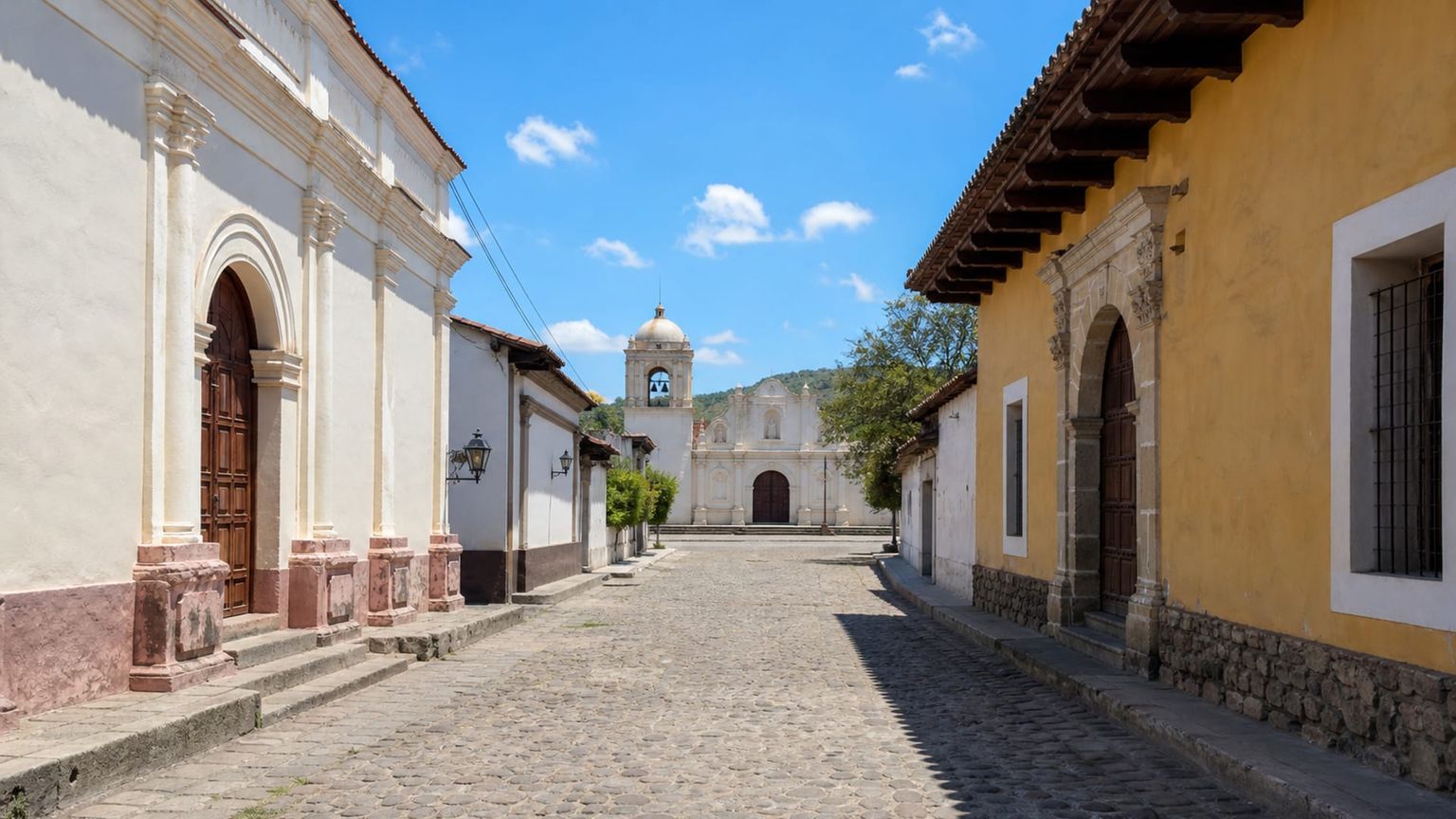
Start at the Cathedral of the Immaculate Conception, about 5 to 10 minutes on foot from most Centro Histórico stays, and spend roughly 45 to 60 minutes taking in the facade, clock tower, and plaza setting. From there, walk about 2 minutes to the Comayagua Cathedral Museum for a quick look at religious art and old city documents, then continue about 5 minutes more to the Museum of Colonial Art, Comayagua, where the former convent rooms reward a longer visit of about 1 to 1.5 hours. Finish with a late lunch back near the plaza, where you can sit close to the main pedestrian activity before heading home on foot.
A hillside morning in La Campa neighborhood and San Isidro church gives you a quieter counterpoint to the central plaza. Plan about 10 to 15 minutes by taxi from Centro Histórico, then spend roughly 1 hour walking the whitewashed streets, pausing for photographs before entering the 18th-century church. Return toward the center for lunch, then divide the afternoon between the restored rooms of El Rincón de la Antigua, Comayagua, which takes about 1 hour, and an easy coffee stop back near the historic core.
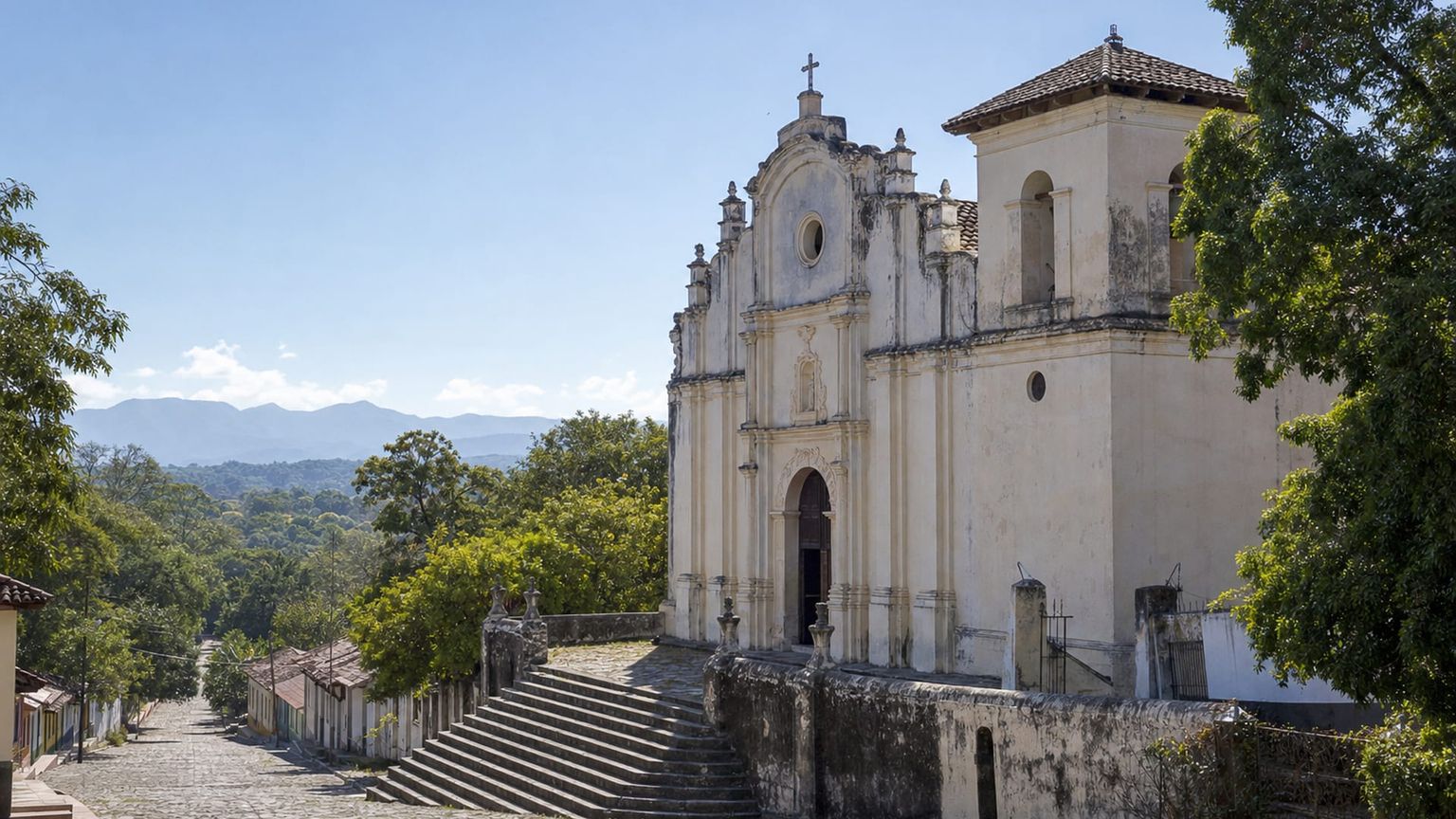
Begin with the Museum of Colonial Art, Comayagua if you skipped it earlier, or return there for a second look, then walk about 5 minutes to the cathedral square for the Comayagua Cathedral Museum, which needs about 45 minutes. After that, spend the rest of the morning revisiting the Cathedral of the Immaculate Conception and nearby arcades, then take a taxi about 10 minutes to La Campa neighborhood and San Isidro church for softer late-afternoon light on the facades. This pairing keeps the day anchored in the city’s colonial architecture while limiting transit to short hops.
A final morning in Centro Histórico works well for a last museum stop, a slow pass through the cathedral square, and a little shopping in the central streets for snacks or small souvenirs. If you want one more quiet break, settle into a cafe near the plaza in the historic center, where you can sit for a coffee before collecting your bags and heading back to Comayagua Airport (XPL), usually about 15 to 20 minutes away by taxi.
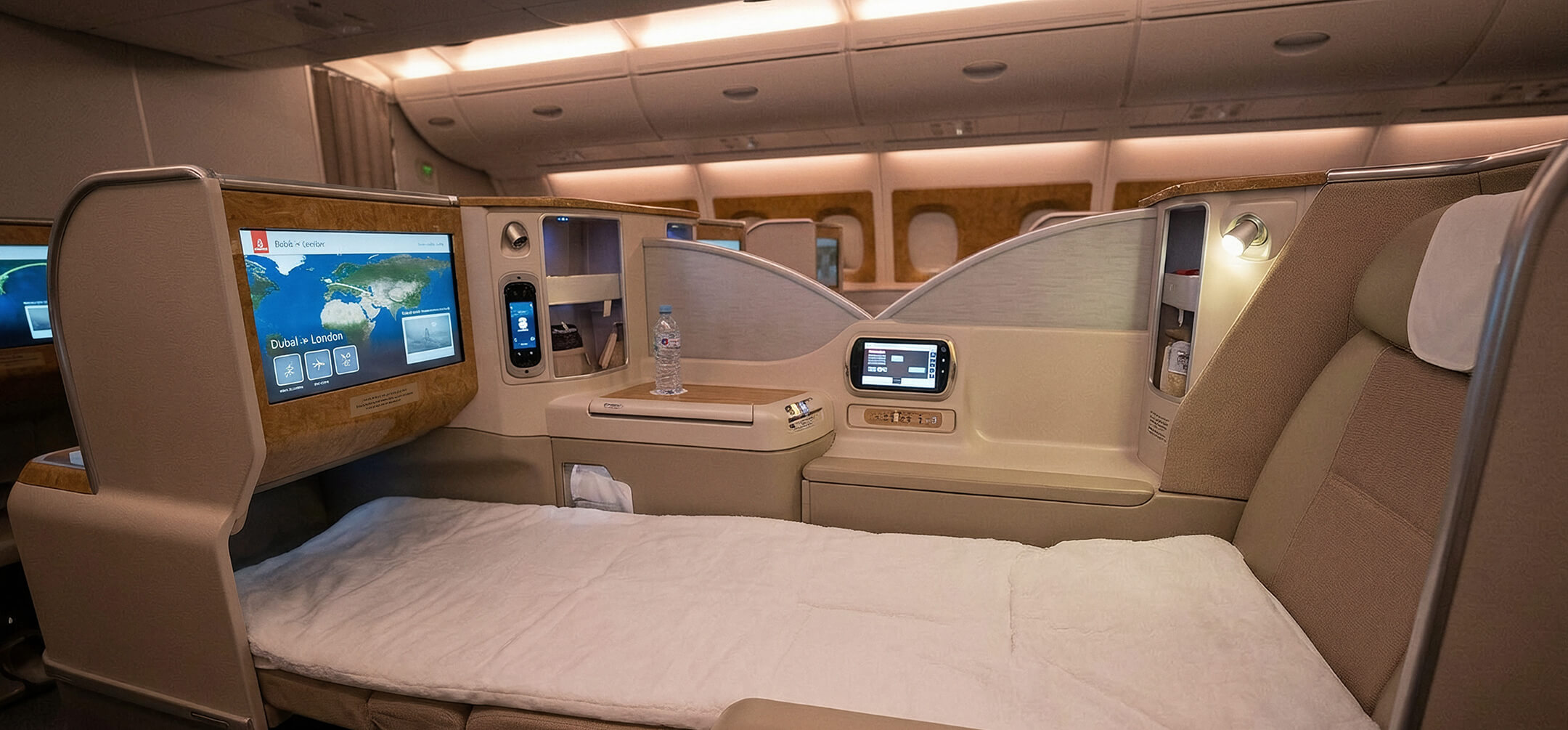
Business-class flights from the US to Comayagua
Flights to Comayagua usually connect through major hubs, so the most useful comparison is the route pattern, the connection time, and how the fare bands shift between the East Coast and West Coast. The two examples below show the typical options from New York and Los Angeles.
From New York, American Airlines, Delta Air Lines, United Airlines, Avianca, and Copa Airlines usually route you through Miami, Panama City, Houston, Mexico City, or San Salvador, with trip times of about 8 to 15 hours. Business fares from New York usually run from $1,700 to $3,800 round-trip; if you don’t mind a layover, common routings via Panama City or Miami take 8 to 15 hours and often reduce the cost.
Los Angeles itineraries are longer, and American Airlines, United Airlines, Avianca, Copa Airlines, and Delta Air Lines typically connect through Miami, Panama City, Houston, Mexico City, or San Salvador. Round-trip fares from Los Angeles start at $1,500 and often reach $3,500, with one-stop itineraries via Panama City, Miami, or Houston filling most schedules.
Comayagua feels different when you slow down
A thoughtful Comayagua trip spends its time in Centro Histórico, then adds La Campa when the light softens and the hillside streets turn quieter. You move mostly on foot, with short taxi rides to the airport and the church neighborhood, and you keep meals close to the plaza so the day does not sprawl. If you want help shaping that pace, the AranGrant experts can line up the city around the cathedral, the museum stops, and the best time to arrive in the center