

Chapters:

Need help with your trip?
Our support team is available 24/7. Request a callback or call us directly at (833) 619-0908
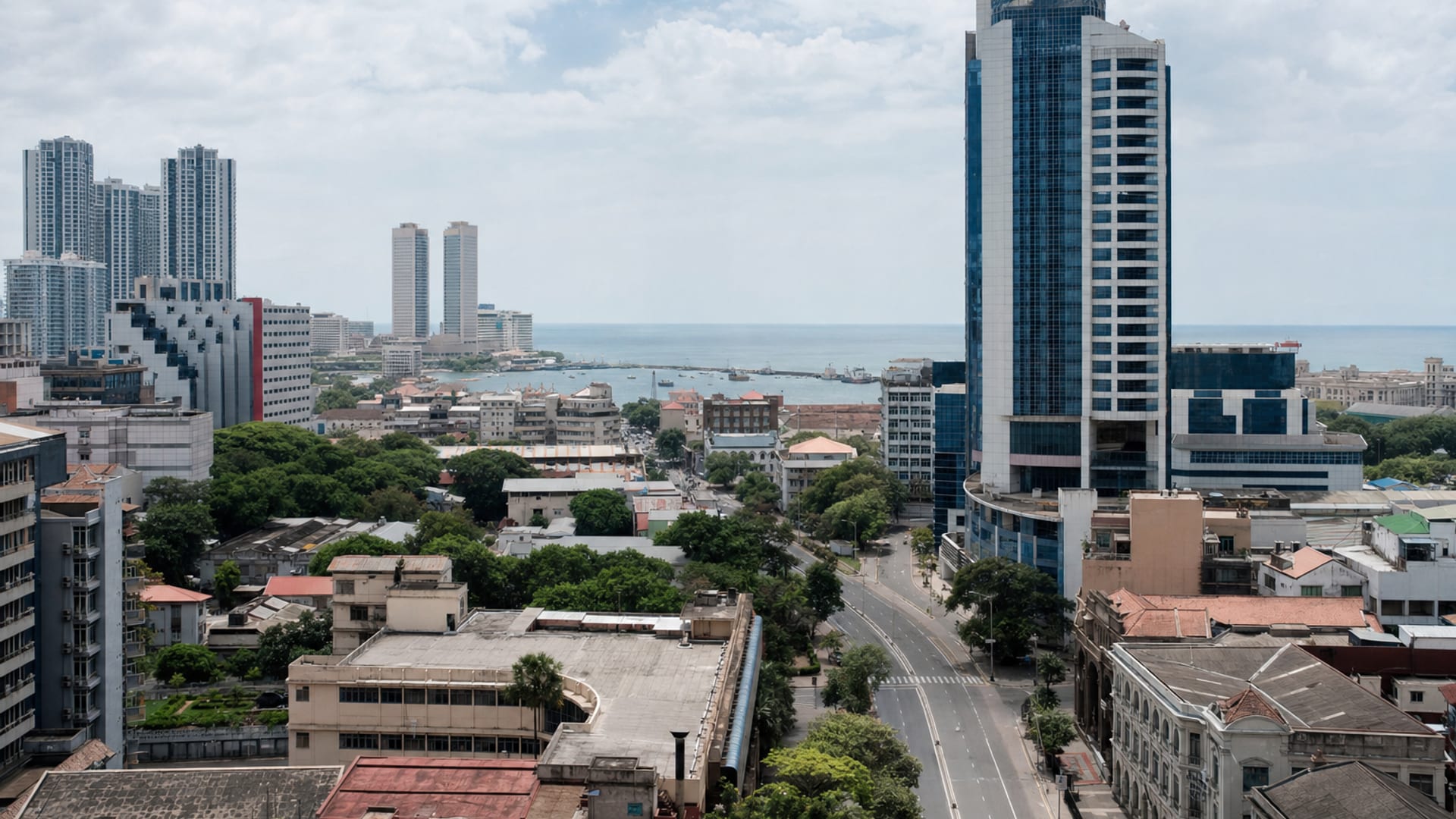
Colombo itineraries often begin and end with Fort, Galle Face, and a fast taxi from the airport, while Pettah, Cinnamon Gardens, and the lakeside neighborhoods stay on the margins. Travelers see the main landmarks, then lose time to traffic or long cross-town hops.
That approach misses how close the city can be when you group sights by district, yet Colombo still punishes random movement with busy roads, scattered attractions, and a pace that changes block by block.
This guide keeps the focus on neighborhoods, short transfers, and the order that makes each day work on the ground.
Useful things to know

Main language(s): Sinhala, Tamil
ආයුබෝවන් (A-yu-bo-wan) – Hello / good morning
කරුණාකර (ka-ru-NAA-ka-ra) – Please
ස්තූතියි (sthoo-THOO-yi) – Thank you
ඔබට ඉංග්රීසි කතා කළ හැකිද? (o-ba-ta in-GREE-see ka-THAA ka-la ha-KA-ki-da) – Do you speak English?
මේක කීයද? (ME-ka KEE-yah-da) – How much does it cost?

Currency: The local currency is the Sri Lankan rupee (LKR, Rs).

Cash and cards: Cards and contactless are accepted in many hotels, malls, and restaurants; carry about LKR 5,000 to 10,000 ($16 to $33) in cash.

Tipping: Round up small bills, and leave about 5-10% in nicer restaurants if service is not included.

Traditional food: Rice and curry, hoppers, kottu roti, fish ambul thiyal

Water and coffee costs: Water about LKR 150 to 300 ($0.50 to $1), bar espresso about LKR 500 to 900 ($2 to $3).

Taxis and ride apps: PickMe and Uber operate here; confirm the fare before you set off.

Plug and voltage: Type D/M/G socket, 230V

Dining and shop opening hours: Breakfast is about 07:00-09:00, lunch 12:00-14:00, and dinner 19:00-22:00. Many restaurants close early on Poya full-moon days.

Emergency number: Dial 119 for police and 1990 for ambulance.
Where to stay in Colombo
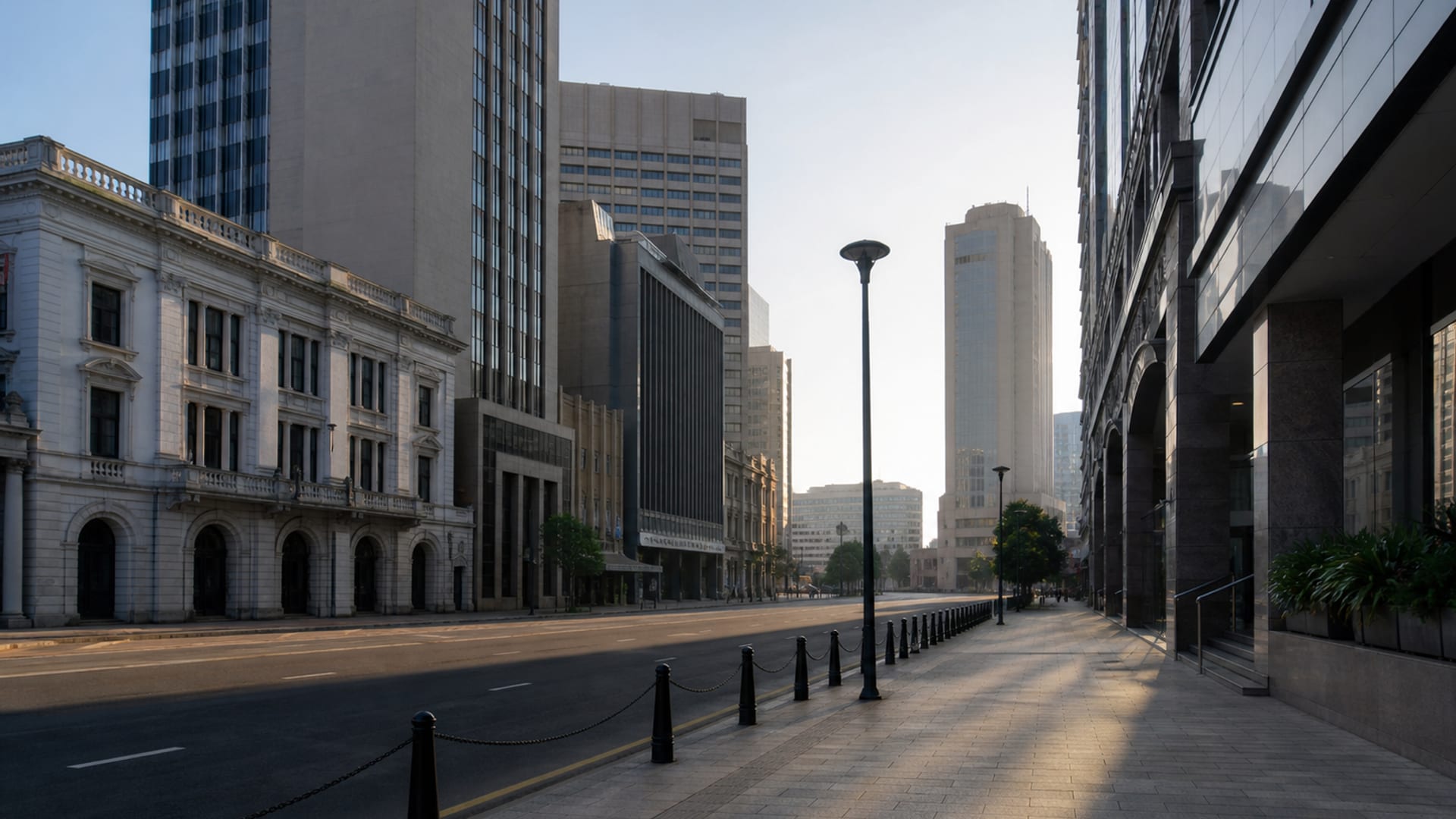
Colombo’s historic center, Fort puts government offices, banks, and restored colonial buildings beside the port. It works well if you want the city’s main transit links, museums, and a short ride to the Galle Face waterfront.
Best for: Business trips, short stays, and easy access to transit and the waterfront
What to expect: Weekdays bring office traffic and daytime footfall, then the district quiets after business hours, with a few hotels and restaurants still active.
Hotel prices: Usually about $60 to $180 per night for well-rated stays
Distance to major sights: 10 to 15 minutes by tuk-tuk to Galle Face Green, about 10 minutes on foot to Dutch Hospital Shopping Precinct
Quietness: Busy in the day, noticeably quieter in the evening once offices close
Main trade-off: You gain central access, but the area has fewer late-night dining options than Colombo’s livelier residential quarters.
Good to know: If you need train, bus, or port connections, this is the easiest place to base yourself, but book ahead because room stock is limited.
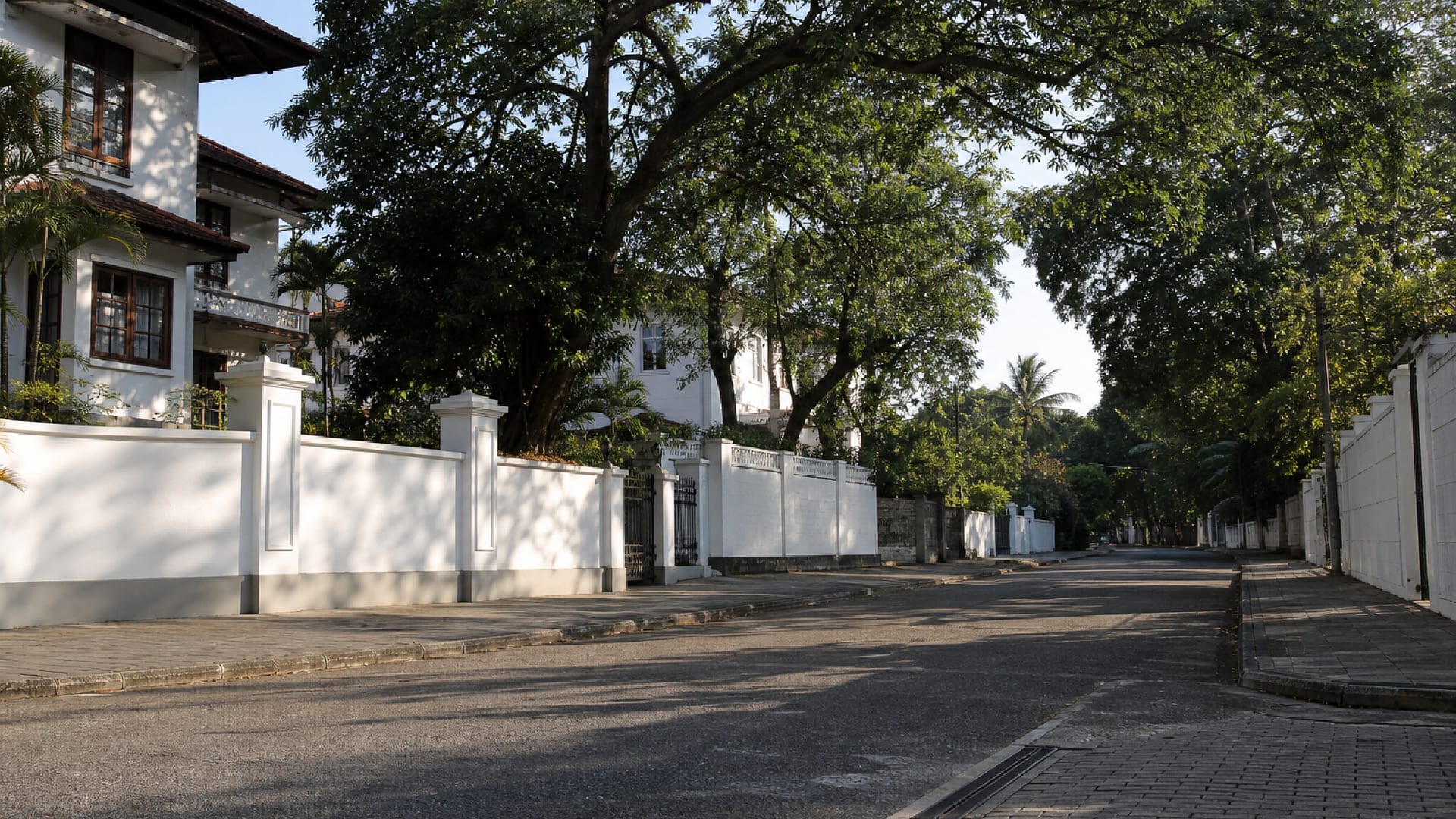
Cinnamon Gardens is Colombo’s leafier inner district, with embassies, parks, and large homes set along broad streets. It suits visitors who want a quieter stay within reach of museums, the National Museum, and central Colombo’s main sights.
Best for: Museums, embassy district access, and travelers who prefer residential streets
What to expect: Traffic moves steadily on main roads, while side streets stay calm and shaded, with cafes and restaurants spread out rather than clustered.
Hotel prices: Usually about $80 to $220 per night for well-rated stays
Distance to major sights: 5 to 10 minutes by tuk-tuk to the National Museum, about 15 minutes by car to Galle Face Green
Quietness: Quieter than the core commercial districts by day, and generally calm at night
Main trade-off: Stays often cost more here, and you will usually rely on short rides for most meals and sights.
Good to know: Supermarkets, cafes, and embassies are spread across the district, so location within the neighborhood affects how much you walk versus ride.
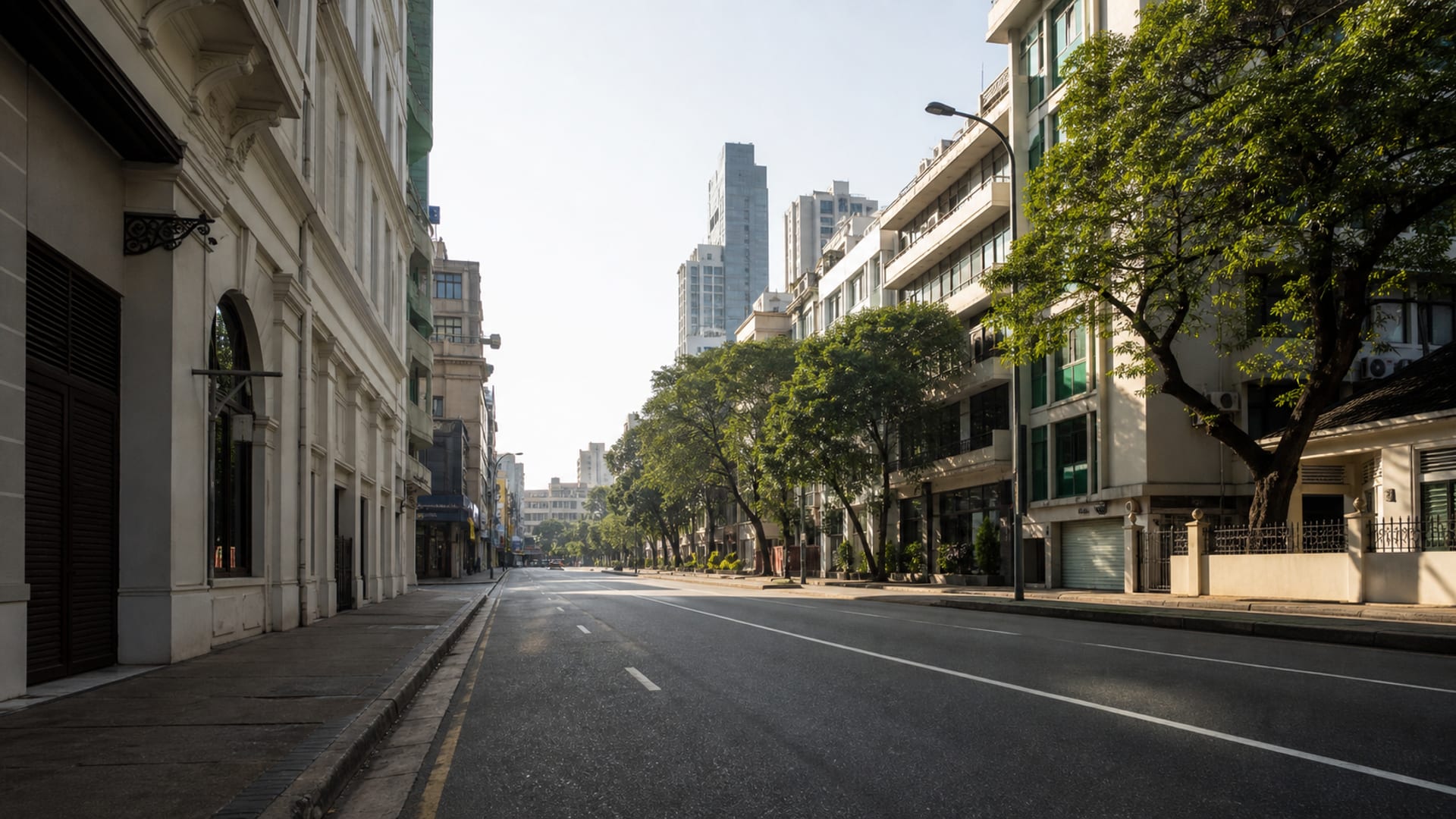
Kollupitiya sits between Fort and Cinnamon Gardens, with hotels, malls, offices, and seafront access all close together. It is one of the most useful bases for combining shopping, dining, and quick trips to Galle Face and central Colombo.
Best for: Shopping, dining, and travelers who want a central base near the seafront
What to expect: The main roads stay busy through the day and into the evening, with more traffic, more hotel activity, and a broad mix of visitors.
Hotel prices: Usually about $70 to $200 per night for well-rated stays
Distance to major sights: 10 minutes by tuk-tuk to Galle Face Green, about 15 minutes by car to Pettah Market
Quietness: Lively in the day and into dinner hours, then calmer on side streets late at night
Main trade-off: The location is central, but traffic can make short cross-town rides slower than they look on a map.
Good to know: Choose a hotel on a side street if you want easier sleep, since the main avenue stays active well past sunset.
Travelers usually avoid staying in Peliyagoda, Kelaniya, and Wattala, because they sit north of central Colombo, far from the Fort, Pettah, and Galle Face areas, and evening travel back from the city can be slow. The deep suburbs of Homagama and Kottawa are also less convenient for short visits, since they are far inland, have fewer visitor amenities, and add a long commute to the main sights.
Hotel deals
How to get around Colombo efficiently
Colombo has no metro, so most visitors move between districts by taxi, app car, tuk-tuk, train, or bus, depending on distance and traffic.

Metro
for longer distances
Colombo has no metro, so visitors usually rely on suburban rail for longer hops, with the main line linking Colombo Fort to stations such as Wellawatte, Dehiwala, and Mount Lavinia in about 10 to 25 minutes, depending on the stop. Trains run infrequently by urban standards, tickets are cheap at about $0.10 to $0.50 (LKR 30 to 150), and they suit cross-city journeys more than door-to-door trips.

Bus and tram
for convenience
The bus network covers Colombo densely, with key corridors from Fort and Pettah to Borella, Cinnamon Gardens, Wellawatte, Dehiwala, and the airport road, though vehicles often fill quickly. Fares usually run about $0.10 to $0.60 (LKR 30 to 180) for city trips, and you pay onboard in cash; express services on major routes cut time, but allow extra minutes for traffic and stops.

Taxi
for convenience or late hours
Licensed taxis and app cars in Colombo use metered or app-based fares rather than fixed citywide prices, and airport transfers from Colombo (CMB) commonly cost about $8 to $18 (LKR 2,400 to 5,400) to central Colombo, depending on traffic and vehicle type. You can hail curbside taxis at hotels, the airport, and major streets, while ride-hailing apps usually accept cards and cash; for short city trips, expect roughly $2 to $6 (LKR 600 to 1,800).
*Prices are based on rates updated as of June 2026 and may change at the time of travel.
Use tuk-tuks and ride-hailing for short hops, suburban rail for a quick cross-city link, and taxis or app cars when you are coming from the airport or crossing town with luggage.
Iconic landmarks
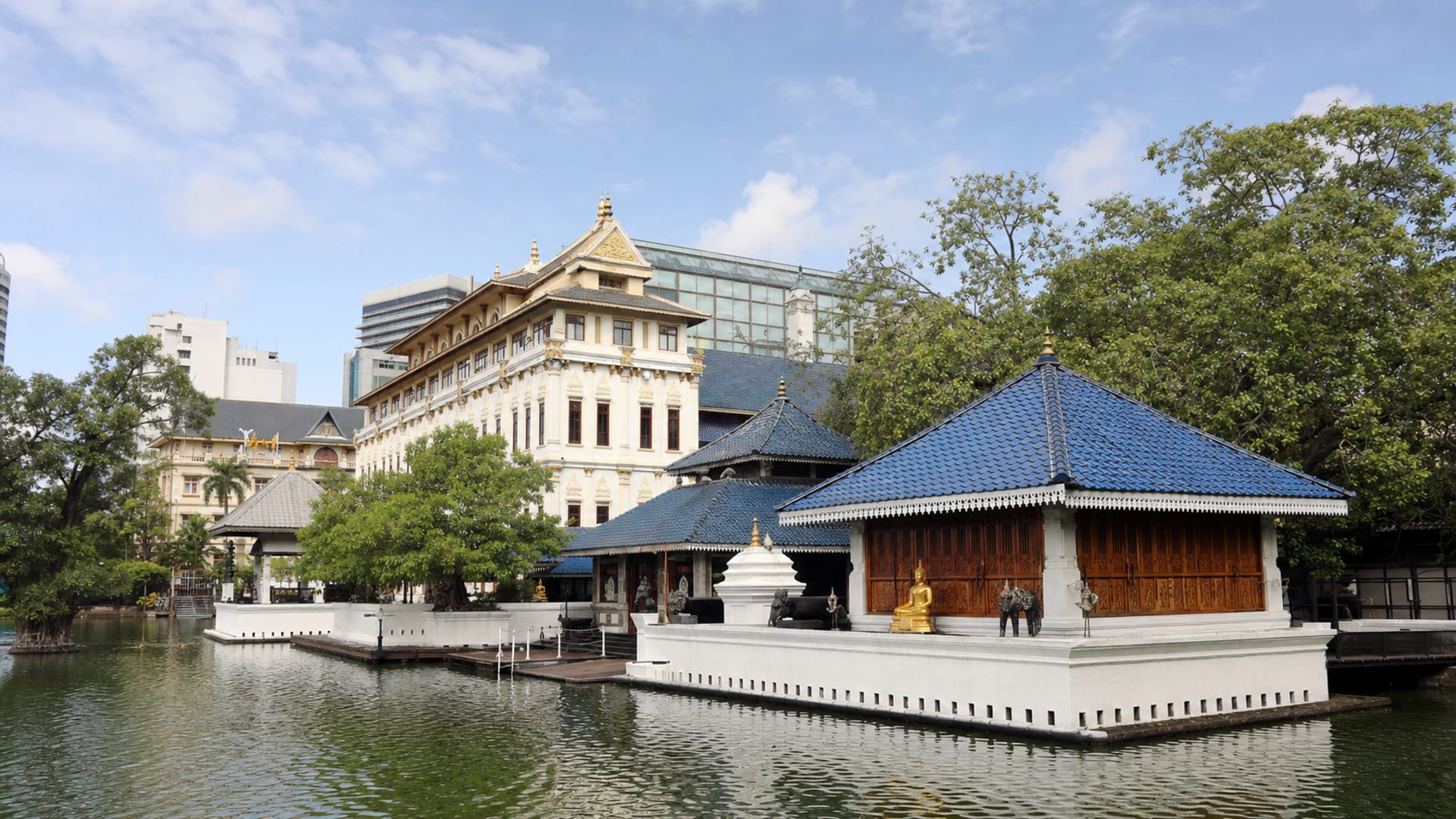
Gangaramaya Temple
Gangaramaya Temple combines a working Buddhist temple with a museum, library, and lakefront shrine on Beira Lake. Its halls hold Buddha images, gifts from devotees, and a dense mix of South Asian and East Asian styles.
Time needed: About 1 to 2 hours
Entry: Entry is by donation, with most visitors contributing about $2 to $5 (LKR 600 to 1,500) at the gate Visit the official site for details.
Tip: Visit early morning, when the courtyards are quieter and the light is softer for photos.
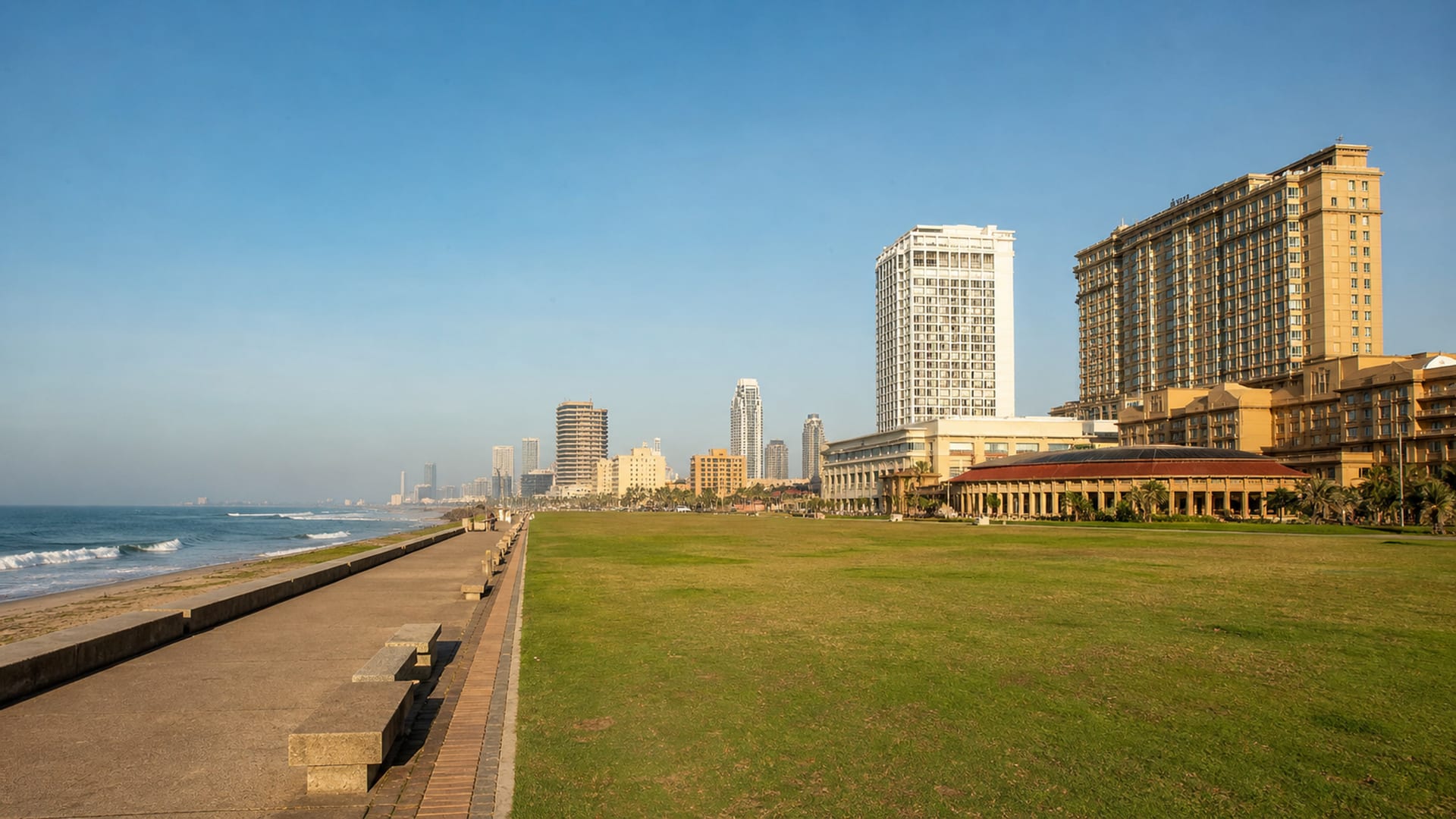
Galle Face Green
Galle Face Green is Colombo’s seafront promenade, a broad strip beside the Indian Ocean with kite flyers, snack carts, and sunset views. Locals come here for evening walks, street food, and the city skyline.
Time needed: About 1 to 2 hours
Entry: Free to access, with no ticket needed; food stalls, rides, and drinks are paid separately on site.
Tip: Go near sunset, then stay after dark for the busiest food stalls and sea views.
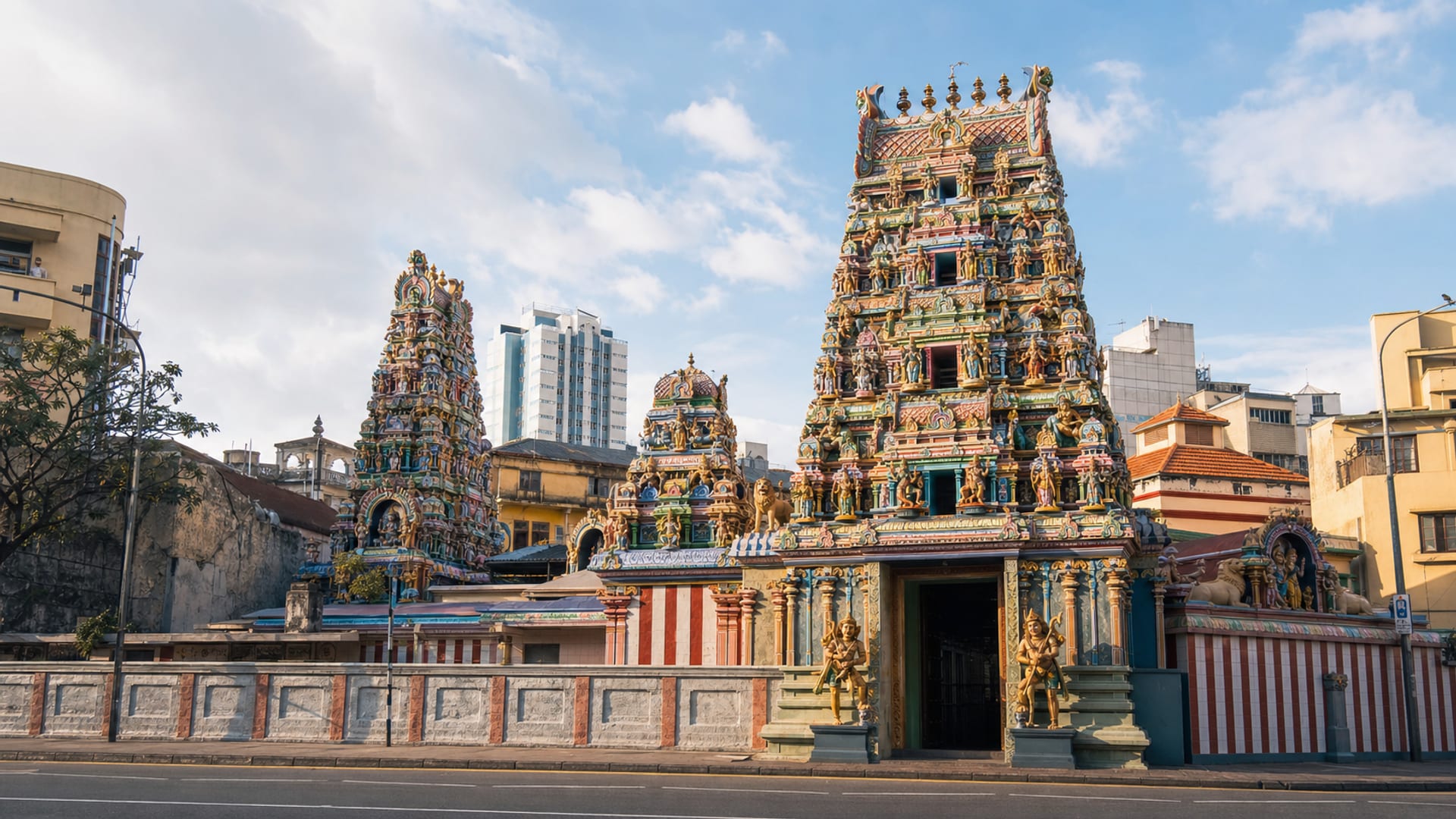
Sri Kailawasanathan Swami Devasthanam Kovil
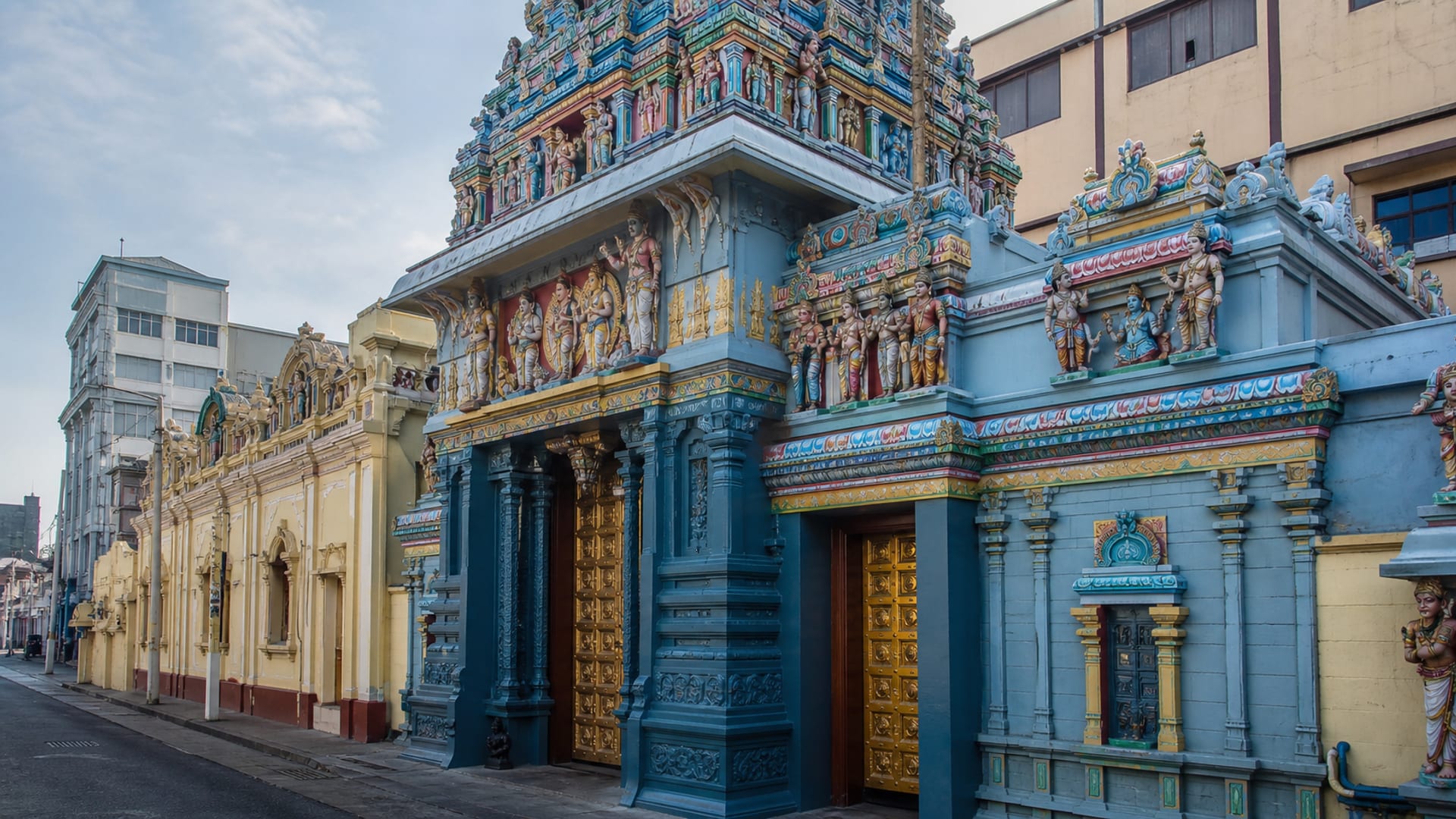
Sri Kailawasanathan Swami Devasthanam Kovil is Colombo’s oldest Hindu temple, known for its carved gopuram, painted deities, and ritual offerings in the Pettah area. It sits close to the city’s older commercial streets.
Time needed: About 45 minutes to 1 hour
Entry: Free to enter, though donations are welcome; photography rules may vary during prayer times.
Tip: Visit outside prayer hours so you can move through the shrine without interrupting worship.
Overlooked sites worth visiting

Dutch Hospital Shopping Precinct
Restored Dutch-era warehouses now hold cafés, bars, and small shops beside Colombo Fort. Its brick arcades, courtyards, and sea-facing edge make an easy stop between the port and Galle Face.
Time needed: About 1 hour
Entry: Free to enter; pay only for food, drinks, and any shopping you choose. Hours and crowd levels vary by venue, so check individual opening times before you go.
Tip: Go in late afternoon for shade and softer light.

Diyatha Uyana
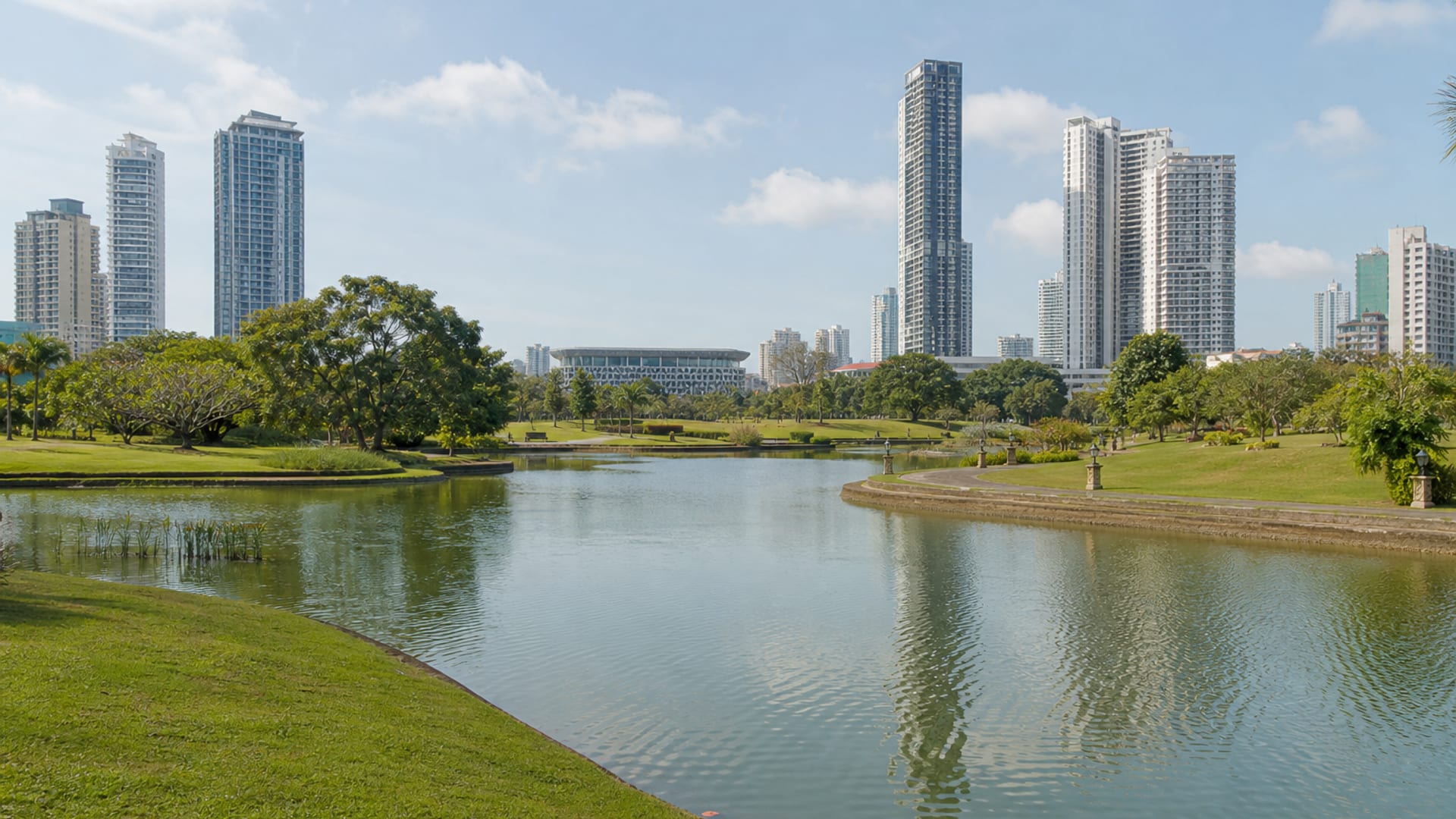
This lakeside park near Battaramulla stretches beside Beddagana Road with paths, gardens, and weekend stalls. Locals come for walks, birdlife, and sunset views over the water.
Time needed: About 1 to 2 hours
Entry: Free to enter. Some stalls, boat rides, and events cost extra, and opening times vary by section and day; confirm current hours before visiting if you want the full market area.
Tip: Visit near sunset, then stay for the evening market.
Traditional food
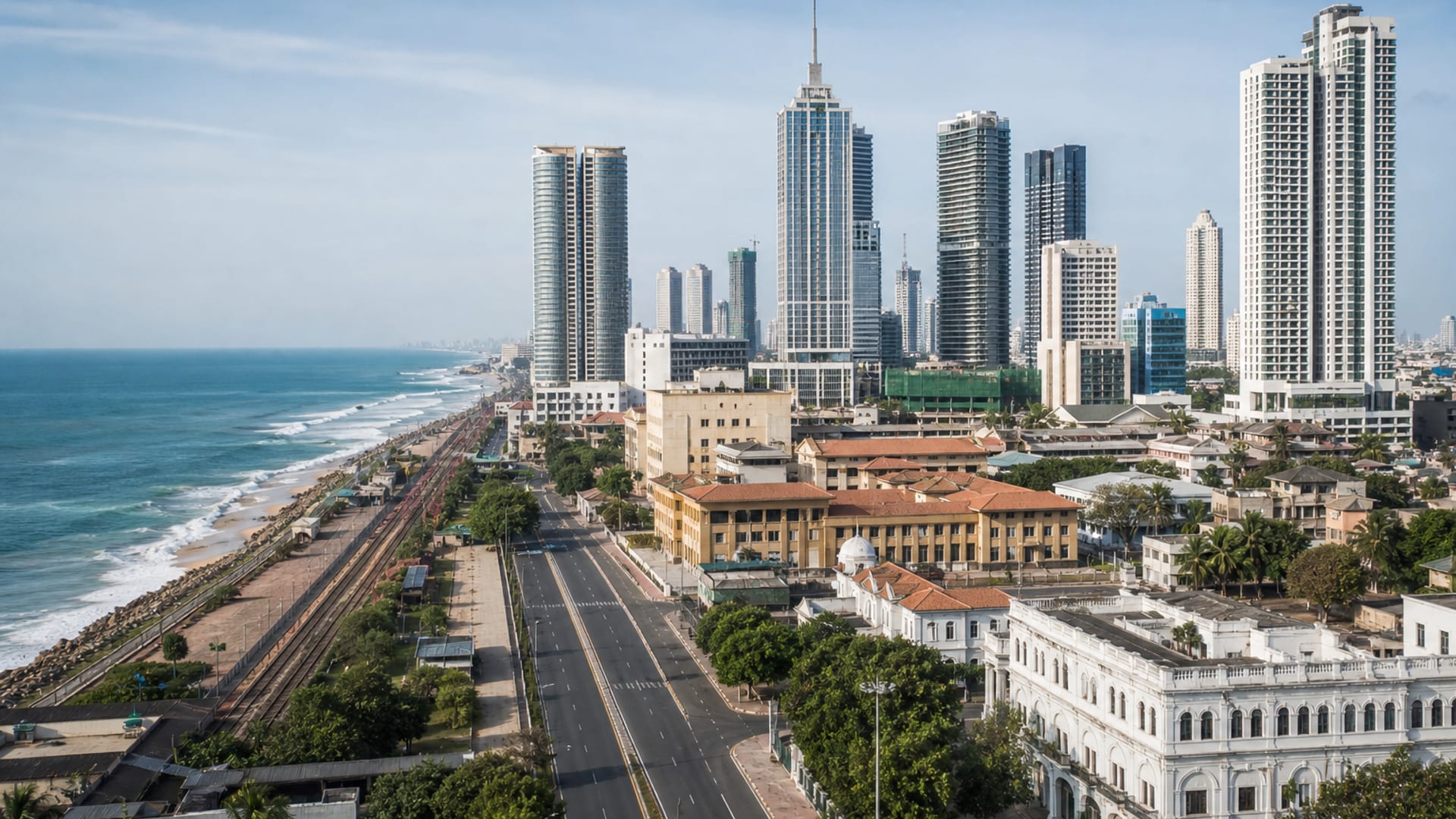
Colombo’s food leans on rice, coconut, chilies, and seafood, with hoppers, kottu roti, and fish curries anchoring everyday meals. Diners often mix street-side snacks with relaxed restaurant meals, then finish with tea or a cold drink.
Rice and curry
A Colombo staple built from rice, several vegetable sides, and a main curry, usually with bold spice and plenty of coconut. Ministry of Crab in the Dutch Hospital precinct is a strong canonical stop for a polished version that still leans on local flavors.
Hoppers
These bowl-shaped pancakes often arrive crisp at the edges and soft in the center, sometimes with an egg set into the middle. Upali’s by Nawaloka in Kollupitiya is a dependable Colombo address for a classic plate.
Kottu roti
Chopped roti, vegetables, egg, and often chicken or beef are worked together on a hot griddle until the dish is savory and filling. Pilawoos on Galle Road is one of the city’s best-known places to order it late in the day.
Fish ambul thiyal
This sour fish curry uses goraka for a sharp, concentrated flavor that pairs well with rice. Nuga Gama, inside Cinnamon Grand Colombo, serves a well-regarded version in a setting that suits a longer meal.
Best time to visit Colombo
Colombo stays warm year-round, but rain, humidity, and holiday crowds shift the experience enough that the best months depend on whether you want drier sightseeing or greener, quieter streets.
Best for: Dry weather, beach walks, and the cleanest sightseeing days
What you get: About 77 to 88°F (25 to 31°C), with the city busiest around holiday travel and school breaks
Trade-offs: Hotel rates and crowd levels can rise
Best for: Museums, food stops, and easier movement before the heaviest rains
What you get: About 79 to 91°F (26 to 33°C), with fewer visitors than peak winter and more heat in the afternoon
Trade-offs: Humidity builds as the season progresses
Best for: Lower-key city stays and indoor sightseeing
What you get: About 75 to 86°F (24 to 30°C), with lighter tourist traffic and periodic rain
Trade-offs: Wet spells can interrupt plans
Best for: Lush parks, temple visits, and flexible short trips across the city
What you get: About 76 to 87°F (24 to 31°C), with shoulder-season crowds and frequent showers in some weeks
Trade-offs: Rain can complicate outdoor time
A realistic 5-day plan in Colombo
This five-day plan keeps the city in sensible pieces, starting near the waterfront, then moving through Fort, Pettah, Cinnamon Gardens, and Battaramulla. It gives each area enough time to work without turning the trip into a series of long, repetitive rides.
Land at Colombo (CMB) and take a taxi or prebooked car into Fort, Kollupitiya, or Cinnamon Gardens, which usually takes about 30 to 45 minutes and costs roughly $8 to $18, depending on traffic and the time of day. If you arrive late, Fort works best for a short first night because the station, Galle Face, and a few restaurants sit close together. Check in, drink water, and stay near Galle Face Green for an easy dinner, then finish the evening with a short walk on the seafront rather than a long outing.
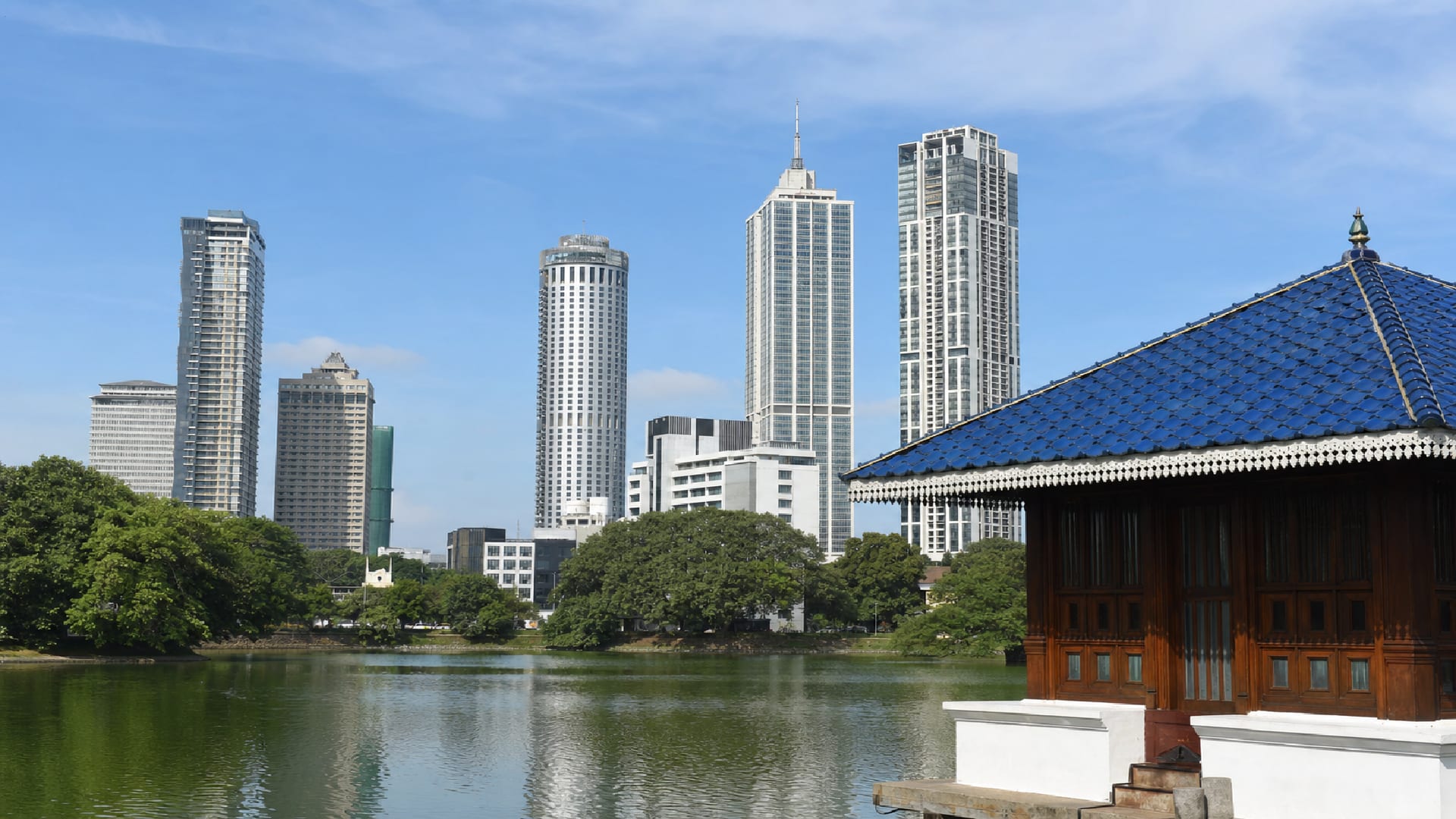
Start in Fort with the Dutch Hospital Shopping Precinct, then walk about 10 minutes to Galle Face Green for the waterfront. After lunch, head by tuk-tuk to Gangaramaya Temple in roughly 10 to 15 minutes, and plan about 1 to 2 hours for the temple and museum complex. End the day back at Galle Face Green near sunset, when the snack stalls and sea views are at their best.
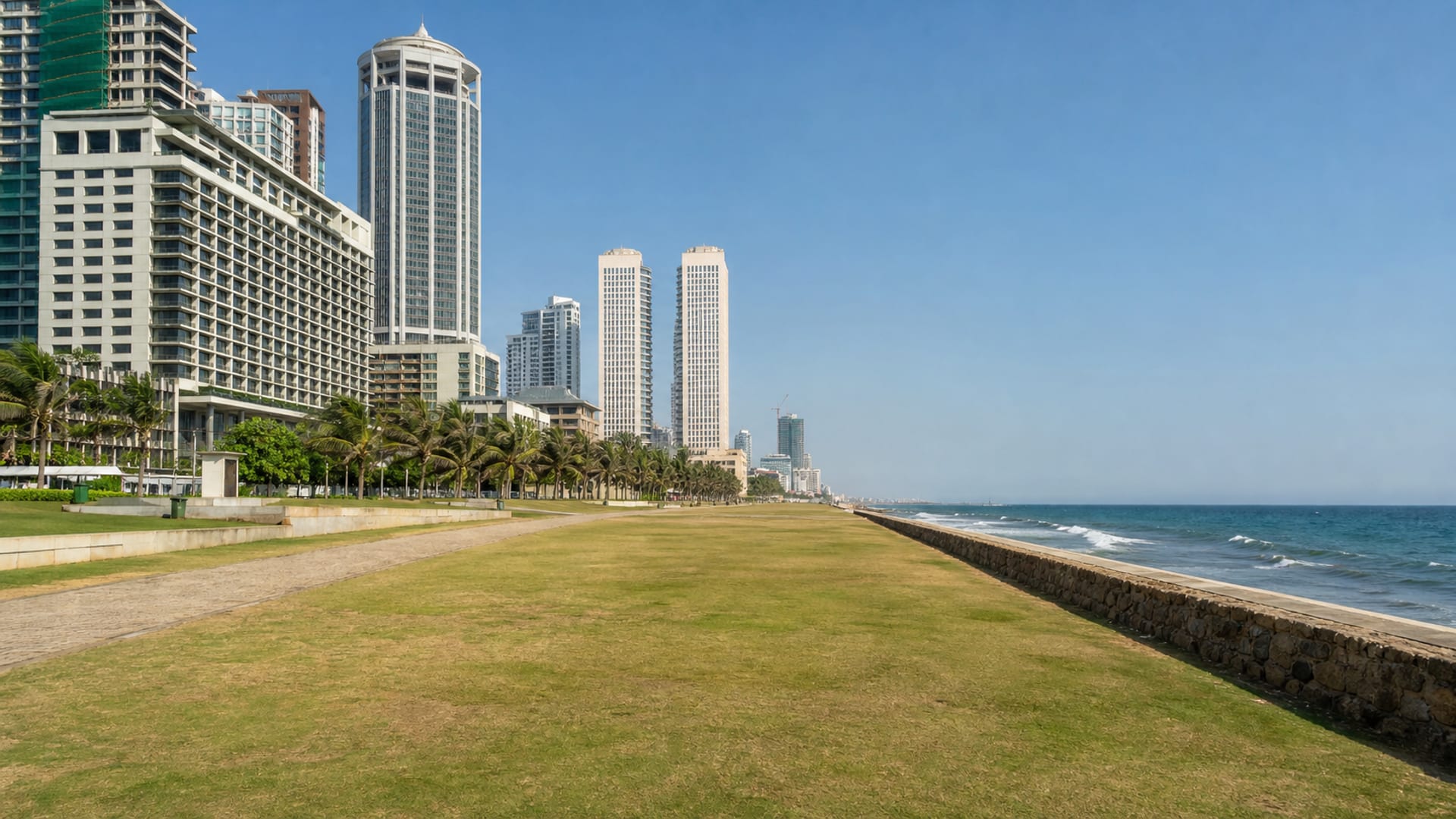
Begin in Pettah with Sri Kailawasanathan Swami Devasthanam Kovil, then ride about 10 minutes to Fort for the historic center and the old port streets. From there, cross to the Dutch Hospital Shopping Precinct in about 5 minutes on foot for a coffee or a late lunch, then continue to Galle Face Green in roughly 10 to 15 minutes by tuk-tuk for an evening walk. The route links Colombo’s older religious, commercial, and seafront districts without long backtracking.
Cinnamon Gardens sets up a quieter museum day, so start with the National Museum area, then continue to Gangaramaya Temple by tuk-tuk in about 5 to 10 minutes. After that, head to Diyatha Uyana in Battaramulla by car in roughly 20 to 30 minutes for lakeside paths and the sunset market. Plan the evening there, since the park stays livelier near dusk and gives you a different side of Colombo from the central core.
A final morning in Colombo works well in Kollupitiya, where you can pair a last museum stop or an easy walk with lunch and shopping before departure. If your flight leaves later in the day, browse the Dutch Hospital Shopping Precinct for souvenirs, then settle into a café in Cinnamon Gardens for coffee or a light meal before heading back to Colombo (CMB). That keeps the last hours close to the center without packing in another full sightseeing circuit.
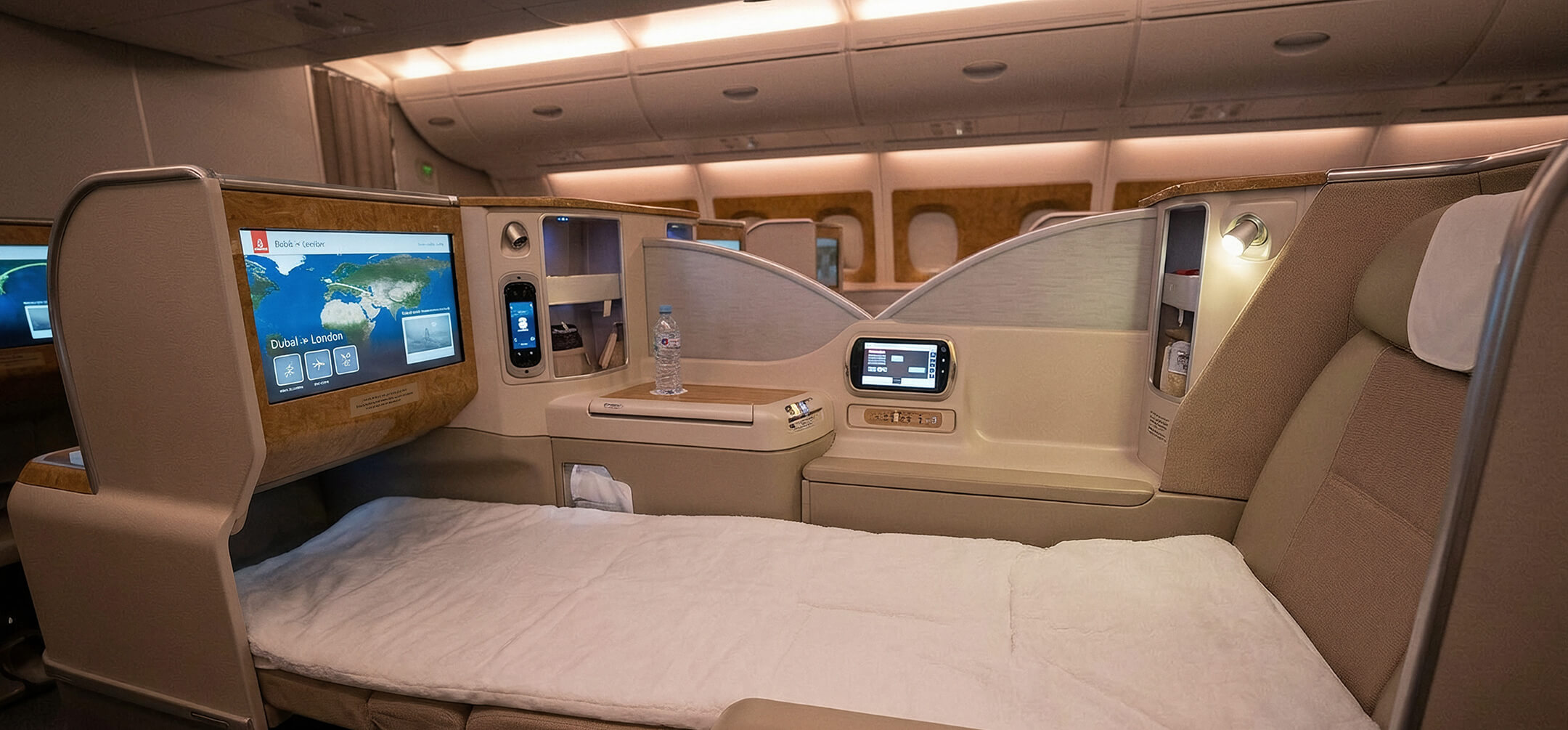
Business-class flights from the US to Colombo
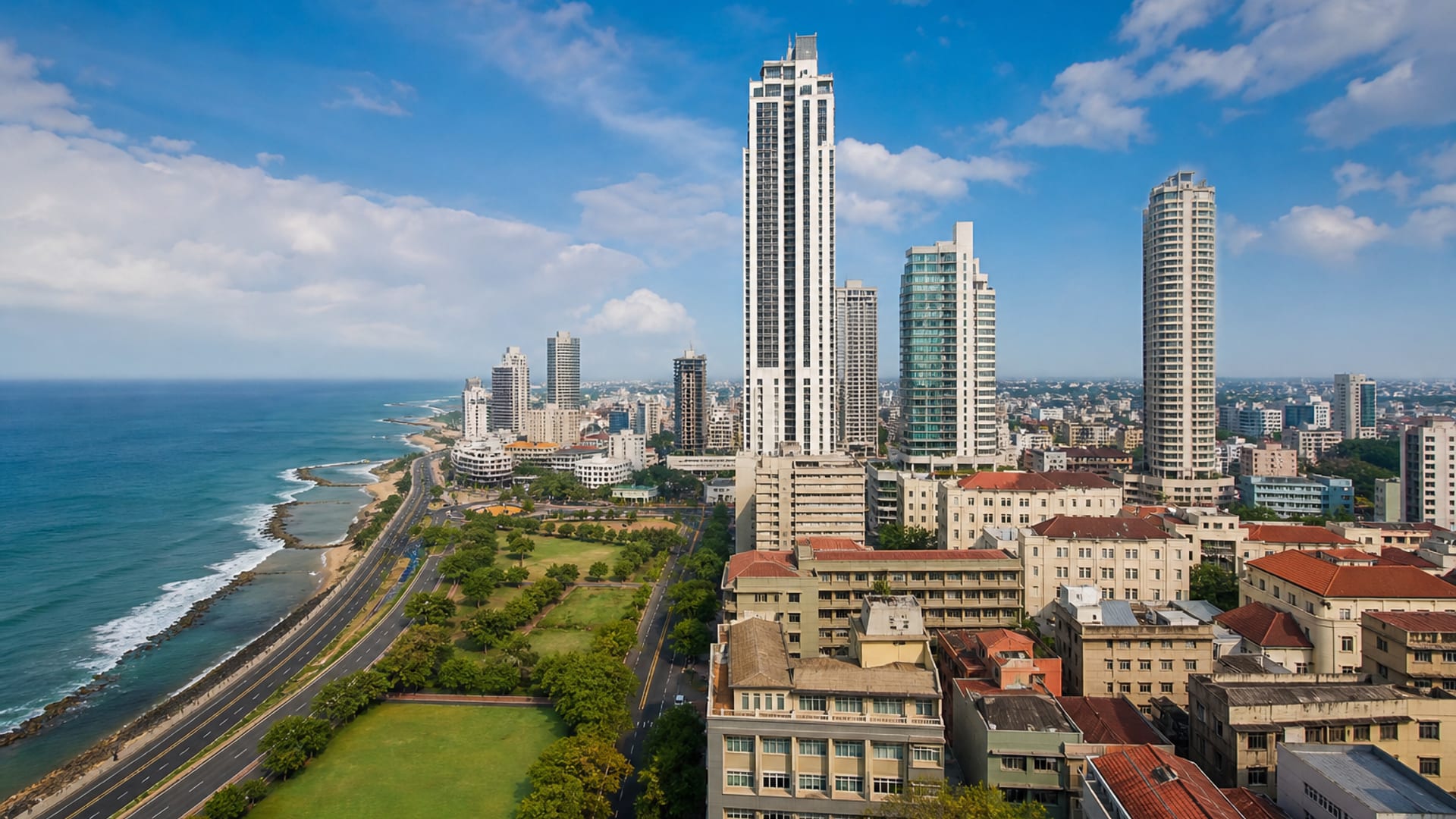
Reaching Colombo usually means a one-stop long-haul itinerary, with airline choice shaping the route more than the price gap alone. The examples below show how departures from New York and Los Angeles commonly connect.
From New York, carriers such as Emirates, Qatar Airways, SriLankan Airlines, Turkish Airlines, Air India, and Etihad Airways usually route you through Doha, Dubai, Istanbul, Abu Dhabi, Delhi, or Mumbai. Round-trip fares usually start from $3,500 and can climb to $7,500.
Los Angeles travelers usually see Singapore Airlines, Qatar Airways, Emirates, Cathay Pacific, Turkish Airlines, and SriLankan Airlines, with connections through Singapore, Doha, Dubai, Hong Kong, Istanbul, or Bangkok. Round-trip fares usually sit between $3,200 and $7,000.
Colombo feels different when you slow down
A deliberate Colombo trip ties Fort, Pettah, Galle Face Green, and Cinnamon Gardens into one map, with tuk-tuks for short hops, a train when the timing fits, and a longer ride only when you need it. That approach leaves room for the seafront at sunset, a temple visit in the morning, and a meal that fits the day instead of interrupting it. If you want help shaping the right base and route, the AranGrant experts can build it around Colombo’s own geography