

Chapters:

Need help with your trip?
Our support team is available 24/7. Request a callback or call us directly at (833) 619-0908
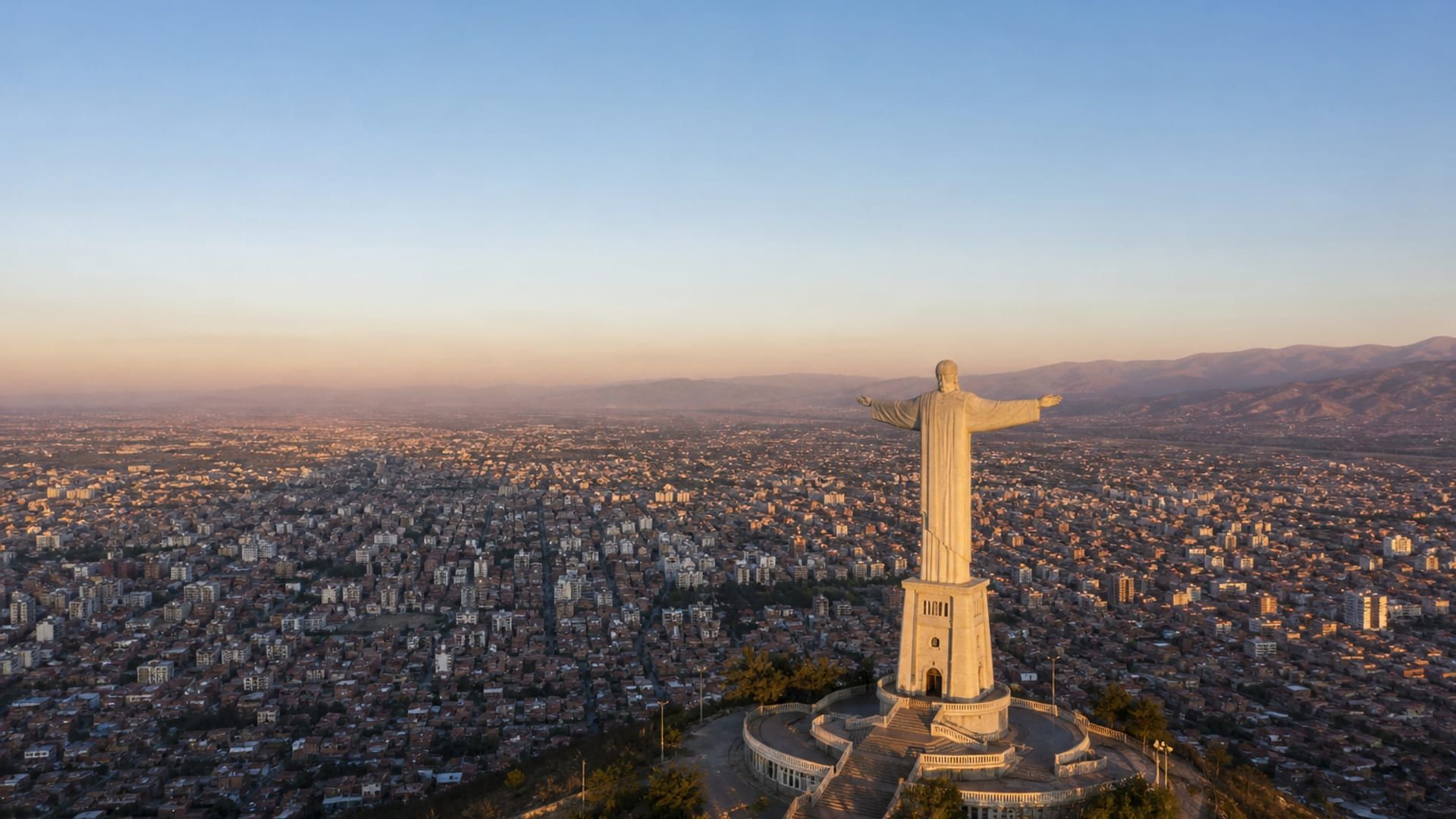
Cochabamba trips often start with a quick center-city stop, a plate of sopa de maní, and a climb to Cristo de la Concordia. What travelers miss is how much time the city asks for between those anchors, from hillside roads to broad avenues and taxi-only stretches.
That matters because the central grid does not compress neatly, and a few sights sit farther apart than they look on a map. If you move too quickly, you spend more time in transit and less time in Centro, Queru Queru, or the viewpoints that reward an unhurried visit.
This guide sets a clearer order for the city, with stays, meals, transit, and day plans arranged so each step follows the last without wasted backtracking.
Useful things to know

Main language(s): Spanish
Hola (OH-lah) – Hello
Por favor (por fah-VOR) – Please
Gracias (GRAH-see-as) – Thank you
¿Habla inglés? (AH-blah een-GLAYS) – Do you speak English?
¿Cuánto cuesta? (KWAHN-toh KWES-tah) – How much does it cost?

Currency: The local currency is the boliviano (BOB, Bs).

Cash and cards: Cards and contactless are accepted at many hotels and larger shops, but carry about Bs 100 to 200 ($15 to $30) in cash.

Tipping: Round up small bills and leave 5-10% in nicer restaurants if service is good.

Traditional food: Pique a lo macho, silpancho, sopa de maní, charque

Water and coffee costs: Water about Bs 6 to 10 ($1 to $1.50), bar espresso about Bs 12 to 18 ($2 to $3).

Taxis and ride apps: InDrive and local taxis operate here; confirm the fare before you start if the app is unavailable.

Plug and voltage: Type A/C socket, 230V

Dining and shop opening hours: Breakfast is about 07:00-09:00, lunch 12:30-14:30, and dinner 20:00-22:30. Many kitchens close between lunch and dinner.

Emergency number: 911 for police, fire, and medical emergencies.
Where to stay in Cochabamba
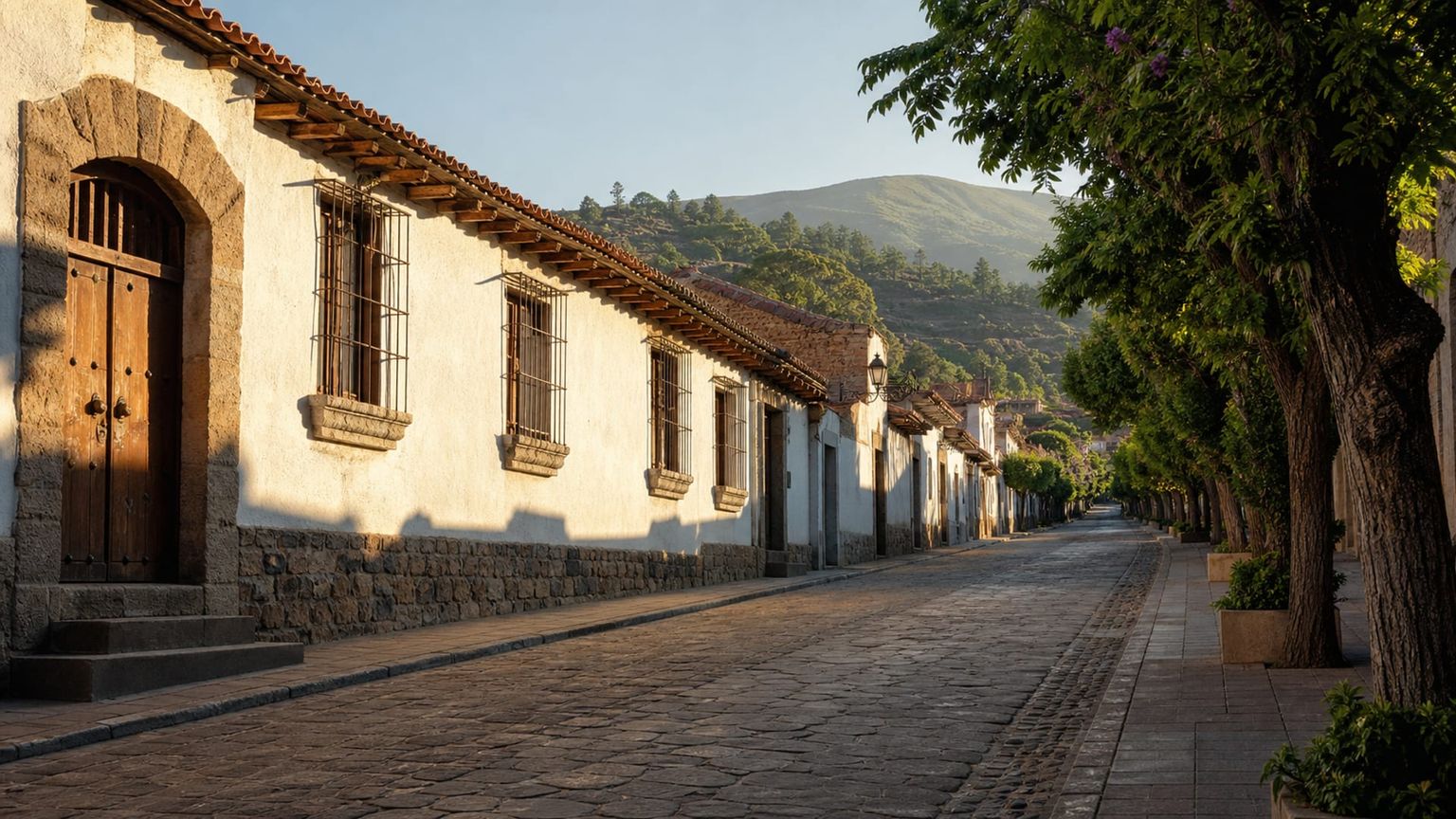
Upper residential district on the north side of central Cochabamba, with newer apartment blocks, local cafés, and quick road access into the city core. It suits travelers who want a quieter base close to museums, markets, and central avenues without staying in the busiest streets.
Best for: Calmer stays, longer visits, and travelers with a car or taxi budget
What to expect: Mostly residential streets, light foot traffic, and a few neighborhood restaurants and shops.
Hotel prices: Usually about $35 to $80 per night for well-rated stays
Distance to major sights: About 10 to 15 minutes by taxi to Plaza 14 de Septiembre
Quietness: Quiet during the day, very quiet at night with limited street activity
Main trade-off: You will depend more on taxis for evening dining and major sights than you would in the center.
Good to know: Check the exact block before booking, because some streets sit on steeper hills and can make walking back from dinner less comfortable.
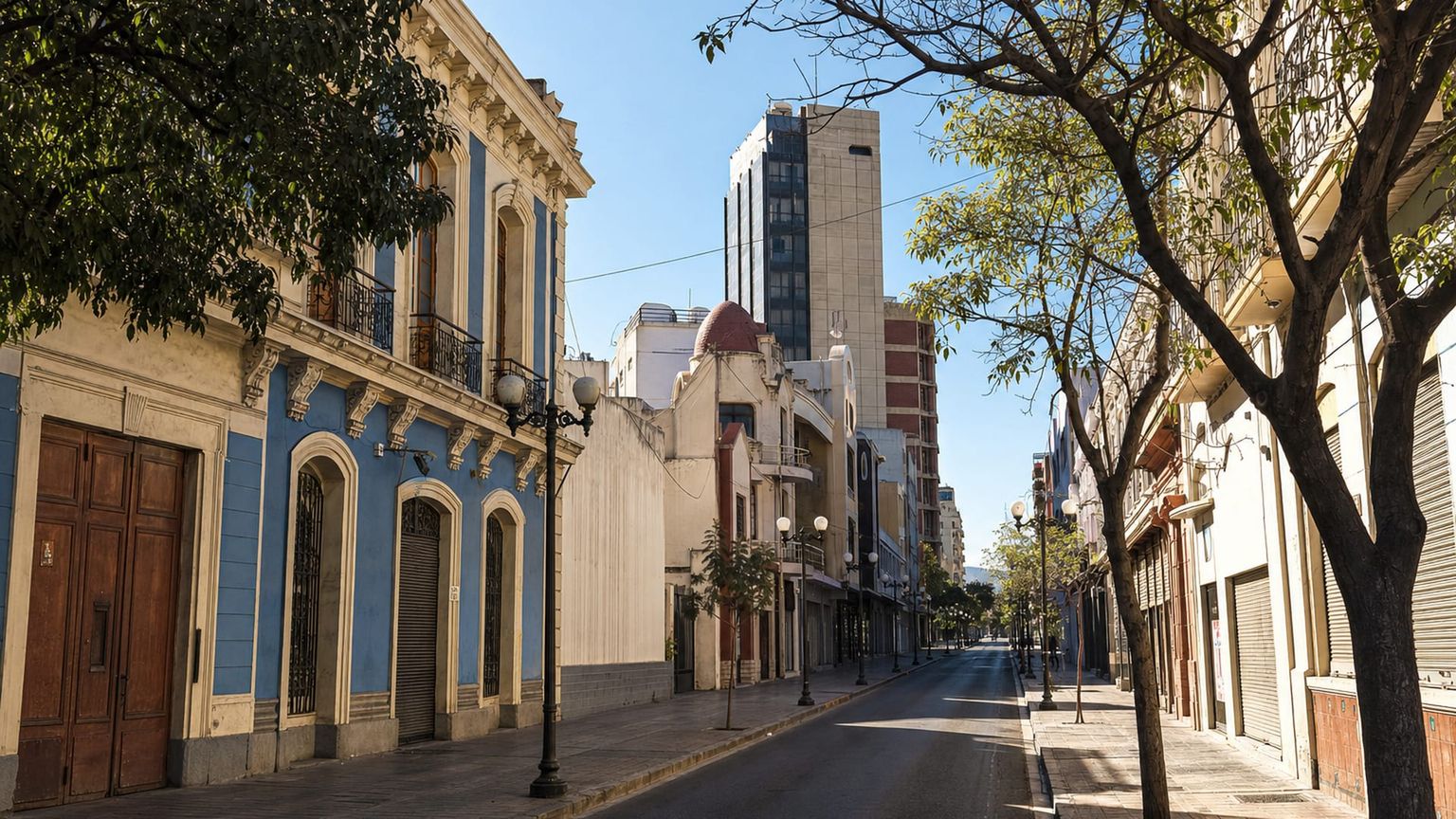
The historic core of Cochabamba, centered on Plaza 14 de Septiembre, cathedral blocks, and the main commercial streets. Staying here puts you closest to museums, cafés, markets, and most of the city’s day-to-day activity.
Best for: First-time visits, sightseeing, and travelers who want to walk to restaurants and landmarks
What to expect: Busy sidewalks, constant traffic, and the widest choice of cafés, banks, and shops.
Hotel prices: Usually about $40 to $110 per night for well-rated stays
Distance to major sights: On foot to Plaza 14 de Septiembre and the cathedral
Quietness: Lively in the day, noisier in the evening near main streets and bars
Main trade-off: Central streets are the noisiest part of the city, and parking can be difficult.
Good to know: Choose a room away from the main avenues if you are sensitive to traffic and late-night street noise.
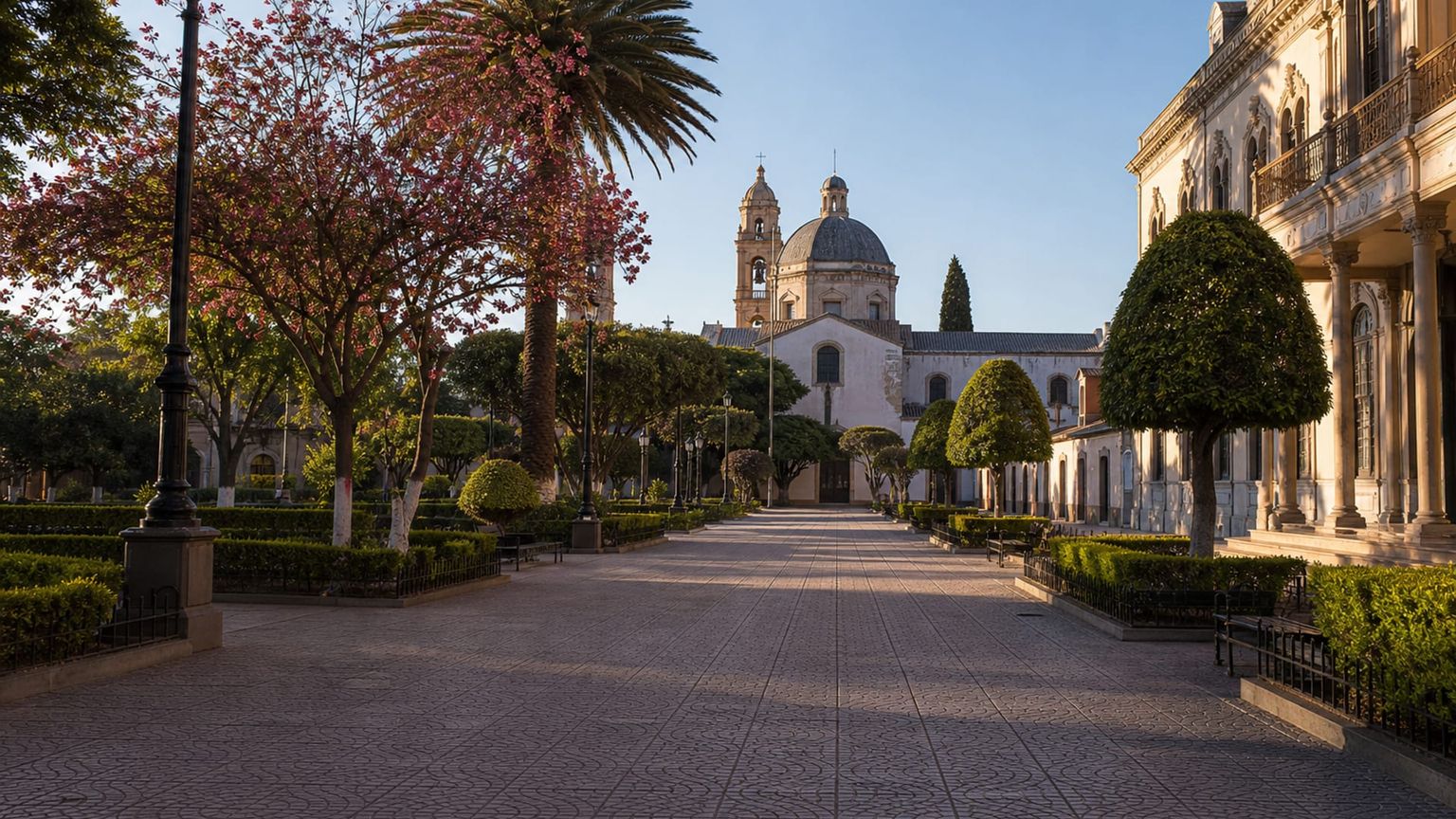
Established residential area west of the center, with apartment buildings, local eateries, and easy access to central Cochabamba by taxi or bus. It works well for travelers who want a neighborhood feel while staying close enough for daily visits downtown.
Best for: Apartment stays, longer trips, and visitors who prefer a quieter neighborhood base
What to expect: Residential blocks, neighborhood shops, and moderate local activity rather than tourist crowds.
Hotel prices: Usually about $30 to $70 per night for well-rated stays
Distance to major sights: About 10 to 20 minutes by taxi to the central plaza
Quietness: Calm by day and generally quiet after dinner, with less late-night activity than Centro
Main trade-off: You will usually spend more time in transit for sightseeing and dinner in the old center.
Good to know: Look for stays near major roads if you want easier taxi pickups, because smaller side streets can be slower to reach.
Travelers usually avoid staying in Valle Hermoso and neighboring peripheral hillside areas, because they sit well south of the main plaza and core hotel strip, with fewer visitor amenities and longer taxi rides. Quillacollo and other west-side suburbs are less convenient for a first visit, since they are outside central Cochabamba, far from museums and restaurants, and require more planning for evening travel. The airport side of the city, including areas near Cochabamba (CBB), is also less convenient for sightseeing, with limited walkable dining and a longer trip to central attractions.
Hotel deals
How to get around Cochabamba efficiently
Cochabamba has no metro or suburban rail, so most visitors move between the center, hillside sights, and outlying neighborhoods by taxi, micro, or on foot for short blocks.

Metro
for longer distances
Cochabamba has no metro or suburban rail, so visitors rely on buses, micros, and taxis for cross-city trips; there is no rail ticket to buy, and transfers depend on traffic, especially on main corridors such as Avenida América and the approaches to the airport.

Bus and tram
for convenience
Micros and minibuses cover most of Cochabamba, with frequent service on the central grid and to neighborhoods like Cala Cala, Queru Queru, and the airport side of the city. Fares are usually about $0.20 to $0.40, paid in cash on boarding, and rides across town often take roughly 20 to 45 minutes, more in rush hour.

Taxi
for convenience or late hours
Licensed taxis in Cochabamba use negotiated fares rather than meters, and airport trips are typically quoted before departure. From the center to Cochabamba (CBB), expect about $5 to $10 in a regular taxi, with short city hops often about $2 to $4; cash in bolivianos is the norm, and app-based rides are limited compared with street hails.
*Prices are based on rates updated as of June 2026 and may change at the time of travel.
Use micros for cheap cross-town trips, taxis for airport runs and evening returns, and walking for the central plaza area where the sights sit closest together.
Iconic landmarks
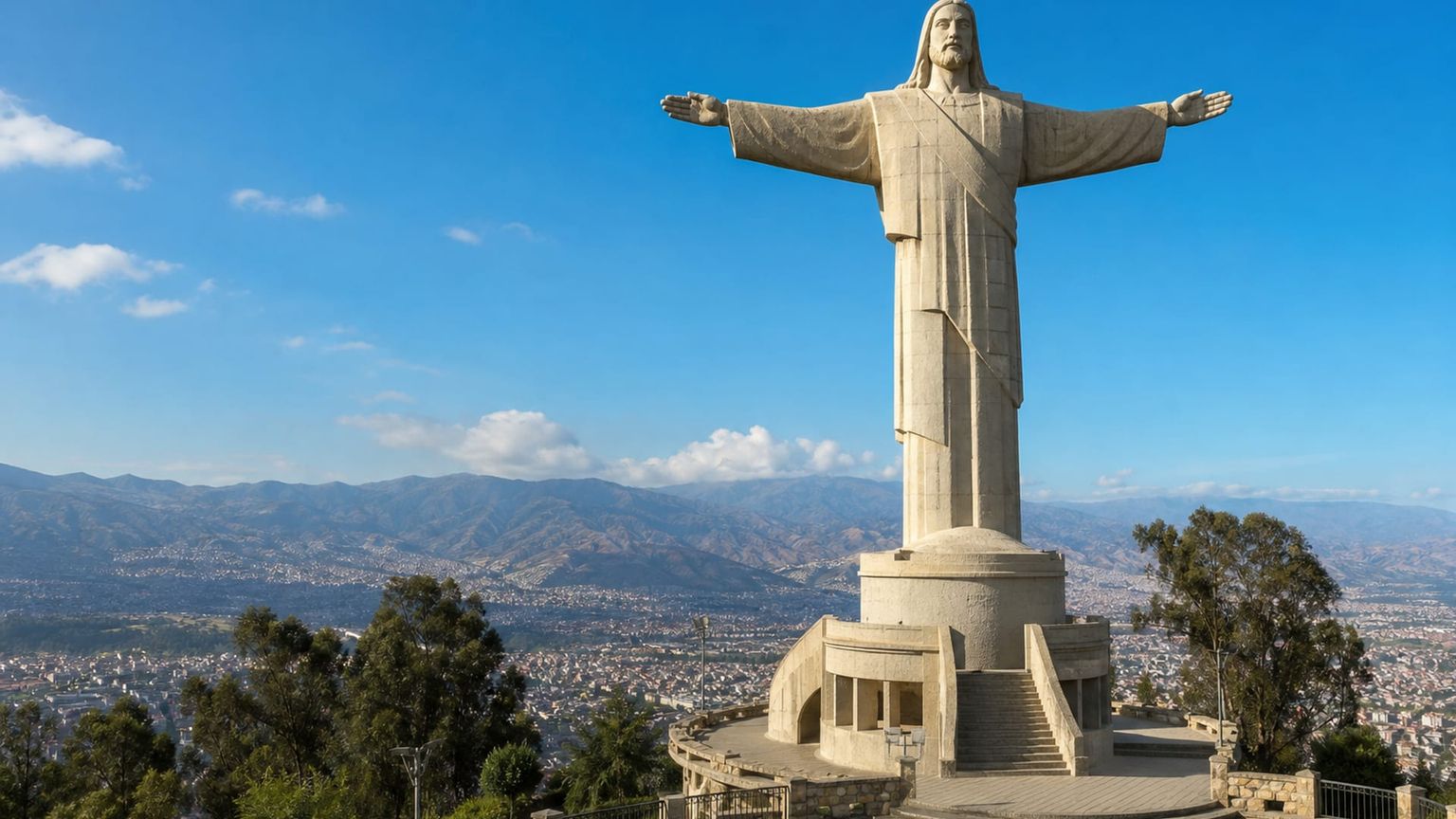
Cristo de la Concordia
This hilltop Christ statue stands above Cochabamba and can be reached by road, stairs, or cable car. The plaza and viewpoint give wide city views, especially at sunset and after dark when the monument is lit.
Time needed: About 1 to 2 hours
Entry: Free to access; cable car or other transport to the hilltop costs extra, typically about $1 to $3 depending on the route and mode used.
Tip: Go near sunset for the clearest views, then stay a little longer for the city lights below.
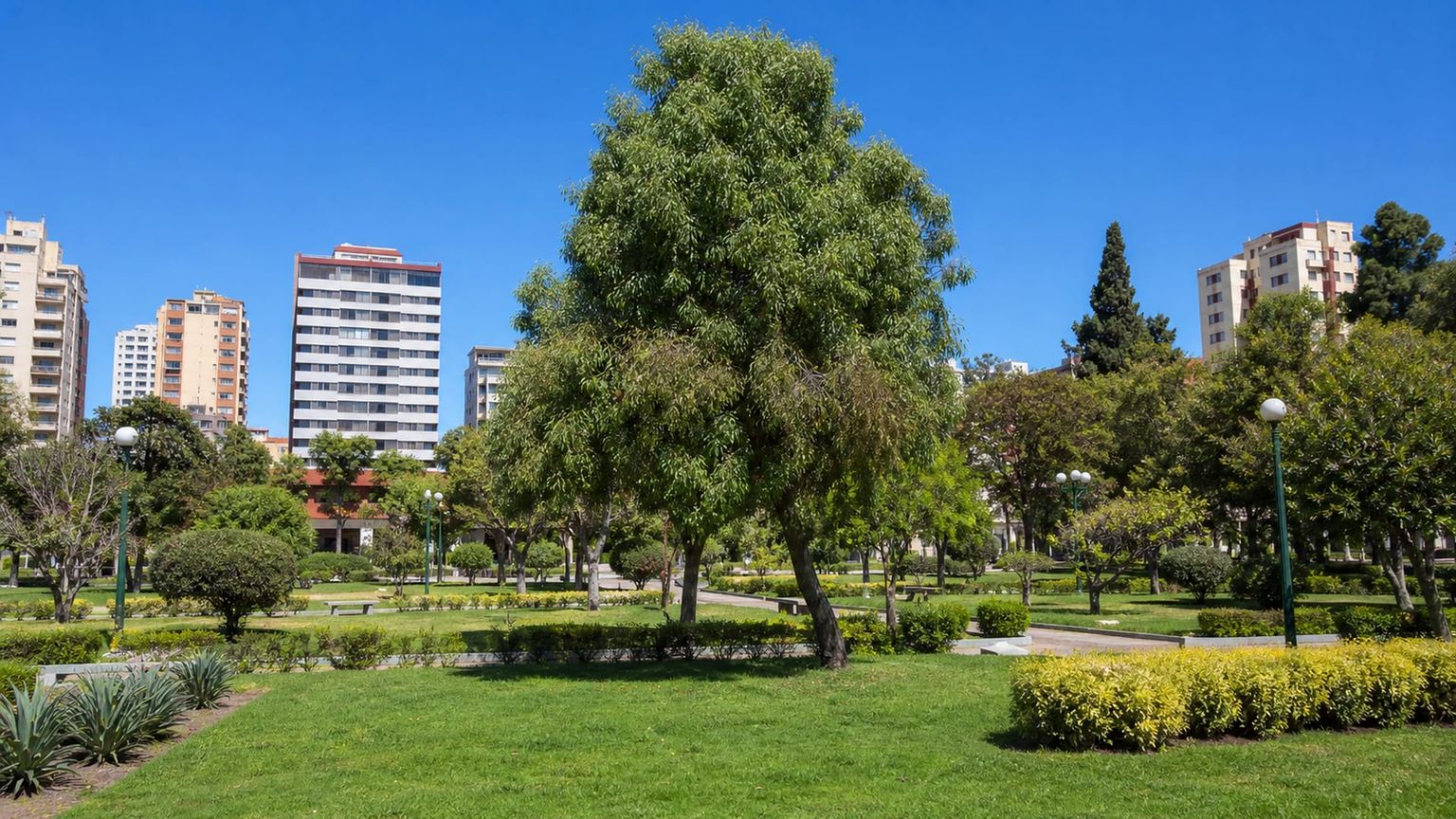
Kantuta Park
This central park is one of Cochabamba’s main public gathering places, with gardens, paths, and space for local events. It sits near downtown streets, so you can pair it with a city center walk in the same visit.
Time needed: About 45 minutes to 1 hour
Entry: Free to access; some seasonal events or rides may charge separate fees, usually about $1 to $5 depending on the attraction.
Tip: Visit in the morning for quieter paths, or late afternoon when the shade makes walking easier.
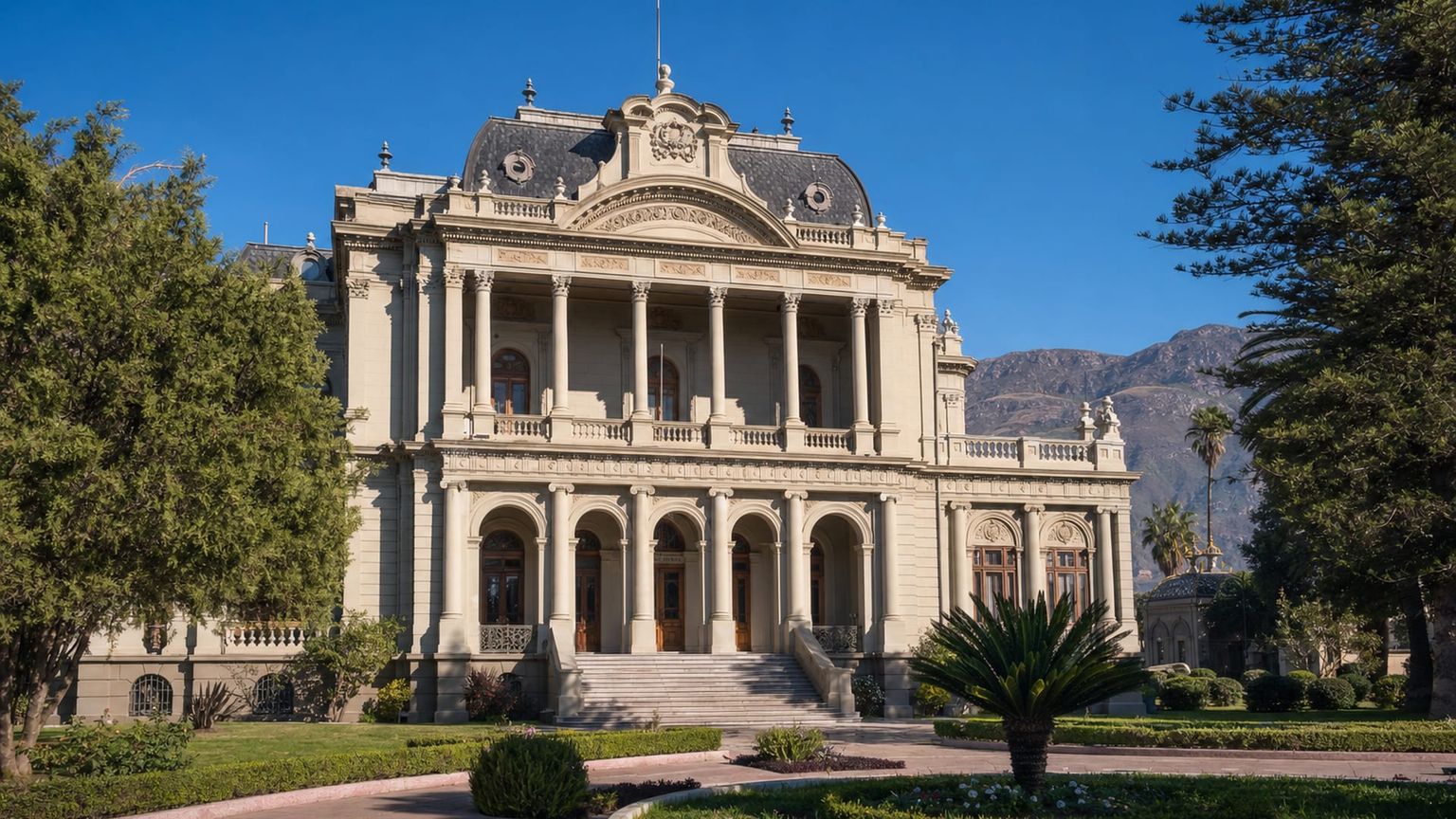
Palacio Portales
Built for the Tin Barons, this mansion mixes ornate rooms, formal gardens, and period collections tied to Cochabamba’s mining wealth. Its scale and detail make it one of the city’s most important historic estates.
Time needed: About 1 to 2 hours
Entry: Guided visits and museum access typically cost about $3 to $7 ($21 to $48 Bs), depending on the areas included in the tour. Visit the official site for details.
Tip: Allow extra time for the gardens, since the house interiors and grounds need separate pacing.
Overlooked sites worth visiting

La Torre skyscraper rooftop viewpoint
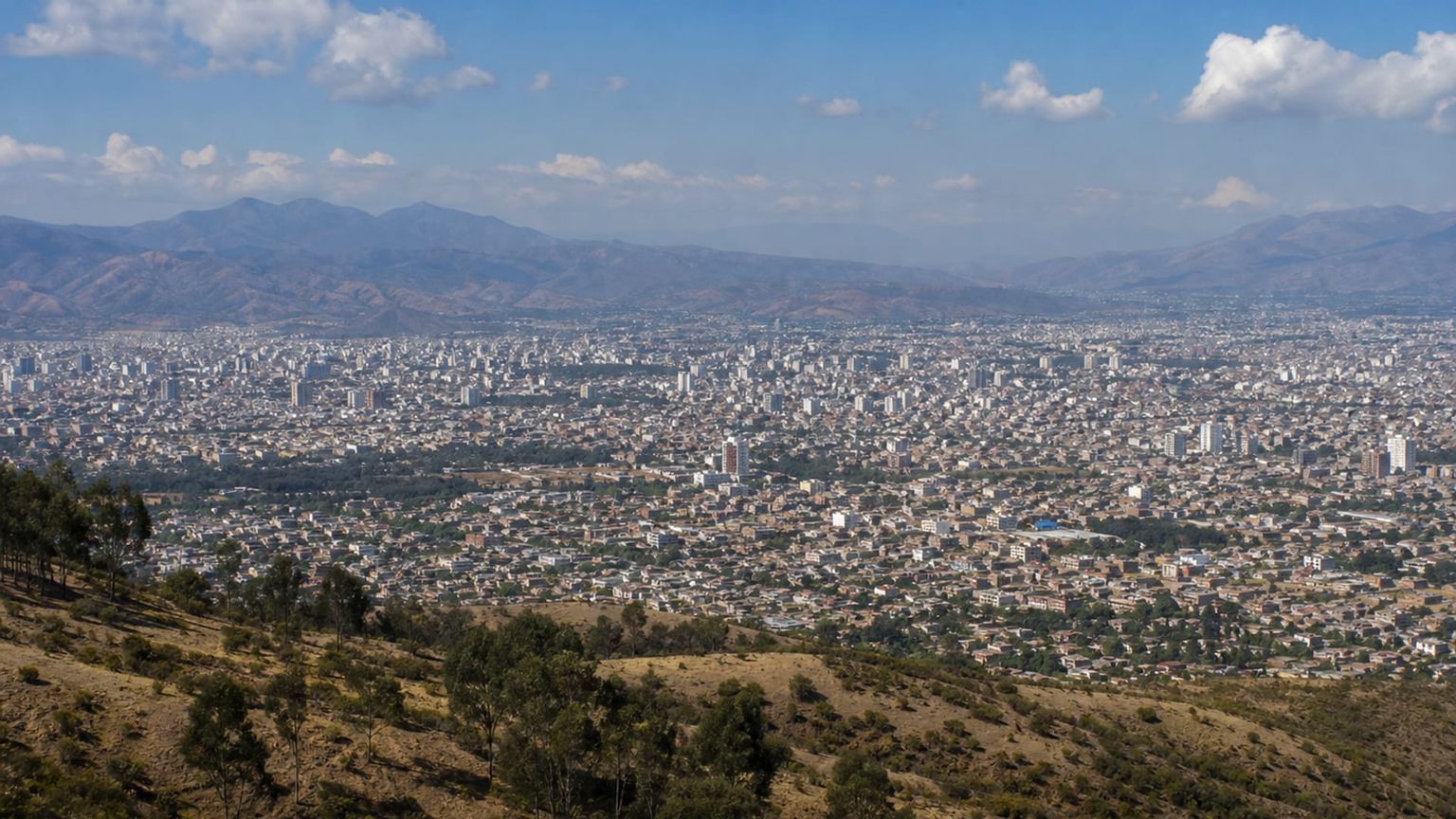
This rooftop lookout gives a wide city view from central Cochabamba, with the Cristo de la Concordia hill and the Valley of Cochabamba in sight on clear days. Sunset brings the best light.
Time needed: About 45 minutes
Entry: Access usually costs about $2 to $4 (about 14 to 28 bolivianos), depending on the building operator and whether you use the observation area alone or add a drink order. Expect small cash payments at the counter.
Tip: Go near sunset for the clearest mountain views.

Inca Ruins of Incallajta
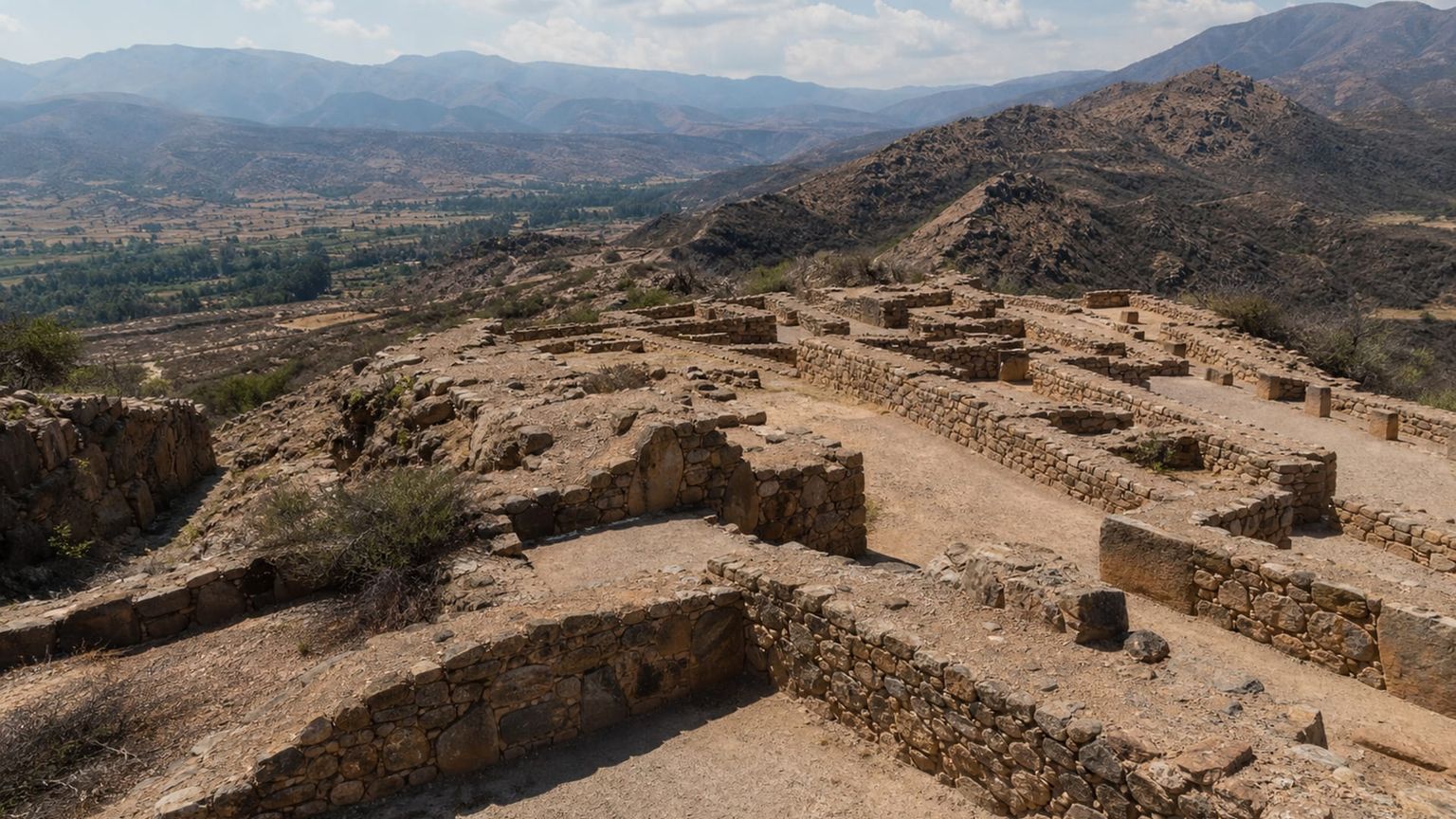
About 30 km east of the center, Incallajta preserves a large pre-Hispanic ceremonial complex with stone walls, plazas, and broad mountain views. It suits visitors who want archaeology over city scenery.
Time needed: About 2 hours
Entry: Entry typically costs about $3 to $5 (about 21 to 35 bolivianos) for the protected site area, with extra charges possible for local guiding or transport arranged at the entrance. Bring small bills in bolivianos.
Tip: Bring water, shade is limited once you enter the site.
Traditional food
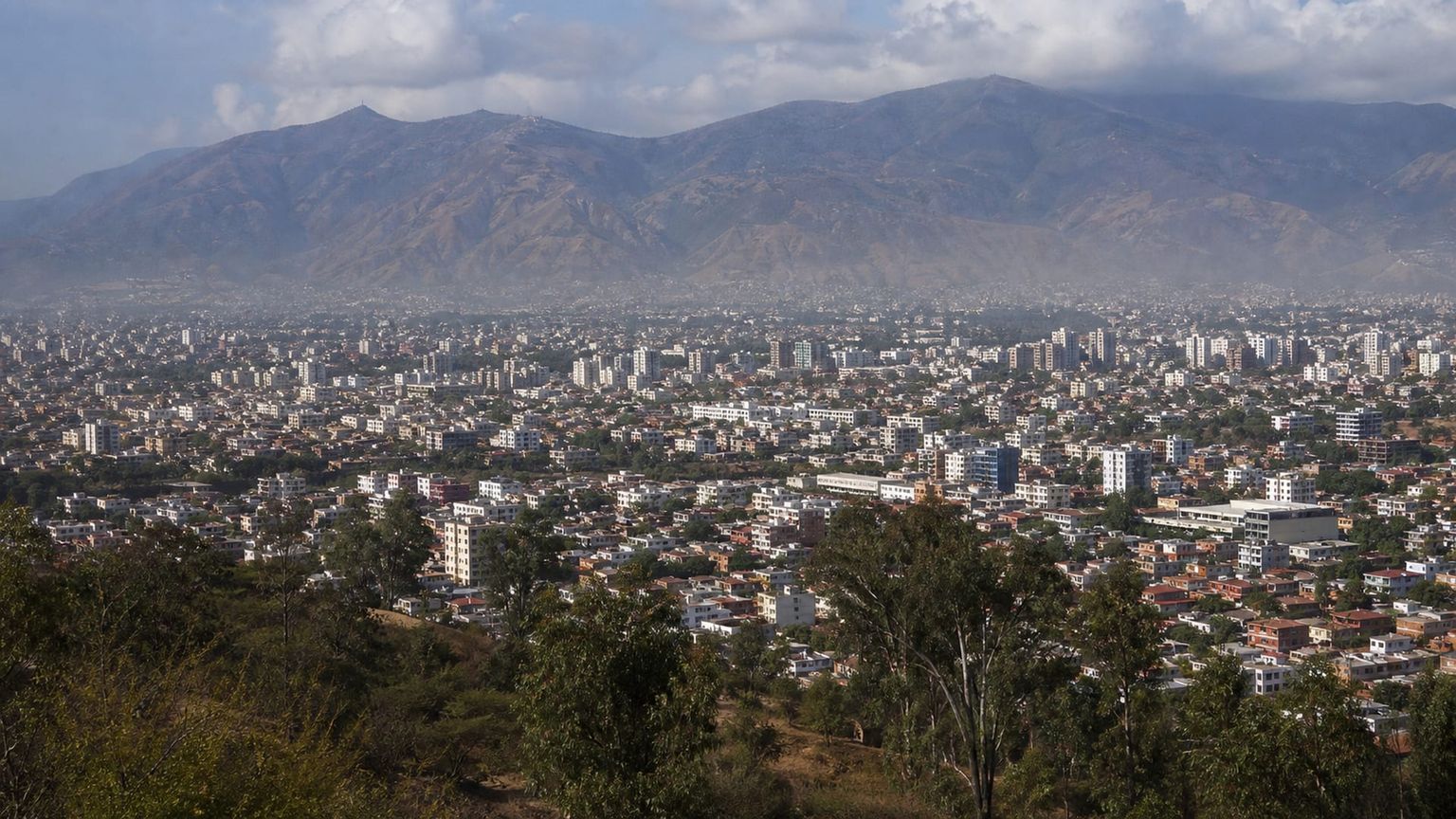
Cochabamba cooks with corn, potatoes, peanuts, beef, and charque, then layers on broth, spice, and generous portions. Lunch matters here, and dishes such as pique a lo macho and silpancho anchor the city’s best-known tables.
Pique a lo macho
This pile of beef, sausage, potatoes, onions, and peppers is one of Cochabamba’s signature plates, best ordered where the portion arrives hot and well seasoned. La Picana suits it well, with a menu that leans into the city’s hearty Creole cooking.
Silpancho
A Cochabamba classic built from breaded meat, rice, potatoes, fried egg, and llajua, silpancho rewards a place that handles the timing well so the components stay distinct. Casa de Campo is a strong canonical stop for it in the city.
Sopa de maní
This peanut soup comes with a deep, nutty base and usually includes potatoes, pasta, and meat, making it a smart first meal after arrival. El Hormiguero serves a version that matches the city’s home-style cooking.
Charque
Charque brings dried meat to the table, often with potatoes, corn, and a sharp salsa that cuts through the richness. Pair it with a traditional meal at La Casa del Camba, a long-running Cochabamba restaurant known for regional Bolivian dishes.
Best time to visit Cochabamba
Cochabamba stays warm and dry for much of the year, but the clearest skies and most comfortable walking days usually arrive in the drier months, while summer brings afternoon rain and greener hills.
Best for: Lush hills, warmer evenings, and lighter jacket packing
What you get: About 59 to 77°F (15 to 25°C), with fewer crowds at some indoor sights and occasional rain that can slow hill visits
Trade-offs: Afternoon showers can interrupt rooftop views and day trips
Best for: Balanced weather for city walks and viewpoints
What you get: About 54 to 75°F (12 to 24°C), with manageable crowds and comfortable mornings for museums and plaza time
Trade-offs: Late-season days can turn cooler after sunset
Best for: Clearer skies for Cristo de la Concordia and rooftop views
What you get: About 43 to 72°F (6 to 22°C), with the lightest rain and the busiest travel periods on clear weekends
Trade-offs: Early mornings and nights can feel cold in shaded streets
Best for: Long daylight and easy sightseeing between neighborhoods
What you get: About 52 to 77°F (11 to 25°C), with moderate crowds and generally good conditions for mixed city and day-trip plans
Trade-offs: Weather can shift quickly in the late afternoon
A realistic 5-day plan in Cochabamba
Five days gives Cochabamba enough space for the center, the hilltop statue, a rooftop view, and one fuller day outside the city. The plan below keeps transfers realistic, so the day trip lands where it fits instead of crowding the rest of the stay.
Land at Cochabamba (CBB), then take a taxi into Centro or Queru Queru, which usually costs about $5 to $10 and takes roughly 20 to 30 minutes depending on traffic and your exact hotel. If you want the easiest first night, book near Plaza 14 de Septiembre or north of the center in Queru Queru, then drink plenty of water, keep dinner close to your stay, and choose a simple meal such as sopa de maní or grilled chicken at a nearby café.
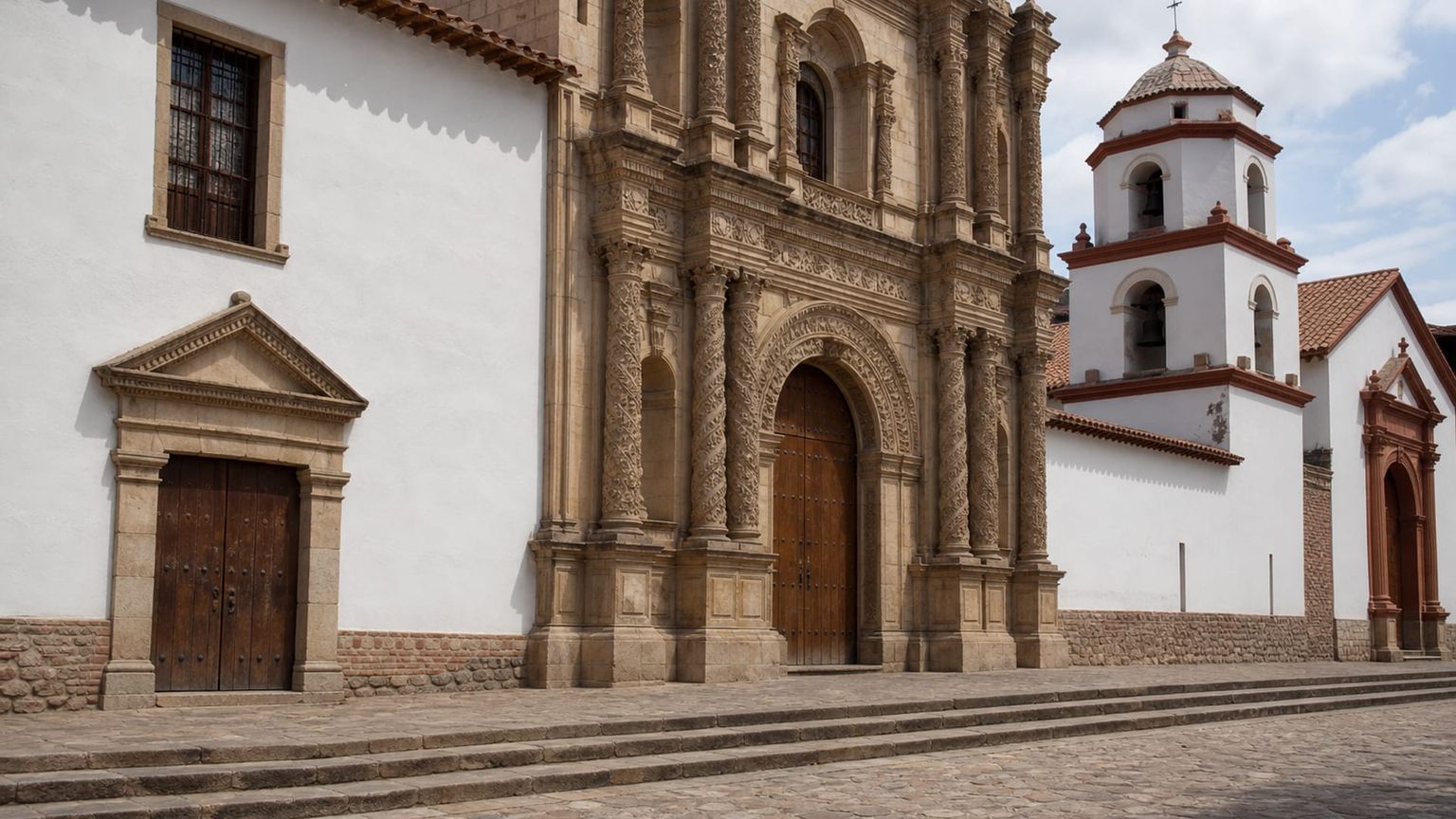
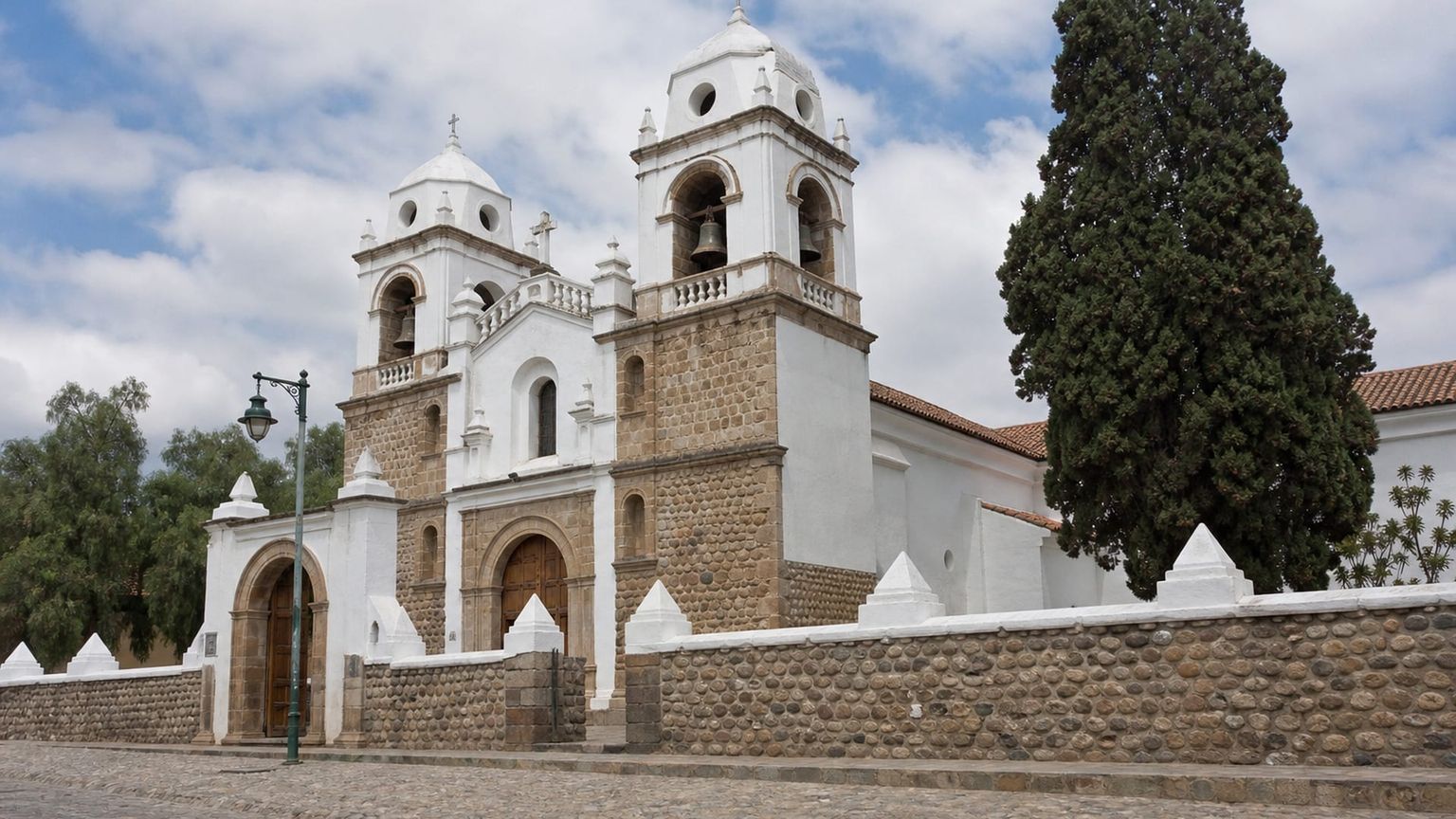
Start on Plaza 14 de Septiembre in Centro, then walk 5 to 10 minutes to the cathedral blocks and 10 to 15 minutes to Kantuta Park for a slower stretch of greenery in the middle of the city. From there, take a taxi about 15 minutes to Palacio Portales, where the gardens and rooms deserve about 1 to 2 hours, then continue another 10 to 15 minutes to La Torre skyscraper rooftop viewpoint for sunset and city views. End with dinner back in Centro, where most restaurants sit within an easy 5 to 10 minute walk of the plaza.
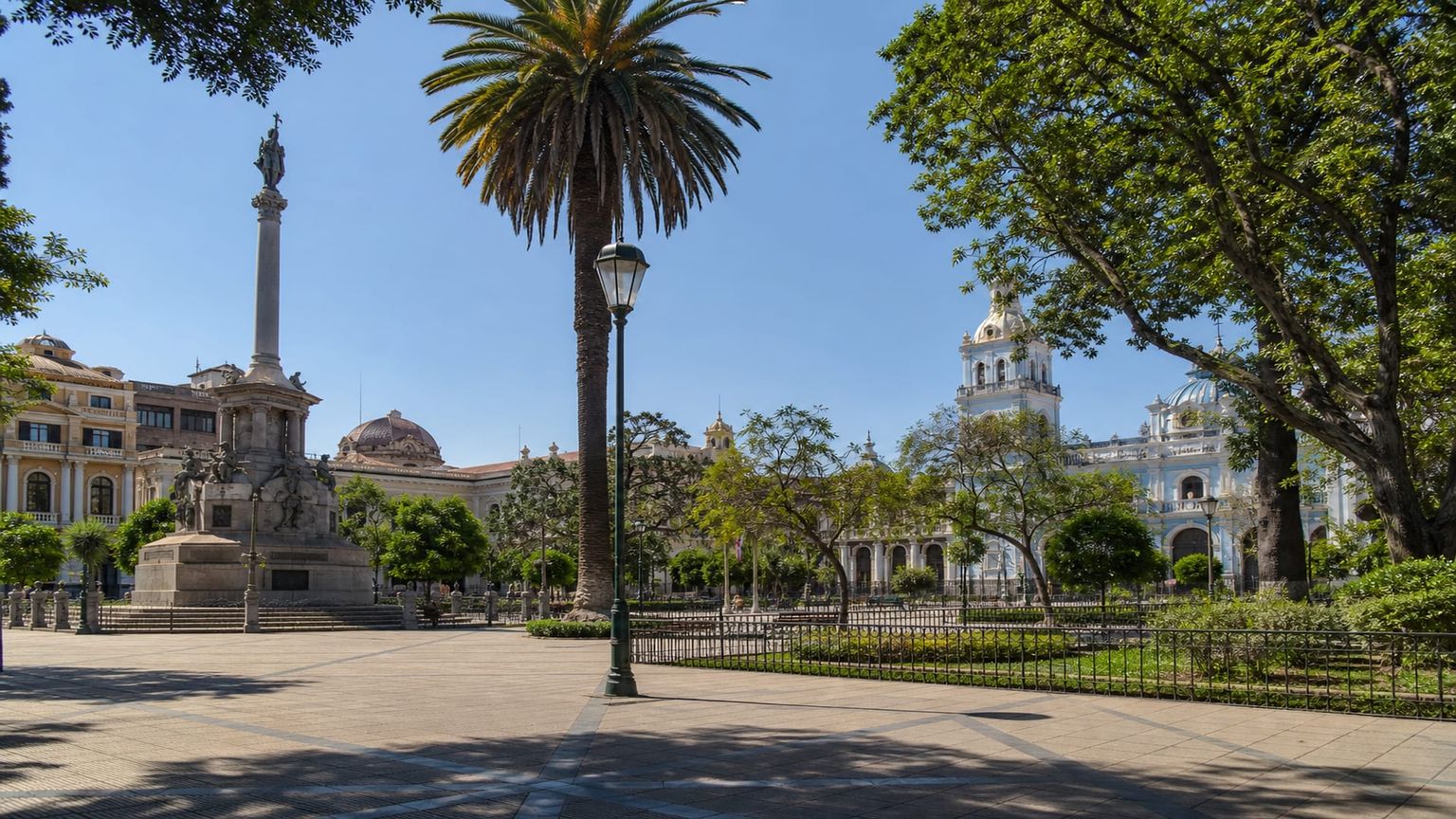
Begin with Cristo de la Concordia in the late afternoon, reaching the hill by taxi, cable car, or road in about 15 to 25 minutes from Centro, then stay for the view as the light turns softer over the valley. Afterward, head down to the city center in roughly 20 minutes and spend an hour at the rooftop viewpoint at La Torre skyscraper, which works well as a second look at the skyline after dark. Finish with a relaxed meal in Centro, where the walk from the viewpoint to dinner usually takes about 10 minutes.
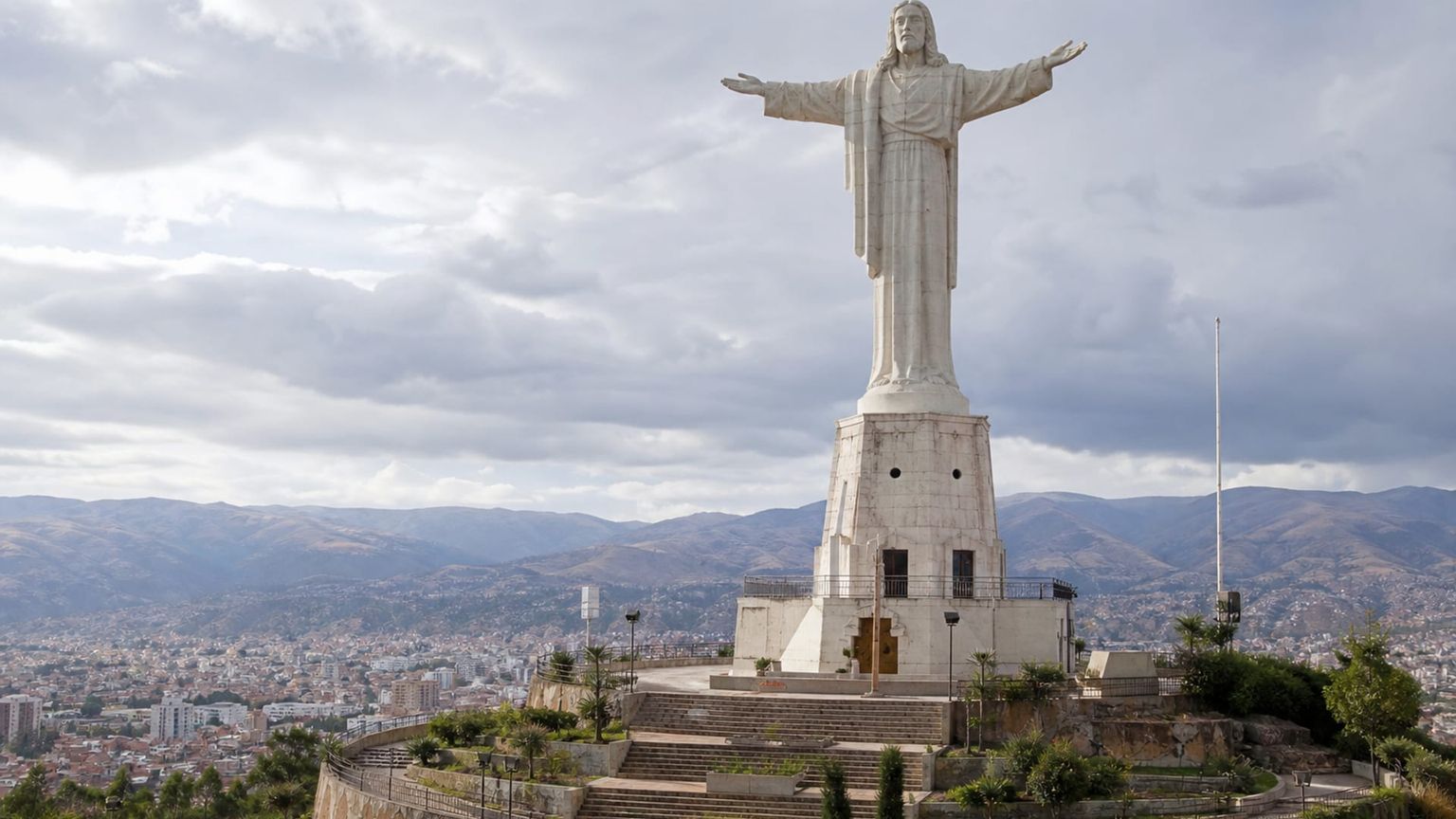
A day trip to the Inca Ruins of Incallajta gives Cochabamba a different scale, with the drive from the center taking about 2 to 3 hours each way, depending on transport and road conditions. Spend about 2 hours on site, bring water and small bills in bolivianos, and plan for shade breaks as you move between the plazas and stone walls. Back in the city, keep dinner near your hotel in Jardín or Queru Queru so you do not need a long late-night transfer.
Begin with one last slow morning in Centro, then fit in a final museum or plaza-side café visit before moving to shopping in the cathedral blocks and the surrounding streets near Plaza 14 de Septiembre. If you are staying in Jardín or Queru Queru, taxi into the center takes about 10 to 20 minutes, so you can browse a few shops, stop for coffee in a nearby café, and return to your hotel with time to pack before departure.
Business-class flights from the US to Cochabamba
Reaching Cochabamba usually means a connection rather than a direct long-haul flight, and the best-priced itineraries vary by coast. The routes below show the most common one-stop patterns for travelers starting in New York or Los Angeles.
Avianca, Copa Airlines, LATAM Airlines, Boliviana de Aviación, and Aerolineas Argentinas commonly appear on itineraries from New York, with total trip times of about 15 to 22 hours. Typical connection points include BOG, PTY, LIM, SCL, and EZE, and fares usually start at $2,400 and reach $4,200 for a round trip.
From Los Angeles, Avianca, Copa Airlines, LATAM Airlines, Boliviana de Aviación, and Aeromexico are the main carriers to compare, and one-stop itineraries via BOG, PTY, LIM, SCL, or MEX usually take about 13 to 19 hours. Round-trip fares usually start at $2,100 and reach $3,800, with the connection often making the main difference in price.
Cochabamba feels different when you slow down
A deliberate Cochabamba trip moves between Centro, Queru Queru, and Jardín with short taxi rides, then leaves time for Plaza 14 de Septiembre, Palacio Portales, and a sunset run up to Cristo de la Concordia. That mix keeps the city legible without packing the day too tightly. If you want help shaping the route, the AranGrant experts can turn those blocks into a trip that fits your dates and flight pattern







