

Chapters:

Need help with your trip?
Our support team is available 24/7. Request a callback or call us directly at (833) 619-0908
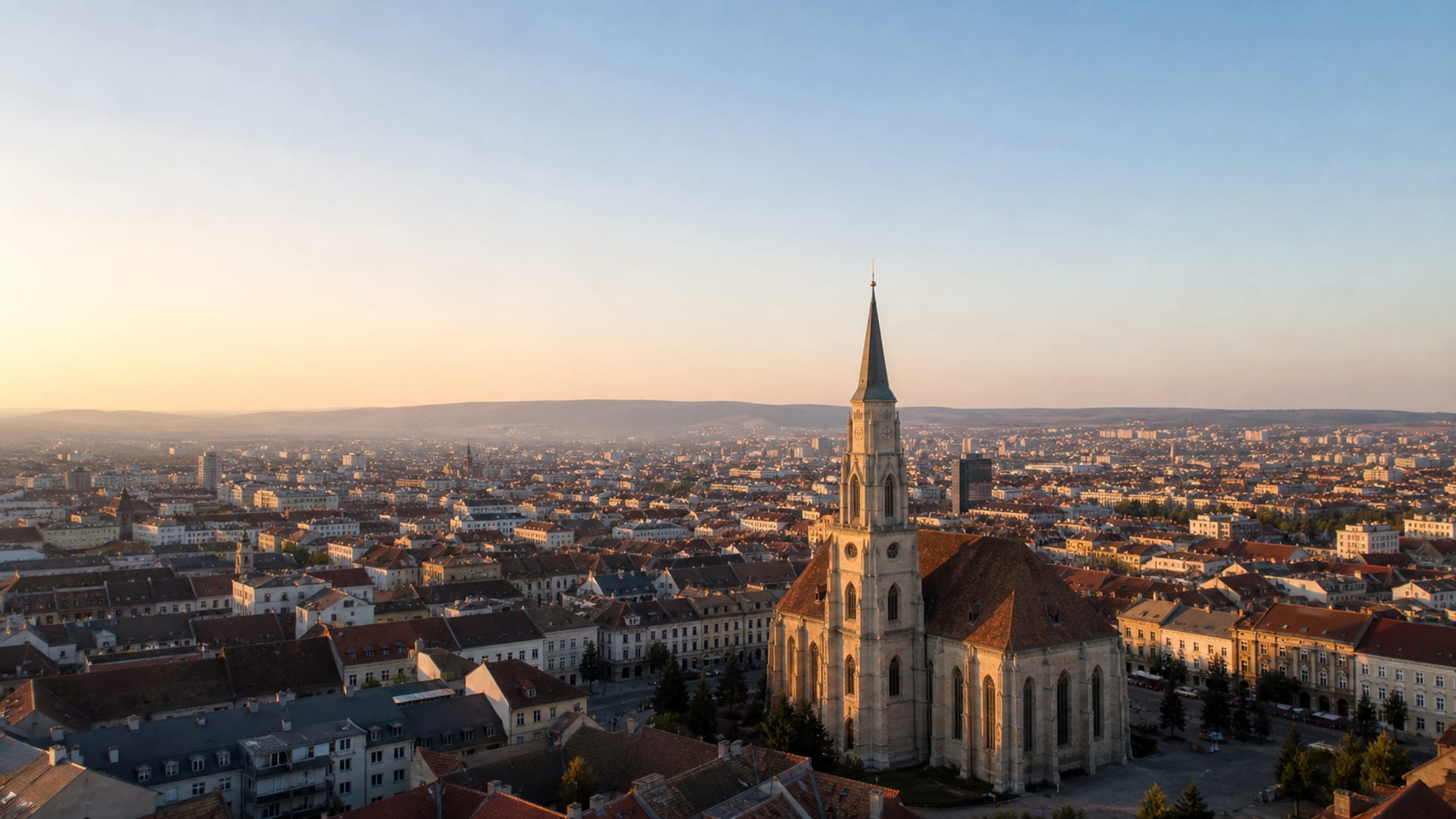
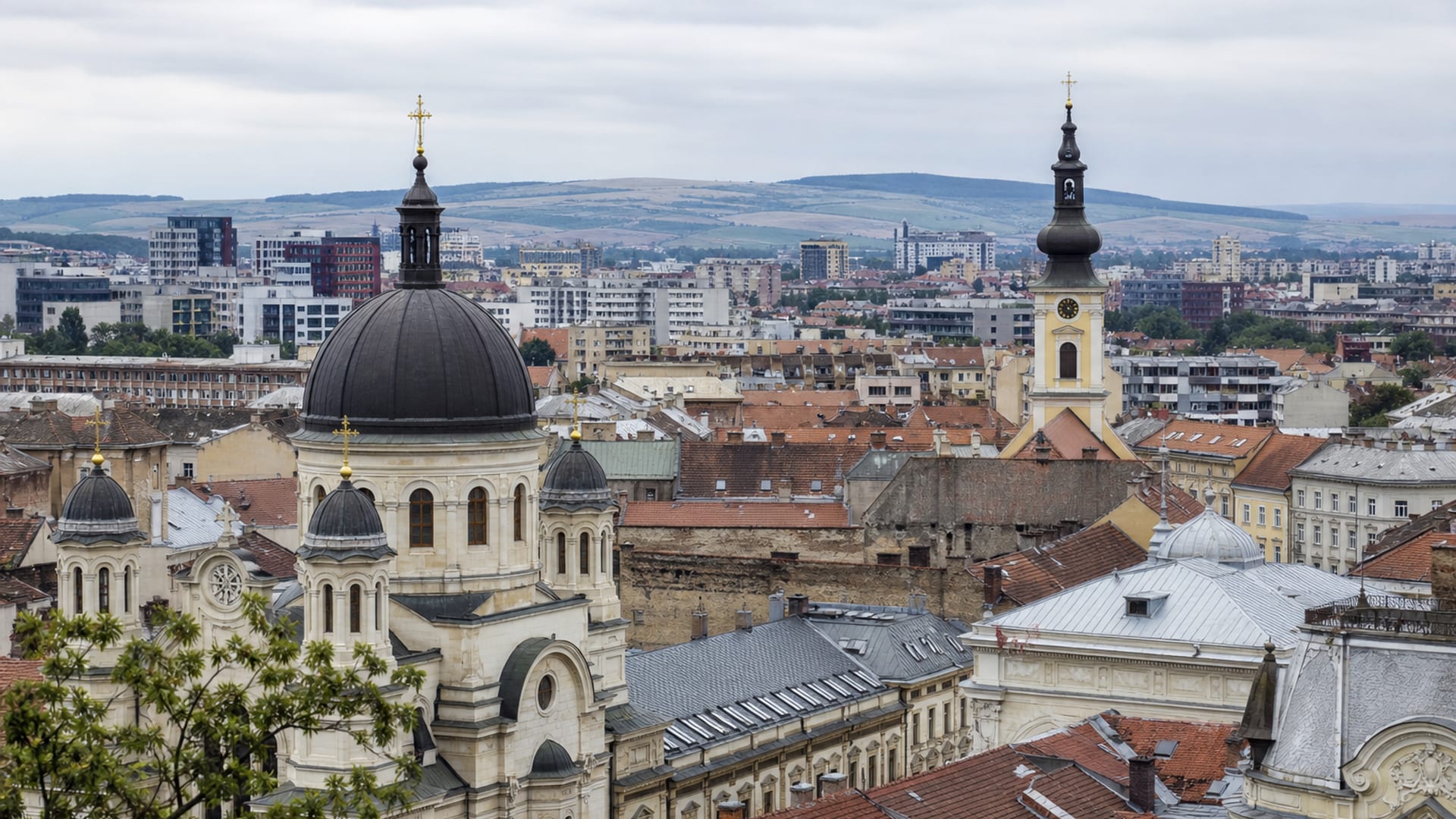
Cluj-Napoca is compact enough to explore without feeling rushed, but the city has more range than its historic center suggests. Union Square, St. Michael’s Church, Museum Square, and the surrounding streets give you a strong first look at the city, with cafés, restaurants, and museums close together.
Beyond the center, the trip changes shape. Central Park and Gheorgheni bring quieter stretches of the city, while Hoia Forest and the Romulus Vuia Ethnographic Park add more space and a different side of Transylvania. Turda Gorge also makes an easy day trip when you want time outside the city.
With a little structure, five days is enough to see Cluj-Napoca at a steady pace, without spending too much time moving back and forth between different areas.
Useful things to know

Main language(s): Romanian
Bună ziua (BOO-nə YEE-wah) – Hello / good day
Vă rog (vuh ROHG) – Please
Mulțumesc (moolt-soo-MESK) – Thank you
Vorbiți engleză? (vor-BEETS en-geh-LEH-zuh) – Do you speak English?
Cât costă? (koot KOS-tuh) – How much does it cost?

Currency: Romanian leu (RON, lei)

Cash and cards: Cards and contactless payments are widely accepted. Keep some cash for markets, smaller businesses, and taxis that may not accept cards.

Tipping: Tipping is optional. Roughly 10% is common in restaurants for good service, while taxi fares are often rounded up.

Traditional food: Varză à la Cluj, sarmale, mici, papanași, and ciorbă de burtă are among the Romanian dishes commonly found in Cluj-Napoca.

Water and coffee costs: Bottled water is often RON 8–RON 10 ($1.80–$2.20), while an espresso commonly costs about RON 11–RON 14 ($2.40–$3.10).

Taxis and ride apps: Uber and Bolt operate in Cluj-Napoca, alongside regular licensed taxis. App fares are shown before booking.

Plug and voltage: Romania uses Type C and F plugs, 230V, 50Hz. US travelers need an adapter, and non-dual-voltage devices may also need a converter.

Dining and shop opening hours: Many restaurants stay open through the afternoon and into the evening. Major shopping centers commonly open from 10:00 am to 10:00 pm.

Emergency number: Call 112 for police, fire, or ambulance services throughout Romania.
Where to stay in Cluj-Napoca
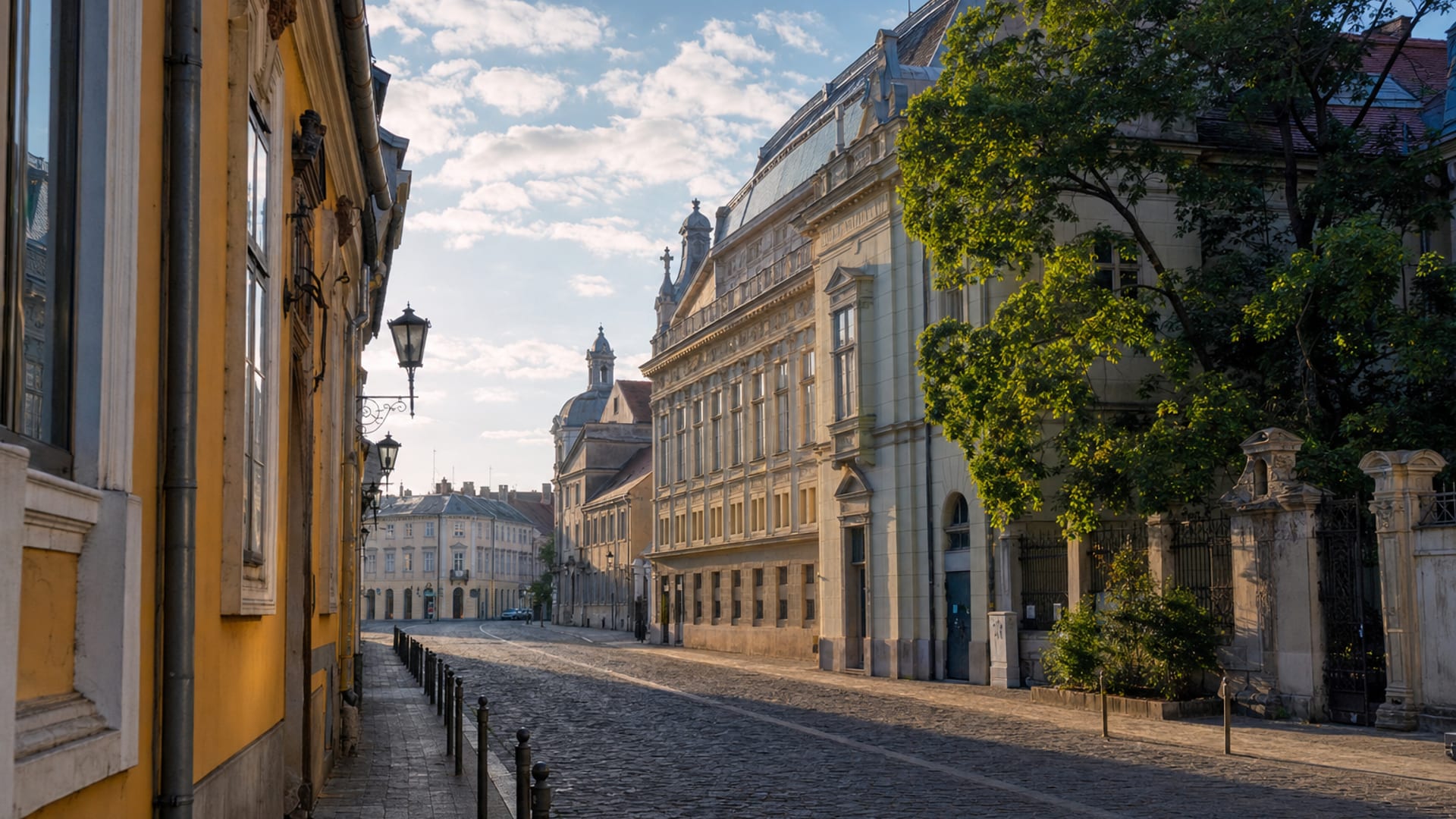
Cluj-Napoca’s historic center stretches around Union Square, Museum Square, and the streets between them. Churches, museums, restaurants, cafés, and shops are close together, making this the easiest area for visitors who want to spend most of their time near the city’s main sights.
Best for: First-time visits, sightseeing, and evenings with cafes and bars close by
What to expect: Busy pedestrian streets by day, with more movement near restaurants and bars after dark.
Hotel prices: Usually about 400 lei to 800 lei (~$85 to ~$170) per night for well-rated stays
Distance to major sights: 5 to 10 minutes on foot to St. Michael’s Church and Museum Square
Quietness: Lively through the day and into the evening, then quieter on side streets late at night.
Main trade-off: Central rooms cost more, and weekend noise can carry from nearby terraces and late-opening venues.
Good to know: If you are sensitive to noise, check the hotel’s exact street and ask for a courtyard-facing room away from bars or late-opening terraces.
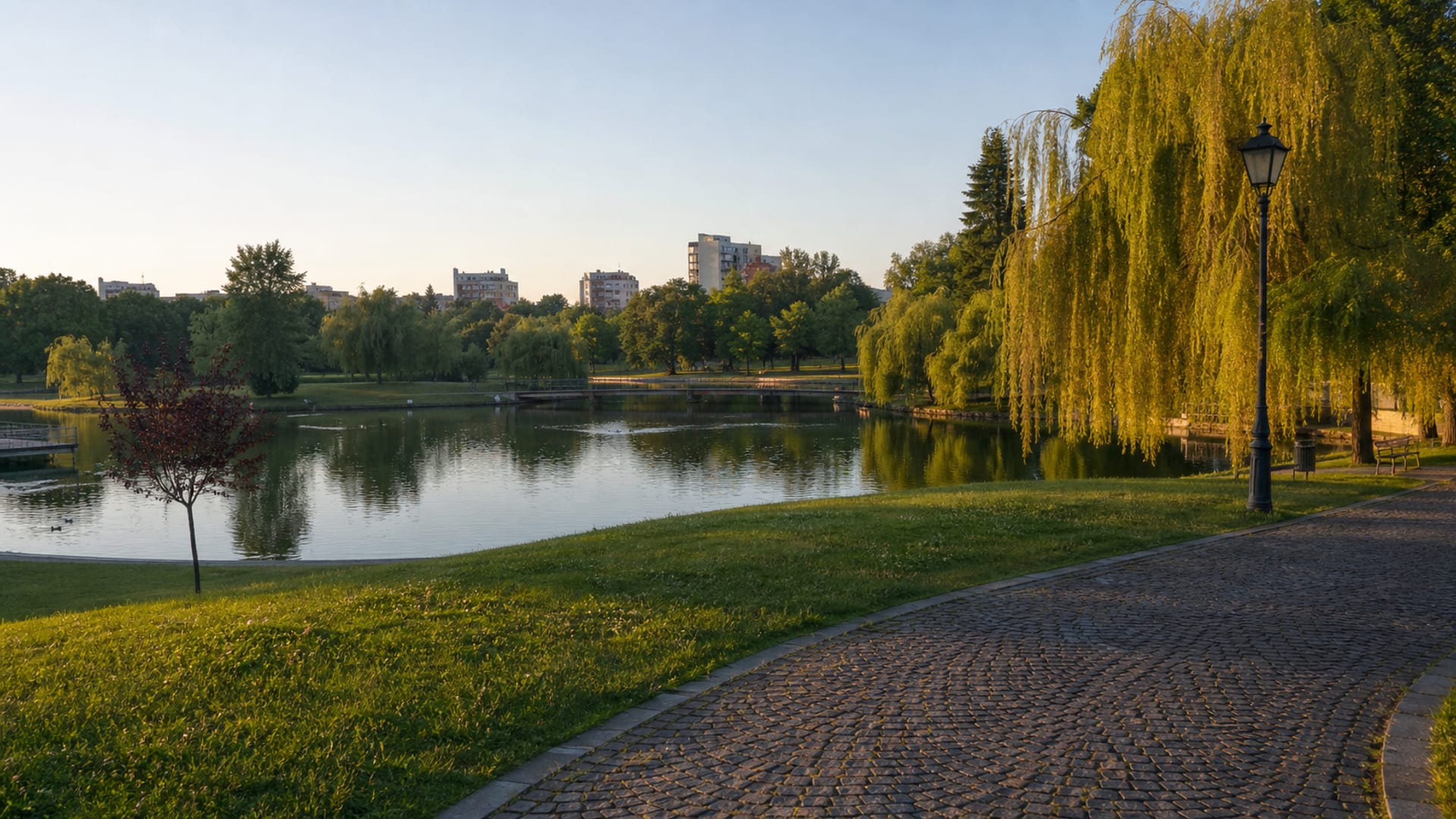
The Central Park area lies just west of Cluj-Napoca’s historic center, around Central Park and the Someșul Mic river. Hotels here are close to green space, Cluj Arena, and riverside paths, while Union Square and the old city are within an easy walk from the eastern side of the area.
Best for: Parks, relaxed walks, and easy access to the old city without staying in the busiest streets
What to expect: More trees, wider sidewalks, and lighter foot traffic than the core, with a steady flow along the park edges.
Hotel prices: Usually about 350 lei to 700 lei (~$75 to ~$150) per night for well-rated stays
Distance to major sights: 10 to 15 minutes on foot to Union Square; about 10 minutes on foot to Central Park
Quietness: Quieter in the morning and evening, with more movement near park entrances and main roads during the day.
Main trade-off: You gain more greenery, but the nearest restaurant and nightlife cluster sits a few streets east.
Good to know: Check the event calendar before booking near Cluj Arena or Central Park, since concerts and festivals can bring more traffic and evening noise.
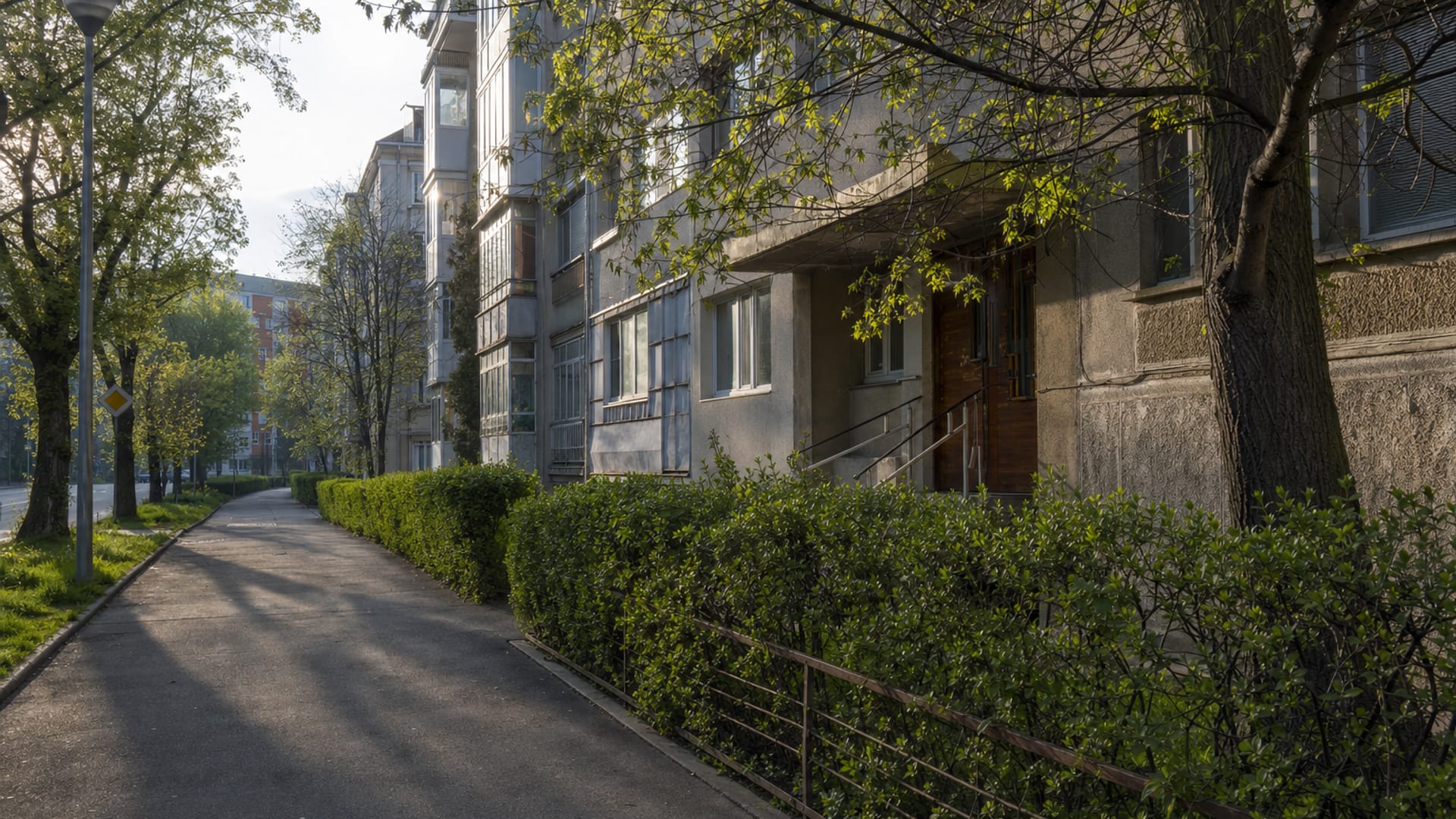
Gheorgheni is a residential district east of central Cluj-Napoca, with apartment blocks, supermarkets, local shops, and good public transport. Iulius Mall and Iulius Parc add shopping, restaurants, and green space, making the area practical for longer stays away from the historic center.
Best for: Longer stays, families, and travelers who prefer a residential base with mall access
What to expect: Mostly local traffic, grocery stops, and neighborhood routines, with much less visitor pressure than the center.
Hotel prices: Usually about 300 lei to 600 lei (~$65 to ~$130) per night for well-rated stays
Distance to major sights: 15 to 25 minutes by bus to Union Square; about 10 minutes on foot to Iulius Parc from much of the area
Quietness: Calmer during the day and generally quieter at night, aside from roads near the main shopping corridors.
Main trade-off: You will spend more time on transit if your plans center on the old town or evening dining.
Good to know: Choose a property near a useful bus stop if you expect frequent trips into the center, especially for dinner or other evening plans.
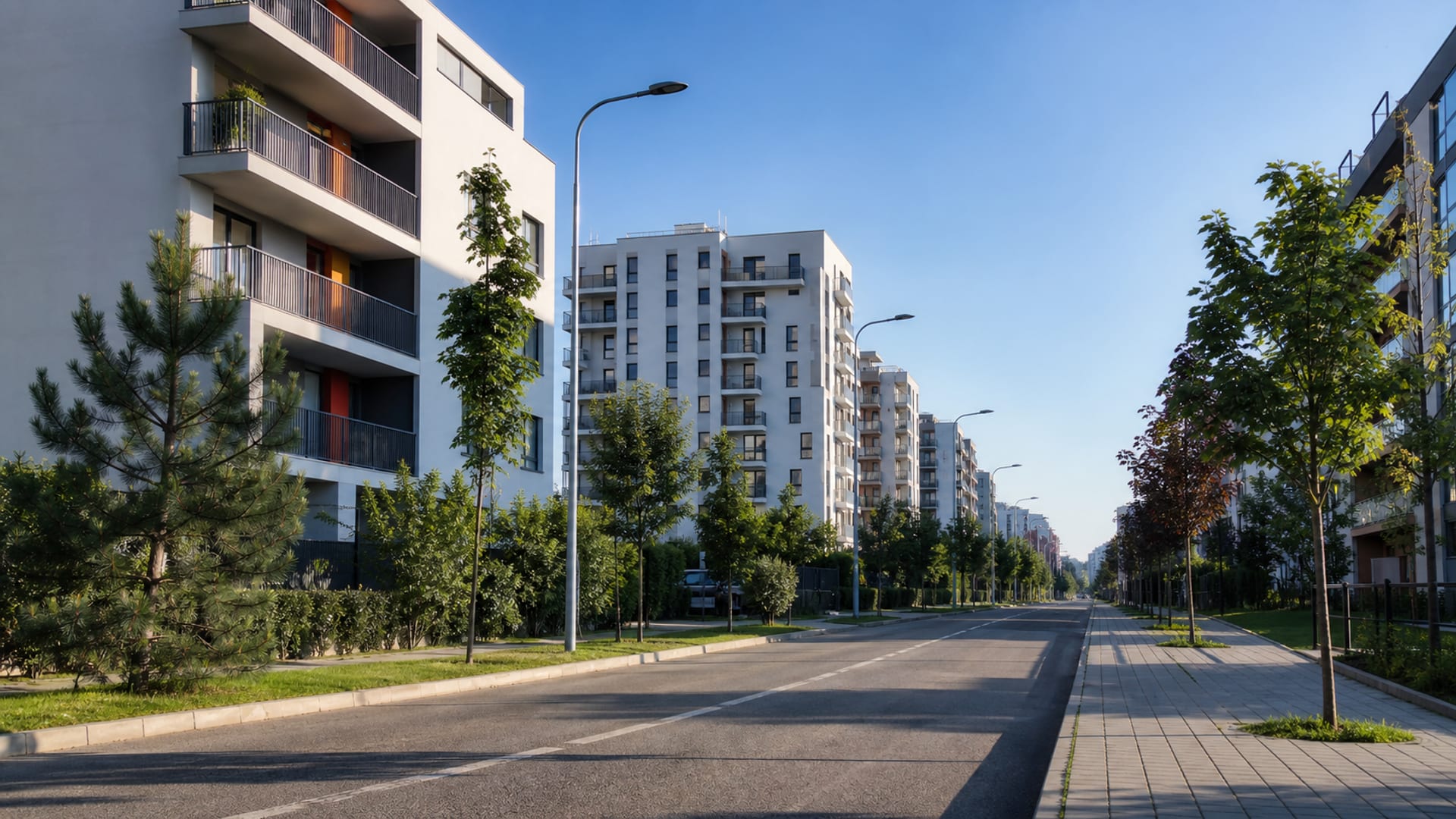
Mărăști is a large district northeast of central Cluj-Napoca, with apartment blocks, offices, supermarkets, shops, and frequent public transport. Its main roads connect easily to the city center, making it practical for longer stays or travelers who don’t need to be close to the Old Town.
Best for: Transit access, budget-conscious stays, and travelers connecting to the train station or business districts
What to expect: Active intersections, many commuters, and regular bus traffic, with a more everyday pace than the historic core.
Hotel prices: Usually about 250 lei to 500 lei (~$55 to ~$110) per night for well-rated stays
Distance to major sights: 15 to 20 minutes by bus to Union Square; about 12 minutes by taxi to Cluj-Napoca Railway Station
Quietness: Busier in the daytime, then quieter in the evening except near major roads and shops.
Main trade-off: The area is less atmospheric for an evening stroll, and sightseeing usually starts with a transit ride.
Good to know: Choose a property near a direct bus or trolleybus route if you expect to travel into the historic center several times during your stay.
For sightseeing-focused stays, Mănăștur is less convenient because reaching the historic center takes longer. Bună Ziua and Iris neighborhoods are also farther from the main sights, while Gheorgheni and Mărăști are more practical for longer stays.
Hotel deals
How to get around Cluj-Napoca efficiently
Cluj-Napoca is easy to cover by public transport, with buses for most routes, trams on limited corridors, and taxis or ride apps for direct trips.

Tram
for selected routes
Trams are useful only on certain routes, including links between Bucium, the railway station, and Bulevardul Muncii. A standard ride costs RON 3.50 ($0.80). For most central sightseeing, buses and trolleybuses cover more useful areas and usually give you more route choices.

Bus and trolleybus
for most city trips
Buses and trolleybuses cover most visitor areas and connect the airport with central Cluj. A standard ride costs RON 3.50 ($0.80), while a 60-minute ticket is RON 7 ($1.55). The A1E airport express costs RON 6 ($1.30) and reaches the central area in 26 minutes.

Taxi and ride-hailing
for direct trips and late hours
Licensed taxis use meters, with regulated maximum fares of RON 4.05 ($0.90) per km by day and RON 4.75 ($1.05) at night. Uber and Bolt are also available in Cluj-Napoca, and you can see the estimated fare before confirming a ride. These options are useful for airport trips, late hours, and luggage.
*Prices are based on rates updated as of September 2026 and may change at the time of travel.
Use buses and trolleybuses for most city trips, trams when your route matches the network, and taxis or ride apps for direct travel and late hours.
Iconic landmarks
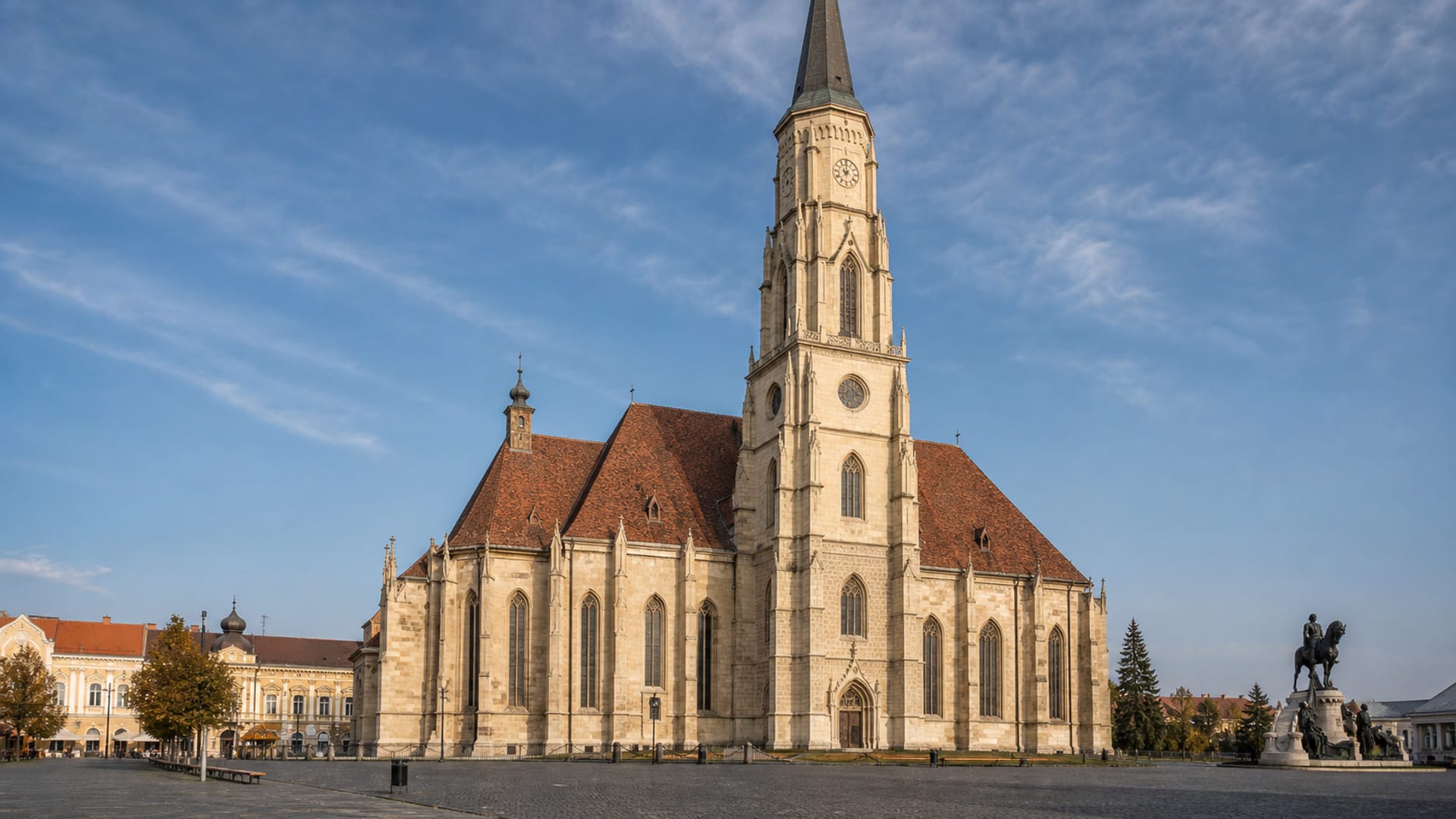
St. Michael's Church
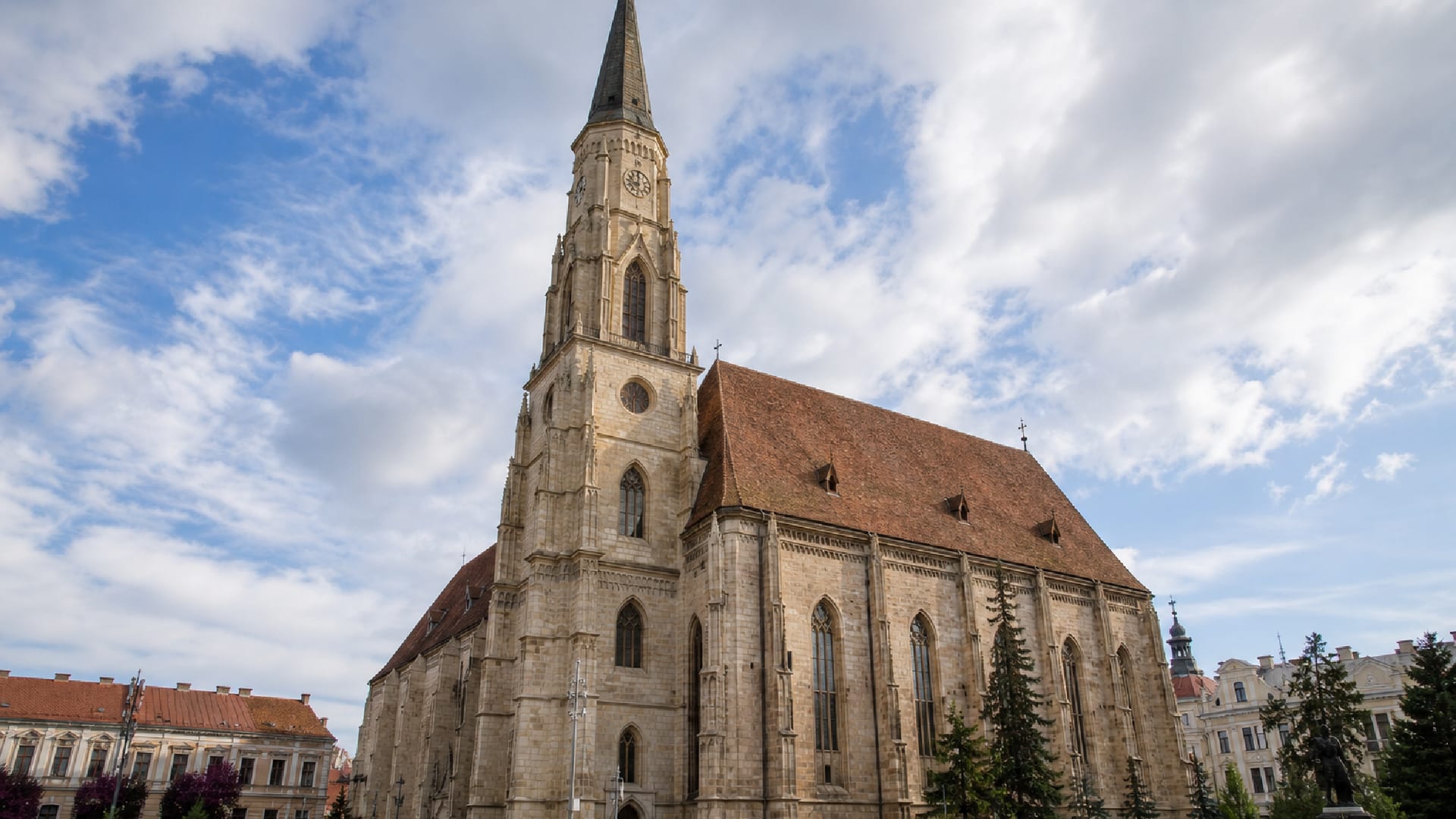
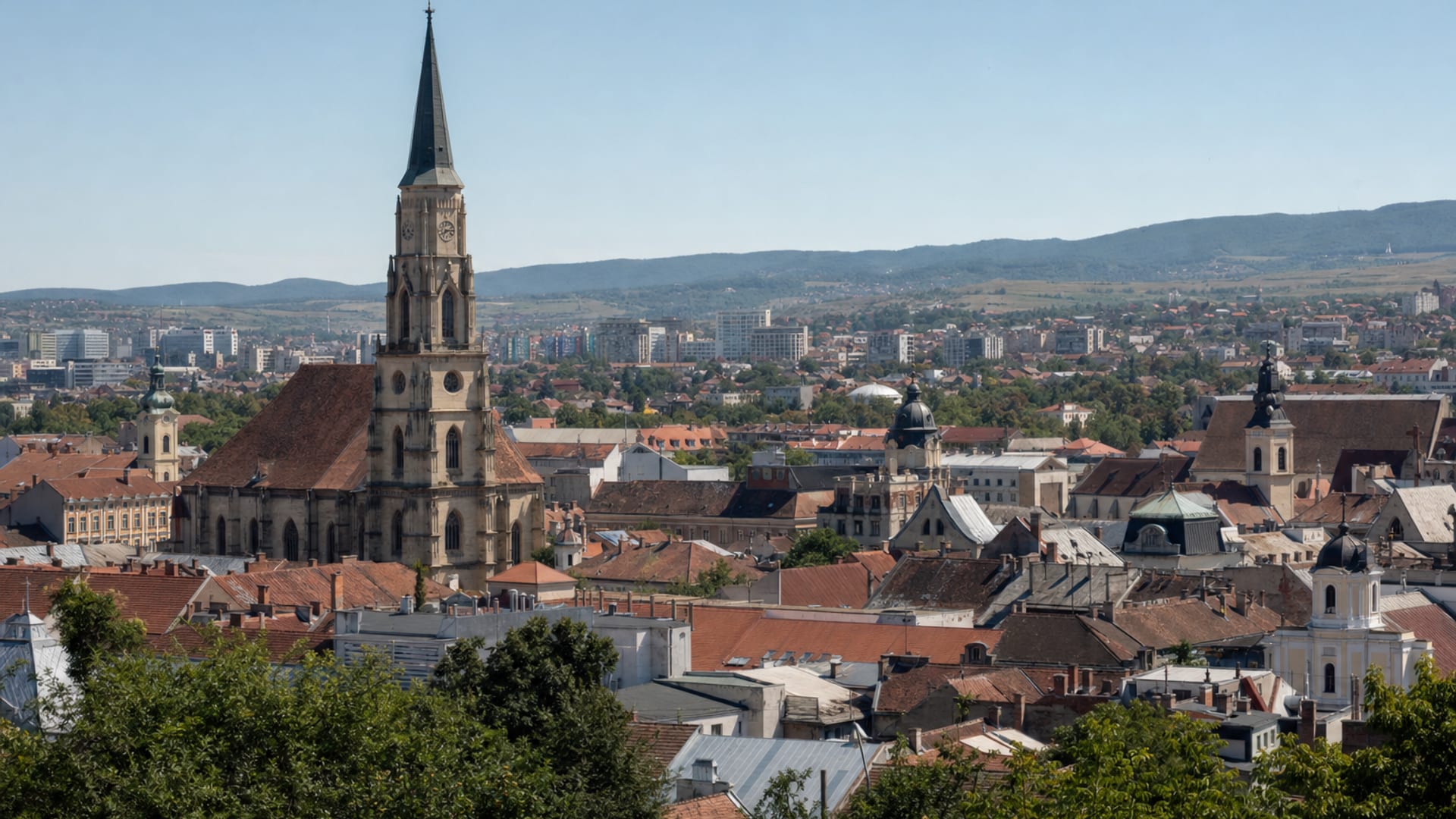
St. Michael’s Church is on Union Square beside the Matthias Corvinus monument. Built mainly in the 14th and 15th centuries, it is one of Transylvania’s major Gothic churches, with an 262-foot (80-meter) neo-Gothic tower, Baroque interior additions, and a late-Renaissance sacristy doorway from 1528.
Time needed: About 45 to 60 minutes
Entry: Free to enter for worship and sightseeing; donations are welcome. Tower access, when open, usually costs about $3 to $6 (€3 to €5) separately.
Tip: Check current tower access before visiting, since it does not follow a regular schedule.
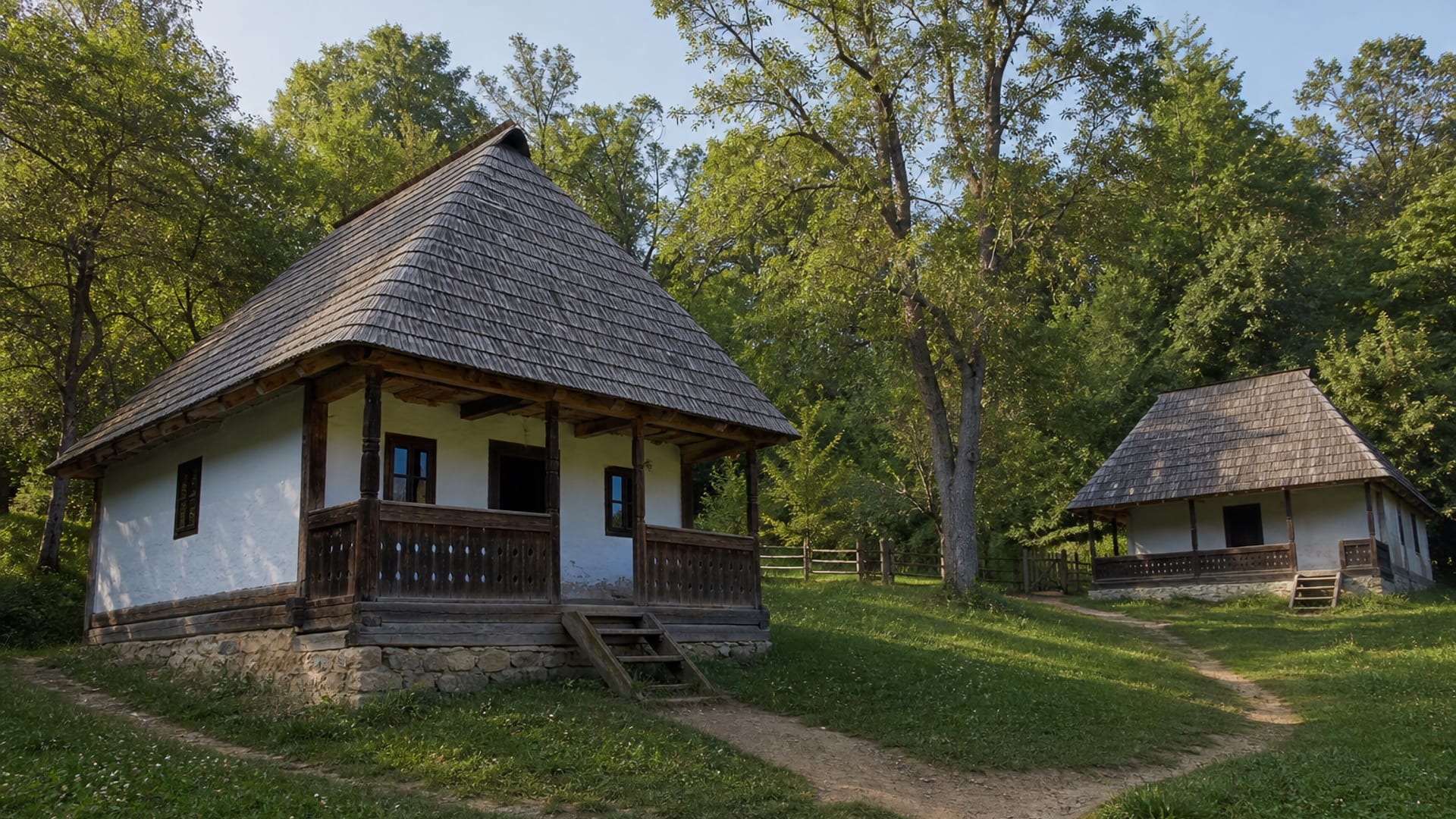
Ethnographic Park Romulus Vuia
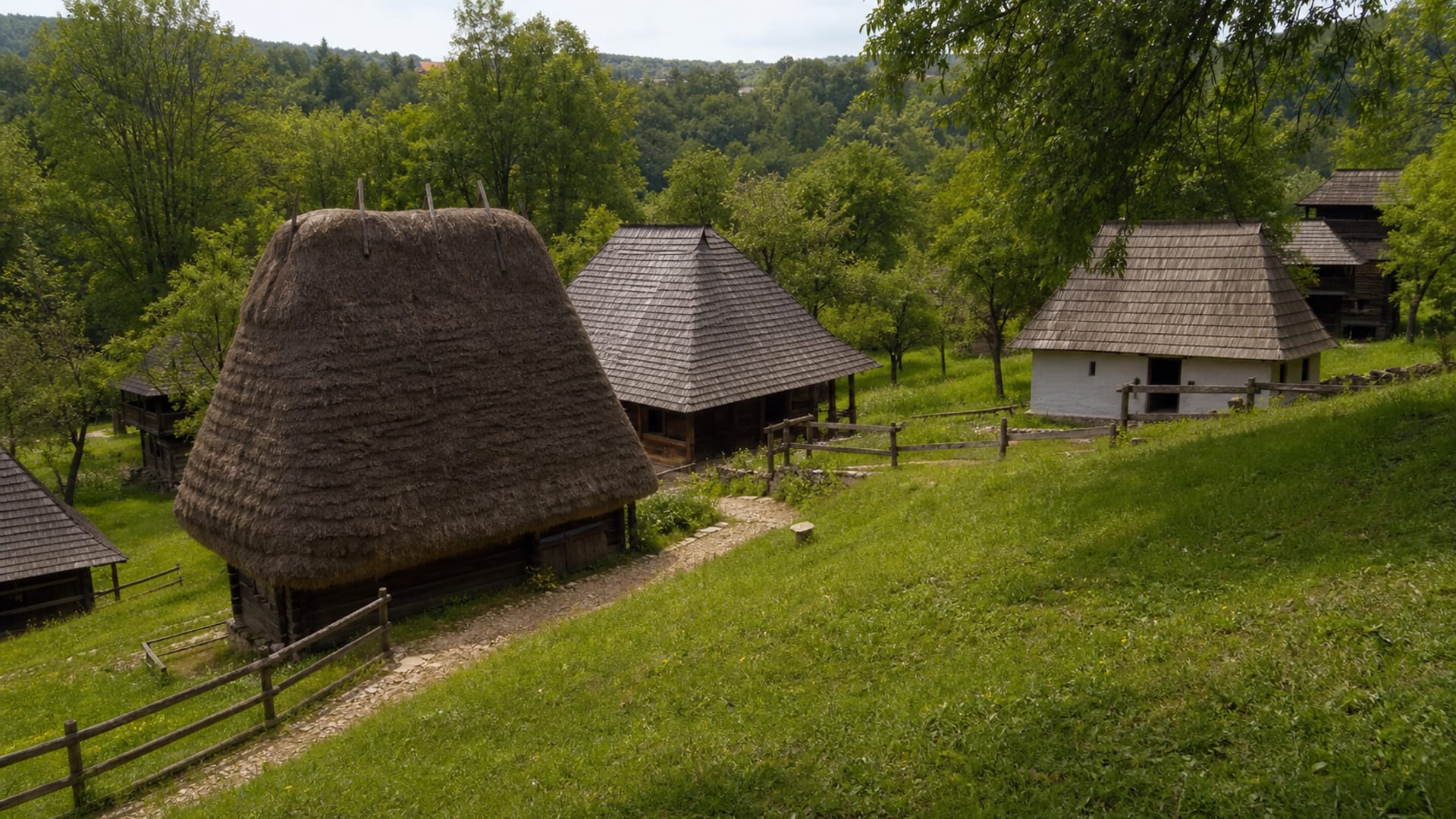
Romulus Vuia Ethnographic Park is an open-air museum near Hoia Forest, with historic houses, wooden churches, workshops, farm buildings, and household structures brought from across Transylvania. The collection shows how rural homes and working spaces differed across the wider region.
Time needed: About 2 to 3 hours
Entry: Adult tickets usually cost about $7 to $10 (€6 to €9); reduced rates apply for students, children, and seniors. Visit the official site for details.
Tip: Look for the wooden churches from Cizer, Chiraleș, and Petrindu among the park’s highlights.
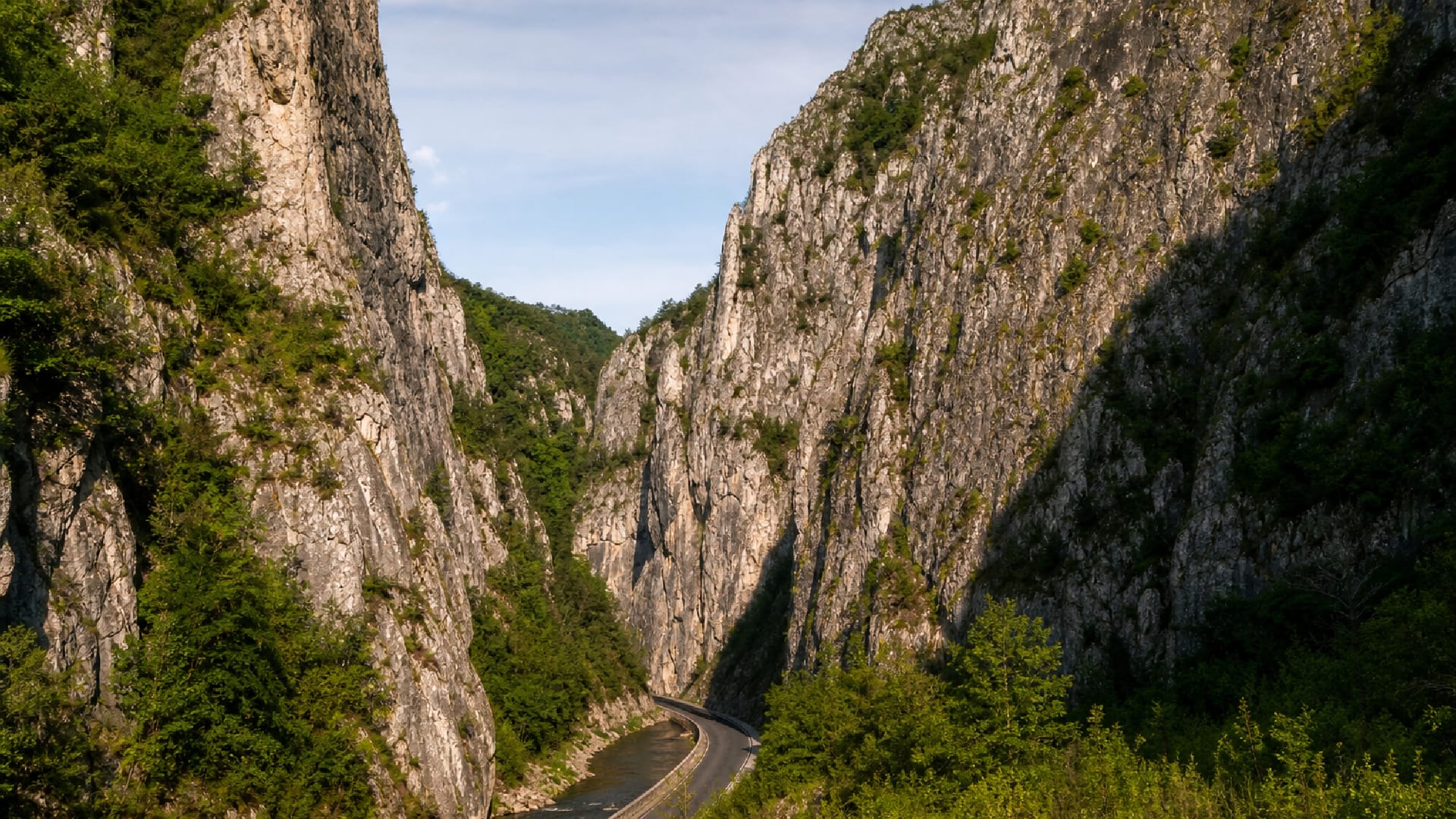
Turda Gorge
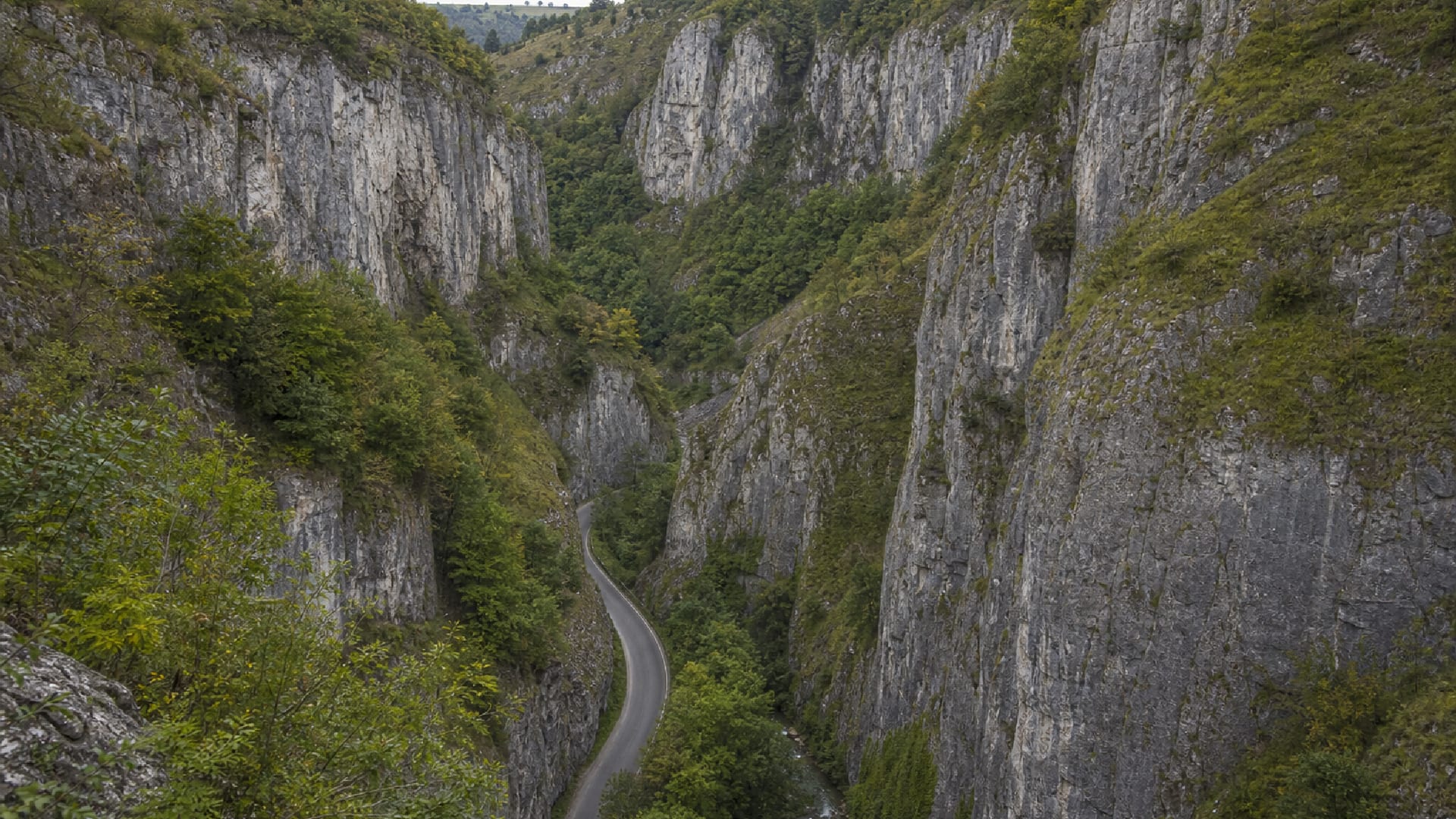
Turda Gorge is about 25 miles (40 km) from Cluj-Napoca, where the Hășdate River passes between steep limestone walls. The reserve has marked walking routes, more than 60 caves, narrow rock passages, and higher trails above the gorge, with some sections requiring extra care on uneven ground.
Time needed: About 2 to 4 hours
Entry: Free to access on foot; parking near trailheads may cost about $2 to $5 (€2 to €5), depending on the lot and season. Visit the official site for details.
Tip: Wear proper walking shoes and check the weather, as wet rock can make sections slippery.
Overlooked sites worth visiting

Hoia Forest
Hoia Forest covers about 1.15 square miles (3 square kilometers) on Cluj-Napoca’s western edge, with woodland paths, open clearings, and access toward Baciu Gorge, a small protected limestone reserve to the north.
Time needed: About 1 to 2 hours
Entry: Free to access; no ticket is required for the forest paths or clearings. Bring your own water and wear closed shoes, since the ground can turn muddy after rain and some side tracks are not signed.
Tip: Enter from the Baciu Gorge side if you want to combine the forest with the nearby reserve.

Firemen’s Tower
The Firemen’s Tower dates to 1574 and stands on Strada Tipografiei in the historic center. Inside, displays trace its firefighting history before the visit ends with a 360-degree view over Cluj.
Time needed: About 2 hours
Entry: Standard tickets cost about $5 ($23 RON) for adults, with reduced rates for students and seniors. The park sells separate tickets for temporary exhibitions, and opening hours vary by season, so check current times before you go. Visit the official site for details.
Tip: Take the elevator to the top, then walk down through the exhibition levels.
Traditional food
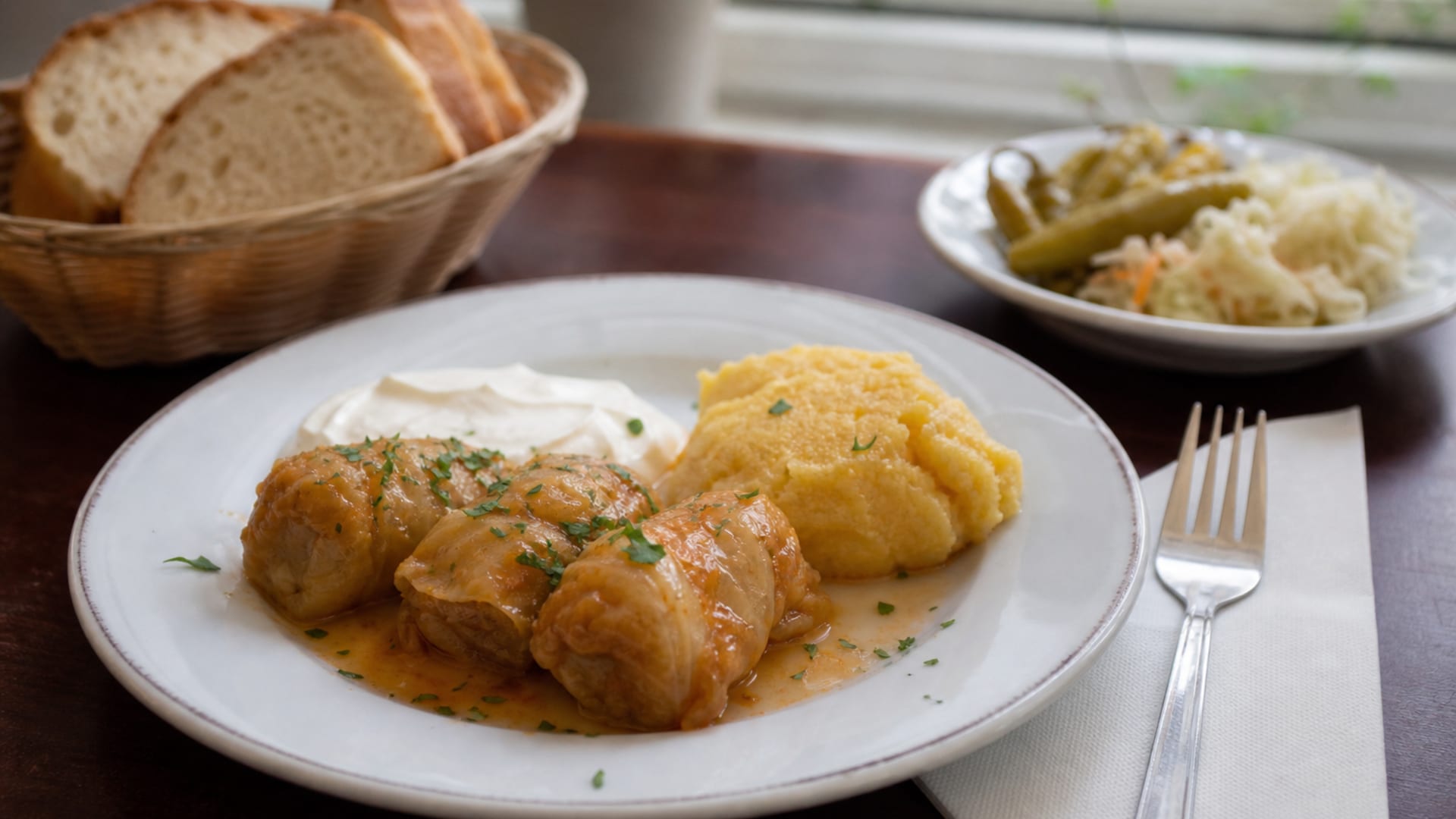
Traditional cooking in Cluj-Napoca includes cabbage, pork, grilled meat, polenta, sour cream, and cheese. These four dishes cover one local specialty and three well-known Romanian classics.
Varză à la Cluj
Varză à la Cluj layers cabbage with minced pork and rice, then bakes the mixture until the flavors come together; sour cream is often added at the table. Vărzărie on Bulevardul Eroilor is a long-standing place to try this Cluj specialty.
Sarmale
Sarmale are cabbage rolls filled with minced pork, rice, onion, and seasoning, then slowly cooked and usually served with polenta and sour cream. Casa Veche serves them in the historic center as part of its traditional Romanian menu.
Mici
Mici are skinless grilled rolls made from seasoned minced meat, usually a mix of beef, pork, or lamb, with garlic and other spices. Roata serves them with mustard and bread in central Cluj-Napoca, a classic way to eat them hot off the grill.
Papanași
Papanași are fried cheese doughnuts made with fresh cow’s cheese, flour, and eggs, then topped with sour cream and fruit jam. Restaurant Valachia serves them with house-made jam, following a traditional Romanian style in Mănăștur.
Best time to visit Cluj-Napoca
Cluj-Napoca is easiest to explore from late spring through early fall, when the days are longer and the weather is better for being outside.
Best for: Church visits, parks, and outdoor sightseeing as the weather becomes milder.
What you get: March can still be cold, but by May daytime temperatures often reach 68°F–72°F (20°C–22°C), with some warmer days in the mid-70s°F (mid-20s°C).
Trade-offs: March can still feel wintry, while May brings more rain and occasional thunderstorms.
Best for: Terraces, parks, long evenings, and day trips to Turda Gorge and nearby trails.
What you get: Daytime temperatures are often around 73°F–81°F (23°C–27°C), but hotter spells can push them above 86°F (30°C).
Trade-offs: Hot afternoons and summer thunderstorms can make longer outdoor plans less comfortable.
Best for: City walks, museums, parks, and outdoor sightseeing in September and October.
What you get: Early September can still reach 77°F–82°F (25°C–28°C), while November is much colder, with many days roughly 39°F–51°F (4°C–11°C).
Trade-offs: Temperatures drop quickly through the season, and daylight becomes noticeably shorter by late fall.
Best for: Museums, churches, cafés, and shorter walks through the historic center.
What you get: Daytime temperatures are often around 32°F–43°F (0°C–6°C), while nights can fall to about 21°F–27°F (-6°C to -3°C).
Trade-offs: Cold weather, frost, and shorter days make long periods outdoors less comfortable.
A realistic 5-day plan in Cluj-Napoca
Five days in Cluj-Napoca gives you enough time for the historic center, Hoia Hill, Turda Gorge, museums, parks, and meals without rushing. Keeping nearby sights together cuts down on unnecessary travel and leaves more time to enjoy each stop.
After landing at Cluj-Napoca Airport, take a taxi or the A1E bus into the center and check in near Union Square. A taxi usually costs about RON 35–RON 55 ($8–$12), while the A1E bus costs RON 6 ($1.30). Keep the first evening simple with a walk around St. Michael’s Church and the surrounding streets, then stop for dinner nearby. It is a gentle first look at the historic center without filling arrival day with sightseeing after the flight.
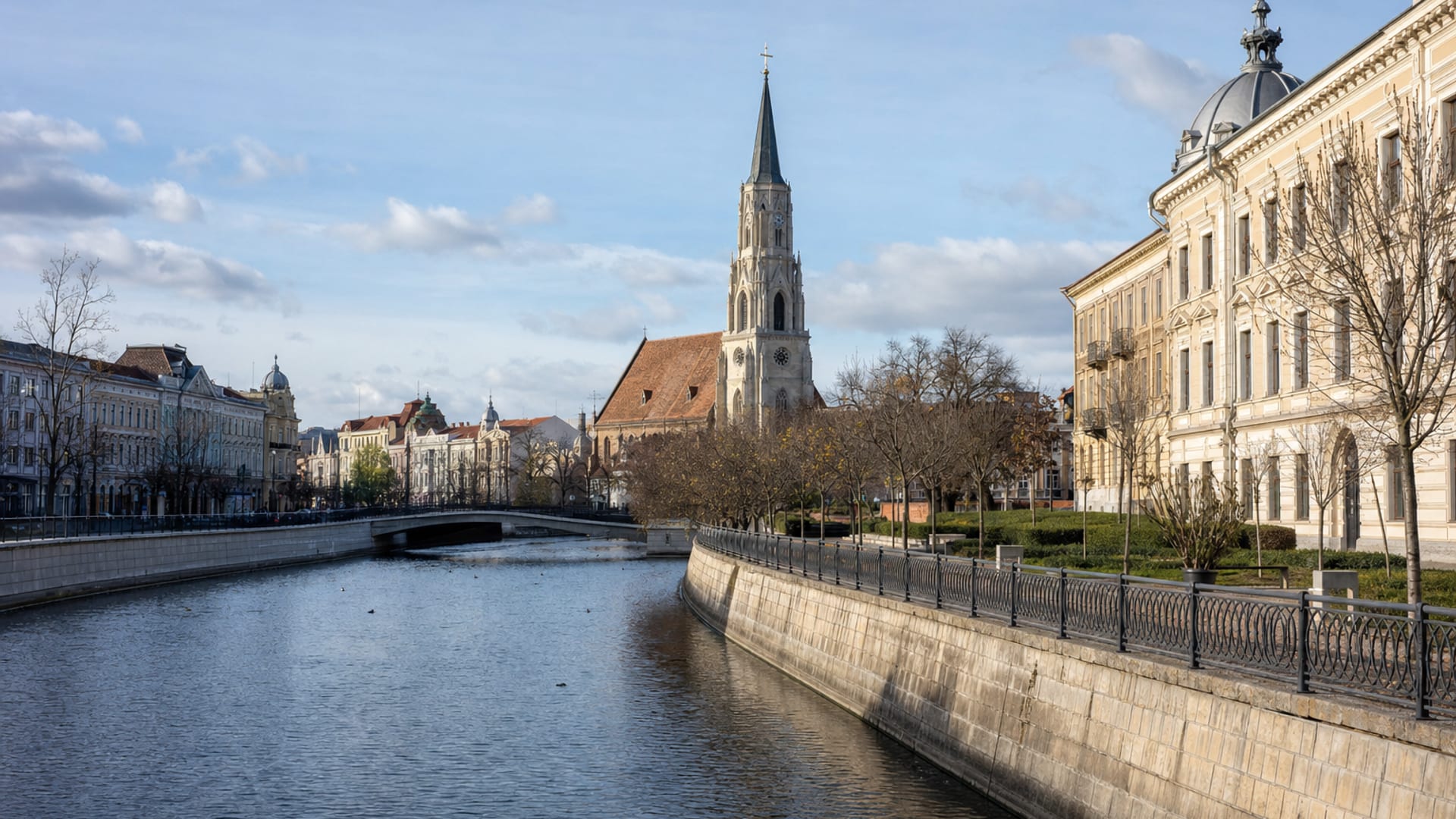
Spend the morning in Union Square, starting with St. Michael’s Church and the Matthias Corvinus monument before walking to the National Museum of Transylvanian History. After lunch, continue through Museum Square and the smaller streets nearby, where old houses, churches, cafés, and courtyards fill the historic center. Finish the afternoon at the Firemen’s Tower for a view over the rooftops, then stay in the center for dinner.
Head west in the morning to the Romulus Vuia Ethnographic Park and spend a few hours among wooden churches, farmhouses, workshops, and household buildings brought from across Transylvania. After lunch, continue into Hoia Forest for a shorter walk through the trees and open clearings toward Baciu Gorge. Stay outside through the afternoon, then return to the center in time for dinner and a quieter evening after a full day on Hoia Hill.
Leave Cluj-Napoca in the morning for Turda Gorge, about 25 miles (40 km) from the city and roughly 45 to 60 minutes away by car. Spend the middle of the day on the marked paths between limestone walls, cave openings, and the Hășdate River, choosing a shorter route or a longer circuit depending on your pace. After the hike, return to Cluj for a late lunch or early dinner and keep the evening free after the longer outing and time on the trails.
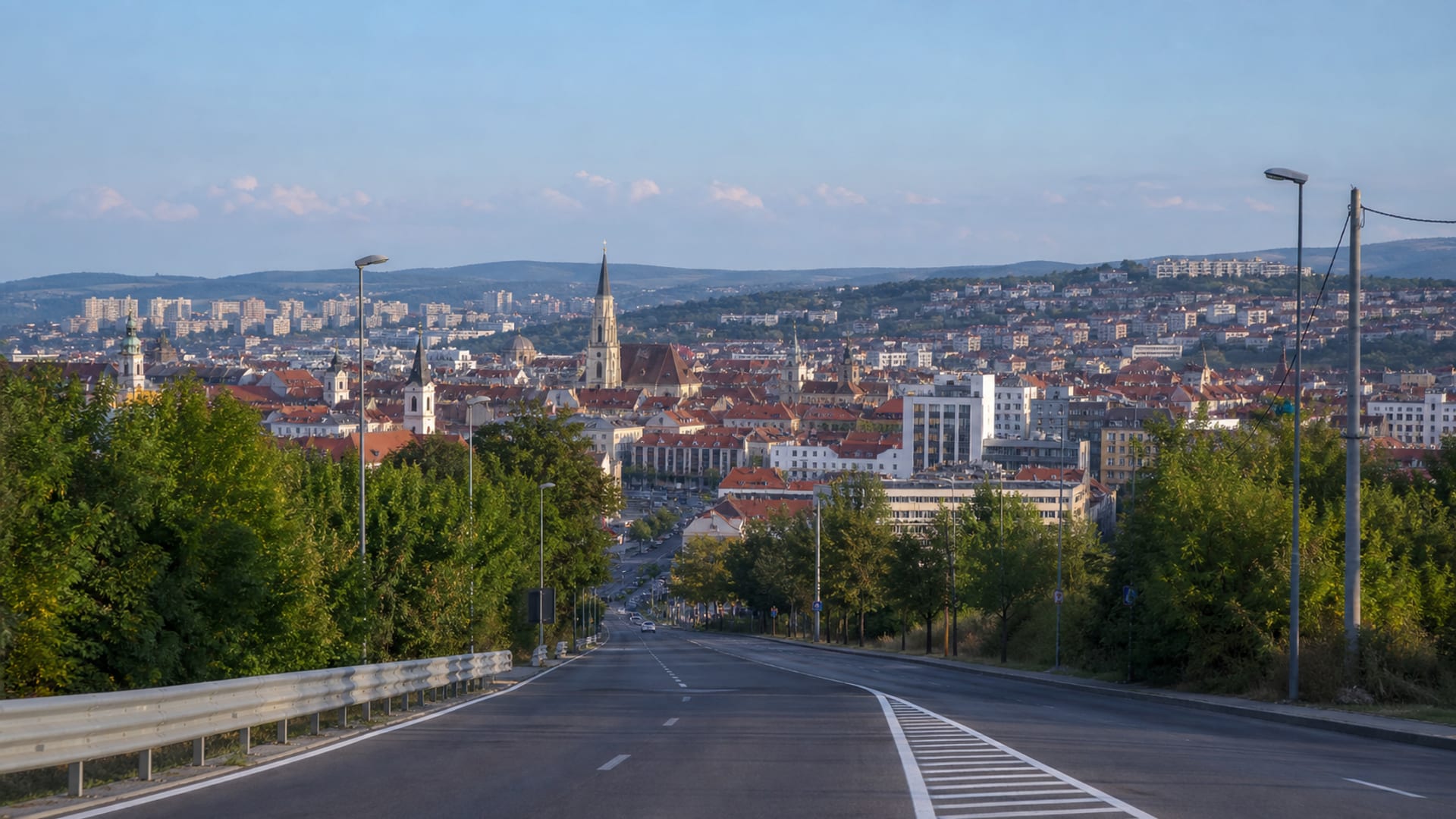
Start the final morning in Central Park and spend an hour or two around the lake, lawns, paths, and the Someșul Mic river. From there, continue toward the center for coffee or lunch and any last shopping around Union Square. Return to your hotel for luggage, then leave for the airport with enough time for traffic. The lighter schedule keeps the last day useful without turning departure into another full sightseeing day before your flight.
Business-class flights from the US to Cluj-Napoca
There are no nonstop flights from the US to Cluj-Napoca, but several one-stop routes connect through major European hubs.
New York (JFK) to Cluj-Napoca (CLJ)
From New York (JFK), Turkish Airlines offers flights to Cluj-Napoca through Istanbul (IST), Lufthansa through Munich (MUN), and SWISS through Zurich (ZRH). Trips on this route usually take about 13 to 30 hours, depending on the layover, while round-trip fares typically range from $4,000 to $8,600.
Los Angeles (LAX) to Cluj-Napoca (CLJ)
From Los Angeles (LAX), the main one-stop business-class options are Lufthansa via Munich (MUC) and SWISS via Zurich (ZRH). Total travel time usually falls between 22 and 34 hours, depending on the layover, while round-trip fares generally range from $4,000 to $9,200. Longer itineraries can involve a substantial wait in Europe before the final flight to Cluj-Napoca.
A well-paced Cluj-Napoca trip
A good Cluj-Napoca itinerary keeps the historic center, Hoia Hill, and longer day trips on separate days, so you spend less time crossing the city and more time at each stop. Staying near the places you plan to visit most also makes mornings and evenings easier. Once your dates are set, AranGrant can help with business-class flights and hotel stays, leaving you to focus on the details of the trip itself.







