

Chapters:

Need help with your trip?
Our support team is available 24/7. Request a callback or call us directly at (833) 619-0908
Cleveland itineraries often start with the Rock Hall, a museum afternoon, and one heavy dinner in Ohio City or Downtown, while the city’s lakefront, cemetery landmarks, and neighborhood food stops get less attention.
That pattern misses how spread out the core is. A bad sequence can mean crossing town twice, joining crowds at the wrong hour, and ending the day farther from your hotel than you planned.
This guide keeps the main sights in workable clusters, pairs transit with walkable blocks, and leaves room for quieter corners, so each day has a clear purpose instead of a string of disconnected stops.
Useful things to know

Main language(s): English

Currency: The local currency is the US dollar (USD, $).

Cash and cards: Cards and contactless are widely accepted; carry about $20 to $40 in cash for tips, small purchases, and backups.

Tipping: Tip 15-20% at restaurants, and round up small bills for taxis and bars.

Traditional food: Polish boy sandwich, corned beef sandwich, paczki, pierogies

Water and coffee costs: Water about $2, bar espresso about $4.

Taxis and ride apps: Uber and Lyft operate here; wait times can vary late at night.

Plug and voltage: Type A/B socket, 120V

Dining and shop opening hours: Breakfast is about 07:00-10:00, lunch 12:00-14:00, and dinner 17:00-21:00. Many kitchens close by 22:00.

Emergency number: 911 for police, fire, and medical emergencies.
Where to stay in Cleveland
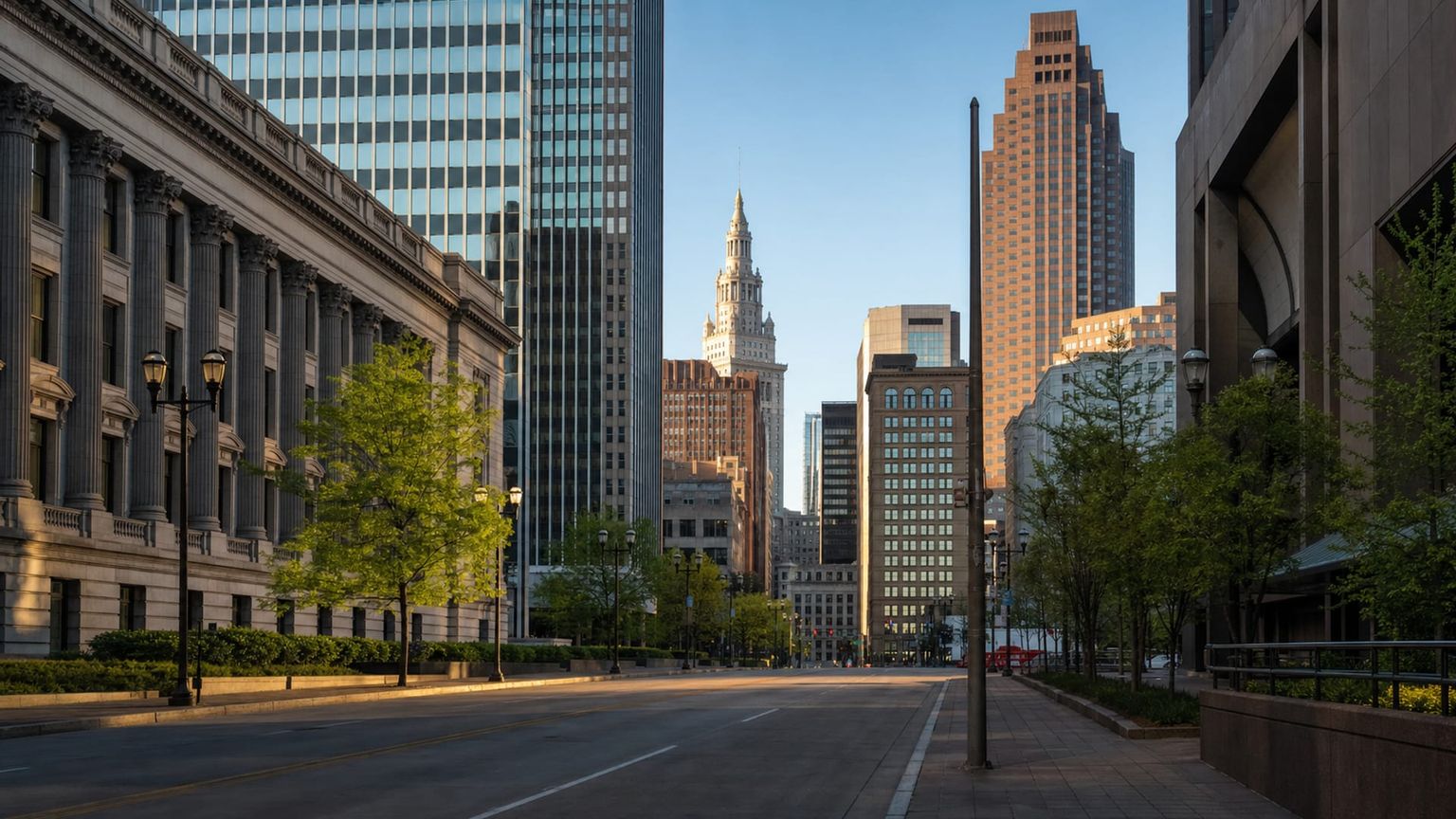
Cleveland’s central business district puts you close to Public Square, the lakefront edge of the flats, and the city’s main convention and sports venues. It suits visitors who want the shortest hop to museums, stadiums, and rail links.
Best for: First-time visits, business trips, and travelers who want the shortest hop to major downtown sights
What to expect: Busy streets on weekdays, more foot traffic near offices and arenas, and a lighter scene late at night outside event hours.
Hotel prices: Usually about $150 to $300 per night for well-rated stays
Distance to major sights: About 10 to 15 minutes on foot to Public Square, and about 10 minutes by transit to the Rock and Roll Hall of Fame
Quietness: Lively by day, quieter on non-event evenings once offices close
Main trade-off: You will pay more on game nights and during conventions, and parking can be expensive.
Good to know: Choose this if you plan to use trains, rideshares, or short walks; an included parking rate can make a noticeable difference.
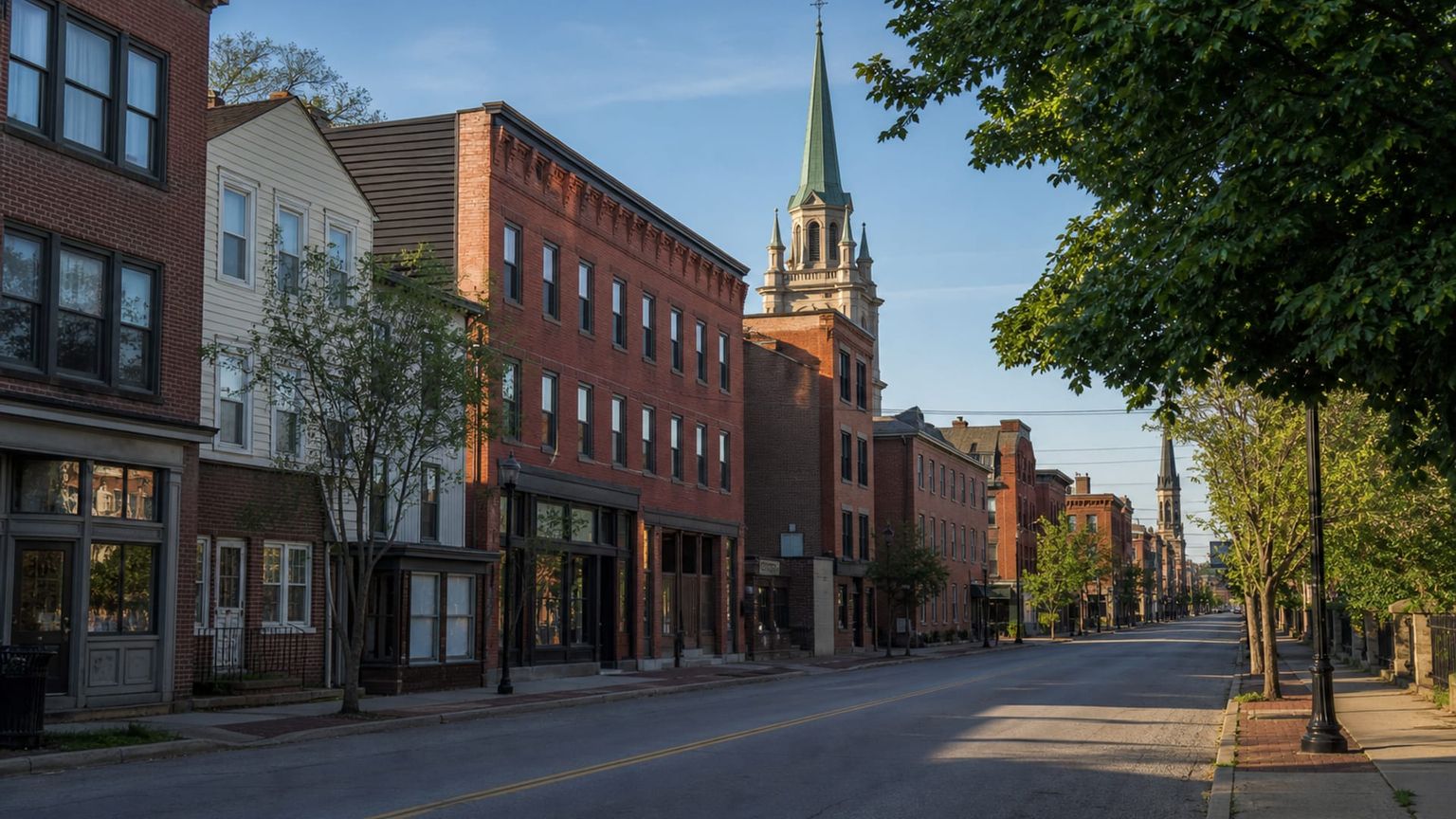
Ohio City sits just west of downtown and centers on West 25th Street, the West Side Market, and a dense restaurant and brewery scene. It gives you an older neighborhood feel without leaving the city core.
Best for: Dining, nightlife, market visits, and travelers who want a neighborhood base with easy downtown access
What to expect: Active sidewalks, busy patios, and a steady evening crowd around the market and brewery corridors.
Hotel prices: Usually about $140 to $260 per night for well-rated stays
Distance to major sights: About 10 minutes by transit to Public Square, and about 15 minutes on foot to West Side Market
Quietness: Busy through dinner and later than downtown in some blocks, then calmer on side streets
Main trade-off: You will be close to bars and restaurants, but late-night noise can be an issue on the livelier blocks.
Good to know: If you are sensitive to noise, look for a room off West 25th Street rather than directly on the main strip.
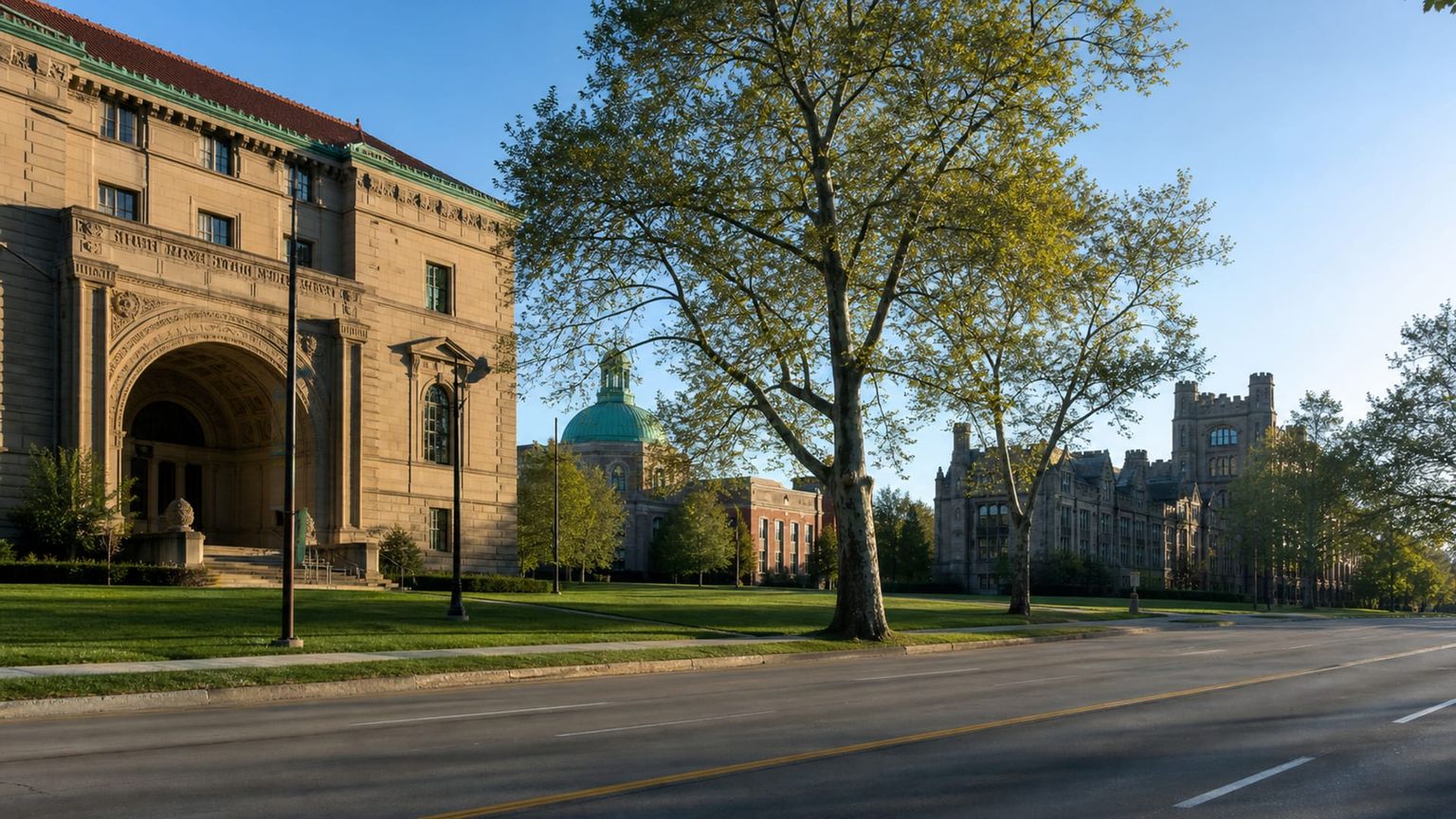
University Circle gathers the Cleveland Museum of Art, the Cleveland Museum of Natural History, Case Western Reserve University, and major hospitals in one compact district. It works well when museums and green space matter more than nightlife.
Best for: Museums, campus visits, hospital access, and travelers who prefer a quieter east-side base
What to expect: Pedestrian traffic from students, hospital visitors, and museumgoers, with a calmer evening pace than downtown.
Hotel prices: Usually about $160 to $320 per night for well-rated stays
Distance to major sights: About 15 minutes by transit to Public Square, and about 5 to 10 minutes on foot to the Cleveland Museum of Art
Quietness: Active in the day, notably quieter after museum hours and campus events
Main trade-off: You gain close access to major cultural sites, but you will spend more time reaching the lakefront and downtown nightlife.
Good to know: Plan ahead for dinners, since late-evening options cluster more around nearby neighborhoods than inside the core museum district.
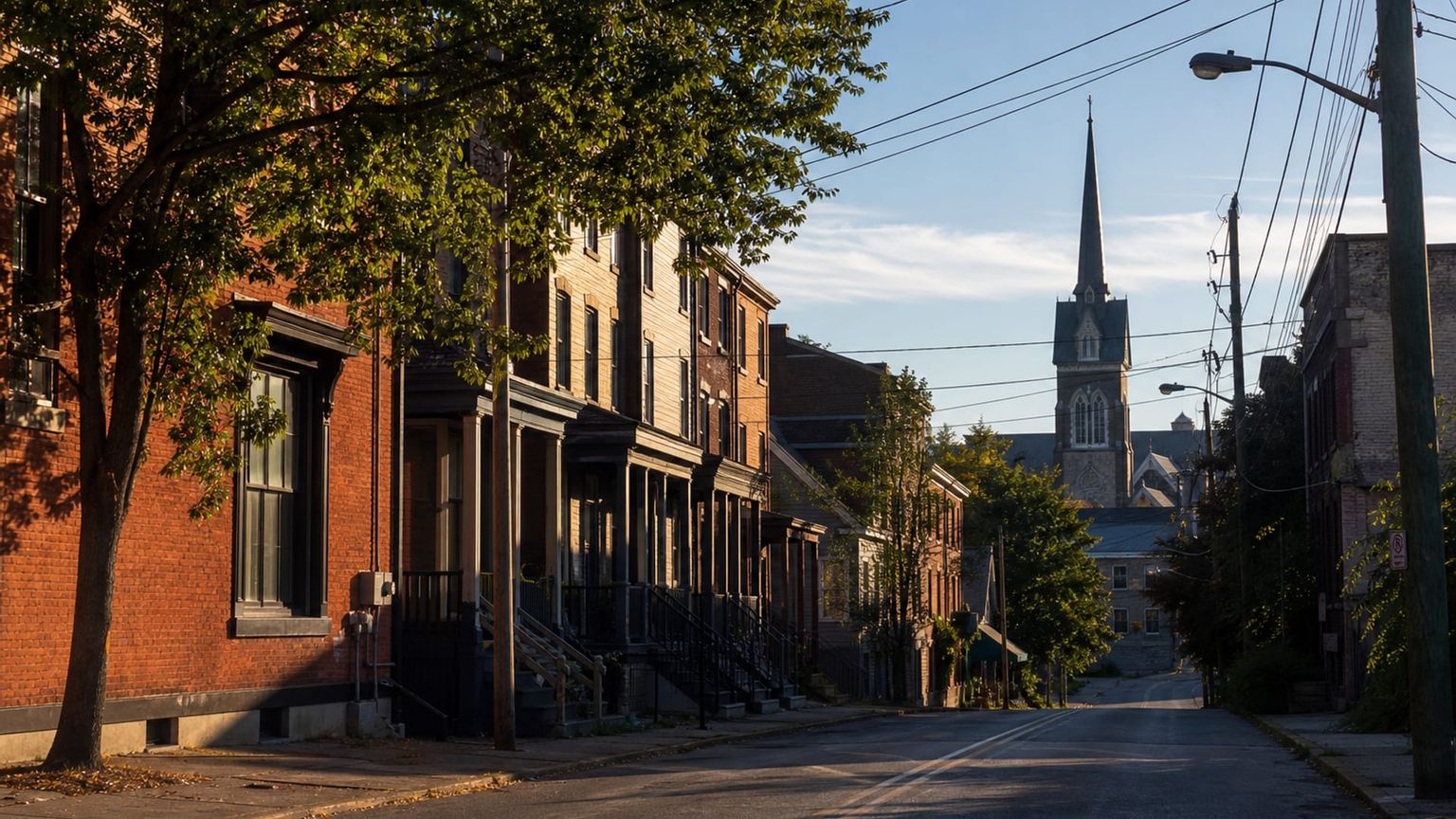
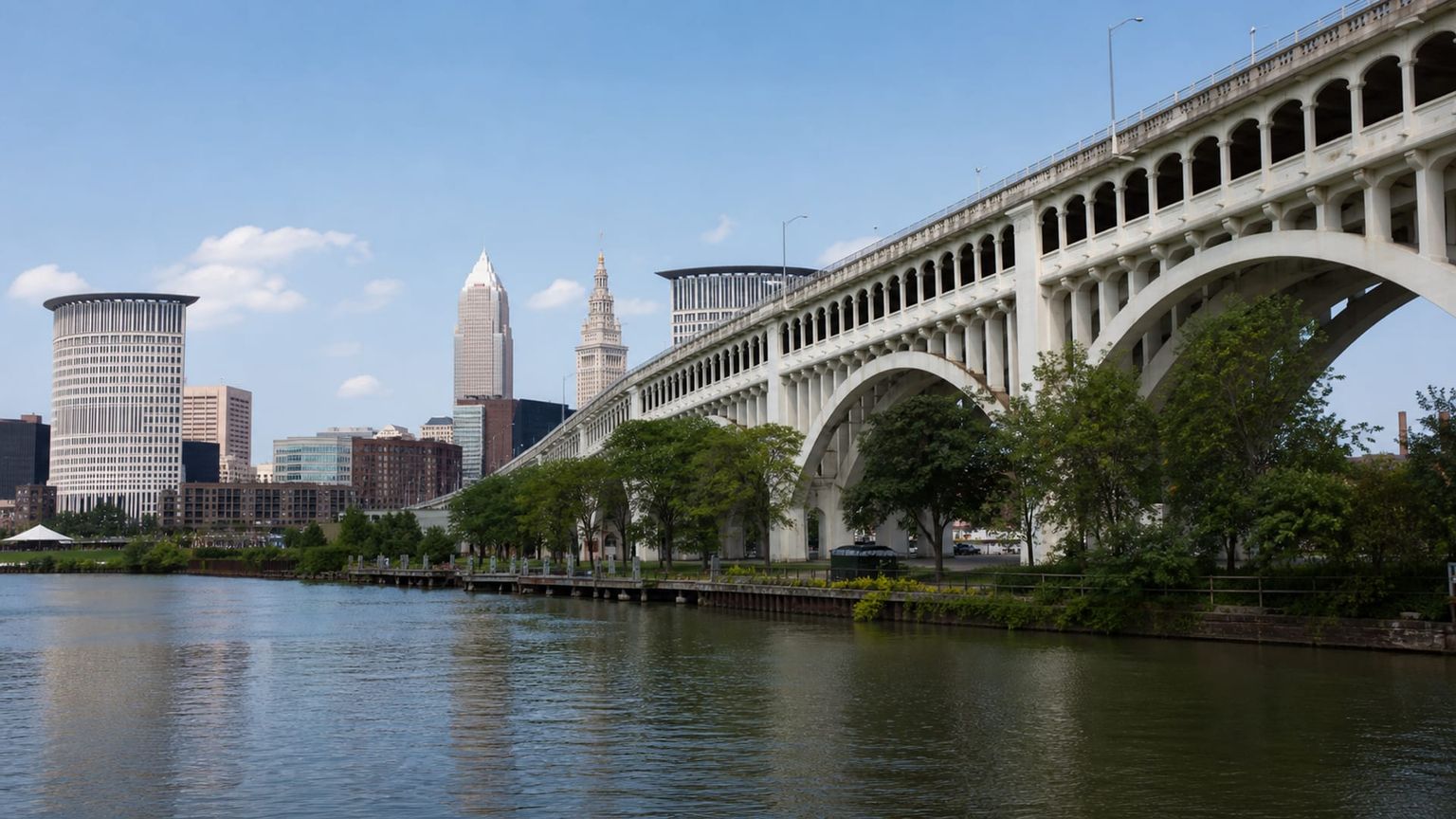
Tremont sits on the near west side, with historic houses, independent restaurants, and easy access to the Detroit-Superior Bridge and downtown. It appeals to visitors who want a compact, neighborhood setting with a strong dining scene.
Best for: Dining, low-key evening plans, and travelers who want a characterful residential base near downtown
What to expect: Brick streets, destination restaurants, and a steady local crowd that swells around dinner and weekend brunch.
Hotel prices: Usually about $170 to $330 per night for well-rated stays
Distance to major sights: About 10 minutes by car to Public Square, and about 15 minutes by car to the Rock and Roll Hall of Fame
Quietness: Quieter in the morning and late evening, busier around restaurants after dark
Main trade-off: The neighborhood has fewer large hotels, so rates can rise when a small number of rooms sell out.
Good to know: If you are relying on transit, check the nearest bus stop carefully, since the area works better with rideshares or a car.
Travelers usually avoid staying in Euclid, East Cleveland, and the far eastern stretches of the city, since they sit well away from downtown, the lakefront, and the main museum cluster, with fewer visitor amenities and more dependence on car travel. Parts of the industrial East Side near the airport and the remote western edge toward the city limit are also less convenient for visitors, because evening trips to dining and entertainment areas take longer and transit options thin out.
Hotel deals
How to get around Cleveland efficiently
Cleveland has no metro, so most visitors rely on the Red Line, buses, rideshares, and short walks between compact districts.

Metro
for longer distances
Cleveland has no metro or subway, so the closest option is Greater Cleveland Regional Transit Authority rail, the Red Line. It links Cleveland (CLE) with downtown and University Circle, with trains generally every 15 to 30 minutes and a trip from the airport to Tower City taking about 30 minutes. A single ride costs $2.50, with day passes at $5.00 and passes valid for 90 minutes on standard fare media.

Bus and tram
for convenience
RTA buses cover downtown, University Circle, the lakefront, and many neighborhoods that the rail line does not reach. Fares are $2.50 per ride, and the 90-minute transfer window lets you connect to another bus or rail trip without paying again if you use a pass or fare card. Peak routes on Euclid Avenue and to the West Side Market are among the most useful for visitors, with most trips inside the core taking 15 to 35 minutes depending on traffic.

Taxi
for convenience or late hours
Licensed taxis at Cleveland (CLE) use metered fares, not set flat rates, and airport pickups are available from the designated taxi stand outside baggage claim. Expect roughly $35 to $45 for downtown, about $25 to $35 for University Circle, plus any tolls or airport fees if they apply. Most cabs accept credit cards, and drivers usually add a tip in the 15 to 20 percent range if the fare is not already rounded up.
*Prices are based on rates updated as of June 2026 and may change at the time of travel.
Use the Red Line for the airport and Tower City, buses for cross-city links, and taxis or rideshares when you want direct trips to neighborhoods like Tremont or Lake View Cemetery.
Iconic landmarks
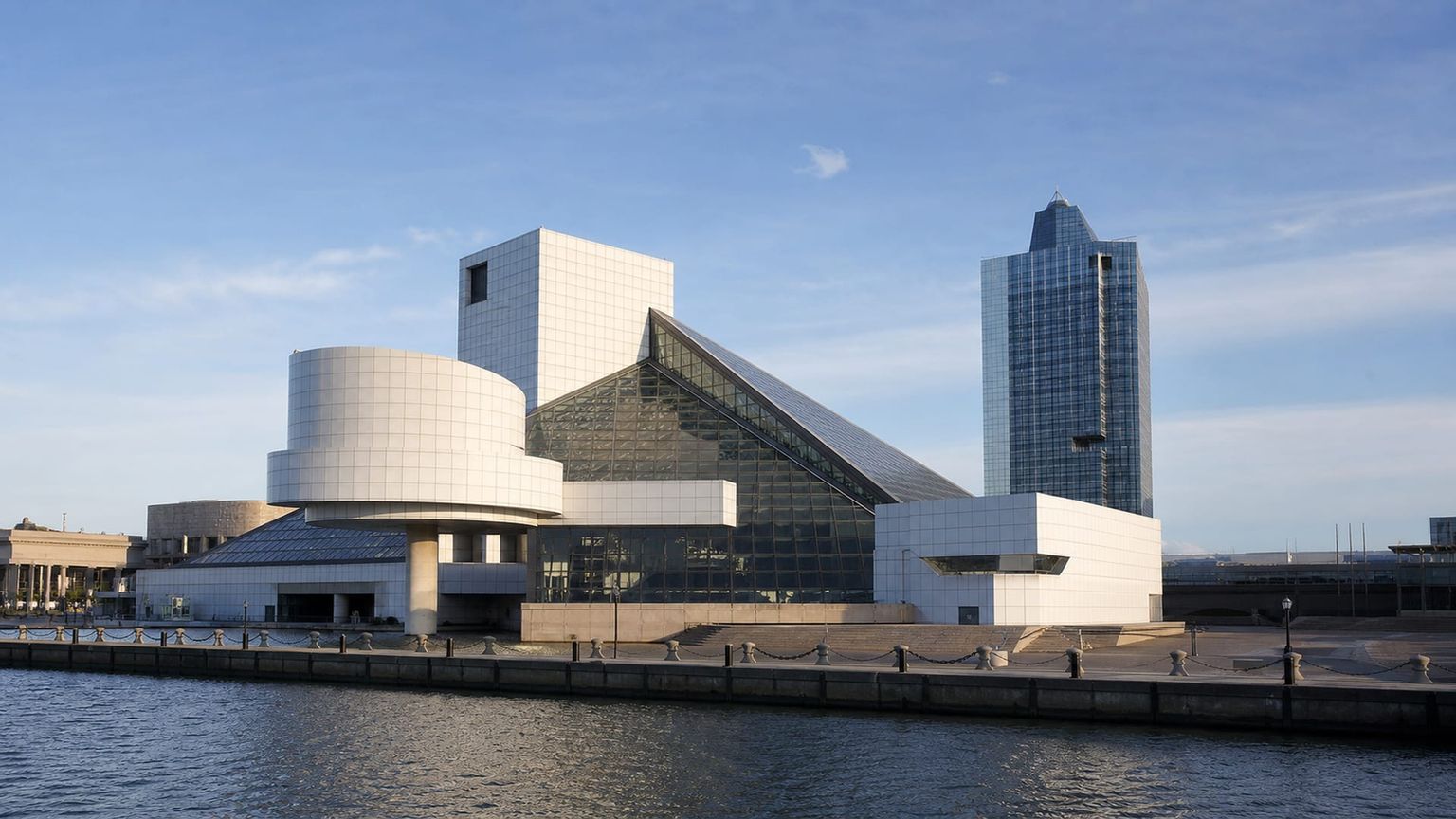
Rock and Roll Hall of Fame
This lakefront museum traces the genre through stage costumes, instruments, recordings, and rotating exhibits tied to Cleveland’s music history. The glass-sided building also gives wide views of Lake Erie and downtown from the upper levels.
Time needed: About 2 to 3 hours
Entry: Standard admission costs $35 ($35) for adults, $30 ($30) for seniors, military, and students, and $25 ($25) for ages 6 to 12; under 6 enter free. Visit the official site for details.
Tip: Arrive near opening for lighter crowds and easier access to the main exhibits.
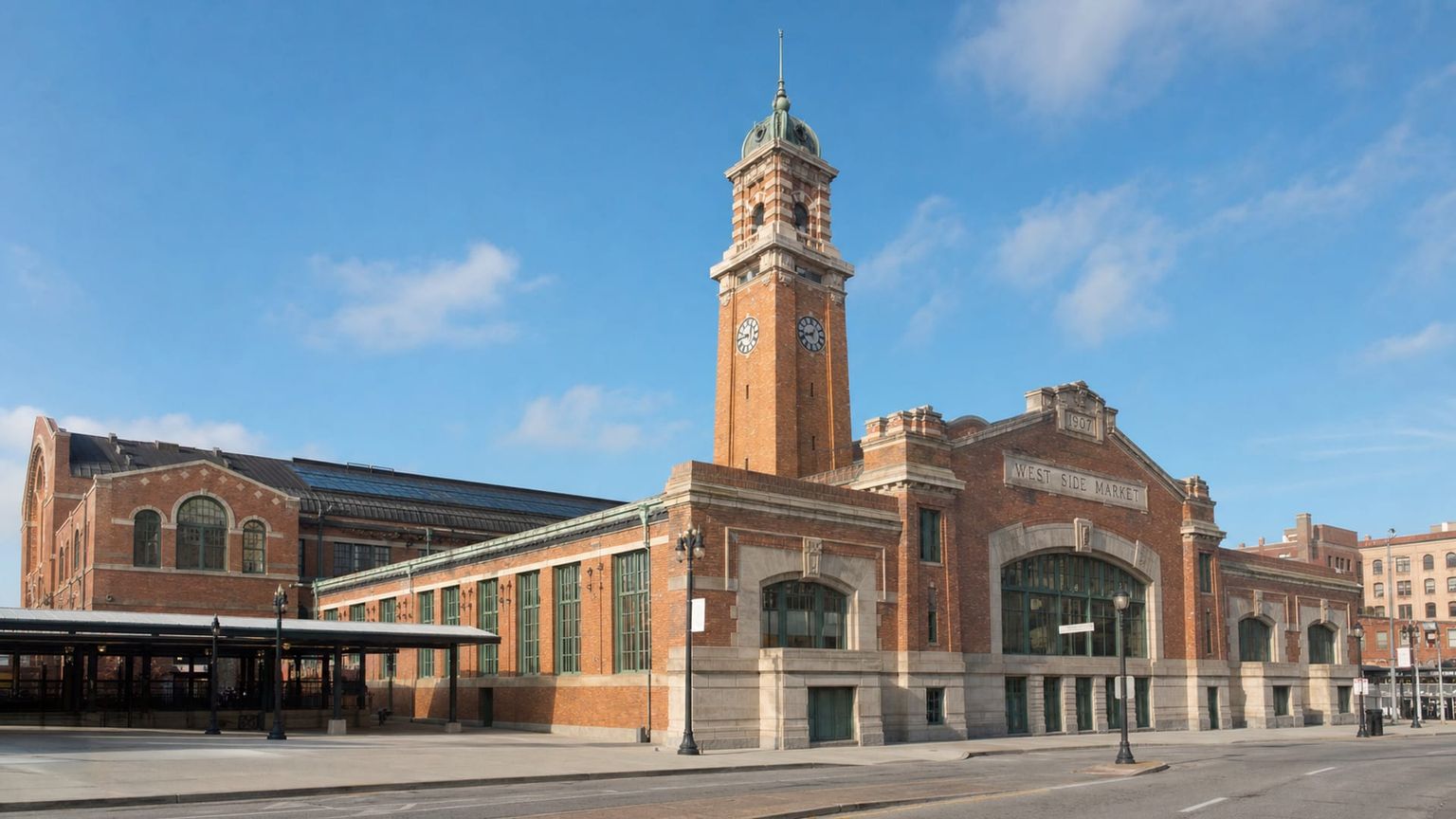
West Side Market
Opened in 1912, this market pairs a vaulted yellow-tile hall with more than 100 vendors selling produce, meats, breads, pastries, and prepared foods. It gives a clear look at Cleveland’s neighborhood food culture in one building.
Time needed: About 1 to 2 hours
Entry: Free to enter; food purchases vary by vendor, and most stalls accept cards, though cash still helps for smaller buys and quick snacks. Visit the official site for details.
Tip: Go earlier in the day, when the hall is less crowded and popular stalls still have full stock.
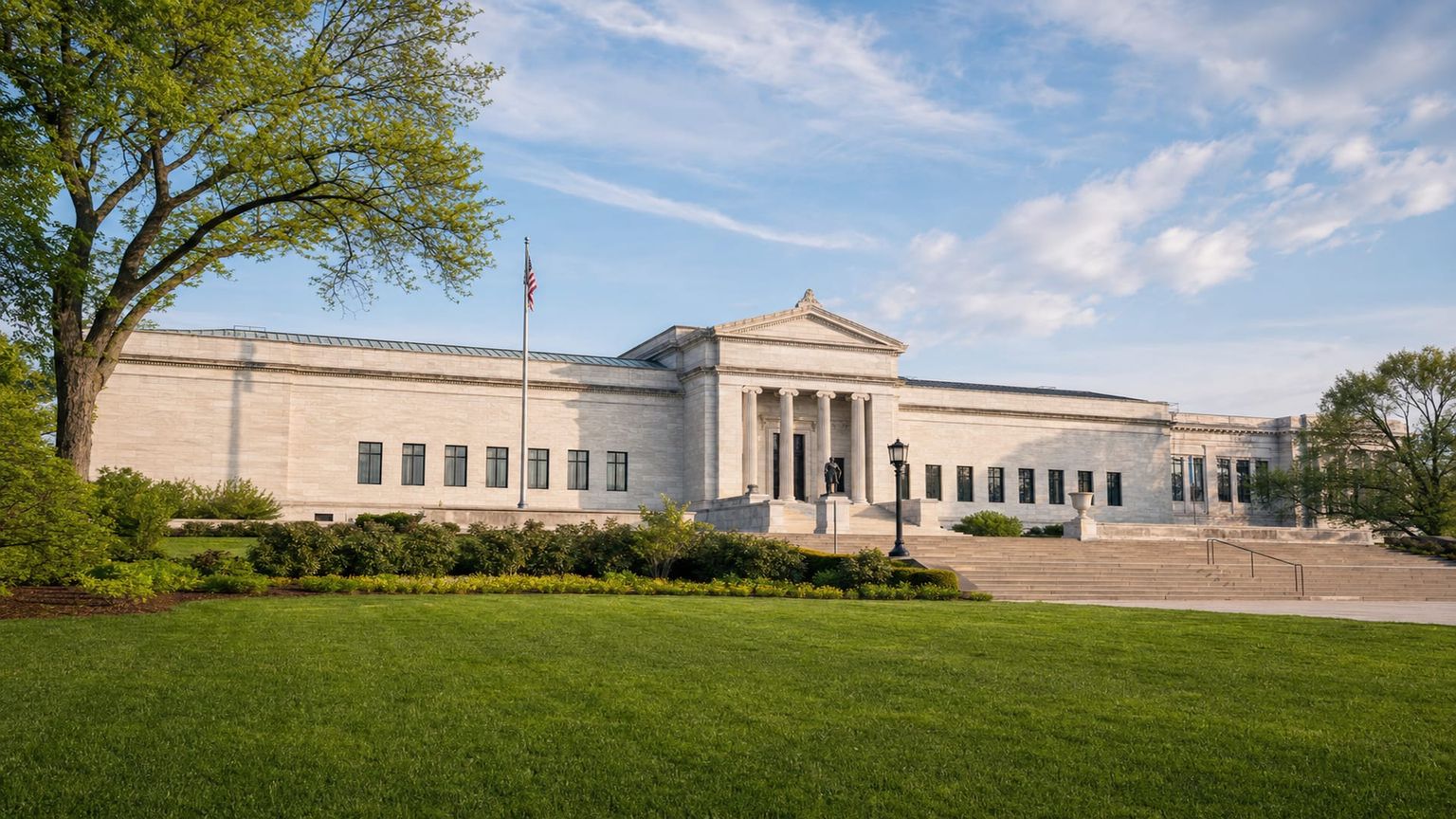
Cleveland Museum of Art
The museum’s permanent collection spans Egyptian, Asian, European, and American art, with strong holdings in medieval, Impressionist, and modern works. Free general admission and the central atrium make it one of the city’s easiest major cultural stops.
Time needed: About 2 to 4 hours
Entry: Free general admission; special exhibitions may require paid tickets, and prices vary by show, date, and seating if timed entry applies. Visit the official site for details.
Tip: Use the central atrium as a starting point, then map out the galleries you most want to see.
Overlooked sites worth visiting

Lake View Cemetery
This 285-acre cemetery pairs tall monuments, winding lanes, and the Garfield Memorial with a well-kept arboretum. It rewards unhurried walks, and spring bloom adds color to the grounds.
Time needed: About 1 to 2 hours
Entry: Free to enter on foot during public hours; some special tours, events, and selected interior spaces may charge separate fees, and donations help support grounds care and preservation efforts. Visit the official site for details.
Tip: Visit late afternoon for softer light on the memorials.

Cleveland Museum of Natural History
Recently expanded galleries bring together dinosaurs, human origins, and Great Lakes science in a compact, easy-to-cover museum. The collection is broad, but the room-to-room walk stays focused.
Time needed: About 2 to 3 hours
Entry: Adult admission is about $25 ($25), with lower prices for children, seniors, and students; some special exhibitions or planetarium programs can require separate tickets or timed admission. Visit the official site for details.
Tip: Go first thing in the morning to avoid school-group peaks.
Traditional food
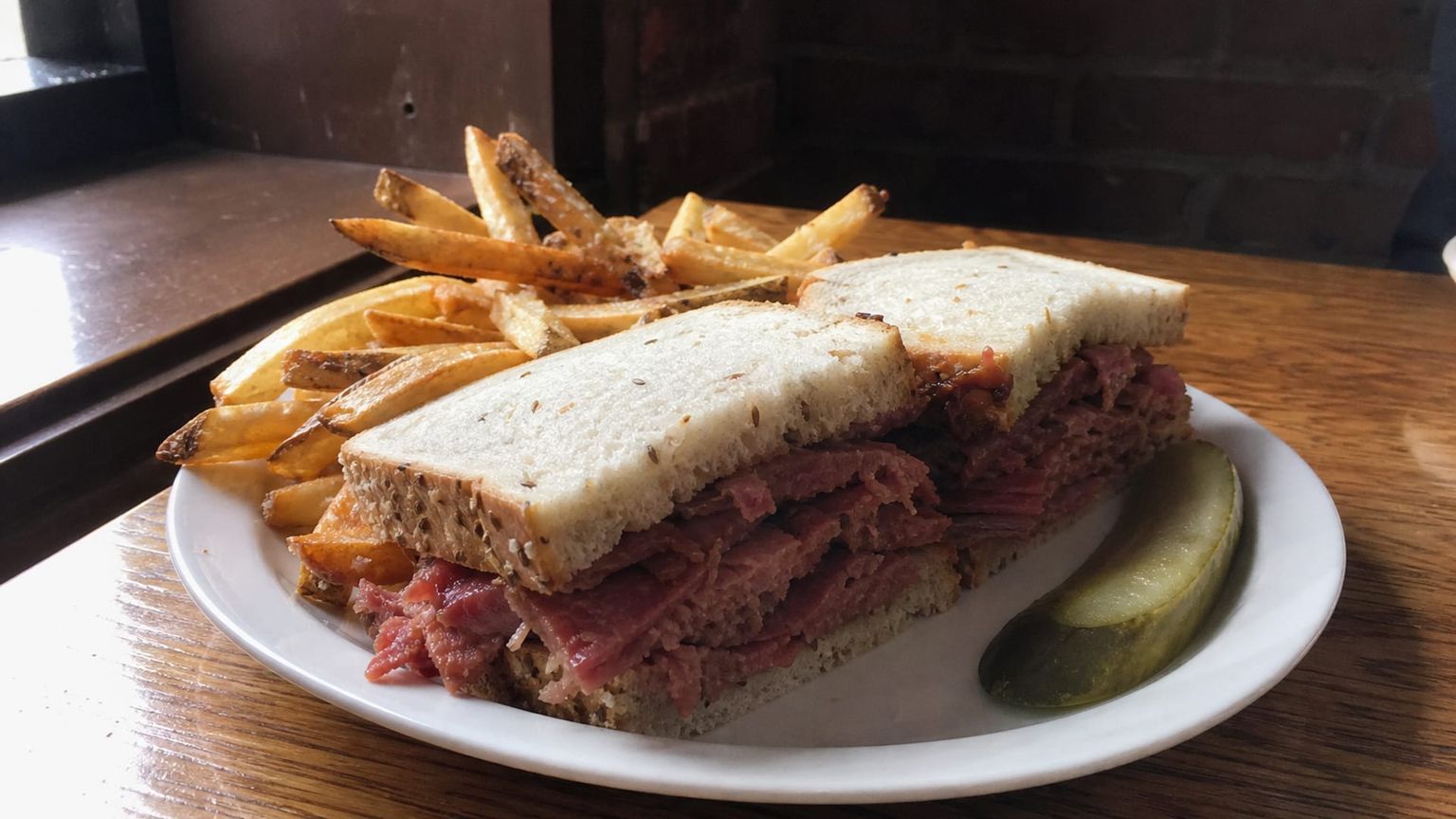
Cleveland food leans on hearty Polish and Eastern European staples, lakefront neighborhood bars, and deli counters that specialize in pierogies, corned beef, and the Polish boy sandwich, with diners and markets still shaping the pace of meals.
Polish boy sandwich
A Cleveland classic built on kielbasa, fries, coleslaw, and barbecue sauce, usually served as a full meal rather than a snack. Settle in at Seti’s Polish Boys, one of the city’s best-known places for it.
Corned beef sandwich
Thick-sliced corned beef on rye or marble bread has deep roots in Cleveland deli culture. Slyman’s Restaurant is the reference stop for a stacked version that many visitors plan around.
Paczki
These filled Polish doughnuts matter most in the days before Lent, but many bakeries sell them well beyond that window. Corbo’s Bakery is a dependable Cleveland stop for them.
Pierogies
Boiled or pan-fried dumplings, often filled with potato, cheese, or sauerkraut, show up across the city in both casual and sit-down settings. At The Harbour Inn, they fit naturally into a strong Eastern European-leaning menu.
Best time to visit Cleveland
Cleveland changes more by season than by month, with cold, snowy stretches on the lakefront, mild shoulder seasons, and warm summer days that can feel noticeably busier near downtown and University Circle.
Best for: Museum days, cemetery walks, and early patio meals
What you get: Temperatures usually run about 40 to 70°F (4 to 21°C), with moderate crowds and occasional rain
Trade-offs: Weather can swing quickly, especially near the lake
Best for: Lakefront time, outdoor dining, and long sightseeing days
What you get: Temperatures often sit about 65 to 85°F (18 to 29°C), with the heaviest visitor traffic near major attractions
Trade-offs: Humidity and event weekends can make downtown and the lakefront busier
Best for: Neighborhood exploring, museum pairing, and cemetery visits in clearer air
What you get: Temperatures generally range from 45 to 72°F (7 to 22°C), with lighter crowds after summer
Trade-offs: Evenings cool down quickly, especially in late October and November
Best for: Indoor museums and low-key city breaks
What you get: Temperatures often land between 20 and 38°F (-7 to 3°C), with fewer visitors and a stronger chance of snow
Trade-offs: Lake-effect weather can slow local travel and limit outdoor wandering
A realistic 5-day plan in Cleveland
This five-day plan keeps Cleveland grouped by geography, so you spend more time inside the museums, markets, and neighborhoods that matter and less time resetting across the city. The sequence also leaves room for slower meals and a lighter final day.
Land at Cleveland (CLE), then take a rideshare or taxi into Downtown, about 15 to 25 minutes and roughly $35 to $50 before tip, depending on traffic and the exact hotel pickup point. If you are staying in Downtown or Ohio City, you can check in, drink water, and keep dinner close, then walk or ride to West 25th Street for an early meal near the market district. Aim for a low-key first night with a short stroll on Public Square or a simple plate in Ohio City, so you settle in without stretching the evening.
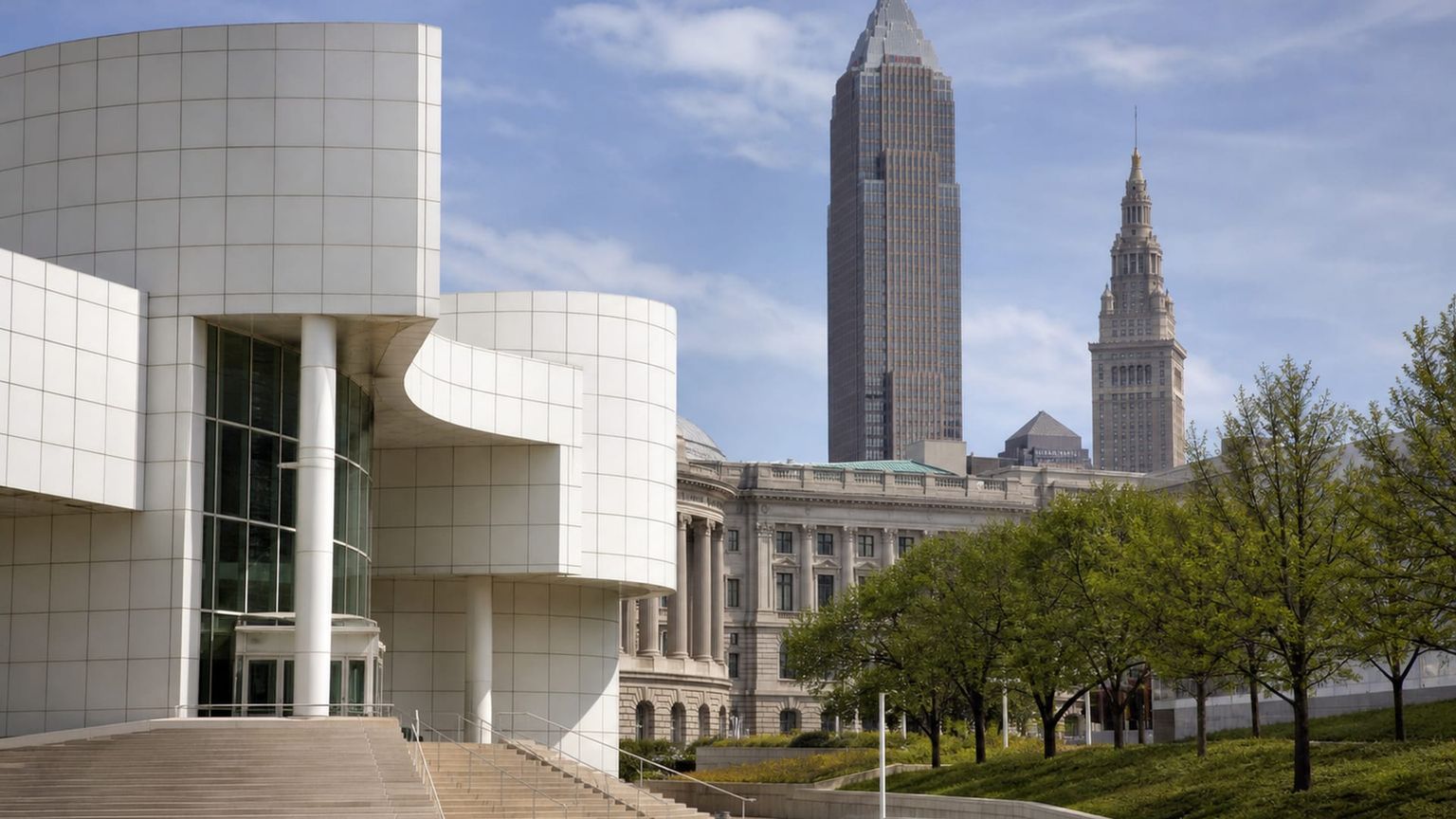
Start with the Cleveland Museum of Art in University Circle, where you can spend about 2 to 4 hours before lunch, then walk roughly 5 to 10 minutes to the Cleveland Museum of Natural History for another 2 to 3 hours. After that, head back toward Downtown by transit, about 15 minutes, for an easy dinner near the lakefront or around Playhouse Square. This pairing works well because the museums sit close enough together to cover on foot, while the return ride keeps the evening simple.
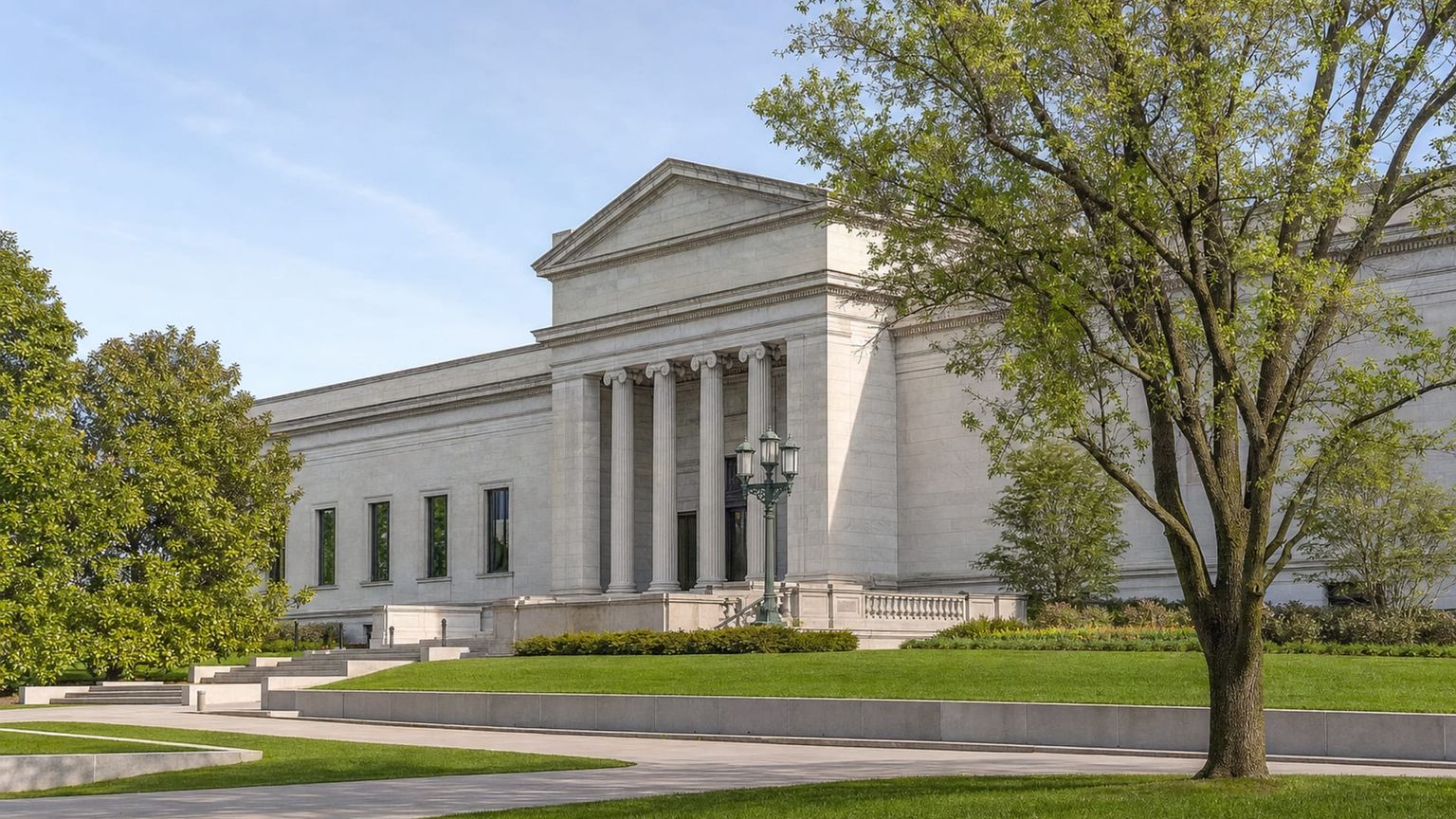
West Side Market and Ohio City make a strong morning-and-afternoon combination: arrive at the market early, spend about 1 to 2 hours tasting and browsing, then walk about 10 to 15 minutes to nearby breweries, cafés, or lunch spots on West 25th Street. From there, continue about 10 minutes by transit to Downtown for an afternoon stop at the Rock and Roll Hall of Fame, which usually takes about 2 to 3 hours. Finish with dinner back in Ohio City if you want a neighborhood table, or stay downtown for an easier night near the hotel.
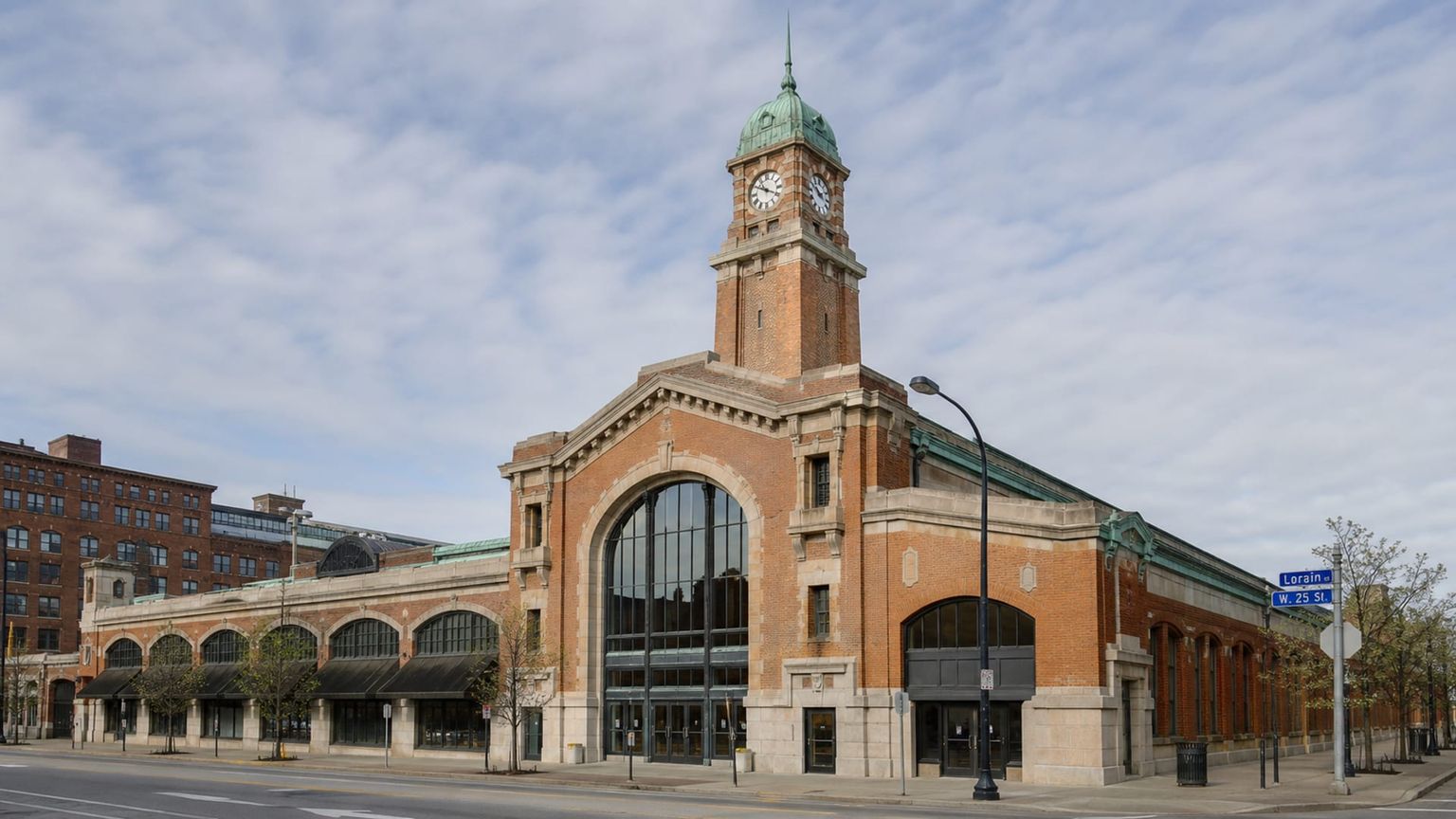
Lake View Cemetery gives the day a quieter start, and late afternoon light suits the memorials and arboretum paths well. Plan about 1 to 2 hours there, then ride about 15 minutes to University Circle or Downtown for a second stop at the Cleveland Museum of Natural History if you want to revisit the area, or return to the Cleveland Museum of Art for a shorter gallery session focused on one wing. A final dinner in Tremont works well after that, since the neighborhood sits about 10 minutes by car from Public Square and has enough restaurants to make an evening reservation worth keeping.
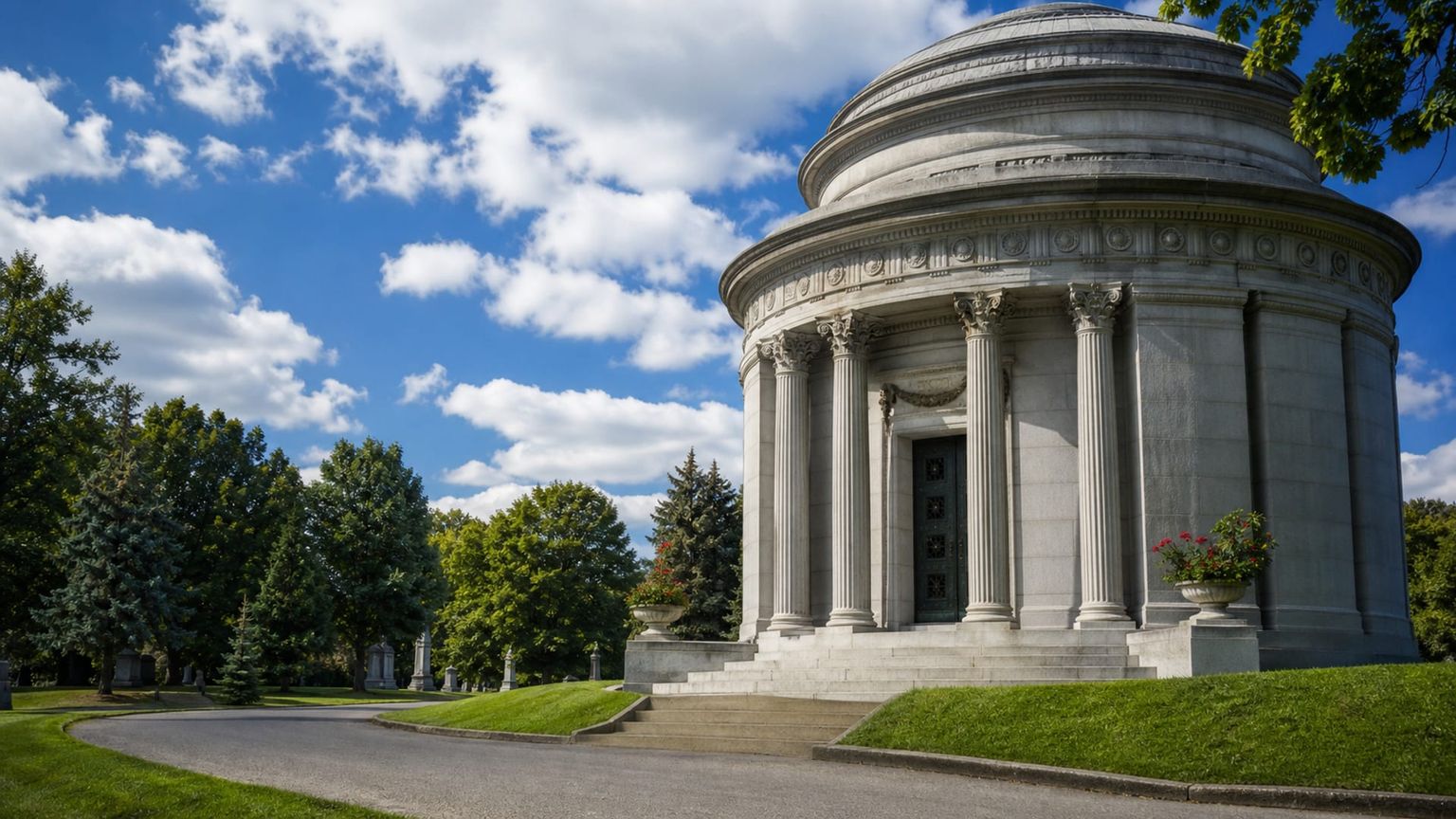
For a final Cleveland morning, pair one last museum stop with a short neighborhood reset rather than a long excursion. If you want art, return to the Cleveland Museum of Art for a final look, then head to Ohio City for coffee and a slow walk through the West 25th Street area, or base the day in Tremont for café time and a few design-forward shops before you leave. With a late flight from Cleveland (CLE), this gives you a calm last stretch without cramming in one more full itinerary block.
Business-class flights from the US to Cleveland
For longer trips, Cleveland (CLE) often makes the most sense with one-stop routings from the East Coast or the West Coast, especially when you want to compare fare bands and total travel time. The examples below show how the trip usually prices out from each coast.
From New York, American Airlines, Delta Air Lines, United Airlines, JetBlue, British Airways, and Lufthansa all appear in the market, and nonstop flying usually takes about 1.5 to 2 hours. When schedules do not line up, a connection through CLT, ORD, DFW, IAD, or ATL can stretch the journey to about 3.5 to 7 hours. Round-trip fares usually start from $350 and reach $850.
West Coast itineraries usually run longer, with American Airlines, Delta Air Lines, United Airlines, Alaska Airlines, Air Canada, and WestJet all serving the market. Nonstop flights take about 4 to 4.5 hours, while one-stop trips through DFW, ORD, DEN, SFO, or MSP typically land in the 6 to 11 hour range. Round-trip fares generally run $500 to $1,200.
Cleveland feels different when you slow down
A deliberate Cleveland trip has a clear map: the museums in University Circle, a market morning in Ohio City, a stop at Lake View Cemetery, and an evening that fits the hotel rather than the other way around. The Red Line, buses, and short rideshares do the connecting, while Downtown and Tremont handle the easier dinners. If you want a trip shaped this way, let AranGrant experts build the dates around your flight from Cleveland (CLE)