

Chapters:

Need help with your trip?
Our support team is available 24/7. Request a callback or call us directly at (833) 619-0908
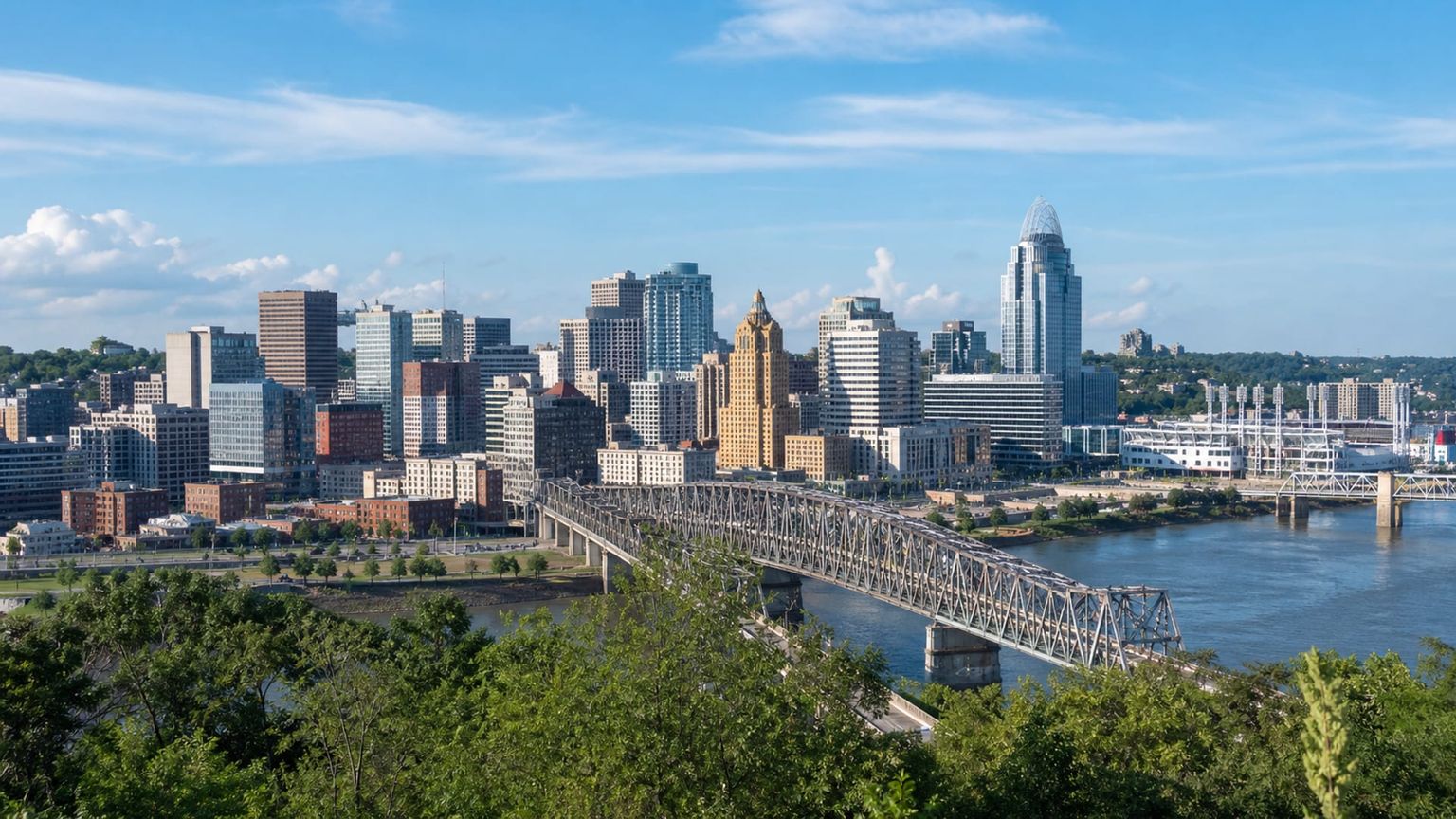
Cincinnati trips often begin with the same loop, a downtown hotel, one major museum, then dinner in Over-the-Rhine. Travelers sometimes miss how much the city rewards small moves between the riverfront, Eden Park, and the hill neighborhoods.
That habit can leave you backtracking across bridges and steep streets, while popular dining blocks fill fast at night. The city is compact on a map, but the best days still need a clear sequence.
This guide lays out that sequence with neighborhood-by-neighborhood context, transit notes, and a day plan that keeps each stop close to the next.
Useful things to know

Main language(s): English

Currency: The local currency is the US dollar (USD, $).

Cash and cards: Cards and contactless are widely accepted; carry about $20 to $40 in cash for small vendors or tips.

Tipping: Tip 15-20% at restaurants; round up taxis and small bills.

Traditional food: Cincinnati chili, goetta, Graeter’s black raspberry chip ice cream, Montgomery Inn ribs

Water and coffee costs: Water about $2 ($2), bar espresso about $4 ($4).

Taxis and ride apps: Uber and Lyft operate here; pickup zones can vary by terminal.

Plug and voltage: Type A/B socket, 120V

Dining and shop opening hours: Breakfast 07:00-09:00, lunch 11:30-14:00, dinner 17:30-21:00. Many restaurants close by 22:00, and Sunday hours can be shorter.

Emergency number: 911 for police, fire, and medical emergencies.
Where to stay in Cincinnati
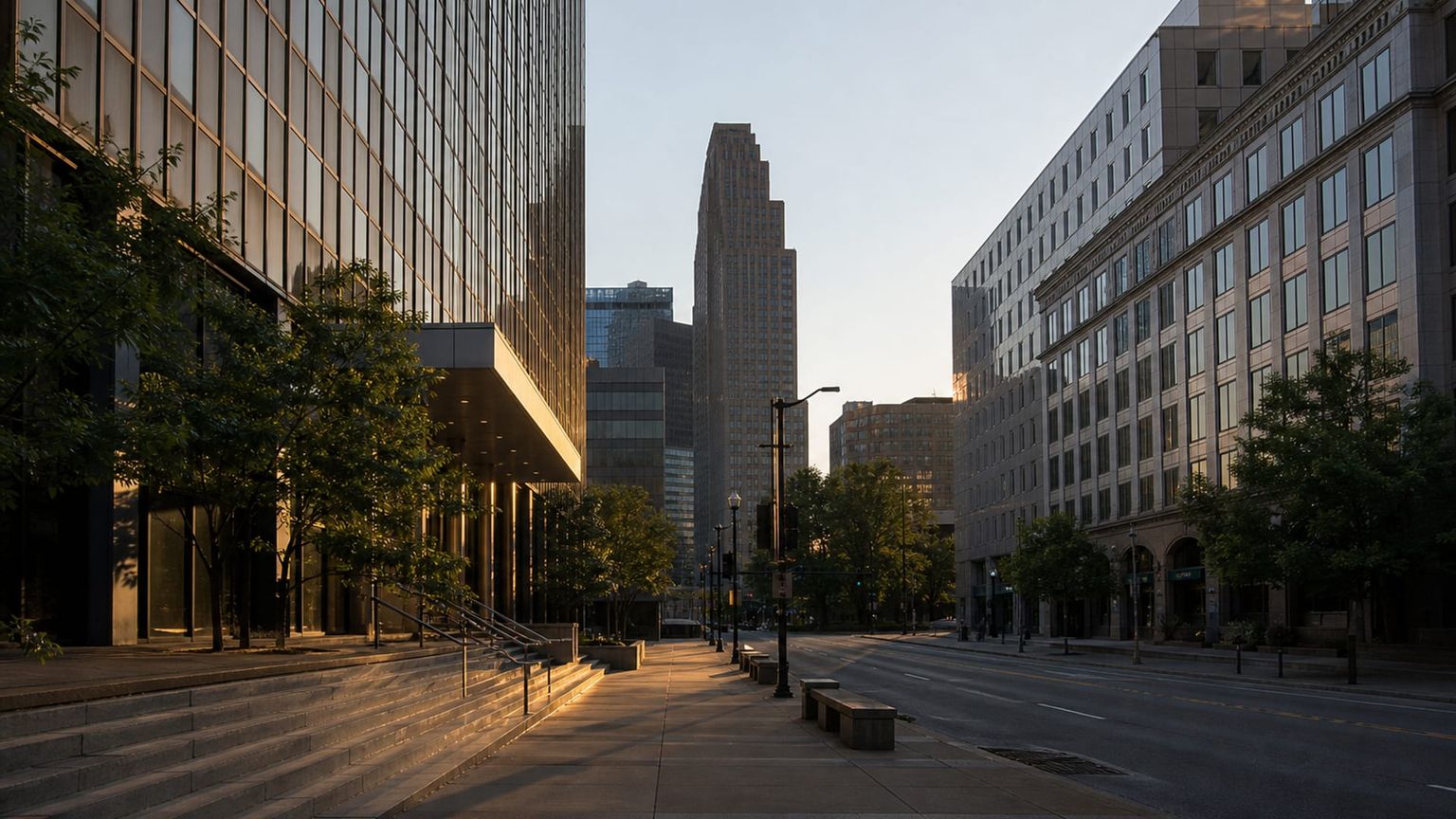
The city center puts you beside the riverfront, stadiums, and many of Cincinnati’s main museums and restaurants. It suits visitors who want to walk to major sights and keep transit rides short.
Best for: First-time visits, riverfront walks, and access to museums, sports, and central dining
What to expect: Busy sidewalks by day, office traffic on weekdays, and a livelier restaurant and event scene after dark.
Hotel prices: Usually about $160 to $280 per night for well-rated stays
Distance to major sights: 5 to 15 minutes on foot to Fountain Square and the National Underground Railroad Freedom Center
Quietness: Daytime is active and traffic-heavy; evenings are quieter outside event nights, then spike around game times and concerts.
Main trade-off: Hotel rates run higher than in outer neighborhoods, and parking can add to the bill.
Good to know: If you want to move mostly on foot, this is the most time-efficient base, but event nights can make sleep lighter near the stadiums.
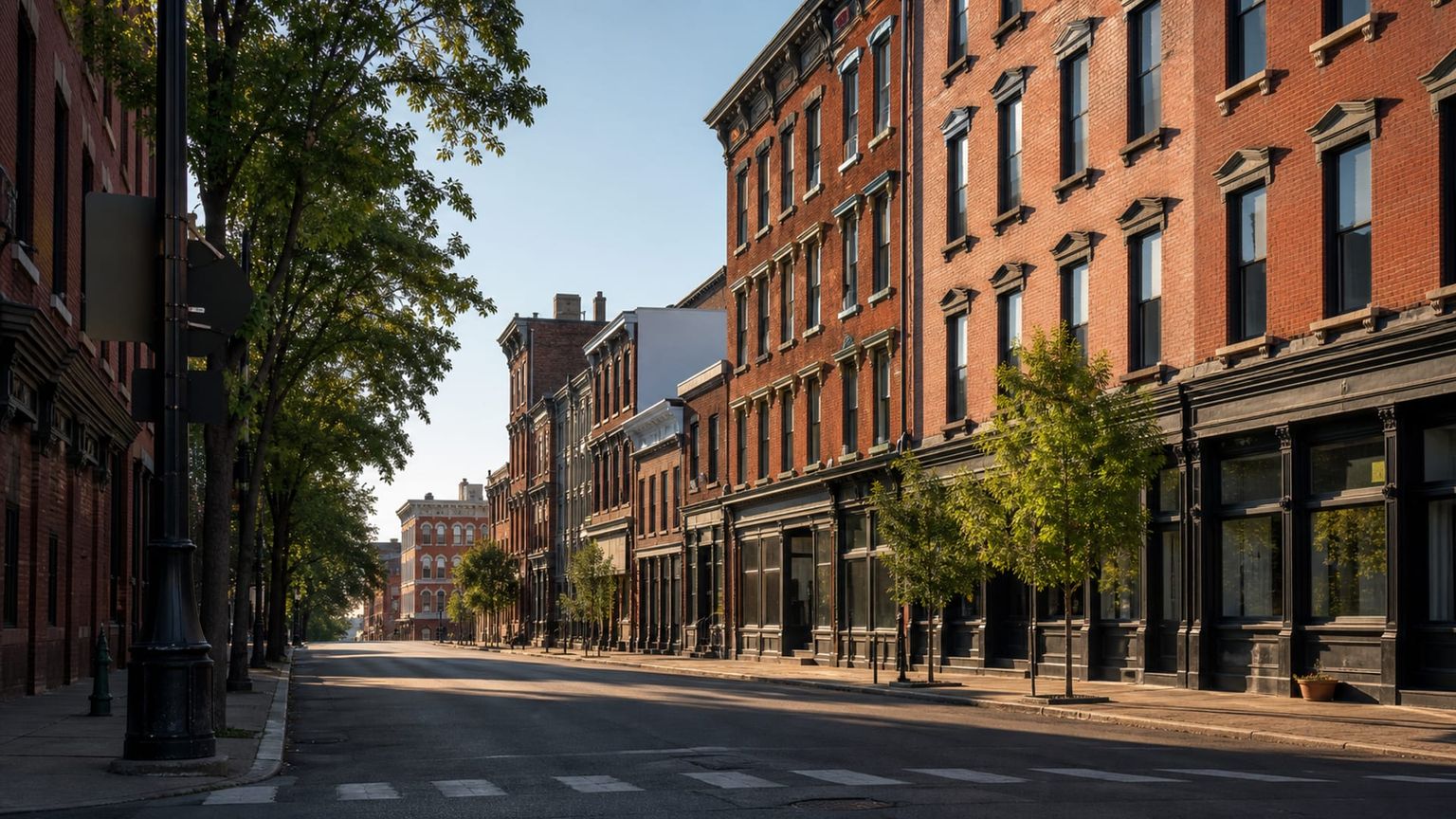
Over-the-Rhine is Cincinnati’s most walkable historic district, with brick buildings, bars, galleries, and the market at its core. It matters for a trip because it concentrates food, nightlife, and a strong sense of place within a compact grid.
Best for: Dining, nightlife, architecture, and travelers who want an energetic base
What to expect: Dense foot traffic, packed patios, and a busy evening scene, especially near Vine Street and Findlay Market.
Hotel prices: Usually about $180 to $320 per night for well-rated stays
Distance to major sights: 10 to 20 minutes on foot to Fountain Square and about 15 minutes by transit to the riverfront
Quietness: Days stay animated with shoppers and lunch crowds; late evenings can be loud on weekends.
Main trade-off: The best dining blocks are the noisiest, and weekend demand pushes prices up quickly.
Good to know: Choose a room away from the main bar streets if you want easier sleep, because the late-night noise carries in the narrow blocks.
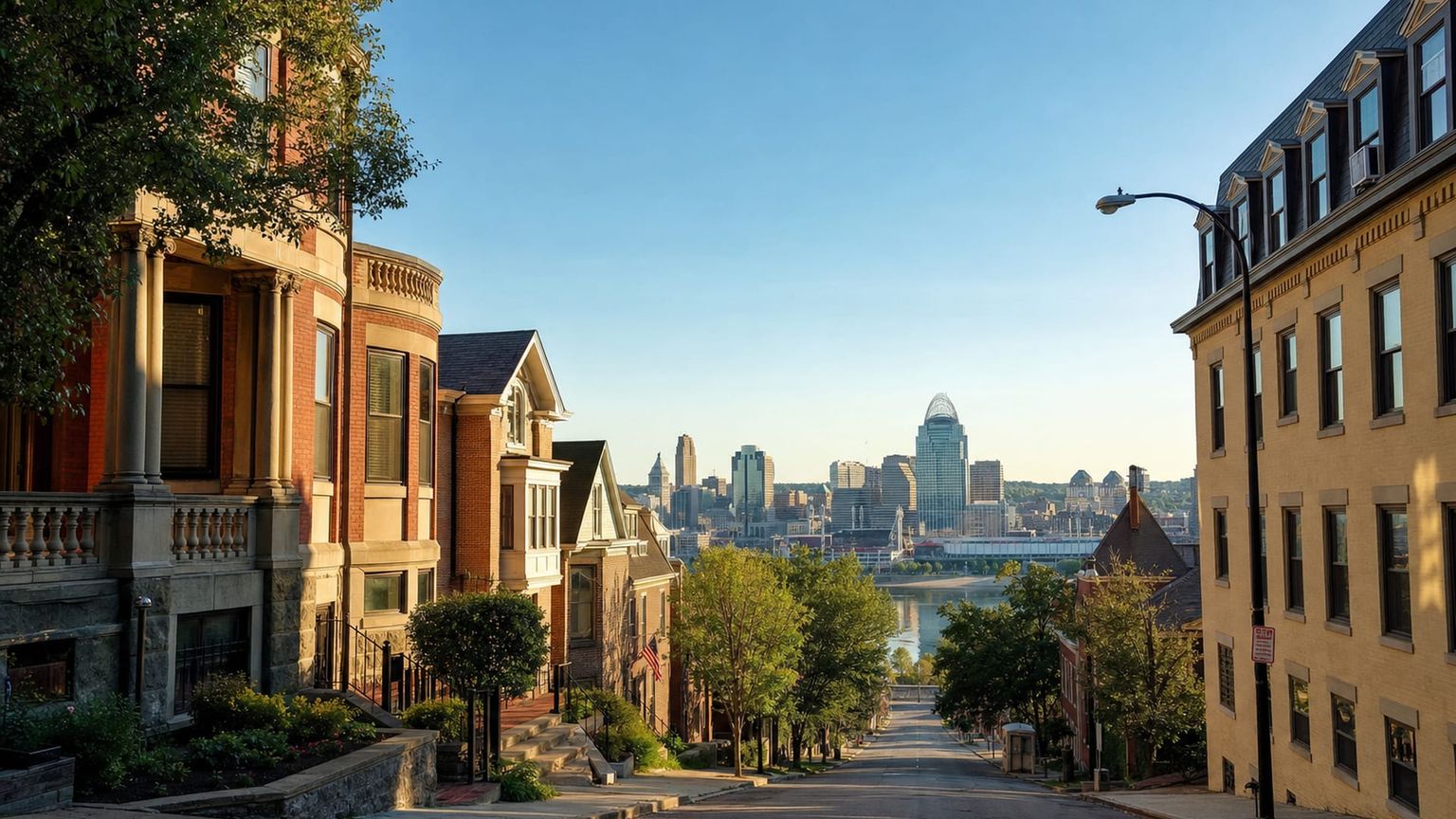
Mount Adams sits on a hill east of downtown and mixes historic homes, steep streets, and skyline views. It works well for travelers who want a neighborhood feel while staying close to downtown and Eden Park.
Best for: Scenic views, couples, and travelers who want a quieter base near downtown
What to expect: Steep residential streets, moderate pedestrian activity, and a calmer pace than the downtown core, with nightlife concentrated in a few spots.
Hotel prices: Usually about $170 to $300 per night for well-rated stays
Distance to major sights: 15 to 25 minutes on foot to Eden Park and about 10 minutes by transit to downtown
Quietness: Days are fairly calm apart from uphill traffic; evenings are quieter than Over-the-Rhine, though bar streets still get lively.
Main trade-off: The hill location means more walking effort, and some blocks feel isolated after dinner.
Good to know: Check whether your lodging sits near a bus line or on a steep block, since late returns can feel tedious on foot.
Travelers usually avoid staying in Mount Adams, which has limited hotel inventory and steep hills, making evening trips more cumbersome, and in outer-edge suburbs such as Hebron and Florence, which sit well south of downtown Cincinnati (CVG area) and add a long drive to Over-the-Rhine, the riverfront, and museums. Winton Hills, Bond Hill, and Roselawn are also less convenient for visitors because they are farther from the main hotel and dining clusters, with fewer walkable visitor amenities and more dependence on car travel after dark.
Hotel deals
How to get around Cincinnati efficiently
Cincinnati has no metro, so most visitors pair walks with Metro buses, taxis, or rideshares, then use the riverfront link when a short crossing makes sense.

Metro
for longer distances
Cincinnati has no metro or subway network, so there is no underground rail to use for downtown or airport trips. The closest rail option is the Southbank Shuttle, a seasonal streetcar-style bus along the riverfront on a limited route, but most visitors rely on buses and taxis instead.

Bus and tram
for convenience
Metro runs the main bus network, with routes linking downtown, the airport area, Covington, Newport, and major suburbs. A single ride costs $1.75, and day passes and multi-day passes are available; routes to downtown from Cincinnati (CVG) typically take about 30 to 45 minutes by bus plus a transfer, depending on the connection.

Taxi
for convenience or late hours
Licensed taxis at Cincinnati (CVG) use metered fares, not fixed airport flat rates, and the trip to downtown Cincinnati usually costs about $35 to $45 before tip, with lighter traffic bringing it a bit lower and rush hour pushing it higher. You can queue at the airport taxi rank or book through a dispatcher, and most cabs accept cards as well as cash.
*Prices are based on rates updated as of June 2026 and may change at the time of travel.
Walking works best in Downtown Cincinnati, Over-the-Rhine, and along the riverfront, while buses and rideshares matter more for Eden Park, the American Sign Museum, and airport transfers.
Iconic landmarks
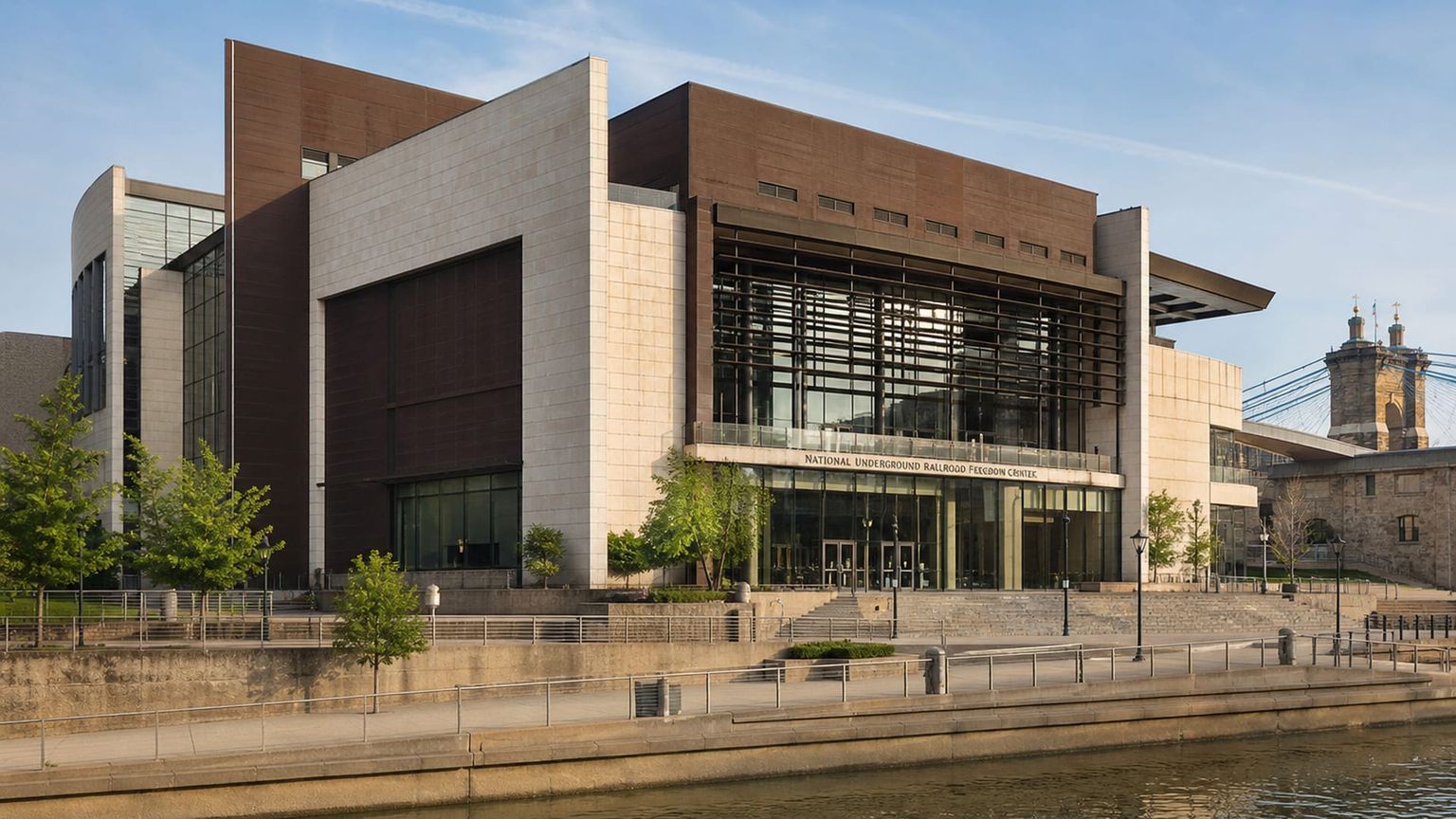
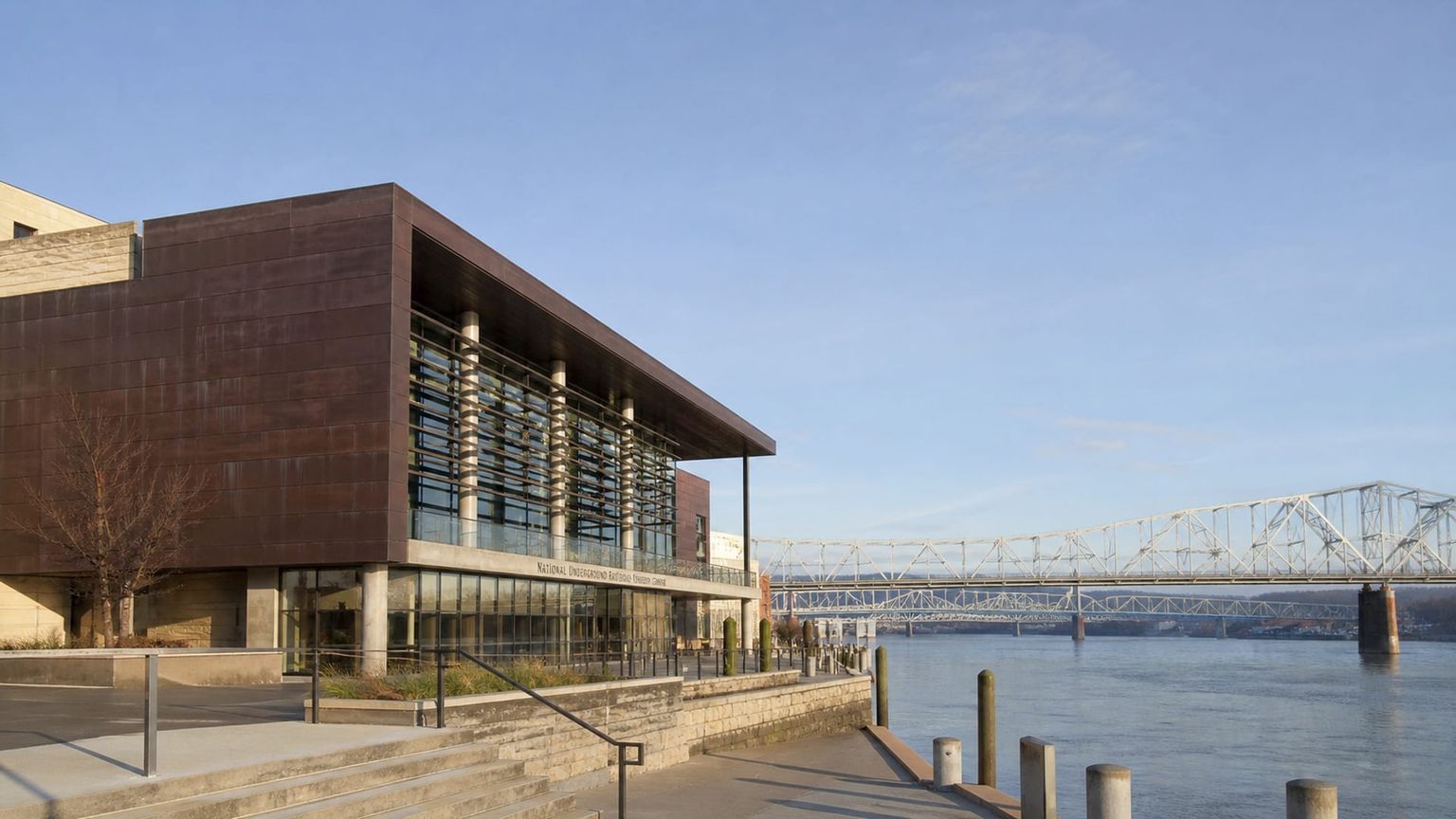
National Underground Railroad Freedom Center
This museum on the Cincinnati riverfront traces the history of slavery, resistance, and abolition through artifacts, films, and rotating exhibitions. Its core galleries and river views make it one of the city’s most important cultural stops.
Time needed: About 2 to 3 hours
Entry: Standard admission costs $16 ($16) for adults, $14 ($14) for seniors, and $10 ($10) for youth ages 3 to 17 Visit the official site for details.
Tip: Visit late morning, then cross the riverfront before the afternoon crowds build.
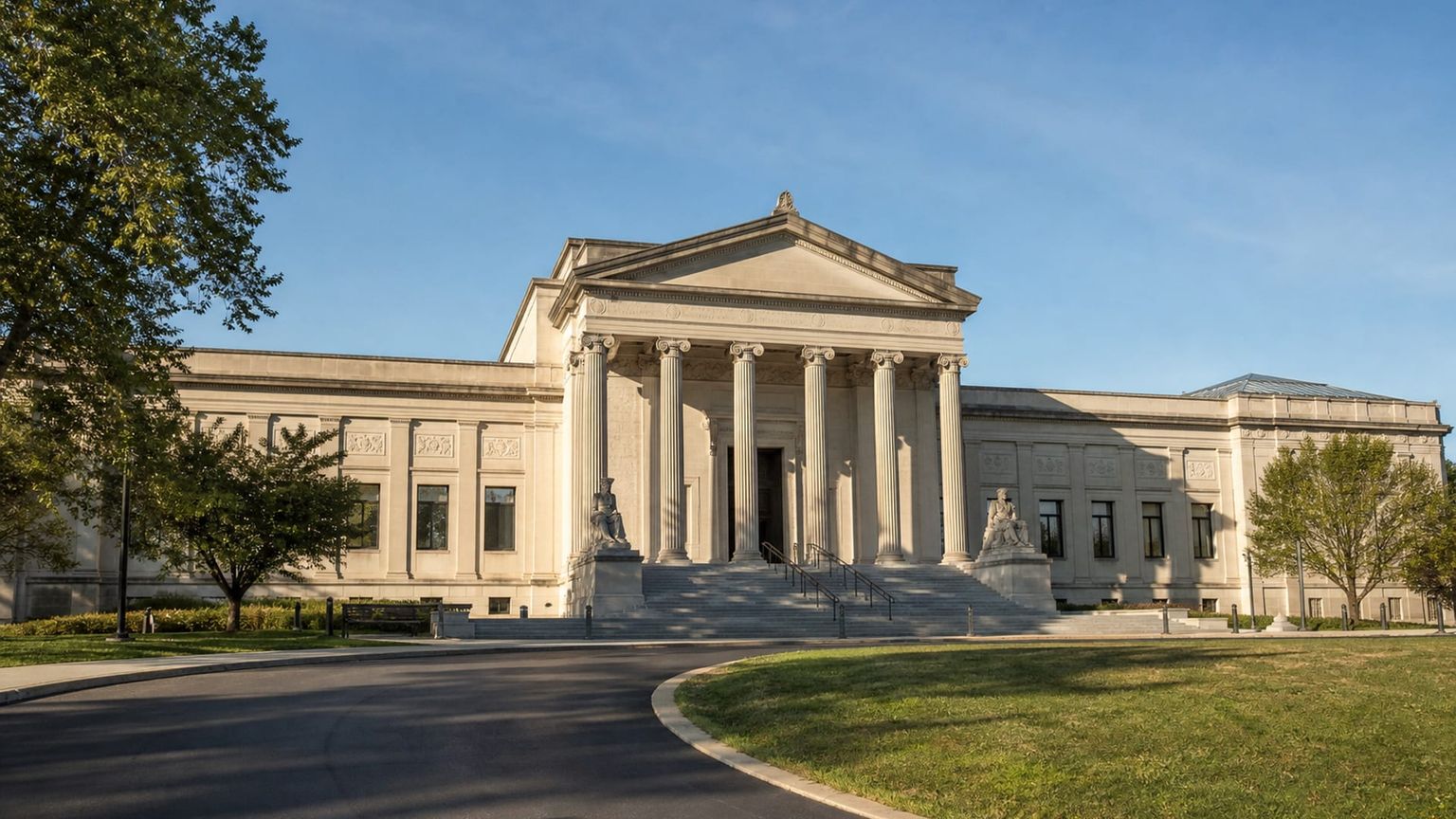
Cincinnati Art Museum
Founded in 1881, the Cincinnati Art Museum holds more than 73,000 works, from ancient sculpture to American painting and contemporary pieces. It sits in Eden Park, giving you a major collection and a hilltop stop in one visit.
Time needed: About 2 to 3 hours
Entry: Free to access; special exhibitions may carry separate ticketed admission or timed entry Visit the official site for details.
Tip: Go on a weekday afternoon for quieter galleries and easier parking nearby.
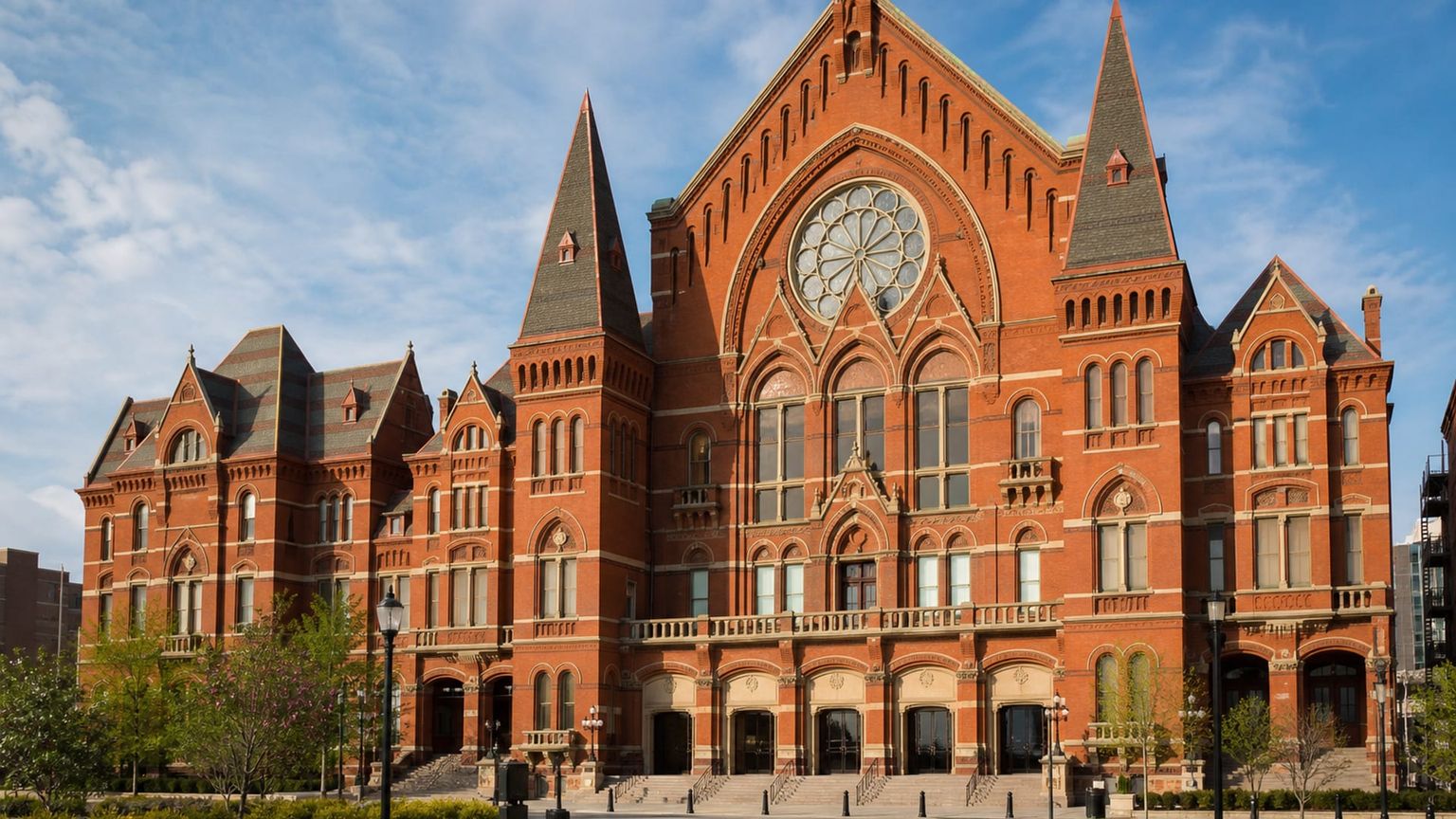
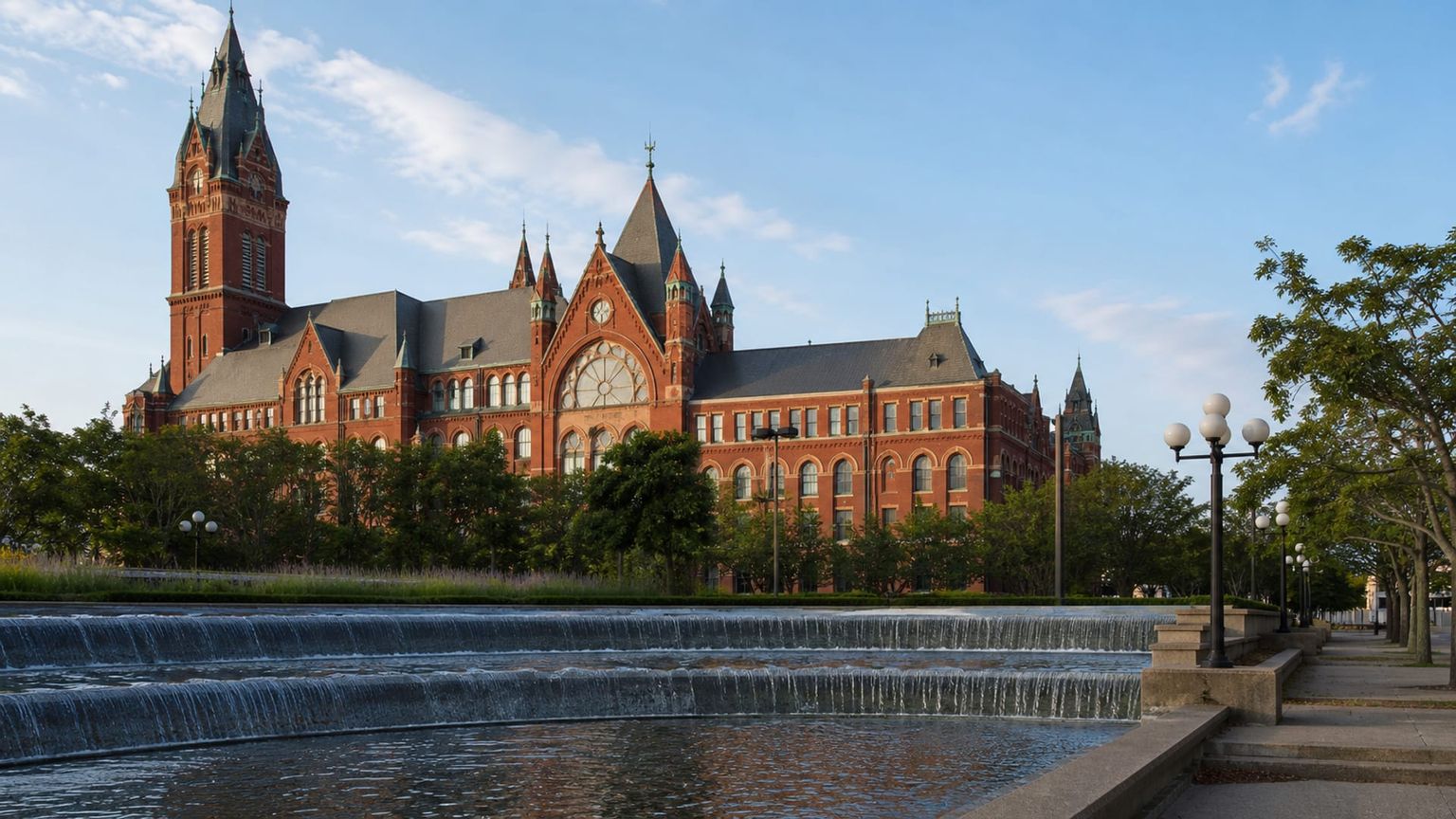
Cincinnati Music Hall
Cincinnati Music Hall, completed in 1878, is a National Historic Landmark and home to the city’s main performing arts groups. Its Gothic Revival façade and ornate interior make it worth seeing even when you are not attending a concert.
Time needed: About 1 to 2 hours
Entry: Tours and event tickets typically cost $10 ($10) to $40 ($40), depending on the program and seat location Visit the official site for details.
Tip: Check the calendar first, since performance nights change access and entry timing.
Overlooked sites worth visiting

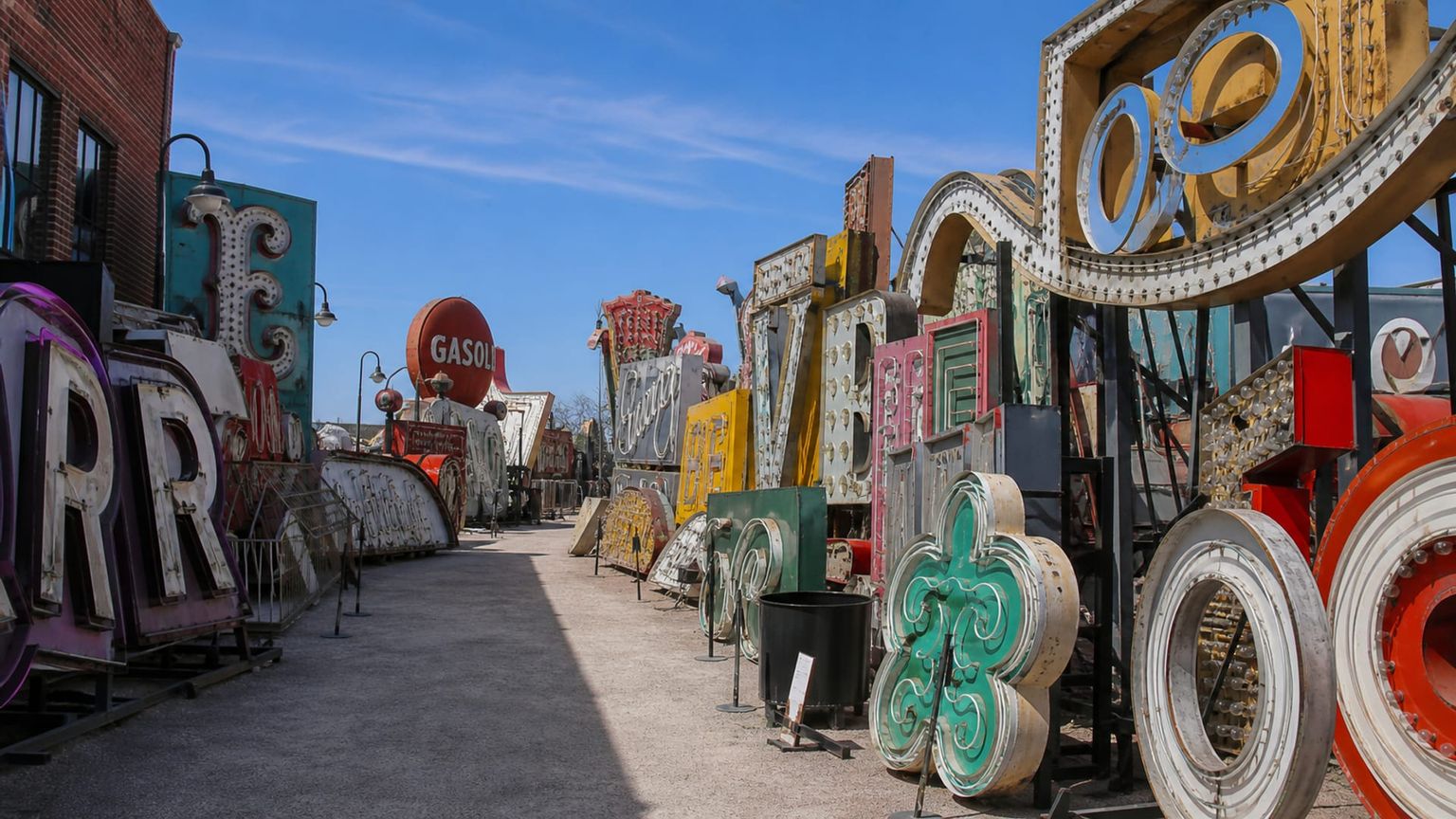
American Sign Museum
This compact museum packs neon, porcelain, and hand-painted signs into one warehouse space. It traces commercial design from roadside Americana to midcentury lettering with dense, room-by-room displays.
Time needed: About 1 to 1.5 hours
Entry: Tickets are usually $15 to $20 ($15 to $20), with reduced rates for seniors, students, and children on select days. Private tours and event rentals cost more, and hours can vary by season, so check the museum schedule before you go. Visit the official site for details.
Tip: Visit in daylight, then return to see the signs lit.

Smale Riverfront Park
A riverfront park with lawns, swings, fountains, and a long promenade beside the Ohio River. It links downtown with the bridge approach, so you can pair a short walk with river views and public art.
Time needed: About 1 to 2 hours
Entry: Free to access; the park has open lawns, riverfront paths, playgrounds, fountains, and seasonal splash areas at no charge. Nearby garage parking and special event use can add separate costs, but the grounds themselves do not require a ticket.
Tip: Go near sunset for the river and bridge light.
Traditional food
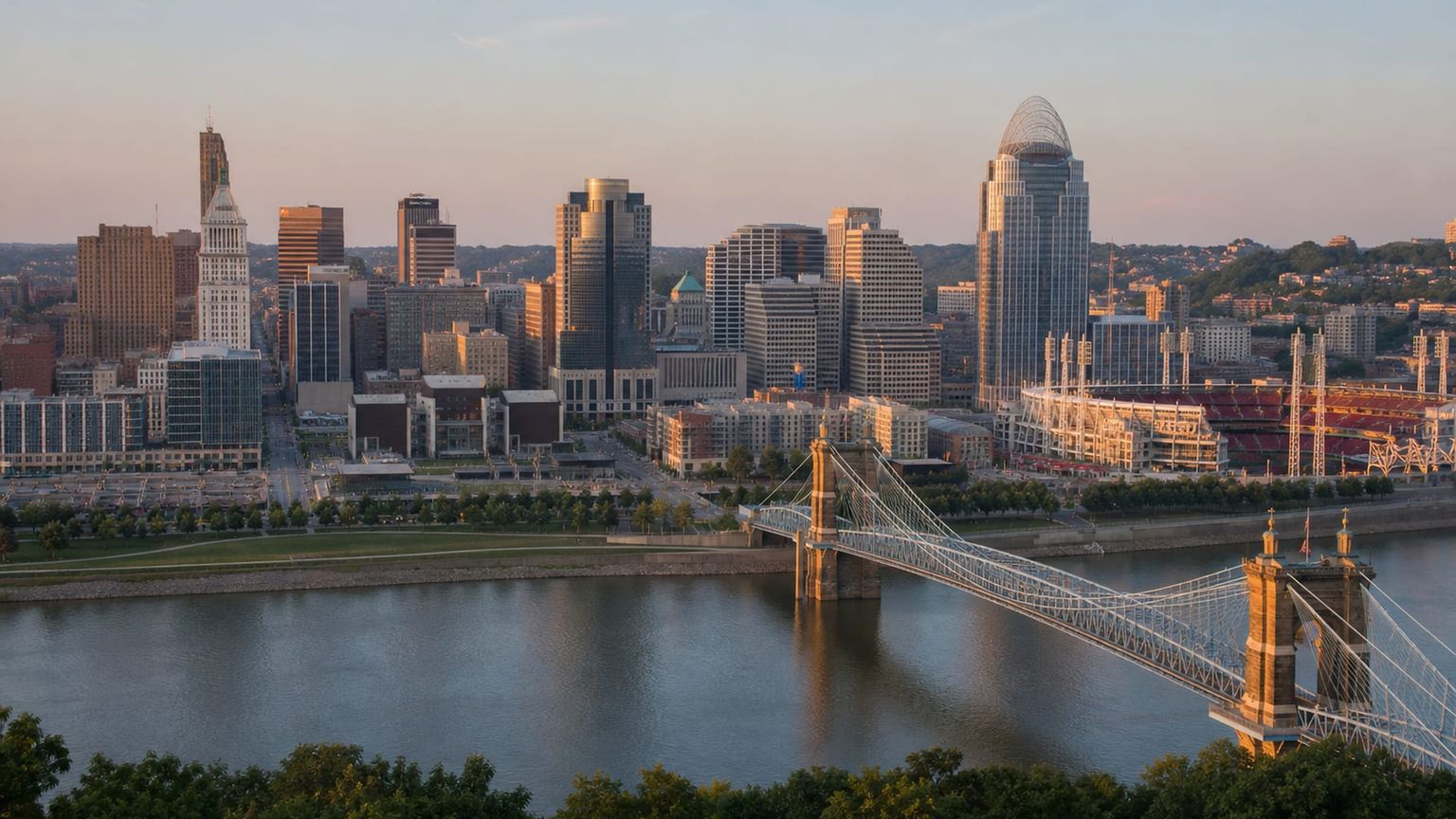
Cincinnati’s table leans on chili, sausages, ribs, and ice cream, with diners and neighborhood institutions still shaping how people eat. Expect late lunches, casual counters, and regional dishes that arrive with strong local loyalty.
Cincinnati chili
Spiced meat sauce over spaghetti or hot dogs, with cheese, onions, and beans added by code. Skyline Chili is the classic stop if you want the dish in its most familiar form.
Goetta
A pork-and-oat breakfast patty with crisp edges and a savory, grain-rich center. Findlay Market’s Maplewood Kitchen often appears on local breakfast lists, but Price Hill Chili is a more direct place to try goetta on a Cincinnati plate.
Graeter's black raspberry chip ice cream
This dense, French-pot style ice cream is the city’s best-known dessert marker, and the black raspberry chip flavor has a devoted following. Graeter’s factory shops and parlors around Cincinnati serve the canonical version.
Montgomery Inn ribs
Glossy, smoky ribs with a tangy tomato-based sauce, served in a style that helped define Cincinnati’s barbecue reputation. The Montgomery Inn Boathouse is the reference point for the dish.
Best time to visit Cincinnati
Cincinnati shifts enough by season that museum days, river walks, and hilltop views all change character with the weather, so timing affects both comfort and how much time you want outside.
Best for: Park walks, museum pairing, and mild riverfront afternoons
What you get: 45 to 72°F (7 to 22°C), with moderate crowds and comfortable sightseeing days
Trade-offs: Rain can interrupt longer walks and add a chill after sunset
Best for: Evening patios, riverfront time, and longer daylight for neighborhood dinners
What you get: 68 to 88°F (20 to 31°C), with heavier crowds at major sights and busy dining blocks
Trade-offs: Heat and humidity can make uphill walks tiring
Best for: Clear sightseeing days, leaf color in the parks, and easy museum hopping
What you get: 48 to 74°F (9 to 23°C), with manageable crowds and good walking weather
Trade-offs: Temperatures can drop quickly by late November
Best for: Indoor museum time and quieter restaurant reservations
What you get: 28 to 45°F (-2 to 7°C), with lighter crowds and shorter outdoor windows
Trade-offs: Cold snaps and occasional ice can limit riverfront walks
A realistic 5-day plan in Cincinnati
The five-day plan starts at the riverfront, moves into the museum districts, and then circles back to places that reward a second look. It keeps transfer times short and saves the longest move for the airport on departure.
Land at Cincinnati (CVG), then take a rideshare or taxi into Downtown Cincinnati or Over-the-Rhine in about 20 to 30 minutes for roughly $35 to $55 before tip. If you arrive on the later side, check in, drink some water, and keep dinner close to your room, perhaps at a downtown bistro or a low-key spot on Vine Street, so you are not crossing the city after a long flight.
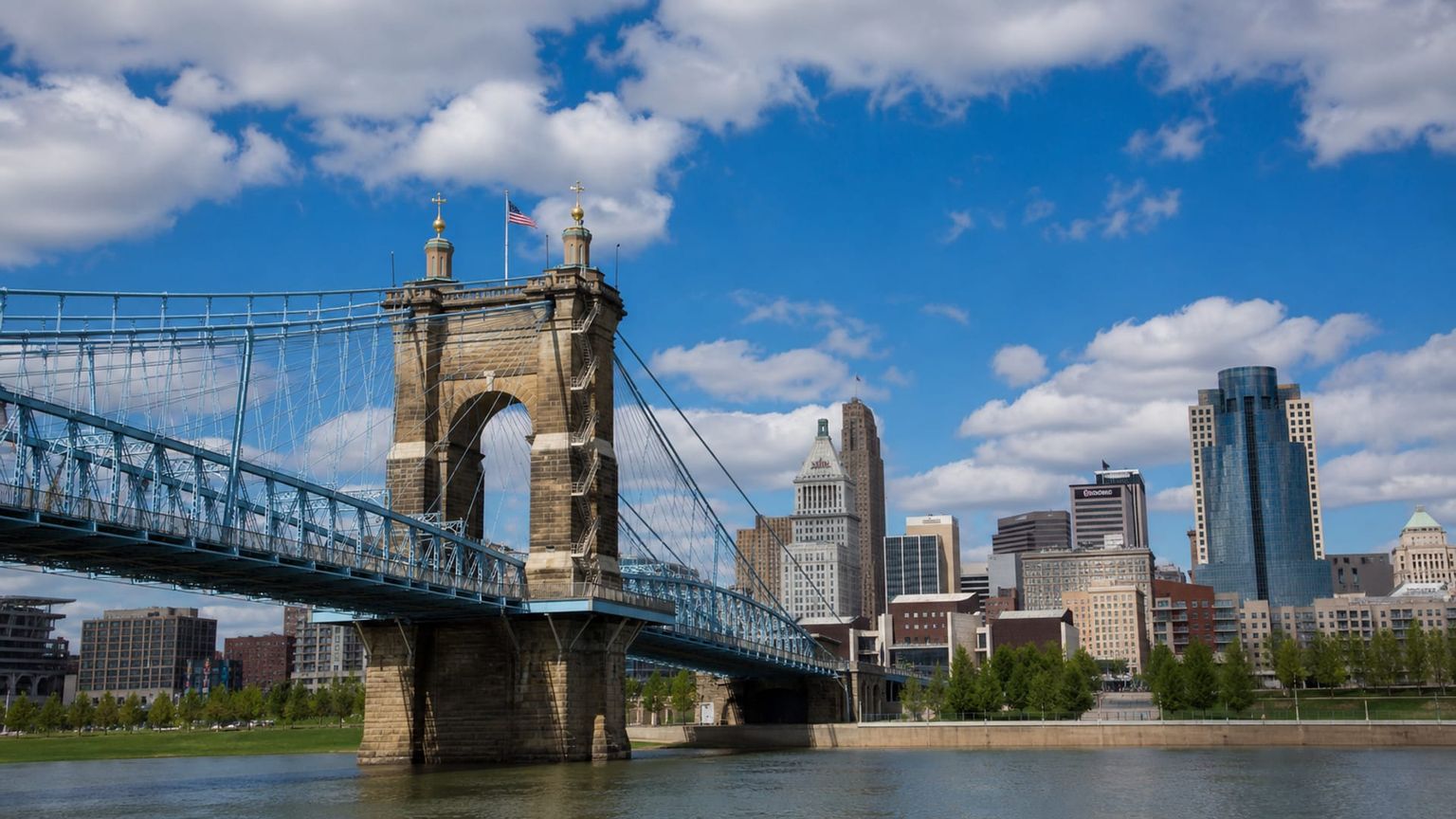
Start at the Cincinnati Art Museum in Eden Park, where you can spend about 2 to 3 hours, then walk about 10 to 15 minutes down through the park toward the Cincinnati Music Hall for an afternoon exterior visit or a timed tour. After that, continue about 10 minutes on foot into Over-the-Rhine for dinner near Findlay Market, where the brick blocks, patios, and market halls give you an easy evening plan without much transit.

Begin on the riverfront at the National Underground Railroad Freedom Center, which needs about 2 to 3 hours, then walk about 5 minutes to Smale Riverfront Park for a break along the Ohio River. From there, cross into Downtown Cincinnati in about 10 minutes on foot for lunch or a coffee stop, and finish with a sunset stroll back by the river and bridges.
A morning at the American Sign Museum gives this day its most distinctive stop, and the ride there from downtown takes about 15 to 20 minutes by car or rideshare. Spend roughly 1 to 1.5 hours among the neon and painted signs, then return to Over-the-Rhine in about 15 minutes for lunch, a wander through the district’s side streets, and an easy evening that can end with another pass along Vine Street or a nearby bar or café.
For the last full day, circle back to Eden Park for a final museum stop at the Cincinnati Art Museum if you want one more cultural hour or two, then head to Over-the-Rhine for shopping and a café break near Findlay Market. If your flight leaves later, keep your bags close and stay within Downtown Cincinnati, where a final walk along Fountain Square or a relaxed early dinner gives you a simple finish before the ride to Cincinnati (CVG).
Business-class flights from the US to Cincinnati
For long-haul planning, Cincinnati usually comes into focus through one-stop business-class fares from New York and Los Angeles. The route details vary by coast, but both markets route through familiar U.S. hubs or, in some cases, transatlantic links.
From New York, American Airlines, Delta Air Lines, United Airlines, Air Canada, British Airways, and Lufthansa all appear in the mix, and direct flying time is about 2 to 2.5 hours when you find a nonstop. One-stop itineraries often connect through ORD, IAH, YYZ, LHR, or FRA, with total travel closer to 4.5 to 8 hours. Round-trip fares from New York to Cincinnati usually start at $480 and can reach $1,200.
Los Angeles travelers usually see Delta Air Lines, United Airlines, American Airlines, Alaska Airlines, and Southwest Airlines on Cincinnati itineraries. Nonstop flying time runs about 4 to 4.5 hours, while one-stop options often connect through DEN, ORD, DFW, MSP, or SLC and stretch the trip to about 6 to 10 hours. Expect about $650 to $1,600 round-trip from Los Angeles to Cincinnati.
Cincinnati feels different when you slow down
A well-paced Cincinnati trip gives each district a clear role, from the riverfront and Downtown to Over-the-Rhine, Eden Park, and the American Sign Museum. Metro buses, taxis, and short walks can cover most of it if you plan the order well and keep the steepest streets for the right moment. If you want help shaping that route, AranGrant experts can turn these neighborhoods into a trip that fits your flight and your schedule