

Chapters:

Need help with your trip?
Our support team is available 24/7. Request a callback or call us directly at (833) 619-0908
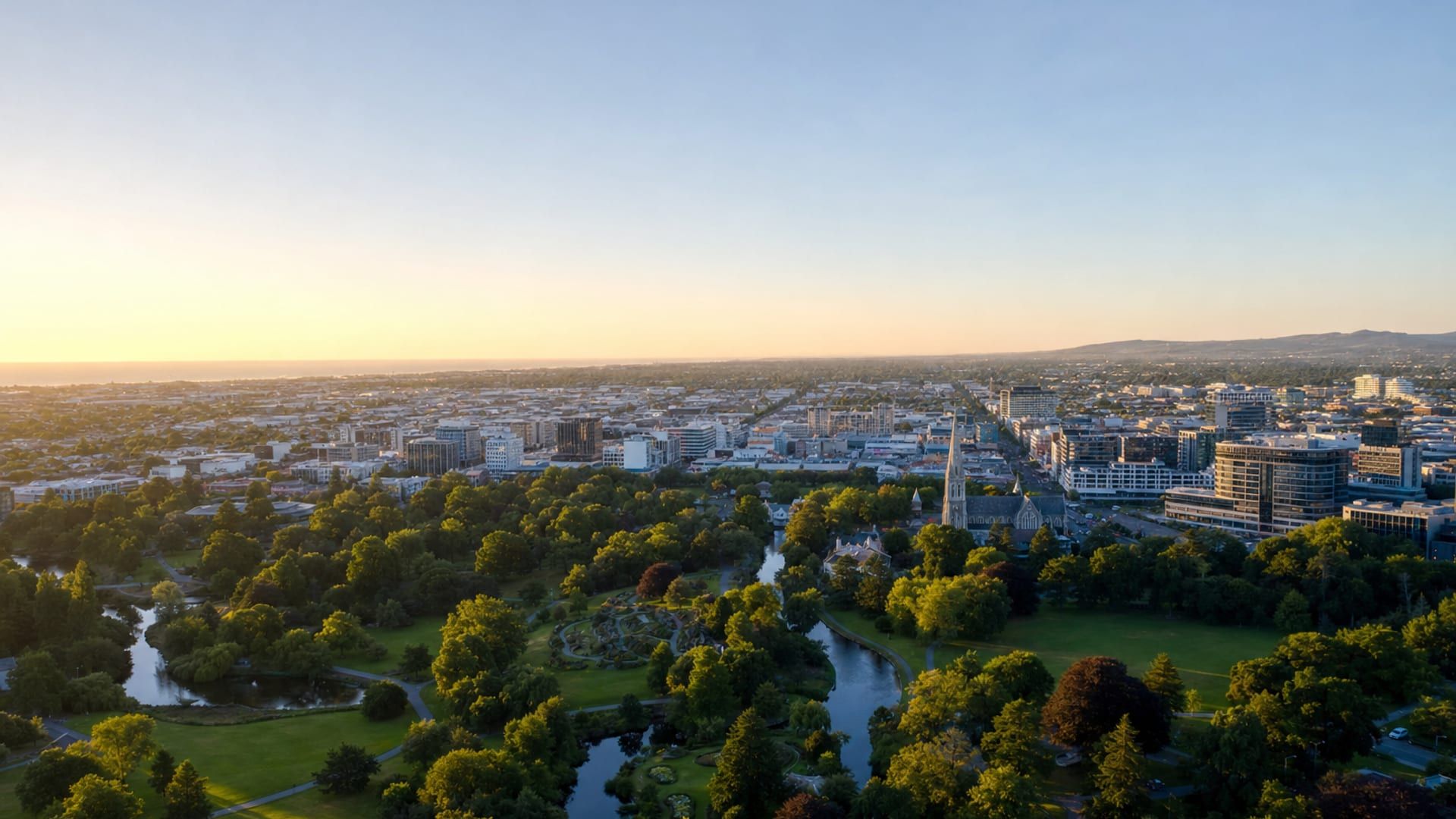
Christchurch rewards travelers who slow the first day and then use that space to notice how the center, the river corridor, and the hill viewpoints fit together. Many visitors pass through the Botanic Gardens, Cathedral Square, and a gondola ride, but skip the quieter stretches that give the city its shape.
That can leave extra transfers, rushed meals, and a scattered map of the center. Distances are not large, yet planning still matters because buses thin out later in the day, the best viewpoints depend on weather, and several of the most meaningful stops sit apart from one another.
This guide keeps the trip grounded in walkable blocks, short rides, and clear day-by-day choices, so the city opens in a steady order instead of a blur of separate stops.
Useful things to know

Main language(s): English

Currency: The local currency is the New Zealand dollar (NZD, $).

Cash and cards: Cards and contactless are widely accepted; carry about NZ$20 to NZ$50 ($12 to $30) in cash for small purchases.

Tipping: Tip 10% in restaurants if service is good; rounding up for taxis and cafes is common.

Traditional food: whitebait fritters, lamb roast, hokey pokey ice cream, cheese roll

Water and coffee costs: Water about NZ$3 to NZ$5 ($2 to $3), bar espresso about NZ$4 to NZ$6 ($2.50 to $3.50).

Taxis and ride apps: Uber and Ola operate here; check availability late at night.

Plug and voltage: Type I socket, 230V

Dining and shop opening hours: Breakfast is about 07:00-09:00, lunch 12:00-14:00, and dinner 18:00-21:00. Many kitchens close by 21:00, with later hours on Fridays and Saturdays.

Emergency number: 111 for police, fire, and ambulance.
Where to stay in Christchurch
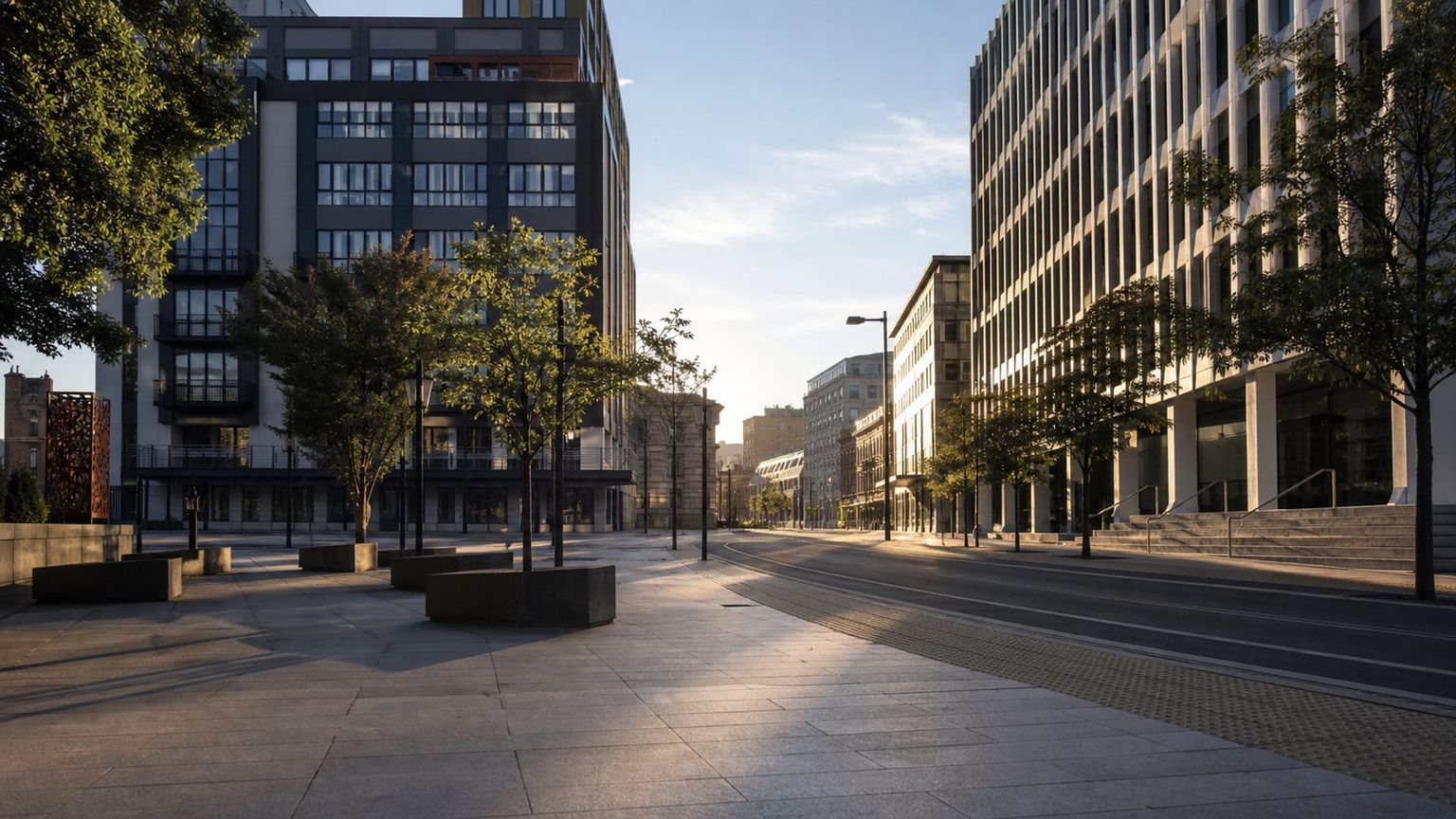
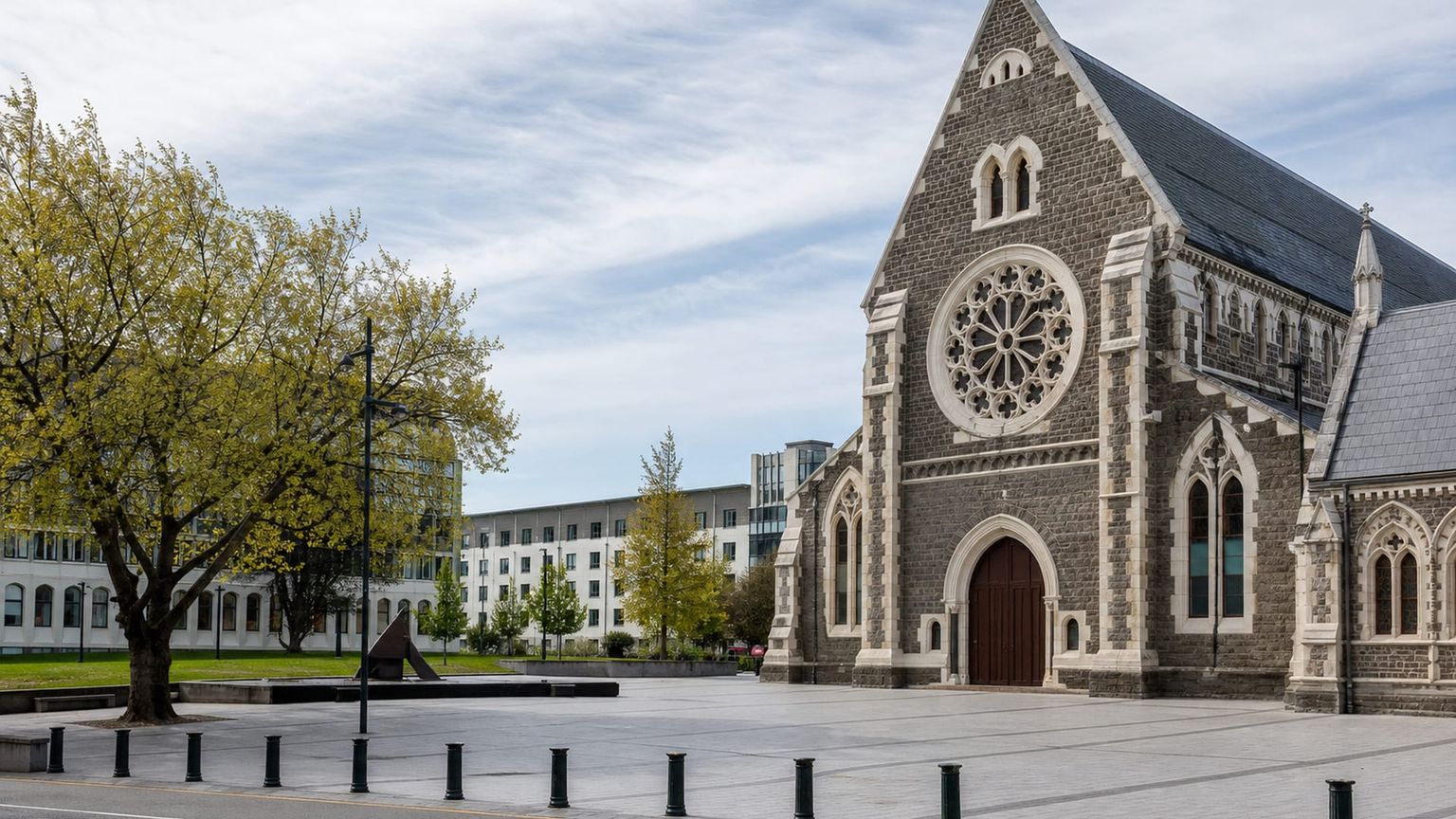
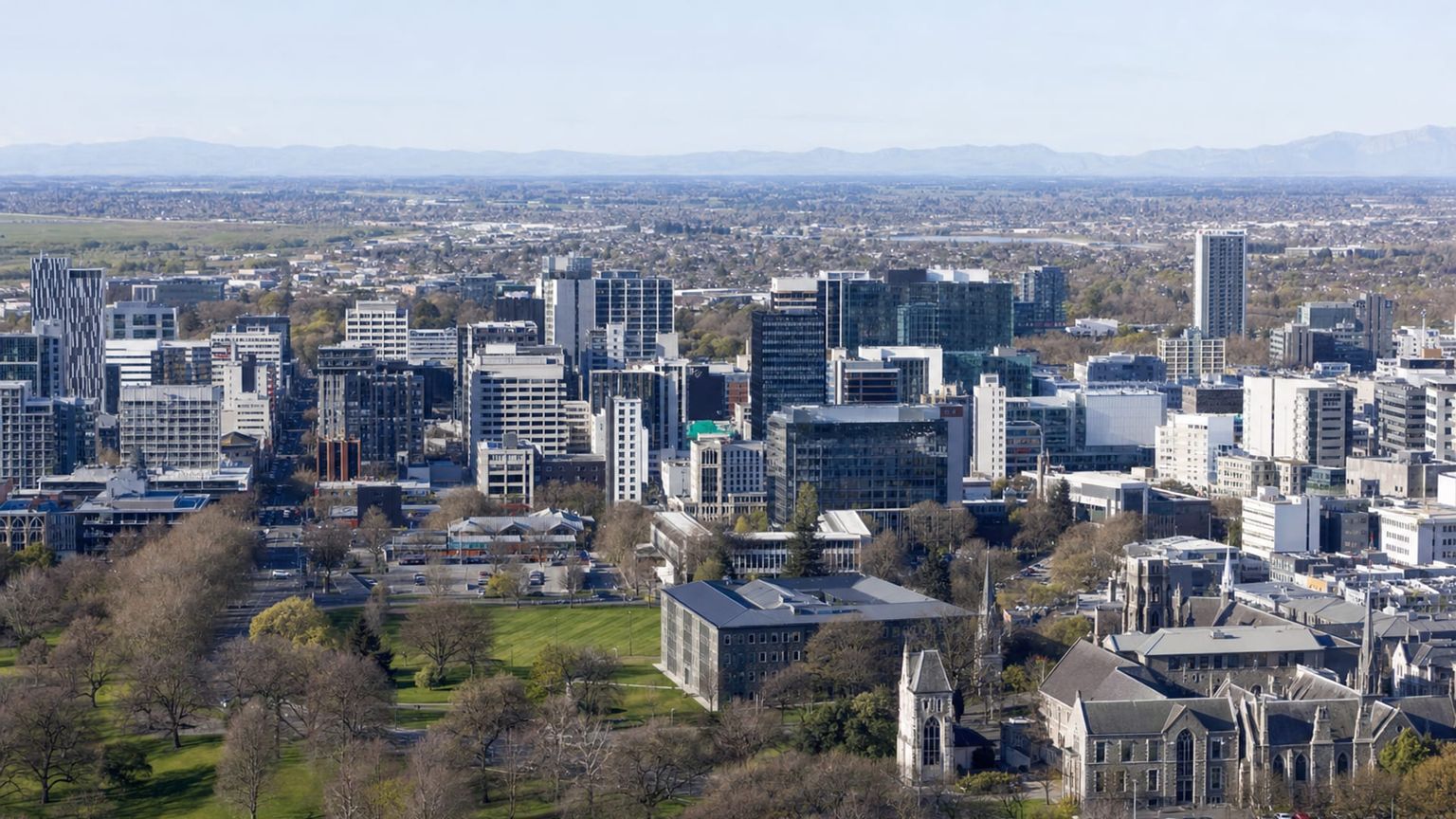
Christchurch’s retail core places you beside Cathedral Square, the Avon River, and the main dining streets. It suits travelers who want the city’s museums, tram stops, and rebuild-era architecture within an easy walk.
Best for: Sightseeing, dining, and visitors who want to walk to major central attractions
What to expect: Busy sidewalks by day, with office workers, shoppers, and visitors concentrated near the main streets and river crossings.
Hotel prices: Usually about $110 to $220 per night for well-rated stays
Distance to major sights: 5 to 10 minutes on foot to Cathedral Square, about 10 to 15 minutes on foot to the Avon River
Quietness: Daytime is busy and lively; evenings are calmer on side streets, though restaurant blocks stay active.
Main trade-off: You pay more for the most central blocks, and some streets can be noisy late on weekends.
Good to know: Choose a room away from the main nightlife streets if you want an earlier night; traffic and late footfall can be noticeable on the busiest corners.
Riccarton sits west of the center and combines a large shopping strip with plenty of accommodation and bus links into town. It matters for trips that need easier parking, campus access, and a wider spread of hotel prices.
Best for: Budget-conscious stays, parking, and access to the university side of the city
What to expect: A commercial suburb with busy roads, shopping traffic, and a steady flow of locals around the mall and main strip.
Hotel prices: Usually about $90 to $180 per night for well-rated stays
Distance to major sights: About 15 to 25 minutes by bus to Cathedral Square, roughly 10 minutes by car to Hagley Park
Quietness: Daytime is active around shops and restaurants; evenings are quieter once retail traffic drops.
Main trade-off: You trade central walkability for lower rates, and you will usually need transport for the river, galleries, and central dining.
Good to know: If you plan to drive, check parking fees before booking, since some properties charge extra and the main roads can clog at peak commute times.
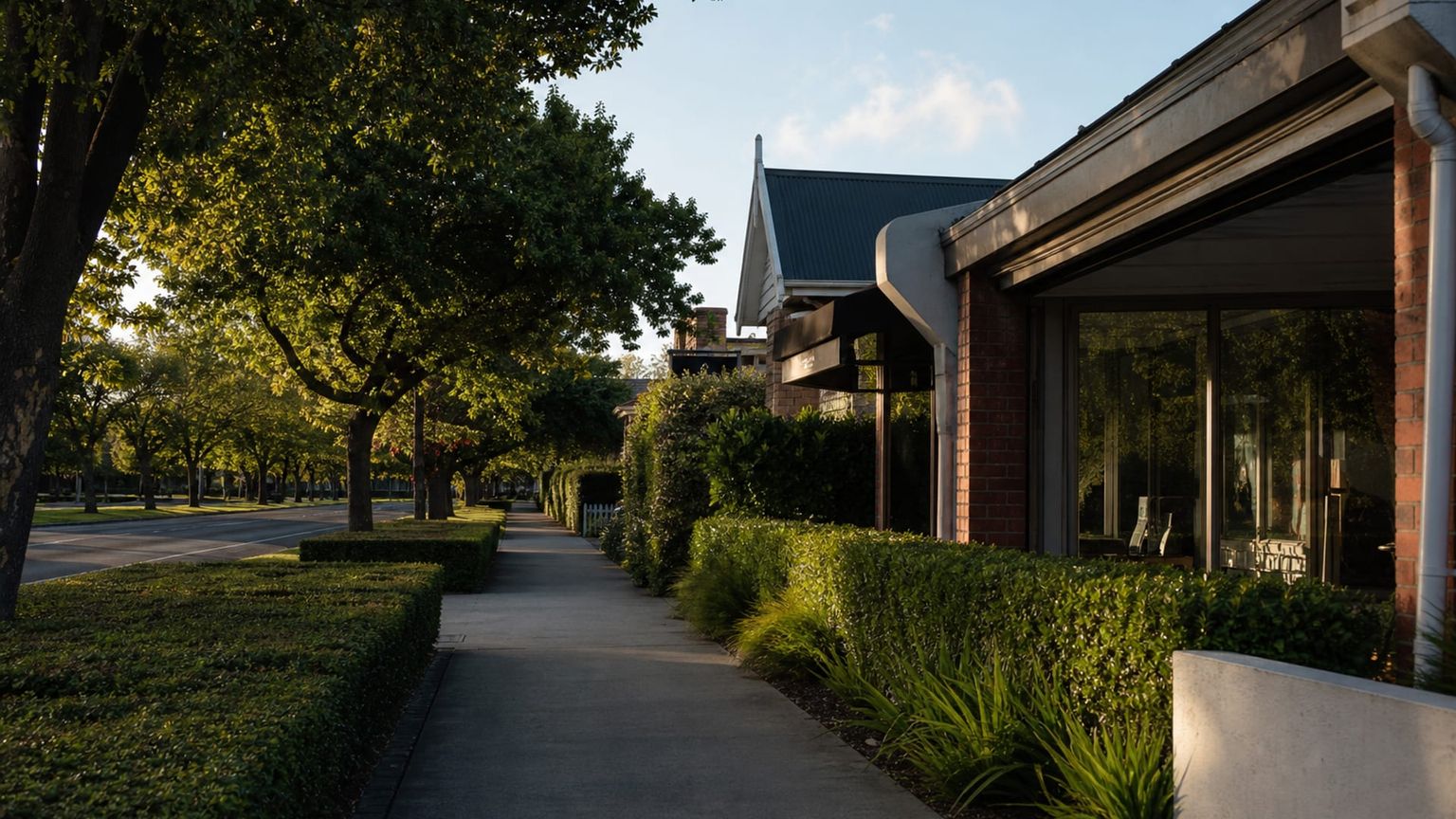
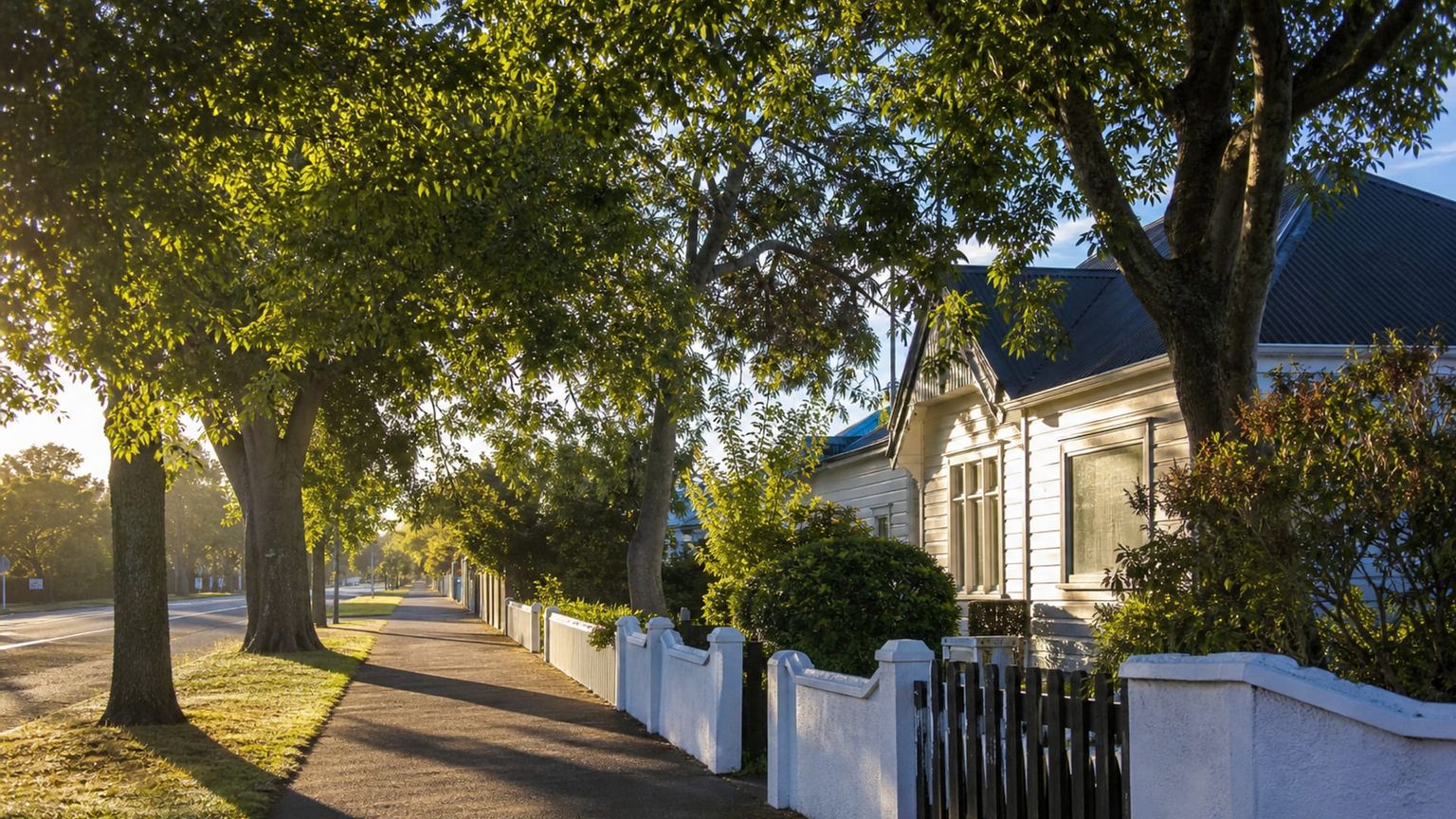
Merivale sits just north of the center and offers tree-lined residential streets with boutique stays and neighborhood dining. It works well for visitors who want a calmer base without giving up quick access to Hagley Park and the central city.
Best for: Couples, longer stays, and travelers who prefer a quieter neighborhood near the center
What to expect: Leafy residential streets, smaller shops, and an easygoing restaurant scene rather than heavy late-night activity.
Hotel prices: Usually about $120 to $240 per night for well-rated stays
Distance to major sights: About 5 to 10 minutes by car to Hagley Park, roughly 15 to 20 minutes by bus to Cathedral Square
Quietness: Quiet at night, with modest activity around restaurants and cafes earlier in the evening.
Main trade-off: Stays often cost more than in outer suburbs, and the area is less walkable for late-night central entertainment.
Good to know: Book early if you want a boutique room, since the area has fewer large hotels and the better small properties sell out quickly.
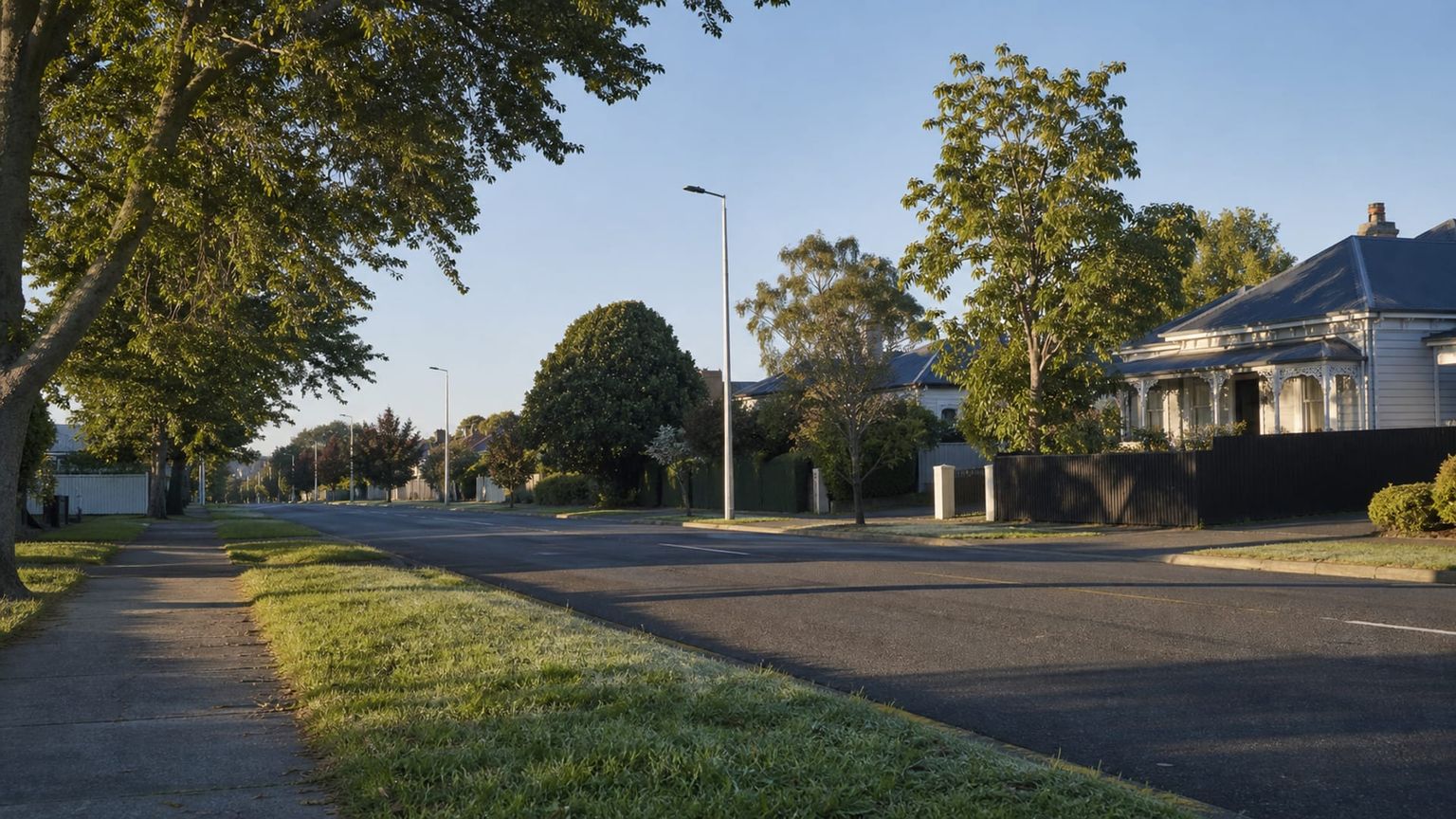
Addington sits southwest of the center and mixes older houses, event venues, and a growing cafe and bar scene. It matters if you want quicker access to the railway station, indoor sports venues, and a lower-key base near the core.
Best for: Event attendance, rail travelers, and visitors who want a lower-key base near central Christchurch
What to expect: A mixed residential and entertainment area with more activity near venues, supermarkets, and the main roads.
Hotel prices: Usually about $95 to $190 per night for well-rated stays
Distance to major sights: About 10 to 15 minutes by car to Cathedral Square, roughly 5 to 10 minutes on foot to Christchurch Railway Station
Quietness: Calm on residential streets, then busier and louder around event times near the arena and bars.
Main trade-off: You gain useful proximity to the station and venues, but the area can be noisy when concerts or games finish.
Good to know: Check event calendars before you book, since accommodation near the arena can be affected by traffic, full parking lots, and late departures.
Travelers usually avoid staying in Hornby, because it sits far from the central city, the Botanic Gardens, and the riverside sights, with a car or long bus ride needed for most outings. Belfast, Wigram, New Brighton, and Lyttelton are also less convenient bases, since they are outside the main visitor zone, have fewer hotel options close to attractions, or make evening trips back into the center slower and less direct.
Hotel deals
How to get around Christchurch efficiently
Christchurch has no metro, so most visitors pair walking in the center with buses, taxis, or ride apps for longer hops to the airport, Merivale, Riccarton, and the Port Hills.

Metro
for longer distances
Christchurch does not have a metro or subway network, so use buses or taxis for trips into the center and to suburbs; for rail-like travel, the nearest equivalent is regional coach or intercity bus links rather than an urban rail system.

Bus and tram
for convenience
Metro buses cover the airport area, the central city, and many suburbs, with major routes such as Orbiter and Airport Link connecting key hubs; single fares are roughly $2.50 to $4.50 depending on distance, and contactless or Metrocard payment is accepted. Services run more frequently on main corridors, while evenings and Sundays have thinner timetables, so check the schedule if you are traveling after about 7:00 pm.

Taxi
for convenience or late hours
Licensed taxis in Christchurch use metered fares, not fixed citywide set fares, and an airport trip to the central city usually costs about $25 to $40, depending on traffic and the time of day. You can use the taxi rank outside Christchurch Airport, book by phone or app, and pay with cash or card with most operators.
*Prices are based on rates updated as of June 2026 and may change at the time of travel.
Walk in the Central City, take buses for cross-town trips, and use taxis or ride apps when you want to save time on airport runs or hill outings.
Iconic landmarks
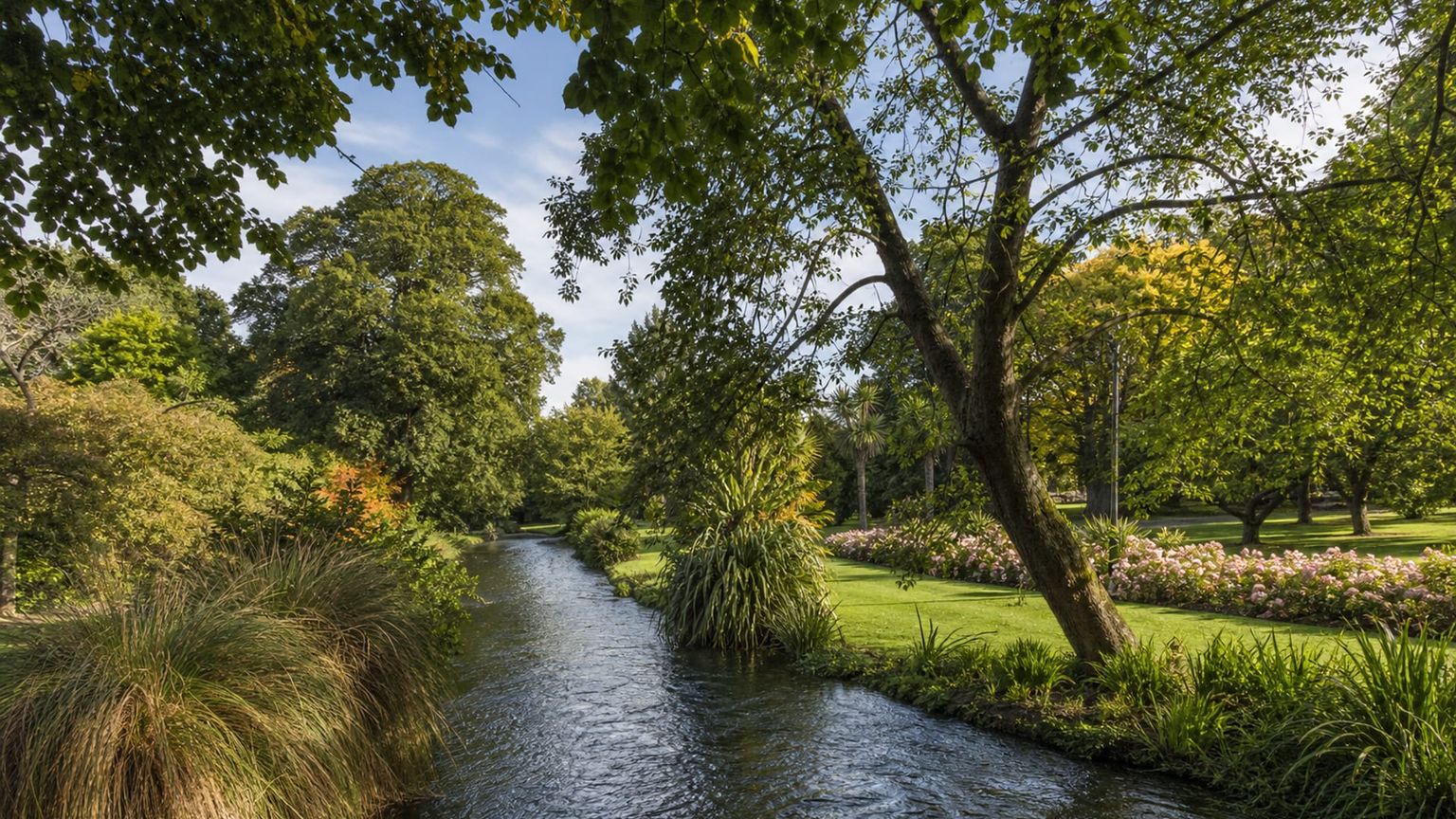
Christchurch Botanic Gardens
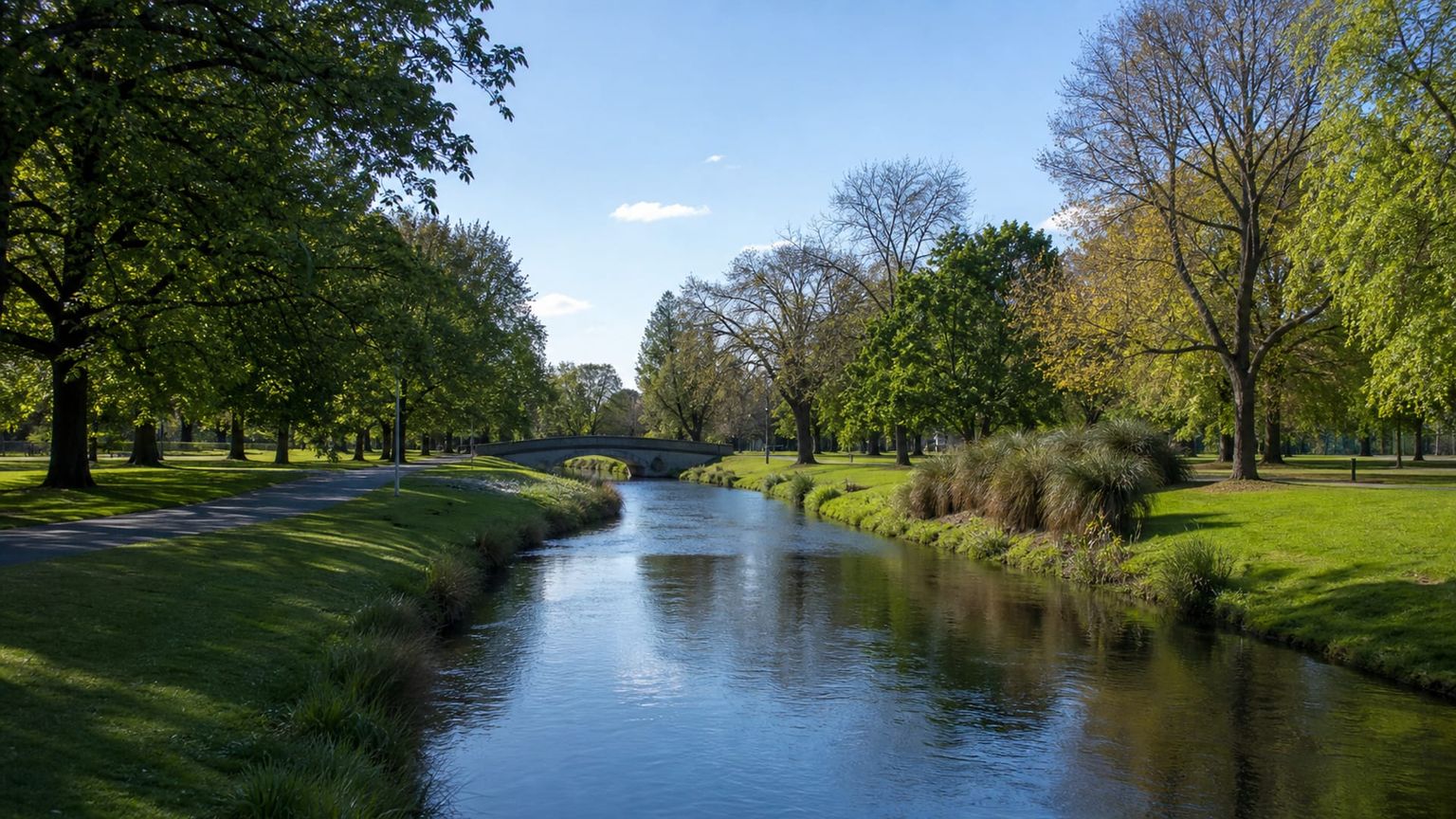
Set beside the Avon River, these gardens cover about 21 hectares and gather mature trees, rose beds, and themed plantings in one central park. The conservatory and riverside paths make it easy to combine a short walk with a longer visit.
Time needed: About 1 to 2 hours
Entry: Free to access; conservatory admission may apply for special exhibitions or paid experiences. Visit the official site for details.
Tip: Arrive earlier in the day for softer light in the rose garden and conservatory.
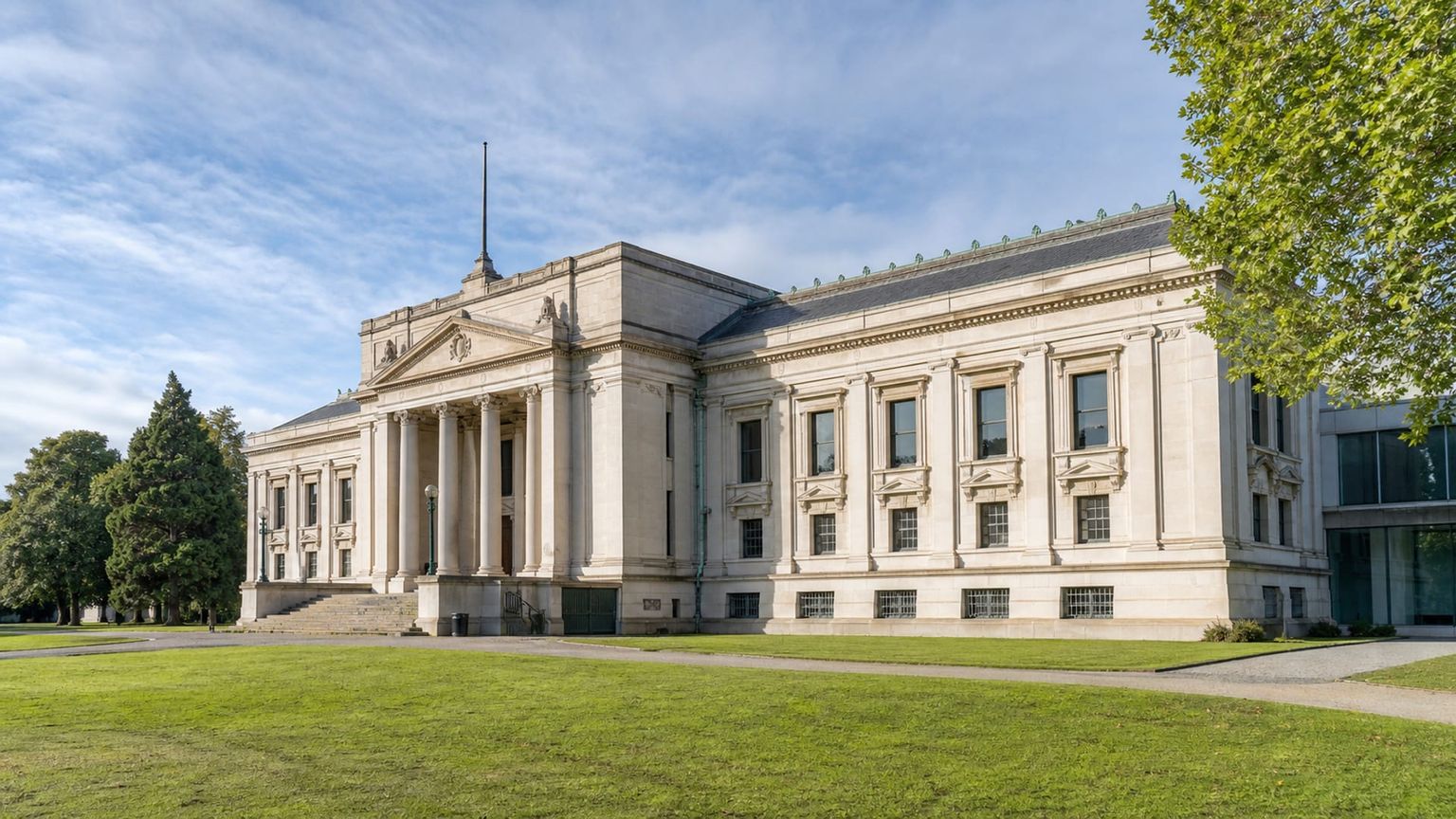
Canterbury Museum
In the city center, Canterbury Museum traces Antarctic exploration, Māori history, and Canterbury settlement through compact galleries and strong collections. It suits a focused visit when you want context before exploring the wider city.
Time needed: About 1 to 2 hours
Entry: Free to access; some special exhibitions or events may carry separate charges. Visit the official site for details.
Tip: Check opening hours before you go, since some galleries and displays can change seasonally.
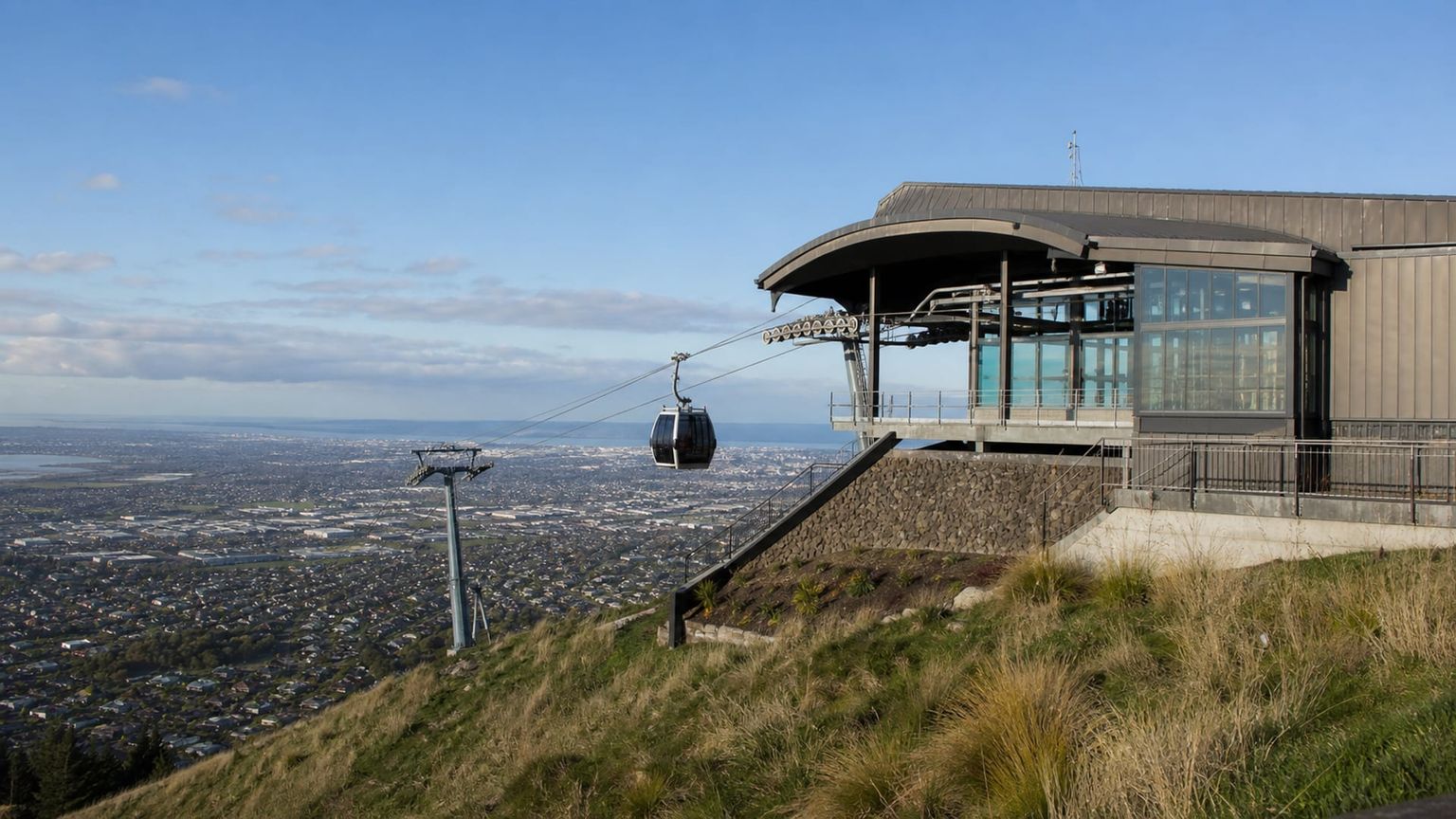
Christchurch Gondola
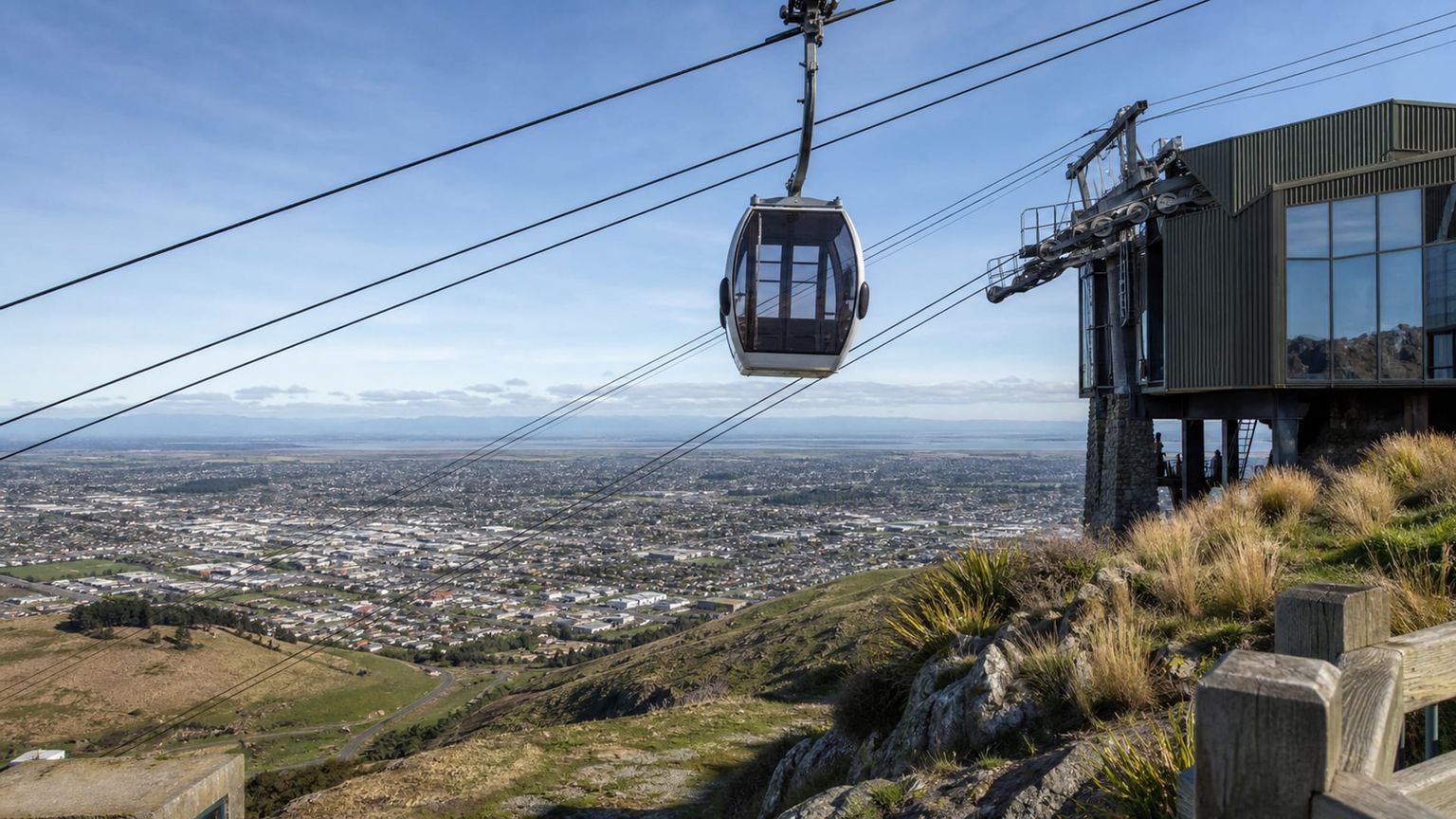
This cable car climbs the Port Hills to a summit station with broad views over Christchurch, Lyttelton Harbour, and the Southern Alps on clear days. At the top, short walks and the Time Tunnel add a second layer to the visit.
Time needed: About 2 to 3 hours
Entry: Standard tickets cost $35 to $42 ($42 to $50 NZD), with child and family rates available. Visit the official site for details.
Tip: Go on a clear afternoon, then stay for sunset if the weather holds over the harbor.
Overlooked sites worth visiting

Ōtākaro Avon River Corridor
A ribbon of riverside paths follows the Avon through central Christchurch, with native plantings, seat stops, and quiet stretches for walking or cycling. Birdlife and changing light make it good for short, unhurried loops.
Time needed: About 1 to 2 hours
Entry: Free to access; this public river corridor has no admission fee, and you can walk or cycle the paths at any time without tickets or reservations. Nearby parking and cafe purchases are separate costs, if you use them.
Tip: Go late afternoon for softer light on the water.

Canterbury Earthquake National Memorial
This compact memorial on the Avon River banks lists the 185 people who died in the 2011 earthquake, with a calm setting for a brief stop. Its design works best as a short, reflective visit near the city center.
Time needed: About 20 to 30 minutes
Entry: Free to access; the memorial is an open public site with no entry fee or timed booking, and you can visit during daylight hours. Any donations, nearby parking, or transport costs are optional and not required to enter.
Tip: Visit in daylight to read the names clearly.
Traditional food
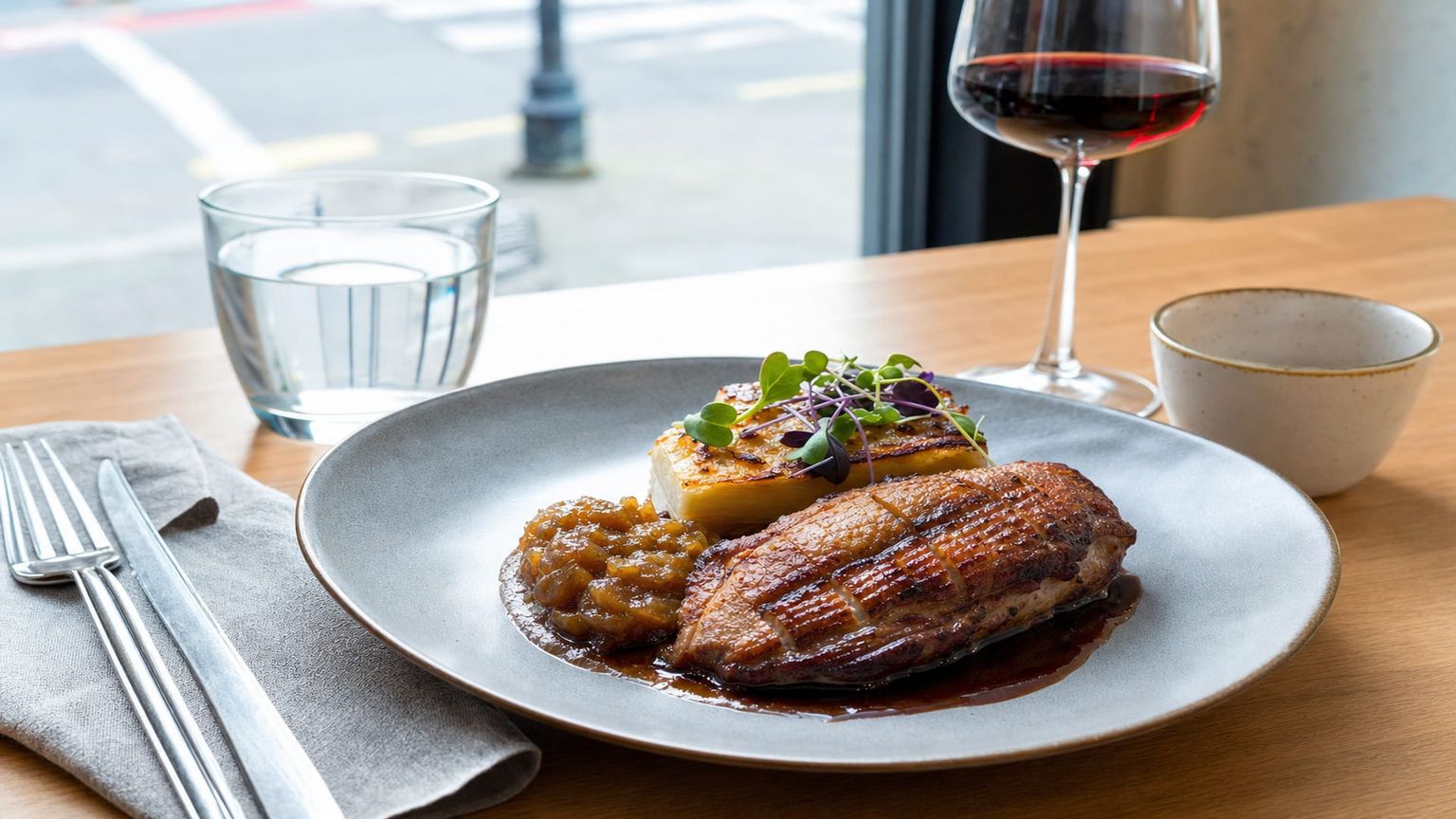
Christchurch cooking leans on South Island lamb, whitebait, cheese rolls, and hokey pokey ice cream, with cafes and bistros serving generous plates from breakfast through dinner. Seasonal produce and simple preparations dominate the central dining streets.
Whitebait fritters
A Christchurch classic, whitebait fritters are light, delicate, and best when the fish stays the focus. Fiddlesticks Restaurant and Bar in the central city is a strong place to try them.
Lamb roast
South Island lamb roast is a staple of the local table, usually served with seasonal vegetables and pan juices. King of Snake on the central dining scene offers a polished version with a modern edge.
Hokey pokey ice cream
Hokey pokey ice cream pairs vanilla with crisp caramel candy for a simple New Zealand dessert. Rollickin Gelato in the Central City is a dependable stop for a sweet finish.
Cheese roll
A cheese roll is a South Island cafe favorite, with a rich, toasted filling and a soft roll that works well as a snack or light lunch. The Vintage Cafe in Christchurch serves a version that fits the local style.
Best time to visit Christchurch
Christchurch changes most across spring and autumn, when garden color, river walks, and hill views often line up with manageable temperatures and thinner crowds.
Best for: Best for long daylight, the gondola, and riverside evenings
What you get: Temperatures usually range from 63 to 77°F (17 to 25°C), and visitor numbers are highest around Christmas and school holidays
Trade-offs: Warm days can bring higher hotel demand and more people at the main sights
Best for: Best for clear air, mild walks, and calmer museum visits
What you get: Temperatures usually range from 48 to 68°F (9 to 20°C), with moderate crowds and comfortable conditions for city wandering
Trade-offs: Daylight shortens as the season progresses
Best for: Best for quieter streets, lower rates, and indoor time
What you get: Temperatures usually range from 37 to 55°F (3 to 13°C), and crowds are lighter outside school breaks
Trade-offs: Short days and cool evenings limit outdoor plans
Best for: Best for the Botanic Gardens, fresh growth, and early outdoor plans
What you get: Temperatures usually range from 45 to 65°F (7 to 18°C), with moderate crowds and active garden displays
Trade-offs: Weather can change quickly, so rain layers still matter
A realistic 5-day plan in Christchurch
A five-day Christchurch stay works well when you start in the central grid, add the gardens and museum next, then reserve one clearer-weather day for the gondola and a final day for shopping or a last riverside stop before departure.
Land at Christchurch (CHC), then take a taxi or rideshare into the Central City in about 20 to 25 minutes for roughly $25 to $35. If you prefer the bus, the Airport to City service usually takes about 30 to 40 minutes and costs about $4 to $6. Check into a Central City stay so you can walk to the Avon River and Cathedral Square later without a long outing. After you settle in, drink plenty of water, take a short stretch along the nearby main streets, and have an easy dinner on the central dining streets before an early night.
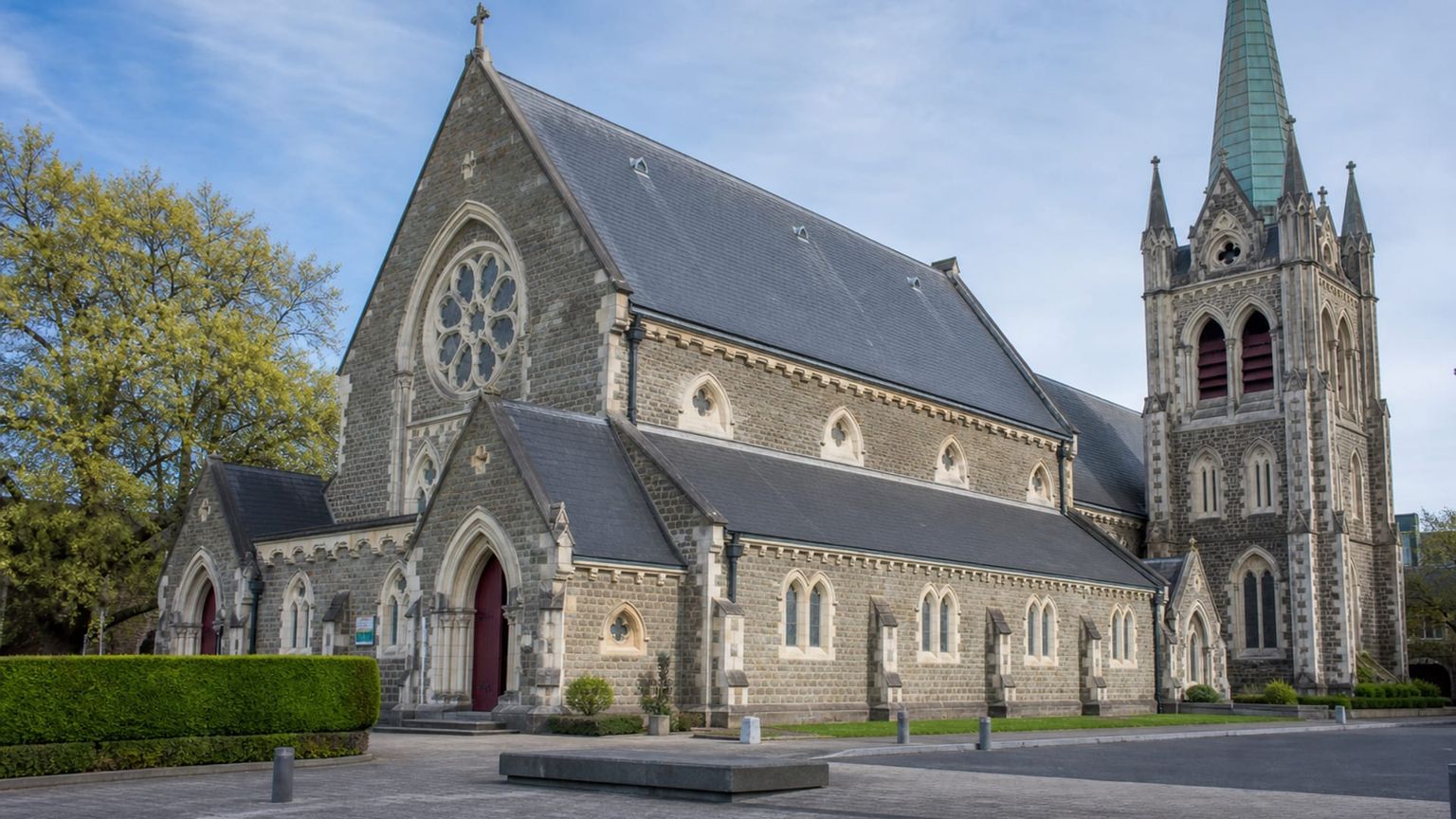
Start in the Christchurch Botanic Gardens, where you can spend about 1 to 2 hours among the rose beds, glasshouses, and riverside paths. From there, walk about 10 minutes to the Canterbury Museum for another 1 to 2 hours of Antarctic, Māori, and settlement exhibits. After lunch in the Central City, continue about 5 to 10 minutes on foot to the Ōtākaro Avon River Corridor for a relaxed late-afternoon stroll, then end at the Canterbury Earthquake National Memorial, about 5 minutes away, for a brief visit in daylight.
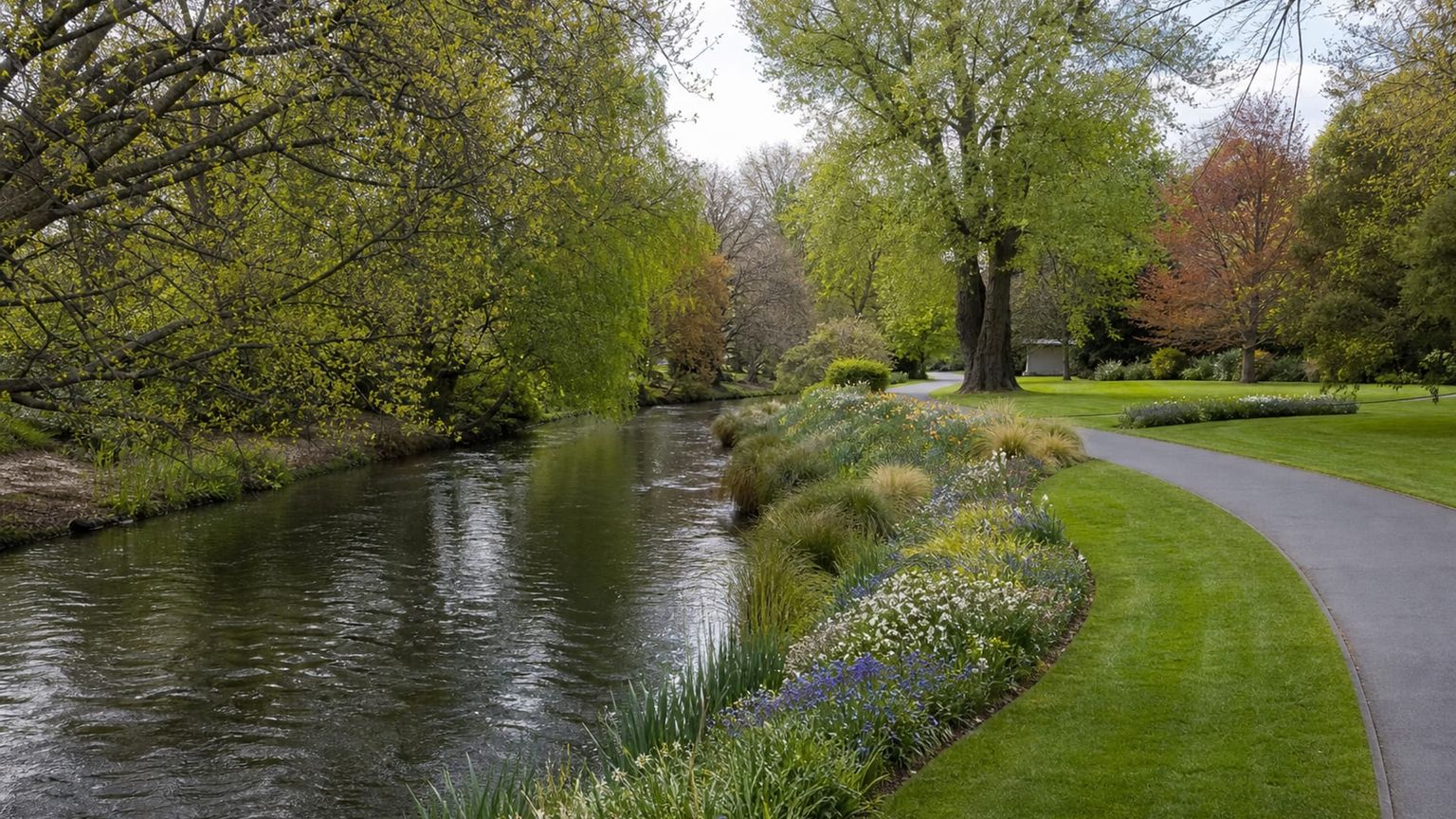
Begin on the Christchurch Gondola, especially if the weather is clear, and set aside about 2 to 3 hours for the ride, summit walks, and Time Tunnel. From the city center, the drive to the base takes about 20 to 25 minutes, so an early start works best. After you return, spend the rest of the afternoon back in the Central City, then walk or take a short taxi ride to the Avon River for dinner near the river crossings.
A slower morning in Merivale pairs well with a visit to the Christchurch Botanic Gardens again if you want more time outdoors, and the drive from Merivale takes about 5 to 10 minutes. After that, head into the Central City, where it is about 10 to 15 minutes on foot from the museum to the river corridor, and focus on any gallery time or a longer walk beside the Avon. In the evening, stay near Cathedral Square or the main dining streets so you can dine without adding another transfer.
Start with one final stop at the Canterbury Museum if you want a last look at Christchurch’s history, then leave enough time for an unhurried breakfast. From there, wander through Riccarton for shopping on the main strip, or head to Merivale for a café lunch and a quieter neighborhood finish. If your flight is later, return to the Central City for a final river-side coffee before collecting bags and heading to Christchurch (CHC).
Business-class flights from the US to Christchurch
Christchurch sits far enough from North America that routing matters as much as fare. From both coasts, the best schedules usually trade one-stop options, long-haul comfort, and airport combinations through major Pacific hubs.
From New York, Air New Zealand, Qantas Airways, Emirates, Qatar Airways, and Singapore Airlines operate the long-haul options most travelers compare. A nonstop is not available, so itineraries usually run about 17 to 18 hours in the air with total travel times of roughly 22 to 30 hours, depending on whether you connect via LAX, SFO, HKG, or SYD. Round-trip fares usually start at about $7,500 and can reach $13,000.
Los Angeles has the shortest path to Christchurch, with Air New Zealand, Qantas Airways, Fiji Airways, United Airlines, and Singapore Airlines in the mix. Direct itineraries take about 14 to 15 hours, while one-stop options through SFO, LAX, HKG, NRT, or SYD usually stretch travel to roughly 18 to 27 hours. Round-trip fares from Los Angeles usually run $5,500 to $9,500, with the higher end tied to peak dates and nonstop availability.
Christchurch feels different when you slow down
A deliberate Christchurch trip moves between the Central City, the Botanic Gardens, the Avon River corridor, and one clear ascent into the Port Hills, then returns to a neighborhood meal in Merivale or along the main dining streets. Buses, taxis, and short walks do most of the work, so the city stays readable without much transit fuss. If you want help matching flights, neighborhoods, and day plans, the AranGrant experts can shape the trip around your dates and preferred pace







