

Chapters:

Need help with your trip?
Our support team is available 24/7. Request a callback or call us directly at (833) 619-0908
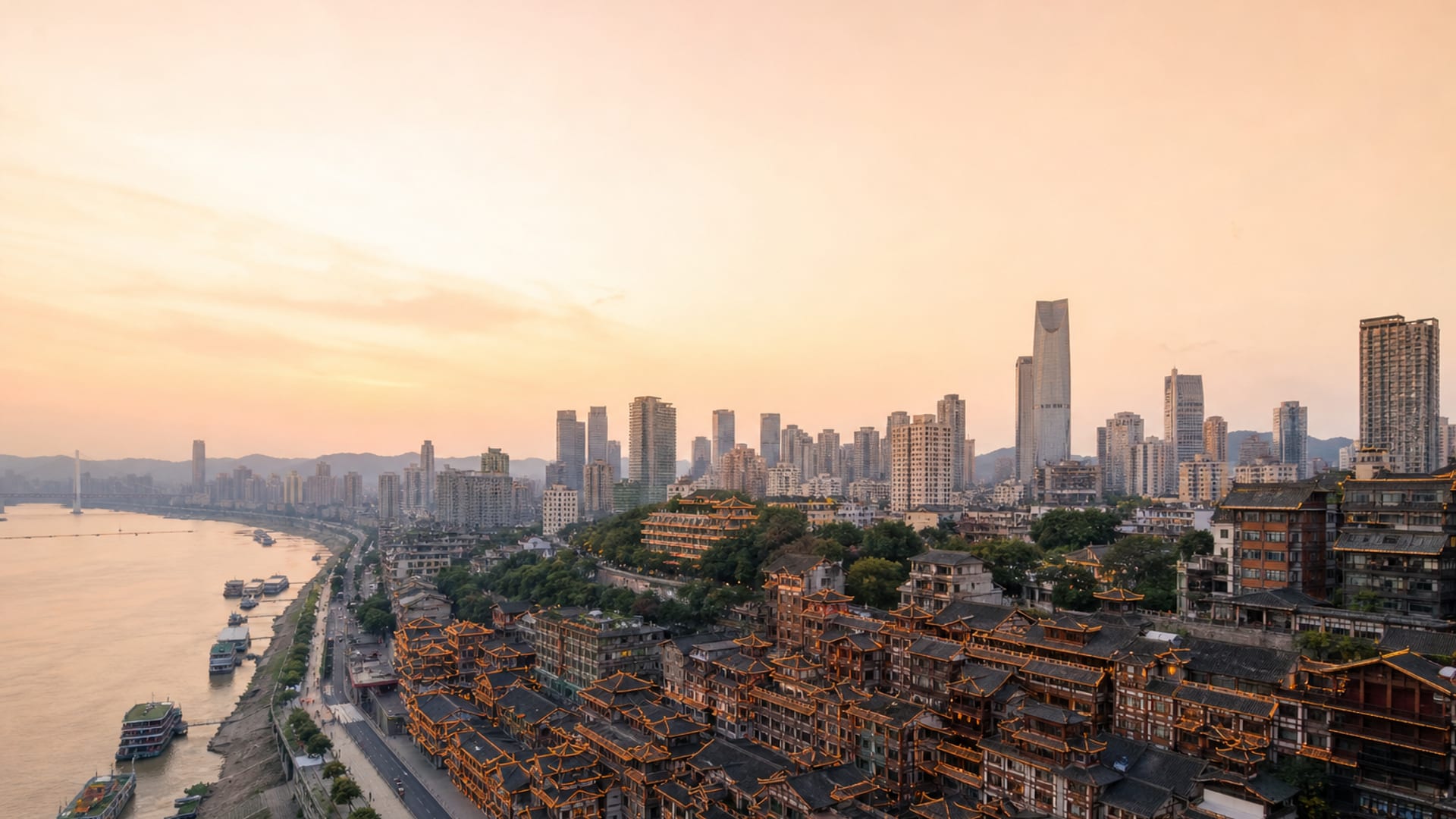
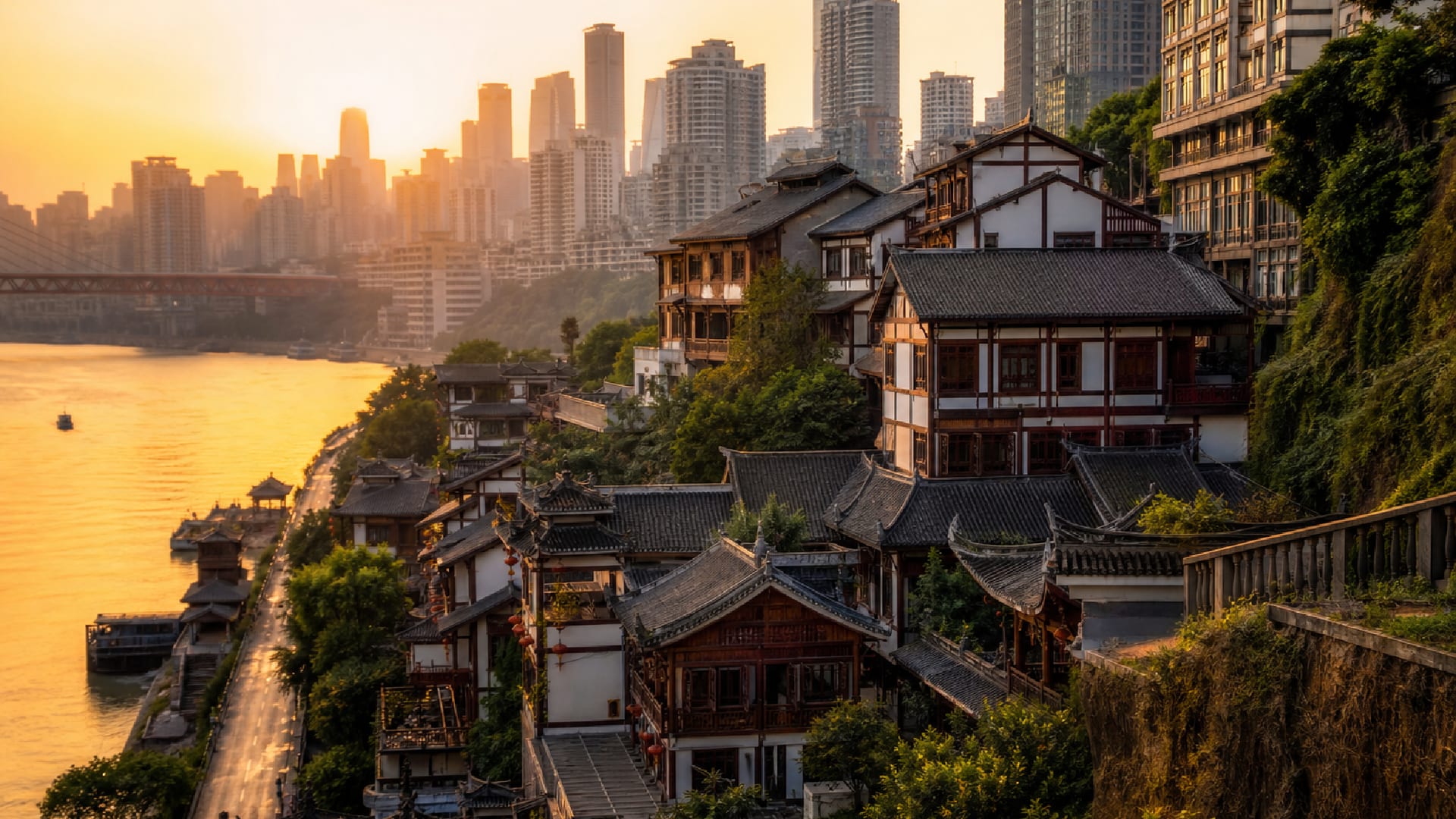
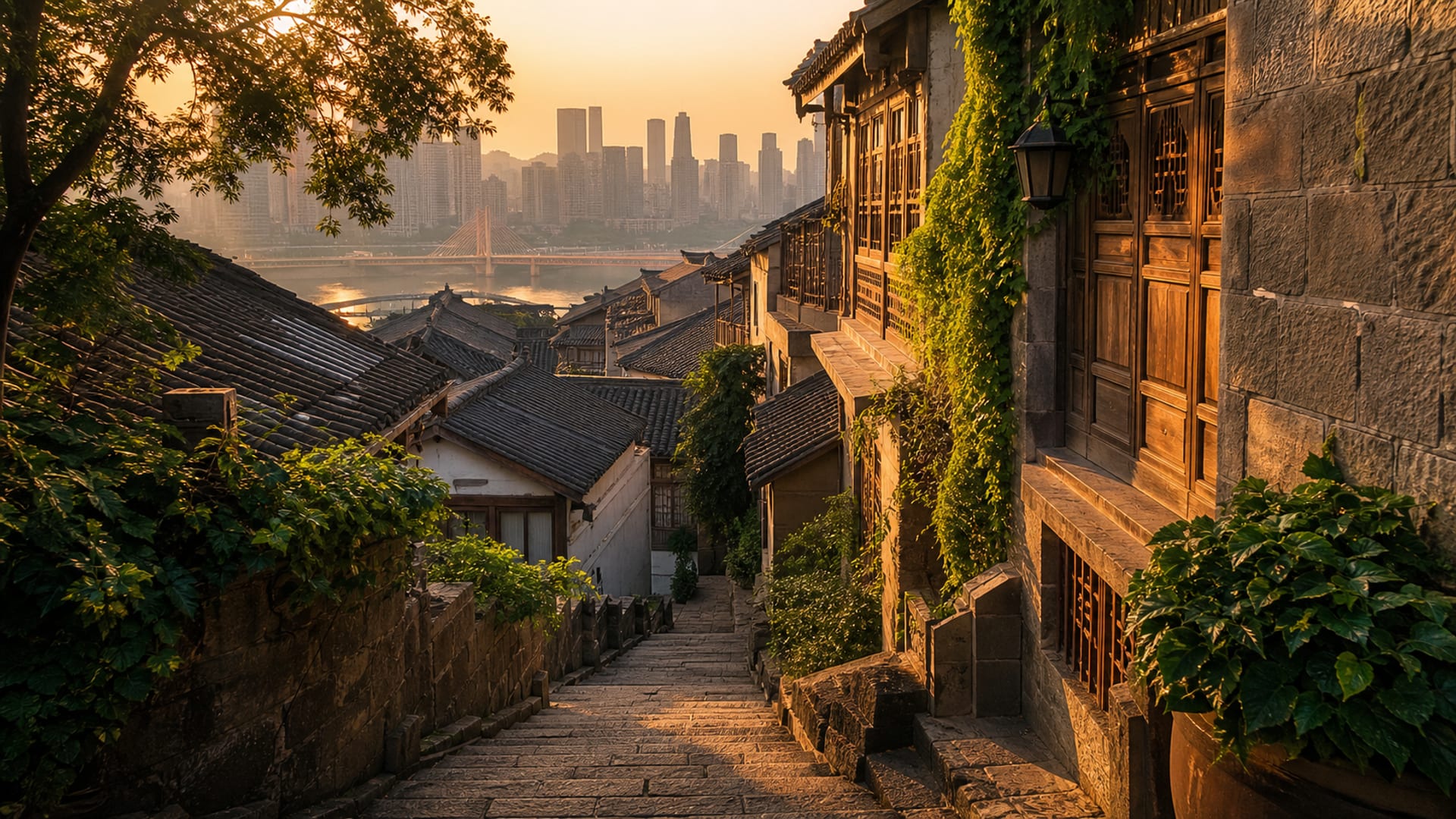
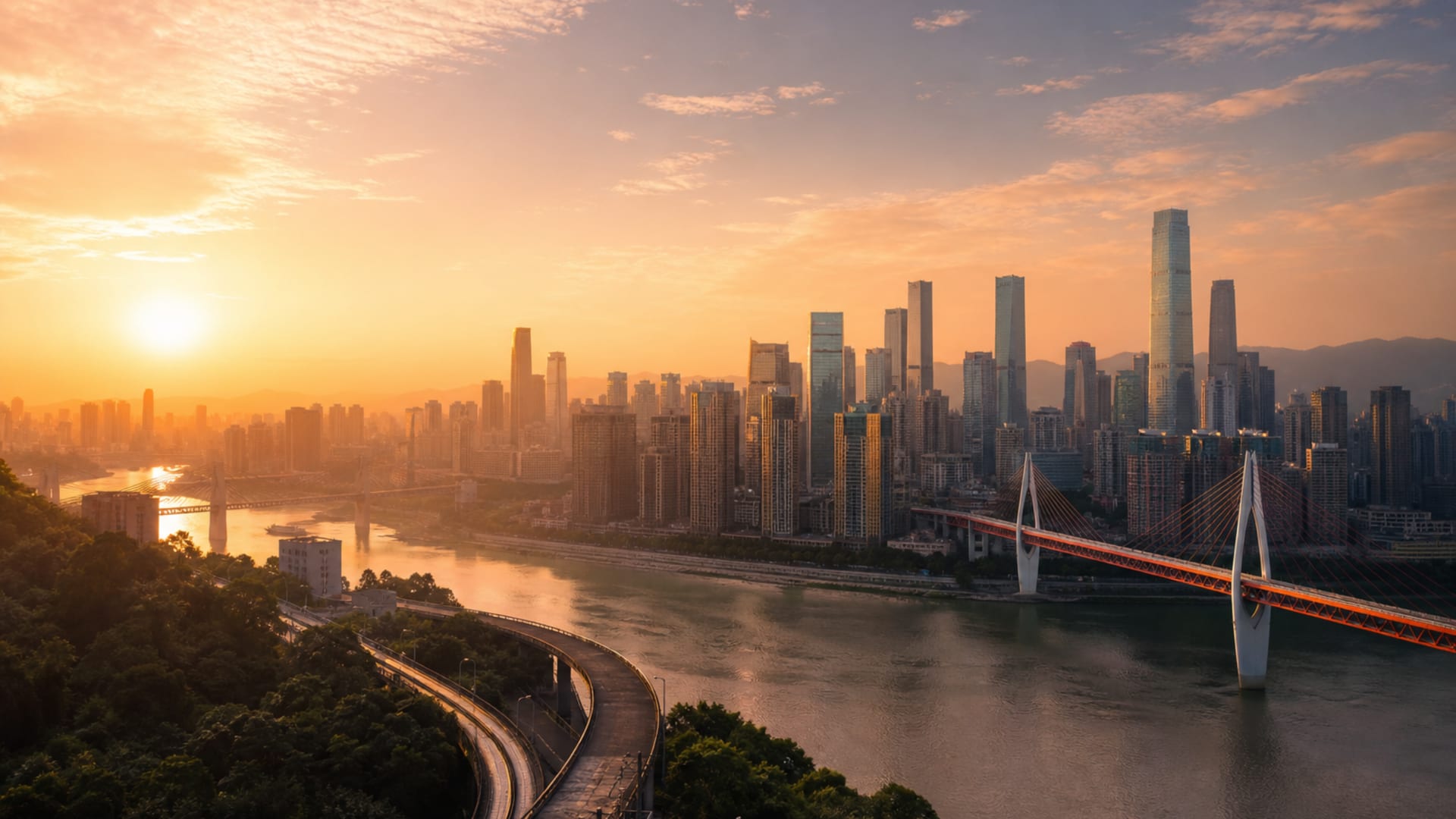
Chongqing is one of China’s largest municipalities, a mountain city shaped by steep terrain and the Yangtze and Jialing rivers. Much of the central city rises above the water, giving Chongqing a vertical layout that immediately sets it apart from flatter Chinese cities.
For centuries, Chongqing grew as an important river port on the upper Yangtze. It later served as China’s wartime capital from 1937 to 1946 and became a municipality directly under the central government in 1997. Today, it is one of western China’s main industrial, transport, and commercial centers.
This guide covers everything you need to know about where to stay, what to eat, how to get around, when to visit, which places to see, and how to plan five days in Chongqing.
Useful things to know

Main language(s): Mandarin Chinese
你好 (nǐ hǎo) – Hello
请 (qǐng) – Please
谢谢 (xièxie) – Thank you
你会说英语吗? (nǐ huì shuō Yīngyǔ ma?) – Do you speak English?
多少钱? (duōshao qián?) – How much does it cost?

Currency: Chinese yuan (CNY, ¥)

Cash and cards: Alipay and WeChat Pay are the main payment methods in Chongqing. Foreign visitors can link many international bank cards to either app. Keep some cash for small vendors.

Tipping: Tipping is not customary in Chongqing. Restaurants and taxi drivers do not normally expect a tip.

Traditional food: Chongqing hot pot, xiaomian, spicy chicken, suanlafen

Water and coffee costs: A bottle of water generally costs ¥3 to ¥6 ($0.40 to $0.85). An espresso at a café costs ¥20 to ¥35 ($2.75 to $4.85).

Taxis and ride apps: Didi is the main rideshare service and is widely available across Chongqing, along with regular taxis.

Plug and voltage: China uses 220V electricity. Type A, C, and I sockets are common, so US travelers may need a plug adapter.

Dining and shop opening hours: Breakfast shops often open by 7:00 am. Many restaurants serve lunch from noon and dinner from early evening. Large shopping centers usually close around 10:00 pm, while restaurants in busy areas may close later.

Emergency number: Call 110 for police, 120 for an ambulance, and 119 for the fire department.
Where to stay in Chongqing
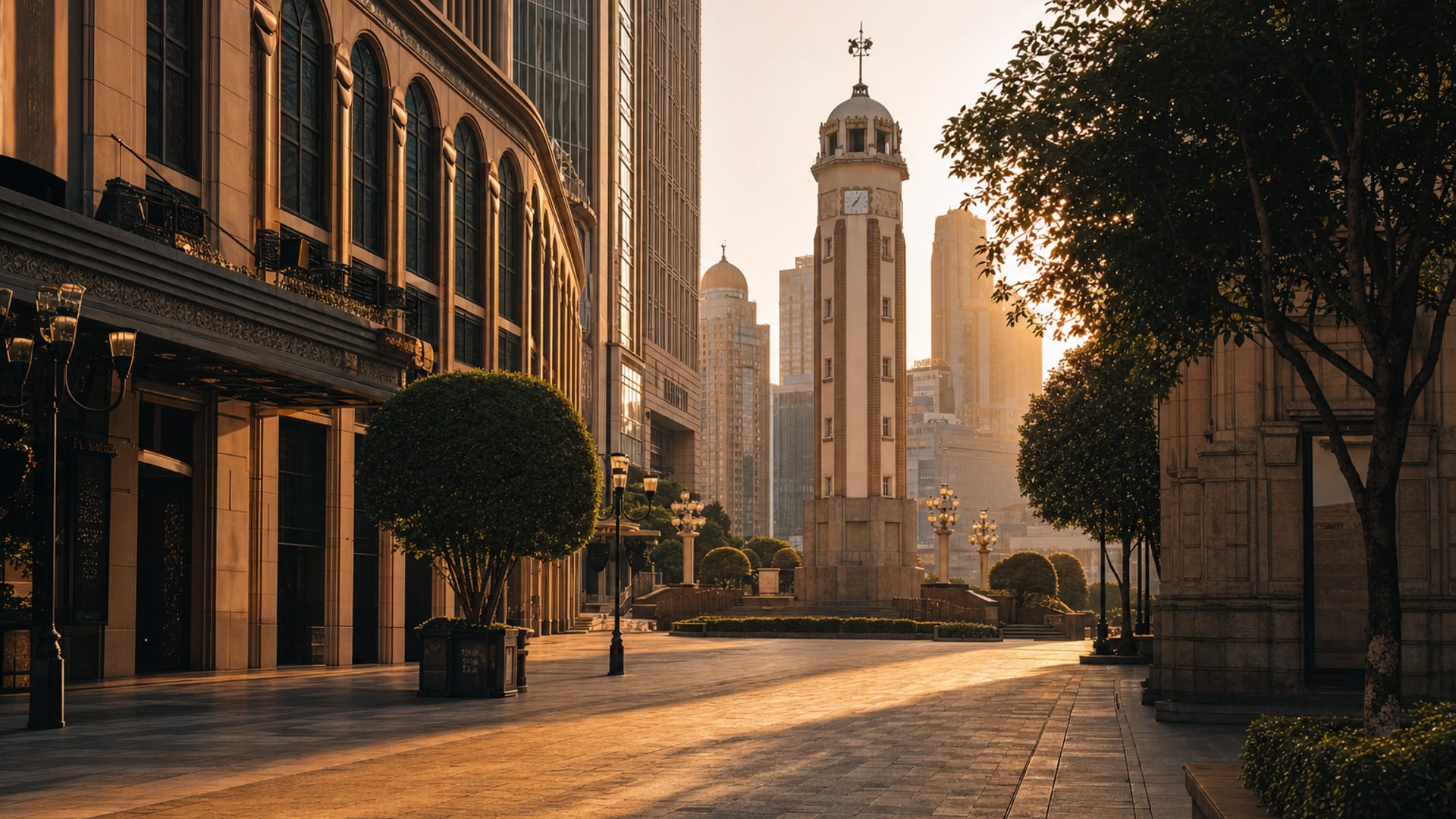
Jiefangbei is Chongqing’s main commercial center, built around the Liberation Monument in Yuzhong District. Its steep streets, busy pedestrian areas, and tall buildings show how closely the city has adapted to its hilly terrain.
Best for: First-time visits, shopping, dining, and easy transit access
What to expect: Heavy foot traffic, bright signage, and a constant stream of shoppers, office workers, and visitors from morning into late night.
Hotel prices: Usually about $70 to $180 per night for well-rated stays
Distance to major sights: About 10 to 15 minutes on foot to Liberation Monument, roughly 20 to 30 minutes by transit to Hongya Cave
Quietness: Busy through the day and still active late, with the loudest stretches near mall entrances and major intersections.
Main trade-off: Rooms cost more here than in outer districts, and street noise can carry into lower floors.
Good to know: Check the hotel’s exact location before booking if you want to avoid traffic and late-night street noise.
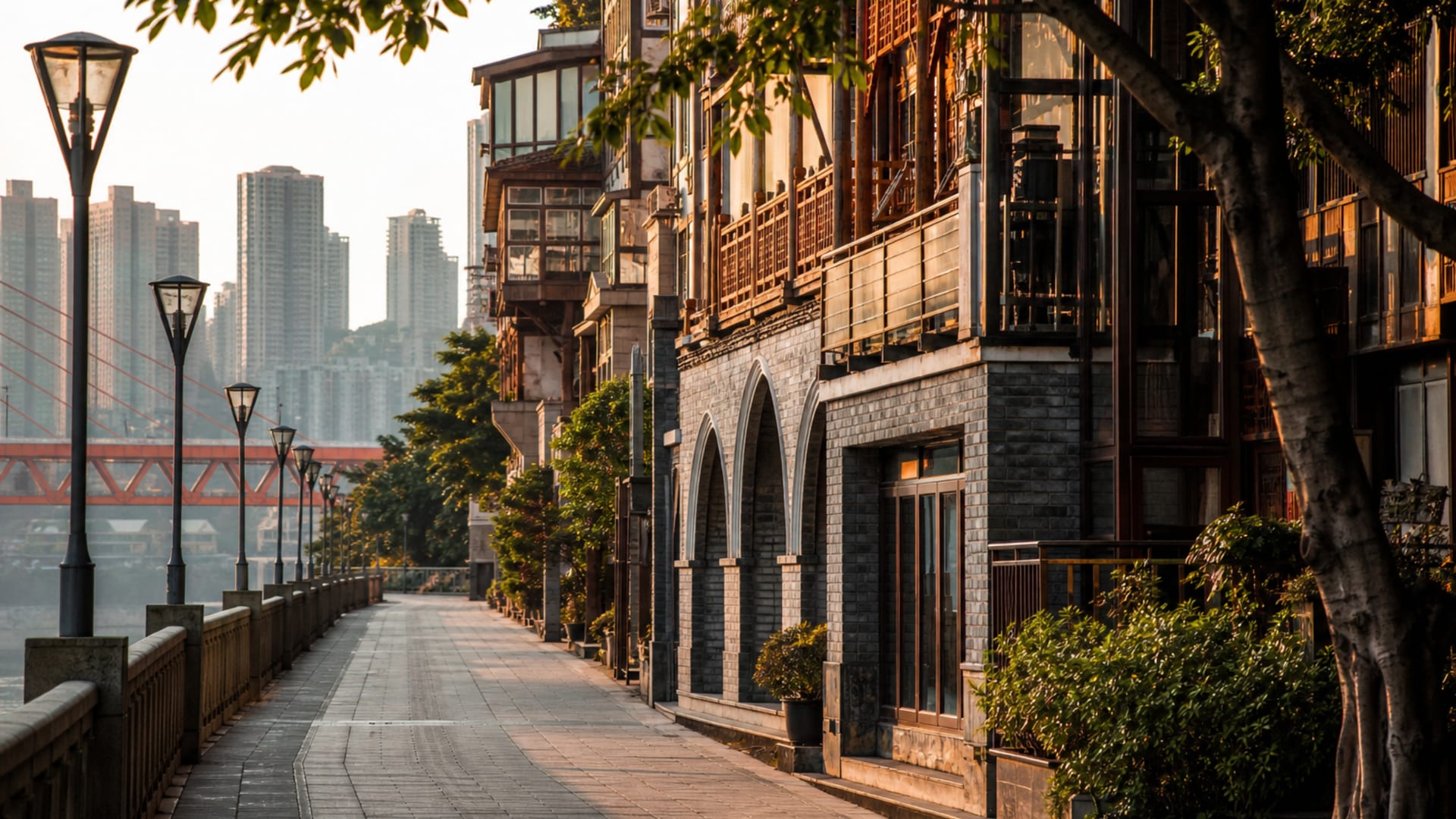
Nanbin Road follows the south bank of the Yangtze through Nan’an District, across the river from Yuzhong. The area feels more open than central Chongqing, with a long waterfront, broad roads, and neighborhoods rising behind the river.
Best for: River views, evening walks, and travelers who want a less hectic base near central Chongqing
What to expect: Broad roads, restaurant clusters, and active waterfront sections, with more local evening strolling than late-night club traffic.
Hotel prices: Usually about $60 to $150 per night for well-rated stays
Distance to major sights: About 20 to 30 minutes by taxi to Jiefangbei, roughly 30 to 40 minutes by transit to Hongya Cave
Quietness: Calmer in the morning and early afternoon, then livelier after sunset along the promenade and dining stretches.
Main trade-off: You gain river scenery, but you give up some walkability to the old city core and may rely more on taxis after dark.
Good to know: Choose a hotel near a metro station if you expect to cross the river several times during your stay.
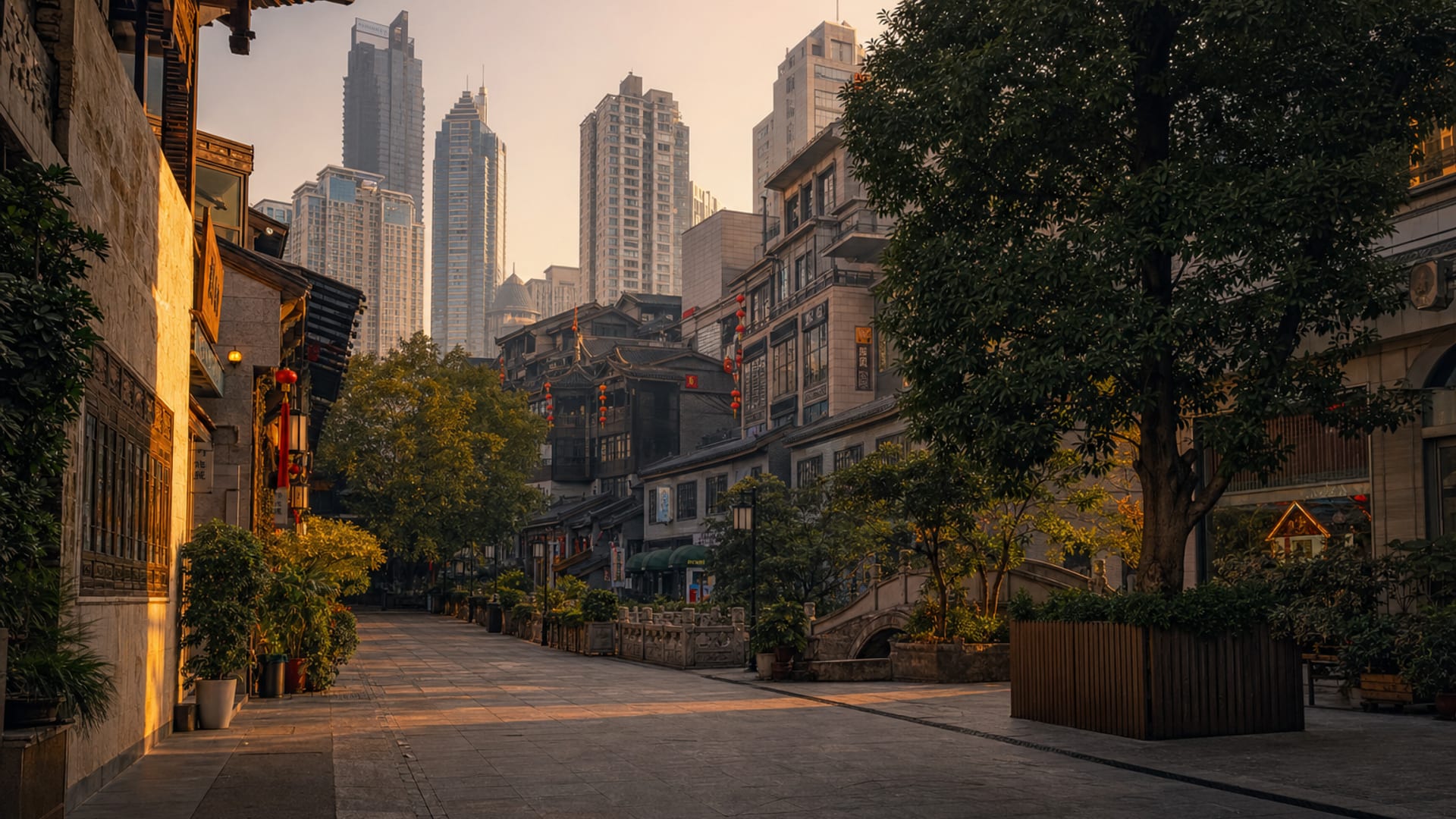
Guanyinqiao is one of Jiangbei’s main commercial neighborhoods, north of the Jialing River. Wide streets, large residential areas, shops, and restaurants make it a busy part of the city throughout the day.
Best for: Dining, shopping, business trips, and travelers who prefer a north-bank base
What to expect: Packed sidewalks, mall traffic, and a steady nightlife scene, with more local residents than in the most tourist-heavy blocks.
Hotel prices: Usually about $55 to $140 per night for well-rated stays
Distance to major sights: About 15 to 25 minutes by metro to Jiefangbei, roughly 20 to 30 minutes by taxi to Hongya Cave
Quietness: Energetic all day and into the evening, with quieter side streets once you move away from the main retail blocks.
Main trade-off: It can take longer to reach riverfront sights, especially during peak traffic across the bridges.
Good to know: A hotel near Guanyinqiao metro station makes trips into Yuzhong easier.
For a first sightseeing trip, Banan District, the airport side of Yubei, and the more distant parts of Liangjiang New Area are less convenient. Staying there means longer journeys to reach Yuzhong, Ciqikou, and the main central sights.
Hotel deals
How to get around Chongqing efficiently
Chongqing has an extensive public transport network, with metro lines, buses, taxis, and ride-hailing available across the city.

Metro
for longer distances
Chongqing Rail Transit serves Jiangbei International Airport (CKG) and most districts visitors use. Tickets generally cost ¥2 to ¥6 ($0.30 to $0.90), depending on distance. Pay with Alipay or WeChat Pay, or buy a ticket at the station with cash.

Bus and tram
for convenience
City buses cover neighborhoods that the metro does not reach directly and usually cost ¥2 to ¥4 ($0.30 to $0.60). Pay with an Alipay or WeChat transport QR code, or use cash. Airport shuttle buses generally cost ¥10 to ¥30 ($1.40 to $4.20).

Taxi
for convenience or late hours
Licensed taxis use meters, and Didi operates throughout the city. A taxi from Jiangbei International Airport to central Chongqing commonly costs ¥85 to ¥200 ($12 to $28). Taxis generally accept Alipay, WeChat Pay, and cash, while Didi charges through the app.
*Prices are based on rates updated as of June 2026 and may change at the time of travel.
Use the metro for most airport and cross-river trips, taxis or Didi for direct journeys with luggage, and buses when the destination is somewhere close.
Iconic landmarks
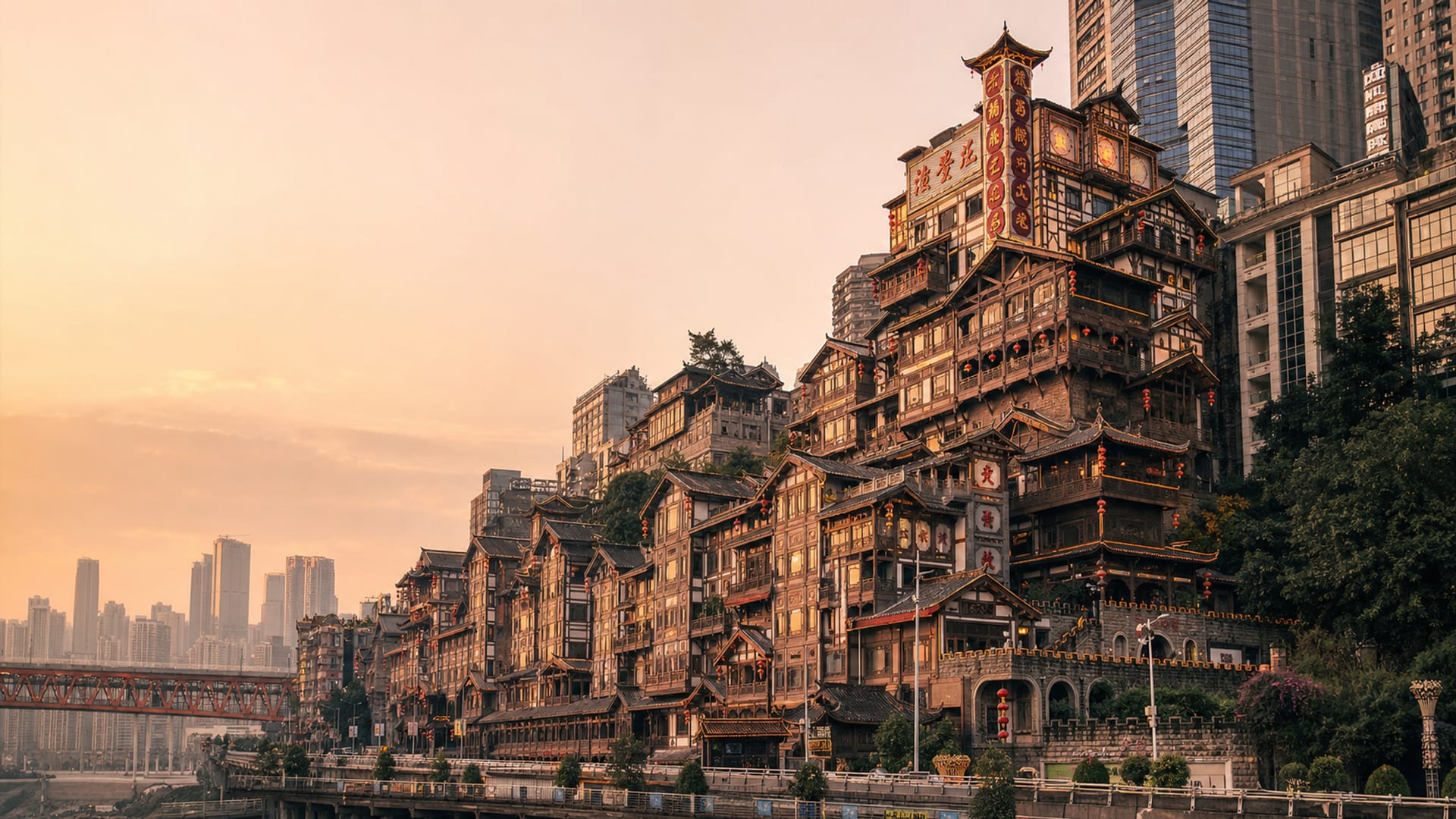
Hongya Cave
Hongya Cave is a large riverside complex built against the steep slope above the Jialing River. Traditional-style buildings rise across several levels, connected by stairs, terraces, and walkways, and the whole area becomes especially busy after dark.
Time needed: About 2 to 3 hours
Entry: Free to enter, with paid food, drinks, and souvenir purchases inside the complex; scenic viewing terraces and public walkways do not require admission.
Tip: Visit after sunset if you want to see the illuminated exterior, but expect the largest crowds at that time.
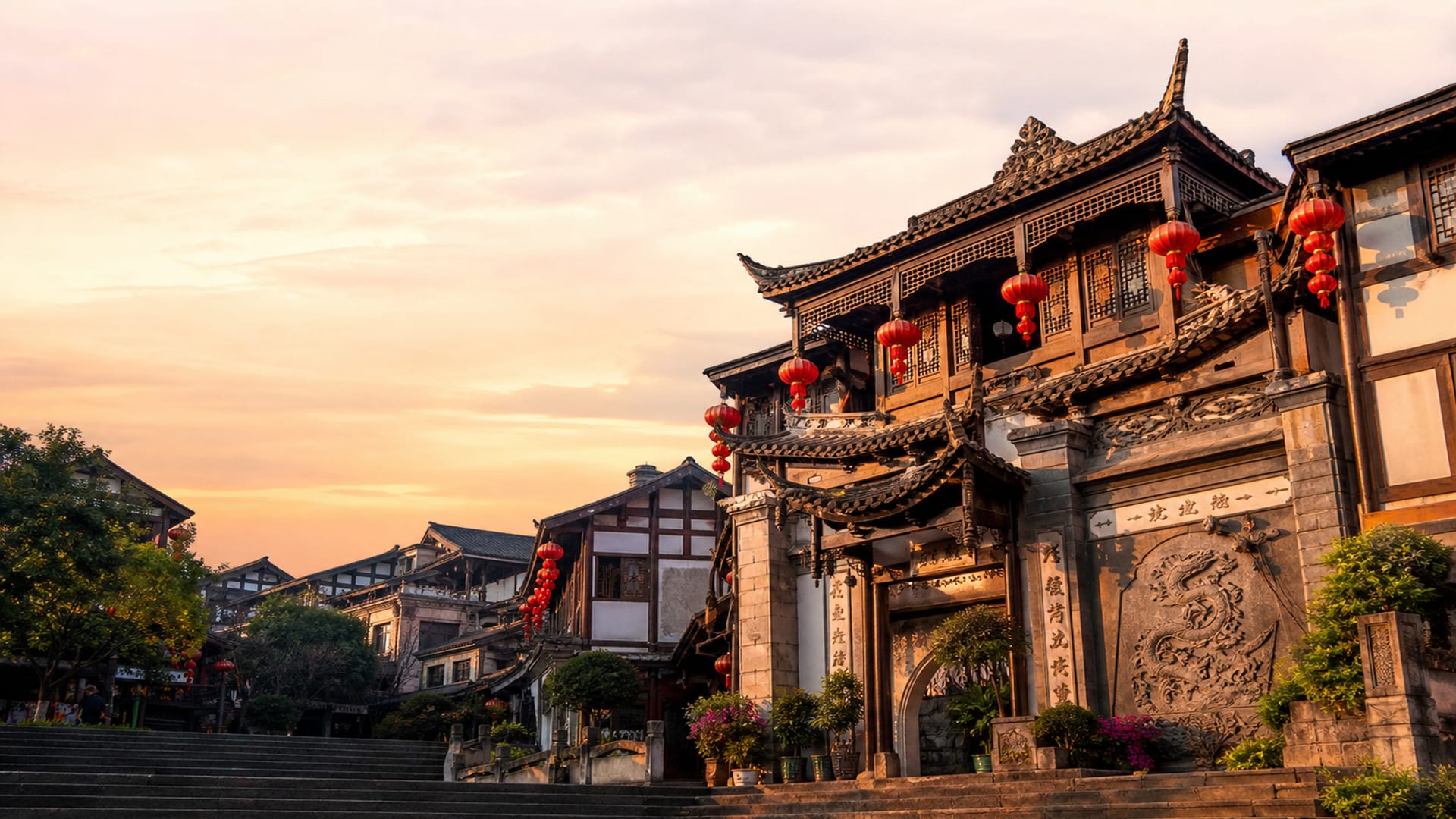
Ciqikou Ancient Town
Ciqikou is a historic riverside town in Shapingba District with narrow streets, old houses, temples, teahouses, and small shops. The neighborhood has kept much of its traditional street layout even as it has become one of Chongqing’s busiest visitor areas.
Time needed: About 2 to 3 hours
Entry: Free to enter, with separate charges for food, tea, souvenirs, and any paid exhibits or rides inside the old town lanes.
Tip: Arrive in the morning if you want more room to explore the side streets before the busiest part of the day.
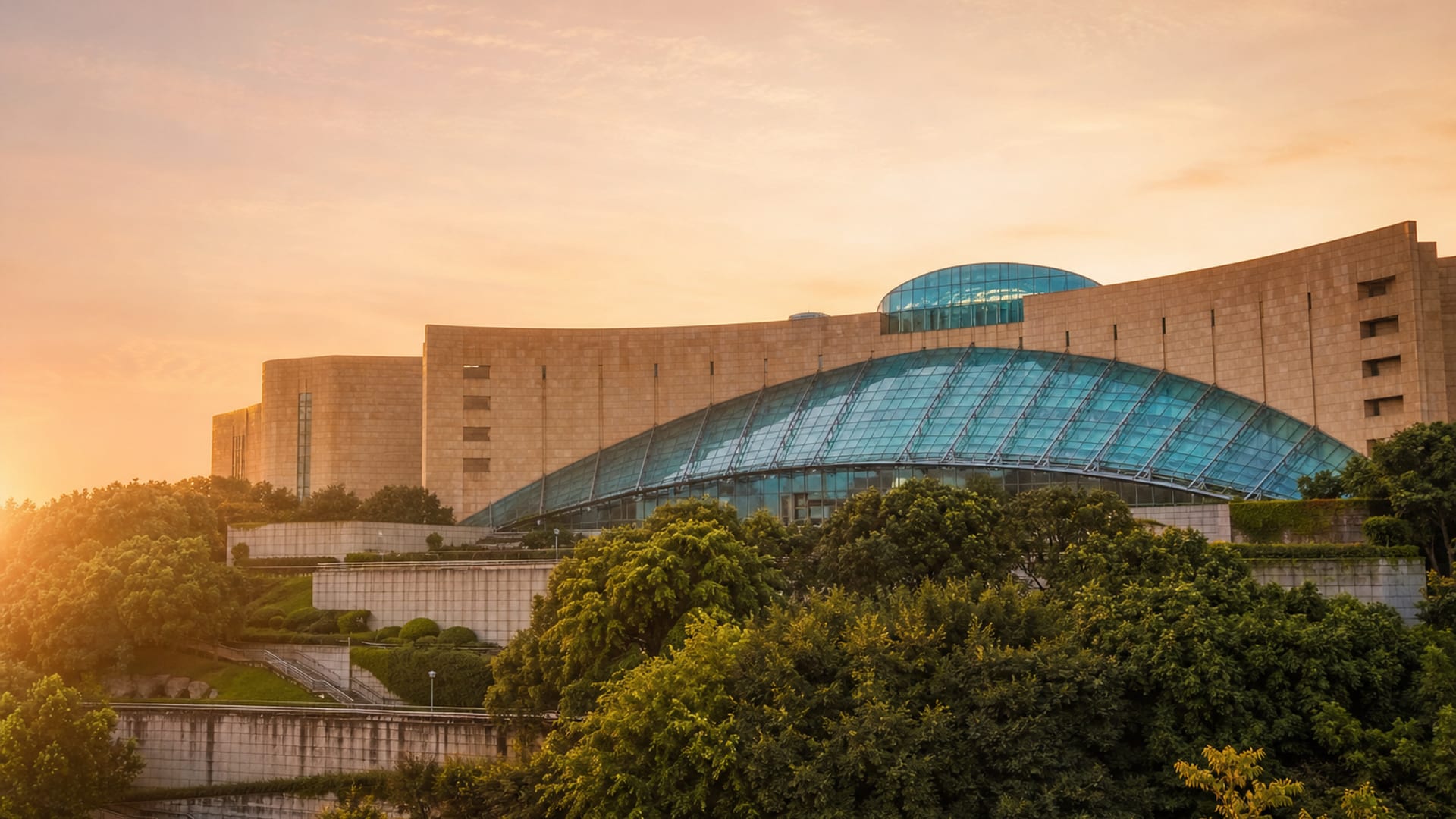
Three Gorges Museum
Three Gorges Museum is one of Chongqing’s main museums and covers the history of the city and the wider Three Gorges region. Its galleries bring together archaeology, wartime history, local culture, and exhibits on the Yangtze River and the surrounding communities.
Time needed: About 2 to 3 hours
Entry: Free to enter with a passport or ID; temporary exhibitions or special areas may have separate charges, but the permanent galleries are free. Visit the official site for details.
Tip: Check the museum’s current reservation rules and opening hours before visiting, especially around public holidays.
Overlooked sites worth visiting

Huguang Guild Hall
Huguang Guild Hall is a large Qing-era complex in Yuzhong District, built for migrant communities who settled in Chongqing. Its courtyards, theaters, carved woodwork, and traditional roofs preserve one of the city’s strongest examples of historic architecture.
Time needed: About 2 to 3 hours
Entry: Free to enter. Budget separately for food, tea, and optional paid exhibits inside select historic houses; most visitors can wander the lanes without buying a ticket, and prices vary by vendor and house.
Tip: Look closely at the wood, stone, and brick carvings throughout the complex.

Eling Park
Eling Park occupies one of the highest points on the Yuzhong Peninsula and began as a private garden in the early 20th century. Paths and pavilions spread across the hillside, with viewpoints overlooking the Yangtze and Jialing rivers and central Chongqing.
Time needed: About 1 to 2 hours
Entry: Free to enter. Bring a passport or ID for security screening at the entrance, then allow time for temporary exhibitions, which may use timed admission or a separate ticket for special displays.
Tip: Visit on a clear day if you want the widest views across the rivers and central Chongqing.
Traditional food
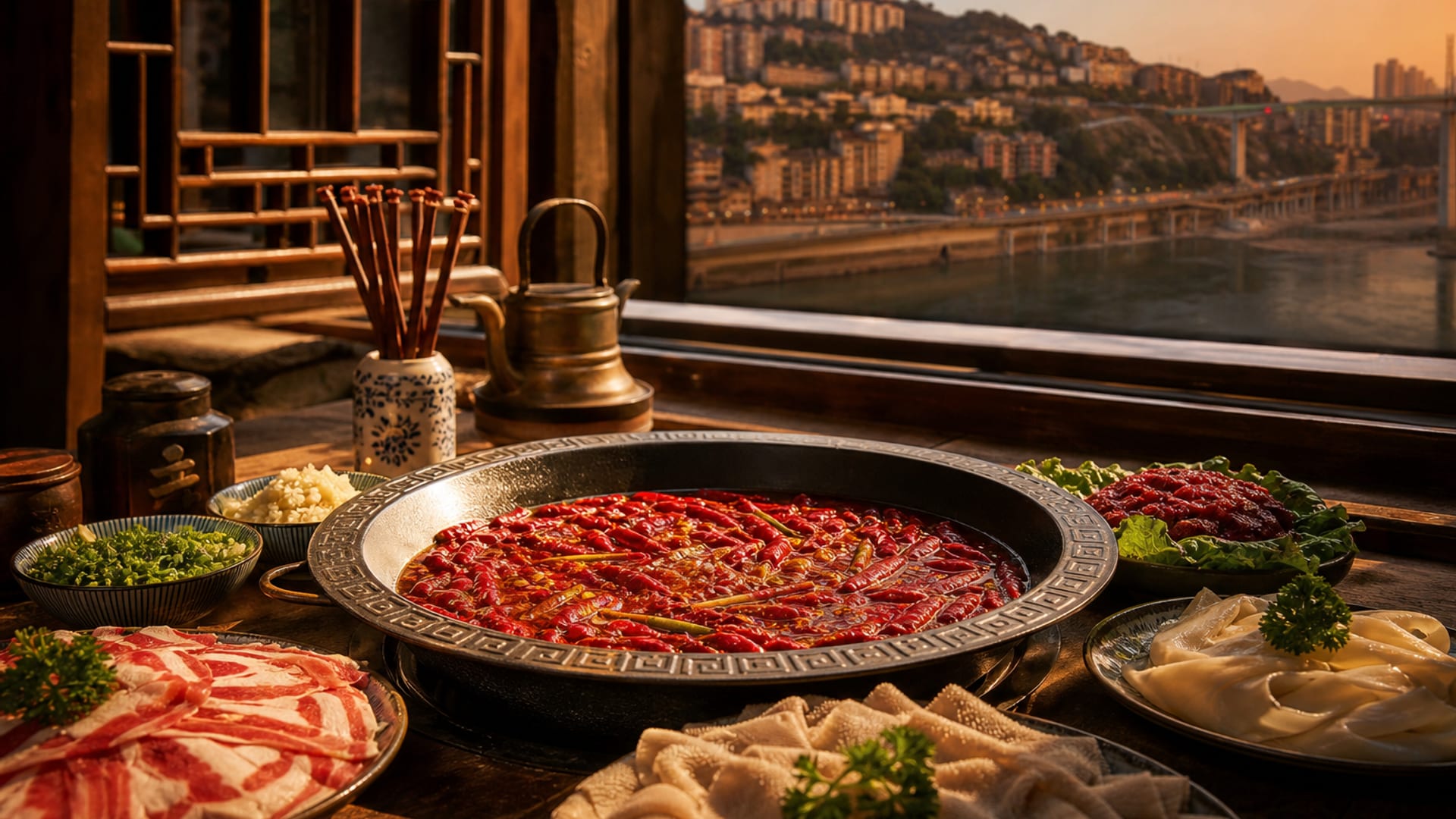
Chongqing food is known for chili, Sichuan pepper, rich broths, and bold flavors. Hot pot is the best-known local specialty, but noodles and spicy stir-fried dishes are just as common.
Chongqing hot pot
Chongqing hot pot uses a beef-tallow broth with dried chilies and Sichuan pepper, with meat, vegetables, tofu, and noodles cooked at the table. Try it at Qinma Hot Pot, a hot pot brand founded in the city.
Xiaomian
Xiaomian is a simple bowl of wheat noodles seasoned with chili oil, Sichuan pepper, soy sauce, garlic, and scallions. Lu Xiaomian Restaurant serves several versions of the dish.
Spicy chicken
Laziji consists of small pieces of fried chicken cooked with dried chilies and Sichuan pepper. Lin ZhongLe LaZiJi is known for this Chongqing specialty.
Suanlafen
Suanlafen is made with chewy sweet potato noodles in a sour and spicy broth with vinegar, chili, and Sichuan pepper. Try it at Hao YouLai SuanLa Fen in Jiefangbei.
Best time to visit Chongqing
Chongqing has hot, humid summers and mild but damp winters. Spring and fall bring more comfortable temperatures for long days outside.
Best for: River walks, outdoor sightseeing, and longer days on foot
What you get: Temperatures rise from about 55°F to 77°F (13°C to 25°C), with moderate visitor numbers and periodic rain.
Trade-offs: Rain can interrupt outdoor plans, particularly later in the season.
Best for: Evening sightseeing, late dinners, and indoor attractions during the hottest part of the day
What you get: Daytime temperatures often reach 77°F to 95°F (25°C to 35°C), with high humidity and large crowds at popular attractions.
Trade-offs: Heat, humidity, stairs, and steep streets can make long outdoor days tiring.
Best for: Walking, viewpoints, and a mix of indoor and outdoor sightseeing
What you get: Temperatures fall from about 79°F to 57°F (26°C to 14°C), with lower humidity than in summer.
Trade-offs: Weekends and national holiday periods can bring large crowds to major attractions.
Best for: Museums, hot pot, and shorter sightseeing days
What you get: Temperatures generally range from 39°F to 54°F (4°C to 12°C), with fewer visitors and frequent cloud cover.
Trade-offs: Damp cold and poor visibility can make viewpoints less appealing on some days.
A realistic 5-day plan in Chongqing
For five days in Chongqing, plan each day around one part of the city and keep the arrival and departure days light.
Arrive at Chongqing Jiangbei International Airport (CKG) and take the metro, taxi, or Didi to your hotel. The trip to central Chongqing usually takes 35 to 70 minutes, depending on where you are staying and traffic. After check-in, stay close to your hotel on your first evening. If you still have energy, walk around Jiefangbei and the Liberation Monument, then have hot pot or xiaomian nearby.
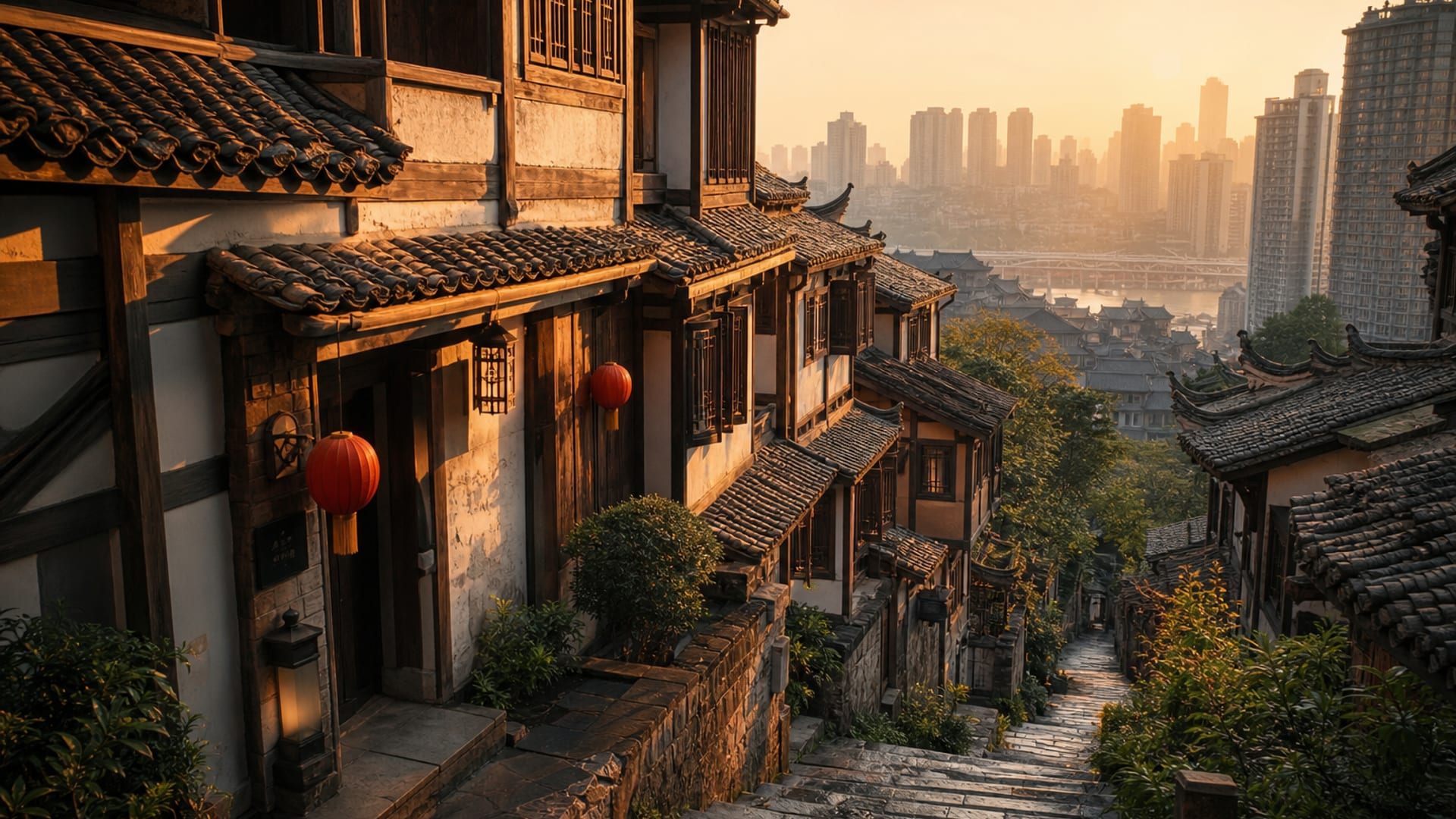
Start at Three Gorges Museum, where the permanent galleries cover the Three Gorges, ancient Ba-Yu culture, Chongqing’s urban history, and the wartime period. Admission is free, and you don’t need to book a visit in advance. However, you need to bring a valid ID. People’s Auditorium is directly across the square, so explore its 1950s architecture before heading to Jiefangbei. Spend the late afternoon there, then continue to Hongya Cave after sunset.
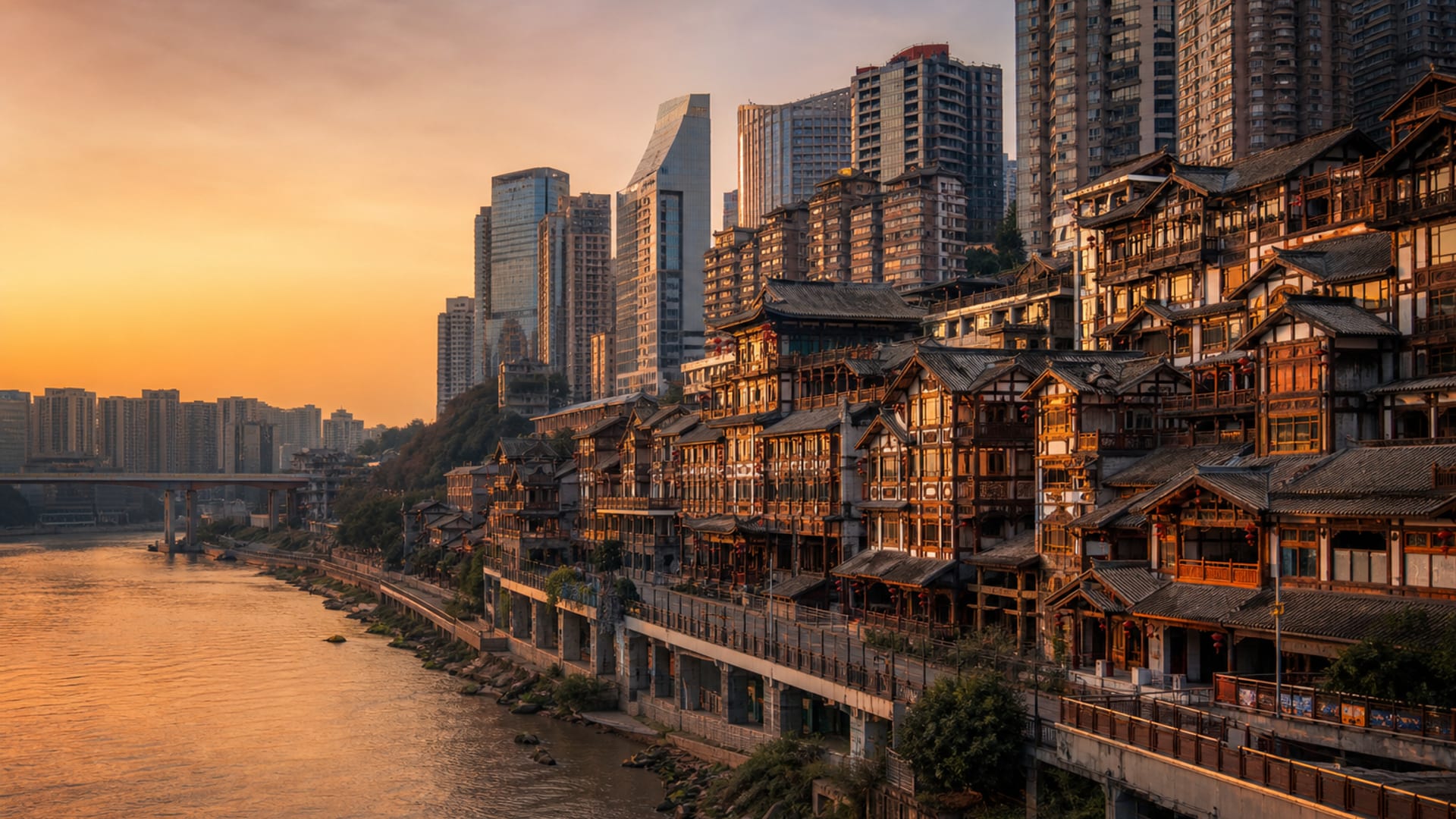
Take the metro to Ciqikou Ancient Town in the morning, and allow 2 to 3 hours to explore its streets, temples, teahouses, and riverside setting before the largest crowds arrive. Stop for lunch or tea before leaving the old town, then continue to Eling Park on the Yuzhong Peninsula. The park occupies one of the area’s highest points, and its Kansheng Tower overlooks both the Yangtze and Jialing rivers. Spend the late afternoon there, then return to central Chongqing for dinner.
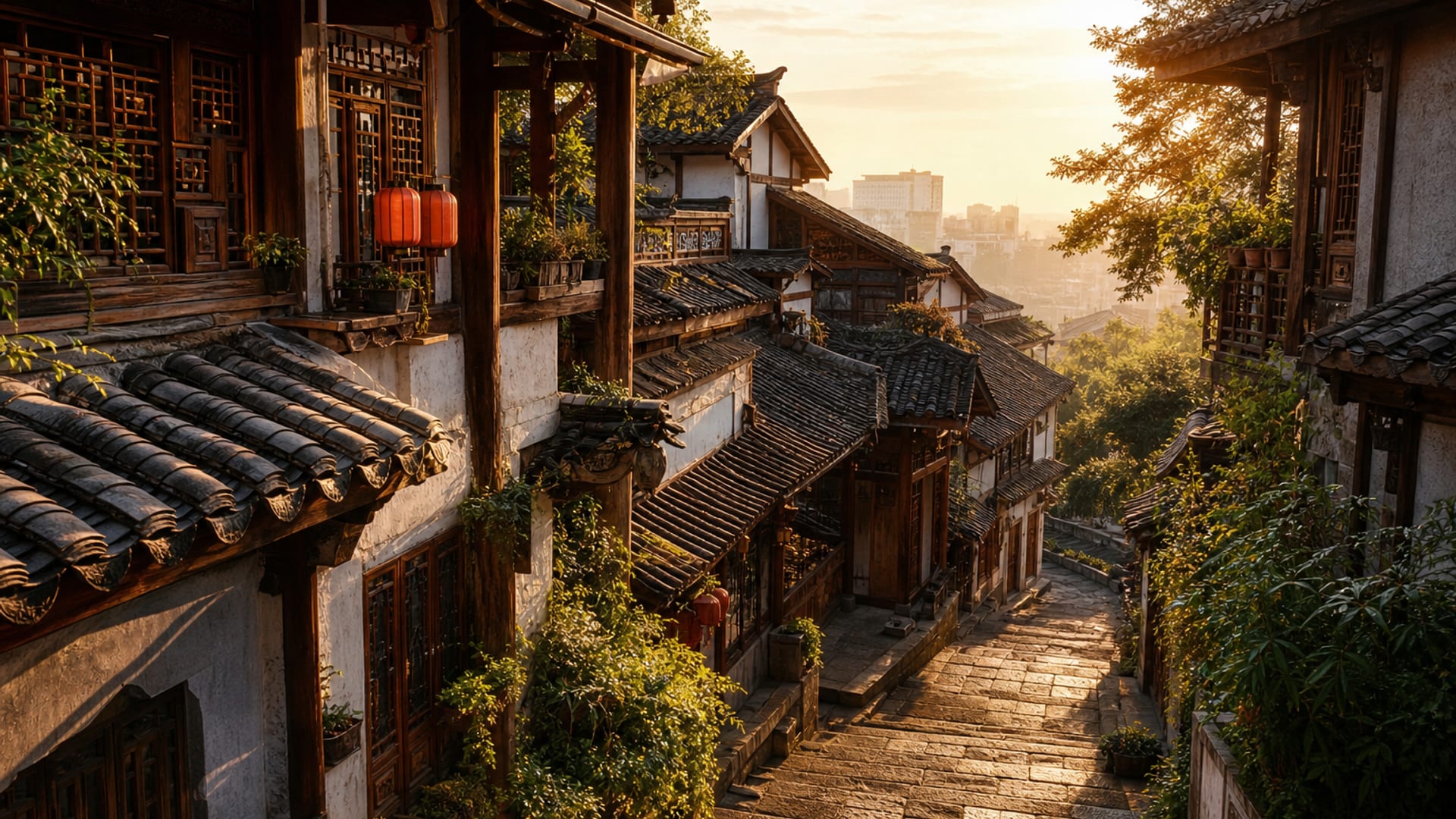
Begin at Huguang Guild Hall in Yuzhong, where Qing-era halls, theaters, and the migration museum explain the migration of people into Chongqing during the Ming and Qing periods. Afterward, cross the Yangtze to Longmenhao Old Street on Nanbin Road, where more than 200 buildings from different periods line the hillside. Eighteen of them are protected historic buildings. Walk through the old streets in the afternoon, then continue along the riverfront for dinner and views of Yuzhong after dark.
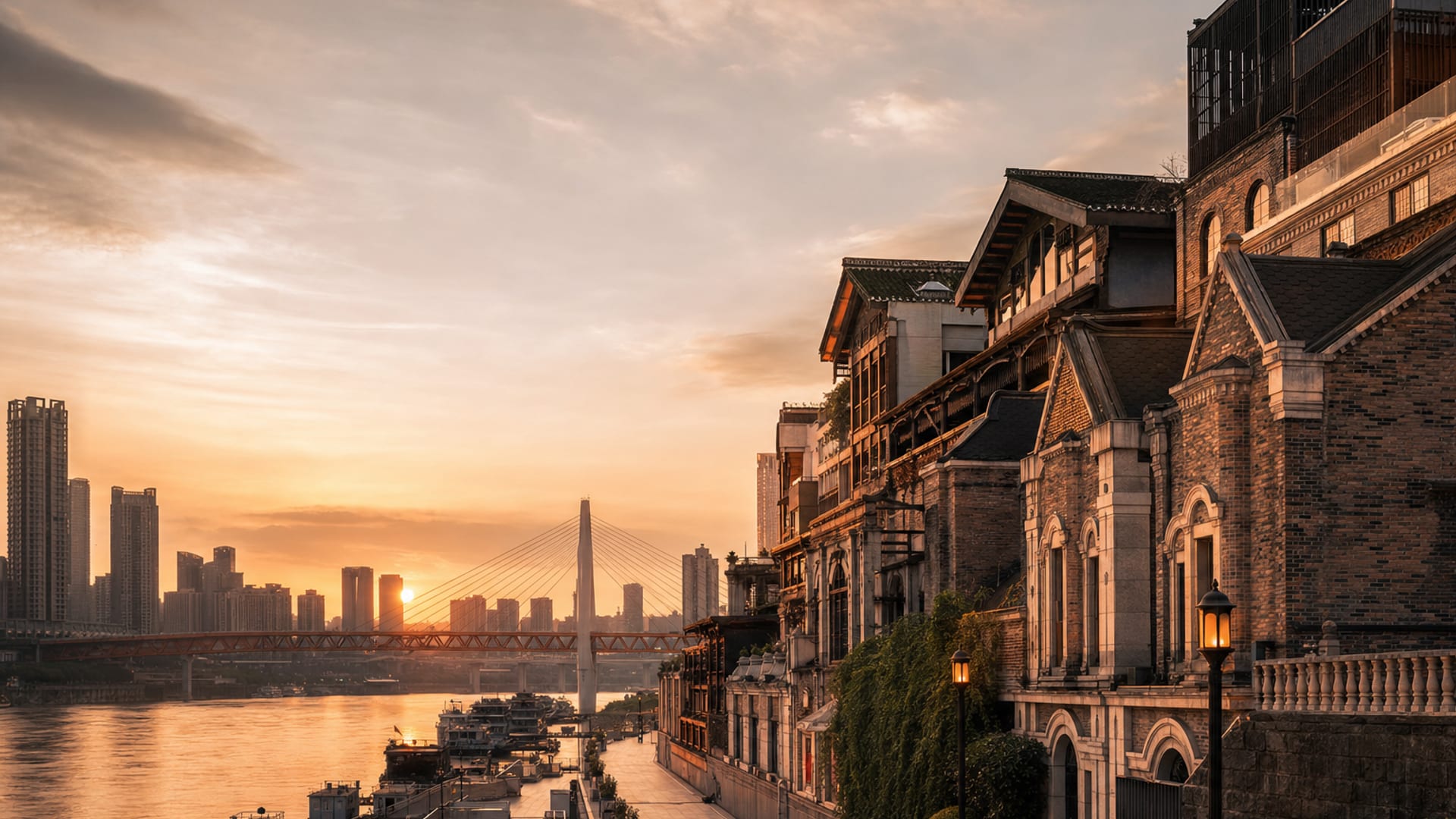
Spend the final morning in Guanyinqiao, one of Chongqing’s largest shopping districts. Walk through the pedestrian area, browse the malls and smaller streets nearby, and stop for coffee or an early lunch before returning to your hotel for luggage. Guanyinqiao has plenty to do without committing the last few hours to another museum or distant attraction. Leave for Chongqing Jiangbei International Airport (CKG) with extra time during rush hour; the trip from central Chongqing usually takes about 45 to 70 minutes.
Business-class flights from the US to Chongqing
Flights to Chongqing usually arrive through one-stop itineraries from both coasts, with the strongest options built around a small set of Asian and Gulf hubs. The price spread is wide, so the route matters as much as the airline.
From New York, China Eastern Airlines, Air China, Cathay Pacific, Korean Air, and Qatar Airways are common choices, and nonstop flying time is roughly 15 to 16 hours when a direct option is available. More often, the trip runs through HKG, ICN, DOH, PVG, or PEK, and the total journey usually lands between 18 and 24 hours. Business fares from New York usually start at $5,500 and climb to roughly $9,500 round trip.
Los Angeles travelers typically see China Eastern Airlines, Air China, Cathay Pacific, Korean Air, and Singapore Airlines on the route, with nonstop flying time of about 15 to 16 hours. When the itinerary connects, HKG, ICN, NRT, SIN, and PVG are common hubs, and the trip often takes 18 to 23 hours overall. From Los Angeles, fares often begin near $4,800 and can reach $8,500 round trip.
Why Chongqing stays with you
Chongqing leaves a strong impression because it feels different from other major Chinese cities. The steep terrain, two rivers, long history, and rapid growth all help explain why Chongqing looks and feels so different from other major Chinese cities.
Give yourself a few days here, and the city starts to make much more sense. When you are ready to plan the journey, our travel agents at AranGrant can help you compare business-class flights from the US and choose a route that fits your schedule.