

Chapters:

Need help with your trip?
Our support team is available 24/7. Request a callback or call us directly at (833) 619-0908
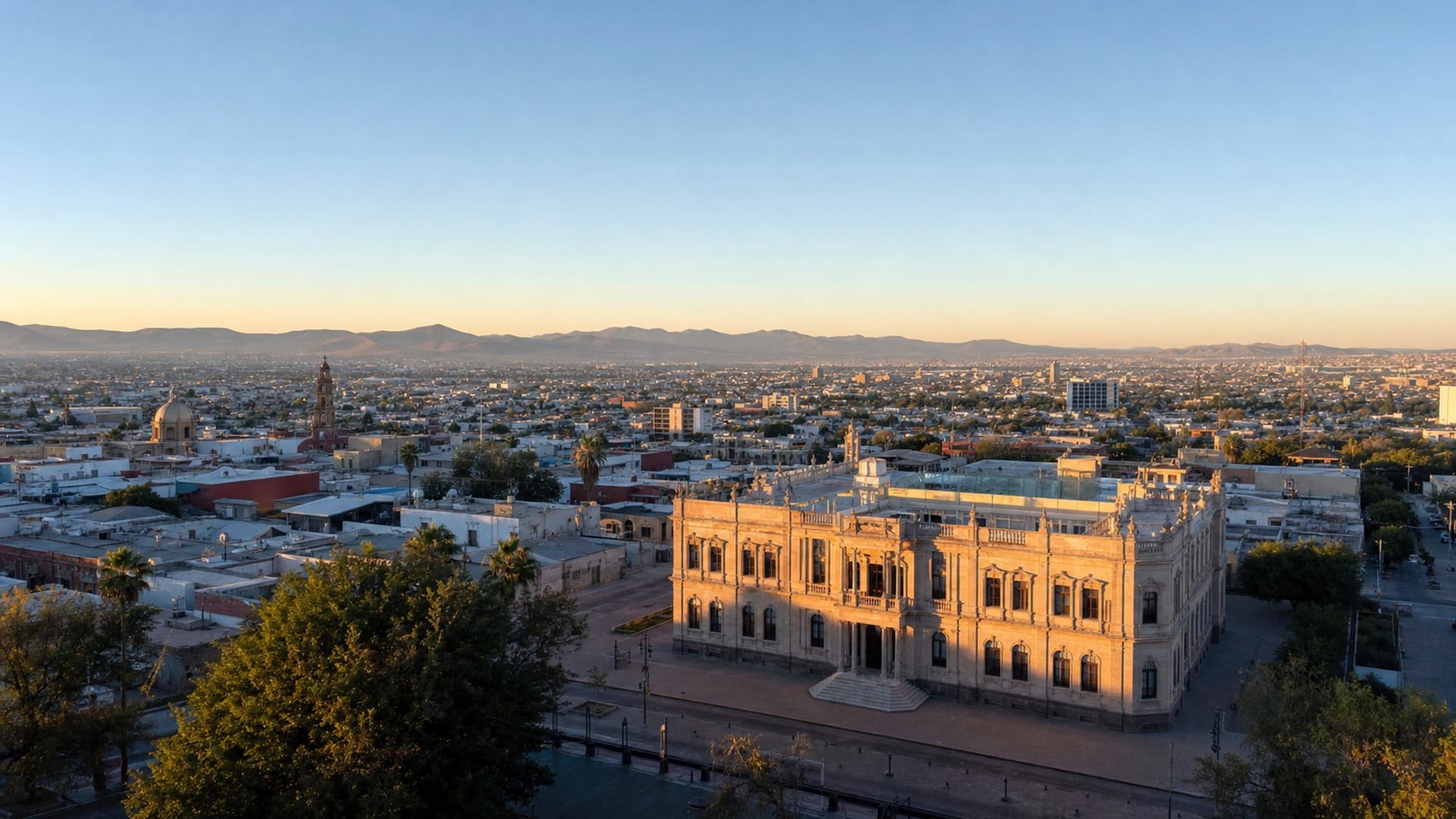
Many first visits to Chihuahua follow the same pattern: a night near Centro, a quick loop through the Cathedral and one museum, then a hurried transfer to the airport.
That approach misses how spread out the city can be, and it leaves little time for the plaza, San Felipe, or a longer stop at Tres Presas. Distances are short on a map, but they still shape the day.
This guide arranges Chihuahua with that in mind, pairing sights, meals, and transfers so you can move through the city without packing too much into one stretch.
Useful things to know

Main language(s): Spanish
Hola (OH-lah) – Hello
Por favor (por fah-VOR) – Please
Gracias (GRAH-see-ahs) – Thank you
¿Habla inglés? (AH-blah een-GLAYS) – Do you speak English?
¿Cuánto cuesta? (KWAHN-toh KWES-tah) – How much does it cost?

Currency: The local currency is the Mexican peso (MXN, $).

Cash and cards: Cards and contactless are widely accepted; carry about MXN 200 to 500 ($12 to $30) in cash for small purchases.

Tipping: Round up for small bills; leave about 10% in restaurants if service is good.

Traditional food: discada, carne seca, machaca, burritos de chile rojo

Water and coffee costs: Water about MXN 25 to 40 ($1.50 to $2.50), bar espresso about MXN 40 to 70 ($2.50 to $4).

Taxis and ride apps: Uber and Didi operate here; availability can thin out late at night.

Plug and voltage: Type A/B socket, 127V

Dining and shop opening hours: Breakfast is roughly 07:00-10:00, lunch 14:00-16:00, and dinner 20:00-23:00. Many restaurants close in the afternoon between lunch and dinner.

Emergency number: 911 for police, fire, and medical emergencies.
Where to stay in Chihuahua
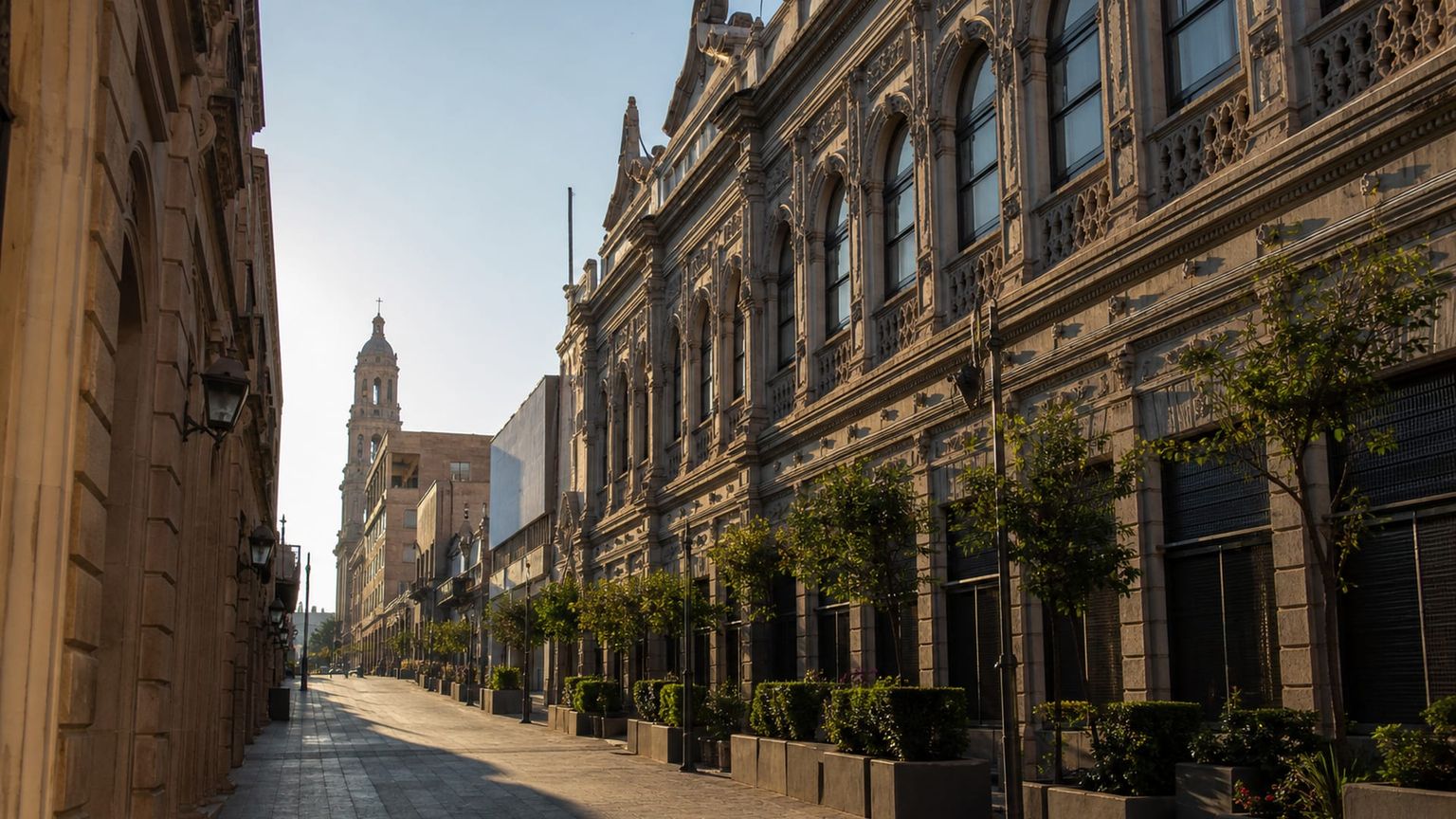
Chihuahua’s historic core clusters the Cathedral, Plaza de Armas, museums, and government offices around a walkable grid. It suits visitors who want to sightsee on foot and stay close to restaurants, cafés, and the city’s main civic landmarks.
Best for: Sightseeing, first-time visits, and easy access to museums, plazas, and dining
What to expect: Busy daytime streets, office traffic, and the most pedestrian activity near the main plazas.
Hotel prices: Usually about $50 to $140 per night for well-rated stays
Distance to major sights: 5 to 15 minutes on foot to Catedral de Chihuahua and Plaza de Armas
Quietness: Daytime is lively and active, while evenings are calmer once offices close and dinner crowds thin.
Main trade-off: Some blocks can feel busier and older than newer districts, and parking is tighter.
Good to know: Choose a hotel near the main plaza if you want to walk back after dinner, since late-night transport options thin out outside the center.
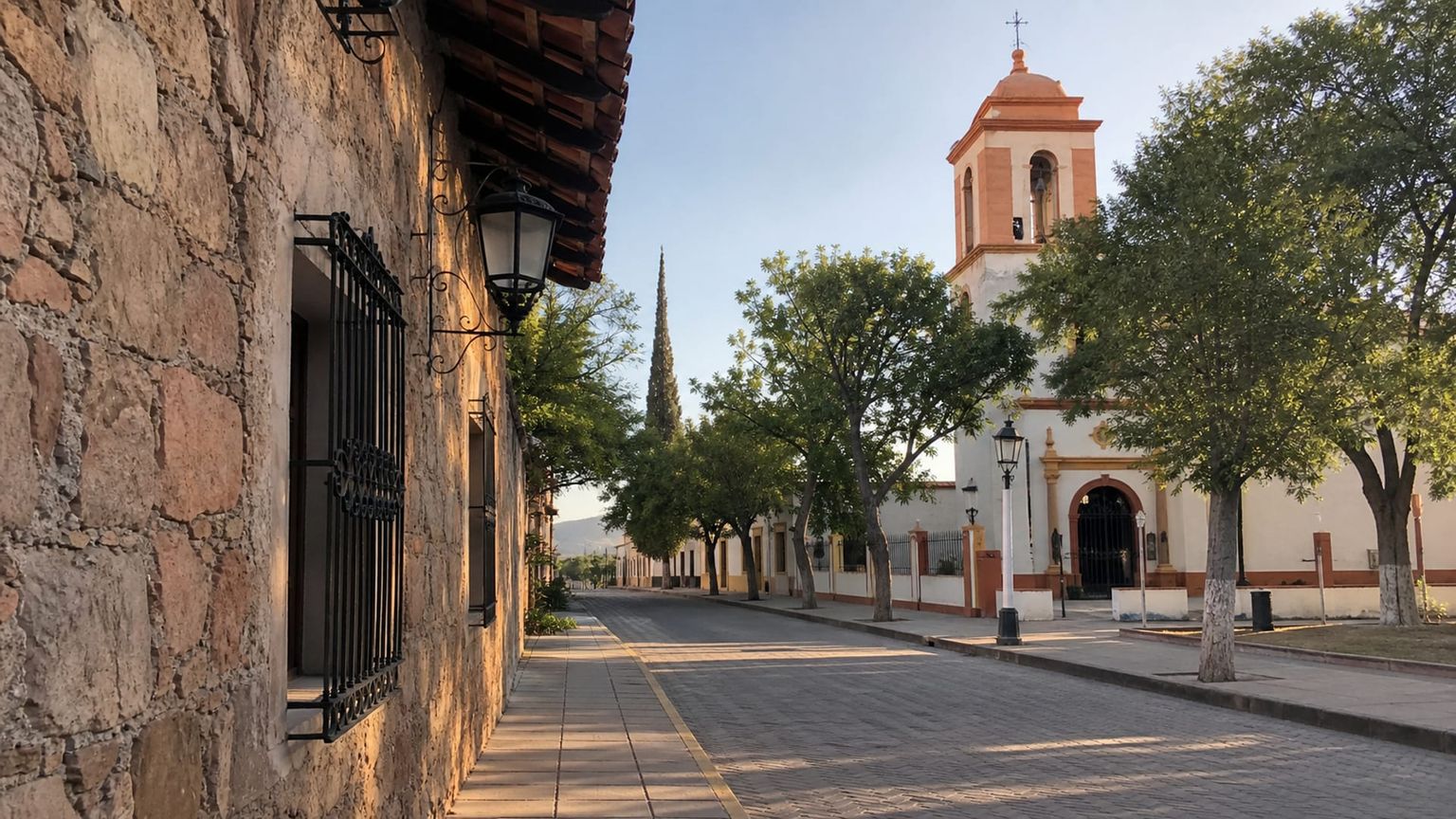
San Felipe is a residential and commercial district just north of the historic center, with larger hotels, restaurants, and easy car access. It matters for travelers who want a quieter base without giving up a short ride into downtown sights.
Best for: Business trips, longer stays, and travelers who want quieter nights with quick downtown access
What to expect: Tree-lined avenues, moderate traffic, and a mix of local residents, office workers, and hotel guests.
Hotel prices: Usually about $55 to $150 per night for well-rated stays
Distance to major sights: 10 to 15 minutes by car to Catedral de Chihuahua and Plaza de Armas
Quietness: Quieter in the evening than Centro, with more local residential calm after shops close.
Main trade-off: You will usually need taxis or a car for the most central sights and late dinners.
Good to know: If you plan to drive, this area is easier for parking than the historic core, but some dining choices close earlier than downtown.
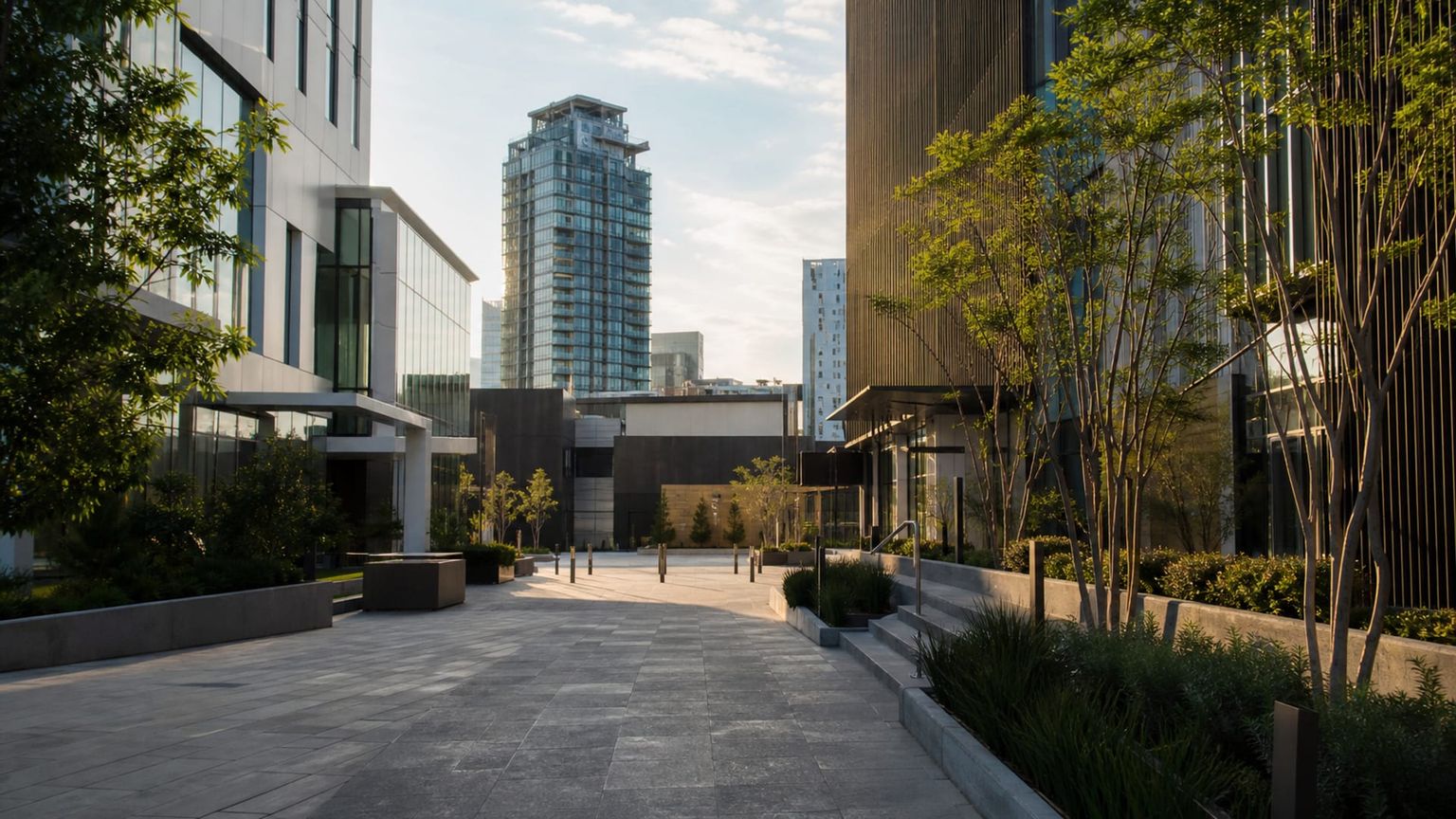
Distrito 1 is a modern mixed-use district in Chihuahua’s north side, built around malls, offices, restaurants, and newer hotels. It matters if you prefer contemporary lodging, ample dining choices, and quick access to the city’s newer commercial corridors.
Best for: Newer hotels, dining, shopping, and travelers with a car or app-based rides
What to expect: Wide roads, modern buildings, and steady vehicle traffic, with most activity concentrated in retail and restaurant zones.
Hotel prices: Usually about $65 to $180 per night for well-rated stays
Distance to major sights: 15 to 20 minutes by car to Catedral de Chihuahua and Plaza de Armas
Quietness: Quiet overnight inside hotels and residential pockets, livelier in the evening around restaurants and bars.
Main trade-off: It sits farther from the historic center, so you will spend more time on transfers if sightseeing is your priority.
Good to know: Reserve here if you want the simplest access to late dining and shopping, but budget for taxis to reach the main colonial sights.
Travelers usually avoid staying in the industrial fringes near Parque Industrial Chihuahua and in the far southeast suburbs, because they sit well away from the city center, museums, and the main restaurant districts, and evening transit is limited. Downtown per se is convenient for sights, but the blocks immediately outside the core, plus the airport area near Chihuahua (CUU), are less convenient for an overnight base because visitor amenities thin out quickly and you will rely more on taxis for dinner or late returns.
Hotel deals
How to get around Chihuahua efficiently
Chihuahua has no metro or suburban rail, so most visitors move between Centro, San Felipe, and the airport by bus, taxi, ride-hailing, or on foot inside the historic core.

Metro
for longer distances
Chihuahua, including the CUU airport area, has no metro or suburban rail, so visitors rely on buses, taxis, and rideshares for city trips. Plan on road transport for every transfer, including the airport to downtown, which usually takes about 20 to 30 minutes by car depending on traffic.

Bus and tram
for convenience
Buses cover the main urban corridors, and most riders pay on board in cash, usually about $0.45 to $0.60 (about 8 to 11 MXN) per ride, with no timed transfer ticket. Routes can be irregular for visitors, so check the stop signage and ask the driver before boarding if the bus goes toward your hotel or the downtown area.

Taxi
for convenience or late hours
Licensed taxis in Chihuahua use set fares for common trips more often than a meter, and the airport to downtown fare is usually about $18 to $25 (about 300 to 430 MXN), while shorter city rides often fall near $4 to $10 (about 70 to 170 MXN). Use an authorized taxi stand at Chihuahua (CUU), confirm the price before departure, and expect cash to be the most widely accepted payment method, although some drivers take cards or mobile transfers.
*Prices are based on rates updated as of June 2026 and may change at the time of travel.
Use buses for the cheapest corridor trips, taxis or ride-hailing for airport and evening transfers, and walking whenever your plan keeps you inside Centro.
Iconic landmarks
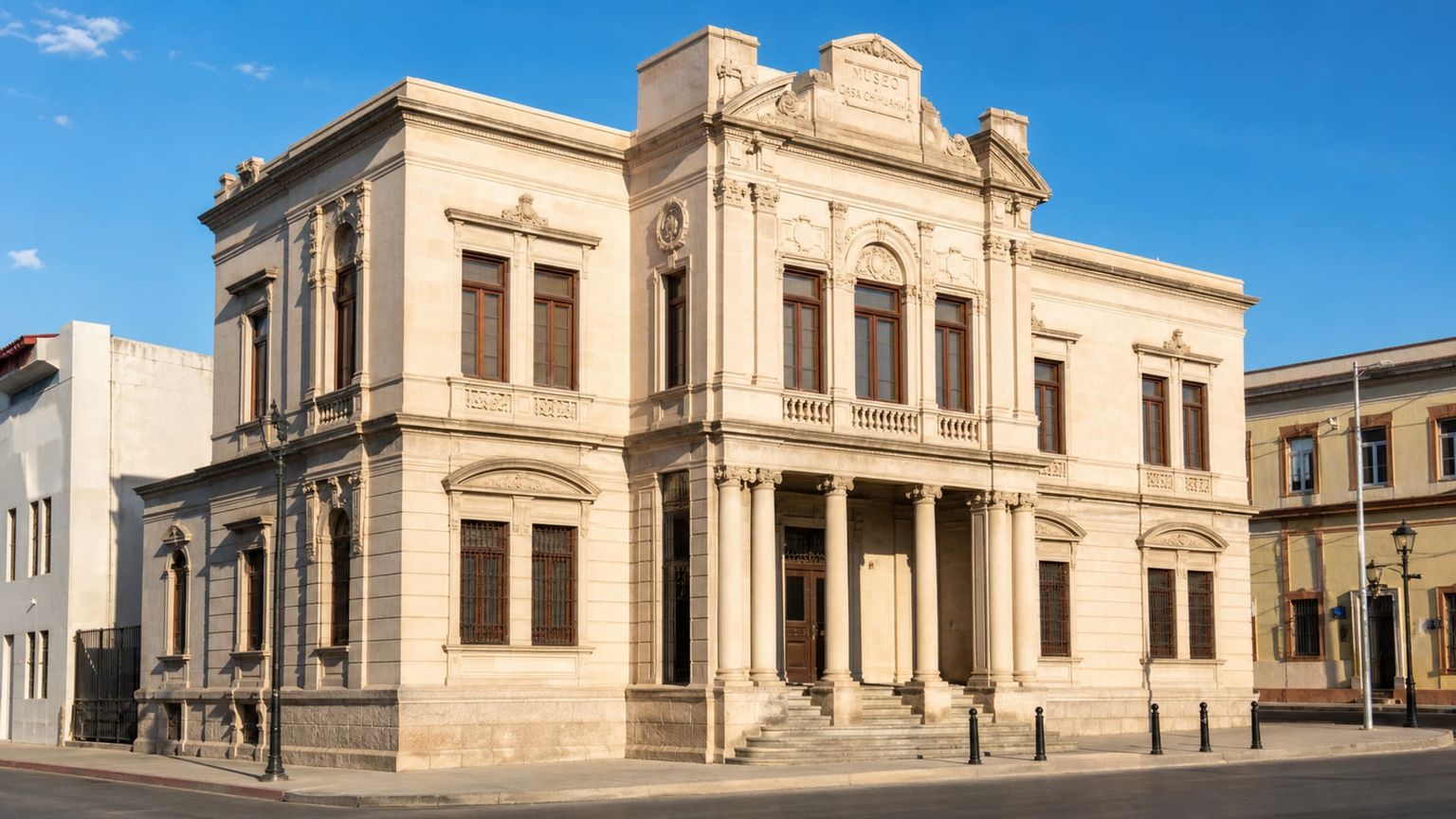
Museo Casa Chihuahua
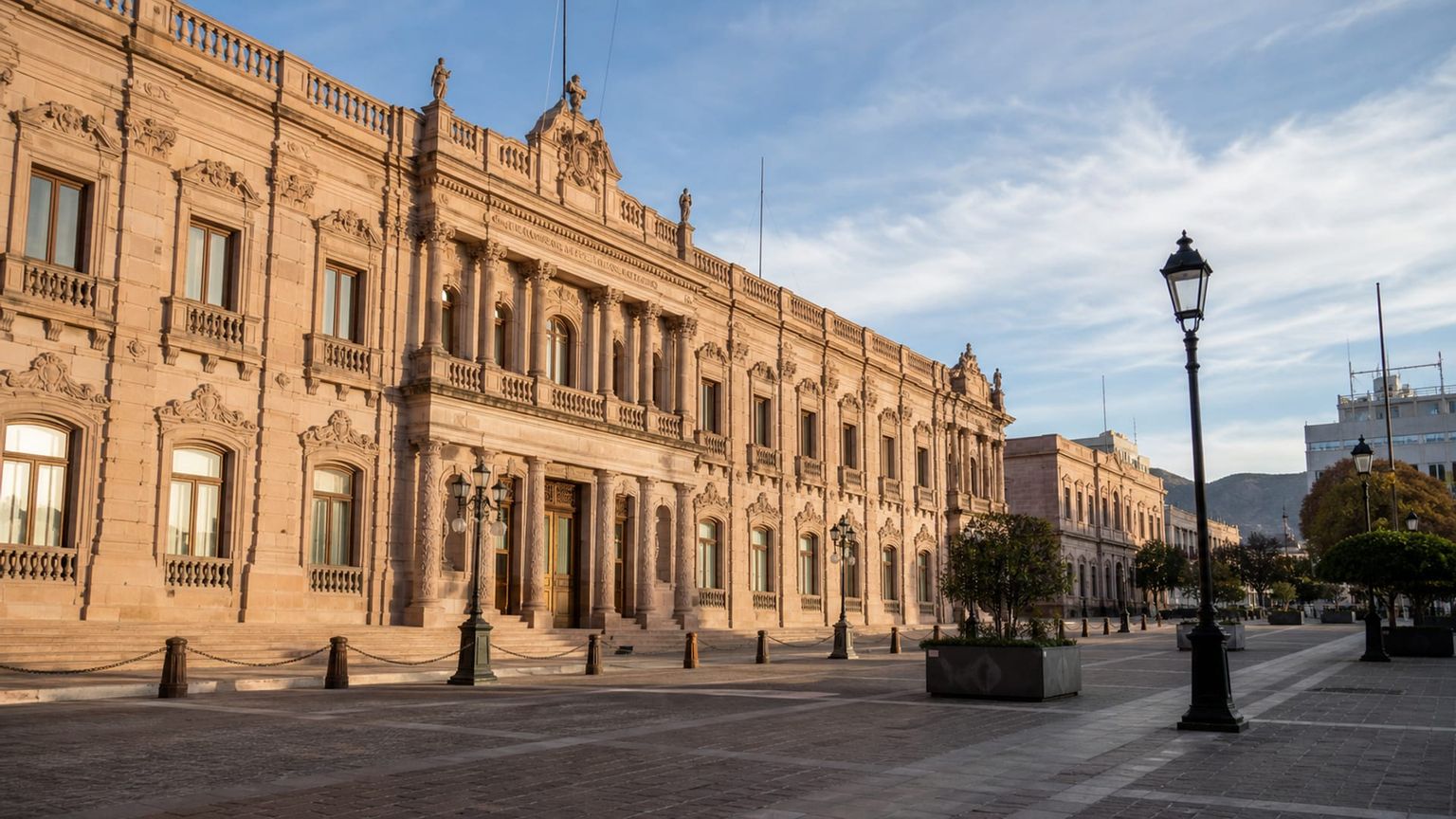
This former federal post office now holds exhibits on Chihuahua history, archaeology, and regional identity. Its underground chamber marks the prison cell where Miguel Hidalgo was held in 1811, one of the city’s most important historic sites.
Time needed: About 1 to 2 hours
Entry: Admission usually costs about $2 to $4 ($35 to $70 MXN) for standard museum access and temporary exhibits. Visit the official site for details.
Tip: Visit earlier in the day if you want time for the lower-level cell and exhibits.
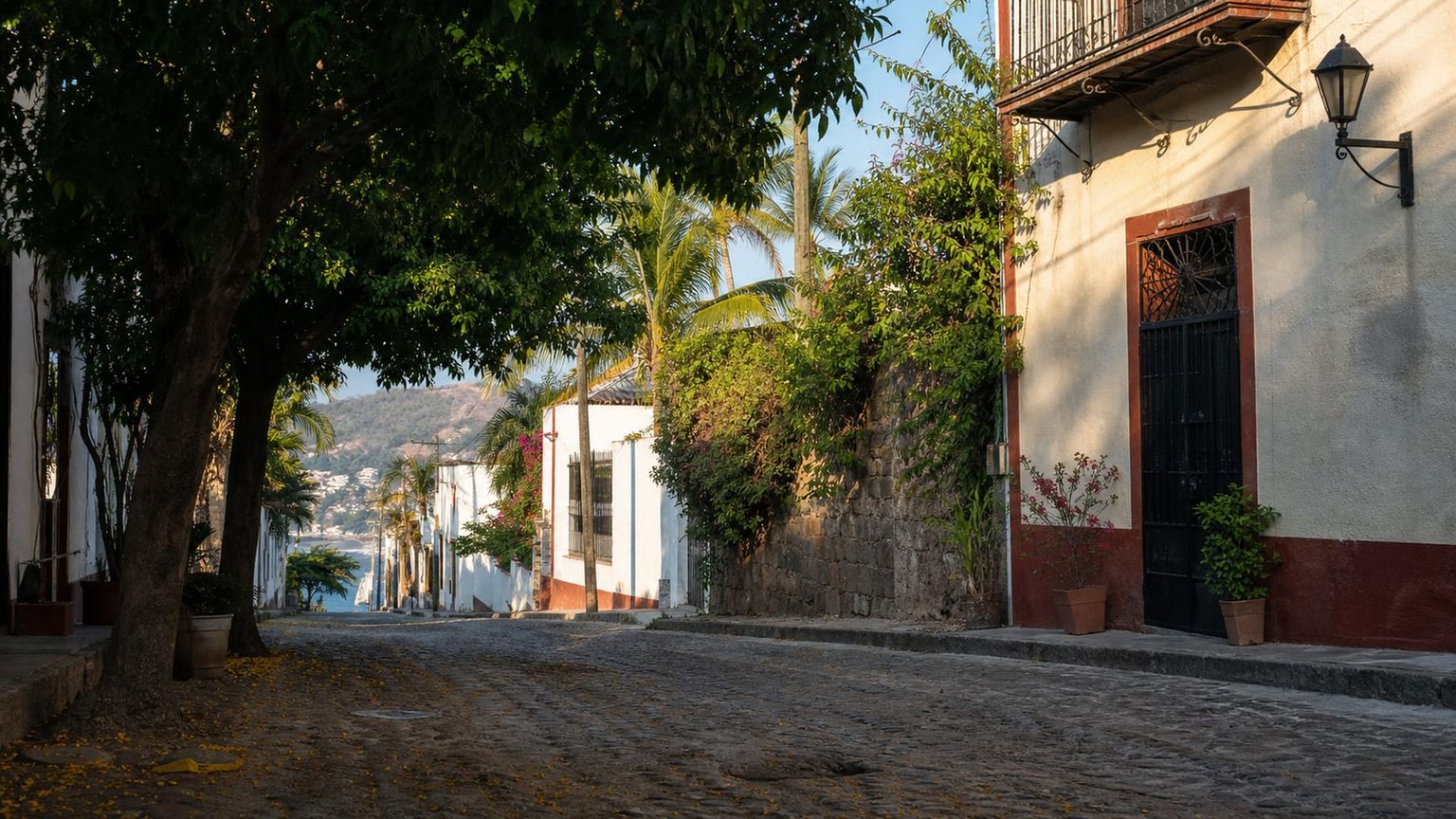
Quinta Gameros
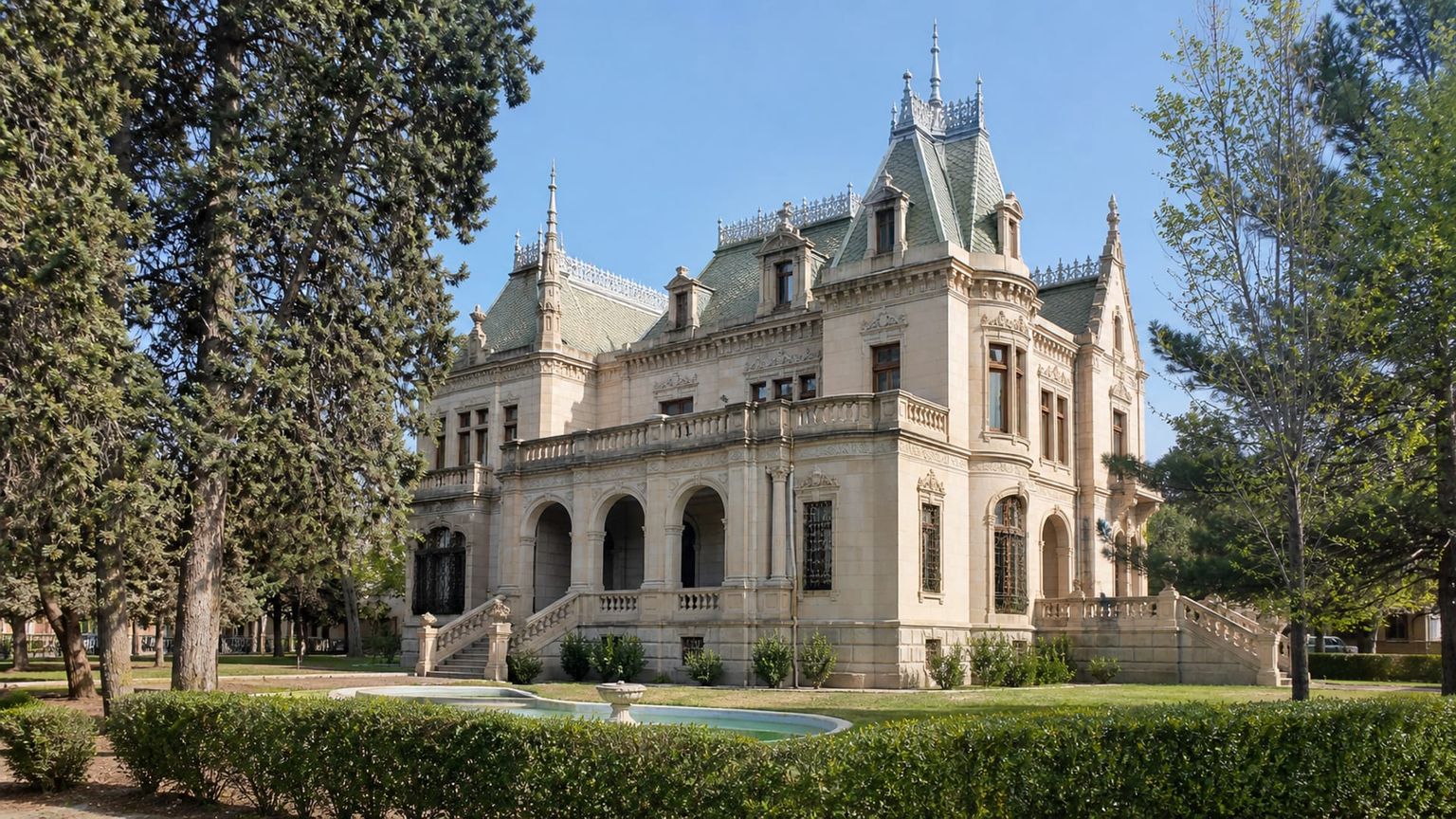
This 1907 mansion showcases French-style architecture, carved wood, stained glass, and period furnishings tied to Chihuahua’s Porfiriato-era elite. It sits close to the center and now functions as a museum within the university system.
Time needed: About 1 to 2 hours
Entry: Admission usually costs about $2 to $4 ($35 to $70 MXN) for standard museum access and guided visit options. Visit the official site for details.
Tip: Go in daylight to catch the stained glass and façade details from the street.
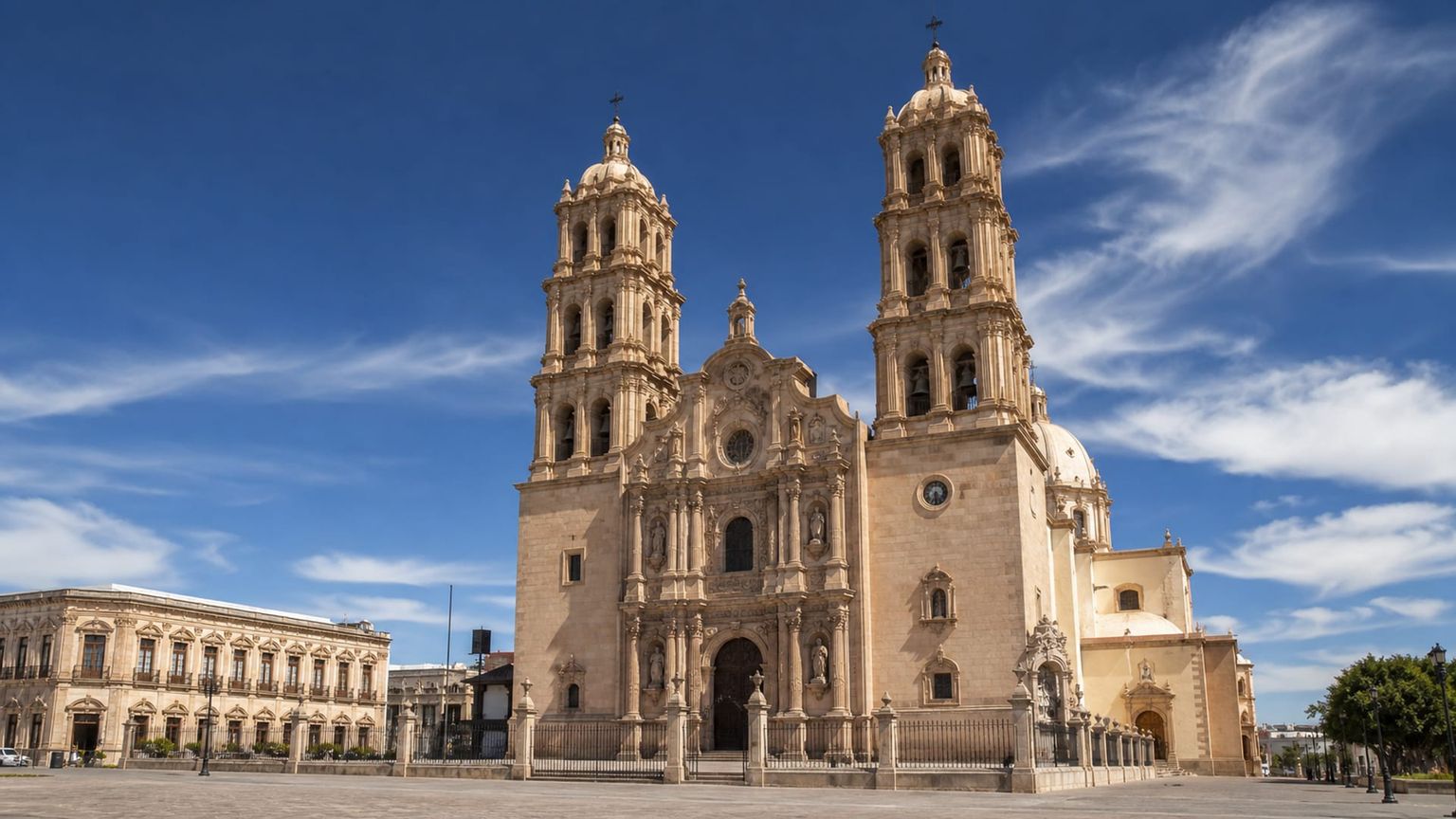
Metropolitan Cathedral of Chihuahua
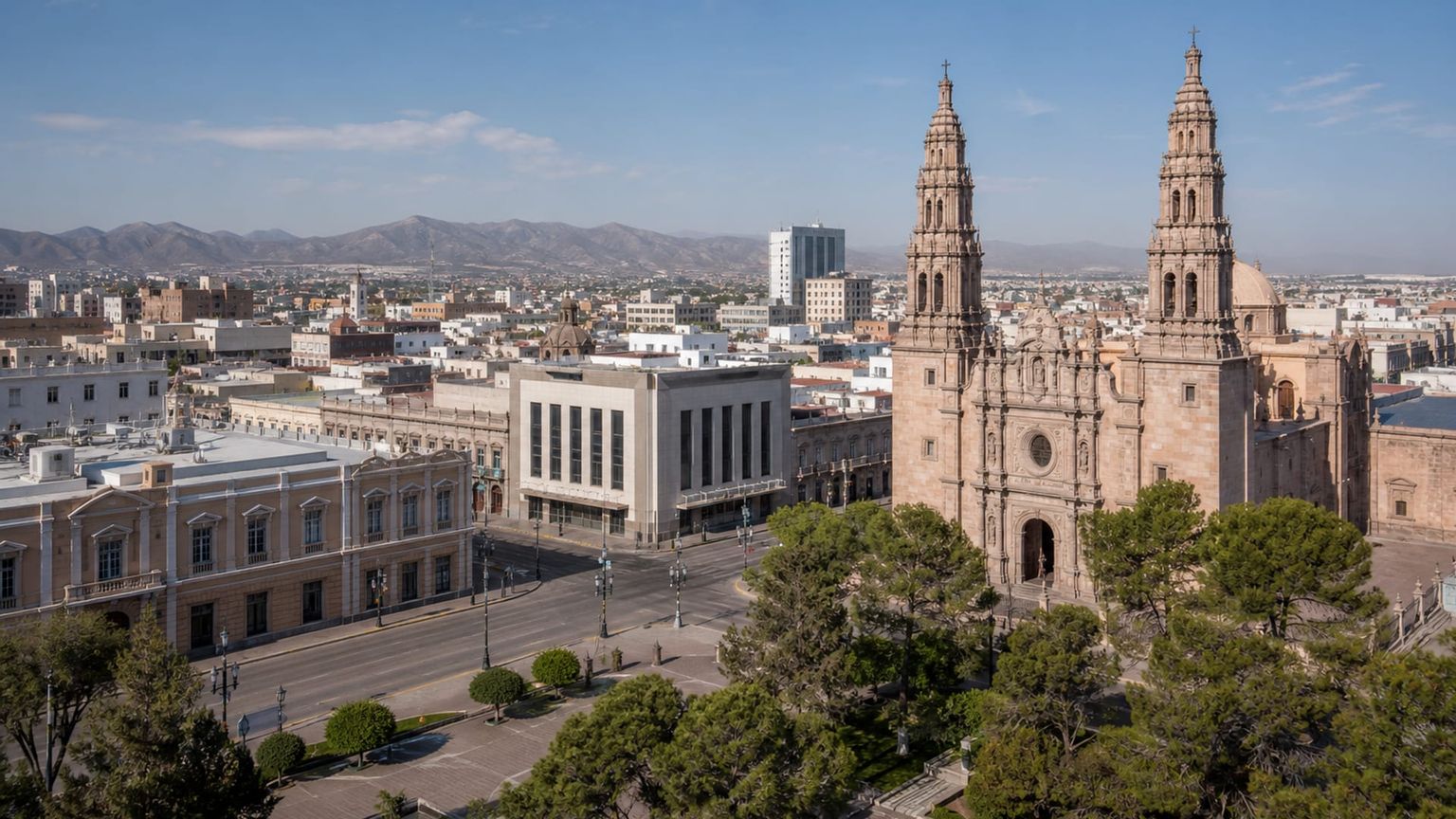
Facing Plaza de Armas, the cathedral anchors the historic center with a Baroque facade, twin bell towers, and a calm interior. It offers an easy way to read the city’s colonial core while staying on foot around the main square.
Time needed: About 30 to 45 minutes
Entry: Free to access during regular opening hours, with no ticket required for self-guided visits.
Tip: Stop by in the late afternoon, when the plaza light is best for the facade and towers.
Overlooked sites worth visiting

Parque Metropolitano Tres Presas
This riverside park links three reservoirs with footbridges, lookout points, and wide paths for walking or cycling. Birdlife picks up at dawn, and the water reflects the hills at sunset.
Time needed: About 1 to 2 hours
Entry: Free to access. There is no admission fee for the park, and visitors can enter on foot during daylight hours. Food stalls and equipment rentals, when available, charge separately.
Tip: Go early for cooler air and clearer light on the water.

Museo Casa Chihuahua
Housed in a former Jesuit temple and prison, this compact museum covers regional history with archaeological pieces, portraits, and changing exhibits. The stone interiors and courtyards make it an easy cultural stop.
Time needed: About 1 hour
Entry: Admission typically costs $4 to $6 ($4 to $6). Special exhibits or guided visits may have separate pricing, and discounts sometimes apply for students, seniors, and children with ID.
Tip: Visit midday, when the courtyard light is best for photos.
Traditional food
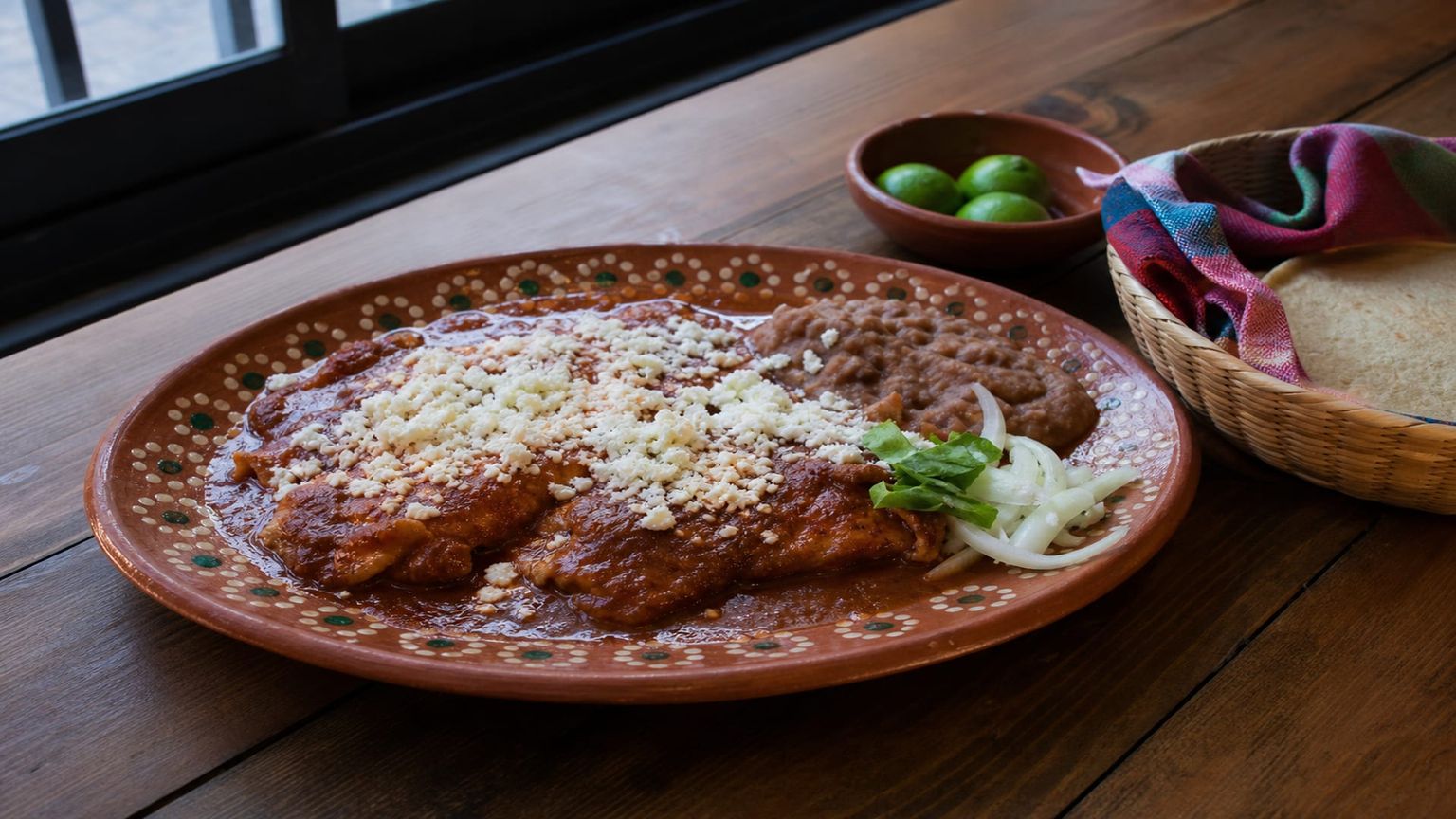
Chihuahua’s table leans on beef, dried meat, flour tortillas, and red chile, so dishes like discada, carne seca, machaca, and burritos de chile rojo show up in casual rooms and long lunch counters alike.
Discada
This northern mixed-meat skillet brings together beef, sausage, bacon, and vegetables in a savory, chile-kissed pan. Los Arcos is a strong Chihuahua address for it, with a menu that suits the dish’s hearty style.
Carne seca
Dried beef appears in plates, tacos, and breakfast dishes, often with a clean salt-and-chile profile. La Cabaña Smokehouse serves it in a setting that matches the region’s meat-forward cooking.
Machaca
Shredded dried beef with eggs or chile gives breakfast and lunch a concentrated, smoky taste. El Muchacho Alegre is a dependable place to look for machaca in a city that takes northern breakfasts seriously.
Burritos de chile rojo
Flour tortillas filled with chile rojo and meat or potatoes are a local staple for an easy meal between sights. El Fogón del Rancho is a fitting stop for this everyday Chihuahua classic.
Best time to visit Chihuahua
Chihuahua rewards shoulder seasons most, when dry air and stronger sun make it easier to plan museum visits, plaza walks, and a longer outing to the reservoirs.
Best for: Good weather for Centro walks and outdoor time at Tres Presas
What you get: About 55 to 86°F (13 to 30°C), with moderate visitor numbers and comfortable mornings
Trade-offs: Afternoons can turn warm and bright quickly
Best for: Long daylight for museum stops and later dinners
What you get: About 66 to 93°F (19 to 34°C), with lighter daytime crowds but more heat
Trade-offs: Heat and occasional storms can narrow the useful part of the day
Best for: Balanced conditions for a full city stay
What you get: About 48 to 82°F (9 to 28°C), with steady visitor flow and good walking weather
Trade-offs: Evenings can feel cool by late fall
Best for: Clear light for the historic center and indoor sights
What you get: About 37 to 67°F (3 to 19°C), with lighter crowds and crisp mornings
Trade-offs: Cold starts and the occasional chilly evening call for layers
A realistic 5-day plan in Chihuahua
The five-day plan below keeps Chihuahua centered on Centro, then adds a reservoir morning, a slower museum return, and time in San Felipe or Distrito 1 before departure. It assumes you will use short car rides when distance matters and save walking for the core.
Land at Chihuahua International Airport (CUU), then take a taxi or ride-hailing car into Centro, which usually takes about 20 to 30 minutes and costs roughly $12 to $20. Check in near Plaza de Armas if you want the easiest start to the trip, then drink water, settle in, and keep dinner close to the hotel, perhaps at a café or restaurant on the central grid so you can walk back without a late transfer.
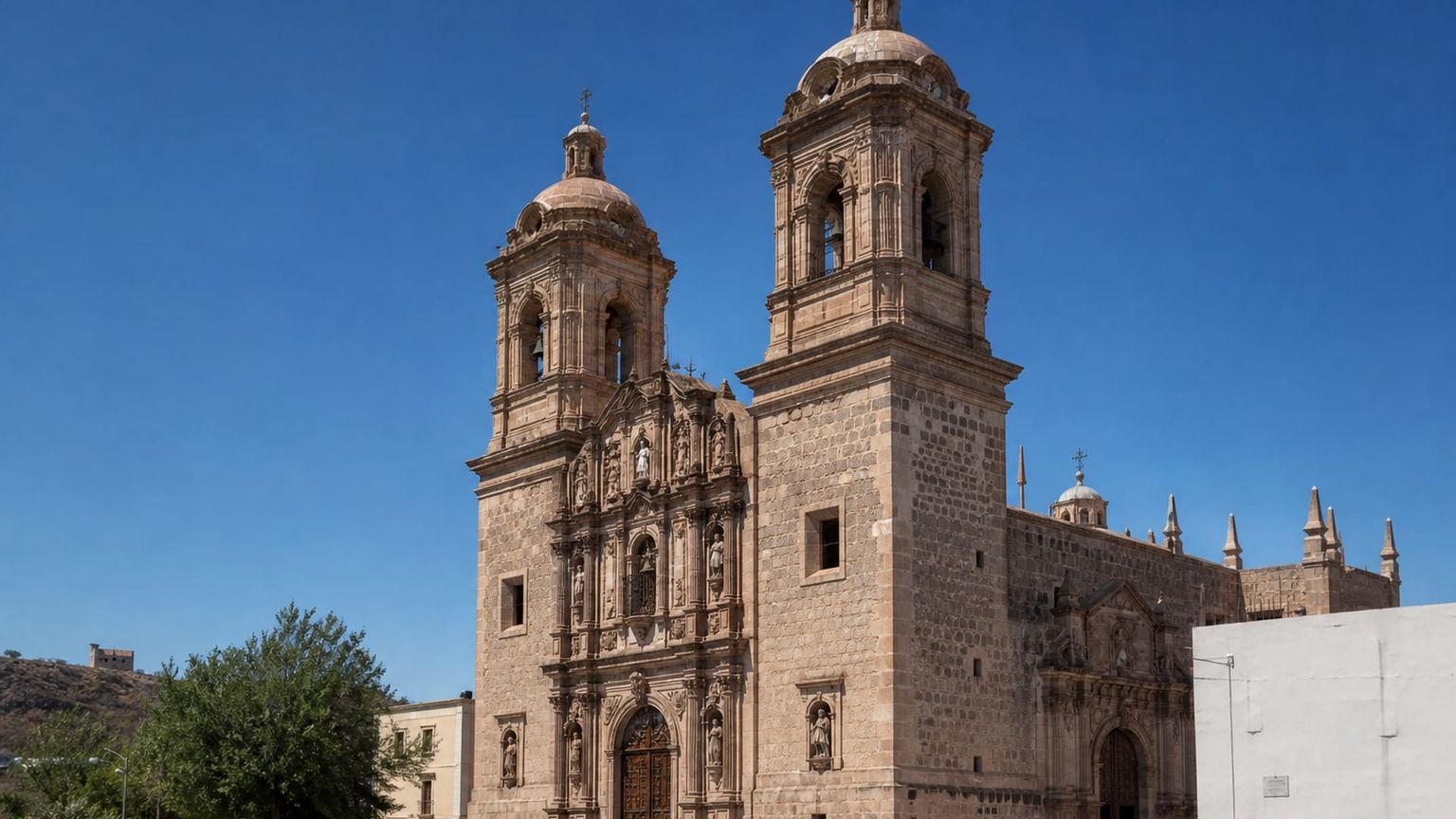
Start at the Metropolitan Cathedral of Chihuahua on Plaza de Armas, then walk about 5 minutes to Museo Casa Chihuahua for the city’s history and the Hidalgo cell. From there, continue about 10 minutes on foot to Quinta Gameros, where the carved wood, stained glass, and mansion interiors give the afternoon a strong architectural focus. End back in Centro for an early dinner, since all three stops sit close enough together to stay on foot for most of the day.
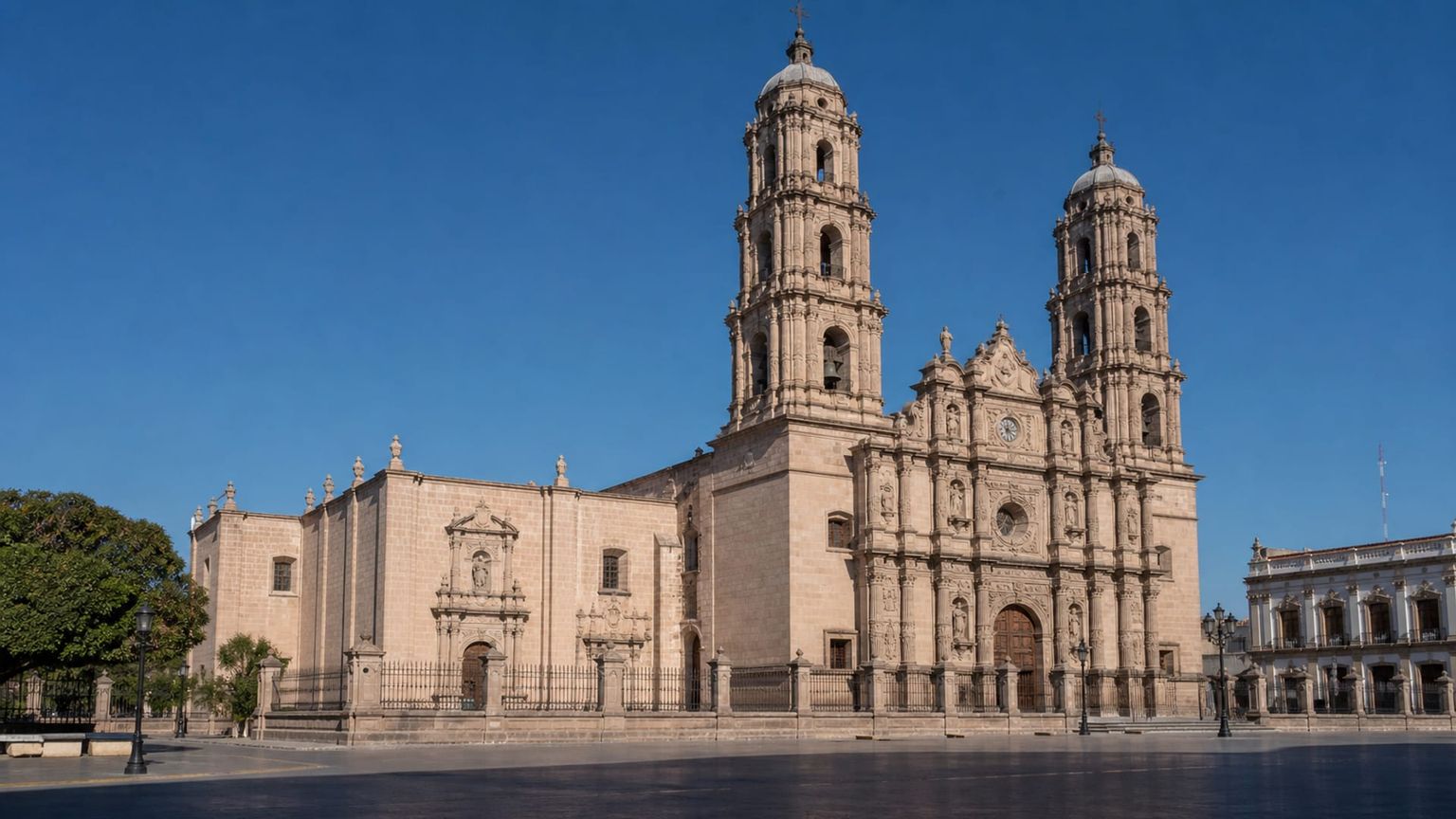
Begin with an early ride to Parque Metropolitano Tres Presas, roughly 20 to 30 minutes from Centro by taxi or app car, and spend about 1 to 2 hours on the paths, footbridges, and lookout points while the air is cooler. Return to the center for lunch, then head back to Museo Casa Chihuahua, about 10 to 15 minutes away from most central hotels, for a second look at the exhibits if you want a shorter indoor visit in the middle of the day. Finish with an easy evening in Centro, where you can walk between dinner spots without another long transfer.
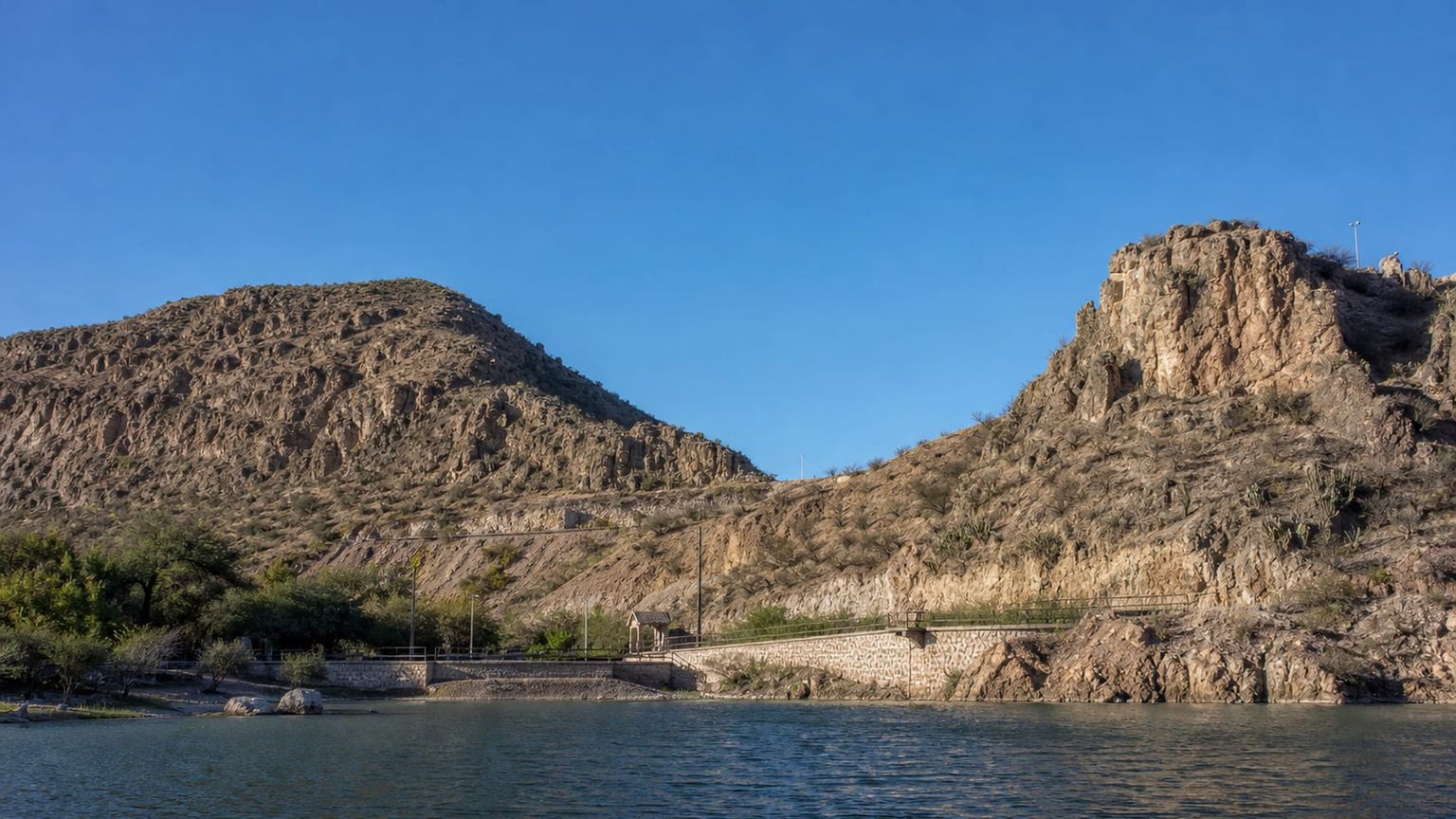
Make this a downtown-and-edge-of-center day, starting at Quinta Gameros and then walking about 12 minutes to the Cathedral and Plaza de Armas for a slower look at the historic core. If you are staying in San Felipe, the ride into Centro usually takes about 10 to 15 minutes by car, and it is simple to combine the museum visit with a late lunch near the main square. Stay in the center for dinner so you can finish with a short walk back to your hotel rather than a cross-town transfer.
Set aside the morning for one last cultural stop at Museo Casa Chihuahua, then spend the rest of the day in Distrito 1 for shopping, a meal, and any last purchases at the newer retail and restaurant corridors. If you want a quieter coffee break before departure, San Felipe has residential cafés and sits about 10 to 15 minutes by car from the historic center, which makes it a good place to pause without committing to another full sightseeing run. Leave your evening free for packing and an early transfer to Chihuahua International Airport (CUU), especially if your flight is before or after dinner hours.
Business-class flights from the US to Chihuahua
Business-class routes to Chihuahua (CUU) usually connect through major hubs, and the best choice depends on whether you are starting on the East Coast or the West Coast. The nonstop option from Los Angeles is much shorter, while New York itineraries usually lean on one stop.
From New York (JFK, Newark (EWR), or LaGuardia (LGA)), American Airlines, Aeromexico, United Airlines, Volaris, Copa Airlines, and Delta Air Lines all appear on common itineraries to Chihuahua (CUU). Nonstop flying takes about 4 to 5 hours, and one-stop trips often connect through Mexico City (MEX) or Dallas/Fort Worth (DFW), which can bring fares down to about $650 to $1,400. Round-trip fares from New York (JFK, Newark (EWR), or LaGuardia (LGA)) to Chihuahua (CUU) usually start from $900 and can reach $2,300.
American Airlines, Aeromexico, Volaris, Delta Air Lines, and United Airlines all serve the Los Angeles (LAX) market for Chihuahua (CUU), with round-trip fares usually running $750 to $1,900. The nonstop flight takes about 2.5 to 3 hours, while one-stop itineraries commonly connect through MEX, Dallas/Fort Worth (DFW), Houston (IAH), Atlanta (ATL), or Panama City (PTY), with travel time stretching to roughly 5 to 9 hours.
Chihuahua feels different when you slow down
A well-paced Chihuahua trip puts the Cathedral, Museo Casa Chihuahua, and Quinta Gameros into one walkable core, then uses taxis or ride-hailing for Tres Presas, San Felipe, or an evening return from dinner. That mix gives the city room to show its public squares, museum rooms, and northern cooking without forcing long crossings between each stop. If you want a trip shaped around Centro and the city’s dining grid, AranGrant experts can help you plan the next step







