

Chapters:

Need help with your trip?
Our support team is available 24/7. Request a callback or call us directly at (833) 619-0908
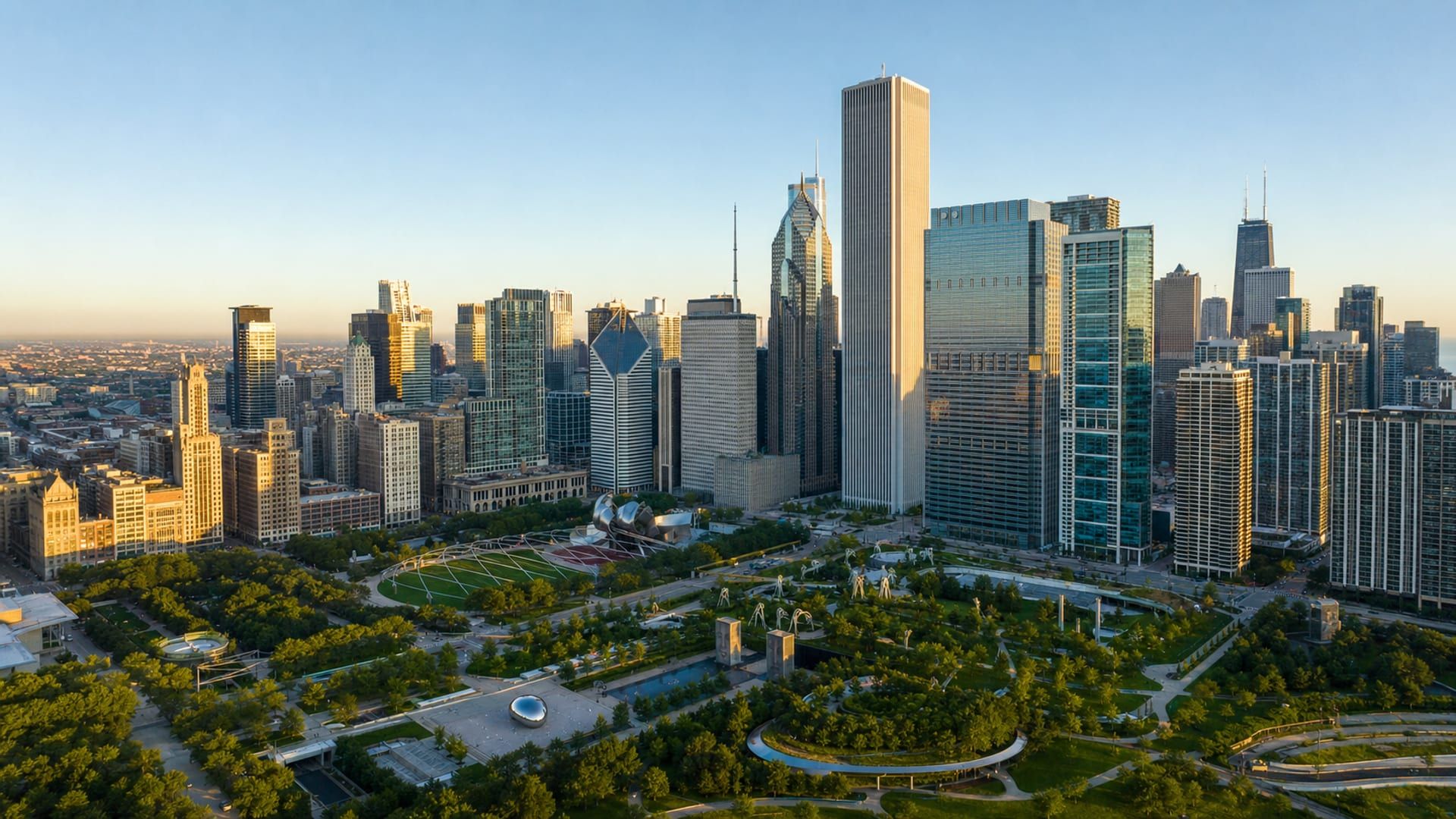
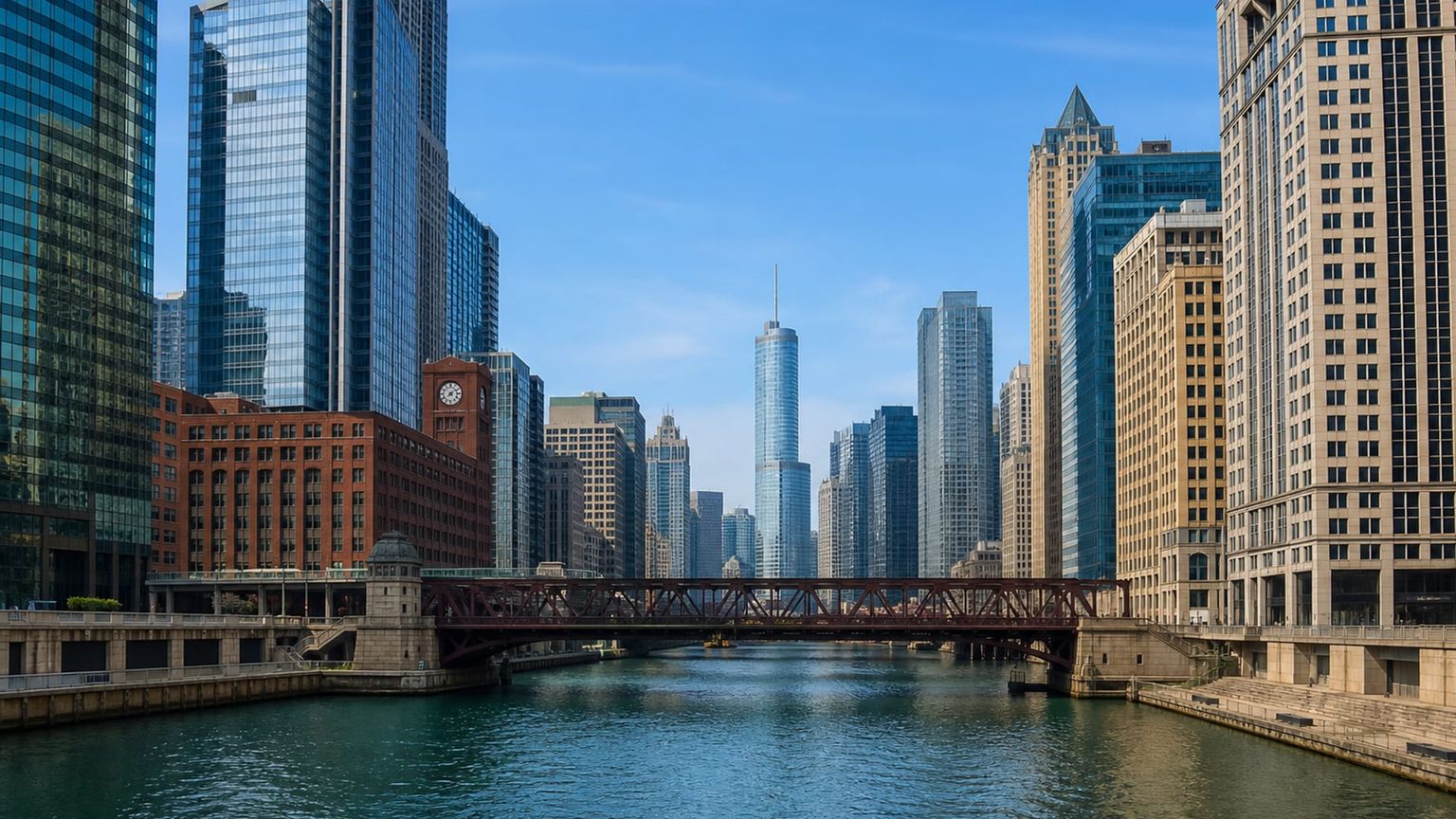
Chicago trips often begin with a hotel near the Loop or River North, a photo stop at Cloud Gate, and one deep-dish dinner. Travelers who stay that close sometimes miss how quickly the city changes once you move from the riverfront to the lakefront and then north into neighborhood streets.
That approach can leave long walks, crowded museum hours, and backtracking between the core and outlying sights. Chicago rewards a plan that groups transit, parks, and museums with enough breathing room for weather, meals, and evening movement.
This guide does that by mapping the city in a clear sequence, from arrival through departure, so you can see what fits together each day without spending half your trip in transit.
Useful things to know

Main language(s): English

Currency: The local currency is the US dollar (USD, $).

Cash and cards: Cards and contactless are widely accepted; carry about $20 to $40 in cash for tips and small purchases.

Tipping: Tip 15-20% at restaurants, about $1 to $2 per drink at bars, and round up for taxis and small services.

Traditional food: Chicago-style deep-dish pizza, Italian beef sandwich, Chicago-style hot dog, jibarito

Water and coffee costs: Water about $2 ($2), bar espresso about $4 ($4).

Taxis and ride apps: Uber and Lyft operate here; check airport pickup zones before requesting.

Plug and voltage: Type A/B socket, 120V

Dining and shop opening hours: Breakfast runs about 07:00-10:00, lunch 11:30-14:00, and dinner 17:00-21:00. Many kitchens close by 22:00; late-night options cluster downtown and in some neighborhoods.

Emergency number: 911 for police, fire, and medical emergencies.
Where to stay in Chicago
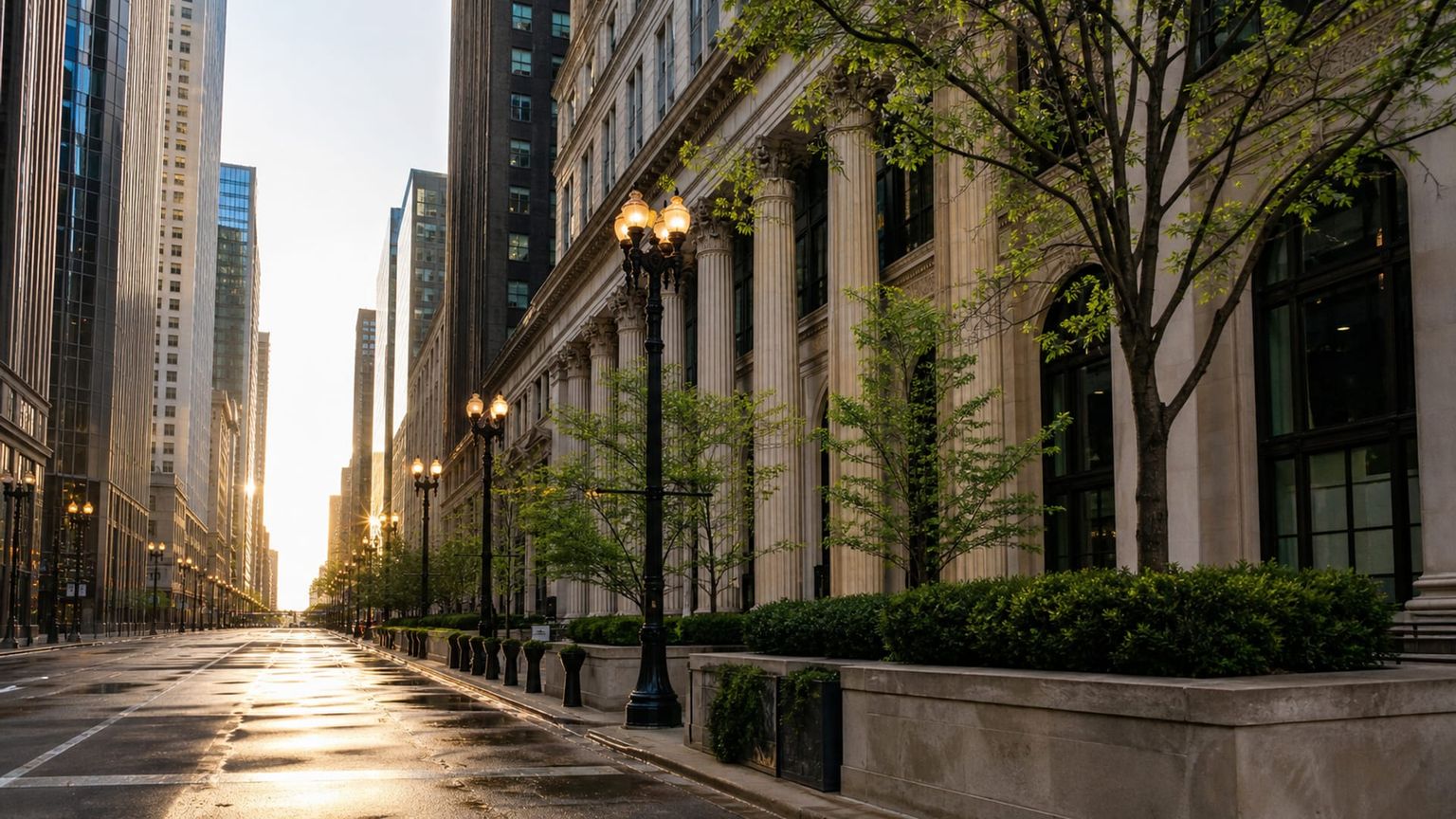
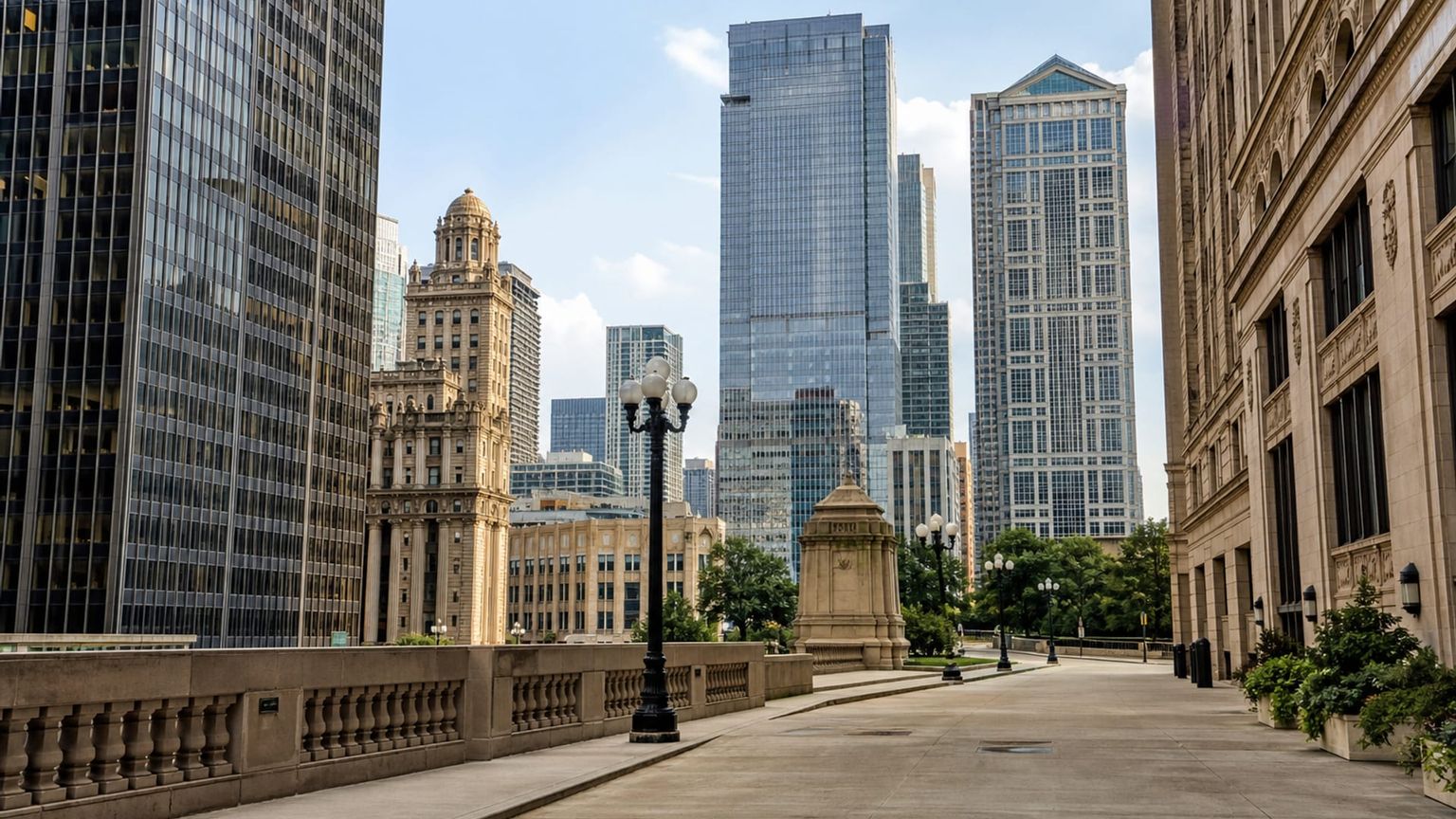
Chicago’s core business district places you beside the city’s main transit hub, riverfront towers, and major museums. It suits travelers who want the fastest access to downtown sights, though evenings thin out once office hours end.
Best for: First-time visits, business trips, and staying close to the Chicago River and major downtown sights
What to expect: Tall office blocks, heavy daytime foot traffic, and a quieter scene at night.
Hotel prices: Usually about $190 to $360 per night for well-rated stays
Distance to major sights: 10 to 15 minutes on foot to Millennium Park; about 15 minutes on foot to the Art Institute of Chicago
Quietness: Busy and noisy by day, noticeably quieter after office hours.
Main trade-off: Hotel rates often rise on weekdays, and the area has fewer late-night dining choices than nearby neighborhoods.
Good to know: Choose this if you plan to use the train often, since Union Station and multiple ‘L’ lines are close by.
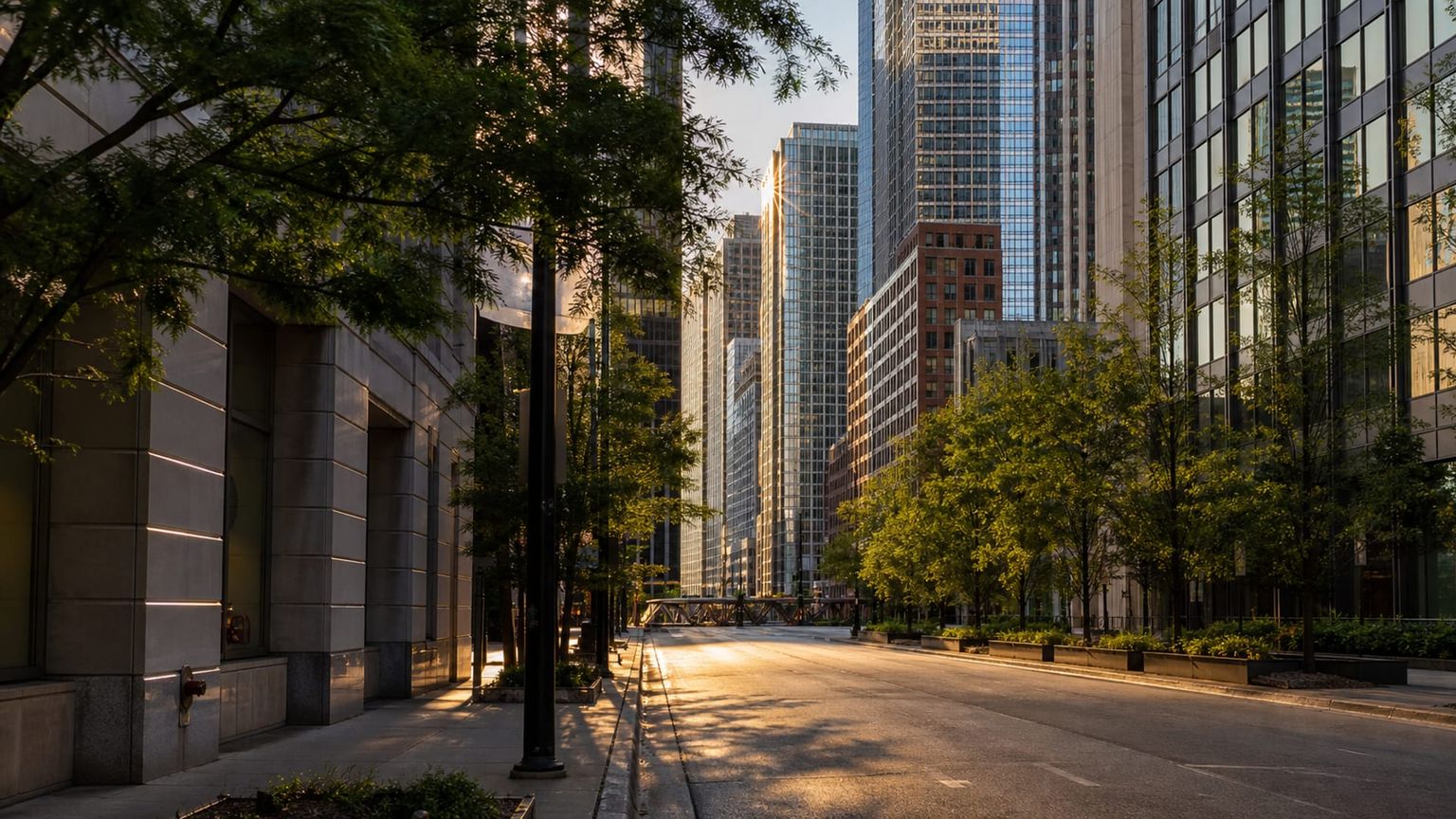
River North sits just north of the Chicago River and packs in restaurants, galleries, and nightlife. It works well if you want a walkable base with easy access to downtown and after-dinner plans.
Best for: Dining, nightlife, gallery browsing, and travelers who want a lively central base
What to expect: Busy sidewalks, late restaurant seating, and more weekend energy than nearby office districts.
Hotel prices: Usually about $220 to $420 per night for well-rated stays
Distance to major sights: About 15 minutes on foot to the Magnificent Mile; about 20 minutes on foot to Millennium Park
Quietness: Active late into the evening, then quieter overnight on side streets.
Main trade-off: You pay more for the central location, and street noise can be noticeable near the busiest blocks.
Good to know: Book higher floors if you are a light sleeper, because late bars and rideshare traffic concentrate on a few streets.
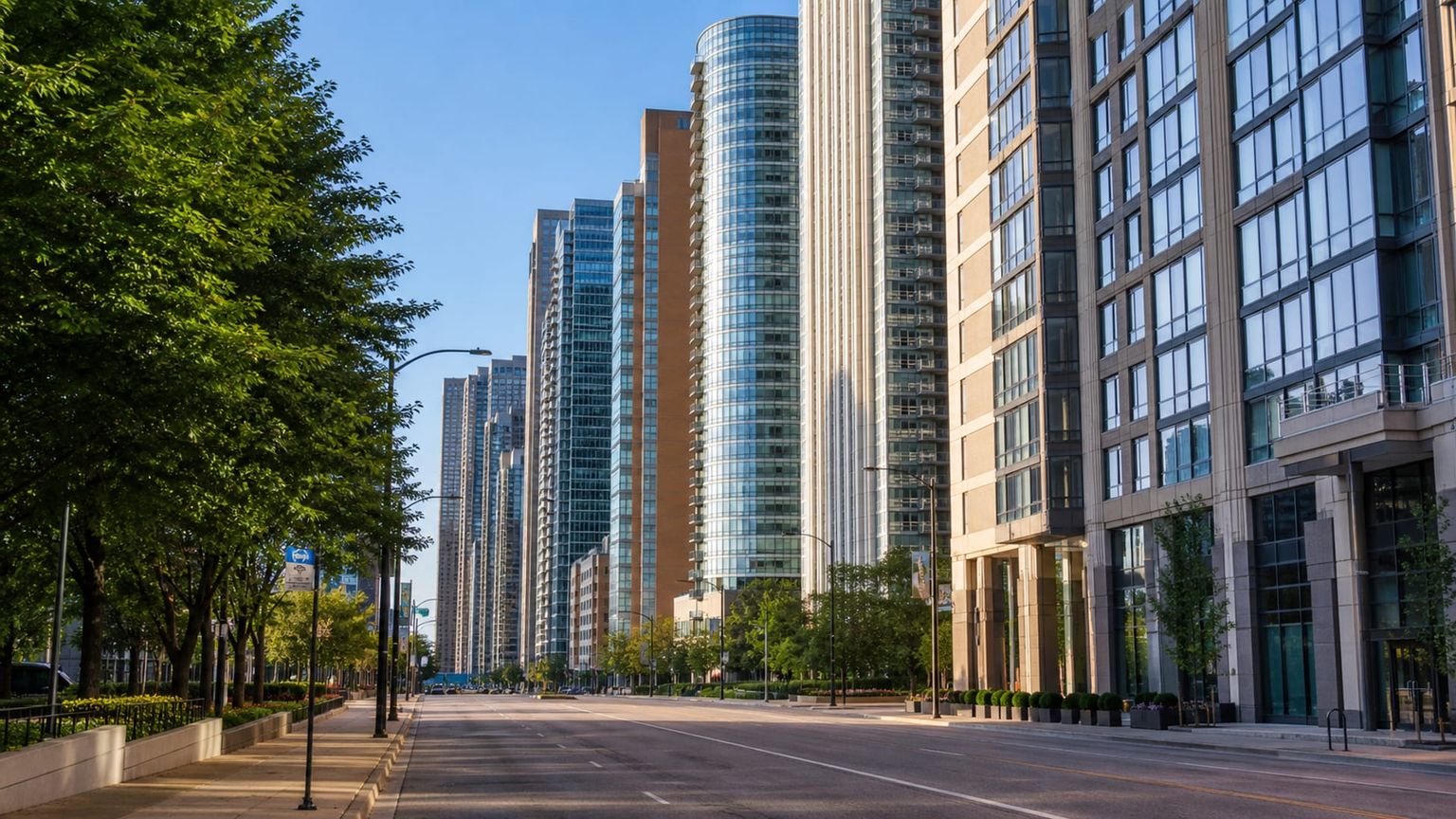
Streeterville lines the lakefront east of Michigan Avenue and puts you near the Magnificent Mile, Navy Pier, and several large hotels. It suits visitors who want lake views with easy access to shopping and central sights.
Best for: Lakefront walks, shopping, families, and travelers who want a central hotel district
What to expect: Wide sidewalks, steady pedestrian traffic, and a hotel-heavy environment with some tourist crowds.
Hotel prices: Usually about $210 to $430 per night for well-rated stays
Distance to major sights: About 10 minutes on foot to the Magnificent Mile; about 20 minutes on foot to Navy Pier
Quietness: Busy during the day, calmer at night outside the hotel corridor.
Main trade-off: Many addresses sit amid large hotels and convention traffic, so the area can feel expensive without much local character.
Good to know: Expect longer walks to the train than in the Loop, especially if you are staying near the lakefront.
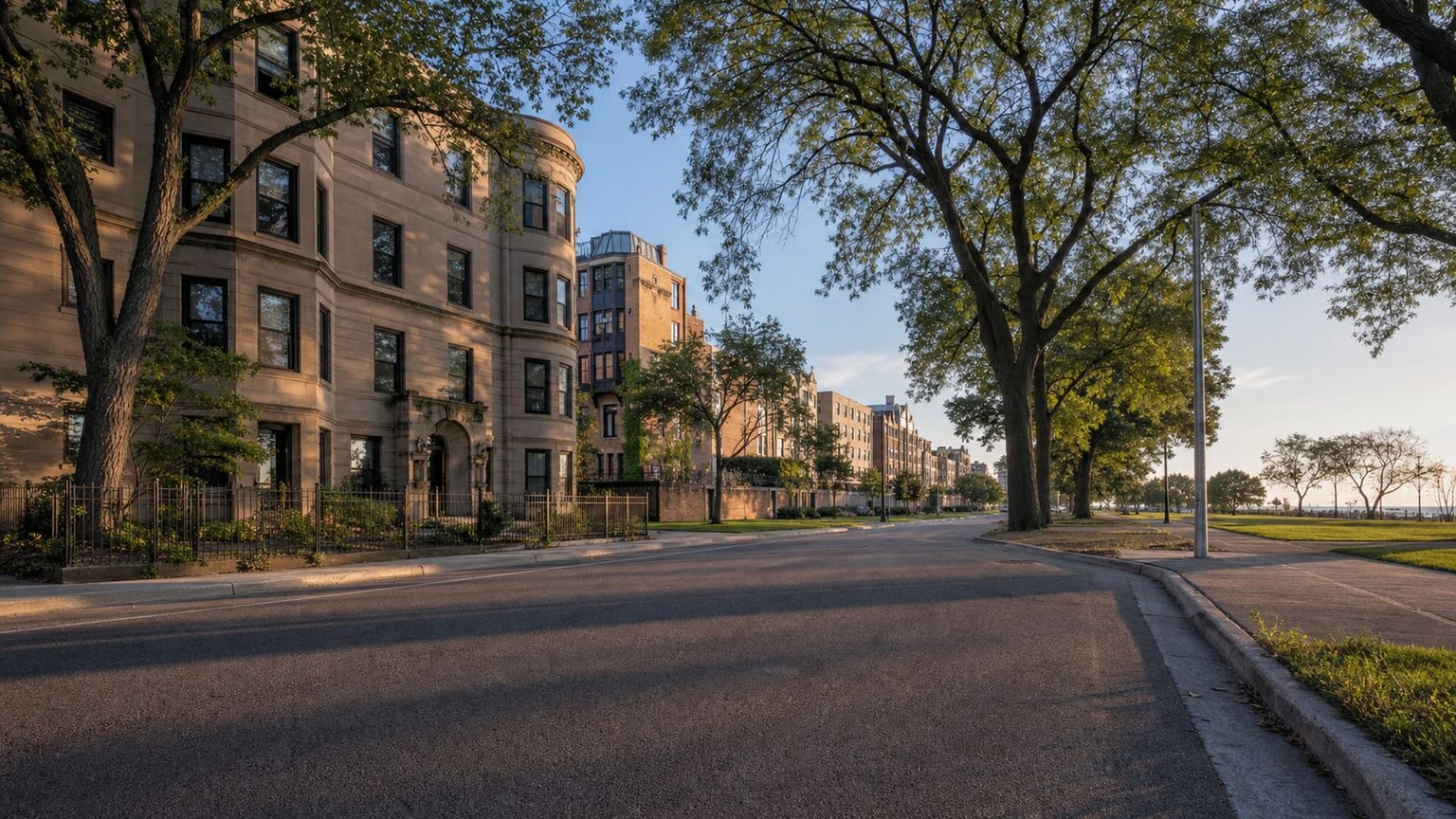
Lincoln Park sits north of downtown and combines tree-lined residential streets with the zoo, parkland, and a strong restaurant scene. It appeals to visitors who want a neighborhood feel without losing access to the central city.
Best for: Families, longer stays, park access, and visitors who prefer a neighborhood setting
What to expect: Tree-lined blocks, local cafés, steady evening foot traffic, and a calmer pace than downtown.
Hotel prices: Usually about $180 to $350 per night for well-rated stays
Distance to major sights: About 20 minutes by transit to the Magnificent Mile; about 25 minutes by transit to Millennium Park
Quietness: Quieter than downtown by day, with moderate evening activity near dining streets.
Main trade-off: You will spend more time reaching the main museum and riverfront core than in downtown hotels.
Good to know: Late-night cab or rideshare fares can add up, since the area sits away from the biggest cluster of central hotels.
Travelers usually avoid staying in Archer Heights, East Garfield Park, and Fuller Park, since they sit far from the Loop, the Magnificent Mile, and most museum and lakefront sightseeing, with few visitor-oriented hotels or restaurants nearby. Pullman and Hegewisch are also less convenient for a first visit, because they are far from the main downtown attractions and can mean long evening trips back after dinner or events.
Hotel deals
How to get around Chicago efficiently
Chicago works best when you pair the CTA with walking, since the Blue Line, the downtown ‘L’ network, and frequent buses cover the city center and reach the airports.

Metro
for longer distances
Chicago’s ‘L’ puts O’Hare International Airport (ORD) on the Blue Line, with downtown rides taking about 45 to 60 minutes and a standard CTA fare of $2.50 for a 2-hour Ventra transfer window. Use it for a direct, low-cost trip into the Loop, though late-night headways can stretch out.

Bus and tram
for convenience
CTA buses cover most neighborhoods, and the Loop Link buses along Washington and Madison can move quickly through the center when traffic is light; a standard fare is $2.50 with a 2-hour Ventra transfer window. For airport-to-city travel, Pace suburban buses and CTA routes such as the 250 and 330 reach parts of the northwest suburbs, but they are slower than the Blue Line or a cab.

Taxi
for convenience or late hours
Chicago taxis use metered fares, not flat citywide airport pricing for most trips: expect roughly $35 to $60 from O’Hare International Airport (ORD) to downtown before tip, with cash, major credit cards, and app-based payments widely accepted. You can queue at the official taxi rank at the terminal, and trips within the city usually start with a drop flag plus per-mile and per-minute charges.
*Prices are based on rates updated as of June 2026 and may change at the time of travel.
Use the ‘L’ for airport runs and downtown links, buses for neighborhood hops, and taxis or rideshares when you are crossing town late at night or arriving after a long flight.
Iconic landmarks
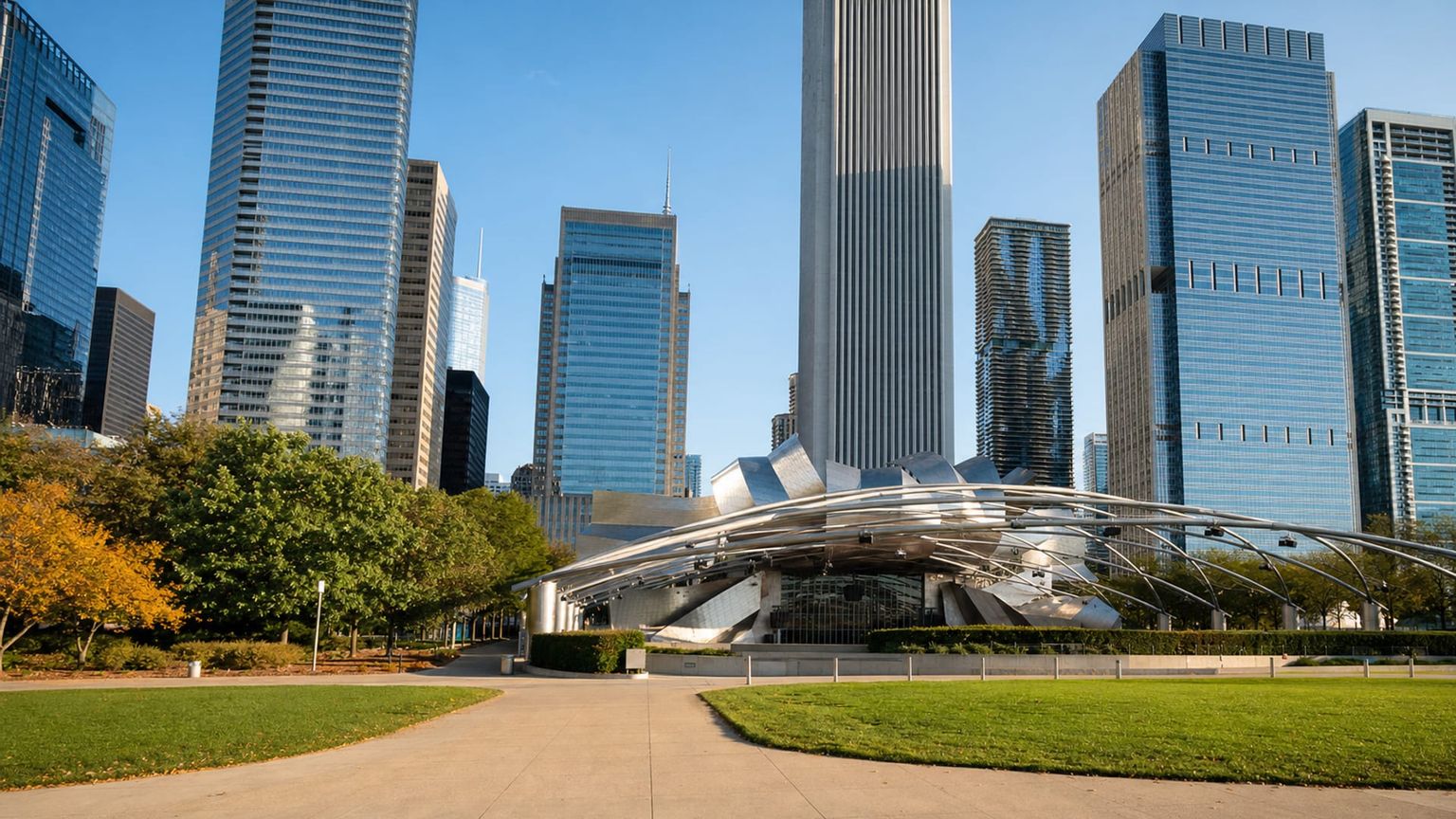
Millennium Park
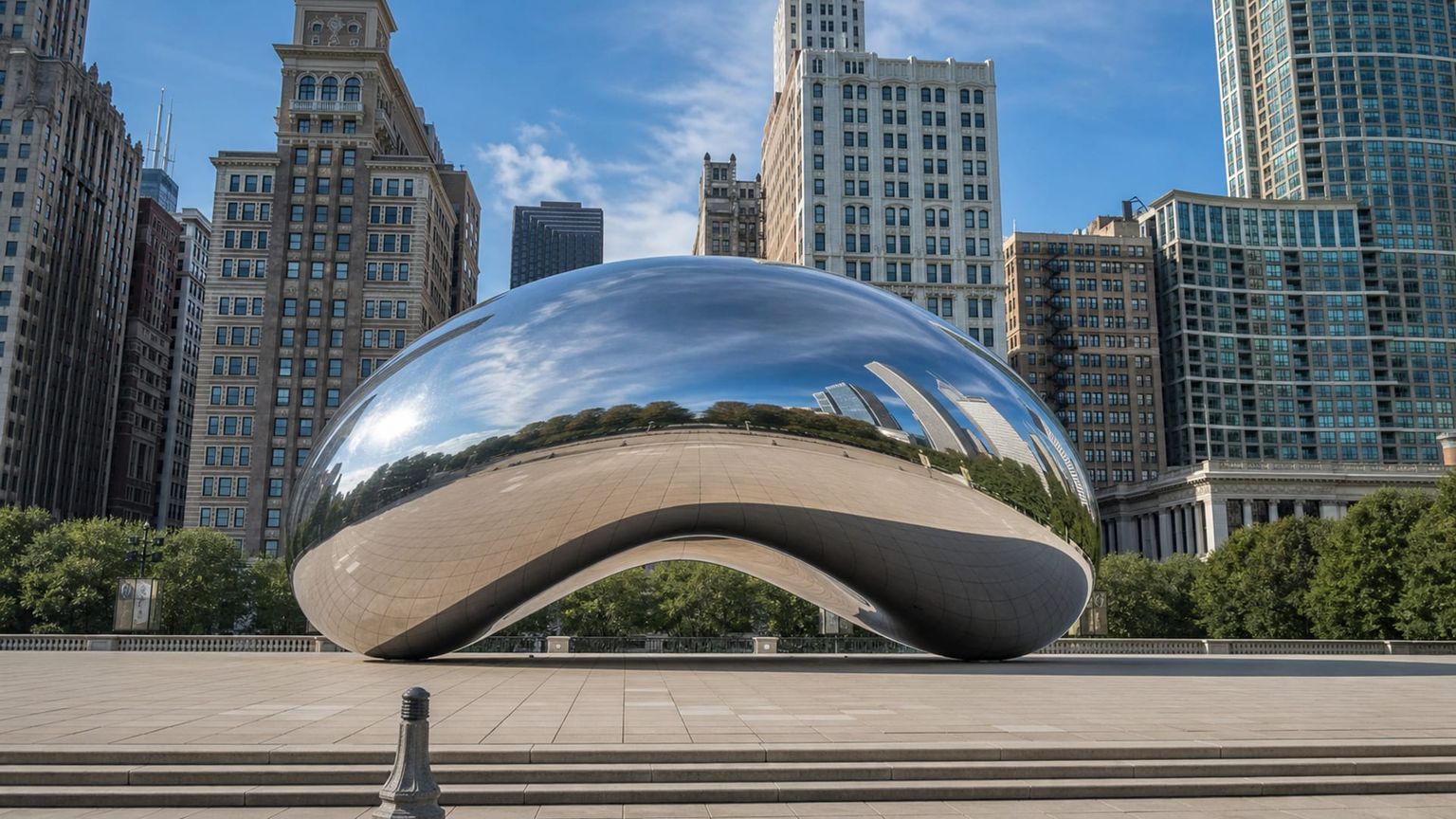
Chicago’s central civic park pairs the Cloud Gate sculpture, the Jay Pritzker Pavilion, and the Crown Fountain in one compact loop. It sits beside the Loop and offers frequent public art, concerts, and lakefront views.
Time needed: About 1 to 2 hours
Entry: Free to access; special ticketed events and performances may carry separate charges Visit the official site for details.
Tip: Visit early morning or after sunset for lighter crowds and clearer photos.
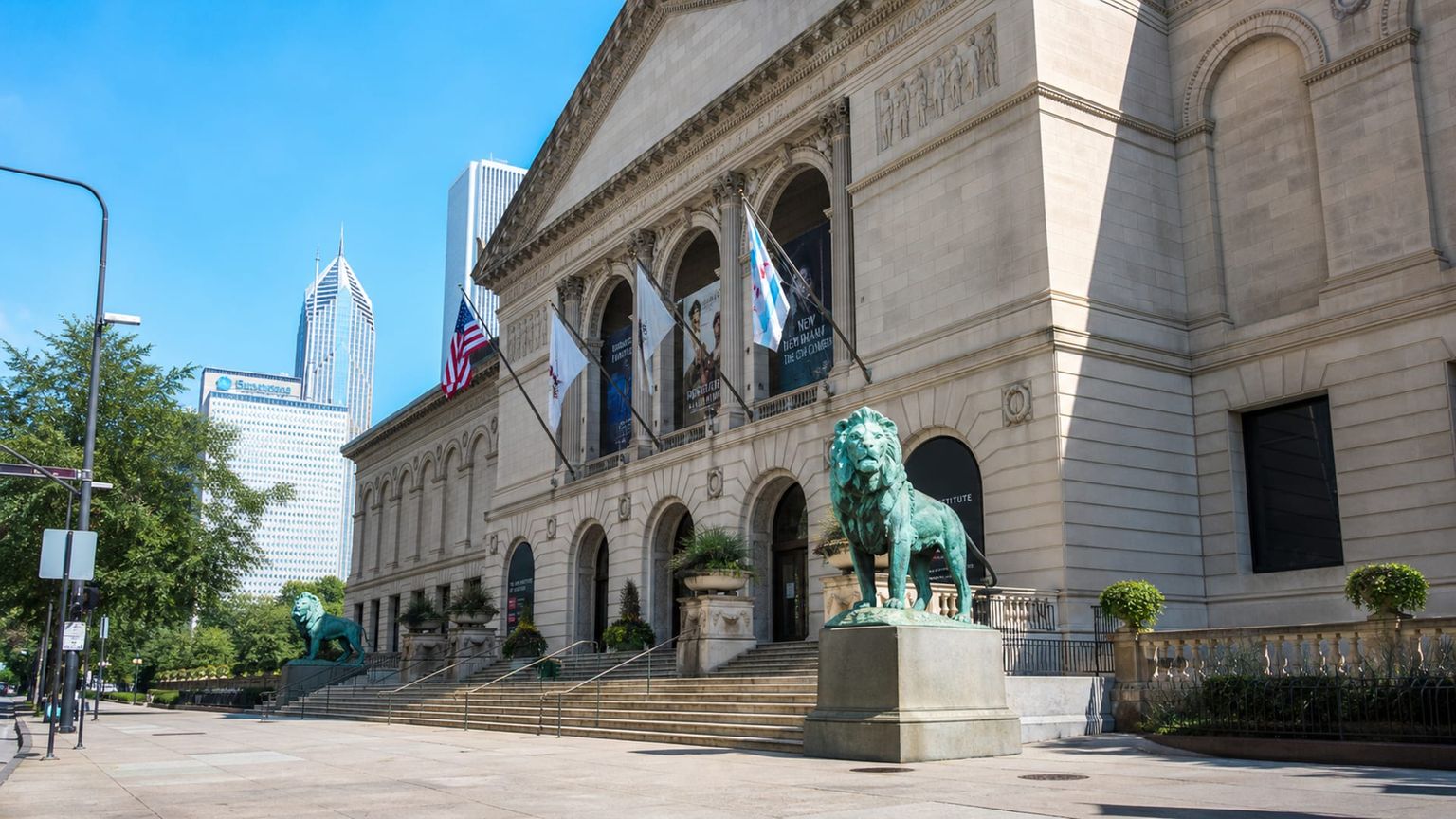
Art Institute of Chicago
The Art Institute anchors downtown’s museum district with a major collection that spans American art, Impressionism, and modern works. Highlights include Grant Wood’s American Gothic and Edward Hopper’s Nighthawks.
Time needed: About 2 to 3 hours
Entry: Standard admission costs $32 ($32) for adults, with reduced rates for seniors, students, and children Visit the official site for details.
Tip: Plan extra time for the modern wing, since the galleries span several floors.
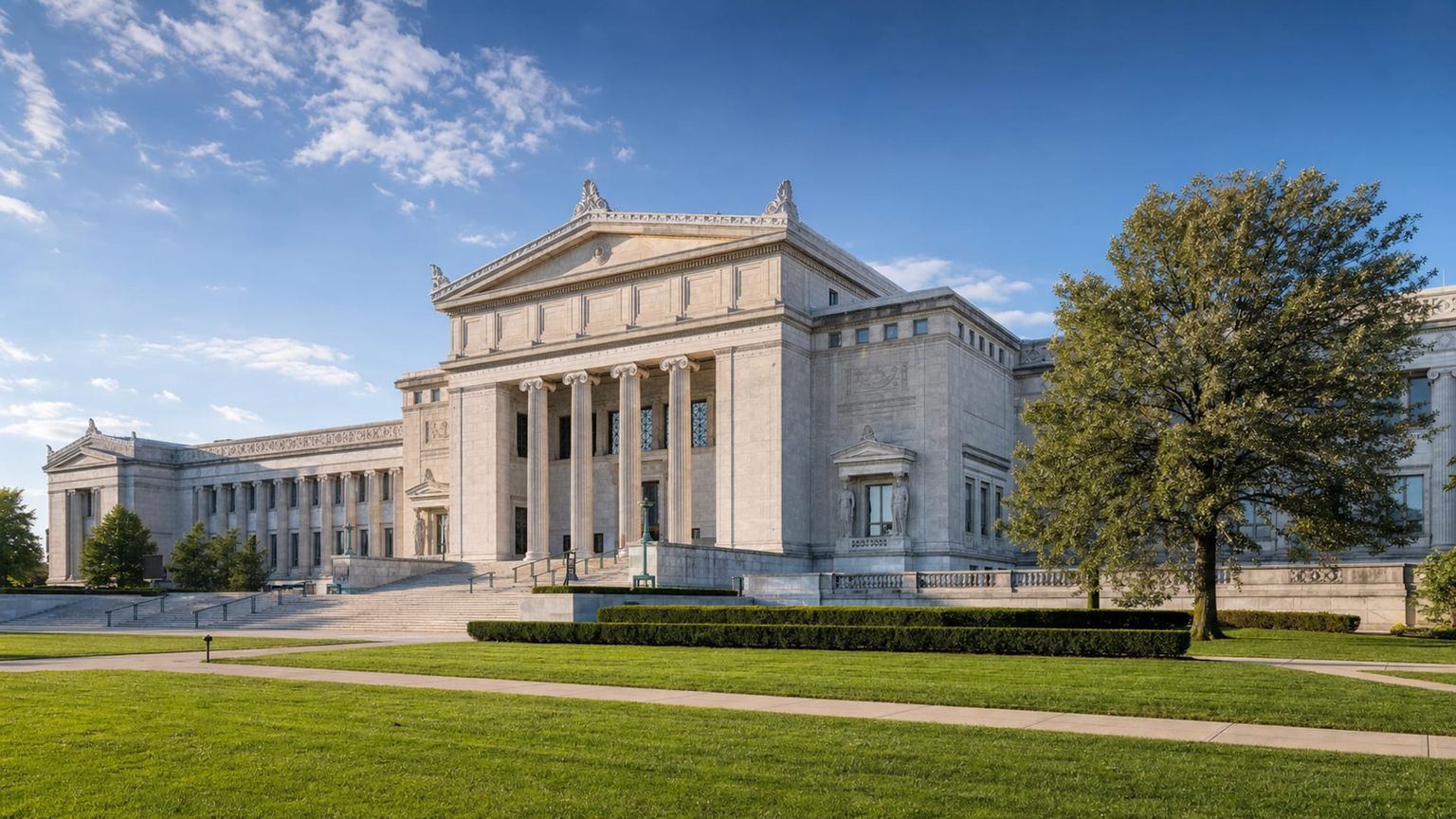
The Field Museum
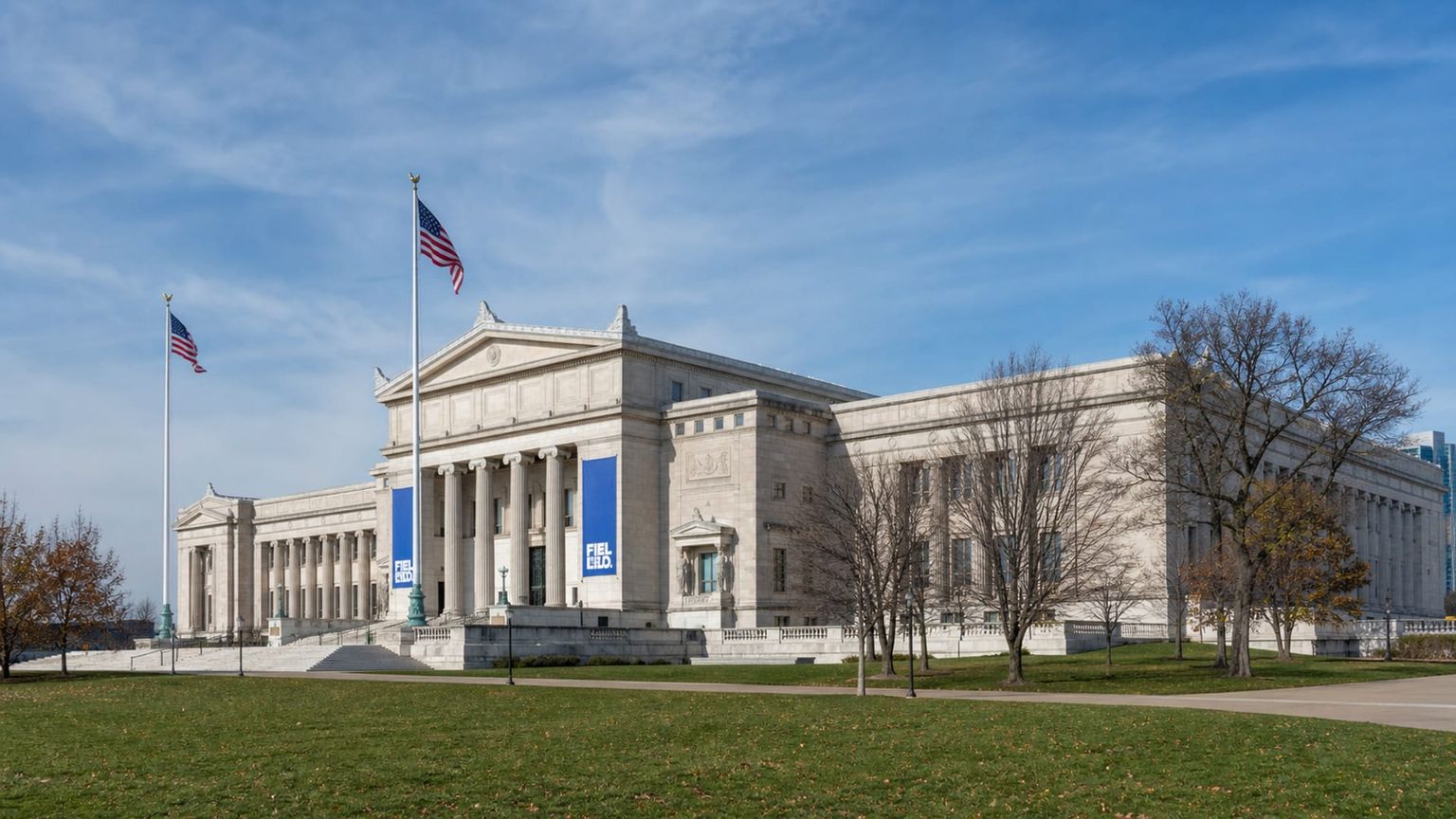
On the Museum Campus, the Field Museum pairs natural history galleries with major fossil displays and artifacts from ancient cultures. Sue, the Tyrannosaurus rex skeleton, gives the museum its most famous stop.
Time needed: About 2 to 3 hours
Entry: Standard admission costs $30 to $40 ($30 to $40), with extra charges for some special exhibitions Visit the official site for details.
Tip: Arrive near opening if you want quieter galleries and easier access to Sue.
Overlooked sites worth visiting

Charnley-Persky House Museum
Louis Sullivan and Frank Lloyd Wright designed this Gold Coast townhouse in 1892. Its oak interiors, stained glass, and compact scale make it a focused stop for architecture fans.
Time needed: About 1 hour
Entry: Tours are $20 for adults and $15 for seniors, students, and children ages 6 to 18. Children under 6 enter free. Advance tickets are sold through the museum, and same-day space depends on tour availability. Visit the official site for details.
Tip: Morning tours usually have the lightest crowds.

Montrose Point Bird Sanctuary
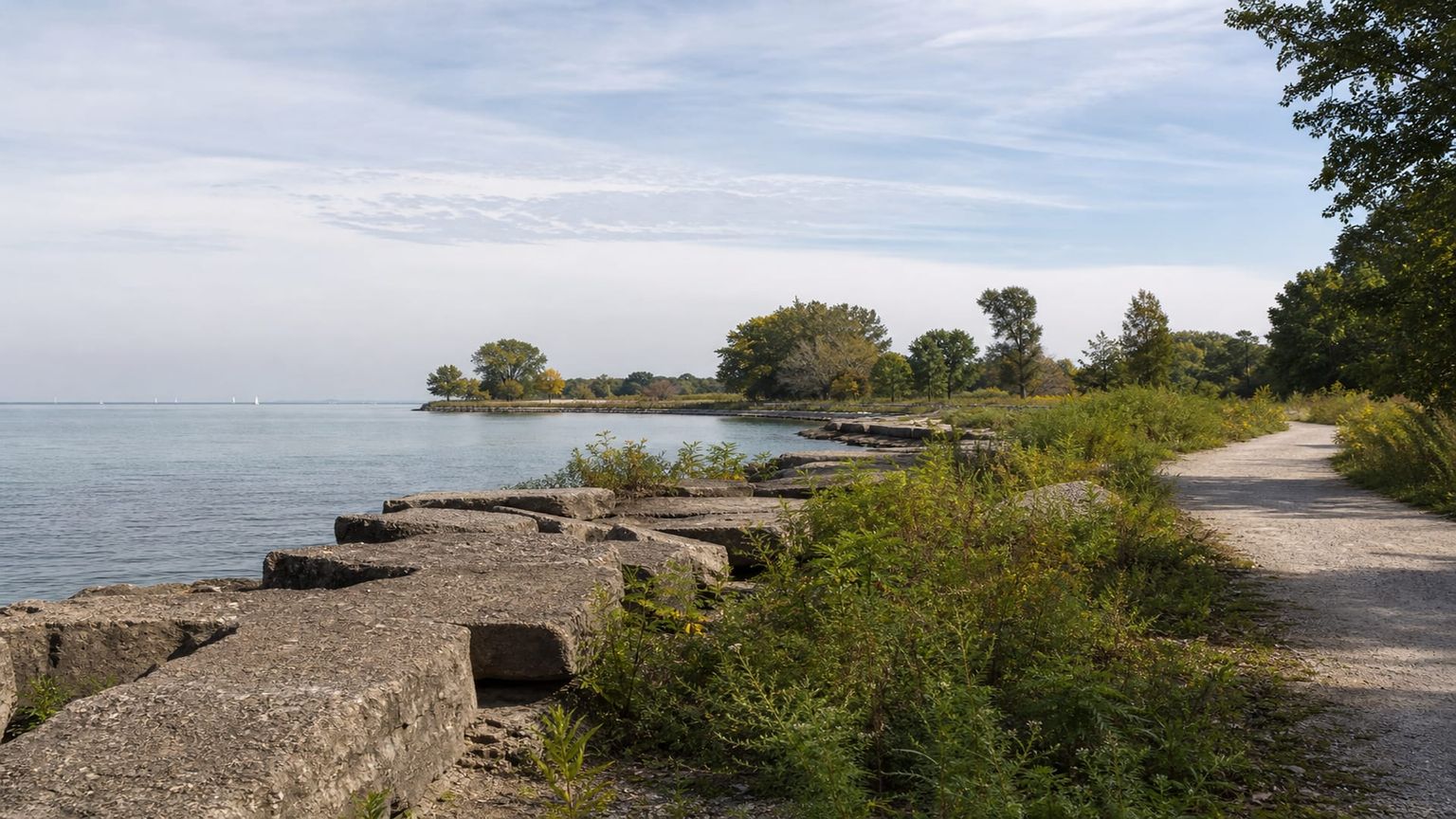
A narrow lakeside peninsula in Lincoln Park, this bird sanctuary draws migrating warblers, shorebirds, and waterfowl. Gravel paths, dunes, and a small prairie make it a quiet urban walk.
Time needed: About 1 to 2 hours
Entry: Free to access. The sanctuary sits inside Montrose Point at the north end of Montrose Harbor, with open public paths and no admission desk. Bring binoculars if you want closer views of migrating birds and lakefront overlooks.
Tip: Go at sunrise for the best bird activity.
Traditional food
Chicago’s food scene leans on beef, sausage, cheese, pickles, and crisp bread, then stretches them into deep-dish slices, hot dogs, and sandwich plates that suit casual counters and long dinners alike.
Chicago-style deep-dish pizza
A thick, pan-baked pizza with a tall crust, tomato sauce, and plenty of cheese, best eaten fresh from the oven. Lou Malnati’s is the classic Chicago stop for it.
Italian beef sandwich
Thin-sliced beef soaked in its cooking juices and served on an Italian roll, often with peppers or giardiniera. Portillo’s is the city’s best-known reference point for the sandwich.
Chicago-style hot dog
An all-beef hot dog topped with mustard, relish, onion, tomato, pickle, peppers, and celery salt, with no ketchup in sight. Superdawg Drive-In remains one of Chicago’s most recognizable places for it.
Jibarito
A Chicago sandwich built with fried plantains instead of bread, usually filled with steak, lettuce, tomato, and garlic sauce. Borinquen Restaurant is a long-running local standard for it.
Best time to visit Chicago
Chicago’s seasons change the city’s pace noticeably, from bright lakefront months to cold, windy winters that push more of the day indoors.
Best for: Museum days, river walks, and the first comfortable lakefront afternoons
What you get: Expect about 45 to 70°F (7 to 21°C), with lighter crowds in early spring and busier weekends as the weather improves
Trade-offs: Rain and wind can shift plans quickly
Best for: Long evenings, lakefront time, and outdoor festivals
What you get: Expect about 68 to 85°F (20 to 29°C), with the heaviest crowds near the river, parks, and major museums
Trade-offs: Heat, humidity, and higher hotel rates can make midday outings tiring
Best for: Clear walking weather, park color, and a good balance of indoor and outdoor time
What you get: Expect about 48 to 72°F (9 to 22°C), with moderate crowds outside holiday weekends
Trade-offs: Cooler nights arrive fast, especially near the lake
Best for: Indoor sightseeing, architecture, and restaurant-focused trips
What you get: Expect about 18 to 35°F (-8 to 2°C), with lighter tourist crowds but frequent wind and snow
Trade-offs: The lakefront can feel harsh, and some walks take longer than expected
A realistic 5-day plan in Chicago
A five-day Chicago stay works best when you let downtown set the anchor, then branch to the museum campus, Lincoln Park, and the Gold Coast in a measured order. That keeps transit simple while leaving room for long meals and weather shifts.
From Chicago (ORD), take the CTA Blue Line into The Loop, or a taxi or rideshare if you land late, which usually takes about 35 to 60 minutes and costs roughly $5 to $45 depending on the mode and traffic. If you arrive at Chicago Midway (MDW), the Orange Line to The Loop takes about 25 to 35 minutes for about $2.50, while a cab or rideshare often runs about 20 to 35 minutes and $25 to $45. Check into a hotel in The Loop or River North, drink water before you head out again, and keep dinner close to your base with a simple meal near the river, then turn in early.
Start in Millennium Park in the morning, when the Cloud Gate sculpture and Crown Fountain are easiest to photograph, then walk about 10 minutes west to the Art Institute of Chicago for 2 to 3 hours. Plan on about a 5 to 10 minute walk back toward the park after lunch if you want to linger in the downtown core, or stay nearby for a second pass through the park before dinner in The Loop.
The Museum Campus makes an efficient museum day, beginning with the Field Museum, which sits about 15 minutes by transit or roughly 25 minutes on foot from Millennium Park. Give the museum 2 to 3 hours, then ride or walk back north to the downtown lakefront, about 15 to 20 minutes depending on your pace, for an evening in Streeterville or River North.
Lincoln Park gives the day a different pace, so start with a morning visit to Montrose Point Bird Sanctuary, where early light and migrating birds make the walk most rewarding. After that, head south to the Charnley-Persky House Museum in the Gold Coast, which takes about 20 to 25 minutes by transit from Lincoln Park and about 1 hour to tour, then finish with an easy dinner back in Lincoln Park or a short ride into River North.
Begin with one last museum stop at the Art Institute of Chicago if you want a final look at the downtown collection, then spend the afternoon shopping on the Magnificent Mile, which is about a 15-minute walk from River North and about 10 minutes from Streeterville. End with coffee in River North or a quiet café in Lincoln Park, depending on where you are staying, and keep the evening unhurried before your departure.
Business-class flights from the US to Chicago
Business-class fares to Chicago vary most by origin, nonstop availability, and how much time you are willing to spend on a one-stop itinerary. The East Coast usually offers the shortest air time, while West Coast trips often trade duration for more fare pressure.
From New York, American Airlines, Delta Air Lines, United Airlines, Aer Lingus, British Airways, and Lufthansa operate options that can get you to Chicago in about 2 to 2.5 hours nonstop. If you prefer to save on the fare, one-stop itineraries often connect through London Heathrow (LHR), Frankfurt (FRA), Paris Charles de Gaulle (CDG), Zurich (ZRH), or Madrid (MAD), with total travel time closer to 9 to 13 hours. Round-trip fares from New York start at about $700, with nonstop departures often topping $1,800 and premium one-stop options running higher.
Los Angeles itineraries are longer, with nonstop flights on American Airlines, Delta Air Lines, United Airlines, Alaska Airlines, Air Canada, and WestJet taking about 4 to 4.5 hours. When you are willing to connect, routes through Toronto (YYZ), Vancouver (YVR), Denver (DEN), Dallas (DFW), or Chicago (ORD) can reduce the fare, and the total journey usually stretches to about 7 to 12 hours. Round-trip fares from Los Angeles usually begin near $250, while nonstop seats can reach $500 or more; if you do not mind a layover, routings via Denver (DEN), Dallas (DFW), or Toronto (YYZ) often cut the fare further.
Chicago feels different when you slow down
A deliberate Chicago trip gives each area a clear role, the Loop for arrival and museums, the lakefront for walking, Lincoln Park for a neighborhood change of pace, and River North for dinners that do not require much transit planning. CTA rides, short walks, and one or two longer cab trips can keep the days connected without compressing them. If you want help shaping those choices into a trip that fits your dates, the AranGrant experts can build it around Millennium Park, the Museum Campus, and the city’s best food stops