

Chapters:

Need help with your trip?
Our support team is available 24/7. Request a callback or call us directly at (833) 619-0908
Chiang Mai rewards travelers who plan for short hops, temple clusters, and one or two outings that sit beyond the moat. Many visitors still treat it like a compact walking city and then lose time to heat, scooter traffic, and cross-town rides.
The usual miss is not a lack of things to see, it is the distance between them and the order in which they make sense. Old City lanes, Nimmanhaemin, the river, and Doi Suthep each ask for a different pace.
This guide keeps those pieces in sequence, with neighborhoods, transit, food, and day plans arranged so each move has a clear purpose.
Useful things to know

Main language(s): Thai
สวัสดี (sà-wàt-dee) – Hello / good morning
กรุณา (gà-rú-naa) – Please
ขอบคุณ (khàwp-khun) – Thank you
พูดภาษาอังกฤษได้ไหม (phûut phaa-săa ang-grìt dâi măi) – Do you speak English?
ราคาเท่าไหร่ (raa-khaa thâo-rài) – How much does it cost?

Currency: The local currency is the Thai baht (THB, ฿).

Cash and cards: Cards and contactless work widely in Chiang Mai, but keep about THB 500 to 1,000 ($14 to $28) in cash for markets, taxis, and small shops.

Tipping: Round up small bills; 5-10% is appreciated in nicer restaurants if service is good.

Traditional food: Khao soi, sai ua, nam prik noom, gaeng hang lay

Water and coffee costs: Water about THB 15 to 25 ($0.40 to $0.70), bar espresso about THB 60 to 100 ($1.70 to $2.80).

Taxis and ride apps: Grab and Bolt operate here; confirm the fare before you book.

Plug and voltage: Type A/C socket, 220V

Dining and shop opening hours: Breakfast is roughly 07:00-10:00, lunch 12:00-14:00, and dinner 18:00-22:00. Night markets and late cafes often stay open past 22:00.

Emergency number: Call 191 for police, 1669 for medical, 199 for fire.
Where to stay in Chiang Mai
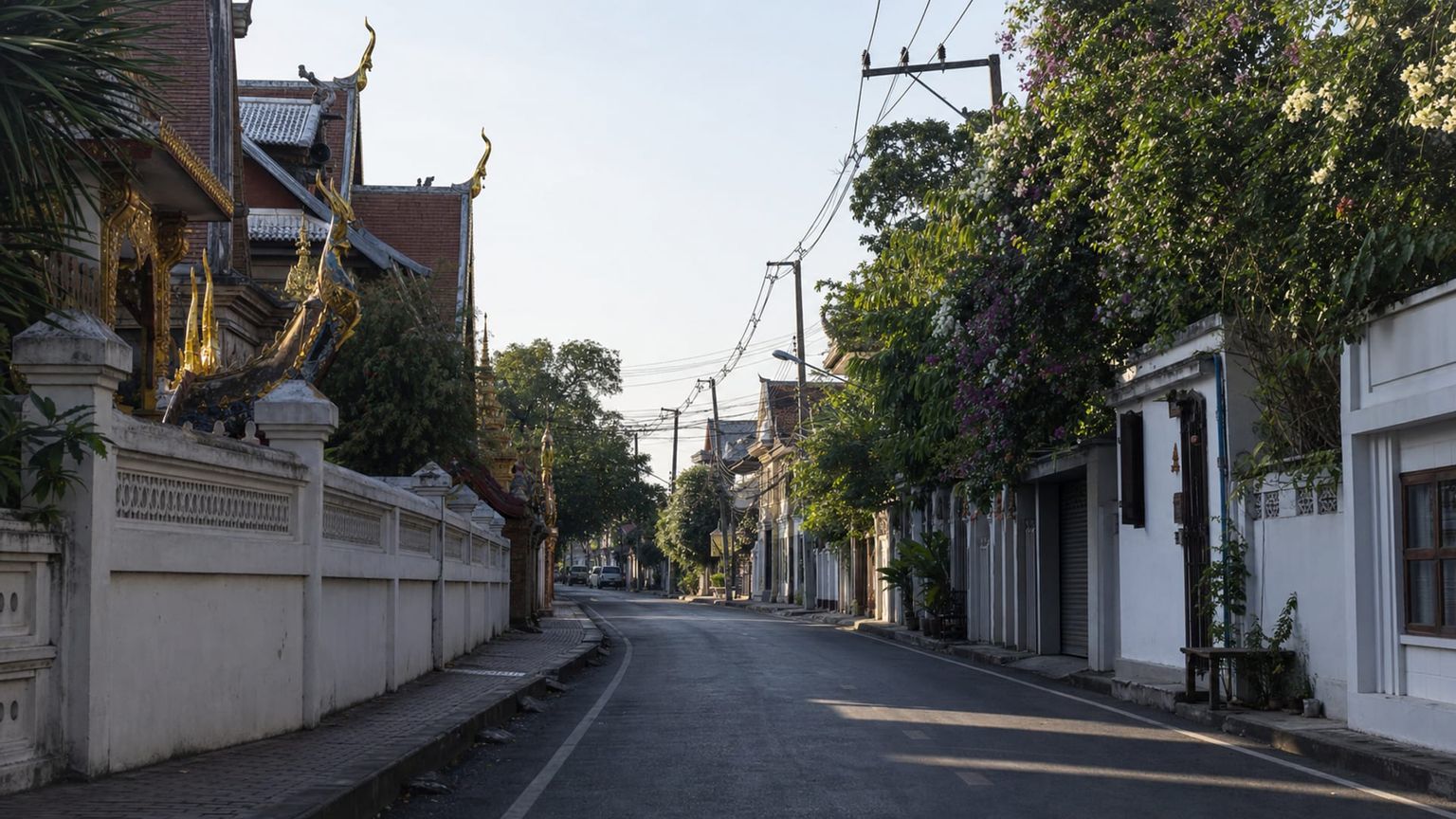
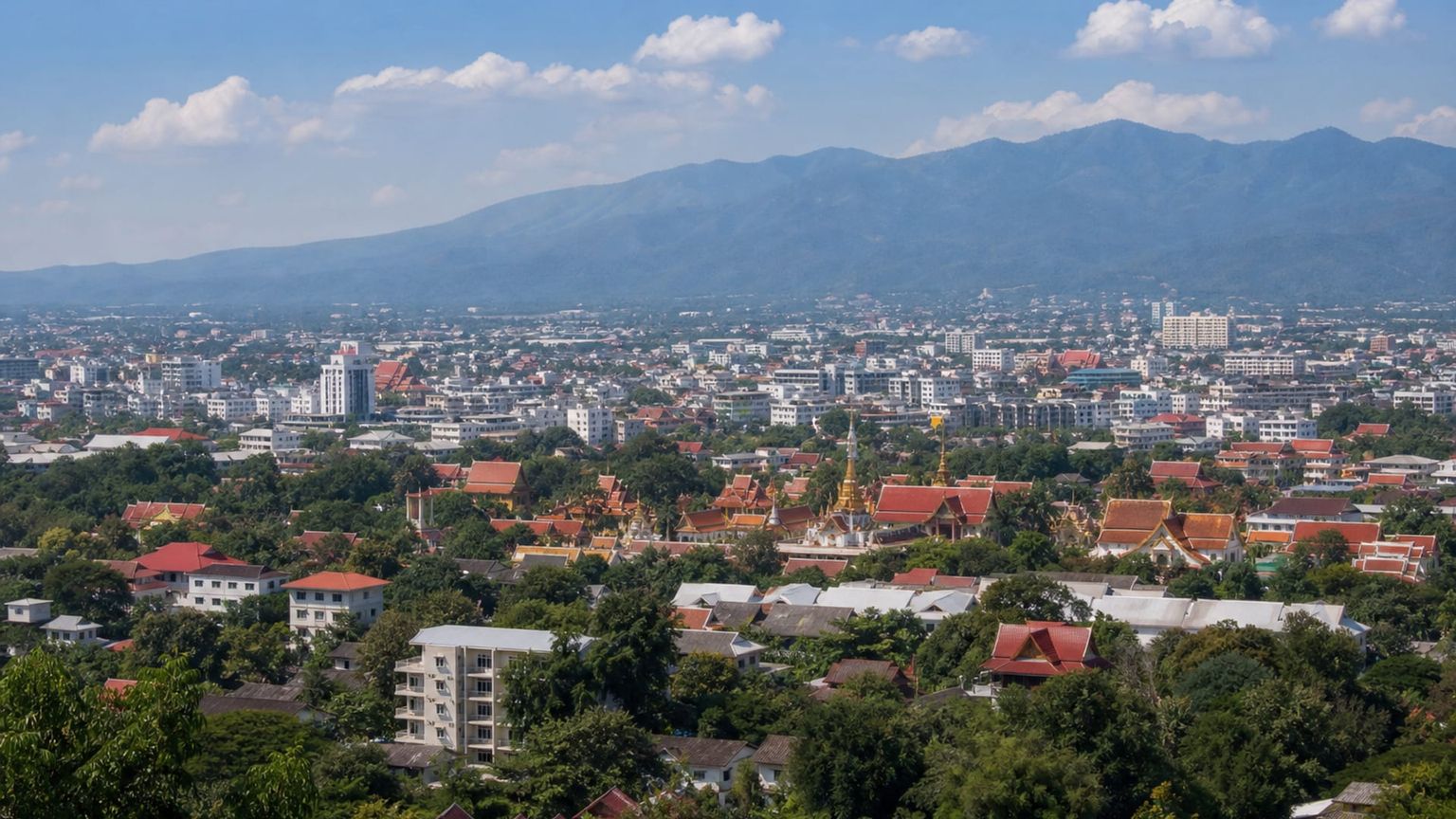
Chiang Mai’s historic core sits inside the old moat and square, with temples, guesthouses, cafes, and night markets packed into walkable streets. It suits visitors who want the city’s main sights close together and easy to reach on foot or by short rides.
Best for: Temple visits, walking-heavy sightseeing, and travelers who want the city’s historic core at the center of their stay
What to expect: Narrow streets, constant scooter traffic, and a steady flow of visitors during the day, with a quieter pace after dinner except near the main gates and market streets.
Hotel prices: Usually about 1,200 to 3,000 baht (~$33 to ~$82) per night for well-rated stays
Distance to major sights: 0 to 10 minutes on foot to Wat Chedi Luang; about 10 to 15 minutes by taxi to Chiang Mai Night Bazaar
Quietness: Quieter early morning and late evening, but daytime and temple hours bring more foot traffic and tour groups.
Main trade-off: The central setting means more noise and less parking, and the best-located rooms can cost more on weekends and festival dates.
Good to know: Choose a room away from the main road or a market lane if you want lighter street noise at night.
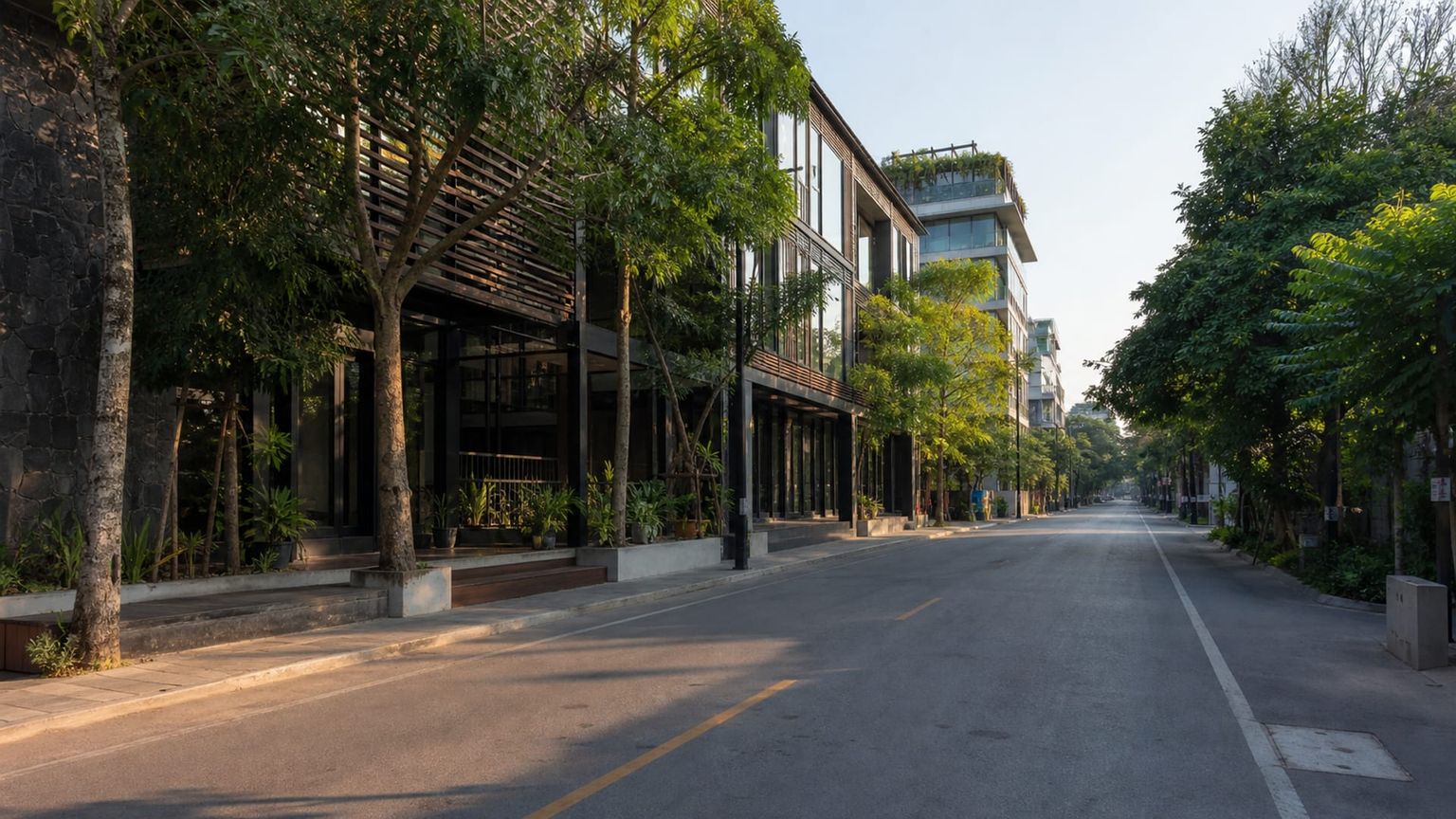
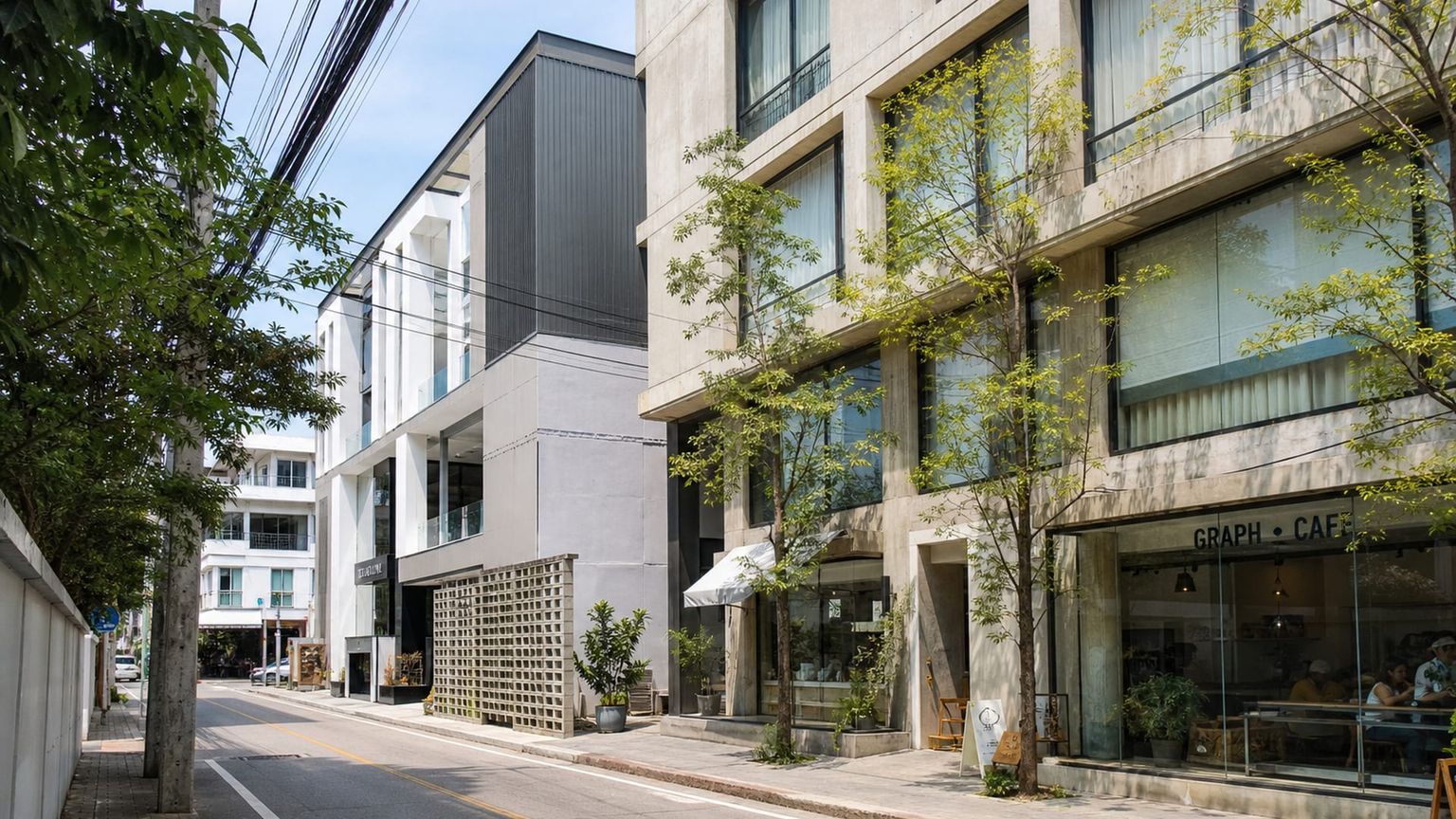
Nimmanhaemin, usually shortened to Nimman, is Chiang Mai’s cafe, bar, and design district west of the old city. It matters if you want modern restaurants, shopping, and nightlife without losing quick access to the center.
Best for: Dining, cafe hopping, nightlife, shopping, and travelers who want a modern base with quick rides to the old city
What to expect: Busy sidewalks, young local crowds, and plenty of late-opening cafes, bars, and malls, especially along the main streets and side sois.
Hotel prices: Usually about 1,500 to 4,000 baht (~$41 to ~$110) per night for well-rated stays
Distance to major sights: About 10 to 15 minutes by taxi to Wat Phra Singh; about 15 to 20 minutes by taxi to Chiang Mai Night Bazaar
Quietness: Lively through the evening, then quieter on side streets after midnight.
Main trade-off: You pay for location and dining options, and some blocks have more traffic and bar noise than the old city.
Good to know: If you are sensitive to late noise, avoid rooms above bars and along the busiest strips near Maya and Nimmanhaemin Road.
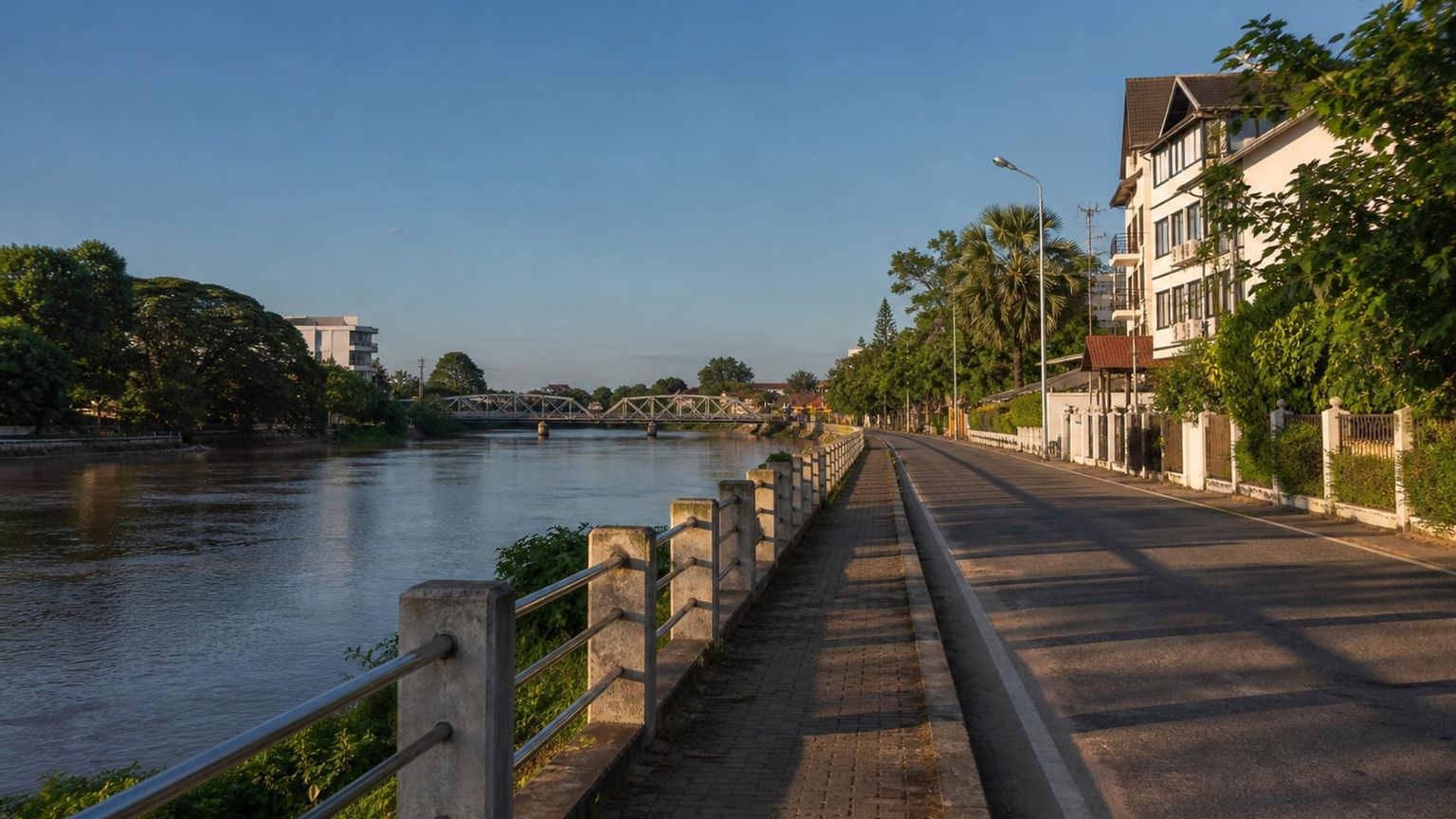
The Riverside stretches along the Ping River east of the old city, with hotels, restaurants, and a slower pace than the central grid. It works well if you want larger properties, river views, and an easy ride to markets and the old town.
Best for: Riverside dining, hotel amenities, and travelers who prefer a quieter base with simple taxi access to the old city and Night Bazaar
What to expect: Broader roads, hotel compounds, and a calmer street scene than the old city, with most activity concentrated in riverfront hotels and restaurants.
Hotel prices: Usually about 1,400 to 4,500 baht (~$38 to ~$124) per night for well-rated stays
Distance to major sights: About 10 to 15 minutes by taxi to Chiang Mai Night Bazaar; about 15 to 20 minutes by taxi to Wat Chedi Luang
Quietness: Quieter than the old city by day and evening, though riverside hotels and restaurants can stay active later at night.
Main trade-off: You will rely on taxis more often, and the best river-view rooms cost more than inland options.
Good to know: Check whether your hotel sits on the river side of the road, since traffic noise rises quickly on the inland blocks.
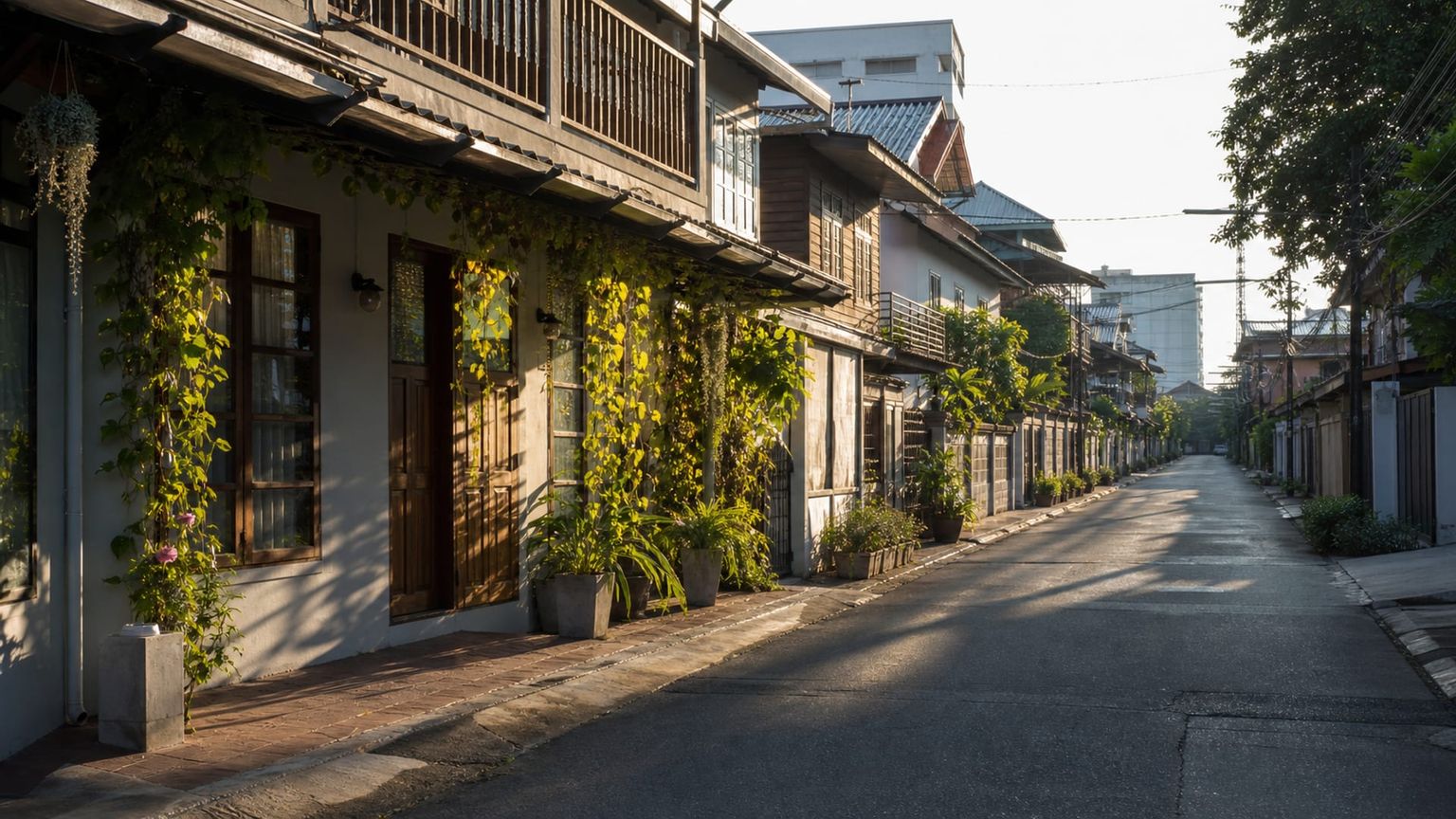
Santitham sits north of the old city and mixes local housing, budget stays, markets, and everyday restaurants. It matters for travelers who want lower-key surroundings and lower prices while staying close enough for short rides to central Chiang Mai.
Best for: Budget stays, longer visits, local dining, and travelers who want an everyday neighborhood rather than a tourist-heavy district
What to expect: Local traffic, small shops, noodle stalls, and fewer visitors than the old city or Nimman, with a neighborhood feel after dark.
Hotel prices: Usually about 800 to 2,200 baht (~$22 to ~$60) per night for well-rated stays
Distance to major sights: About 10 to 15 minutes by taxi to Wat Phra Singh; about 15 to 20 minutes by taxi to Chiang Mai Night Bazaar
Quietness: Calmer than the old city in the daytime, then fairly quiet at night except near major roads and markets.
Main trade-off: You save on lodging, but you will spend more time in taxis or songthaews for temples, nightlife, and riverfront dinners.
Good to know: Do not expect many late-night restaurant choices on the side streets, so dinner plans work best on the main roads.
Travelers usually avoid staying in San Kamphaeng, Doi Saket, and Mae Rim if they want easy access to Chiang Mai’s Old City, Night Bazaar, and Nimmanhaemin, because these districts sit well outside the main visitor areas and hotel choices are spread out. Hang Dong and parts of the airport corridor can also be less convenient for sightseeing, since they sit farther from the core attractions and often require longer evening rides for dinners and night markets.
Hotel deals
How to get around Chiang Mai efficiently
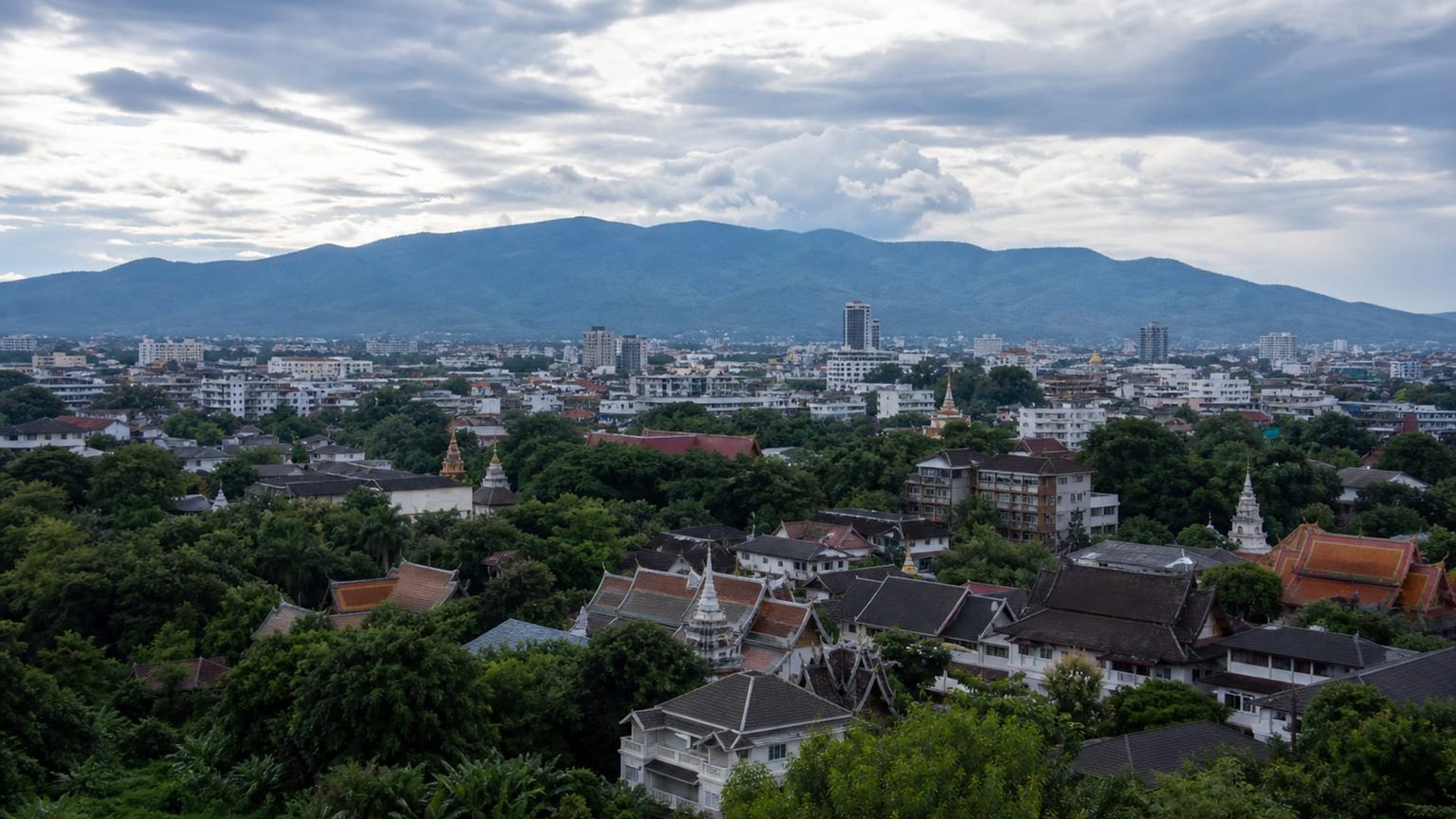
Chiang Mai has no metro, so the city opens up through red songthaews, taxis, ride-hailing apps, and the occasional long walk inside the Old City.

Metro
for longer distances
Chiang Mai has no metro or suburban rail, so most visitors rely on roads rather than a rail network. For trips into the center, use the airport road, or switch to taxi or bus services for the final leg.

Bus and tram
for convenience
Red songthaews, the shared pickup trucks, cover most of Chiang Mai and are the closest thing to a city bus network. Fares are usually about $0.30 to $1.50 (฿10 to ฿50) for short hops, with prices rising on longer cross-town rides, and you should confirm the fare before boarding; public buses and airport shuttles also run on a limited set of routes.

Taxi
for convenience or late hours
Licensed taxis use metered fares, though airport pickups and some hotel cars quote fixed prices instead. A ride from Chiang Mai Airport (CNX) to the Old City often costs about $4 to $9 (฿150 to ฿300) by meter or set fare, with longer cross-town trips roughly $3 to $12 (฿120 to ฿400); ask for the meter, carry cash for drivers who do not take cards, and use the official taxi stand or a ride-hailing app when possible.
*Prices are based on rates updated as of June 2026 and may change at the time of travel.
Use songthaews for short cross-town hops, taxis or Grab for airport runs and temple trips outside the moat, and walking when your day stays inside the Old City.
Iconic landmarks
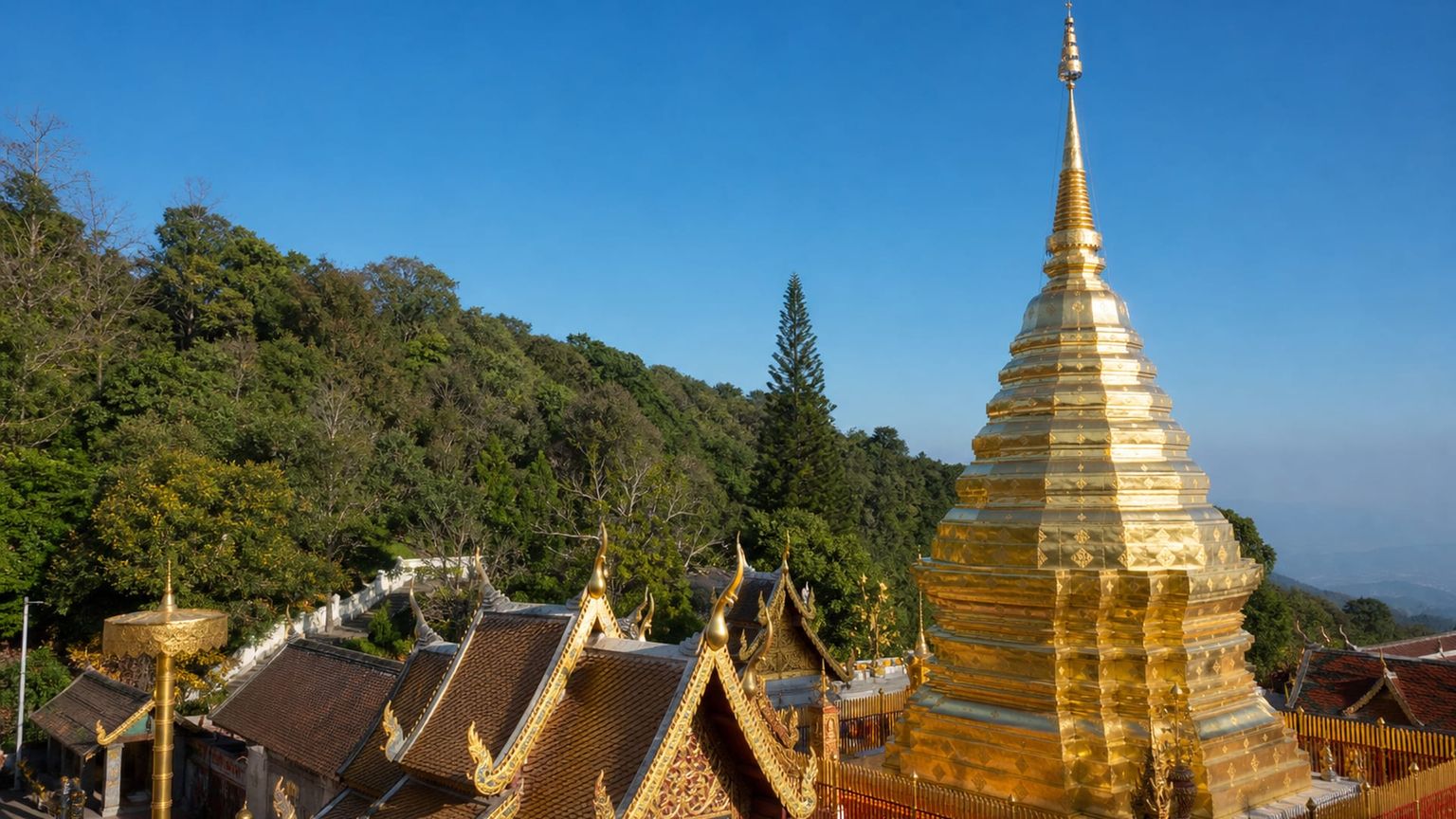
Wat Phra That Doi Suthep
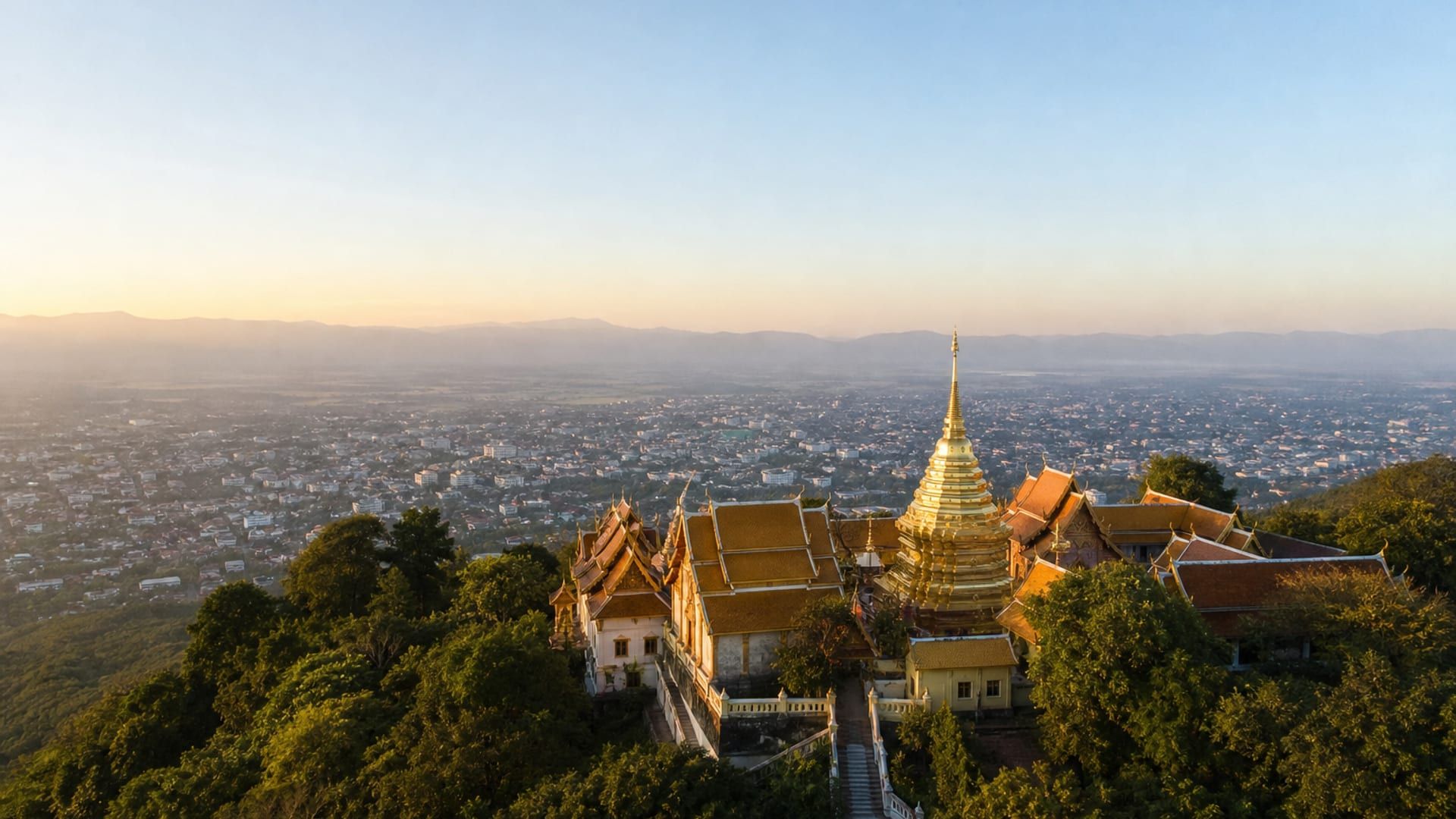
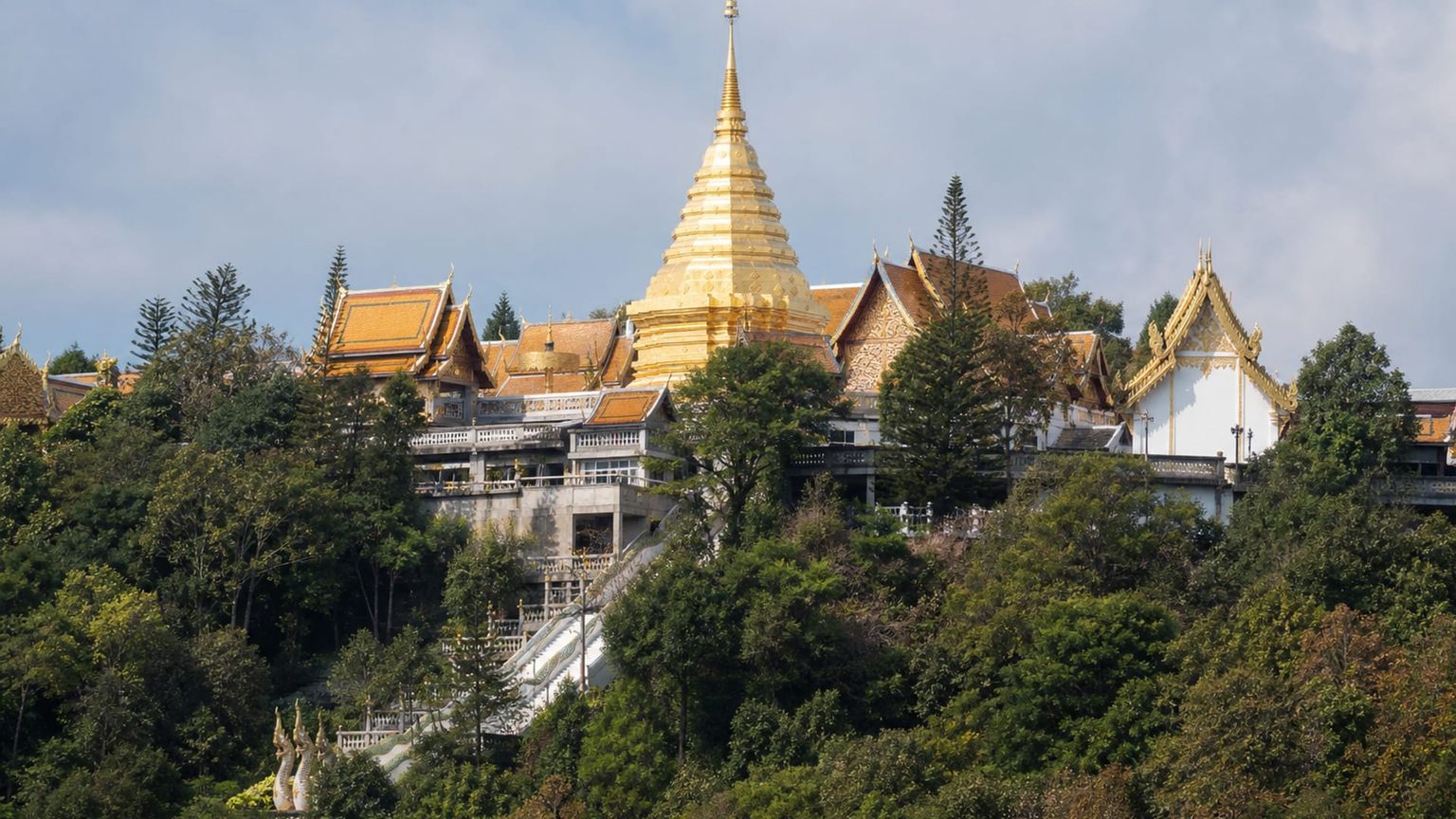
This mountaintop temple overlooks Chiang Mai from the Doi Suthep ridge, about 15 km from the center. Golden chedis, a stairway guarded by nagas, and city views make it one of the area’s defining Buddhist sites.
Time needed: About 1 to 2 hours
Entry: Entry costs about $2 (฿30) for foreign visitors; cable car rides are extra and vary by operator and season. Visit the official site for details.
Tip: Go early or late afternoon for cooler air and clearer city views from the terrace.
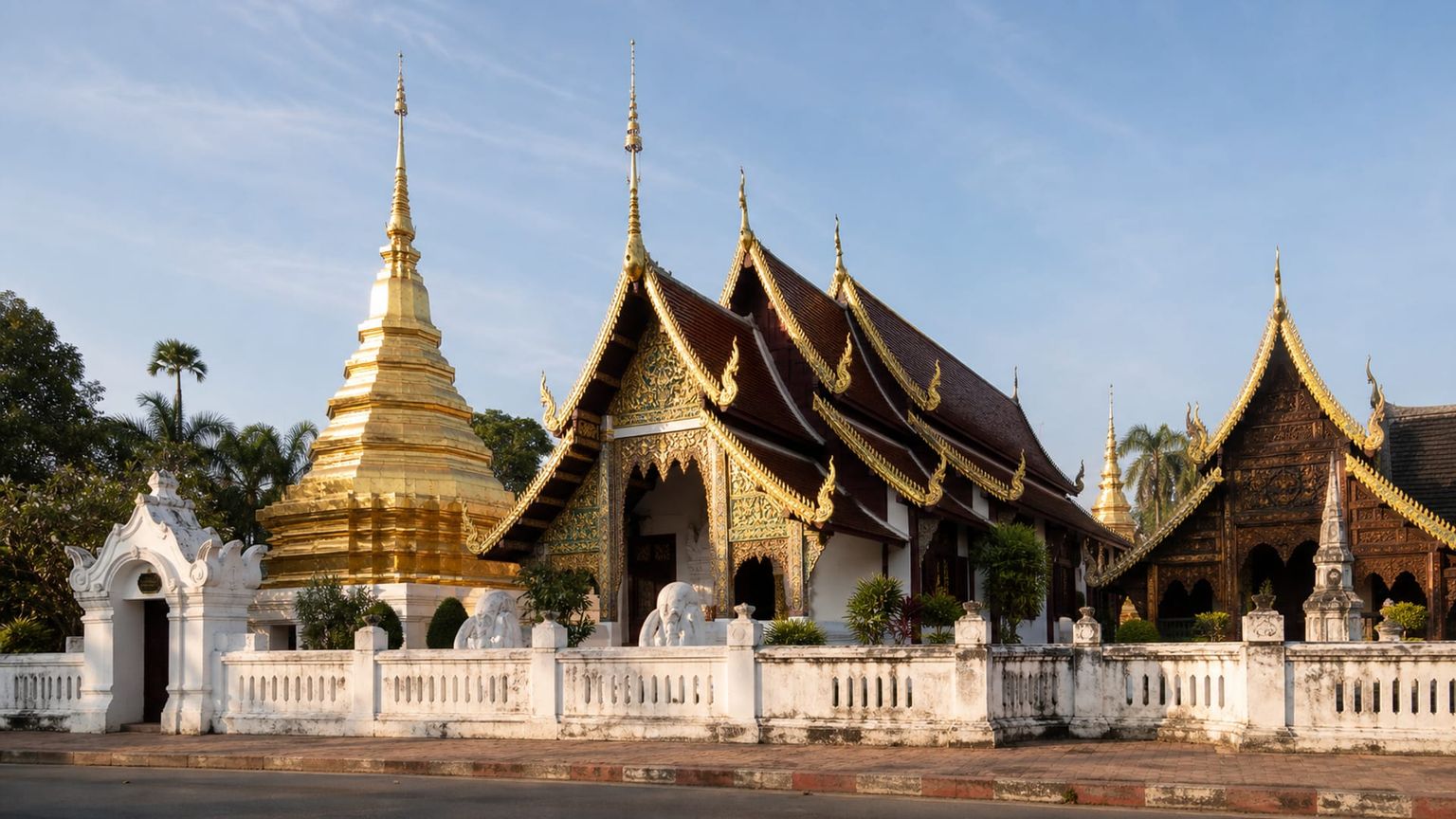
Chiang Mai Old City temples
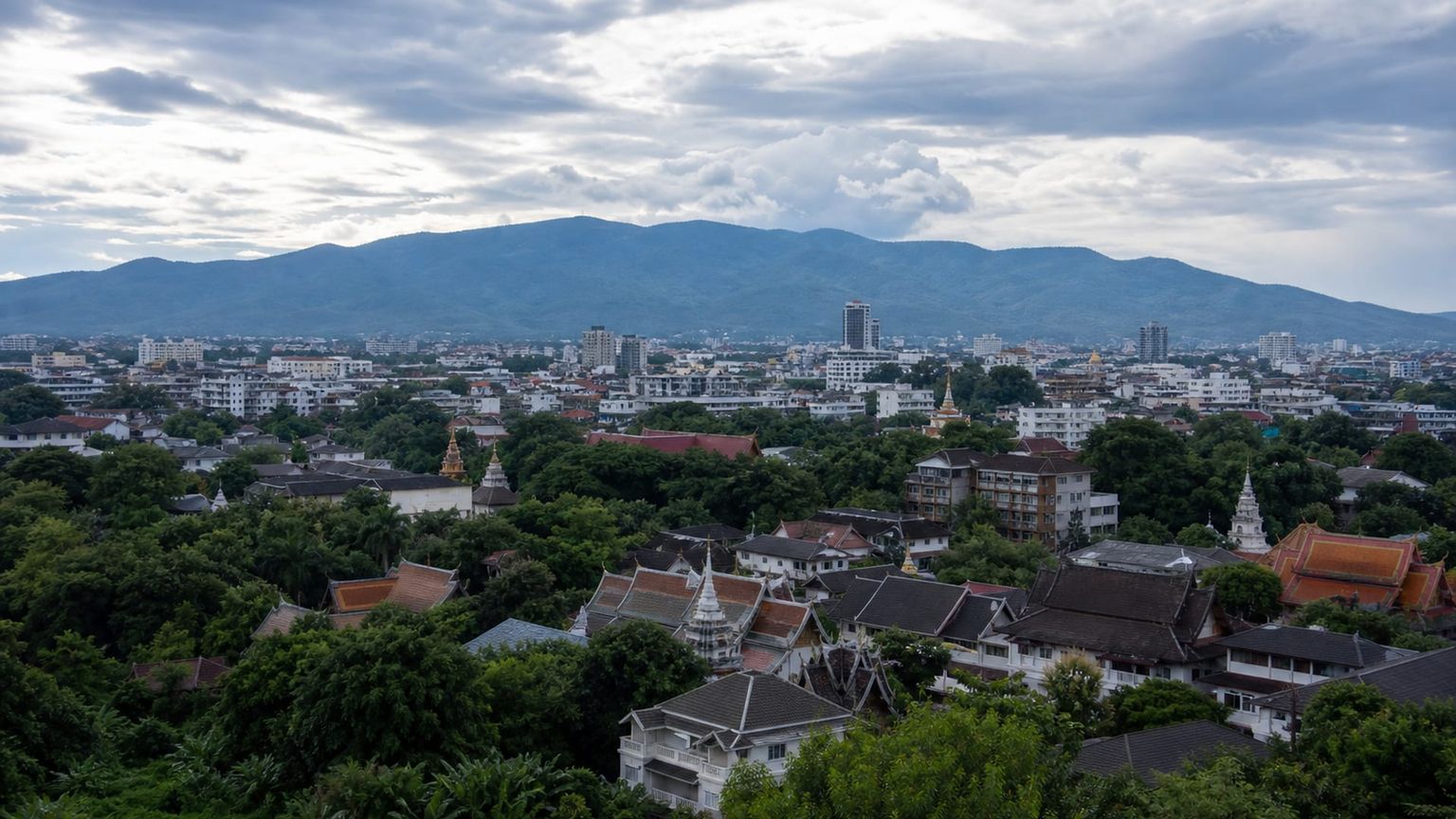
Inside the moat, Chiang Mai’s Old City concentrates some of the city’s oldest temples, including Wat Chedi Luang and Wat Phra Singh. Their brick ruins, teak halls, and active monastery grounds sit within easy walking distance.
Time needed: About 3 to 4 hours
Entry: Free to enter most temple grounds; some buildings or museum rooms charge about $1 to $3 (฿20 to ฿100) per person.
Tip: Start early, then pause at one temple café before the midday heat builds inside the moat.
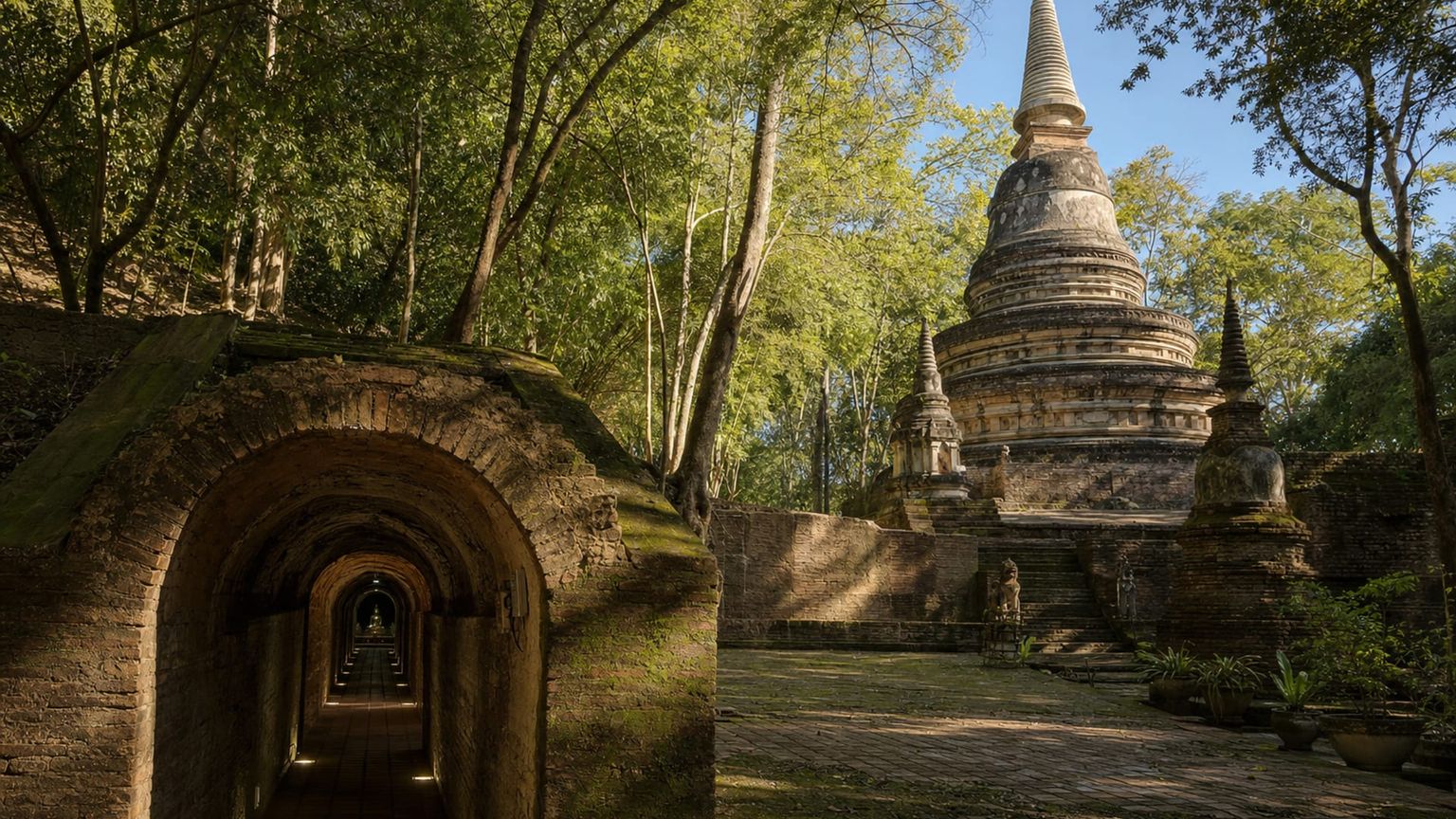
Wat Umong
Wat Umong sits in a wooded area about 5 km southwest of downtown, with 700-year-old tunnel shrines, a large chedi, and roaming deer. The grounds mix forest paths, stone passages, and quiet pond edges.
Time needed: About 1 to 2 hours
Entry: Free to access; donations are welcome, and there is no timed-entry requirement for the grounds or tunnel shrines. Visit the official site for details.
Tip: Visit near sunrise or late afternoon, when the tunnels are cooler and the paths sit in softer light.
Overlooked sites worth visiting

Huay Kaew Waterfall
A shaded cascade at the edge of Doi Suthep-Pui National Park, with short trails, boulders, and a stream that runs after the rains. It draws more locals than tourists, so weekday mornings are quiet.
Time needed: About 1 to 2 hours
Entry: Entry is free for the waterfall area; the national park may charge a separate vehicle or park fee at the gate, usually about $1 to $6 (about 40 to 200 baht), depending on vehicle type and current park rules.
Tip: Go after rain, when the flow is strongest and paths are less dusty.

Wat Ched Yot
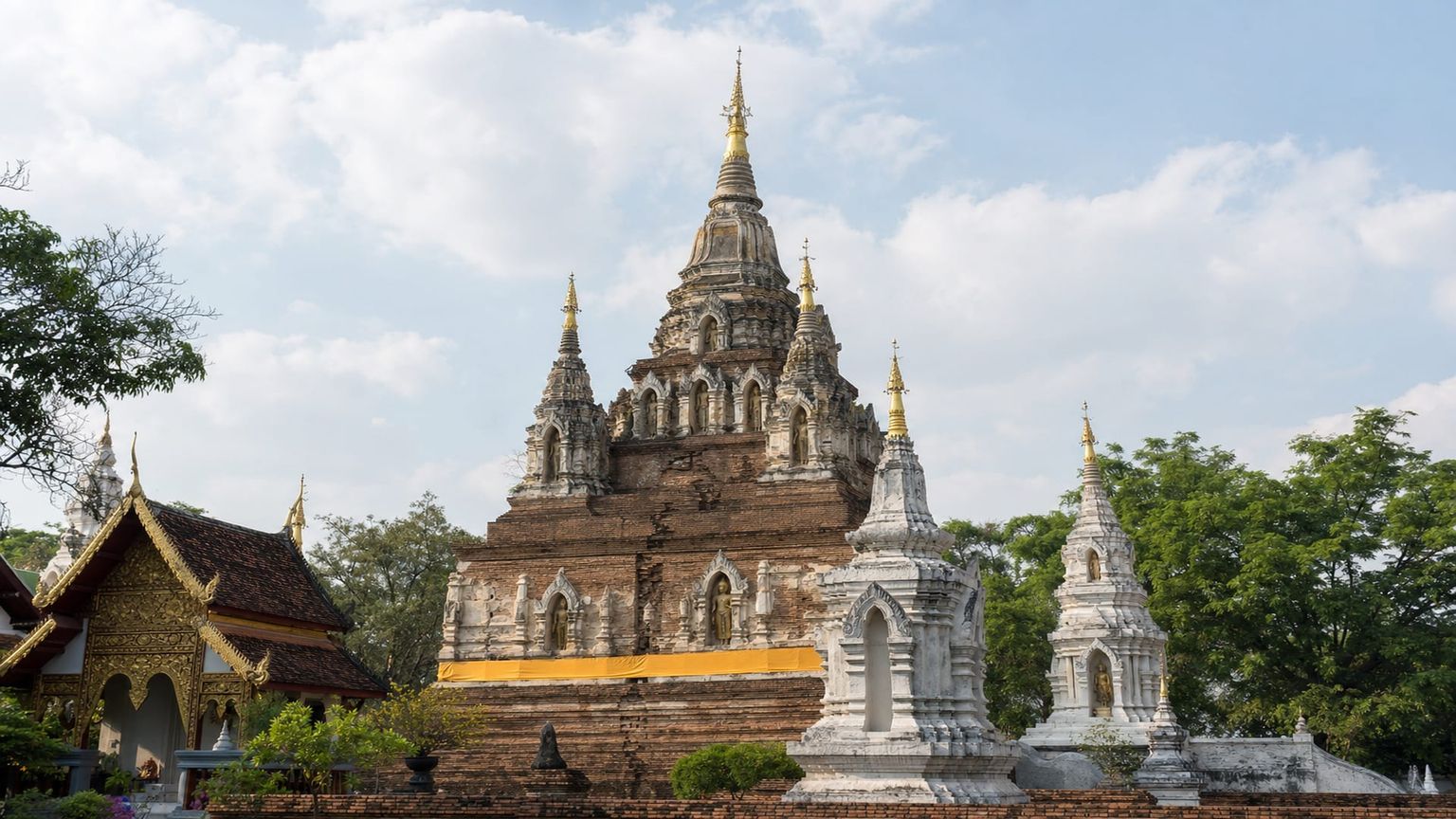
This 15th-century temple sits north of the old city and pairs a square, seven-spired main chedi with smaller shrines and stone reliefs. It is far calmer than Chiang Mai’s better-known temple stops.
Time needed: About 1 hour
Entry: Entry is free to access the temple grounds for most visitors, though donations are welcome; some special areas or events may charge a small fee, and opening hours can vary by day and festival schedule.
Tip: Visit in late afternoon for softer light on the brickwork.
Traditional food
Chiang Mai’s food leans on coconut, herbs, grilled pork, and curry paste, with khao soi, sai ua, nam prik noom, and gaeng hang lay showing the city’s northern Thai depth.
Khao soi
This coconut curry noodle soup is the city’s signature bowl, with egg noodles, pickled greens, and a crisp noodle topping. Khao Soi Khun Yai is a classic Chiang Mai stop for a first taste.
Sai ua
Northern Thai herb sausage brings lemongrass, kaffir lime, and chile into a smoky, pork-heavy bite. Huen Phen serves a well-known version in the Old City, alongside other regional dishes.
Nam prik noom
This green chile dip comes with fresh vegetables and often appears as part of a larger northern spread. Khao Soi Mae Sai pairs it with a menu that draws both locals and visitors.
Gaeng hang lay
A ginger-forward pork curry with Burmese influence, gaeng hang lay tastes deeper and less sweet than many central Thai curries. Tong Tem Toh is a dependable place to order it with a few other northern dishes.
Best time to visit Chiang Mai
Chiang Mai changes more by heat and rain than by dramatic temperature swings, so the best month depends on whether you want cooler temple days, greener hills, or lighter crowds.
Best for: Cool temple days and clear mountain views
What you get: About 59 to 86°F (15 to 30°C), with the highest visitor numbers and the easiest conditions for walking
Trade-offs: Popular dates raise hotel demand, and Doi Suthep can feel busy midday
Best for: Early-morning sightseeing before the heat builds
What you get: About 73 to 100°F (23 to 38°C), with thinner crowds after the New Year rush
Trade-offs: Afternoons often feel hot, and haze can affect distant views
Best for: Lower-season stays and green scenery after rain
What you get: About 75 to 92°F (24 to 33°C), with fewer visitors and afternoon showers
Trade-offs: Rain can interrupt outdoor plans and temple hopping
Best for: A balance of softer heat and fuller waterfalls
What you get: About 72 to 90°F (22 to 32°C), with moderate crowds and frequent breaks in the rain
Trade-offs: Wet days can make road timing less predictable
A realistic 5-day plan in Chiang Mai
Five days in Chiang Mai works best when you separate the compact temple core from the hill temple, the forest stop, and the newer districts. This plan does that, then leaves room for a slow final morning before departure.
Land at Chiang Mai (CNX) and take a taxi or prebooked car to your hotel, which usually takes about 15 to 25 minutes and costs roughly $5 to $10, depending on traffic and whether you stay in the Old City, Nimmanhaemin, or the Riverside. If you want the easiest first evening, book a room in the Old City or at the river, then settle in with water, a short walk for khao soi or another simple northern Thai dinner, and an early night after the flight.
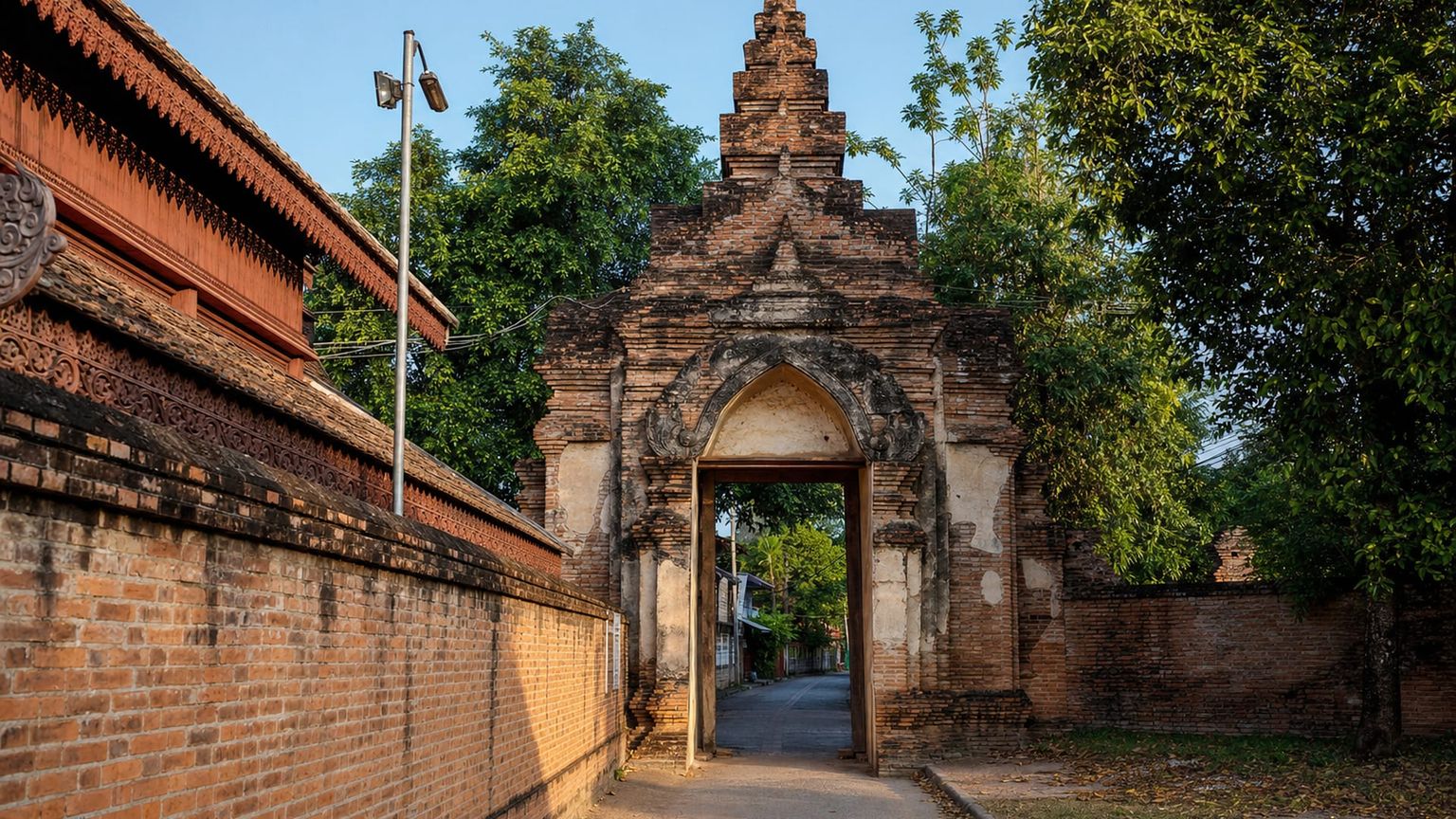
Start inside the Old City, where Wat Phra Singh and Wat Chedi Luang sit about 10 to 15 minutes apart on foot, and plan about 3 to 4 hours to move between them and a nearby café stop. From there, a taxi to Wat Umong takes about 15 to 20 minutes, and the forest grounds reward an unhurried hour or two before you head back to Nimmanhaemin or the Old City for dinner.
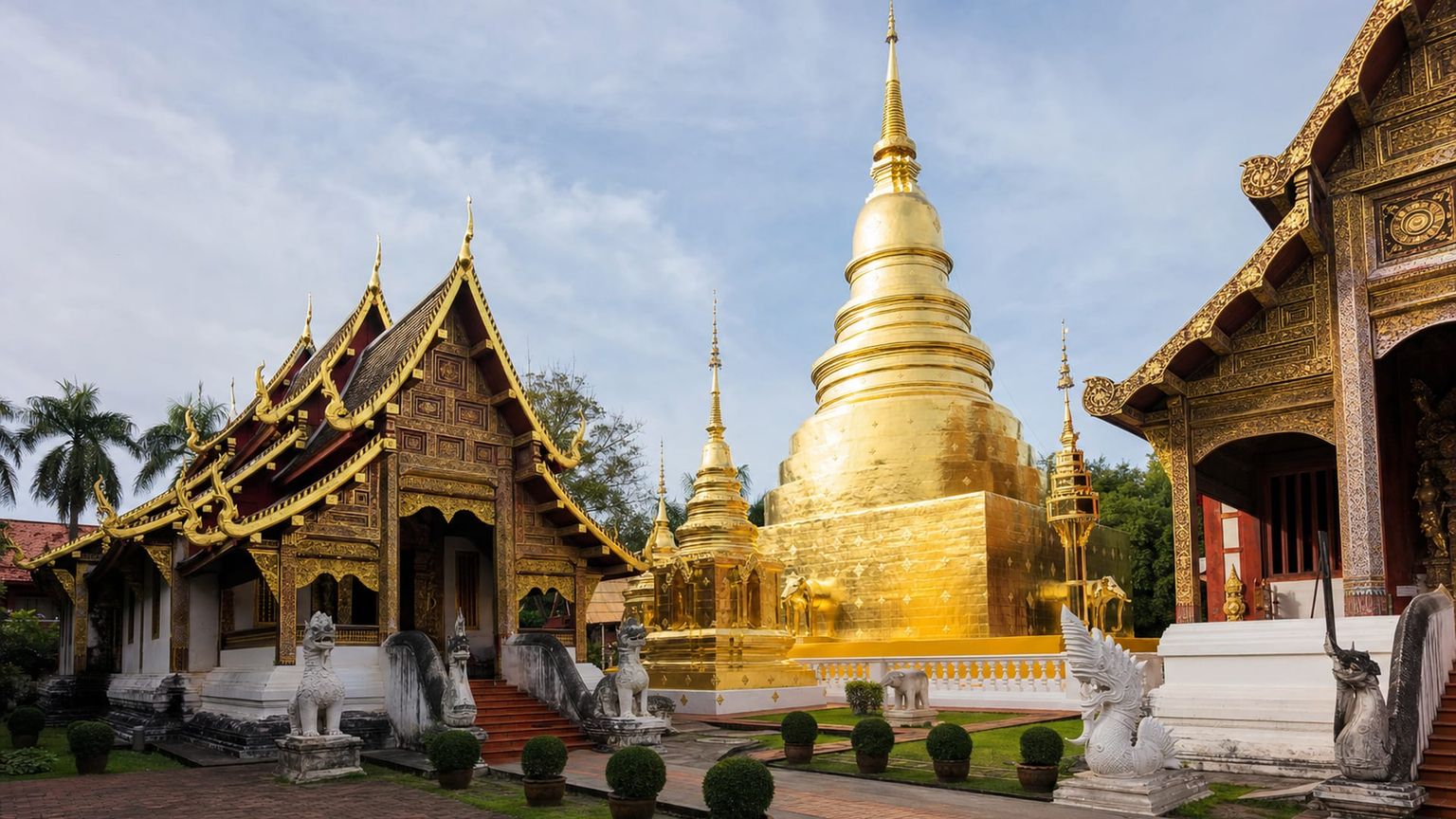
Head up to Wat Phra That Doi Suthep early, since the ride from central Chiang Mai takes about 40 to 60 minutes by taxi or songthaew, and the temple visit itself takes about 1 to 2 hours. After that, continue down to Huay Kaew Waterfall, which sits about 15 to 20 minutes away by road, then finish with an easy return to the Old City or Nimman for an early supper.
Begin in the north side of town at Wat Ched Yot, where you can spend about an hour before a taxi ride of roughly 15 to 20 minutes brings you to the Old City temples for a fuller circuit of Wat Phra Singh and Wat Chedi Luang. If you want a slower close, return via the Riverside for dinner, since it is about 10 to 15 minutes by taxi from the old moat and gives you a calmer place to end the day.
A final morning works well for one last stop at Wat Umong if you missed it earlier, or a short revisit to the Old City temples if you want a second look before check-out. After that, head to Nimmanhaemin for café time and design-shop browsing, then finish with a relaxed meal near your hotel, whether you are staying in the Riverside, the Old City, or Santitham.
Business-class flights from the US to Chiang Mai
Long-haul flights into Chiang Mai usually connect through major Asian hubs, so the most useful comparisons are the airlines, the total journey time, and how much a layover changes the fare.
From New York (JFK), common carriers include Thai Airways, Cathay Pacific, EVA Air, Korean Air, and Japan Airlines. If you do not mind a stop, typical connections via BKK or HKG take about 19 to 27 hours and often reduce the fare. Business-class fares from New York (JFK) to Chiang Mai (CNX) usually run from $3,800 to $6,800 round-trip.
Los Angeles (LAX) also connects through BKK, HKG, ICN, NRT, or TPE on Thai Airways, Singapore Airlines, Cathay Pacific, EVA Air, and Korean Air. From $3,200 to $5,900 round-trip is a common business-class range, and one-stop itineraries often cost less than the fastest options.
Chiang Mai feels different when you slow down
A deliberate Chiang Mai stay usually means one base in the Old City, Nimmanhaemin for a meal or two, and a separate day for Doi Suthep or Wat Umong instead of trying to link everything at once. Red songthaews, taxis, and short walks each have their place, and the city makes more sense when you let those distances stay visible. If you want help shaping the route, AranGrant experts can match your hotel and flight plan to the neighborhoods that fit your trip







