

Chapters:

Need help with your trip?
Our support team is available 24/7. Request a callback or call us directly at (833) 619-0908
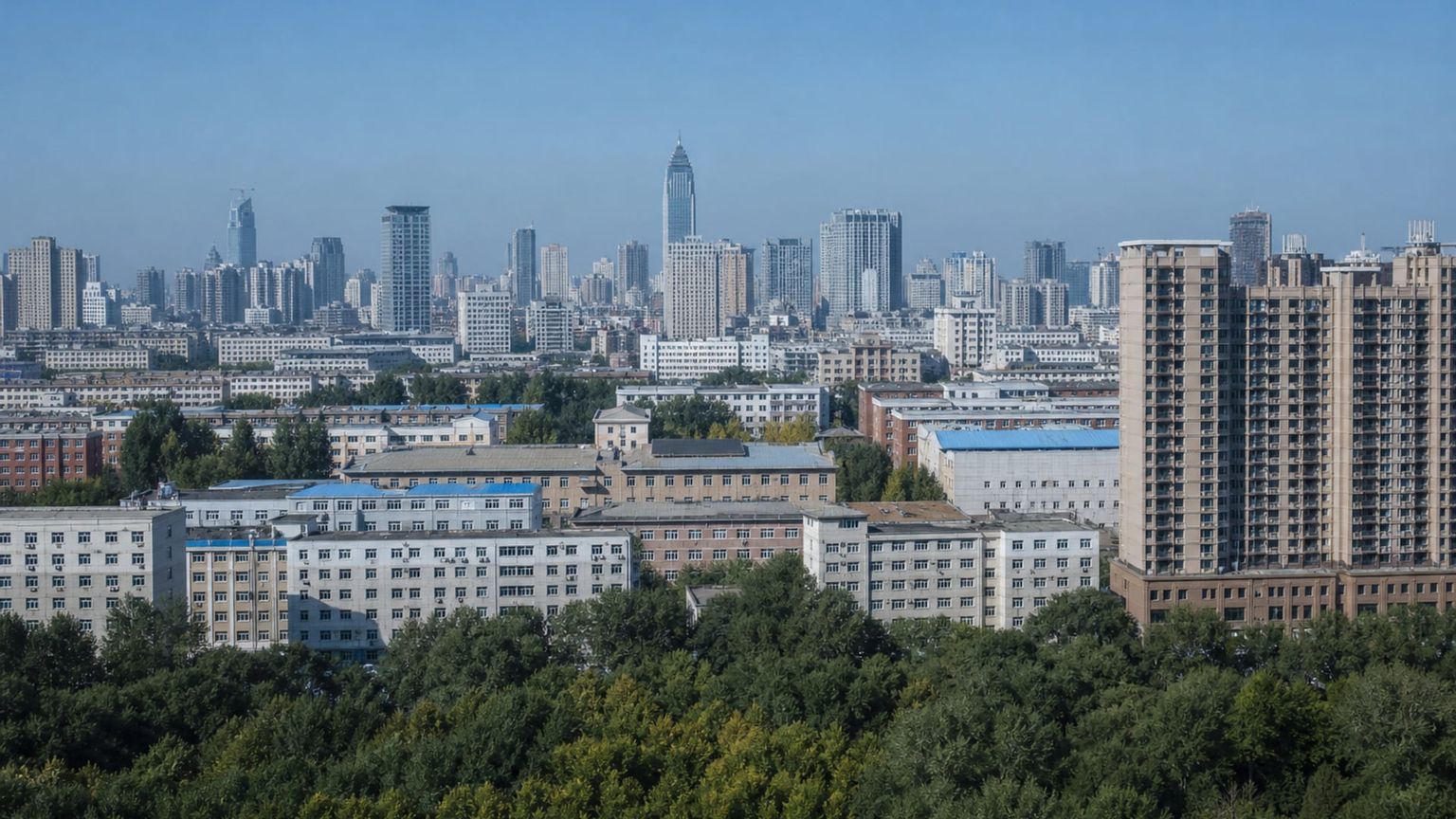
Changchun trips often start with a palace visit, a sculpture park, and a hotel in the center, but many visitors miss how much time the city asks for between those stops. The distances are not extreme, yet they shape the day more than first-time planners expect.
Nanguan, Chaoyang, and the southeast side each pull the itinerary in a different direction, so a rushed schedule can add extra taxi rides and leave the quieter parts of the city out. That makes evenings feel fragmented and sightseeing feel compressed.
This guide keeps the pace measured, groups sights by district, and shows where to stay, eat, and move so the city reads as a set of clear choices instead of a long series of cross-town transfers.
Useful things to know

Main language(s): Mandarin Chinese
你好 (nǐ hǎo) – Hello
请 (qǐng) – Please
谢谢 (xièxie) – Thank you
你会说英语吗? (nǐ huì shuō yīngyǔ ma?) – Do you speak English?
多少钱? (duōshao qián?) – How much does it cost?

Currency: The local currency is the Chinese yuan (CNY, ¥).

Cash and cards: Cards and contactless are accepted in larger hotels and malls; carry about CNY 200 to 300 ($28 to $42) in cash.

Tipping: Tipping is not customary in most places; rounding up small bills is fine.

Traditional food: Guobaorou, Di San Xian, Jiaozi, Dongbei barbecue

Water and coffee costs: Water about CNY 3 to 5 ($0.50 to $0.70), bar espresso about CNY 25 to 35 ($3.50 to $5).

Taxis and ride apps: DiDi works here; Baidu Maps can help with addresses.

Plug and voltage: Type A/C socket, 220V

Dining and shop opening hours: Breakfast is about 7:00-9:00 am, lunch 11:30 am-1:30 pm, and dinner 5:30-8:00 pm. Many restaurants close late evening, with some all-day places open longer.

Emergency number: 110 police, 119 fire, 120 ambulance.
Where to stay in Changchun
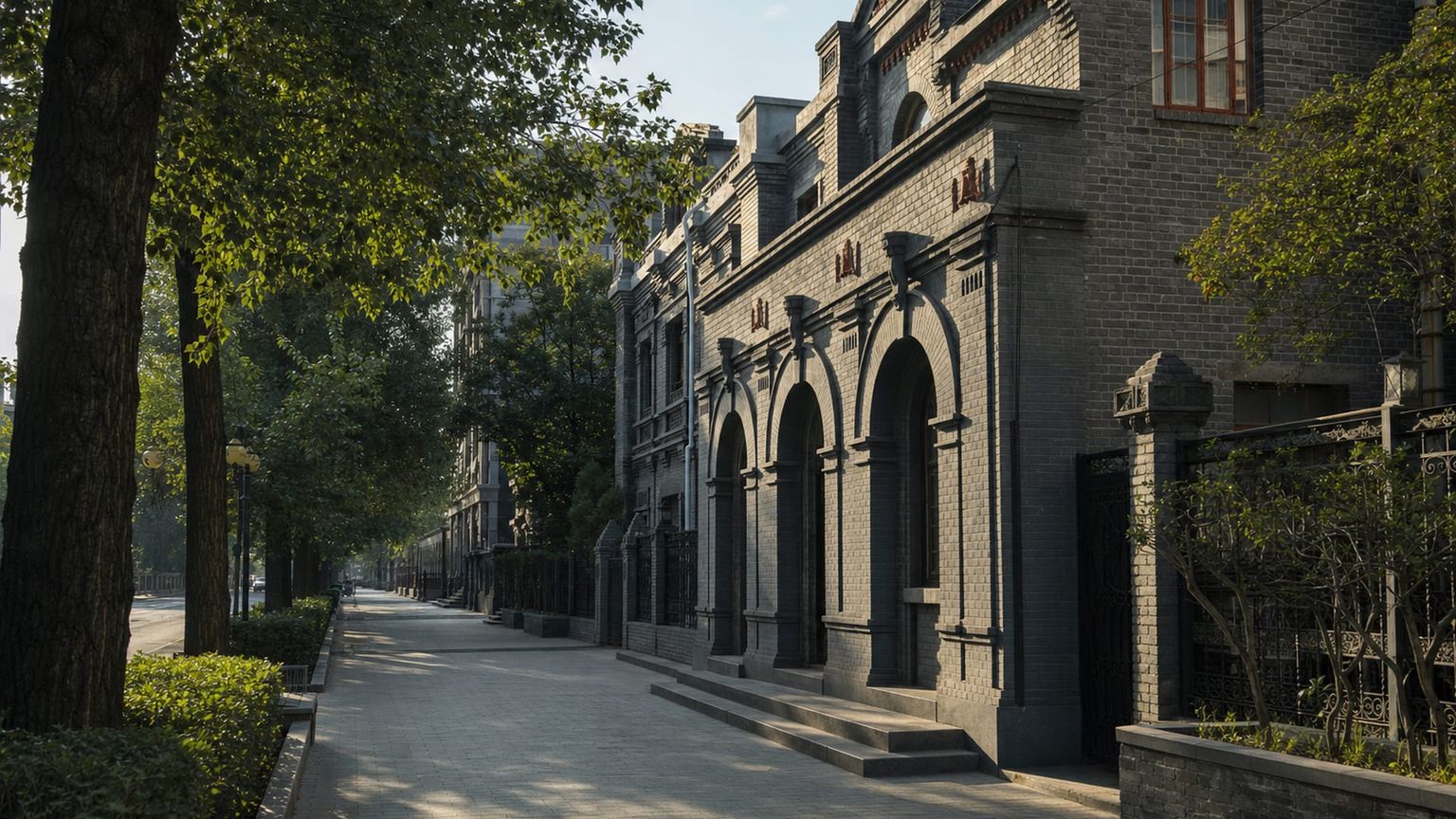
Changchun’s central business district, Chaoyang District puts you close to government offices, major malls, and the city’s most developed hotel stock. It works well as a base when you want short rides to museums, restaurants, and shopping streets.
Best for: Business trips, shopping, and first stays in the city center
What to expect: Busy avenues by day, with office workers, shoppers, and hotel traffic around the main intersections.
Hotel prices: Usually about ¥350 to ¥800 (~$48 to ~$110) per night for well-rated stays
Distance to major sights: 10 to 20 minutes by taxi to Culture Square and roughly 20 to 30 minutes to Puppet Manchukuo Palace
Quietness: Daytime is busy and traffic-heavy, while evenings settle somewhat once offices close and restaurant streets take over.
Main trade-off: You pay more for central placement, and the busiest blocks can feel loud during rush hour.
Good to know: Choose a hotel a few blocks off the biggest arterial roads if you want easier sleep, because several major intersections carry heavy traffic late into the evening.
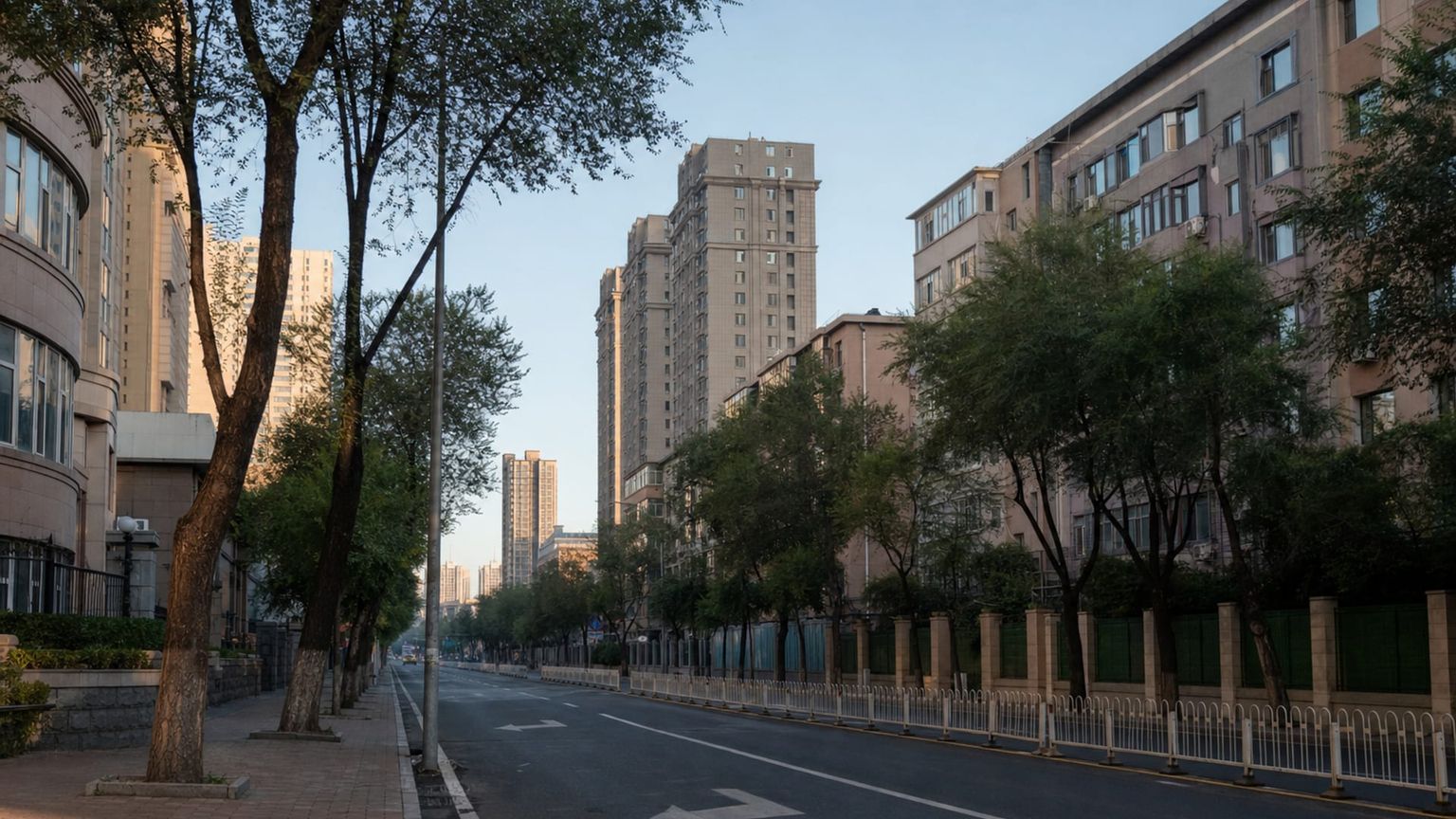
Nanguan District sits near some of Changchun’s most important cultural stops, including the Puppet Manchukuo Palace area and nearby museums. It suits visitors who want to spend more time sightseeing on foot or with short taxi rides.
Best for: Museum visits, sightseeing, and travelers who want short hops to central landmarks
What to expect: A mix of local streets, visitor traffic near attractions, and steady movement around the commercial corridors.
Hotel prices: Usually about ¥300 to ¥700 (~$41 to ~$96) per night for well-rated stays
Distance to major sights: About 10 to 25 minutes by taxi to Puppet Manchukuo Palace and 15 to 30 minutes to Culture Square
Quietness: Days are active near the main sights, while evenings are calmer once tour groups and daytime crowds thin out.
Main trade-off: You get good access to the historic core, but some streets near attractions can be crowded and parking can be tight.
Good to know: If you plan to visit multiple museums, check opening days before booking, because some of the area’s top stops close one day a week.
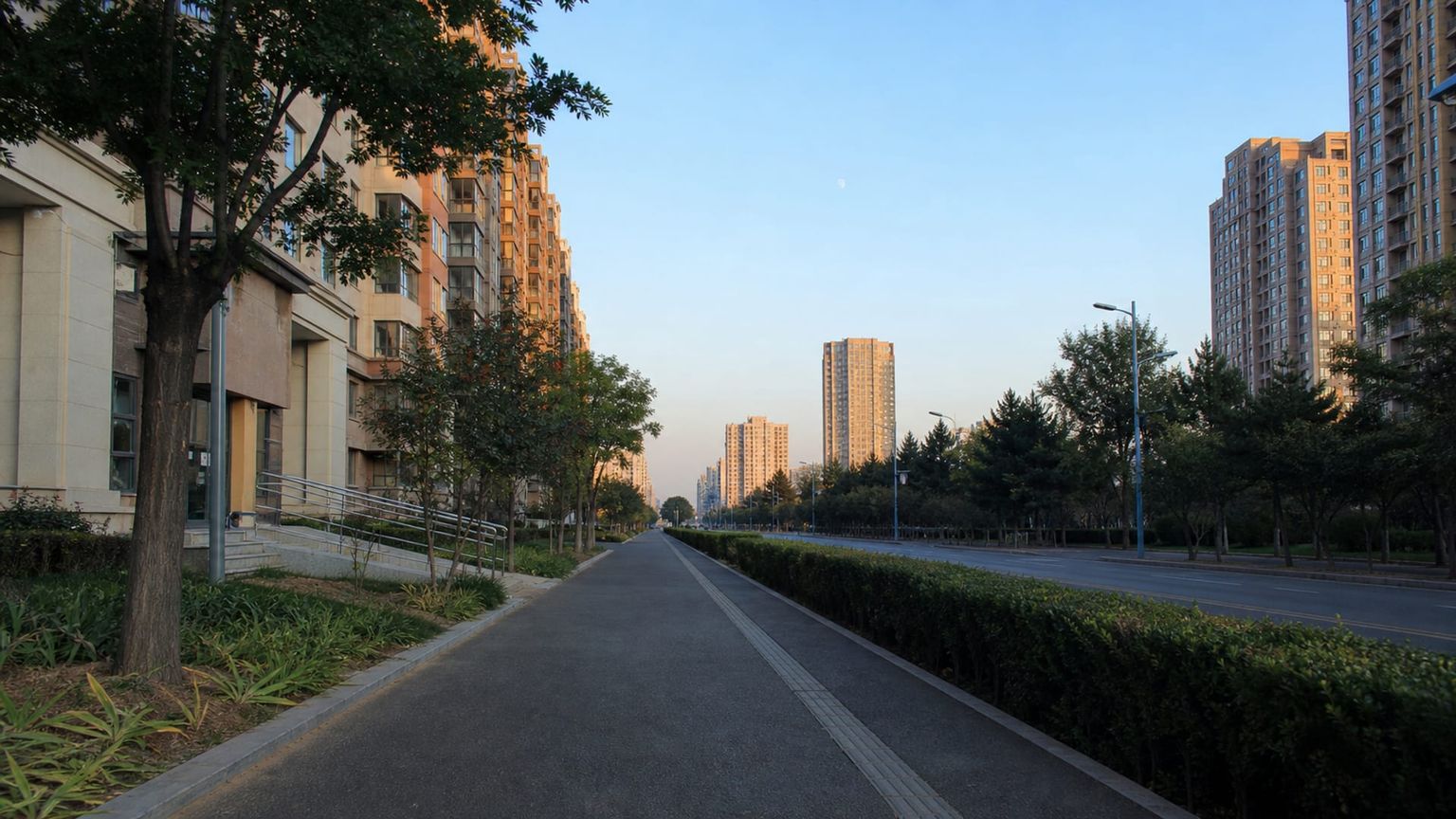
Erdao District covers a broad residential and commercial stretch east of the core, with newer housing, shopping centers, and easy road access into the city center. It suits longer stays or travelers who prefer a less central base with larger hotels.
Best for: Longer stays, drivers, and travelers who want newer lodging options
What to expect: Wider roads, more local commuting, and fewer tourist-oriented streets than the central districts.
Hotel prices: Usually about ¥260 to ¥600 (~$36 to ~$83) per night for well-rated stays
Distance to major sights: Roughly 20 to 35 minutes by taxi to Puppet Manchukuo Palace and about 25 to 40 minutes to Culture Square
Quietness: Days can be busy near malls and commuter roads, while evenings are generally calmer in residential blocks.
Main trade-off: You save some money and get newer rooms, but you will spend more time reaching the main sightseeing areas.
Good to know: Check the exact subway stop before booking, because not every hotel in this district sits close to a station.
Travelers usually avoid staying in Lvyuan District, Nanguan District, Kuancheng District, and some outer parts of Erdao District, since they sit farther from the main visitor areas in Chaoyang District and the city’s biggest sights. These areas have fewer hotel clusters, fewer dining and nightlife options near the station and museum core, and longer evening taxi rides back to central Changchun.
Hotel deals
How to get around Changchun efficiently
Changchun’s metro is small, Route 120 links the airport side to the bus network, and taxis fill the gaps between the main museum and shopping districts.

Metro
for longer distances
Changchun has a small metro network, with fares that start at about $0.22 (¥2) and rise by distance; tickets usually stay valid for the trip you make on the line. It links key parts of the city, including the airport side through transfers, but it does not reach every district, so plan on combining it with buses or a taxi for the last leg. Trains are useful for longer cross-city rides, and posted station signs are in Chinese with some English.

Bus and tram
for convenience
Route 120 from Changchun (CGQ) airport connects to the urban bus network, and city buses usually cost about $0.22 (¥2) to $0.43 (¥3), with transfers depending on the operator. Buses cover most neighborhoods, shopping streets, and rail stations, though service can thin out late at night and on outer-city links. Have small bills or a transit card ready, because on-board payment is often cash or card-based rather than app-only.

Taxi
for convenience or late hours
Licensed taxis in Changchun use the meter, with a daytime flag-fall of about $1.70 (¥12) for the first 2 km, then roughly $0.22 to $0.26 (¥1.6 to ¥1.9) per km, plus a late-night surcharge in some cases. A ride from Changchun (CGQ) airport to the city center usually lands near $12 to $20 (¥85 to ¥145), depending on traffic and the exact drop-off point. You can queue at the official taxi rank, and most drivers accept cash, while some also take local mobile payment apps.
*Prices are based on rates updated as of June 2026 and may change at the time of travel.
Use taxis for the airport and longer cross-town rides, the metro for selected city hops, and buses when you are heading to a stop on a clear daytime route.
Iconic landmarks
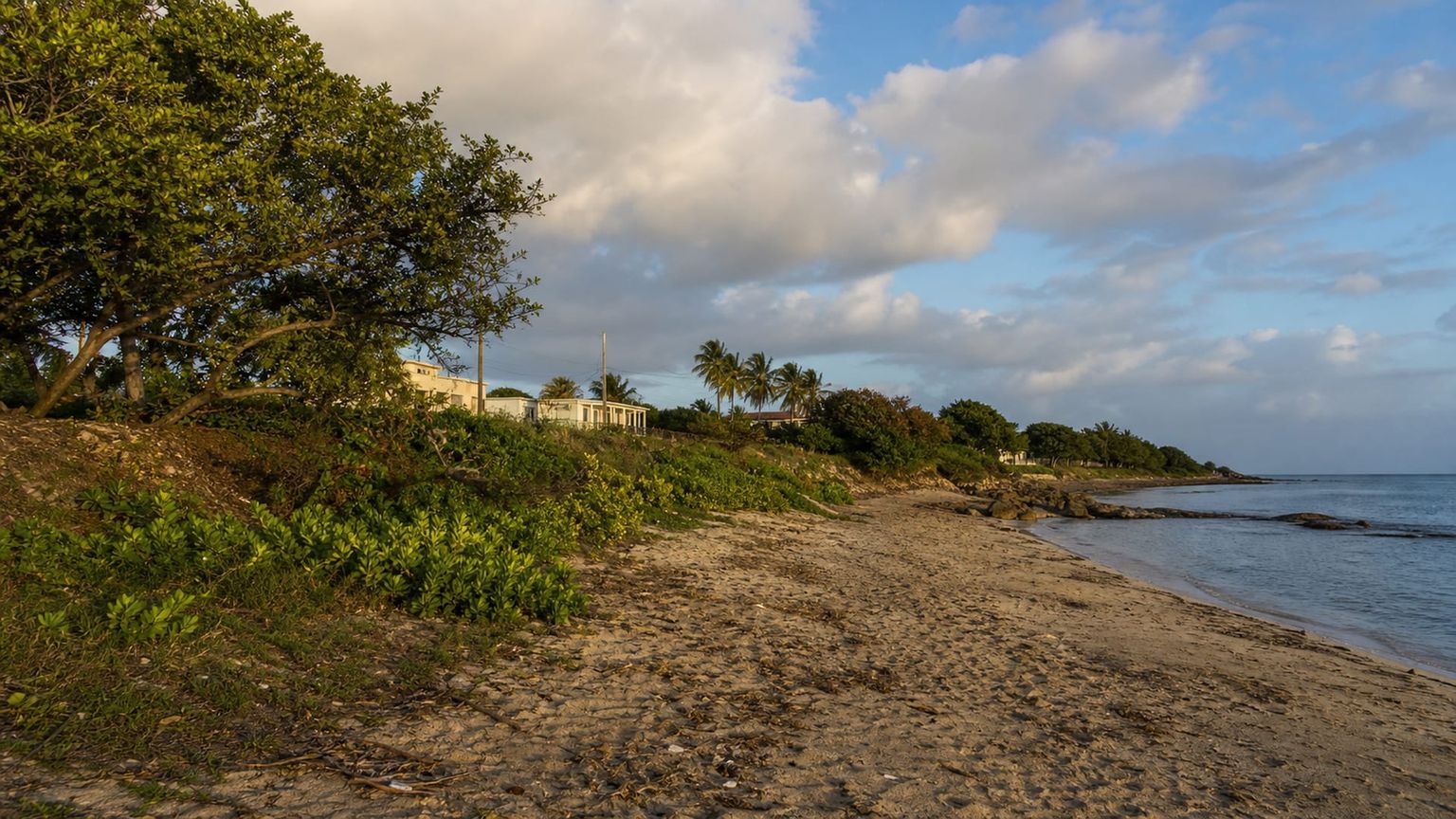
Changchun World Sculpture Park
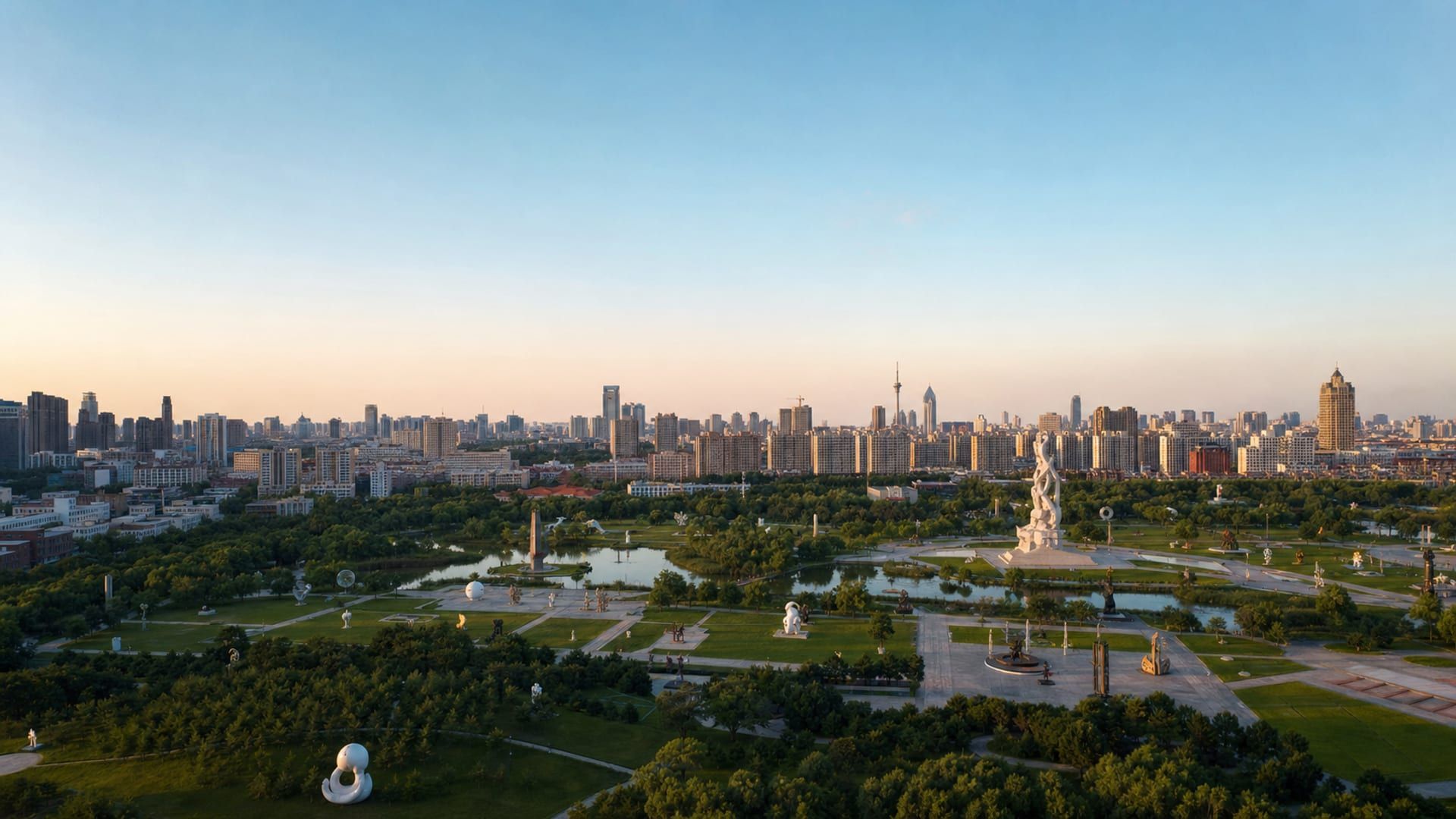
This city park pairs large-scale outdoor sculptures with a museum complex, open lawns, and water features. It sits about 3 km from the center, so you can combine the galleries and grounds in one visit without a long transfer.
Time needed: About 2 to 3 hours
Entry: Standard admission costs about $7 to $10 (¥50 to ¥70), with separate charges for some special exhibitions and events. Visit the official site for details.
Tip: Go in late afternoon for softer light on the outdoor sculptures and fewer tour groups.
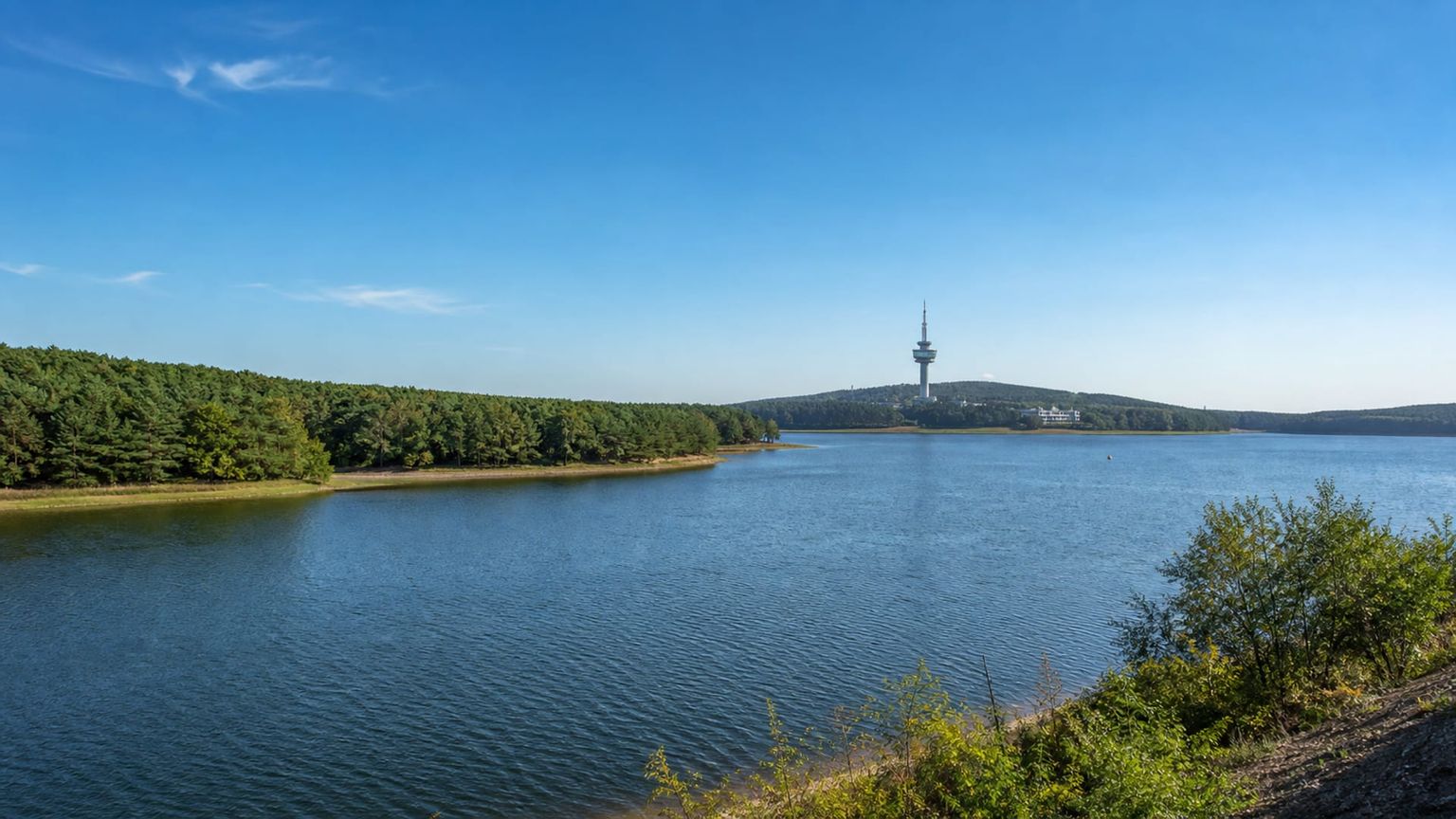
Jingyuetan National Forest Park
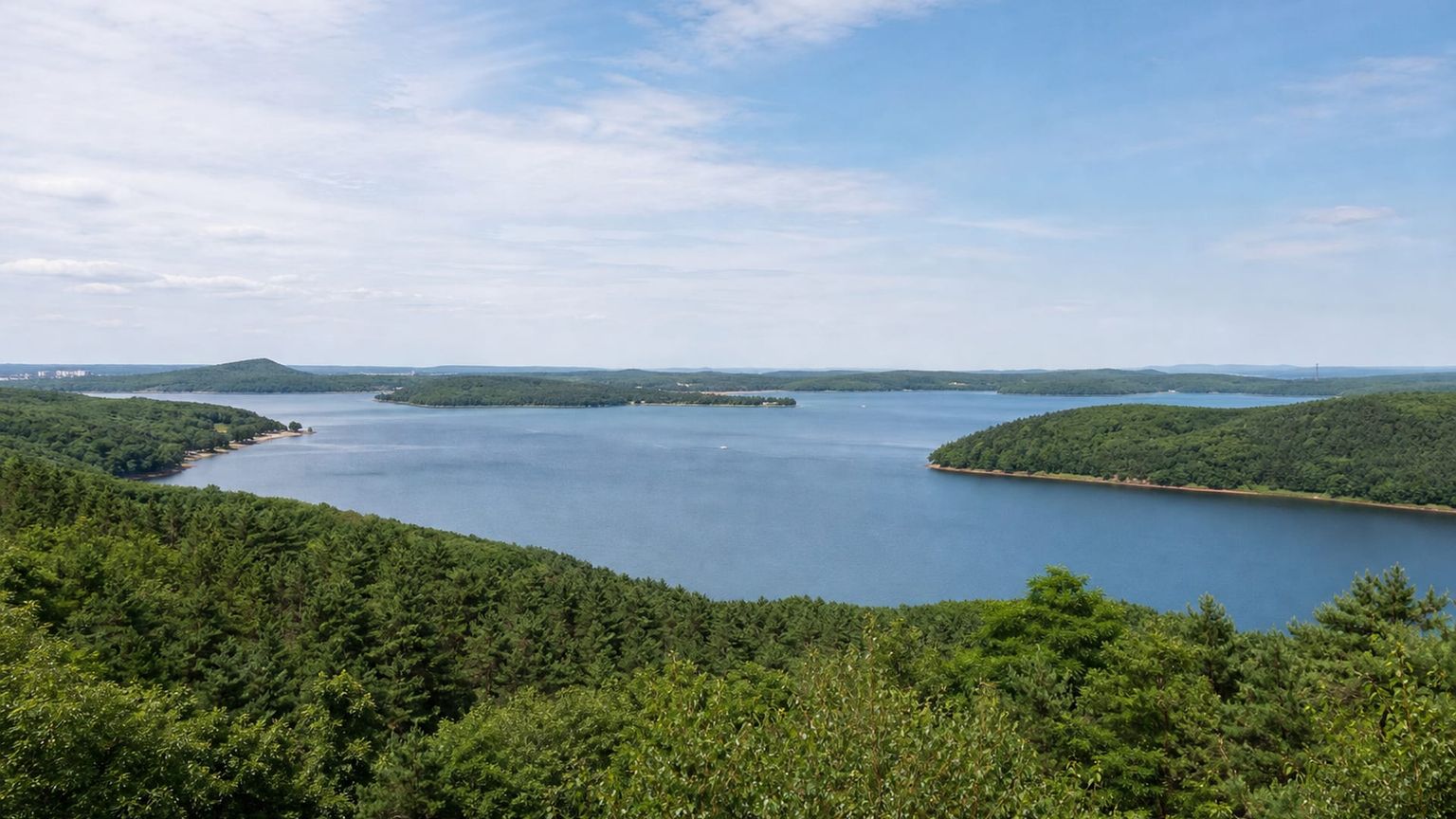
This large forest park includes an extensive reservoir shoreline, pine woodland, and long cycling and walking paths. It lies about 17 km southeast of the center, making it one of Changchun’s main nature outings inside the urban area.
Time needed: About 3 to 5 hours
Entry: Standard admission costs about $4 to $6 (¥30 to ¥45), with extra fees for parking, bike rental, and some seasonal activities. Visit the official site for details.
Tip: Arrive early on clear days, then circle the reservoir before midday wind picks up.
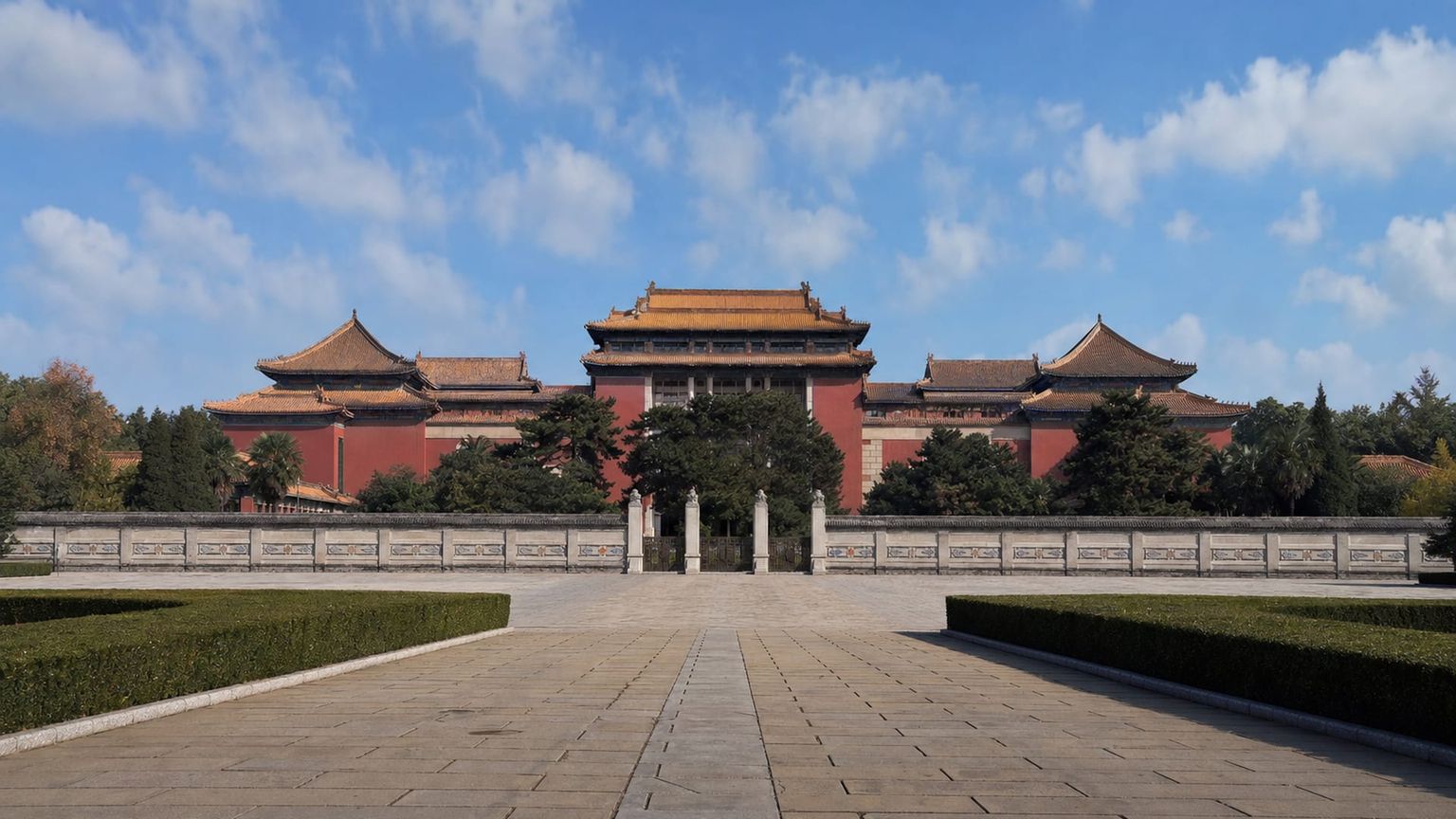
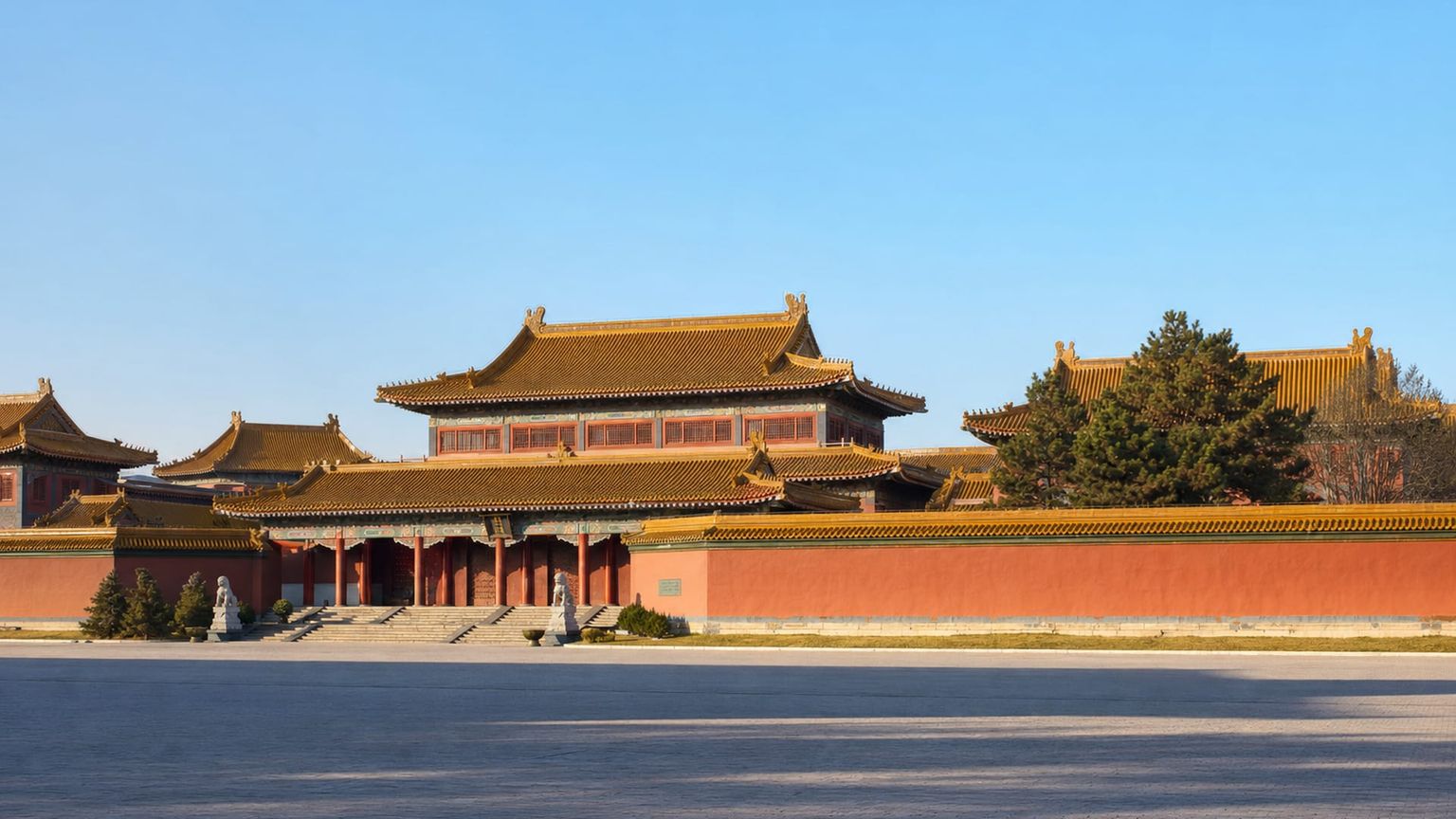
Museum of the Imperial Palace of Manchukuo
This former imperial palace complex preserves exhibition halls, reception rooms, and courtyards linked to the Manchukuo era. It is about 5 km from the center, and the site gives the clearest look at Changchun’s 20th-century political history.
Time needed: About 2 to 3 hours
Entry: Standard tickets cost about $9 to $12 (¥65 to ¥85), with reduced rates for students and occasional combined exhibit passes. Visit the official site for details.
Tip: Visit in the morning, then move through the palace rooms before the larger tour groups arrive.
Overlooked sites worth visiting

Changchun World Sculpture Park
This large city park mixes open lawns, water, and outdoor sculpture from artists around the world. Paths are wide, so you can pair a slow walk with museum time at the central exhibition halls.
Time needed: About 2 hours
Entry: Admission costs about $5 to $7 (approximately ¥35 to ¥50) for adults, with separate fees for some indoor exhibitions or special displays. Prices can change by season, so check the park’s current notice before you go.
Tip: Go late afternoon for softer light on the sculptures.

Jingyuetan National Forest Park
On Changchun’s southeast side, this forested reservoir area draws local walkers, cyclists, and skiers to long tree-lined roads and shoreline viewpoints. It offers more space than the city center and easy access to quiet trails.
Time needed: About 2 to 4 hours
Entry: Standard admission costs about $4 to $6 (approximately ¥30 to ¥40), with extra charges for some seasonal activities such as skiing, bike rental, or boat use. Confirm the gate you plan to use before arrival. Visit the official site for details.
Tip: Visit on a weekday morning for the quietest paths.
Traditional food
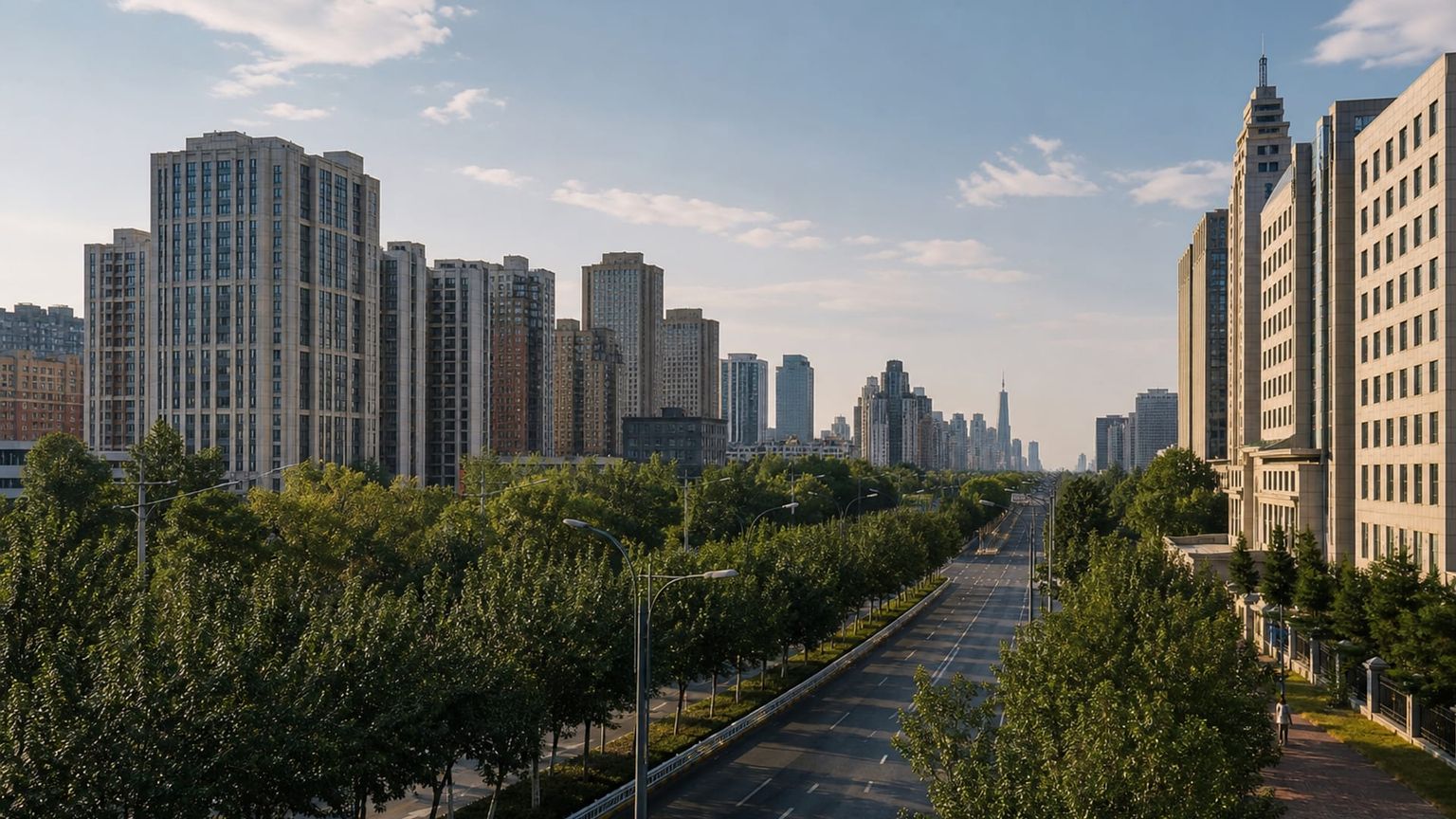
Changchun’s table leans on Northeastern comfort food: pork, cabbage, wheat dishes, and barbecue with bold seasoning. Guobaorou, jiaozi, and Di San Xian show up beside late-night grills and simple noodle shops.
Guobaorou
Crisp sweet-and-sour pork that shows up on many Changchun menus, usually with a sharp glaze and a light crunch. Lao Changchun Guobaorou Restaurant in Chaoyang District is a dependable place to make it the center of the meal.
Di San Xian
A classic stir-fry of potato, eggplant, and green pepper, cooked until the vegetables soften and pick up a rich savory coating. Dongbei Renjia in Changchun is a fitting stop for a straightforward version rooted in local home cooking.
Jiaozi
Dumplings are a standard meal in Changchun, filled with pork, vegetables, or a mix of both and usually served with vinegar and garlic. Lao Bian Dumpling Restaurant is a well-known choice when you want a focused dumpling meal.
Dongbei barbecue
Skewers and grilled meats define many evening meals, often paired with cold beer and simple side dishes. Xiaodongbei Barbecue in Changchun is a solid canonical pick for an unhurried barbecue dinner.
Best time to visit Changchun
Changchun shifts sharply with the seasons, so the best weeks depend on whether you want clear park weather, winter scenery, or lighter crowds at the major museums.
Best for: Museum visits and city walks as the parks reopen
What you get: About 34 to 72°F (1 to 22°C), with moderate crowds and some windy days
Trade-offs: Temperatures swing quickly, and early spring can still feel raw
Best for: Jingyuetan, sculpture parks, and long daylight hours
What you get: About 63 to 84°F (17 to 29°C), with the heaviest visitor flow in parks and holiday periods
Trade-offs: Humidity rises, and rain can interrupt outdoor plans
Best for: Balanced sightseeing, comfortable walking, and clear light
What you get: About 30 to 70°F (-1 to 21°C), with lighter crowds after the summer peak
Trade-offs: Late autumn turns cool fast, especially after sunset
Best for: Snow scenes, quieter museums, and a colder northeastern atmosphere
What you get: About 0 to 24°F (-18 to -4°C), with thin crowds but very cold conditions
Trade-offs: You need serious cold-weather clothing, and outdoor time is limited
A realistic 5-day plan in Changchun
This five-day plan keeps the center of Changchun as the anchor, then adds museum, sculpture, and park time in a way that limits repeated backtracking. It leaves room for slower meals and a final shopping pass before the airport.
Land at Changchun (CGQ) and take a taxi into Chaoyang District, which usually takes about 30 to 45 minutes and costs roughly ¥60 to ¥90 ($8 to $12), depending on traffic and the exact hotel block. Staying near the main commercial streets keeps dinner easy on the first night, so settle into a room a few blocks off the busiest intersections, then head out for a light meal near a mall or restaurant street before turning in early. If you arrive in daylight, a short walk for bottled water and snacks is enough; save the museums for tomorrow.
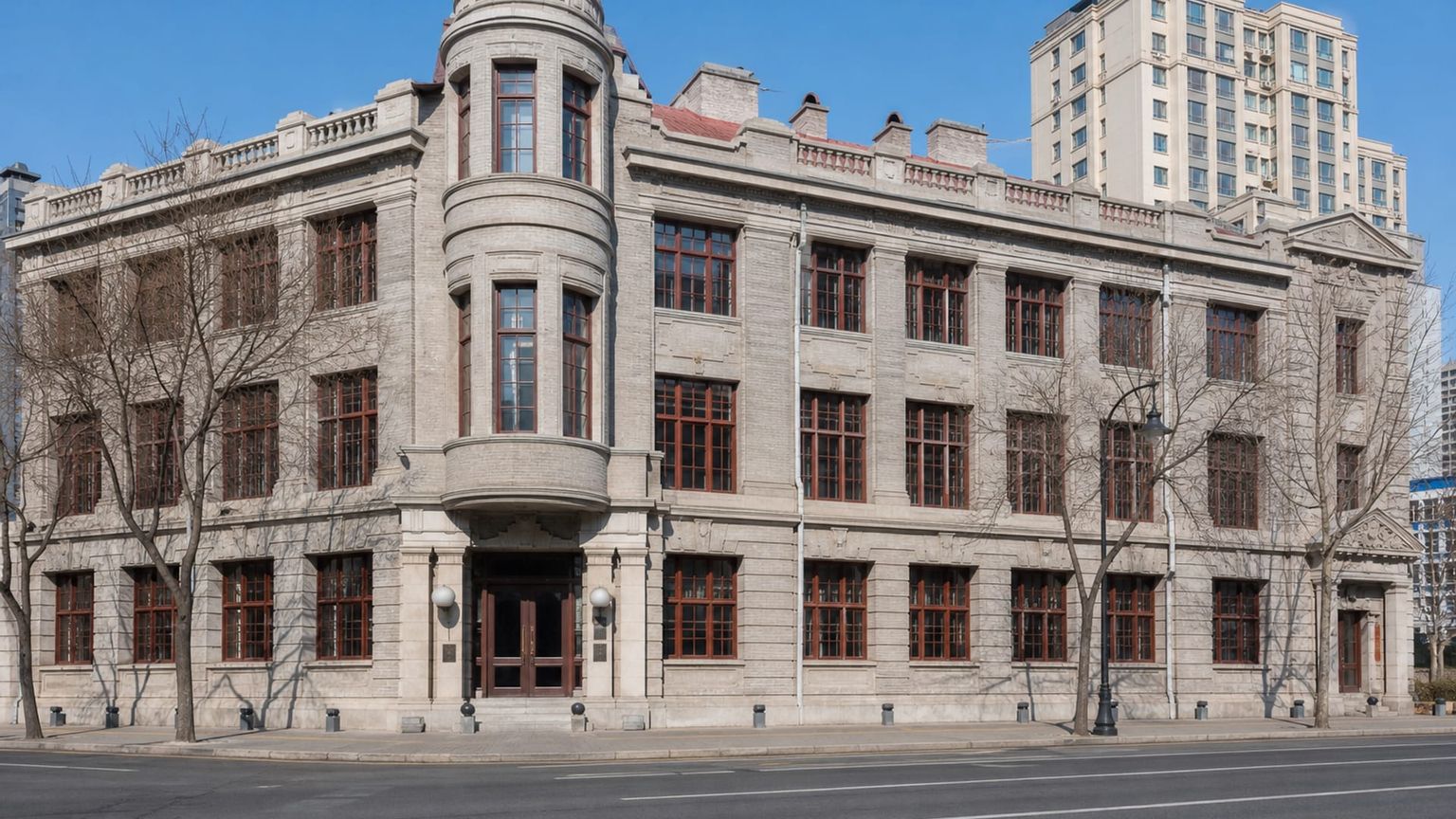
Start at the Museum of the Imperial Palace of Manchukuo in Nanguan District, where a morning visit gives you about 2 to 3 hours inside the palace rooms and exhibition halls. From there, take a taxi to Changchun World Sculpture Park in about 15 to 20 minutes, then spend another 2 hours among the open lawns, water features, and outdoor works; late afternoon light suits the sculpture garden best. Return to Chaoyang District for dinner, or stay in Nanguan if you want an easier ride back after the park.
Begin with Jingyuetan National Forest Park on the southeast side, ideally early enough to beat the stronger midday wind; from central Changchun, the taxi ride takes about 40 to 60 minutes, and the park deserves roughly 3 to 5 hours for the reservoir shoreline and tree-lined paths. After lunch, head back toward Changchun World Sculpture Park, which sits about 20 to 30 minutes away by taxi from Jingyuetan depending on traffic, and pair the galleries with another pass through the outdoor grounds if you want a second look. Finish the evening in Chaoyang District, where the hotel clusters make a simple dinner and an early night easy.
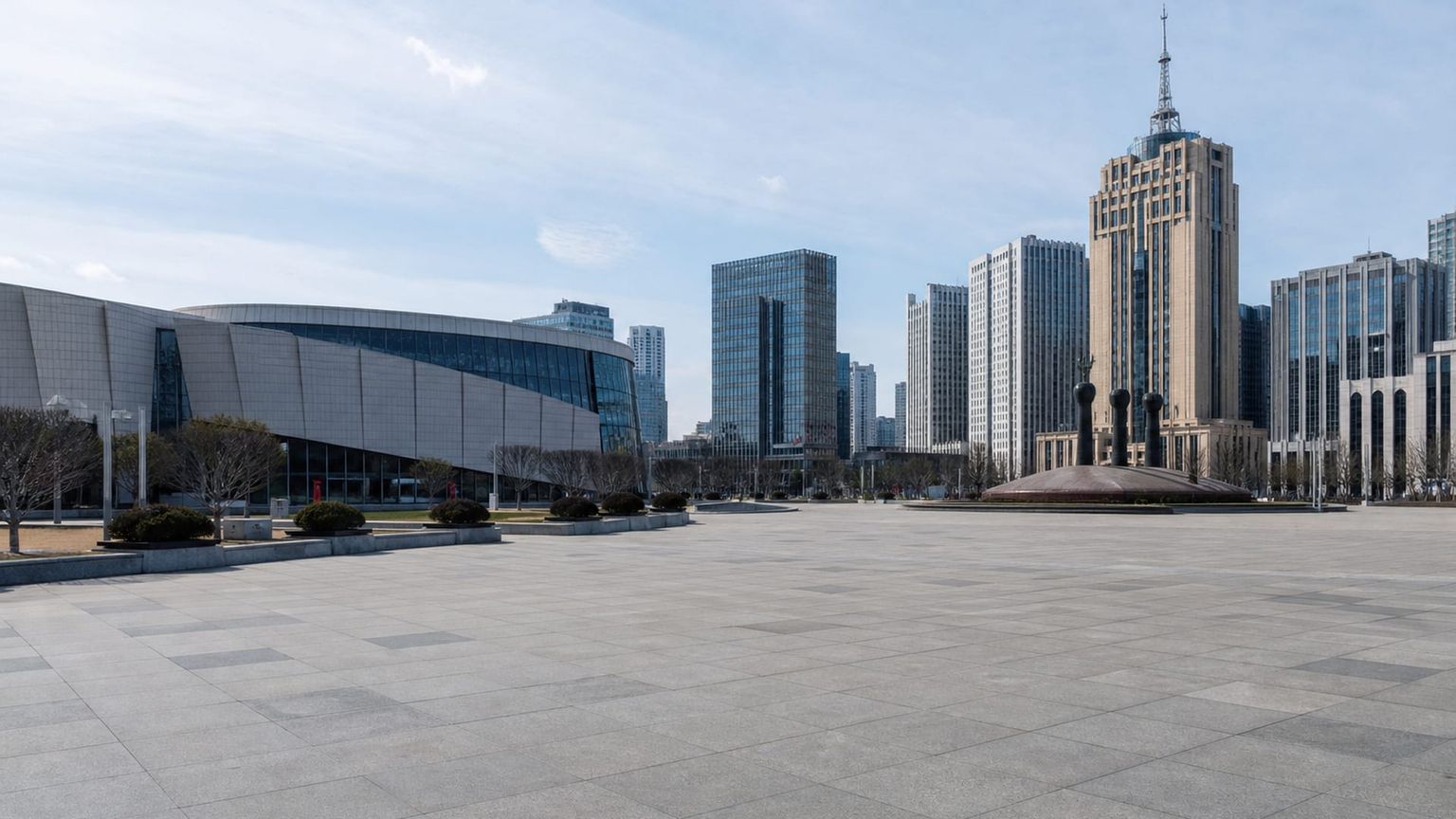
A museum-and-city morning works well in Nanguan District, where you can pair a slower second visit to the Museum of the Imperial Palace of Manchukuo with nearby streets that do not require long cross-city rides. Afterward, ride about 15 to 25 minutes to Culture Square for a change of pace, then continue into Chaoyang District for coffee, shopping, and a more urban late afternoon. If you prefer a less museum-heavy day, swap the extra palace time for a longer stop at a nearby café, then keep the rest of the afternoon centered on the main shopping streets.
Start the last day with an unhurried breakfast in Chaoyang District, then fit in one final museum stop if you missed anything in Nanguan, since the ride across the core usually takes about 10 to 20 minutes by taxi. After that, spend the rest of the afternoon shopping in Chaoyang District, where the biggest malls and department stores make it easy to pick up snacks, local gifts, or travel necessities before your flight. End with a café stop near your hotel, pack early, and leave enough time for the trip back to Changchun (CGQ), which can stretch past 45 minutes if you hit peak traffic.
Business-class flights from the US to Changchun
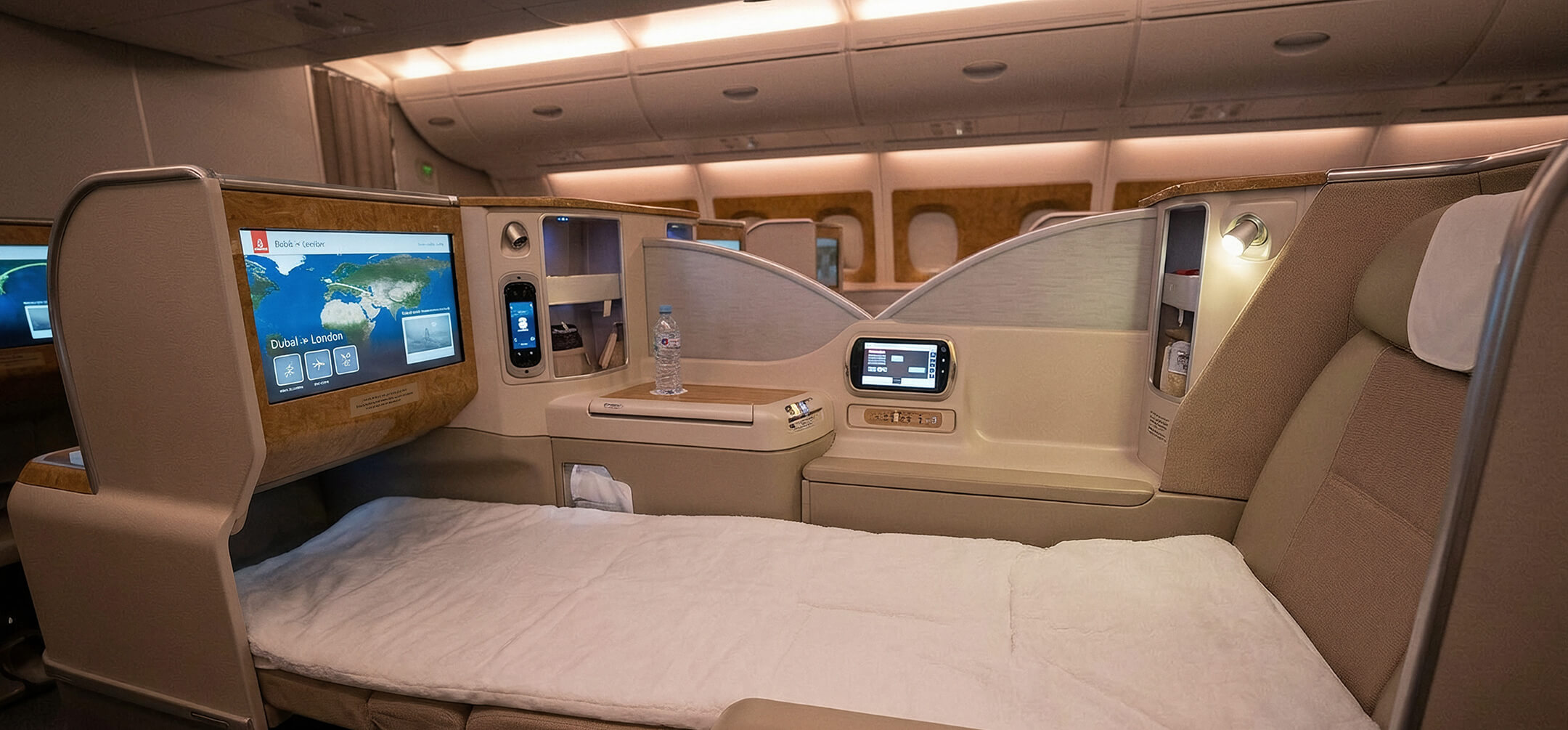
Flights to Changchun usually route through a major Asian hub, so the best option depends on whether you are starting from New York or Los Angeles. The fares below are useful as planning markers for premium itineraries.
From New York, carriers such as Korean Air, China Eastern Airlines, Air China, Cathay Pacific, ANA, and Japan Airlines usually route you through ICN, PVG, PEK, HKG, NRT, or CAN. The trip often takes about 17 to 24 hours with a connection, and round-trip fares often start near $4,200 and can reach $7,500.
Los Angeles itineraries commonly use Korean Air, China Eastern Airlines, Air China, Cathay Pacific, ANA, or Japan Airlines, with connections through ICN, PVG, PEK, HKG, NRT, or CAN. Expect about 16 to 22 hours total, and round-trip fares usually run from $3,800 to $6,900.
Changchun feels different when you slow down
A deliberate Changchun trip ties Chaoyang hotel nights to Nanguan museum mornings, then leaves space for Jingyuetan or the World Sculpture Park when the light is better and the pace is slower. Taxis handle the cross-city legs, while the metro and buses fill in shorter daytime moves. If you want a route that matches the city’s scale, ask the AranGrant experts to shape it around the neighborhoods and season you care about most