

Chapters:

Need help with your trip?
Our support team is available 24/7. Request a callback or call us directly at (833) 619-0908
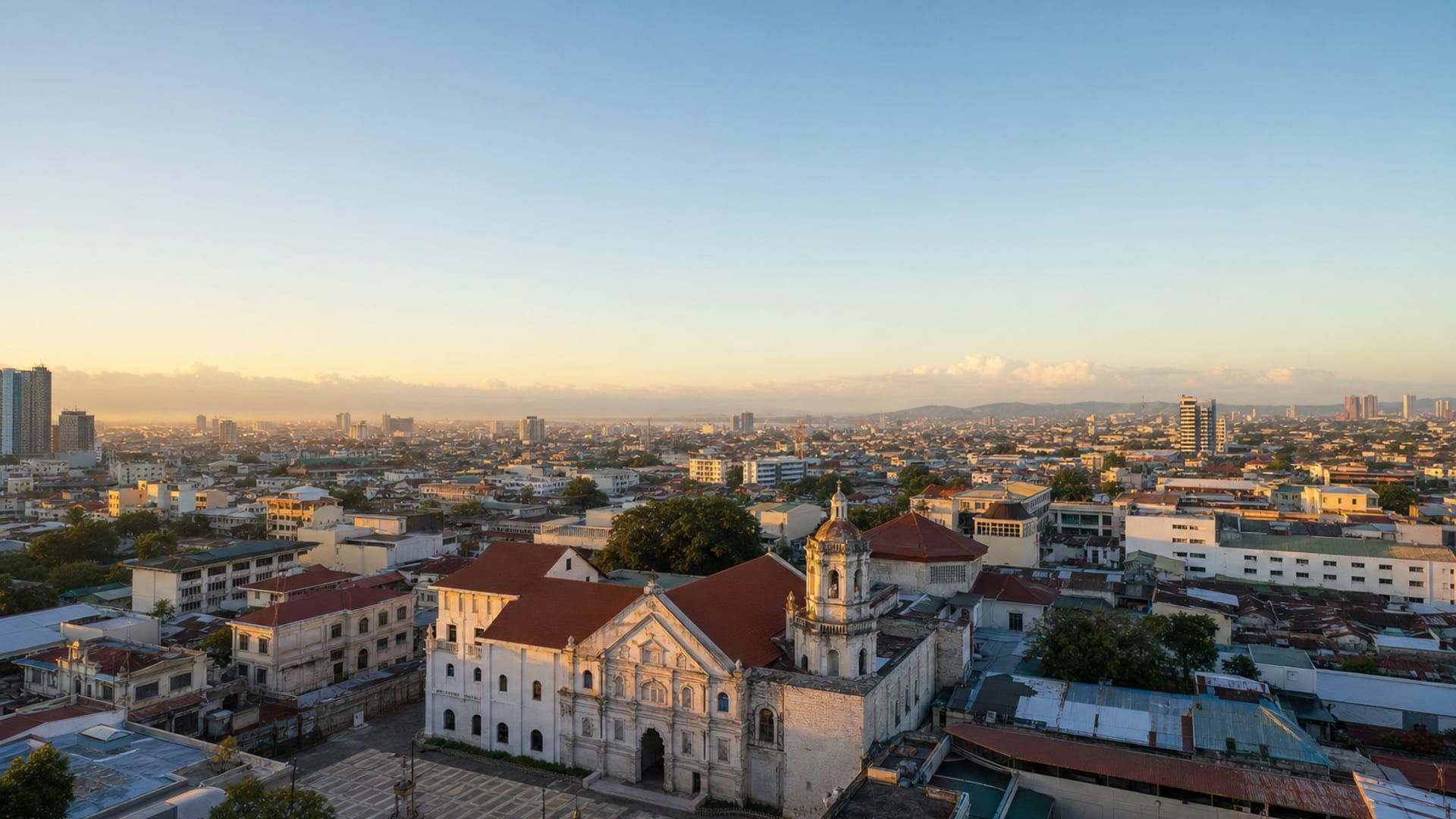
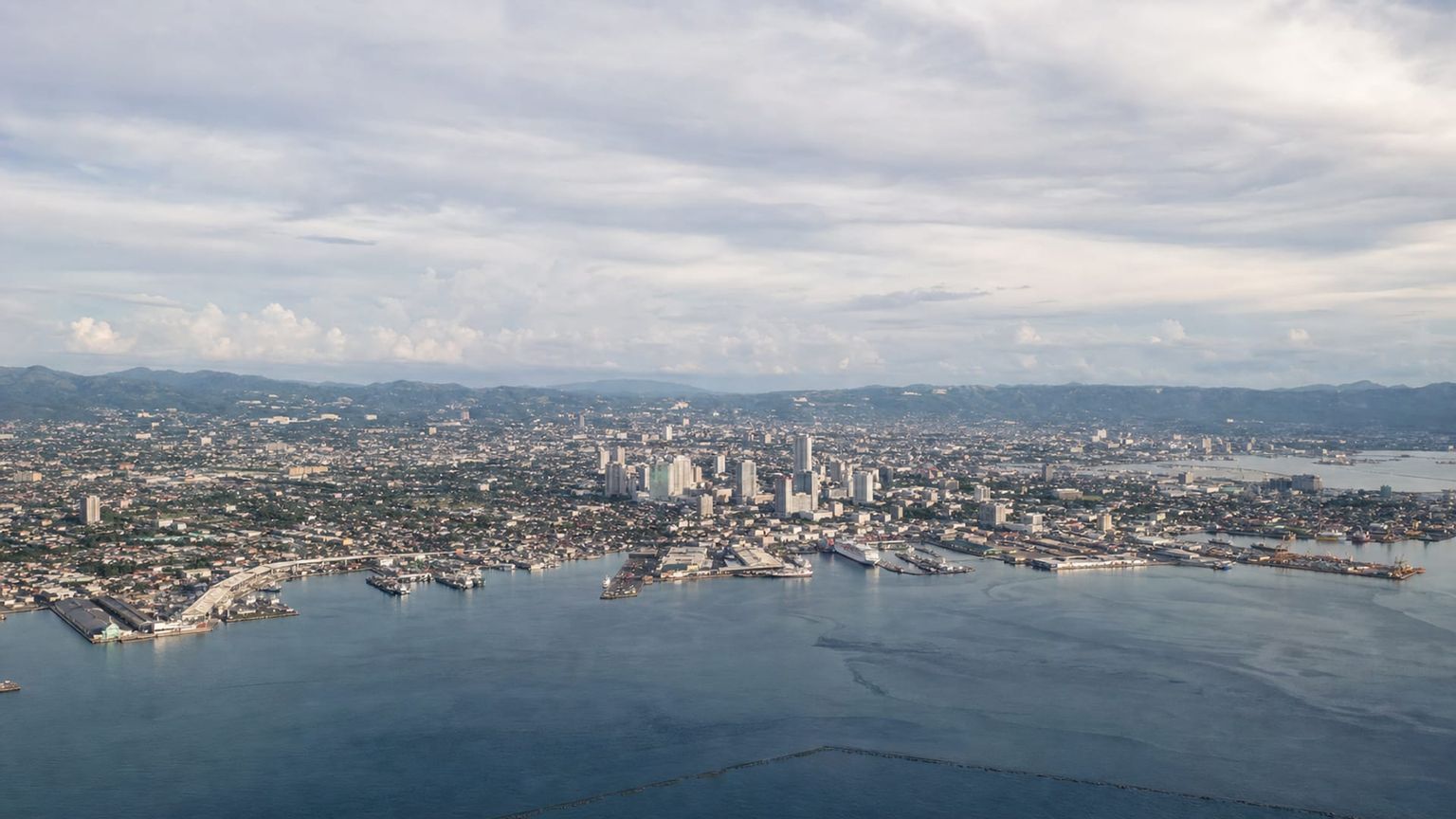
Cebu trips often begin with a quick airport transfer, a night near Ayala Center Cebu, and a rush toward the basilica the next morning. That works, but many visitors still underestimate how much time the city can absorb between downtown, Lahug, and the hill roads.
Those gaps matter because Cebu’s main sights sit in different districts, traffic changes fast by hour, and a crowded first day can make the heritage core feel more scattered than it is.
This guide keeps the route in order, groups nearby stops, and sets aside time for food, viewpoints, and an easier departure day.
Useful things to know
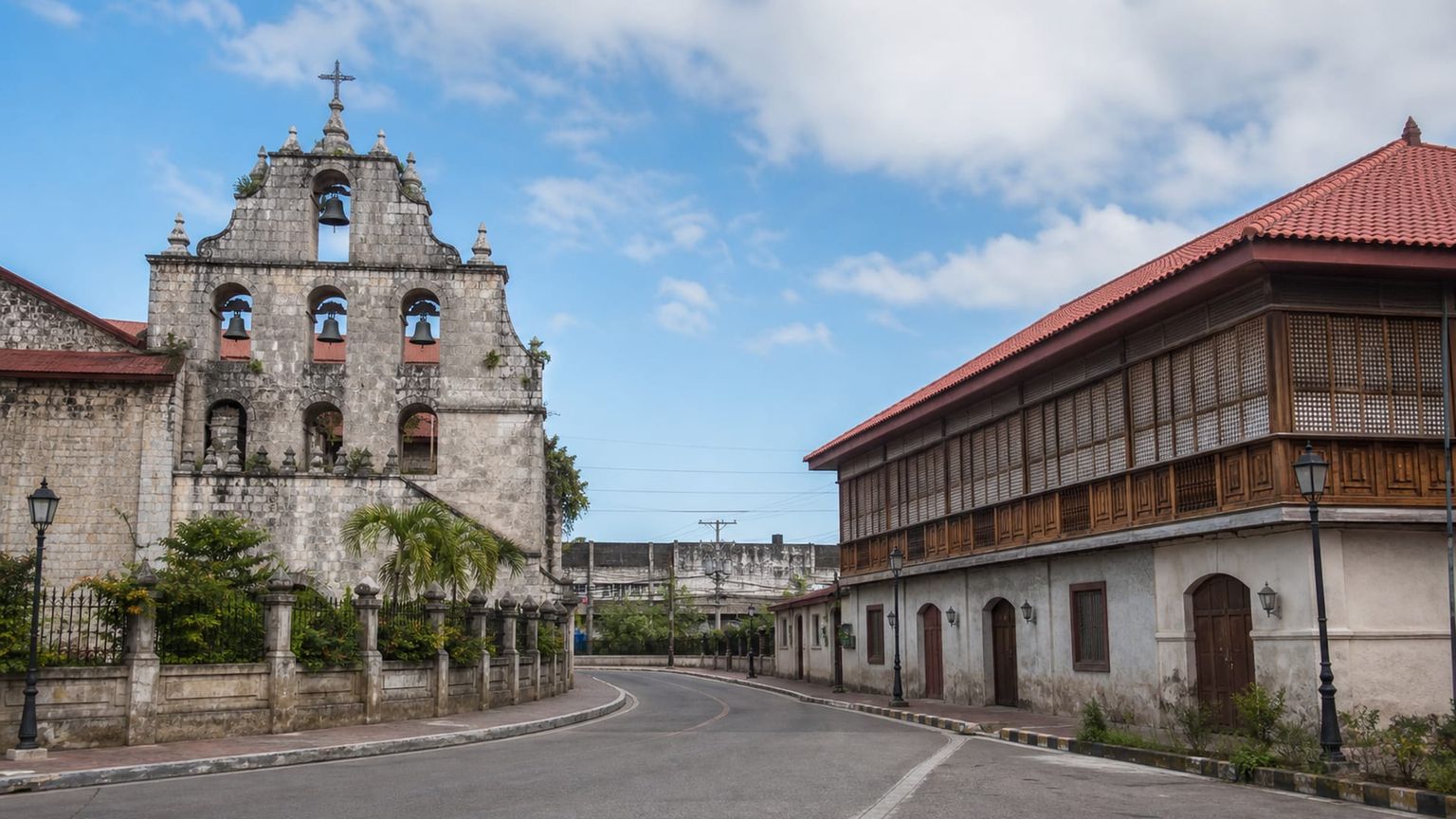

Main language(s): Cebuano, Filipino, English
Maayong adlaw (mah-AY-ohng ahd-law) – Good day
Palihog (pah-lee-HOG) – Please
Salamat (sah-lah-MAT) – Thank you
Kahibalo ka mo’g English? (kah-hee-BAH-loh kah mohg IN-glish) – Do you speak English?
Tagpila ni? (tag-PEE-lah nee) – How much does this cost?

Currency: The local currency is the Philippine peso (PHP, ₱).

Cash and cards: Cards and contactless are accepted at many hotels, malls, and larger restaurants; carry about ₱1,000 to ₱2,000 ($18 to $36) in cash.

Tipping: Round up small bills; 5-10% is appreciated in nicer restaurants, but not required.

Traditional food: Lechon Cebu, Cebuano chorizo, sutukil, ngohiong

Water and coffee costs: Water about ₱30 to ₱60 ($1 to $1.10), bar espresso about ₱90 to ₱150 ($1.60 to $2.70).

Taxis and ride apps: Grab and inDrive operate here; confirm the fare before you book on inDrive.

Plug and voltage: Type A/B socket, 220V

Dining and shop opening hours: Breakfast runs about 06:00-09:00, lunch 11:00-14:00, and dinner 18:00-21:00. Many places close earlier outside malls, with some kitchens opening later on weekends.

Emergency number: 911 for police, fire, and medical emergencies.
Where to stay in Cebu
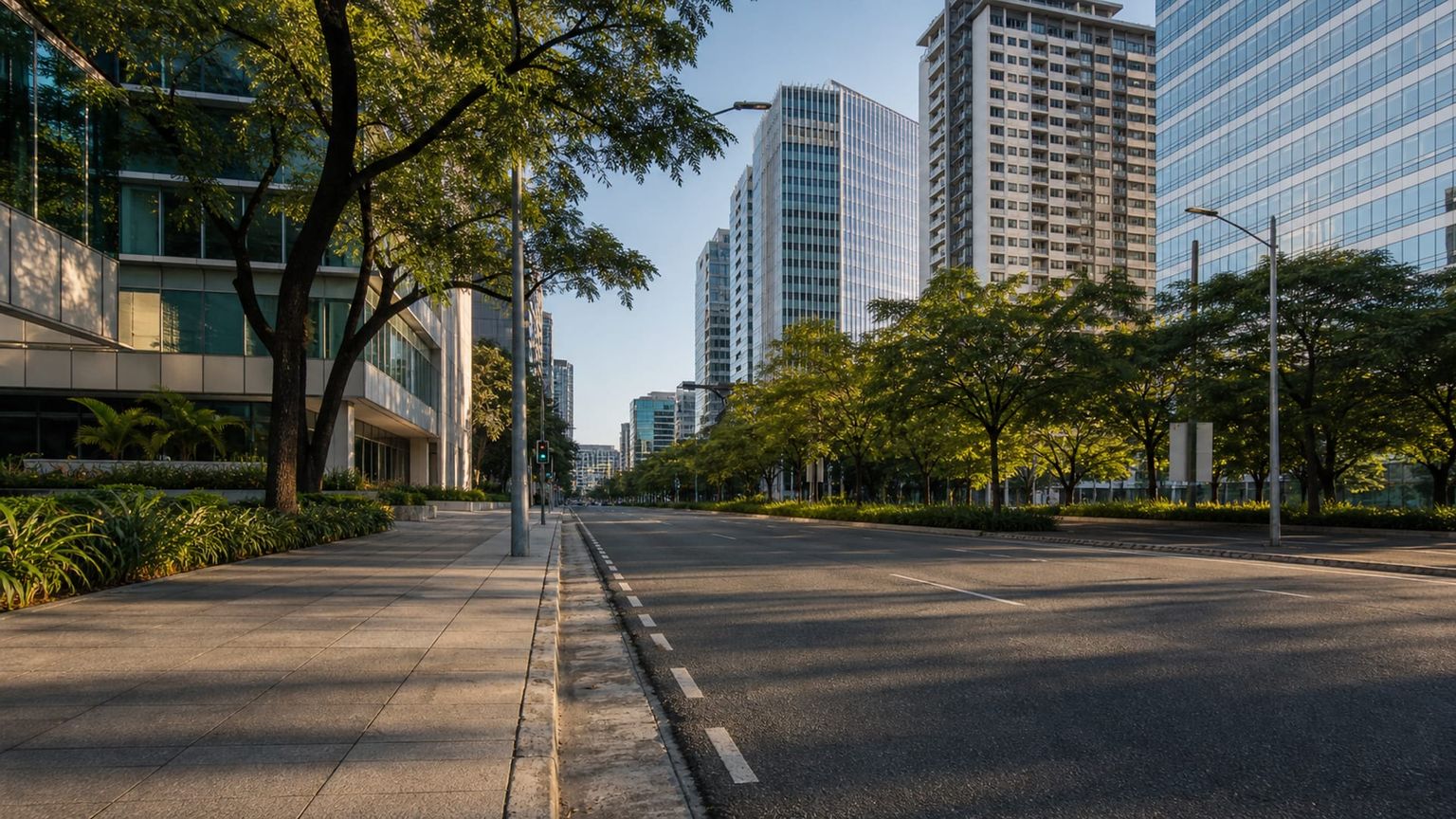
Cebu Business Park is the city’s main modern business district, anchored by Ayala Center Cebu, office towers, and mid- to high-end hotels. It suits travelers who want a central base for shopping, dining, and quick rides to downtown or the waterfront.
Best for: Shopping, business trips, and travelers who want easy access to malls and central Cebu
What to expect: Wide roads, high-rise blocks, mall traffic, and plenty of daytime foot traffic; evenings are busy near restaurants but quieter on side streets.
Hotel prices: Usually about $60 to $150 per night for well-rated stays
Distance to major sights: About 10 to 15 minutes by car to Magellan’s Cross, roughly 15 to 20 minutes to Fort San Pedro
Quietness: Busy during the day, with calmer nights away from the mall and hotel cluster.
Main trade-off: You pay more than in older residential districts, and you will still need transport for most historic sights.
Good to know: Late-night dining is limited compared with the busier coastal areas, so plan taxis or ride-hailing after dinner.
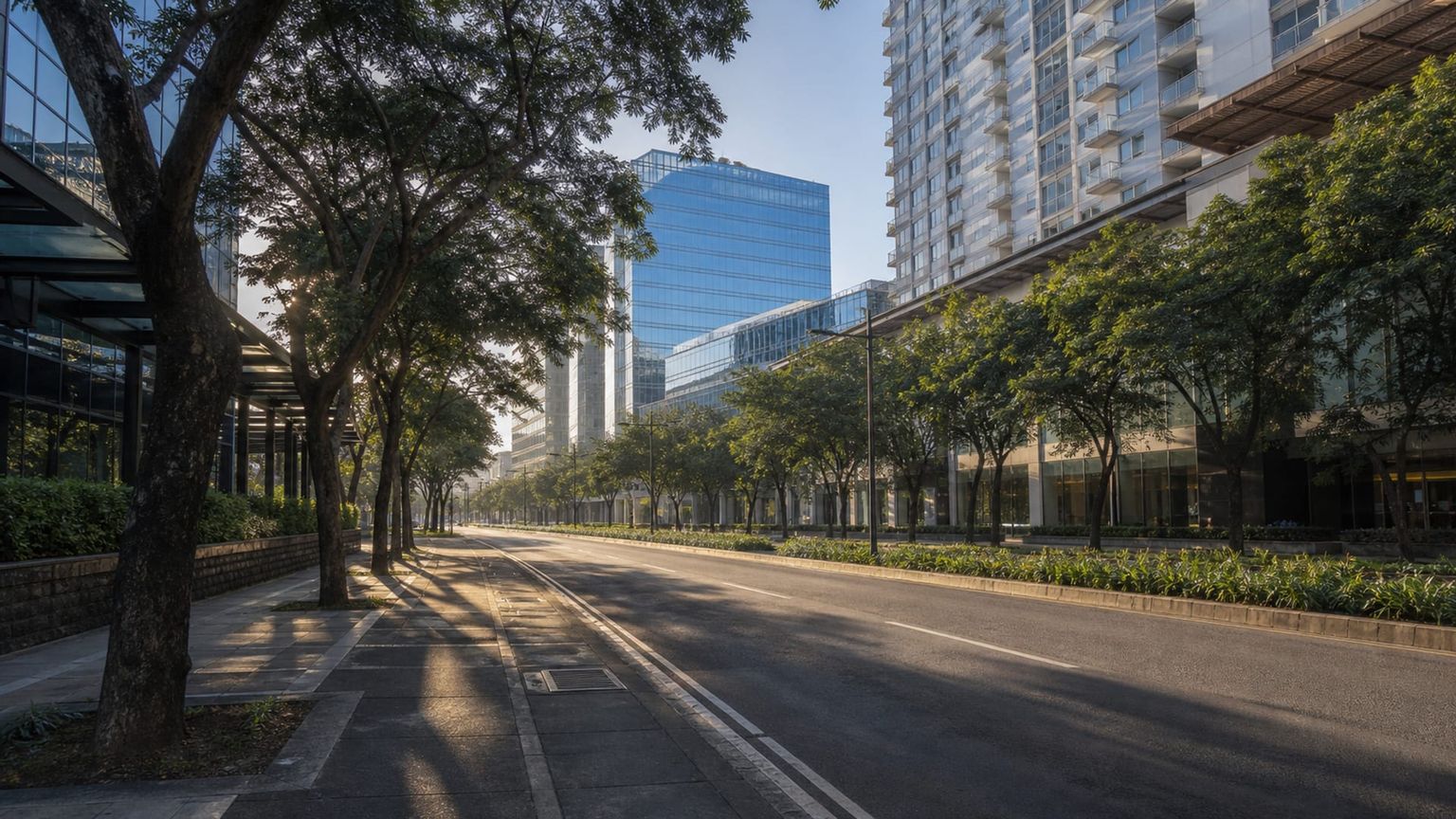
Cebu IT Park is a compact modern district of offices, apartments, cafés, and restaurants built around Asiatown and Ayala Malls Central Bloc. It matters if you want a walkable area with many dining options and easy access to both business and leisure stops.
Best for: Dining, business travel, and visitors who prefer a walkable modern base
What to expect: Young professionals, restaurant terraces, and steady evening activity; the district stays active later than many other parts of the city.
Hotel prices: Usually about $50 to $130 per night for well-rated stays
Distance to major sights: About 15 to 20 minutes by car to Magellan’s Cross, roughly 20 minutes to the waterfront and Colon area
Quietness: Lively through the evening, then noticeably calmer after restaurants close.
Main trade-off: It is farther from the heritage core, and traffic can build at peak commute hours.
Good to know: If you want to use jeepneys or taxis for old Cebu, factor in rush-hour delays on the main roads.
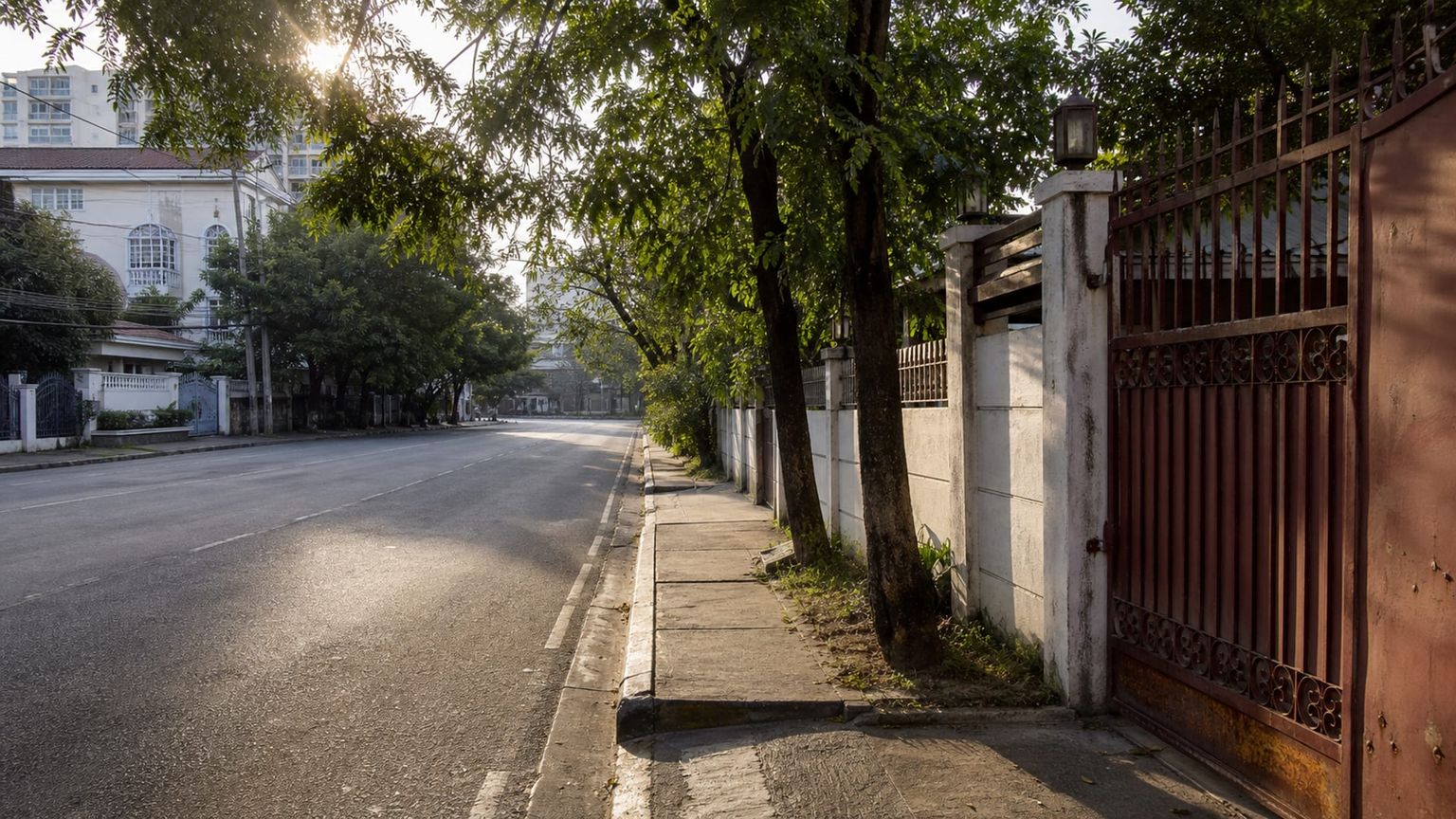
Lahug sits north of the old center and includes hillside streets, established residential blocks, and many mid-range hotels near the IT Park corridor. It works well for travelers who want a less commercial setting without losing access to central Cebu.
Best for: Mid-range stays, longer visits, and travelers who want a quieter base near the city center
What to expect: Mixed residential and hotel zones, modest street activity, and stronger evening calm once office traffic thins out.
Hotel prices: Usually about $40 to $100 per night for well-rated stays
Distance to major sights: About 20 to 25 minutes by car to Magellan’s Cross, roughly 15 minutes to Cebu IT Park
Quietness: Calmer than the business districts by day, with quiet evenings on most residential streets.
Main trade-off: Food and convenience are more spread out, so you may rely on taxis for errands and dinner.
Good to know: Some streets sit on slopes, so walking between hotels, cafés, and main roads can take more effort than the map suggests.
Travelers usually avoid staying in northern Cebu City neighborhoods such as Talamban and Banilad if they want to be near the main heritage sites and waterfront, since they sit far from the downtown core and often require longer cross-city trips. Mactan’s resort strip is less convenient for a city-focused stay, and outer areas of Lapu-Lapu, Mandaue, and Talisay are usually avoided because visitor amenities are thinner and evening travel back into Cebu City can take time.
Hotel deals
How to get around Cebu efficiently
Cebu has no subway, so getting between the airport, downtown, Lahug, and the business districts usually means taxis, ride-hailing cars, jeepneys, or buses.

Metro
for longer distances
Cebu has no subway or metro network, so visitors rely on road transport for trips between the airport, Cebu City, Mandaue, and Mactan Island. If you need a rail-like reference point, none exists here; plan on taxis, app-based cars, or buses instead.

Bus and tram
for convenience
Cebu’s bus network centers on the Cebu South Bus Terminal and Cebu North Bus Terminal, with city buses and minibuses linking the airport area to Cebu City, Lapu-Lapu, Mandaue, and longer-distance points on Mactan and the mainland. Fares are usually about $0.20 to $1.50 depending on distance, with some services accepting cash only and no fixed timed ticket, so expect to pay per ride rather than by transfer.

Taxi
for convenience or late hours
Licensed taxis are metered, with airport departures often using the queue at Cebu (CEB), and the usual airport trip into Cebu City or Mandaue costs about $6 to $12, while shorter Mactan rides often land near $3 to $7. Expect white metered cabs to take cash, and many also accept cards or app-booked payments, though cash is still the safest option for late-night arrivals.
*Prices are based on rates updated as of June 2026 and may change at the time of travel.
Use taxis or app cars for airport runs and cross-city hops, jeepneys or buses for lower-cost daytime travel, and walking only for tightly grouped stops downtown or inside the mall districts.
Iconic landmarks
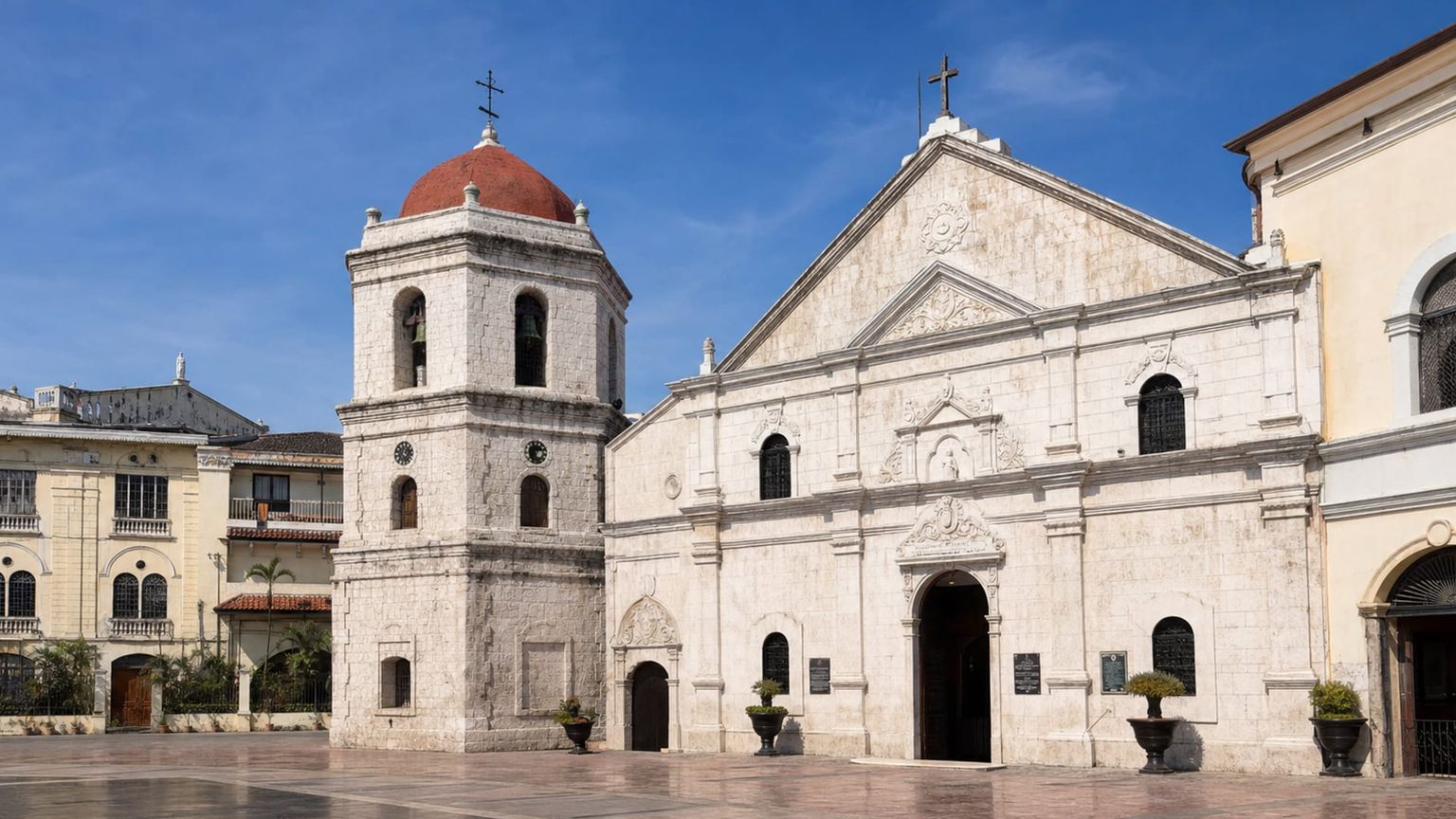
Basilica Minore del Santo Niño
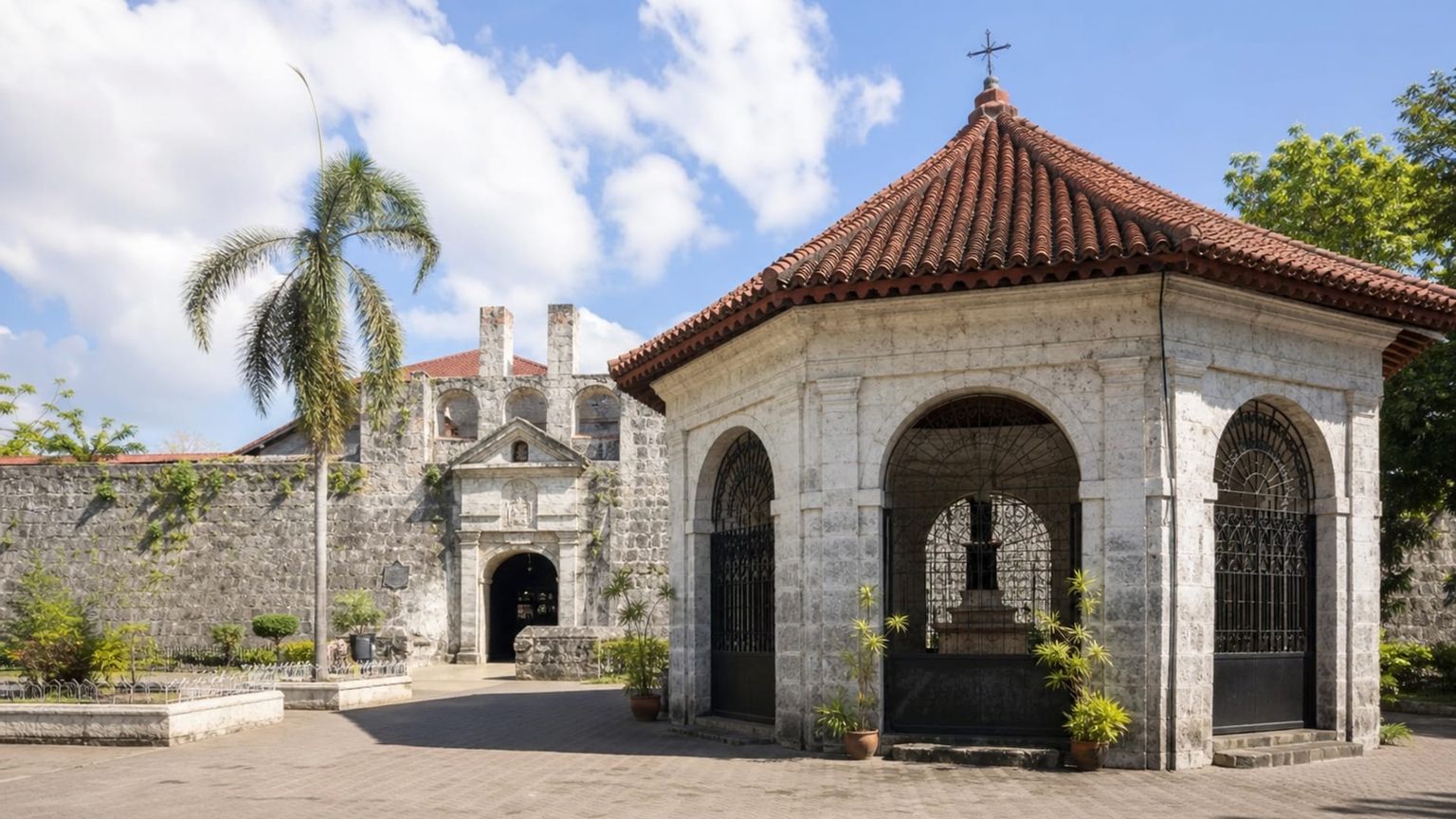
Cebu’s oldest Roman Catholic church anchors the city’s religious life and draws pilgrims to the Santo Niño image, first given in 1521. The complex also includes the small museum and the candle-lighting courtyard.
Time needed: About 1 to 2 hours
Entry: Free to enter; donations for candles and museum access are separate, and no timed ticket is required for the church visit. Visit the official site for details.
Tip: Visit early on weekdays for quieter interiors and easier photos in softer light.
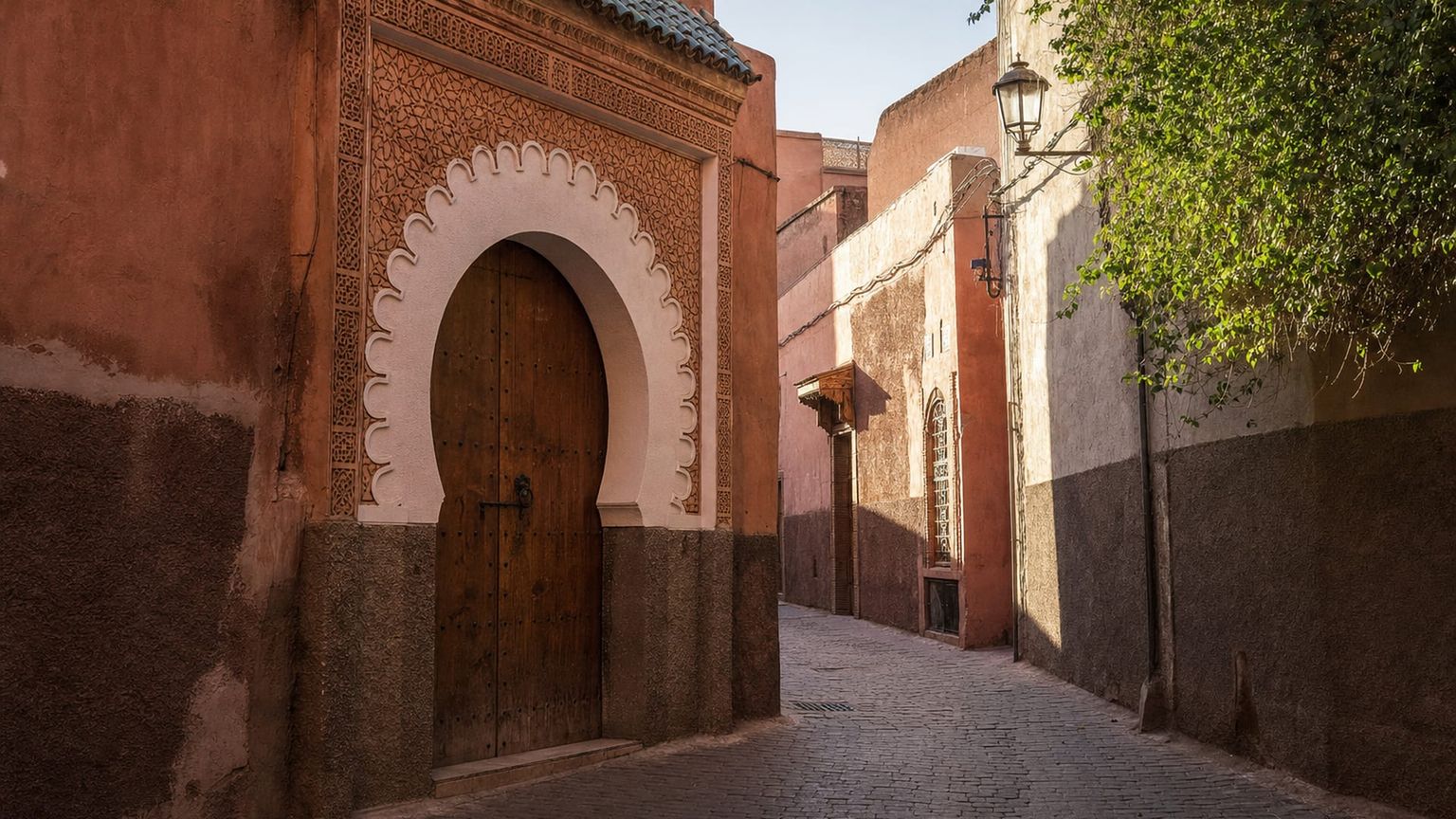
Magellan's Cross
Inside a small stone chapel beside the basilica, this painted cross marks the arrival of Christianity in Cebu in 1521. The ceiling murals and the busy plaza outside make it one of the city’s most visited historic stops.
Time needed: About 20 to 30 minutes
Entry: Free to access; there is no ticketed entry, though small donations for candles are welcome at the chapel.
Tip: Go before late morning, when the chapel is less crowded and the plaza is easier to cross.
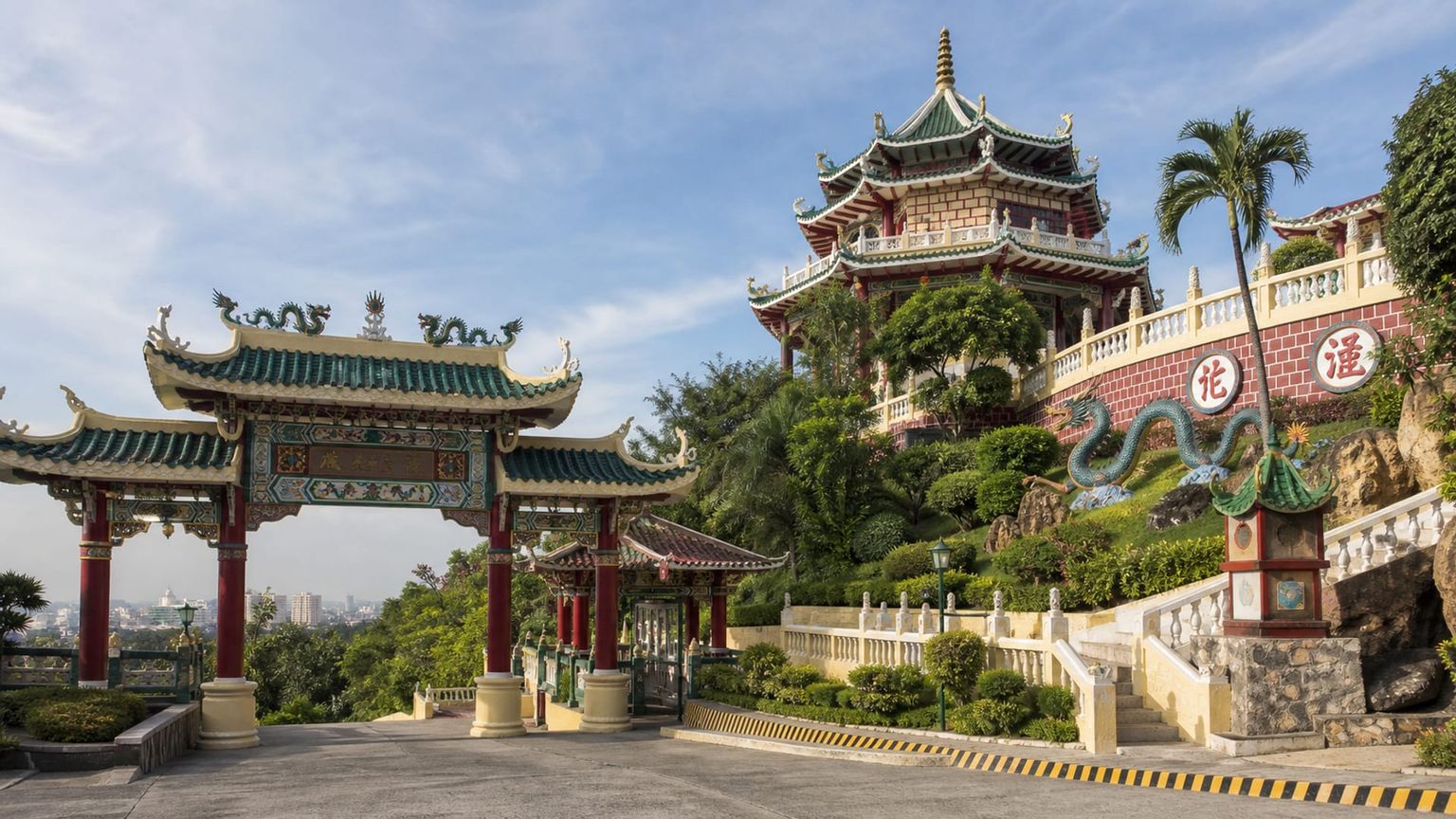
Taoist Temple
Built in the Beverly Hills subdivision above Lahug, this colorful temple complex gives wide views over Cebu City and the harbor. The steep stairways, dragon motifs, and prayer rooms make it a striking hilltop stop.
Time needed: About 45 minutes to 1 hour
Entry: Free to enter; no timed ticket is required, and visitors should dress modestly and keep voices low.
Tip: Arrive in the late afternoon for cooler air and wider city views before sunset.
Overlooked sites worth visiting

Sirao Flower Garden
Terraced blooms and hillside paths give this garden a quieter pace than Cebu’s city core. Expect rows of celosia, photo spots, and views over the uplands rather than a long checklist of exhibits.
Time needed: About 1 to 2 hours
Entry: Entrance fees typically run about $2 to $3 (approximately ₱100 to ₱150) per person, with parking charged separately at some gates. Prices can change by season, weekends, and events, so carry small bills for admission and any extras on arrival.
Tip: Go early for softer light and fewer tour groups.

Museo Sugbo
Housed in a former provincial jail, this museum gives Cebu’s colonial past a compact, factual setting. Its galleries cover old maps, wartime artifacts, and local history in a single restored complex.
Time needed: About 1 to 2 hours
Entry: Admission usually costs about $2 to $4 (roughly ₱100 to ₱200) for adults, with lower rates for students and seniors when valid ID is shown. Fees may differ for special exhibits, and cash payment is usually the simplest option at the entrance. Visit the official site for details.
Tip: Check opening hours before you go, because they can vary by day.
Traditional food
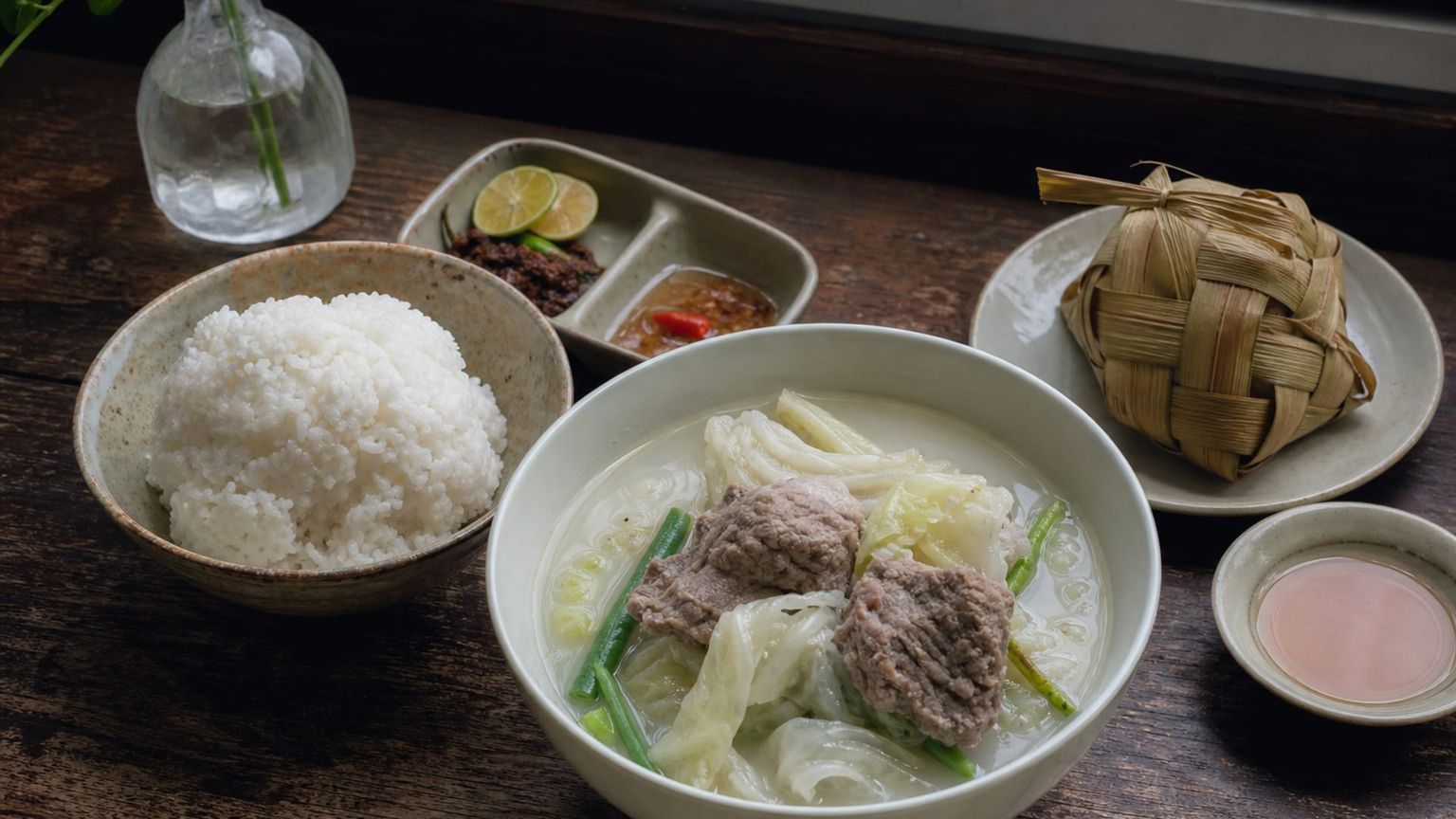
Cebu’s table leans on pork, grilled seafood, and sharp, savory seasoning, with lechon Cebu, Cebuano chorizo, sutukil, and ngohiong anchoring many meals. Mall food courts and roadside grill spots both play a role.
Lechon Cebu
Cebu’s roast pig is prized for crisp skin and seasoned meat, and House of Lechon in Cebu City is one of the city’s best-known places to order it.
Ngohiong
This Cebuano fried spring roll is usually filled with vegetables and spices, then served with a sweet, tangy dip. Larsian in Cebu City is a classic stop for a plate alongside grilled food.
Cebuano chorizo
Sweet, garlicky Cebuano chorizo shows up at breakfast, lunch, and late-night grills. Rico’s Lechon in Cebu City serves a well-known version alongside other local pork dishes.
Sutukil
Short for sugba, tuwa, kilaw, this seafood spread can move from grill to sour stew to ceviche-style preparation in one meal. STK ta Bay! in Cebu City is a canonical place to try it.
Best time to visit Cebu
Cebu stays warm year-round, but the dry months make downtown walks, hilltop visits, and island add-ons easier to time than the wetter season.
Best for: Clearer days for heritage stops and hill views
What you get: About 76 to 88°F (24 to 31°C), with lighter rain and heavier holiday crowds in malls and churches
Trade-offs: Hotel rates and traffic can rise during Christmas and Sinulog
Best for: Hill stops, photo days, and early starts
What you get: About 79 to 92°F (26 to 33°C), with hot afternoons and fewer holiday crowds after March
Trade-offs: Midday heat can make outdoor sightseeing tiring
Best for: Mixed city touring with flexible indoor breaks
What you get: About 77 to 89°F (25 to 32°C), with more rain showers and lighter crowds at some sights
Trade-offs: Afternoon downpours can slow upland and cross-city plans
Best for: Balanced city days before the year-end peak
What you get: About 77 to 90°F (25 to 32°C), with humid weather and moderate visitor flow
Trade-offs: Storm patterns can still interrupt beach or hill outings
A realistic 5-day plan in Cebu
A five-day Cebu stay works best when the route alternates between downtown heritage, hill country, and modern districts. That keeps transfer times under control and leaves room for meals and shopping without squeezing every stop into one crowded loop.
Land at Cebu (CEB) and take a taxi or ride-hailing car into Cebu Business Park, which usually takes about 25 to 40 minutes and costs roughly $8 to $15, depending on traffic and the time of day. Settle into a hotel near Ayala Center Cebu so your first evening stays simple, then hydrate, rest, and have a light dinner in the mall district, where you can find easy options without crossing the city after a long flight.
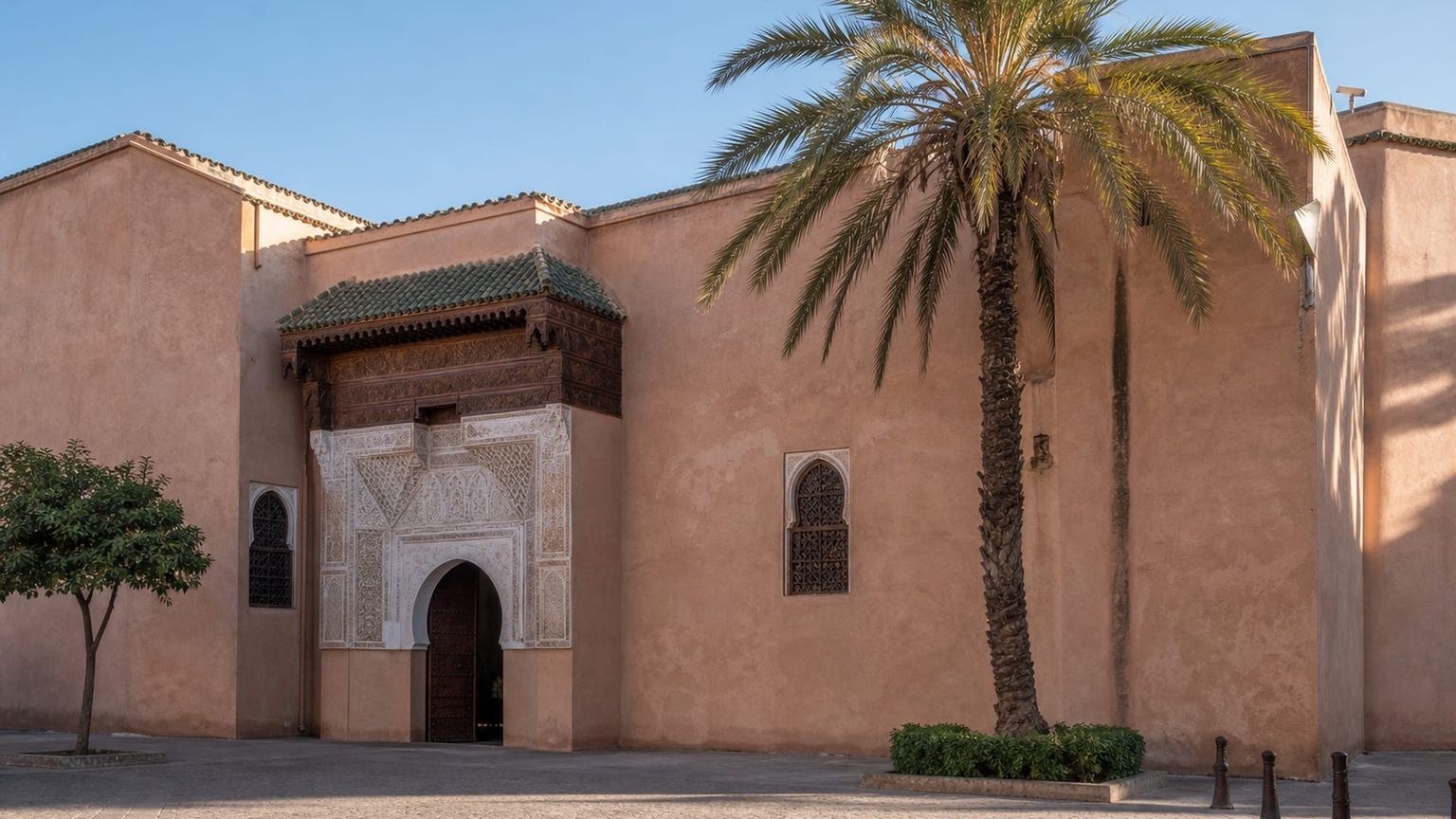
Start at Magellan’s Cross, then walk about 3 minutes to the Basilica Minore del Santo Niño for the main heritage pairing in old Cebu. Spend about 1 to 2 hours at the basilica and 20 to 30 minutes at the cross, then take a taxi for roughly 10 to 15 minutes to Museo Sugbo for a compact history stop before lunch. In the afternoon, return to Cebu Business Park or Ayala Center Cebu, where you can break up the day with coffee and an easy dinner after the downtown visit.
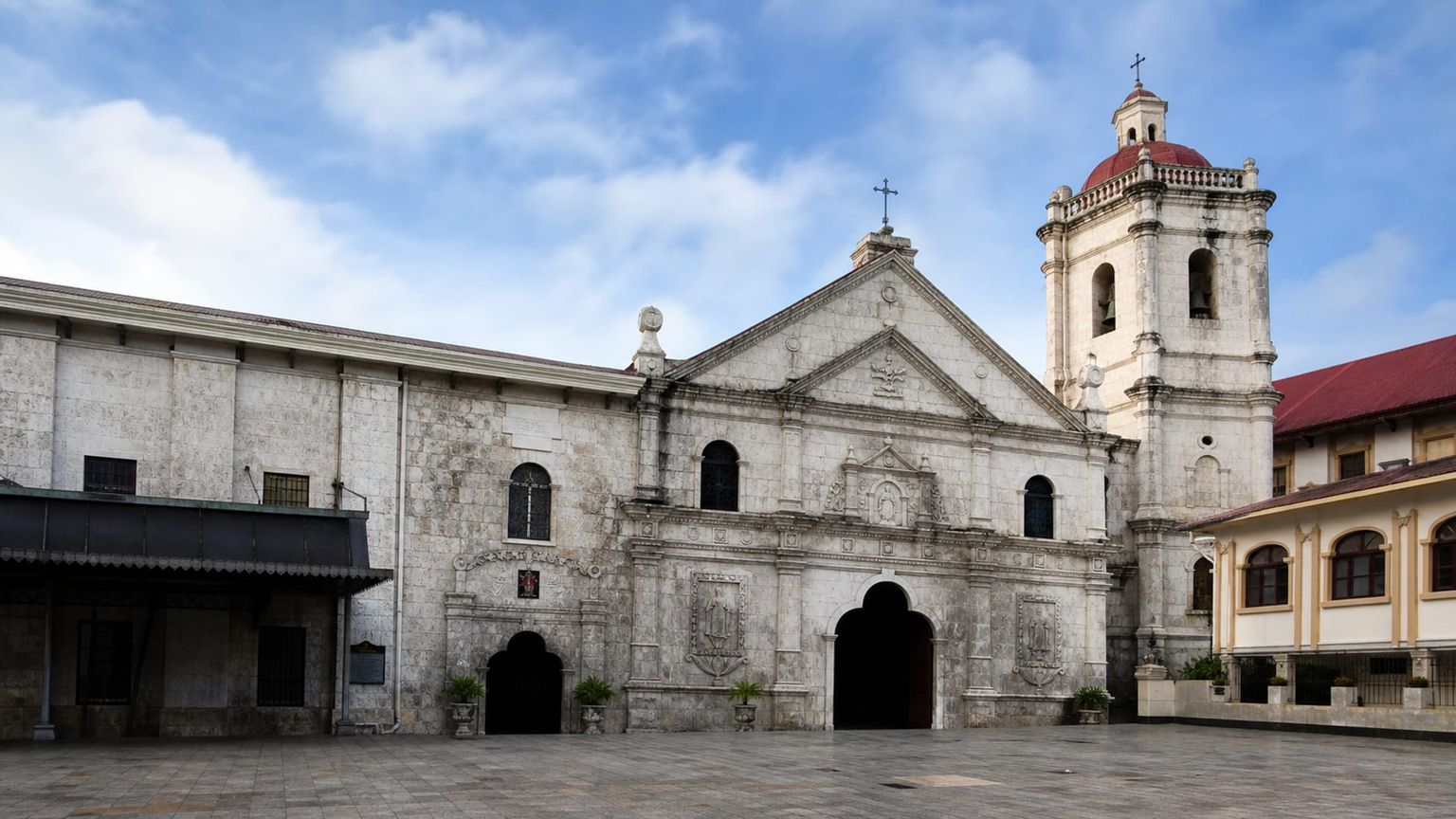
A hill morning works well here: go by taxi to Taoist Temple in about 20 to 25 minutes from Cebu Business Park, then continue to Sirao Flower Garden in roughly 35 to 50 minutes, depending on traffic in the uplands. Spend about 45 minutes to 1 hour at the temple and 1 to 2 hours at Sirao, with both stops giving you a cleaner look at Cebu beyond the center. End with an early dinner back in Lahug, which puts you closer to the city’s hill routes and keeps the evening simple.
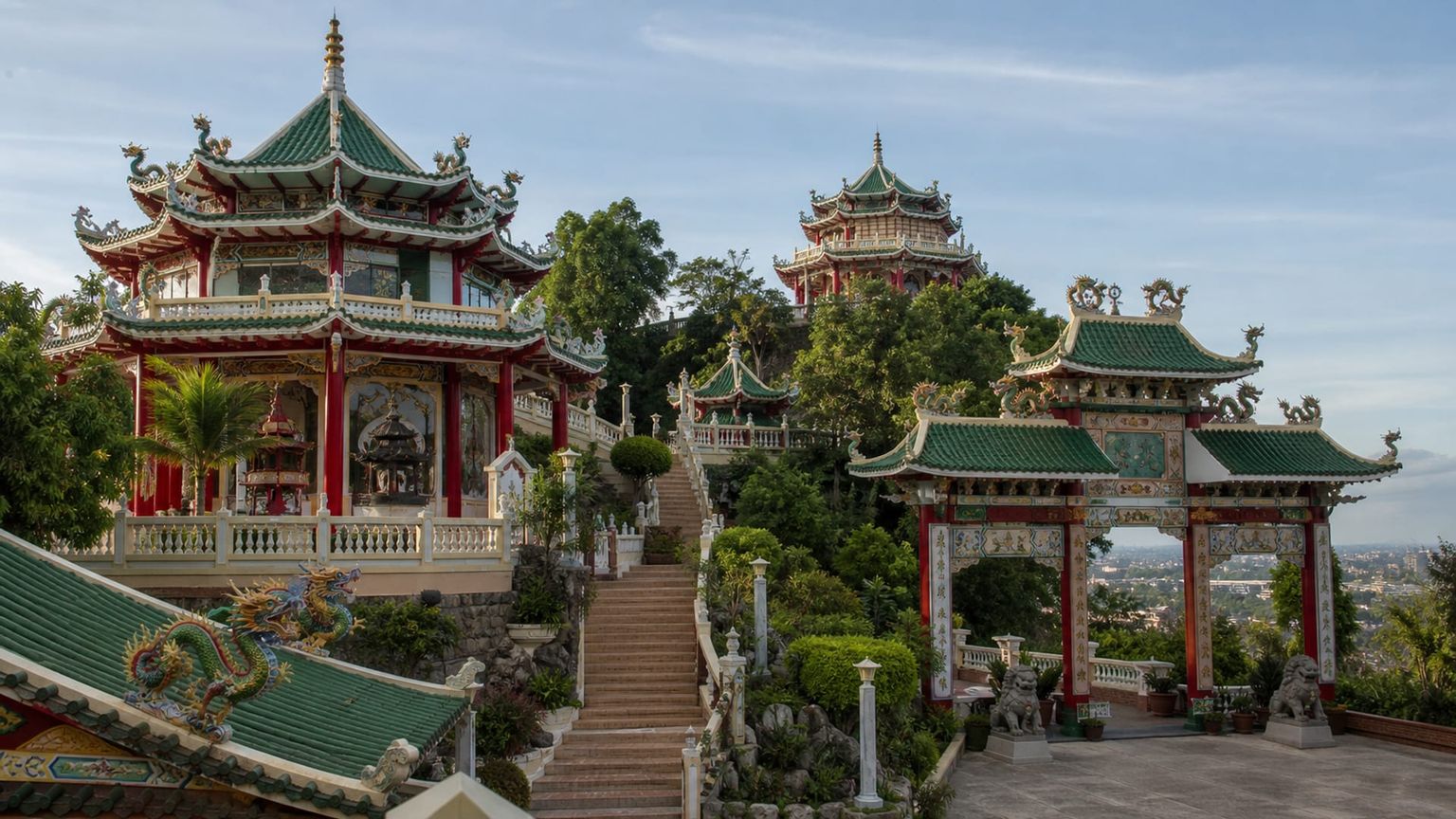
Begin in Lahug, then head by taxi to the Taoist Temple if you want a second, slower pass for photos, or go straight to downtown if you preferred the hill stop earlier in the trip. From there, build the rest of the day around the Basilica Minore del Santo Niño and Magellan’s Cross again only if you want a deeper heritage visit, then move to Museo Sugbo for the museum side of the city’s story, with each downtown leg taking about 5 to 15 minutes by car. Finish with dinner in Cebu IT Park, where the restaurant clusters make it easy to stay on one side of town after a full sightseeing day.
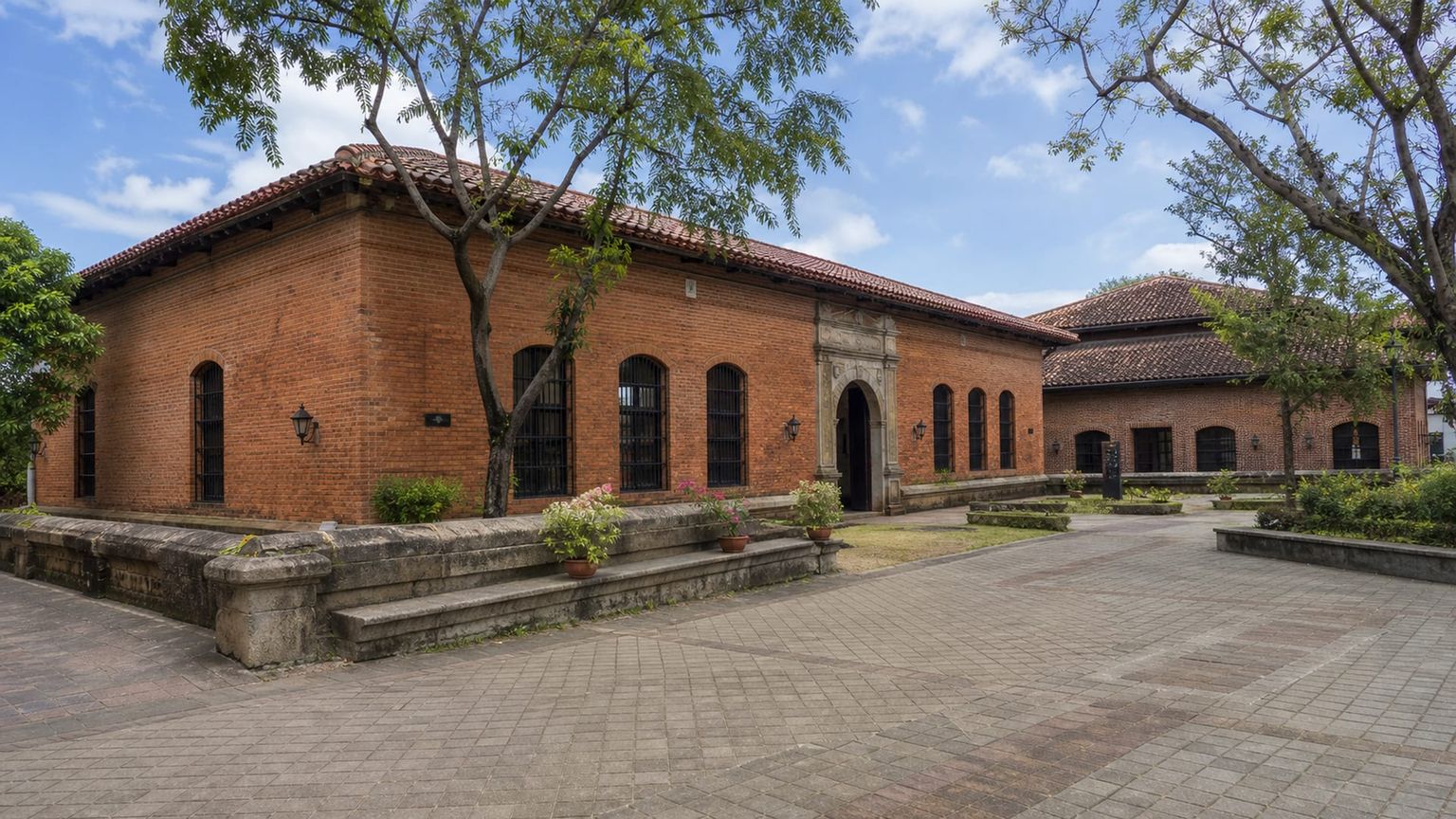
Museo Sugbo makes a strong late-trip stop if you want one last dose of Cebu history, since the former jail complex gives the city’s colonial past a clear, compact frame. After that, head to Ayala Center Cebu in Cebu Business Park for shopping, then finish with coffee in Cebu IT Park or near your hotel in Lahug, depending on where you are staying and how much time you want before the airport. For departure day, Cebu Business Park usually keeps the transfer to Cebu (CEB) manageable, with taxis taking about 25 to 40 minutes and costing roughly $8 to $15 when traffic is moderate.
Business-class flights from the US to Cebu
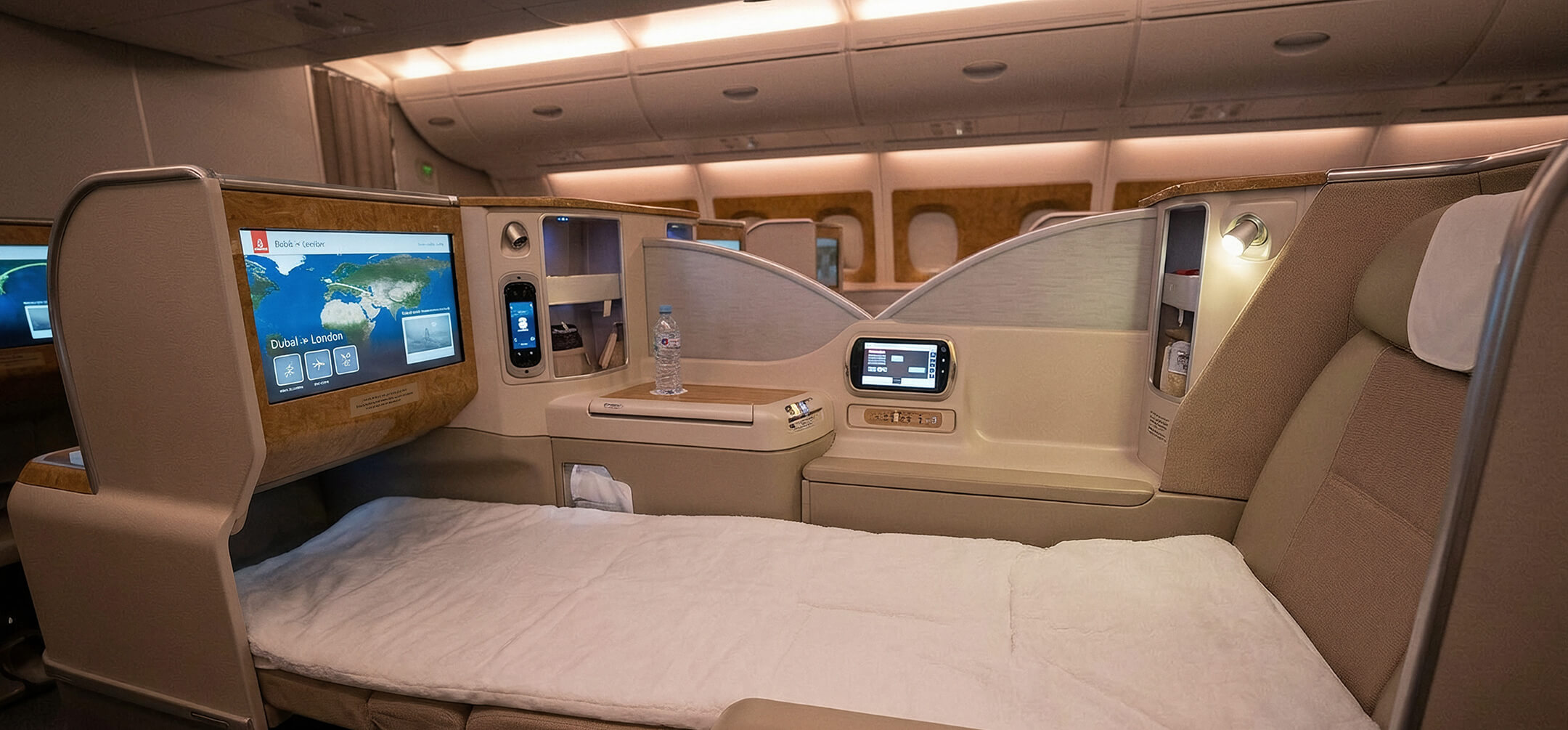
Long-haul flights to Cebu usually connect through one or more Asian hubs, so the main choice is not just price, but how much transit time you want to trade for a simpler itinerary. The examples below show common route patterns from New York and Los Angeles.
From New York, EVA Air, Cathay Pacific, Korean Air, Philippine Airlines, and Asiana Airlines commonly appear on itineraries into Cebu. Typical total travel time runs about 16 to 18 hours nonstop when available, or 20 to 28 hours with one stop through TPE, HKG, ICN, MNL, or NRT; round-trip fares usually start at $4,000 and can reach $8,500.
Los Angeles travelers usually see Philippine Airlines, EVA Air, Korean Air, Singapore Airlines, and Cathay Pacific on the route to Cebu. The nonstop option takes about 15 to 17 hours, while one-stop itineraries through MNL, TPE, ICN, HKG, NRT, or SIN often stretch to roughly 18 to 26 hours; round-trip fares generally run $3,500 to $7,500.
Cebu feels different when you slow down
A well-paced Cebu trip gives each district a clear role, with Magellan’s Cross and the Basilica Minore del Santo Niño on one day, Taoist Temple and Sirao on another, and a calmer final stretch in Cebu Business Park, Lahug, or IT Park before the airport run. Taxis handle the long links, while short walks work once you are already downtown. If you want AranGrant experts to shape Cebu around your dates, start with the neighborhood that fits your stay