

Chapters:

Need help with your trip?
Our support team is available 24/7. Request a callback or call us directly at (833) 619-0908
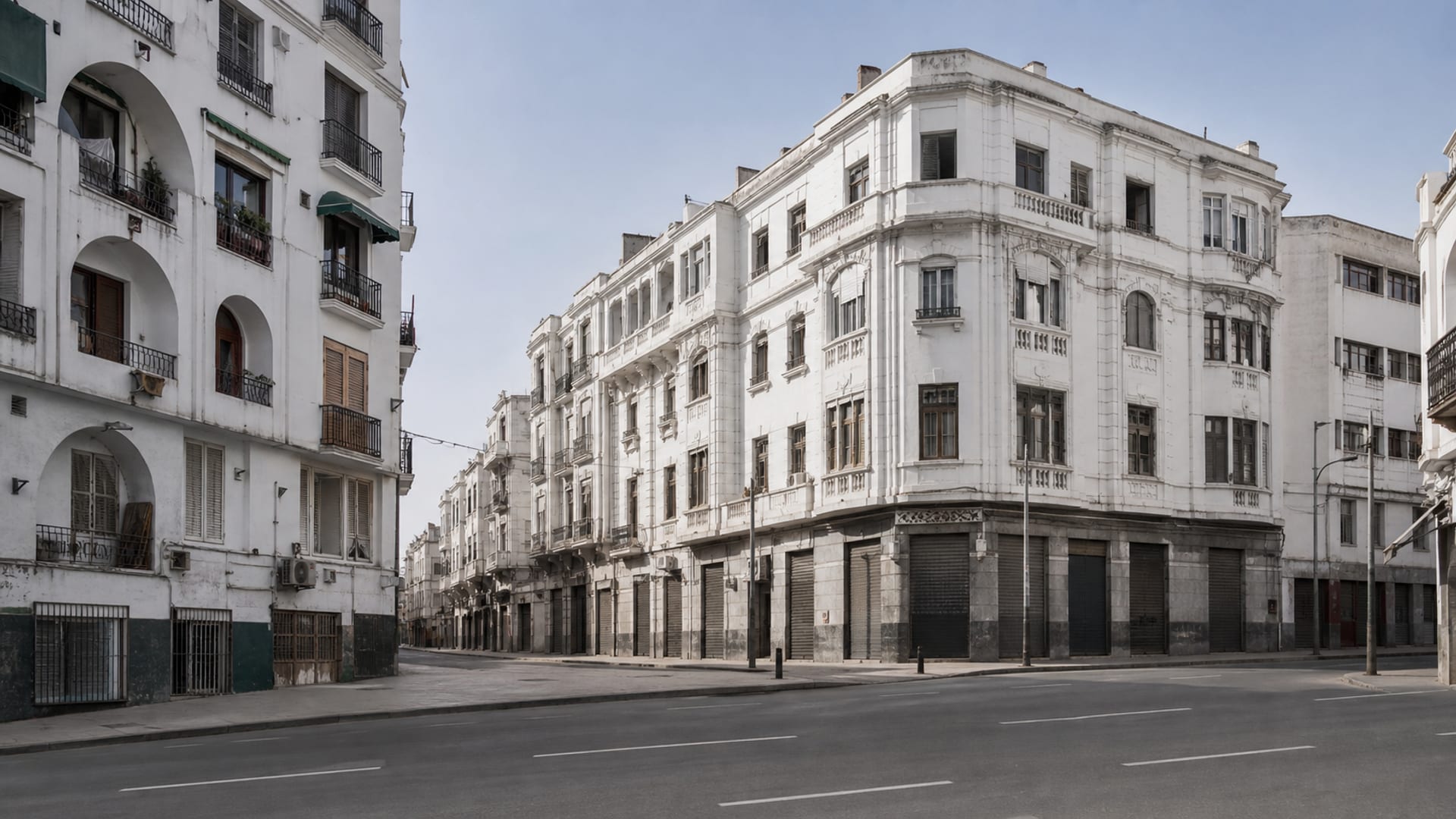
Casablanca often starts with a quick mosque visit, a medina walk, and one waterfront dinner, but many travelers miss how much time the city asks between those points.
The key issue is distance: the center, the Corniche, and the old quarters sit far enough apart that repeated cross-town rides can take more energy than expected, especially in traffic.
This guide follows a tighter five-day order, so you can pair neighborhoods with nearby sights, limit backtracking, and leave room for cafés, meals, and short pauses.
Useful things to know

Main language(s): Arabic, French
Salam (sa-LAHM) – Hello
Min fadlak (min FAD-lak) – Please
Shukran (SHOOK-rahn) – Thank you
Hal tatakallam al-ingliziya? (hal ta-ta-kal-LAM al-in-gli-ZI-ya) – Do you speak English?
Bikam hadha? (bee-KAM HA-dha) – How much does it cost?

Currency: The local currency is the Moroccan dirham (MAD, د.م.).

Cash and cards: Cards and contactless are widely accepted in hotels and larger restaurants; carry about 200 to 400 MAD ($20 to $40) in cash for taxis and small shops.

Tipping: Round up small bills; leave about 5% to 10% in restaurants if service is good.

Traditional food: B’stilla, couscous, tagine, harira

Water and coffee costs: Water ~10 to 20 MAD ($1 to $2), bar espresso ~15 to 25 MAD ($1.50 to $2.50).

Taxis and ride apps: Careem and InDrive operate here; confirm the pickup point before you ride.

Plug and voltage: Type C/E socket, 220V

Dining and shop opening hours: Breakfast is about 7:00-10:00 am, lunch 12:30-3:00 pm, and dinner 7:00-11:00 pm. Many cafes stay open later, while some smaller places close between meal periods.

Emergency number: Call 112 or 19 for police, 15 for ambulance, and 15 for fire.
Where to stay in Casablanca
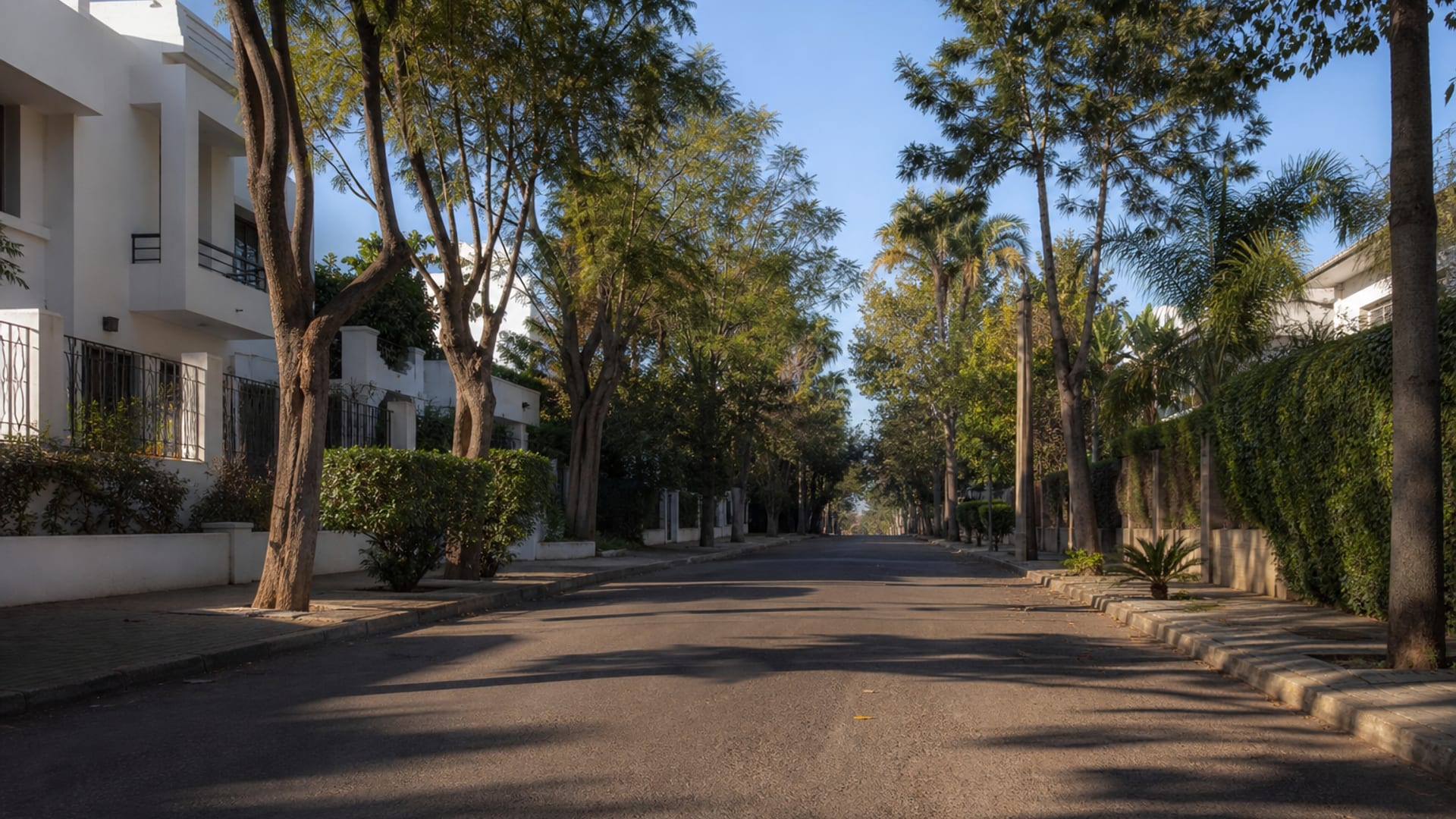
Anfa is one of Casablanca’s most upscale residential quarters, with broad avenues, low-rise villas, and newer apartment buildings. It matters for visitors who want a quieter base with easy taxi access to the Corniche, Morocco Mall, and central districts.
Best for: Travelers seeking a quieter upscale base, beach access, and easy rides across the city
What to expect: Wide streets, gated residences, and a lot of local car traffic rather than heavy pedestrian bustle.
Hotel prices: Usually about 1,000 MAD to 2,500 MAD (~$100 to ~$250) per night for well-rated stays
Distance to major sights: About 15 minutes by taxi to the Hassan II Mosque and about 20 minutes to the Old Medina
Quietness: Quieter in the day, with more traffic and restaurant activity in the evening
Main trade-off: You will rely on taxis for most sightseeing, and the best sea-facing rooms can be costly.
Good to know: Plan on taxi rides for dinners and historic sights, since the neighborhood is set back from Casablanca’s main sightseeing streets.
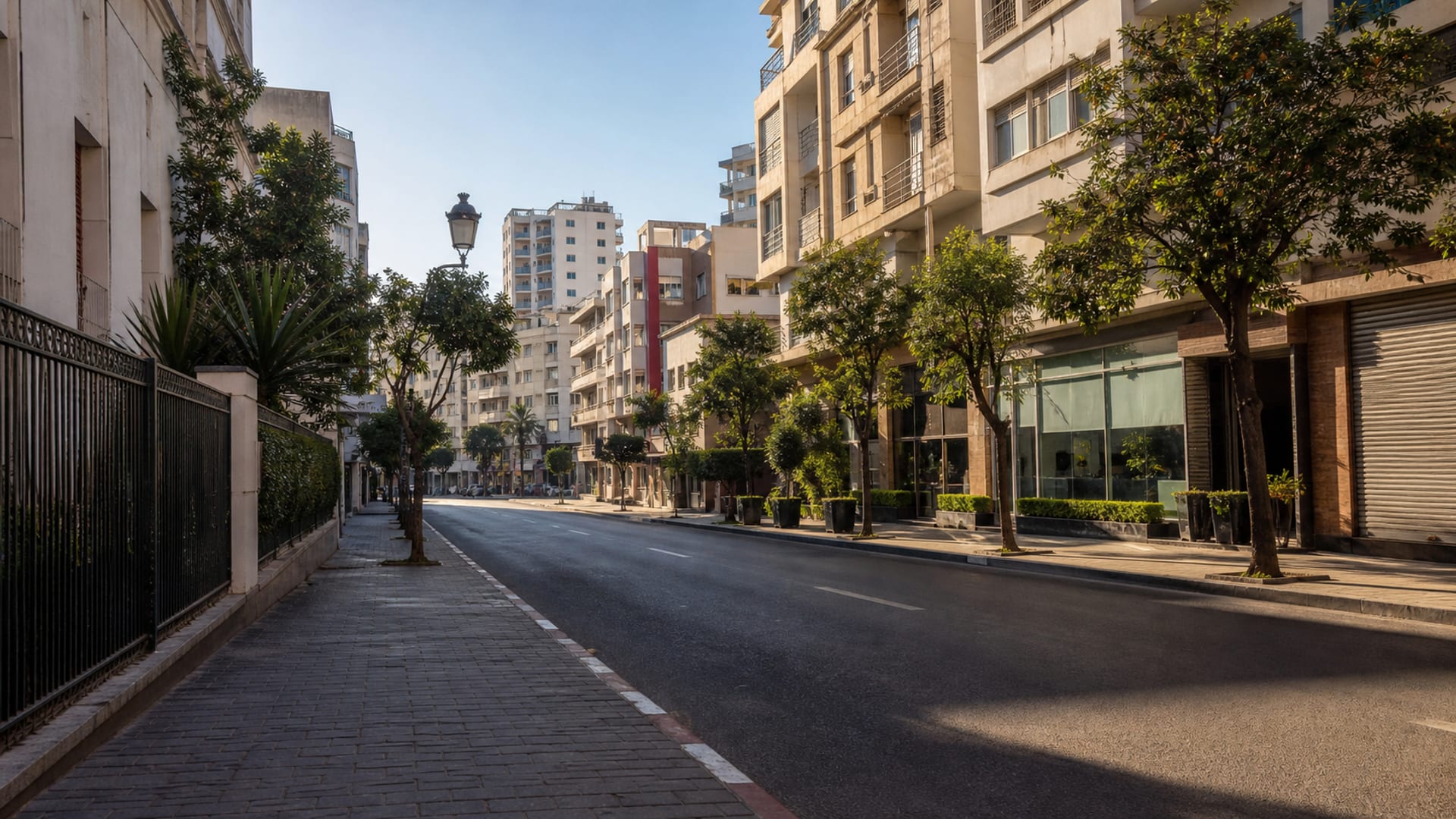
Maarif is a busy central district known for shopping streets, cafés, and apartment hotels. It works well for visitors who want an urban base with more dining choices than the waterfront districts and easy access to both the city center and the business quarter.
Best for: Shopping, cafés, business trips, and travelers who want an energetic central base
What to expect: Constant street activity, full sidewalks, and a steady flow of cars, shoppers, and office workers.
Hotel prices: Usually about 700 MAD to 1,800 MAD (~$70 to ~$180) per night for well-rated stays
Distance to major sights: About 10 minutes by taxi to Casablanca Cathedral and about 20 minutes to the Hassan II Mosque
Quietness: Busy most of the day and into the evening, then calmer late at night on side streets
Main trade-off: It can be noisy and parking is harder than in residential districts.
Good to know: Choose a room away from the main roads if you are sensitive to traffic noise, because late cafés and cars keep the area active.
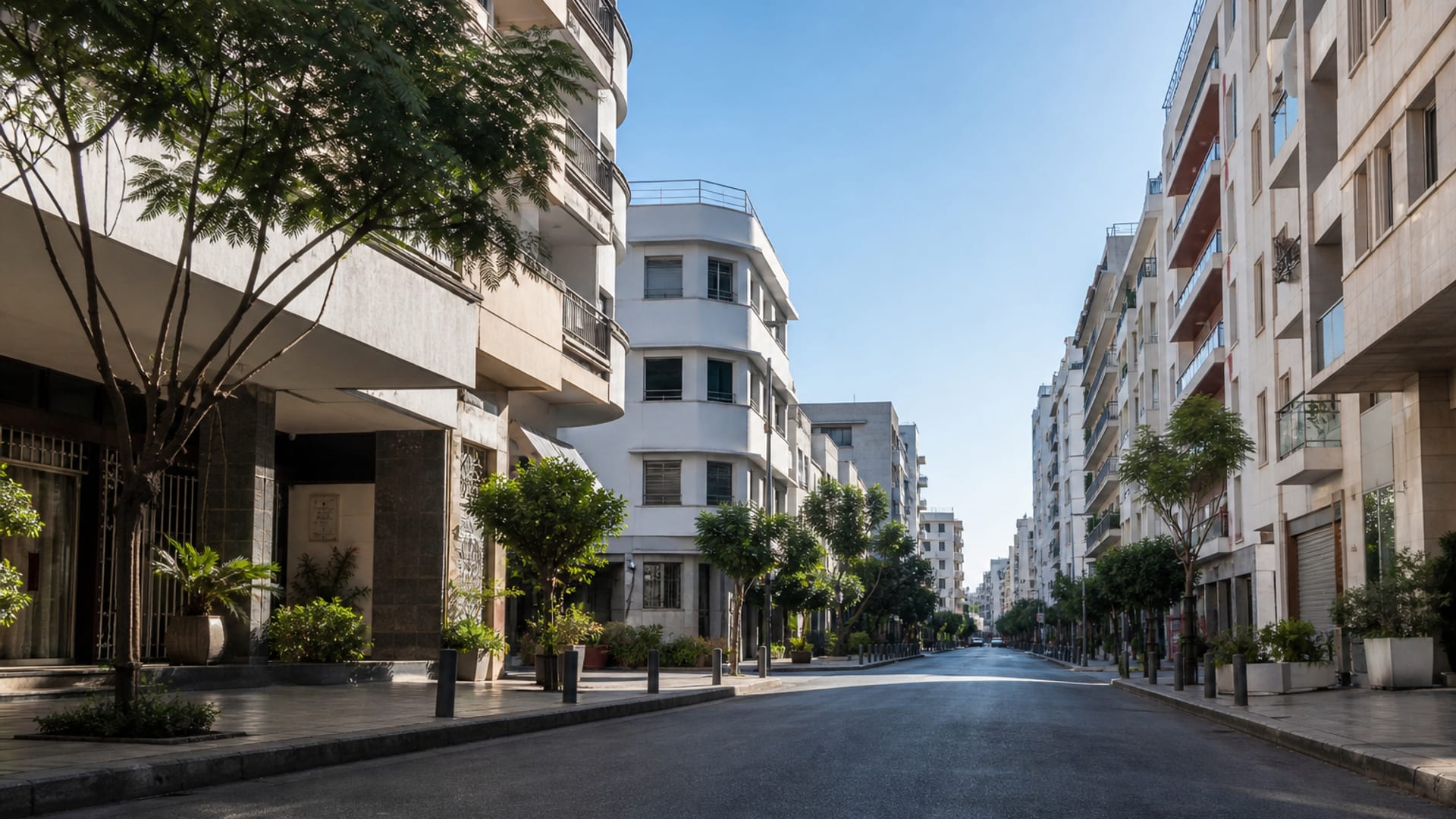
Gauthier sits just south of the center and is packed with restaurants, cafés, galleries, and midrange hotels. It is a strong fit for visitors who want to walk to many dinner options and still reach the main monuments by a short taxi ride.
Best for: Dining, nightlife, and travelers who want a walkable base near the center
What to expect: Leafier streets than Maarif, with busy evenings, terrace dining, and a mix of locals and visitors.
Hotel prices: Usually about 800 MAD to 2,000 MAD (~$80 to ~$200) per night for well-rated stays
Distance to major sights: About 10 minutes by taxi to Casablanca Cathedral and about 15 minutes to Mohammed V Square
Quietness: Calmer in the morning, livelier after sunset, especially near the restaurant clusters
Main trade-off: Prices can climb on the best blocks, and late dining areas bring more street noise.
Good to know: Book early for weekends, since the most walkable streets near the best restaurants fill up first.
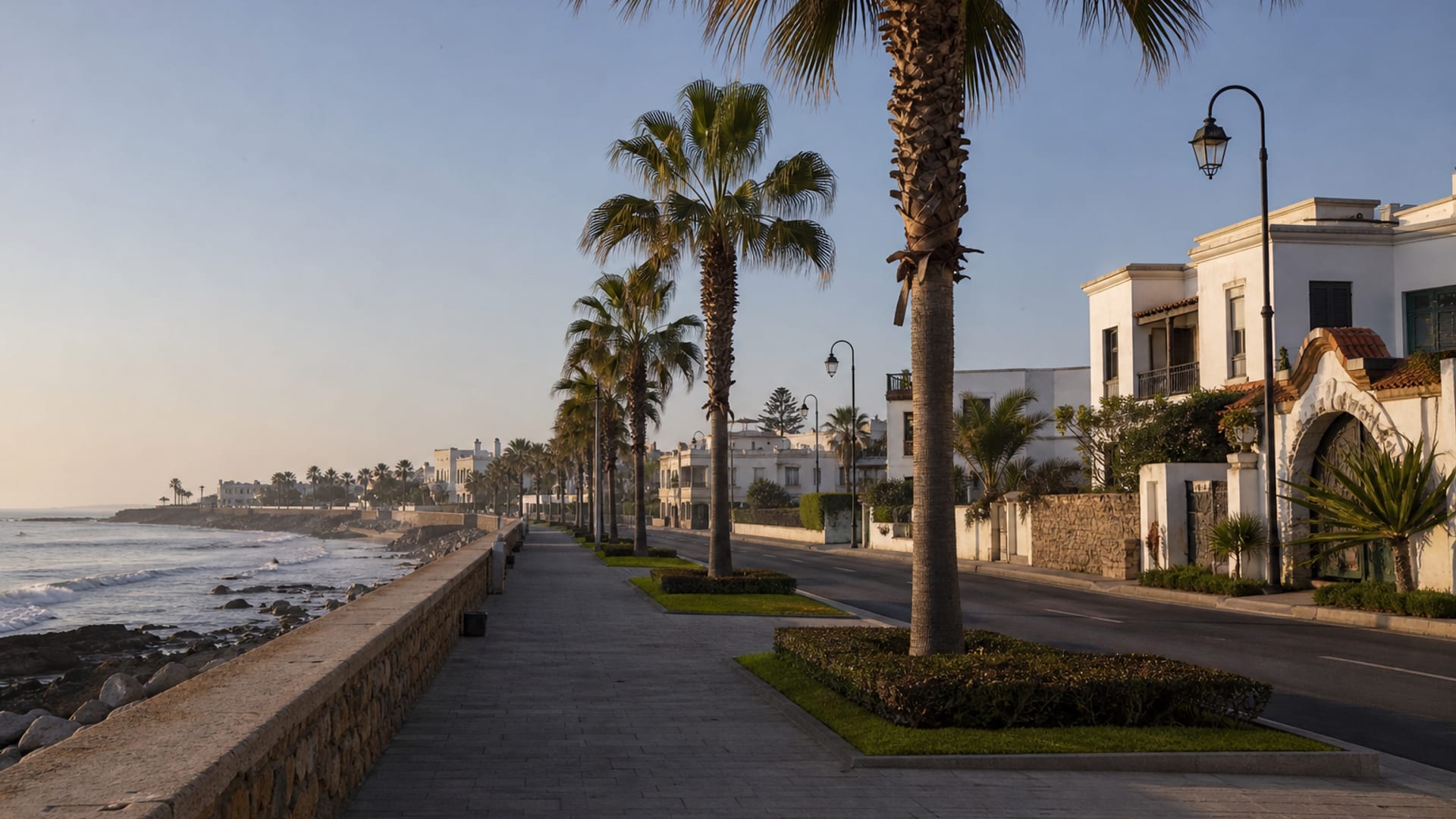
Ain Diab is Casablanca’s beachfront strip, lined with hotels, clubs, restaurants, and access to the Corniche. It matters for travelers who want sea views and an easy base for sunset walks, while still being within a taxi ride of the historic center.
Best for: Beach stays, nightlife, and visitors who prioritize sea views and waterfront dining
What to expect: Heavy evening traffic, active promenades, and the most animated nighttime scene among the main stay areas.
Hotel prices: Usually about 1,200 MAD to 3,500 MAD (~$120 to ~$350) per night for well-rated stays
Distance to major sights: About 20 minutes by taxi to the Hassan II Mosque and about 25 minutes to the Old Medina
Quietness: Busier and noisier in the evening, especially near beach clubs; calmer early in the day
Main trade-off: You will pay more for rooms with sea access, and reaching the medina takes longer than from the center.
Good to know: If you want dinner by the water, stay here, but expect to use taxis for most sightseeing and museum visits.
Travelers usually avoid Sidi Moumen, Hay Hassani, and Ain Sebaa for overnight stays, since they sit far from the main visitor sights in the city center and along the waterfront, and evening transit back to central restaurants and hotels is less convenient. Ain Diab on the far beach stretch can also be less convenient if you plan to sightsee daily, because it is far from the medina and downtown landmarks, while some pockets of Maarif away from the main avenues have fewer visitor-focused amenities and more traffic-heavy streets.
Hotel deals
How to get around Casablanca efficiently
Casablanca’s tram, trains, taxis, and ride apps each cover a different slice of the city, so the best results come from matching the mode to the neighborhood.

Train
for longer distances
Casablanca Airport (CMN) has no metro, so the closest rail option is the ONCF train from Casablanca Mohammed V Airport station, which runs toward Casa Voyageurs and the city center in about 30 to 45 minutes. Tickets are typically about $3 to $5 (approximately 30 to 50 MAD), and the airport station sits a short walk from the terminal area.

Bus and tram
for convenience
Tram and bus travel in Casablanca centers on the Casa Tramway lines and city buses, with the tram often the clearest option for downtown, Maarif, the old medina edge, and connections to major rail stops. A single ride is about $0.50 to $0.75 (roughly 5 to 7 MAD), with tickets valid for one trip; buses cover more neighborhoods but can take longer and usually need exact change or a rechargeable card.

Taxi
for convenience or late hours
Licensed petit taxis use meters in the city, while airport trips from Casablanca Mohammed V Airport often use set fares, usually about $25 to $40 ($250 to $400 MAD) to central Casablanca depending on time and traffic. Hail them at official ranks or on main streets, confirm the meter is running for local trips, and expect cash to be the safest payment method, though some drivers accept cards only rarely.
*Prices are based on rates updated as of June 2026 and may change at the time of travel.
Use the tram and rail for central hops, taxis for mosque and airport transfers, and walking for the densest stretches of Gauthier and the old medina edge.
Iconic landmarks
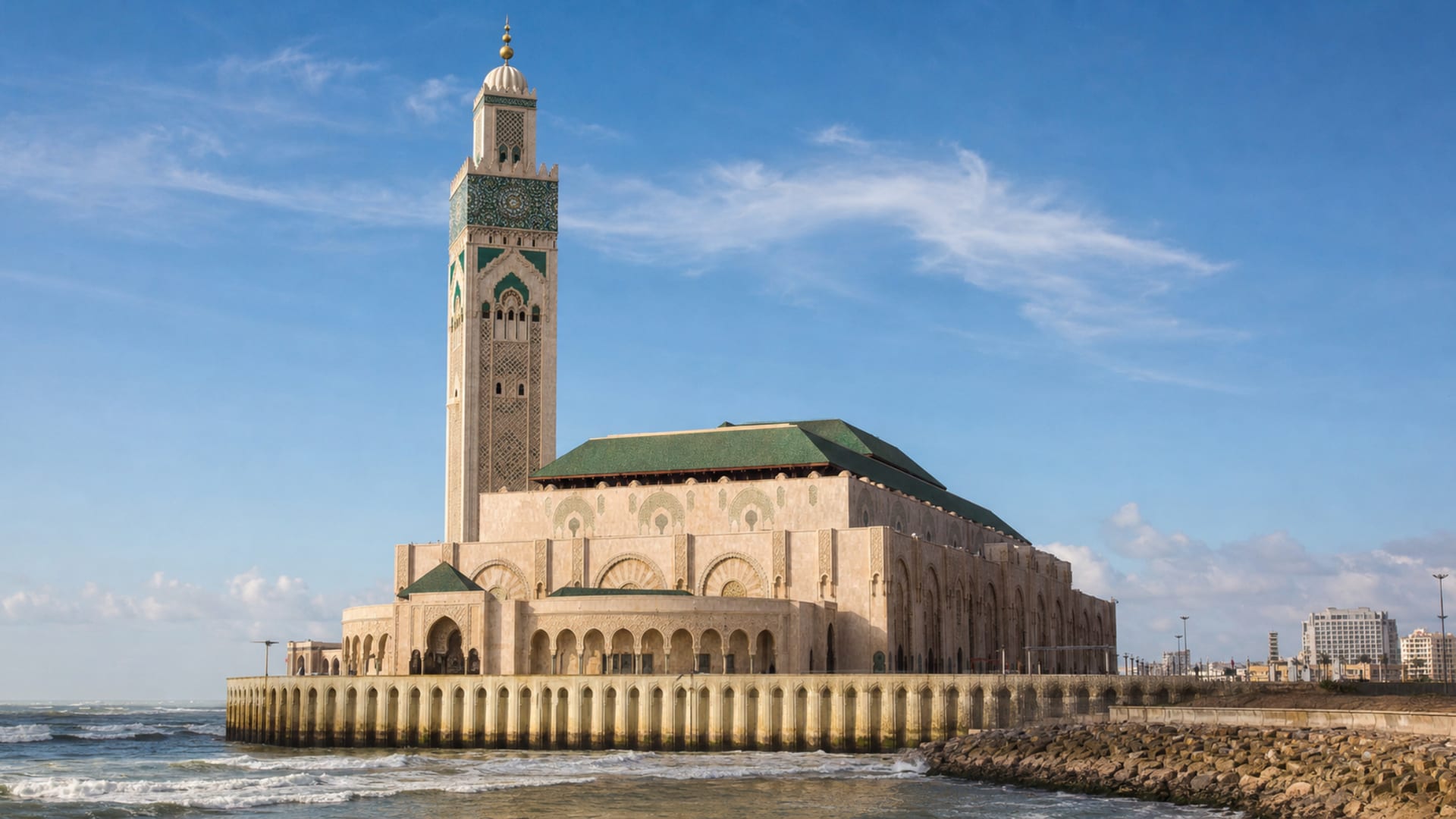
Hassan II Mosque
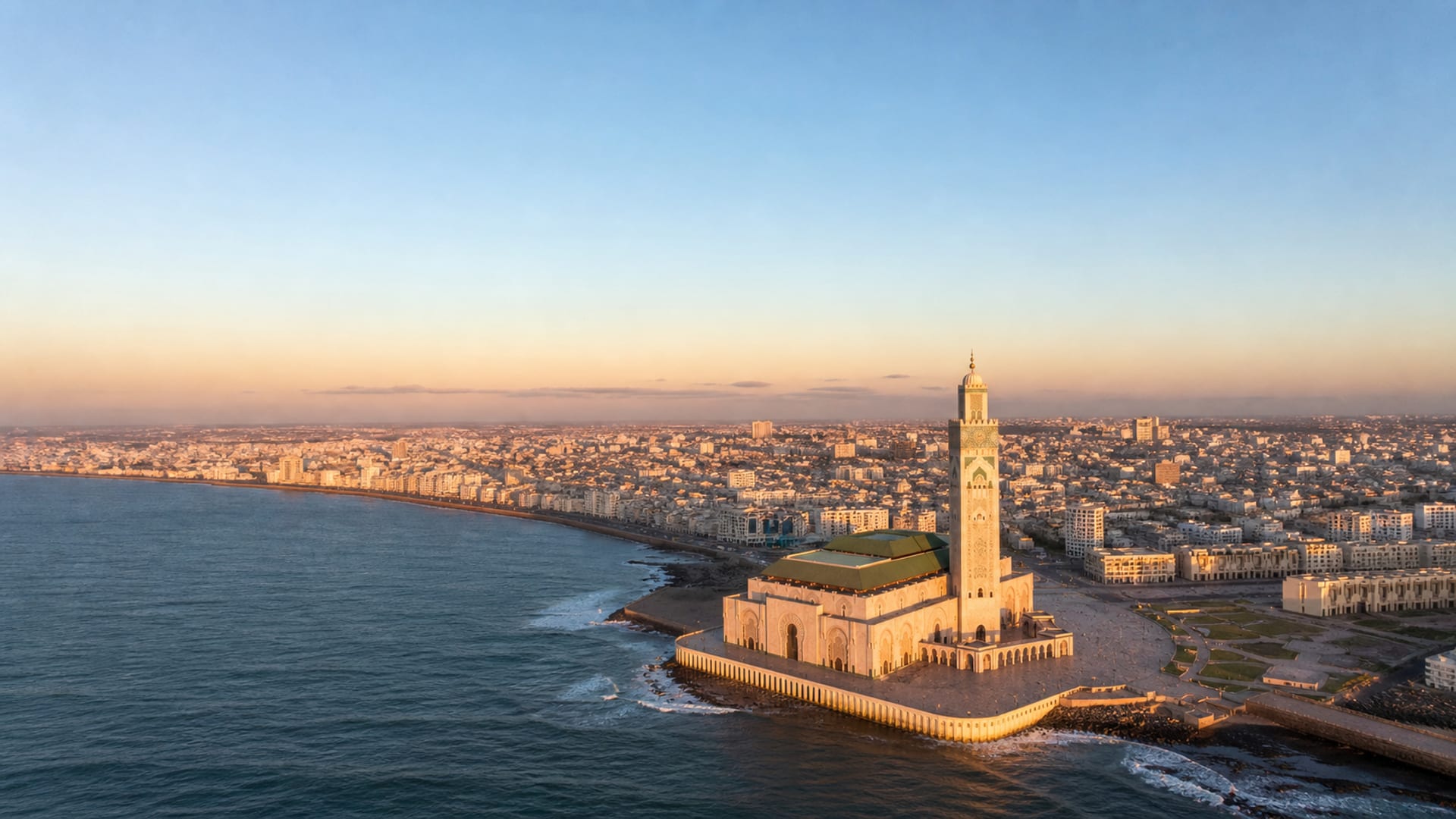
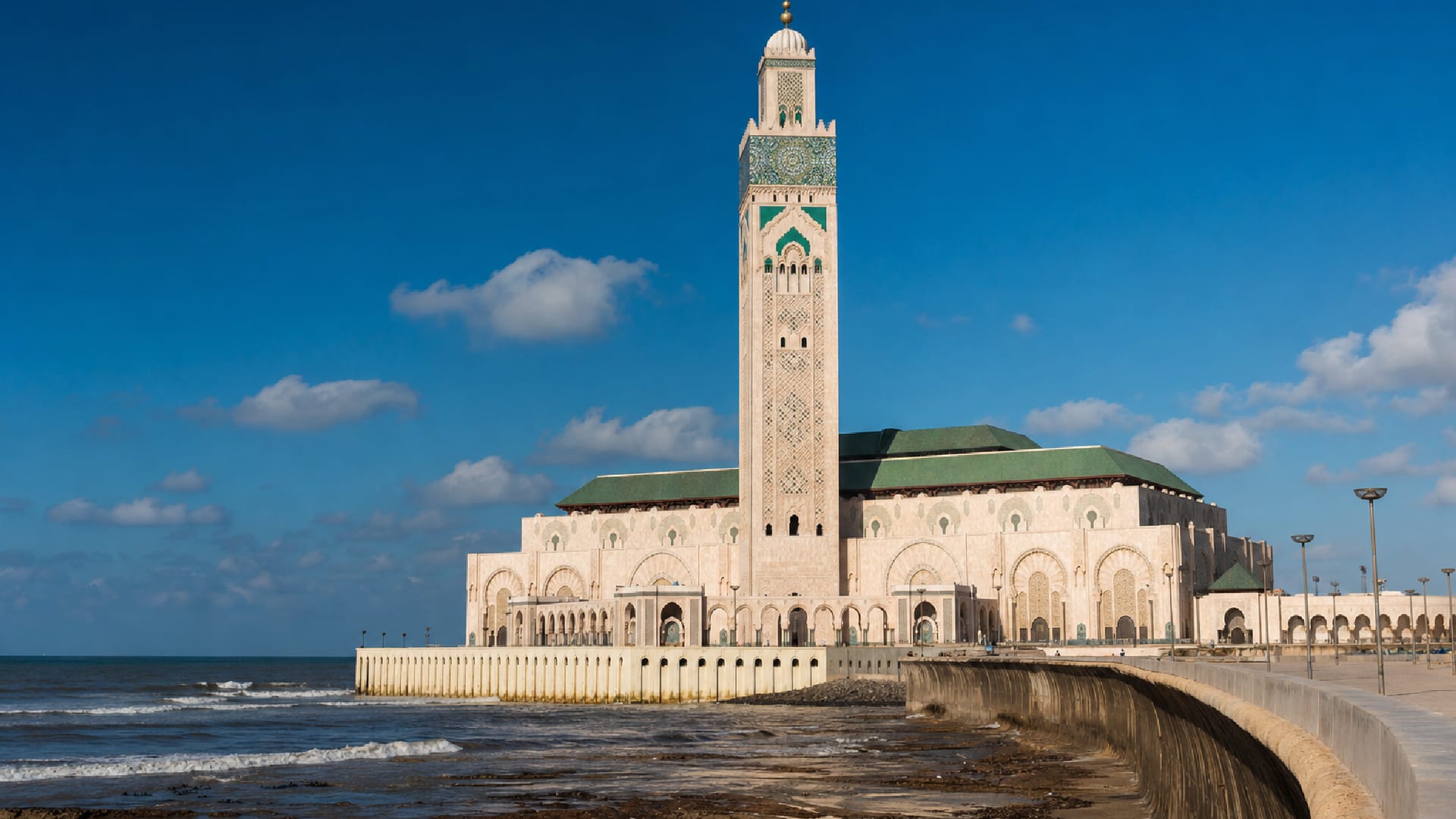
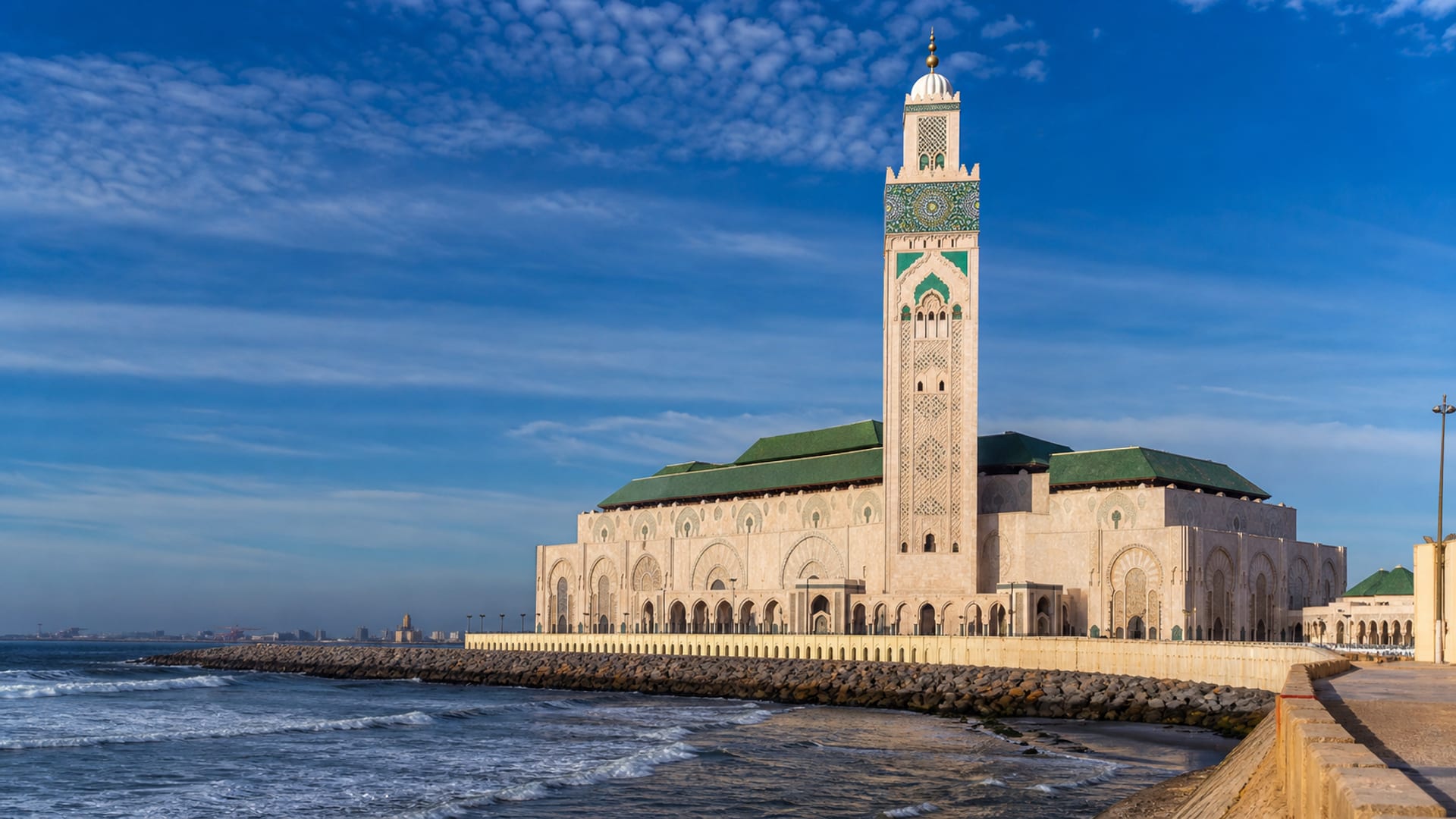
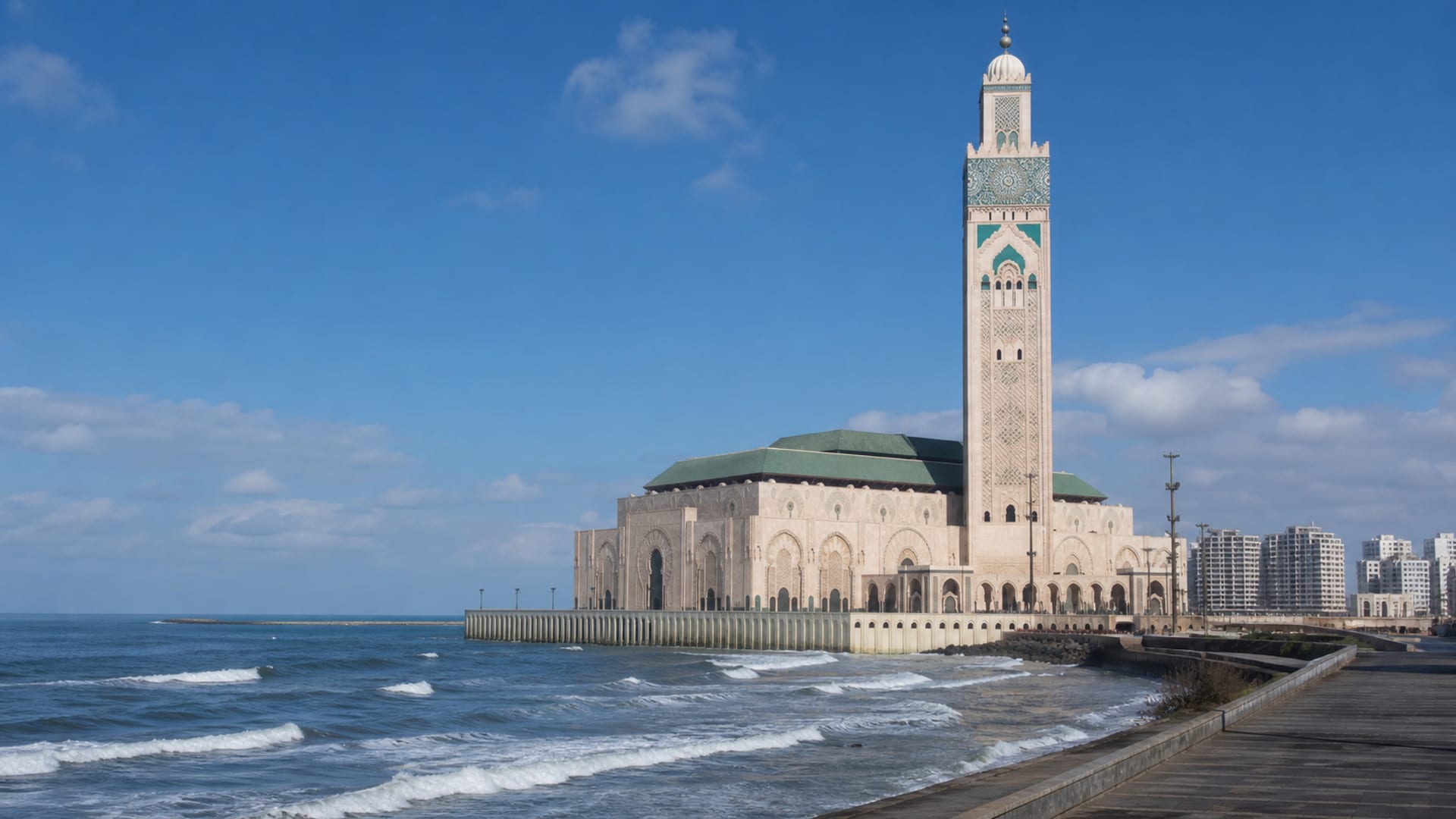
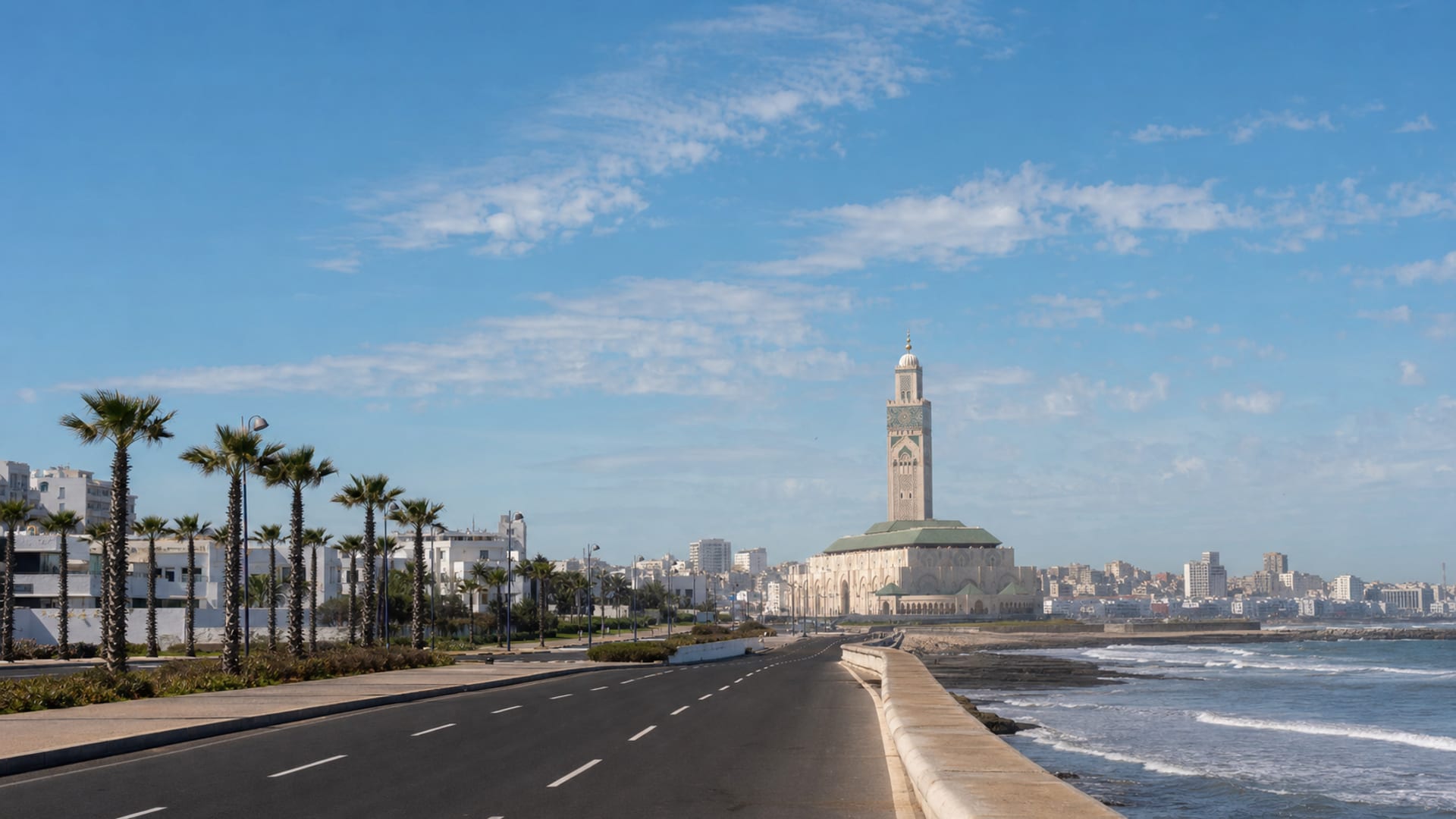
One of Casablanca’s defining landmarks, this mosque sits partly over the Atlantic and ranks among the largest in the world. Guided visits reveal carved cedar, zellige tilework, and a 210-meter minaret that dominates the shoreline.
Time needed: About 1 to 2 hours
Entry: Guided visits cost about $14 to $16 (about 140 to 160 dirhams) for adults, with reduced rates for children Visit the official site for details.
Tip: Go late morning, when guided visits run often and the coastal light is clear.
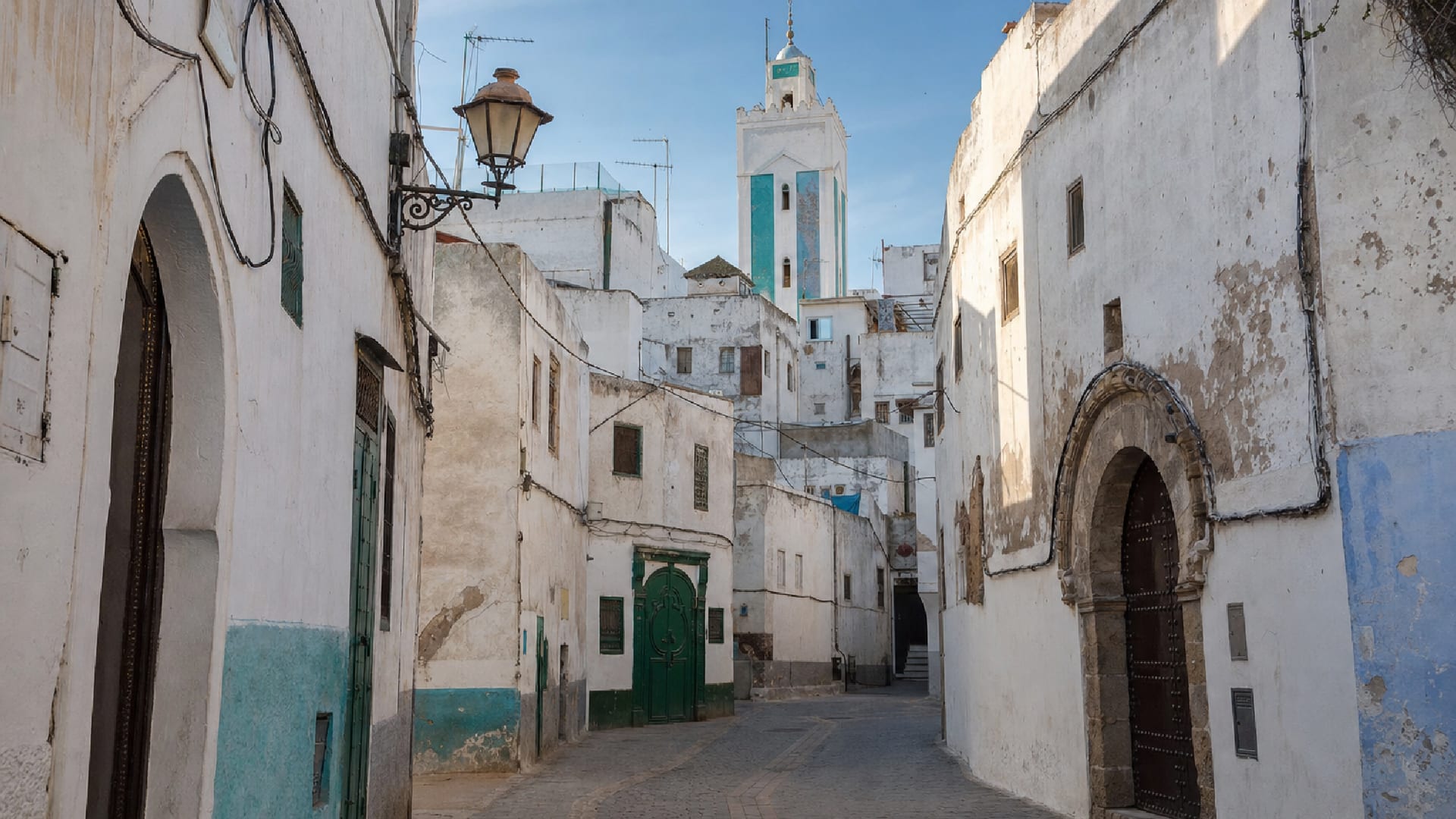
Old Medina of Casablanca
Inside the city’s oldest quarter, narrow lanes thread past spice stalls, small workshops, and whitewashed walls. The district gives a close look at daily trade near the port, with the central market and Bab Marrakech within easy reach.
Time needed: About 2 to 3 hours
Entry: Free to access, with no ticket required to walk the streets and market lanes.
Tip: Visit in the morning, before the lanes fill and shade is still generous.
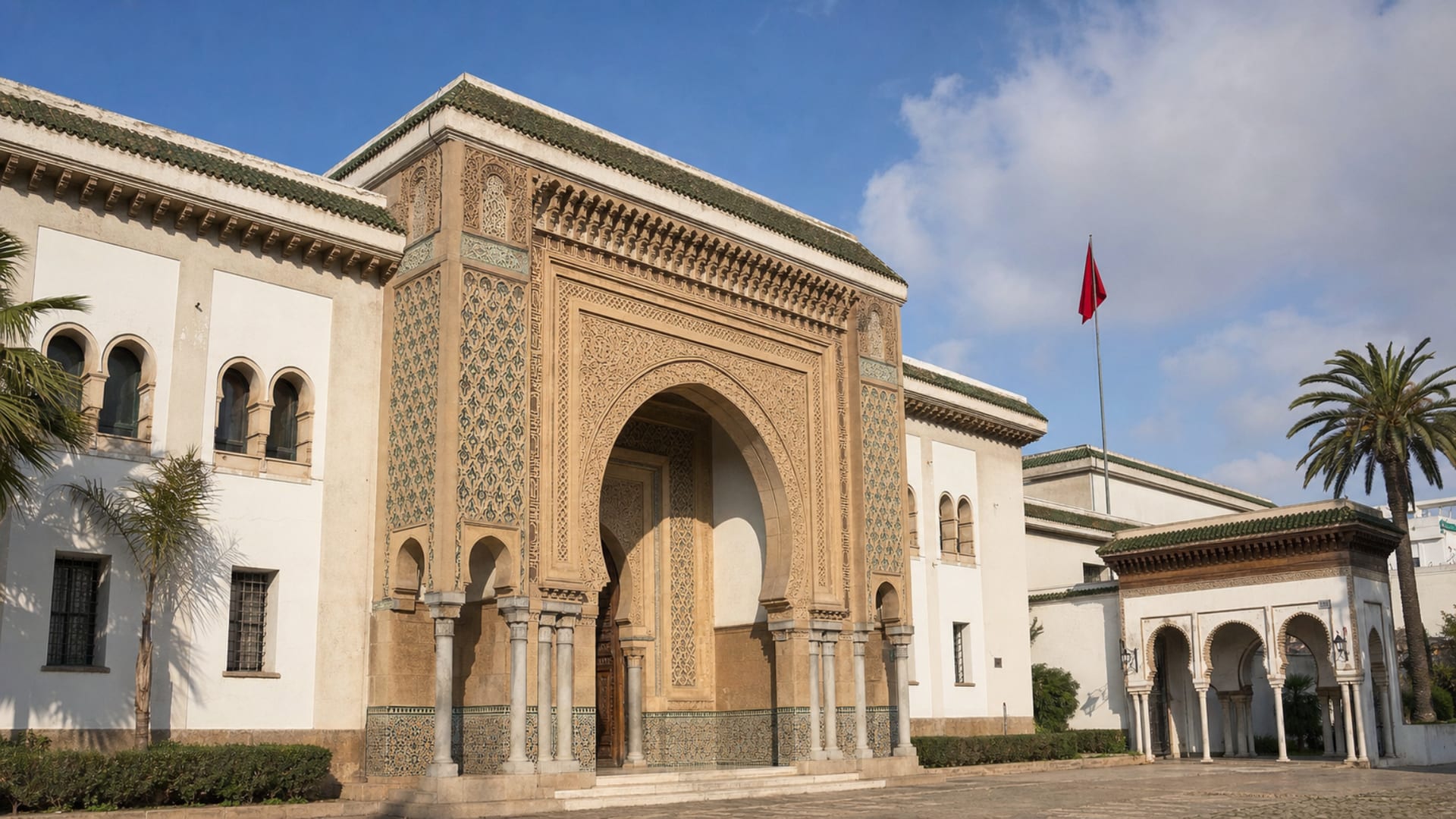
Mahkama du Pacha
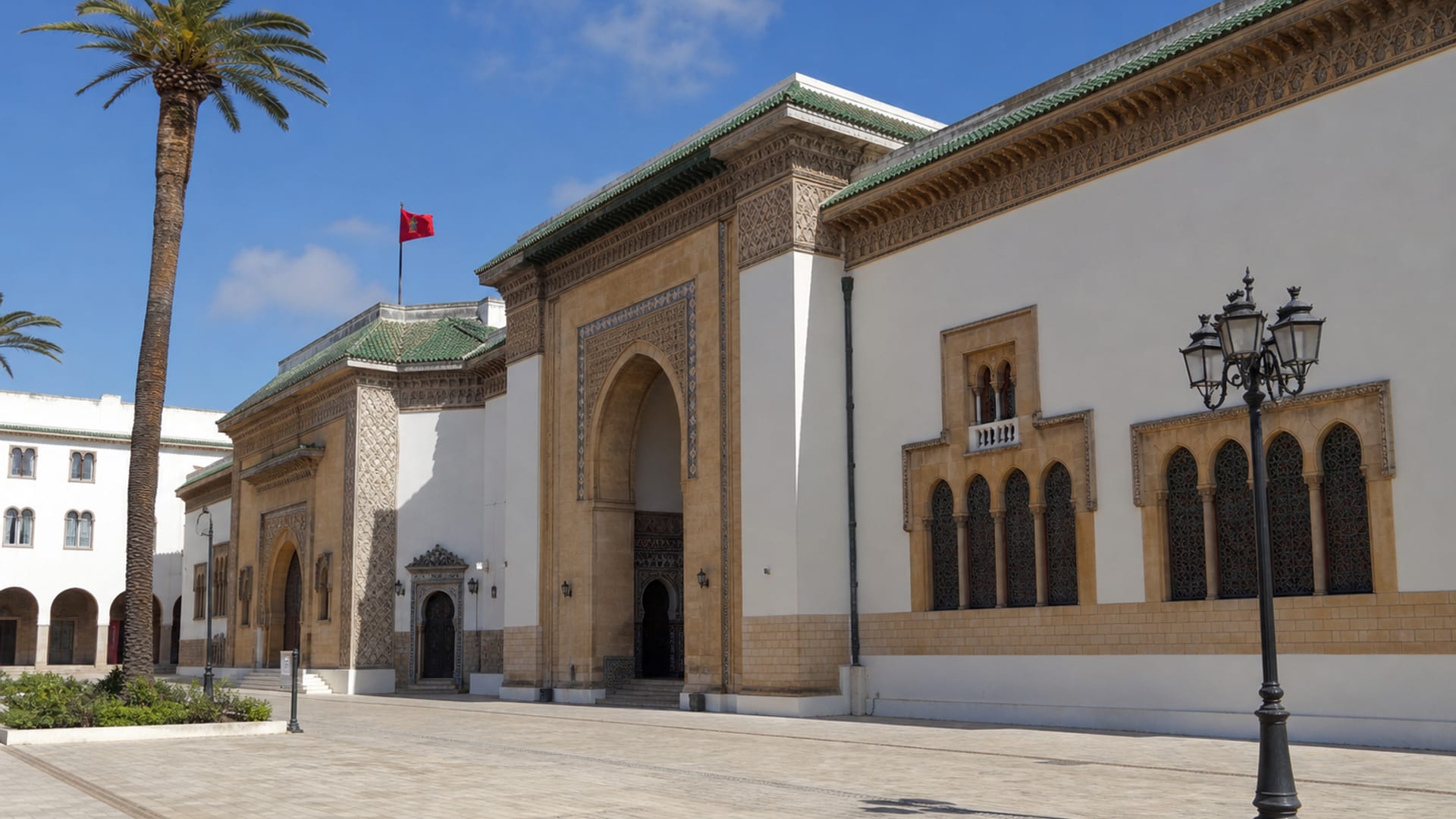
Built in the 1940s as a civic and judicial complex, Mahkama du Pacha pairs Moorish arches with carved plaster, cedar ceilings, and tiled courtyards. Its interiors show some of Casablanca’s finest historic ornament, with guided entry only.
Time needed: About 1 hour
Entry: Guided visits cost about $4 to $6 (about 40 to 60 dirhams), and access depends on official opening hours.
Tip: Arrive earlier in the day, when access is likelier and the interior is easier to photograph.
Overlooked sites worth visiting

Villa des Arts de Casablanca
A compact art house in a 1930s villa, it shows rotating Moroccan and international exhibitions. The garden and rooms make it an easy stop between downtown stops without a long visit.
Time needed: About 1 hour
Entry: Admission is about $4 to $6 (40 to 60 MAD) for adults, with lower rates for students and groups. Some exhibitions or events may have separate pricing, so check the current program before you go Visit the official site for details.
Tip: Go late morning for quieter galleries.

Arab League Park
This central park gives Casablanca a larger patch of shade, palms, and fountains near the city center. Paths, benches, and open lawns make it a good pause from traffic without leaving town.
Time needed: About 1 to 2 hours
Entry: Free to access.
Tip: Visit near sunset for softer light and cooler paths.
Traditional food
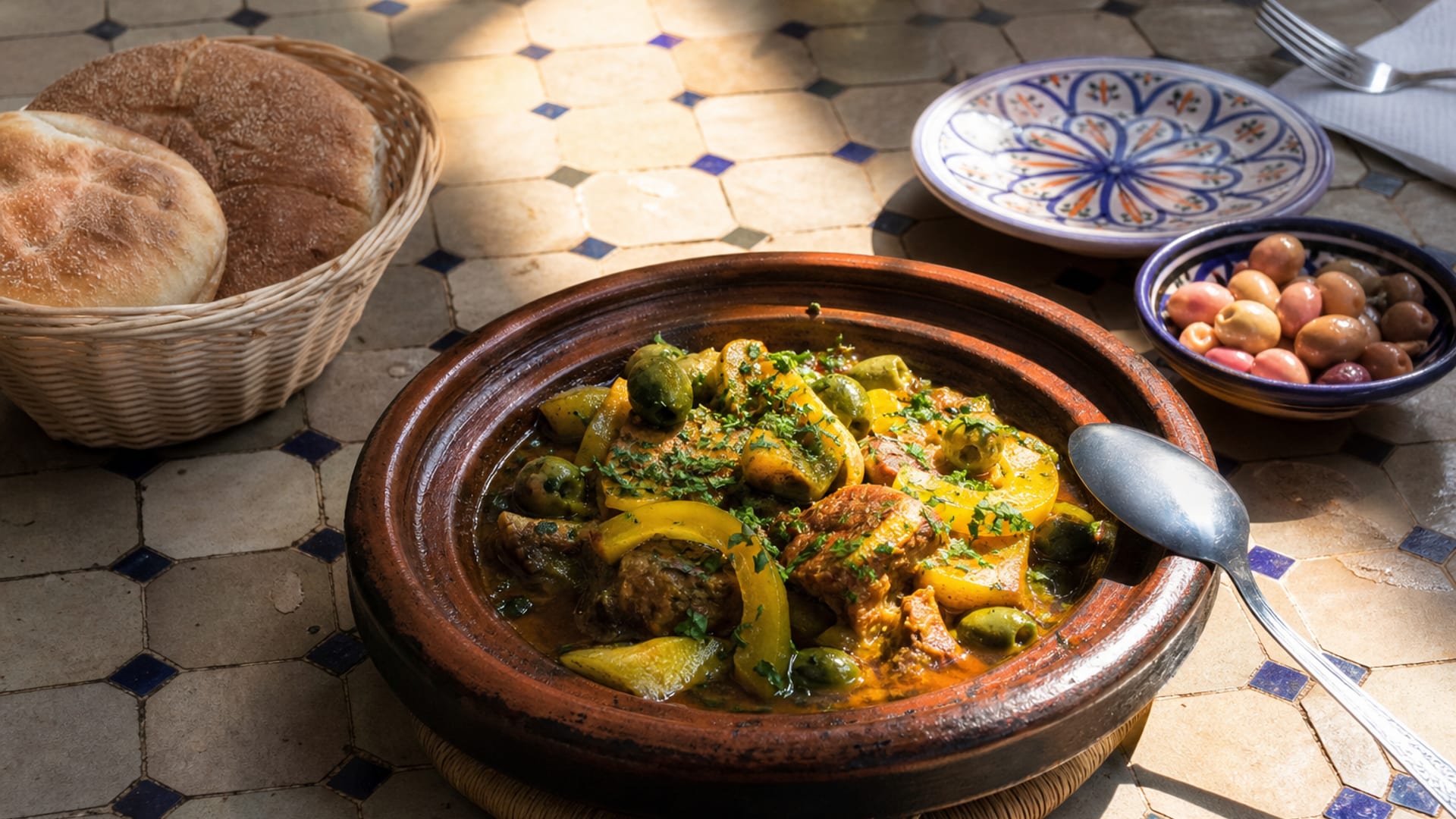
Casablanca’s cooking leans on cumin, saffron, preserved lemon, olives, and long-simmered sauces, with b’stilla, couscous, tagine, and harira anchoring everyday menus. Meals often stretch across cafés and restaurants rather than one fixed dining style.
B'stilla
This flaky pie balances sweet and savory flavors, often with spiced poultry, almonds, and cinnamon. For a polished version in Casablanca, La Sqala serves one of the city’s most recognized takes.
Couscous
Steamed semolina with vegetables and meat or chicken, couscous is a Friday staple and a standard order in traditional restaurants. Dar Dada prepares a version that suits a long lunch in the city center.
Tagine
Named for the vessel, tagine comes slow-cooked with meat, vegetables, olives, or preserved lemon. Rick’s Café is a classic Casablanca stop for a well-finished version in a memorable setting.
Harira
This tomato-based soup brings lentils, chickpeas, herbs, and warming spices, and it often appears at sunset or as a light meal. Le Cabestan offers a refined bowl with a sea-facing setting on the Corniche.
Best time to visit Casablanca
Casablanca stays usable year-round, but the most comfortable months balance milder temperatures with lighter coastal humidity and fewer long midday pauses.
Best for: Walking the medina, mosque visits, and café time in Gauthier
What you get: About 63 to 77°F (17 to 25°C), with moderate crowds and comfortable daytime touring
Trade-offs: Occasional spring showers can interrupt outdoor plans
Best for: Beach time, Corniche walks, and late dinners by the water
What you get: About 70 to 86°F (21 to 30°C), with heavier visitor traffic and fuller seaside areas
Trade-offs: Heat and humidity can make midday sightseeing tiring
Best for: Museum visits, mosque tours, and neighborhood exploration
What you get: About 65 to 80°F (18 to 27°C), with manageable crowds and good light for photos
Trade-offs: Some weeks still carry warm afternoons
Best for: City walks, indoor sights, and unhurried meals
What you get: About 50 to 66°F (10 to 19°C), with lighter crowds and cooler evenings
Trade-offs: Sea winds and cooler nights can limit outdoor time
A realistic 5-day plan in Casablanca
This five-day plan keeps the main landmarks close together on each day, then shifts to the coast and a final neighborhood reset. That order cuts down on repeat taxi rides and gives each area enough time to feel distinct.
Land at Casablanca (CMN), then take a taxi into Gauthier or Maarif in about 30 to 40 minutes, roughly $20 to $35 depending on traffic and time of day. After check-in, stay close to your hotel for a short first evening, drink plenty of water, and have a light dinner in Gauthier, where you can reach cafés on foot without a long ride across the city.
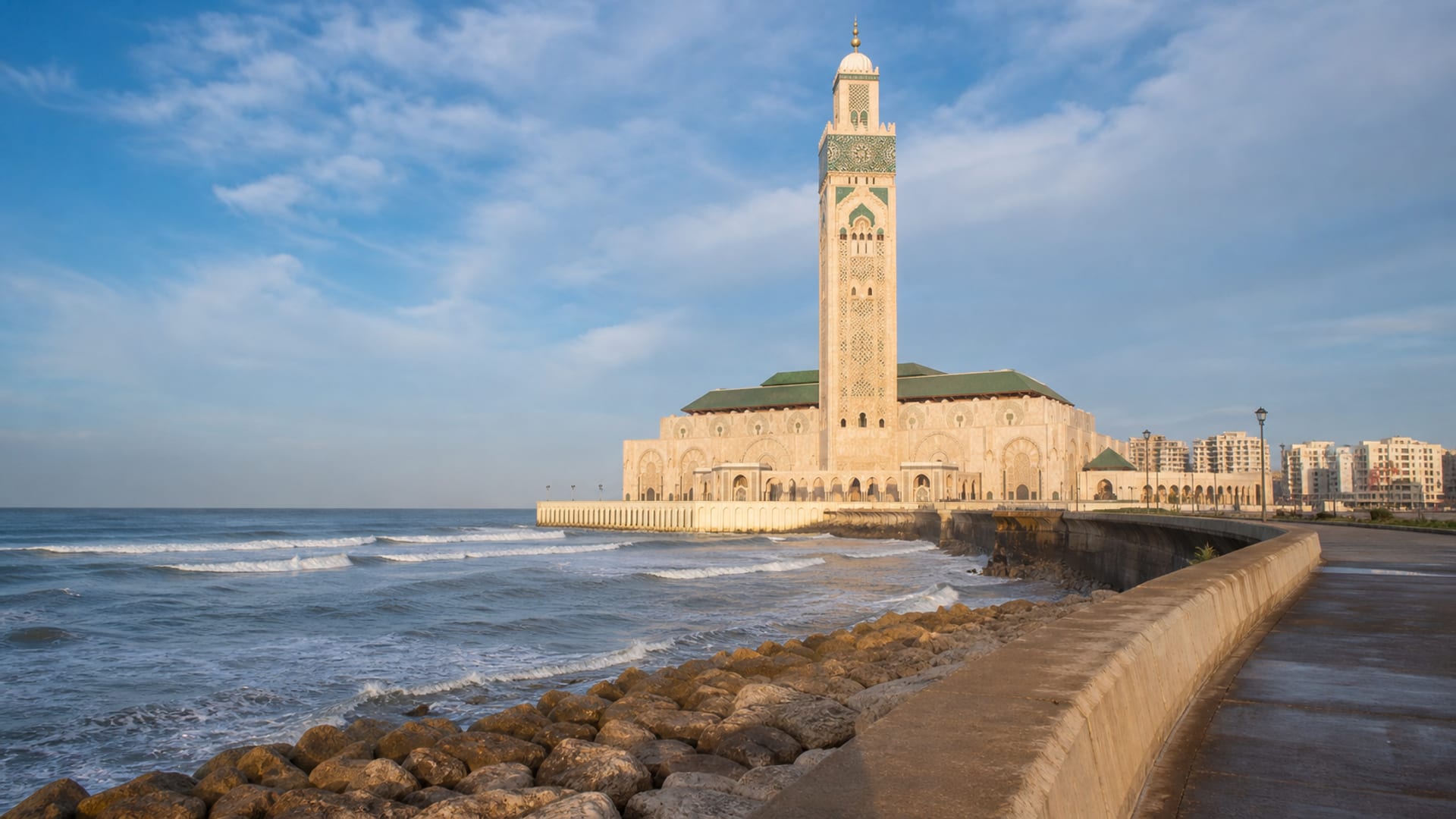
Start at the Hassan II Mosque late in the morning, when guided visits run often and the light works well for the oceanfront details. From Gauthier, the taxi ride takes about 15 to 20 minutes, and the visit itself lasts about 1 to 2 hours at roughly $14 to $16. Continue to the Old Medina of Casablanca, about 15 minutes away by taxi, then spend 2 to 3 hours in the lanes near Bab Marrakech and the central market. Finish with an easy dinner back in the center, since the medina and the mosque both sit far enough apart to make a midday taxi the simplest link.
Begin with Mahkama du Pacha, arriving early for the best chance of entry and cooler conditions inside the courtyards. From the city center, expect a taxi ride of about 10 to 15 minutes and about 1 hour for the guided visit at roughly $4 to $6. Then head to Villa des Arts de Casablanca, about 10 minutes by taxi from Mahkama du Pacha, for another 1 hour among rotating exhibitions and the villa garden. Finish the afternoon in Arab League Park, a short taxi ride away, where you can walk the paths and sit among the palms and fountains for 1 to 2 hours before dinner in nearby Maarif.
Begin near the Corniche in Ain Diab, then spend the morning and early afternoon with a slower coastal focus, walking the waterfront and stopping for a long lunch by the sea. If you want a visual centerpiece, return to the Hassan II Mosque, about 20 minutes away by taxi from Ain Diab, for another look from the exterior terraces and shoreline. Later, come back toward the center for a final dinner in Gauthier, where the taxi ride from the beachfront usually takes about 20 to 25 minutes and leaves you with plenty of restaurant choices within a short walk of your hotel.
A final morning in Casablanca works best with one compact cultural stop and a relaxed neighborhood circuit. Choose Villa des Arts de Casablanca if you want a last museum visit, then move to Maarif for shopping along its busy streets, where taxis from the museum usually take about 10 minutes. If you prefer a quieter closing coffee, sit down in Gauthier, about 10 minutes away, and keep luggage stored at the hotel until you head back to Casablanca (CMN).
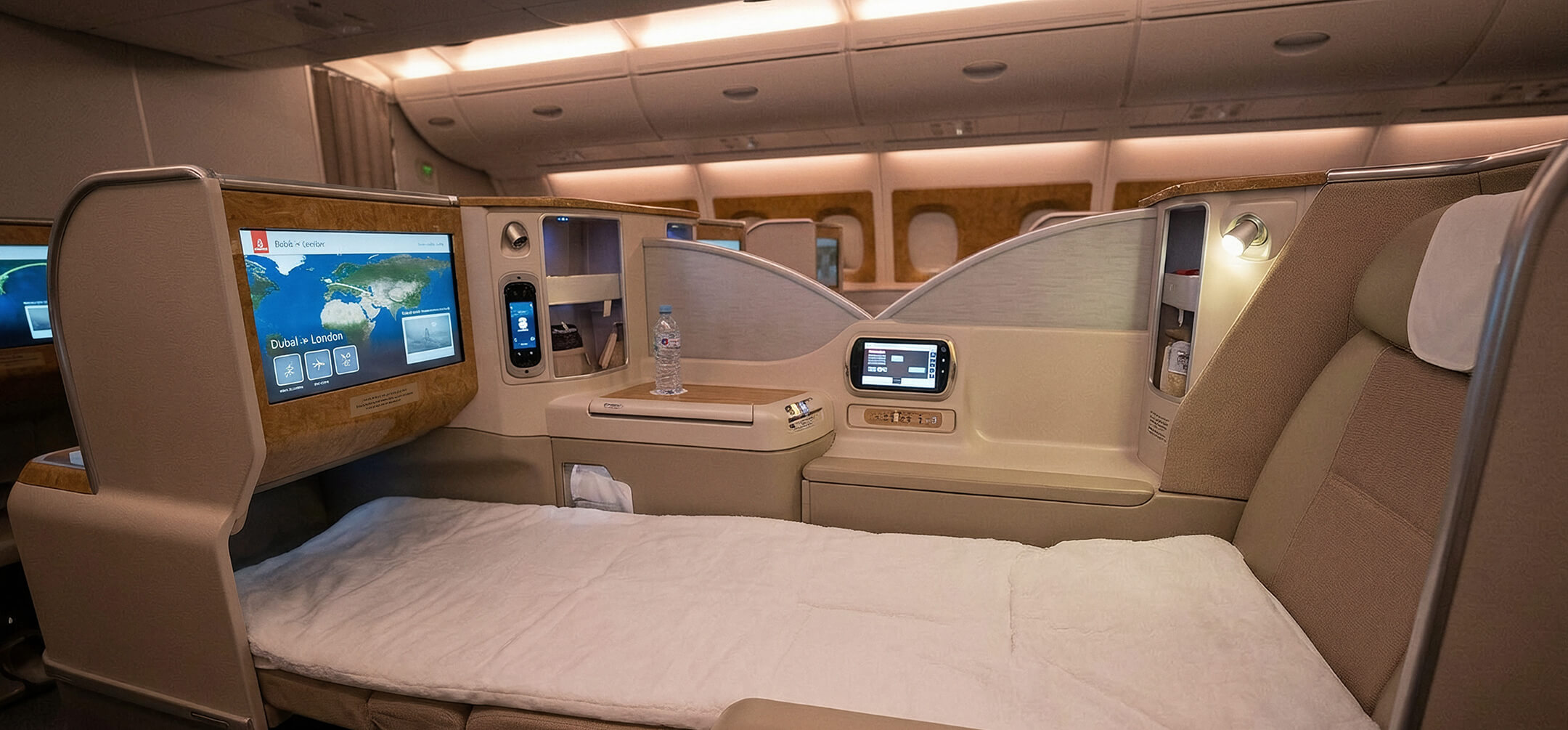
Business-class flights from the US to Casablanca
Business-class examples to Casablanca usually split into East Coast and West Coast itineraries, with the shortest path often coming from New York. Los Angeles travelers usually trade time for fare structure and routing choice.
From New York, Royal Air Maroc, Air France, British Airways, Iberia, Lufthansa, and Turkish Airlines all appear on the route. Nonstop flying time runs about 6.5 to 7.5 hours, while one-stop options often connect through CDG, LHR, MAD, FRA, or IST and stretch the journey to about 10 to 16 hours. Round-trip fares from New York to Casablanca often start at $2,500 and can climb to $5,500.
Los Angeles travelers usually see Royal Air Maroc, Air France, Iberia, Lufthansa, Turkish Airlines, and KLM on the route. Direct service is not typical, so one-stop itineraries through CDG, MAD, FRA, IST, or AMS usually take about 13 to 19 hours overall. Expect round-trip fares from Los Angeles to Casablanca to begin near $3,000, with higher-season tickets reaching $6,500.
Casablanca feels different when you slow down
A well-planned Casablanca trip links Gauthier dinners, a morning at Hassan II Mosque, time in the Old Medina, and an afternoon in Ain Diab without forcing the city into a single pattern. Taxis, the tram, and a few short walks do most of the work when the day is ordered this way. For hotel choices near the right neighborhoods and the right pace, connect with AranGrant experts and build the trip around the stops you will actually use