

Chapters:

Need help with your trip?
Our support team is available 24/7. Request a callback or call us directly at (833) 619-0908
Cartagena trips often begin and end with the same loop, a taxi into the old center, a quick walk through the walls, then dinner in Getsemaní. Travelers who keep the schedule too tight often miss the quieter edge of the fortifications, the hilltop views, and the way lunch hours shape the day.
That rush can work against you. Distances are short on the map, but heat, traffic, and crowded plaza routes slow movement, and some sights sit better in the morning or late afternoon. If you try to chain everything together, you spend more time in transit than in the streets themselves.
This guide spaces the city out by district and time of day, so you can use the historic core, the fort, the convent, and the waterfront in a cleaner order.
Useful things to know


Main language(s): Spanish
Hola (OH-lah) – Hello
Por favor (por fah-VOR) – Please
Gracias (GRAH-syahs) – Thank you
¿Habla inglés? (AH-blah een-GLAYS) – Do you speak English?
¿Cuánto cuesta? (KWAHN-toh KWEHS-tah) – How much does it cost?

Currency: The local currency is the Colombian peso (COP, $).

Cash and cards: Cards and contactless are widely accepted in Cartagena; keep about COP 30,000 to 50,000 ($8 to $13) in cash.

Tipping: Round up small bills; leave about 10% at nicer restaurants if service is good.

Traditional food: Coconut rice with fried fish, Arepas de huevo, Carimañolas, Arroz con chipi chipi

Water and coffee costs: Water about COP 4,000 to 7,000 ($1 to $2), bar espresso about COP 6,000 to 10,000 ($2 to $3).

Taxis and ride apps: Uber and Cabify operate in Cartagena; confirm the plate before boarding.

Plug and voltage: Type A/B socket, 110V

Dining and shop opening hours: Breakfast is about 07:00-09:00, lunch 12:00-14:30, and dinner 19:00-22:00. Many restaurants close or run limited hours on Monday.

Emergency number: 911 for police, fire, and medical emergencies.
Where to stay in Cartagena
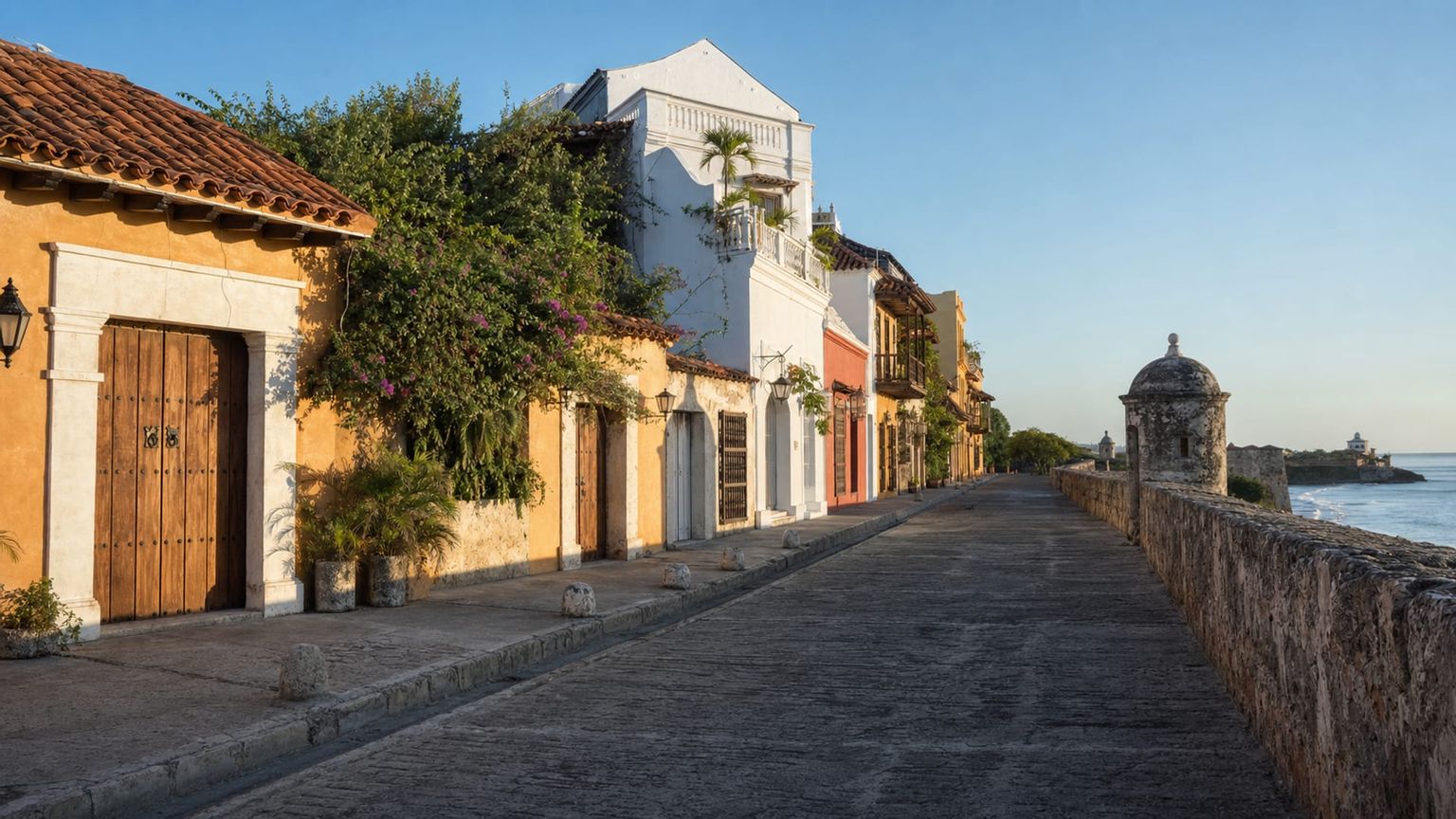
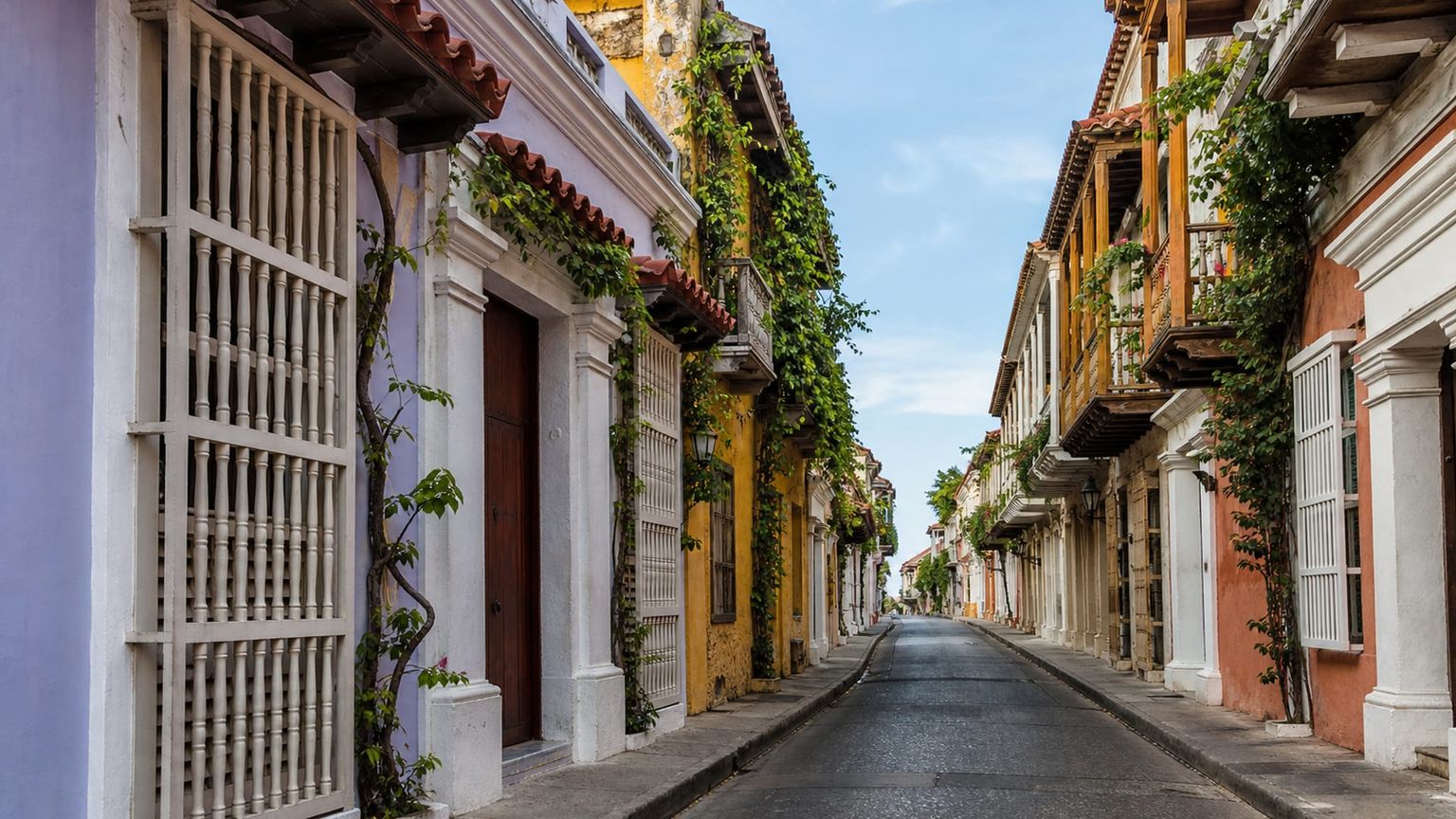
Cartagena’s historic center is the most atmospheric place to stay, with colonial mansions, plazas, and restaurants inside the old fortifications. It puts major sights, galleries, and evening dining within a short walk.
Best for: First-time visits, heritage sightseeing, and travelers who want to walk to major sights
What to expect: Narrow streets, constant foot traffic, and busy plaza life from morning into late evening.
Hotel prices: Usually about $180 to $450 per night for well-rated stays
Distance to major sights: 5 to 15 minutes on foot to Plaza Santo Domingo and the Cathedral of Cartagena
Quietness: Lively by day and evening, with late-night noise near bars and plazas.
Main trade-off: Rooms cost more here, and the most central streets can be noisy until late.
Good to know: Choose a room away from the busiest plazas if you are sensitive to music and late departures.
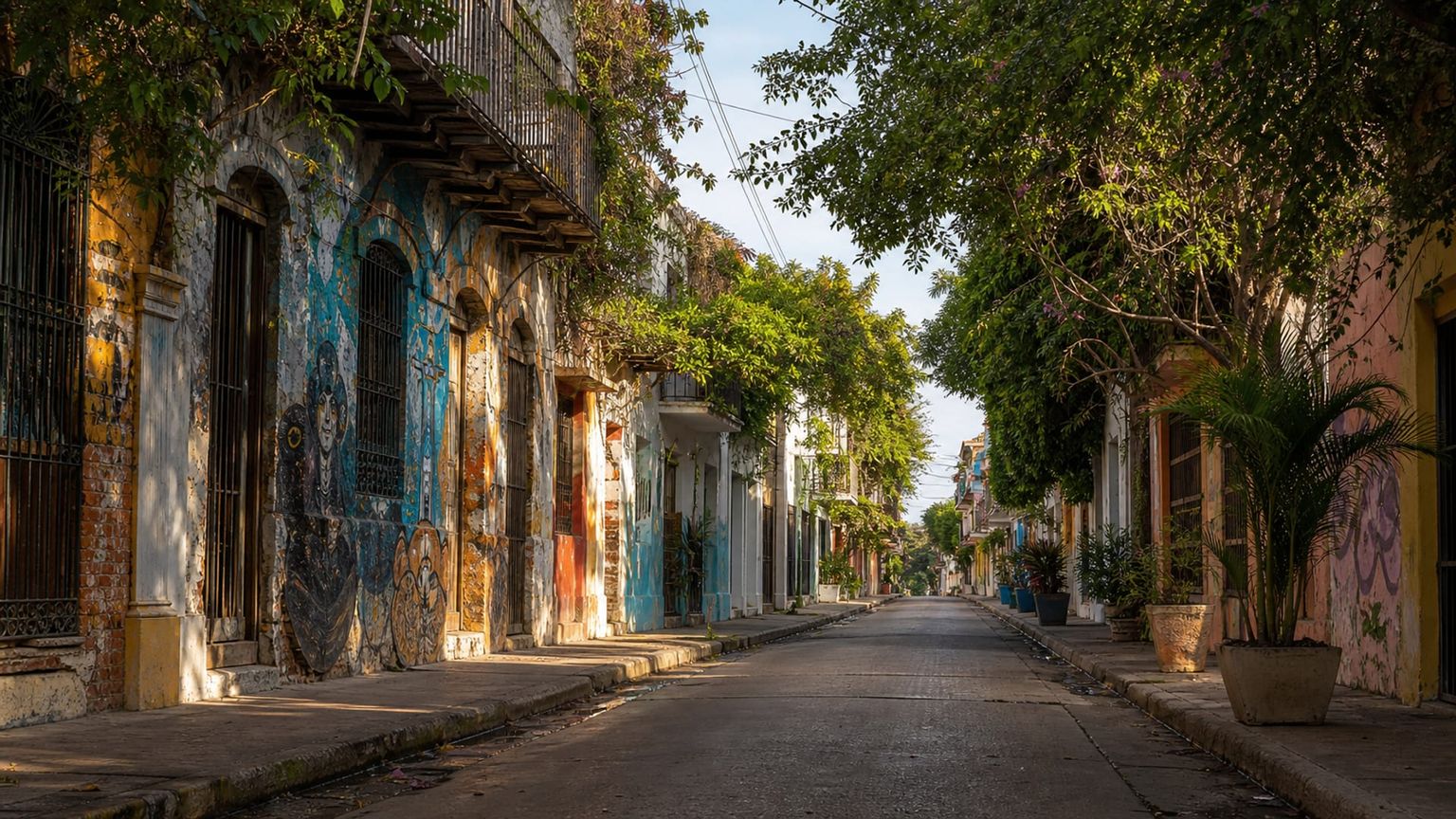
Getsemaní sits just outside the old walls and mixes murals, cafés, and a strong nightlife scene with a local residential feel. It gives easy access to the Walled City while keeping dining and bars close at hand.
Best for: Nightlife, street art, and travelers who want an energetic base near the center
What to expect: Busy sidewalks, casual bars, and a steady stream of people in the evenings.
Hotel prices: Usually about $90 to $260 per night for well-rated stays
Distance to major sights: 10 to 20 minutes on foot to the Walled City gates and the Clock Tower
Quietness: Active throughout the day and often loud late into the night on weekends.
Main trade-off: Noise is the main drawback, especially on streets with bars and live music.
Good to know: If you plan early starts, request an interior room or a street away from the busiest nightlife blocks.
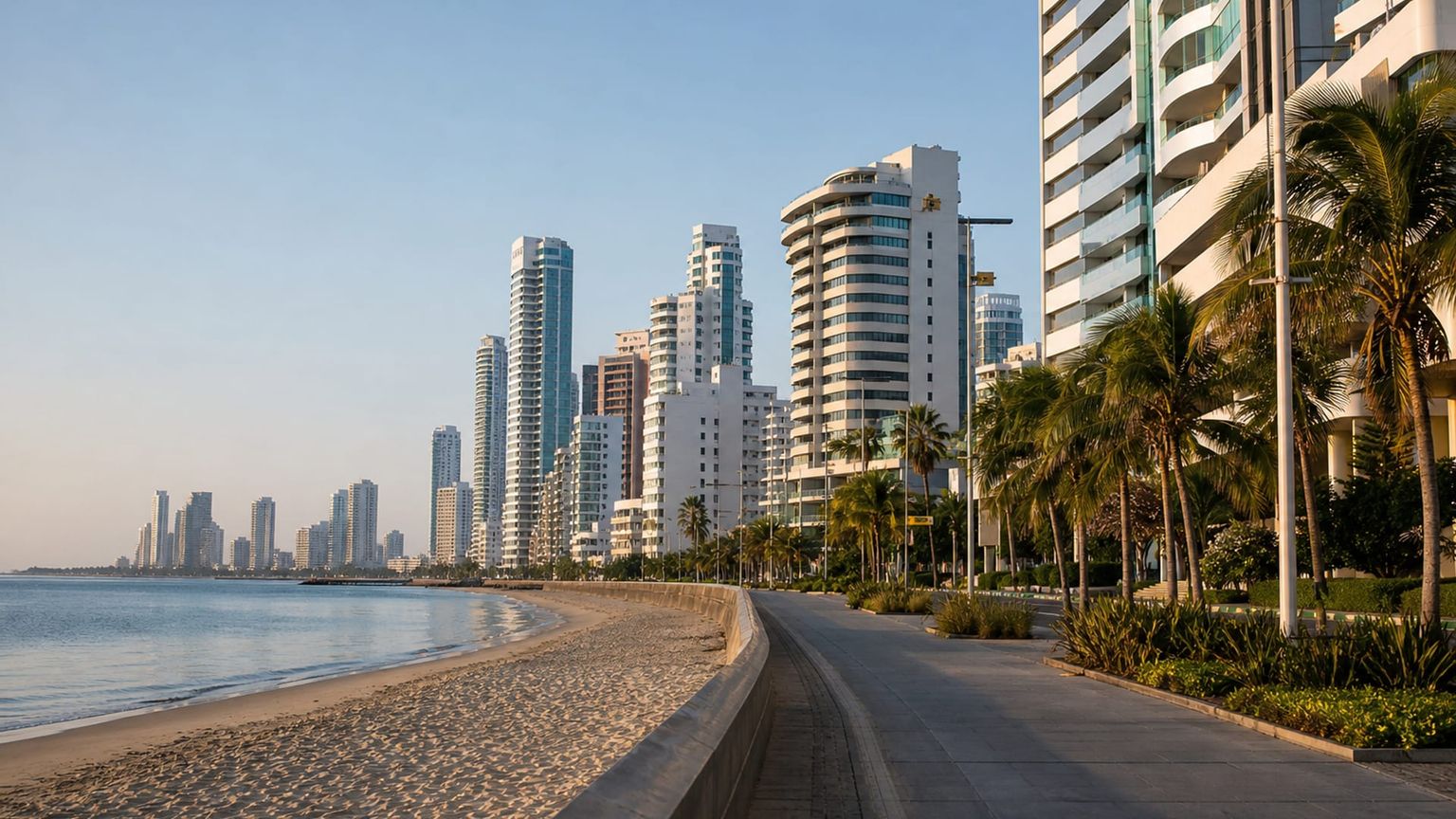
Bocagrande is Cartagena’s high-rise seaside district, with beach access, larger hotels, and a wider range of apartment-style stays. It suits travelers who want modern buildings and easy access to the waterfront.
Best for: Beach access, modern hotels, and travelers who prefer larger rooms
What to expect: Broad avenues, shopping traffic, and a busier but more commercial feel than the old center.
Hotel prices: Usually about $100 to $320 per night for well-rated stays
Distance to major sights: 10 to 20 minutes by taxi to the Walled City and about 5 minutes on foot to Bocagrande Beach
Quietness: Quieter on residential side streets, busier near the main avenues and beach promenade.
Main trade-off: You will spend more time on taxis if you want frequent evenings in the historic center.
Good to know: Pick this area if you want a beach stay, but check whether your hotel sits close to the sand or several blocks inland.
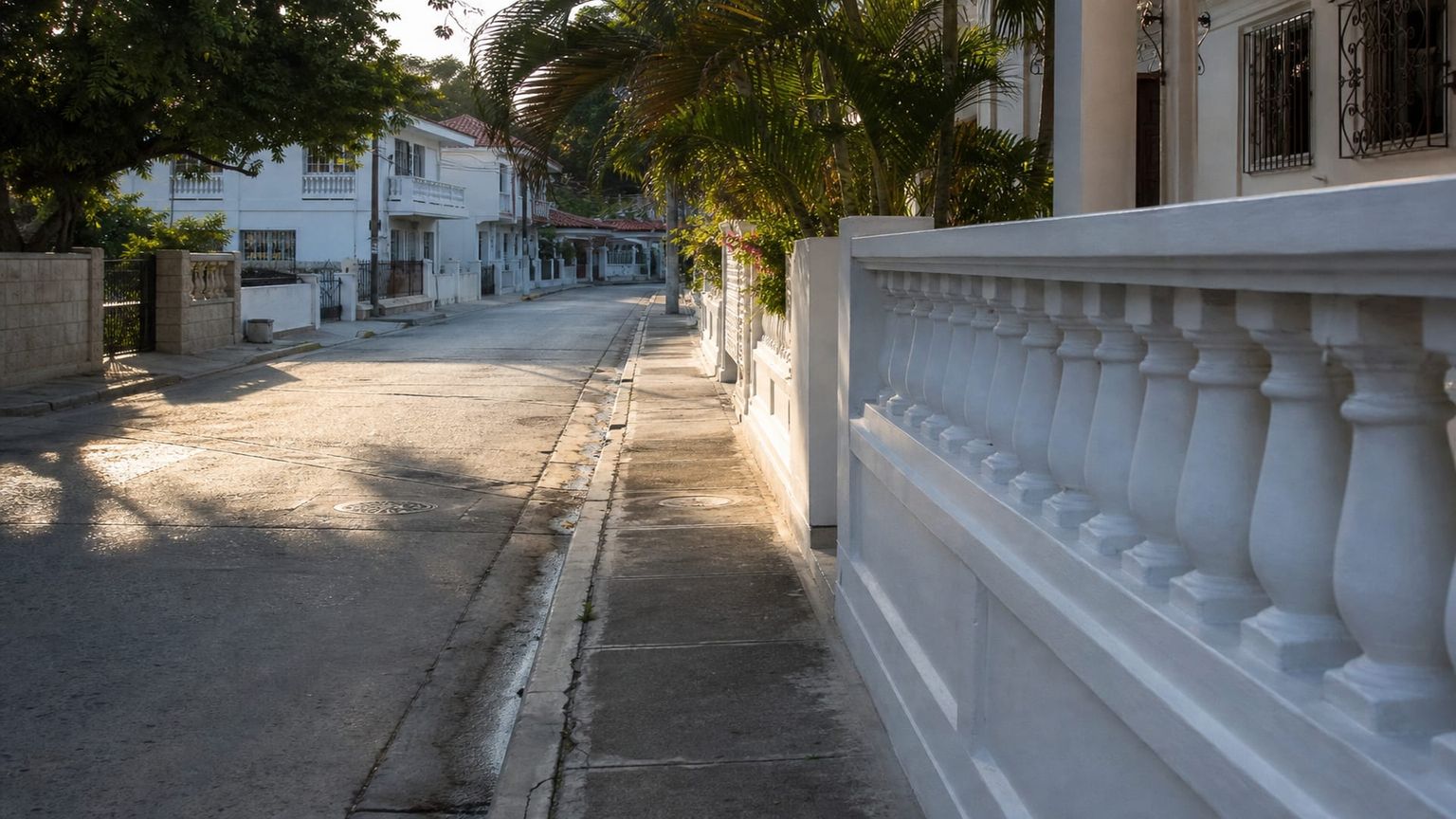
Manga is a residential peninsula with apartment buildings, marinas, and local restaurants just across the bridge from the old center. It offers a calmer base while keeping the historic district within easy reach.
Best for: Quieter stays, longer visits, and travelers who prefer a residential setting
What to expect: Local residential streets, some traffic, and fewer late-night crowds than the center.
Hotel prices: Usually about $70 to $210 per night for well-rated stays
Distance to major sights: 10 to 20 minutes by taxi to the Walled City and about 15 minutes on foot to the Convention Center
Quietness: Generally calmer than the old town, with only moderate evening activity near restaurants.
Main trade-off: You give up walkability to most major sights, so taxis become part of the stay.
Good to know: This area works best if you do not mind crossing the bridge for most sightseeing and dinner plans.
Travelers usually avoid staying in Bocagrande if they want easy access to Cartagena’s historic core, because it sits away from the walled city and many visits require taxis or longer walks. Manga is also less convenient for a short stay, since it is across the bridge from the main sights, while La Boquilla and Manzanillo del Mar are farther north, with fewer visitor amenities and longer evening rides into the center.
Hotel deals
How to get around Cartagena efficiently
Cartagena has no metro, so most visitors rely on walking inside the old center, taxis for cross-town trips, and buses only when the route and traffic are worth the effort.

Metro
for longer distances
Cartagena has no metro or suburban rail, so there is no rail network to use for local trips; most visitors rely on buses, taxis, or walking in the historic center.

Bus and tram
for convenience
City buses reach many neighborhoods and the airport corridor, but they are not the easiest option for first-time visitors because routes are informal and stops can be hard to read. Fares are usually about $0.90 to $1.20, paid in cash, with no timed transfer ticket, so expect to pay again each time you board. Travel times vary widely with traffic; short cross-town rides can take about 20 to 40 minutes, while longer trips may take about an hour or more.

Taxi
for convenience or late hours
Licensed taxis in Cartagena use set fares for common rides rather than meters, and the airport, port, and some hotels post rate tables. A ride from Cartagena (CTG) to the historic center often costs about $10 to $15, while longer city trips usually fall in the $4 to $12 range; late-night and baggage surcharges can add to the total. Hail only marked taxis or ask your hotel to call one, and confirm the fare before you get in; cash is still the most common payment method, though some drivers accept cards or local transfer apps.
*Prices are based on rates updated as of June 2026 and may change at the time of travel.
Use taxis for airport runs and longer hops, walking for the Walled City and Getsemaní, and buses only when price matters more than timing.
Iconic landmarks
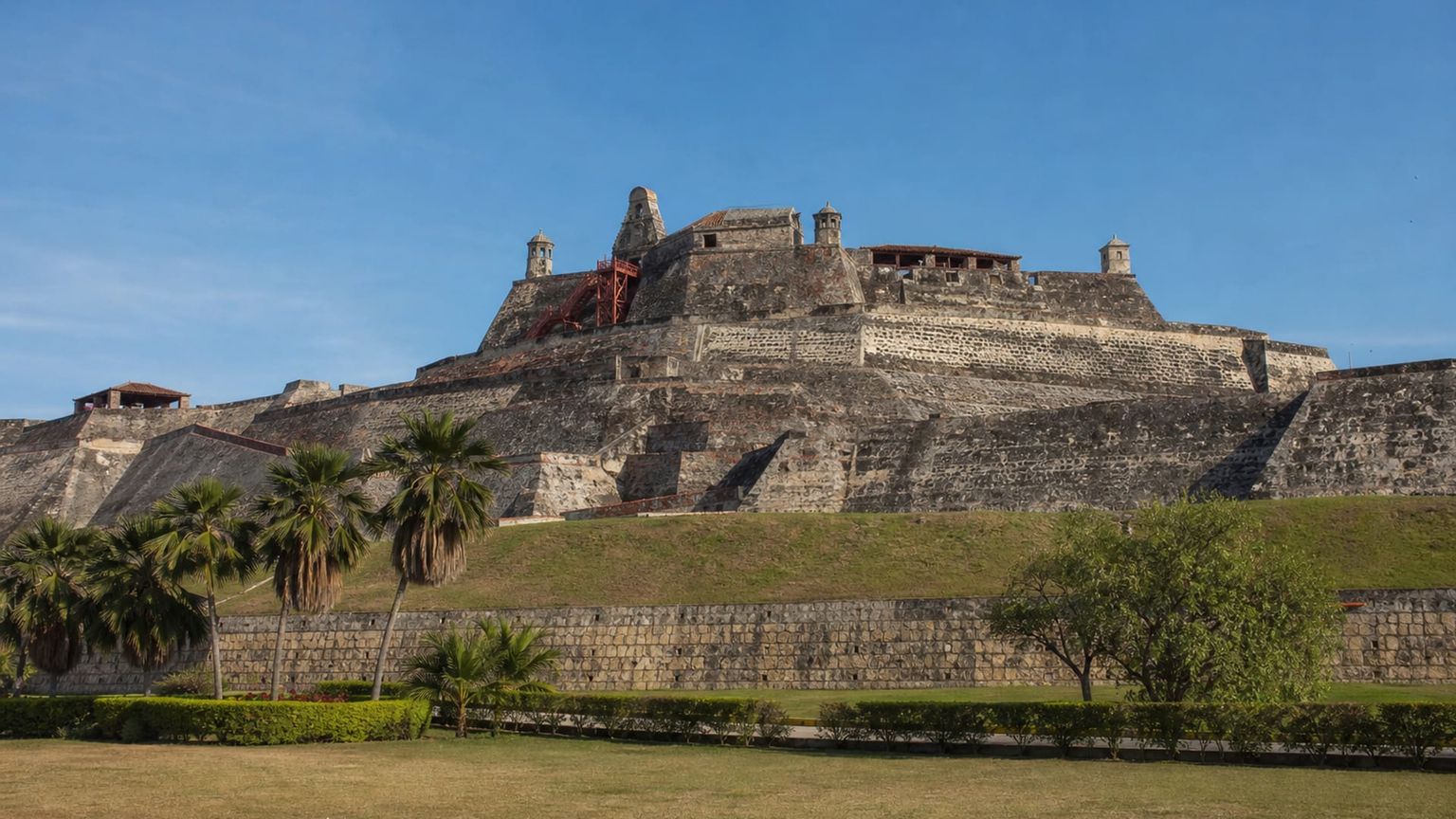
Castillo San Felipe de Barajas
Cartagena’s largest fortress crowns San Lázaro Hill, with tunnels, ramps, and artillery platforms that show how the Spanish defended the port. The views reach the walled city, the bay, and the harbor approaches.
Time needed: About 2 to 3 hours
Entry: Standard admission costs about $18 ($18,000 COP) for adults, with lower rates for children and Colombian residents on proof of status. Visit the official site for details.
Tip: Go early in the morning, before the sun heats the ramps and tunnels inside the fort.
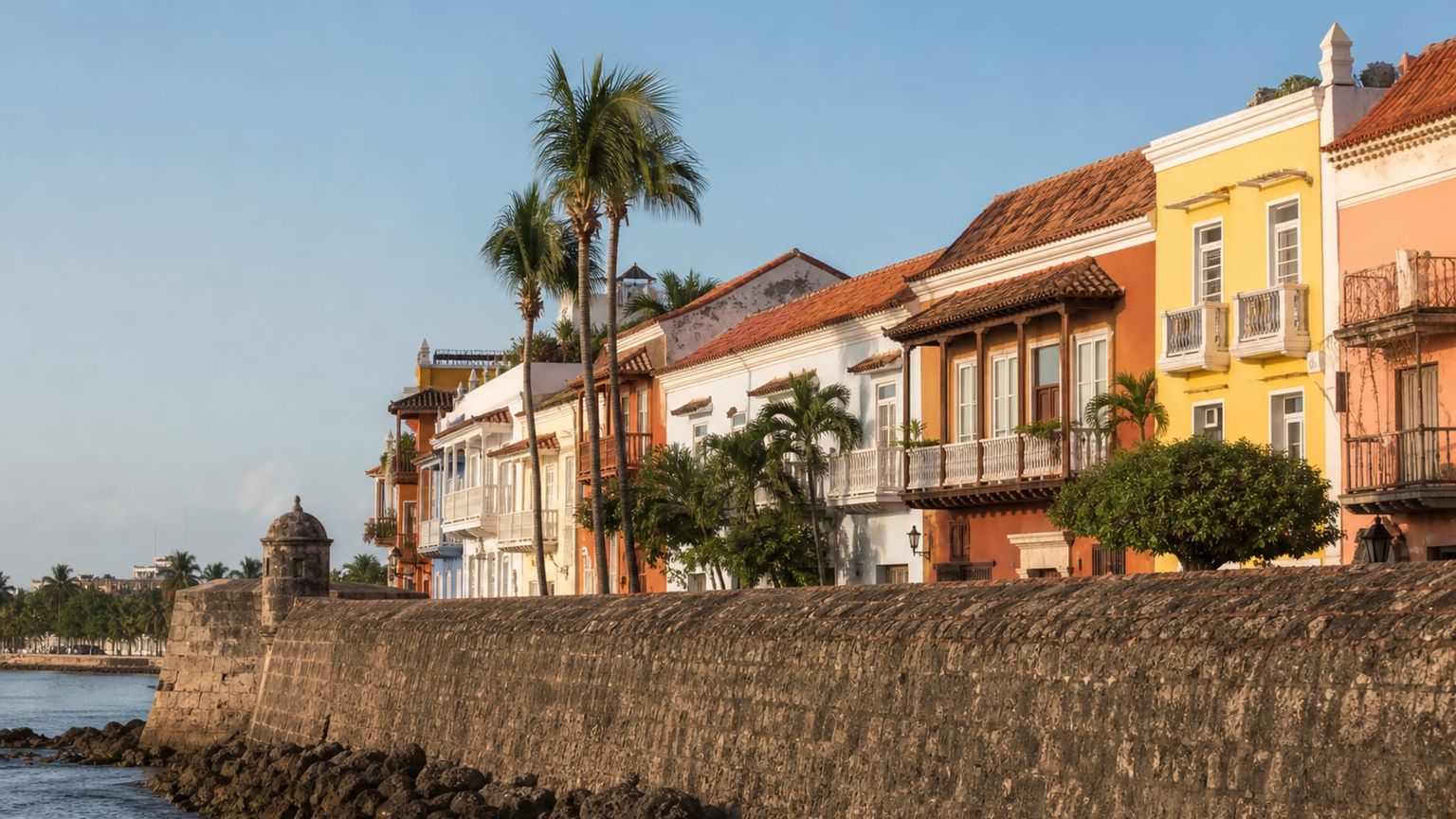
Walled City of Cartagena
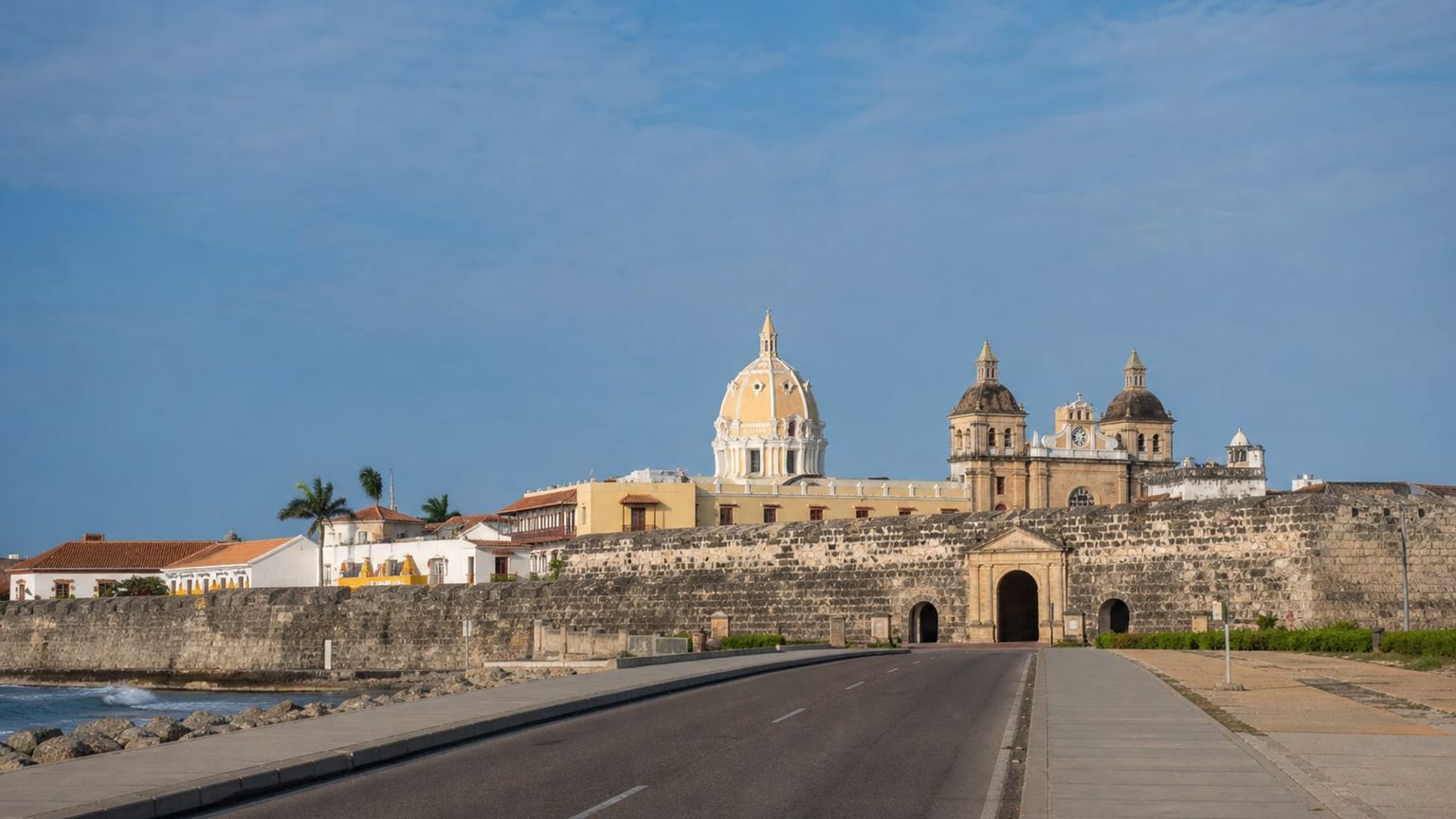
The UNESCO-listed old city wraps plazas, churches, and balconied houses inside 16th-century walls. Walk from the Clock Tower to Plaza Santo Domingo, then onto the ramparts for harbor views and sea breezes.
Time needed: About 3 to 5 hours
Entry: Free to access; some churches, museums, and rooftop venues inside the district charge separate admission.
Tip: Late afternoon gives softer light for photos, then the ramparts are best for sunset views.
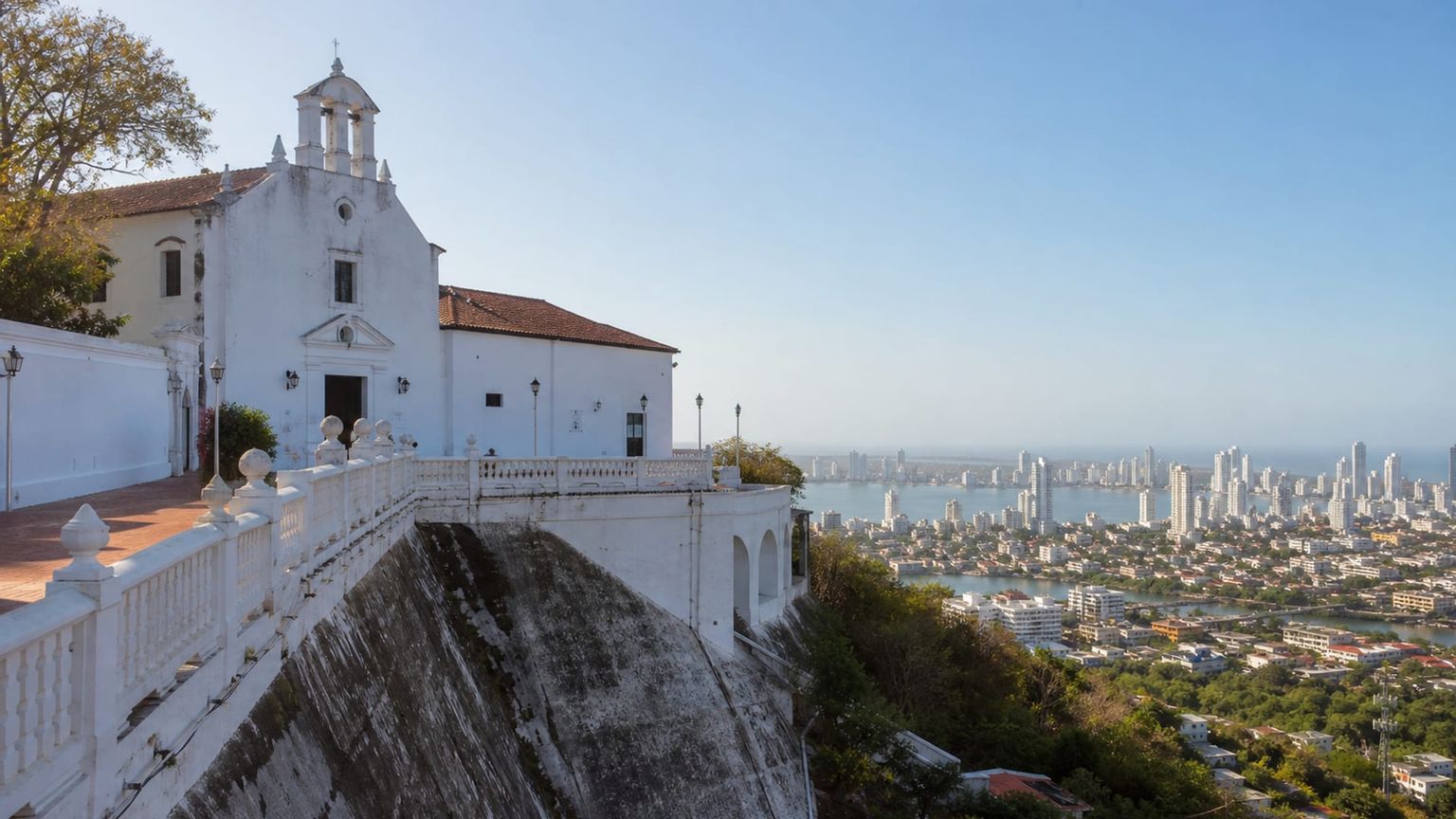
Convent of La Popa
At Cartagena’s highest point, this hilltop convent pairs a whitewashed cloister with a 17th-century chapel and a small museum. The terrace looks over the city, the bay, and the offshore islands in clear weather.
Time needed: About 1 to 2 hours
Entry: Standard admission costs about $7 ($7,000 COP), with a small extra charge for guide or transport services on site.
Tip: Visit in the morning for cooler air and clearer views before afternoon haze builds.
Overlooked sites worth visiting

Convento de la Popa
Set on Cartagena’s highest hill, this 17th-century convent pairs a quiet cloister with a wide terrace above the city, harbor, and Caribbean. Visit for its chapel, colonial courtyard, and sweeping views.
Time needed: About 1 to 2 hours
Entry: Admission is typically about $5 to $8 (COP 20,000 to COP 32,000) for adults, with extra fees for guided visits or special holiday services. Hours can change for religious use and weather, so check locally before you go.
Tip: Go near sunset for cooler air and clearer harbor views.

Las Bóvedas
These arched colonial vaults line the northern edge of the old walls, with small craft shops, sea views, and thick stone corridors. It is an easy stop for photos, a short walk, and a look at the fortification line.
Time needed: About 30 to 45 minutes
Entry: Free to access. Some vaults now hold shops or stalls, and those vendors set their own prices for handicrafts, drinks, and snacks. You can walk the ramparts without a ticket, but a few interior spaces may close early.
Tip: Visit late afternoon for shade and softer light on the stone.
Traditional food

Cartagena’s cooking leans on seafood, coconut rice, fried dough, and bright Caribbean seasoning. Meals often center on fish, corn, and street-friendly snacks, with lunch carrying the biggest plates and a relaxed pace.
Coconut rice with fried fish
This coastal staple pairs flaky fried fish with coconut rice and a sharp salad or patacones. La Cocina de Pepina serves a respected version that fits Cartagena’s traditional cooking well.
Arepa de huevo
A fried corn arepa stuffed with egg, often sold as a snack or light breakfast. At Restaurante Celele, the dish appears in a more refined setting while still nodding to the city’s street-food roots.
Carimañola
This yucca fritter usually holds spiced meat or cheese and works well as a quick bite between sights. La Mulata is a strong place to try it alongside other regional dishes.
Arroz con chipi chipi
Small clams give this rice dish a briny depth that suits Cartagena’s waterfront cooking. Carmen Cartagena is a dependable place to order it in a more elevated dining room.
Best time to visit Cartagena
Cartagena stays warm year-round, but humidity, rainfall, and crowd levels shift enough to change which months work best for walking the old city and climbing hilltop sights.
Best for: Dry skies, beach time, and long sightseeing days
What you get: About 76 to 88°F (24 to 31°C), with peak visitor numbers and lively evenings in the center
Trade-offs: Prices rise, and the most popular streets stay busy
Best for: Balanced sightseeing before the wettest months
What you get: About 77 to 89°F (25 to 32°C), with moderate crowds and warm afternoons
Trade-offs: Heat builds, and brief showers become more common
Best for: Flexible city exploring and easier restaurant reservations
What you get: About 76 to 88°F (24 to 31°C), with lighter crowds than the peak season and humid afternoons
Trade-offs: Rain can interrupt outdoor plans, especially later in the day
Best for: Lower hotel demand and slower museum days
What you get: About 76 to 87°F (24 to 31°C), with fewer visitors and frequent rain
Trade-offs: This is the wettest stretch, so outdoor time needs more flexibility
A realistic 5-day plan in Cartagena
Five days in Cartagena work best when you separate the historic core, the fort, and the hilltop view, then leave room for slower afternoons in Getsemaní or Manga. The plan below follows that pattern and keeps the hottest walks earlier in the day.
Land at Cartagena (CTG) and take a taxi or app-based ride into the Walled City or Getsemaní, a trip of about 15 to 25 minutes that usually costs about $7 to $12 ($28,000 to COP 48,000). If you are staying in Bocagrande, expect roughly 10 to 20 minutes and about $5 to $8 ($20,000 to COP 32,000). Check in, drink plenty of water, then keep dinner close to your room, perhaps at a plaza café in the Walled City or a casual spot near Getsemaní’s mural-lined streets.
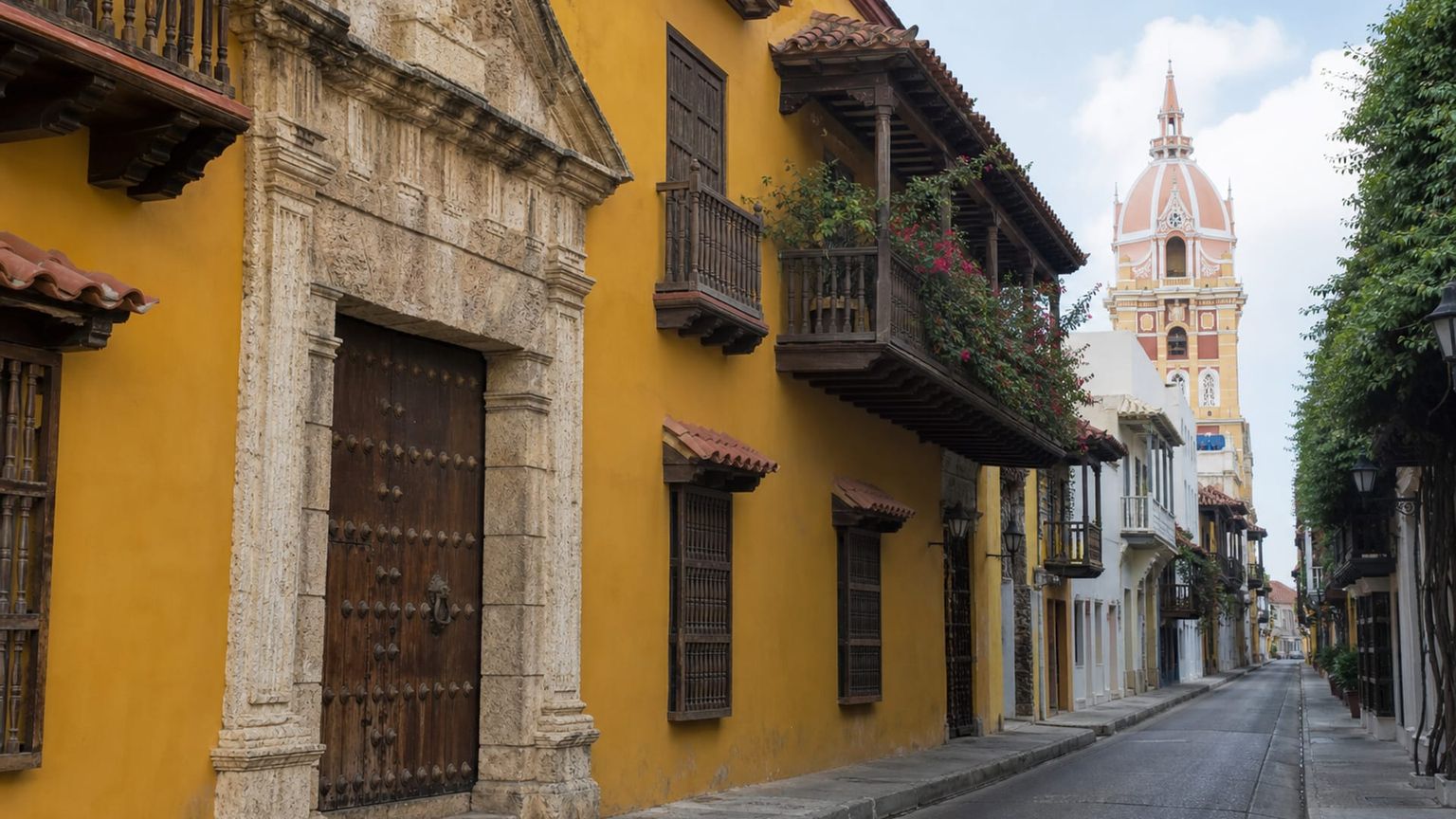
Start with the Walled City of Cartagena before the heat builds, beginning at the Clock Tower and walking about 10 minutes to Plaza Santo Domingo, then another 5 to 10 minutes to the ramparts. Plan 3 to 5 hours for the district, with time for churches, shaded courtyards, and a pause along the walls for harbor views. Late in the afternoon, continue to Las Bóvedas, about 10 to 15 minutes on foot from the northern edge of the old city, where the stone arcades and sea views make an easy final stop before dinner nearby.
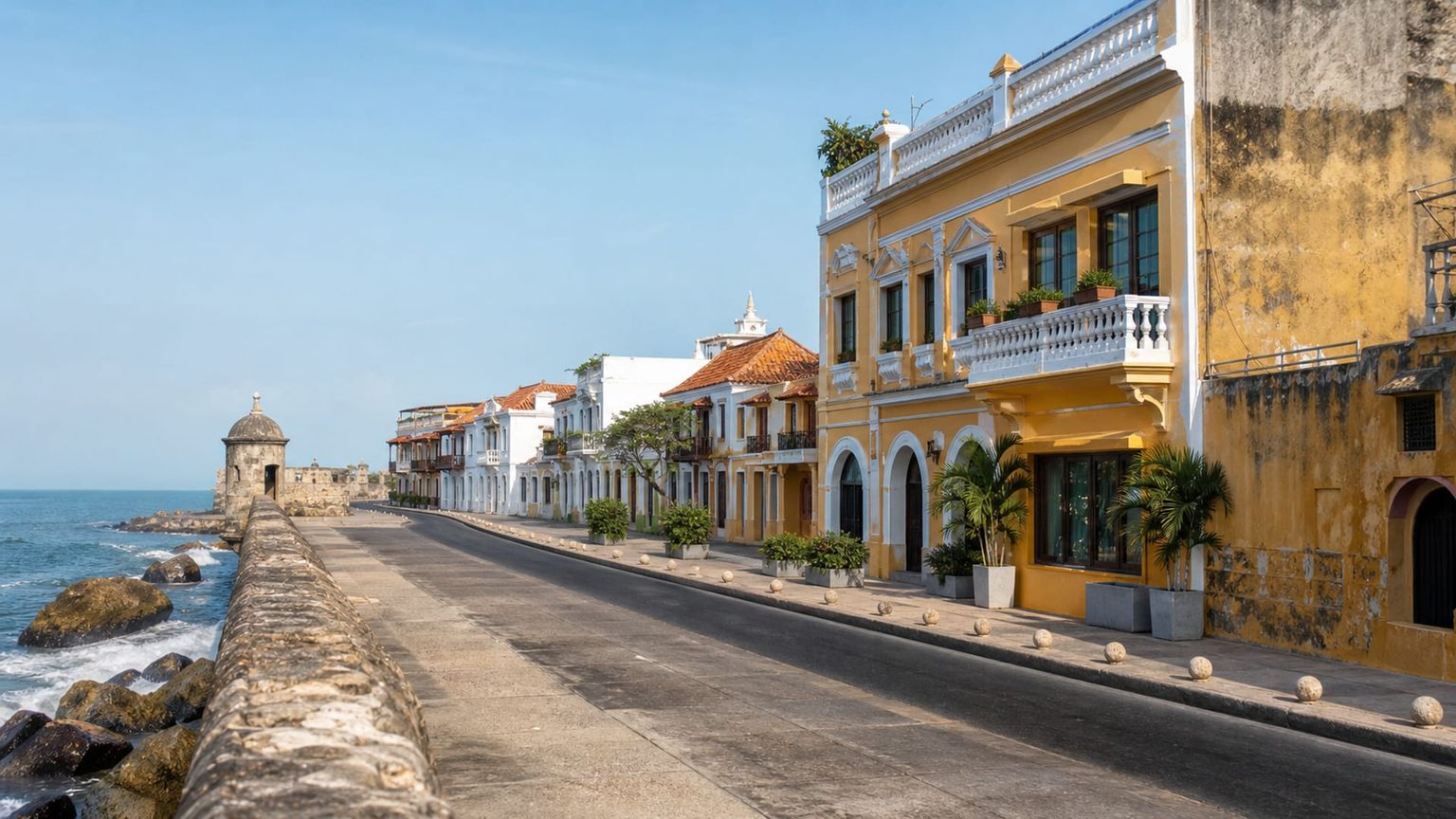
Set out early for Castillo San Felipe de Barajas, since the ramps and tunnels are best before midday heat; from the Walled City it is about a 10 to 15 minute taxi ride, or roughly 25 minutes on foot from Getsemaní. Allow 2 to 3 hours to work through the fort, then continue by taxi about 15 minutes uphill to Convento de la Popa for the cloister and city views. The hilltop visit takes about 1 to 2 hours, and the terrace gives a clear look across the bay before you head back down for a low-key evening.
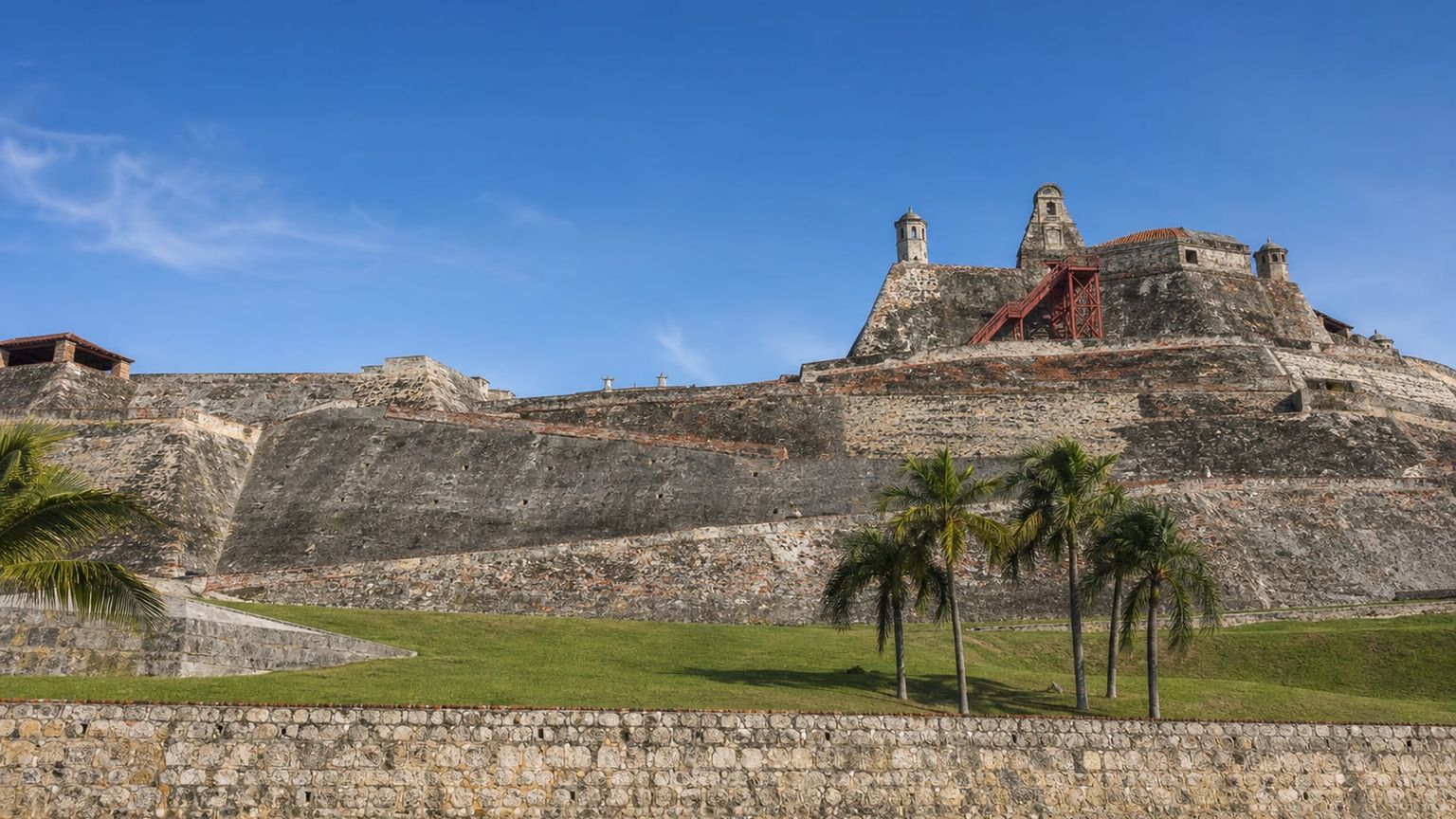
Begin with a morning return to the Walled City, then plan a slower circuit through the less rushed corners you may have missed, including a second pass along the ramparts and a longer stop at Las Bóvedas, which sits about 5 to 10 minutes from the northern gates. After lunch, move to Getsemaní, about 10 to 15 minutes on foot from the Clock Tower, for murals, cafés, and a more casual street scene. If you want another viewpoint, finish with Convento de la Popa by taxi, about 15 to 20 minutes from the center, for a late-afternoon look over the harbor before dinner back in the old town or in Getsemaní.
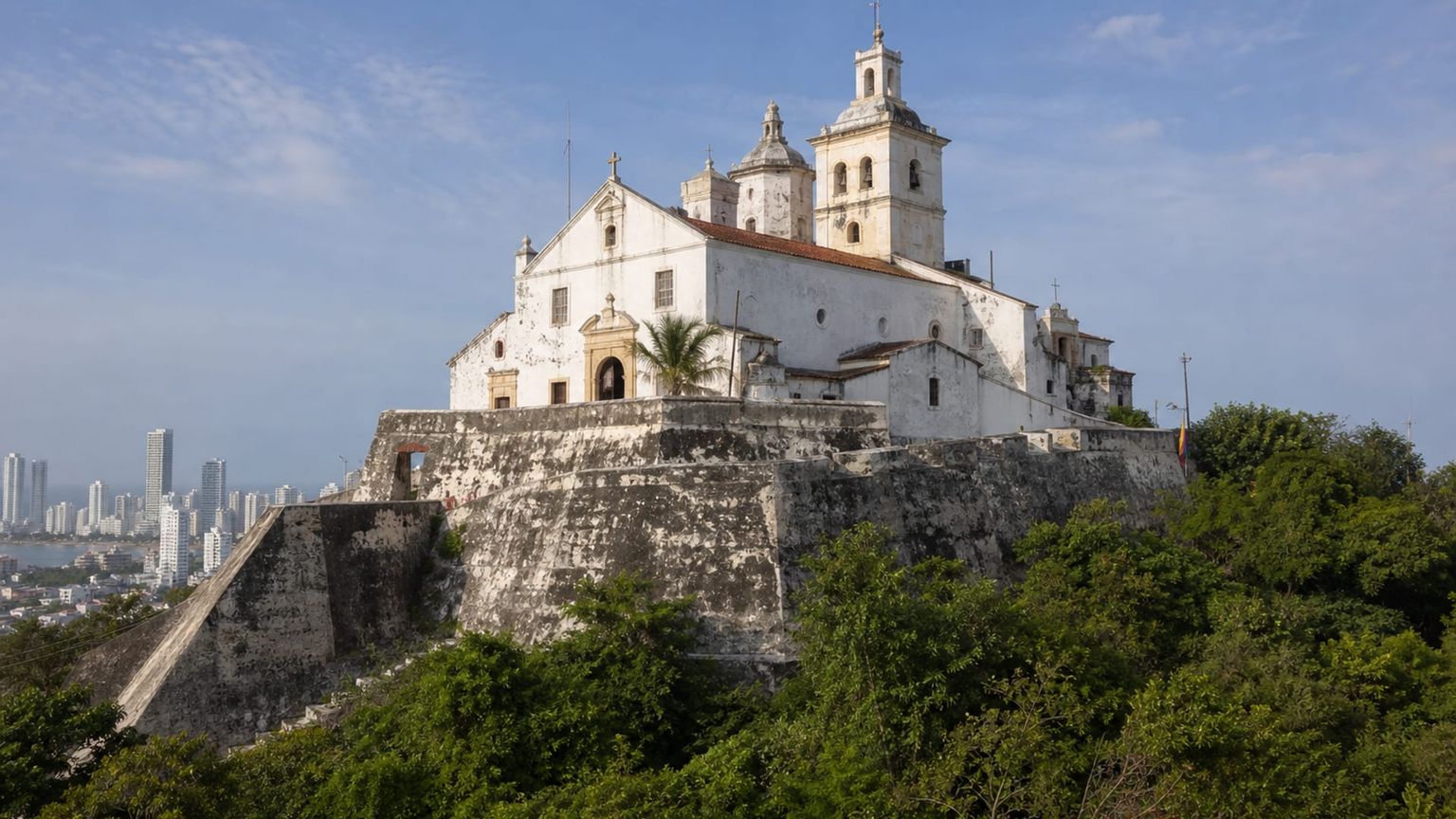
Round out the trip with one last museum stop inside the Walled City, then spend the rest of the afternoon browsing shops in Getsemaní or along the pedestrian streets near the Clock Tower. If you prefer a quieter finish, head to a café in Manga, about 10 to 20 minutes by taxi from the center, and linger over a late coffee while boats pass the marina. Keep transit simple, leave time to pack, and schedule your airport ride so you reach Cartagena (CTG) with at least 2 hours before departure.
Business-class flights from the US to Cartagena
From both coasts, Cartagena usually arrives through one-stop or nonstop links that make the city easy to slot into a long weekend or a fuller holiday. The route shapes differ by origin, so the examples below show how the trip changes from New York and Los Angeles.
From New York, carriers including American Airlines, Avianca, Copa Airlines, Delta Air Lines, JetBlue, and Spirit Airlines sell itineraries that take about 4 to 5 hours when nonstop. If you connect, common hubs include PTY, MIA, BOG, CLT, and MCO, and the longer trip usually runs about 6 to 11 hours. Round-trip fares from New York to Cartagena usually start at $1,100 and can reach $2,800.
Los Angeles itineraries often use American Airlines, Avianca, Copa Airlines, Delta Air Lines, LATAM Airlines, or United Airlines, with nonstop flying time of about 5 hours. One-stop options route through PTY, MIA, BOG, DFW, or IAH, and the journey usually stretches to about 8 to 14 hours. Round-trip fares from Los Angeles often run $1,400 to $3,200, and one-stop itineraries can lower the fare when you accept a longer travel day.
Cartagena feels different when you slow down
A better Cartagena trip gives the old city room in the morning, lets Getsemaní take over after lunch, and saves the fort or Convento de la Popa for the hours when the light is softer and the heat eases. Taxis, short walks, and a measured pace make the city easier to read day by day. If you want help shaping that route, the AranGrant experts can match your stay to the right neighborhood and season