

Chapters:

Need help with your trip?
Our support team is available 24/7. Request a callback or call us directly at (833) 619-0908
Cancún trips often start with the Hotel Zone, a beach check-in, a late seafood dinner, and a rushed day at one ruin or market. Travelers usually miss how much time the lagoon bridge, bus spacing, and midday heat can add to simple plans.
That setup works for a quick escape, but it can leave museums, downtown meals, and the smaller archaeological sites squeezed into spare hours, when traffic and crowds are highest. The city rewards an order that matches its distances.
This guide puts the beach strip, El Centro, and the ruins in a sequence that cuts unnecessary backtracking. You get the major sights, a workable food map, and day plans that fit Cancún’s actual layout.
Useful things to know

Main language(s): Spanish
Hola (OH-lah) – Hello
Por favor (por fah-VOR) – Please
Gracias (GRAH-see-ahs) – Thank you
¿Habla inglés? (AH-blah een-GLAYS) – Do you speak English?
¿Cuánto cuesta? (KWAHN-toh KWES-tah) – How much does it cost?

Currency: The local currency is the Mexican peso (MXN, $).

Cash and cards: Cards and contactless are widely accepted in tourist areas; keep about MXN 500 to 1,000 ($30 to $60) in cash for taxis and small vendors.

Tipping: Round up small bills; 10% is common in restaurants for good service.

Traditional food: cochinita pibil, panuchos, sopa de lima, pescado tikin xic

Water and coffee costs: Water about MXN 20 to 40 ($1 to $2.50), bar espresso about MXN 40 to 70 ($2.50 to $4).

Taxis and ride apps: Uber and DiDi operate here; confirm pickup points at hotels and the airport.

Plug and voltage: Type A/B socket, 127V

Dining and shop opening hours: Breakfast runs about 07:00-11:00, lunch 13:00-16:00, and dinner 19:00-23:00. Many hotel restaurants and beach clubs serve later.

Emergency number: 911 for police, fire, and medical emergencies.
Where to stay in Cancún
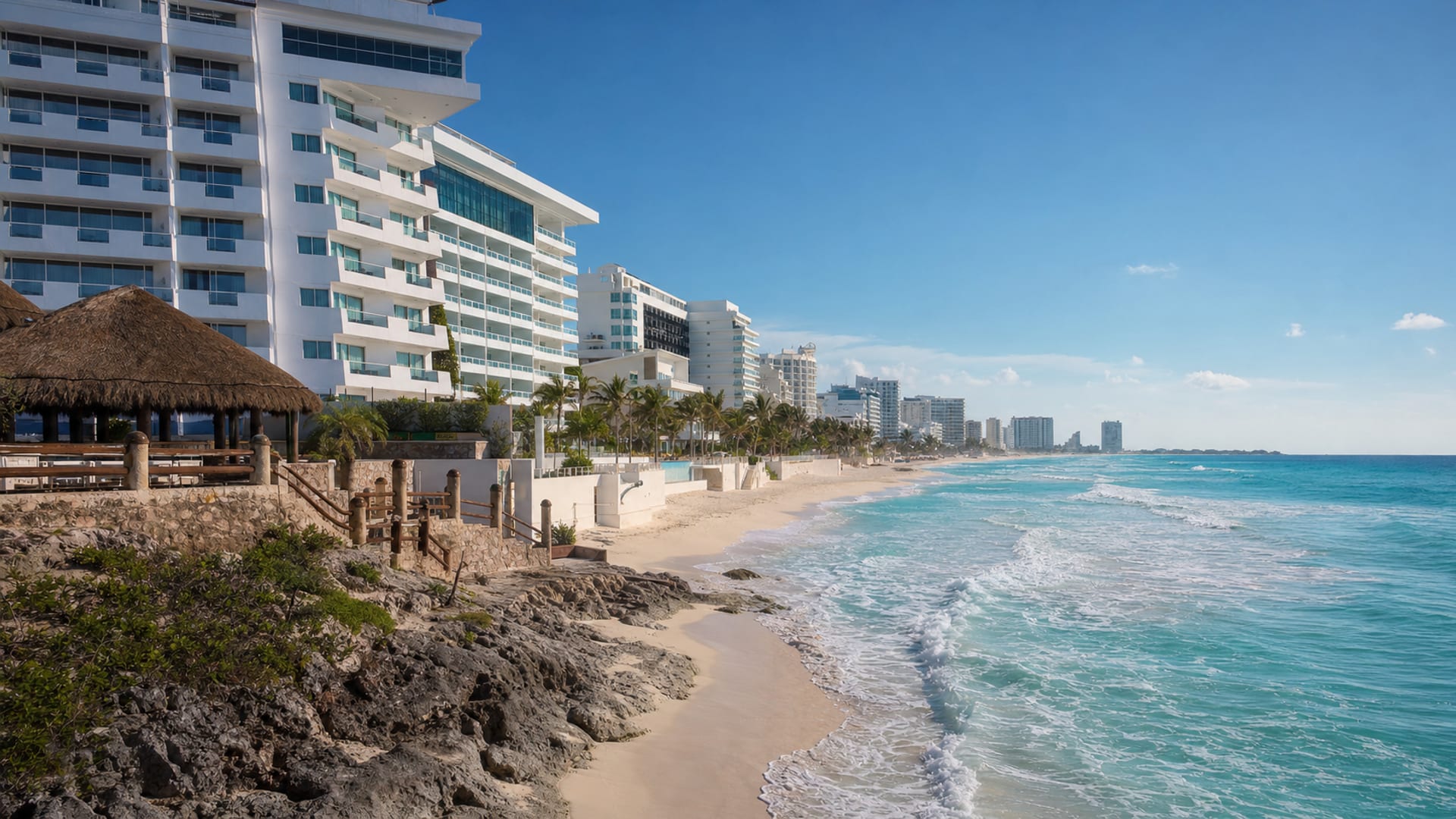
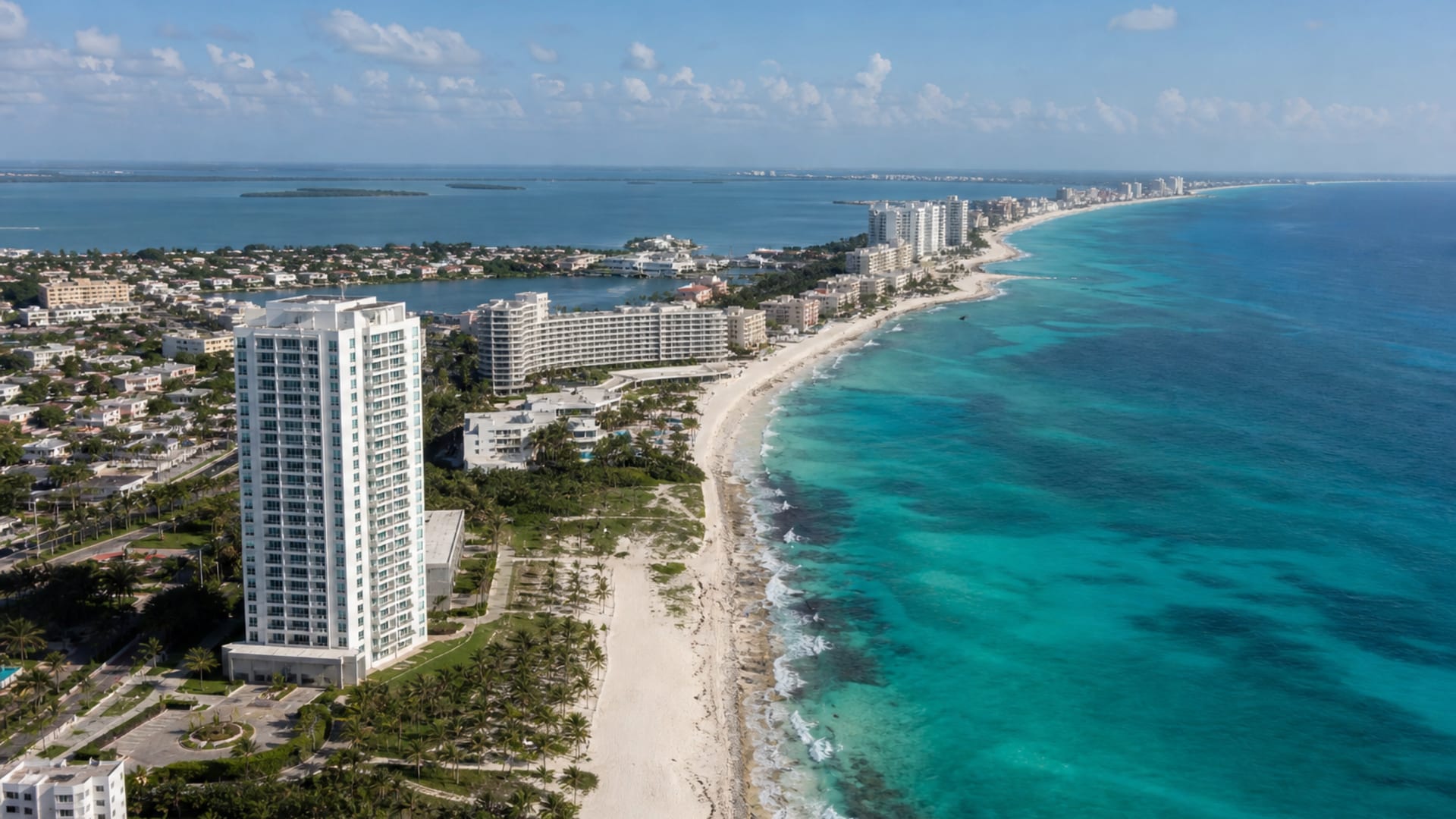
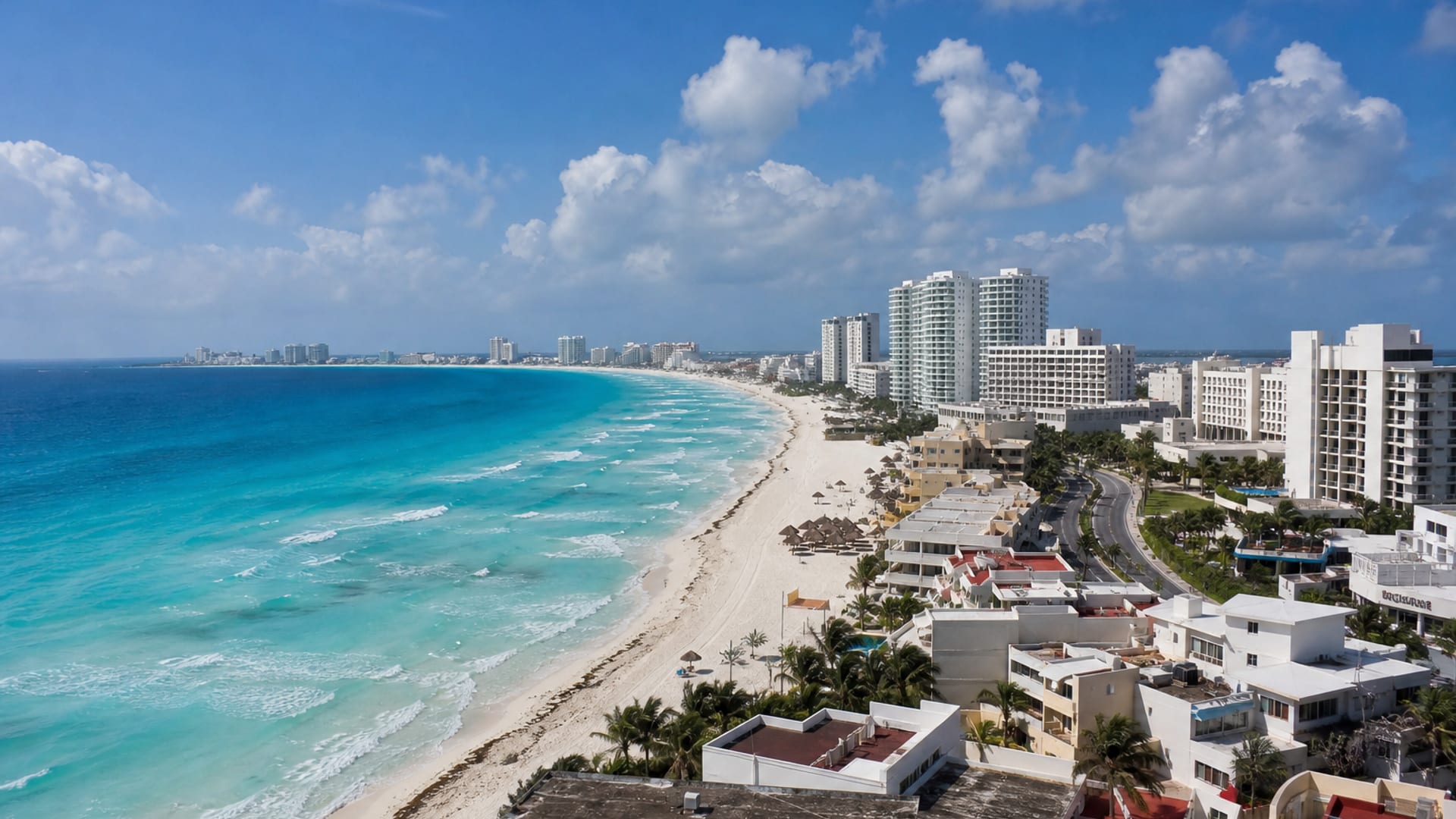
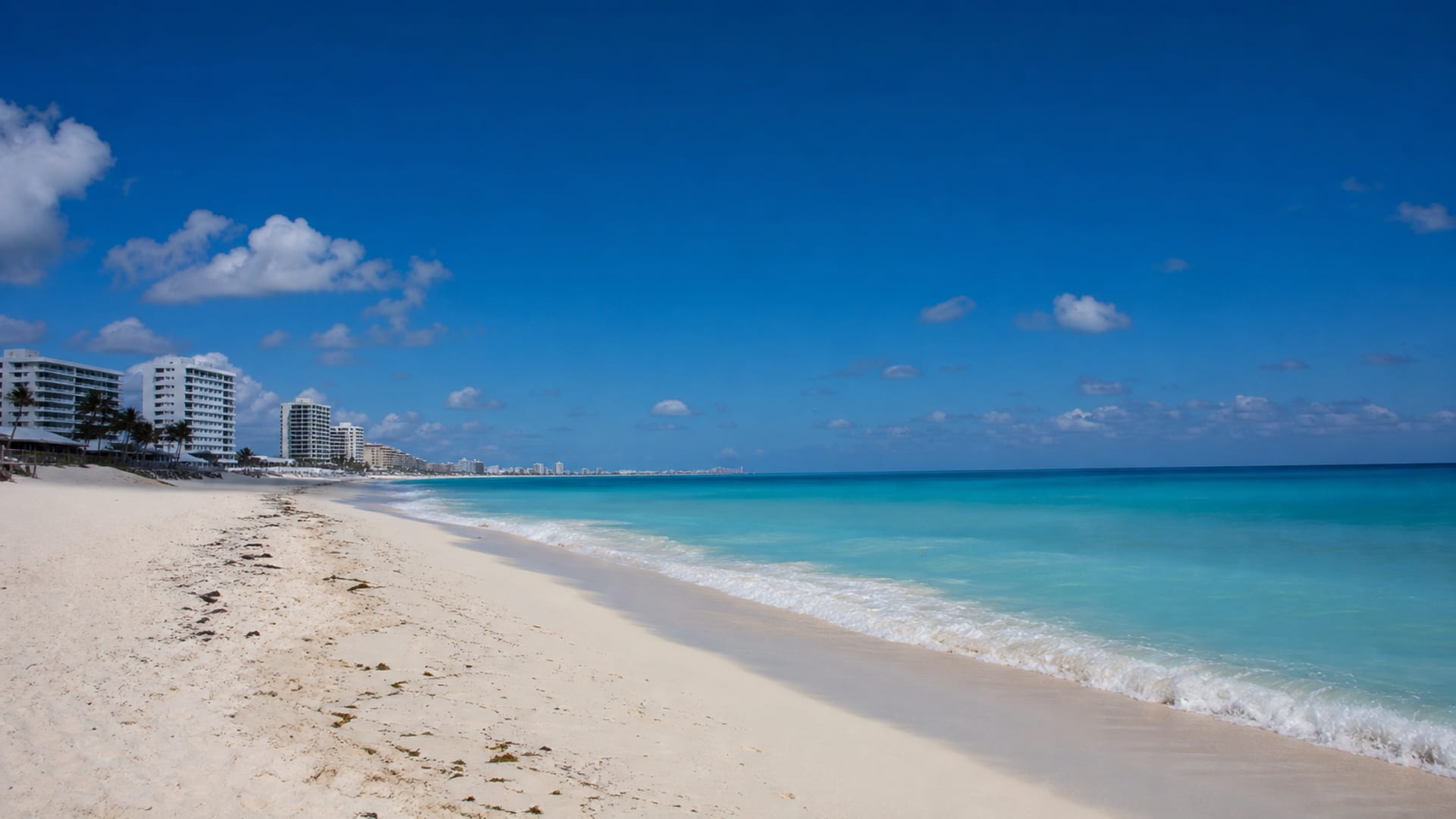
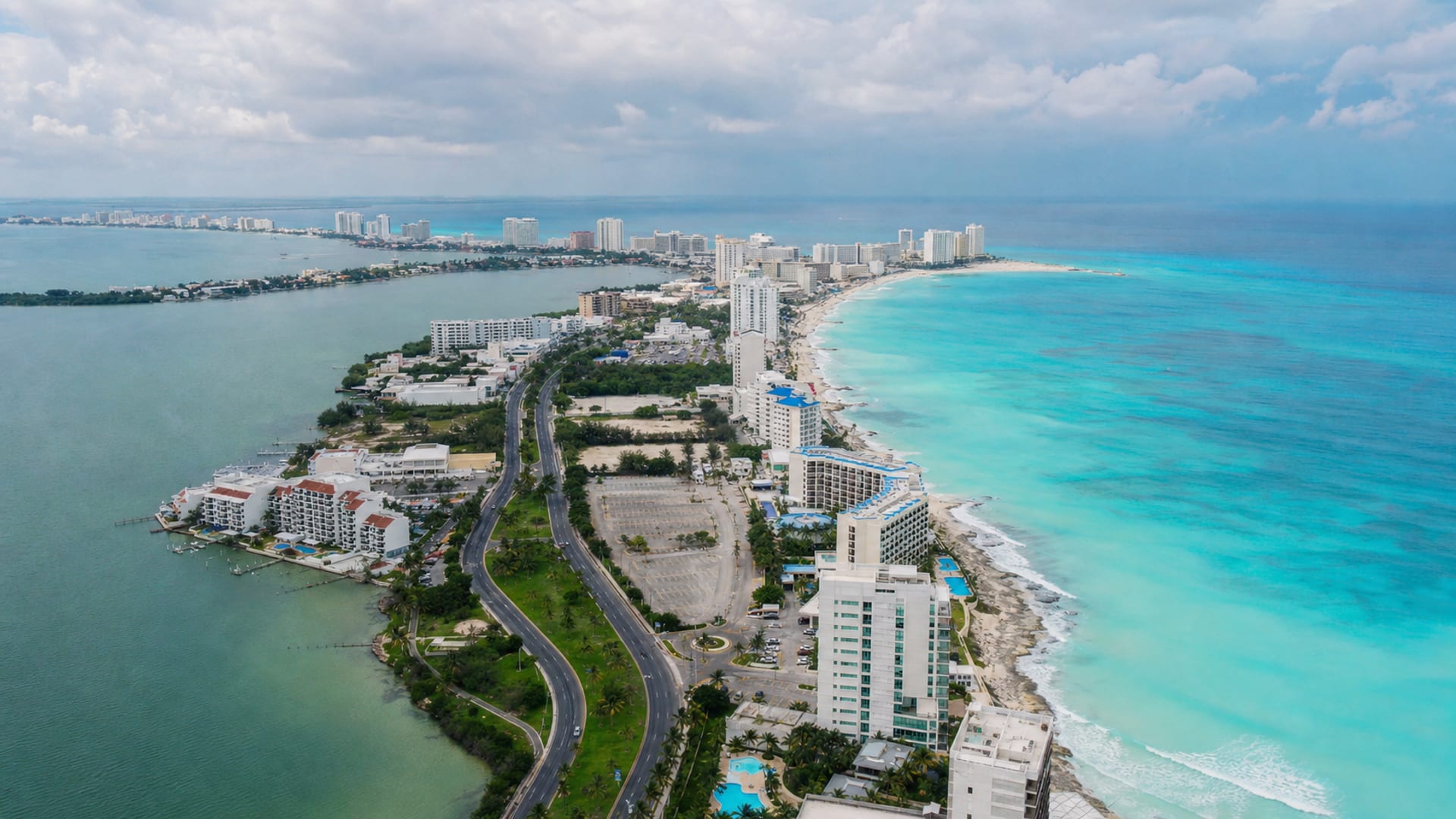
Cancún’s long Caribbean strip of resorts, beaches, and malls sits on the barrier island east of downtown. It matters because most first visits, beach time, and late-night dining center here, with easy access to the lagoon side and the city’s main hotel inventory.
Best for: Beach time, resort stays, nightlife, and travelers who want the widest choice of hotels
What to expect: Wide roads, resort traffic, hotel lobbies, beach clubs, and steady foot traffic near the main shopping and dining corridors.
Hotel prices: Usually about $120 to $350 per night for well-rated stays
Distance to major sights: 20 to 35 minutes by bus to downtown Cancún; 25 to 40 minutes by bus to Mercado 28
Quietness: Quiet in the daytime inside resorts, busier in the evening near restaurants, bars, and clubs.
Main trade-off: You pay more for the beachfront position, and getting into downtown takes longer than staying in the city center.
Good to know: If you want to spend most of your time by the water, choose a property close to the beach side because crossing the lagoon bridge adds time to every downtown trip.
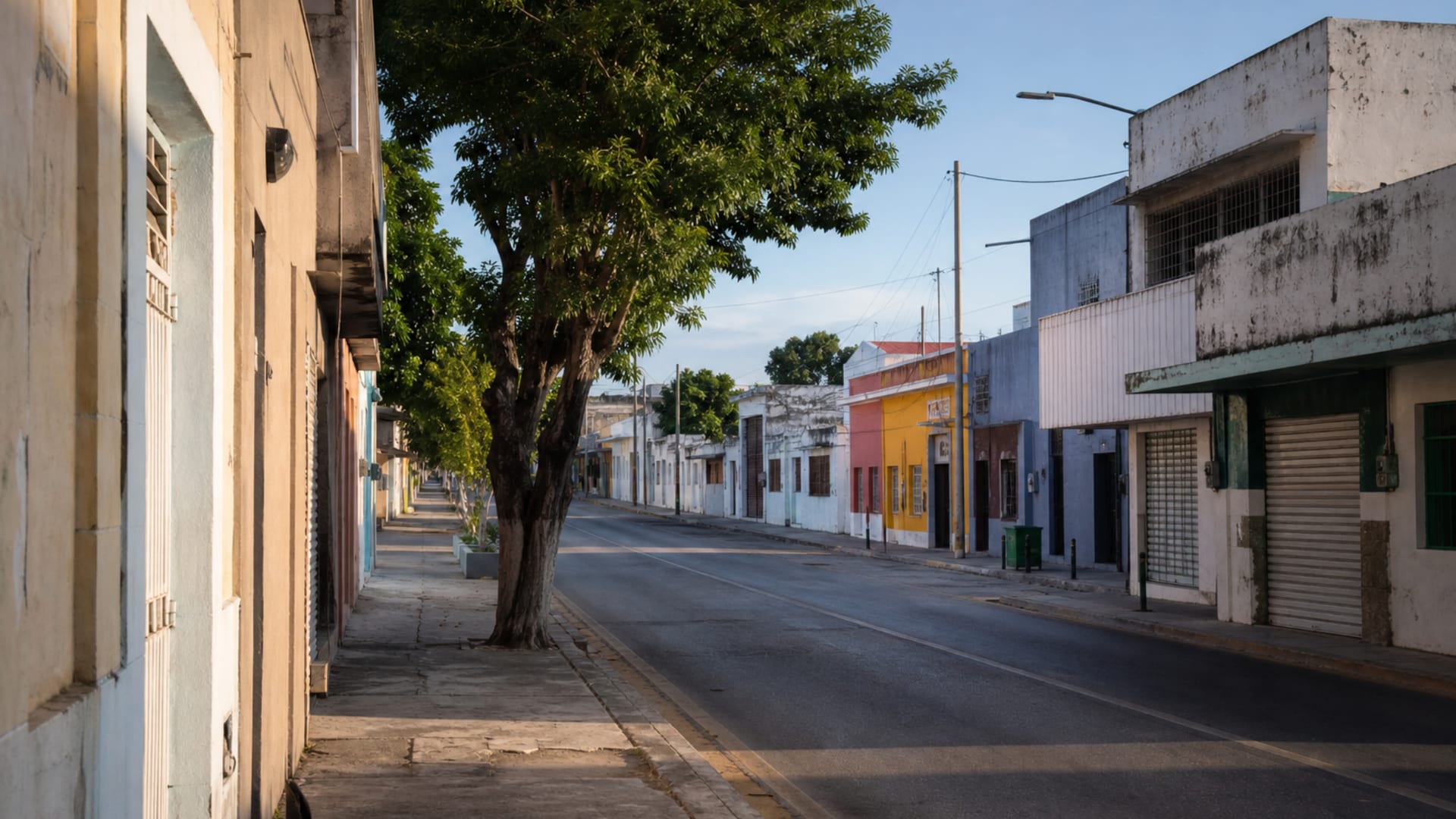
Downtown Cancún, often called El Centro, is the city’s everyday core with markets, local restaurants, bus connections, and smaller hotels. It matters for travelers who want lower rates and quick access to the bus network rather than beachfront resort facilities.
Best for: Budget stays, local dining, bus access, and travelers who plan to move around the city
What to expect: Busy avenues, taco stands, neighborhood shops, and heavier local traffic than in the resort strip.
Hotel prices: Usually about $40 to $120 per night for well-rated stays
Distance to major sights: 10 to 15 minutes by bus to Mercado 28; 20 to 30 minutes by bus to the Hotel Zone beaches
Quietness: Lively during the day and early evening, then calmer late at night on side streets.
Main trade-off: You save money, but you will need transport for the beach and most waterfront dining.
Good to know: Pick a place near a main avenue or ADO station if you plan early starts, because some interior streets feel isolated after dark.
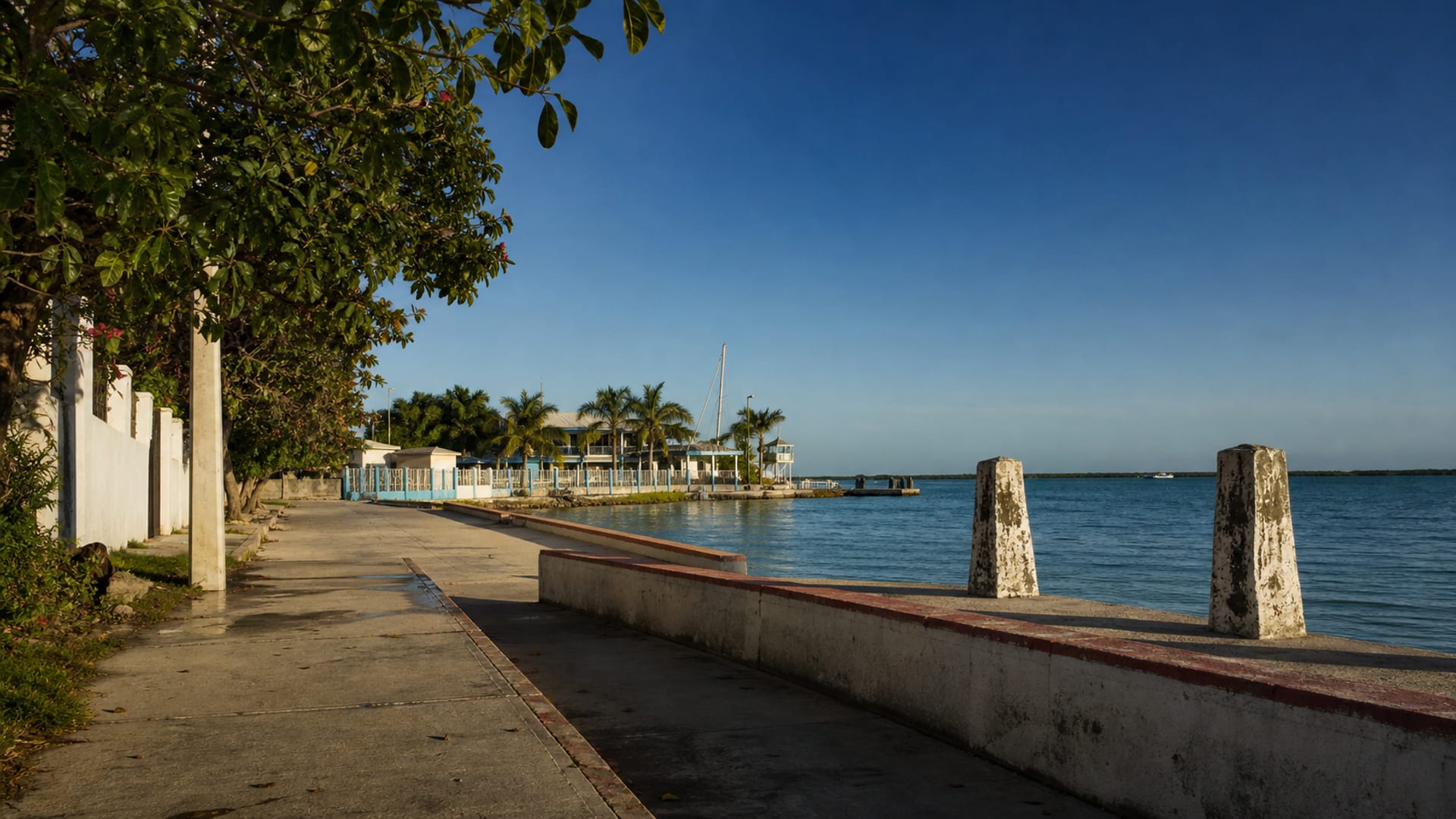
Puerto Juárez sits north of downtown along Cancún’s ferry and marina edge, with modest hotels, seafood spots, and quick access to Isla Mujeres boats. It matters if you want an early ferry departure or a quieter base closer to the northern shoreline.
Best for: Ferry departures, seafood dining, and travelers who want a quieter base near the water
What to expect: Marina activity, local restaurants, taxi traffic, and fewer late-night venues than in the Hotel Zone.
Hotel prices: Usually about $50 to $140 per night for well-rated stays
Distance to major sights: 5 to 10 minutes by taxi to downtown Cancún; 10 to 15 minutes by taxi to the Puerto Juárez ferry terminal
Quietness: Calmer in the daytime and generally quiet at night, with activity concentrated near the ferry and restaurants.
Main trade-off: It is less central for beaches and nightlife, so most outings require a taxi or bus.
Good to know: Stay here if you have an early boat, because morning departures are far easier when you are already near the ferry dock.
Travelers usually avoid Alfredo V. Bonfil, which sits south of the hotel zone with limited visitor amenities and long taxi rides to beaches, restaurants, and the main nightlife strip. Puerto Juárez is less convenient for most visitors, because it is better for ferry access than for staying near Cancún’s main sights, and evening travel back from the hotel zone can take extra time. Downtown supermanzanas far from Avenida Tulum, such as parts of SM 230 to SM 260, are also less convenient, since they are far from the beach, require more transit for most attractions, and have fewer hotels aimed at short-stay visitors.
Hotel deals
How to get around Cancún efficiently
Cancún’s transit runs on buses, airport shuttles, taxis, and ride-hail, so the best choice depends on whether you are crossing the lagoon, staying on Boulevard Kukulcán, or moving between downtown and the coast.

Airport shuttle
for airport transfer
Cancún has no metro, so the closest equivalent is the R-1 and R-2 bus network, which connects the airport area to the Hotel Zone and downtown rather than a rail system. Single rides are typically about $1 ($18 MXN), with fares valid for one trip only, and buses run every 10 to 20 minutes on the main corridors. Expect about 25 to 35 minutes to the Hotel Zone from central Cancún, longer in traffic.

Bus
for convenience
The R-1, R-2, and airport buses cover the routes most visitors need, with frequent service along Boulevard Kukulcán, downtown Cancún, and the airport transfer points. Cash payment is standard, and a local ride usually costs about $1 to $2 ($18 to $35 MXN), valid for one boarding. Buses often take 20 to 40 minutes between downtown and the Hotel Zone, and airport shuttles vary by operator and stop pattern.

Taxi
for convenience or late hours
Licensed taxis use set or negotiated fares rather than meters, and drivers usually quote a price before departure. From Cancún International Airport to the Hotel Zone, expect roughly $35 to $60, while downtown trips usually cost about $8 to $15; late-night and luggage surcharges can push fares higher. Taxis wait at official ranks, and most prefer cash in USD or pesos, though some accept cards with a fee.
*Prices are based on rates updated as of June 2026 and may change at the time of travel.
Buses work best for short corridor trips, taxis suit airport runs and late returns, and walking makes sense only within compact stretches of the Hotel Zone or downtown.
Iconic landmarks
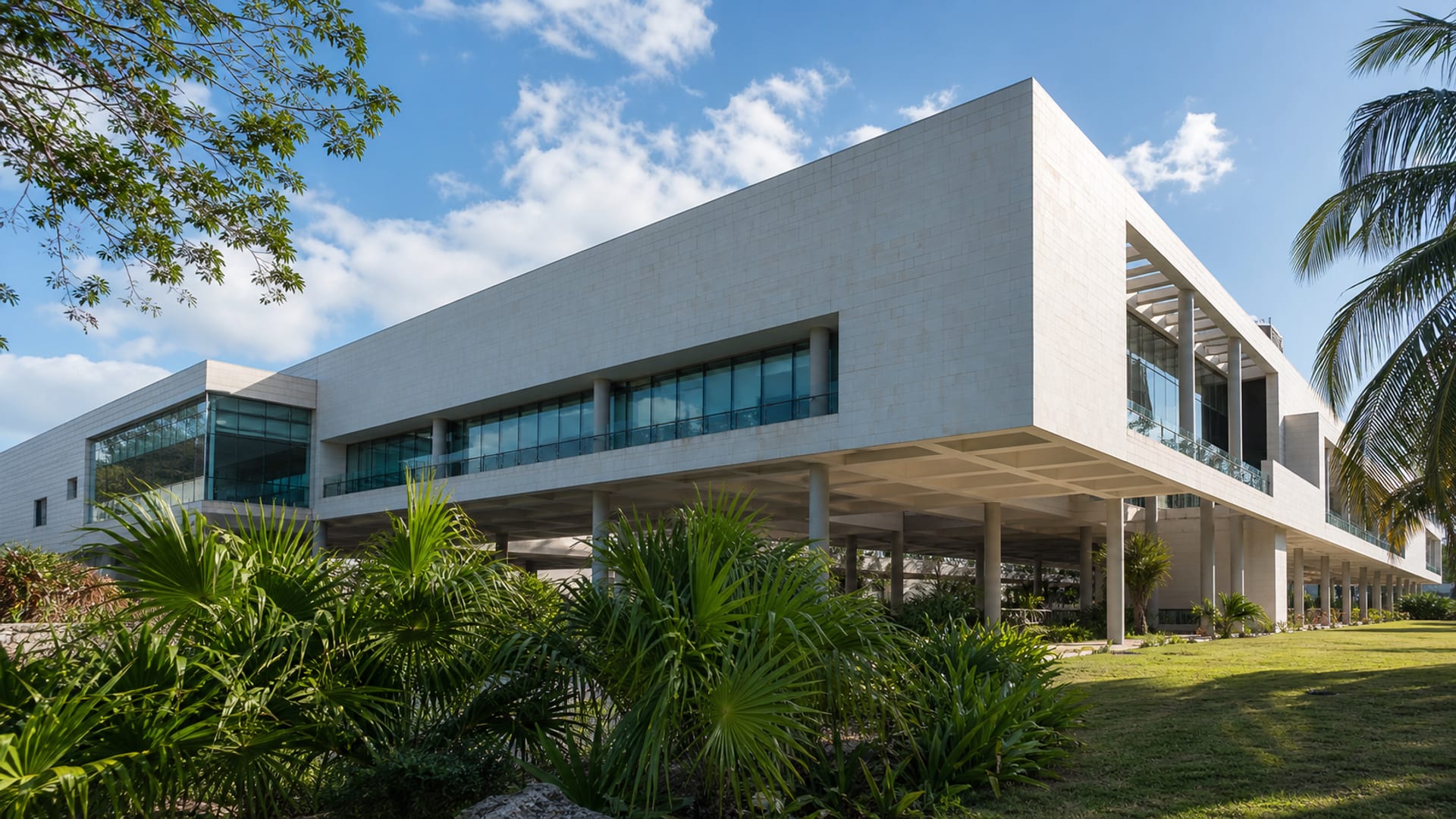
Mayan Museum of Cancun
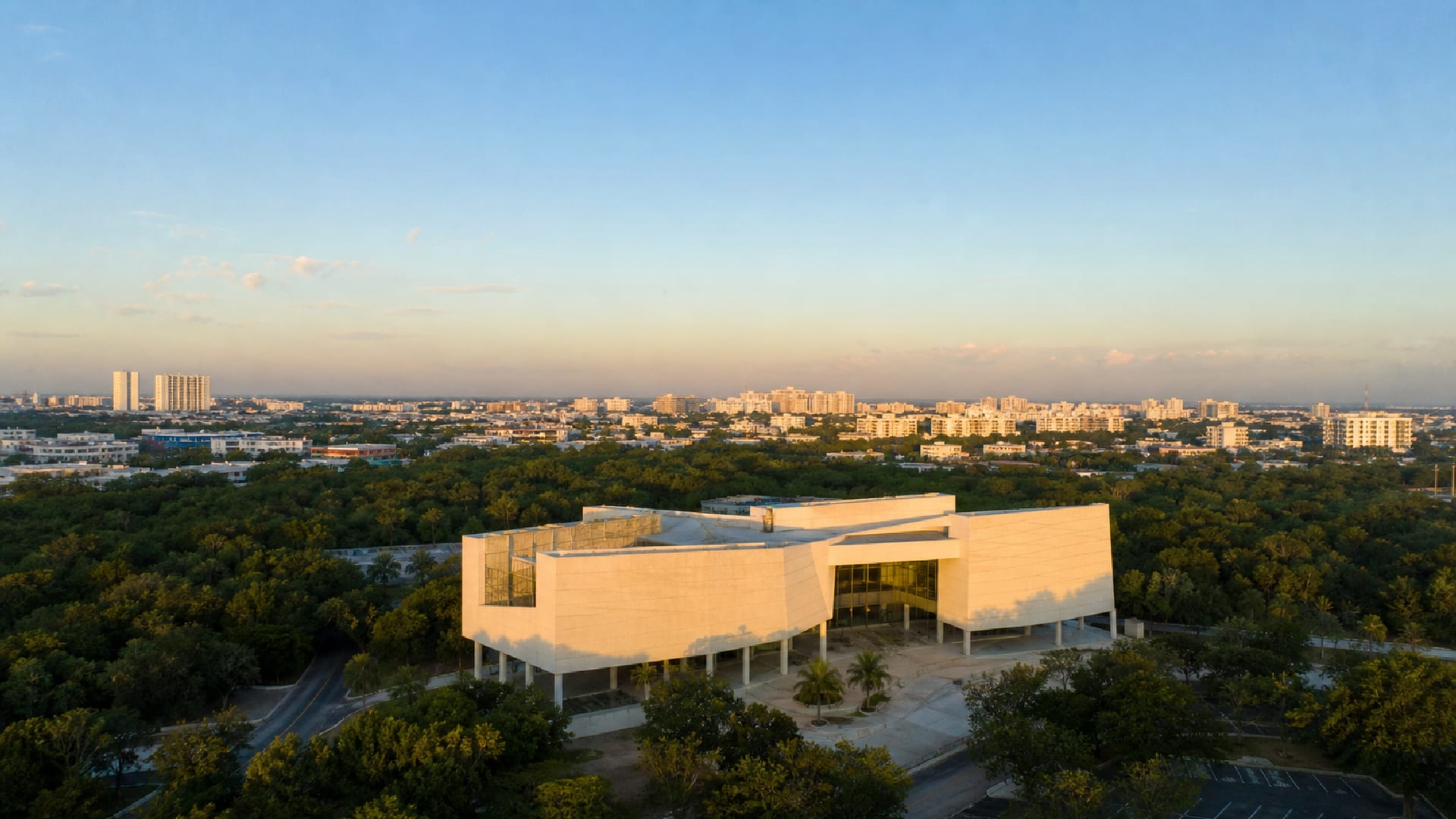
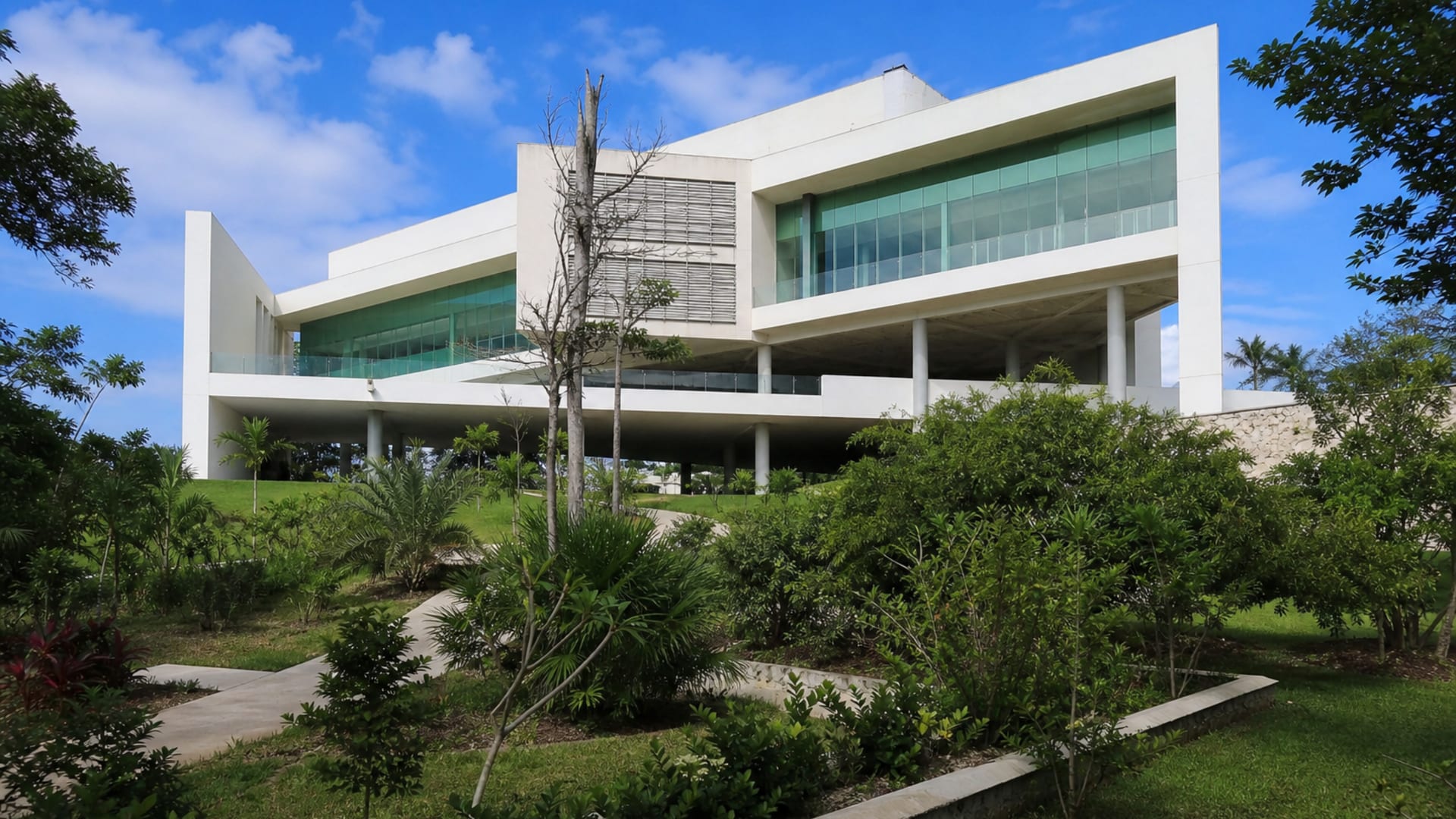
This modern museum pairs a compact archaeology collection with artifacts from the Yucatán Peninsula, including pieces from Chichén Itzá, San Miguelito, and other nearby sites. The grounds also preserve the San Miguelito ruins beside the galleries.
Time needed: About 2 to 3 hours
Entry: Admission costs $5 to $7 (about MXN 90 to MXN 130), with discounts for children, students, and residents on select days. Visit the official site for details.
Tip: Go in the morning so you can tour the ruins before the midday heat rises.
El Rey Archaeological Zone
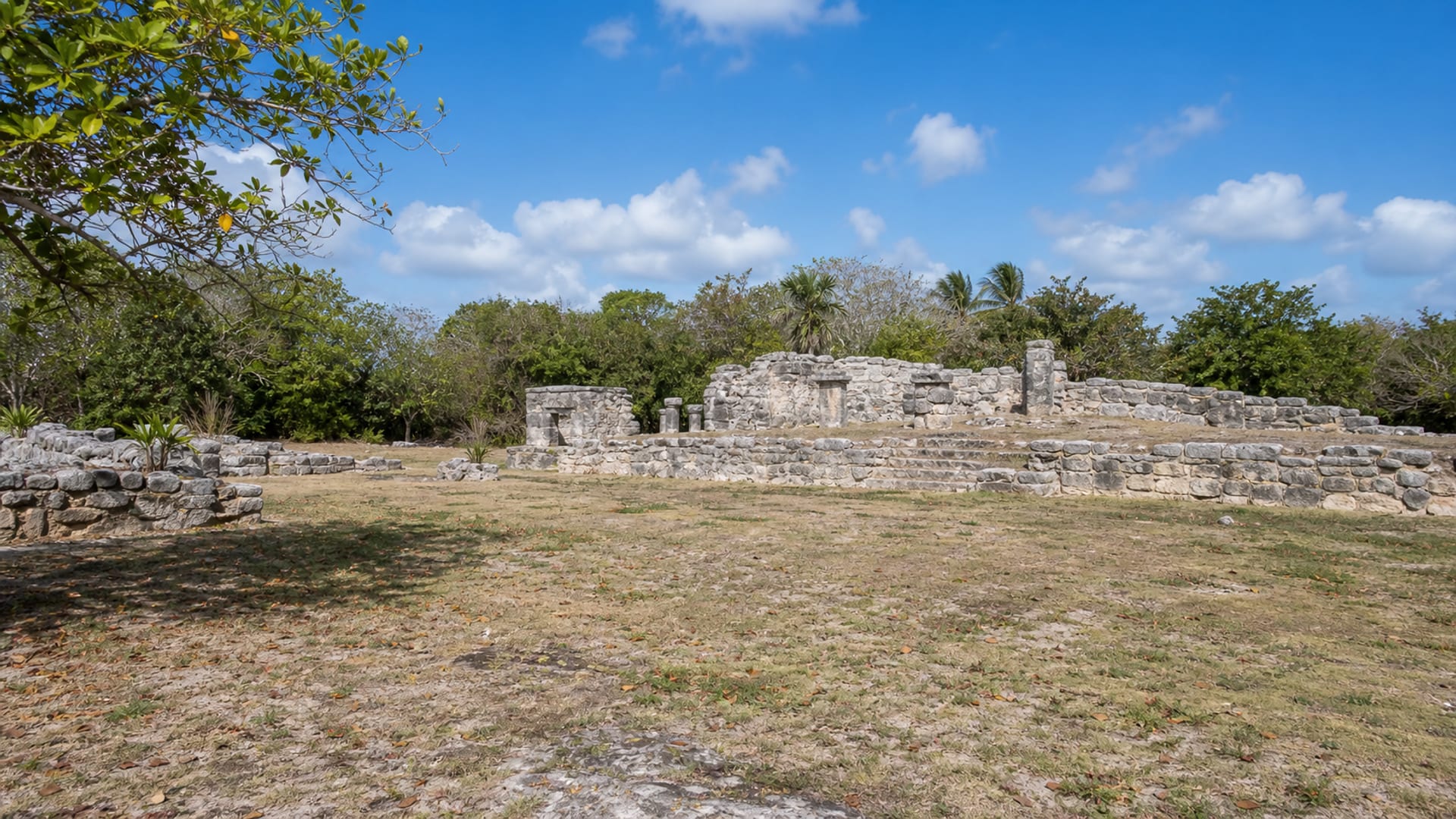
El Rey holds more than 40 low limestone structures in Cancún’s Hotel Zone, plus a resident population of iguanas that often sun themselves on the ruins. It gives a clear look at a small Maya settlement without leaving the city.
Time needed: About 1 to 2 hours
Entry: Admission costs $4 to $6 (about MXN 70 to MXN 110), and children, students, and seniors may qualify for reduced rates. Visit the official site for details.
Tip: Visit early, when the stone is cooler and the iguanas are most active on the walls.
Mercado 28
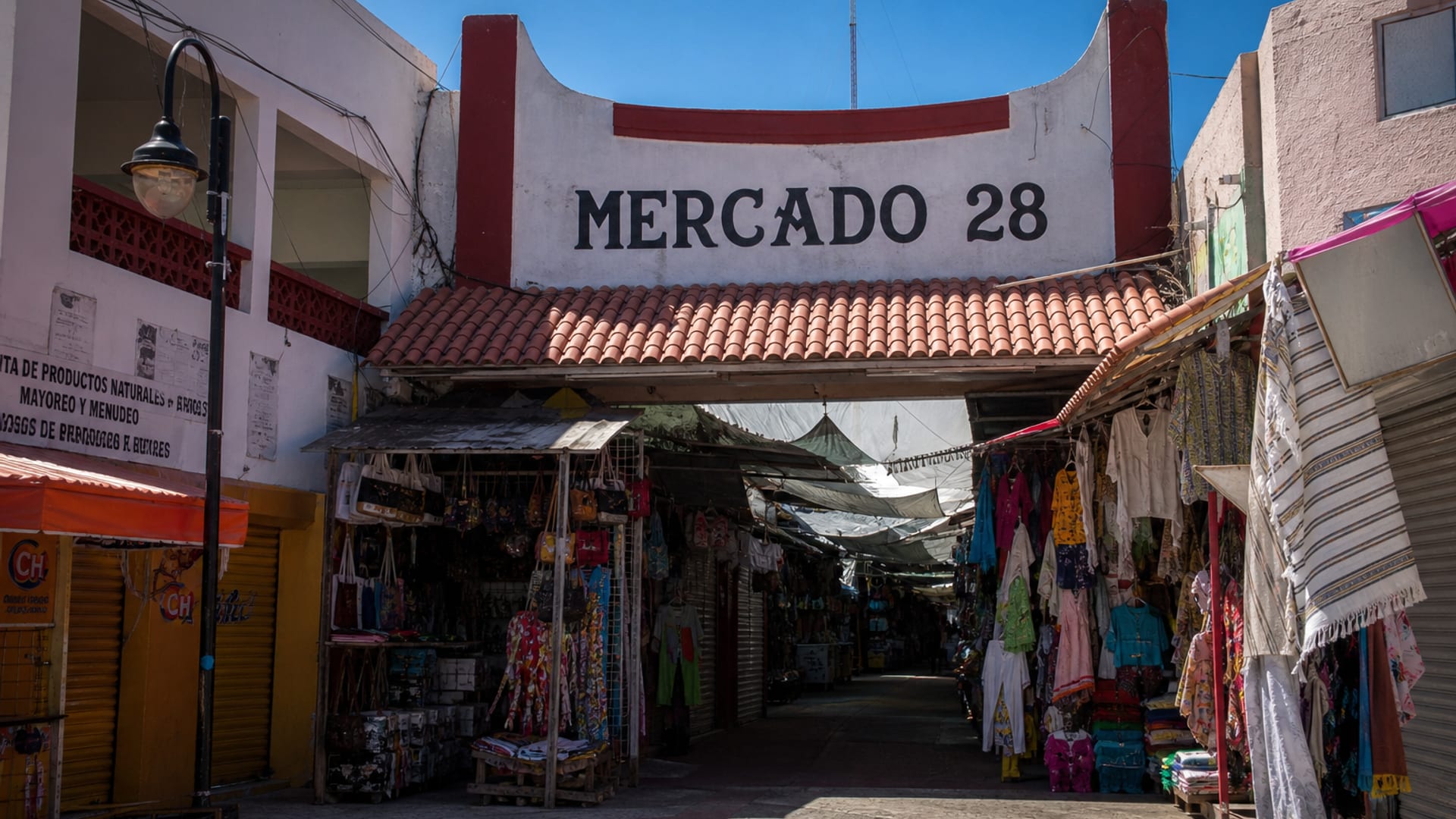
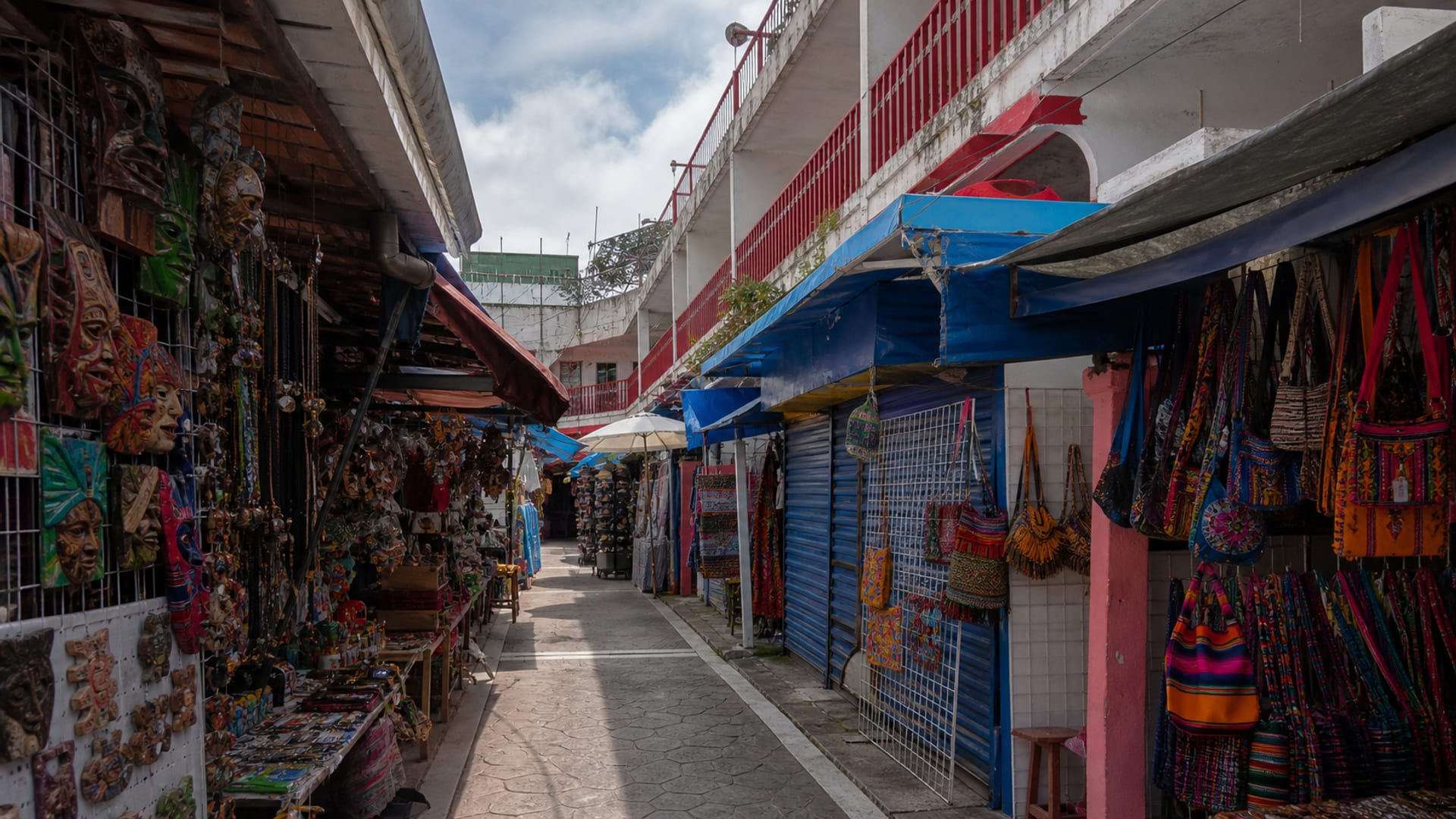
Mercado 28 is Cancún’s best-known market for handicrafts, leather goods, silver jewelry, and casual Yucatecan snacks in a dense grid of stalls. It offers a local shopping stop in the city center, with bargaining common at many stands.
Time needed: About 1 to 2 hours
Entry: Free to enter; expect to pay only for purchases, with meals, snacks, and souvenirs priced by stall and vendor.
Tip: Go before noon for lighter crowds and more time to compare prices stall by stall.
Overlooked sites worth visiting

El Meco Archaeological Site
This small Maya site north of the hotel zone pairs a compact pyramid with quiet paths through low forest. You can climb some structures and get broad views toward the Nichupté area.
Time needed: About 1 to 2 hours
Entry: Admission is about $4 ($70 MXN) for adults; photo fees can apply, and hours are limited, so check before you go. The site is small enough to cover without a guide, yet it offers far fewer crowds than the larger ruins in the region.
Tip: Go early for cooler air and softer light.

Museo Maya de Cancún
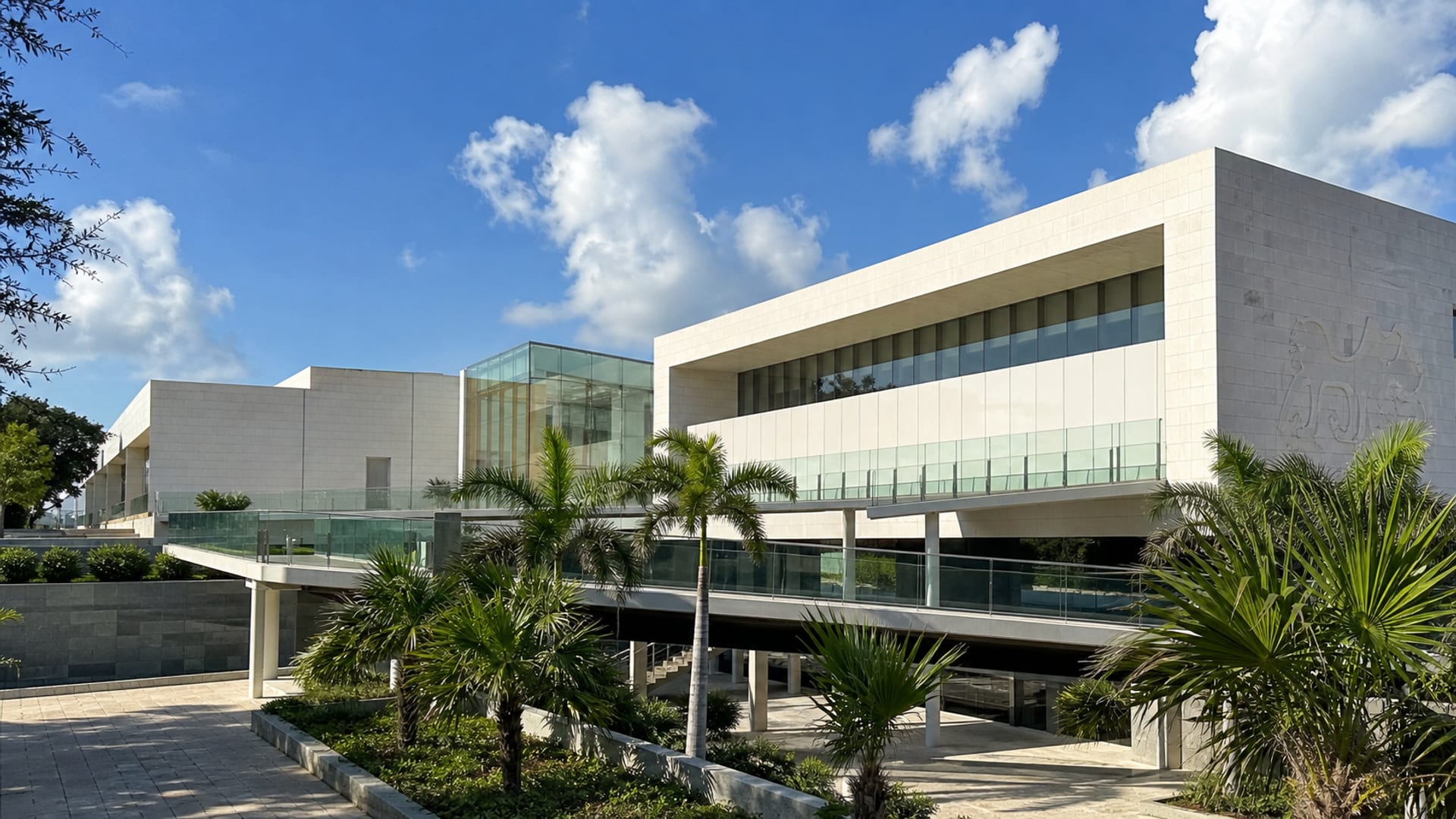
This museum sits beside a small archaeological zone, so you can pair carved stelae with climate-controlled galleries in one stop. The collection covers Maya culture from local finds to pieces from across the Yucatán Peninsula.
Time needed: About 1 to 2 hours
Entry: Standard admission is about $6 ($95 MXN), and access to the adjacent San Miguelito ruins is included with the museum ticket. Temporary exhibits may cost extra, and the museum is closed on Mondays. Visit the official site for details.
Tip: Use the museum first, then walk the outdoor ruins before noon.
Traditional food
Cancún’s cooking leans on Yucatán staples, with achiote, lime, masa, and seafood shaping daily meals. Expect cochinita pibil, panuchos, sopa de lima, and pescado tikin xic, often served in casual rooms, beachside restaurants, and market stalls.
Cochinita pibil
Slow-roasted pork marinated with achiote and sour orange, usually served with pickled onions and tortillas. La Habichuela is a long-running Cancún classic for this dish, and it pairs the city’s Yucatán roots with a formal dining room.
Panuchos
These fried tortillas come topped with refried beans, shredded meat, vegetables, and salsa, making them a common lunch plate in the region. El Cejas at Mercado 28 is a strong Cancún stop for a market-style version.
Sopa de lima
This lime-scented chicken soup uses clear broth, crisp tortilla strips, and gentle seasoning rather than heavy spice. Labná in downtown Cancún serves a widely respected version and keeps the focus on local recipes.
Pescado tikin xic
The fish is coated with achiote and citrus, then grilled or baked until the seasoning colors the flesh. Navíos in the Hotel Zone is a well-known place to order it with a coastal view.
Best time to visit Cancún
Cancún is warm all year, but humidity, rain, and sea conditions shift enough to change when beaches, ruins, and outdoor meals feel easiest.
Best for: Beach weather, clear skies, and the most comfortable ruin visits
What you get: About 70 to 82°F (21 to 28°C), with lower humidity and the highest visitor counts
Trade-offs: Hotel prices rise and popular stretches of the Hotel Zone stay busy
Best for: Long beach days and a good balance between sun and city time
What you get: About 76 to 90°F (24 to 32°C), with warm water and moderate crowds outside holiday peaks
Trade-offs: Heat builds by late morning, especially at open-air ruins
Best for: Late swims and quieter museum visits
What you get: About 78 to 92°F (26 to 33°C), with heavy humidity, afternoon rain, and fewer visitors on some weekdays
Trade-offs: Storm chances and stronger heat make midday planning harder
Best for: Lower hotel demand and easier same-week booking
What you get: About 74 to 88°F (23 to 31°C), with humid days early in the season and improving conditions by November
Trade-offs: This is the rainiest stretch, and hurricane monitoring matters
A realistic 5-day plan in Cancún
A five-day stay in Cancún works best when you split it between the coast, downtown, and the smaller Maya sites. The plan below starts with an easy arrival, then builds toward museums, markets, and one final low-key day before departure.
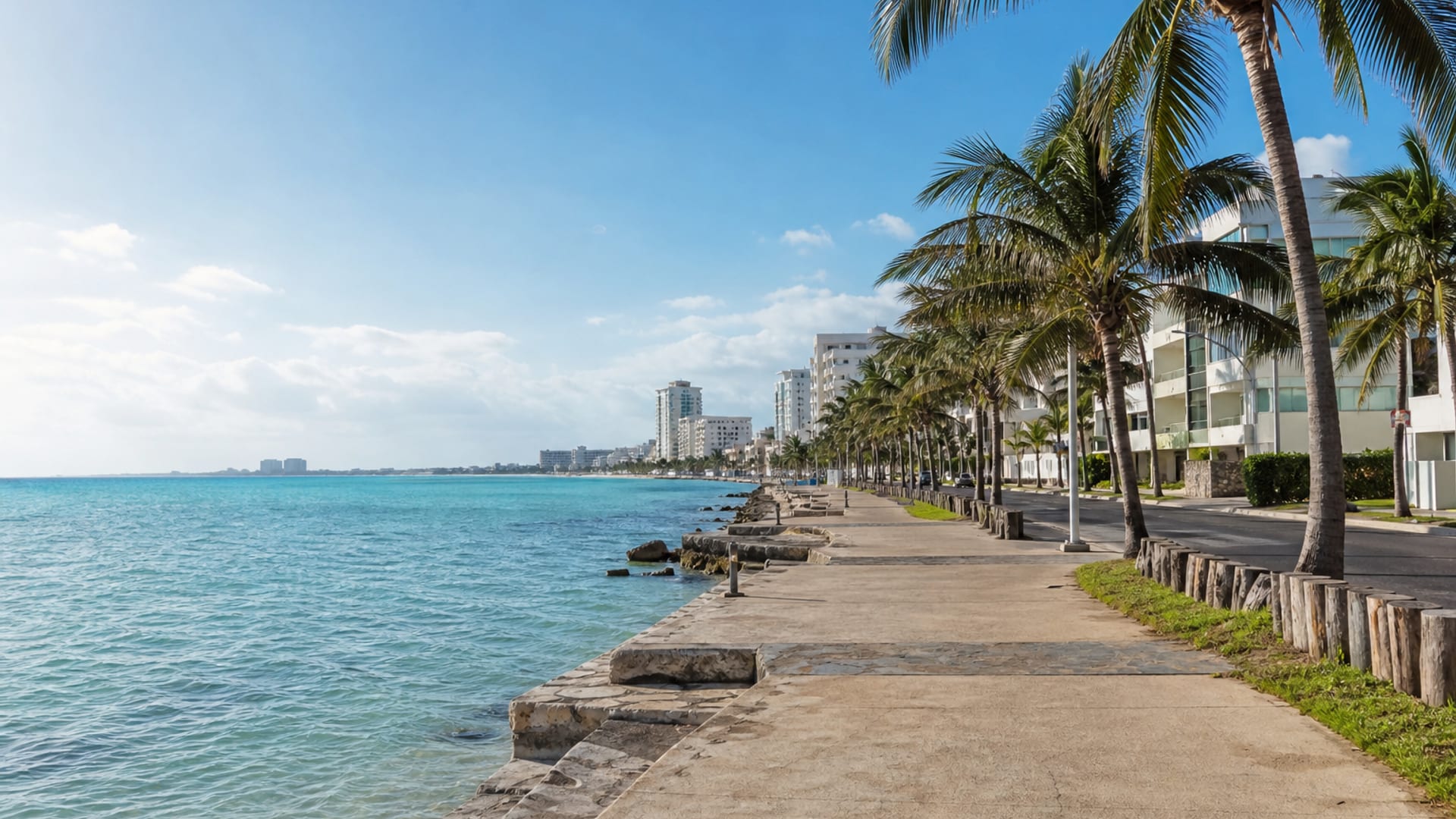
Land at Cancún (CUN) and take the ADO bus or an airport taxi into the Hotel Zone, roughly 25 to 40 minutes by bus or 20 to 30 minutes by taxi depending on traffic; expect about $6 to $10 by bus or about $35 to $50 by taxi. Check in near the beach side of the Hotel Zone so you can avoid crossing the lagoon bridge for dinner, then spend the evening on a short waterfront walk and a simple meal nearby, with water or electrolytes before an early night.
Begin at the Mayan Museum of Cancun in the morning, when the galleries and the San Miguelito ruins are easier to cover before the heat builds, and plan on about 2 to 3 hours there. From the museum, it is about a 5-minute taxi ride or a 20-minute walk to El Rey Archaeological Zone, where low limestone structures and iguanas make for a compact second stop; after that, return to the Hotel Zone for an easy seafood dinner near your hotel.
Start in downtown Cancún at Mercado 28, where you can browse stalls for handicrafts and snacks for about 1 to 2 hours, then ride about 10 to 15 minutes by bus to El Centro cafés for lunch. In the afternoon, head north by taxi or bus to El Meco Archaeological Site, which takes roughly 20 to 30 minutes from the city center, and finish with an early dinner back downtown so you are not crossing the city late at night.
Pair Museo Maya de Cancún with the adjacent San Miguelito ruins, since the museum ticket includes both and the outdoor site sits right beside the galleries; plan on about 1 to 2 hours total. From there, El Rey Archaeological Zone is about 10 to 15 minutes away by taxi, so you can compare two different Maya sites in one day, then end with an evening beach walk in the Hotel Zone and a late meal near the main restaurant strip.
For a final, low-key morning, head to one more museum visit if you missed it earlier, or return to Mercado 28 for last-minute gifts and small purchases in downtown Cancún. After that, settle into a café in downtown El Centro for coffee or lunch before your airport transfer, which keeps the departure day simple without forcing a long detour back to the coast.
Business-class flights from the US to Cancún
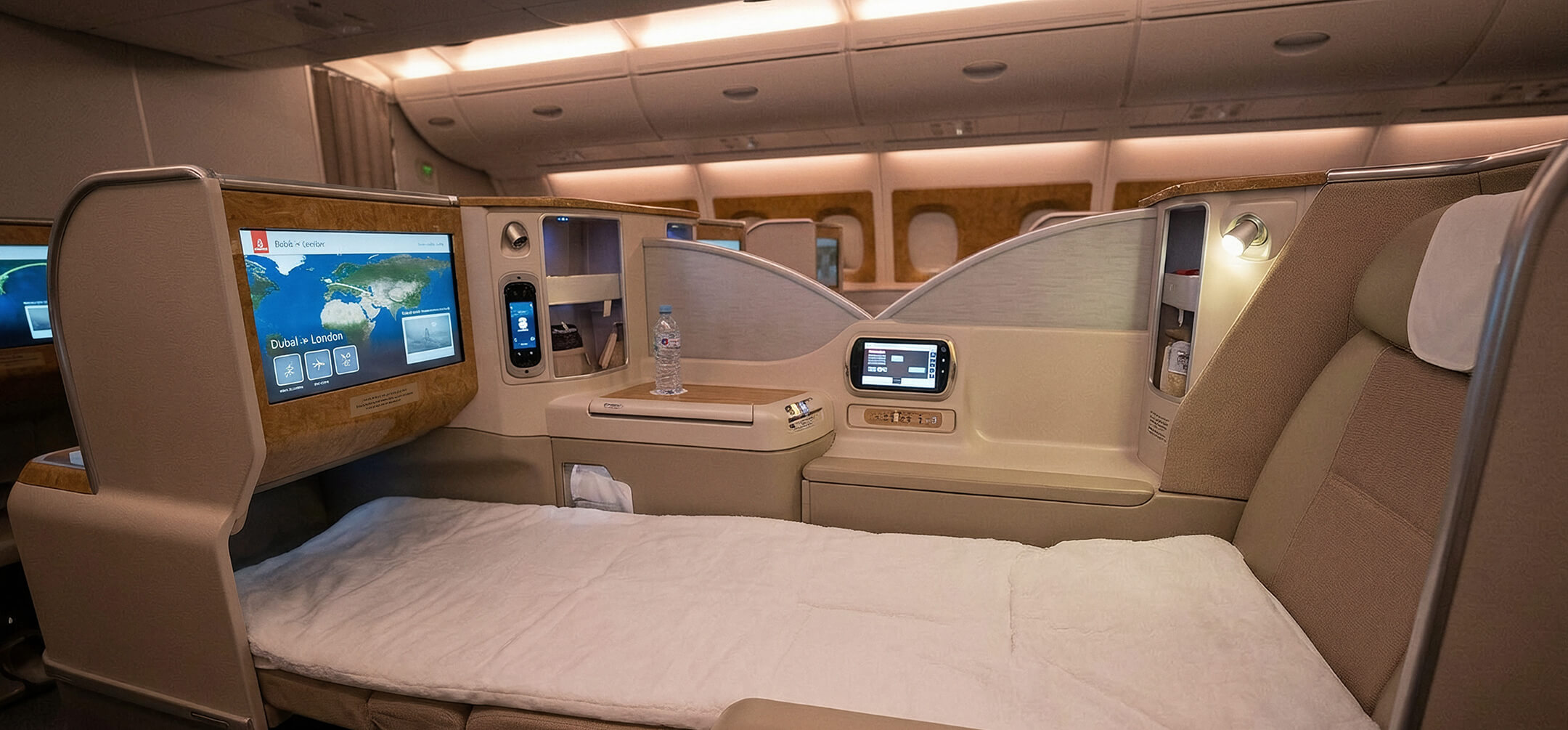
Business-class flights to Cancún usually route through a mix of nonstop and one-stop options, with East Coast and West Coast departures following different timing patterns. The best fare often depends on whether you value a shorter trip or a lower one-stop price.
From New York, American Airlines, Delta Air Lines, JetBlue, United Airlines, AeroMexico, and Air Canada all show up on the route. Nonstop flights take about 4 to 4.5 hours, while common one-stop options connect through ATL, DFW, IAH, MEX, or YYZ and can reduce the fare into the $500 to $900 range. Round-trip fares usually run from $1,100 to $2,200.
From Los Angeles, American Airlines, Delta Air Lines, JetBlue, United Airlines, Alaska Airlines, and AeroMexico operate on the route, and nonstop flights take about 4.5 to 5 hours. One-stop itineraries via DFW, IAH, PHX, MEX, or DEN can price lower and often fall within a 6 to 11 hour journey. Round-trip fares usually sit from $950 to $1,900, with nonstop options at the top of that band.
Cancún feels different when you slow down
A good Cancún trip has a clear shape: the Hotel Zone for beach time, El Centro for meals and the market, and a few well-chosen stops such as the Mayan Museum, El Rey, or El Meco instead of constant crisscrossing. Buses, taxis, and short walks each have a place, but only when you use them with the city’s layout in mind. If you want help matching that plan to your dates, the AranGrant experts can build the route around your neighborhood base and flight timing