

Chapters:

Need help with your trip?
Our support team is available 24/7. Request a callback or call us directly at (833) 619-0908
Canberra trips often start and end with the same checklist: Parliament House, the War Memorial, a lake walk, then a quick airport transfer. What many visitors miss is how much of the city sits in the links between those landmarks, in Barton, Kingston, Braddon, and the bus rides that connect them.
That narrow approach can leave too much time spent crossing the city and too little time in the places that give it shape. Distances are not huge, but they do add up when you bounce between museums, dinner streets, and evening returns.
This guide sets out a tighter five-day plan, with neighborhoods, transit, food, and flight options arranged in the order they make sense on the ground.
Useful things to know

Main language(s): English

Currency: The local currency is the Australian dollar (AUD, A$).

Cash and cards: Cards and contactless are widely accepted; carry about A$20 to A$50 ($13 to $33) in cash for small purchases.

Tipping: Tip 10% to 15% in restaurants when service is good; rounding up taxis is common.

Traditional food: Meat pie, barramundi, lamington, sausage roll

Water and coffee costs: Water about A$3 ($2), bar espresso about A$4 to A$5 ($3 to $3.50).

Taxis and ride apps: Uber and Ola operate here; compare pickup wait times at the airport.

Plug and voltage: Type I socket, 230V

Dining and shop opening hours: Breakfast 07:00-09:00, lunch 12:00-14:00, dinner 18:00-21:00. Many cafes close by mid-afternoon, and some restaurants are closed on Sunday night.

Emergency number: Dial 000 for police, fire, or ambulance.
Where to stay in Canberra
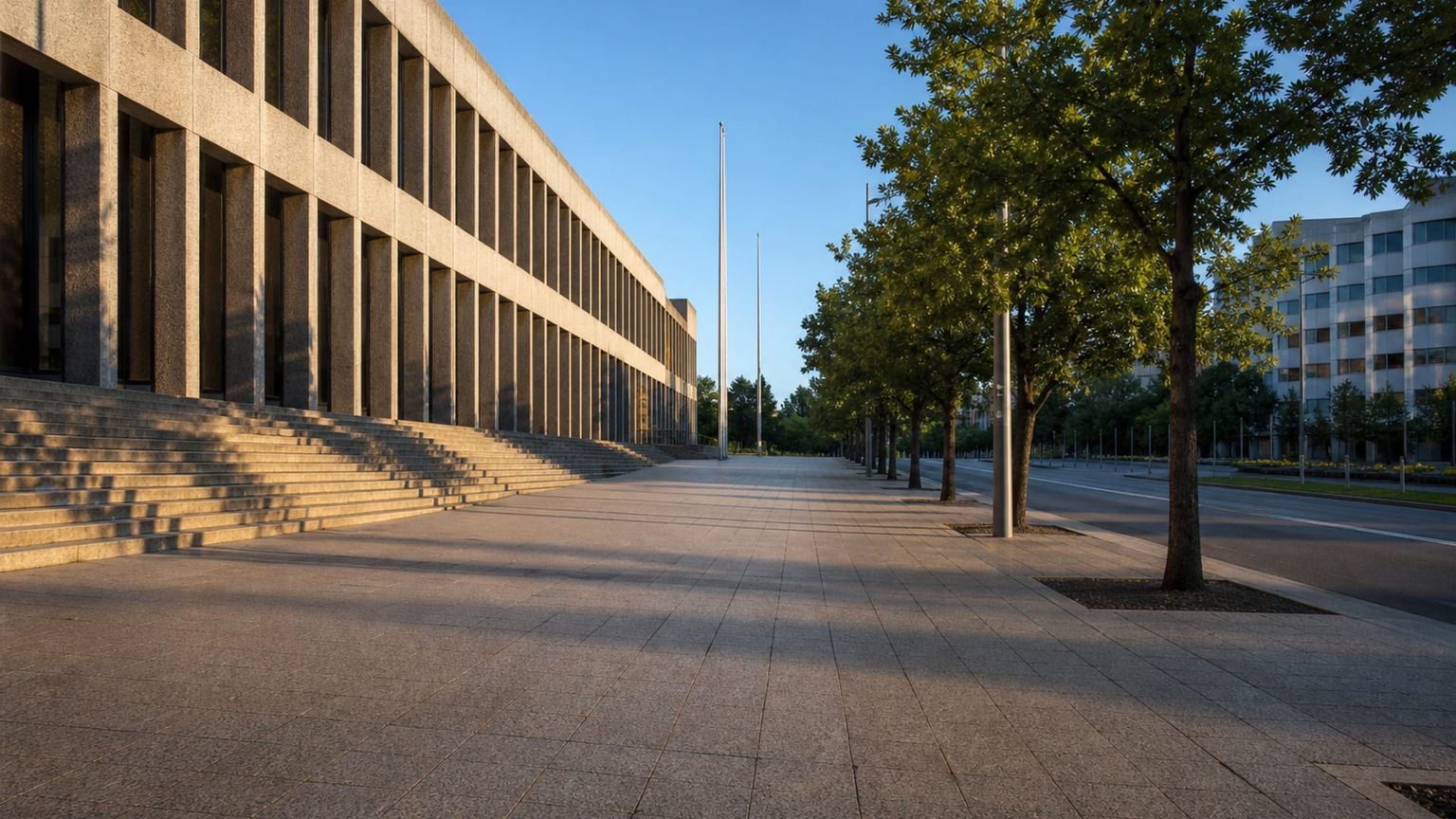
Civic sits at the northern edge of central Canberra, beside the city’s main shopping and dining streets and close to the Australian National University. It gives visitors quick access to Lake Burley Griffin, the National Museum of Australia, and the bus interchange.
Best for: Central sightseeing, dining, and travelers who want the easiest access to buses and city facilities
What to expect: Busy pedestrian streets by day, then a lighter but still active restaurant and bar scene at night.
Hotel prices: Usually about $130 to $220 per night for well-rated stays
Distance to major sights: About 10 minutes by bus to the National Museum of Australia, about 15 minutes on foot to Lake Burley Griffin
Quietness: Daytime is lively and traffic-heavy, while evenings are noticeably calmer outside the restaurant blocks.
Main trade-off: The central location puts you close to transport and venues, but rooms near the main streets can pick up tram and traffic noise.
Good to know: If you plan late dinners or early departures, staying near the bus interchange cuts down on cross-city transfers.
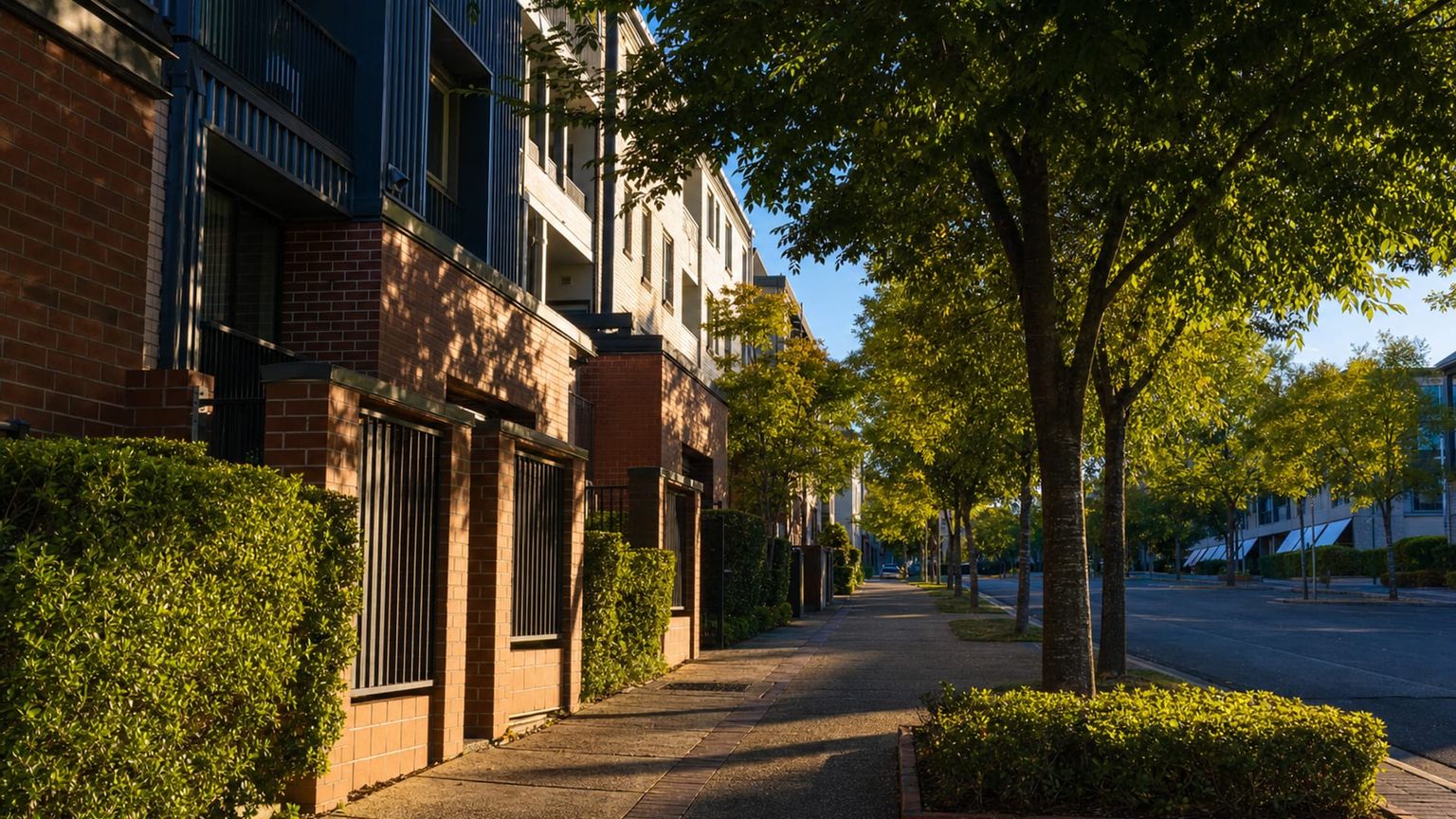
Kingston is a lakeside inner suburb known for its restaurant strip, cafés, and access to the Kingston Foreshore. It works well for visitors who want a more residential base with easy rides to Parliament House, the National Gallery of Australia, and the lake path.
Best for: Dining, lakeside walks, and travelers who prefer an inner suburb with easy access to major sights
What to expect: Busy around dinner and weekends, with a mix of apartment living, cafés, and people heading to the foreshore.
Hotel prices: Usually about $150 to $260 per night for well-rated stays
Distance to major sights: About 10 minutes by car to Parliament House, about 20 minutes on foot to the National Gallery of Australia
Quietness: Mornings and weekdays are fairly quiet, while evenings around the foreshore can stay active.
Main trade-off: You get a stronger restaurant choice than in many other suburbs, but parking and room rates can run higher than in outer districts.
Good to know: Choose a stay away from the foreshore if you want less late-night foot traffic from nearby bars and restaurants.
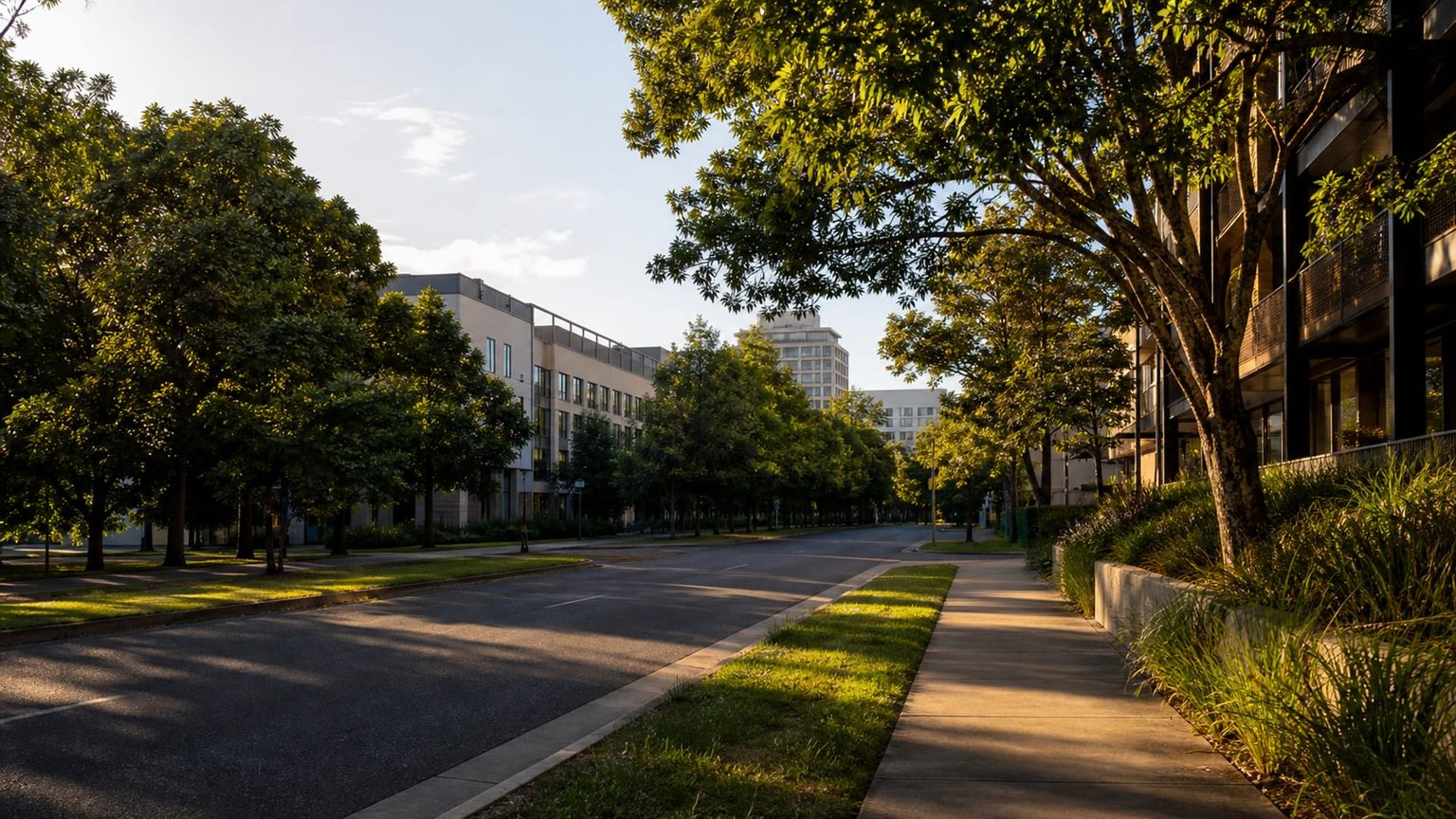
Barton is a compact inner district with several federal buildings, heritage hotels, and a location close to Parliament House. It suits travelers who want short trips to major institutions and an easy base for museums along the Parliamentary Triangle.
Best for: Government precinct access, museum visits, and travelers who want a close but calmer inner-city base
What to expect: Low-key streets with office traffic by weekday and very little casual nightlife.
Hotel prices: Usually about $170 to $300 per night for well-rated stays
Distance to major sights: About 5 minutes by car to Parliament House, about 15 minutes on foot to the National Gallery of Australia
Quietness: Daytime brings office movement, while evenings are among the quietest in the inner city.
Main trade-off: The area is convenient for institutions and museums, but dining and evening options are thinner than in Kingston or Civic.
Good to know: Book ahead if you want one of the heritage hotels, since the stock is smaller than in the larger central suburbs.
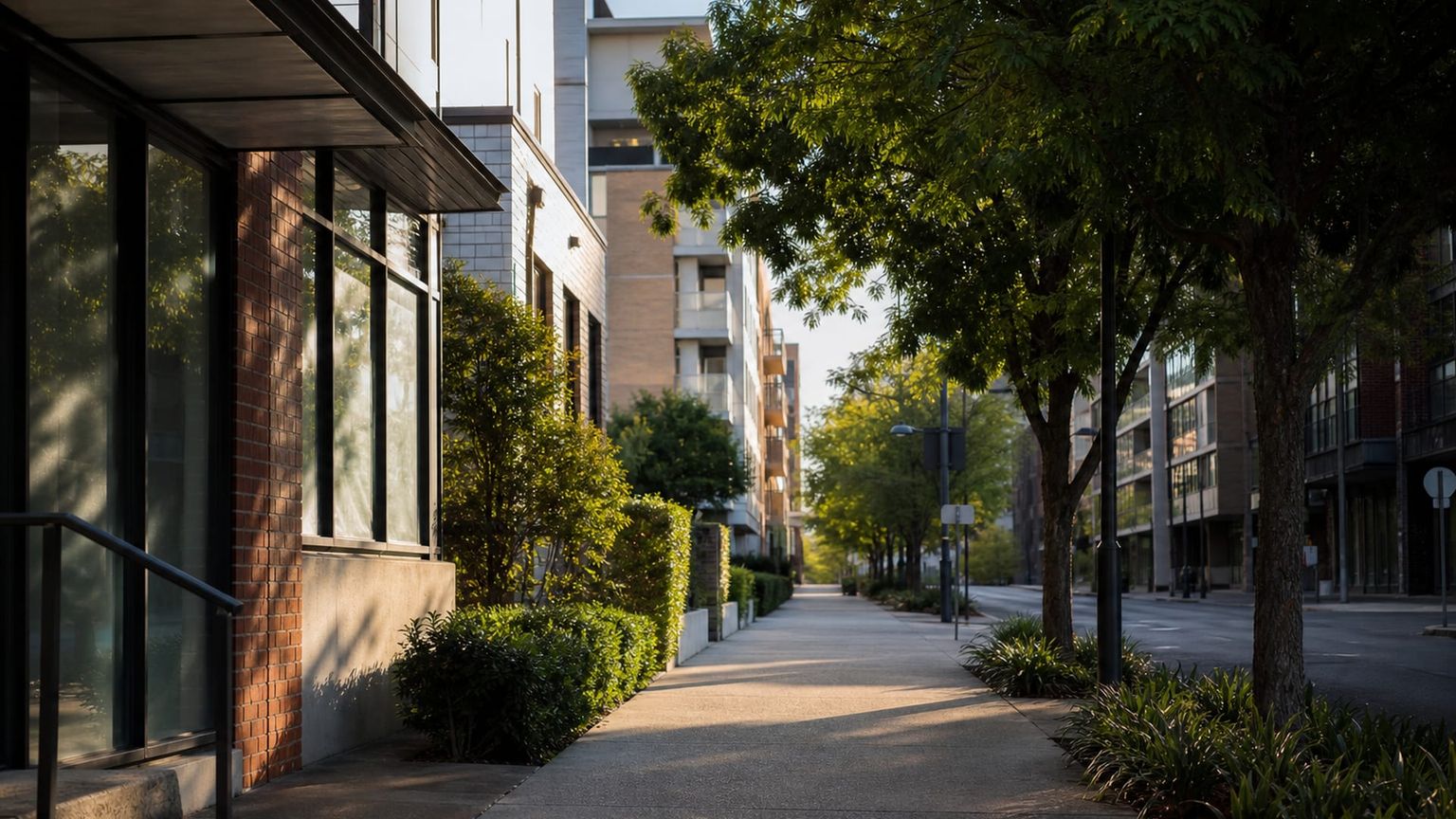
Braddon sits just north of Civic and blends apartment towers, converted warehouses, and a dense café and bar strip along Lonsdale Street. It appeals to travelers who want to stay close to the center while keeping restaurants, coffee, and late dining within walking distance.
Best for: Dining, nightlife, and visitors who want to walk to the center without staying in the busiest core
What to expect: Lively sidewalks, more foot traffic than nearby residential areas, and a steady evening restaurant crowd.
Hotel prices: Usually about $140 to $240 per night for well-rated stays
Distance to major sights: About 10 minutes on foot to Civic, about 20 minutes by bus to the Australian War Memorial
Quietness: Days are active and evenings can be noisy on Lonsdale Street, especially on weekends.
Main trade-off: You trade quieter nights for better dinner and bar access, and apartment prices often sit above those in outer suburbs.
Good to know: If sleep matters, avoid rooms directly on Lonsdale Street, since the busiest blocks can stay loud after dark.
Travelers usually avoid staying in outer Tuggeranong suburbs such as Greenway and Calwell, since they sit far from Canberra’s main museums, restaurants, and government precinct. Belconnen fringe areas like Lawson and Bruce can also be less convenient for visitors, with more limited late-night dining and longer evening trips into Civic. Weston Creek neighborhoods such as Coombs and Wright are farther from the city center and public transport links can make nighttime returns less direct.
Hotel deals
How to get around Canberra efficiently
Canberra’s light rail, buses, taxis, and rideshares each cover different parts of the city, so the best trip usually combines short rides with walks between the lake and the Parliamentary Triangle.

Metro
for longer distances
Canberra has no metro or subway network. The closest equivalent is the rapid bus system, which links the city center with major districts and the airport, with most trips across the inner area taking about 10 to 25 minutes.

Bus and tram
for convenience
The local network centers on light rail and buses, with the Canberra Metro light rail running from Gungahlin to the city center. Light rail and buses both use MyWay and contactless payment, and standard adult fares are about $3 to $5 ($4 to $7) with transfers valid for roughly 90 minutes, depending on time of day and fare rules. Buses reach most suburbs, while light rail is the easiest option for the north-south corridor through central Canberra.

Taxi
for convenience or late hours
Licensed taxis use metered fares, not set airport flat rates, and a trip from Canberra Airport to the city center usually costs about $25 to $35 ($38 to $53), depending on traffic and the time of day. You can book by phone, app, or from the rank outside the terminal, and drivers generally accept cards as well as cash, though a card surcharge may apply.
*Prices are based on rates updated as of June 2026 and may change at the time of travel.
Use light rail and buses for the inner north and Civic, taxis or rideshares for direct airport and late-night trips, and walking for the compact lakefront and government precinct.
Iconic landmarks
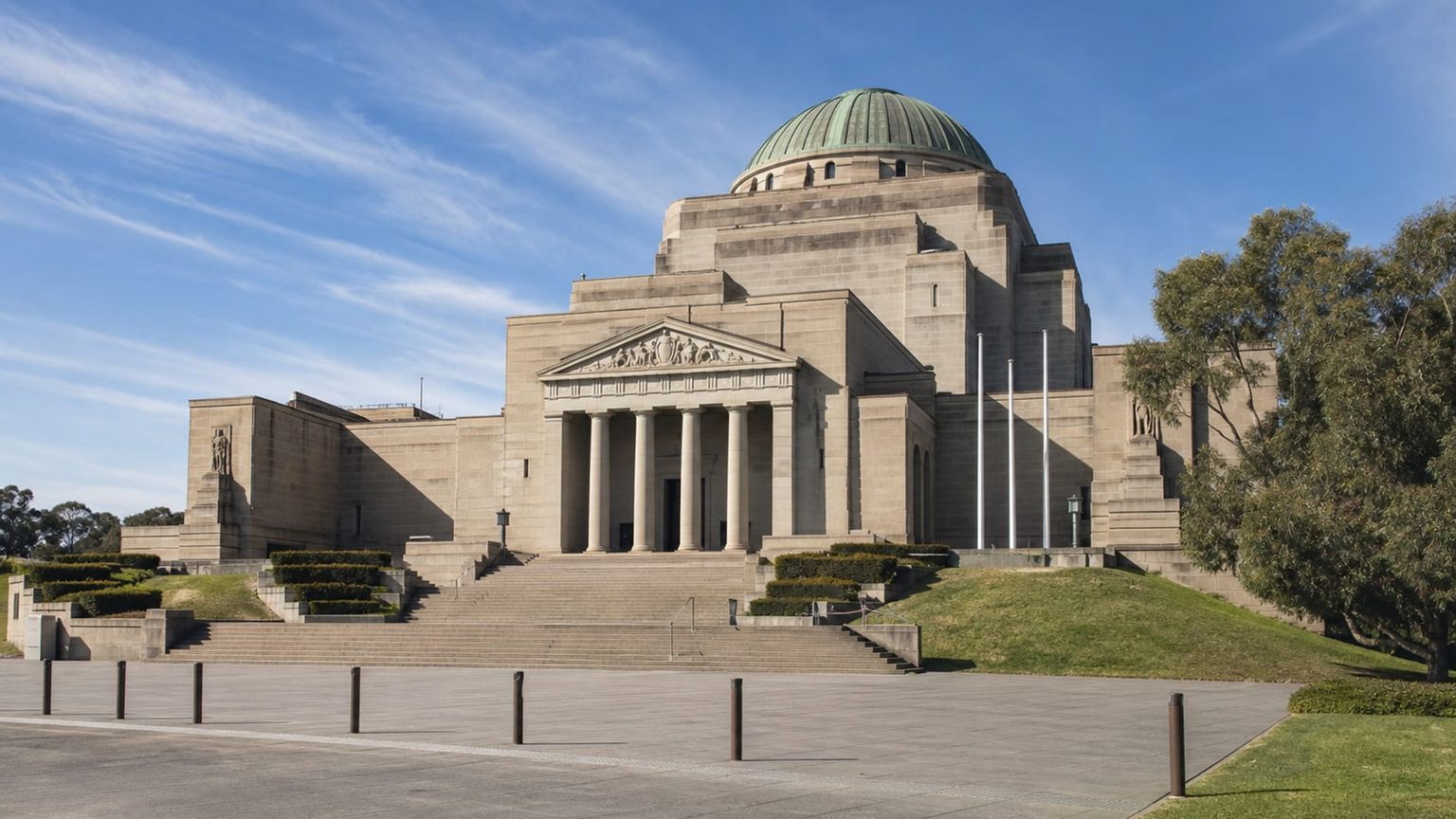
Australian War Memorial
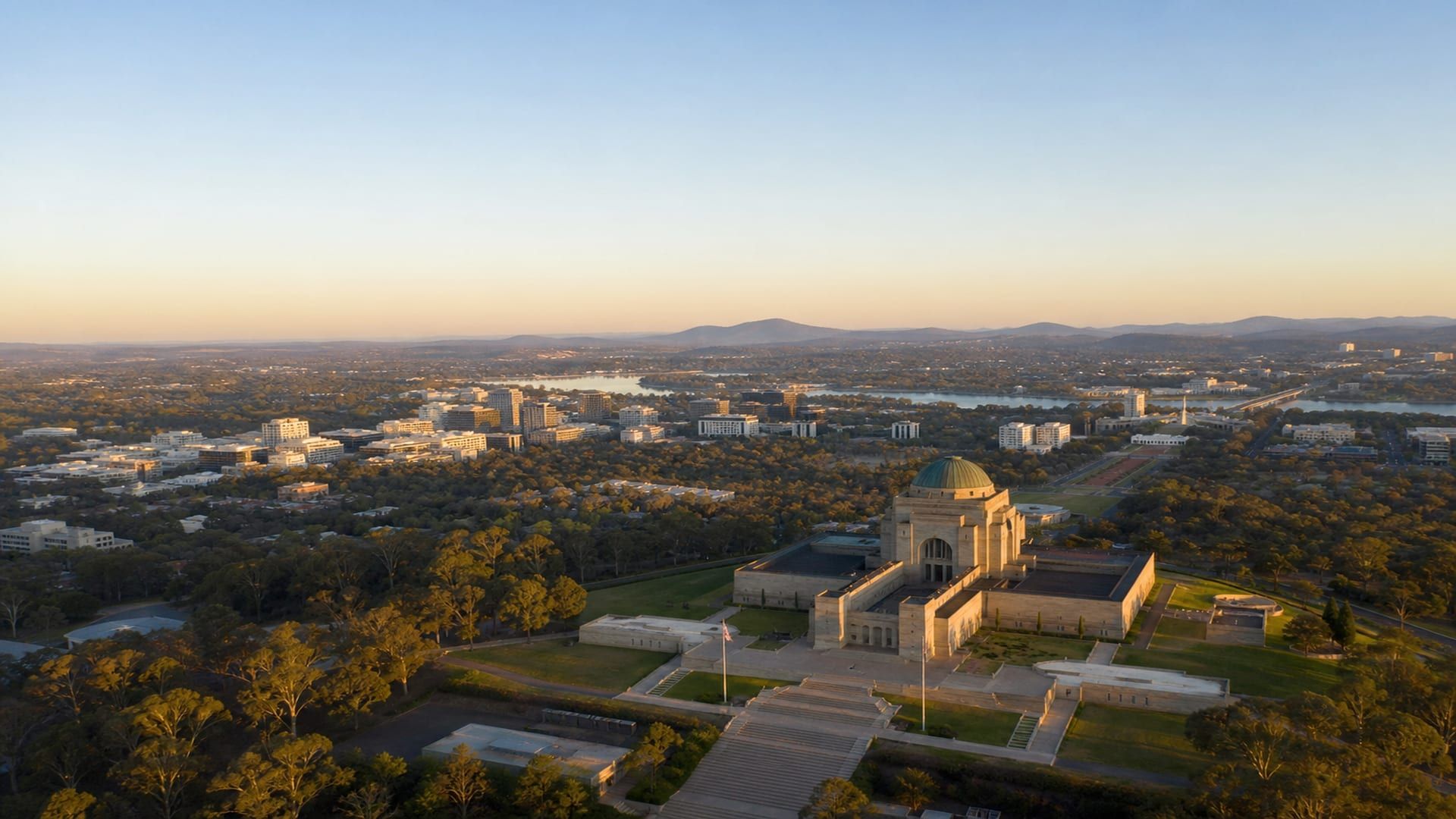
The Australian War Memorial pairs a national museum with a memorial hall and daily Last Post Ceremony. Its galleries cover conflicts from the Boer War to Afghanistan, with aircraft, armor, and the Tomb of the Unknown Australian Soldier.
Time needed: About 2 to 3 hours
Entry: Free to enter; some tours and special exhibitions may have separate charges Visit the official site for details.
Tip: Arrive by midmorning if you want time for the galleries before the Last Post Ceremony.
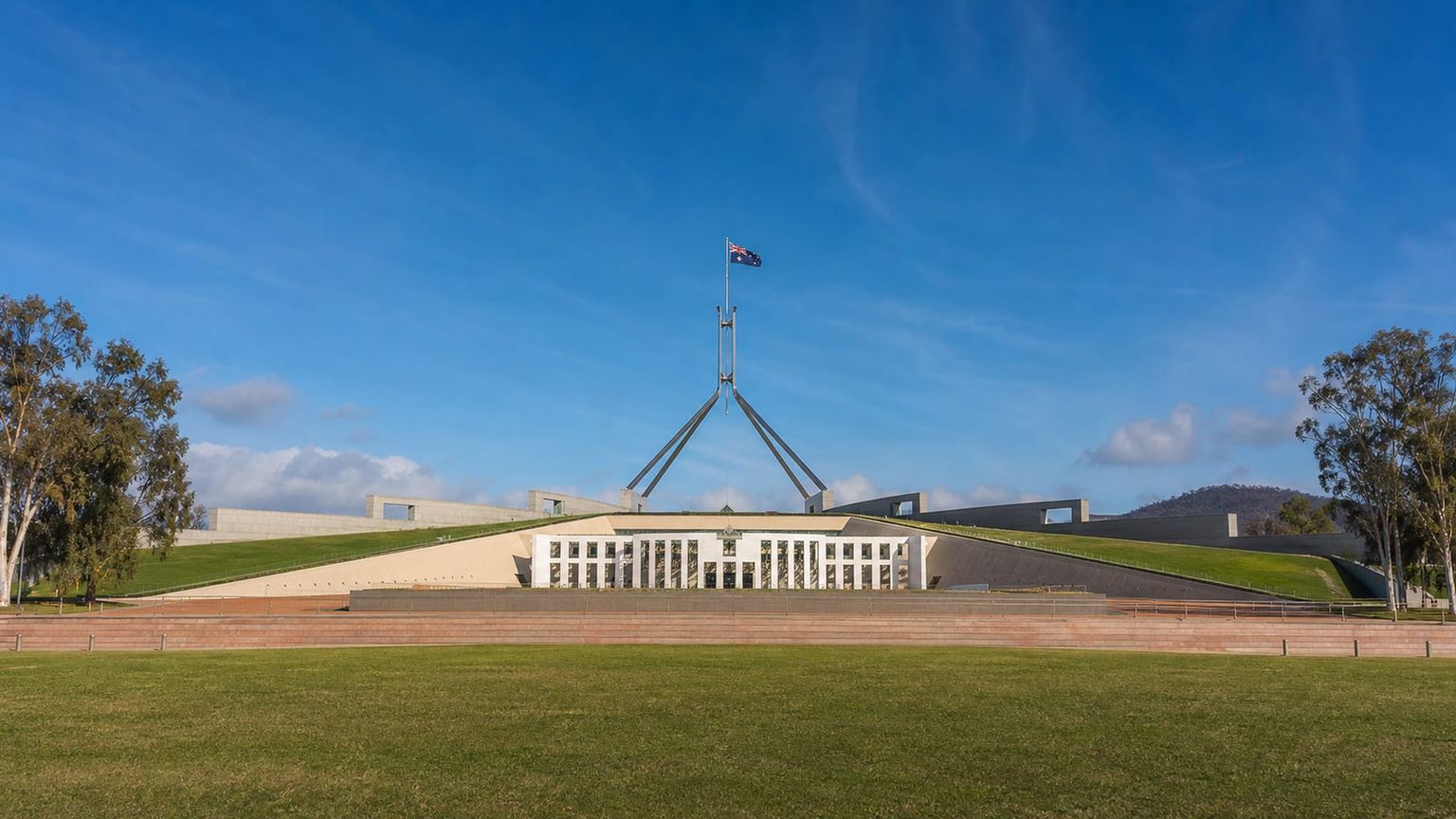
Parliament House
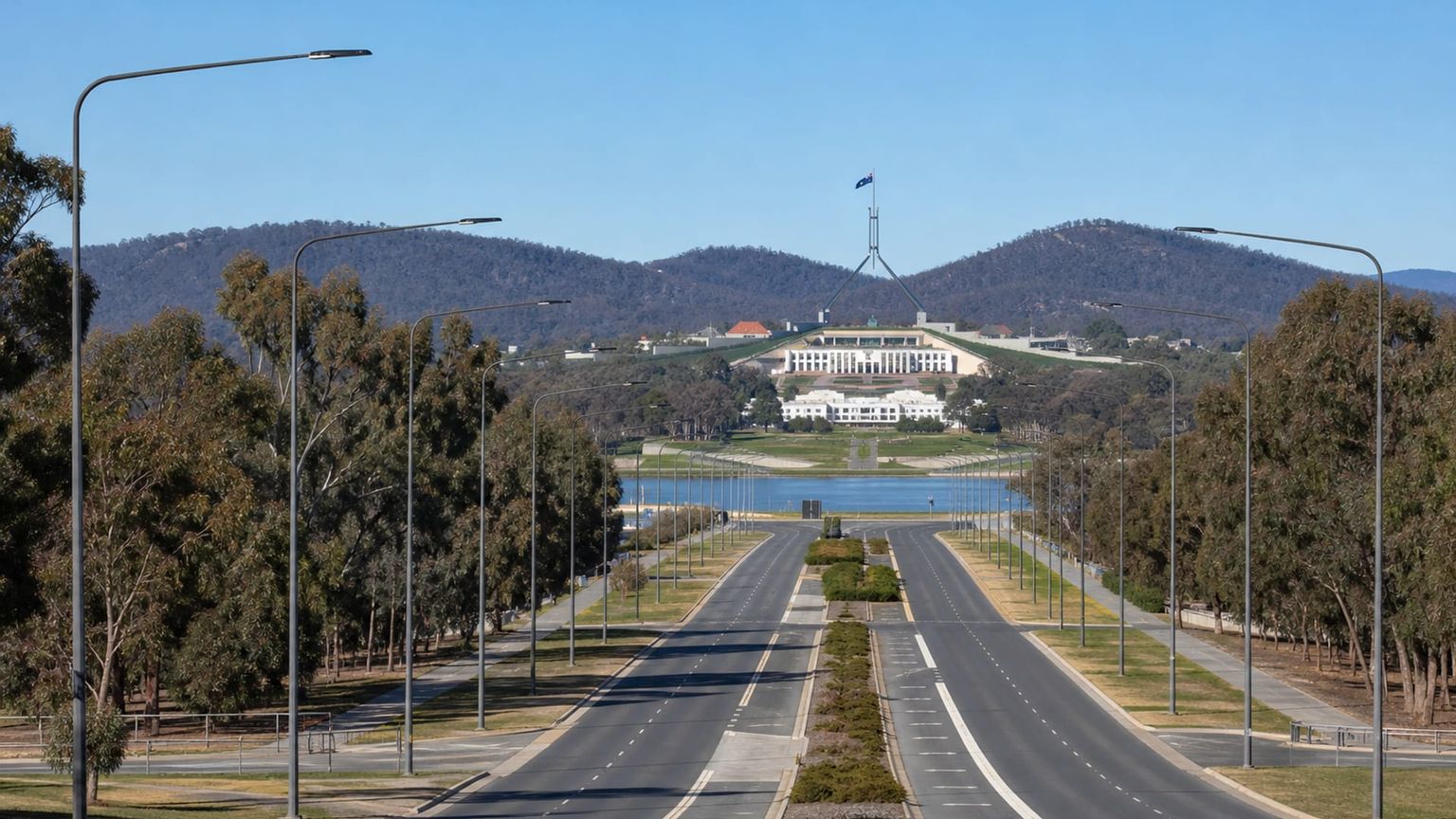
Parliament House anchors Capital Hill with public galleries, committee rooms, and the roofline flag mast above Canberra. Visitors can follow the building’s design by Mitchell Giurgola, then look across the city from the forecourt and the rooftop.
Time needed: About 1 to 2 hours
Entry: Free to enter; guided tours and some events may carry separate charges Visit the official site for details.
Tip: Go early on sitting days if you want to watch question time from the public gallery.
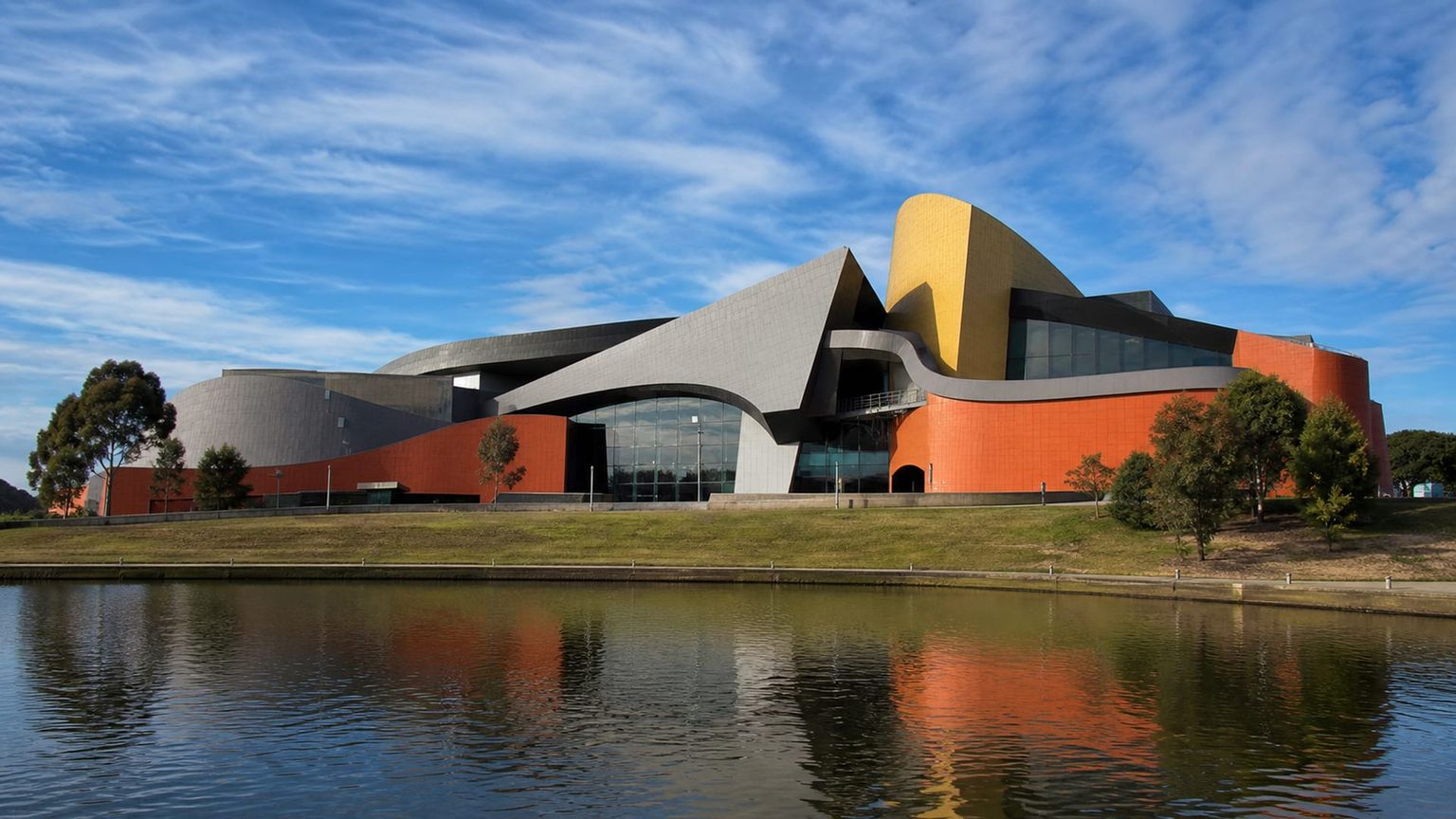
National Museum of Australia
The National Museum of Australia on Acton Peninsula traces the country’s social history through large-scale objects, film, and First Nations stories. Its waterfront setting adds a clear view across Lake Burley Griffin toward the city.
Time needed: About 2 to 3 hours
Entry: Adults $15 ($15), concessions $10 ($10), children under 15 free Visit the official site for details.
Tip: Start with the permanent galleries, then leave time for the outdoor forecourt and lakefront path.
Overlooked sites worth visiting

The Marion Mahony Griffin Sculpture Garden
Set beside the National Capital Exhibition, this small outdoor garden displays sculptures tied to Canberra’s civic design history. Paths, lawns, and water views make it a quiet stop between lakefront sights.
Time needed: About 30 to 45 minutes
Entry: Free to access. The sculpture garden sits beside the National Capital Exhibition and can be visited during the site’s daytime opening hours without a ticket. There is no entry charge for the outdoor area, and visitors can combine it with a short look at the nearby lake edge.
Tip: Go in late afternoon for softer light on the sculptures.

The National Carillon
On Aspen Island, the 50-bell carillon gives close views of Lake Burley Griffin and Parliament House from a compact island setting. Its tower and outlook suit a short, low-effort visit.
Time needed: About 20 to 30 minutes
Entry: Free to access. The carillon is on Aspen Island in Lake Burley Griffin and can be viewed from the island paths at no cost. Performances are scheduled at set times, and there is no general admission fee for walking the surrounds or pausing by the tower. Visit the official site for details.
Tip: Check recital times if you want to hear the bells.
Traditional food
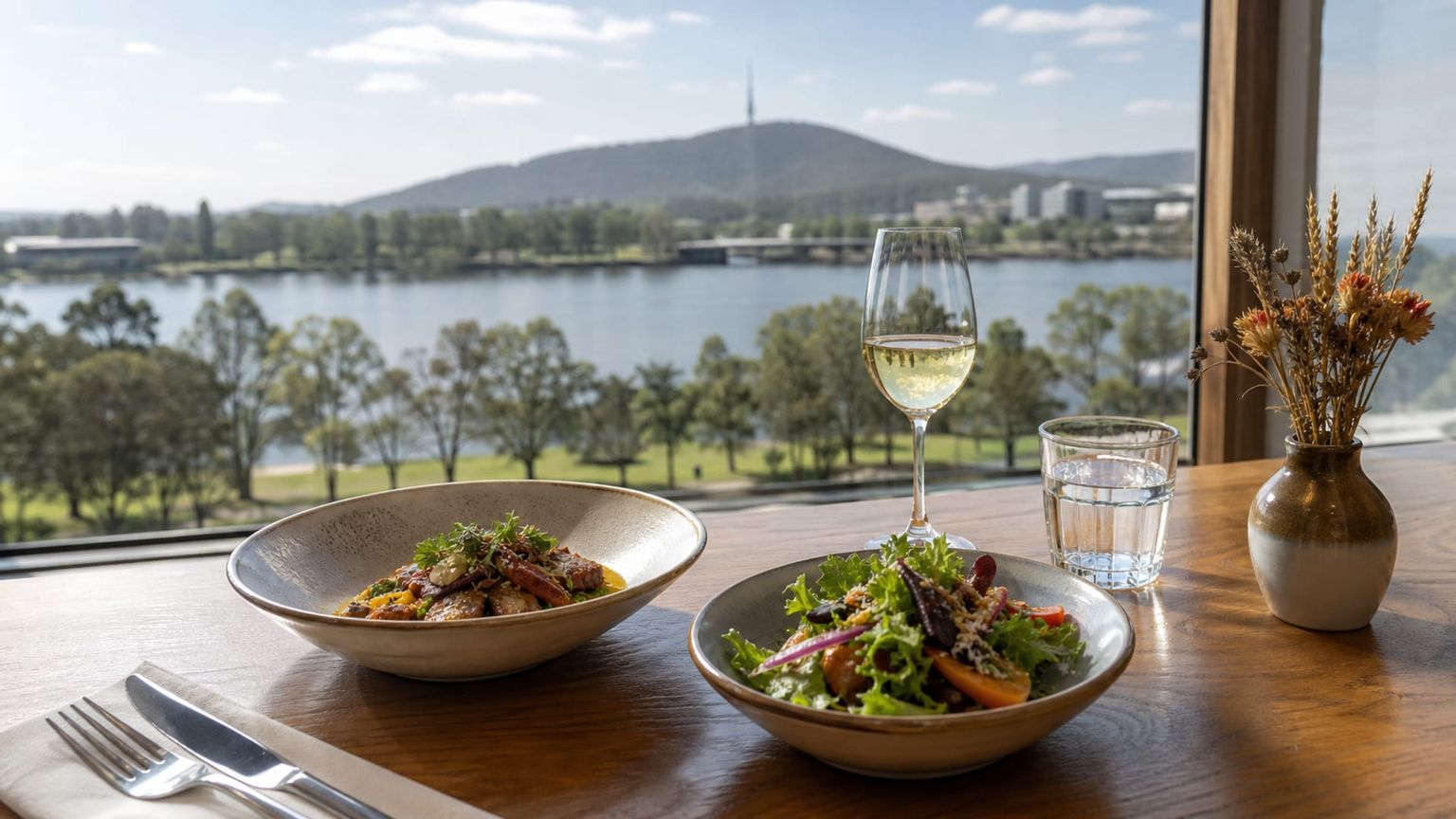
Canberra’s dining leans on Australian staples, from meat pie and barramundi to lamington and sausage roll, with modern cafes, wine bars, and bistros doing most of the work at breakfast and dinner.
Meat pie
A classic Australian meat pie delivers savory filling under crisp pastry, often with tomato sauce on the side. Brodburger in Kingston is a strong Canberra stop for a well-made version alongside other casual comfort food.
Barramundi
Barramundi brings a mild, flaky fish that works well with lemon, herbs, or a simple pan sauce. Walter Café in Kingston Foreshore is a fitting place to order it near the water.
Lamington
Lamingtons pair sponge cake, chocolate icing, and coconut in a dessert that shows up in cafes and bakeries across the city. The Pâtissier in Fyshwick is a good Canberra address for a careful version.
Sausage roll
A sausage roll wraps seasoned meat in flaky pastry and suits an easy lunch or a snack between museums. Sonoma Bakery in Braddon is a strong pick for a version with good pastry and a regular local following.
Best time to visit Canberra
Canberra shifts clearly by season, with crisp winters, warm dry summers, and shoulder months that suit lake walks and long museum days.
Best for: Lake walks, outdoor dining, and long daylight hours
What you get: Approximately 67°F to 88°F (19°C to 31°C), with moderate visitor numbers and busier weekends near the lake
Trade-offs: Heat and occasional smoke can make midday sightseeing less pleasant
Best for: Museum days, clear skies, and comfortable walking weather
What you get: About 45°F to 74°F (7°C to 23°C), with manageable crowds and stable conditions for crossing the city
Trade-offs: Evenings cool down quickly, so you need an extra layer
Best for: Indoor galleries, memorial visits, and low-season hotel rates
What you get: Roughly 34°F to 56°F (1°C to 13°C), with lighter crowds and cold mornings before the sun takes hold
Trade-offs: Short days and chilly starts limit time outdoors
Best for: Garden visits, lakefront walks, and civic views in mild weather
What you get: About 43°F to 77°F (6°C to 25°C), with moderate crowds and a strong mix of clear days and blossom season
Trade-offs: Wind and changing temperatures can make planning less predictable
A realistic 5-day plan in Canberra
Five days in Canberra works best when you group sights by district, then move between them with short bus rides, walks, and the occasional taxi. That keeps the Parliamentary Triangle, Civic, Braddon, Kingston, and the lakeshore in a manageable order.
Fly into Canberra (CBR), then take a taxi or rideshare into Civic or Barton, which usually takes about 15 to 20 minutes and costs roughly $35 to $45. If you want an easy first night, book in Civic for the bus interchange and nearby dinner options, or choose Barton for a quieter base close to the Parliamentary Triangle. After you settle in, drink plenty of water, stretch your legs with a short walk to the lake edge if you are near Civic or Kingston, and keep dinner close to your hotel, such as a casual meal in Civic or on the Kingston restaurant strip.
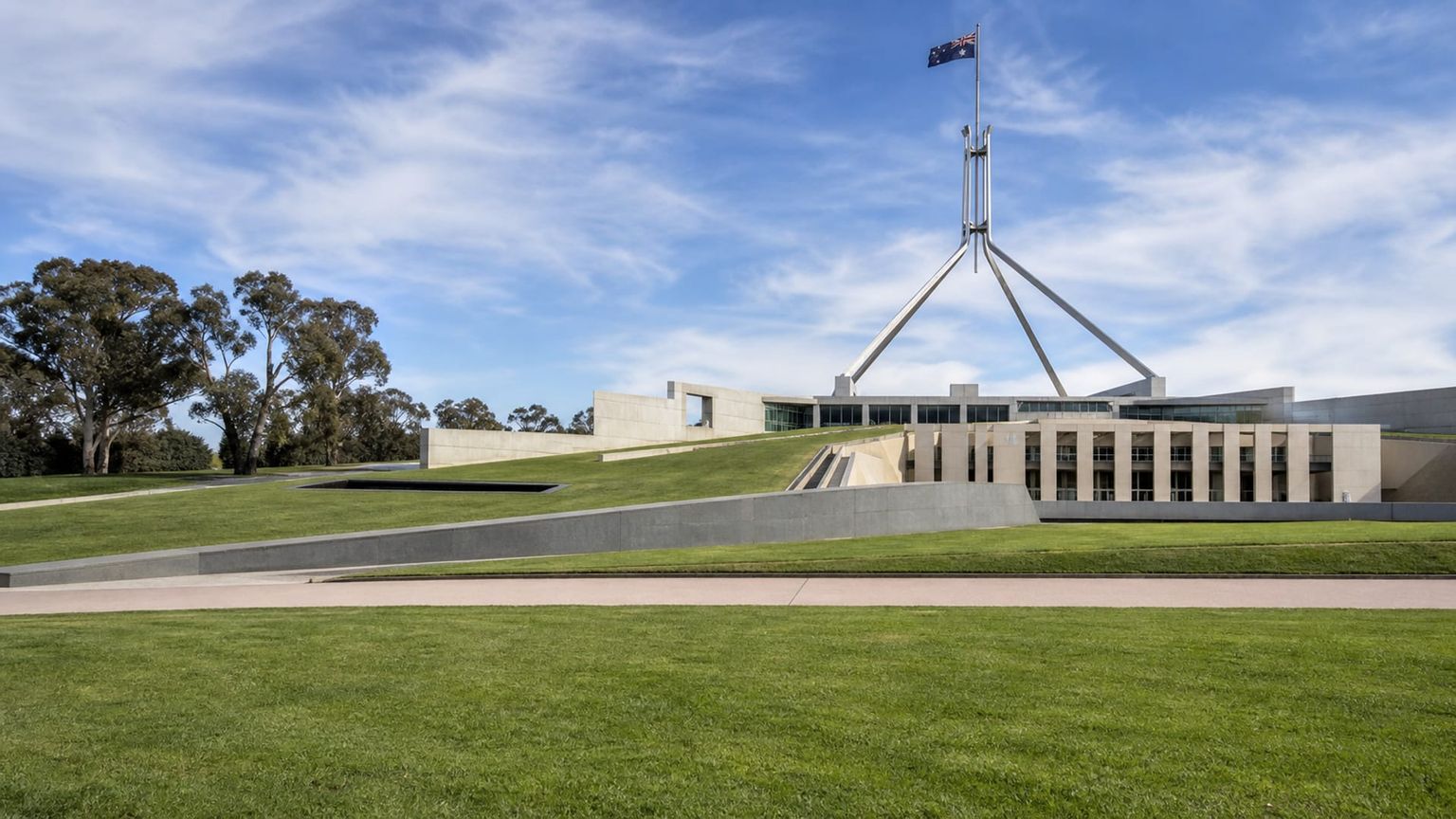
Start at Parliament House, where a guided visit takes about 1 to 2 hours, then walk about 20 minutes or take a short bus ride to the National Gallery of Australia if you want to continue through the Parliamentary Triangle on foot. From there, it is about a 15-minute walk to the National Museum of Australia on Acton Peninsula, where you can spend roughly 2 to 3 hours with the permanent galleries and the lakefront setting. End the afternoon at The Marion Mahony Griffin Sculpture Garden, about a 10-minute walk from the museum, for a quieter stop beside the National Capital Exhibition before heading back to Civic or Barton for dinner.
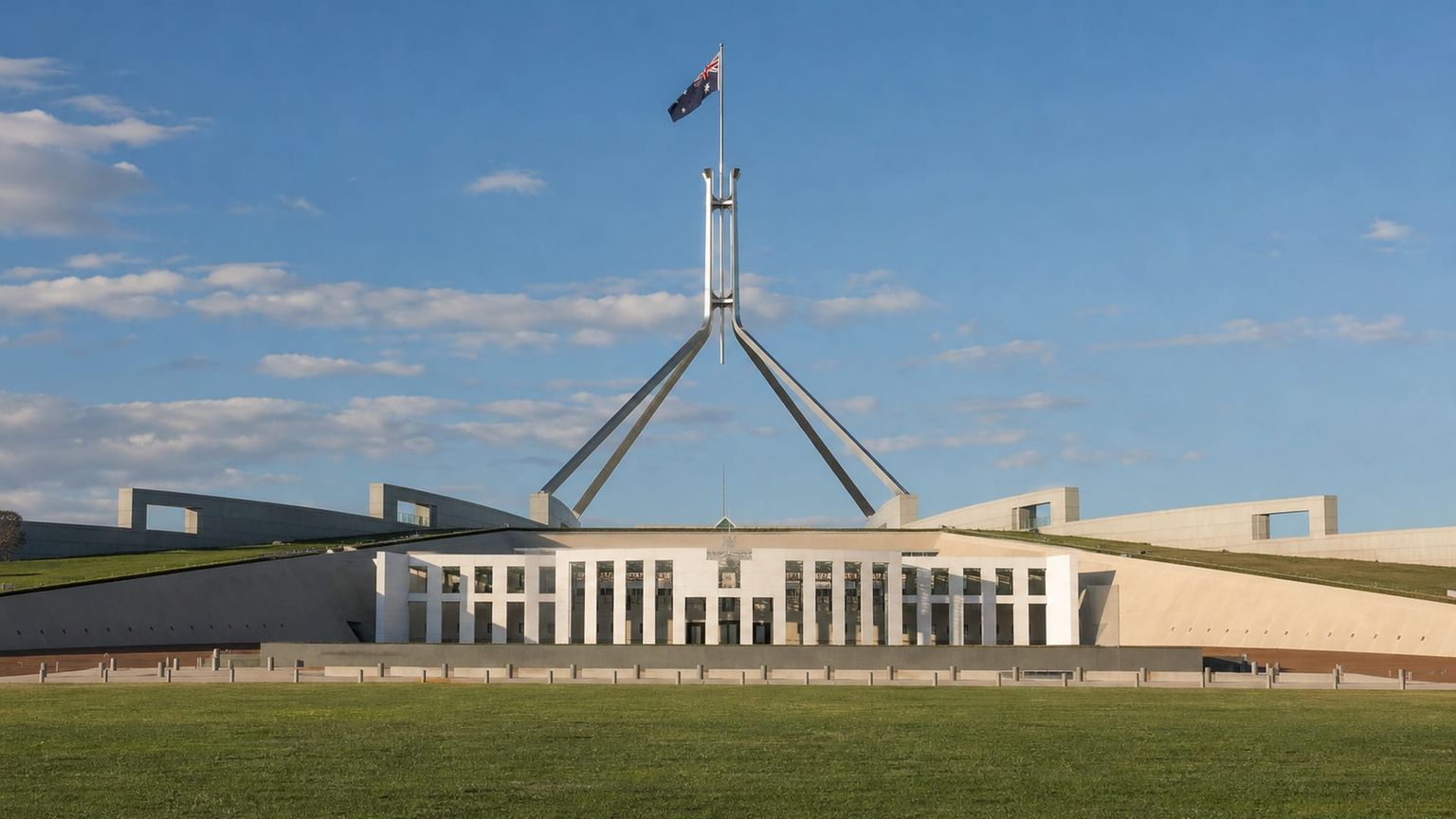
Begin at the Australian War Memorial in midmorning, since the galleries and memorial spaces take about 2 to 3 hours and the Last Post Ceremony adds a strong reason not to arrive late. From there, it is about a 10-minute drive or a longer bus ride to Civic, where you can break for lunch before heading south again to Parliament House if you want a second, slower look at the forecourt and rooftop views. Finish with an evening in Braddon, about a 10-minute walk from Civic, for dinner on Lonsdale Street and an easy return to your hotel.
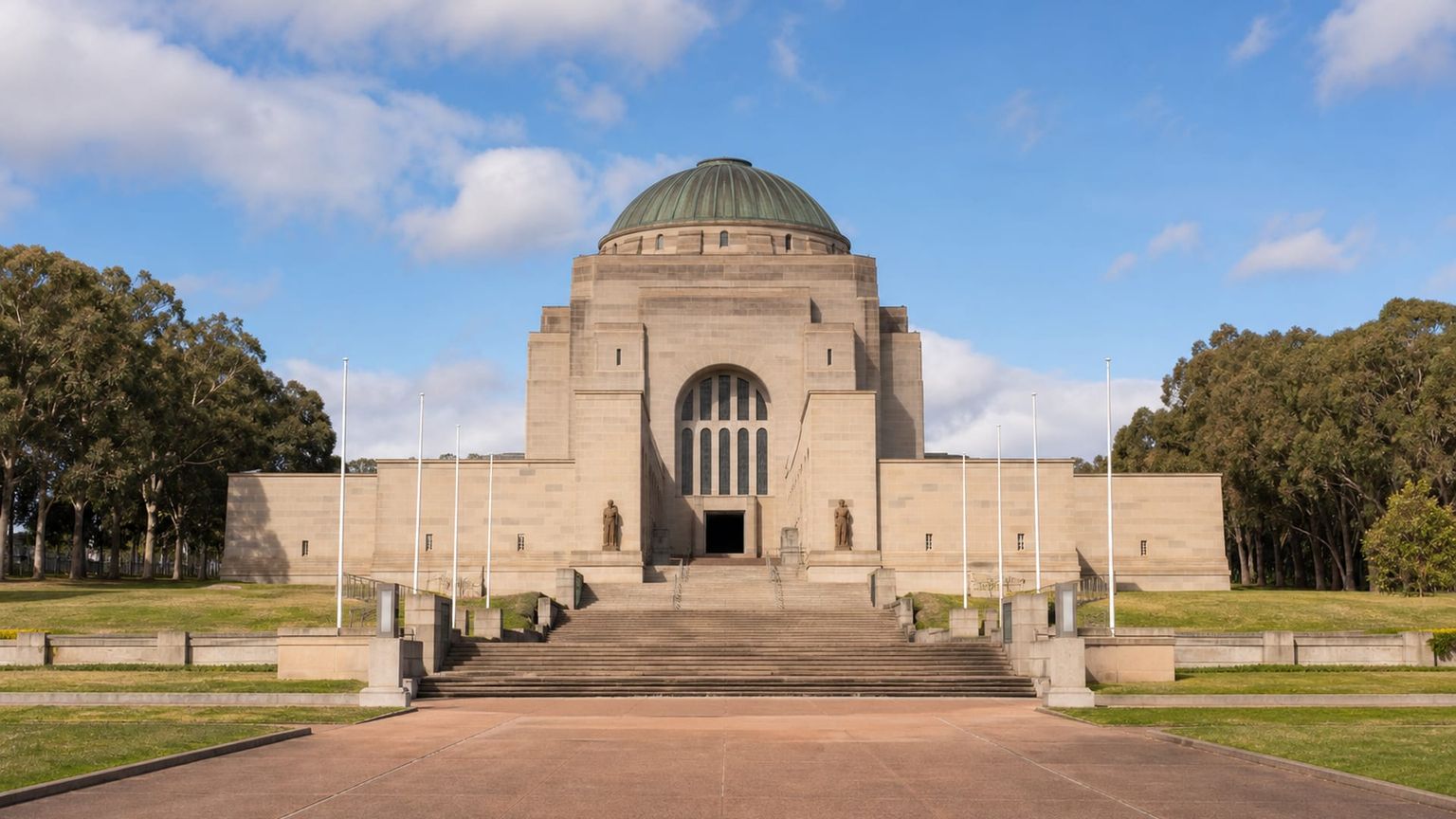
Take an early bus or rideshare from Civic or Kingston to the National Carillon on Aspen Island, which sits about 10 to 15 minutes from the city center by car and works well with a short lakeside stop. Continue by foot along Lake Burley Griffin to The Marion Mahony Griffin Sculpture Garden, then follow the waterfront paths toward the National Museum of Australia, a route that gives you about 20 to 30 minutes of easy walking between stops. In the late afternoon, head back to Kingston, where the foreshore cafés and restaurants make a good base for a long lunch or an unhurried dinner.
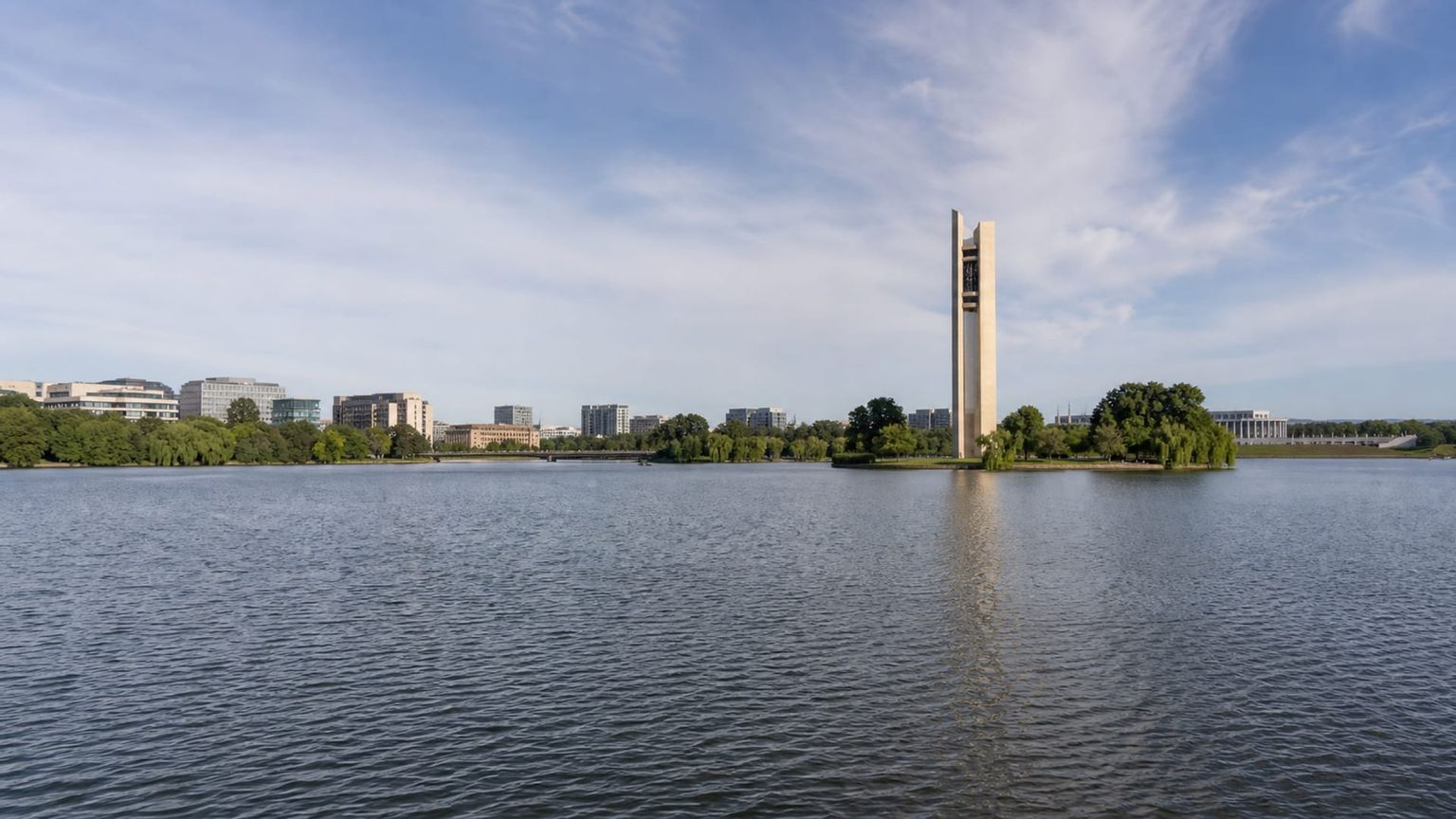
For a departure day, begin with one last museum visit at the National Museum of Australia if your flight is later, since the waterfront setting pairs well with a short final look at Lake Burley Griffin. After that, head to Braddon for a shopping and coffee stop along Lonsdale Street, then finish in Civic for a meal near the bus interchange if you want the easiest connection back to Canberra (CBR). If you are staying in Kingston, a final café stop on the foreshore fits neatly before the trip to the airport.
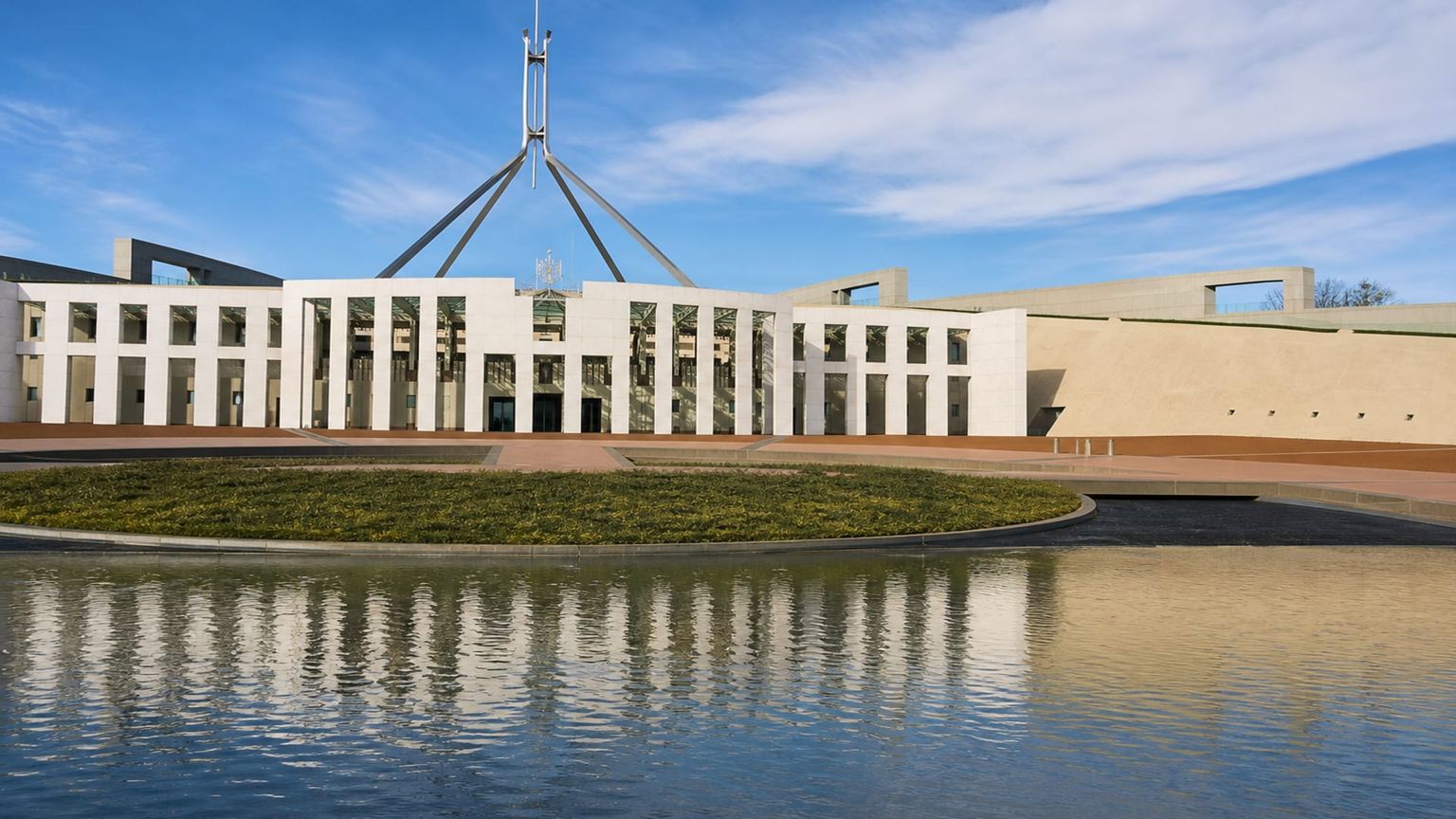
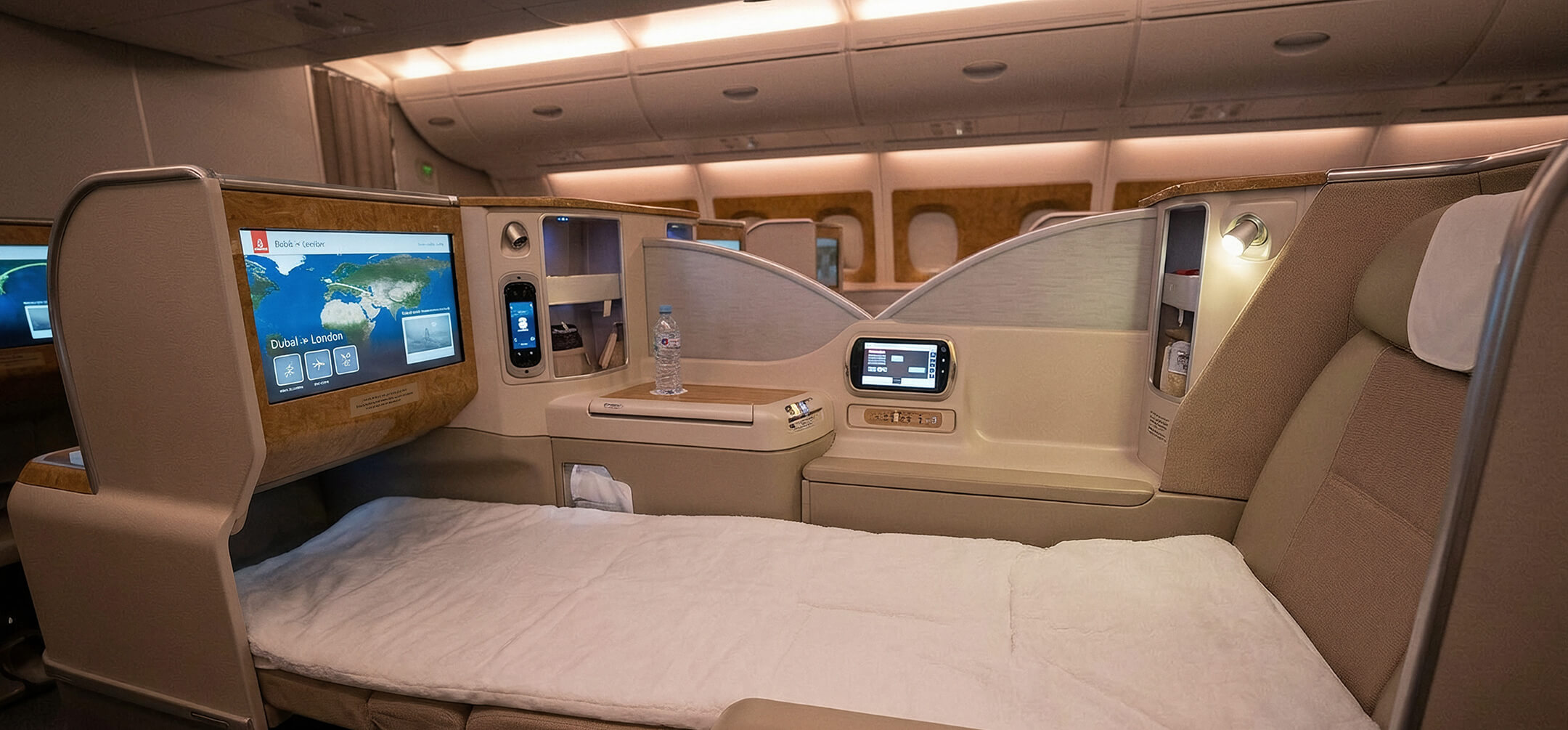
Business-class flights from the US to Canberra
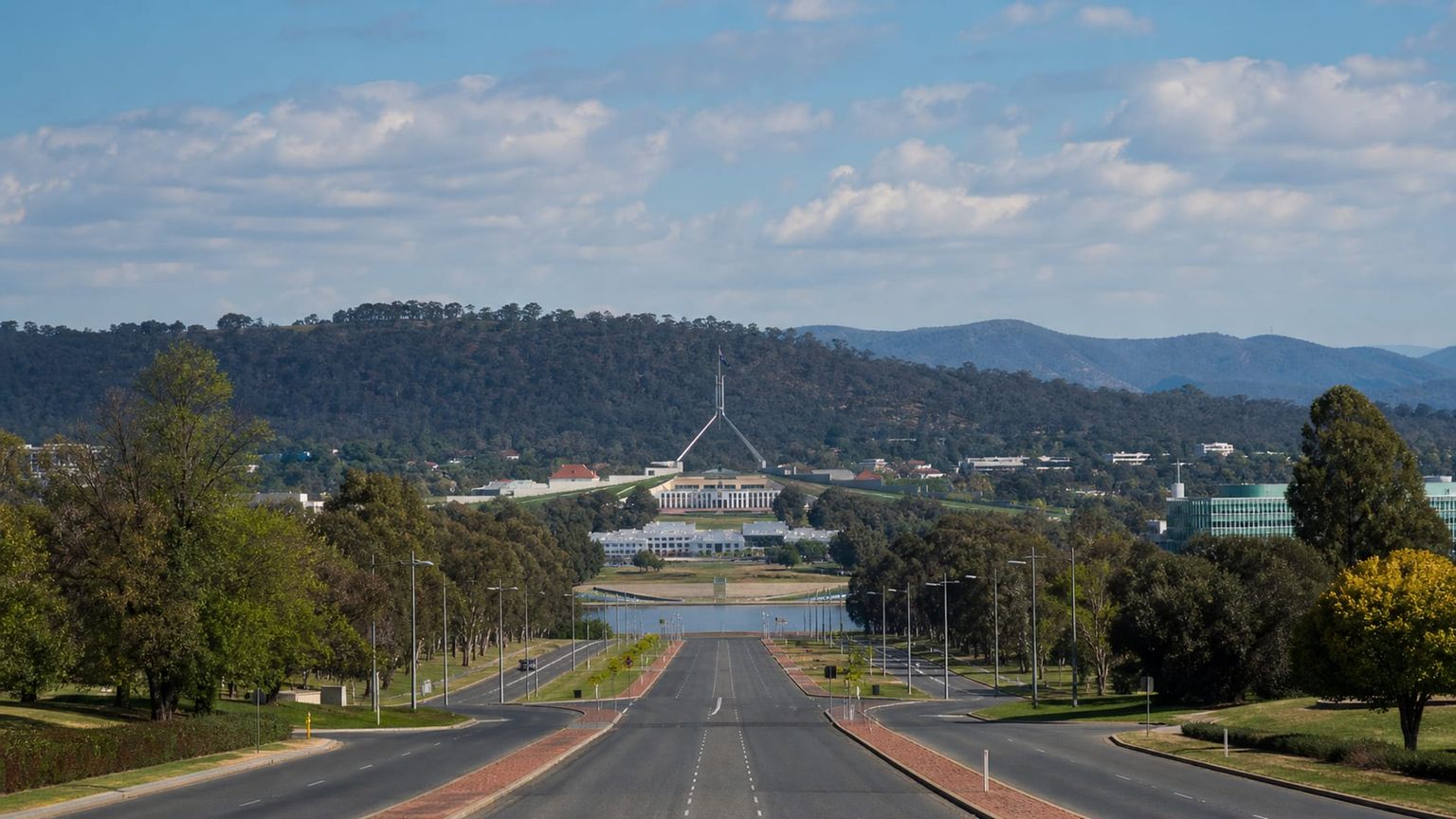
Long-haul flights into Canberra usually connect through one or more Australian or Asian hubs, so the useful comparison is often the route structure rather than a nonstop option. From New York and Los Angeles, the airline list is similar, but the layover pattern and total travel time differ.
From New York (JFK), Qantas Airways, United Airlines, Air New Zealand, Singapore Airlines, and Qatar Airways usually price round-trip fares at about $6,500 to $12,000, with one-stop itineraries often coming in below the limited premium nonstop options. Common layover hubs include LAX, SFO, HND, NRT, and DOH, and total transit time typically lands around 20 to 30 hours.
Los Angeles (LAX) usually offers a shorter path to Canberra, with Qantas Airways, United Airlines, American Airlines, Singapore Airlines, and Qatar Airways pricing round-trip fares from about $5,500 to $10,500. One-stop options can reduce the total substantially, while premium nonstop availability is limited and often priced above connecting itineraries.
Canberra feels different when you slow down
A good Canberra stay has a clear shape: Parliament House and the National Gallery in one stretch, the Australian War Memorial in another, then evenings split between Civic, Braddon, or Kingston depending on where you sleep. Light rail, buses, and short taxi rides do the work between districts, while Lake Burley Griffin ties the city together on foot. If you want a version of Canberra built around those links, the AranGrant experts can help you plan it well before you arrive