


Chapters:

Need help with your trip?
Our support team is available 24/7. Request a callback or call us directly at (833) 619-0908
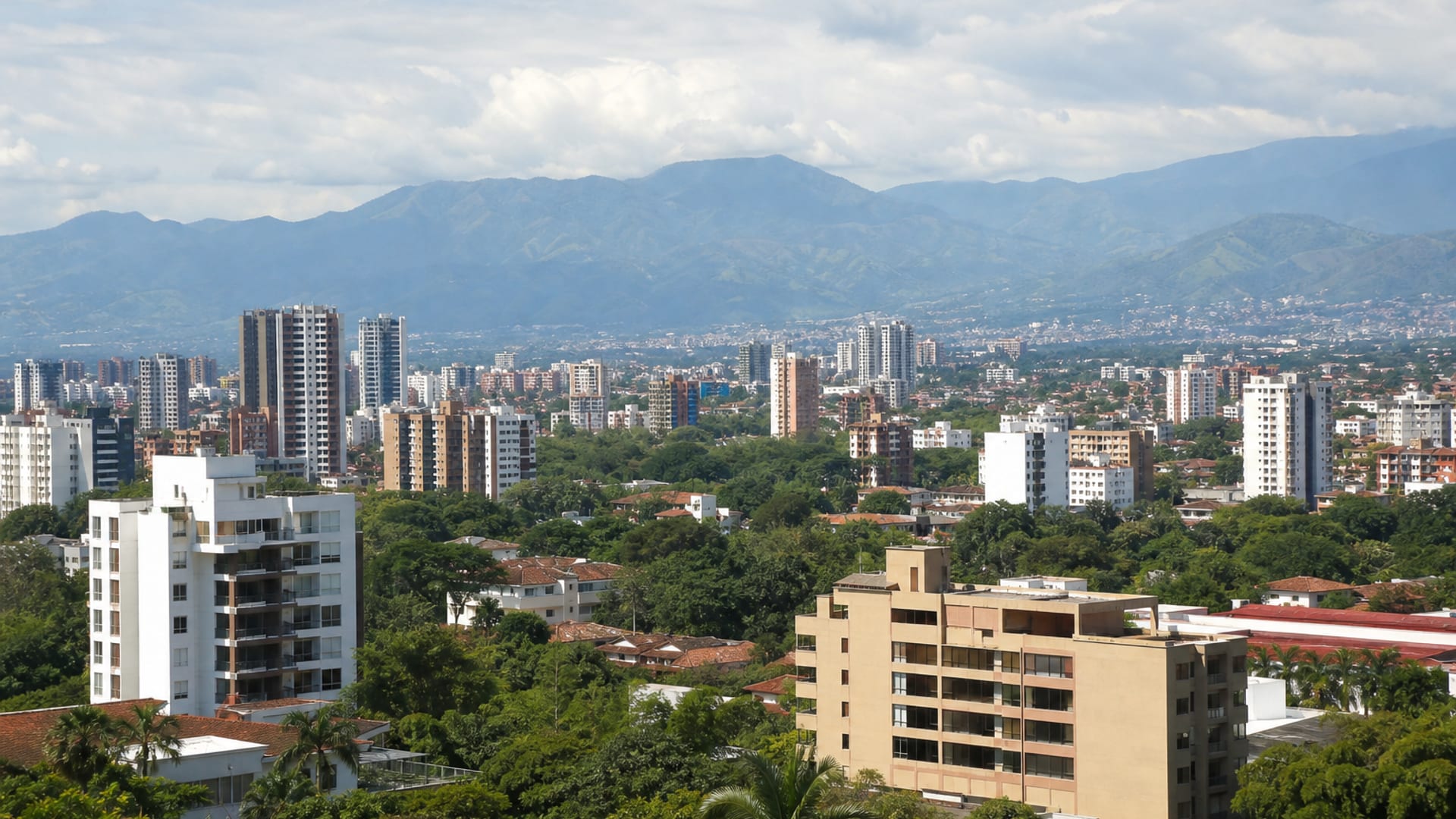
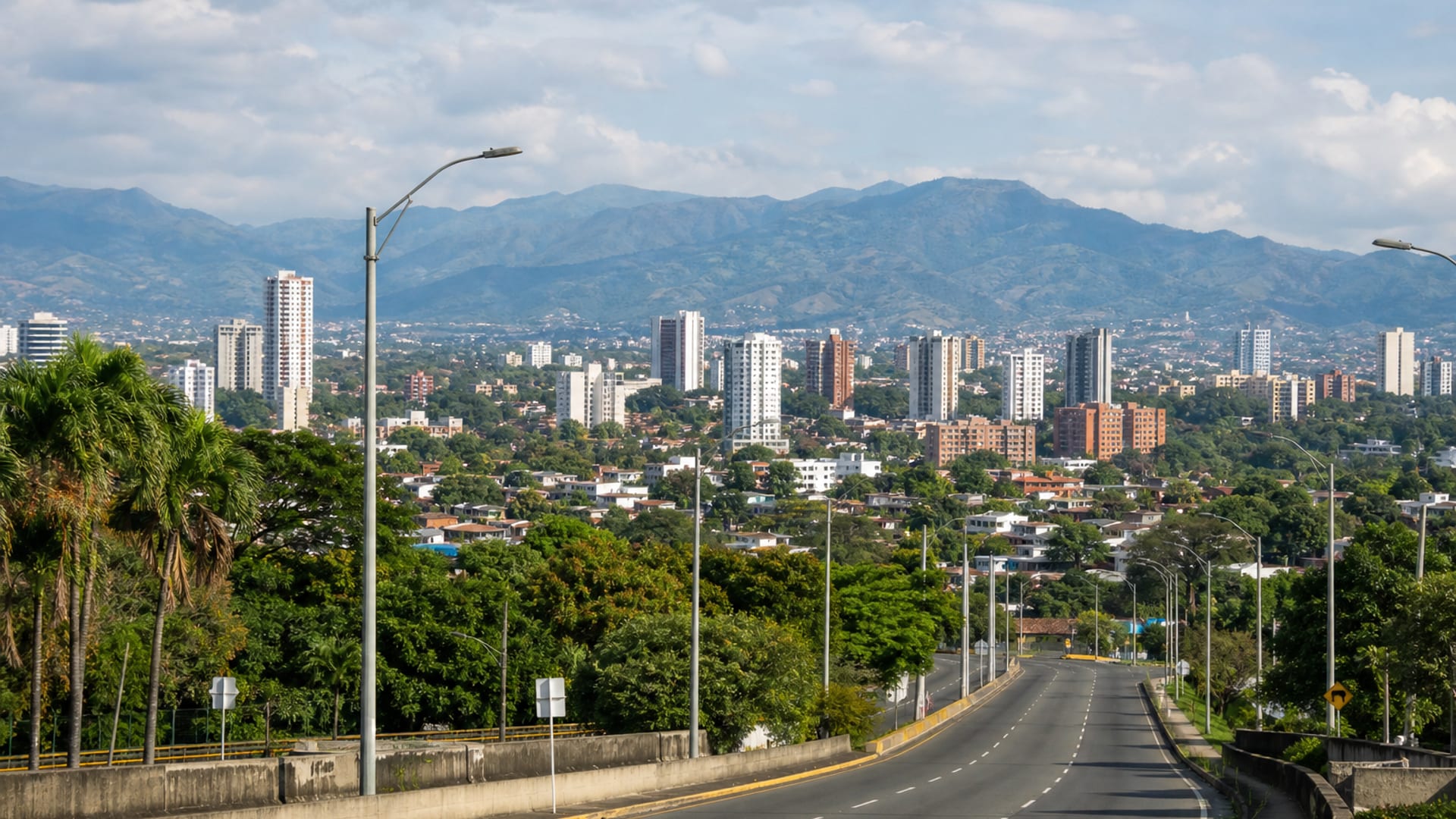
Cali spreads across busy central districts, quieter residential streets, and neighborhoods that climb toward the surrounding hills. That layout gives the city variety, but it also means that planning by area can save a surprising amount of travel time. Some days are easy to cover on foot, while others call for taxis or public transportation between museums, viewpoints, restaurants, and evening plans.
Choosing where to stay also shapes the trip, especially for travelers who want dining nearby without spending too much time crossing the city. A comfortable five-day stay leaves room for longer lunches, slower evenings, and one trip beyond the center.
This guide covers where to stay, how to get around, what to see and eat, and when to visit.
Useful things to know

Main language(s): Spanish
Hola (OH-lah) – Hello
Por favor (por fah-VOR) – Please
Gracias (GRAH-see-ahs) – Thank you
¿Habla inglés? (AH-blah een-GLAYS) – Do you speak English?
¿Cuánto cuesta? (KWAHN-toh KWEHS-tah) – How much does it cost?

Currency: Colombian peso (COP, $)

Cash and cards: Cards and contactless are widely accepted in Cali, but carry about COP 100,000 to COP 150,000 (US$32 to US$48) in cash.

Tipping: Restaurants typically add a voluntary 10% service charge and ask you to confirm it when the bill arrives. Tip in small paper bills, as tipping in coins is considered impolite.

Traditional food: Traditional dishes worth trying in Cali are sancocho valluno, aborrajados, pandebono, champús.

Water and coffee costs: Bottled water is about COP 4,000 (US$1.30), and a bar espresso is about COP 5,000 to 8,000 (US$1.50 to US$2.50).

Taxis and ride apps: Uber, DiDi, and inDrive operate here; confirm the pickup point at the airport.

Plug and voltage: Type A/B socket, 110V

Dining and shop opening hours: Breakfast is from 7 am to 9 am, lunch is between 12 pm and 2 pm, and dinner is from 7 pm to 9 pm. Many restaurants close one day a week, often Monday or Tuesday.

Emergency number: 123 for police, fire, and ambulance
Where to stay in Cali
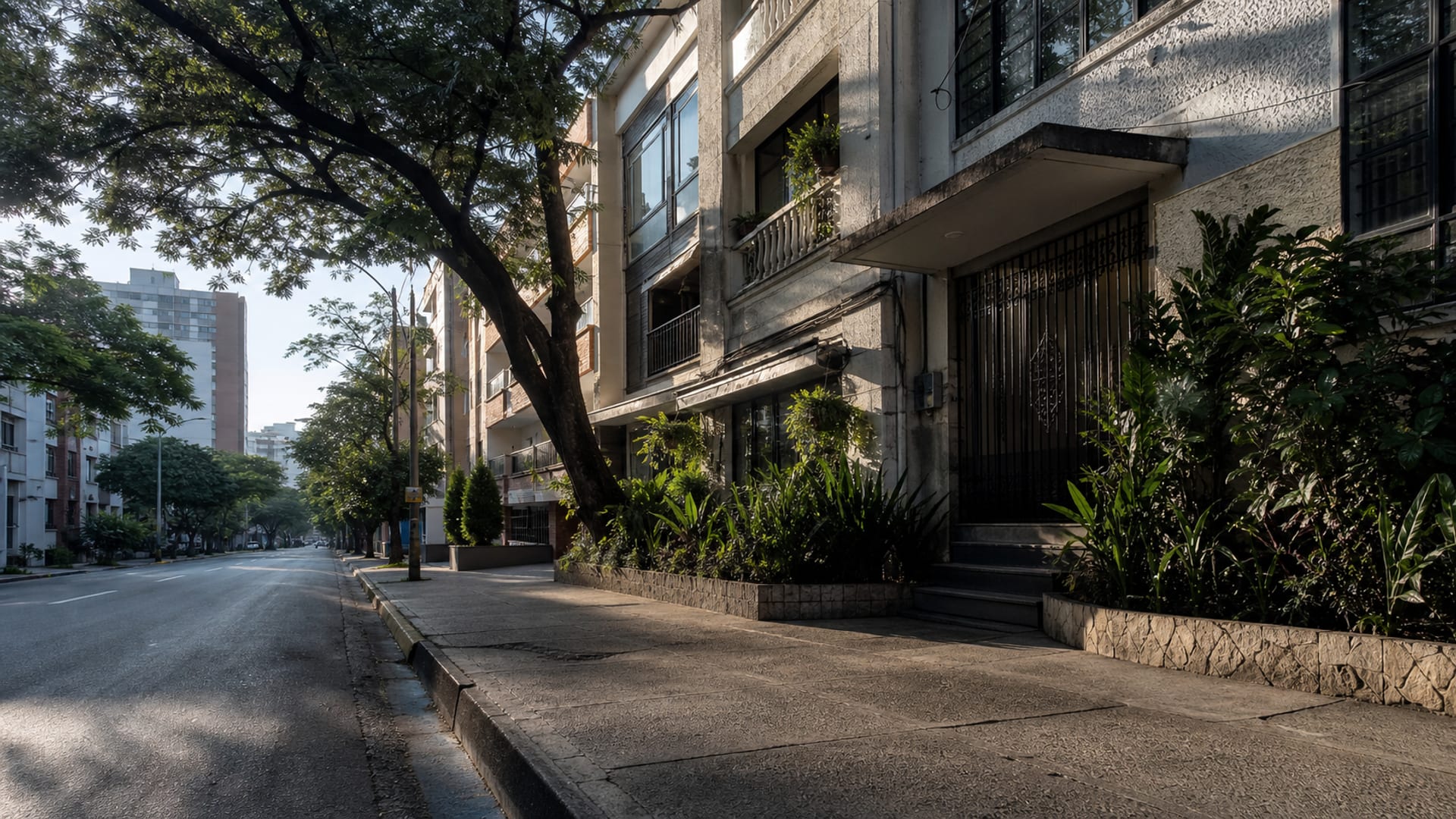
Granada is one of Cali’s best-known hotel districts in the north, with restaurants, cafés, and business hotels concentrated along walkable streets. The area is close to dining and nightlife, with convenient bus and taxi access to the historic center.
Best for: Dining, nightlife, and a polished northside base with easy taxi access
What to expect: Sidewalks are busiest at dinner and on weekends, with hotel guests, office workers, and people heading to nearby restaurants and bars.
Hotel prices: Well-rated hotels in this area cost about COP 220,000 to COP 565,000 (US$70 to US$180) per night.
Distance to major sights: About 10 to 20 minutes on foot to Plaza de Cayzedo and the San Antonio district
Quietness: Quieter in the morning and daytime, livelier in the evening near restaurant streets and bars
Main trade-off: Hotel rates are higher than in outer neighborhoods, and the busiest streets can stay noisy late at night.
Good to know: If you plan to dine out often, choose a room away from the main bar streets to reduce late-night music and traffic noise.
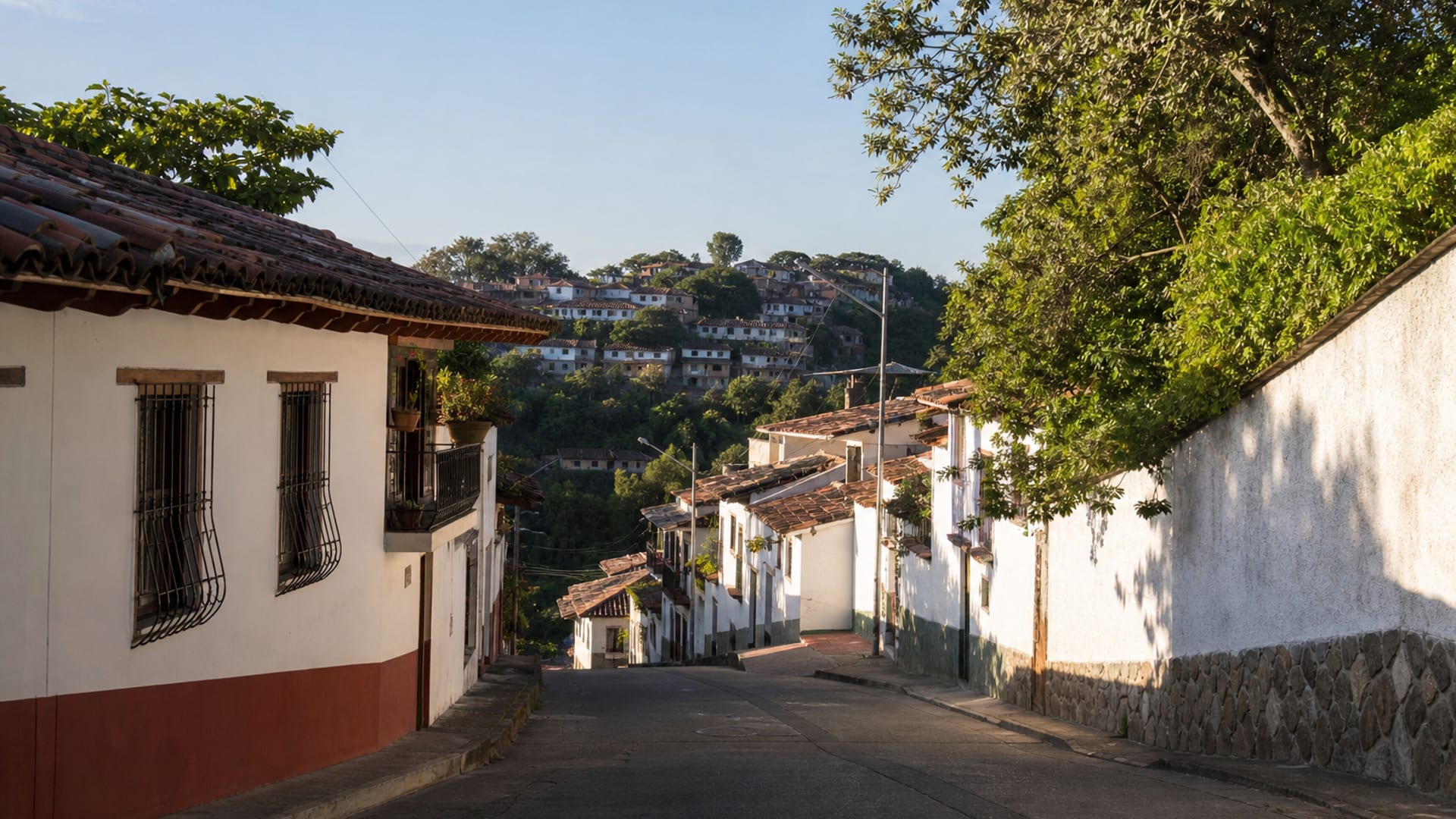
San Antonio is Cali’s historic hilltop quarter, with colonial streets, small hotels, cafés, and broad city views. Museums and the historic center are nearby, while the neighborhood itself has a quieter, more residential character.
Best for: Historic walks, independent cafés, and staying close to Cali’s old center
What to expect: Expect narrow streets, tourist foot traffic, and a steady flow of people coming for sunset views, dining, and cultural stops.
Hotel prices: Well-rated hotels in this area cost about COP 125,000 to COP 375,000 (US$40 to US$120) per night.
Distance to major sights: About 10 to 20 minutes on foot to Plaza de Cayzedo, 10 to 20 minutes by taxi to Chipichape Mall
Quietness: Calmer in the morning, then busier at dusk and after dark around the park, cafes, and bars
Main trade-off: The area is charming but hilly, and some streets feel busy or noisy at night, especially near popular bars.
Good to know: Choose lodging on a side street for better sleep, since rooms facing the park or main dining blocks pick up more evening noise.
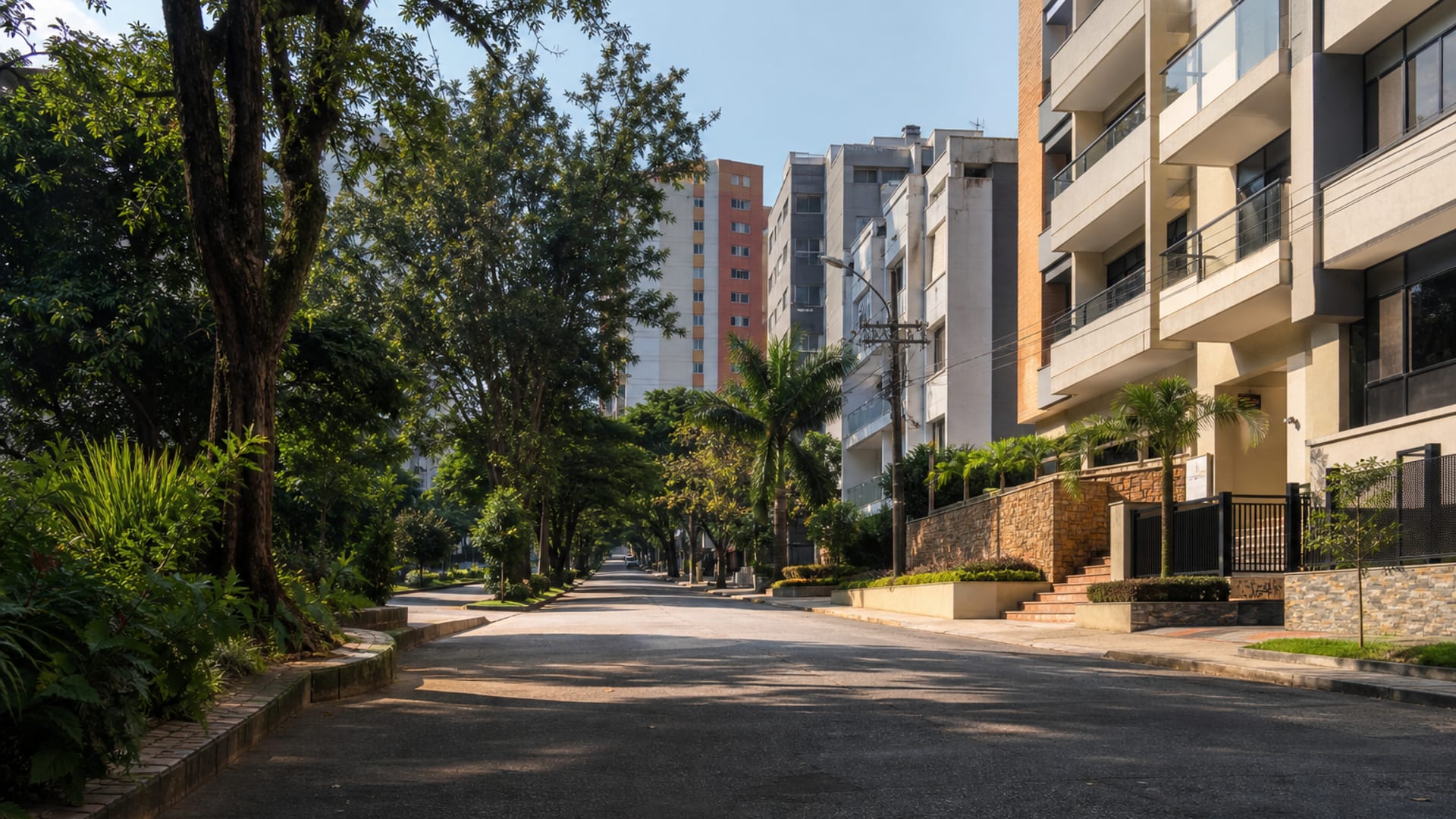
El Peñón is just west of the historic center, with apartment hotels and restaurants close to the riverfront and museums. Central sights are nearby, while the district is quieter than the busiest parts of the historic center.
Best for: Central sightseeing, museum visits, and longer stays with apartment-style lodging
What to expect: Steady pedestrian traffic near restaurants and hotels, with quieter residential streets nearby
Hotel prices: Well-rated hotels in this area cost about COP 155,000–COP 435,000 (US$50–US$140) per night.
Distance to major sights: About 10 to 15 minutes by taxi to Plaza de Cayzedo, roughly 15 minutes on foot to the riverfront park areas
Quietness: Generally quieter than Granada or San Antonio, though restaurant streets get busier at dinner
Main trade-off: Hotel rates are higher than in some outer neighborhoods, and you still may use taxis for certain sights and evenings out.
Good to know: Look for parking if you will rent a car, since street space can be tight and many buildings depend on paid lots.
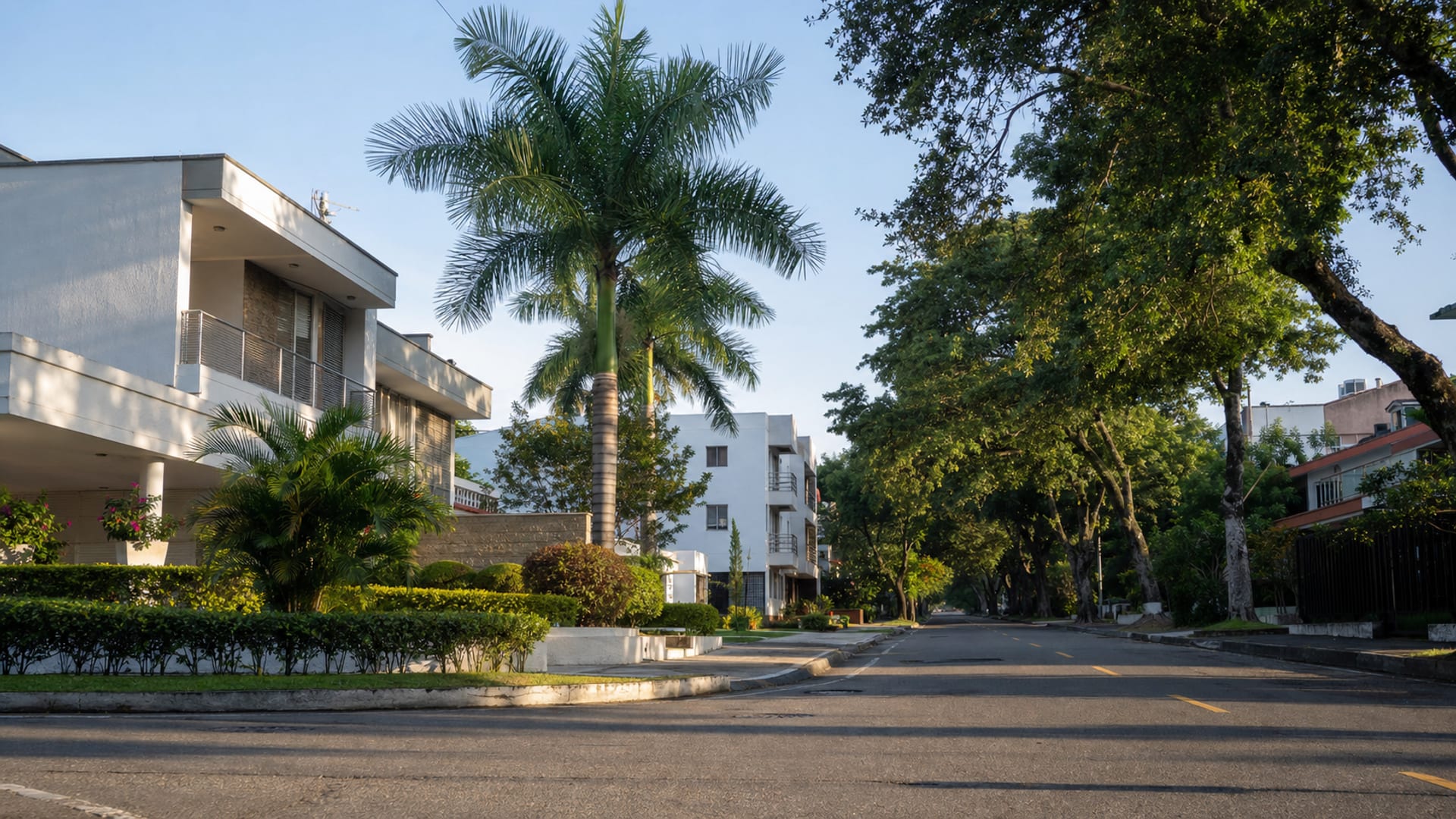
Ciudad Jardín is a leafy south Cali district with malls, restaurants, and many newer hotels. It appeals to travelers who want a more suburban stay with easy access to modern shopping, private clinics, and the road toward the southern outskirts.
Best for: Longer stays, shopping, and travelers who prefer a calmer southern stay
What to expect: Expect wider streets, shopping centers, and car traffic rather than dense pedestrian scenes or late-night street life.
Hotel prices: Well-rated hotels in this area cost COP 170,000–COP 470,000 (US$55–US$150) per night.
Distance to major sights: About 25 to 35 minutes by taxi to Plaza de Cayzedo, roughly 10 minutes to Unicentro Cali
Quietness: Quiet at night on residential blocks, with more movement around malls and restaurants during the day
Main trade-off: You will be farther from the historic center and nightlife, so most sightseeing needs a taxi or ride-hail.
Good to know: This is a better pick if you value easier parking and bigger rooms, but not if you want to walk to the old city after dinner.
Aguablanca is far east of the historic center and main dining areas, with fewer hotels and visitor amenities. Siloé, in the hills west of the center, raises more safety concerns than distance. The industrial north near Acopi and Yumbo is also far from central sights and requires longer taxi rides.
Hotel deals
How to get around Cali efficiently
Cali’s MIO bus network covers downtown and nearby neighborhoods, but taxis and ride-hail apps handle the airport, hillside sights, and late nights.

Metro
for longer distances
Cali’s bus rapid transit system runs on dedicated lanes through downtown, Granada, and San Antonio. A single ride costs COP 3,500 (US$1.10), with transfers valid for 90 minutes. It does not serve the airport, and wait times are longer outside peak hours.

Taxi
for airport transfers, hillside sights, and late hours
Licensed taxis ride on meters for city trips. From Cali Airport (CLO) to central neighborhoods, expect COP 50,000 to COP 70,000 (US$16 to US$22); shorter in-city rides cost COP 8,000 to COP 15,000 (US$3 to US$5). Find taxis at official ranks, hotel stands, or by phone.

Ride-hail apps
for convenience or a set pickup point
Uber, DiDi, and inDrive all operate in Cali, although they may not always be available at the airport, so confirm your pickup point in advance. Fares show upfront in the app, and rides suit cross-town evenings, dinner trips, and nights out after dark.
*Prices are based on rates updated as of June 2026 and may change at the time of travel.
Take the MIO for downtown daytime trips, taxis for the airport and hillside sights, and ride-hail apps whenever you need a guaranteed pickup spot.
Iconic landmarks

Cristo Rey
This hilltop monument west of Cali rises above the city with an 85-foot (26-meter) Christ statue and wide views over the Cauca Valley. A paved road reaches the summit, where visitors also find viewpoints and snack stalls.
Time needed: About 1 to 2 hours
Entry: Free; guarded parking costs COP 4,000 (US$1) if arriving by car.
Tip: Go near sunset for softer light and clearer valley views, then return before dark; the site closes in the early evening.
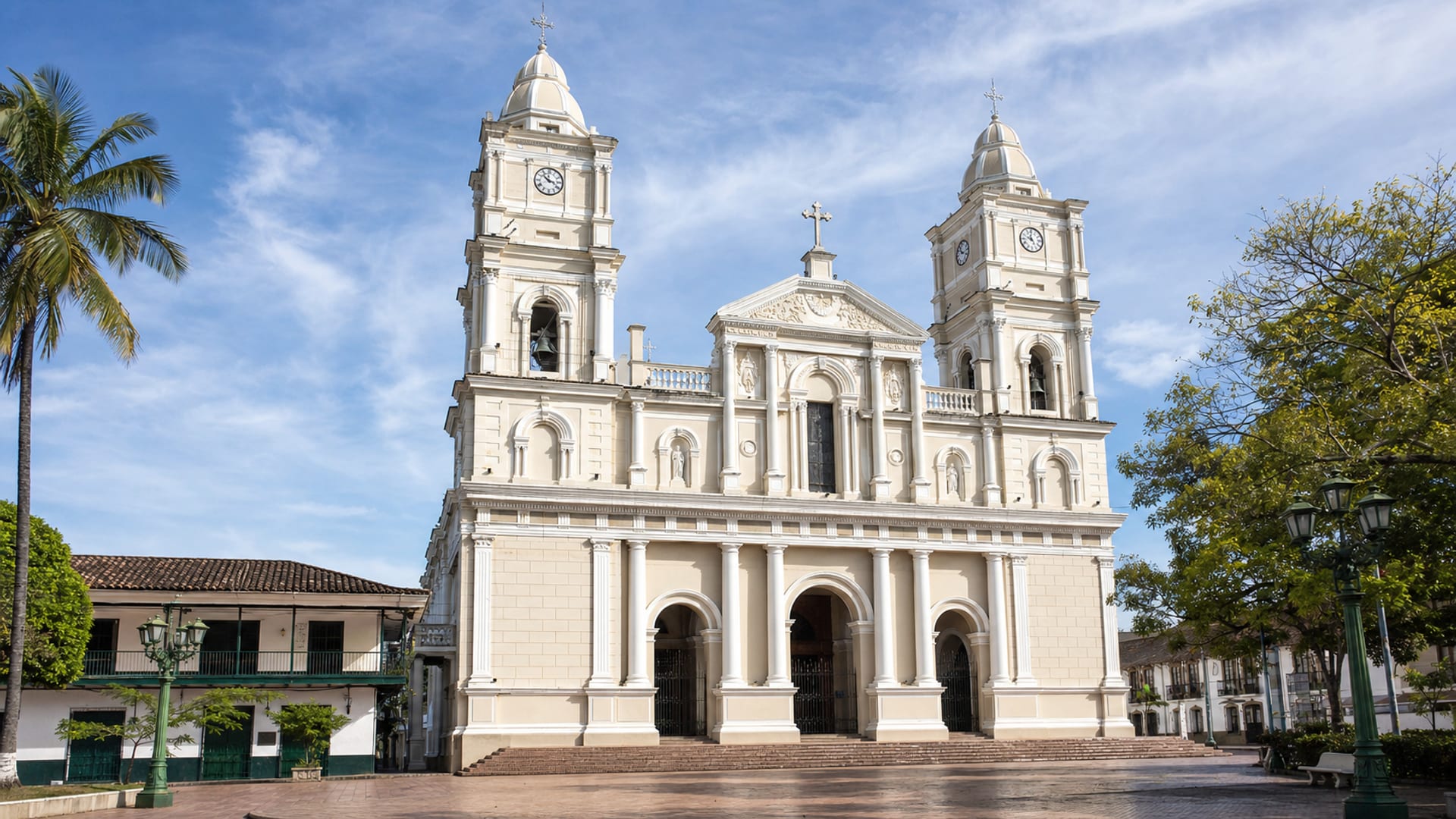
Iglesia La Ermita
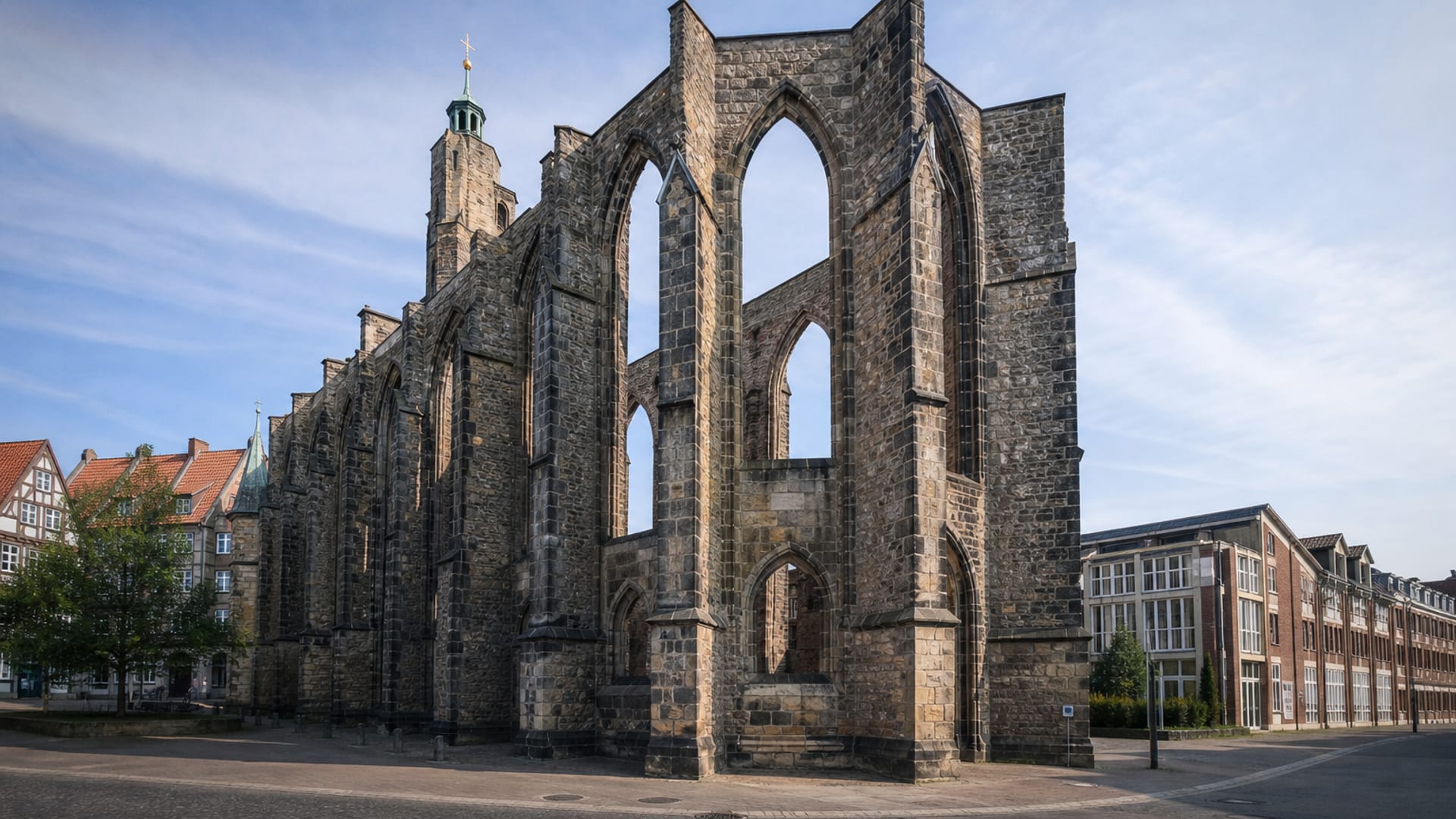
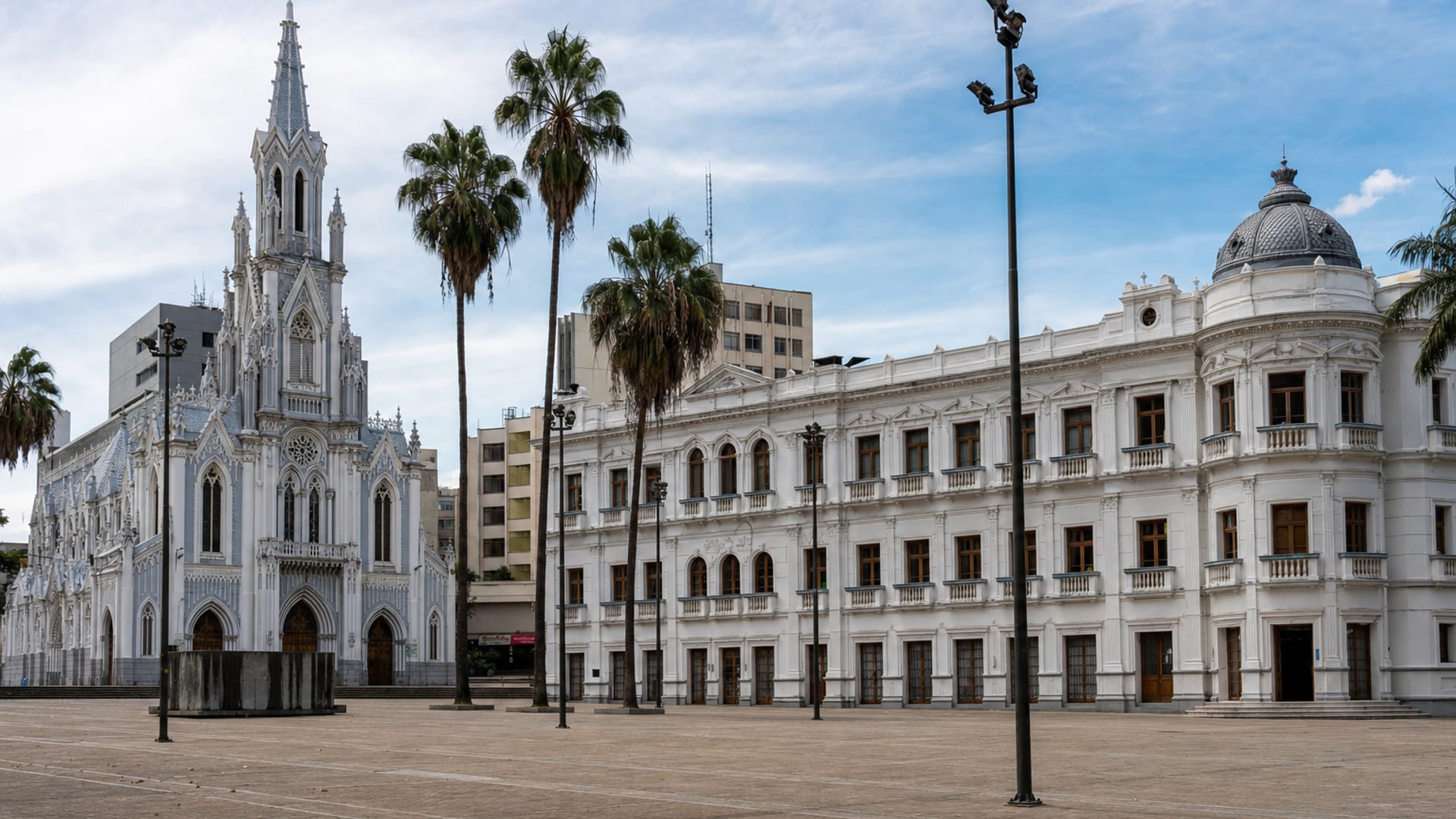
Iglesia La Ermita is Cali’s postcard neo-Gothic church on the Cali River, built from 1930 to 1948 in the style of Germany’s Ulm Cathedral, with an 18th-century Italian marble altar and centuries-old religious images inside.
Time needed: About 30 to 45 minutes
Entry: Free. Visit the official site for details.
Tip: Pair it with a stroll along Boulevard del Río just outside.
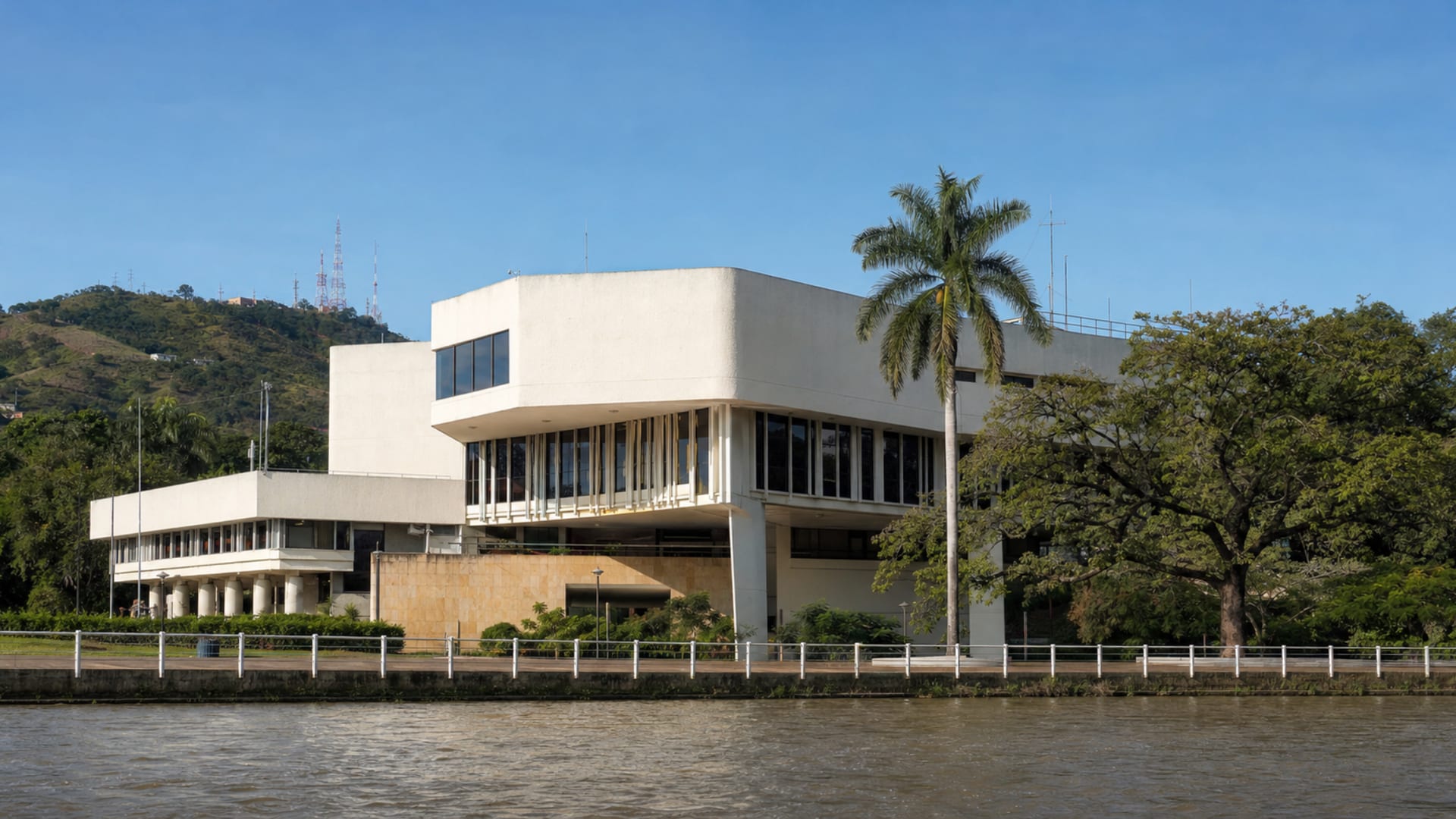
La Tertulia Museum
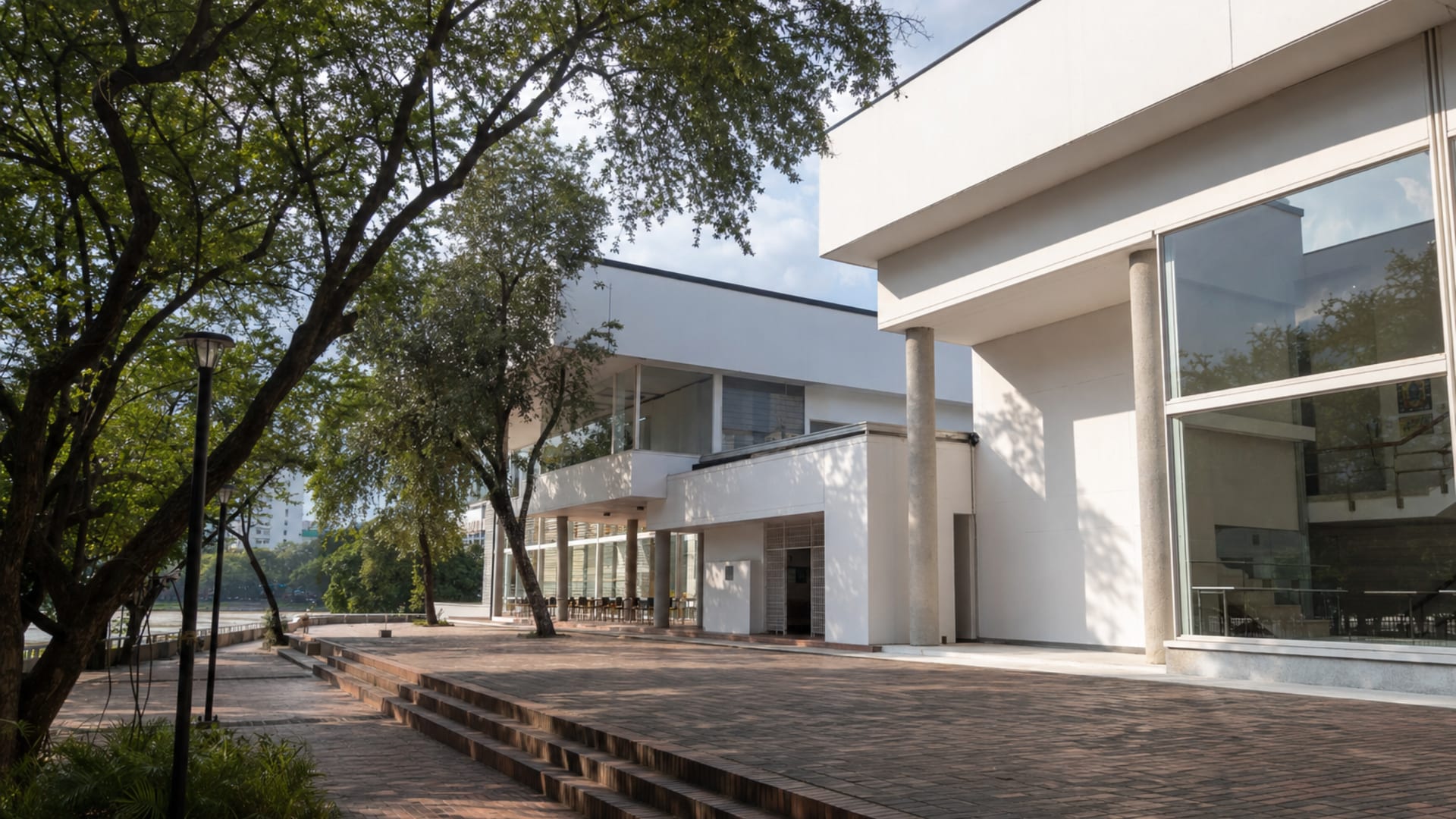
On the Cali River, this modern art museum combines galleries, a sculpture garden, and a strong collection of Colombian works. Its riverside setting is near the city center, the waterfront path, and the San Antonio neighborhood.
Time needed: About 2 to 3 hours
Entry: Standard admission for foreigners costs COP 30.000 (US$9.70), with reduced rates for students, children, and seniors. Visit the official site for details.
Tip: Pair your visit with an afternoon walk along the river, when the outdoor spaces are most active.
Overlooked sites worth visiting

El Gato del Río
El Gato del Río is a riverside park with Hernando Tejada’s 3-ton bronze cat sculpture plus more than 15 painted companion cats by local artists.
Time needed: About 30 to 60 minutes
Entry: Free, open daily. Visit the official city page for details.
Tip: Visit before sunset for cooler weather and good light for photos.

Eco Park El Topacio
This riverside reserve on the city’s southwestern edge, in the Farallones foothills, has shaded trails, waterfalls, and prime birding above the San Antonio valley. Locals come here for quiet, guided walks.
Time needed: About 2 to 3 hours
Entry: About COP 7,500 (US$2) per person; visits are guided and must be booked at least 8 days ahead with the CVC (Corporación Autónoma Regional del Valle del Cauca).
Tip: Wear shoes with grip, as paths can be slick after rain.
Traditional food
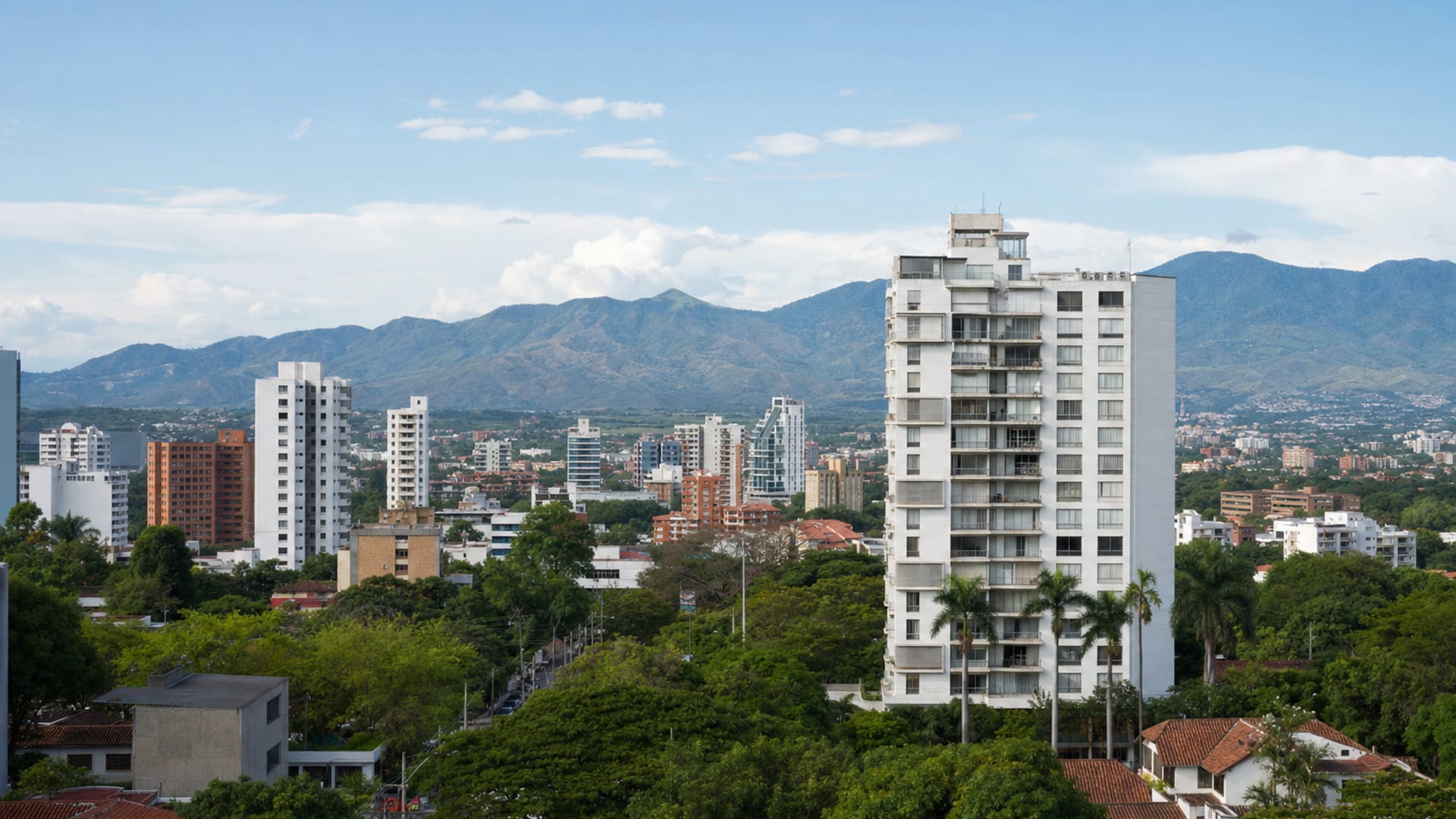
Cali’s cooking centers on corn, plantain, broth, and bright fruit drinks, with sancocho valluno, aborrajados, pandebono, and champús showing how hearty dishes and sweet counterpoints share the table.
Sancocho valluno
This Valle del Cauca stew brings chicken, plantain, corn, and yucca together in a deep, aromatic broth. Casa Centro Restaurante, in a restored colonial house in Cali’s historic center, serves a well-known version and suits a long lunch.
Aborrajados
These fried plantain rolls, usually filled with cheese, are sweet, salty, and rich in one bite. Restaurante Hacienda Del Bosque, in a colonial garden setting near the Cali Zoo, is a strong stop for a version that fits a relaxed meal.
Pandebono
Cali’s signature cheese bread is best when it arrives warm, with a crisp edge and a soft center. Panadería El Molino is a dependable city bakery for a fresh batch with coffee.
Champús
This chilled drink blends corn, fruit, panela, and spices into something between dessert and refreshment. Ringlete is a classic Cali restaurant where champús fits naturally beside regional dishes.
Best time to visit Cali
Cali stays warm year-round, but the dry months make hill visits and walking days easier, while the wetter season brings heavier afternoon showers and a greener look to the valley.
Best for: Dry-weather sightseeing and hilltop views
What you get: About 76°F to 87°F (24°C to 31°C), with lighter rain and fuller visitor traffic during holidays
Trade-offs: Hotel rates and restaurant demand rise in the busiest weeks.
Best for: Balanced city days with fewer holiday spikes
What you get: About 75°F to 86°F (24°C to 30°C), with warm afternoons and a moderate number of visitors
Trade-offs: Showers become more common as the season moves on.
Best for: Museums, cafes, and slower-paced neighborhood plans
What you get: About 74°F to 85°F (23°C to 29°C), with relatively steady weather and moderate crowds
Trade-offs: Rain can still interrupt late-afternoon plans.
Best for: Value-focused trips and indoor-heavy itineraries
What you get: About 74°F to 85°F (23°C to 29°C), with frequent rain and lighter tourist flow outside peak weekends
Trade-offs: Downpours can make transfers and outdoor visits less enjoyable.
A realistic 5-day plan in Cali
Cali is easier to explore when each day focuses on one part of the city, with extra time for taxi rides, a longer lunch, and one excursion beyond the center. The five-day itinerary below follows that pace.
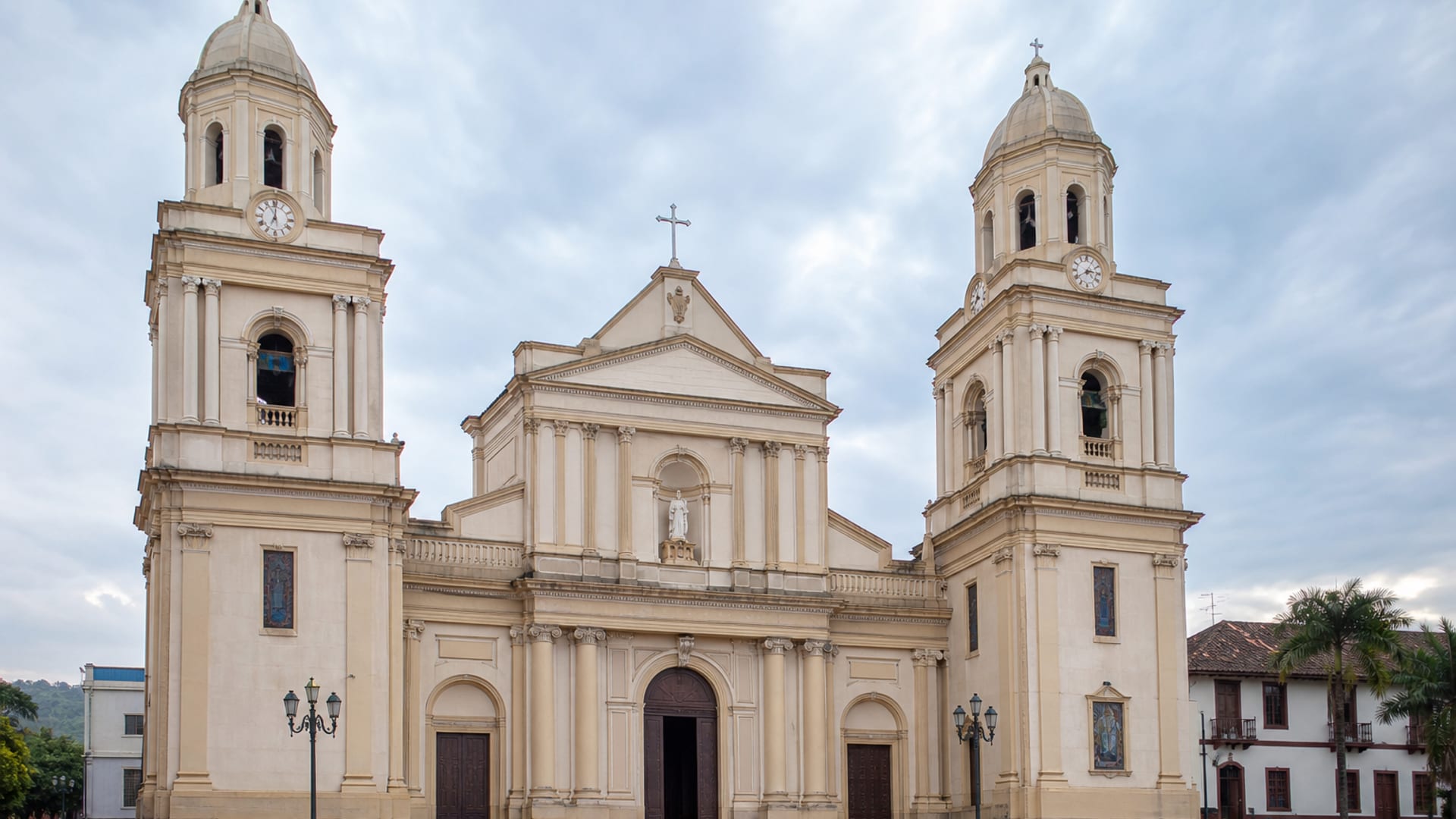
Land at Cali (CLO), then take a taxi from Alfonso Bonilla Aragón International Airport to Granada, El Peñón, or San Antonio, which usually takes about 30 to 45 minutes and costs roughly COP 50,000 to COP 70,000 (US$16 to US$22), depending on traffic and the hour. Settle in, drink plenty of water, and have dinner close to your hotel, perhaps at a cafe in Granada if you want an easy first meal, or in San Antonio if you prefer a short walk and a quieter hilltop setting.
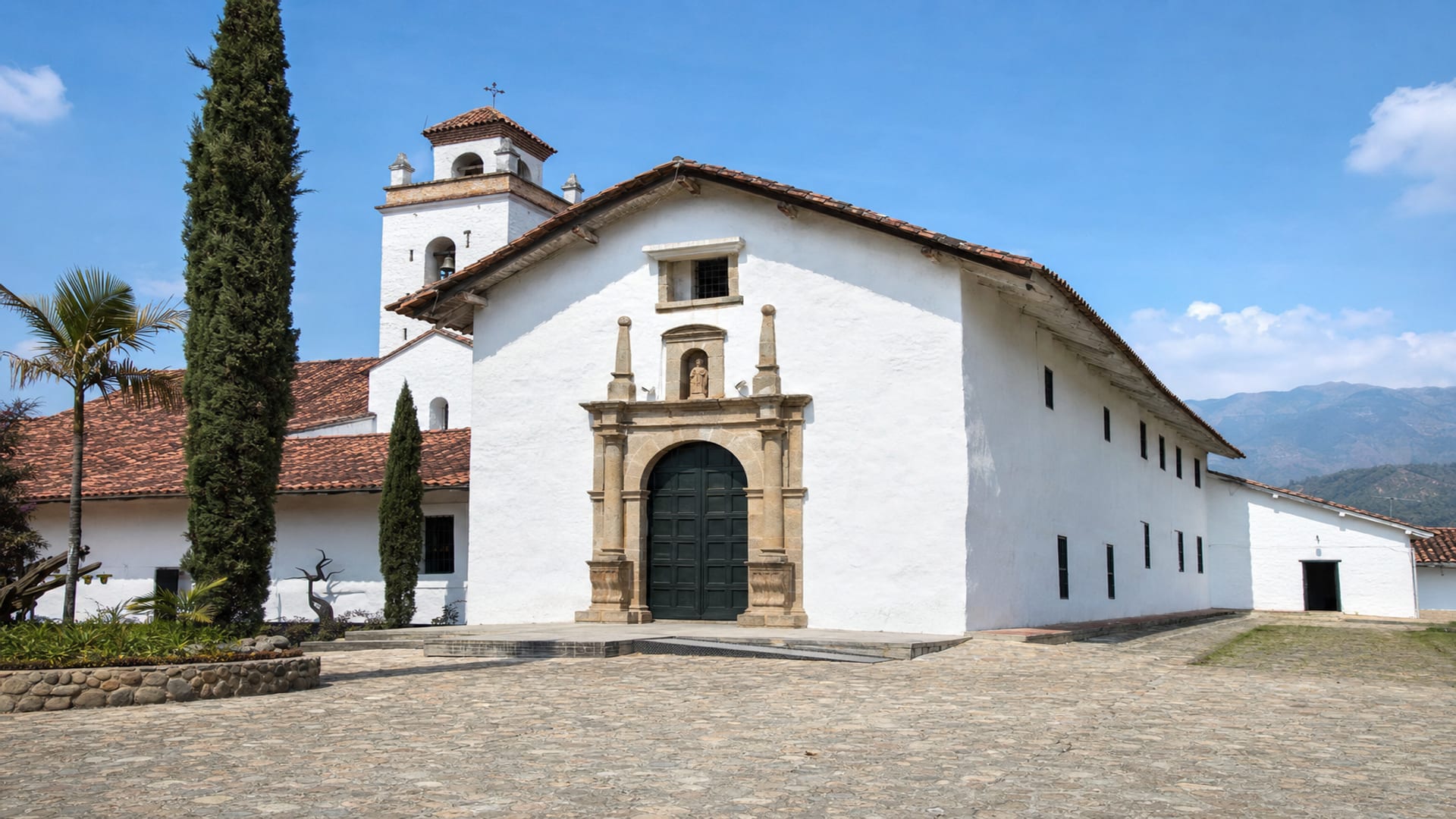
Start in the historic center at Plaza de Cayzedo, about 10 to 20 minutes on foot from San Antonio, then walk a few minutes to Iglesia La Ermita, Cali’s neo-Gothic church on the river. Continue along the riverfront to El Gato del Río before reaching La Tertulia Museum, roughly 15 to 20 minutes further, for modern art and the riverside sculpture garden. End the afternoon with a café stop in El Peñón or San Antonio, both an easy 10 to 15 minutes by taxi from the riverfront.
Begin with Cristo Rey, west of the city, ideally near sunset for the clearest valley views, and plan on about 1 to 2 hours there. A taxi from central Cali takes roughly 25 to 40 minutes each way; a paved road reaches the summit. If you get there by car, you will need to pay for guarded parking, which costs about COP 4,000 (US$1). After returning to the city, head to Granada for dinner and a late drink, since it keeps you close to taxi stands and gives you an easy evening without a long cross-city ride.
Head out to the Centro de Educación Ambiental El Topacio in the Farallones foothills near Pance, southwest of the city. Allow 2 to 3 hours for the guided trails, waterfalls, and birdwatching. On the return, stop in Ciudad Jardín, which is along the same southern corridor, for lunch or coffee, then finish with a relaxed evening in your hotel area, whether that is Granada for restaurants, San Antonio for atmosphere, or El Peñón for a quieter walk back from dinner.
Begin with a last look at La Tertulia Museum of Modern Art and its sculpture garden, if you want one more cultural stop before packing, then move to shopping in Ciudad Jardín, where malls and larger stores make it easy to handle any final purchases. If your flight leaves later, finish with coffee in Granada or San Antonio, then head back to the airport with enough time for a 30- to 45-minute taxi ride to Cali (CLO), costing roughly COP 50,000 to 70,000 (US$16 to US$22).
Business-class flights from the US to Cali
Flights from the US to Cali usually route through Panama City, Bogotá, or Miami; New York offers one nonstop option.
New York (JFK) to Cali (CLO)
Avianca operates nonstop flights on this route three times a week, which take about 6 hours; this is the only direct option. American Airlines, Delta Air Lines, Avianca, and Copa Airlines offer one-stop itineraries via Panama City (PTY), Bogotá (BOG), or Miami (MIA), with total travel time of 8 to 11 hours. Round-trip business fares range from US$1,600 to US$3,200.
Los Angeles (LAX) to Cali (CLO)
No airline flies this route nonstop; every itinerary includes at least one layover. American Airlines, Copa Airlines, and Aeromexico offer the shortest flights, roughly 9 to 11 hours via Panama City (PTY), Miami (MIA), or Mexico City (MEX); less direct routes can take more than 14 hours. Round-trip business fares typically cost from US$1,700 to US$3,400.
Take your time in Cali
A well-paced Cali trip separates the historic center, San Antonio, La Tertulia, and Cristo Rey into different parts of the stay, with one longer excursion beyond the city. MIO buses cover some trips, while taxis are useful for hilltop sights and evenings out. Choosing the right neighborhood also reduces unnecessary cross-city travel. AranGrant experts can help you find business-class flights to Cali that fit your dates and travel plans. With the flights arranged, the rest of the trip can stay flexible enough for longer lunches, museum visits, and unhurried evenings.







