

Chapters:

Need help with your trip?
Our support team is available 24/7. Request a callback or call us directly at (833) 619-0908
The most challenging part of planning a trip to Cairo is not choosing what to see, but deciding what to fit into the same day. The pyramids are in Giza, the Egyptian Museum is downtown, the Citadel rises above Islamic Cairo, and Khan el-Khalili draws you into the nearby Al-Hussein area.
A day can stretch fast here. Heat, traffic, security checks, and long rides between districts can make a simple sightseeing list feel heavier than expected, especially when Giza, downtown, and the old city all compete for the same afternoon.
This guide groups Cairo by distance and daily rhythm, so you can plan the major sights, meals, and transfers with fewer cross-city moves and more time inside each area.
Useful things to know

Main language(s): Arabic
marhaban (mahr-ha-ban) – hello
min fadlak (min fad-lak) – please
shukran (shook-ran) – thank you
hal tatahaddath al-ingliziyya? (hal ta-ta-had-dath al-in-gli-zi-ya) – Do you speak English?
bikam? (bee-kam) – How much does it cost?

Currency: Egyptian pound (EGP, £ or ج.م)

Cash and cards: Cards work in hotels, malls, and many restaurants, but keep EGP 500 to EGP 1,000 ($10 to $20) in cash for taxis, tips, and small vendors.

Tipping: Tipping, known locally as baksheesh, is expected almost everywhere. Add 10% to 15% in restaurants if service is not included, plus small amounts for porters and guides.

Traditional food: Koshari, ful medames, taameya, molokhia, and shawarma are among the dishes most associated with Cairo.

Water and coffee costs: A small bottle of water costs EGP 6–10 ($0.10–$0.20), and a cappuccino at a café costs EGP 60–EGP 70 ($1.20–$1.40).

Taxis and ride apps: Uber and Careem both operate in Cairo and are the easier and safer option for visitors compared to street taxis.

Plug and voltage: Type C and Type F sockets, 220V

Dining and shop opening hours: Breakfast is usually served from 7:00 am to 10:00 am, lunch from 1:00 pm to 4:00 pm, and dinner starts at 8:00 pm and ends at midnight or later.

Emergency number: Dial 122 for police or 123 for an ambulance.
Where to stay in Cairo
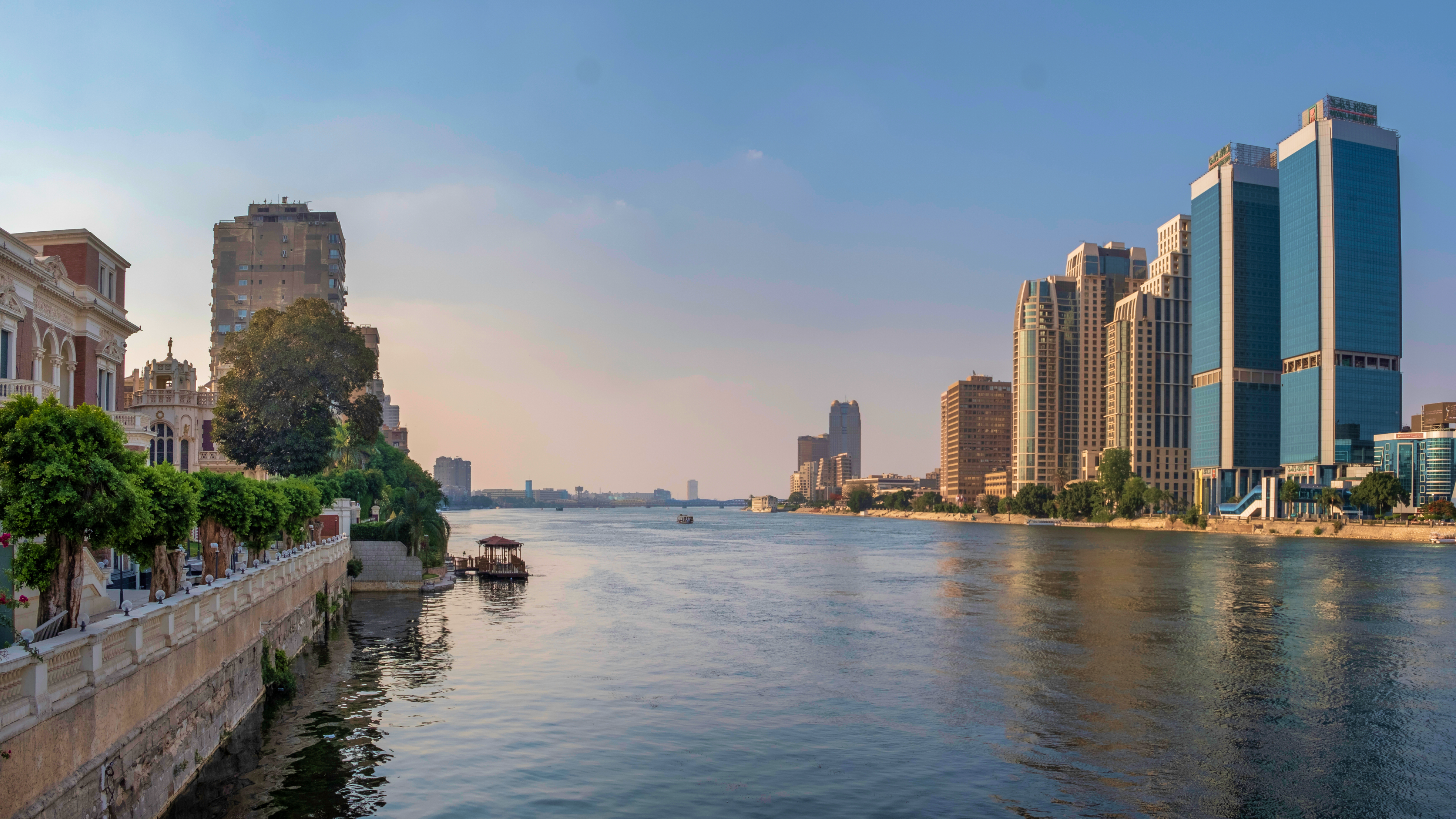
This is an island district on the Nile with embassies, leafy streets, and many boutique hotels. It gives easy access to downtown, the Opera House, and riverside dining, while keeping you in one of Cairo’s most walkable and residential quarters, away from the noise of the busier central districts.
Best for: Dining, galleries, and travelers who want an upscale location with easy taxi access across central Cairo
What to expect: Cafe-lined streets, embassy traffic, and steady pedestrian activity, especially near the main restaurant strips
Hotel prices: Usually EGP 4,300 to EGP 9,500 ($90 to $200) per night for well-rated stays
Distance to major sights: About 15 minutes by taxi to Tahrir Square; the Cairo Opera House is within walking distance.
Quietness: Calm during the day, with more traffic and restaurant noise in the evening
Main trade-off: Hotel prices are higher than in many central districts, and crossings to the east bank can take longer in rush hour.
Good to know: If you plan late dinners or riverfront walks, pick a hotel close to the main bridges so evening taxis do not add extra time.
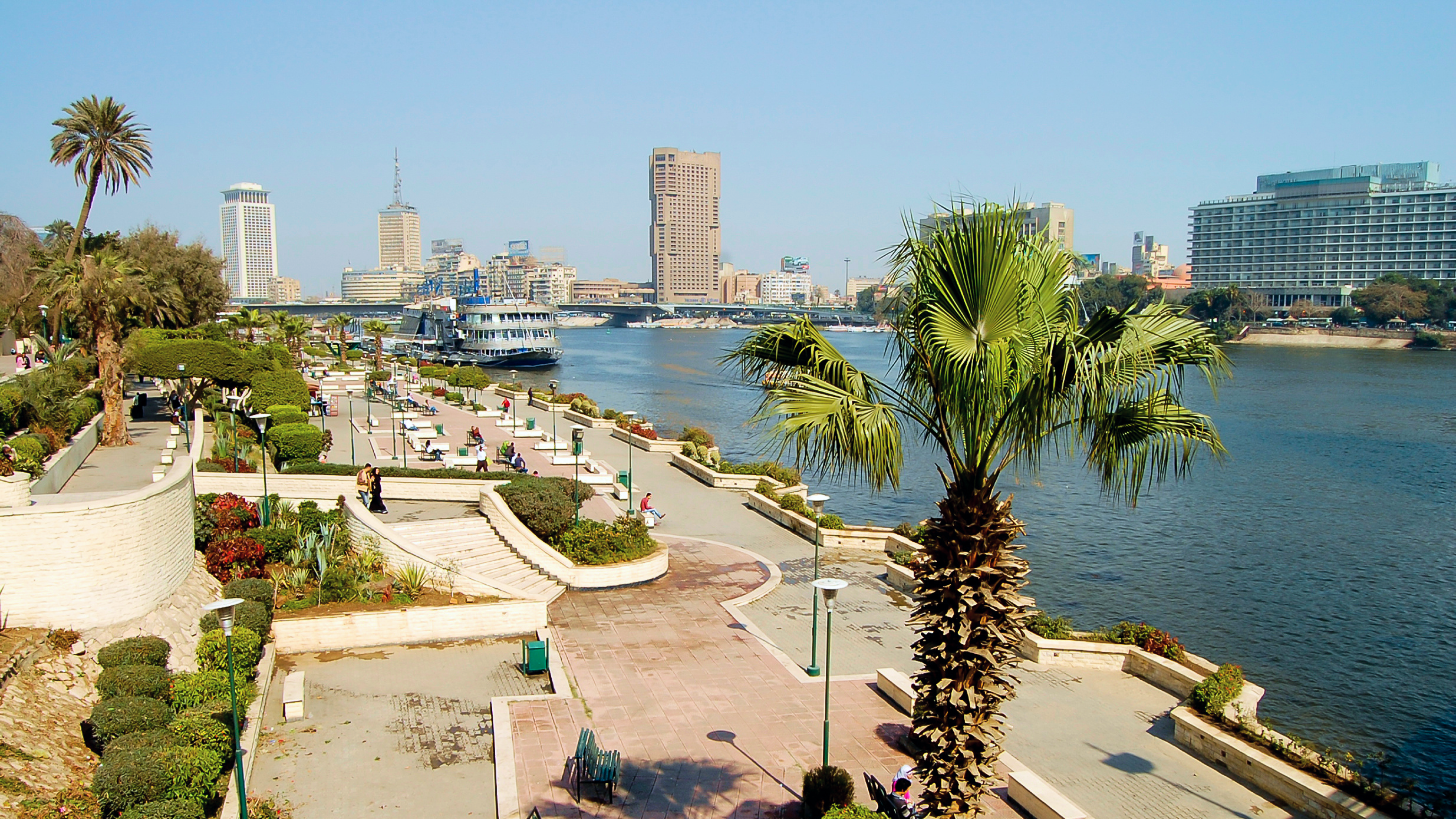
Garden City is a diplomatic quarter south of downtown, with a mix of grand older buildings, small hotels, and a quiet riverside edge. It puts you within easy walking distance of Tahrir Square, the Egyptian Museum, and central government streets, with the Nile Corniche just a short stroll away.
Best for: Museum visits, business trips, and travelers who want a central location with less street clutter
What to expect: Wide streets, embassy compounds, and moderate traffic, with limited late-night activity outside hotel zones
Hotel prices: Hotels cost from EGP 4,300 to EGP 9,500 ($90 to $200) per night.
Distance to major sights: About 10 minutes on foot to both Tahrir Square and the Egyptian Museum, which are next to each other
Quietness: Relatively quiet in the morning and afternoon, then noticeably busier near main roads after dark
Main trade-off: The choice of restaurants is narrower than in Zamalek or downtown, so many evenings will involve taxi rides.
Good to know: Choose a hotel near the Nile Corniche if you want easier access to taxis, because interior side streets can slow pickup times.
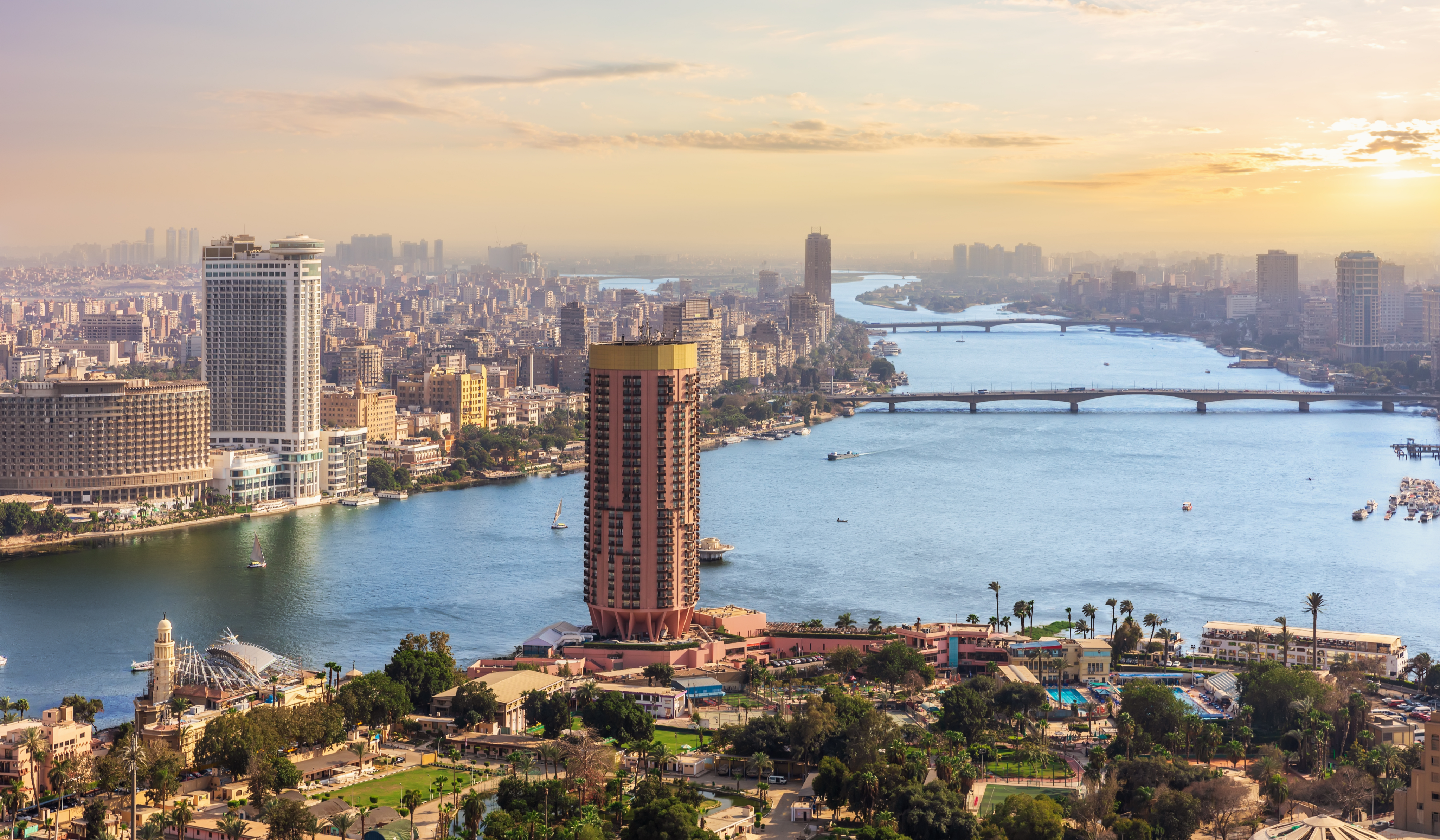
This is central Cairo’s historic core, where you find the Egyptian Museum, colonial-era buildings, and dense street commerce. It puts you near the city’s main monuments, metro links, and a broad spread of budget to midrange hotels, nearly all within an easy walking distance of one another.
Best for: Sightseeing, short stays, and travelers who want to move quickly between museums, the metro, and central Cairo
What to expect: Busy sidewalks, traffic noise, and constant street activity from morning through late evening
Hotel prices: EGP 2,900 to EGP 7,200 ($60 to $150) per night for well-rated stays
Distance to major sights: About 5 minutes on foot to both Tahrir Square and the Egyptian Museum
Quietness: Noisy by day and still active at night, especially on the larger avenues and near cafes
Main trade-off: The area is lively but gritty in parts, and hotel quality can vary widely from block to block.
Good to know: Book a higher-floor room if possible, since you can hear street noise and car horns well into the night.
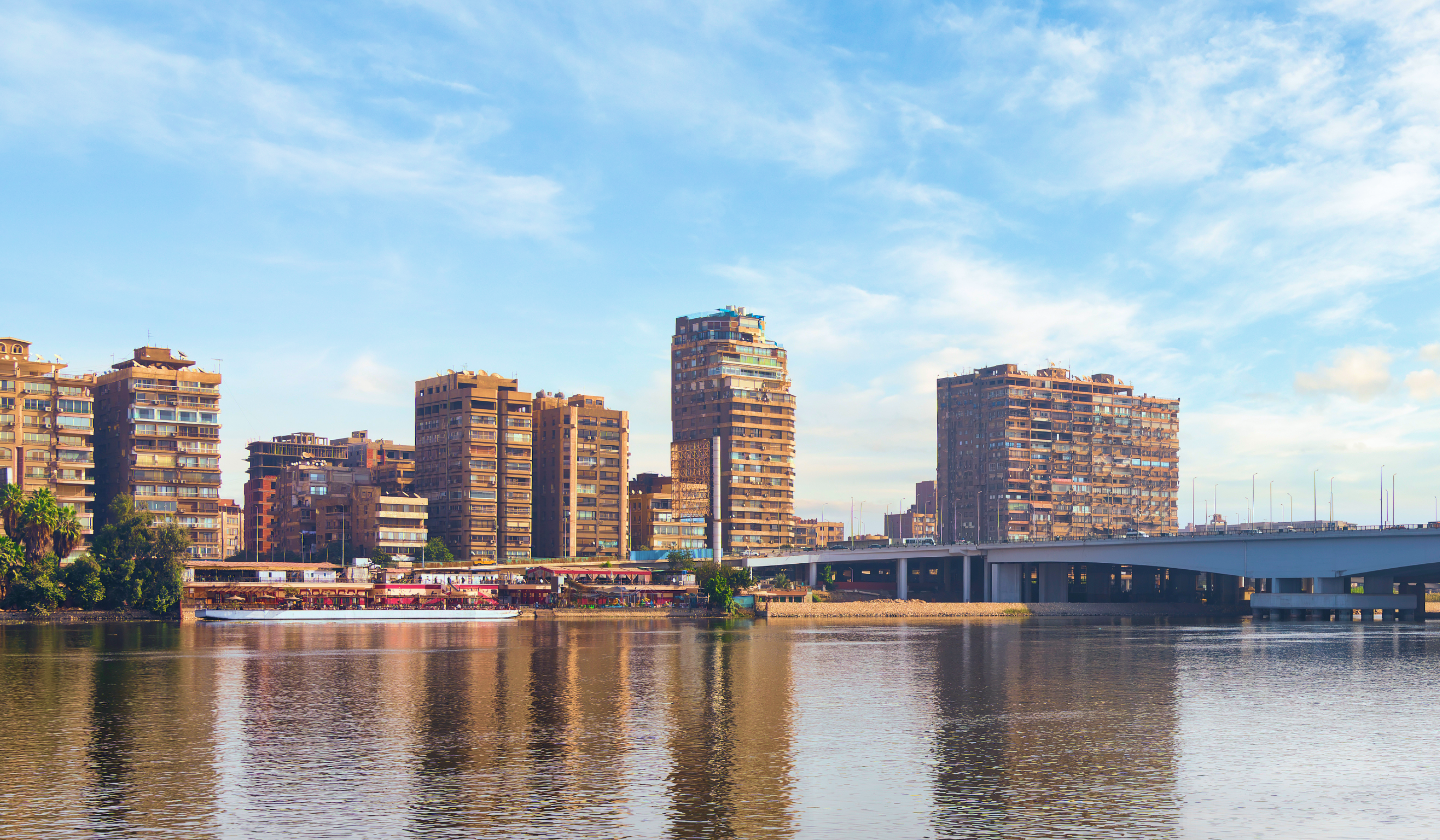
This southern residential district has tree-lined streets, international schools, and a large community of foreign residents. It offers more space and calmer evenings than the inner city, while still giving access to the metro and the busy Nile-side road network connecting it to downtown Cairo.
Best for: Longer stays, families, and travelers who prefer a residential area with restaurants nearby
What to expect: Low-rise streets, neighborhood cafes, and fewer crowds than central Cairo, with areas of local nightlife
Hotel prices: Hotels cost EGP 3,800 to EGP 8,600 ($80 to $180) a night.
Distance to major sights: 25 minutes by taxi to Tahrir Square, and 20 minutes to the Egyptian Museum
Quietness: Quieter than central Cairo in the day, with more noise in the evening near the main dining streets
Main trade-off: You will spend more time reaching the main museum area, and hotel prices can be high.
Good to know: If you plan several days of sightseeing, check the metro or taxi time to downtown before booking, since traffic can stretch the return trip.
Travelers usually avoid New Cairo because it lies far from the city’s main sights and requires long car rides to reach most sights. 6th of October City and Sheikh Zayed City are also less convenient, with fewer hotels near the main attractions.
Hotel deals
How to get around Cairo efficiently
Cairo is not a city where one transport option solves every journey. Taxi rides, metro trips, and buses each have their place, depending on the route, traffic, and time of day.

Metro
for longer distances
Rides cost EGP 10 to EGP 20 ($0.20 to $0.40) and take up to 45 minutes. Trains run from 5:00 am to midnight. Buy tickets at station counters or machines.

Bus and tram
for convenience
Airport shuttles connect to major districts, and city buses cover downtown, Nasr City, Heliopolis, Giza, and Maadi. Fares run EGP 5 to EGP 20 ($0.10 to $0.40), with cross-town trips taking 45 to 90 minutes. Buy tickets on board or from staff at the stop.

Taxi
for convenience or late hours
Licensed white cabs use meters, while airport taxis and apps like Uber and Careem quote fixed prices upfront. Rides from the airport to central Cairo cost EGP 250 to EGP 500 ($5 to $10), and metered city rides cost between EGP 20 and EGP 100 ($0.40 to $2). Many taxi drivers only accept cash.
*Prices are based on rates updated as of June 2026 and may change at the time of travel.
Use taxis, Uber, and Careem for door-to-door trips, the Metro for cross-town rides, and buses when price is more important than speed.
Iconic landmarks
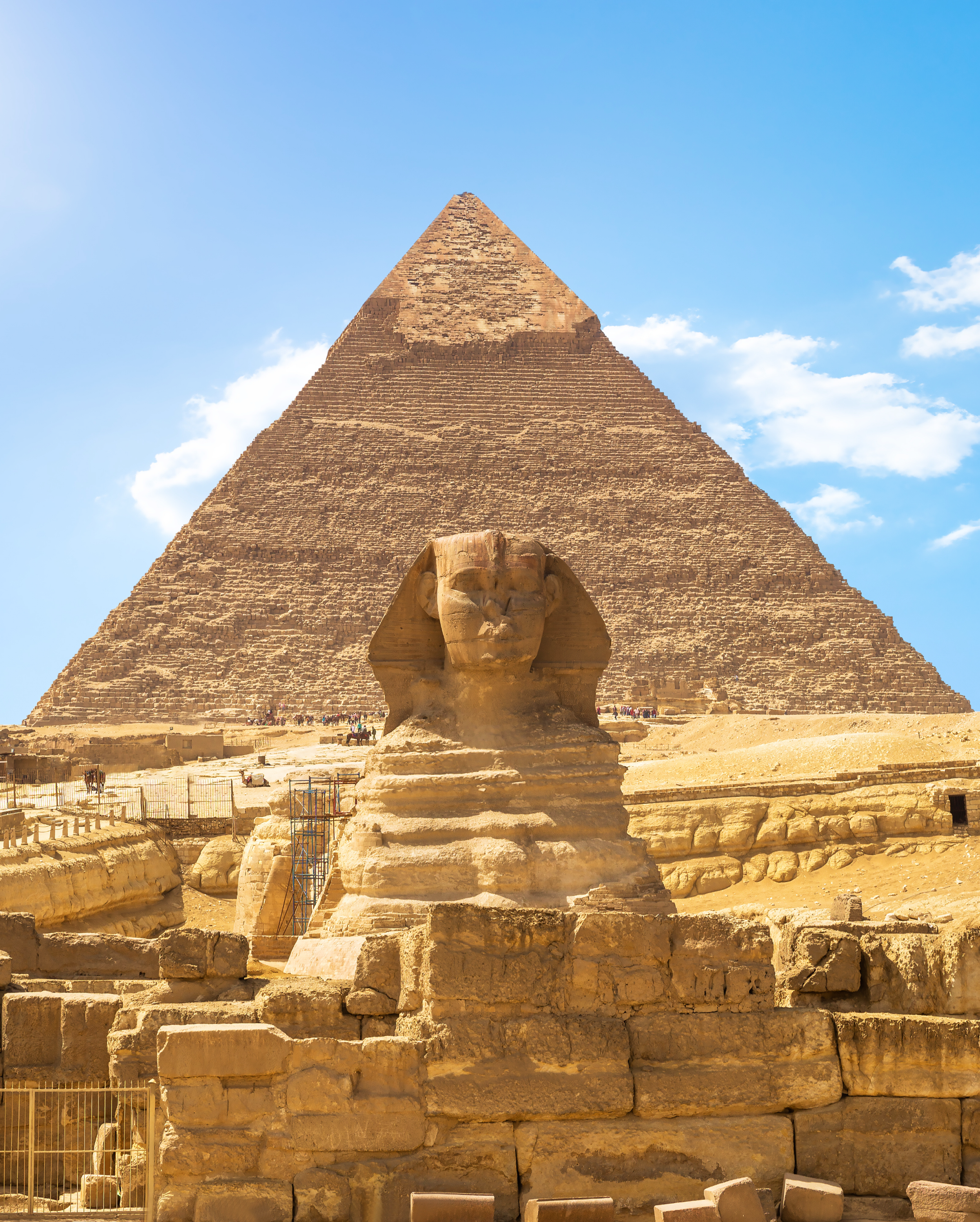
Giza Pyramid Complex
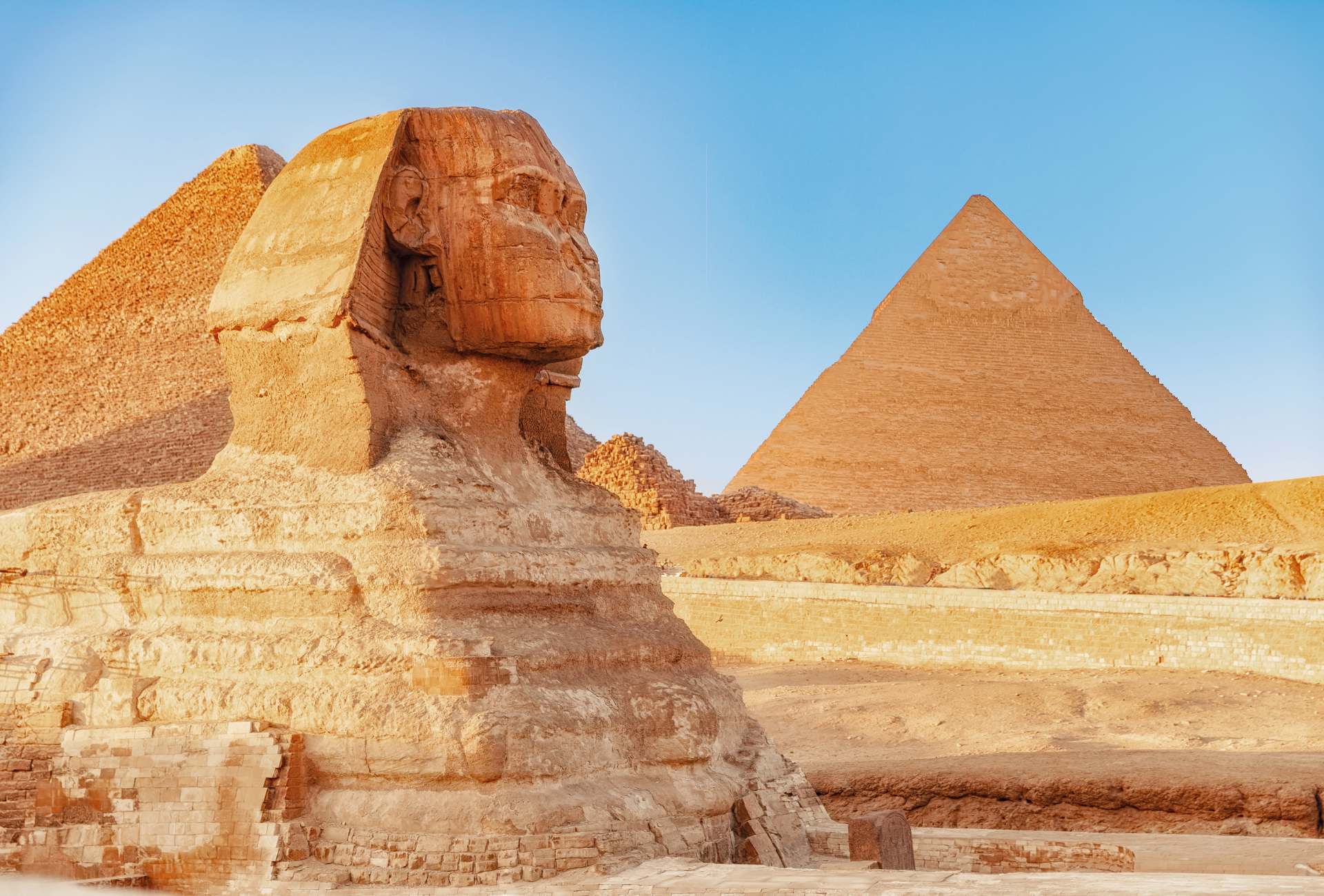
Egypt’s best-known pyramid field is on Cairo’s western edge, with the Great Pyramid, Khafre’s pyramid, and the Sphinx all gathered together in one vast archaeological zone. The site also includes smaller queens’ pyramids, scattered tombs, and causeways dating to the Old Kingdom of ancient Egypt.
Time needed: About 3 to 4 hours
Entry: Tickets cost EGP 360 to EGP 560 ($18 to $28), depending on which pyramid you enter. Visit the official site for details.
Tip: Visit at opening time for cooler temperatures.
The Egyptian Museum
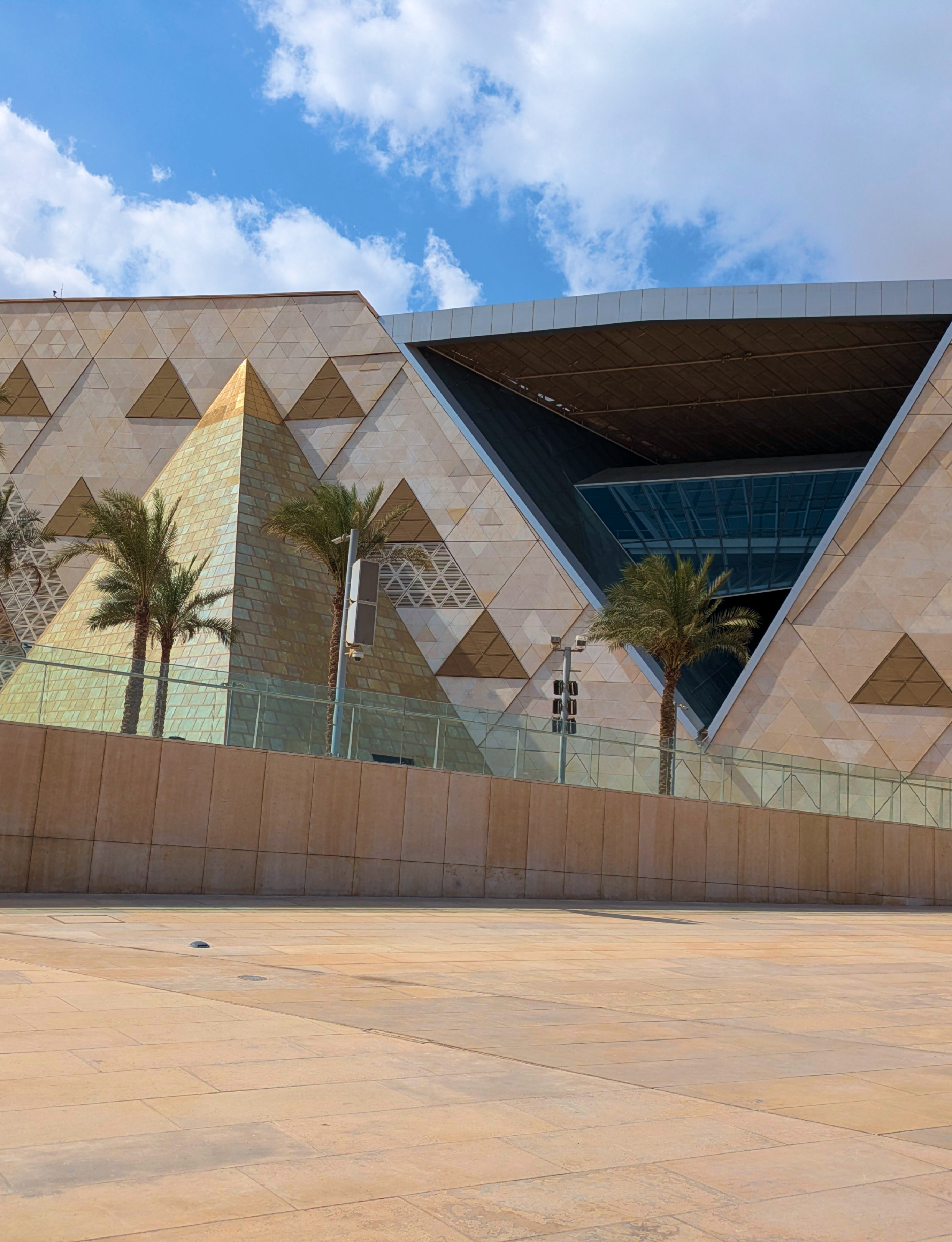
This downtown museum holds one of the world’s largest collections of pharaonic antiquities, including royal mummies, Old Kingdom sculpture, and objects from Tutankhamun’s tomb. The main building near Tahrir Square is a key stop in Cairo for visitors tracing Egypt’s ancient history firsthand.
Time needed: An in-depth visit takes 2 to 3 hours.
Entry: Depending on the exhibition, tickets cost EGP 250 to EGP 750 ($5 to $15). Visit the official site for details.
Tip: Arrive early on a weekday to avoid school groups and tour peaks.
Citadel of Saladin
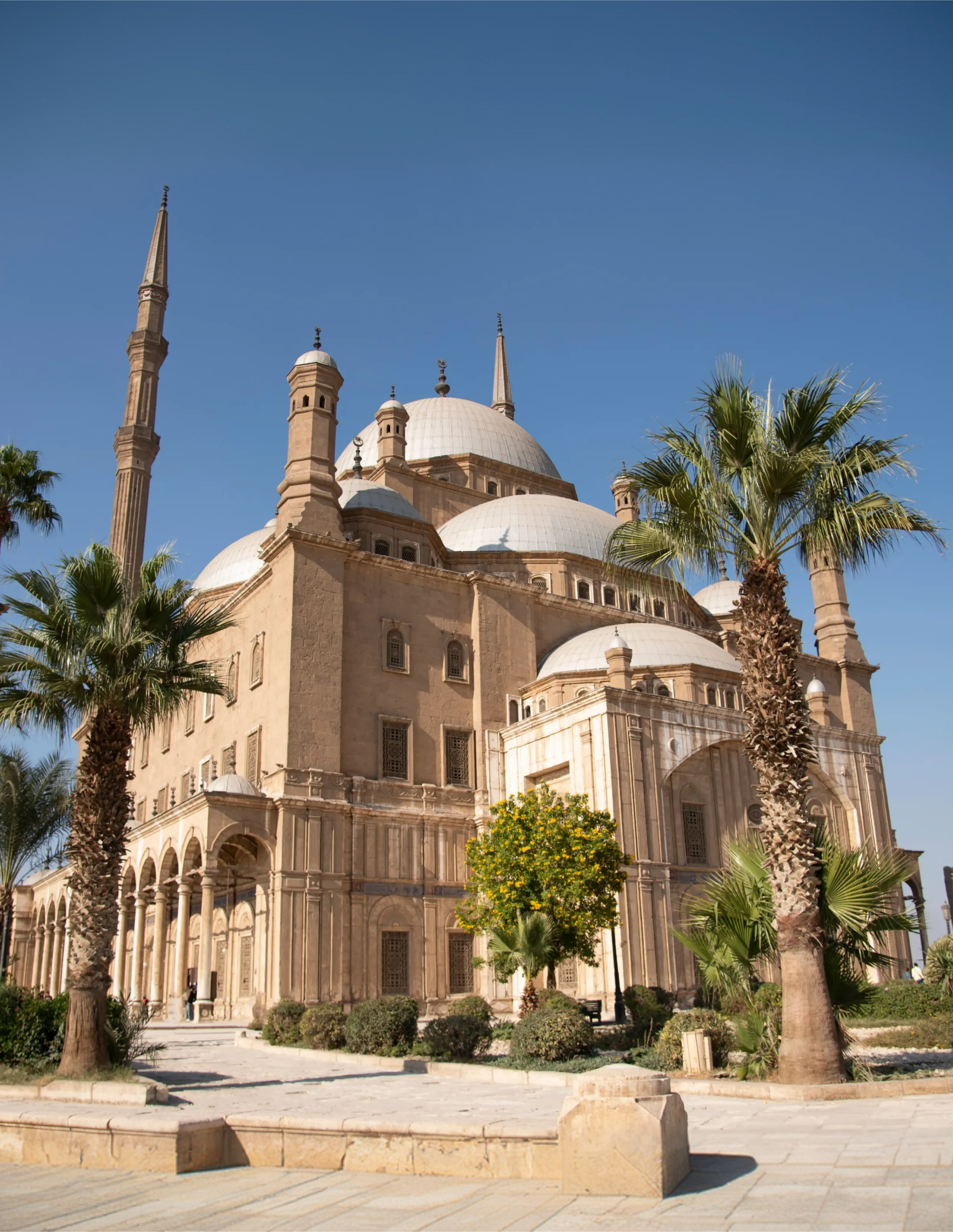
This hilltop fortress stands above eastern Cairo and brings together several landmarks in a single complex, including the Mosque of Muhammad Ali, older military walls, museum spaces, and several ancient defensive gates. Its terraces also offer views of the city, the Nile, and the desert beyond.
Time needed: Most visits take 2 to 3 hours.
Entry: Standard tickets cost EGP 180–EGP 250 ($7–$11). Mosques and museums charge separately. Visit the official site for details.
Tip: Visit in late afternoon for clearer views and cooler temperatures.
Overlooked sites worth visiting
Sultan Al-Ghuri Complex
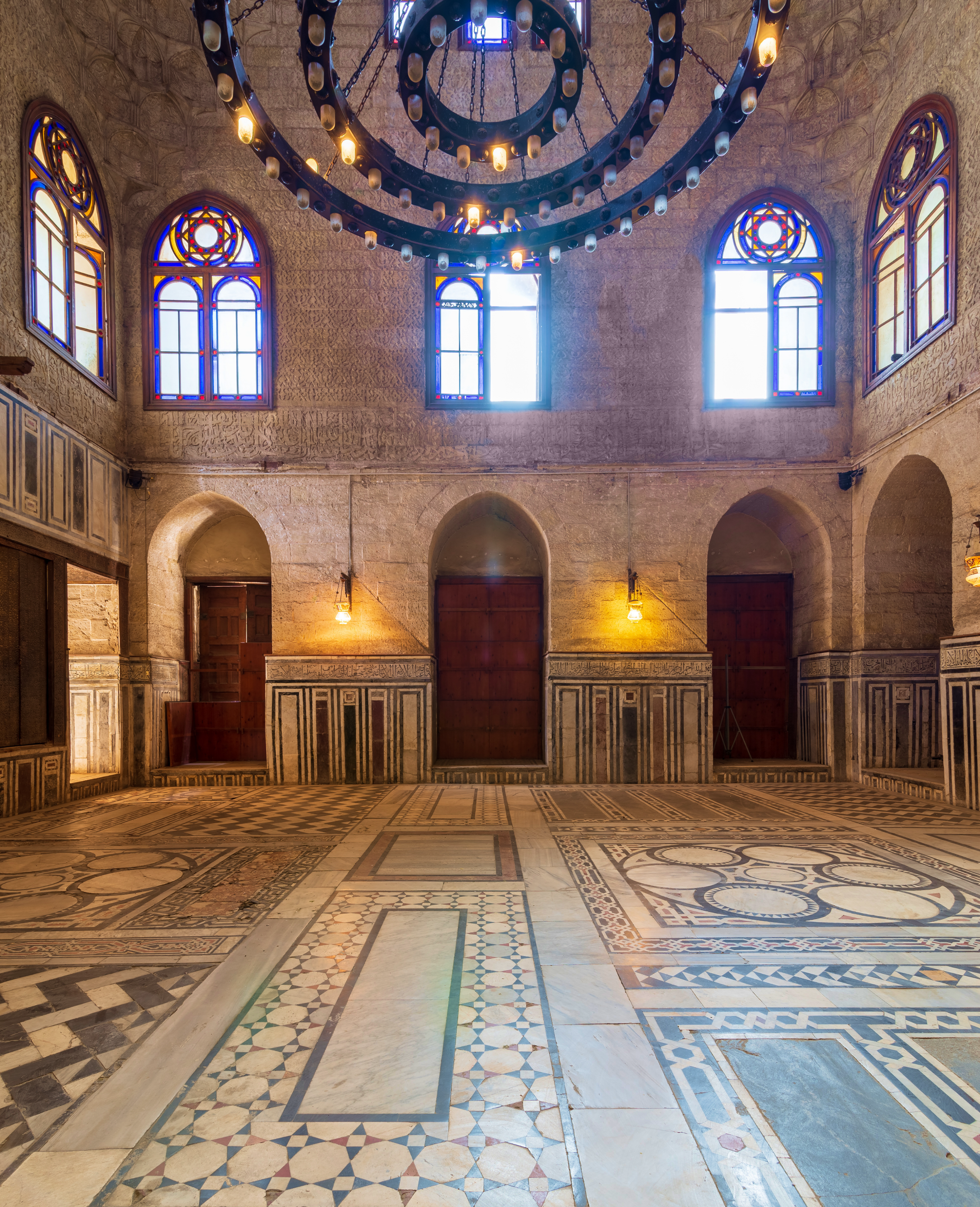
This Mamluk funerary complex on al-Muizz Street pairs a mosque, mausoleum, and khanqah with carved stone, marble panels, and a painted wooden ceiling. Evening Tanoura shows are held nearby.
Time needed: Most visits take about 1 to 2 hours.
Entry: Free access to the complex; entrance to the dome, sabil, and house costs EGP 150 ($3).
Tip: Visit late afternoon for softer light on the facade.
El Mosky Market
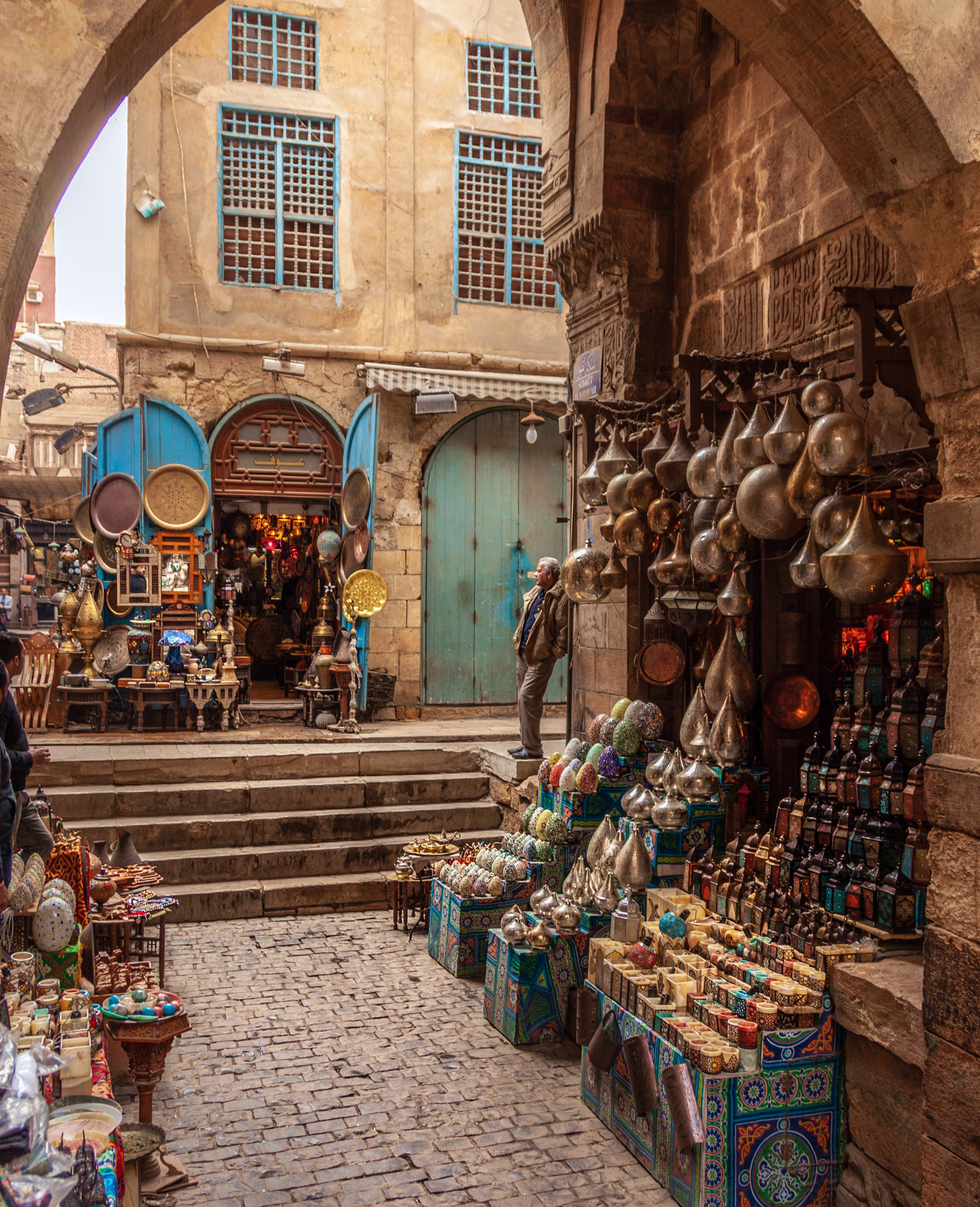
This dense downtown market cluster sells fabrics, housewares, prayer beads, and brass goods in narrow lanes that still serve local shoppers. It gives a direct look at Cairo’s everyday trading habits.
Time needed: About 1 hour
Entry: Free to access
Tip: Visit before noon to avoid heavy crowds.
Traditional food
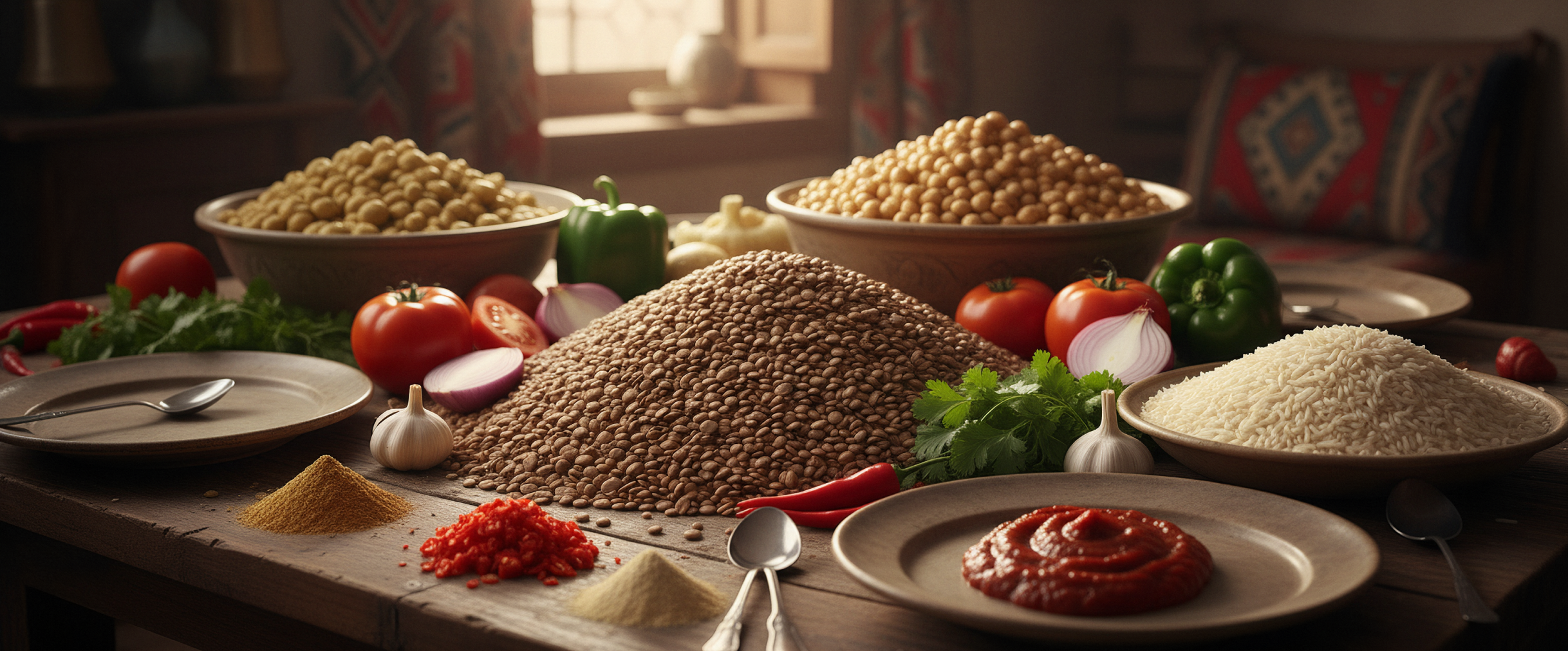
Cairo’s traditional dishes are made with lentils, fava beans, chickpeas, rice, and vegetables, and seasoned with garlic, cumin, and chili. Meals start early and run late.
Koshari
Cairo’s classic bowl of rice, lentils, pasta, chickpeas, fried onions, and tomato sauce delivers the city’s most recognizable street-food combination. Abou Tarek is the canonical stop for it in central Cairo.
Ful medames
Slow-cooked fava beans with olive oil, lemon, and spices anchor many Cairo breakfasts and offer a simple, satisfying start to the day. Gad serves a delicious version at several locations across the city.
Ta'ameya
Egyptian falafel made with fava beans, ta’ameya is crisp on the outside and herb-heavy on the inside, with a deep green color from fresh parsley and dill. You can try it at Zooba in Zamalek.
Mahshi
Stuffed vegetables, often zucchini, peppers, or vine leaves, show up in homes and on lunch tables across Cairo, with tomato sauce and rice or herb fillings. Sobhy Kaber in Shubra is a place to order it in generous portions.
Best time to visit Cairo
Cairo shifts with the weather, and the best months make long museum days and outdoor visits much easier than the hottest stretch of summer.
Best for: The pyramids, the Citadel, and long walks in central Cairo
What you get: Expect 50°F to 68°F (10°C to 20°C), clear skies, light tourist crowds, and a relaxed pace across central Cairo outside holiday peaks.
Trade-offs: Evenings can feel cool, and some days bring haze.
Best for: Balanced weather and flexible sightseeing
What you get: Daytime highs of 64°F to 86°F (18°C to 30°C), warm sun, moderate crowds, and comfortable walking conditions before summer heat builds.
Trade-offs: Occasional dust or khamsin winds can affect visibility.
Best for: Indoor museums and late-night dining
What you get: Temperatures climbing to 75°F to 100°F (24°C to 38°C), intense daytime heat, thinner crowds at major sites, and livelier evenings
Trade-offs: Midday heat can make open-air sightseeing tiring.
Best for: Riverfront evenings and a full sightseeing schedule
What you get: A comfortable 68°F to 88°F (20°C to 31°C), warm, pleasant days, steady visitor numbers, and easier movement through major attractions
Trade-offs: Popular sites can be busy once temperatures ease.
A realistic 5-day plan in Cairo
This five-day Cairo itinerary separates Giza, downtown, the Citadel, and the old city, with enough time built in for meals, traffic, and a slower final day.
Land at Cairo Airport (CAI), then take a taxi or rideshare into Downtown Cairo, Zamalek, or Garden City; the ride usually takes about 30 to 60 minutes and costs EGP 490–EGP 980 ($10 to $20), depending on traffic. If you want the easiest first evening, check into Zamalek for riverfront dining or Garden City for a quieter location near Tahrir Square. Keep dinner close to the hotel, then rest after the flight.
Start early at the Giza Pyramid Complex, ideally at opening time, for the Great Pyramid, Khafre’s Pyramid, and the Sphinx before the heat builds. Plan on about 3 to 4 hours there, then return by taxi to Downtown Cairo for lunch. In the afternoon, head to the Egyptian Museum near Tahrir Square, about 10 minutes on foot from Garden City, and allow 2 to 3 hours to see the royal mummies and major sculpture halls.
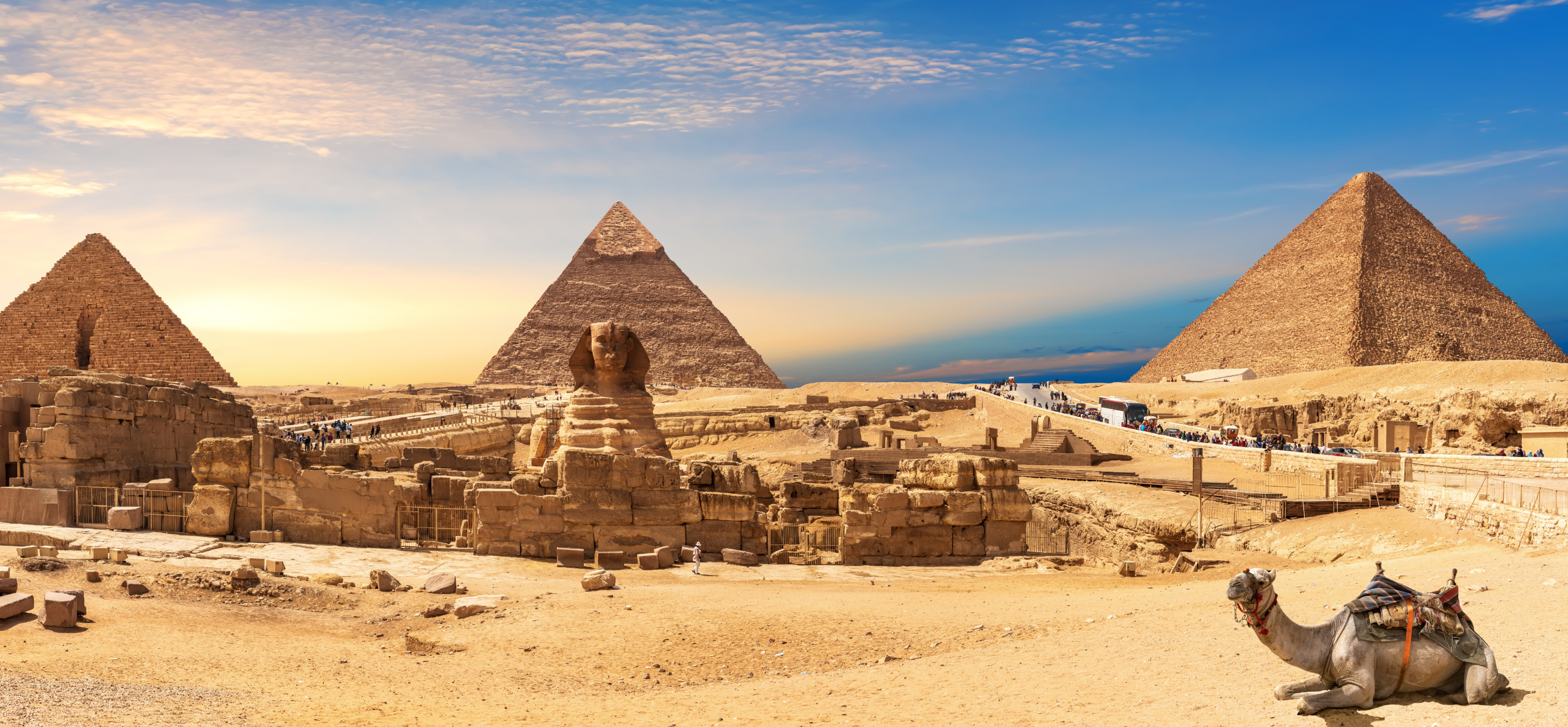
Begin with the Citadel of Saladin, where the Mosque of Muhammad Ali and the terrace views reward an early or late-afternoon visit; from Downtown Cairo or Garden City, the taxi ride usually takes about 20 to 30 minutes. Spend about 2 to 3 hours on the hill, then continue by taxi to the Sultan Al-Ghuri Complex in 15–25 minutes. Spend 1 to 2 hours there, and stay for a Tanoura dance show nearby before dinner.
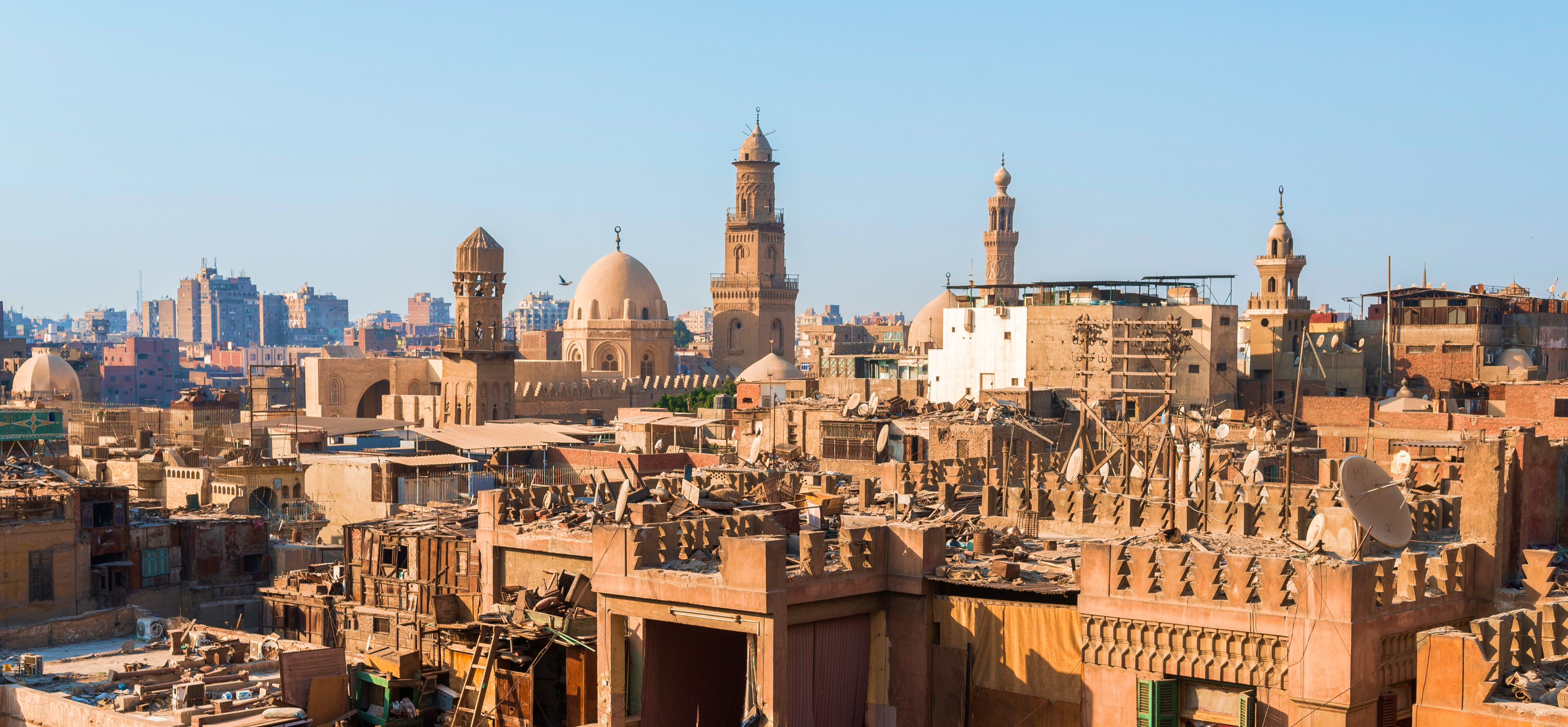
Start in the alleyways of El Mosky Market before noon, when the lanes are busiest but still manageable, and spend about an hour browsing fabrics, brass goods, and housewares. From there, walk or take a short taxi ride, usually 10 to 15 minutes, back toward al-Muizz Street, or return to your hotel if the midday heat rises. Later, head to Zamalek for a riverfront dinner, 15–30 minutes away by taxi.
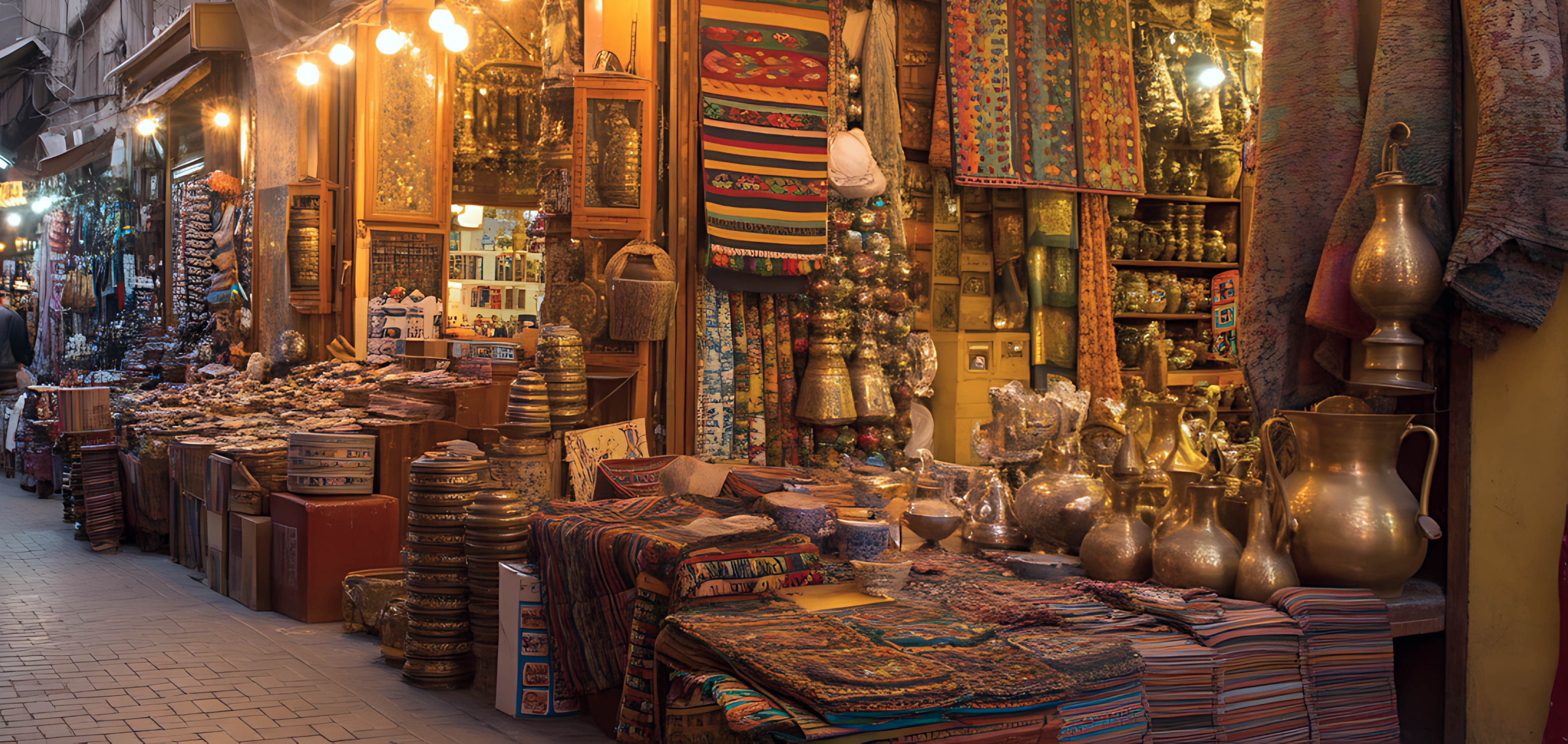
For a final, low-key morning, return to the Egyptian Museum for one last pass through the pharaonic galleries, or spend that time in a cafe in Zamalek or Garden City. If shopping is on the list, give yourself an hour or two in Downtown Cairo for books and souvenirs. Reaching Cairo (CAI) from central districts can take about 30 to 60 minutes, longer during rush hour.
Business-class flights from the US to Cairo

EgyptAir is the only airline flying nonstop from both New York and Los Angeles to Cairo, making it the most suitable choice for travelers who want to avoid layovers and arrive rested.
New York (JFK) to Cairo (CAI)
EgyptAir operates nonstop business-class flights on this route, with a duration of 10 hours and 30 minutes. Round-trip business-class tickets typically range from $4,200 to $4,800. If you decide to book the tickets at the last minute, the price can exceed $5,700.
If you don’t mind layovers, Air France and ITA offer flights with a stop through Paris (CDG), and Rome (FCO) to Cairo. The business-class tickets cost between $3,200 and $3,700, and the duration of these flights is usually 12 to 23 hours.
Los Angeles (LAX) to Cairo (CAI)
From Los Angeles, EgyptAir launched nonstop flights to Cairo in May 2026, operating three times a week, with a flight time of 13 to 14 hours. Business-class round-trip tickets on this route cost between $4,300 and $6,100, with last-minute bookings reaching $9,600.
Passengers can also board flights with one stop on this itinerary. British Airways and Emirates offer flights with a layover in London (LHR) and Dubai (DXB), with a duration of 18 to 22 hours. The price ranges from $3,200 to $4,400.
Cairo, planned the right way
In Cairo, the order of the day can matter as much as the sights themselves. You wake up near Zamalek or Garden City, cross to Giza early, leave the Egyptian Museum with time still in hand, and save the Citadel or al-Muizz Street for the cooler hours. Taxis, the Metro, and short neighborhood walks each have a role if you plan them. When you are ready to put that plan into motion, our AranGrant experts can help you find the right flights and hotel for your dates.