

Chapters:

Need help with your trip?
Our support team is available 24/7. Request a callback or call us directly at (833) 619-0908
Cagliari rewards travelers who look past the first waterfront pass and the obvious hilltop stop. Many visitors stay near the harbor, climb Castello once, and miss how much the city opens across Villanova, Bonaria, and the Roman coast.
That approach can leave you crossing town more often than needed, joining the busiest viewpoints at the same hour, and treating the old center as a single stop instead of a network of short walks and quick bus rides.
This guide maps Cagliari by neighborhood, timing, and transfer, so you can move through the city in a sequence that fits its slopes, distances, and late dining hours.
Useful things to know

Main language(s): Italian
Ciao (chow) – Hello / good morning
Per favore (pehr fah-VOH-reh) – Please
Grazie (GRAHT-tsee-eh) – Thank you
Parla inglese? (PAHR-lah een-GLEH-zeh) – Do you speak English?
Quanto costa? (KWAHN-toh KOH-stah) – How much does it cost?

Currency: The local currency is the euro (EUR, €).

Cash and cards: Cards and contactless are widely accepted, but carry about €20 to €40 ($22 to $43) in cash for small cafes and markets.

Tipping: Round up small bills; leave about 5-10% at restaurants for good service.

Traditional food: Malloreddus, fregola with clams, seadas, porceddu

Water and coffee costs: Water ~€2 ($2), bar espresso ~€1.50 ($2).

Taxis and ride apps: Free Now and Uber operate here; taxis are usually the default option.

Plug and voltage: Type L socket, 230V

Dining and shop opening hours: Breakfast is about 07:00-10:00, lunch 12:30-14:30, and dinner 20:00-22:30. Many restaurants close between lunch and dinner.

Emergency number: 112 for all emergencies, police, fire, and medical help.
Where to stay in Cagliari
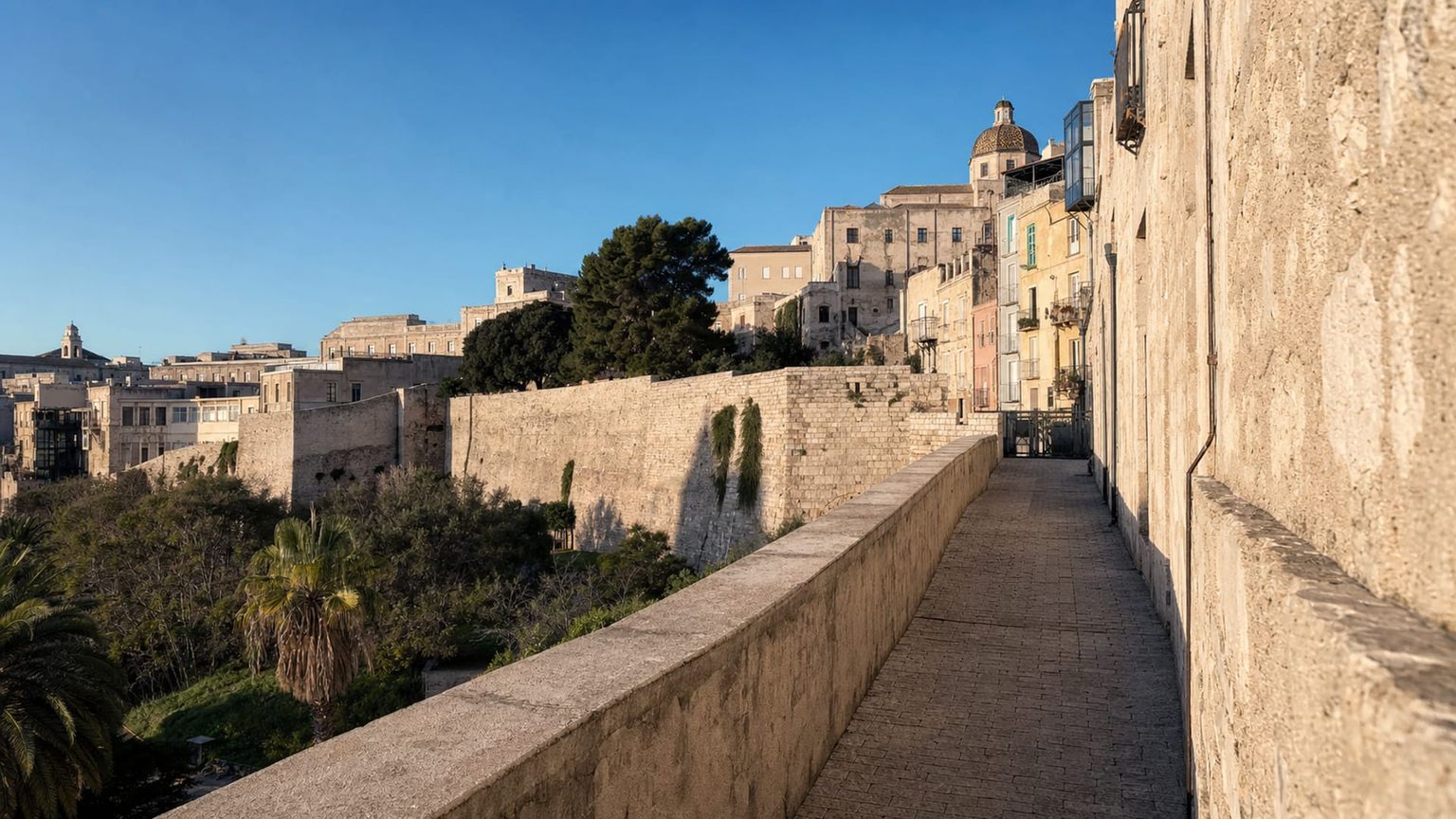
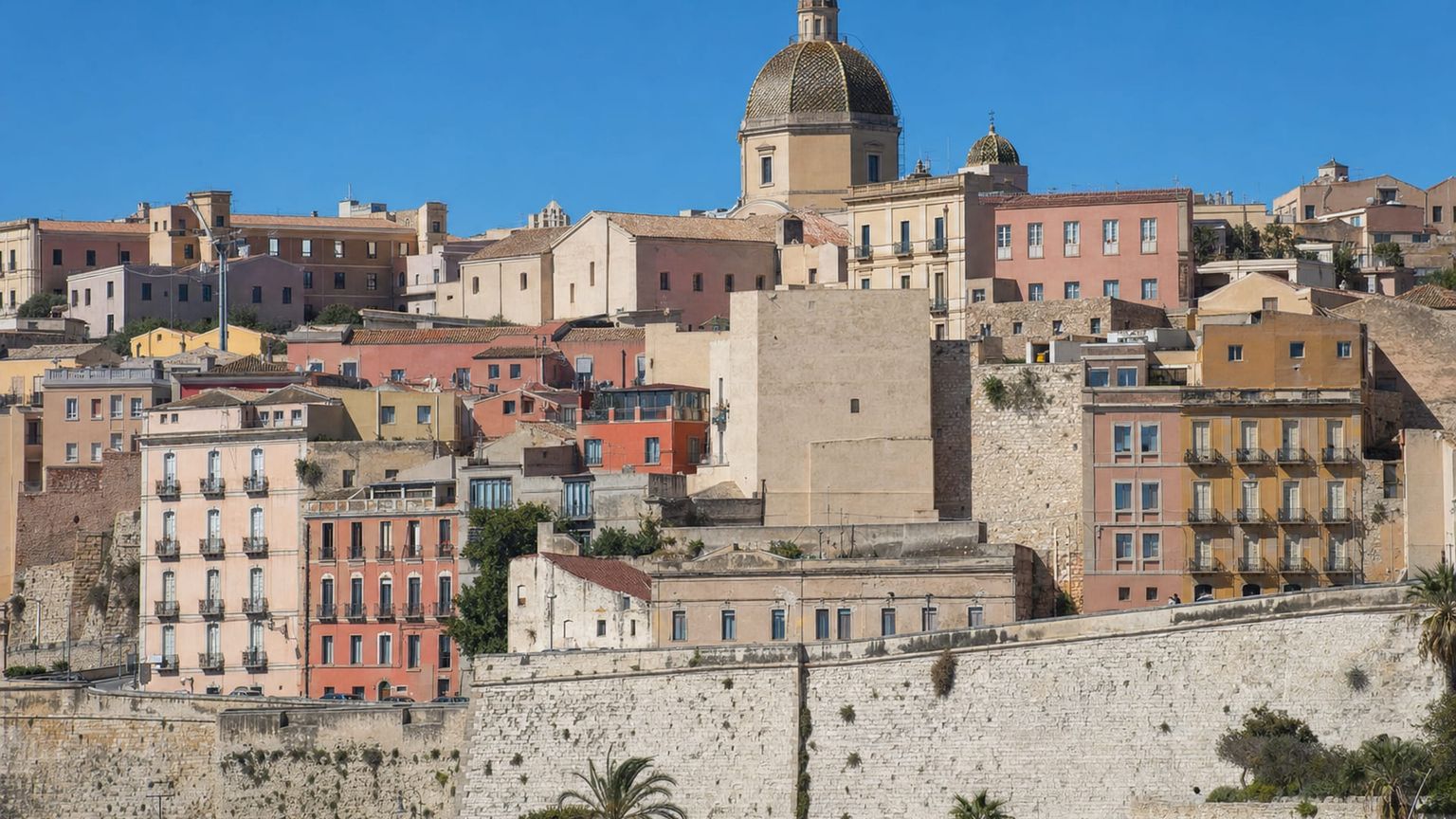
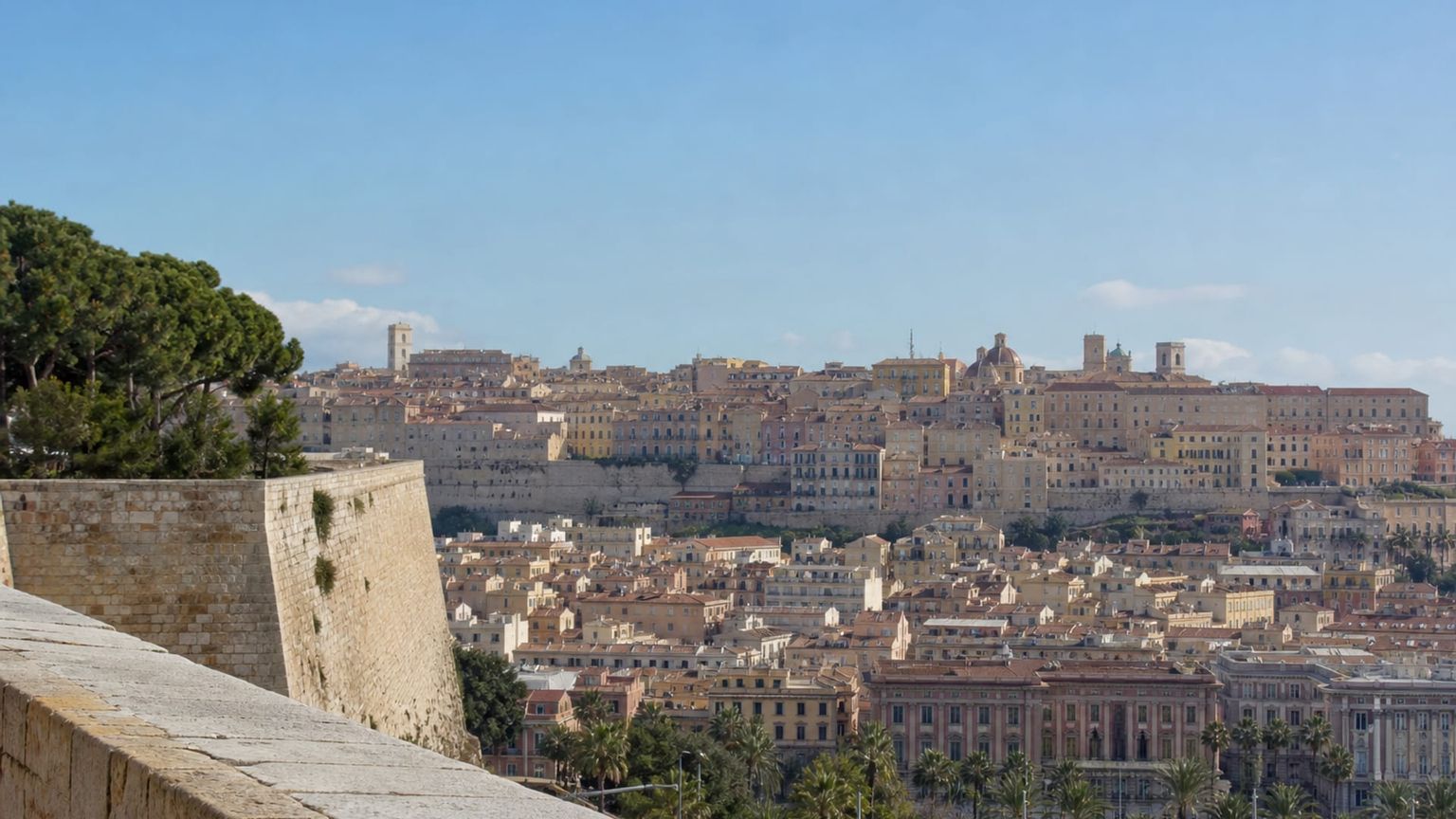
Cagliari’s hilltop historic quarter, with medieval walls, narrow lanes, and views over the harbor. It places museums, the cathedral, and the old fortifications within easy reach, so it suits visitors who want the city’s main sights close by.
Best for: First-time visits, sightseeing, and travelers who want the main historic sights close together
What to expect: Steep streets, stone buildings, and steady daytime foot traffic from visitors and locals.
Hotel prices: Usually about €140 to €260 (~$153 to ~$284) per night for well-rated stays
Distance to major sights: About 5 to 15 minutes on foot to Cagliari Cathedral and the Bastione di Saint Remy
Quietness: Quieter in the morning and late evening, with more activity during the day and early night.
Main trade-off: Rooms can cost more, and the hill setting means stairs, slopes, and limited car access.
Good to know: Choose this area if you want to move between museums and viewpoints on foot, but book early because the best small hotels sell out first.
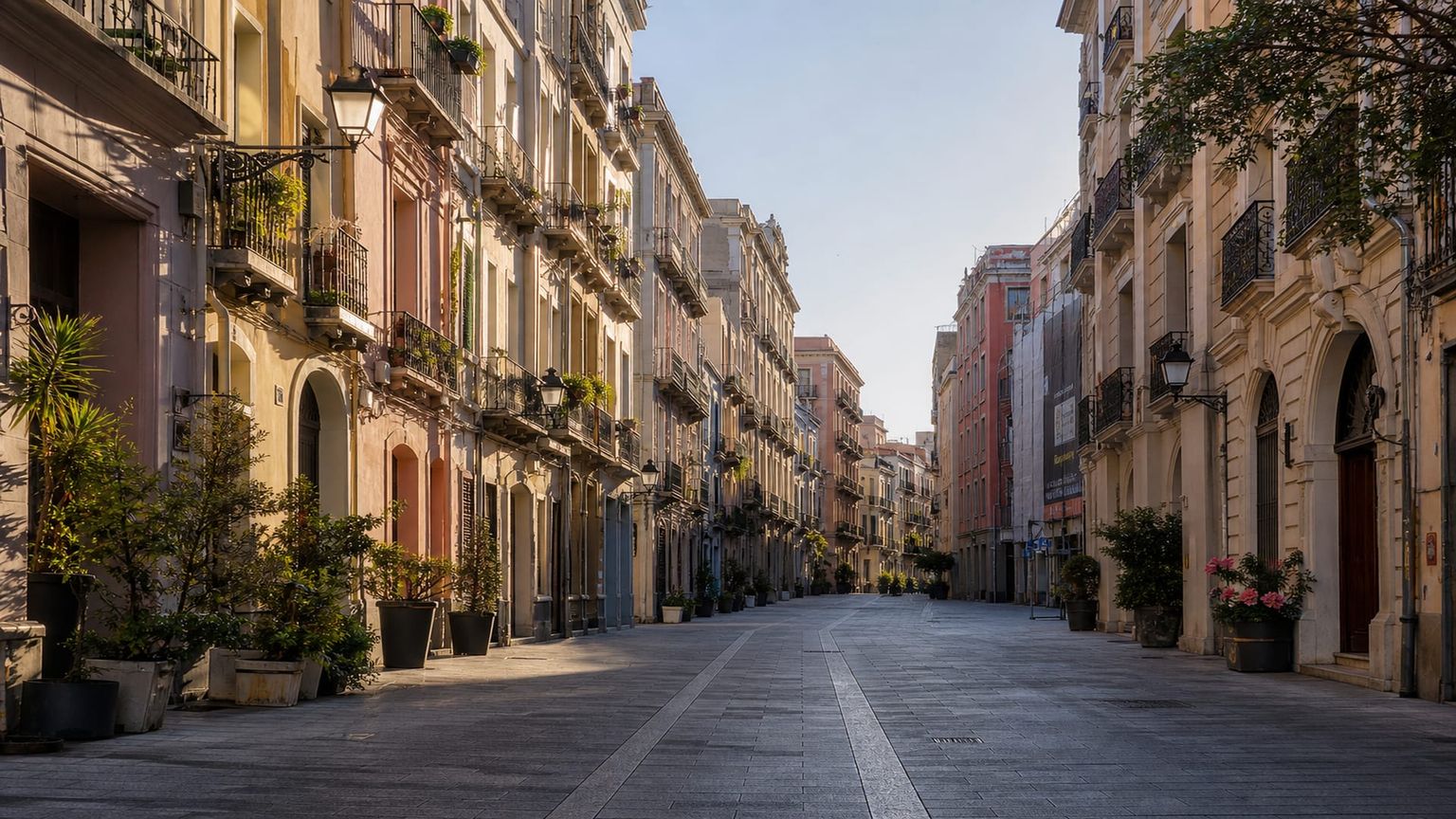
The waterfront district below the old town, lined with restaurants, bars, and apartment blocks near the port. It works well for travelers who want easy access to dining, the harbor, and the train station without staying far from central Cagliari.
Best for: Dining, nightlife, ferry travelers, and visitors who want a central base near transit
What to expect: Busy sidewalks, late dinners, and more noise than in the hilltop quarters, especially on weekends.
Hotel prices: Usually about €120 to €220 (~$131 to ~$240) per night for well-rated stays
Distance to major sights: About 10 to 15 minutes on foot to the train station and 15 to 20 minutes to Cagliari Cathedral
Quietness: Lively through the evening, then quieter after the restaurants close, though some streets stay active later.
Main trade-off: You gain transport access and restaurant choice, but some blocks can be noisy at night and parking is limited.
Good to know: Stay here if you plan to use trains or ferries often, since the port and station are close enough to make early departures easier.
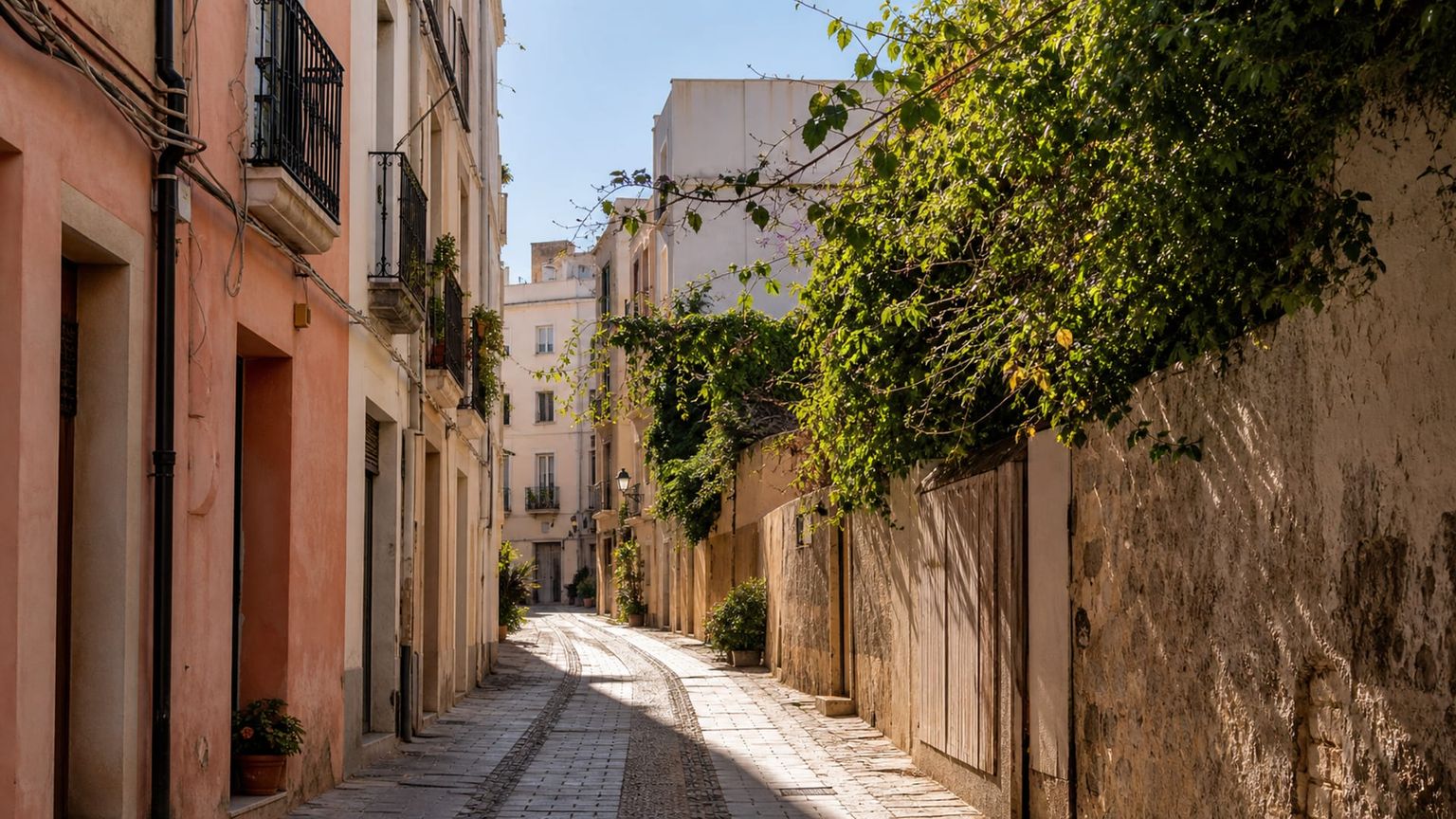
A residential quarter east of Castello, with narrow streets, small squares, and local cafés. It gives you a more lived-in base close to the historic center, while keeping a little distance from the busiest streets around the cathedral and harbor.
Best for: Longer stays, neighborhood atmosphere, and travelers who want central access with fewer crowds
What to expect: Local foot traffic, neighborhood cafés, and a calmer pace than the port or waterfront districts.
Hotel prices: Usually about €100 to €190 (~$109 to ~$207) per night for well-rated stays
Distance to major sights: About 10 to 15 minutes on foot to Bastione di Saint Remy and 15 to 20 minutes to Cagliari Cathedral
Quietness: Generally quiet by day and evening, with only light street activity near the main corners.
Main trade-off: You may walk a little farther for the most popular sights, and some streets have fewer late-night dining choices.
Good to know: Pick this if you want a central address with a stronger residential feel, but check the exact street if you prefer easier evening dining nearby.
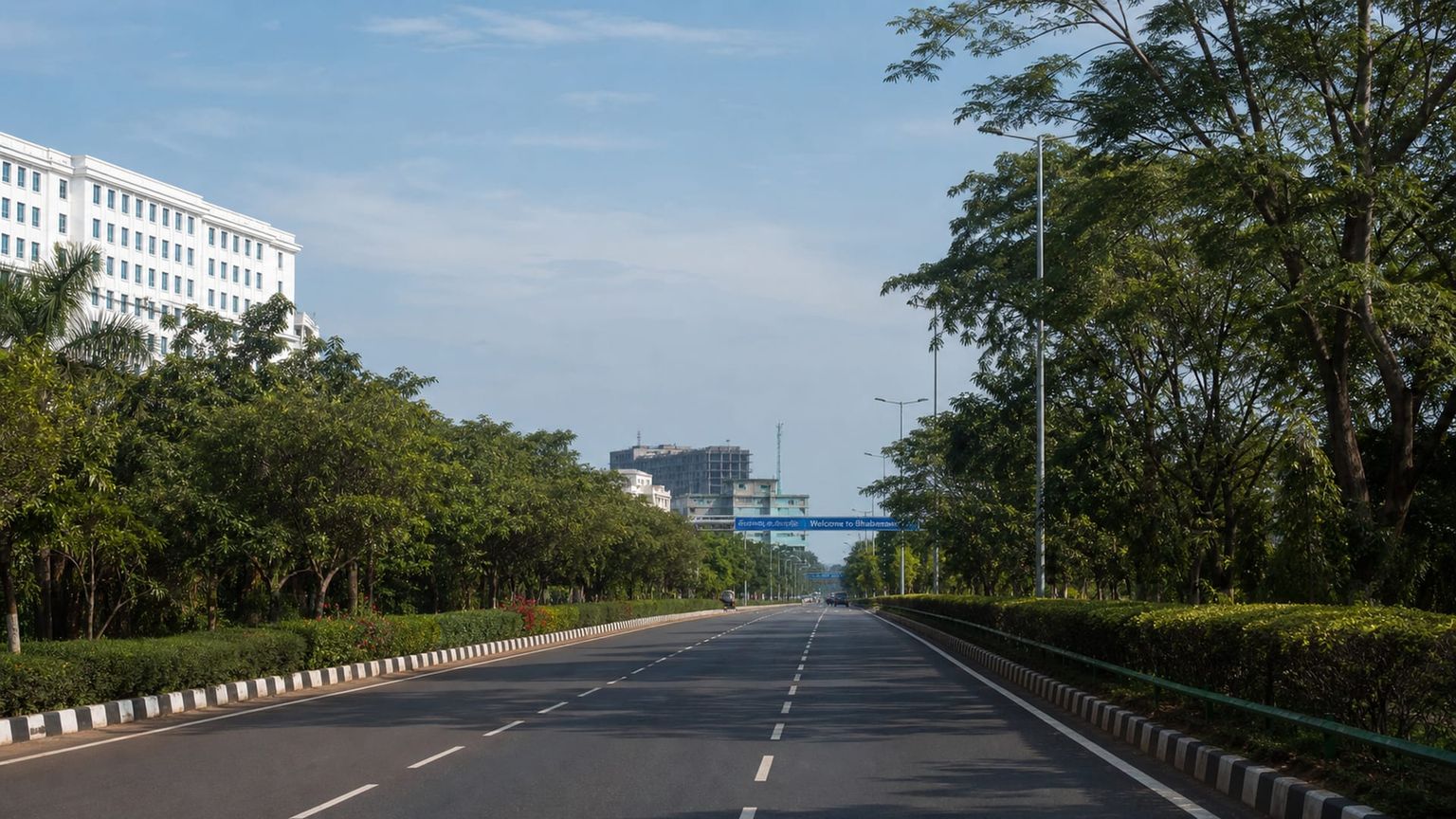
Cagliari’s long beach district, stretching along the city’s eastern waterfront with seafront bars, seasonal clubs, and easy access to the sand. It suits travelers who want a beach stay and do not mind commuting into the center for museums and historic sights.
Best for: Beach stays, summer trips, and travelers who prefer sea access over immediate access to the old town
What to expect: More resort-style activity, beachgoers in season, and a busier waterfront in summer evenings.
Hotel prices: Usually about €110 to €210 (~$120 to ~$229) per night for well-rated stays
Distance to major sights: About 20 to 30 minutes by bus to Cagliari Cathedral and the historic center
Quietness: Quiet in the morning and outside summer peaks, then noticeably busier near the promenade in the evening.
Main trade-off: You trade central walking access for beach time, and you will depend on buses or taxis for most city sightseeing.
Good to know: Stay here if the beach is the point of the trip, but plan extra time for getting into town for dinner or museum visits.
Travelers usually avoid staying in Sant’Elia, because it sits apart from central sights and has limited visitor amenities after dark. Giorgino, La Palma, Monte Mixi, and the outer edge of Pirri are also less convenient, since they sit farther from the historic center and often require longer evening taxi or bus rides back from dinner.
Hotel deals
How to get around Cagliari efficiently
Cagliari has no metro, so the suburban rail link, CTM buses, taxis, and short walks do most of the work between the station, the airport, the hilltop quarters, and the beach.

Metro
for longer distances
Cagliari has no metro, so visitors rely on buses, taxis, and short walks instead; the closest equivalent is the suburban rail link from Cagliari station to Elmas Aeroporto, which takes about 5 to 7 minutes and uses Trenitalia tickets from roughly $1.50 (€1.40).

Bus and tram
for convenience
CTM runs the main bus network, including routes linking the center, Poetto beach, the university area, and neighboring districts; a 90-minute ticket costs about $1.50 (€1.40), while a day ticket is roughly $4.30 (€4), and you can buy fares at tobacco shops, kiosks, apps, or on board on some services. Buses are the main public option from Cagliari-Elmas Airport into the city, with the ride to the center taking about 15 to 20 minutes depending on traffic.

Taxi
for convenience or late hours
Licensed taxis use metered fares, with city rides typically costing about $8 to $18 and airport trips to the center usually about $20 to $30, depending on traffic and luggage; some night or holiday supplements may apply. You can use the airport taxi rank, main stands in the center, or call a licensed car from a radio taxi operator, and most accept cards, though cash is still useful.
*Prices are based on rates updated as of June 2026 and may change at the time of travel.
Use the train for the airport, buses for Poetto and Bonaria, and taxis when evening plans stretch past the routes you want to piece together on foot.
Iconic landmarks
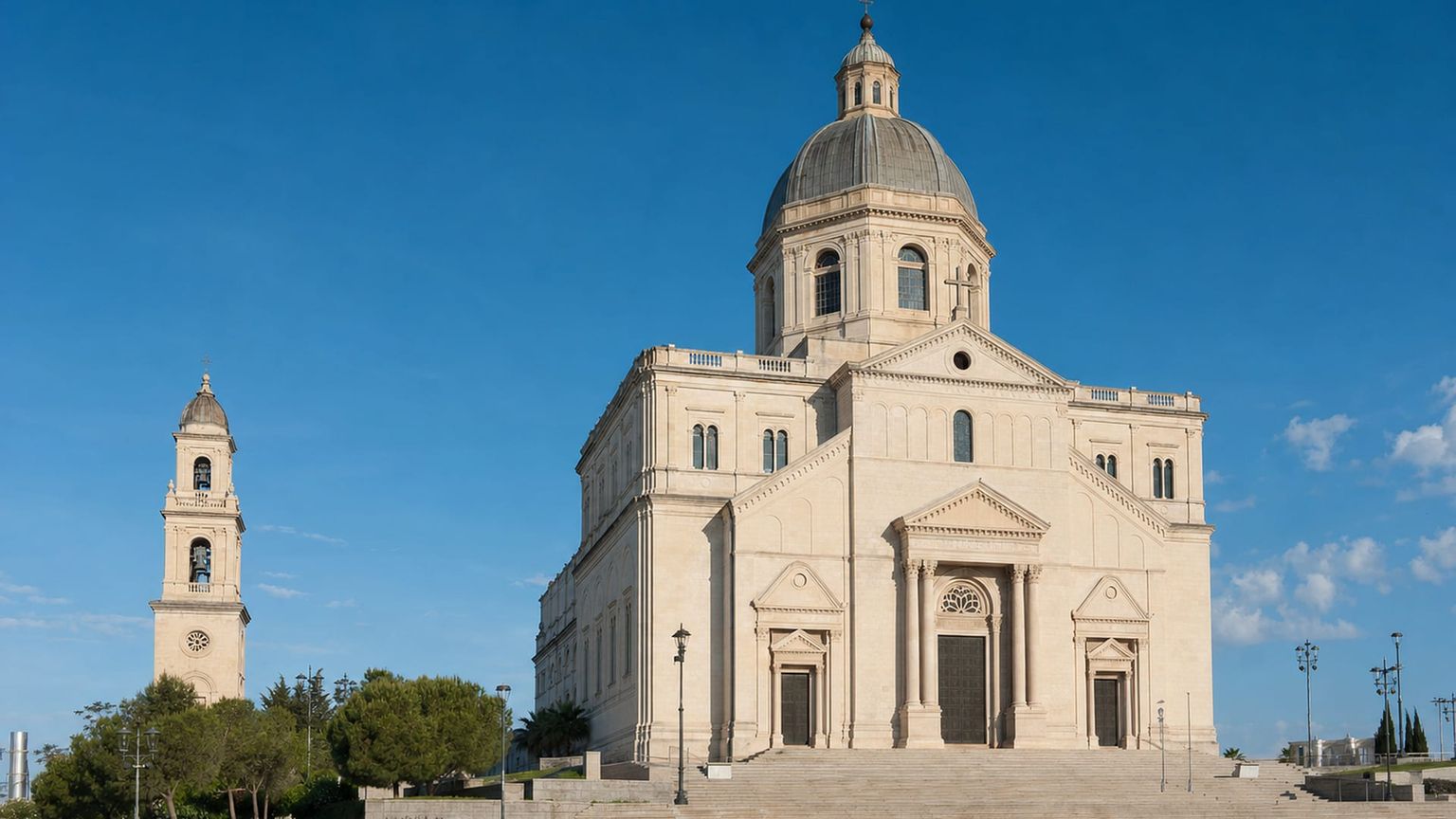
Bastione di Saint Remy
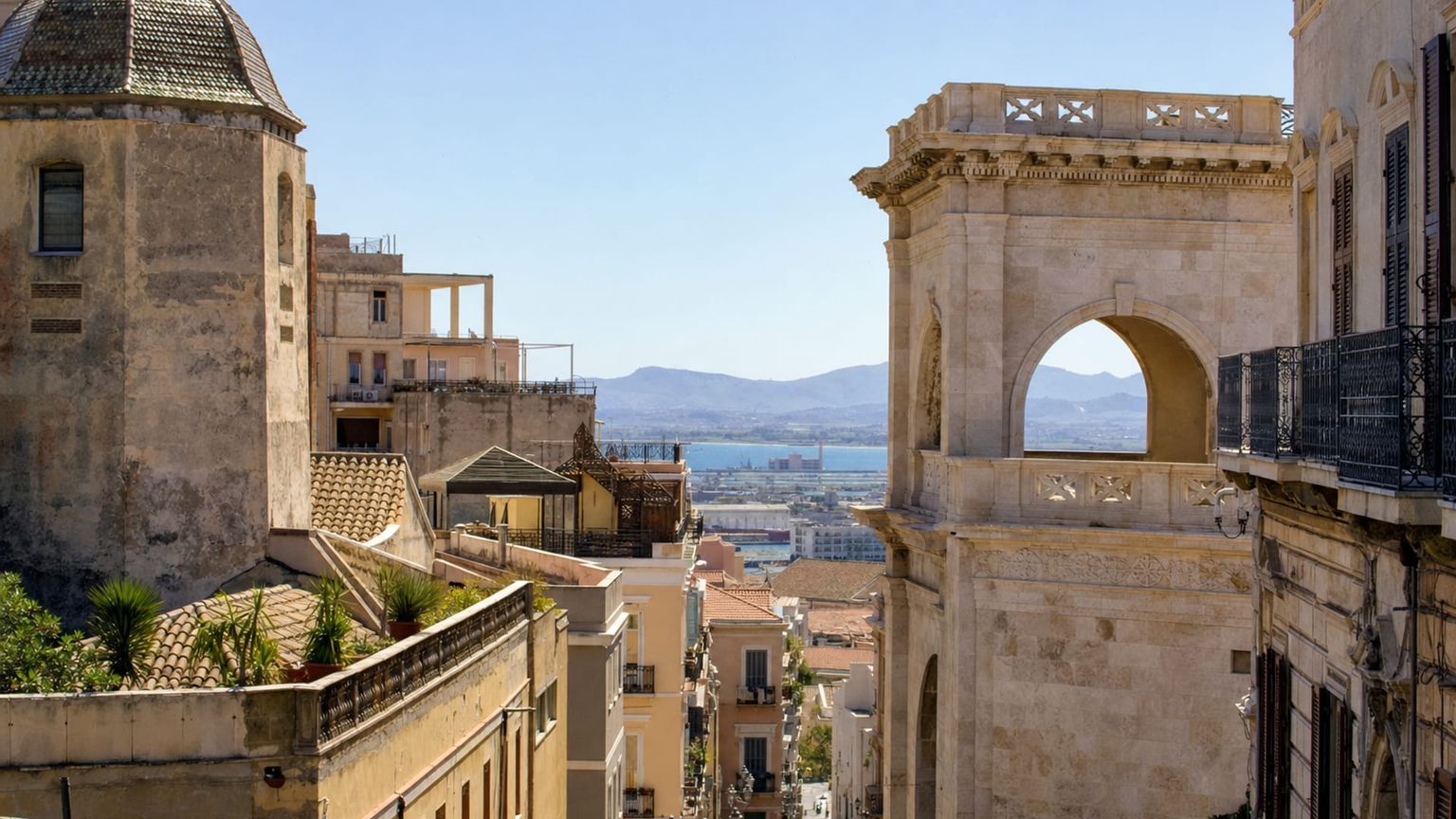
Cagliari’s grand stone terrace links the Marina and Castello districts with stairways, arcades, and wide city views. The promenade is one of the best places to read the old center’s street plan and watch the light change over the harbor.
Time needed: About 1 to 2 hours
Entry: Free to access
Tip: Go near sunset, then stay for the lit-up terrace and the view over the port below.

Cagliari Cathedral
In Castello, Cagliari Cathedral pairs a Romanesque-Pisan exterior with later Baroque additions, including a richly decorated crypt and marble details. Its layered interior reflects the city’s changing rulers and religious taste over centuries.
Time needed: About 1 hour
Entry: Free to enter the cathedral, crypt tickets cost about $3 to $5 (€3 to €5) depending on access Visit the official site for details.
Tip: Visit earlier in the day, then pair it with a slow walk through the surrounding Castello lanes.
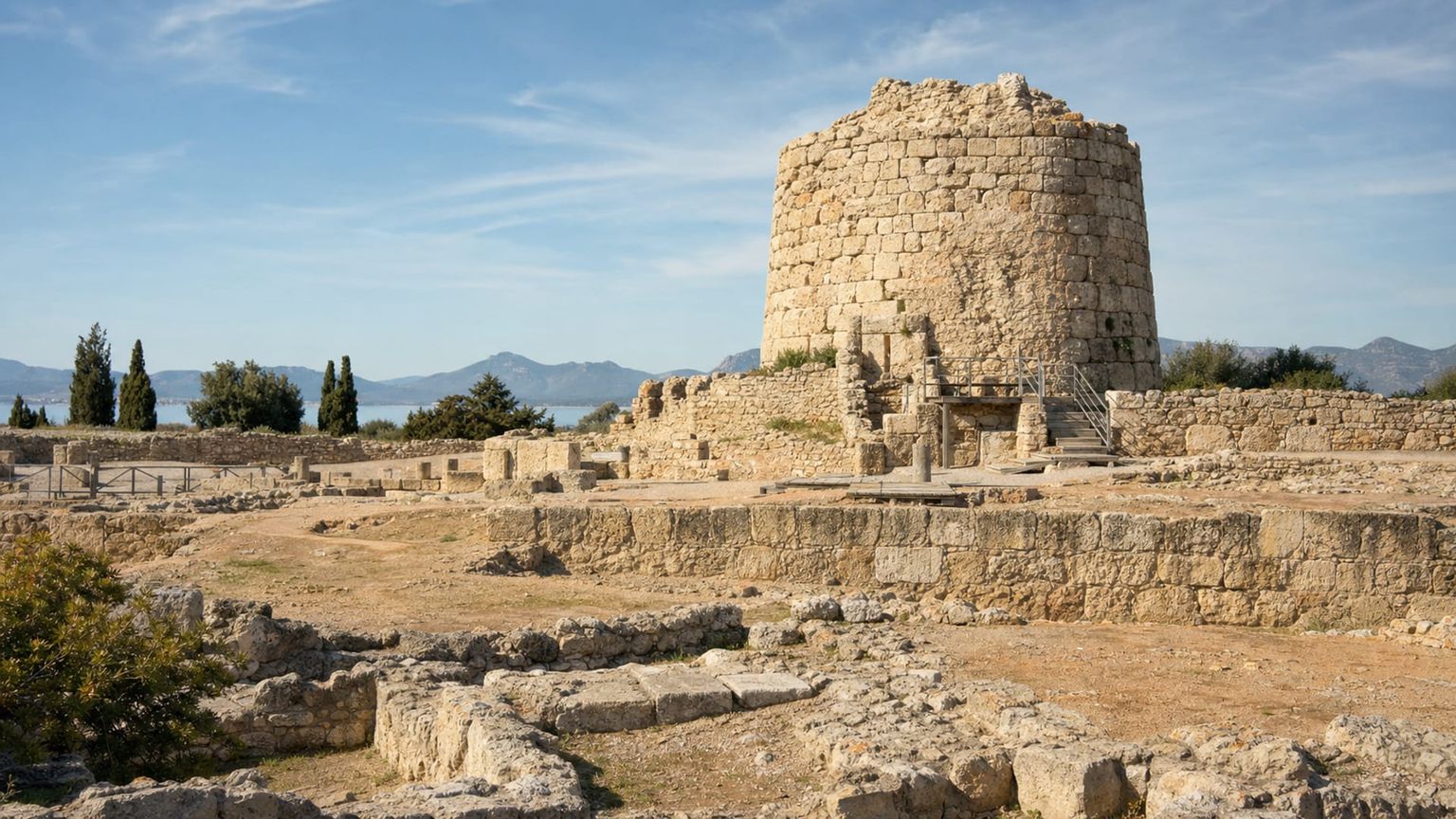
Basilica di Nostra Signora di Bonaria
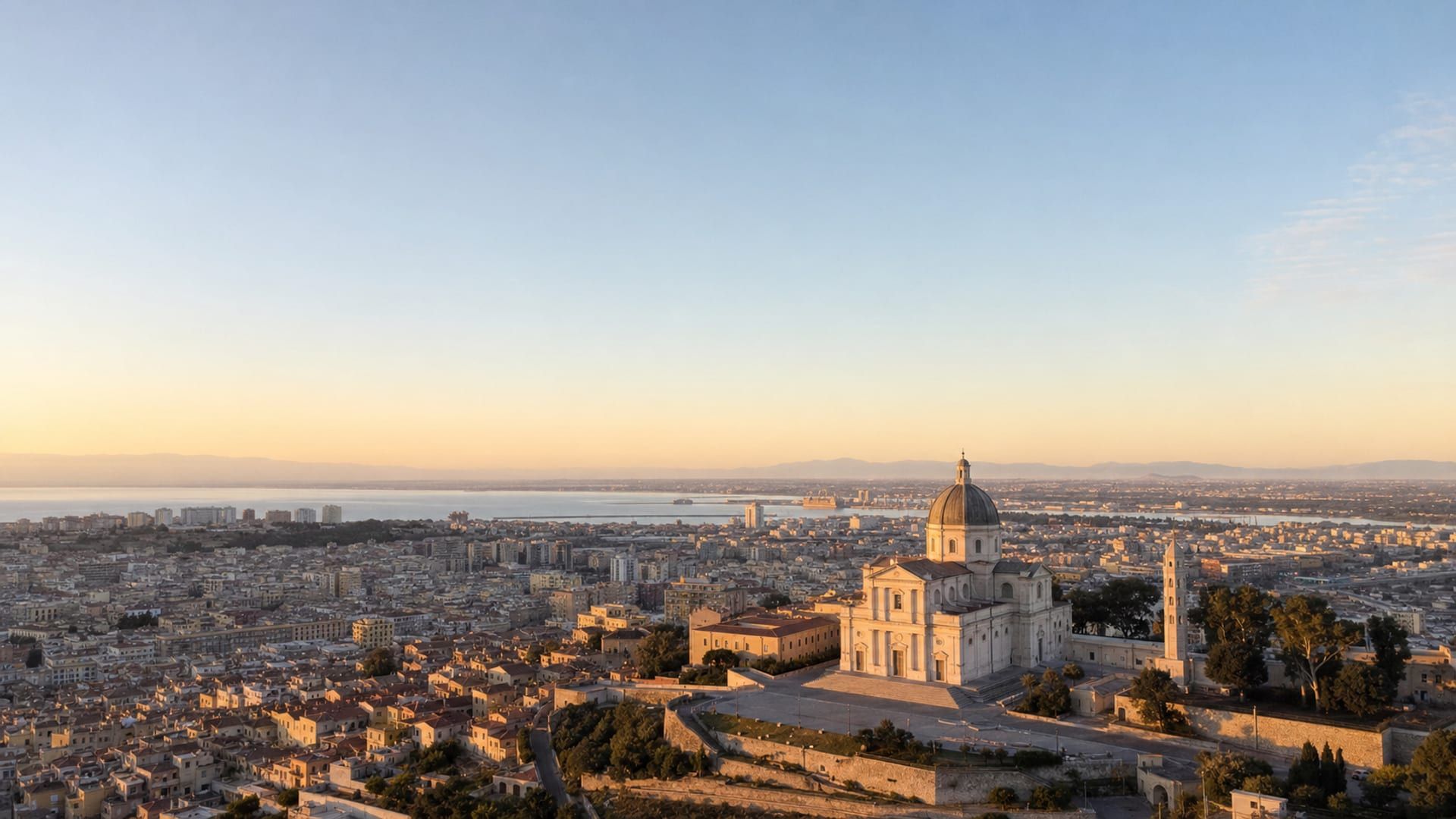
Set on Bonaria hill, this major sanctuary draws pilgrims for its marble interior, votive offerings, and strong maritime devotion. The hilltop setting also gives broad views toward the harbor and the eastern side of Cagliari.
Time needed: About 1 hour
Entry: Free to enter the basilica; museum access, when open, costs about $4 to $6 (€4 to €6) Visit the official site for details.
Tip: Combine it with a late afternoon visit, when the hill light is best and the harbor view opens up.
Overlooked sites worth visiting

Tuvixeddu Necropolis
On a limestone hill north of the center, this Punic and Roman burial complex spreads across terraces with carved tombs, quiet paths, and wide views over Cagliari’s rooftops and port.
Time needed: About 1 to 2 hours
Entry: Free to access. The site is open-air and ungated in parts, so you can visit without a ticket. Expect uneven ground, limited shade, and no staffed visitor facilities on much of the hill.
Tip: Go early or near sunset for cooler air and softer light.

Museo delle Cere Anatomiche, Clemente Susini
Inside the University of Cagliari’s Cittadella dei Musei, this small museum displays 18th-century anatomical wax models with surgical detail, linked to medical teaching and research.
Time needed: About 45 minutes
Entry: Standard admission costs about $5 to $8 (€5 to €7), depending on any combined museum ticket or concession rate. The collection is compact, so most visits stay under an hour. Visit the official site for details.
Tip: Pair it with the nearby archaeological collections in the same complex.
Traditional food
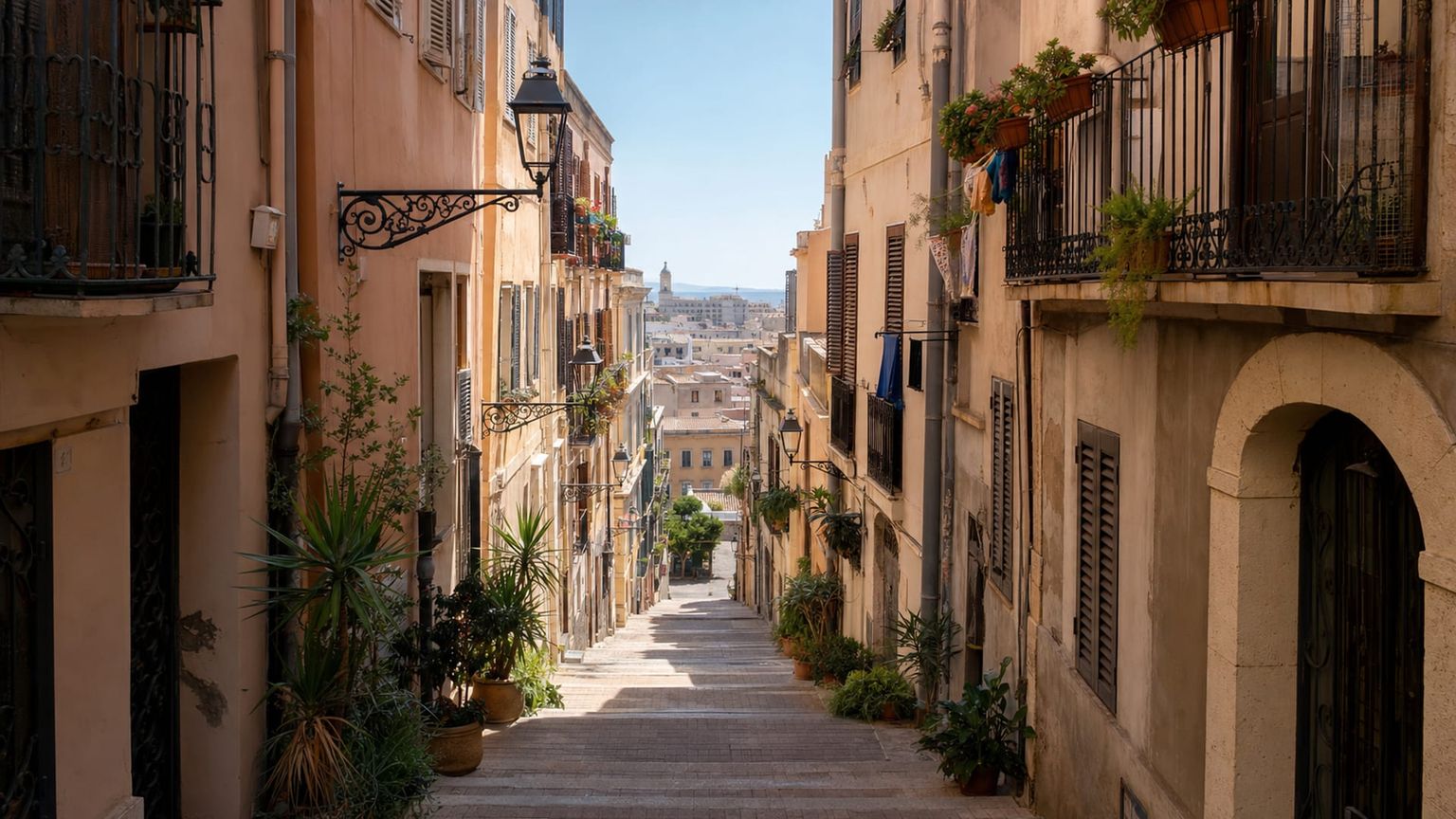
Cagliari’s table leans on saffron pasta, clams, pork, and almond sweets, with meal times that run late by northern European standards. Malloreddus, fregola with clams, seadas, and porceddu show up in trattorias, seafood rooms, and neighborhood cafés.
Malloreddus alla campidanese
These small ridged Sardinian dumplings usually arrive with sausage and tomato sauce, often finished with pecorino. Try them at Su Cumbidu, a central Cagliari restaurant that treats the dish as a house standard.
Fregola con arselle
This toasted Sardinian pasta comes with clams, garlic, and broth that ties the dish together without masking the shellfish. Antica Cagliari in Marina is a strong canonical stop for a polished version.
Porceddu
Slow-roasted suckling pig brings crackling skin and a deep, savory interior, usually served in generous portions. Sa Piola in central Cagliari is a reliable place to order it in a traditional setting.
Seadas
This dessert pairs fried pastry with fresh cheese and honey, so it lands between savory and sweet in a way that suits Sardinian meals. Niu Restaurant in Cagliari serves a well-known version after dinner.
Best time to visit Cagliari
Cagliari works in every season, but the harbor breezes, beach access, and exposed archaeological sites change the pace enough that timing shapes the trip.
Best for: Castello walks, Bonaria, and Nora before summer heat arrives
What you get: Temperatures often sit about 57 to 72°F (14 to 22°C), with manageable crowds and good light for sightseeing.
Trade-offs: Sea temperatures stay cool, so beach time can feel brief.
Best for: Poetto days, long evenings, and late dinners in Marina
What you get: Expect about 72 to 89°F (22 to 32°C), with the biggest crowds at the coast and around the promenade.
Trade-offs: Midday heat can make hilltop visits tiring.
Best for: Balanced sightseeing, restaurant evenings, and easy city walking
What you get: Highs usually run about 64 to 81°F (18 to 27°C), with fewer visitors than in peak summer.
Trade-offs: Stormier spells can interrupt beach plans.
Best for: Museums, local cafés, and quieter streets in Castello and Villanova
What you get: Temperatures are often about 48 to 61°F (9 to 16°C), with light crowds and shorter daylight hours.
Trade-offs: Some seaside spots and beach services scale back.
A realistic 5-day plan in Cagliari
A five-day stay in Cagliari works best when you separate the hill, the waterfront, and the coast instead of forcing everything into one long day. The route below starts with the center, then adds Bonaria, Villanova, Nora, and a final look at Tuvixeddu before departure.
Land at Cagliari Elmas Airport (CAG) and take the train or an airport taxi into the center, about 10 to 15 minutes by train or 15 to 20 minutes by road, with tickets usually about $1 to $3 (€1 to €3) and taxis roughly $20 to $25 (€20 to €25) to Marina, Villanova, or Castello. Check in near the waterfront or in the hilltop quarter, then keep the evening simple with water, a short walk to the promenade, and an early dinner in Marina, where cafés and seafood spots stay active without requiring a long cross-town trip.
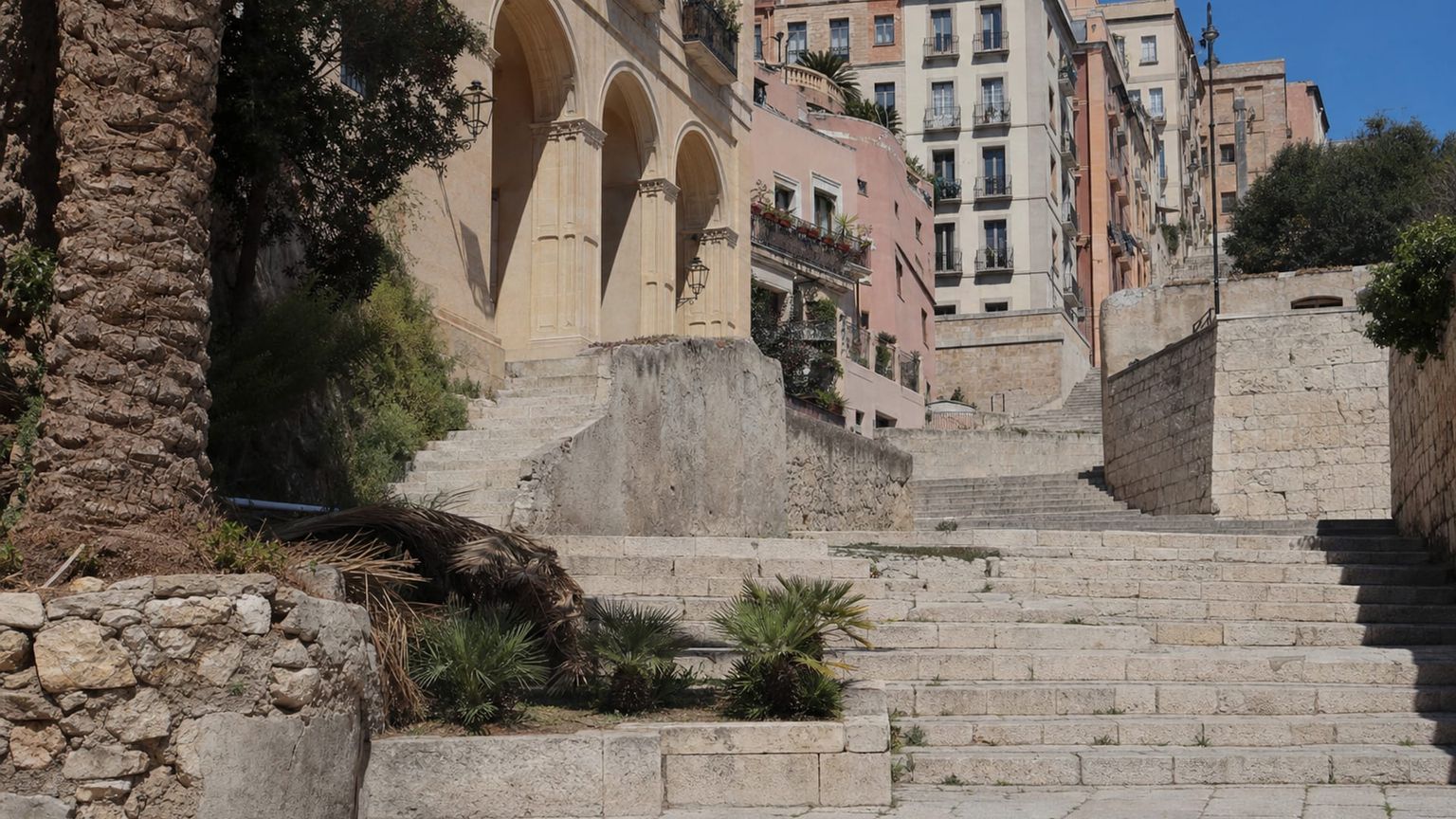
Start in Castello, where Cagliari’s main historic sights sit close together. Walk about 5 to 10 minutes from Cagliari Cathedral to Torre dell’Elefante, then spend roughly 45 to 60 minutes climbing the tower before continuing 10 minutes on foot to the Bastione di Saint Remy for harbor views and a coffee break nearby. In the afternoon, take a bus or taxi about 10 to 15 minutes south to the Basilica di Nostra Signora di Bonaria, then stay through late afternoon for the shrine, the museum, and the bay views from the steps.
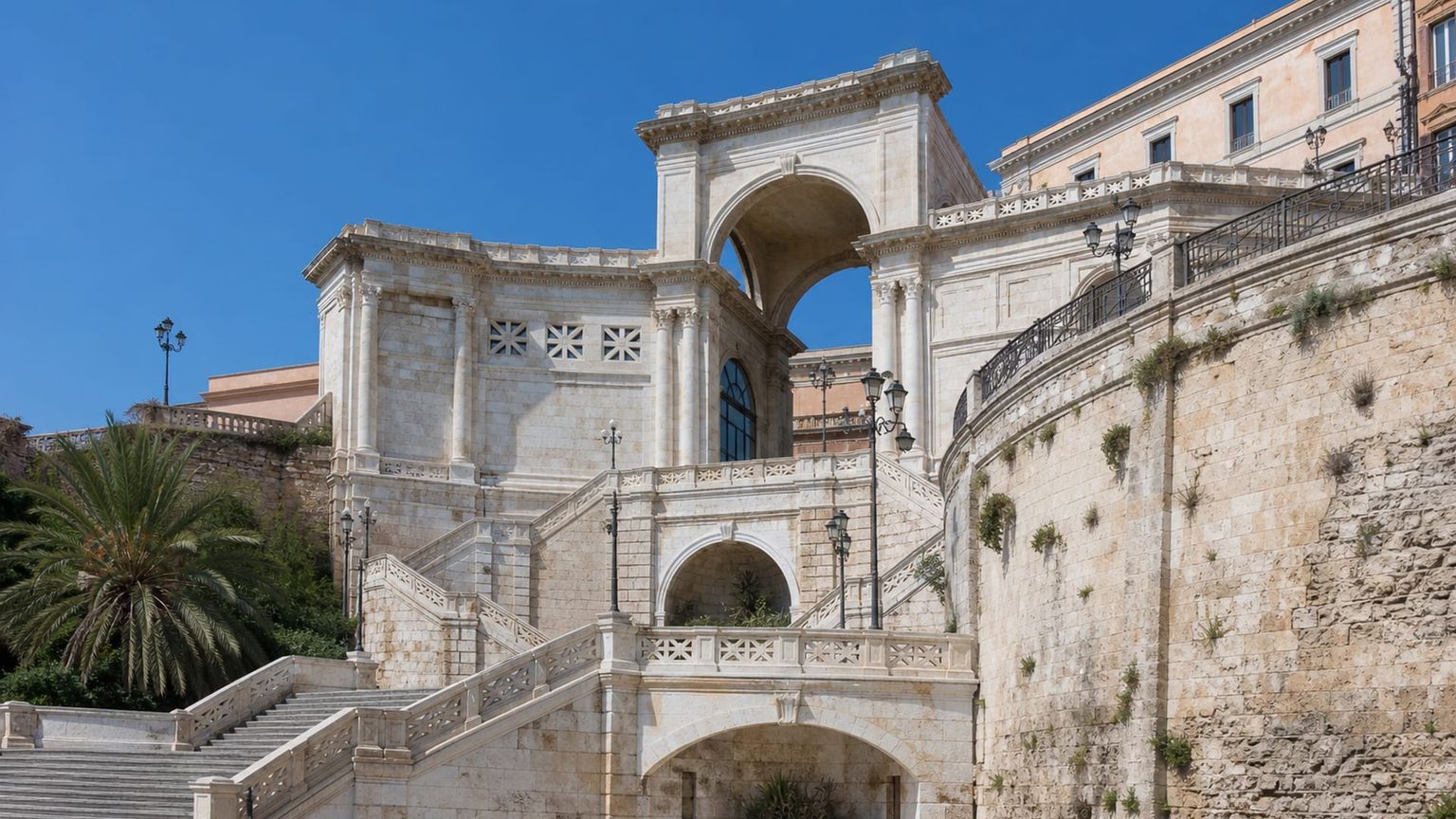
Begin with the Museo delle Cere Anatomiche, Clemente Susini in the Cittadella dei Musei, a compact stop that fits easily into the morning. From there, walk about 10 minutes to the edges of Castello for a slower look at the old streets, then head about 15 to 20 minutes downhill into Villanova for lunch among neighborhood cafés and small squares. After lunch, ride or walk back toward the center in about 10 minutes to finish the day at the Bastione di Saint Remy, where the terraces open onto the harbor and the evening light stays good for photos.
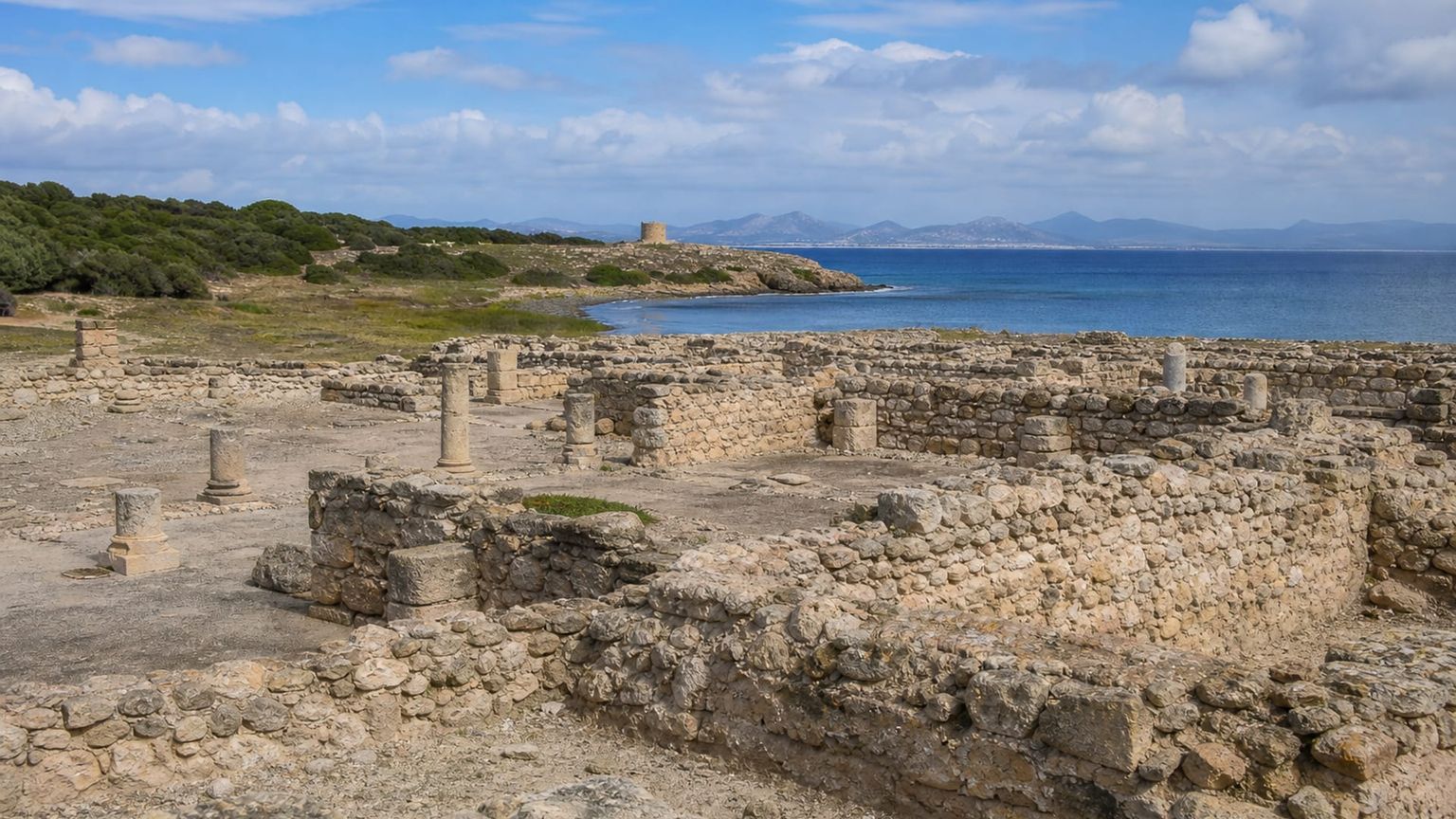
A half-day trip to Nora gives the trip a change of pace. From central Cagliari, reach the archaeological park by car or bus in about 40 to 50 minutes, then spend 2 to 3 hours among the mosaics, baths, theater, and seaside ruins. Return to the city in the afternoon and end near Marina, where dinner is easy after a longer outing and the station and port stay close if you need an early night.
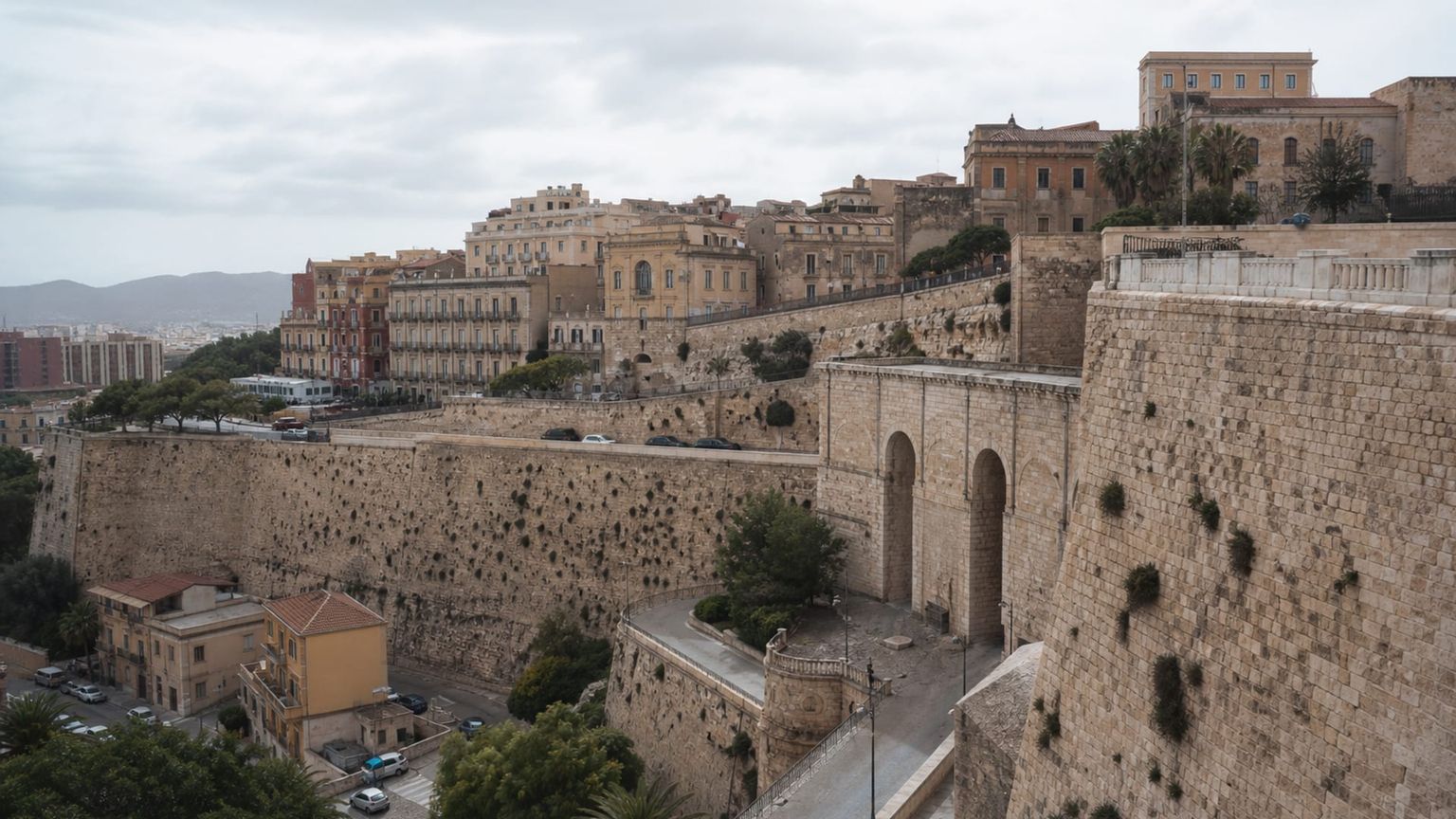
Before you depart, visit Tuvixeddu Necropolis early for an hour or so, when the limestone hill is cooler and the views over the rooftops are clearest. After that, wander back into Marina for last-minute shopping, then settle into a café in Villanova for a final espresso and pastry before heading to Cagliari Elmas Airport (CAG). The airport trip usually takes about 10 to 15 minutes by train or 15 to 20 minutes by taxi, so you can leave the center without much stress.
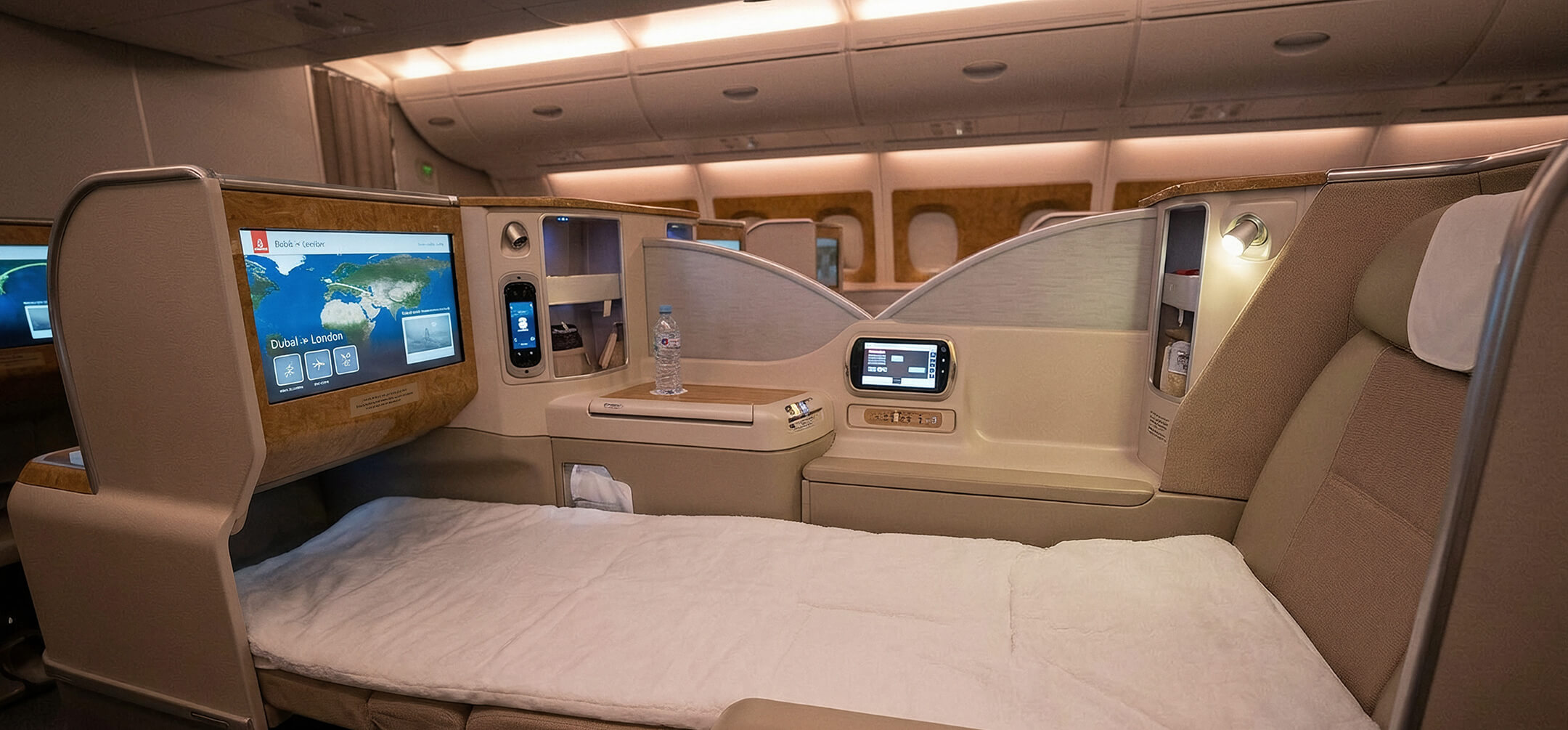
Business-class flights from the US to Cagliari
Cagliari usually reaches long-haul travelers through one-stop itineraries, and the most useful comparisons come from New York and Los Angeles. The route choice often comes down to which European hub fits your schedule.
From New York, ITA Airways, Lufthansa, Air France, British Airways, Iberia, and Turkish Airlines all appear on the market, with one-stop itineraries via FCO, FRA, CDG, LHR, MAD, or IST and total travel times of about 13 to 19 hours. Round-trip fares usually start at about $2,400 and can reach $5,800.
Los Angeles travelers typically see Lufthansa, Air France, Iberia, British Airways, and Turkish Airlines, with one-stop itineraries through FRA, CDG, MAD, LHR, or IST and total travel times of about 15 to 21 hours. Round-trip business fares from Los Angeles often run from $2,900 to $6,800, and the European hub you choose can shift the price significantly.
Cagliari feels different when you slow down
A deliberate Cagliari trip follows the city’s own geography: Castello in the morning, Marina for dinner, Villanova for cafés, Bonaria for the views, and a rail or taxi transfer that keeps the airport leg short. Add Nora or Tuvixeddu when you want the day to stretch beyond the center. If you want a route shaped by neighborhoods instead of guesswork, AranGrant experts can help you build it