

Chapters:

Need help with your trip?
Our support team is available 24/7. Request a callback or call us directly at (833) 619-0908
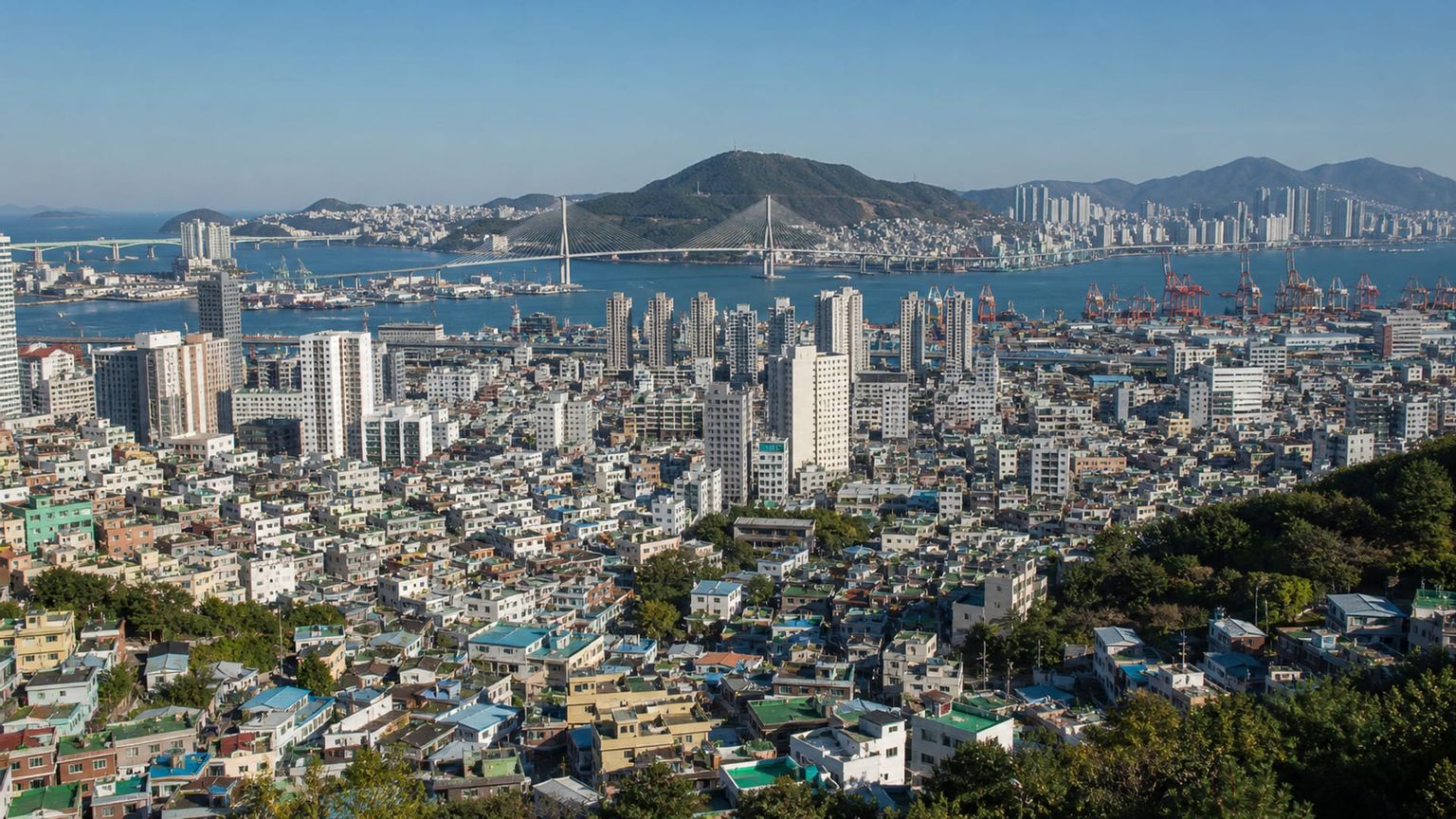
Busan itineraries often begin at Haeundae, pause for a temple stop, then rush through Nampo-dong before the flight home. That sequence covers the headline sights, but it can leave the city looking like a set of disconnected stops.
The distances are wider than they seem on a map, and the busiest districts, from station exits to market lanes, can slow a day when you stack too much into one stretch. If you do not account for transit time, the coast, the harbor, and the hillside neighborhoods compete with each other.
This guide spaces the city out by area, with a pace that matches Busan’s geography and keeps each day centered on one part of town.
Useful things to know

Main language(s): Korean
안녕하세요 (annyeonghaseyo) – Hello / good morning
주세요 (juseyo) – Please
감사합니다 (gamsahamnida) – Thank you
영어 하세요? (yeongeo haseyo?) – Do you speak English?
얼마예요? (eolmayeyo?) – How much does it cost?

Currency: The local currency is the South Korean won (KRW, ₩).

Cash and cards: Cards and contactless are widely accepted; carry about ₩20,000 to ₩50,000 ($15 to $37) for small vendors and transit.

Tipping: Tipping is not customary; round up a taxi fare if you want, but restaurants do not expect it.

Traditional food: Dwaeji gukbap, milmyeon, ssiat hotteok, nakgopsae

Water and coffee costs: Water about ₩1,000 to ₩2,000 ($1 to $2), bar espresso about ₩4,000 to ₩5,500 ($3 to $4).

Taxis and ride apps: Kakao T operates here; Uber works via Kakao T in some cases.

Plug and voltage: Type C/F socket, 220V

Dining and shop opening hours: Breakfast is about 7:00-9:00 am, lunch 12:00-2:00 pm, and dinner 6:00-9:00 pm. Many barbecue spots and late-night eateries stay open until about 10:00 pm or later.

Emergency number: 112 for police and 119 for fire and ambulance.
Where to stay in Busan
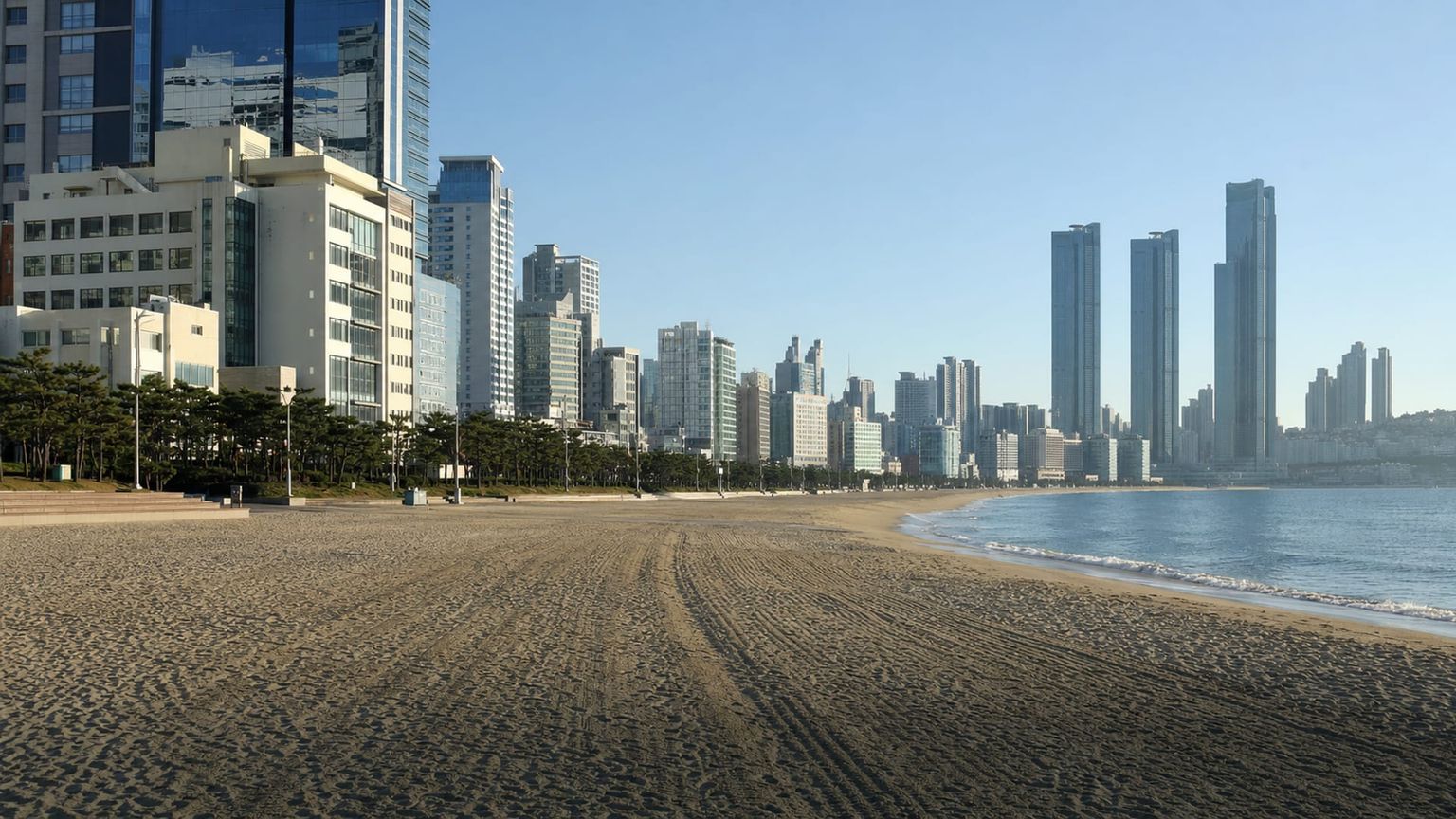
Busan’s best-known beach district, Haeundae pairs a long sandy shoreline with high-rise hotels, the aquarium, and a dense dining strip. It suits visitors who want easy access to the coast, major attractions, and late-night options without leaving the eastern side of the city.
Best for: Beach time, hotel-based stays, and travelers who want a high-activity base with many dining and entertainment options
What to expect: Broad sidewalks, beach promenades, and heavy evening foot traffic around the main restaurant streets and hotel blocks.
Hotel prices: Usually about $120 to $280 per night for well-rated stays
Distance to major sights: About 25 to 35 minutes by subway to Nampo-dong and Jagalchi Market; about 5 to 10 minutes on foot to Haeundae Beach
Quietness: Busy through the day and lively at night, especially near the beach and bar streets; side streets calm down earlier.
Main trade-off: You pay more here than in outer districts, and peak-season weekends can be crowded and expensive.
Good to know: If you want easy beach access, book early for summer and holiday weekends, because the best rooms sell out fast.
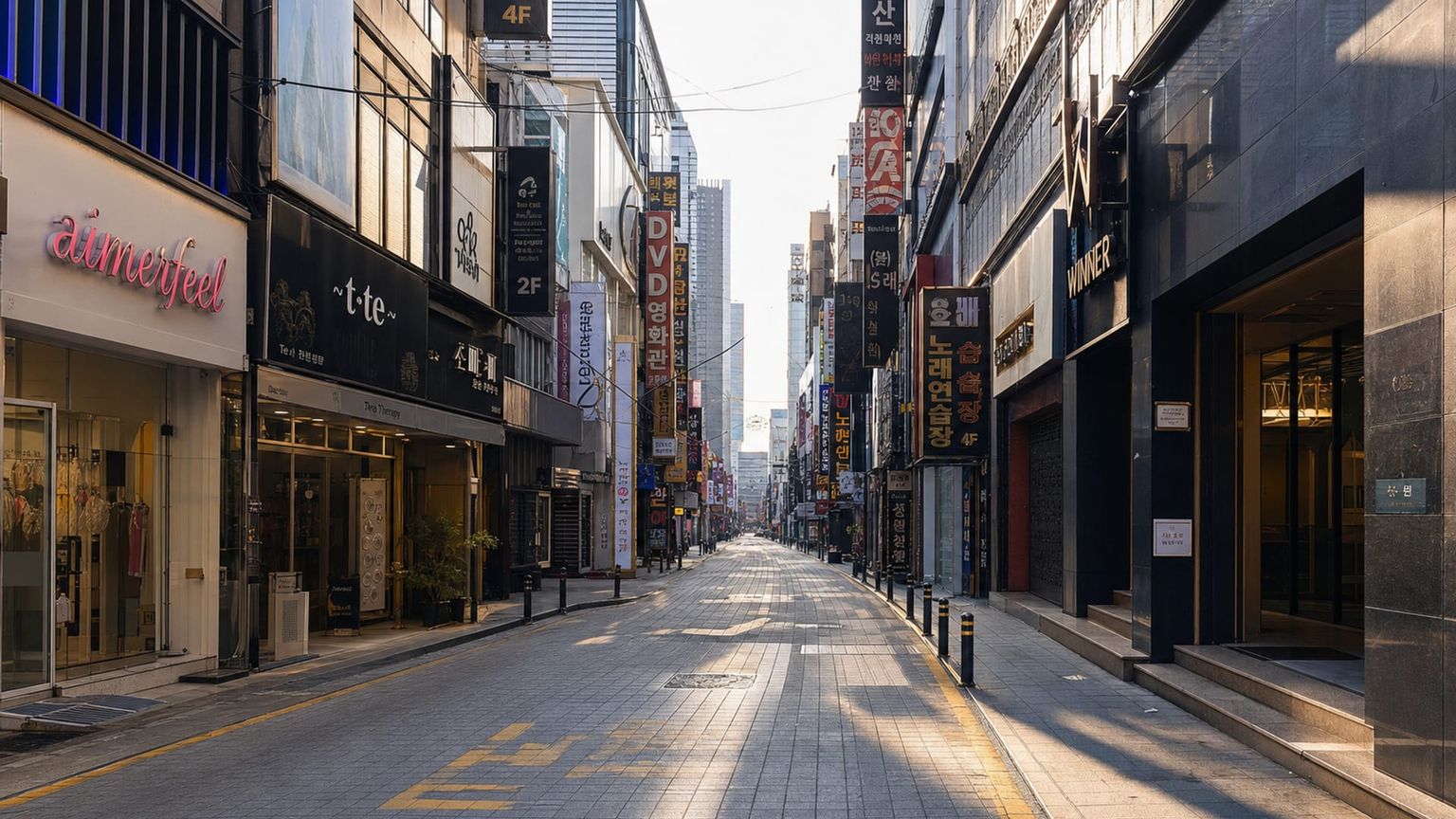
Seomyeon sits at Busan’s central rail and subway crossroads, with department stores, clinics, cafes, and one of the city’s busiest dining and nightlife grids. It works well as a transport base for moving across Busan while staying close to shopping and after-dark activity.
Best for: Metro access, shopping, nightlife, and travelers who plan to move across multiple parts of Busan
What to expect: Dense blocks, bright signs, and constant pedestrian flow from morning until late evening, especially near the station exits.
Hotel prices: Usually about $70 to $180 per night for well-rated stays
Distance to major sights: About 20 to 30 minutes by subway to Nampo-dong; about 25 to 35 minutes by subway to Haeundae Beach
Quietness: Active all day and late into the night, with the noisiest streets clustered near bars and station exits.
Main trade-off: The central location cuts transit time, but the area can feel hectic and room rates rise on weekends.
Good to know: Choose a room a few streets off the main station exits if you are sensitive to late-night noise.
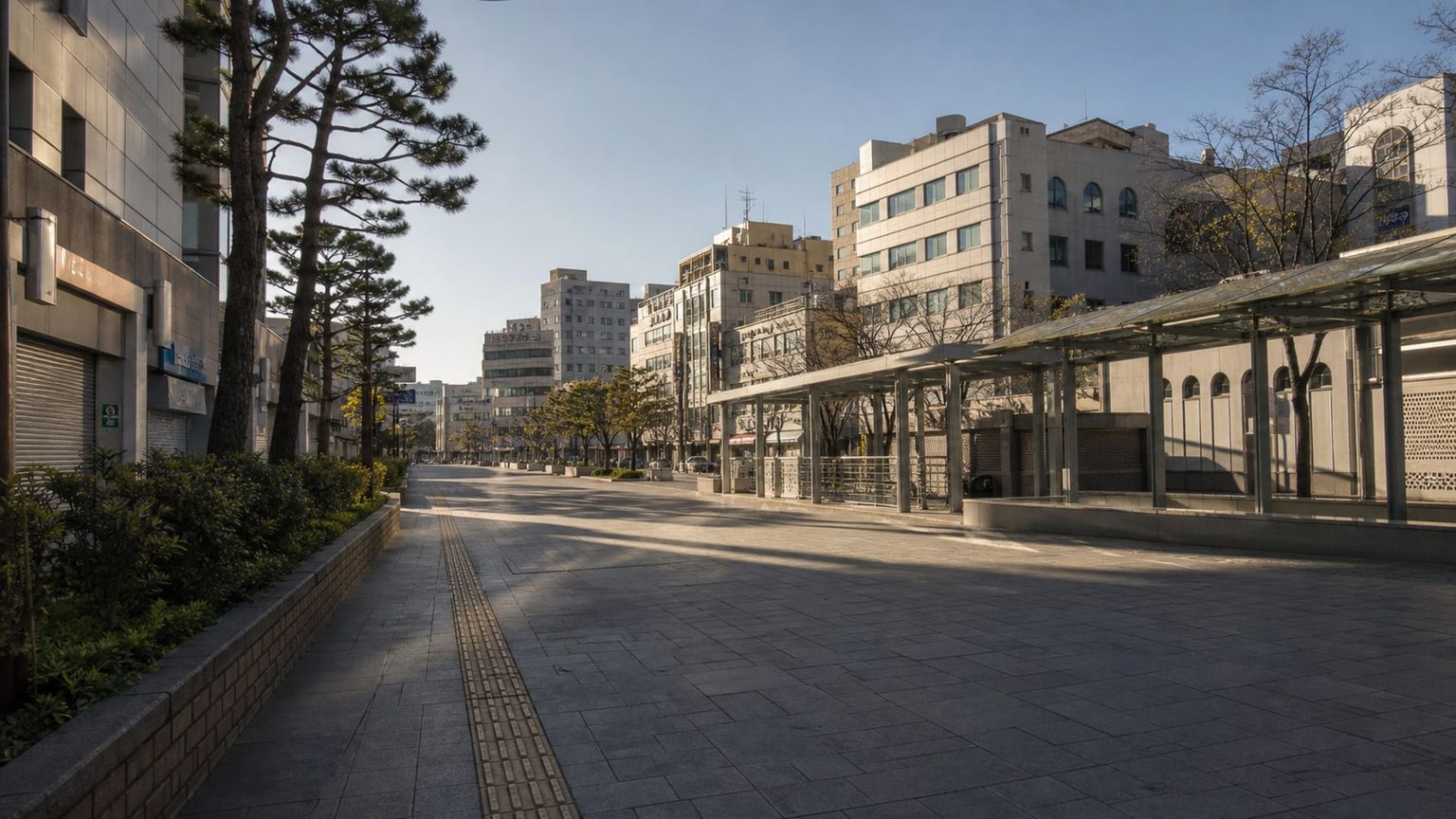
Nampo-dong is Busan’s older downtown shopping and food district, anchored by Gukje Market, BIFF Square, and the harbor edge near Jagalchi Market. It gives you quick access to street food, traditional markets, and several of the city’s most recognisable sights.
Best for: Markets, street food, city sightseeing, and travelers who want to walk to several downtown sights
What to expect: Narrower streets, market stalls, seafood restaurants, and steady pedestrian traffic from late morning into the evening.
Hotel prices: Usually about $60 to $150 per night for well-rated stays
Distance to major sights: About 5 to 10 minutes on foot to Jagalchi Market; about 10 to 15 minutes on foot to BIFF Square
Quietness: Lively in the day and early evening, then quieter late at night once market and restaurant traffic drops.
Main trade-off: You gain proximity to food and sights, but rooms can be smaller and the area offers fewer upscale hotel choices.
Good to know: Expect early-morning market activity, so light sleepers should avoid rooms facing the busiest food streets.
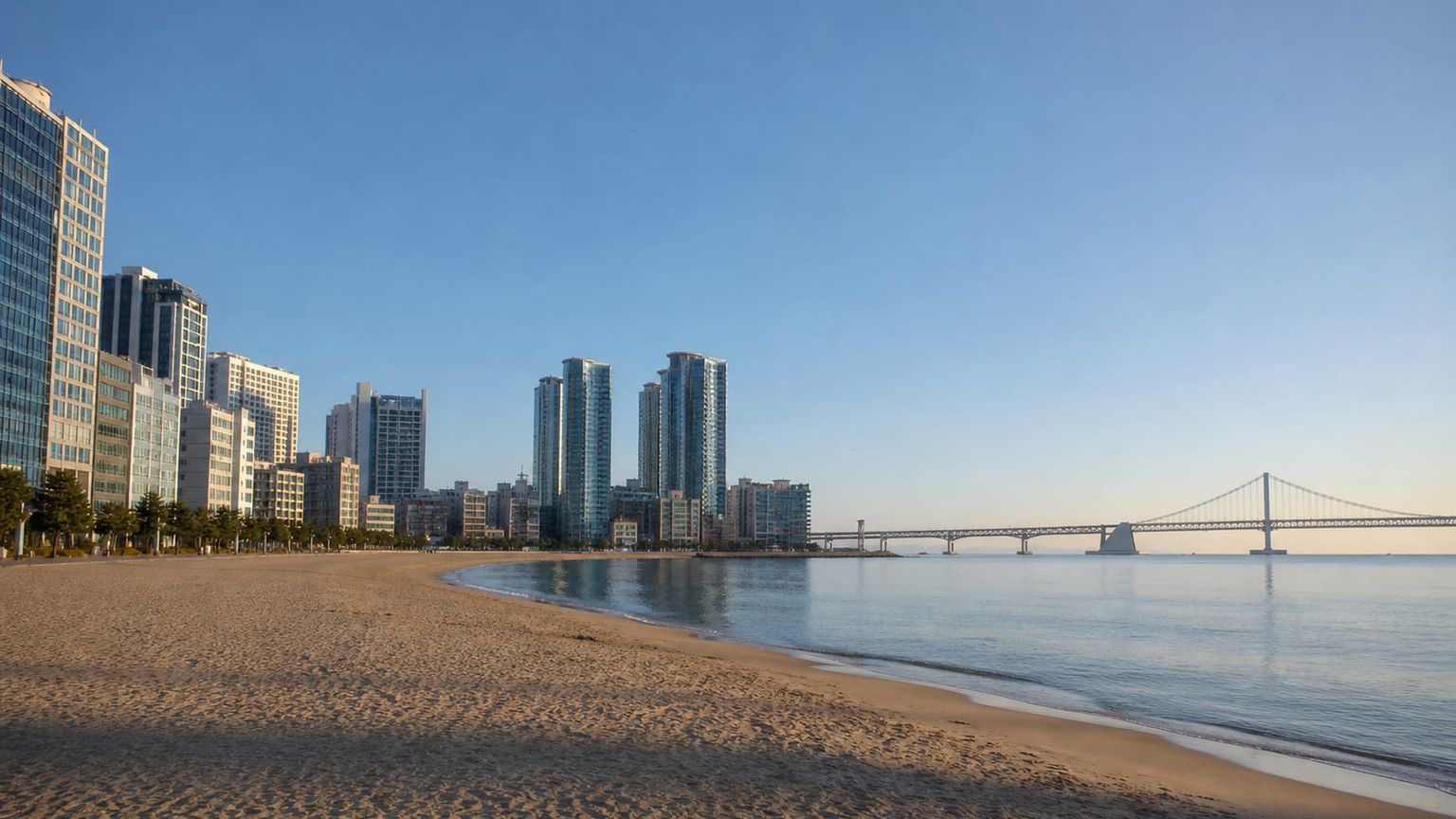
Gwangalli lines a crescent beach facing Gwangan Bridge, with cafes, bars, and apartments set along one of Busan’s most photogenic waterfronts. It suits travelers who want seaside views, evening walks, and a somewhat less intense beach scene than Haeundae.
Best for: Waterfront stays, bridge views, cafes, and travelers who want a beach area with a more local evening scene
What to expect: A busy promenade, cafe tables, and a strong evening crowd drawn to the bridge views and beachfront restaurants.
Hotel prices: Usually about $90 to $220 per night for well-rated stays
Distance to major sights: About 20 to 30 minutes by bus or subway to Haeundae Beach; about 25 to 40 minutes by bus or subway to Nampo-dong
Quietness: Calm in the morning and afternoon, then much busier after sunset along the beach and cafe strip.
Main trade-off: The setting is appealing, but transit to Busan’s older downtown sights takes longer than from central districts.
Good to know: If bridge views matter, request a high floor or a sea-facing room, because lower rooms often look onto side streets or neighboring buildings.
Travelers usually avoid Sasang-gu for a sightseeing stay because it sits well west of the main coastal and central attractions, even though it is useful for Busan (PUS) airport access. Gangseo-gu is also less convenient for visitors, since many districts there are far from Haeundae, Seomyeon, and the harbor areas, with fewer hotel and dining options after dark. Geumjeong-gu and the outer parts of Buk-gu are typically better for local residential stays than for first-time visitors, because they are inland, more spread out, and require longer rides to the main sights.
Hotel deals
How to get around Busan efficiently
Busan (PUS) links best by subway, bus, and taxi, but airport trips often start with a bus to Sasang before you switch to Metro Line 2.

Metro
for longer distances
Busan Metro uses 6 color-coded lines, and most airport trips rely on a transfer rather than a direct rail link. From Busan (PUS), the fastest rail combo is usually the airport limousine bus or taxi to Sasang, then Metro Line 2; a typical airport-to-central-Busan trip takes about 50 to 70 minutes by rail plus transfer. Single metro rides cost about $1 to $1.50, with stored-value cards accepted and transfer discounts available within the card system; tickets are valid for one trip, while transit cards can be reused.

Bus and tram
for convenience
Route 307 links Busan (PUS) with Sasang and parts of the west side, while the airport limousine bus reaches major hotel and rail areas such as Seomyeon, Haeundae, and Busan Station depending on the route. Expect about $1 to $6 depending on distance and bus type, with airport limousine services taking roughly 40 to 80 minutes in normal traffic. Pay on board with cash or a transit card, and check the destination on the front sign because several long-distance routes serve the airport area.

Taxi
for convenience or late hours
Licensed taxis at Busan (PUS) use meters, not fixed citywide fares, although the airport does publish zone-based flat rates to some destinations. A ride to central Busan usually costs about $12 to $30 in a standard taxi, and late-night trips or longer cross-city rides can run higher; travel time to Seomyeon or Busan Station is roughly 25 to 45 minutes, traffic permitting. Hail only licensed cabs at the marked ranks, and most accept cash, credit cards, and transit cards.
*Prices are based on rates updated as of June 2026 and may change at the time of travel.
Use the subway for cross-city moves, buses for direct links to beaches and hillsides, and taxis when you want to cut time between districts or reach a late dinner.
Iconic landmarks
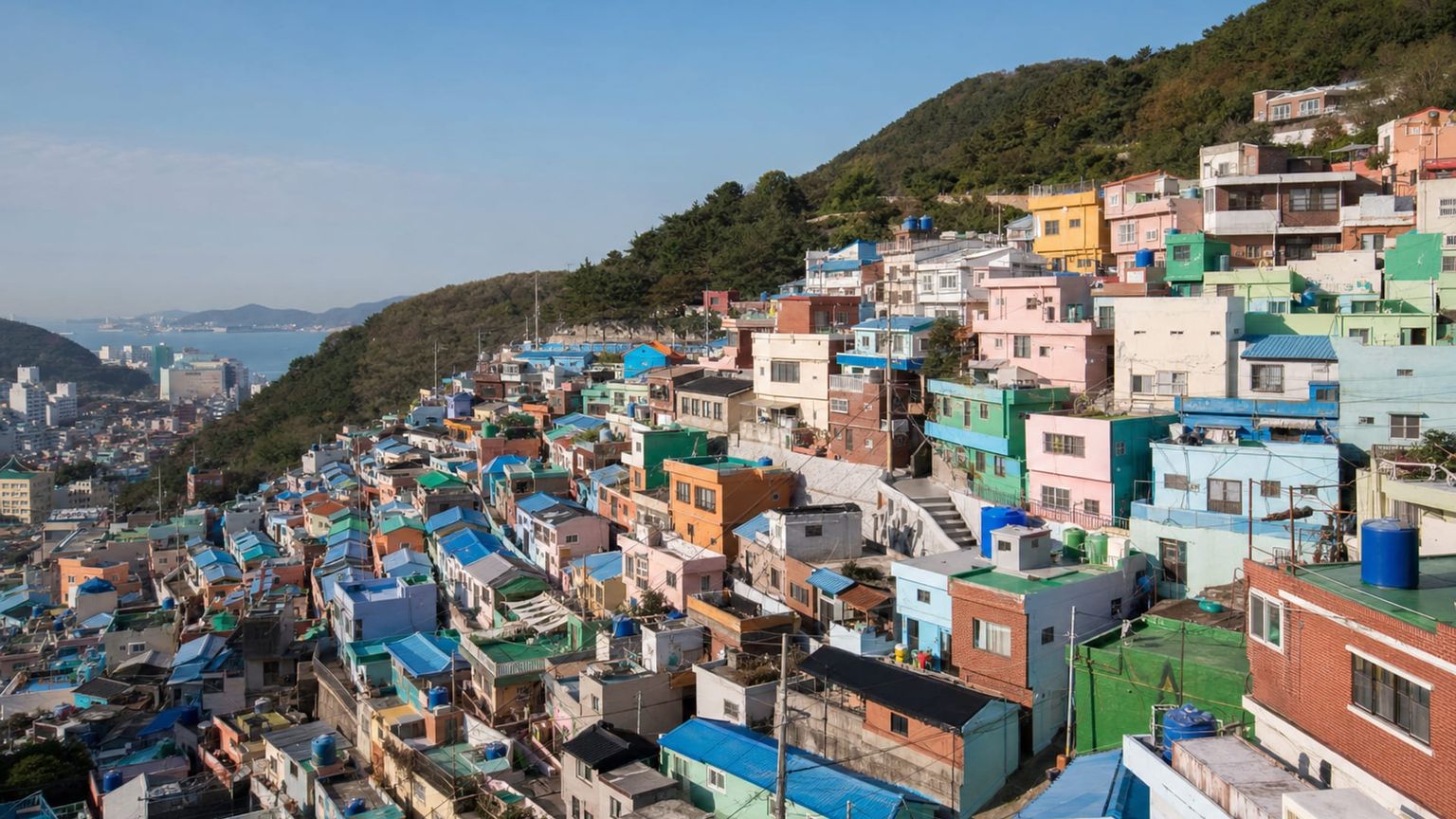
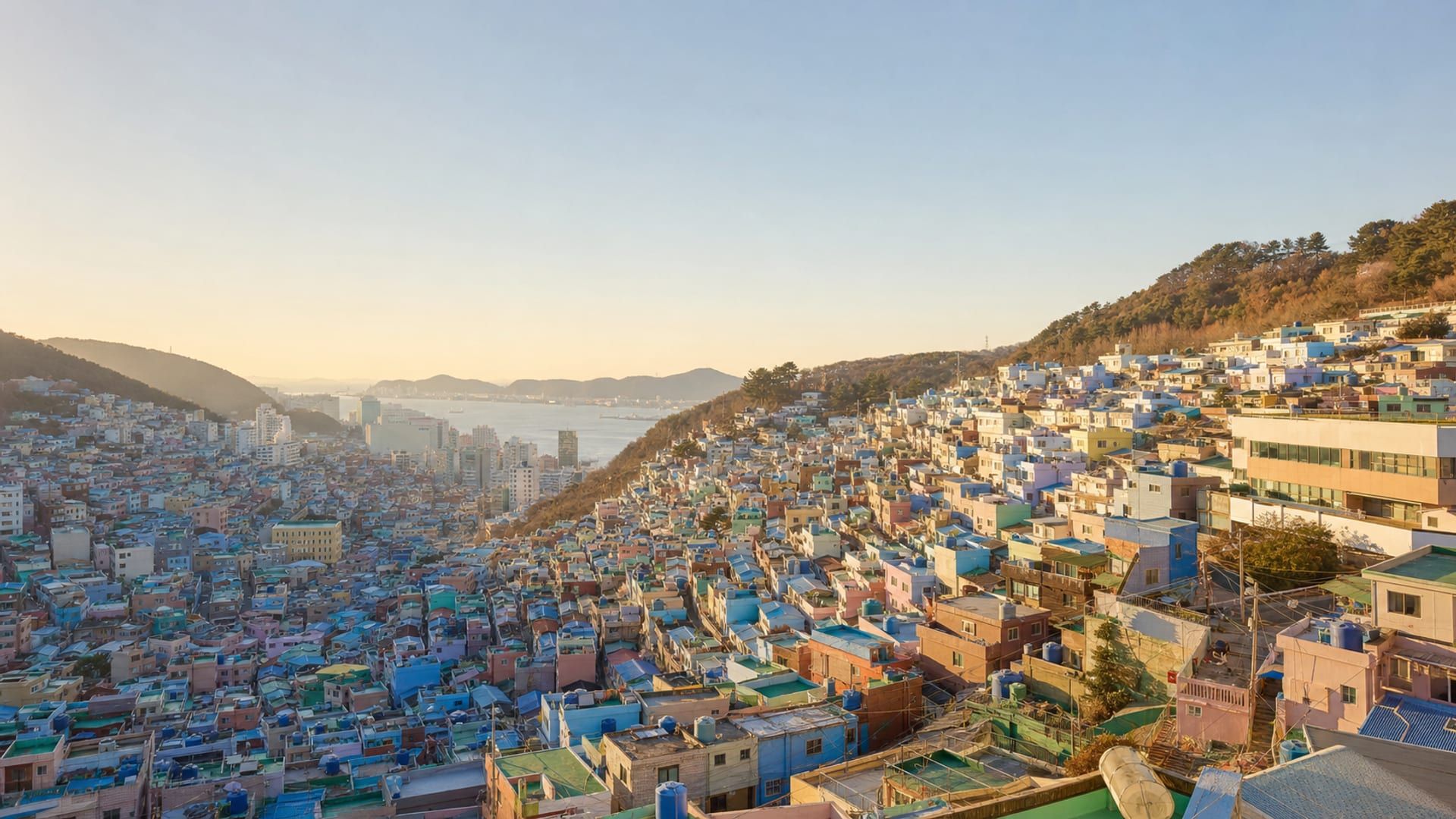
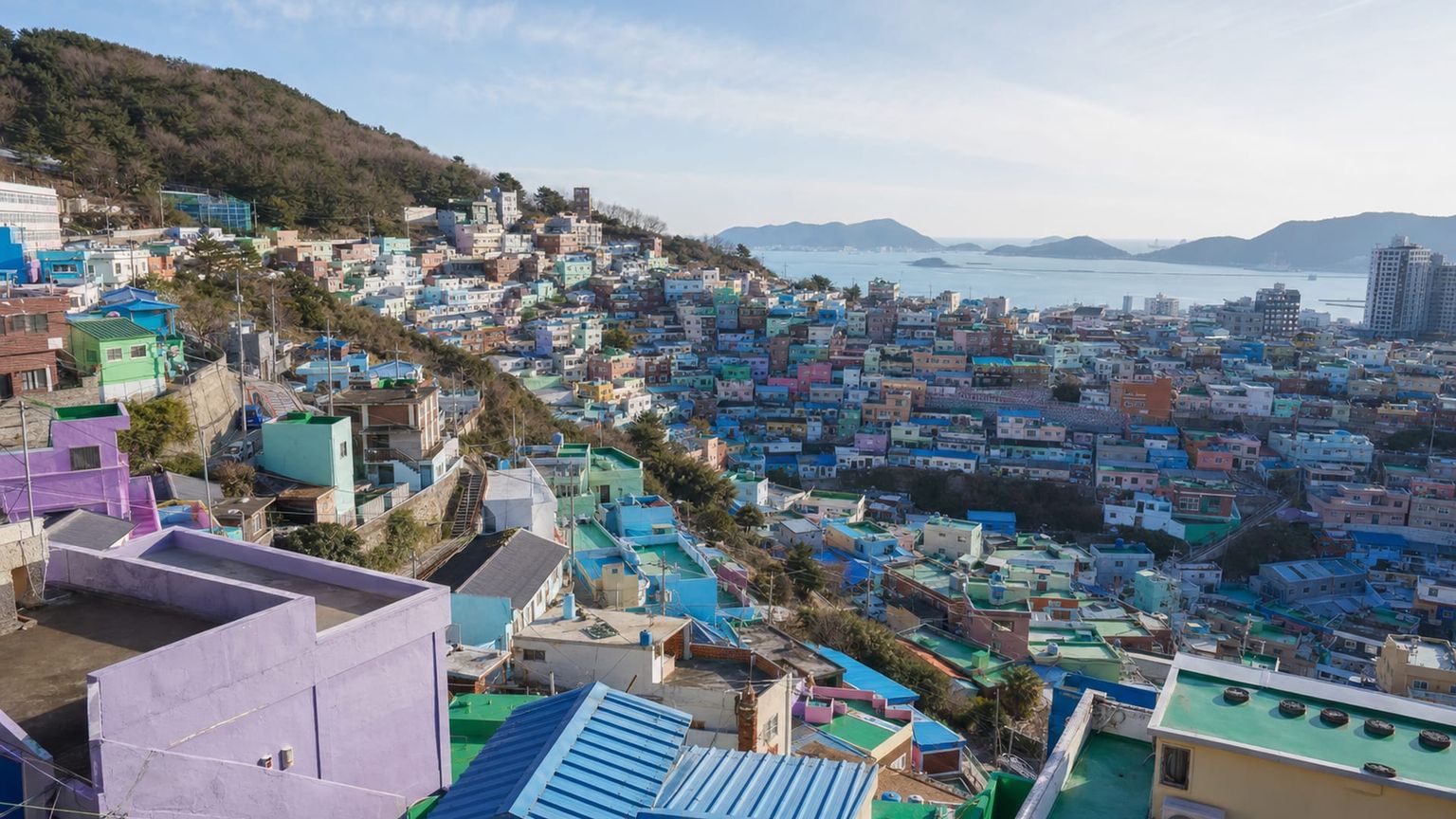
Gamcheon Culture Village
Stepped alleys, hillside houses, and mural-covered lanes make Gamcheon one of Busan’s best-known neighborhoods. Small cafes, viewpoint terraces, and public art cluster along steep streets above the harbor, with the village’s layout shaped by postwar settlement.
Time needed: About 2 to 3 hours
Entry: Free to enter; paid exhibits, cafes, and souvenir shops are optional on site, and some viewpoints charge small fees for lifts or photo spots.
Tip: Visit in the morning for softer light and fewer tour groups on the lanes.
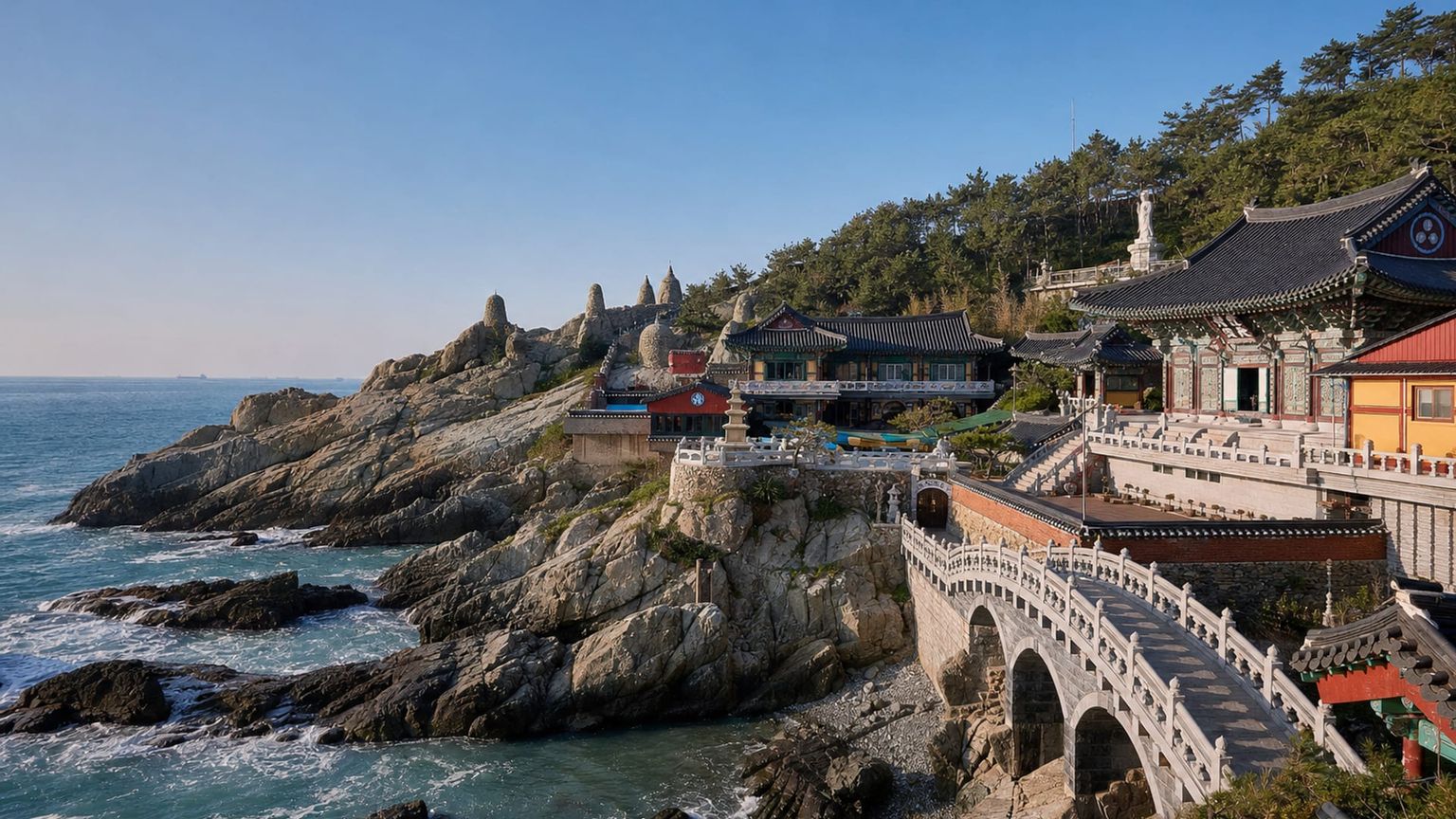
Haedong Yonggungsa Temple
This seaside Buddhist temple sits on rocky shoreline east of the city, with stone bridges, pagodas, and stairways overlooking the water. Spring visits bring cherry blossoms, while sunrise and ocean spray give the complex its best-known setting.
Time needed: About 1 to 2 hours
Entry: Free to enter; donations are welcome, and parking fees may apply for cars and tour buses at the temple complex. Visit the official site for details.
Tip: Arrive at sunrise or early morning, before buses fill the coastal parking area.
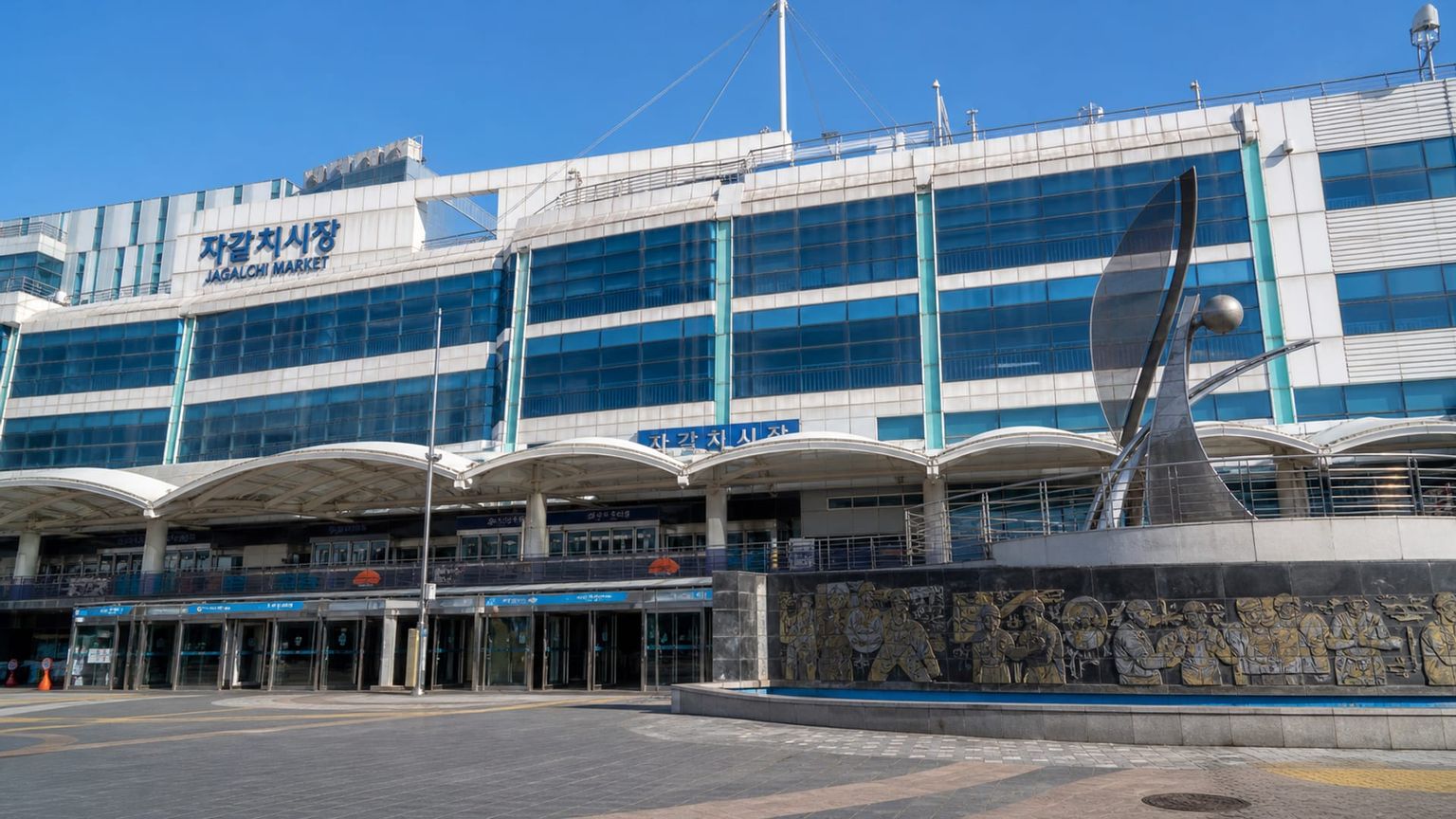
Jagalchi Fish Market
Jagalchi is Busan’s signature seafood market, with rows of live tanks, filleting counters, and upstairs dining rooms serving the catch of the day. The waterfront setting and nearby Nampo streets make it one of the city’s most direct food experiences.
Time needed: About 1 to 2 hours
Entry: Free to enter; seafood prices vary by catch, and most upstairs restaurants charge cooking fees plus the market price per kilogram. Visit the official site for details.
Tip: Go before lunch for the widest selection and shorter waits at the seafood counters.
Overlooked sites worth visiting

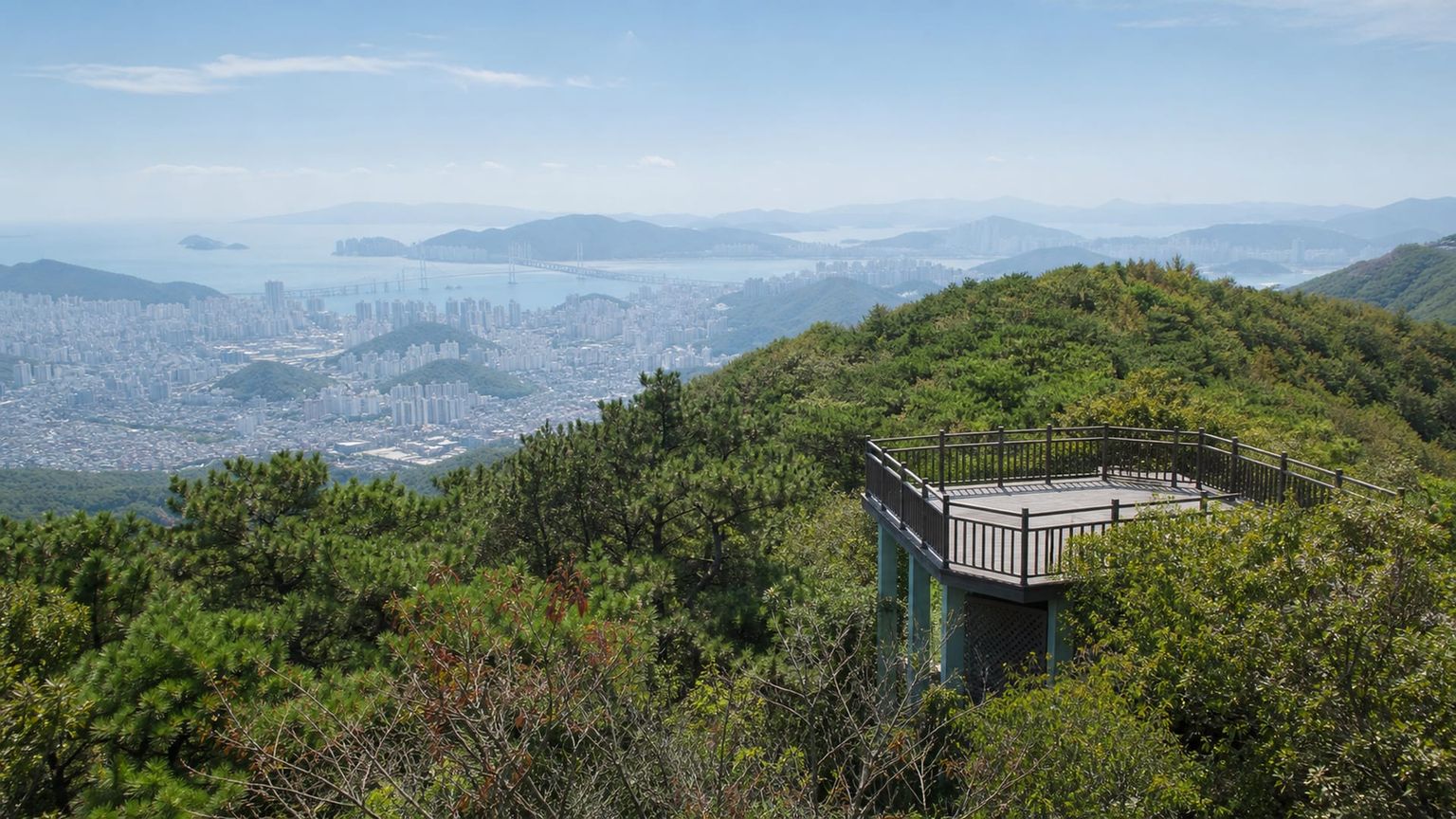
Apsan Observatory
Ride the cable car up for wide views over Busan, then walk the ridge paths to a lookout with clear city, harbor, and mountain sightlines. Go late in the day for softer light.
Time needed: About 1 to 2 hours
Entry: Cable car and observatory access typically cost about $6 to $10 ($8,000 to ₩13,000) each way, with small extra charges for nearby rides or exhibits if you add them.
Tip: Visit near sunset for the clearest harbor views.

Busan Museum of Contemporary Art
This low-key museum in Saha-gu pairs compact galleries with an outdoor sculpture garden and seasonal installations. It suits a short visit when you want art without large crowds.
Time needed: About 1 hour
Entry: General admission is free for most exhibitions, though some special shows charge about $3 to $8 ($4,000 to ₩10,000). Check the current program before you go. Visit the official site for details.
Tip: Check the temporary exhibition list before heading over.
Traditional food
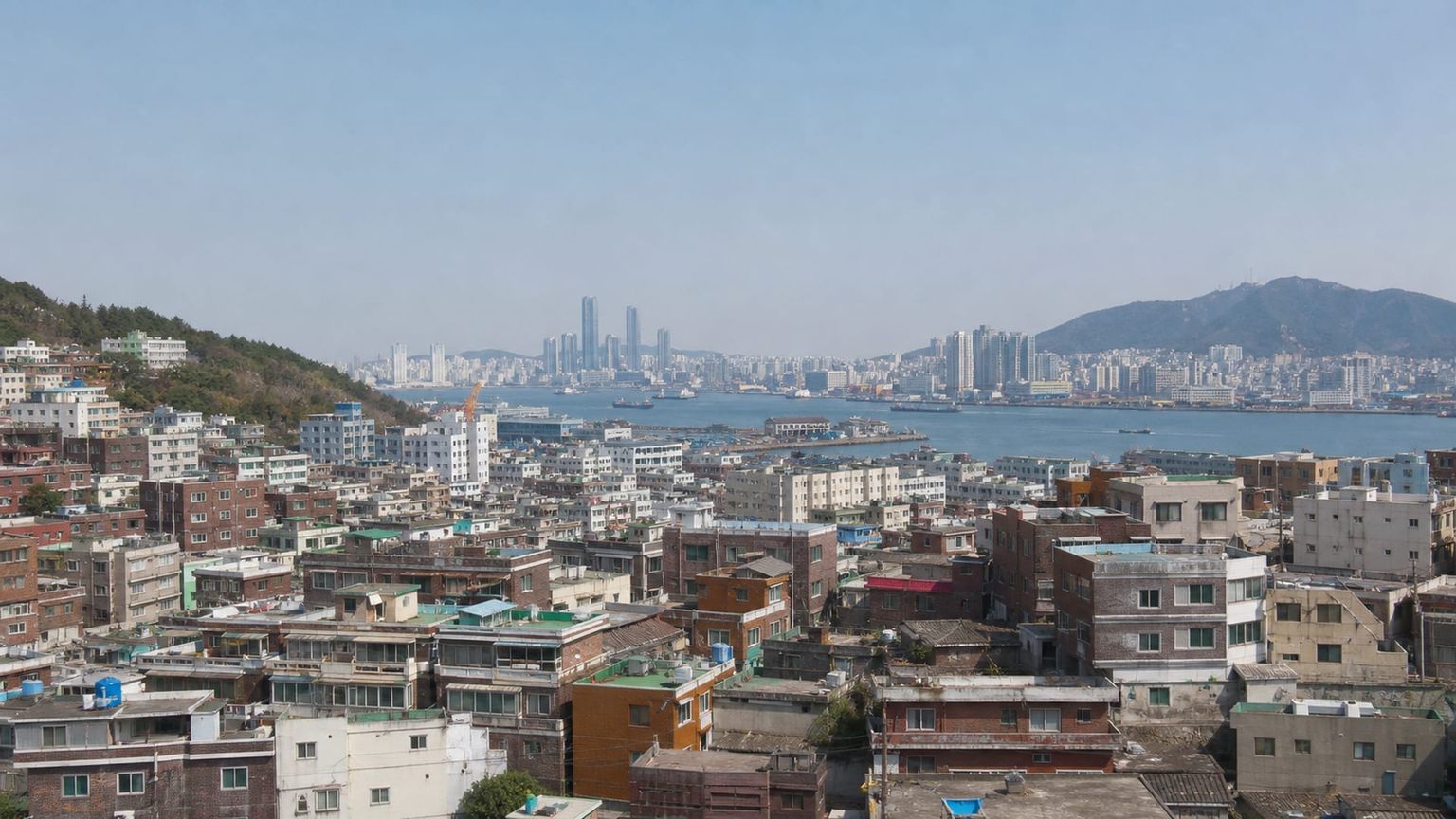
Busan’s food leans hard on seafood, pork soup, wheat noodles, and sweet street snacks, with hearty broths and charcoal grills sitting alongside harbor markets and late-night counters.
Dwaeji gukbap
This pork-and-rice soup is a Busan staple, rich enough for breakfast or a late meal. Gukjeok or Songjeong Sillagukbap are common picks, but for a classic bowl in the city, many travelers head to 밀양돼지국밥 in Seomyeon.
Milmyeon
Chewy wheat noodles in a chilled, lightly spicy broth make milmyeon one of the city’s signature hot-weather dishes. Halmaejip Wonjo Milmyeon in Nampo-dong is a long-running reference point for the style.
Ssiat hotteok
These sweet pancakes are filled with seeds and chopped nuts, then cooked until the crust turns crisp. Bupyeong Kkangtong Market is the classic place to try them, especially at the main hotteok stall cluster.
Nakgopsae
Nakgopsae combines octopus, tripe, and shrimp in a fiery pan dish that suits Busan’s late-evening dining culture. The best-known version in town is often tied to Keunttong’s original Seomyeon location.
Best time to visit Busan
Busan changes with the weather: spring and autumn suit long walks best, summer shifts activity toward beaches and indoor breaks, and winter brings clearer air with colder nights.
Best for: Cherry blossoms, temple visits, and coastal walks
What you get: About 43 to 73°F (6 to 23°C), with moderate crowds and a steady rise in weekend visitors
Trade-offs: Rain can arrive in short bursts, especially later in the season
Best for: Beach time, evening promenades, and seafood meals
What you get: About 70 to 87°F (21 to 31°C), with the heaviest crowds at Haeundae and Gwangalli
Trade-offs: Humidity and monsoon rain can make midday sightseeing tiring
Best for: Clear views, market wandering, and hillside neighborhoods
What you get: About 48 to 75°F (9 to 24°C), with comfortable weather and strong demand during holiday periods
Trade-offs: Popular dates book up fast, especially for waterfront hotels
Best for: Quieter sightseeing, harbor views, and hot bowls of soup
What you get: About 28 to 49°F (-2 to 9°C), with lighter crowds and brisk sea air
Trade-offs: Wind off the water can make evenings feel colder than the forecast suggests
A realistic 5-day plan in Busan
The five-day plan below keeps Busan grouped by district, so you move through beaches, markets, hill neighborhoods, and the city center without repeating the same cross-town ride every day.
Land at Busan (PUS) and head by airport limousine bus or taxi to Haeundae, which usually takes about 45 to 60 minutes by road and costs roughly $7 to $10 on the bus or about $35 to $50 by taxi, depending on traffic. If you arrive on a late flight, stay near Haeundae Beach so you can check in, drink water, and keep dinner simple with soup, rice, or seafood at one of the nearby restaurant streets rather than crossing town.
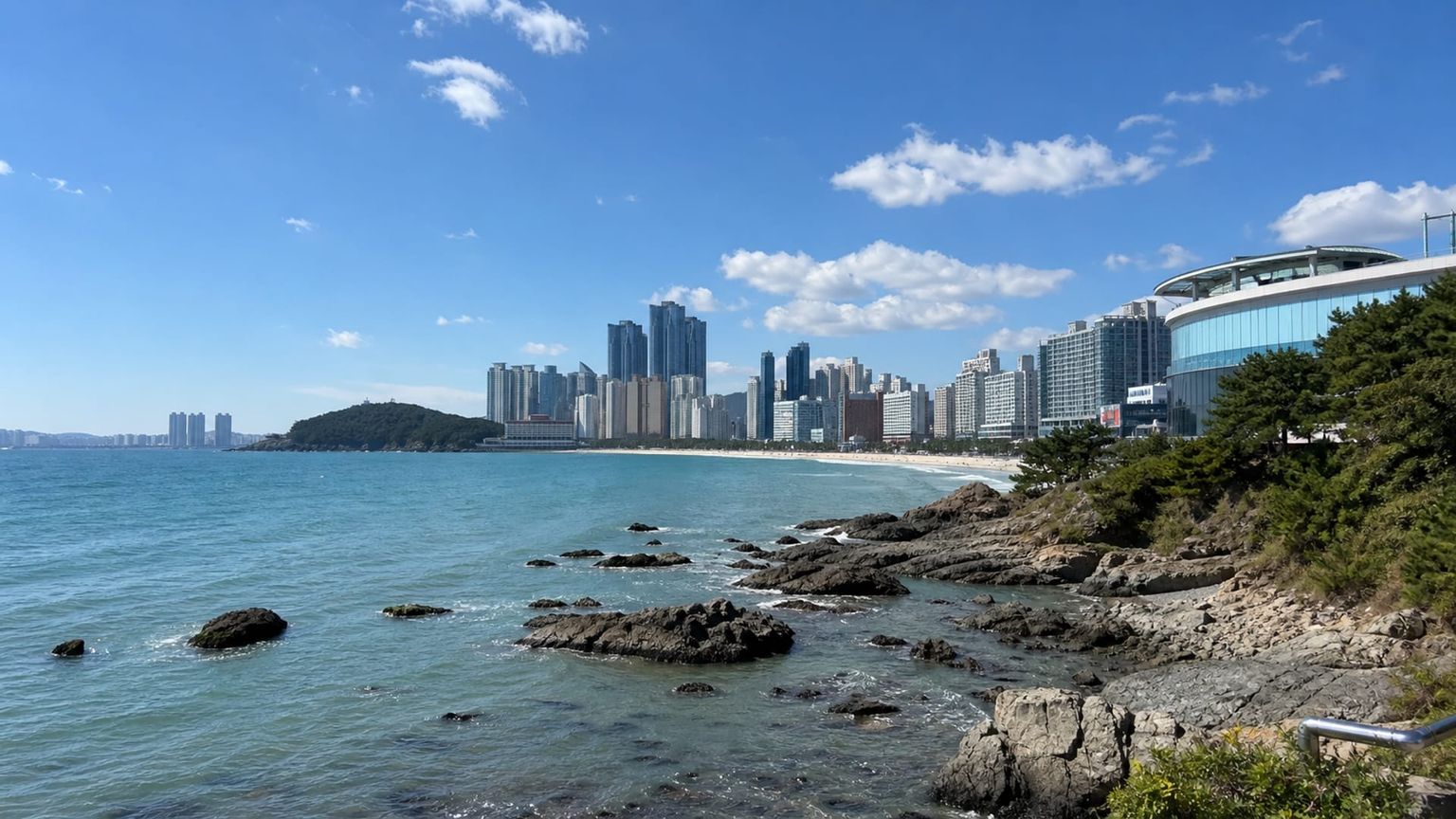
Start early at Haedong Yonggungsa Temple, then ride back toward the coast for Haeundae Beach and the surrounding promenade, which puts temple views and a beach walk in the same half day. From Haeundae, take the subway or a taxi west to Gwangalli for an evening along the waterfront, about 25 to 35 minutes by subway or roughly 20 to 25 minutes by taxi, then stay for the bridge lights and dinner near the beach.
Begin in Nampo-dong with Jagalchi Fish Market, then walk about 10 to 15 minutes to BIFF Square and Gukje Market for street snacks and shopping. After lunch, continue by taxi or bus to Gamcheon Culture Village, about 15 to 25 minutes from Nampo-dong depending on traffic, and spend the late afternoon on the hillside lanes and viewpoint terraces.
Apsan Observatory gives this day its best high-view start, so take the cable car and ridge walk near sunset after a slow morning in the city. Reach the observatory by subway plus taxi or bus from central Busan, then expect about 1 to 2 hours for the cable car, lookout, and photos before returning to dinner in Seomyeon, about 25 to 35 minutes away by subway or taxi from the Apsan area.
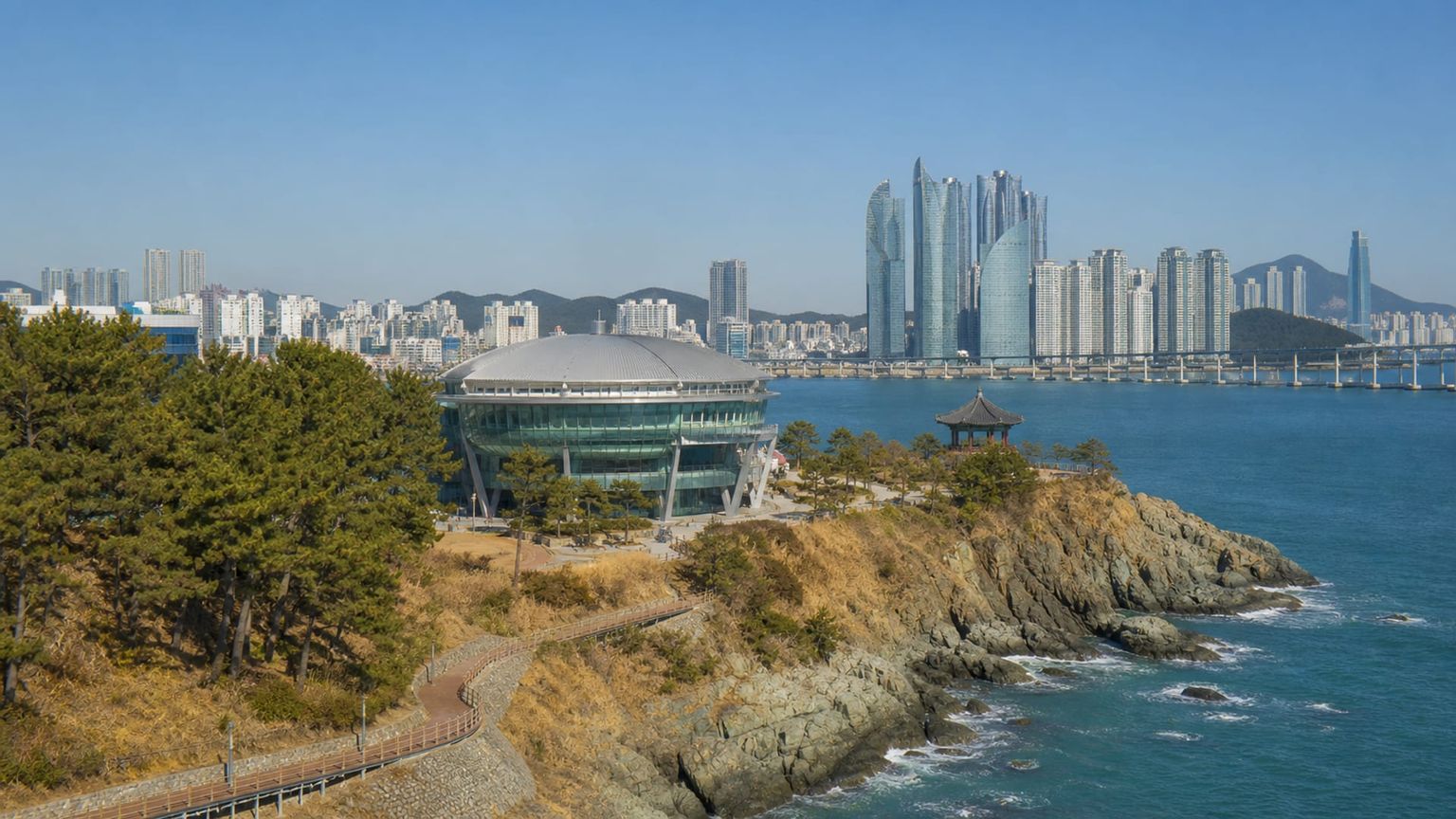
For a quiet final stretch, head to the Busan Museum of Contemporary Art if you want one last indoor stop, then continue to Seomyeon for shopping and a last coffee between the station exits and department store blocks. If your flight leaves later in the day, this is the easiest place to fit a meal, pick up small souvenirs, and move back toward Busan (PUS) without a long cross-city ride.
Business-class flights from the US to Busan
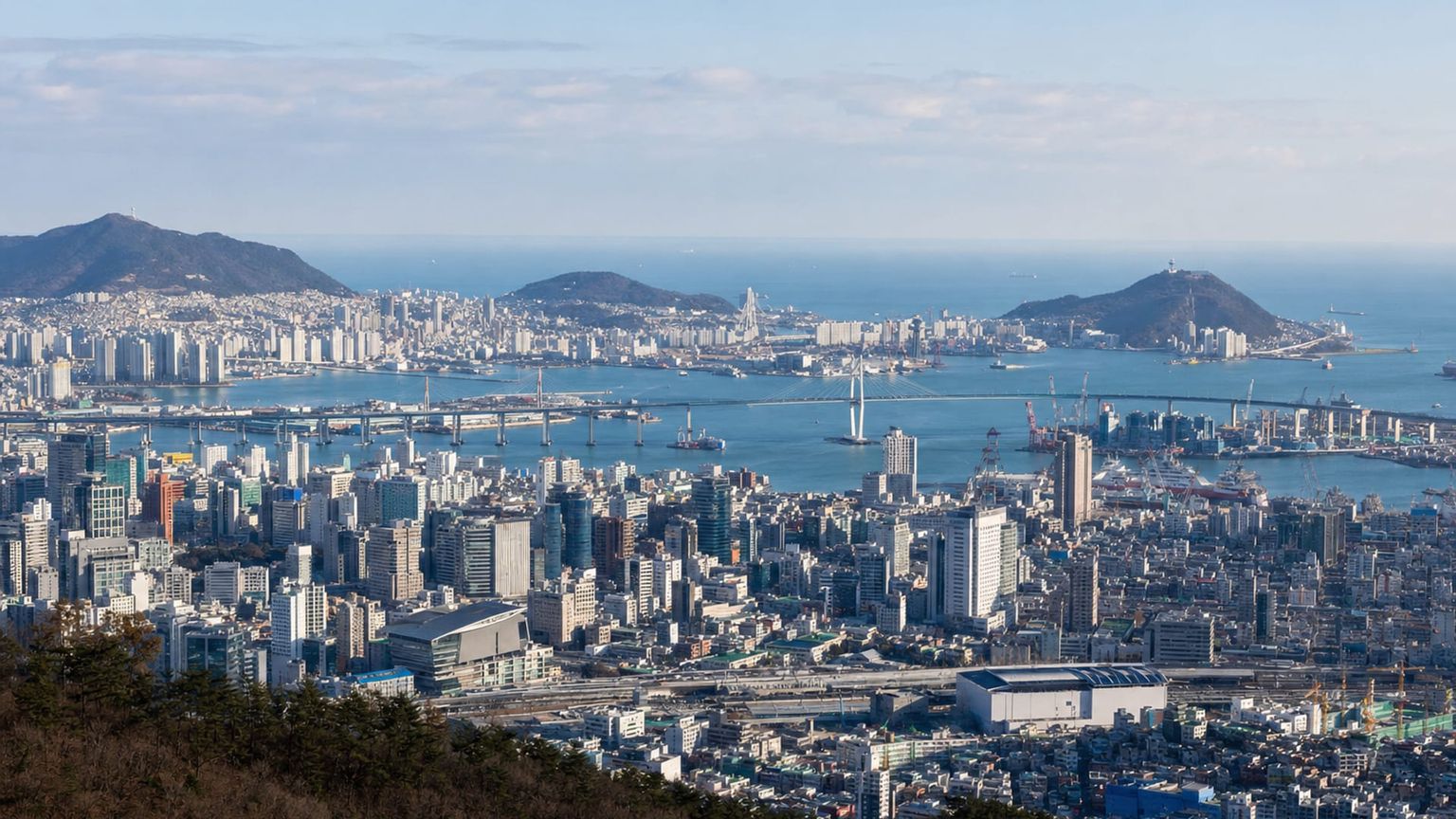
Business-class examples to Busan usually connect through major Asian or North American hubs, and the best option depends on whether you value a shorter total trip or a lower fare. The two most common long-haul patterns, from New York and Los Angeles, differ most in duration and layover length.
From New York, Korean Air, Asiana Airlines, Delta Air Lines, Air France, and Japan Airlines all appear on typical itineraries, with total travel time from about 15 to 16 hours nonstop when available, or longer with a stop through ICN, HND, NRT, CDG, or AMS. Round-trip fares from New York to Busan usually start at $3,800 and can reach $7,500.
Los Angeles itineraries often use Korean Air, Asiana Airlines, Delta Air Lines, Japan Airlines, or Air Canada, and the nonstop flight runs about 13 to 14 hours. If you do not mind a layover, common routings via Seoul (ICN) or Tokyo (HND) can trim the fare noticeably while adding a few hours to the trip; expect round-trip fares from Los Angeles to Busan to range from $3,200 to $6,800.
Busan feels different when you slow down
A good Busan trip follows the city’s shape, with a morning at Haedong Yonggungsa, a market lunch in Nampo-dong, an evening along Gwangalli or a sunset ride up to Apsan Observatory, then an easy finish in Seomyeon before departure. That mix keeps the coast, the hills, and the transit links in view instead of scattering them across the map. For a route that matches your pace, ask the AranGrant experts to plan Busan around the neighborhoods you want most







