

Chapters:

Need help with your trip?
Our support team is available 24/7. Request a callback or call us directly at (833) 619-0908
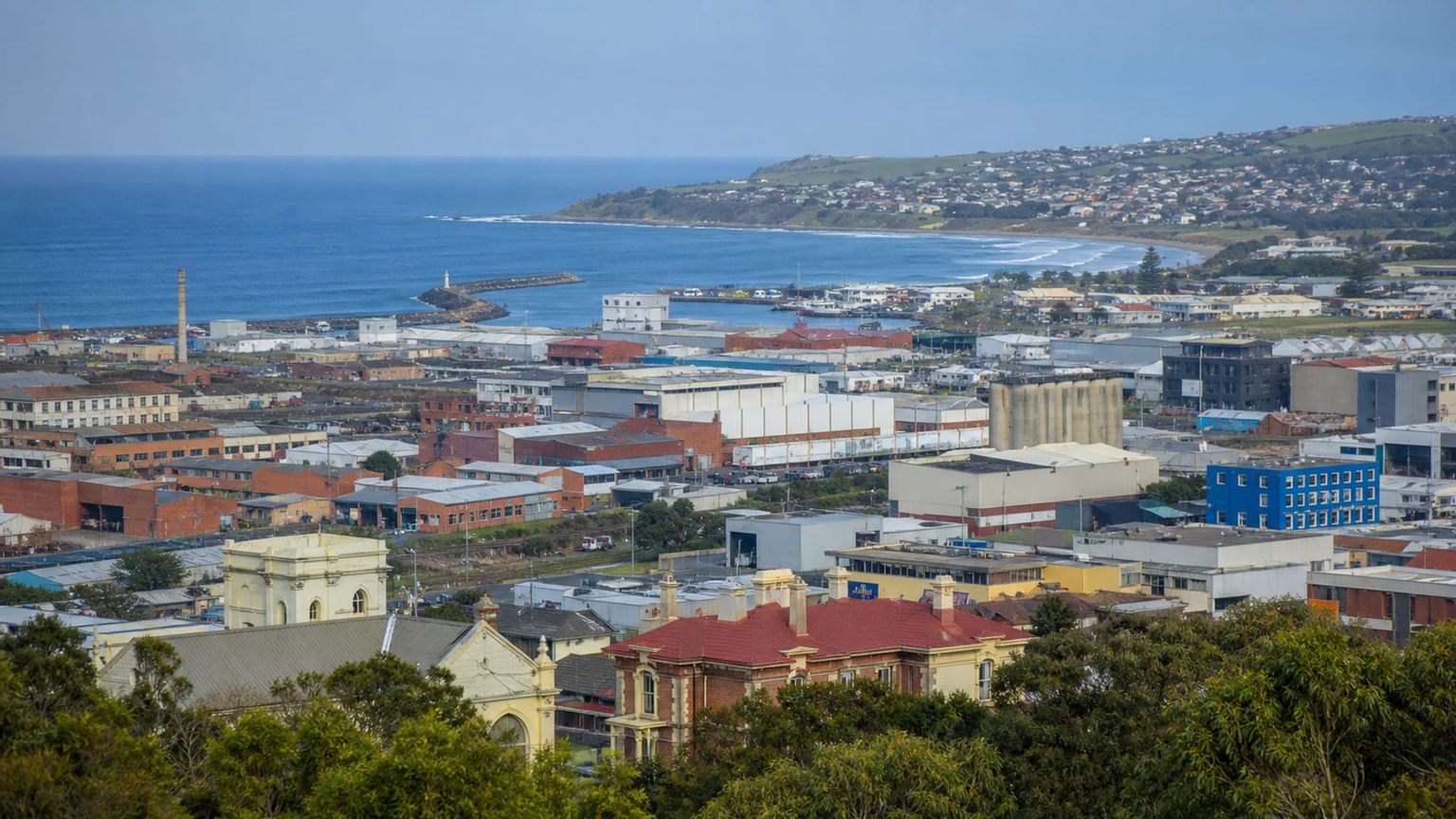
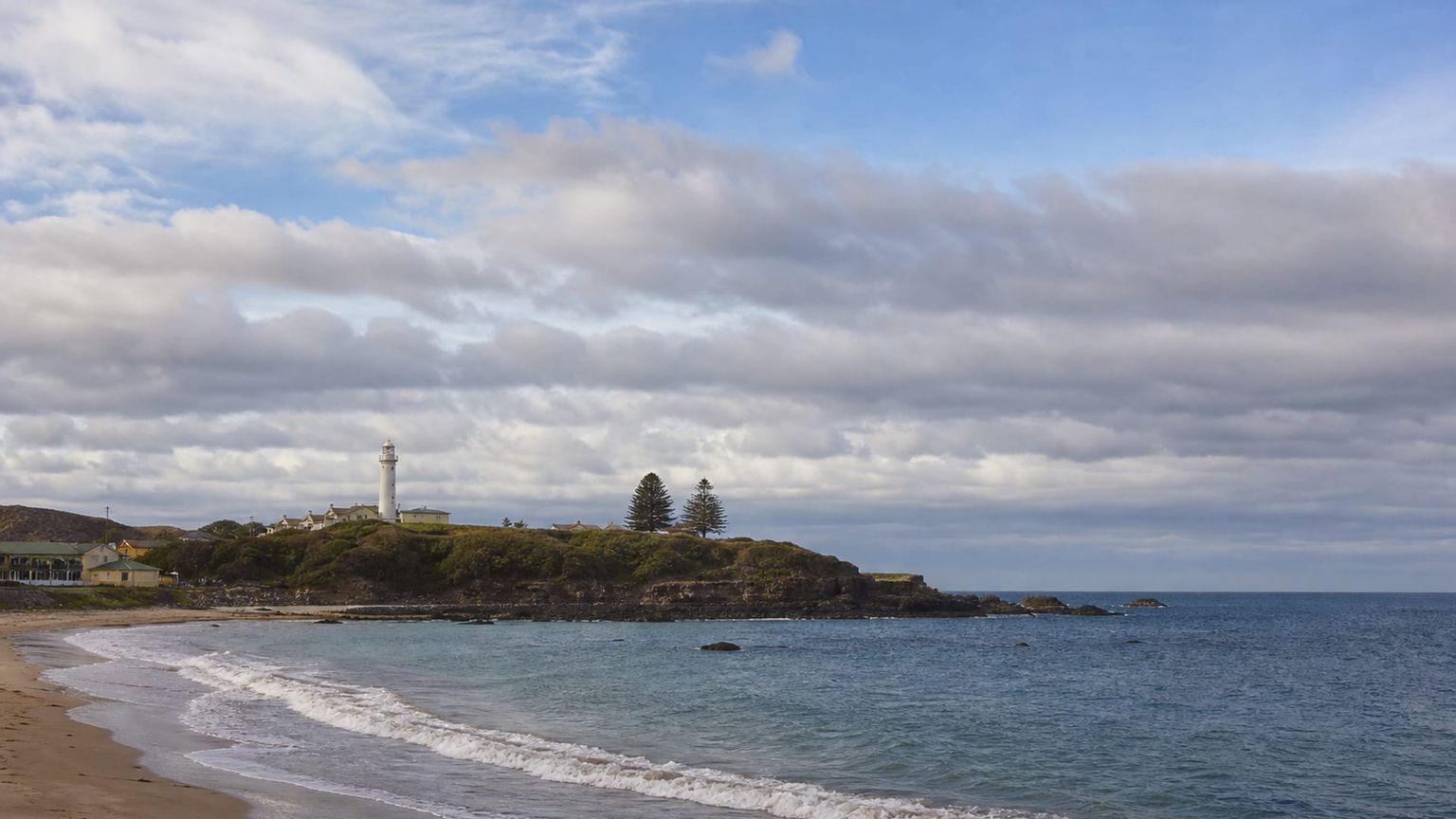
Burnie trips often begin with the same loop, a room in the center, a quick foreshore walk, then a day trip or two pushed to the edge of town. Travelers sometimes miss how much the place changes once you pair the waterfront with the inland hills and the small museum stops.
That first-pass plan can waste time if you rely on long walks between scattered sights or leave too much for the end of the day. Burnie is compact, but distance still matters once you add Guide Falls, Burnie Park, and dinners outside the CBD.
This guide sorts the days by location and pace, so the center, the coast, and the nearby nature stops each have a clear place in the itinerary.
Useful things to know

Main language(s): English

Currency: The local currency is the Australian dollar (AUD, A$).

Cash and cards: Cards and contactless are widely accepted; keep about A$20 to A$50 in cash for small buys.

Tipping: Round up small bills; tipping is not expected, though 10% at sit-down restaurants is appreciated for good service.

Traditional food: Tasmanian salmon, scallop pie, fish and chips, raspberry jam slice

Water and coffee costs: Water about A$3 ($2), bar espresso about A$4.50 ($3).

Taxis and ride apps: Uber operates here; taxis are more common than ride apps.

Plug and voltage: Type I socket, 230V

Dining and shop opening hours: Breakfast is about 07:00-09:00, lunch 12:00-14:00, and dinner 18:00-20:30. Many places close early on Sundays.

Emergency number: Dial 000 for police, fire, or ambulance.
Where to stay in Burnie
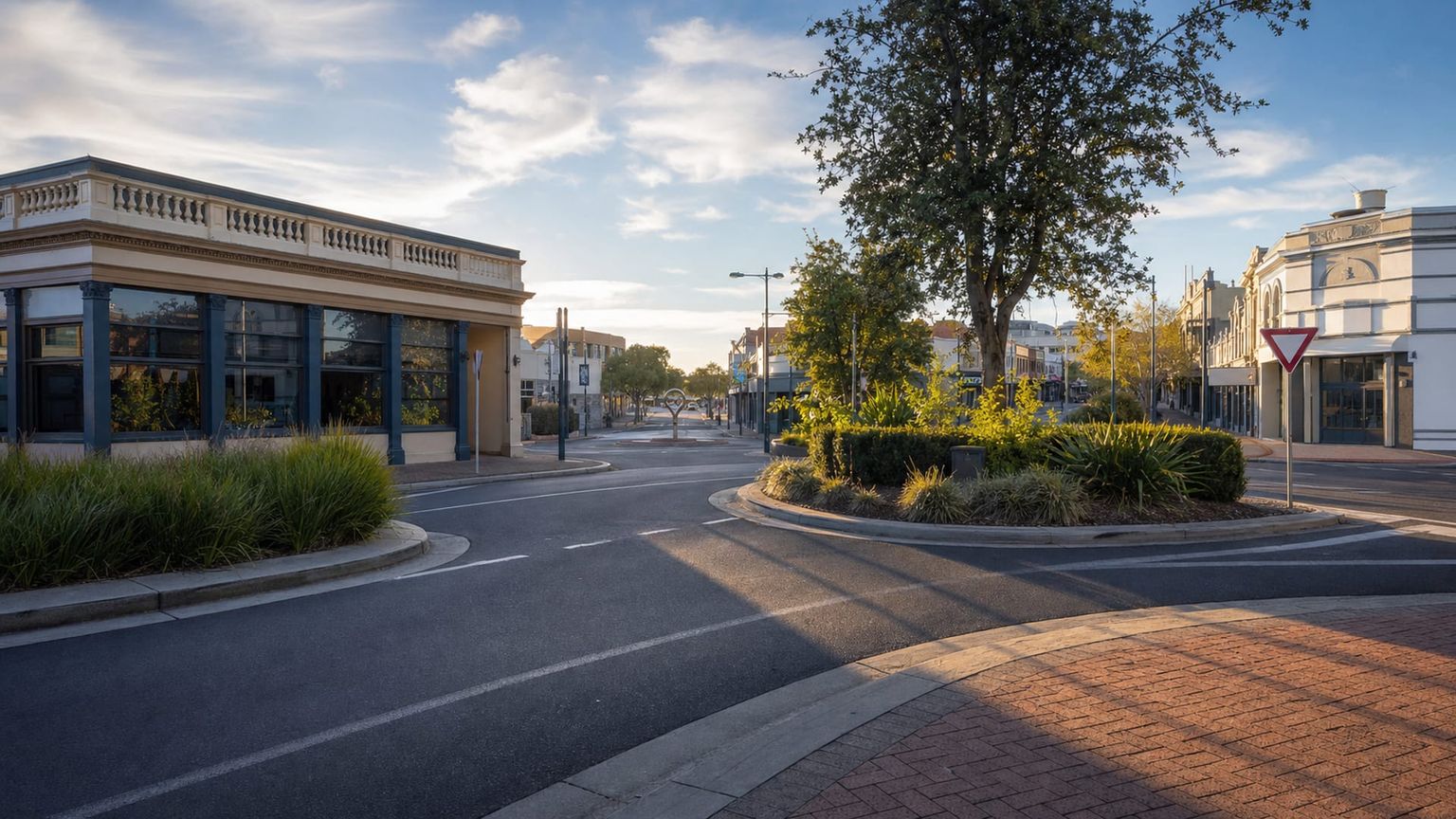
Burnie’s compact center puts the waterfront, shops, cafes, and ferries within a short walk. It suits visitors who want the easiest access to the city’s main sights, dining, and transport without needing a car for every errand.
Best for: First-time visits, short stays, and travelers who want to walk to the waterfront and central dining
What to expect: Pedestrian traffic is highest near the mall, the foreshore, and the main streets, with a modest weekday pace and a busier feel in the late afternoon.
Hotel prices: Usually about $110 to $180 per night for well-rated stays
Distance to major sights: 5 to 10 minutes on foot to the Burnie foreshore and Makers’ Workshop; about 5 minutes by car to the Burnie Regional Museum
Quietness: Daytime is active and convenient, while evenings settle down after shops close, apart from the main dining strips.
Main trade-off: You pay more for central addresses, and some rooms sit above busy streets or near retail traffic.
Good to know: If you plan to dine out often, staying here reduces taxi use after dark because the main restaurants are concentrated in the center.
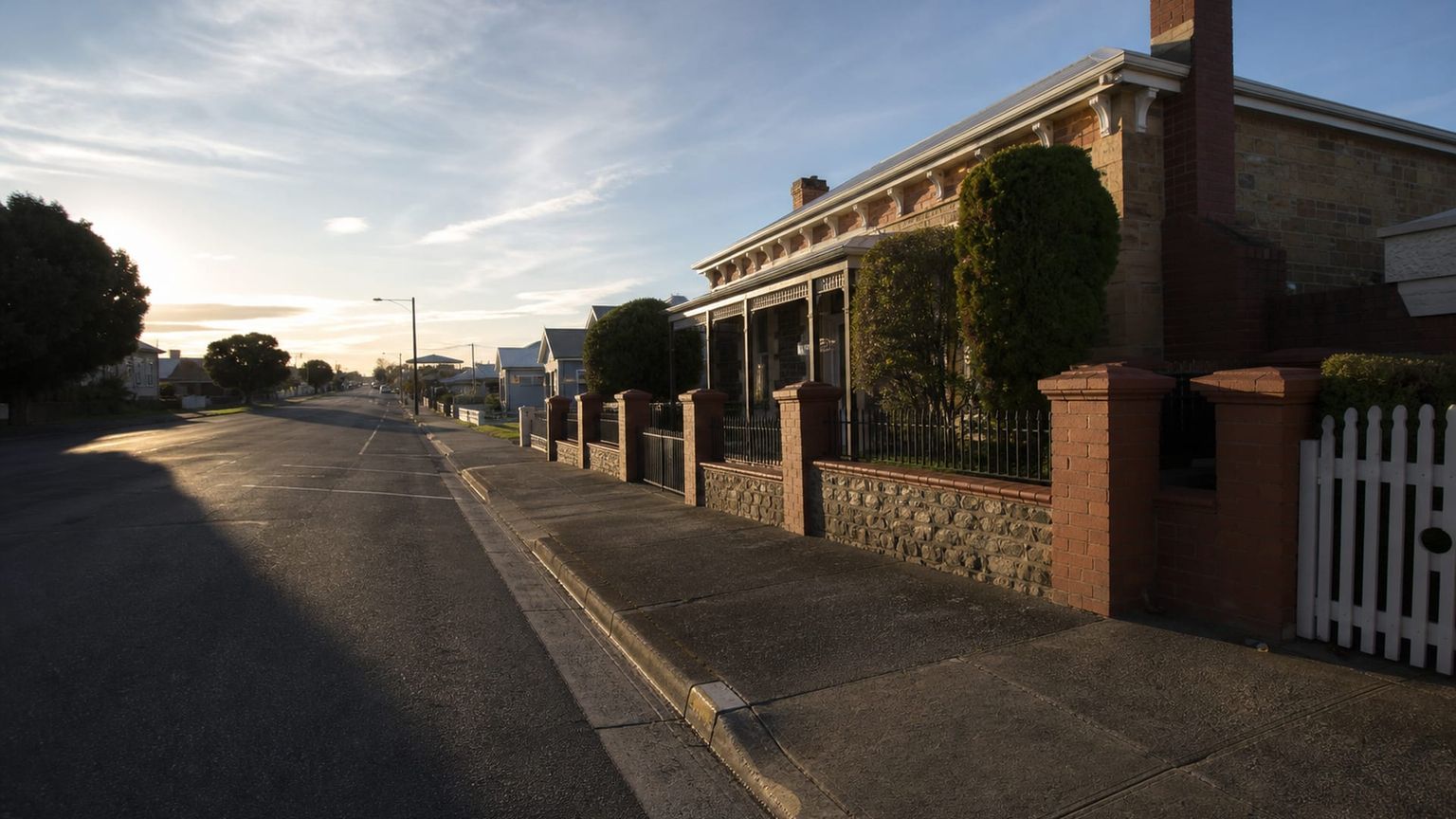
South Burnie sits just south of the city center and stays close to the foreshore, schools, and residential streets. It works well for travelers who want a quieter base with quick access to Burnie’s downtown without paying peak central prices.
Best for: Budget-conscious stays, longer visits, and travelers who prefer a residential setting near the center
What to expect: Expect local traffic, houses, and a few neighborhood shops rather than a tourist strip, with very little nightlife.
Hotel prices: Usually about $95 to $150 per night for well-rated stays
Distance to major sights: 10 to 15 minutes on foot to the Burnie foreshore; about 10 minutes by car to Burnie Airport (BWT)
Quietness: Days are low key, and evenings are generally quiet except along the main roads.
Main trade-off: You will usually walk a bit farther to restaurants and waterfront activities than you would from the CBD.
Good to know: Check whether your stay includes off-street parking, since some residential streets can feel tight at peak times.
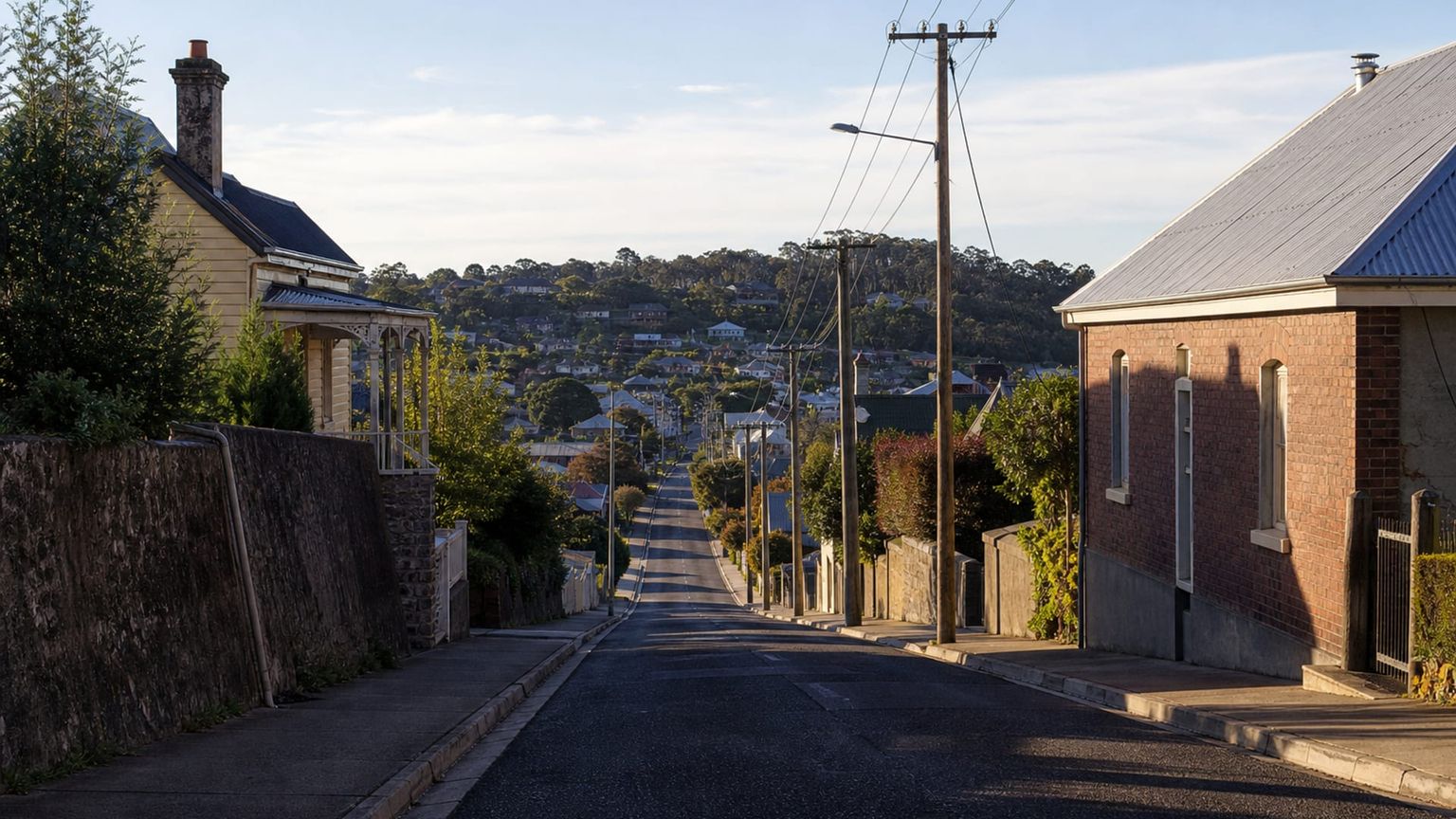
Upper Burnie rises inland from the center and is mostly residential, with local shops and wider access roads. It suits visitors who are driving through the region and want easier parking, lower rates, and a less central setting.
Best for: Road trips, self-drive travelers, and longer stays where parking matters more than walking to the waterfront
What to expect: Street life is sparse, with car traffic on the main roads and a local, suburban pace rather than a tourist scene.
Hotel prices: Usually about $90 to $140 per night for well-rated stays
Distance to major sights: About 10 minutes by car to the Burnie foreshore and the CBD; roughly 15 minutes by car to Burnie Airport (BWT)
Quietness: Evenings are quieter than the center, though main roads can stay audible during the day.
Main trade-off: You will need a car or frequent taxis for most meals and sightseeing, since walkable options are limited.
Good to know: Choose this area if you are arriving by road and want to avoid searching for parking near the waterfront each day.
Travelers usually avoid staying in Upper Burnie if they want to be near the waterfront and central shops, since it sits uphill from the main visitor areas and has fewer evening dining options. South Burnie is also less convenient for short city stays because it is more residential and farther from the main sights, while East Cam and Acton are better for through-traffic than for walkable access to Burnie’s center.
Hotel deals
How to get around Burnie efficiently
Burnie has no metro, so the city works best as a mix of walking, buses, and taxis, with most visits starting from the compact CBD and branching out to nearby suburbs or the airport.

Metro
for longer distances
Burnie has no metro system, so visitors rely on buses, taxis, or walking for short hops.

Bus and tram
for convenience
Metro Tasmania buses cover Burnie, Somerset, and nearby suburbs, with day tickets commonly about $4 ($6) and short single fares usually about $2 to $4 ($3 to $6); services are limited on Sundays and evenings, and a ride from Burnie to Wivenhoe or Cooee usually takes about 10 to 20 minutes.

Taxi
for convenience or late hours
Licensed taxis in Burnie use metered fares, with short town trips usually about $10 to $20 ($15 to $30) and trips to Burnie Airport or nearby suburbs often about $20 to $35 ($30 to $53); book by phone or app, and most vehicles accept cards, though cash is still useful.
*Prices are based on rates updated as of June 2026 and may change at the time of travel.
Walk for the center and foreshore, use buses for short suburban hops, and book a taxi for the airport or Guide Falls if you want to keep the day moving.
Iconic landmarks
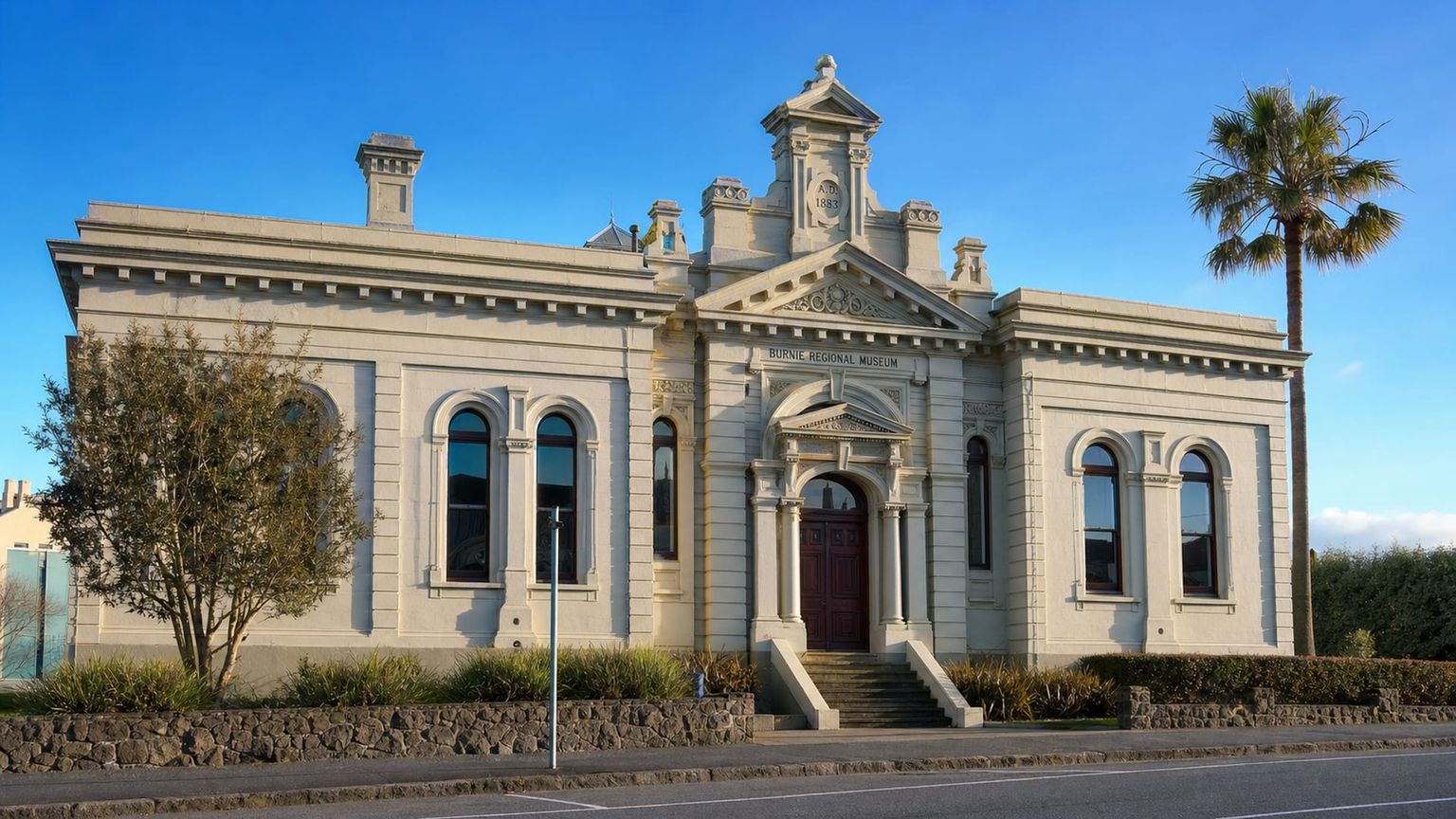
Burnie Regional Museum
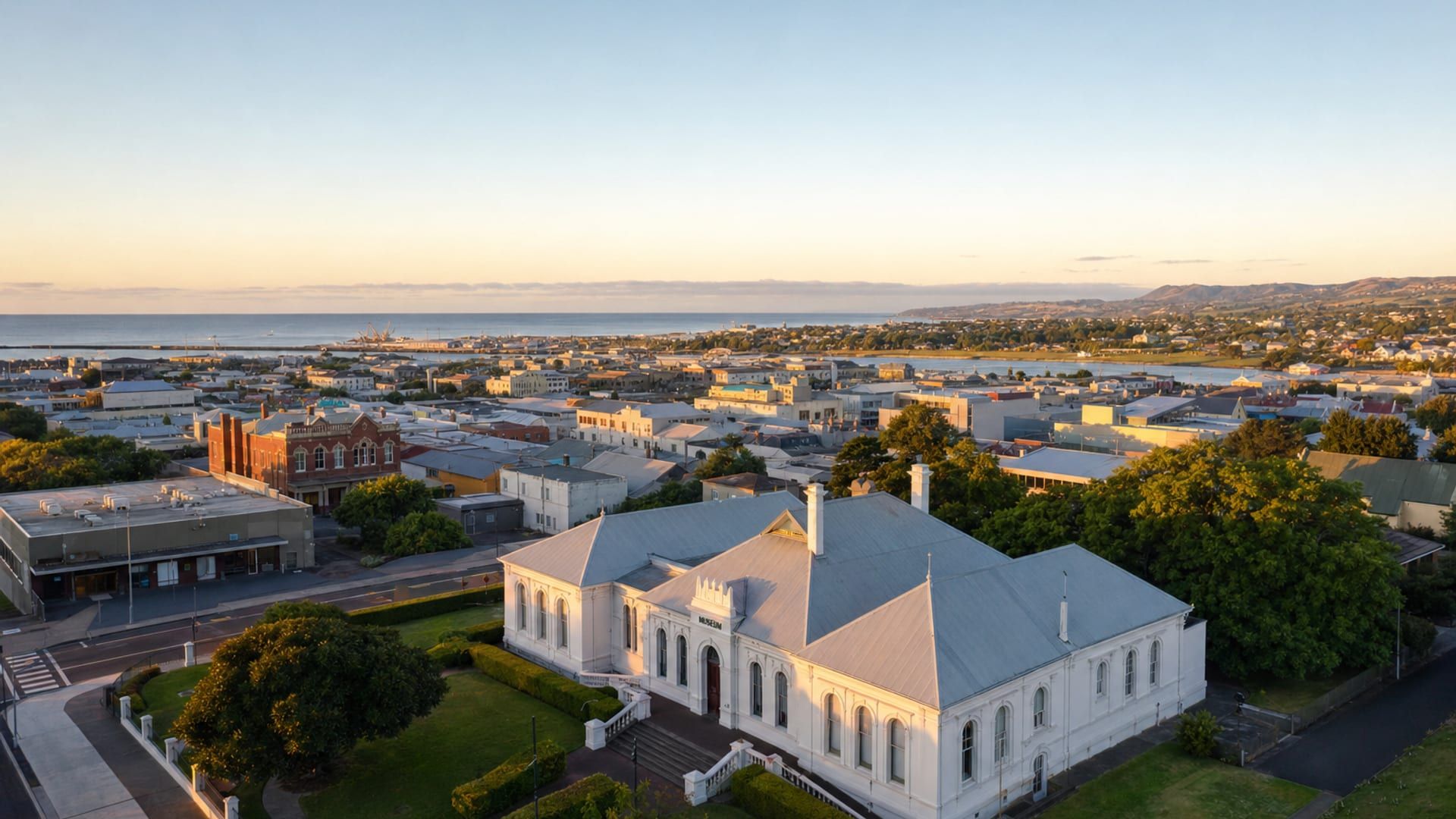
Set in a former bank and customs building, Burnie Regional Museum traces the city’s timber, port, and industrial past through photos, tools, and local stories. It gives clear context for a first walk through the center.
Time needed: About 1 to 2 hours
Entry: Admission is free. Visit the official site for details.
Tip: Visit early on a weekday for quieter galleries and easier parking nearby.
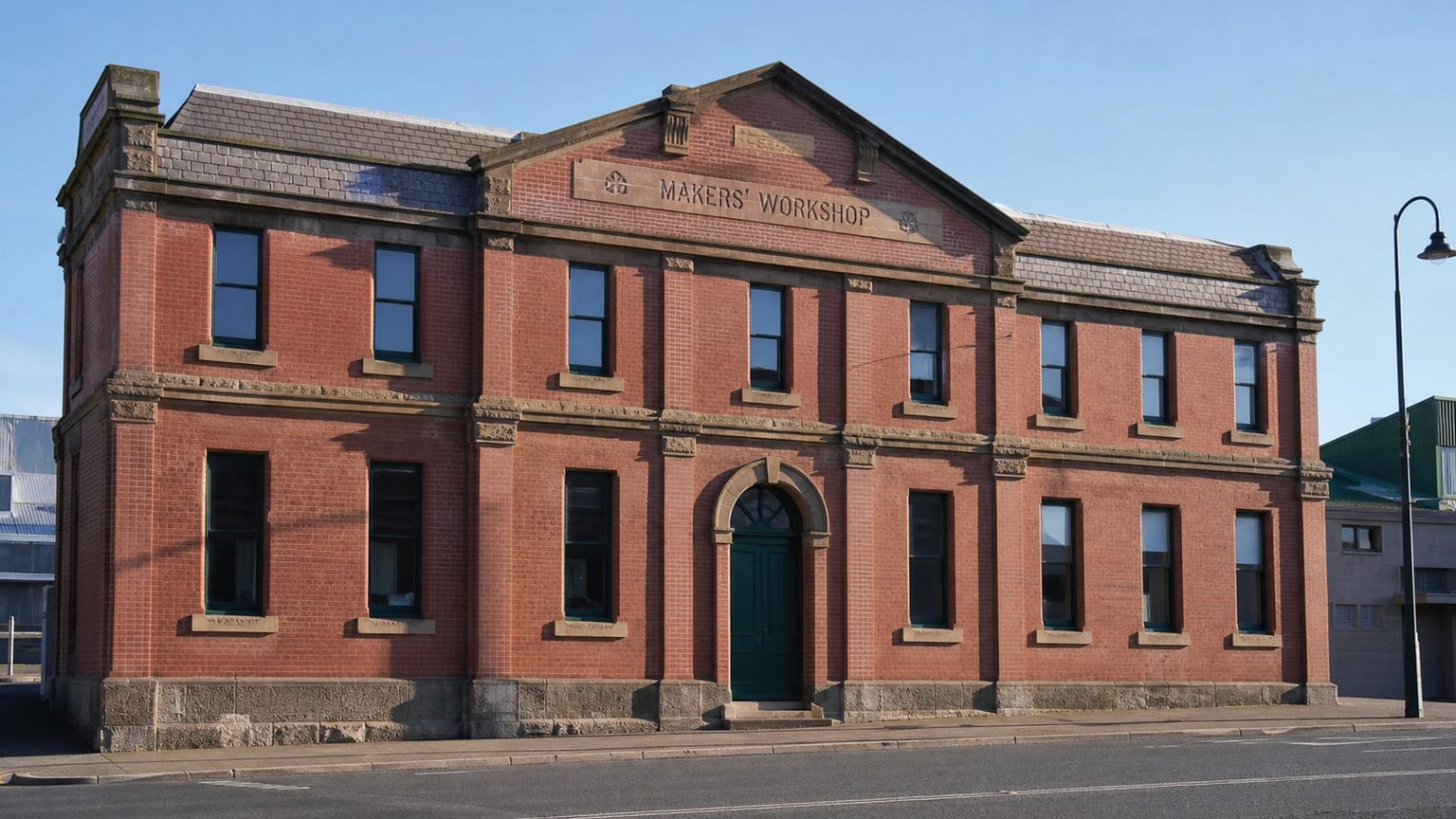
Makers' Workshop
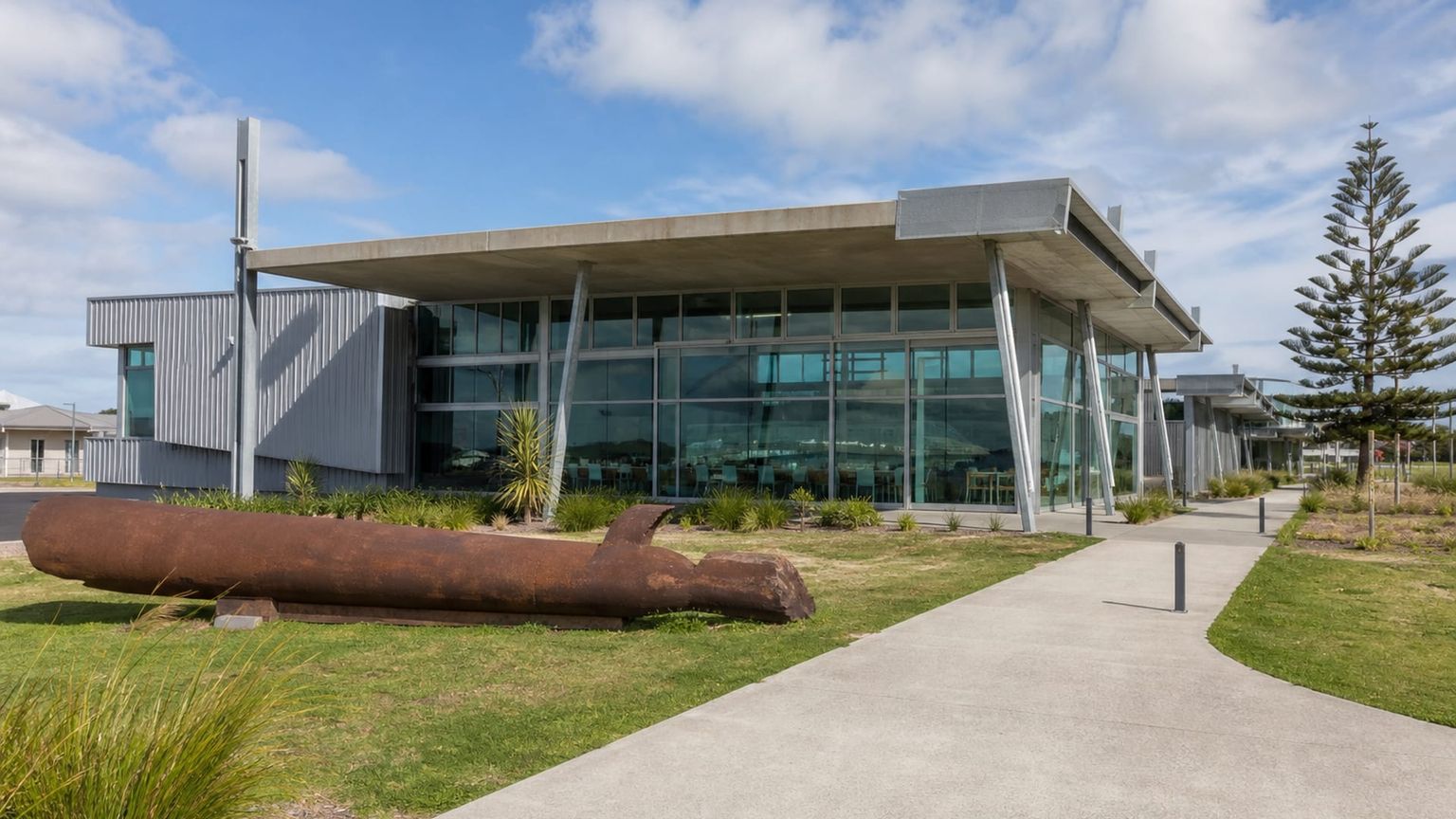
Makers’ Workshop pairs the Burnie Visitor Information Centre with gallery space, a paper-making room, and displays on Tasmanian design. It is one of the best places in town to see local craft work and pick up city maps.
Time needed: About 1 to 2 hours
Entry: Entry is free for the visitor centre and public displays. Visit the official site for details.
Tip: Go in the morning, when the visitor desk is open and the galleries are quiet.
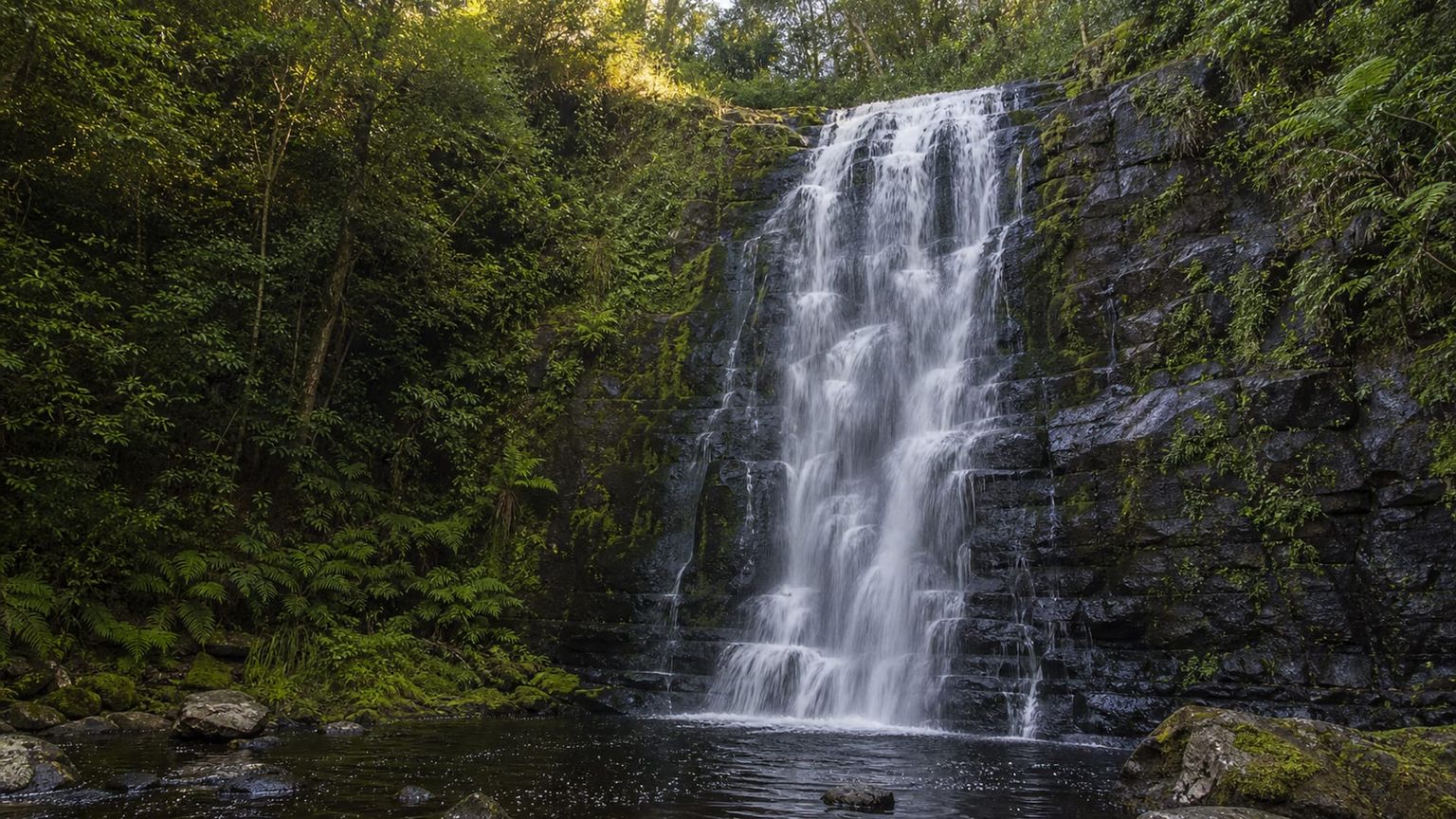
Guide Falls
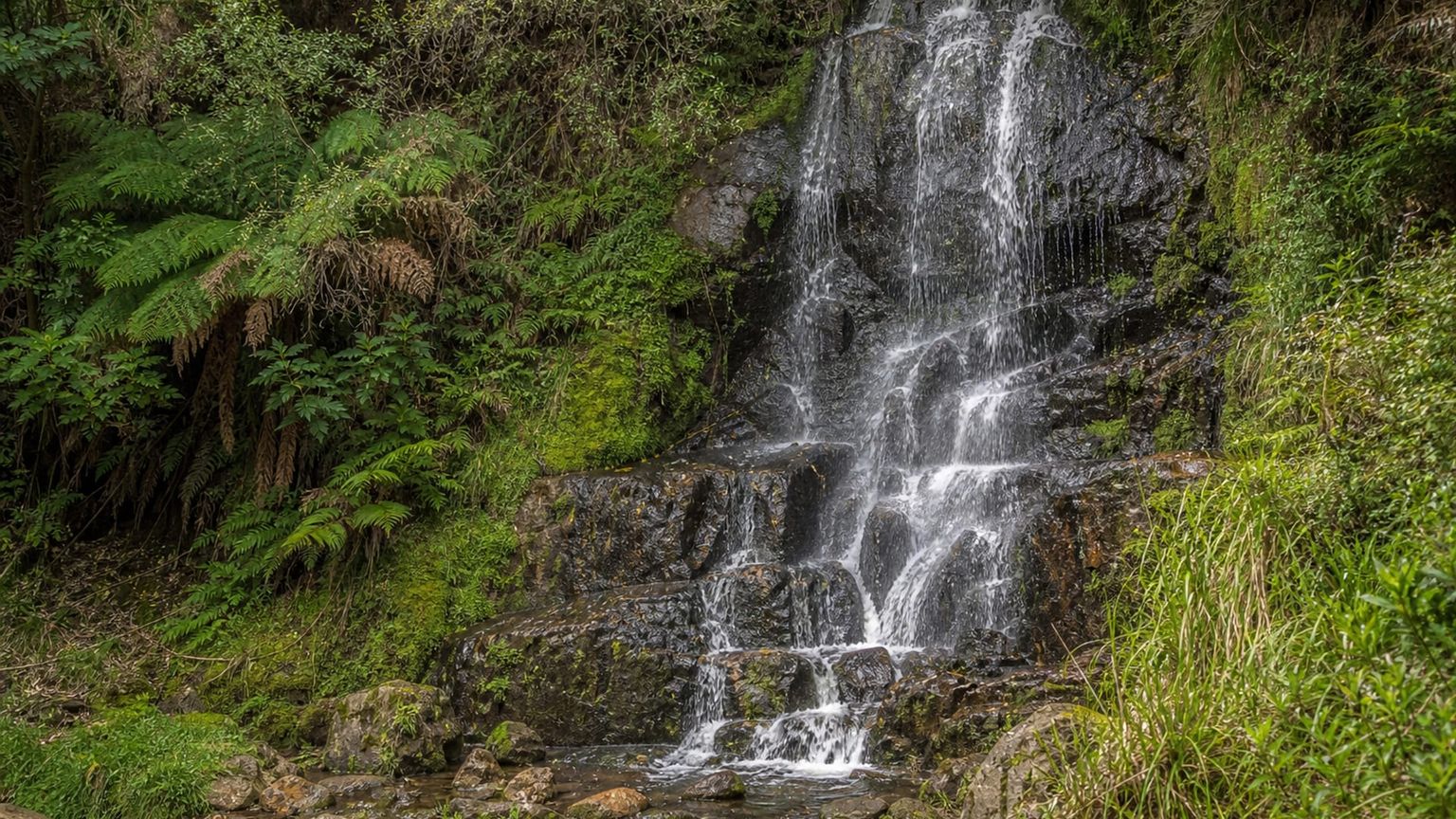
Guide Falls sits in bushland about 10 km south of Burnie, where short walking tracks lead to a series of cascades and picnic spots. It is an easy side trip for travelers who want a nature stop without leaving the city area.
Time needed: About 1 to 2 hours
Entry: Free to access; no ticket or timed entry is required.
Tip: Go after rain for stronger water flow, and wear shoes with grip on the wet paths.
Overlooked sites worth visiting

Burnie Regional Museum
Housed in a former cheese factory, this small museum traces Burnie’s timber, shipping, and dairy history with period rooms and local collections. It suits a short indoor stop in the city center.
Time needed: About 1 hour
Entry: Admission is by donation, with most visitors giving about $5 to $10 ($7 to $14) at the door. Prices can change for special exhibitions or group visits, but the core museum collection is usually open with no fixed ticket price.
Tip: Go early for quieter galleries and easier parking nearby.

Burnie Park
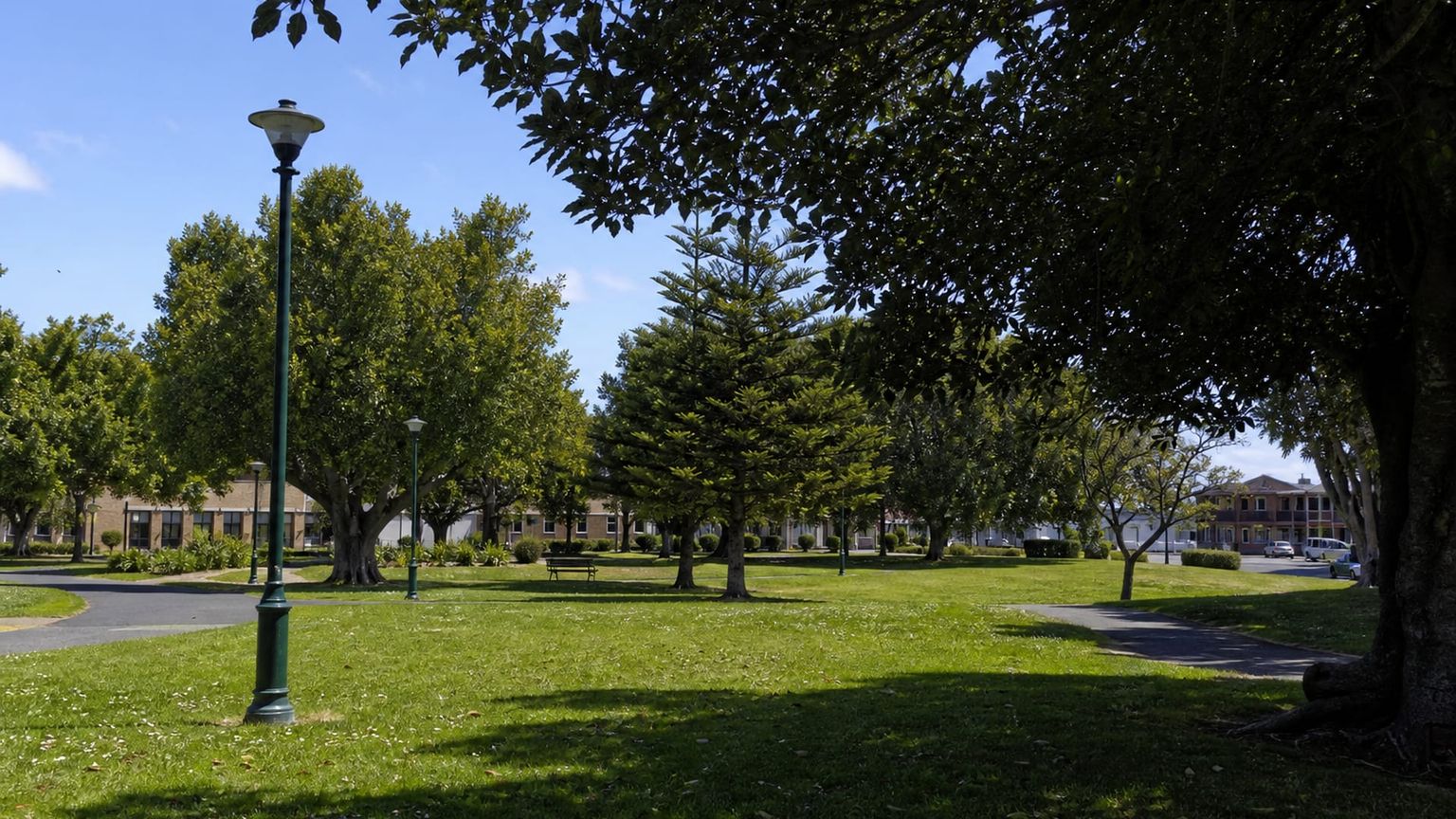
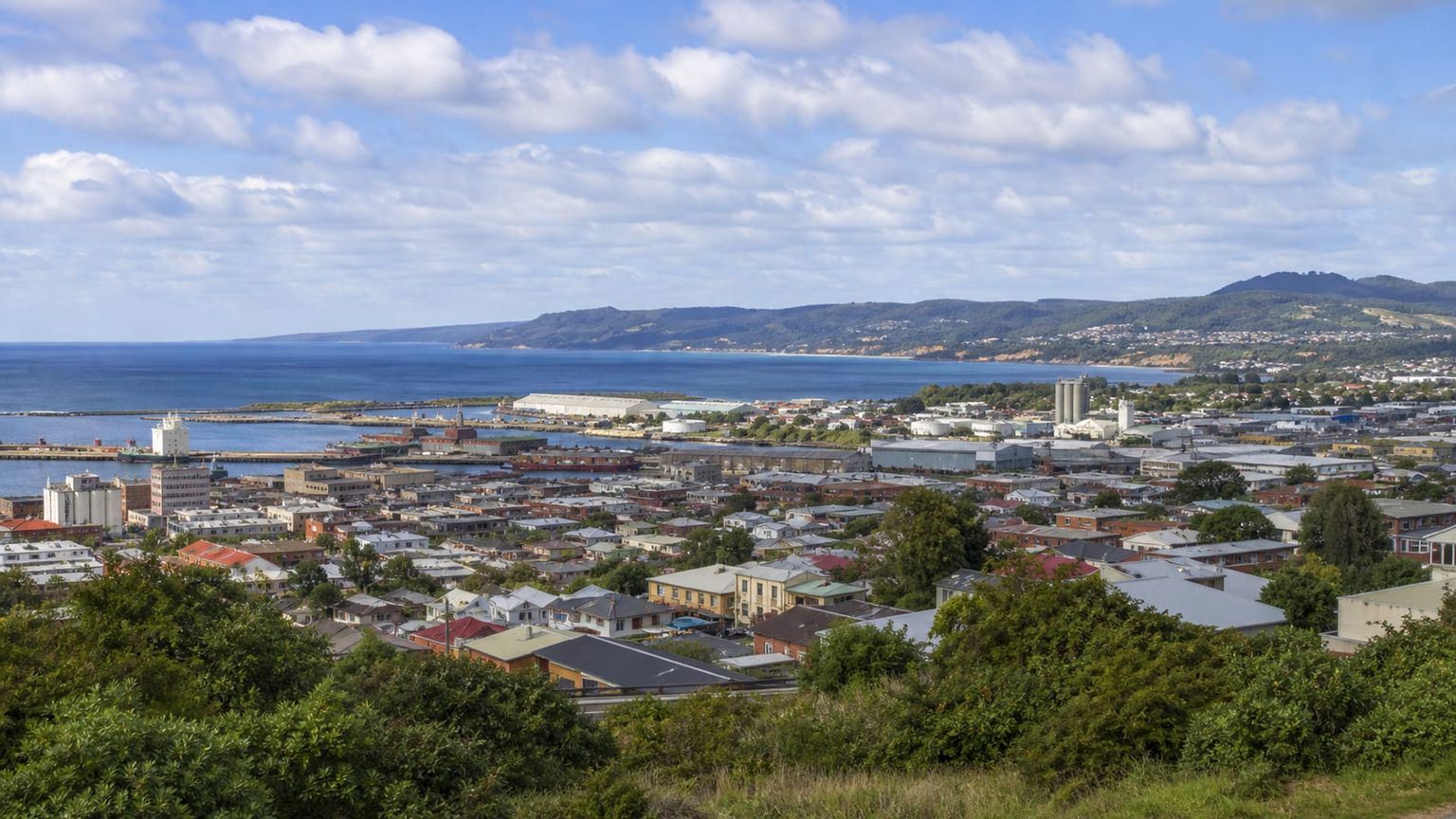
This hilltop park has lawns, mature trees, and wide views over Burnie and the Bass Strait. It works well for an unhurried walk, a picnic, or a quick sunset stop close to town.
Time needed: About 1 to 2 hours
Entry: Free to access, with no admission fee for the park grounds or lookout areas. Some facilities, such as events or hired shelters, may carry separate charges, but casual visitors can enter the public spaces at no cost.
Tip: Visit late afternoon for softer light over the bay.
Traditional food
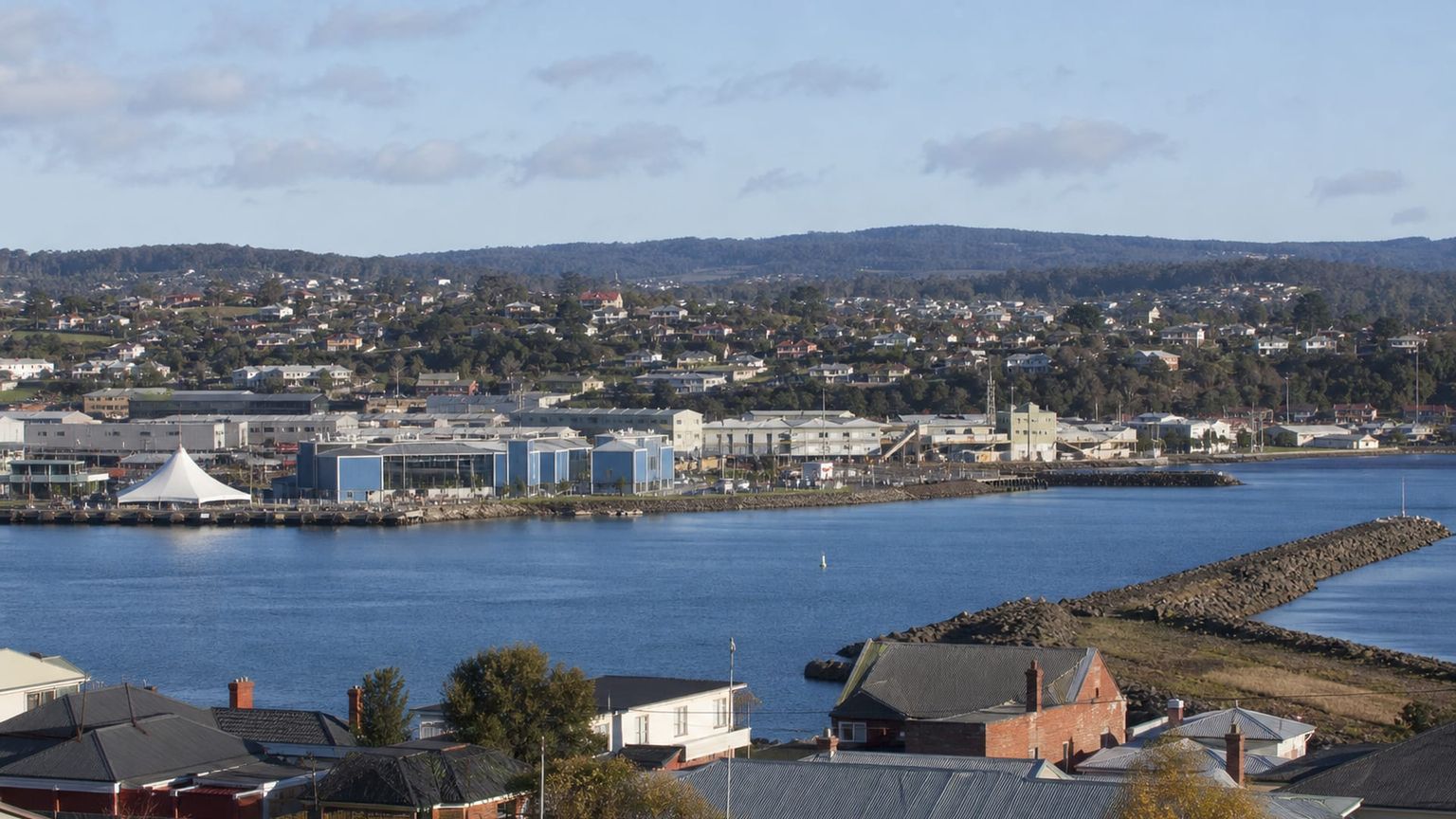
Burnie’s food leans on Tasmanian produce, with salmon, scallops, chips, and sweet bakery slices showing up alongside casual cafe meals and early dinners that fit the town’s hours.
Tasmanian salmon
Local salmon often arrives simply grilled or pan-seared, with enough richness to stand up to lemon, herbs, and vegetables. The Waterfront Cafe is a solid Burnie choice for it, with a menu that suits a relaxed lunch near the center.
Scallop pie
This Tasmanian staple folds scallops into a creamy pie filling with a flaky top, and it works well as a quick lunch or an afternoon meal. The Chapel Burnie is a dependable stop for a version that fits the city’s cafe style.
Fish and chips
In Burnie, fish and chips makes sense close to the water, where fresh seafood and a casual counter meal suit an unhurried foreshore stop. Fish Frenzy Burnie is the canonical pick for a classic takeaway order by the bay.
Raspberry jam slice
This sweet bakery slice gives you shortbread, jam, and a simple finish to a coffee stop or lunch break. Banjo’s Bakery Cafe Burnie is the standard place to order one with a hot drink.
Best time to visit Burnie
Burnie stays moderate through much of the year, but winter brings cooler, wetter days and summer opens up the foreshore and hilltop views.
Best for: Foreshore walks, park time, and longer daylight for side trips
What you get: Average highs sit about 66 to 72°F (19 to 22°C), with the busiest visitor flow on sunny weekends and holiday periods
Trade-offs: Some popular lunch spots and waterfront parking spaces fill earlier
Best for: Clearer air, quieter streets, and comfortable day trips
What you get: Average highs run about 59 to 68°F (15 to 20°C), with lighter crowds and good conditions for walking
Trade-offs: Evenings cool down quickly, so you may need an extra layer after sunset
Best for: Museum time, cafe stops, and atmospheric coastal views
What you get: Average highs land about 50 to 57°F (10 to 14°C), with fewer visitors and more indoor time built into the day
Trade-offs: Rain and wind can limit longer outdoor walks
Best for: Mixed days that combine gardens, coast, and nearby nature stops
What you get: Average highs rise to about 55 to 65°F (13 to 18°C), with moderate crowds and variable weather
Trade-offs: Conditions can change from sunshine to showers in a single afternoon
A realistic 5-day plan in Burnie
A five-day Burnie stay works best when you split the center from the nearby nature stops. The plan below starts with arrival, then moves through the foreshore, museums, Guide Falls, and Burnie Park before ending with a calm last morning.
Land at Burnie Airport (BWT) and take a taxi or prebooked transfer into Burnie CBD, which takes about 10 to 15 minutes and usually costs roughly $25 to $35. If you are staying on the waterfront side of the center, settle in at a Burnie CBD hotel, drink some water, and keep dinner close to your room, with an easy first meal in the central dining strip or a quiet takeaway stop in South Burnie.
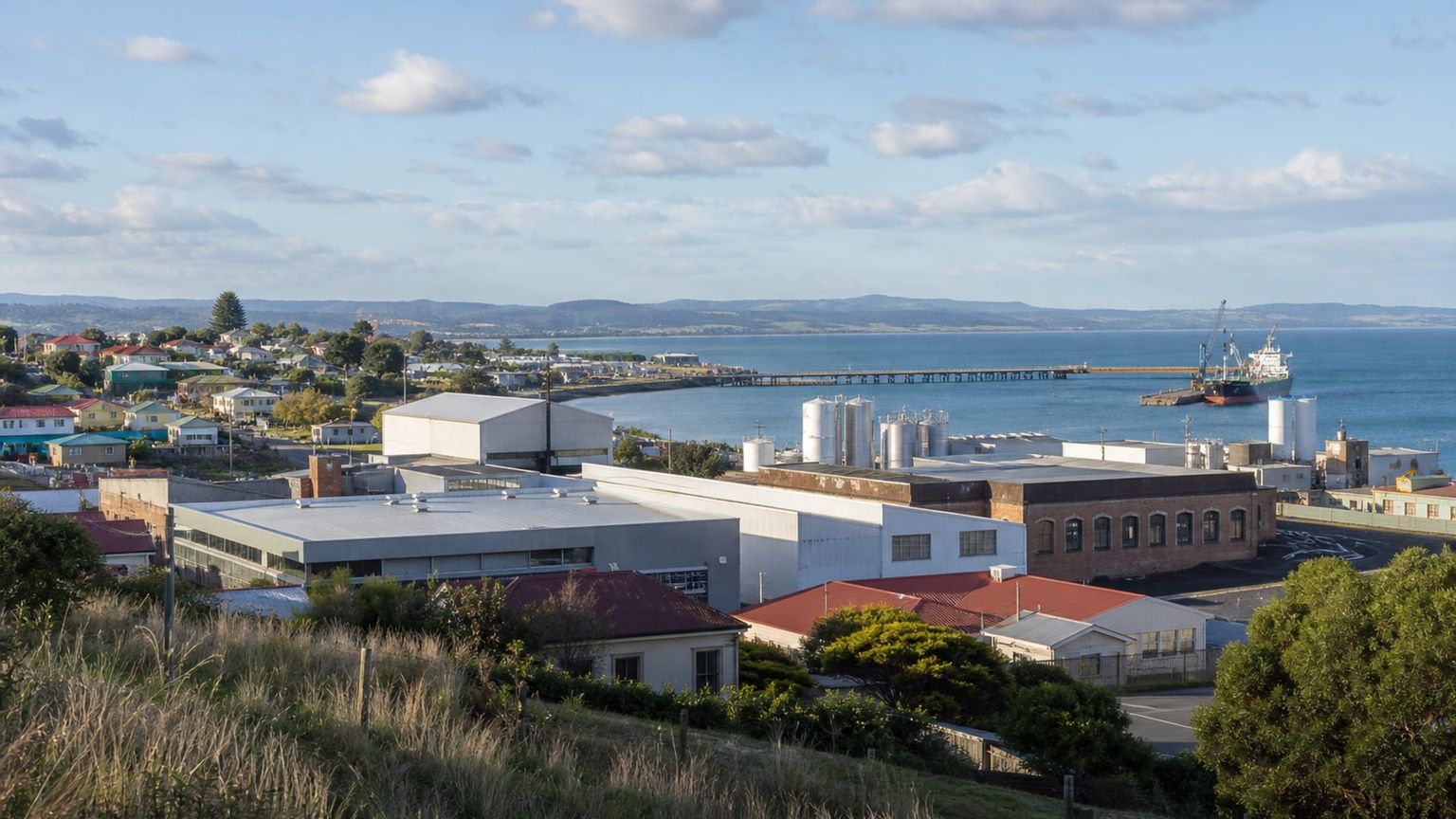
Start at Makers’ Workshop in the morning, then walk about 10 minutes to the Burnie foreshore for a waterfront stroll and a coffee break near the center. After lunch, head about 5 minutes by car to the Burnie Regional Museum, where free entry and a compact collection make it easy to pair with a short downtown walk before dinner in Burnie CBD.
Begin with Guide Falls, about 10 km south of town, where a drive from the CBD takes roughly 15 minutes and short tracks lead to the cascades. Return to Burnie in the afternoon, then spend time at Burnie Park, about 10 minutes by car from the center, for bay views, lawns, and a sunset stop before eating back in the CBD.
Burnie Park pairs well with a slower mid-trip morning, so start there if you want broad views over the bay and a short outdoor walk. From the park, drive about 5 to 10 minutes to Makers’ Workshop for the gallery space and visitor center, then continue about 5 minutes on foot to the Burnie foreshore for an easy seaside lunch and one more look at the water before dinner in town.
A final morning at the Burnie Regional Museum works well before departure, since you can fit it into about 1 hour and still keep the day unhurried. Afterward, spend a little time in Burnie CBD for last-minute shopping, then stop for coffee in South Burnie before heading to Burnie Airport (BWT), which is about 10 minutes by car from the residential edge of town.
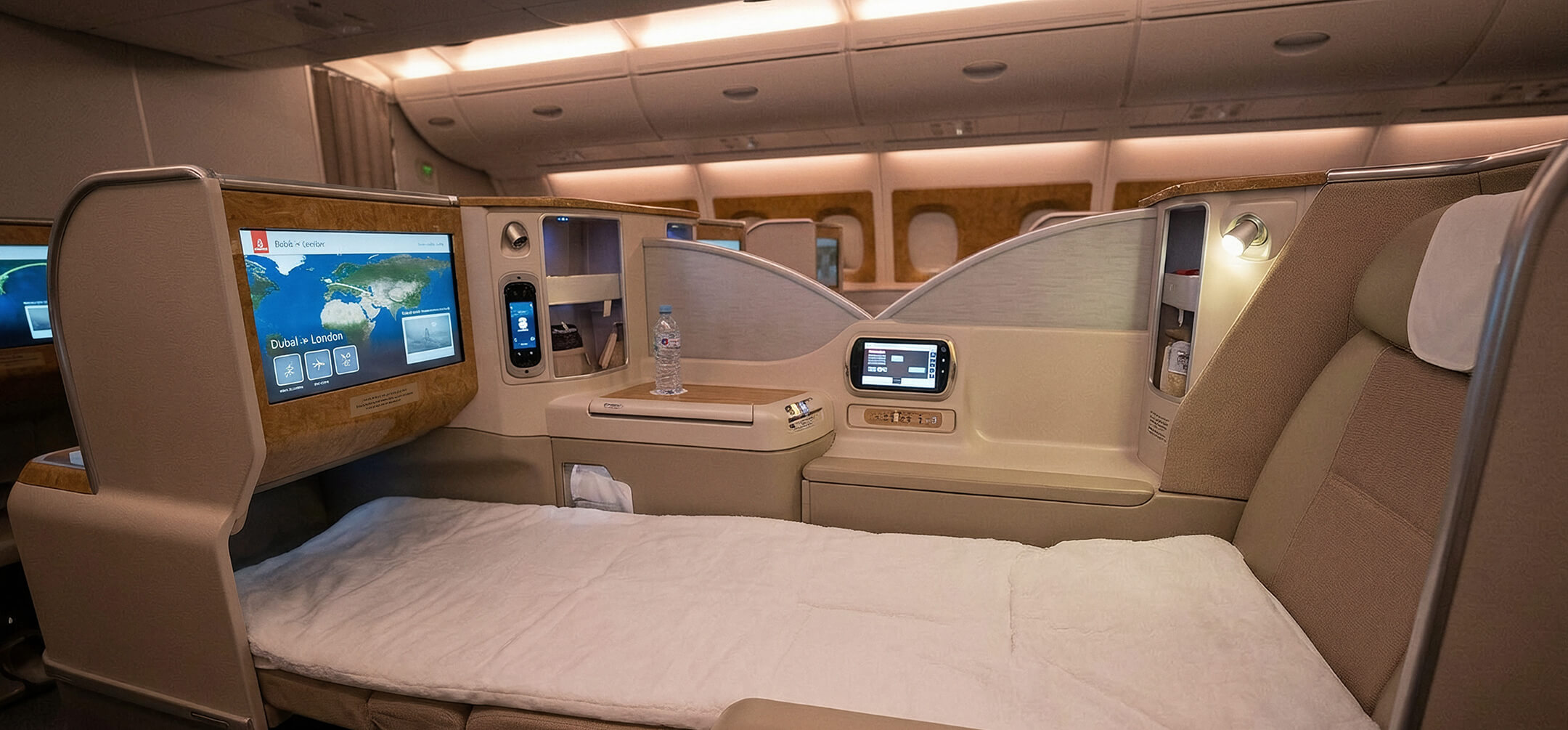
Business-class flights from the US to Burnie
Getting to Burnie usually means connecting through larger Australian or international hubs, then finishing with a regional hop into Burnie Airport (BWT). For long-haul travelers, the routing and layover length matter more than the final leg.
From New York, Qantas Airways, Emirates, Qatar Airways, Singapore Airlines, and Turkish Airlines all sell itineraries that usually take about 28 to 40 hours with connections through Sydney (SYD), Melbourne (MEL), Brisbane (BNE), Doha (DOH), Dubai (DXB), or Singapore (SIN). Round-trip fares from New York usually start at $7,500 and can reach about $12,500.
Los Angeles itineraries run on the same carrier mix, but the total journey is shorter, roughly 21 to 33 hours, with connections through Sydney (SYD), Melbourne (MEL), Brisbane (BNE), Doha (DOH), Dubai (DXB), or Singapore (SIN). Round-trip fares generally begin near $6,800 and can rise to $11,500.
Burnie feels different when you slow down
A deliberate Burnie trip keeps the center close at hand, then branches out to Makers’ Workshop, Burnie Regional Museum, Burnie Park, and Guide Falls by taxi, bus, or a short drive. That mix gives the town its shape, waterfront in the morning, museum time after lunch, and a quieter end to the day in South Burnie or the CBD. If you want help matching flights, neighborhoods, and timing, AranGrant experts can build the route around Burnie’s best days