

Chapters:

Need help with your trip?
Our support team is available 24/7. Request a callback or call us directly at (833) 619-0908
Budapest rewards travelers who keep the Danube at the center of the plan, yet many visitors still split their days between one hilltop cluster and one riverbank landmark, then miss the gaps in between. The result is more crossing back and forth than necessary, plus rushed stops at the Parliament or the Castle District.
That pattern can turn simple days into long transfers, especially once crowds build at the major sights and dinner plans start late in districts with very different evening energy. The city is compact on the map, but not every route stays simple on foot.
This guide organizes Budapest into a sequence that respects river crossings, opening hours, and neighborhood pace, so each day builds on the one before it without wasting time on backtracking.
Useful things to know
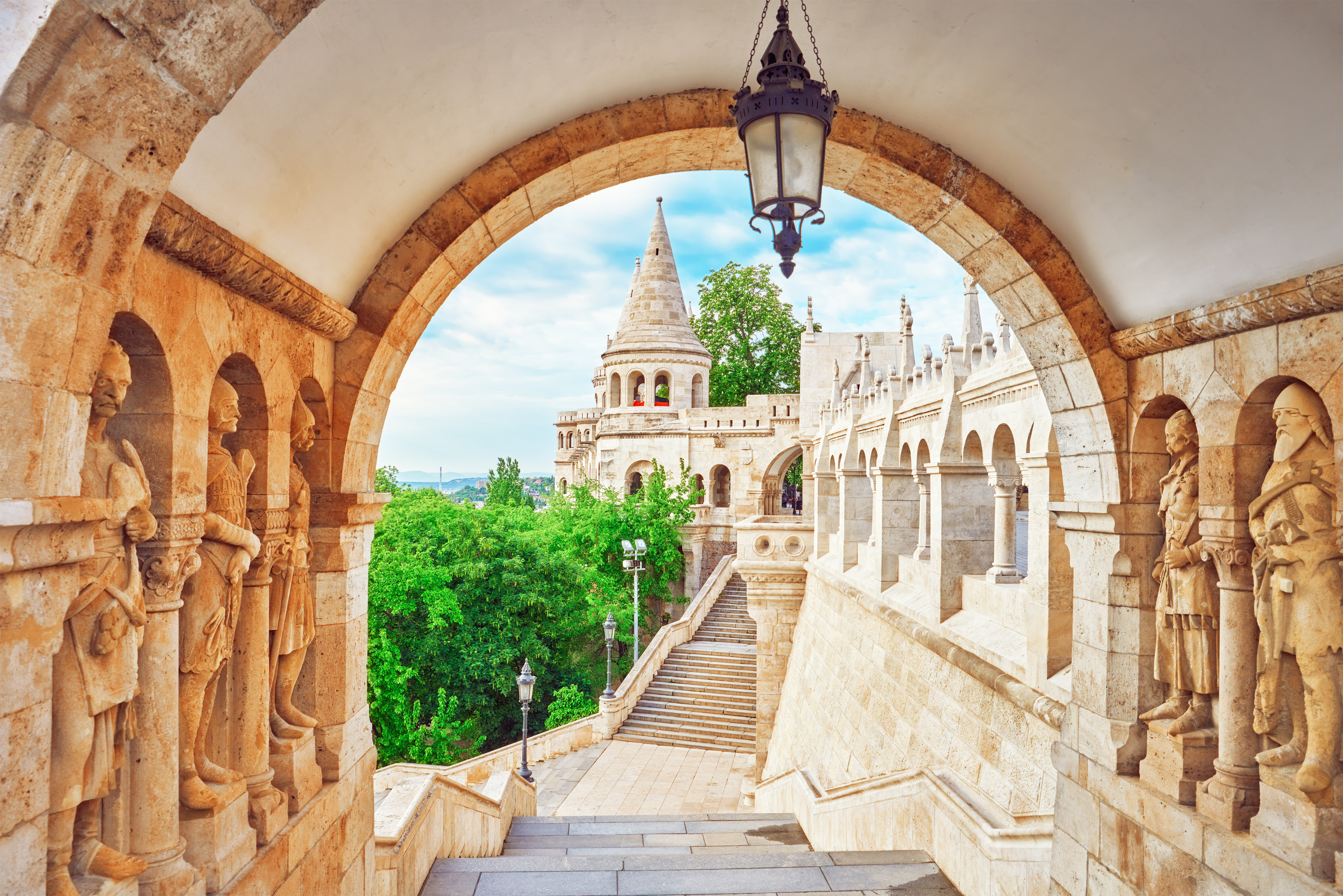

Main language(s): Hungarian
Szia (see-yaw) – Hello
Kérem (kay-rem) – Please
Köszönöm (kew-sew-nem) – Thank you
Beszél angolul? (beh-sayl on-go-lool) – Do you speak English?
Mennyibe kerül? (men-yee-beh keh-rool) – How much does it cost?

Currency: The local currency is the Hungarian forint (HUF, Ft).

Cash and cards: Cards and contactless are widely accepted; keep about HUF 5,000 to HUF 10,000 ($14 to $27) in cash for small buys.

Tipping: Round up small bills, and leave about 10% in restaurants if service is good.

Traditional food: goulash, chicken paprikash, lángos, Dobos torte

Water and coffee costs: Water ~HUF 500 ($1.35), bar espresso ~HUF 800 to HUF 1,200 ($2.15 to $3.25).

Taxis and ride apps: Bolt and Uber operate here; verify the pickup point before you ride.

Plug and voltage: Type C/F socket, 230V

Dining and shop opening hours: Breakfast is about 7:00-9:00 am, lunch 12:00-2:00 pm, and dinner 6:00-9:00 pm. Many restaurants close between lunch and dinner service.

Emergency number: Dial 112 for police, fire, or medical emergencies.
Where to stay in Budapest
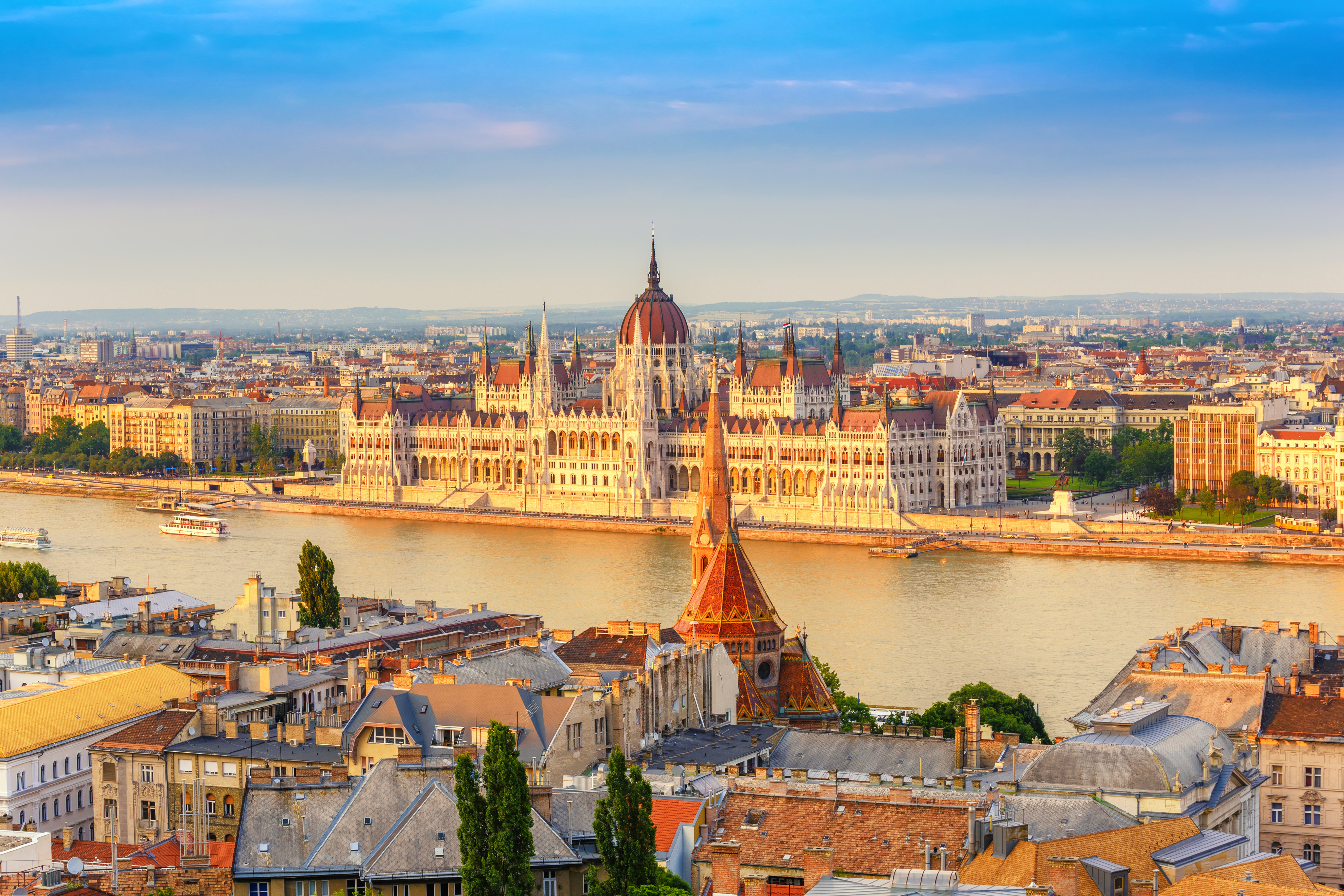
Budapest’s central core sits along the Danube, with Parliament, St. Stephen’s Basilica, and major tram lines close together. It matters because you can reach much of the historic center on foot, while metro and river crossings keep the rest of the city within easy range.
Best for: First-time visits, short stays, and travelers who want the city’s main sights close at hand
What to expect: Busy sidewalks, café terraces, office traffic by day, and a steady dining scene at night.
Hotel prices: Usually about 120€ to 260€ (~$132 to ~$286) per night for well-rated stays
Distance to major sights: 5 to 15 minutes on foot to St. Stephen’s Basilica; about 10 to 20 minutes by transit to Parliament
Quietness: Lively through the day, then calmer on side streets after dinner, with main avenues staying active later.
Main trade-off: Central locations cost more, and the busiest blocks can feel crowded during peak sightseeing hours.
Good to know: If you plan to split time between landmark visits and evening walks, this area cuts down on transit choices and late returns.
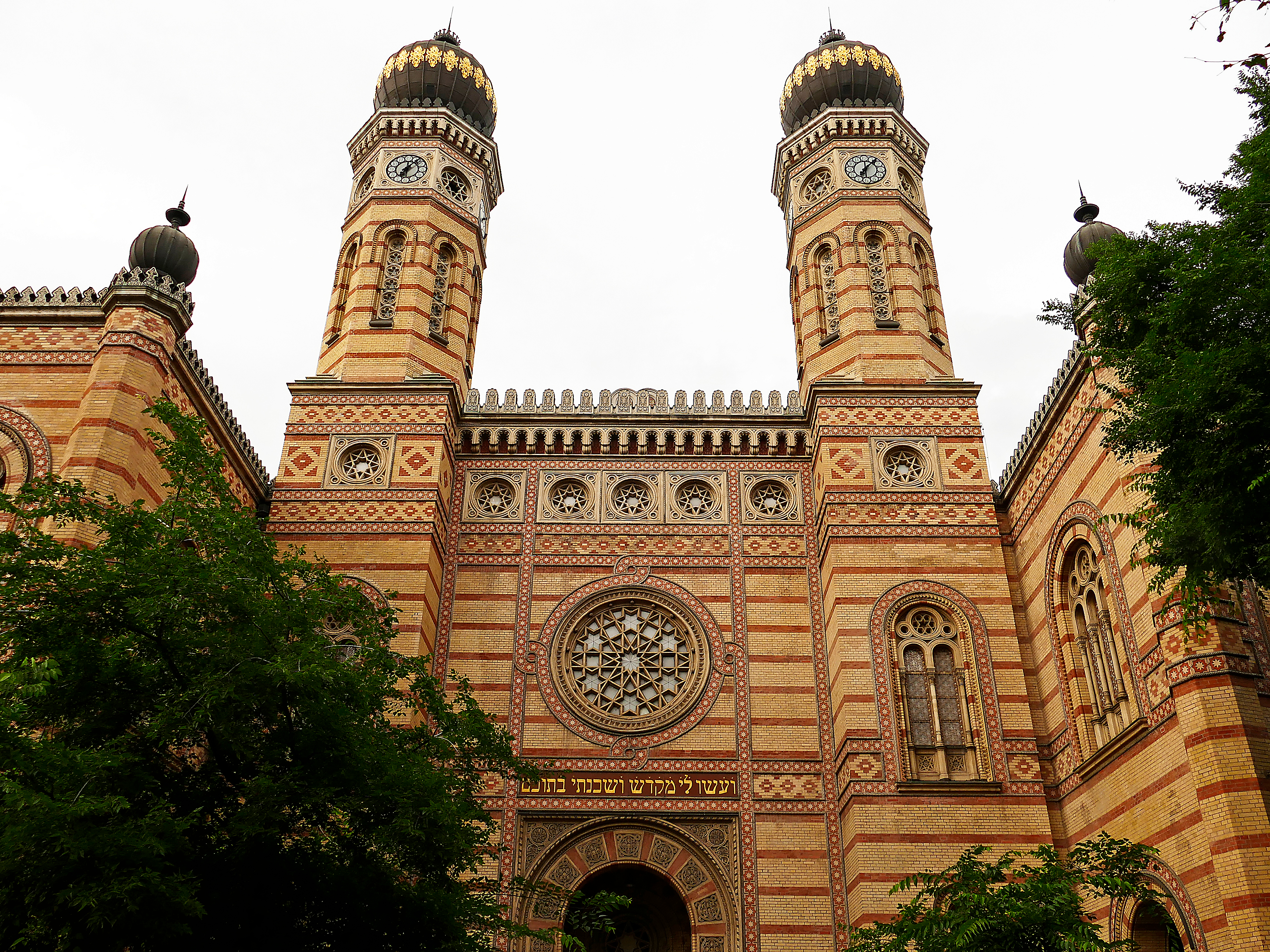
Erzsébetváros covers the Jewish Quarter, where ruin bars, compact restaurants, synagogues, and late-night foot traffic fill a dense street grid. It matters because it gives you fast access to nightlife and several notable sights, with the inner center still easy to reach.
Best for: Nightlife, restaurant hopping, and travelers who want a lively evening base
What to expect: Crowded streets, bar queues, and constant movement after dark, especially near the main nightlife blocks.
Hotel prices: Usually about 90€ to 190€ (~$99 to ~$209) per night for well-rated stays
Distance to major sights: About 15 to 25 minutes on foot to St. Stephen’s Basilica; about 10 minutes by transit to Parliament
Quietness: Noisy and active late into the evening, then much quieter in the morning on residential side streets.
Main trade-off: Late-night noise is the main cost, and some streets feel congested on weekends.
Good to know: Choose a room away from the busiest bar lanes if you want sleep before 2:00 am, since sound carries well in the tight street network.
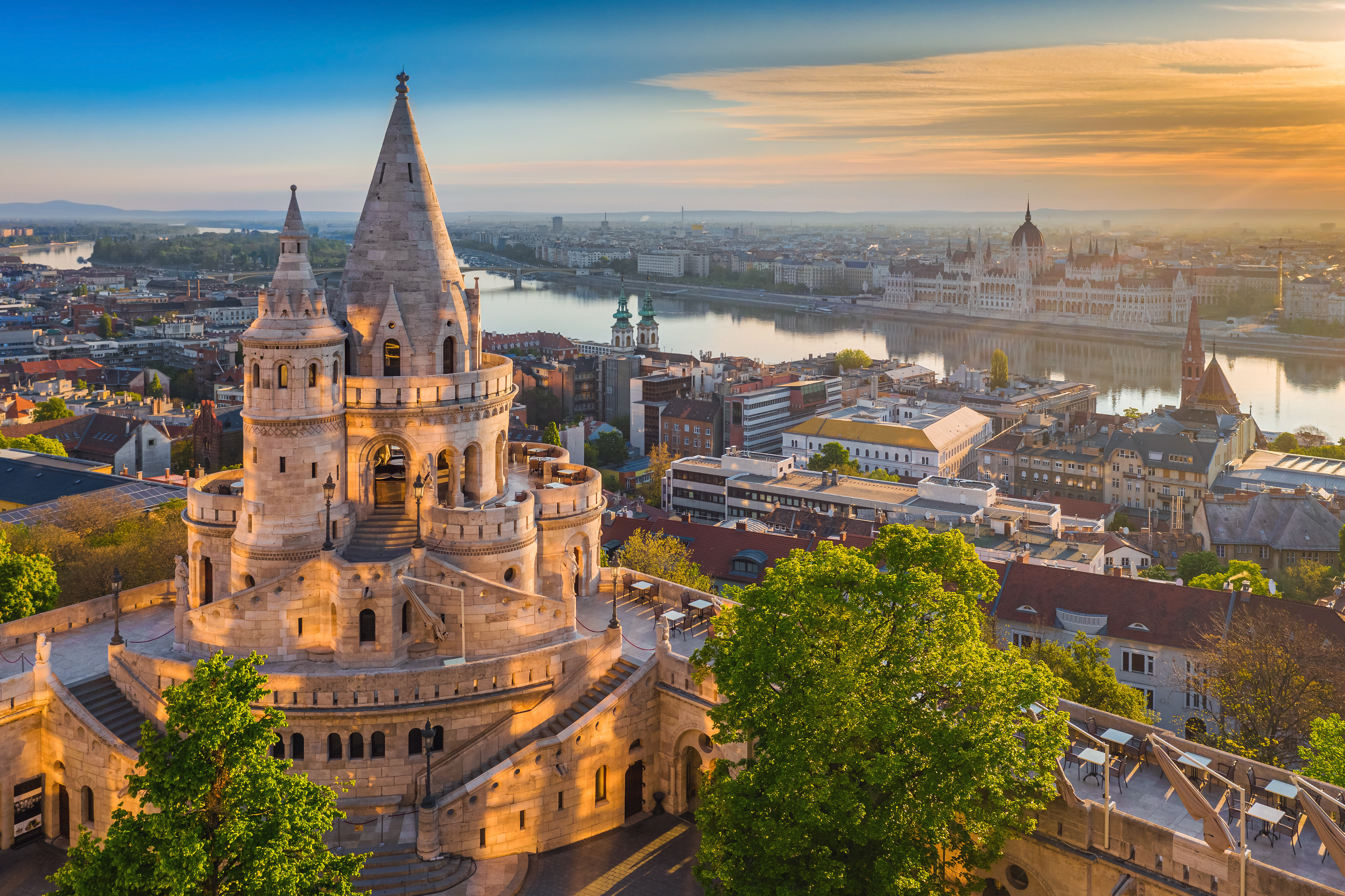
Buda Castle sits on the hill west of the Danube, with cobbled lanes, museums, and panoramic river views above the historic center. It matters because it gives you a calmer base with strong access to the castle quarter and quick transit across the river.
Best for: Scenic stays, museum visits, and travelers who prefer quieter evenings
What to expect: Stone streets, day-tripper clusters near the main sights, and much less street noise after sunset.
Hotel prices: Usually about 130€ to 280€ (~$143 to ~$308) per night for well-rated stays
Distance to major sights: About 5 to 10 minutes on foot to Fisherman’s Bastion; about 15 to 20 minutes by transit to Parliament
Quietness: Active in sightseeing hours, then noticeably quiet in the evening once the tour groups leave.
Main trade-off: Dining and grocery options are thinner than in the Pest side, so you may cross the river for more choice.
Good to know: Expect steeper streets and some uphill walking, which matters if you plan to come and go several times a day.
Travelers usually avoid outer Districts XXII and XXIII, since they sit far from the main sights in central Pest and have few visitor amenities. In Budapest (BUD), many also skip parts of Kőbánya, Csepel, and the far eastern edge of District X, because evening transit is less convenient and hotel options are mostly geared to local rather than tourist needs.
Hotel deals
How to get around Budapest efficiently
Budapest’s metro, trams, and taxis each cover a different layer of the city, and the best day often mixes all three with walking between closely packed sights.

Metro
for longer distances
Budapest’s metro has four lines, M1 through M4, and the yellow M1 is the oldest underground line in continental Europe, linking Vörösmarty tér with City Park and Széchenyi Bath in about 15 minutes. Single tickets cost about $1.25 (HUF 450) and a 30-minute ticket about $1.60 (HUF 550), with 24-hour and multi-day passes also available; tickets stay valid for 80 minutes, or 120 minutes with one transfer. Trains run roughly every 2 to 5 minutes in the center, and the metro is the fastest way to cross the city between Pest and Buda.

Bus and tram
for convenience
Tram 2 follows the Danube on the Pest bank past the Parliament and the Central Market Hall, while tram 4 and 6 run almost nonstop on the Grand Boulevard and connect with many metro stops. Budapest’s bus and tram network reaches most neighborhoods, and buses fill the gaps where the metro does not go, including hill districts and late-night links. A standard ticket costs about $1.25 (HUF 450) and stays valid for 80 minutes, or 120 minutes with one transfer; use the same ticket across bus, tram, and metro as long as the time limit has not expired.

Taxi
for convenience or late hours
Licensed taxis in Budapest use metered fares, with a base fee of about $2.05 (HUF 800), roughly $1.12 (HUF 440) per mile, and about $0.35 (HUF 100) per minute, so short inner-city rides often land near $8 to $20 (HUF 3,000 to HUF 7,500). Hail only marked cars from licensed companies or book by phone or app, and pay by card or cash. The official airport taxi to the city center uses a flat fare of about $31 to $35 (HUF 11,000 to HUF 12,500), depending on the drop-off zone and traffic.
*Prices are based on rates updated as of June 2026 and may change at the time of travel.
Use the metro for fast river crossings, trams for scenic central hops, and taxis or ride apps when you need a direct late-night return or an airport transfer.
Iconic landmarks
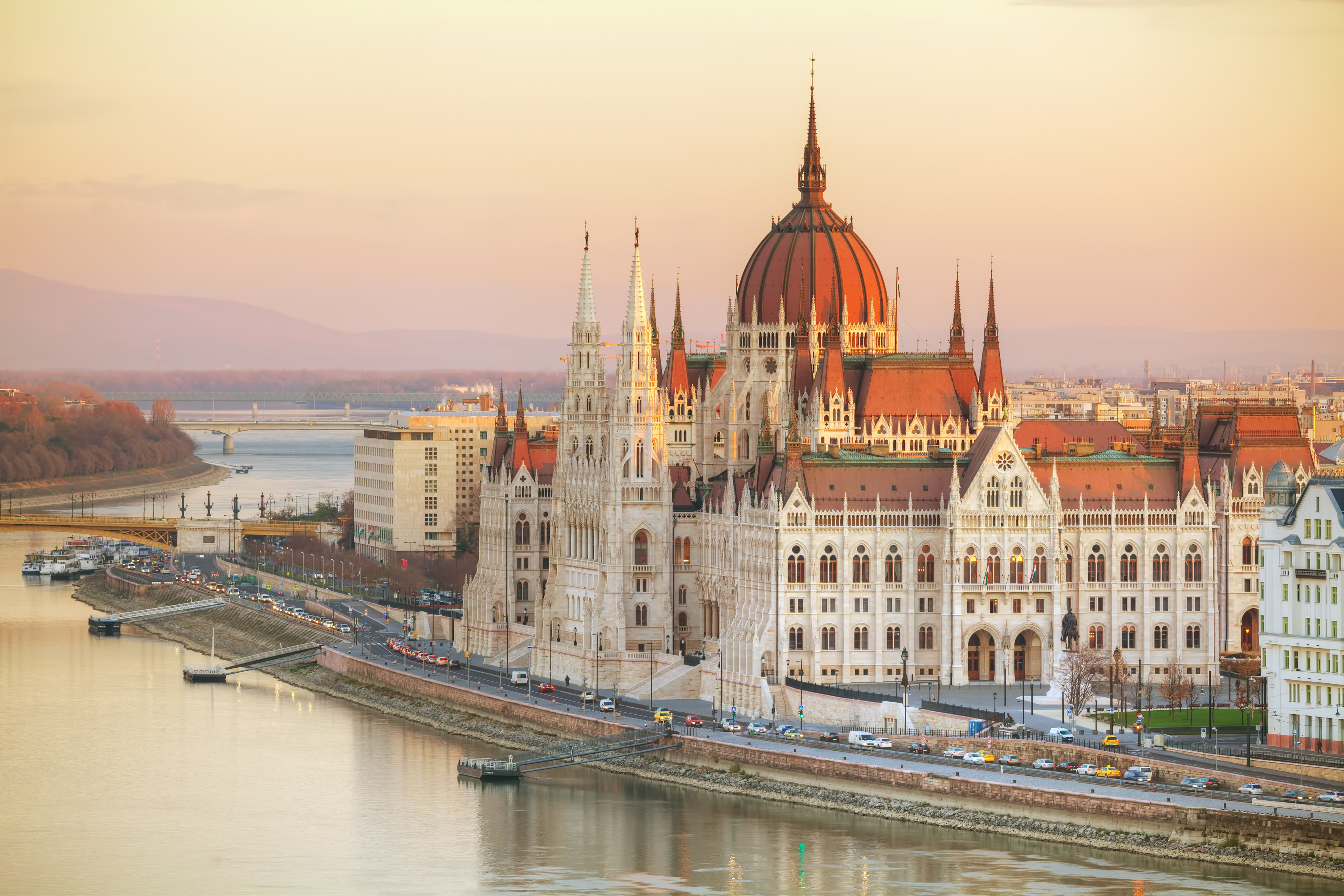
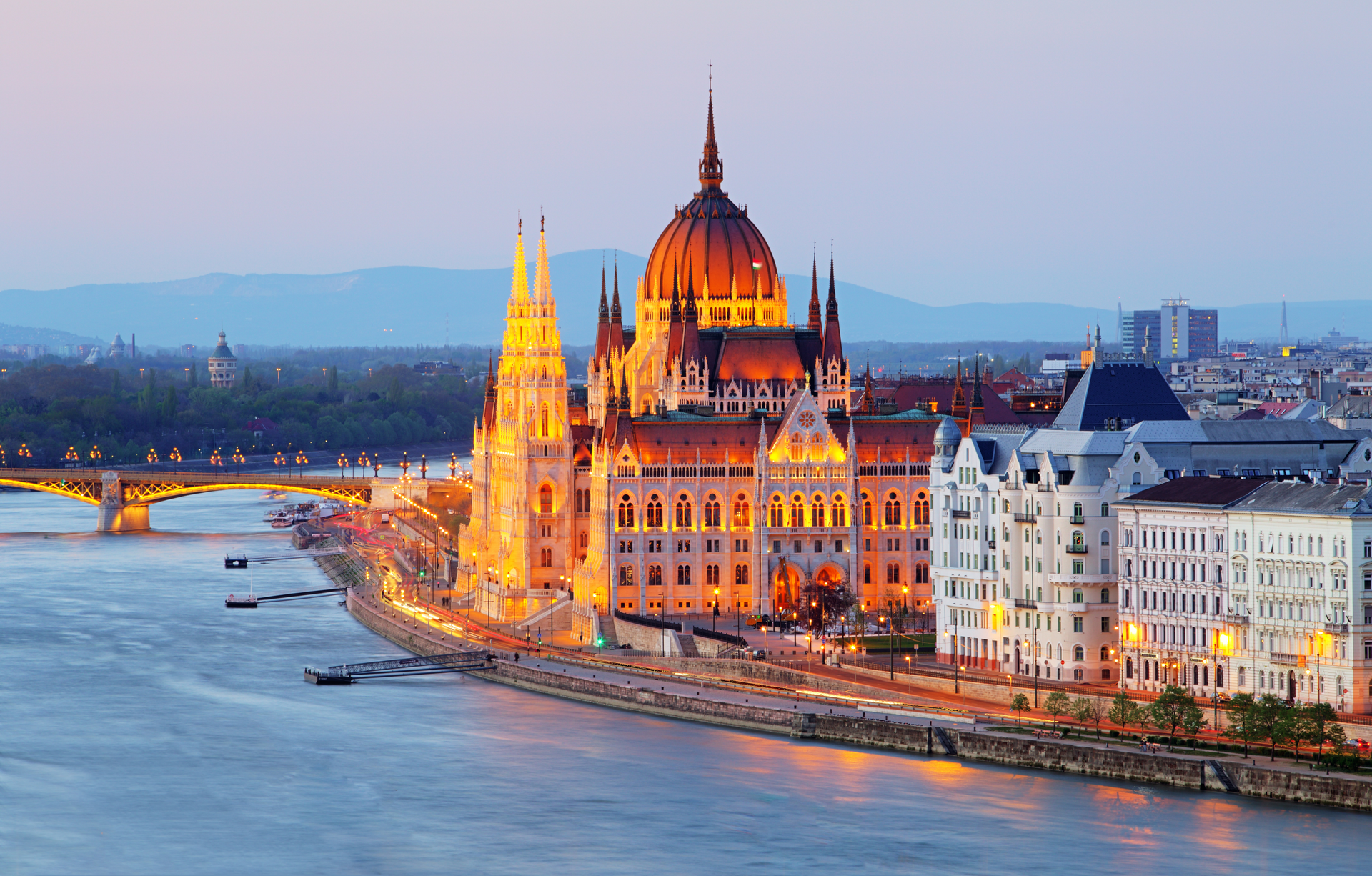
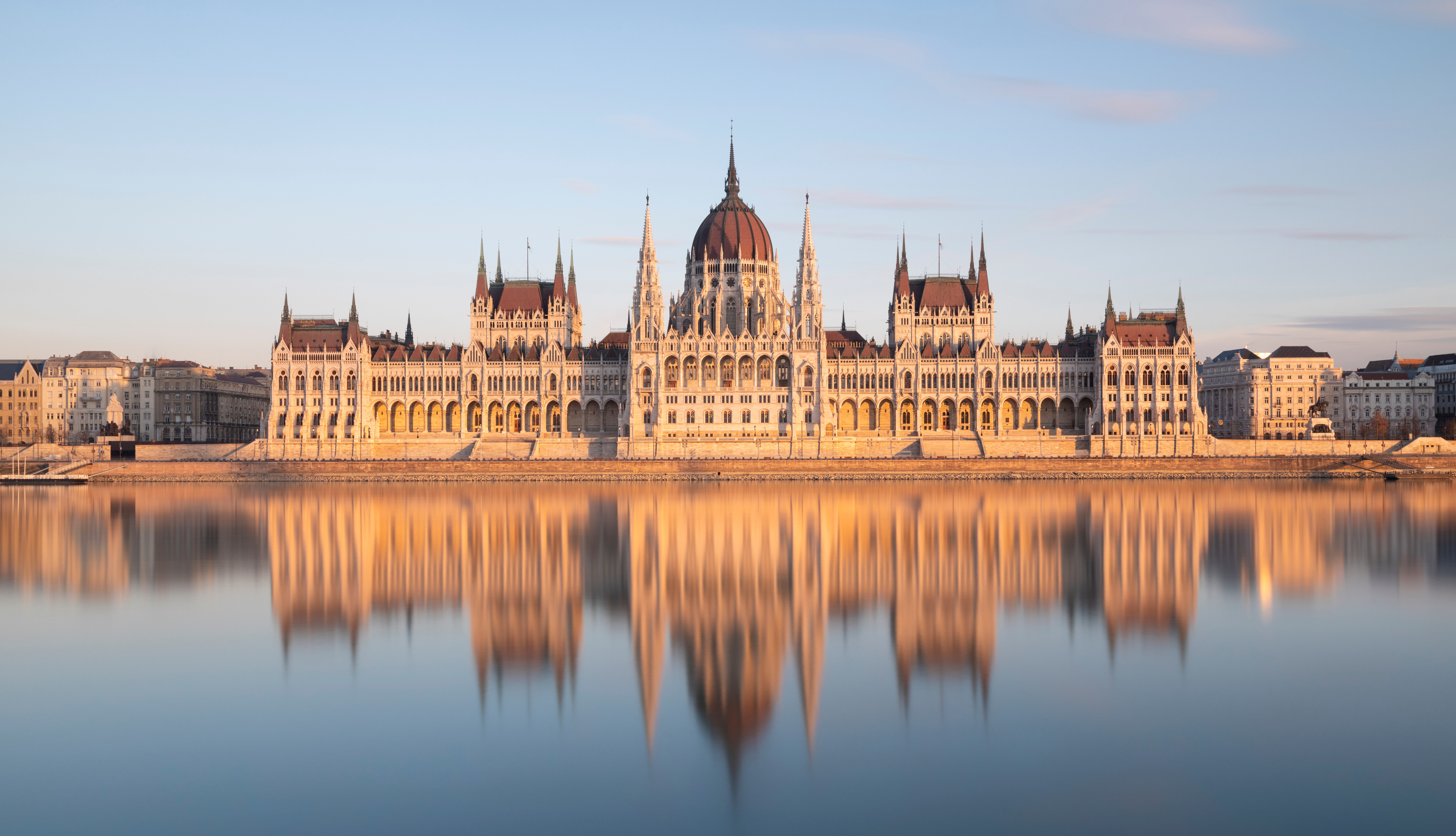
Hungarian Parliament Building
Hungary’s largest building lines the Danube with a neo-Gothic facade, a ribbed dome, and more than 690 rooms. Inside, the Grand Stairway, the Dome Hall, and the Holy Crown define the visit.
Time needed: About 45 to 60 minutes
Entry: Guided tours cost $23 to $25 (HUF 8,900 to HUF 9,600), with discounts for EU and EEA citizens and children Visit the official site for details.
Tip: Tour slots fill fast, so choose an early morning start for lighter crowds and better photos.
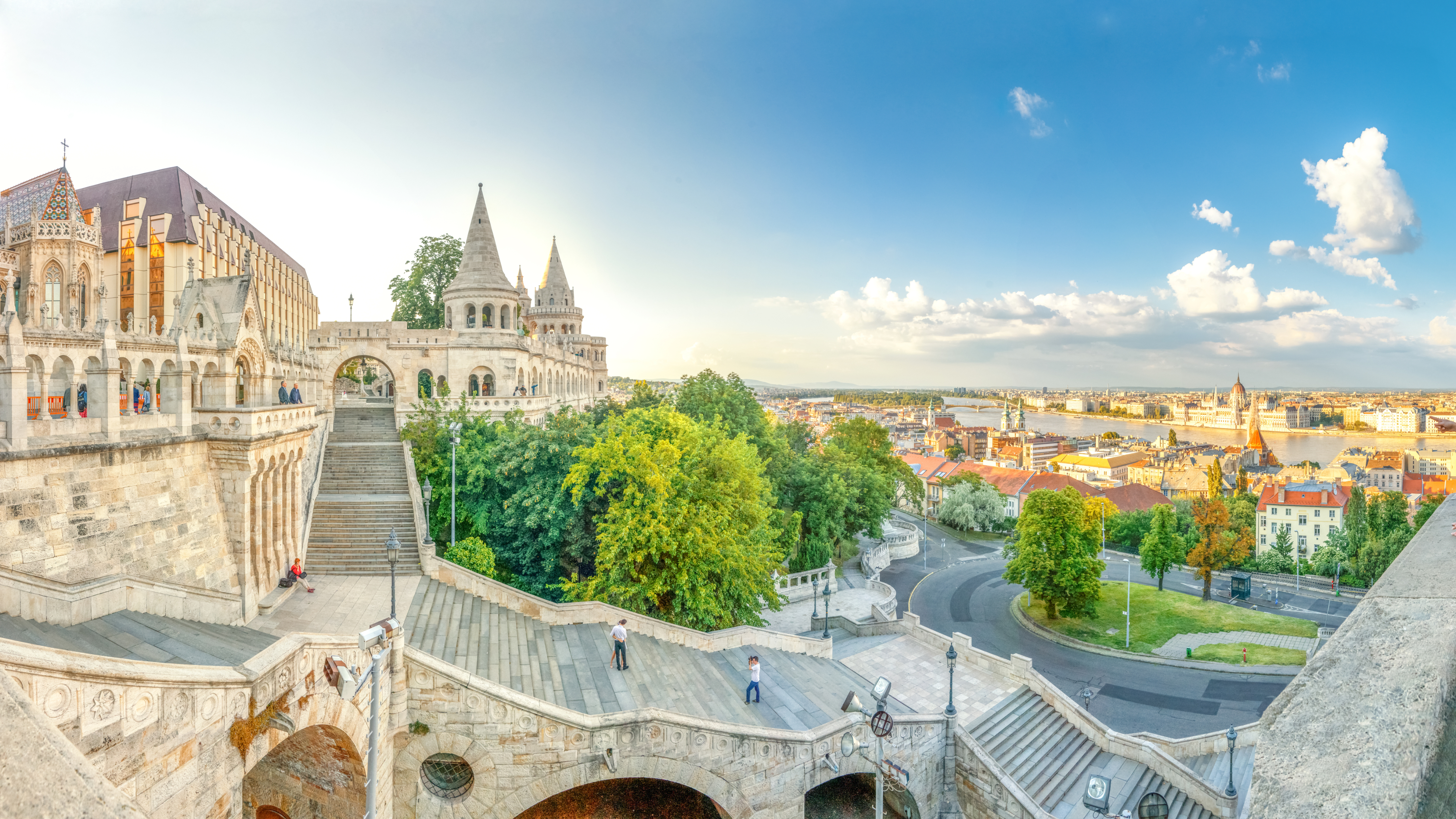
Buda Castle District
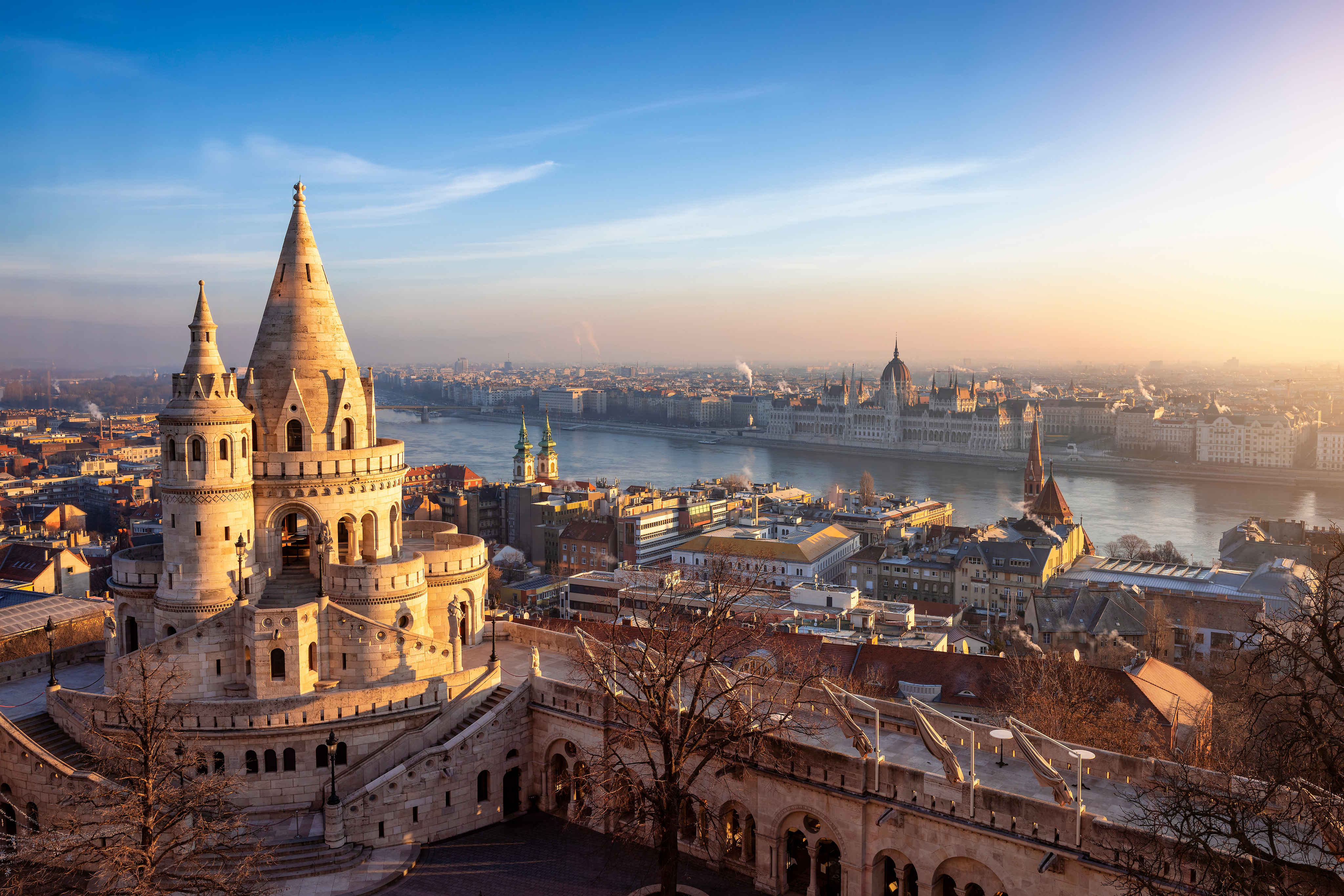
This hilltop quarter brings together Castle Hill streets, Fisherman’s Bastion, Matthias Church, and the Royal Palace complex. The terraces open wide views over the Danube, the Chain Bridge, and Pest’s riverfront.
Time needed: About 2 to 3 hours
Entry: Free to explore; paid entry applies to specific museums and churches inside the district.
Tip: Go near sunset for the best light on the river, then stay after dark for illuminated views.
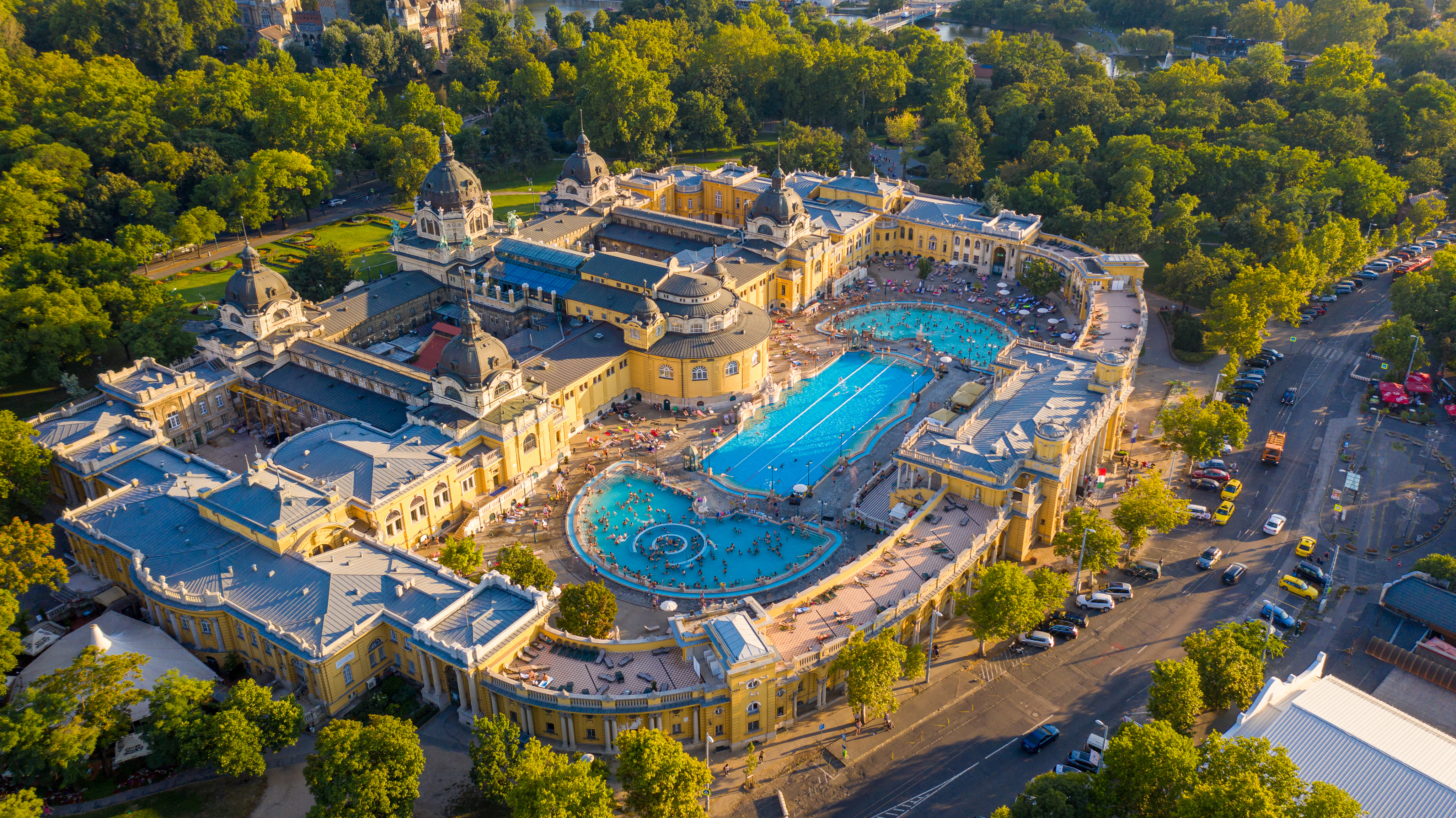
Széchenyi Thermal Bath
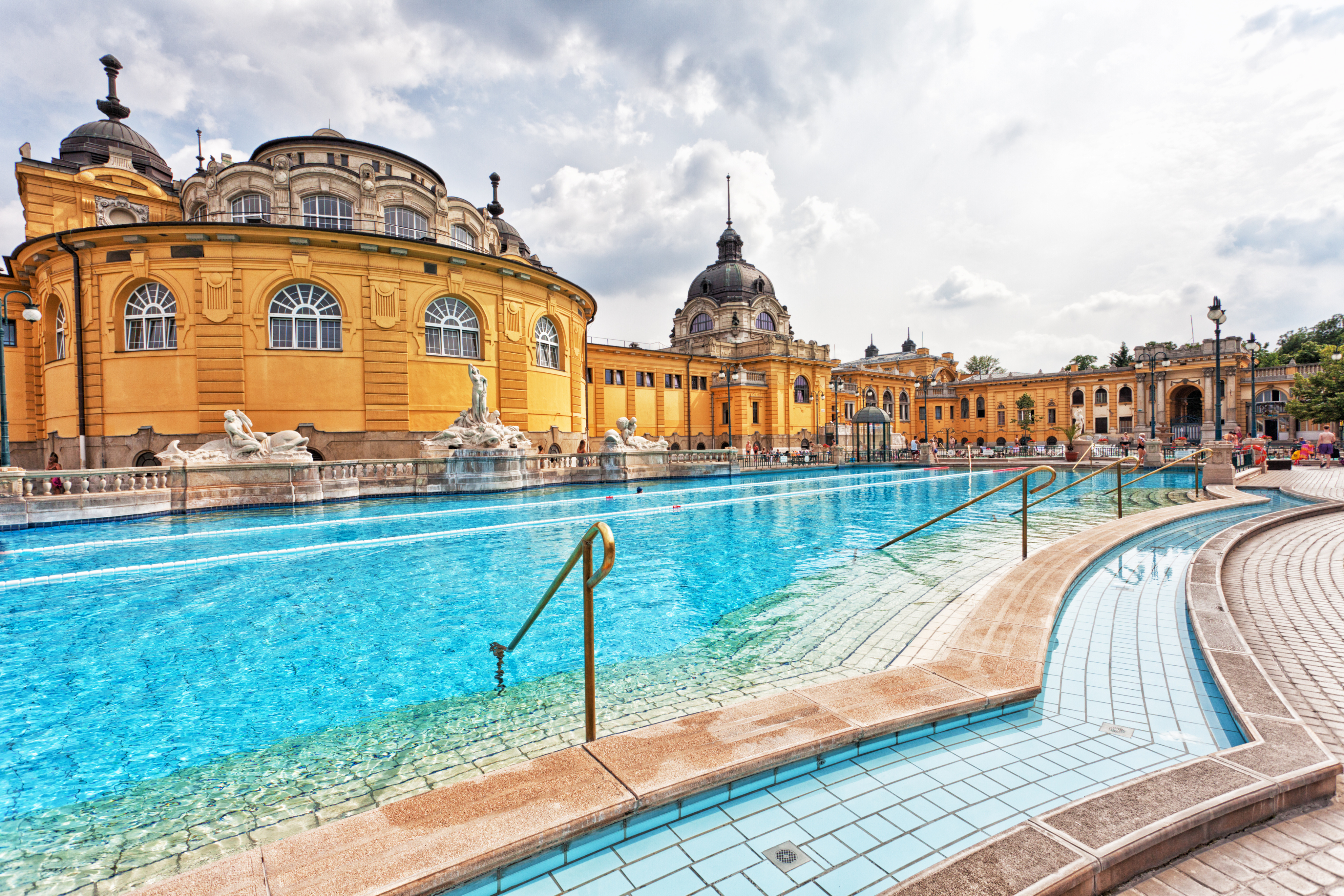
Széchenyi is Budapest’s best-known bath complex, with outdoor pools, indoor thermal pools, saunas, and the Neo-Baroque setting of City Park. The yellow facade and steam-filled courtyards make it one of the city’s signature stops.
Time needed: About 3 to 4 hours
Entry: Day tickets cost $32 to $44 (HUF 12,500 to HUF 16,900), with higher prices for cabin rentals and spa extras Visit the official site for details.
Tip: Arrive early on weekdays for quieter pools, and bring flip-flops, a towel, and a swim cap.
Overlooked sites worth visiting
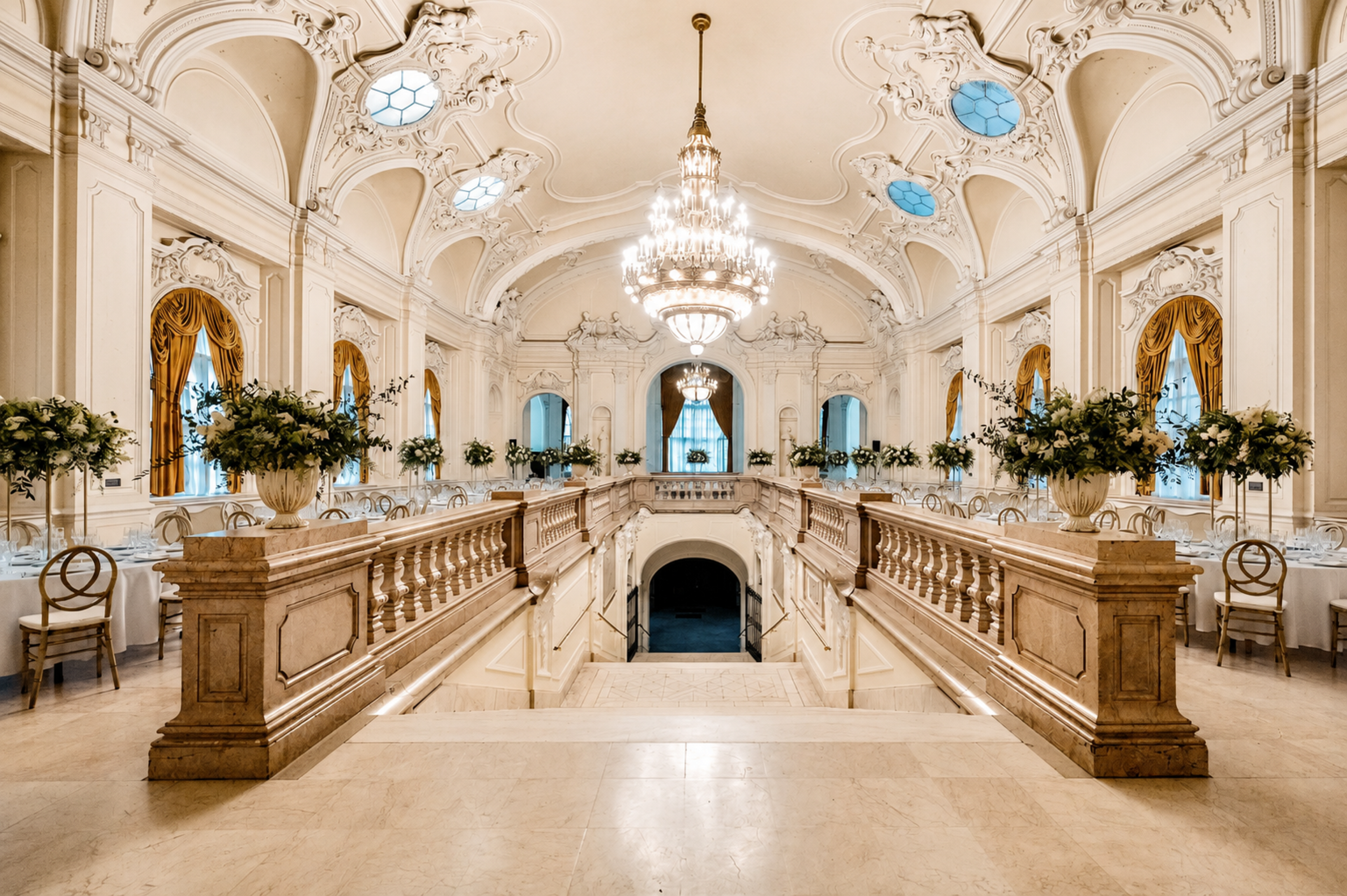
Kiscelli Museum
Set in a former Trinitarian monastery, this museum pairs baroque courtyards with Budapest history, decorative arts, and model collections. Its hilltop setting also gives you a quieter slice of Óbuda away from the central museum circuit.
Time needed: About 1 to 2 hours
Entry: Standard tickets cost about $10 to $14 (about 3,500 to 4,800 HUF) for adults, with reduced rates for students and seniors. Check the museum’s current prices for temporary exhibitions, guided visits, and any combined ticket options before you go Visit the official site for details.
Tip: Go late afternoon for softer light in the courtyard.

Feneketlen Lake and Feneketlen Park
This lake and park in Újbuda draws local runners, families, and dog walkers rather than tour groups. The paths circle the water, and the nearby churches and apartment blocks make it a good place to watch daily life in the district.
Time needed: About 45 minutes to 1 hour
Entry: Free to access
Tip: Visit early morning for calmer paths and reflections on the water.
Traditional food

Budapest cooking leans on paprika, sour cream, pork, and rich pastry, with goulash, lángos, and Dobos torte showing the range from market snacks to plated comfort food and café desserts.
Goulash
This paprika-rich stew anchors many Hungarian menus, with tender beef, vegetables, and broth that tastes deepest on colder days. For a classic central version, book a table at Gettó Gulyás in the Jewish Quarter.
Chicken paprikash
Chicken paprikash turns paprika and sour cream into a sauce that lands somewhere between rustic and refined, usually served with dumplings or noodles. Menza, near Liszt Ferenc Square, is a well-known Budapest stop for it.
Lángos
Lángos is the city’s favorite fried dough snack, often topped with garlic, sour cream, and cheese, and best eaten hot. Karaván Street Food, in the Jewish Quarter, is a common Budapest reference point for it.
Dobos torte
Dobos torte layers sponge, chocolate buttercream, and caramel in a dessert that still defines many café displays. Centrál Kávéház serves a polished version in a historic setting on the Pest side.
Best time to visit Budapest
Budapest changes with the seasons, from bright terrace weather in spring and fall to hot, crowded afternoons in summer and cold, atmospheric winter days by the river.
Best for: Walks along the Danube, castle visits, and terrace dining
What you get: Expect about 45 to 70°F (7 to 21°C), with moderate crowds and occasional rain
Trade-offs: Weather can swing quickly, so some mornings feel much cooler than the afternoons
Best for: Long daylight, baths, and late evenings on the Pest side
What you get: Expect about 60 to 84°F (16 to 29°C), with the busiest crowds of the year and fuller thermal baths
Trade-offs: Heat and tour volumes can make midday sightseeing tiring
Best for: Clear sightseeing days, museum visits, and river views
What you get: Expect about 41 to 72°F (5 to 22°C), with lighter crowds after the summer peak
Trade-offs: Later in the season, cooler evenings shorten outdoor dining windows
Best for: Baths, cafés, and holiday lighting around the center
What you get: Expect about 27 to 41°F (-3 to 5°C), with fewer visitors except during holiday weeks
Trade-offs: Cold wind and short days can limit long outdoor walks
A realistic 5-day plan in Budapest
The five-day plan below keeps the river crossings intentional and groups nearby sights together, so each day has a clear geographic focus. That makes Budapest easier to read, whether you are staying in District V, District VII, or across the river in Buda.
Land at Budapest (BUD), then take a taxi or a prebooked airport shuttle to District V or District VII in about 30 to 40 minutes for roughly $35 to $50. If you are staying in District V, a room near St. Stephen’s Basilica keeps your first evening simple; District VII works better if you want more late dinner choices. After you check in, drink water, walk a short loop along the Danube if energy allows, and choose a light meal near your hotel, such as a café or a casual bistro in Belváros-Lipótváros.
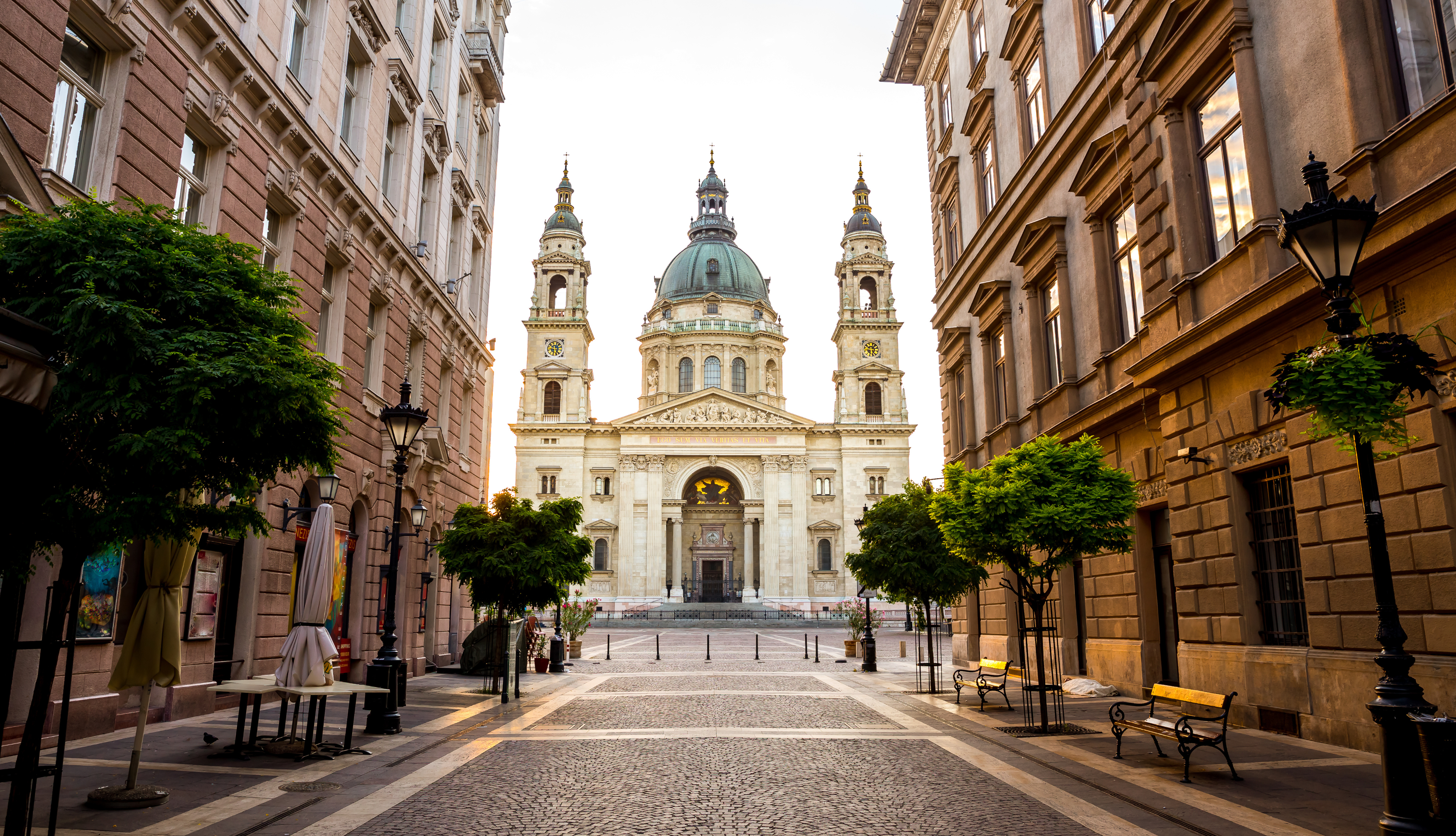
Start with the Hungarian Parliament Building, which sits about 10 to 15 minutes on foot from much of District V, and book an early tour so you can see the Grand Stairway and Dome Hall before the rooms fill. From there, walk roughly 15 minutes to St. Stephen’s Basilica for the dome views, then continue another 10 minutes into the surrounding central streets for lunch. Spend the afternoon in the same core rather than crossing the city, so your pace stays calm while you adjust to the time change.
Begin on Castle Hill in the Buda Castle District, then spend about 2 to 3 hours moving between Fisherman’s Bastion, Matthias Church, and the Royal Palace complex. After that, walk about 10 minutes downhill or take transit back across the river for a riverfront dinner in District V, where the Pest side gives you easy evening access. If the weather is clear, stay out after sunset for the lit-up terraces and the Chain Bridge views from the Buda side.
A bath day fits Budapest well, and Széchenyi Thermal Bath makes the most sense if you start early and arrive by metro or taxi before the midday crowds. Plan on about 3 to 4 hours for the pools, saunas, and outdoor courtyards, then take a short ride to Feneketlen Lake and Feneketlen Park for an easy late-afternoon walk among locals in Újbuda. If you still want one more stop, finish with a relaxed dinner back in District VII, where the restaurant choice is broad and the night can stay unhurried.
Before you head to the airport, spend your last hours at Kiscelli Museum for about 1 to 2 hours, then cross toward the central side for some shopping in District V, where the main streets keep souvenir and design stores within a short walk of one another. If you prefer a slower ending, settle into a café in Belváros-Lipótváros and have coffee and a pastry near the Danube before your transfer. Leave for Budapest (BUD) with enough time for a 30 to 40 minute ride back to the airport, since traffic can lengthen the trip in the late afternoon.
Business-class flights from the US to Budapest
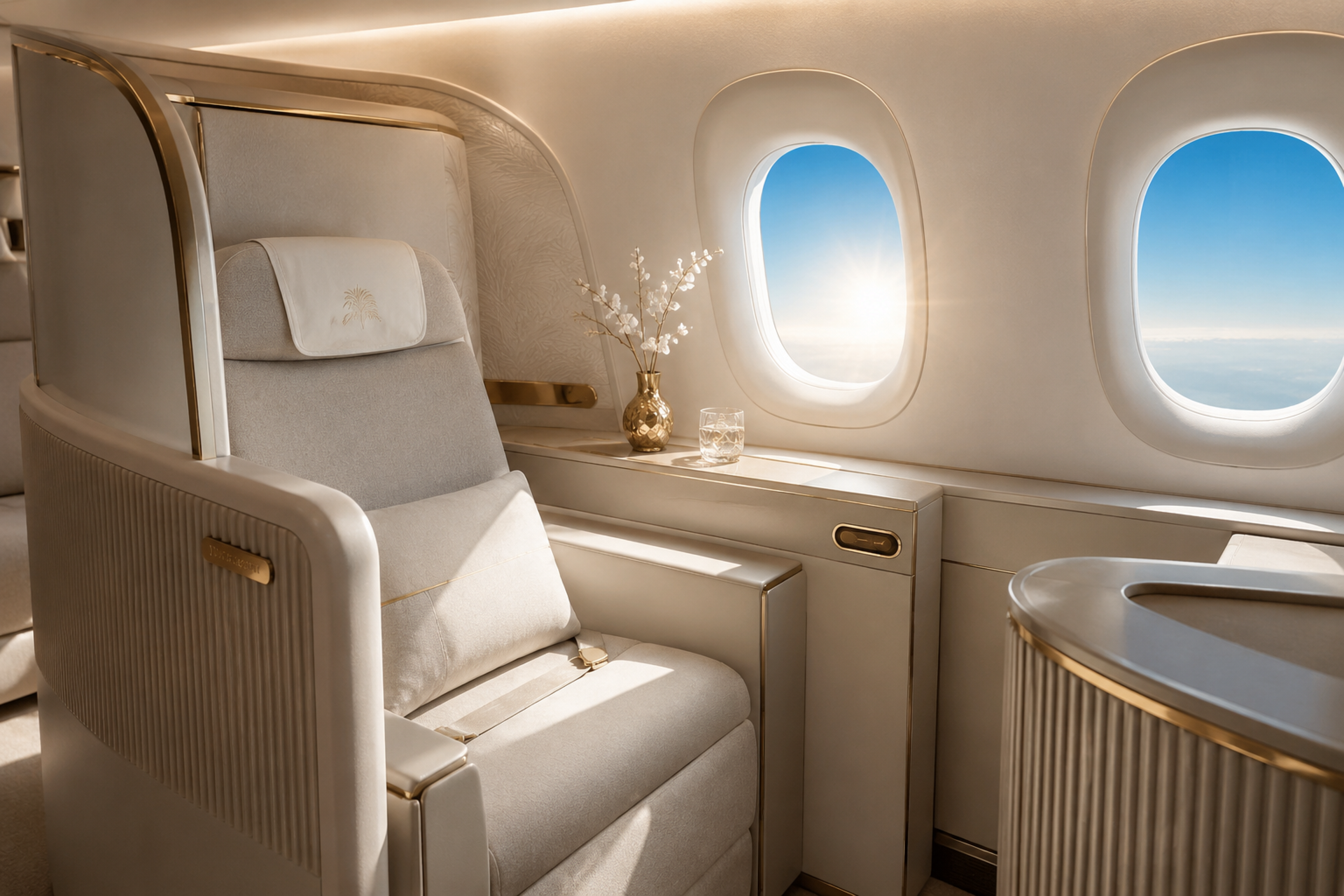
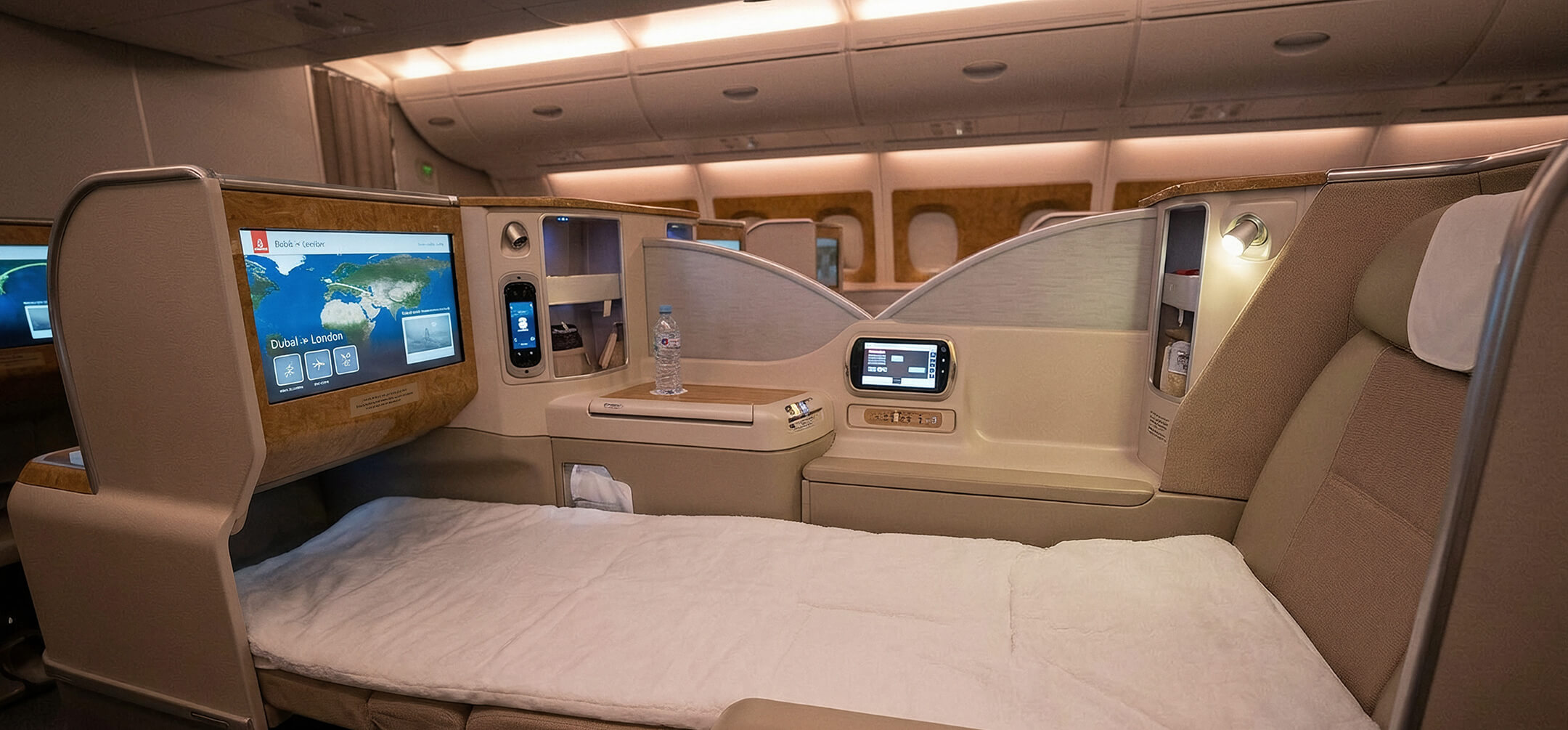
Reaching Budapest usually means a one-stop long-haul itinerary from either coast, though the route mix and layover city shift by origin. The best examples balance total travel time against the hubs available through Europe or Istanbul.
From New York, Delta Air Lines, American Airlines, United Airlines, Lufthansa, Air Canada, and Turkish Airlines all sell itineraries that can land you in Budapest in about 8 to 9 hours nonstop, or about 10 to 14 hours with a connection. Common layovers run through FRA, MUC, ZRH, IST, CDG, or AMS, and one-stop fares start from $2,600 round-trip.
Los Angeles itineraries usually stretch to about 11 to 12 hours nonstop, with Lufthansa, Austrian Airlines, Turkish Airlines, British Airways, Air Canada, and United Airlines among the carriers on the route. One-stop options via FRA, MUC, ZRH, IST, LHR, or CDG often cut the trip to about 14 to 18 hours, and round-trip fares start at $3,000, while one-stop itineraries via major European hubs can cut that to about $2,200 to $2,700.
Budapest feels different when you slow down
A good Budapest trip keeps the riverfront, Castle Hill, and the inner Pest streets in the same frame, then uses the metro, tram, and a few well-chosen taxi rides to avoid needless crossings. District V works for Parliament mornings and Danube evenings, District VII suits dinners after a bath day, and the Buda side rewards a slower climb. If you want help shaping the route before you book, the AranGrant experts can tailor it around the season and the neighborhoods that matter most