

Chapters:

Need help with your trip?
Our support team is available 24/7. Request a callback or call us directly at (833) 619-0908
Bucaramanga rewards travelers who look past the first hotel quote and map the city by distance, not just by neighborhood names. Many visitors focus on Cabecera and miss how quickly a canyon day, a center-city walk, and a southern metro excursion can change the pace.
That approach can waste time because traffic shifts sharply between the airport side, the historic core, and Floridablanca. Short rides may still need careful timing, and evening plans work best when they stay close to where you are sleeping.
This guide sorts the city into usable days, keeps transfers visible, and pairs each area with sights, meals, and flight timing that fit Bucaramanga’s actual layout.
Useful things to know

Main language(s): Spanish
Hola (OH-lah) – Hello
Por favor (por fah-VOR) – Please
Gracias (GRAH-see-ahs) – Thank you
¿Habla inglés? (AH-blah een-GLAYS) – Do you speak English?
¿Cuánto cuesta? (KWAN-toh KWES-tah) – How much does it cost?

Currency: The local currency is the Colombian peso (COP, $).

Cash and cards: Cards and contactless are widely accepted; carry about COP 50,000 to 100,000 ($13 to $26) in cash for small buys.

Tipping: Round up small bills; leave about 5-10% in restaurants if service was good.

Traditional food: Hormigas culonas, mute santandereano, cabro con pepitoria, arepa santandereana

Water and coffee costs: Water about COP 3,000 ($1), bar espresso about COP 6,000 ($2).

Taxis and ride apps: InDriver and Cabify operate here; confirm the fare before you start.

Plug and voltage: Type A/B socket, 110V

Dining and shop opening hours: Breakfast is about 07:00-09:00, lunch 12:00-14:00, and dinner 19:00-21:30. Many places close between meal periods.

Emergency number: 119 for police, fire, and medical emergencies.
Where to stay in Bucaramanga
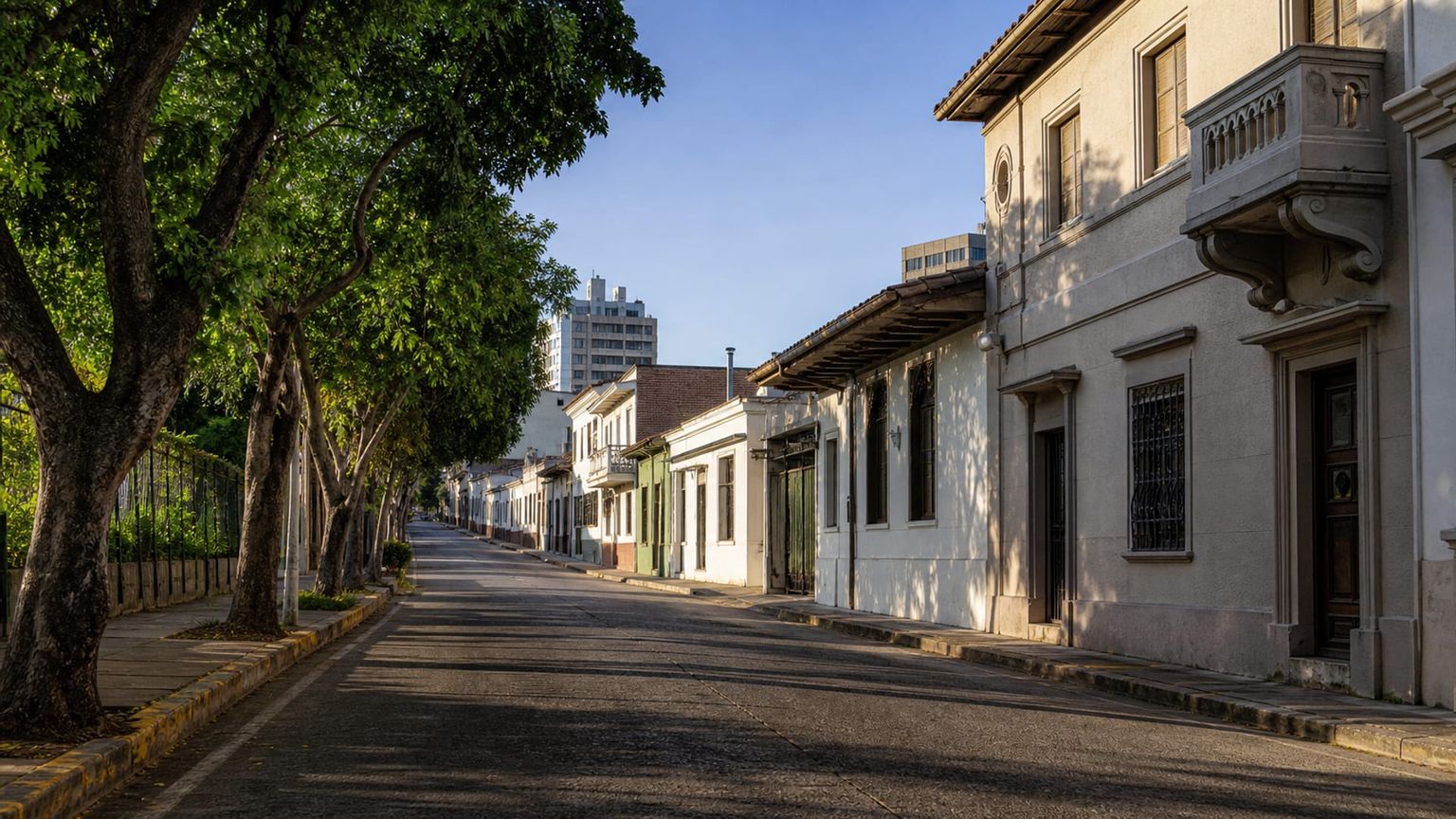
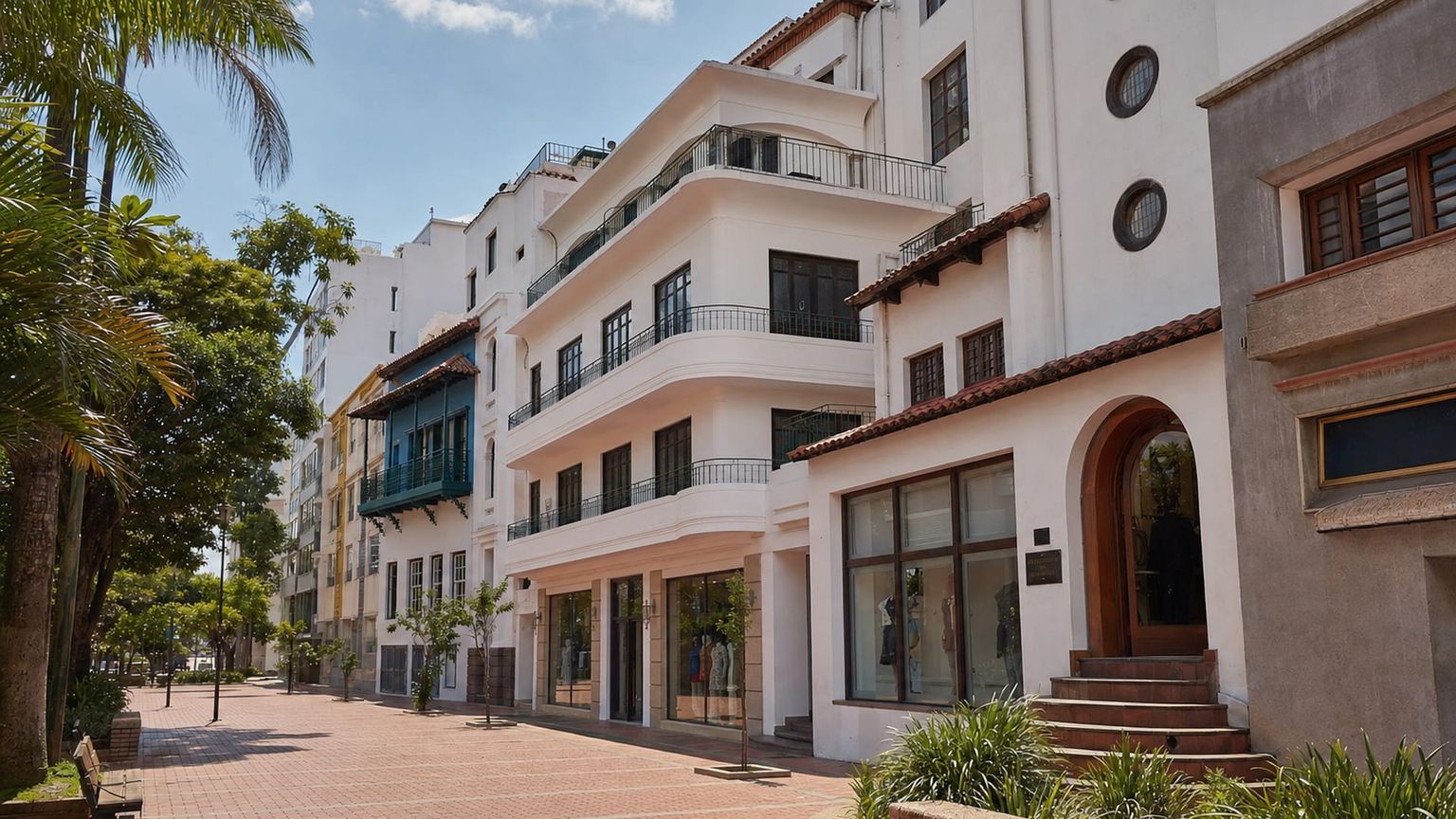
Bucaramanga’s most established hotel zone, Cabecera del Llano centers on shopping centers, restaurants, and mid-rise residential blocks. It matters for travelers who want the city’s broadest mix of dining, errands, and easy taxi access without staying in the busiest downtown streets.
Best for: Shopping, dining, and travelers who want to stay in the city’s main hotel zone
What to expect: Busy sidewalks, constant traffic, and the most concentrated restaurant scene in the city.
Hotel prices: Usually about 180,000 COP to 380,000 COP (~46$ to ~97$) per night for well-rated stays
Distance to major sights: 15 to 20 minutes by taxi to Parque Santander and the historic center
Quietness: Lively in the day and early evening, then quieter on residential side streets after dinner.
Main trade-off: You pay more here than in outer districts, and the busiest avenues can be noisy well into the evening.
Good to know: If you want late dinners or easy ride-hailing, this is the area that makes the rest of the city simplest to reach.
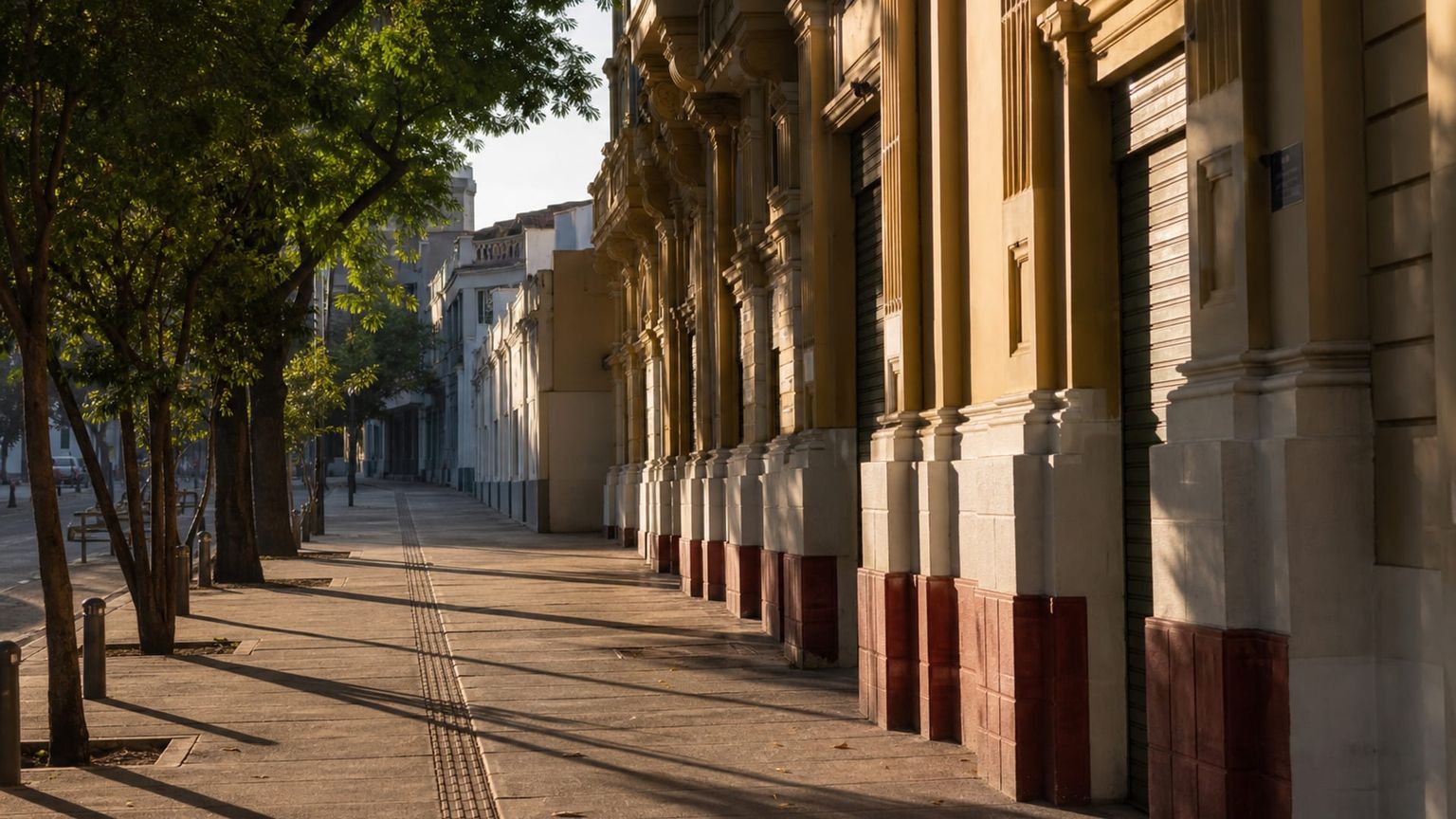
The historic center puts you near Bucaramanga’s main civic buildings, plazas, and older commercial streets. It matters if you want short walks to museums, churches, and local markets, although the area is more functional than scenic after office hours.
Best for: Short stays, historic sights, and travelers who plan to move around by taxi or on foot
What to expect: Dense daytime foot traffic, street vendors, banks, and a strong weekday business pulse.
Hotel prices: Usually about 120,000 COP to 240,000 COP (~31$ to ~61$) per night for well-rated stays
Distance to major sights: 5 to 10 minutes on foot to Parque Santander and the cathedral
Quietness: Busier and louder by day, then noticeably quieter after offices close.
Main trade-off: Hotel choices are thinner than in Cabecera, and some blocks feel underactive at night.
Good to know: Choose a room away from the main avenues if you plan to sleep early, since traffic and street noise carry across the center.
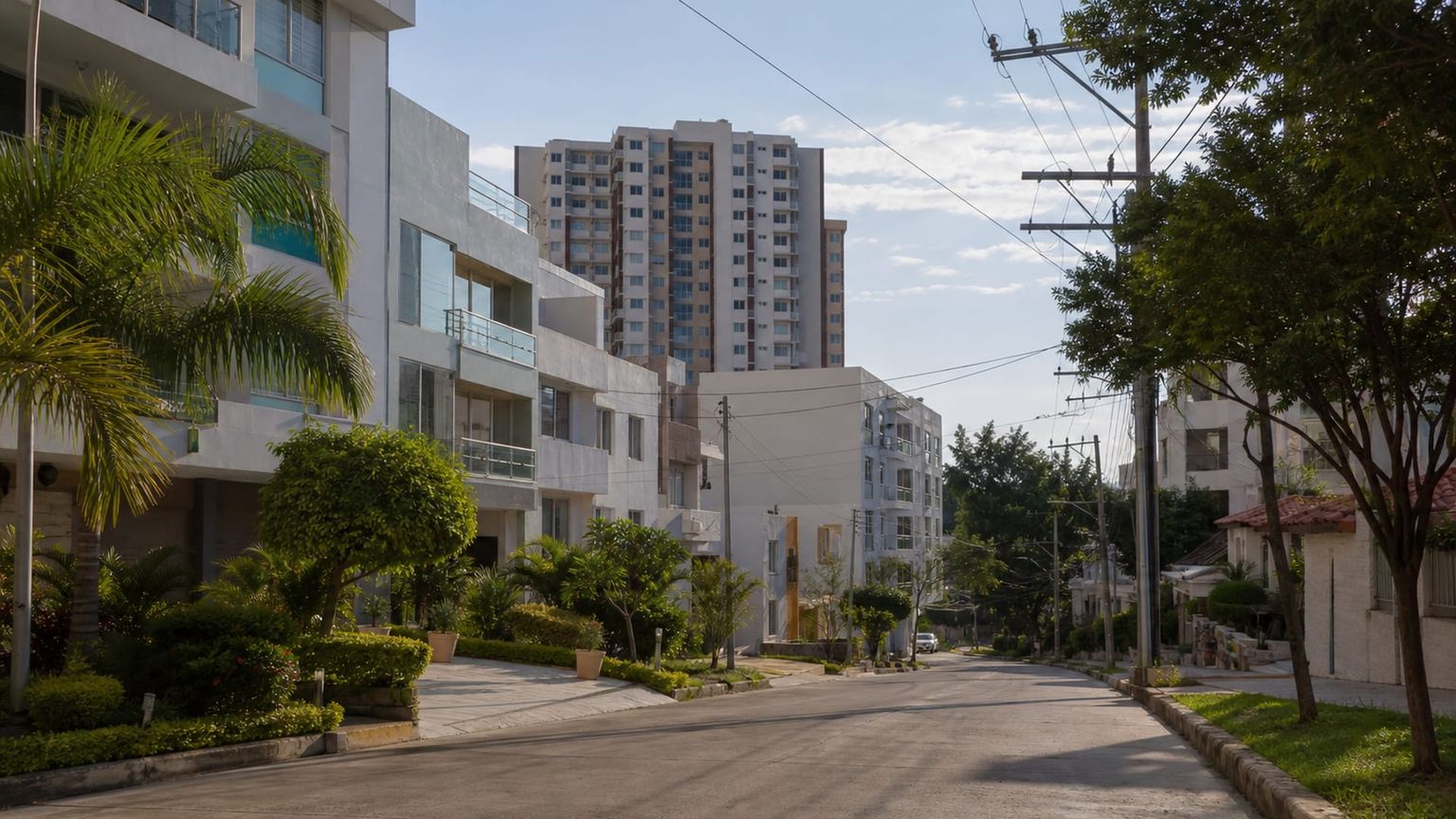
Cañaveral sits in the Floridablanca end of the metro area and offers a more suburban setting with malls, apartment towers, and chain hotels. It matters for travelers who want easier parking, newer buildings, and access to both Bucaramanga and southern metro neighborhoods.
Best for: Car travelers, longer stays, and visitors who want newer hotels and mall access
What to expect: Wider streets, shopping mall traffic, and a more residential crowd than central Bucaramanga.
Hotel prices: Usually about 160,000 COP to 320,000 COP (~41$ to ~82$) per night for well-rated stays
Distance to major sights: 25 to 35 minutes by taxi to Parque Santander, depending on traffic
Quietness: Quieter at night than central Bucaramanga, with more activity near malls and main roads in the afternoon.
Main trade-off: You gain newer lodging and parking, but you lose the convenience of walking to the historic center.
Good to know: Plan on taxi time during rush hour, since the commute into central Bucaramanga can stretch noticeably in peak traffic.
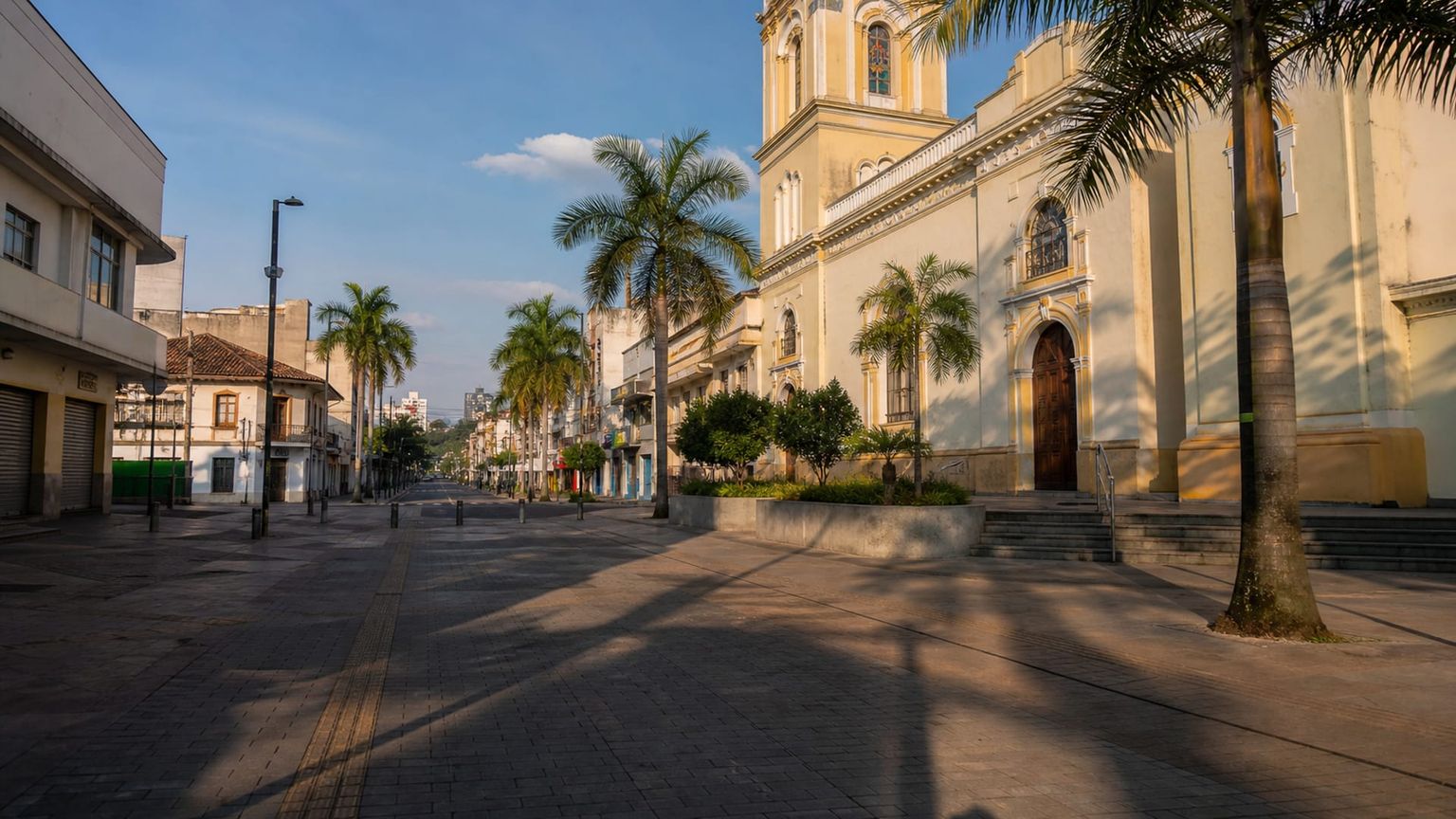
Floridablanca Centro sits just south of Bucaramanga and works well for visitors who want a more local base near markets, municipal services, and neighborhood eateries. It matters because it gives you access to the metro area’s southern side without the price and pace of the busiest commercial corridors.
Best for: Budget-conscious stays, local dining, and travelers using the southern metro area
What to expect: Mixed residential and commercial blocks, with weekday activity and fewer late-night crowds than Cabecera.
Hotel prices: Usually about 140,000 COP to 260,000 COP (~36$ to ~67$) per night for well-rated stays
Distance to major sights: 20 to 30 minutes by taxi to Parque Santander and Bucaramanga’s central market area
Quietness: Active during the day, then calmer in the evening except near main roads and plazas.
Main trade-off: You save compared with the main hotel districts, but most major sights and nightlife need a ride.
Good to know: Check the exact address before booking, because the area can spread across streets that feel very different after dark.
Travelers usually avoid staying in Zona Industrial, because it sits far from Bucaramanga’s main sights and has few visitor-oriented hotels or dining options. Cabecera farther from the core nightlife strip, Norte, and the airport-side areas near Palonegro Road are also less convenient for most visitors, since evening travel can be slow and the hotel stock skews toward business or transit use rather than sightseeing.
Hotel deals
How to get around Bucaramanga efficiently
Bucaramanga has no metro, so trips usually combine Metrolínea buses, taxis, and app-based cars, with each option covering a different part of the metro area.

Metro
for longer distances
Bucaramanga has no metro system, so visitors rely on buses, colectivos, and taxis instead. For trips across the metropolitan area, allow about 20 to 45 minutes depending on traffic, and use taxis or app-based cars for anything with a tight schedule.

Bus and tram
for convenience
Metrolínea, the city’s bus rapid transit network, links Bucaramanga with Floridablanca, Piedecuesta, and Girón through dedicated trunk routes and feeder buses. A single ride typically costs about $0.80 to $1.20, with fare media that can be valid for one boarding only or tied to a reloadable card depending on the route and operator; check the station validator before you tap in. Stations serve the main corridors, but headways can be uneven, so build in extra time for transfers and evening travel.

Taxi
for convenience or late hours
Licensed taxis use metered fares, not fixed citywide rates, and short trips within central Bucaramanga often cost about $2 to $5, while rides to the airport area or outlying neighborhoods usually fall near $6 to $12 depending on distance and traffic. Hail them on the street, from hotel stands, or by phone; many drivers take cash in Colombian pesos, and some accept cards or mobile payment, though cash is the safer assumption. For late arrivals at Bucaramanga’s airport area, ask the dispatcher for the estimated fare before you depart.
*Prices are based on rates updated as of June 2026 and may change at the time of travel.
Use buses for main corridors, taxis or app rides for cross-town hops and late returns, and walking only when your day stays inside the center or Cabecera.
Iconic landmarks
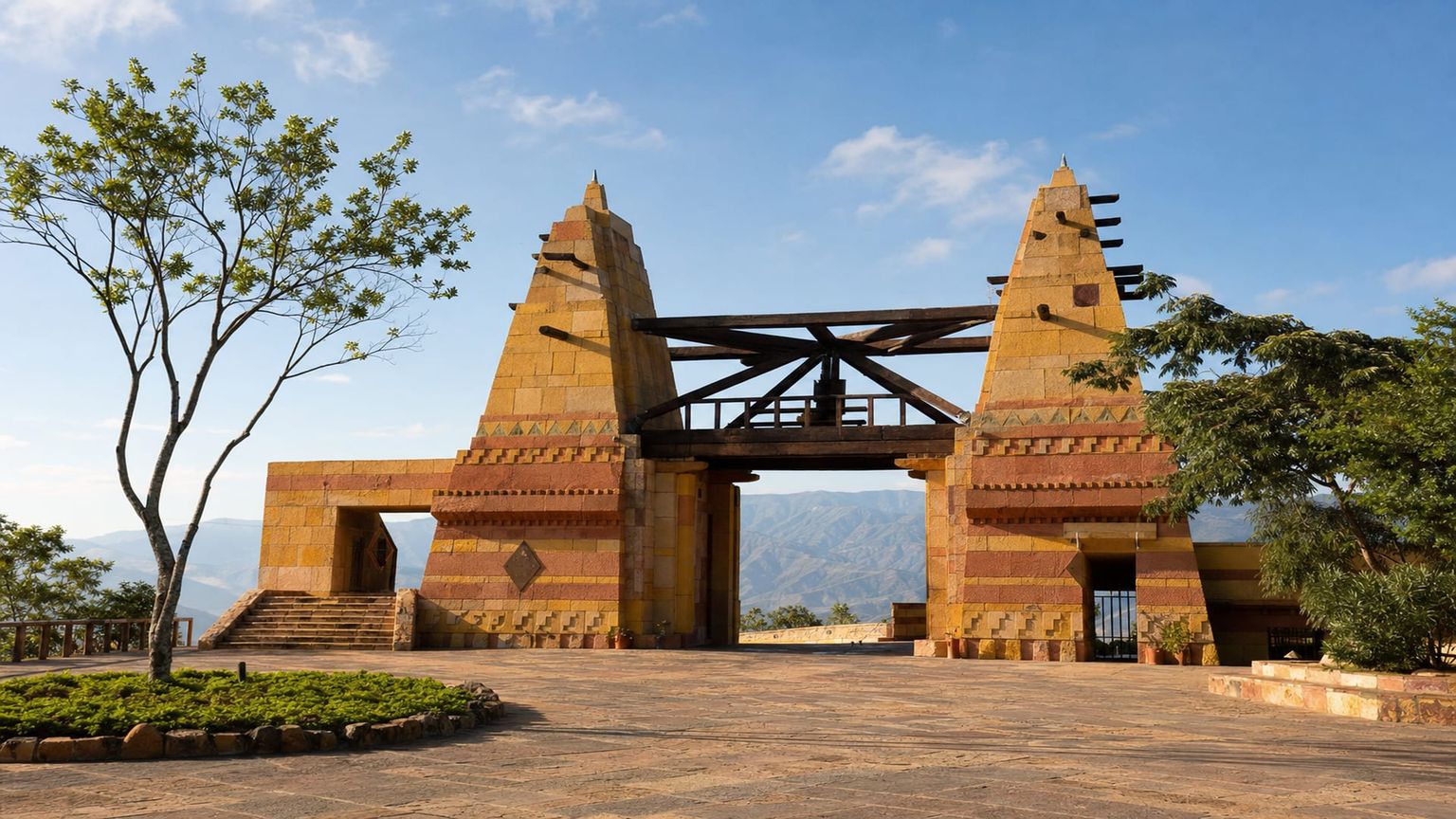
Parque Nacional del Chicamocha
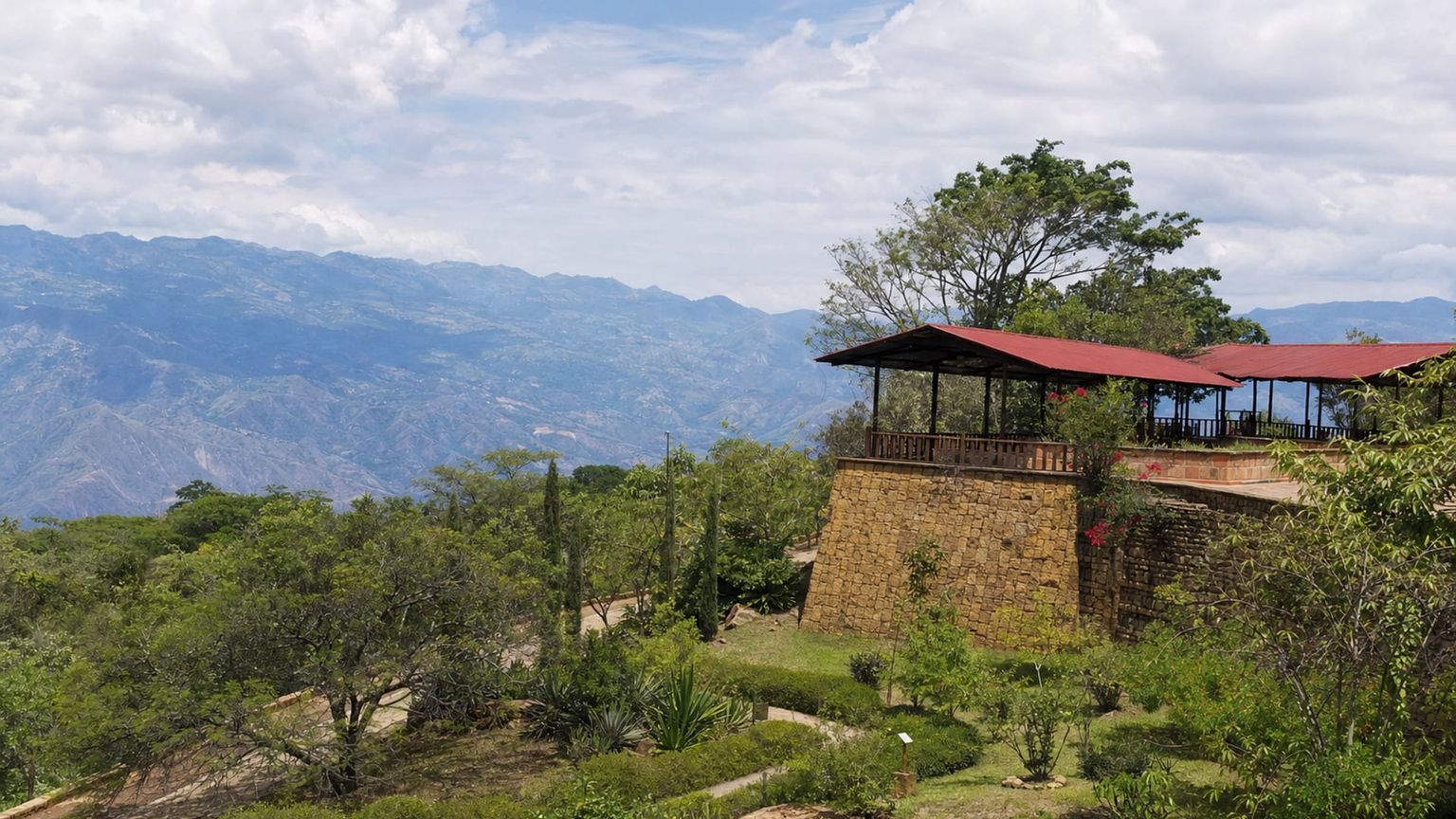
About 27 km from Bucaramanga, this canyon park combines broad viewpoints, a cable car, and exhibits on Santanderean culture. The scale is the draw, with cliff edges, dry mountain scenery, and long sightlines over Chicamocha Canyon.
Time needed: About 4 to 6 hours
Entry: Entry generally costs about $9 to $18 ($35,000 to $70,000 COP), with extra fees for cable car rides and some activities. Visit the official site for details.
Tip: Arrive early, the canyon is hottest after midday and shade is limited on the upper walkways.
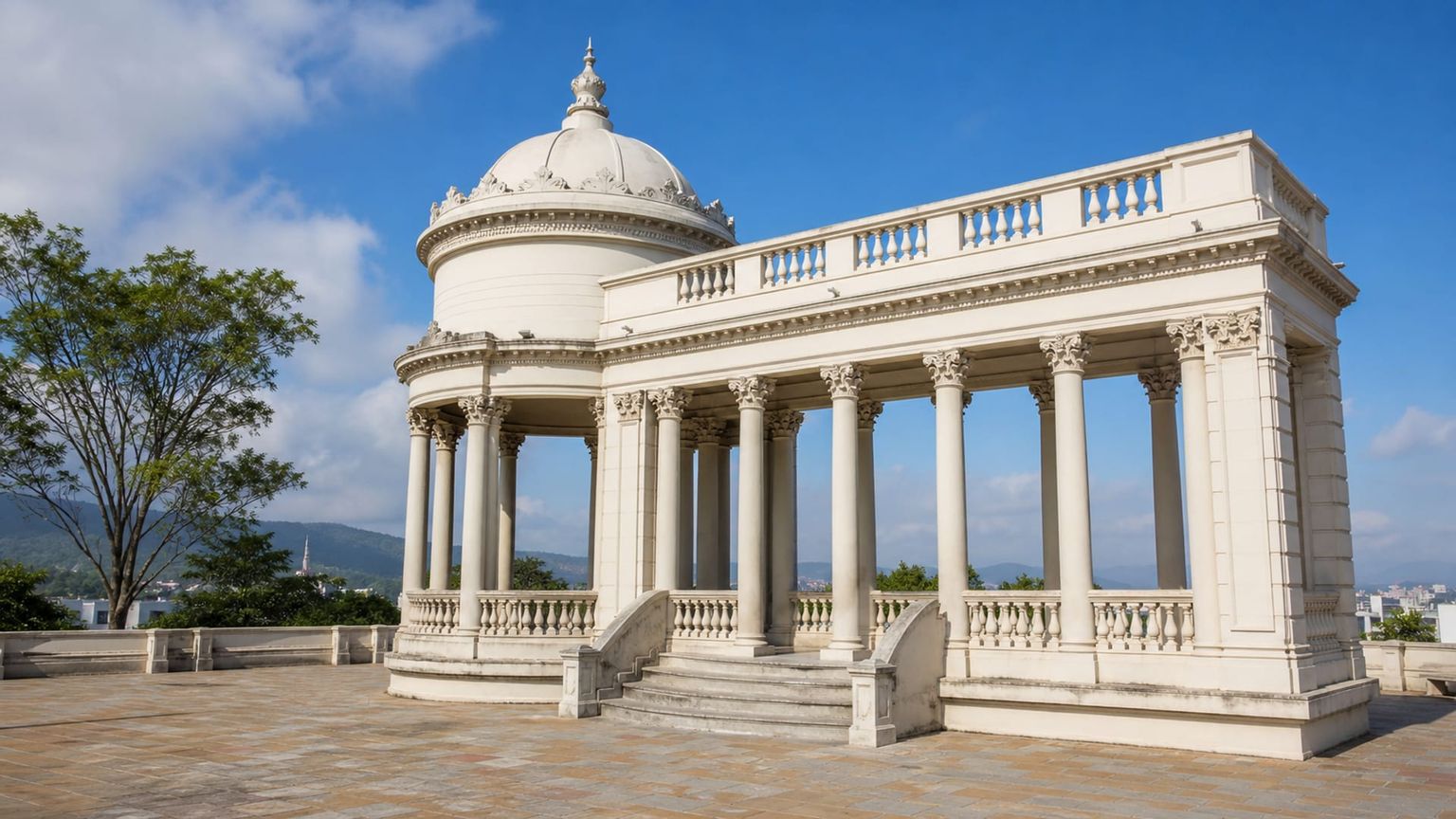
Parque García Rovira
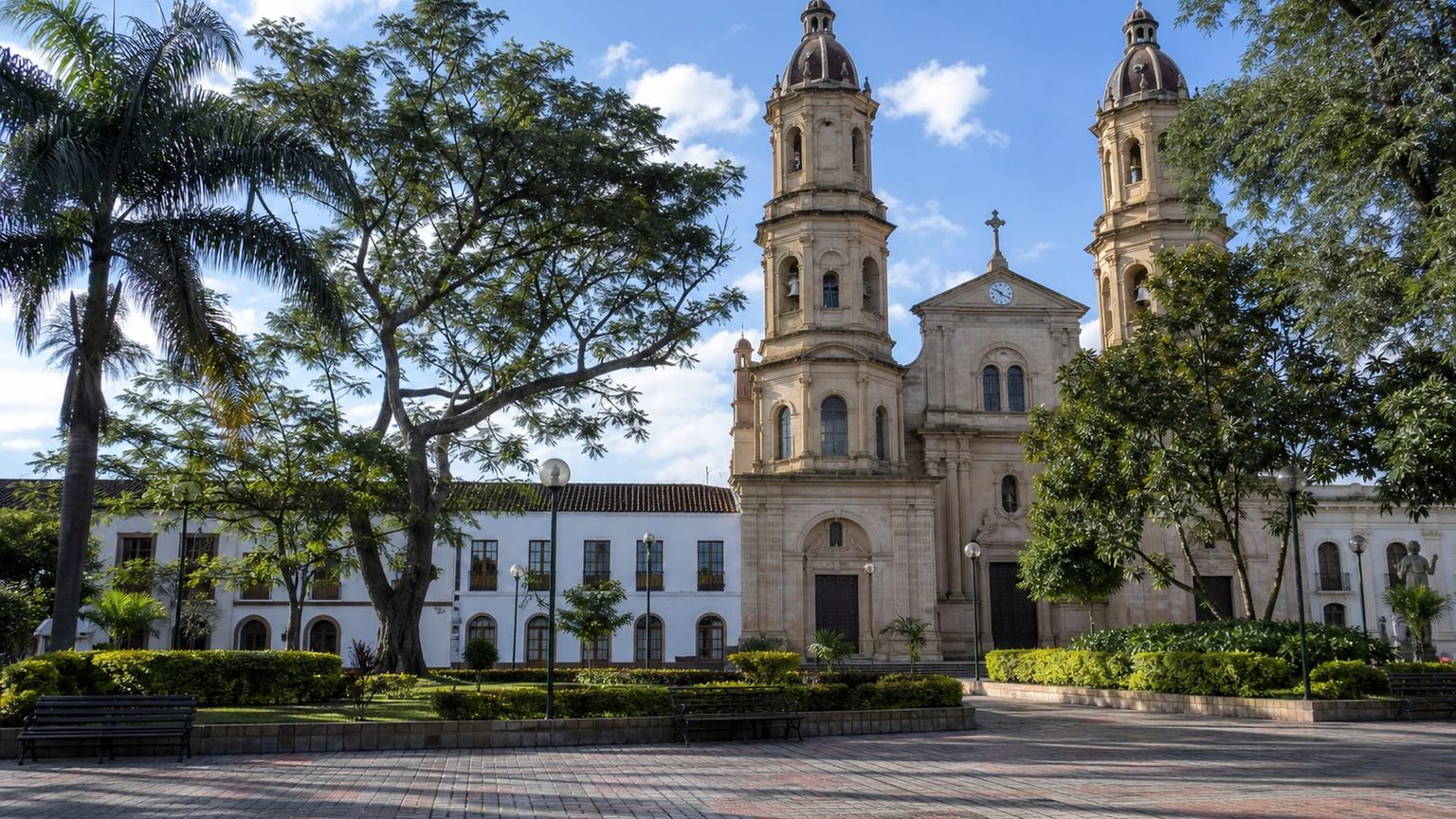
This central square anchors Bucaramanga’s historic core, with the Cathedral of the Holy Family, the city hall, and shaded benches around the plaza. It is the easiest place to see the city’s civic architecture on foot.
Time needed: About 45 minutes to 1 hour
Entry: Free to access, with no ticket required for the plaza or its surrounding facades.
Tip: Visit in the morning for cooler air and clearer photos of the cathedral front.
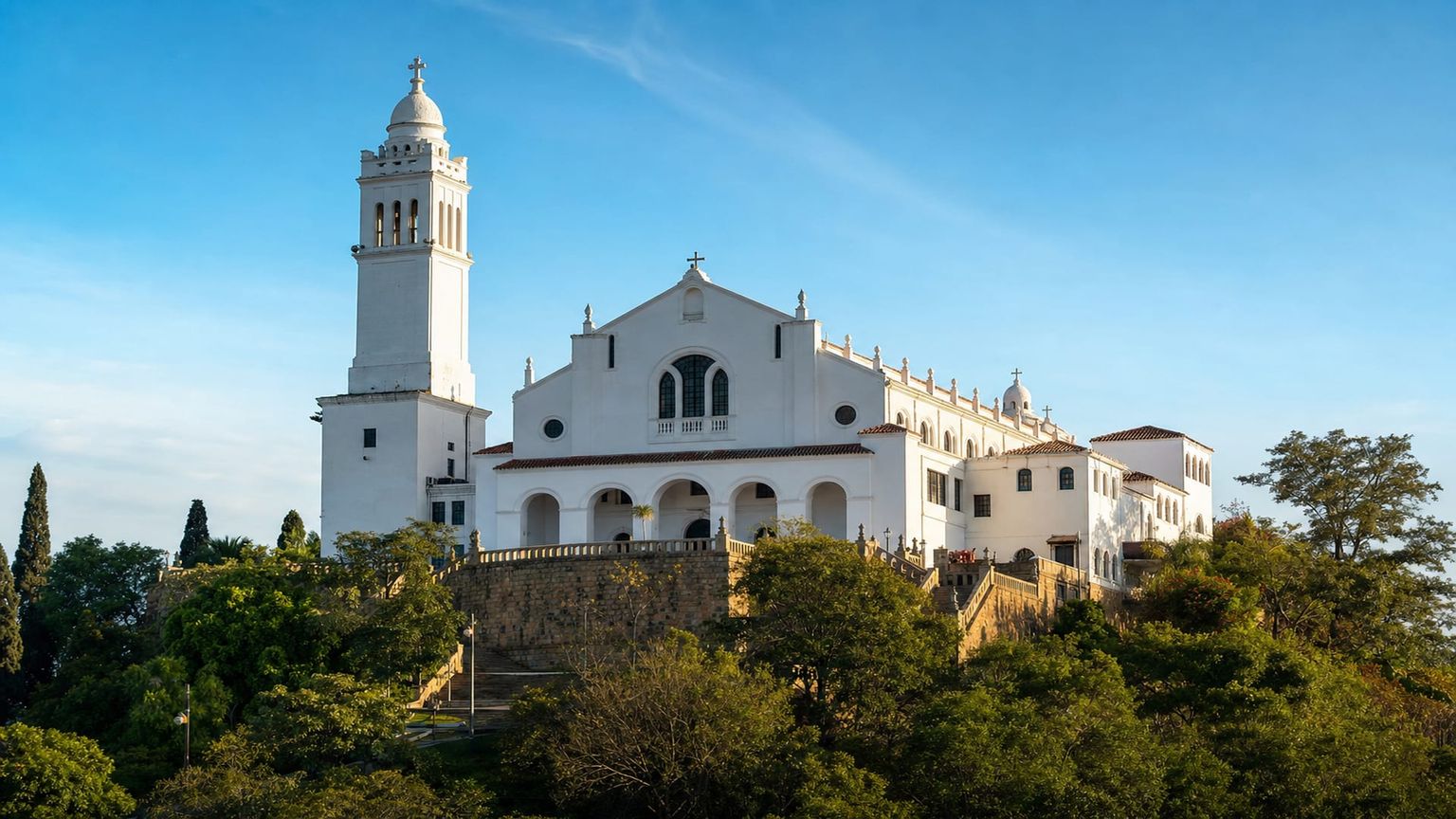
Cerro del Santísimo
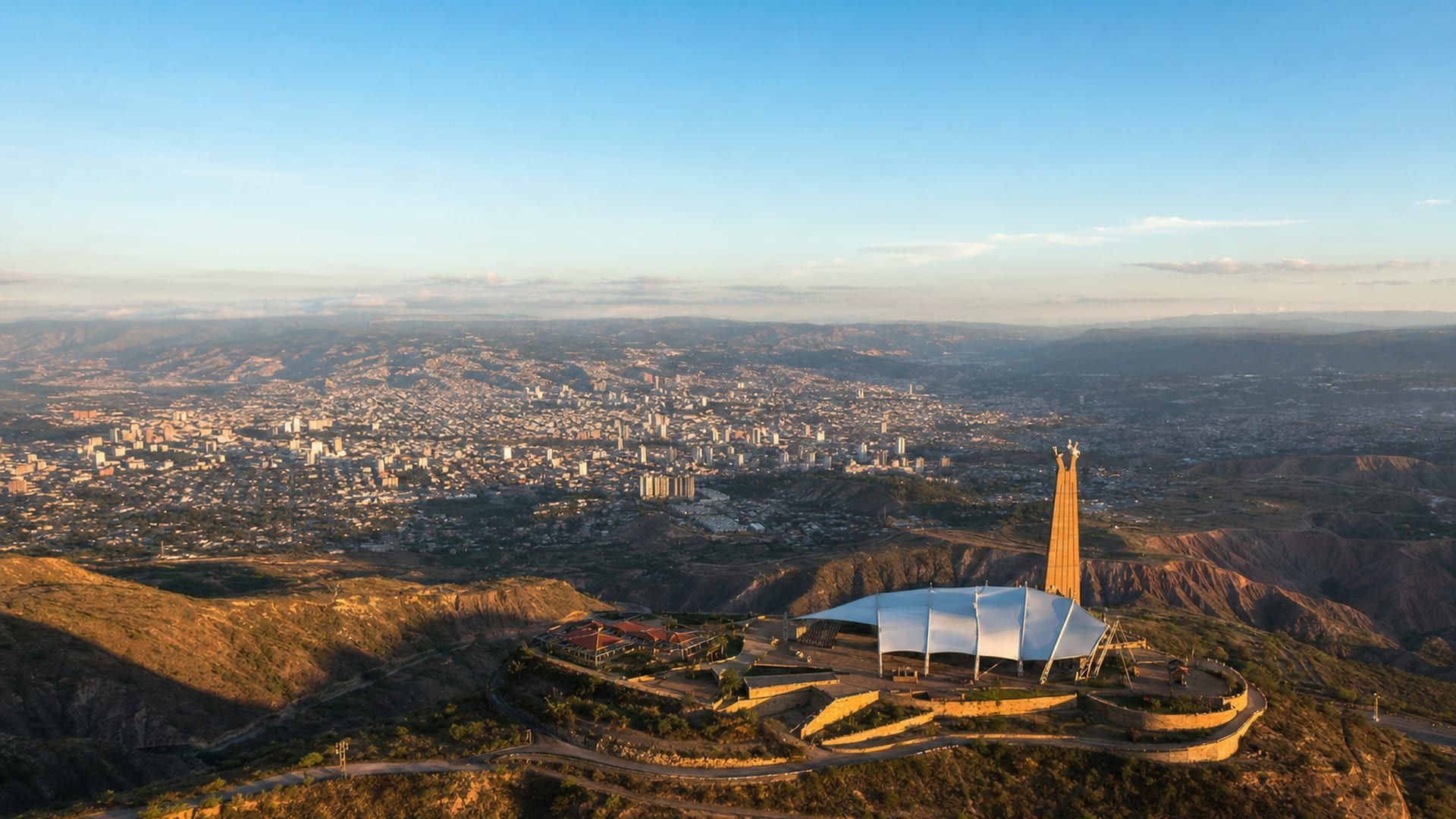
A hilltop viewpoint and monument complex above Floridablanca, about 10 km from Bucaramanga, with wide city views and a giant Christ statue. The cable car ride is part of the visit, and evening lighting draws most visitors.
Time needed: About 2 to 3 hours
Entry: Cable car and park access usually cost about $6 to $10 ($24,000 to $40,000 COP), depending on the day and package. Visit the official site for details.
Tip: Go late afternoon so you can catch daylight views and the monument lit at night.
Overlooked sites worth visiting

Parque de las Cigarras
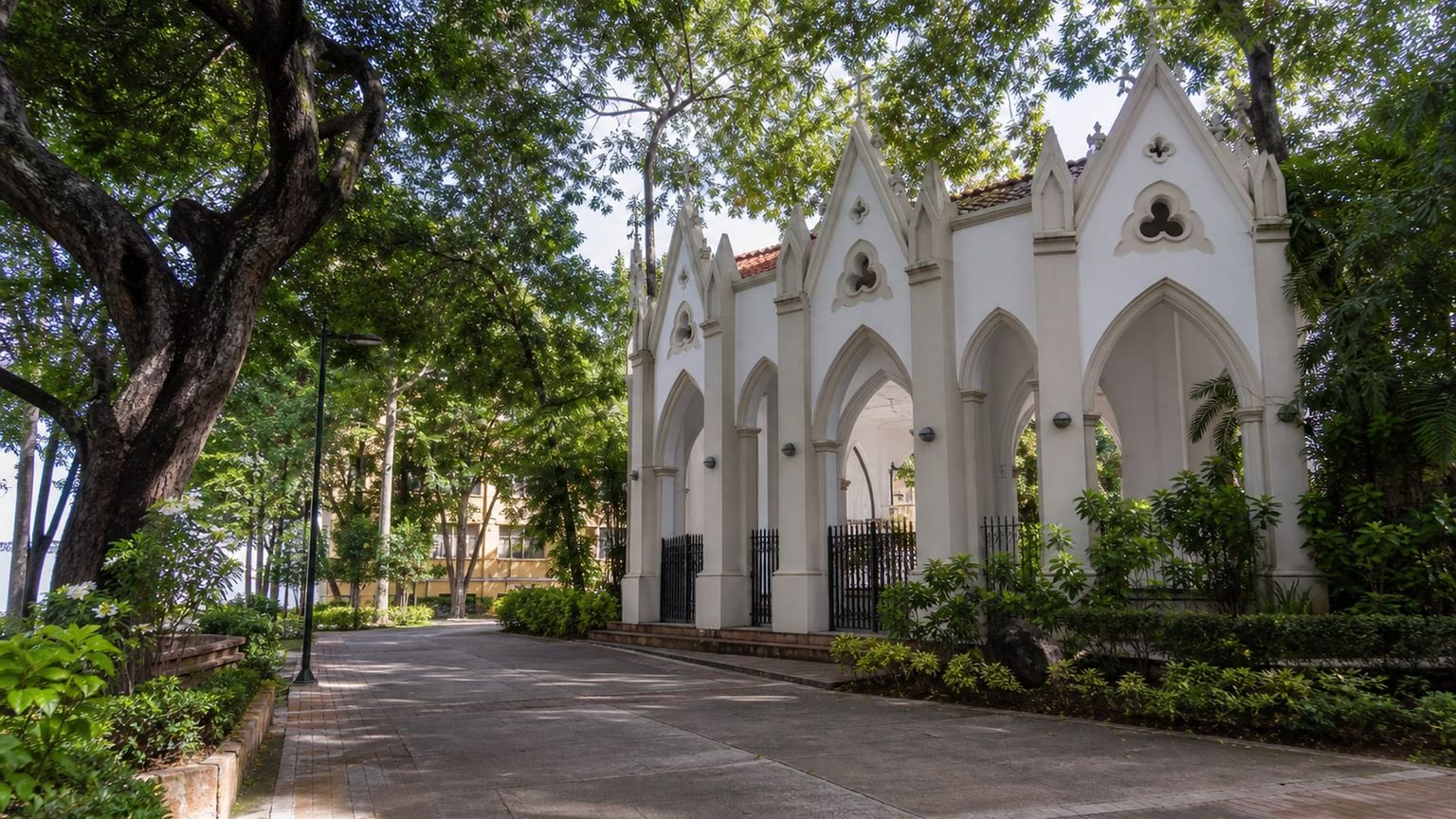
A hillside park in the Cabecera area with shaded paths, benches, and a small overlook toward the city. It draws local walkers at dawn and late afternoon, when heat and traffic ease.
Time needed: About 45 minutes to 1 hour
Entry: Free to access; no ticket office or timed entry applies, and the park can be visited independently during daylight hours. Bring small cash for nearby kiosks if you plan to stay for a snack or drink.
Tip: Go near sunset for cooler air and clearer views.

Casa de la Cultura Custodio García Rovira
This compact cultural house holds rotating exhibitions, talks, and community events in a restored colonial building near the center. The courtyard and rooms give a quick, local-scale look at Bucaramanga’s public arts scene.
Time needed: About 1 hour
Entry: Admission is usually free for general visits and most exhibitions, though some workshops or special events may charge a small fee. Check the current program at the door, since hours and access can vary by activity.
Tip: Visit on a weekday morning for quieter galleries.
Traditional food
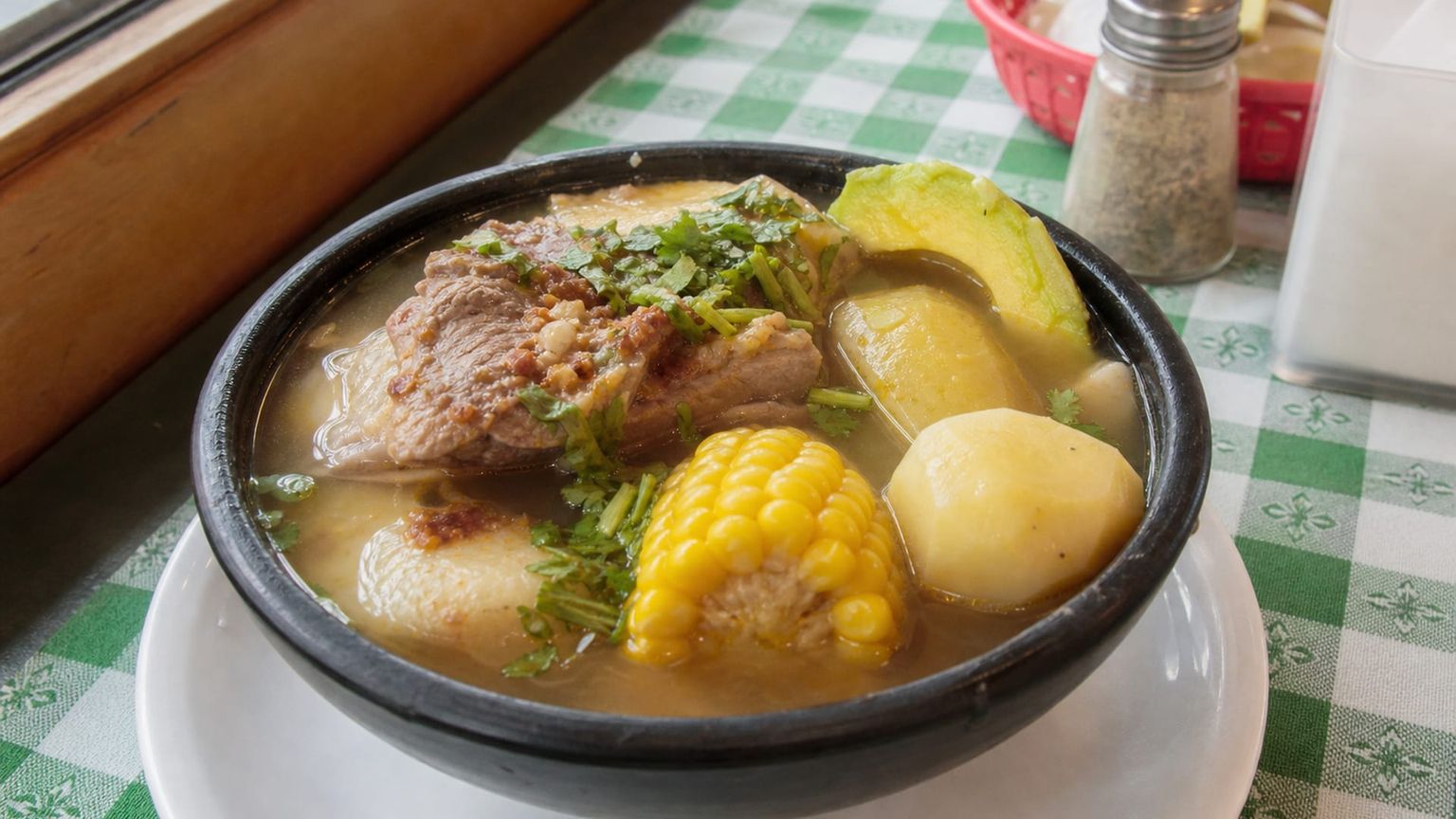
Santanderean cooking leans on maize, goat, hardy soups, and deep savory notes, with mute santandereano, cabro con pepitoria, arepas, and crunchy hormigas culonas appearing on menus that still follow local meal hours.
Mute santandereano
This thick regional soup brings corn, meat, and vegetables into one filling bowl, and it suits a lunch stop after a morning in the historic center. La Puerta del Sol is a strong canonical pick in Bucaramanga for a local version.
Cabro con pepitoria
Goat served with pepitoria is one of the city’s signature Santanderean dishes, rich enough for a slower dinner and best ordered where the kitchen treats it as a specialty. El Garaje Cocina Española in Bucaramanga is a well-known place to look for it.
Arepa santandereana
This crisp corn arepa shows up at breakfast and as a snack throughout the day, usually alongside cheese or meat. Pan Pa’ Ya in Bucaramanga is a dependable place to find a classic version.
Hormigas culonas
These toasted giant ant snacks are a regional curiosity with a salty, nutty finish, and they make a good souvenir tasting as well as a bar snack. Delicias de Santander in Bucaramanga is a canonical stop for them.
Best time to visit Bucaramanga
Bucaramanga stays warm year-round, but dry periods make canyon views and city walks easier, while wetter months bring greener hills and more humid afternoons.
Best for: Best for dry sightseeing and Chicamocha views
What you get: About 76 to 91°F (24 to 33°C), with lighter rain and steady visitor flow
Trade-offs: This is a popular travel window, so hotel prices can rise
Best for: Best for quieter city days and flexible planning
What you get: About 75 to 90°F (24 to 32°C), with more afternoon showers and moderate crowds
Trade-offs: Rain can interrupt long outdoor visits
Best for: Best for hillside walks and city parks
What you get: About 74 to 89°F (23 to 32°C), with warm, mostly manageable conditions and fair crowd levels
Trade-offs: Midday heat still builds quickly in exposed areas
Best for: Best for lower-season hotel availability
What you get: About 74 to 88°F (23 to 31°C), with the wettest stretch and lighter tourist traffic
Trade-offs: Showers can slow canyon trips and late afternoon plans
A realistic 5-day plan in Bucaramanga
A five-day Bucaramanga trip works best when the center, Cabecera, and the canyon each get their own slot. That keeps the city from blurring into taxi time and makes room for a slower final day before departure.
Land at Bucaramanga (BGA) and take a taxi or app-based ride into Cabecera del Llano, which usually takes about 30 to 45 minutes and costs roughly $8 to $15 (32,000 to 60,000 COP), depending on traffic and the exact hotel address. Cabecera works well for the first night because you can settle into a hotel near shopping centers and restaurants, then walk to a casual dinner without crossing the city. If your room is in Bucaramanga Centro, the transfer is usually shorter, about 20 to 30 minutes, but Cabecera gives you the easiest late-evening meal options. Keep the evening low-key, drink plenty of water, and choose a light dinner on one of Cabecera’s busier restaurant streets rather than planning a full outing.
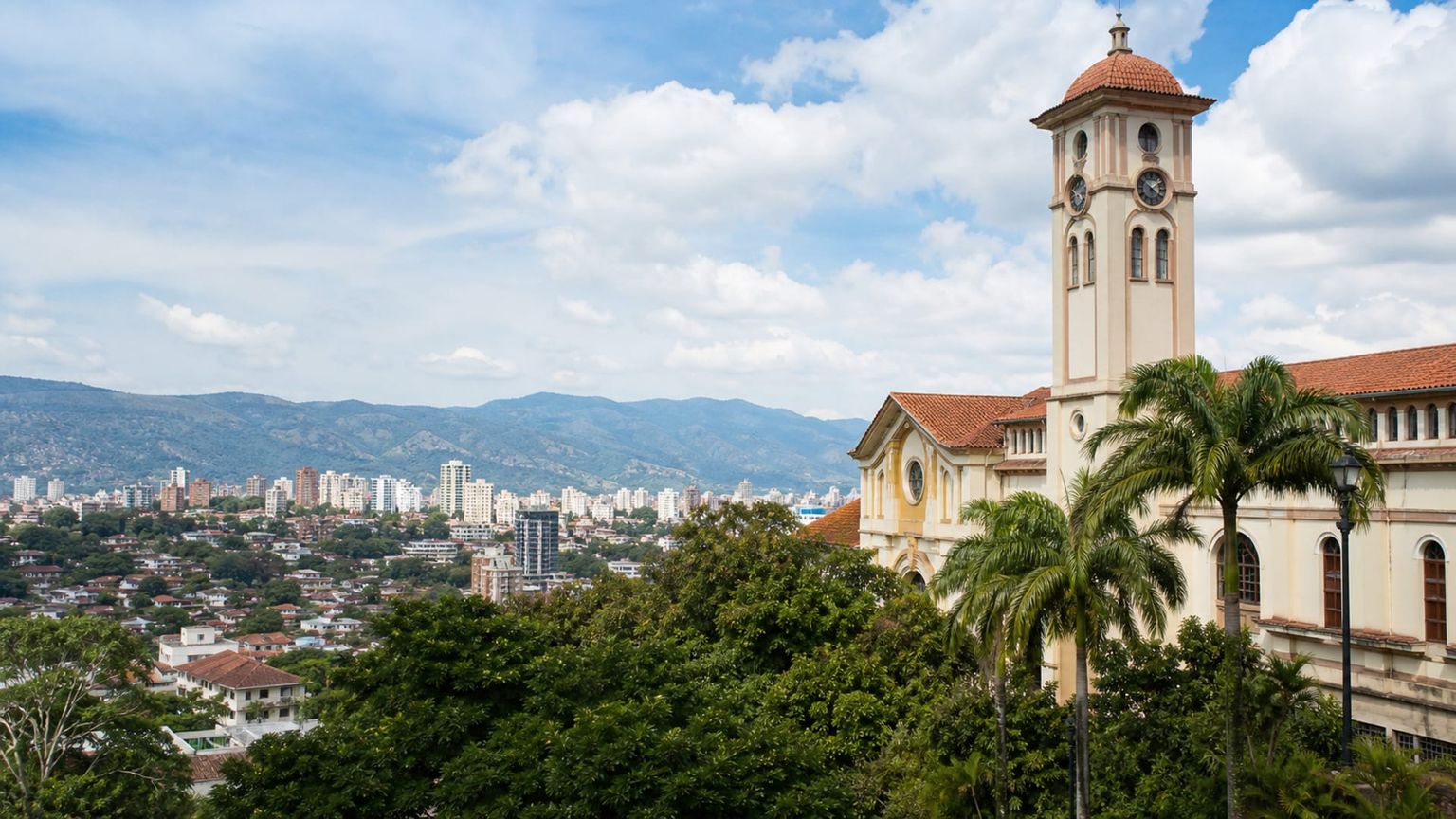
Start in Parque García Rovira, where the cathedral, city hall, and surrounding facades give you a compact look at Bucaramanga’s civic center; from a Cabecera hotel, expect a taxi ride of about 15 to 20 minutes, or about 25 to 30 minutes if you are based in Cañaveral. After about an hour in the square, walk roughly 10 minutes to the Casa de la Cultura Custodio García Rovira for its rotating exhibitions and courtyard spaces, then pause for coffee nearby before heading back. If you are staying in Bucaramanga Centro, both stops sit close enough for a morning on foot, with the cultural house adding only a short stroll from the plaza. End the afternoon back in Cabecera del Llano, where dinner is easy to line up after a day spent in the historic core.
Set aside the longest sightseeing day for Parque Nacional del Chicamocha, because the canyon drive from Bucaramanga takes about 1.5 to 2.5 hours each way and the visit itself runs roughly 4 to 6 hours. Leave early, since the park is hottest after midday and the upper walkways offer limited shade, then split your time between the cable car, canyon viewpoints, and the cultural exhibits on Santanderean life. If you want to stay closer to the departure point, Cañaveral and Floridablanca Centro both make the morning drive easier than a downtown start, but even then you should plan on a full-day outing. Return to Bucaramanga for a simple dinner, with no need to rush to a second stop after the canyon.
Begin late morning in Parque de las Cigarras, a hillside green space in Cabecera del Llano that works well after the heat builds and before the evening rush returns. From most Cabecera hotels, you can reach it in about 5 to 15 minutes by taxi or on foot if you are staying nearby, and an hour is enough for the paths, benches, and overlook. Next, ride about 15 to 20 minutes into the center for Parque García Rovira if you want a second look at the city’s civic architecture from a different angle, then finish with the Casa de la Cultura Custodio García Rovira, about 5 minutes away by taxi or a longer walk if you prefer to stay on central streets. That sequence keeps the day compact, with enough time for an unhurried dinner back in Cabecera or Bucaramanga Centro.
For the last day, keep the pace modest and split it between one final cultural stop and a neighborhood that rewards unhurried browsing. If you are in Bucaramanga Centro, return to the Casa de la Cultura Custodio García Rovira for a final exhibition stop, then spend the rest of the afternoon in Cabecera del Llano, where shopping centers and café counters make it easy to pick up gifts or linger over a late coffee. Travelers staying in Cañaveral can do the reverse and start with mall time there, then ride into Cabecera for a last meal before heading back to the airport. Book your transfer to Bucaramanga (BGA) with enough margin for afternoon traffic, especially if you are leaving from the southern metro area.
Business-class flights from the US to Bucaramanga
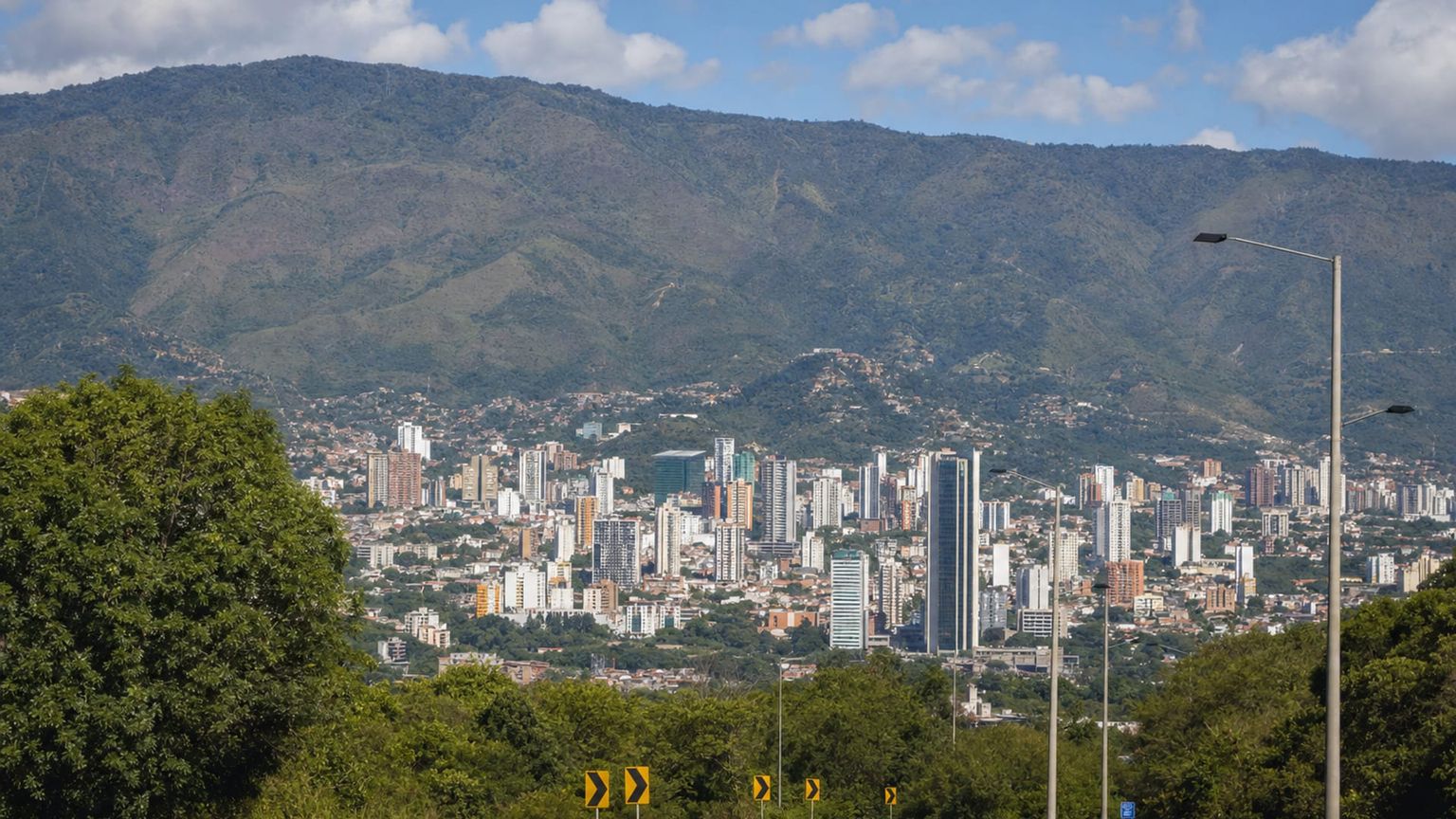
Bucaramanga flight planning often comes down to how much time you want to trade for fare savings. From both coasts, one-stop options dominate, and the longest connections usually make the difference between a workable arrival and a tiring one.
From New York, Avianca, Copa Airlines, American Airlines, United Airlines, and Spirit Airlines all appear in the mix, with itineraries typically taking about 5 to 6 hours nonstop when available. If you need a connection, common hubs include Bogotá (BOG), Panama City (PTY), Miami (MIA), Houston (IAH), and Charlotte (CLT), with layovers of about 7 hours to 12 hours. Round-trip fares start from $1,600 to $3,200.
Los Angeles itineraries usually run about 6 hours to 7 hours nonstop, and the airlines that show up most often are Avianca, American Airlines, United Airlines, Copa Airlines, and Spirit Airlines. For one-stop options, look through Bogotá (BOG), Panama City (PTY), Miami (MIA), Houston (IAH), and Dallas (DFW), where layovers often land in the 8 hours to 13 hours range. Round-trip fares usually start near $1,800 and can reach $3,500, with one-stop trips often pricing lower than nonstop choices.
Bucaramanga feels different when you slow down
A deliberate Bucaramanga trip ties together Cabecera del Llano for dinner, the center for morning walks, and one full day at Chicamocha, with taxis and Metrolínea filling the gaps between them. That mix leaves room for Parque García Rovira, Parque de las Cigarras, and a last coffee before you head out. If you want the timing and neighborhood choices tuned to your dates, AranGrant experts can help you shape the trip around them