

Chapters:

Need help with your trip?
Our support team is available 24/7. Request a callback or call us directly at (833) 619-0908
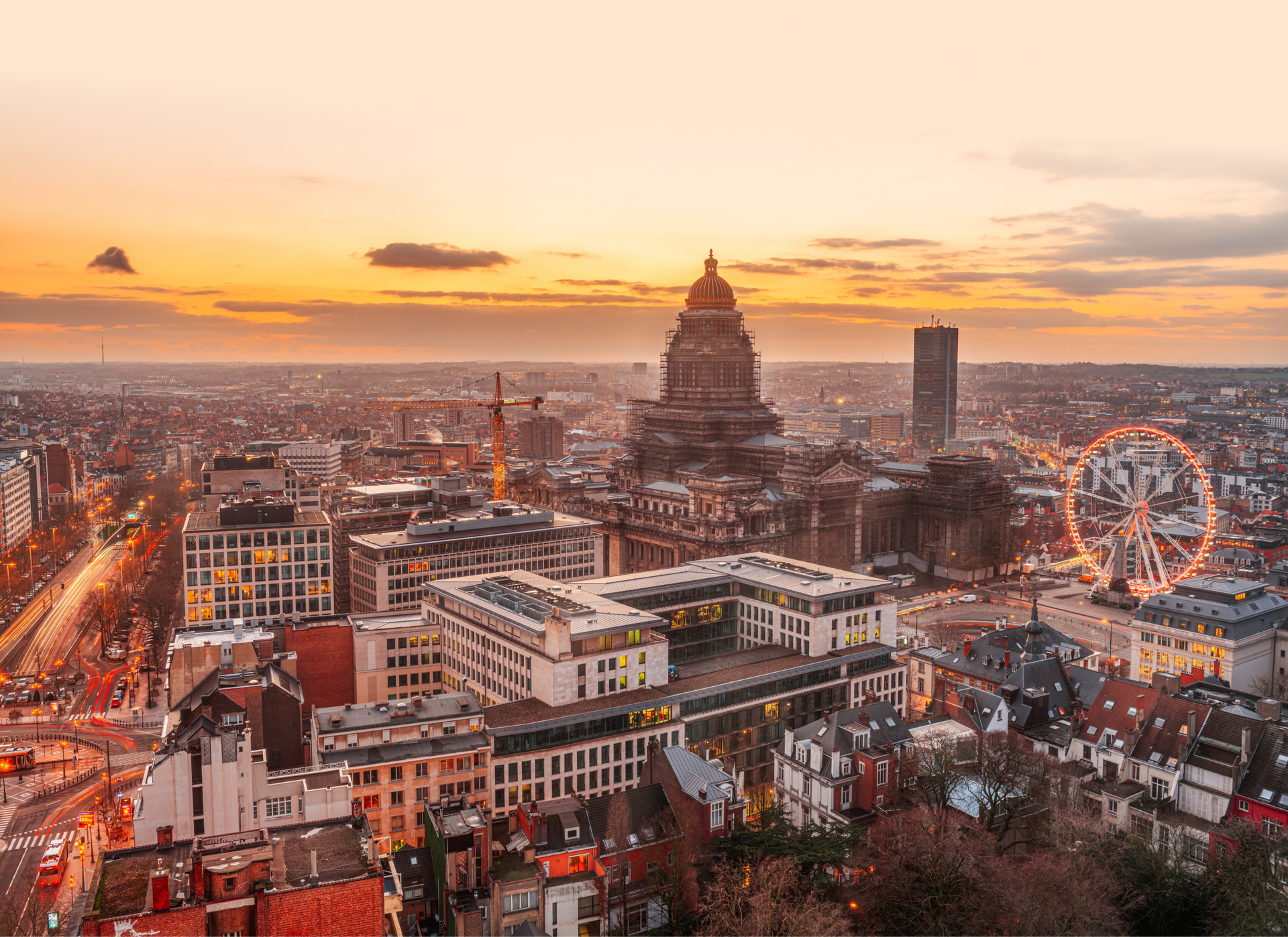
Brussels rewards travelers who split their time between the old center, museum streets, and a few quieter neighborhoods. Many visits still compress everything into Grand Place and a quick chocolate stop, then leave the city’s more useful pieces unvisited.
That approach skips the distances between sights, the busier midday square, and the way some areas change character after office hours. It also turns simple cross-town moves into time lost between stations, cafés, and tram stops.
This guide maps Brussels in a way that matches how it actually works: where to stay, how to move, what to eat, and how to pace five days without trying to cover the city in one sweep.
Useful things to know

Main language(s): French, Dutch
Bonjour (bohn-zhoor) – Hello / good morning
S'il vous plaît (seel voo pleh) – Please
Merci (mehr-see) – Thank you
Parlez-vous anglais ? (par-lay voo ahn-gleh) – Do you speak English?
Combien ça coûte ? (kohm-byen sah koot) – How much does it cost?

Currency: The local currency is the euro (EUR, €).

Cash and cards: Cards and contactless are widely accepted; carry about €20 to €40 ($22 to $44) in cash for small purchases.

Tipping: Round up small bills and leave about 5 to 10% for good table service; it is not required.

Traditional food: Moules-frites, Belgian waffles, Belgian fries, carbonnade flamande

Water and coffee costs: Water about €2 ($2), bar espresso about €2.50 ($3).

Taxis and ride apps: Uber operates here; Bolt also serves the city.

Plug and voltage: Type C/F socket, 230V

Dining and shop opening hours: Breakfast is about 7:00-10:00, lunch 12:00-14:00, and dinner 19:00-22:00. Many restaurants close one day a week, often Sunday or Monday.

Emergency number: Call 112 for police, fire, or ambulance.
Where to stay in Brussels
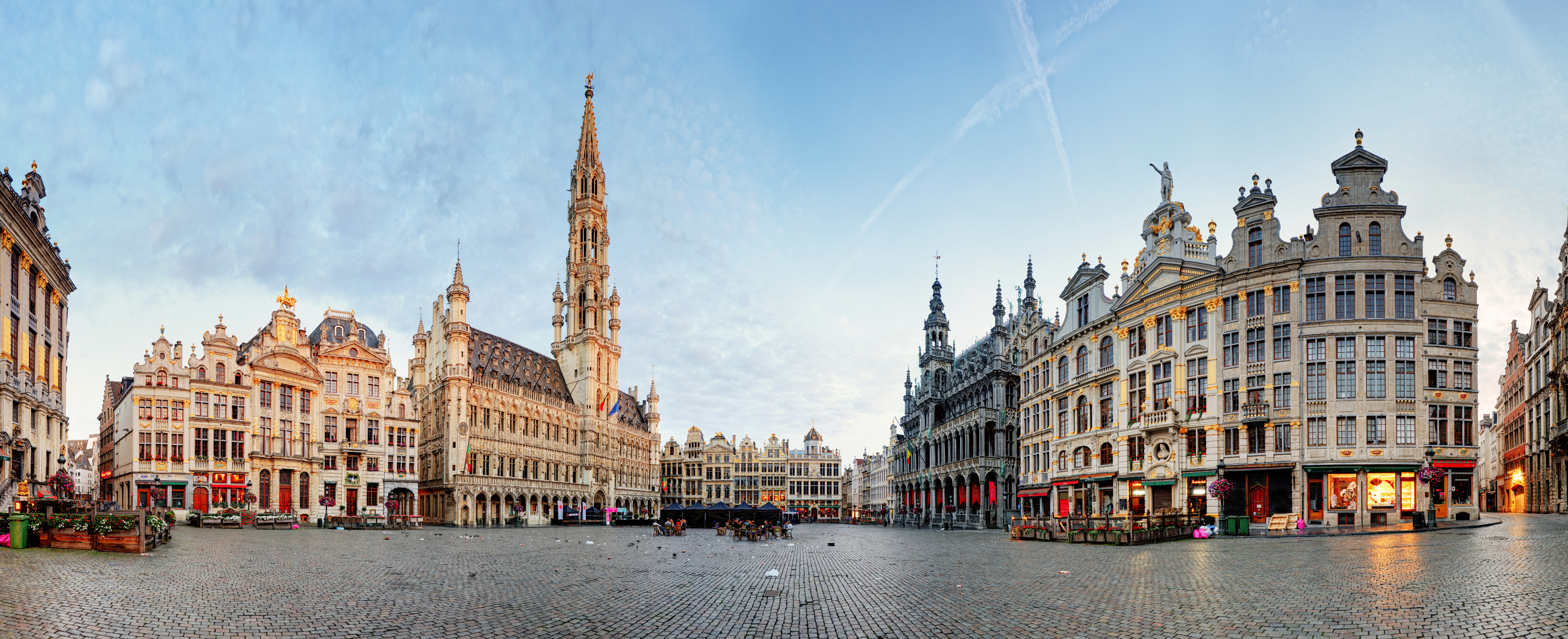
Brussels’ central business district sits just northwest of the Grand Place and links the main rail hubs with the city center. It suits travelers who want easy museum access, strong transit links, and a central base without staying in the most touristed streets.
Best for: Business travelers, museum days, and visitors who want central transit links
What to expect: Office towers, hotels, and busy daytime streets, with quieter evenings away from the main avenues.
Hotel prices: Usually about 140€ to 240€ (~$154 to ~$264) per night for well-rated stays
Distance to major sights: 10 to 15 minutes on foot to Grand Place, about 10 minutes by transit to Brussels Central
Quietness: Active by day, noticeably calmer after office hours, except near major intersections and late-opening bars.
Main trade-off: You gain transit access, but some blocks feel less atmospheric than the old town streets.
Good to know: If you plan early train departures, this area keeps Brussels Central and Brussels-North within easy reach.
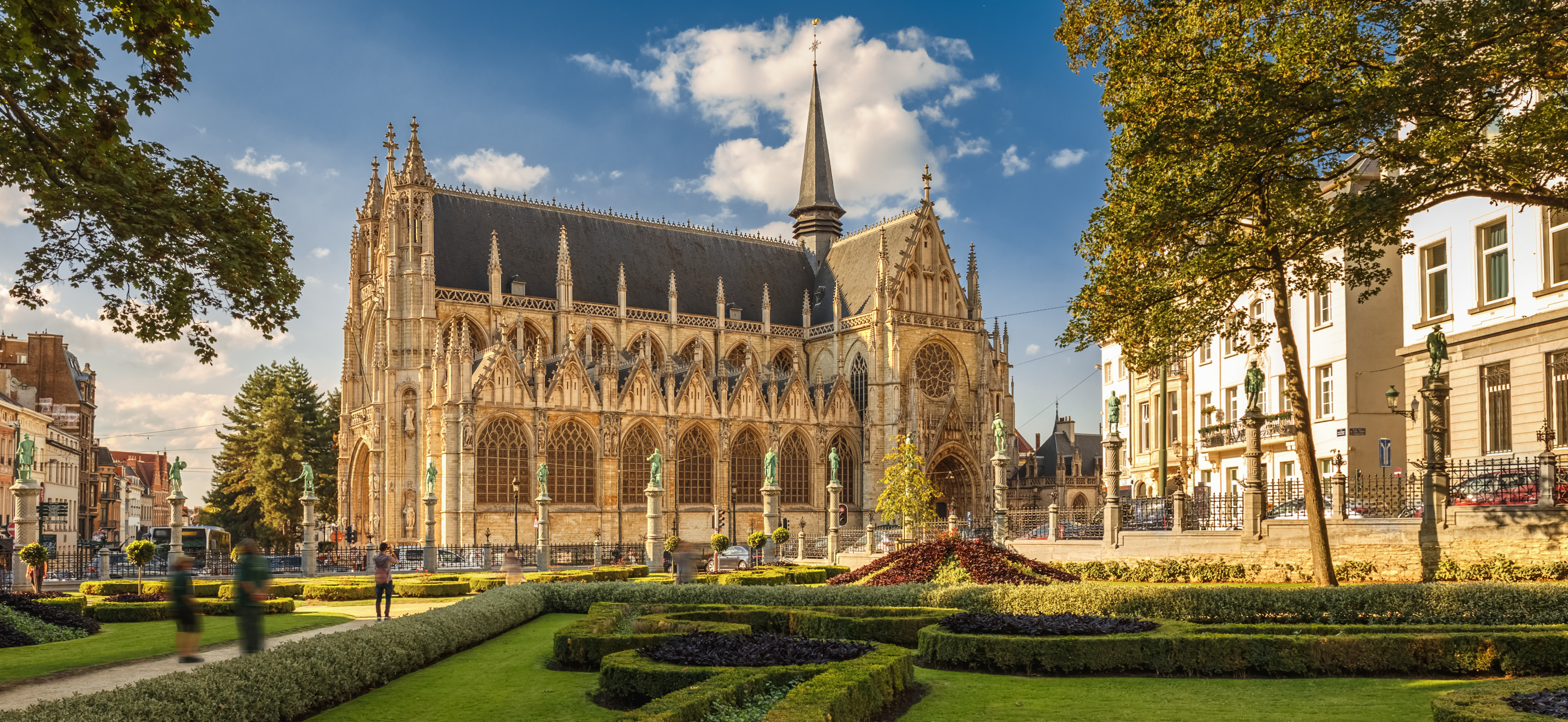
Sablon is an elegant hilltop pocket south of the historic center, known for antiques, chocolate shops, and polished townhouses. It works well for travelers who want a quieter, more refined stay within walking range of the Grand Place and the museums around Mont des Arts.
Best for: Couples, upscale dining, and travelers who prefer a refined central base
What to expect: Boutique storefronts, galleries, and restaurant tables on a compact set of streets, with a steady but not overwhelming flow of visitors.
Hotel prices: Usually about 170€ to 300€ (~$187 to ~$330) per night for well-rated stays
Distance to major sights: 8 to 12 minutes on foot to the Grand Place, about 10 minutes on foot to Mont des Arts
Quietness: Calm in the morning and evening, with more activity on market days and around dinner hours.
Main trade-off: Hotels here often cost more, and the dining scene leans toward upscale spots rather than budget options.
Good to know: Weekend antique markets can add foot traffic early in the day, so request a room away from the street if you are sensitive to noise.
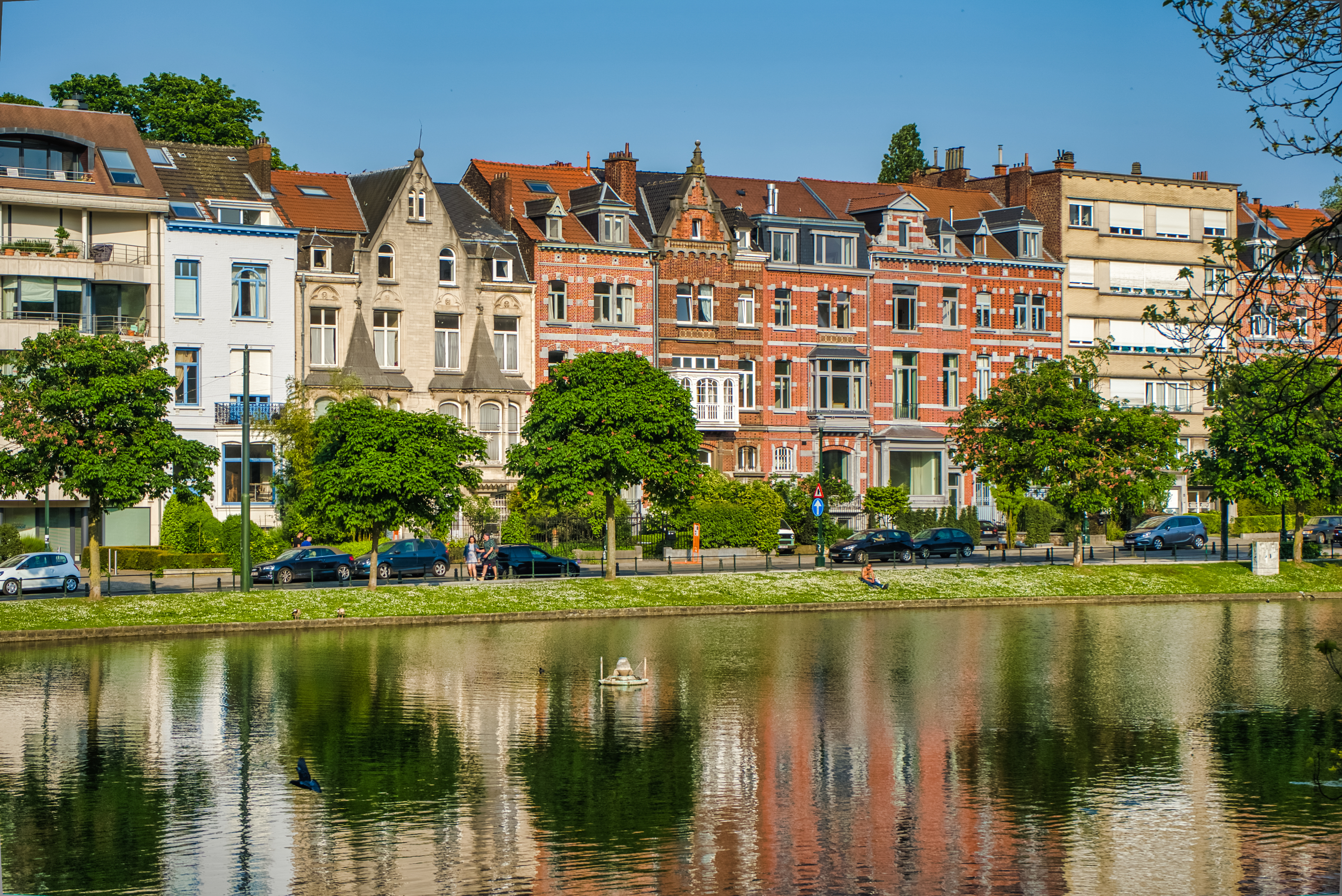
Ixelles stretches southeast of the center and mixes Art Nouveau houses, student life, and a dense restaurant scene around Flagey and Chatelain. It appeals to travelers who want a neighborhood feel, good cafés, and a broader range of evening options than the historic core.
Best for: Dining, nightlife, longer stays, and travelers who want a neighborhood with more local character
What to expect: Busy café terraces, bars, and residential streets, with more movement at night than in the business districts.
Hotel prices: Usually about 120€ to 220€ (~$132 to ~$242) per night for well-rated stays
Distance to major sights: 15 to 20 minutes by transit to Grand Place, about 20 minutes by transit to the European Quarter
Quietness: Moderate by day, lively in the evening near Flagey and Chatelain, then quieter on side streets.
Main trade-off: You trade a slightly longer ride to the old center for more choice in restaurants and bars.
Good to know: If you want to eat late, check the exact street, because the mood changes quickly between the square and the nearby residential blocks.
The European Quarter sits east of the center around the EU institutions, parks, and large office buildings. It suits visitors who value newer hotels, wide streets, and quick metro links to both the historic center and the airport rail line.
Best for: Business trips, conference stays, and travelers who want quick metro links
What to expect: Weekday office traffic, tidy sidewalks, and a quieter evening scene once the institutions close.
Hotel prices: Usually about 130€ to 240€ (~$143 to ~$264) per night for well-rated stays
Distance to major sights: 15 to 20 minutes by transit to the Grand Place, about 10 minutes on foot to Parc du Cinquantenaire
Quietness: Busy on weekdays, notably quieter at night and on weekends outside restaurant pockets.
Main trade-off: The area is efficient for transit, but you will be farther from the compact old-town atmosphere.
Good to know: For a late arrival through Brussels Airport, this quarter often gives you simpler rail and metro connections than the medieval center.
Travelers usually avoid staying in Brussels Airport, because it sits far from the main sights and caters to transit stays rather than city visits. Northern industrial and office areas such as the Canal Zone and around Tour and Taxis are less convenient for short trips, since visitor amenities are limited and evening travel back from central Brussels adds time. High-traffic tourist edges such as the area immediately around the European Quarter can also be less convenient if your plans center on Grand Place, since it sits several metro stops from the historic core.
Hotel deals
How to get around Brussels efficiently
Brussels relies on a mix of trains, metro, trams, buses, and taxis, and the airport train is the fastest way into the center because Brussels Airport does not sit on the metro network.

Metro
for longer distances
Brussels has four metro lines, plus premetro tram tunnels, and the airport does not sit on the metro network. From Brussels (BRU), take a train from the airport station rather than the metro for the fastest trip into central Brussels, usually about 17 to 25 minutes to Brussels Central, with rail tickets roughly $10 to $13 (€9 to €12) and valid for the booked trip; the Metro, premetro, and suburban rail all use integrated fares inside the city, typically valid for 60 minutes on contactless or MOBIB fares.

Bus and tram
for convenience
STIB-MIVB buses and trams cover the airport district, the city center, and many neighborhoods that the metro misses, with route 12 linking Brussels Airport and the European Quarter in about 25 to 35 minutes. A single ride is about $3.00 (€2.60) and stays valid for 60 minutes across STIB transfers; airport buses take contactless payment on board or via ticket machines, and trams are best for cross-town trips where the metro would require a change.

Taxi
for convenience or late hours
Licensed Brussels taxis use metered fares rather than set airport pricing, so a daytime ride from Brussels (BRU) to the city center usually costs about $55 to $75 (€50 to €68), with late-night, traffic, and baggage charges pushing it higher. Taxis queue at the official rank outside arrivals, most accept cards, and you can book by phone or app if you want to avoid the line; short hops within central Brussels often land in the $15 to $25 (€14 to €23) range.
*Prices are based on rates updated as of June 2026 and may change at the time of travel.
Use the train for the airport run, the metro for quicker cross-town links, trams and buses for the gaps the metro misses, and taxis or ride apps when you want a direct late-night return.
Iconic landmarks
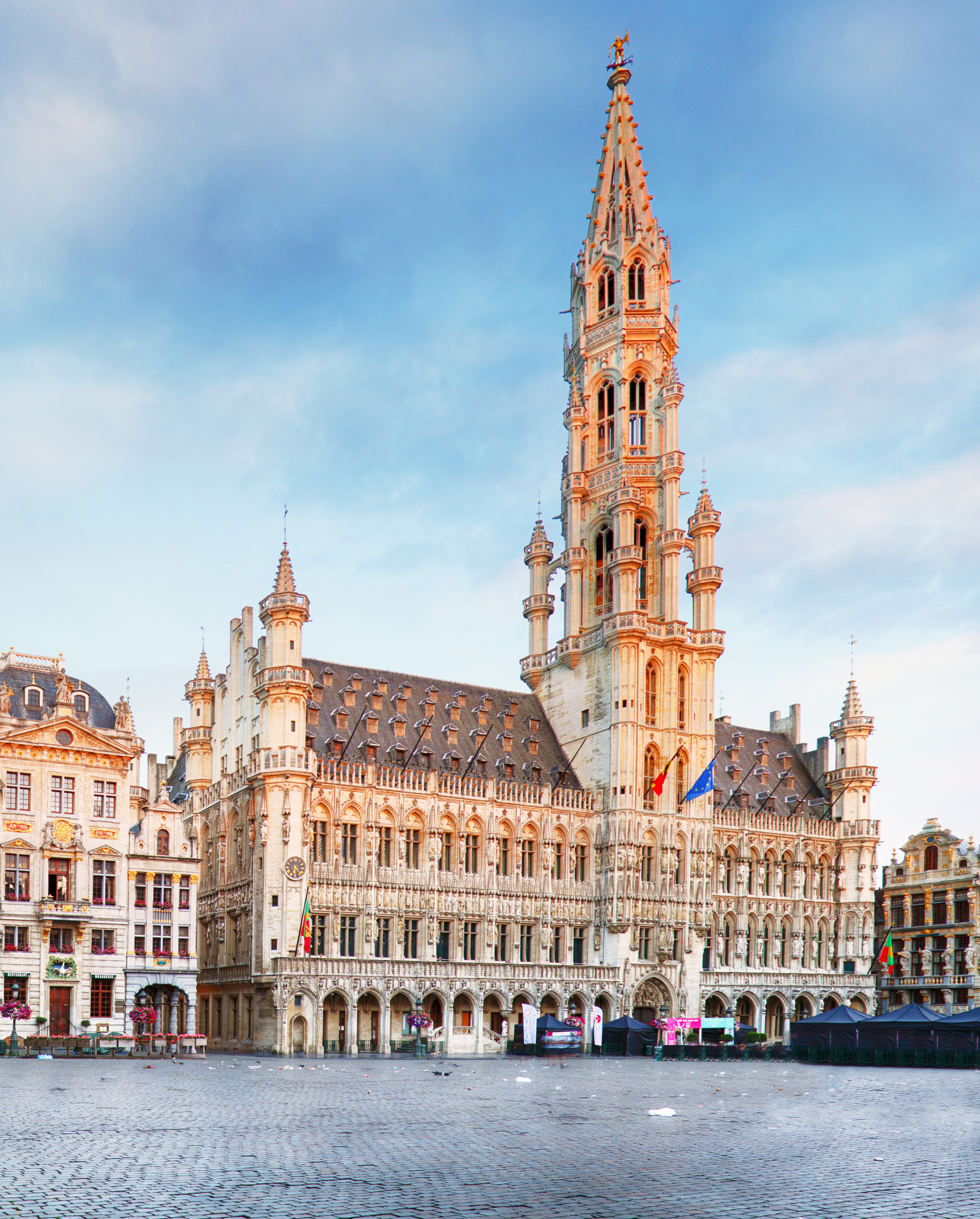
Grand Place
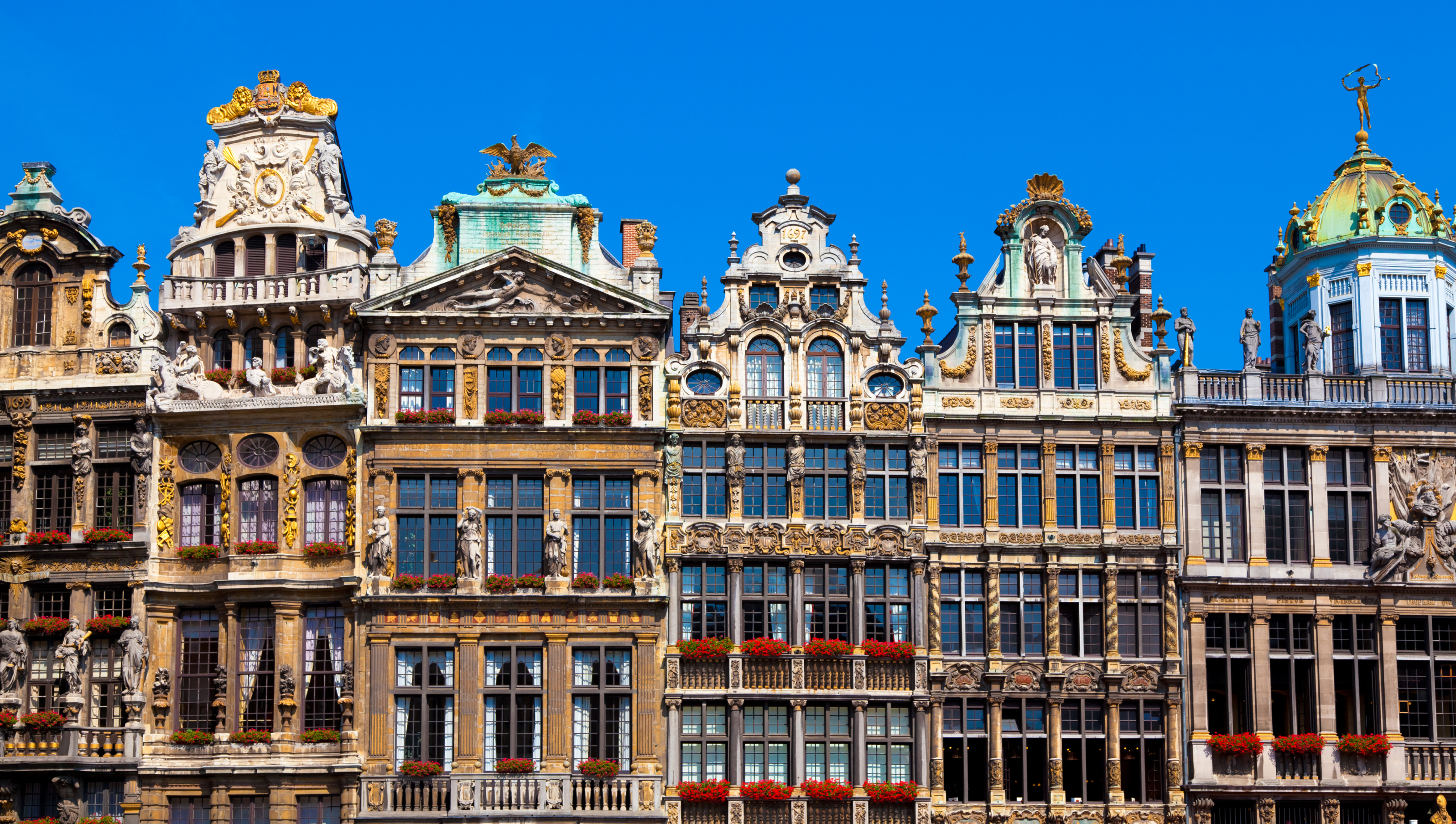
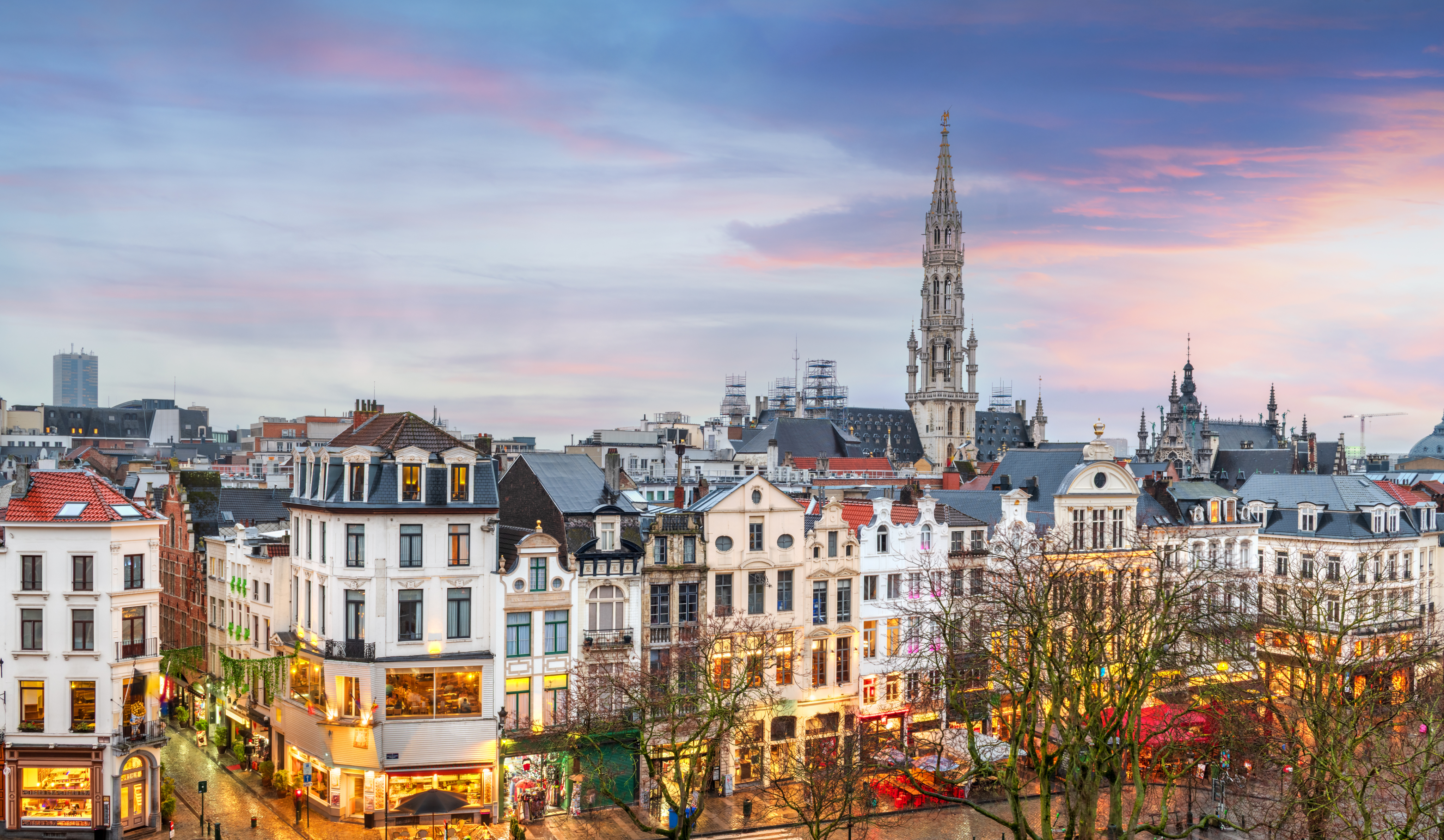
Brussels’ main square is ringed by Baroque guildhalls, the Town Hall, and the King’s House, with facades that date to the late 17th century. It anchors the old center and sets the city’s most recognizable streetscape.
Time needed: About 1 to 2 hours
Entry: Free to access; special exhibitions and tower visits may charge about $7 to $14 (€6 to €12) when available Visit the official site for details.
Tip: Go early or after dark for clearer views of the gilded facades and Town Hall.
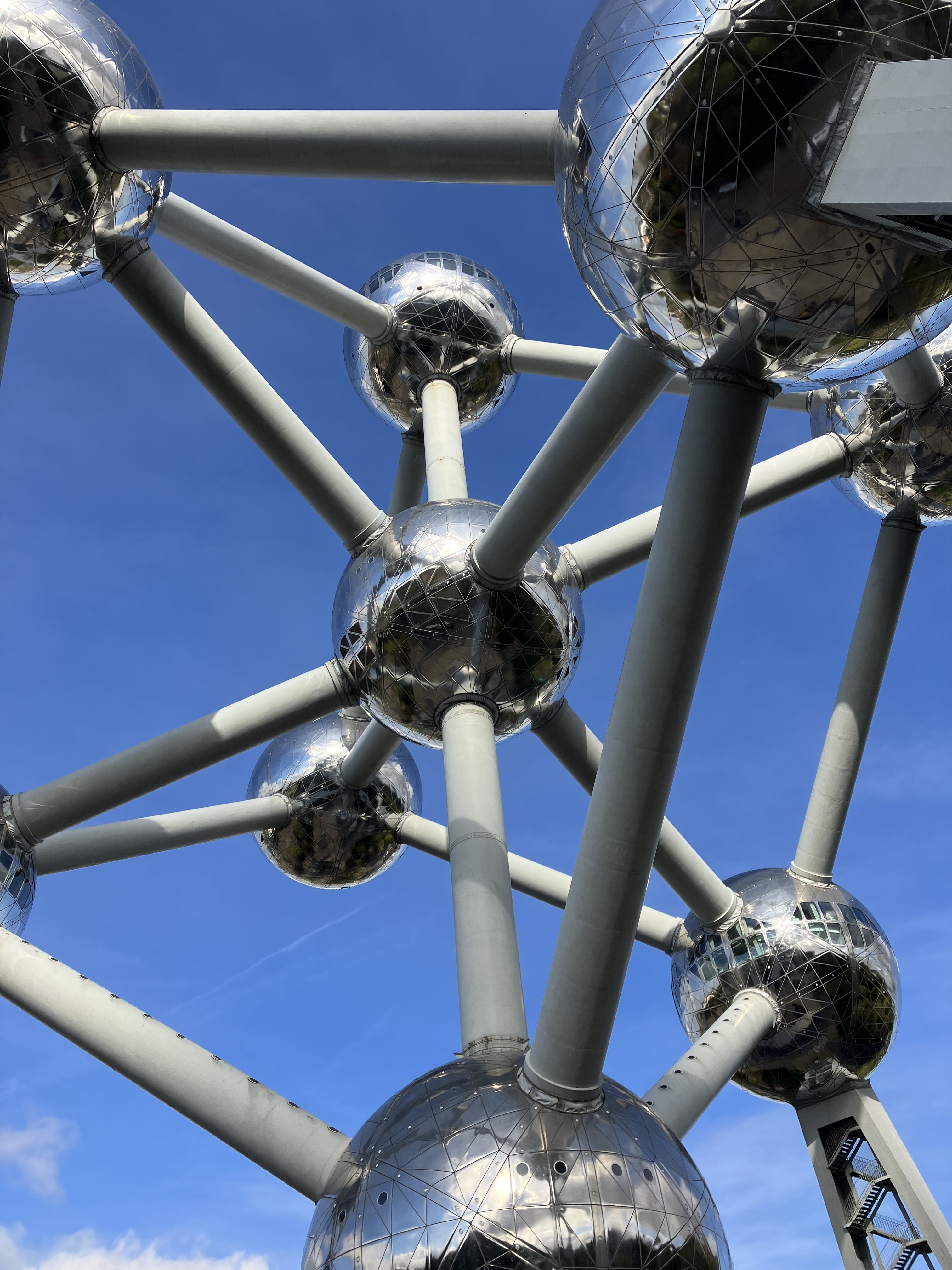
Atomium
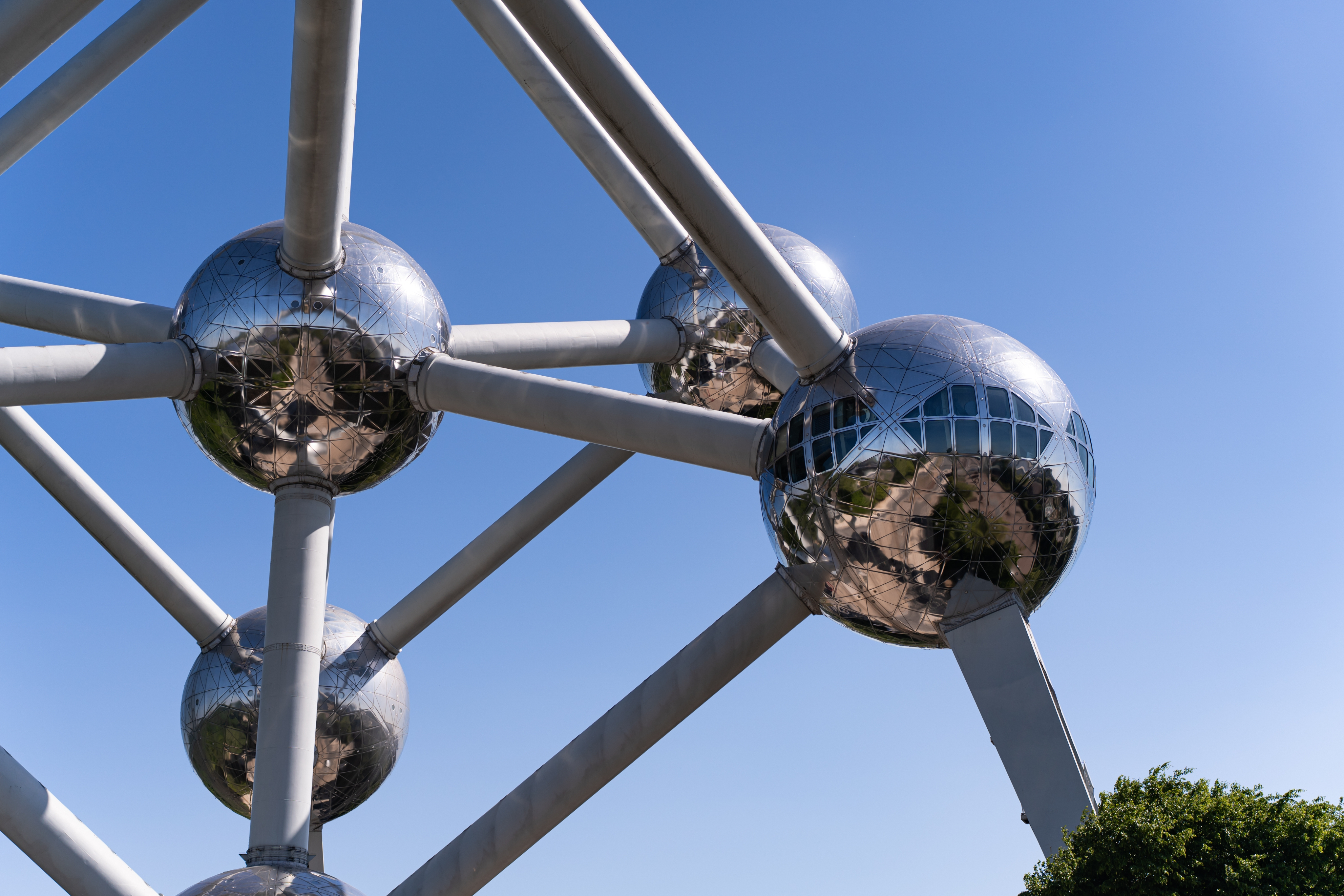
Built for the 1958 World’s Fair, the Atomium rises as a 165-billion-times scale model of an iron crystal. Its spheres hold exhibits and a viewing level, and the surrounding park makes the approach part of the visit.
Time needed: About 1.5 to 2.5 hours
Entry: Standard tickets cost about $18 to $24 (€16 to €21), with reduced rates for children and some evening or combo visits Visit the official site for details.
Tip: Visit on a clear day, since the upper sphere gives the strongest views over Brussels.
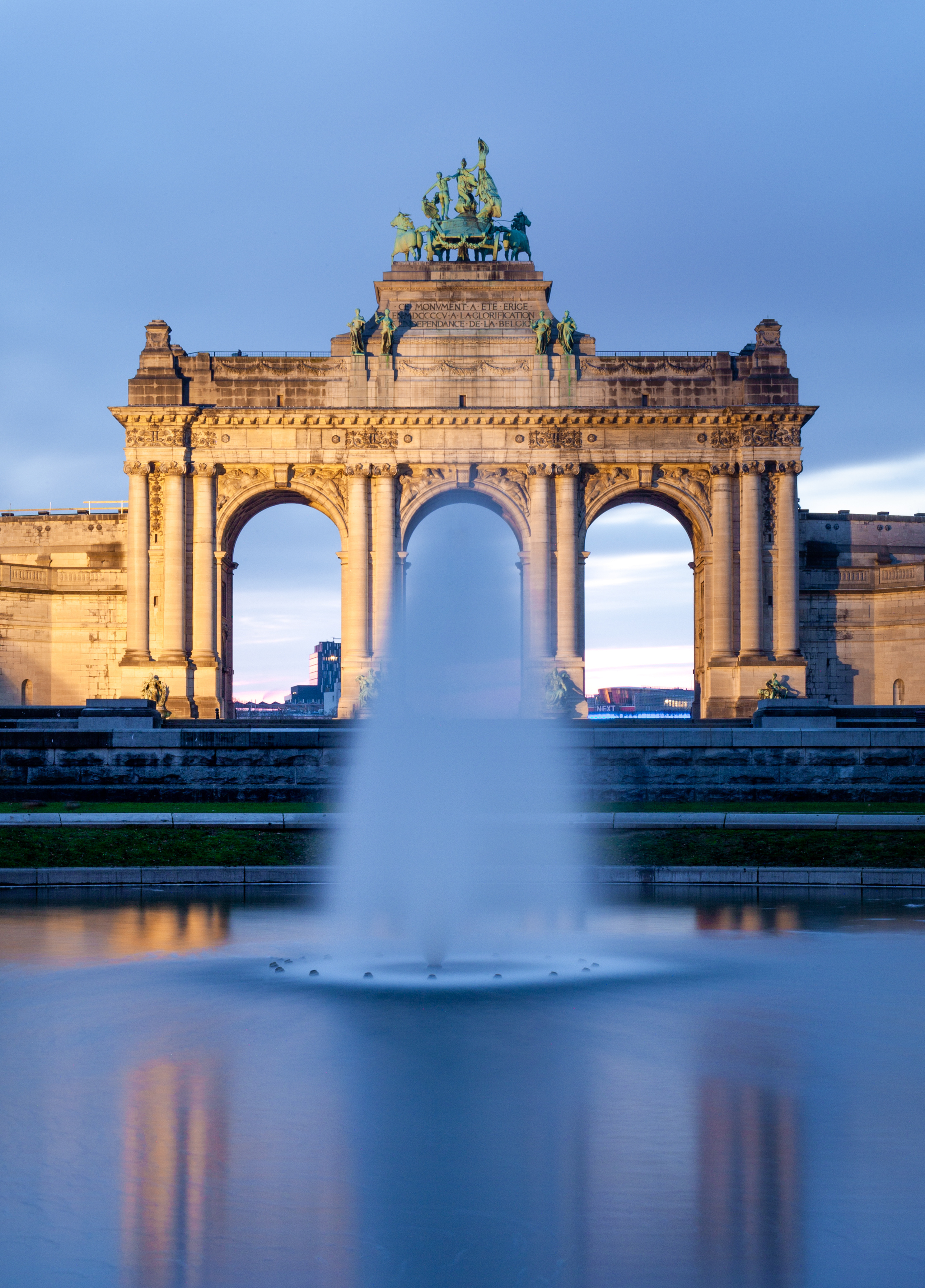
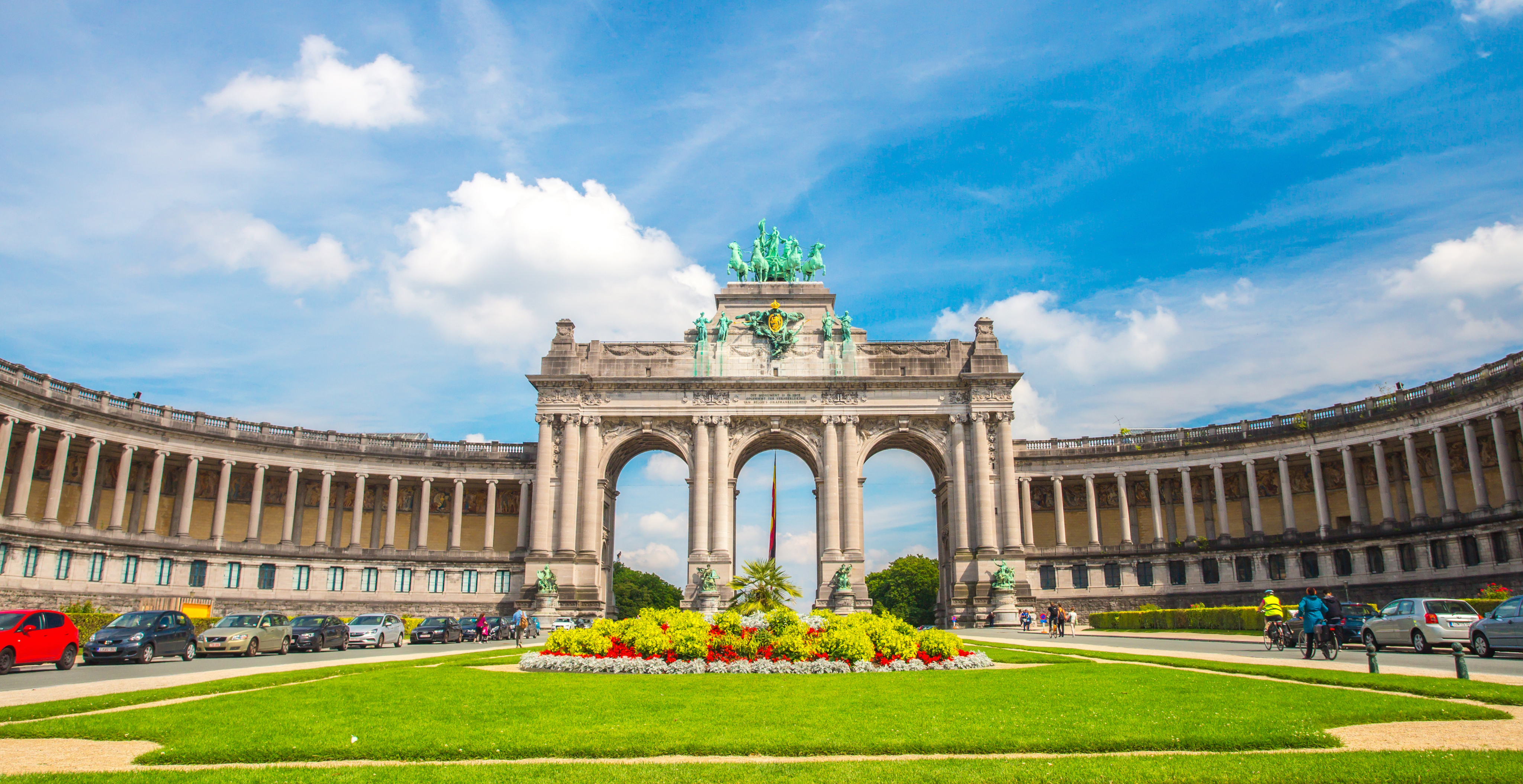
Cinquantenaire Park and Arcades du Cinquantenaire
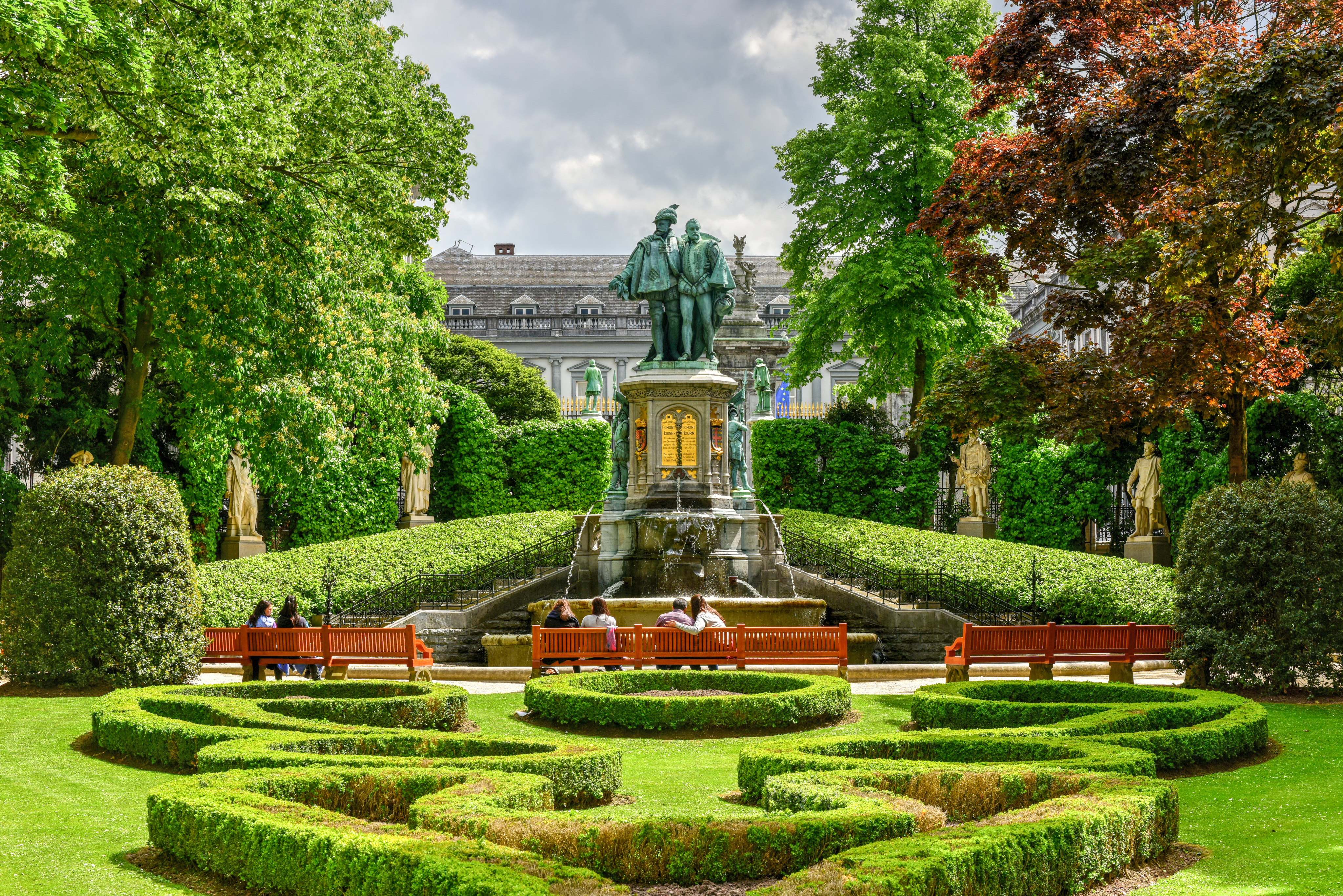
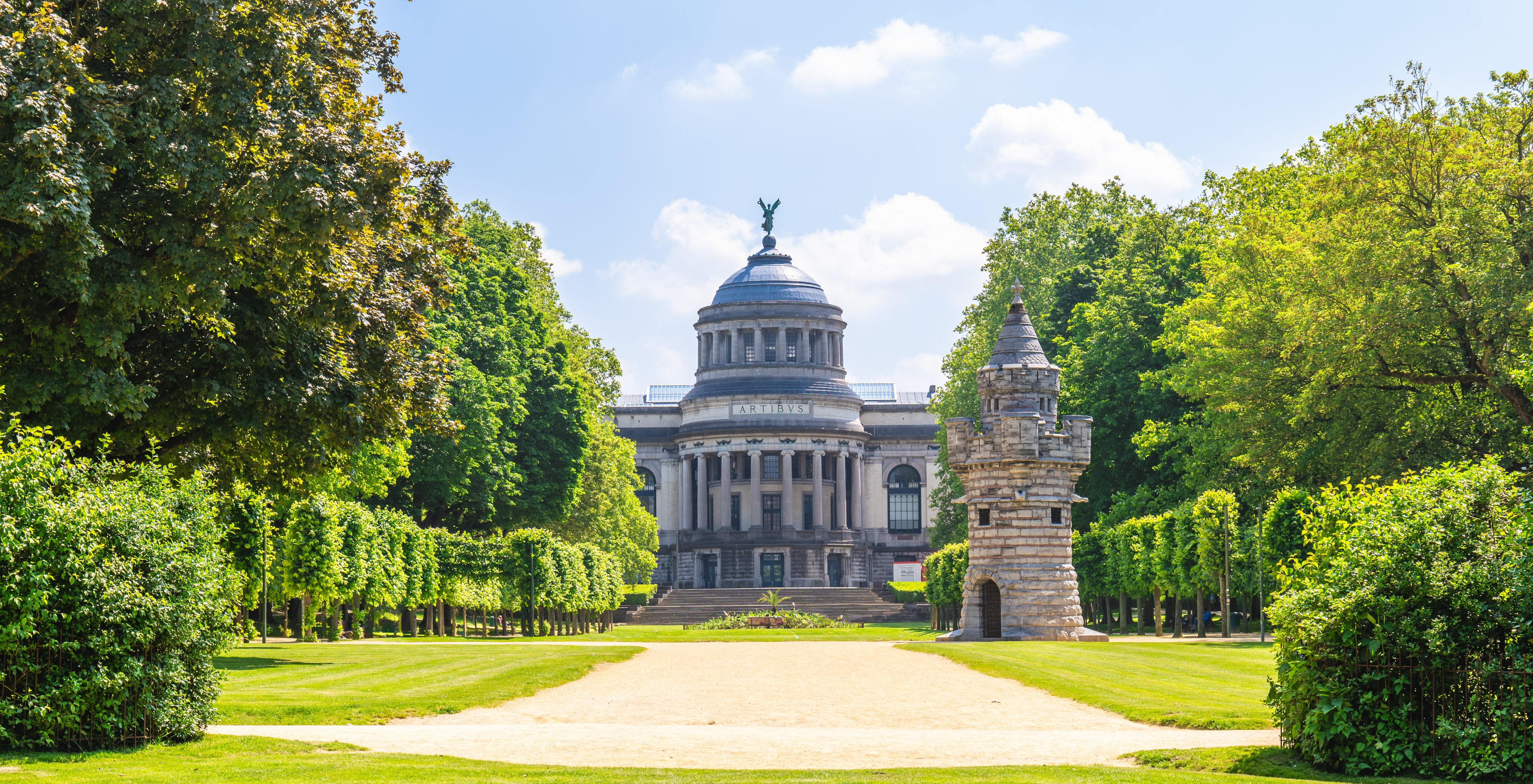
This royal park, laid out for Belgium’s 1880 national exhibition, centers on a monumental triple arch and long classical colonnades. Museums on the grounds add depth, including the Royal Museum of the Armed Forces and the Art & History Museum.
Time needed: About 2 to 3 hours
Entry: Free to access; museum admission typically costs about $11 to $18 (€10 to €16) depending on the collection and concessions Visit the official site for details.
Tip: Late afternoon light works well for the arch, and the lawns are calmer on weekday mornings.
Overlooked sites worth visiting
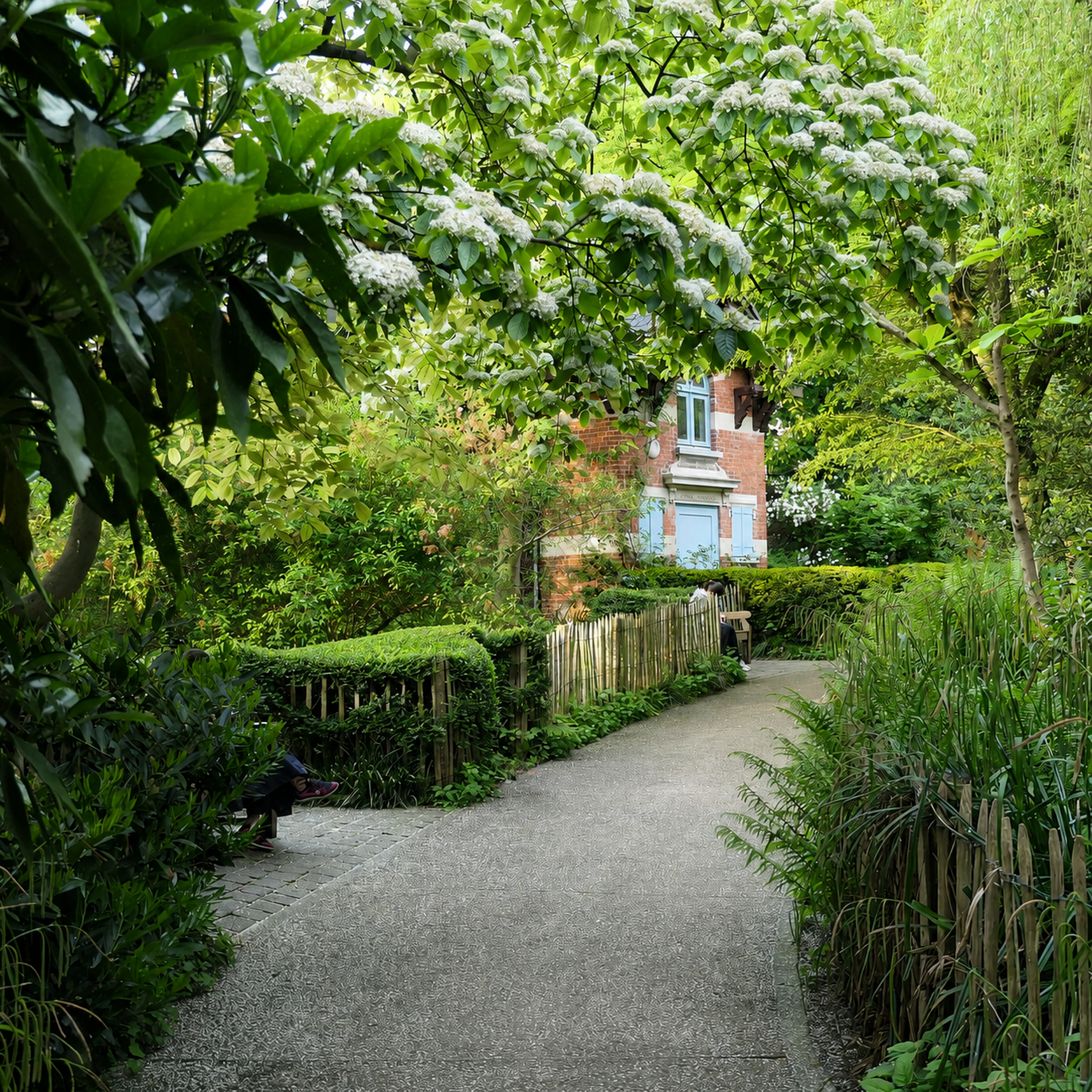
Tenbosch Park
A quiet 2-hectare park in Ixelles, with winding paths, a pond, and tall trees that screen city noise. It works well for a low-key walk between Avenue Louise and the Abbaye de la Cambre area.
Time needed: About 45 minutes to 1 hour
Entry: Free to access
Tip: Visit on a weekday morning for the calmest paths.

Magritte Museum
This compact museum traces René Magritte’s life and work with paintings, drawings, letters, and archival objects. It pairs well with a short museum stop in the Royal Museums district.
Time needed: About 1 to 2 hours
Entry: Standard tickets cost $15 ($14) for adults, with reduced rates for students, seniors, and Brussels Card holders; children under 19 enter free, and occasional temporary exhibition supplements may apply Visit the official site for details.
Tip: Go early to avoid the midday crowd at the entrance.
Traditional food

Brussels cooking leans on mussels, fries, waffles, beer sauces, and rich braises, with cafés and brasseries serving dishes that suit long lunches and unhurried dinners.
Moules-frites
Steamed mussels with fries define a classic Brussels meal, often paired with white wine, cream, or herbs. Chez Léon in the center remains a well-known place for a traditional plate.
Belgian waffles
Belgian waffles range from light, crisp street versions to richer plated desserts, usually finished with fruit, cream, or chocolate. Maison Dandoy is one of the city’s best-known names for them.
Belgian fries
Belgian fries arrive thick, double-fried, and served with mayonnaise or another sauce in a paper cone or on a plate. Frit Flagey in Ixelles is a common stop for a classic serving.
Carbonnade flamande
Carbonnade flamande is a Flemish beef stew cooked with beer, onions, and mustard, giving Brussels brasserie menus one of their most comforting main dishes. À la Mort Subite is a fitting central address for it.
Best time to visit Brussels
Brussels changes by season, with spring and early autumn offering the best mix of comfortable walking weather, lighter crowds, and clear days for museum-hopping and park stops.
Best for: Mild days for Grand Place, gardens, and long walks between central neighborhoods
What you get: About 45 to 65°F (7 to 18°C), with moderate crowds and frequent light rain
Trade-offs: Showers can interrupt outdoor plans
Best for: Outdoor cafés, park visits, and longer evenings in the center and Ixelles
What you get: About 60 to 78°F (16 to 26°C), with the highest visitor numbers and more terrace activity
Trade-offs: Popular sights and dining streets feel busier
Best for: Museum visits, food stops, and calm walking weather
What you get: About 48 to 66°F (9 to 19°C), with manageable crowds and crisp light
Trade-offs: Rain returns more often in late fall
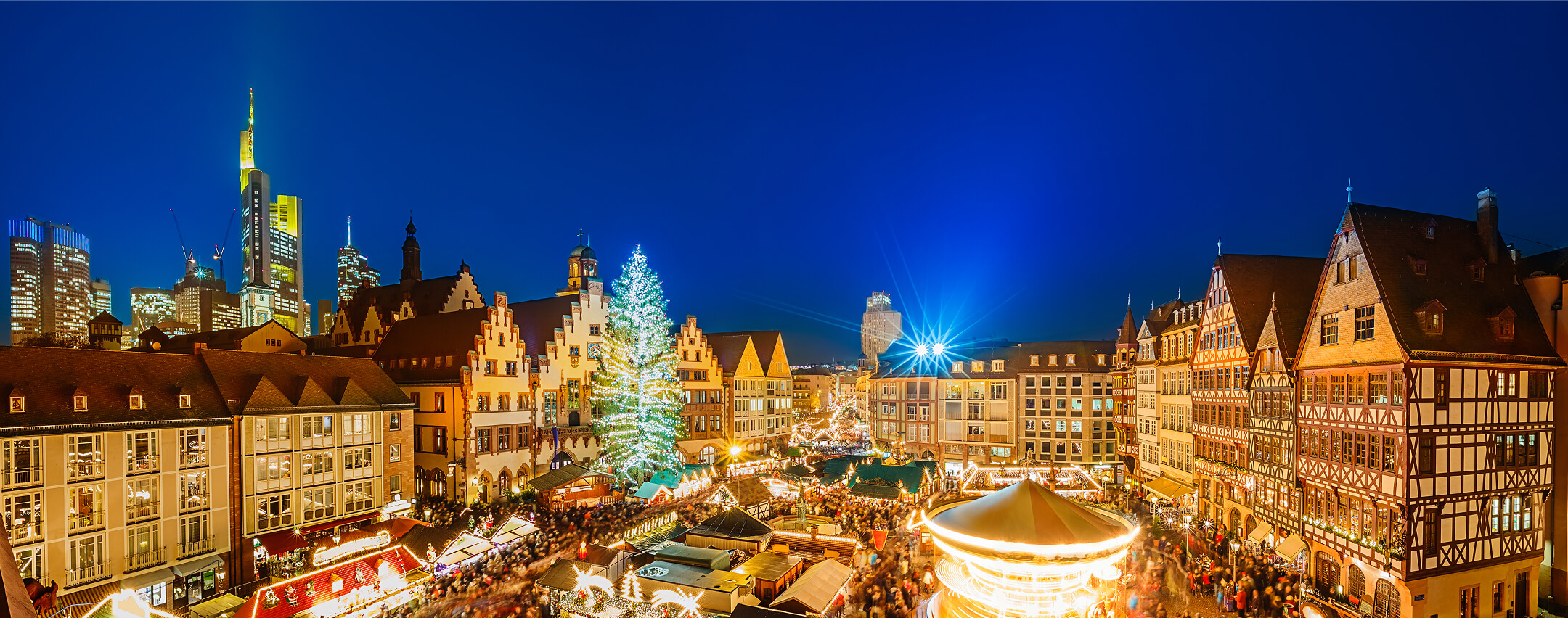
Best for: Indoor time at museums, cafés, and chocolate shops, plus holiday markets
What you get: About 34 to 46°F (1 to 8°C), with lighter tourist traffic and short daylight hours
Trade-offs: Cold, damp weather can limit time outdoors
A realistic 5-day plan in Brussels
Five days in Brussels works well when you keep the center, the east side, and the farther northwest sights in separate blocks. That leaves room for museum time, park breaks, and neighborhood meals without forcing repeated cross-city detours.
Land at Brussels Airport, then take the airport train from Brussels Airport (BRU) to Brussels Central or Brussels-Luxembourg in about 17 to 25 minutes for roughly $10 to $15 (€9 to €14). If you are staying in the Pentagon, Sablon, or the European Quarter, check in first, then settle into a low-key first evening with a short walk and an early dinner near Grand Place or in Sablon, where you can keep the pace simple after the flight. Drink water, rest your feet, and choose a café or bistro within 10 to 15 minutes of your hotel rather than planning a full sightseeing night.
Start at Grand Place, where the guildhalls and Town Hall are easiest to appreciate in the morning, then walk about 10 minutes to the Magritte Museum for a 1 to 2 hour visit. From there, continue on foot about 10 minutes to Sablon for a chocolate stop or lunch, then spend the afternoon at the Royal Museums district nearby. This route keeps the center compact, with most moves done on foot and only short pauses between major sights.
The east side of Brussels takes the lead today, beginning in the European Quarter with Cinquantenaire Park and the Arcades du Cinquantenaire, about a 10 minute walk from many hotels in the area. Set aside 2 to 3 hours for the park and its museums, then ride or walk roughly 20 minutes into Ixelles for a late lunch near Flagey or Chatelain. Finish with a calm hour at Tenbosch Park, about a 15 minute walk from the nearby café streets, so the day ends with green space instead of another indoor stop.
Head northwest for the Atomium, which takes about 25 to 35 minutes by metro and tram from the center depending on your starting point. Spend 1.5 to 2.5 hours inside and on the surrounding grounds, then return to the historic core for a late afternoon wander through the Pentagon, where Brussels Central and the surrounding streets make an easy reset after the long visit. If you want dinner nearby, stay in the center rather than pushing for a cross-city move after dark.
For a closing day, begin with one last museum stop in the Royal Museums district or return to the Magritte Museum if you want a tighter finish to the trip. After that, move to Sablon for chocolate shops and antiques, then continue into Ixelles for a café stop near Flagey or Chatelain before heading back to your hotel. This gives you a final stretch of browsing, coffee, and an easy meal without forcing a long cross-town schedule before departure.
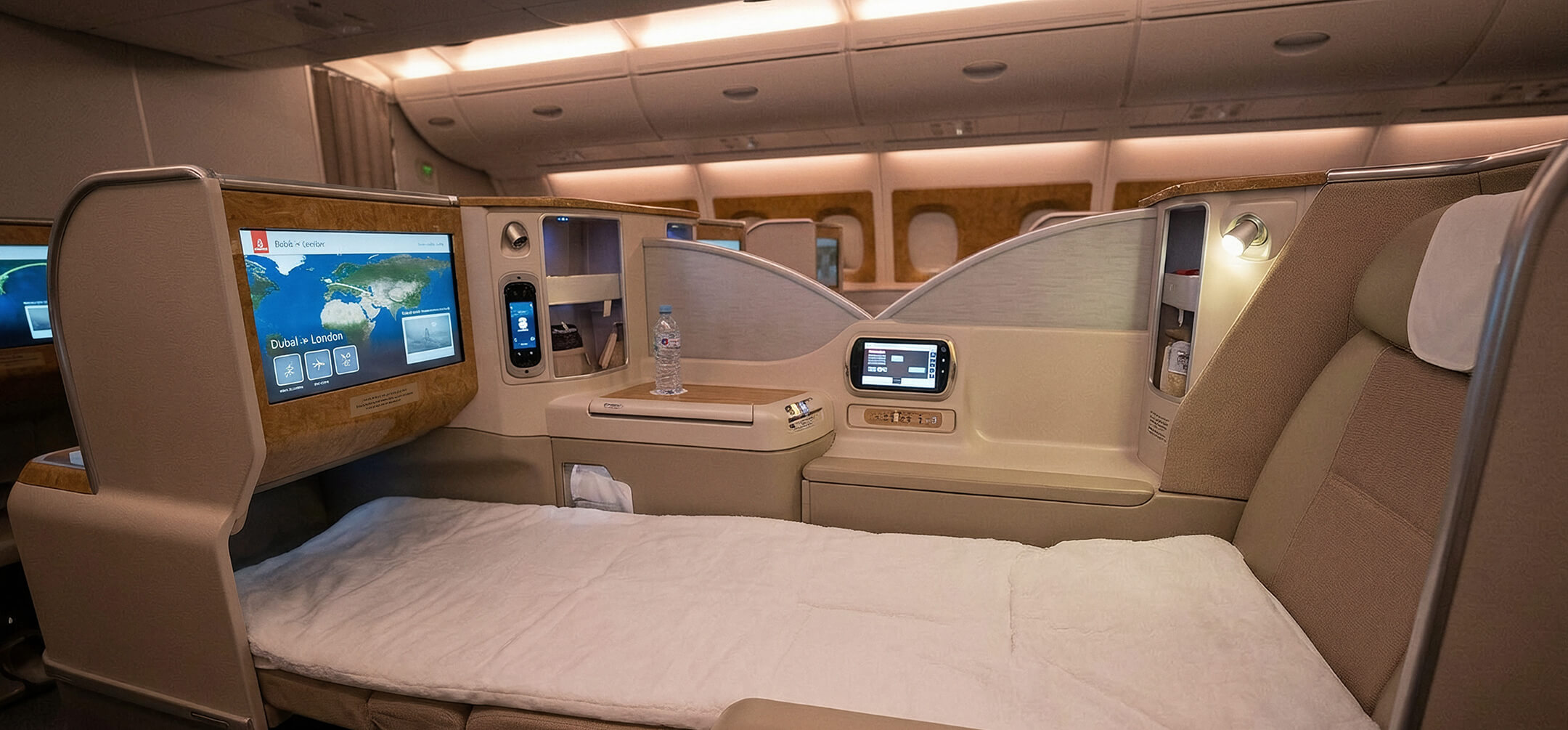
Business-class flights from the US to Brussels

Brussels has a broad long-haul network, so the best fare often depends on whether you connect through a North Atlantic hub or connect on the European side first. The two examples below show how East Coast and West Coast departures usually differ.
From New York, Brussels Airlines, United Airlines, Delta Air Lines, Lufthansa, Air Canada, and Air France all appear on the market, with nonstop flying time about 7 to 8 hours. When the nonstop timing does not suit your dates, one-stop options often route through FRA, MUC, CDG, LHR, or ZRH, with total travel time about 10 to 14 hours. From $3,000 to $6,500 round-trip.
Los Angeles trips usually start with Brussels Airlines, Lufthansa, Air France, KLM, or British Airways, and the nonstop journey runs about 11 to 12 hours. If you connect instead, common hubs include FRA, CDG, AMS, LHR, and MAD, and the trip usually stretches to about 13 to 18 hours. Round-trip fares usually start at $3,200 and can reach $7,500.
Brussels feels different when you slow down
A deliberate Brussels trip gives each district room to do its own work: Grand Place in the morning, Sablon for chocolate and antiques, Cinquantenaire for a long park stop, and Ixelles for dinner near Flagey or Chatelain. The city opens up when you pair walking with the airport train, short metro rides, and a few slower neighborhood meals. If you want help shaping those days into a trip that fits your dates, AranGrant experts can plan it with Brussels as the focus