

Chapters:

Need help with your trip?
Our support team is available 24/7. Request a callback or call us directly at (833) 619-0908
Boston trips often follow a simple loop, a hotel in Back Bay or Downtown Crossing, a walk to the Freedom Trail, then a dinner reservation in the North End. Travelers who stop there usually miss how much the city rewards short detours into Beacon Hill, the Public Garden, and Cambridge.
That narrow approach can leave you rushing between crowded blocks, repeating the same central streets, and underusing transit that connects the river, the waterfront, and the museum district. The city looks compact on a map, but small choices change how much you can see in a day.
This guide separates Boston into walkable layers, with neighborhood stays, timed museum and park visits, and day plans that pair major sights with quieter stops.
Useful things to know

Main language(s): English

Currency: The local currency is the US dollar (USD, $).

Cash and cards: Cards and contactless are widely accepted; carry about $20 to $40 in cash for tips and small purchases.

Tipping: Tip 15-20% at restaurants, and $1 to $2 per drink at bars.

Traditional food: Boston baked beans, New England clam chowder, lobster roll, cream pie

Water and coffee costs: Water about $2 to $4; bar espresso about $3 to $5.

Taxis and ride apps: Uber and Lyft operate here; pickup areas are marked at Boston Logan.

Plug and voltage: Type A/B socket, 120V

Dining and shop opening hours: Breakfast is about 07:00-10:00, lunch 12:00-14:00, and dinner 18:00-21:00. Many kitchens close by 22:00.

Emergency number: Dial 911 for police, fire, and medical emergencies.
Where to stay in Boston
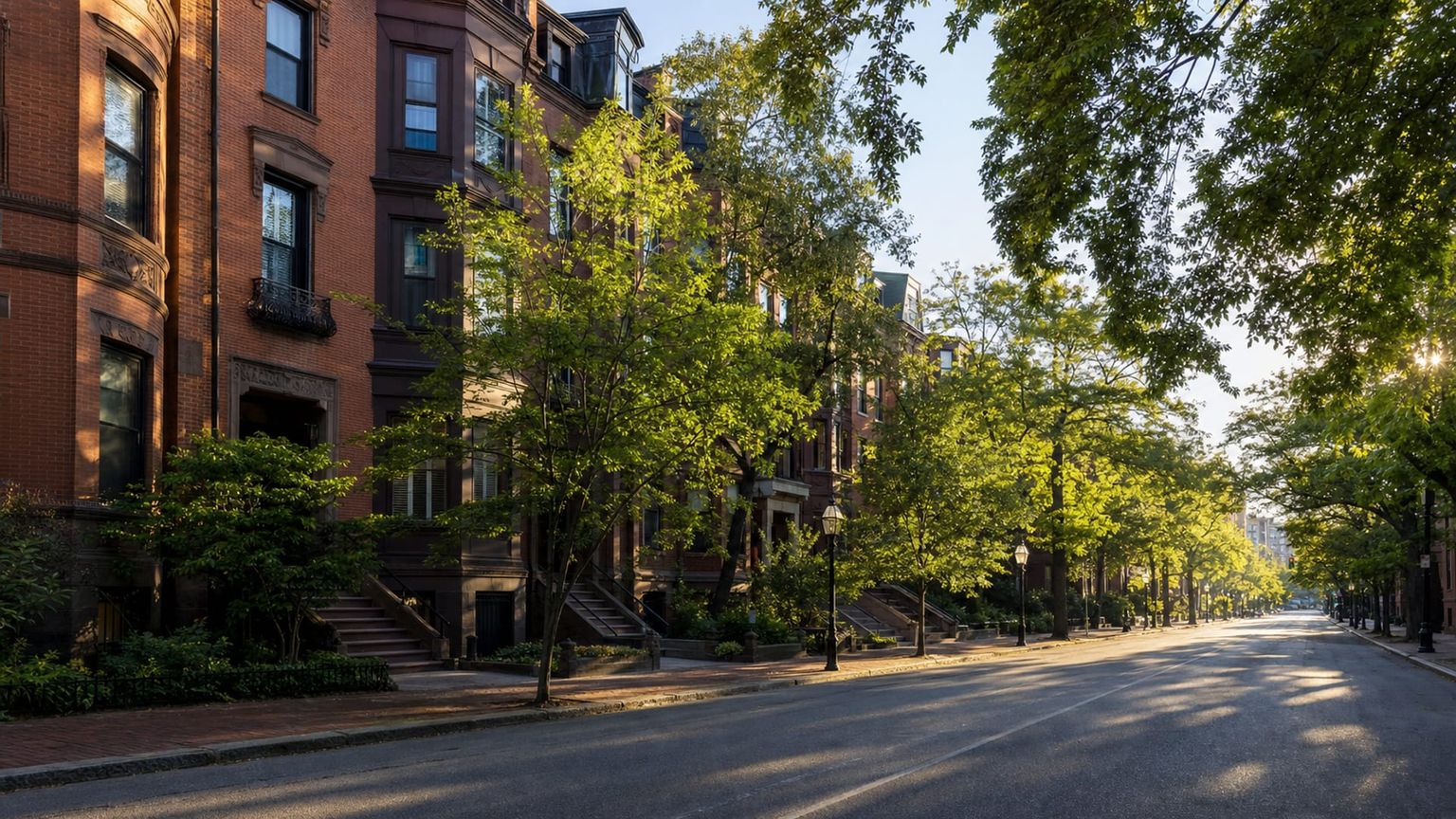
Back Bay pairs 19th-century row houses with Newbury Street, Copley Square, and easy access to the Charles River. It suits travelers who want shopping, dining, and several major sights within a compact, walkable grid.
Best for: Walking-heavy sightseeing, shopping, and travelers who want central access to major sights
What to expect: Expect busy sidewalks, frequent foot traffic, and plenty of cafes, restaurants, and shops along the main streets.
Hotel prices: Usually about $220 to $450 per night for well-rated stays
Distance to major sights: 5 to 15 minutes on foot to Copley Square and Boston Public Library
Quietness: Brisk during the day, with quieter side streets after dinner and more activity on the main avenues.
Main trade-off: Popular hotels and restaurants push rates up, and the busiest blocks can feel crowded during peak shopping hours.
Good to know: Reserve early if you want a room on a quieter side street, since the most convenient addresses sell out first.
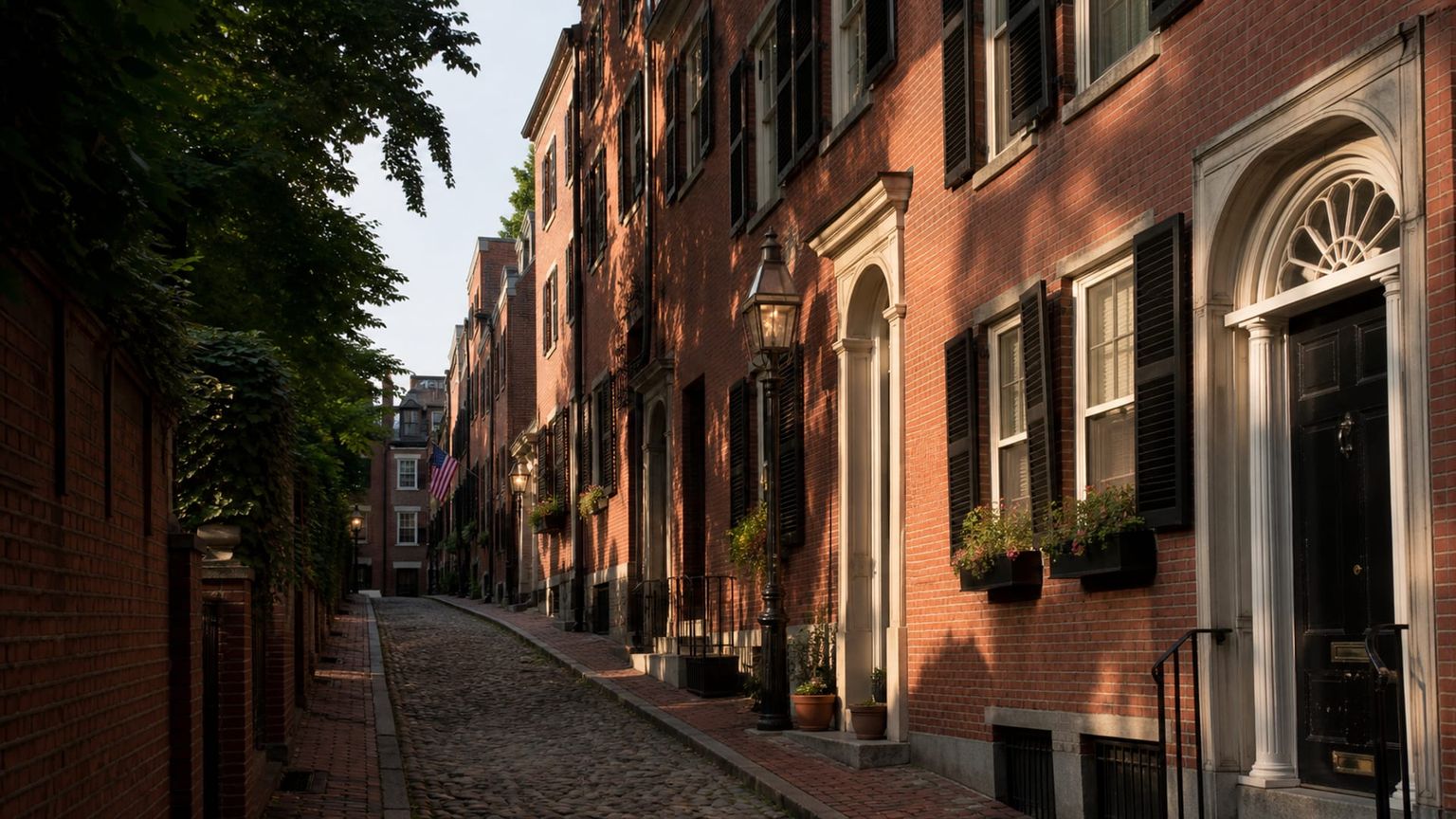
Beacon Hill is Boston’s most atmospheric historic neighborhood, with brick sidewalks, gas lamps, and narrow streets just west of Boston Common. It places you close to the State House, the Public Garden, and downtown without losing the sense of a residential quarter.
Best for: Historic atmosphere, romantic stays, and access to Boston Common and downtown
What to expect: Expect narrow sidewalks, elegant townhouse blocks, and a steady stream of visitors on the most photographed streets.
Hotel prices: Usually about $250 to $500 per night for well-rated stays
Distance to major sights: 5 to 10 minutes on foot to Boston Common
Quietness: Quiet in the evening on residential streets, with more foot traffic near Charles Street and the common during the day.
Main trade-off: Hotel choice is limited, and many stays here cost more than equally rated rooms in nearby districts.
Good to know: Choose this area if you plan to walk to the Common often, because parking is tight and the streets are not built for easy car access.
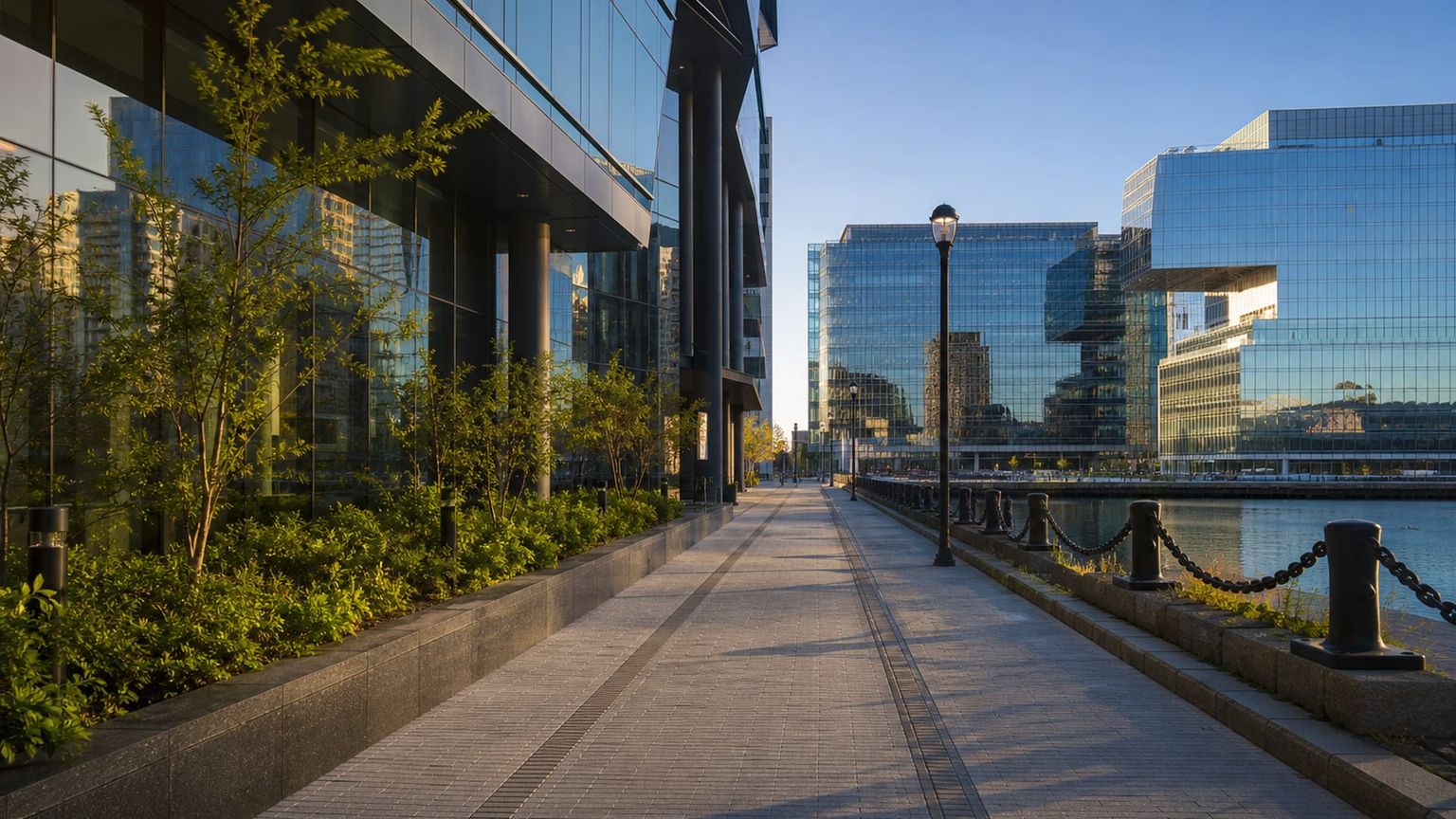
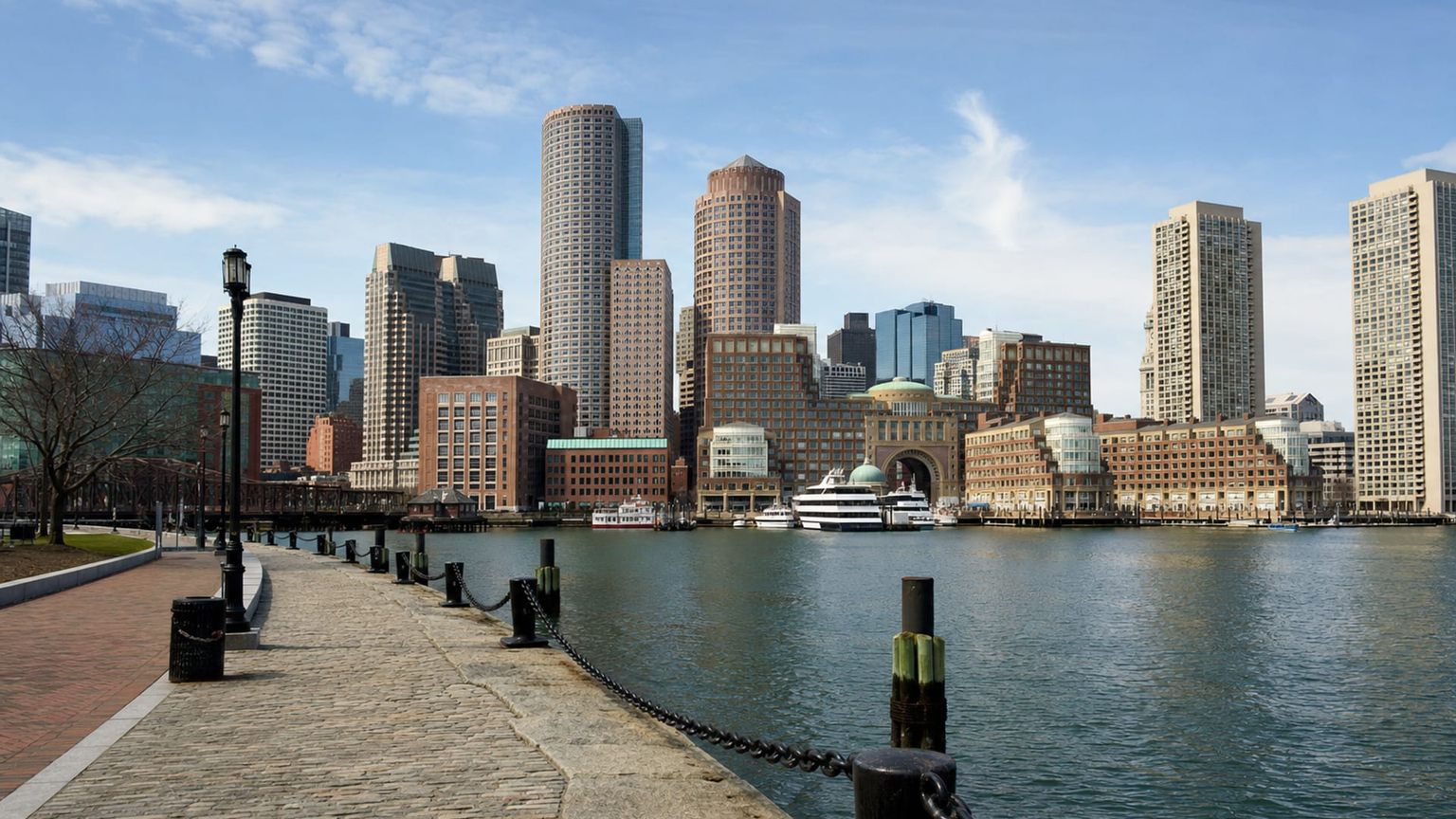
The Seaport District is Boston’s newest major hotel and dining cluster, built along the waterfront east of downtown. It works well for visitors who want modern hotels, harbor views, and quick access to the convention center and airport ferries.
Best for: Business travel, waterfront dining, and visitors using the convention center
What to expect: Expect wide sidewalks, newer towers, and steady evening activity around restaurants, bars, and the harborfront.
Hotel prices: Usually about $240 to $520 per night for well-rated stays
Distance to major sights: 10 to 15 minutes by taxi to Faneuil Hall, about 20 minutes on foot to downtown
Quietness: Active through the evening around dining streets, then quieter on interior blocks late at night.
Main trade-off: It sits farther from Boston’s oldest sights, and getting to the North End or Beacon Hill usually takes extra transit time.
Good to know: If your trip centers on the waterfront or convention center, this area saves you cross-town transfers, but it is not the best choice for a car-light historic stay.
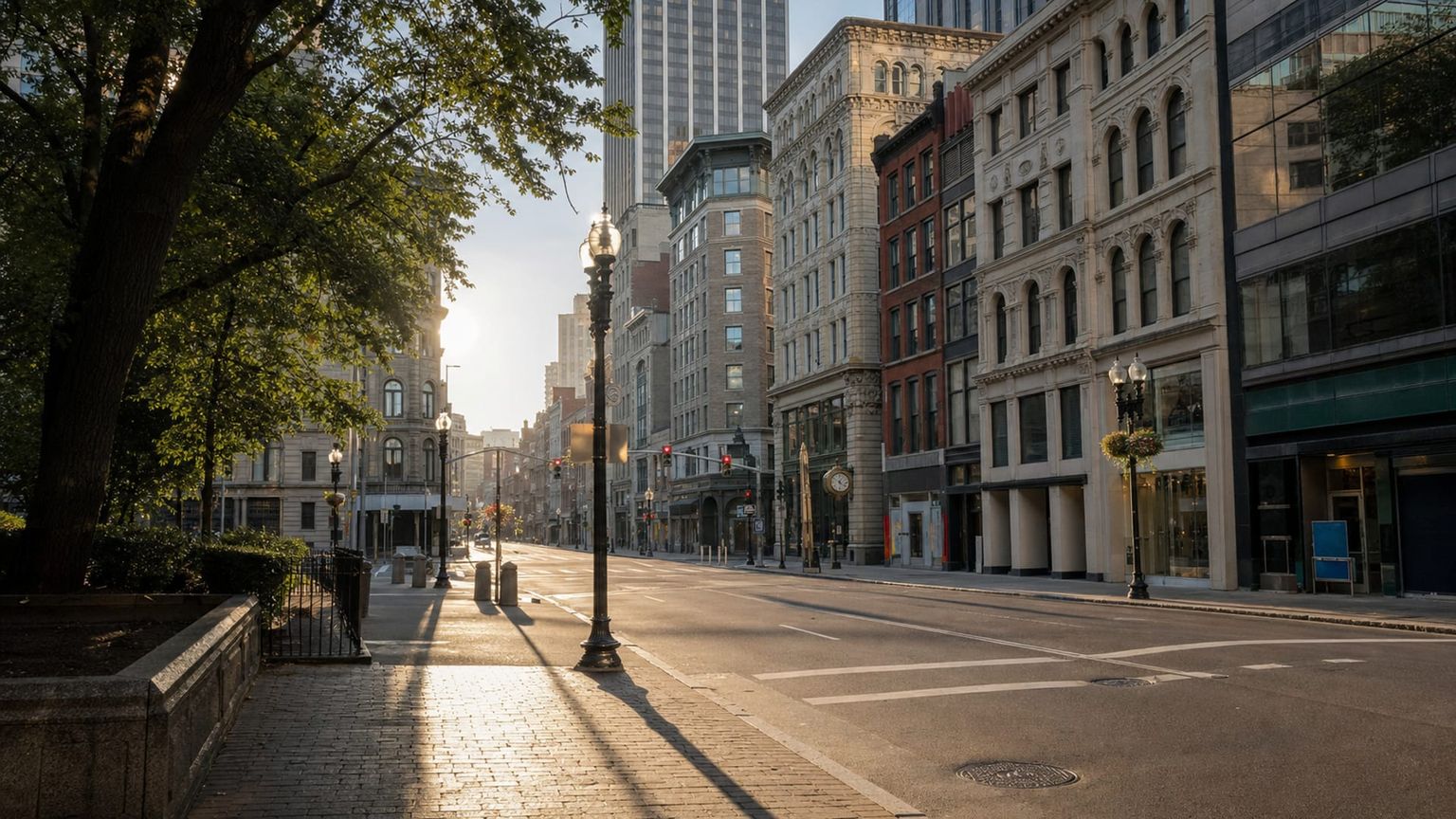
Downtown Crossing sits at the center of Boston’s transit network, between Boston Common, the Financial District, and several shopping streets. It suits travelers who want quick connections across the city and easy access to the Freedom Trail’s core stops.
Best for: Transit access, short stays, and travelers who want to move quickly around the city
What to expect: Expect dense sidewalks, office workers by day, and a mix of shoppers, commuters, and diners into the evening.
Hotel prices: Usually about $180 to $380 per night for well-rated stays
Distance to major sights: 5 minutes on foot to Boston Common, about 10 minutes on foot to the Freedom Trail’s central sights
Quietness: Busy and energetic during business hours, then noticeably calmer after office traffic fades.
Main trade-off: The area is convenient but not scenic, and some blocks empty out at night once shops close.
Good to know: Book here if early subway access matters more than view-driven lodging, since the neighborhood gives you fast connections rather than standout hotel character.
Travelers usually avoid staying in East Boston, because it is across the harbor from the main sightseeing areas and depends on transit or rides for evening trips. Charlestown can also be less convenient, with fewer hotel choices and a location that sits outside the main Back Bay, Beacon Hill, and Downtown Boston visitor corridor. Dorchester and Mattapan are farther from most core attractions, so reaching museums, Fenway Park, and the waterfront usually takes longer.
Hotel deals
How to get around Boston efficiently
Boston’s MBTA network makes the city legible in pieces, with subway lines for core crossings, buses for neighborhood gaps, and taxis or rideshares for faster hops from Logan.

Metro
for longer distances
Boston’s MBTA Red, Orange, and Blue lines connect downtown, Back Bay, Cambridge, and the airport area, with subway fares at $2.40 per ride on CharlieCard or CharlieTicket and passes valid for 1 day to 7 days. Use the subway for trips between central neighborhoods, because downtown-to-Cambridge rides usually take about 10 to 20 minutes, and Airport (BOS) to downtown takes roughly 20 to 30 minutes via the Blue Line plus the free Silver Line connector or a shuttle transfer. Trains run frequently in the core, though service gets thinner late at night and on weekends.

Bus and tram
for convenience
Boston’s bus network fills the gaps the subway misses, with Silver Line bus rapid transit linking Airport (BOS), South Station, and the Seaport, plus local buses serving neighborhoods such as Jamaica Plain, Roxbury, Dorchester, and Charlestown. Fares match the subway at $2.40, and transfer rules let you continue within about 2 hours on the same fare payment. Expect about 20 to 40 minutes for many inner-city bus trips, longer in traffic, and check real-time arrivals because schedules vary by route and time of day.

Taxi
for convenience or late hours
At Boston Logan, licensed taxis use metered fares, not flat citywide rates, and the ride into downtown usually costs about $25 to $40 before tip and tolls, depending on traffic and the exact destination. You can queue at the official airport taxi stands rather than hailing on the street, and drivers normally accept cards as well as cash. Short cross-town rides often land in the $12 to $25 range, while late-night airport trips can run higher if congestion builds.
*Prices are based on rates updated as of July 2026 and may change at the time of travel.
Walk when sights sit near Boston Common or Back Bay, use the subway for cross-city links, and choose taxis or rideshares for airport runs, late evenings, or the Seaport.
Iconic landmarks
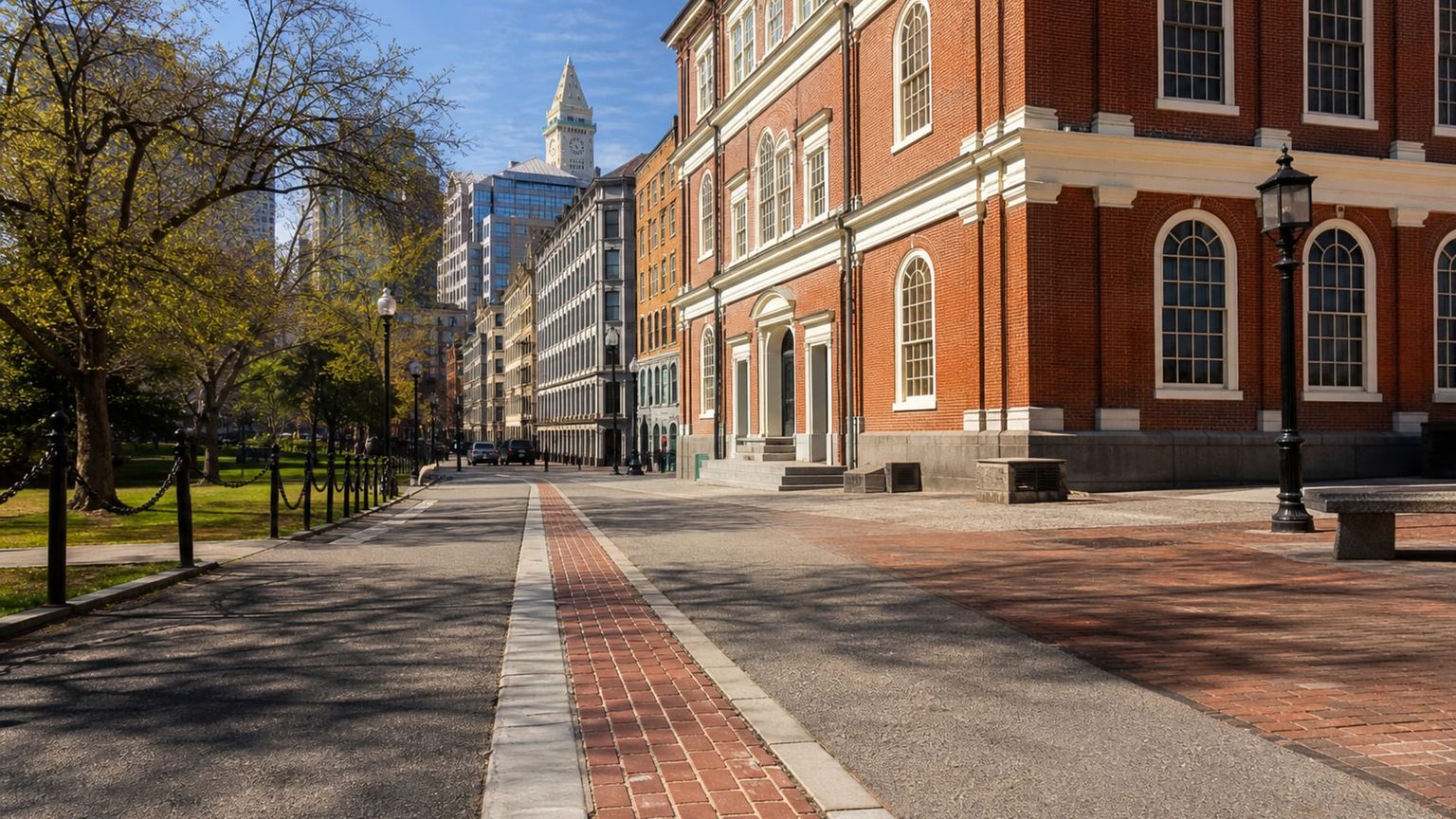
Freedom Trail
This 2.5-mile red-brick route links 16 sites central to the American Revolution, including Boston Common, the Old State House, and the Old North Church. It gives a compact read on the city’s colonial core and harbor-side history.
Time needed: About 2 to 4 hours
Entry: Free to walk the route; museum entries along the trail usually cost $5 to $15, with some sites accepting donations or timed tickets. Visit the official site for details.
Tip: Start early, before tour groups build, and follow the red line north to south.
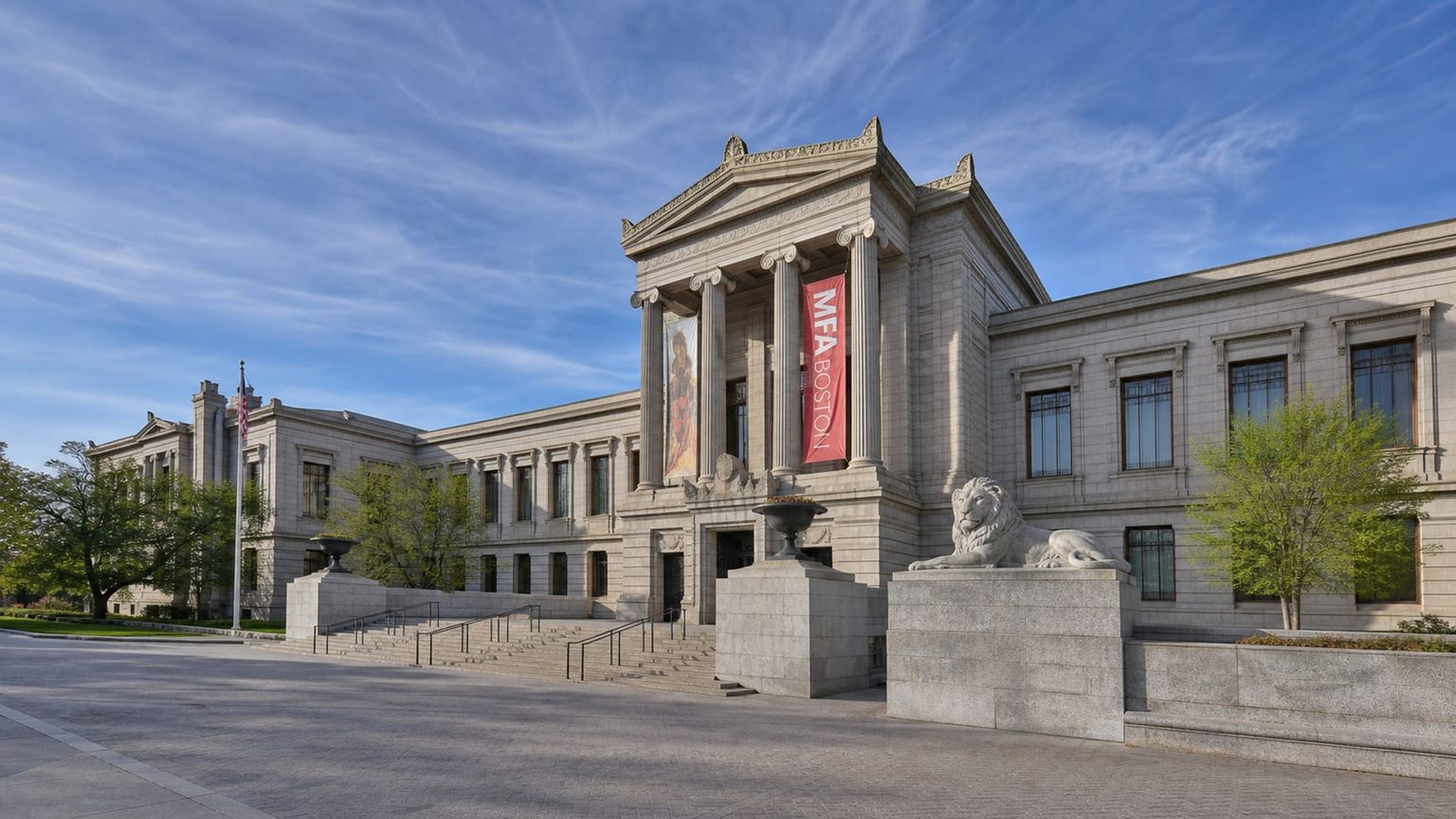
Museum of Fine Arts, Boston
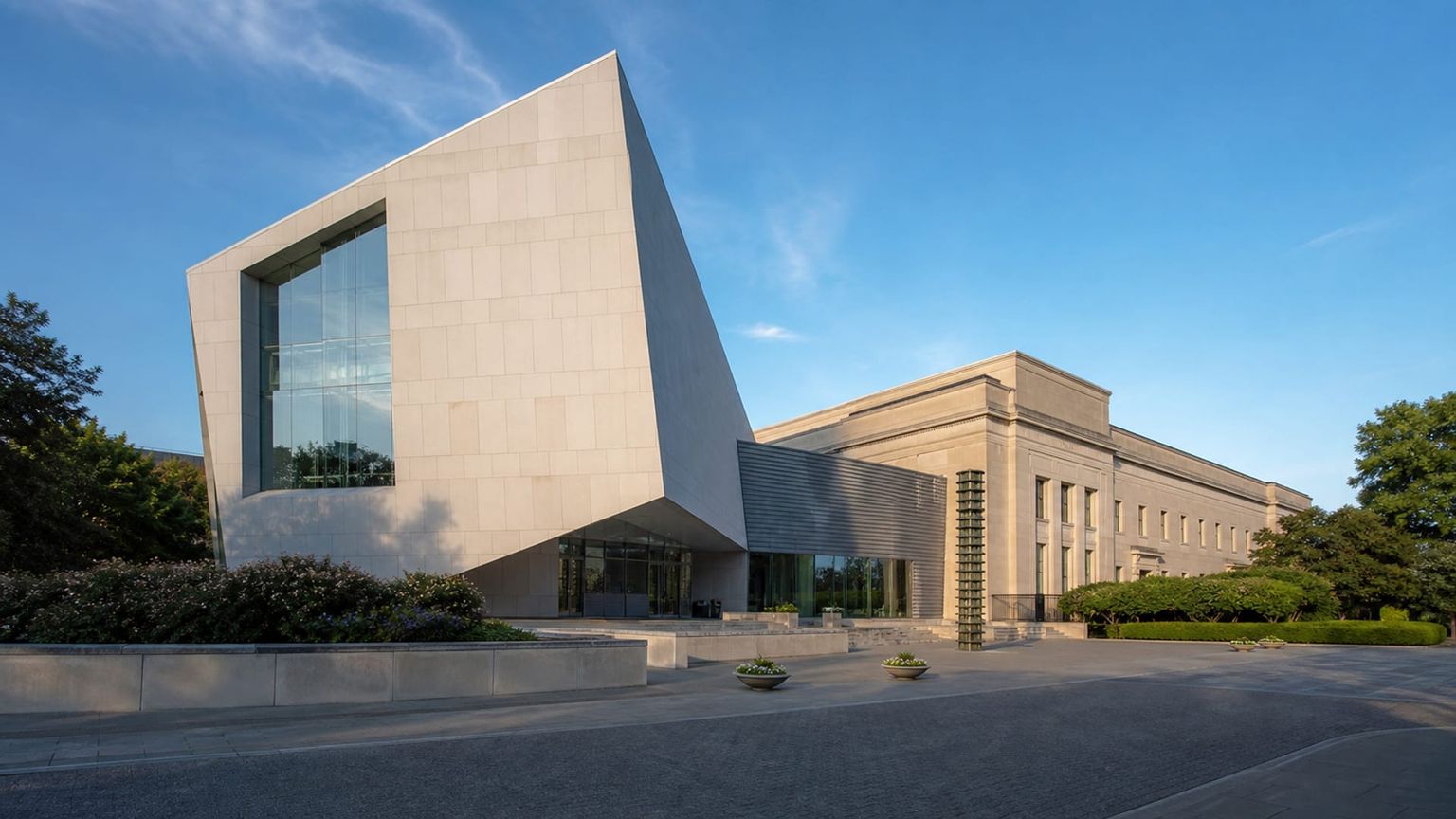
The MFA holds more than 500,000 works, from ancient Egyptian pieces to Monet, Sargent, and Japanese prints. Its scale and range make it one of the city’s essential indoor stops, with strong collections across several floors.
Time needed: About 2 to 4 hours
Entry: General admission costs $27 to $30 ($27 to $30); youth, student, and senior discounts may apply, and select special exhibits cost extra. Visit the official site for details.
Tip: Go on a weekday afternoon for lighter galleries and more time with the major collections.
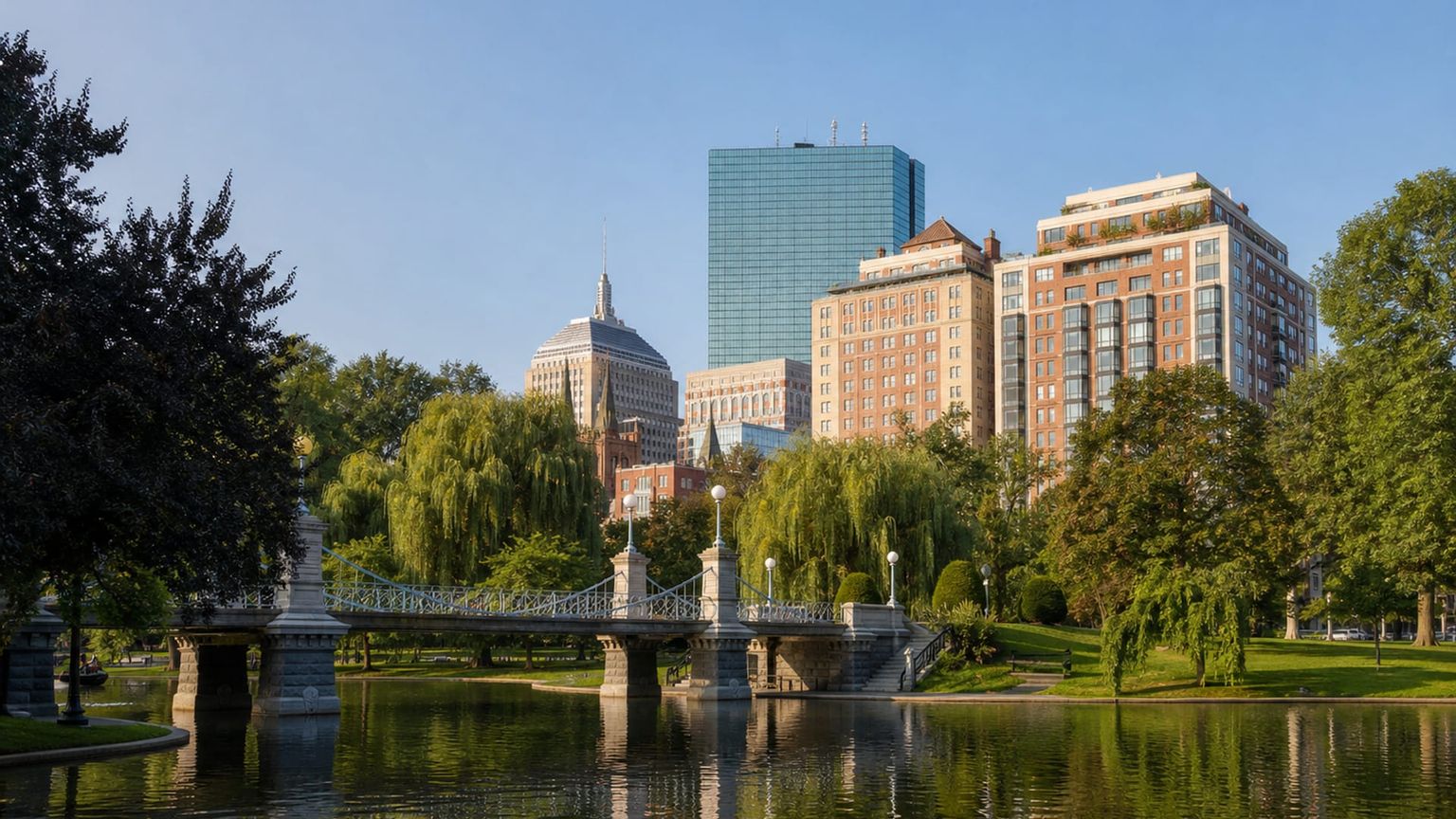
Boston Public Garden
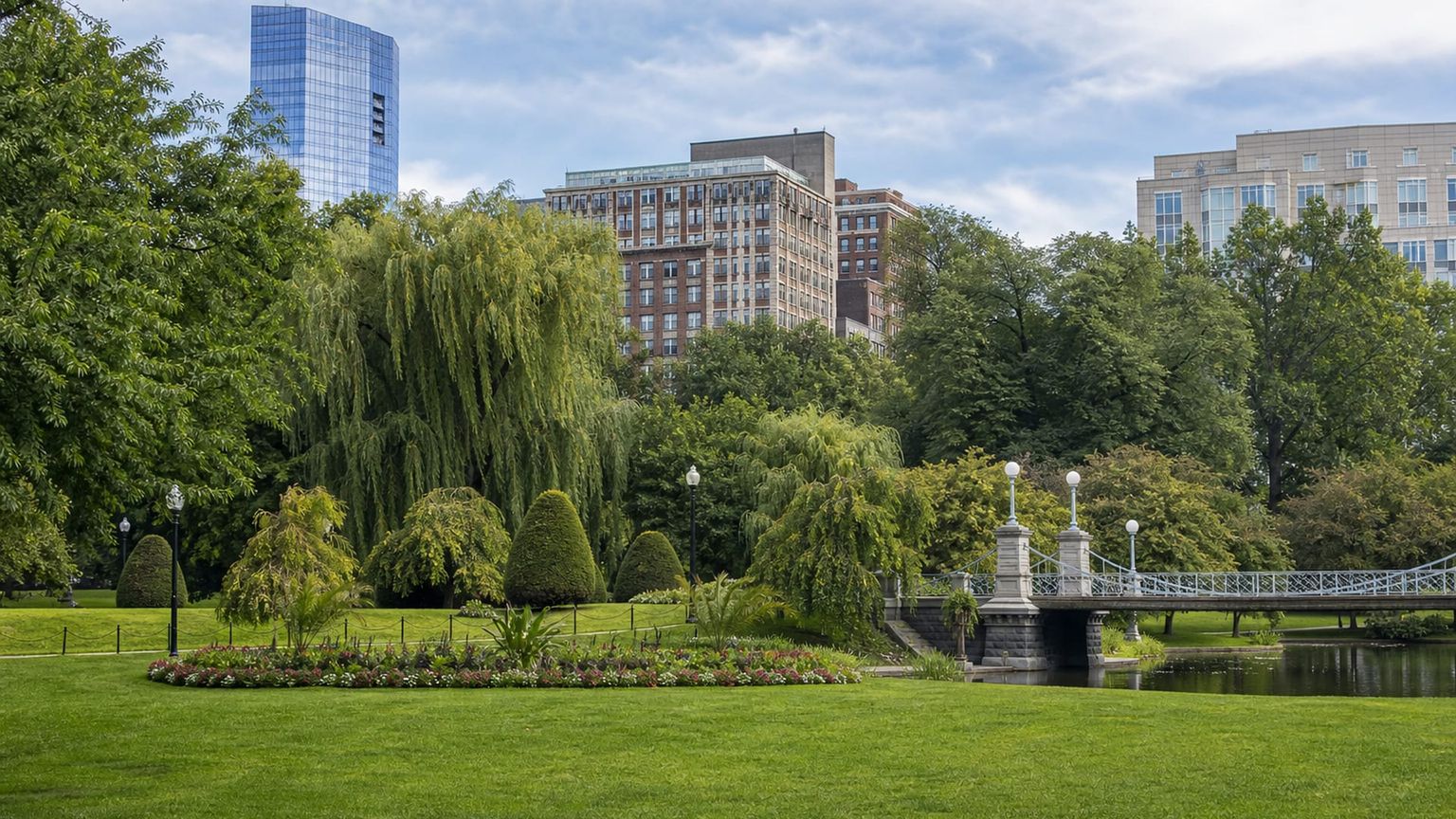
Opened in 1837, the Public Garden pairs formal plantings, the lagoon, the Swan Boats, and the famous Make Way for Ducklings statues. It sits beside Boston Common, so you can see both parks in one walk without leaving downtown.
Time needed: About 1 to 2 hours
Entry: Free to access; Swan Boats tickets are separate and usually cost about $4 to $6 per rider during the operating season.
Tip: Visit near sunset for softer light over the lagoon and clearer views across the bridges.
Overlooked sites worth visiting

Mount Auburn Cemetery
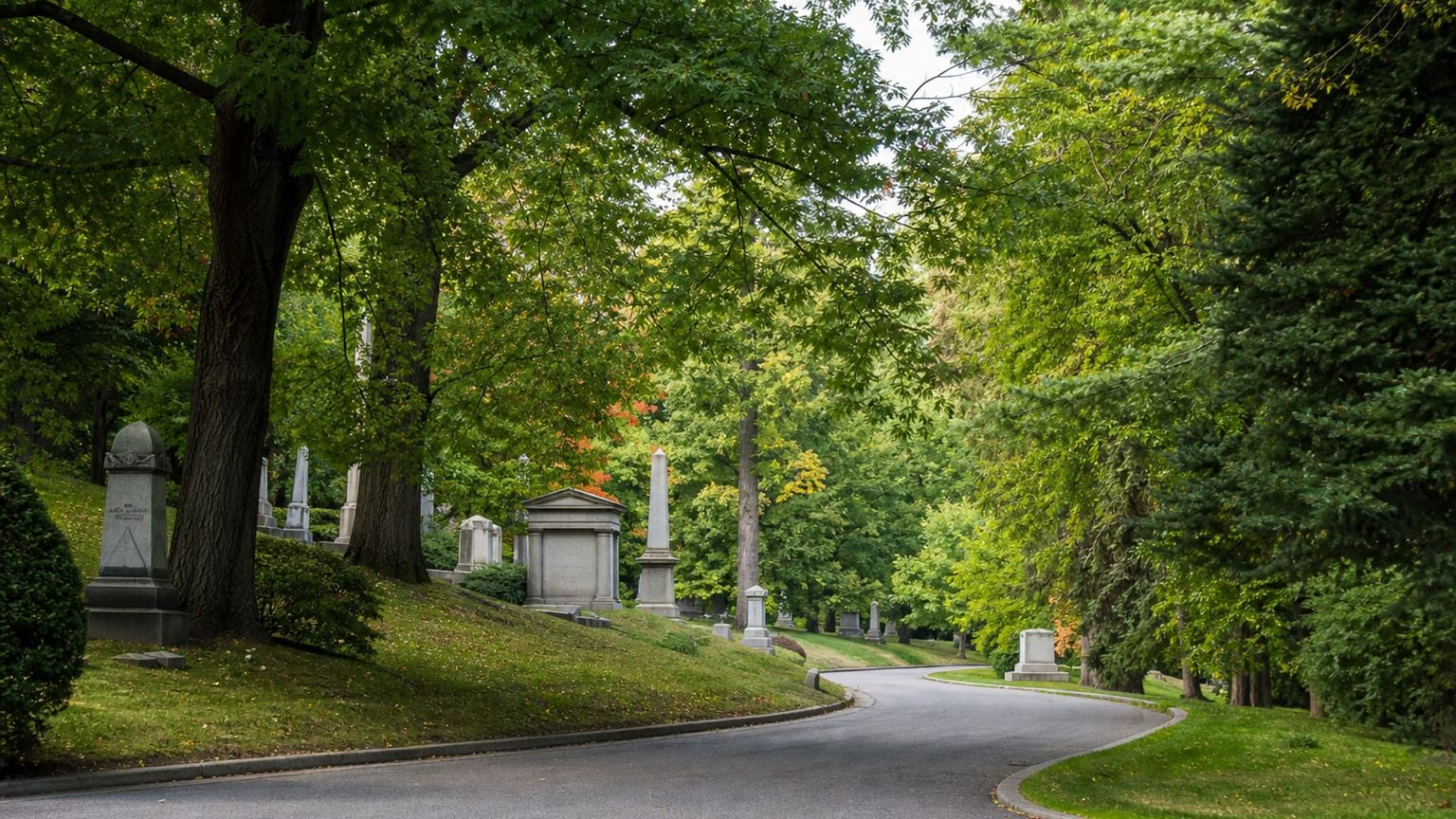
A 19th-century garden cemetery with ponds, monuments, and mature trees, Mount Auburn offers quiet walking paths and birdwatching just across the Charles River. The Washington Tower adds a broad city view.
Time needed: About 1.5 to 2 hours
Entry: Admission is free for walking the grounds. The public is welcome daily during posted hours, while certain special tours, events, and the Washington Tower may carry separate fees or seasonal access limits. Visit the official site for details.
Tip: Go near sunset for softer light over Halcyon Lake.

The Gibson House Museum
This preserved 1859 townhouse on Beacon Street shows Boston domestic life with original furnishings, wallpaper, and period rooms. Small-group visits give a close look at the Back Bay before it fully modernized.
Time needed: About 45 minutes to 1 hour
Entry: Adult admission is $10 to $15 ($10 to $15), with reduced rates for seniors, students, and children. Tours are limited to posted hours, and special programs or private group visits may cost more. Visit the official site for details.
Tip: Check the tour schedule, the house opens only on select days.
Traditional food
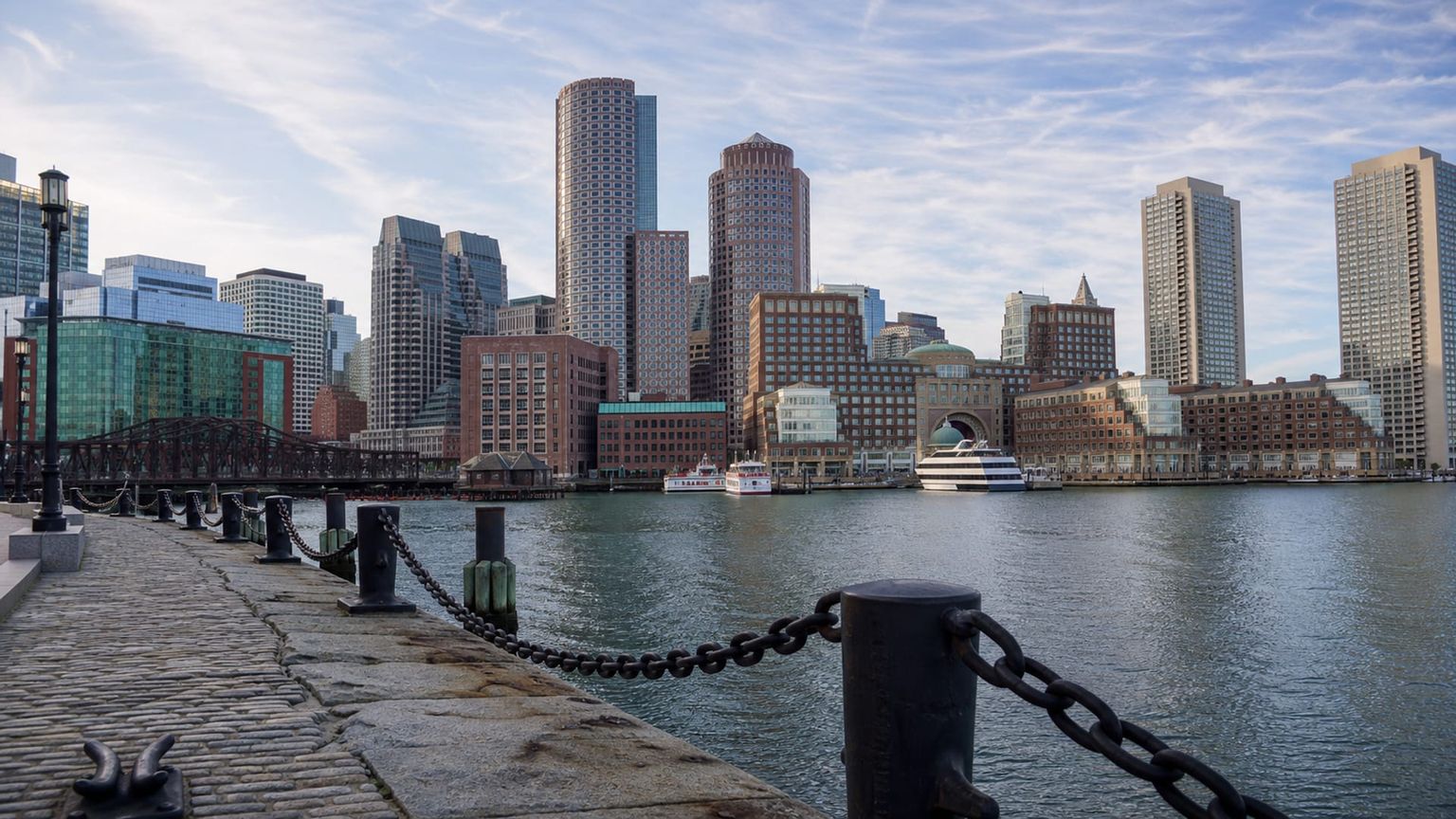
Boston cooks with harbor seafood, baked beans, cream pies, and rich chowders, so the table leans on butter, smoke, and clean salinity. Even classic plates arrive in casual dining rooms that stay busy from breakfast through dinner.
New England clam chowder
This thick, cream-based chowder is one of Boston’s signature bowls, usually built on clams, potatoes, and salt pork. Union Oyster House has long served the style in a setting that matches the city’s maritime past.
Lobster roll
A good lobster roll keeps the meat front and center, lightly dressed and tucked into a split-top bun. Neptune Oyster is the city stop many travelers choose for a classic version near the North End.
Boston baked beans
Boston baked beans bring molasses depth and a slow-cooked texture that still defines the city’s old nickname. Durgin-Park closed, so the best current restaurant reference is the historic menu at Union Oyster House, where regional plates still anchor the experience.
Cream pie
Cream pies show up in Boston as banana cream, chocolate cream, or similar diner-style desserts, with a buttery crust and a soft, chilled filling. Mike’s Pastry is a dependable North End stop for a sweet finish after dinner.
Best time to visit Boston
Boston changes most at the edges of the seasons, with icy sidewalks and short winter days giving way to mild spring walking, busy summer waterfront hours, and crisp autumn afternoons.
Best for: Best for park walks, museum visits, and long days without summer crowds
What you get: Expect roughly 45°F to 68°F (7°C to 20°C), with variable rain and moderate crowds
Trade-offs: Weather can swing quickly, and cold spells still show up in March
Best for: Best for harbor walks, outdoor dining, and long daylight hours
What you get: Expect about 65°F to 82°F (18°C to 28°C), with the heaviest visitor traffic of the year
Trade-offs: Humidity and peak hotel demand can make planning tighter
Best for: Best for walking-heavy itineraries and clear days in the city core
What you get: Expect roughly 48°F to 72°F (9°C to 22°C), with comfortable temperatures and strong weekend demand
Trade-offs: Fall foliage season can push prices and crowds higher
Best for: Best for museum time, indoor dining, and lower seasonal crowds
What you get: Expect about 23°F to 41°F (-5°C to 5°C), with lighter foot traffic and occasional snow
Trade-offs: Wind, slush, and shorter daylight hours can slow walking plans
A realistic 5-day plan in Boston
Five days in Boston works best when you mix the historic center with one or two slower neighborhood blocks. The plan below keeps the Freedom Trail, the major parks, the museum district, and the Charles River in a sequence that limits backtracking.
Land at Boston (BOS), then take a taxi or rideshare into Back Bay, Beacon Hill, or Downtown Crossing in about 20 to 30 minutes, usually for roughly $30 to $45 before tip. If you prefer the airport rail link, the MBTA Silver Line and subway connections cost far less, but they take longer and usually require a transfer. After checking in, settle in with water, a short walk to Boston Common or Newbury Street if you are staying in Back Bay, and an early dinner at a nearby restaurant rather than crossing the city. A light first evening works best near your hotel, since the sidewalks and transit hubs can be busy after work hours.
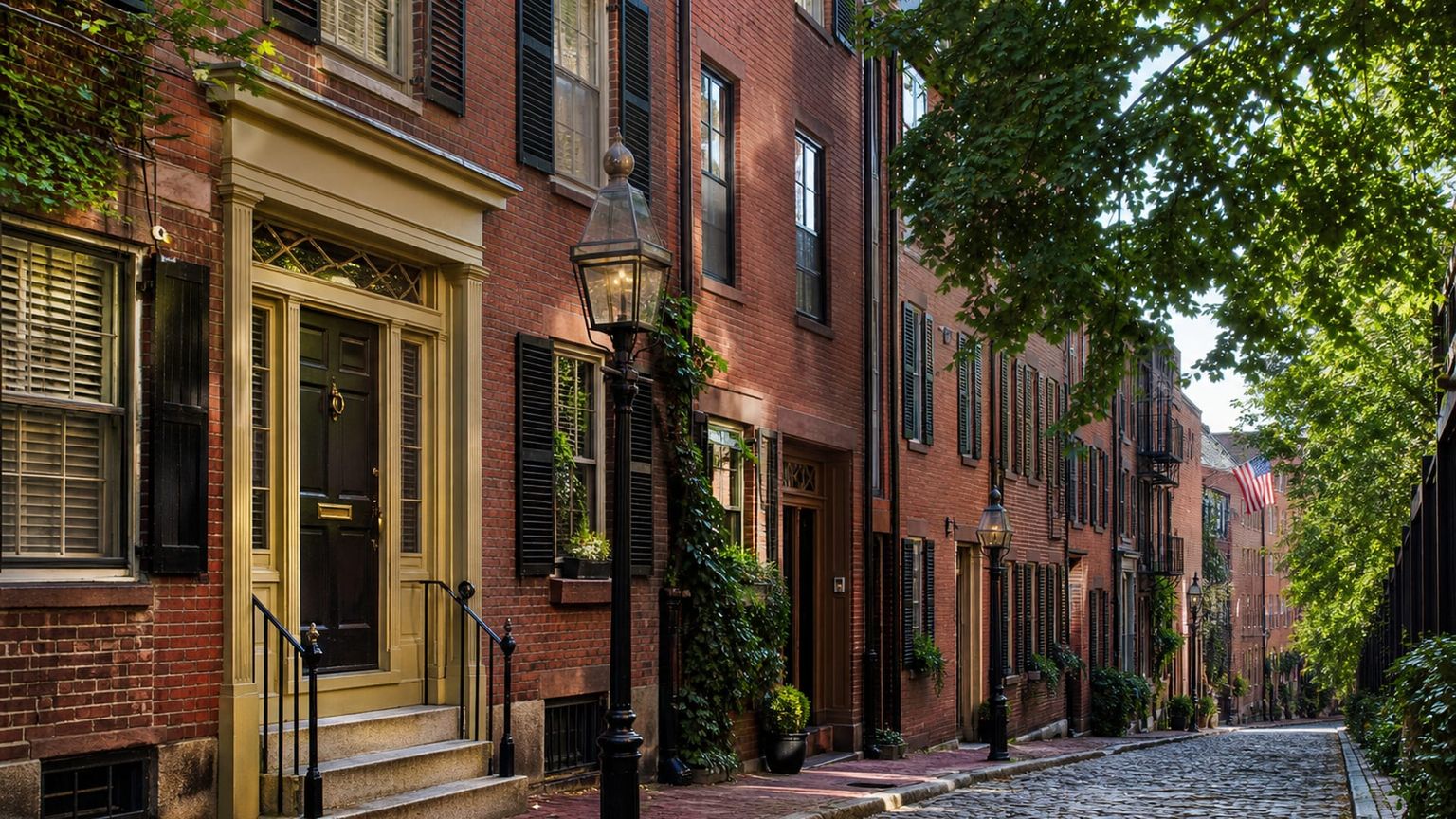
Begin at Boston Common and follow the Freedom Trail north on foot, passing the State House, Park Street Church, the Granary Burying Ground, the Old South Meeting House, and the Old State House. From Boston Common to the trail’s central sights, expect about 10 to 20 minutes of walking between major stops, then about 15 minutes farther to Faneuil Hall and the waterfront edge of the route. Pause for lunch in Downtown Crossing or near Faneuil Hall, then continue to the North End section of the trail if you want a stronger sense of the city’s colonial core. Finish with an early dinner in the North End or return to Beacon Hill, depending on whether you want more walking or an easier evening.
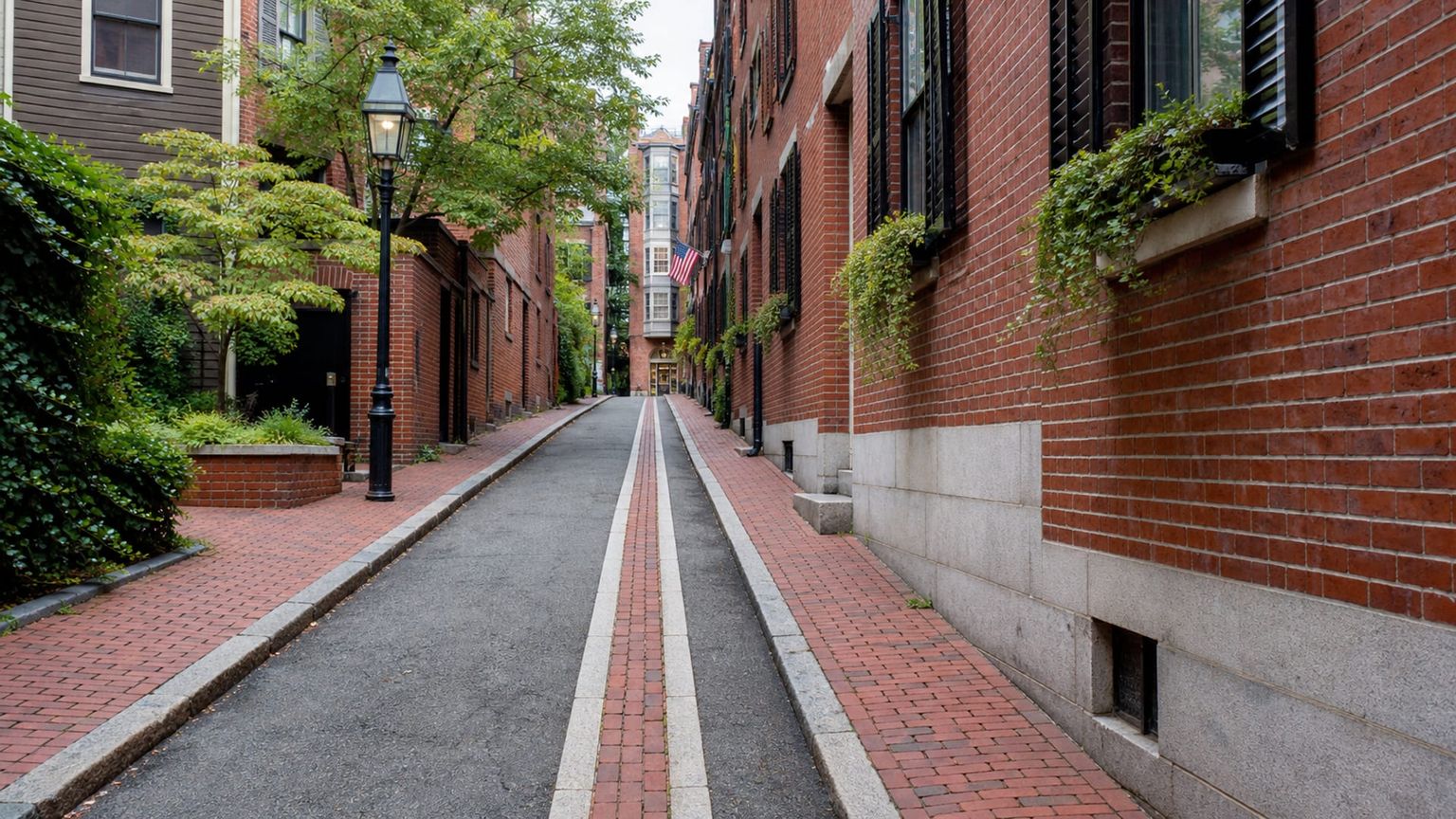
Let the morning center on the Boston Public Garden, which sits beside Boston Common, so you can move between the two parks in only a few minutes on foot. From there, walk or ride the Green Line about 15 to 20 minutes to the Museum of Fine Arts, Boston, and give yourself 2 to 4 hours for the galleries. If the weather turns pleasant, add the Gibson House Museum in Back Bay afterward, about a 10-minute ride or a 20-minute walk from the MFA, then finish on Newbury Street for dinner or a café stop. This pairing gives you one indoor-heavy block and one neighborhood walk without forcing long cross-town transfers.
Start with Mount Auburn Cemetery across the Charles River, where the garden paths and Washington Tower make a calm morning before the city fills up; from Back Bay or Beacon Hill, expect roughly 20 to 30 minutes by taxi, or a longer trip by transit with a transfer. Spend about 1.5 to 2 hours there, then head back toward the harbor, where the Seaport District offers newer restaurants and a waterfront walk about 15 to 20 minutes by taxi from downtown. If you still want a historic contrast, return to the central city for a short evening stroll through Beacon Hill, where the brick sidewalks and narrow streets look especially good after sunset. That mix keeps the day varied without stacking similar sights back to back.
A final morning in Boston works well at a slower pace: start with one last museum hour at the Museum of Fine Arts, Boston if you want more art, or head to a café in Back Bay for a late breakfast before browsing Newbury Street. From Back Bay, the shops and brownstones give you one last compact walking loop, and you can reach Copley Square in about 5 to 10 minutes on foot. If you prefer a quieter close, return to the Public Garden for a short stroll, then pack up and head for Boston (BOS) with enough buffer for traffic on the way out.
Business-class flights from the US to Boston
For long-haul planning, Boston (BOS) usually offers a mix of nonstop and one-stop business fares from both coasts. The route details below show how origin changes both timing and the set of airline choices.
From New York, carriers such as Delta Air Lines, JetBlue, American Airlines, Qatar Airways, British Airways, and Aer Lingus serve Boston on nonstops that take about 1 to 1.5 hours. Round-trip fares usually start near $900 and can reach $3,000, with nonstop dates and advance purchase both affecting the price.
From Los Angeles, American Airlines, Delta Air Lines, United Airlines, Alaska Airlines, and JetBlue usually price round-trip tickets at about $1,100 to $3,500. When you do not find a nonstop, common one-stop hubs include ORD, DFW, DEN, SEA, and SFO, and the journey typically takes about 8 to 14 hours overall.
Boston feels different when you slow down
A good Boston trip gives each part of the city a clear role, the Common and Public Garden for walking, Back Bay for daily life and shopping, the Freedom Trail for context, and the Seaport or Mount Auburn for contrast. The MBTA, short taxi rides, and a few well-timed meals in the North End keep the days connected without wasting time. For a trip shaped around Beacon Hill, Newbury Street, or the museum district, plan with AranGrant experts and build Boston around the places you actually want to return to







