

Chapters:

Need help with your trip?
Our support team is available 24/7. Request a callback or call us directly at (833) 619-0908
Bora-Bora trips often start with a resort booking, a lagoon outing, and a sunset at Matira, while the town of Vaitape and the island’s quieter corners get less attention. Travelers also underestimate how much time boat transfers, ferry schedules, and dinner hours can shape the day.
That matters here because the island is compact on the map, but movement still depends on the route, the pier, and whether your stay sits on the mainland or a motu. Even short distances can require planning when you add water transfers and limited late-night transport.
This guide keeps the island in that order, with where to stay, how to move, what to eat, and how to pace each day so the lagoon, the town, and the views fit together without unnecessary backtracking.
Useful things to know

Main language(s): French
Ia ora na (ee-ah oh-rah nah) – Hello / good morning
Aita pe'ape'a (eye-tah peh-ah-peh-ah) – Please
Mauruuru (mah-roo-roo) – Thank you
E parau vau i te reo Peretane? (eh pah-rah voo ee teh reh-oh peh-reh-tah-neh) – Do you speak English?
Eiaha tei rahi? (ay-ah-hah teh-ee rah-ee) – How much does it cost?

Currency: The local currency is the CFP franc (XPF, CFPF).

Cash and cards: Cards and contactless are widely accepted at resorts and larger shops; carry about CFP 2,000 to 5,000 ($18 to $45) for small buys.

Tipping: Round up small bills; tipping is not expected, though a little extra for good service is appreciated.

Traditional food: Poisson cru, tuna tataki, mahi mahi, coconut bread

Water and coffee costs: Water about CFP 300 ($3), bar espresso about CFP 500 ($5).

Taxis and ride apps: Taxi apps are limited here; arrange transfers with your hotel or use local taxis.

Plug and voltage: Type E socket, 220V

Dining and shop opening hours: Breakfast is usually 06:30-09:00, lunch 11:30-14:00, and dinner 18:30-21:00. Many restaurants close between services, and Sunday hours are often shorter.

Emergency number: Call 18 for fire, 15 for medical, and 17 for police.
Where to stay in Bora-Bora
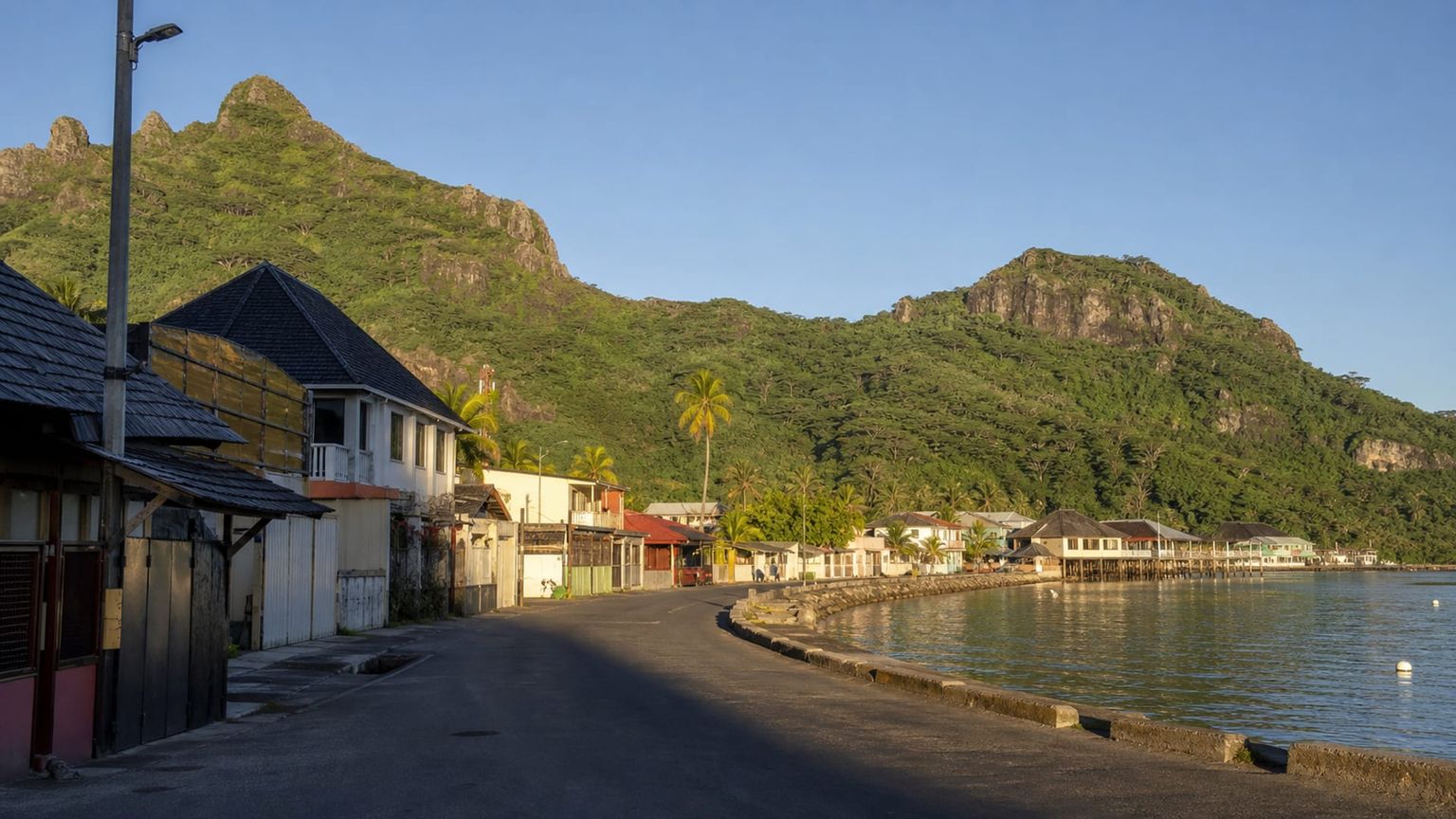
Bora-Bora’s main town on the western side of the island, Vaitape concentrates shops, ferries, banks, and the widest choice of guesthouses and small hotels. It matters because you can handle errands, reach boat tours quickly, and stay closest to everyday island life.
Best for: Travelers who want the widest range of stays, easy errands, and quick access to tour departures
What to expect: A compact town center with local traffic, docks, shops, and the busiest pedestrian activity on the island.
Hotel prices: Usually about 25,000 XPF to 45,000 XPF (~$225 to ~$405) per night for well-rated stays
Distance to major sights: About 5 to 10 minutes on foot to the Vaitape waterfront and roughly 15 to 25 minutes by car to Matira Beach
Quietness: Busier in the day because of ferries and shops, then much calmer after dinner once day trippers leave.
Main trade-off: You stay away from Bora-Bora’s best swimming beaches, and some rooms pick up harbor noise or road activity.
Good to know: If you plan to shop, eat casually, or join lagoon tours early, this base keeps the logistics simple without needing a resort transfer.
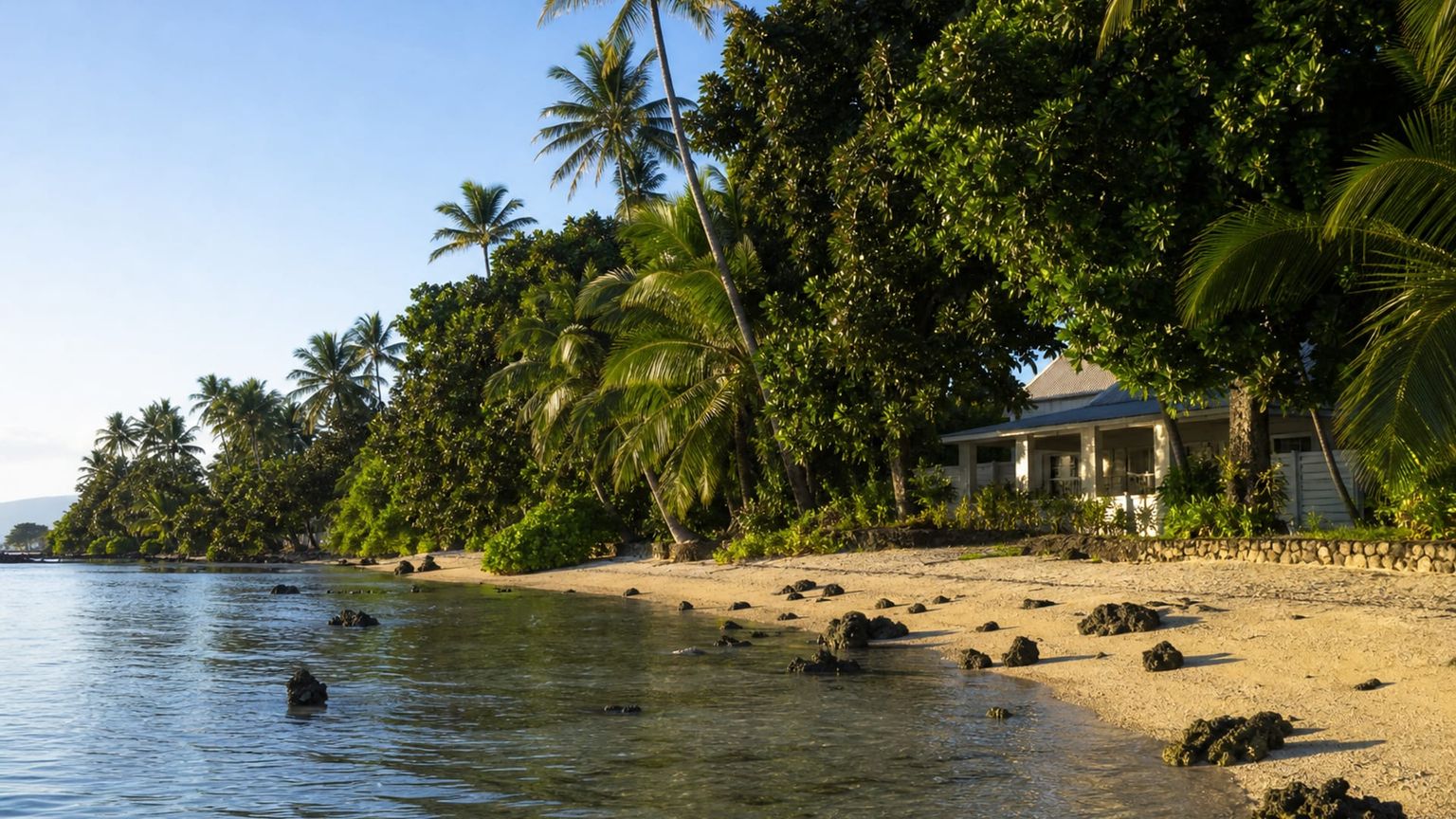
Matira sits on the southern tip of Bora-Bora and centers on the island’s best-known public beach. It matters because you can walk to soft sand, shallow water, and sunset viewpoints without relying on a boat or long transfer.
Best for: Beach stays, swimming, snorkeling, and travelers who want the clearest access to the lagoon
What to expect: A low-rise beach area with resort access, visitor traffic, and a steady stream of people heading for the sand and water.
Hotel prices: Usually about 30,000 XPF to 70,000 XPF (~$270 to ~$630) per night for well-rated stays
Distance to major sights: On foot to Matira Beach in 0 to 5 minutes and about 20 to 30 minutes by car to Vaitape
Quietness: Quieter in the morning and late evening, with more activity through midday and around sunset.
Main trade-off: You pay more for direct beach access, and dinner options are thinner than in the main town.
Good to know: Choose this if daily swimming matters more than being near shops, because the beach is the point of staying here.
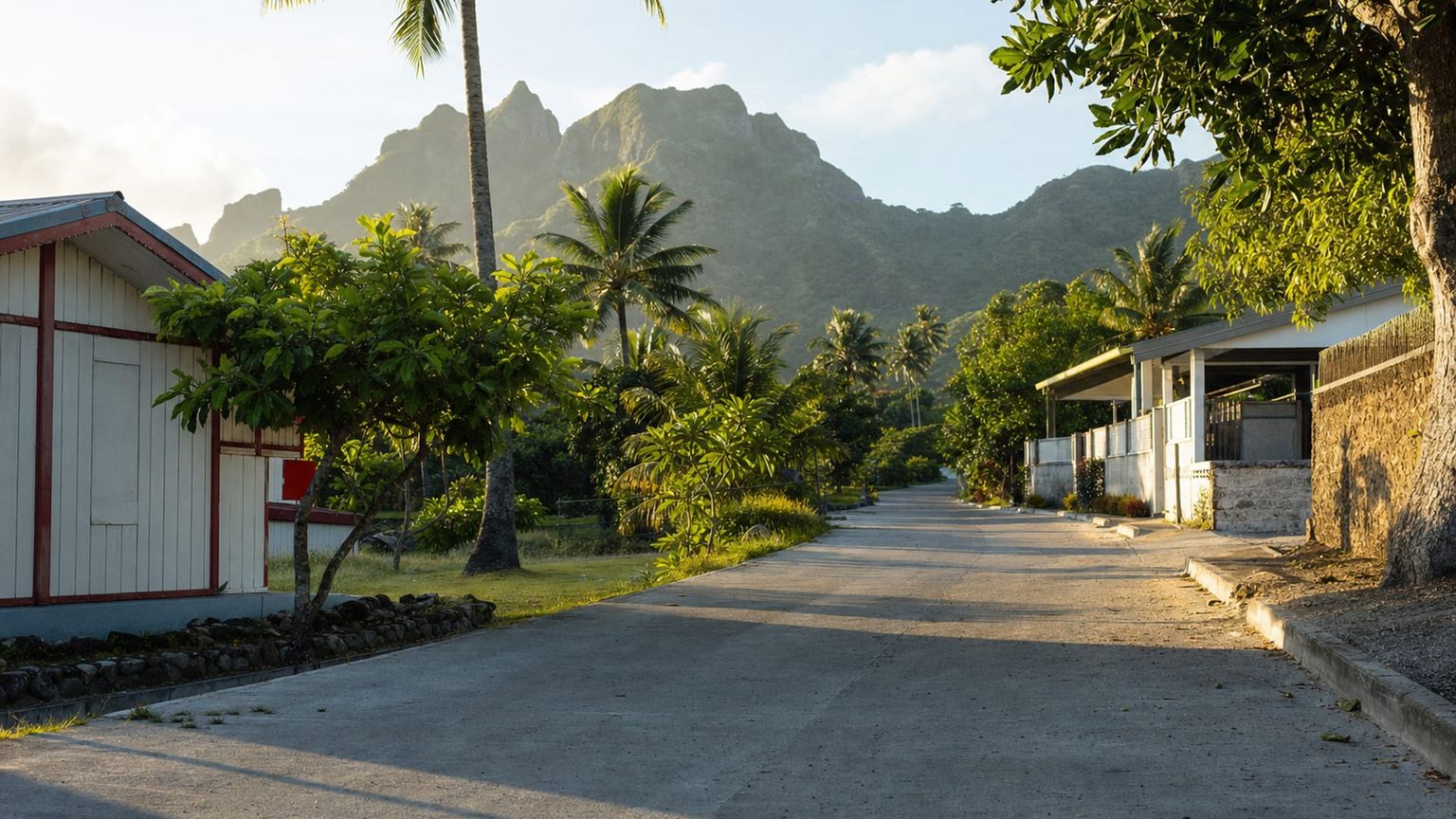
Nūnu’e lies along Bora-Bora’s southeastern lagoon edge, where several overwater resorts and quiet shoreline properties face the reef. It matters because the area gives you a more secluded stay with long lagoon views and direct access to boat-based excursions.
Best for: Romantic escapes, overwater villas, and travelers prioritizing privacy and lagoon views
What to expect: Mostly resort grounds, private piers, and limited street activity, with movement concentrated around hotel boats and transfers.
Hotel prices: Usually about 60,000 XPF to 140,000 XPF (~$540 to ~$1,260) per night for well-rated stays
Distance to major sights: About 15 to 25 minutes by car to Vaitape and roughly 20 to 35 minutes by car to Matira Beach
Quietness: Very quiet in the evening, with only occasional boat or maintenance activity near the resorts.
Main trade-off: Dining, shopping, and casual nightlife sit farther away, and many plans depend on hotel transport or booked transfers.
Good to know: If you want to split time between the lagoon and the room, check how often your property runs boat or shuttle transfers before booking.
Travelers usually avoid staying on the far western side of Bora Bora near Faanui Bay, because it sits away from the main hotel and beach zones around Matira and adds time to evening trips by boat or road. They also usually skip remote motu properties that have no direct road access, since every dinner, shop visit, or mainland outing depends on scheduled boat transfers and limited late-night options.
Hotel deals
How to get around Bora-Bora efficiently
Bora-Bora has no metro or bus network, so the day usually starts with a boat, a taxi, or a hotel transfer rather than a fixed public timetable.

Metro
for longer distances
Bora-Bora has no metro or suburban rail, so local travel relies on boats, resort shuttles, and road transfers on the island itself. If you are connecting through Bora Bora Airport (BOB), plan on a boat transfer to your resort or a taxi for short road trips, since the island has no rail alternative.

Bus and tram
for convenience
One public bus loop does not operate in Bora-Bora, and there is no tram network. Most visitors use hotel boats, organized transfers, rental cars, scooters, or shared minibuses for trips between Vaitape, Matira, and the airport pier area; ask your hotel about transfer timing and whether the return leg is included in the price.

Taxi
for convenience or late hours
Licensed taxis on Bora-Bora are limited and usually meet arrivals at Bora Bora Airport (BOB), the main wharf, or hotels rather than being hailed on the street. Fares are typically set by trip or arranged in advance, not metered, with short island rides often costing about $15 to $35, while airport-to-resort transfers can run roughly $25 to $60 depending on distance, time of day, and luggage; many drivers take cash, and some accept cards if arranged ahead of time.
*Prices are based on rates updated as of June 2026 and may change at the time of travel.
Use boats for resort access, taxis for short island hops, and walking when you are already in Vaitape or Matira, since each mode fits a different part of the island.
Iconic landmarks
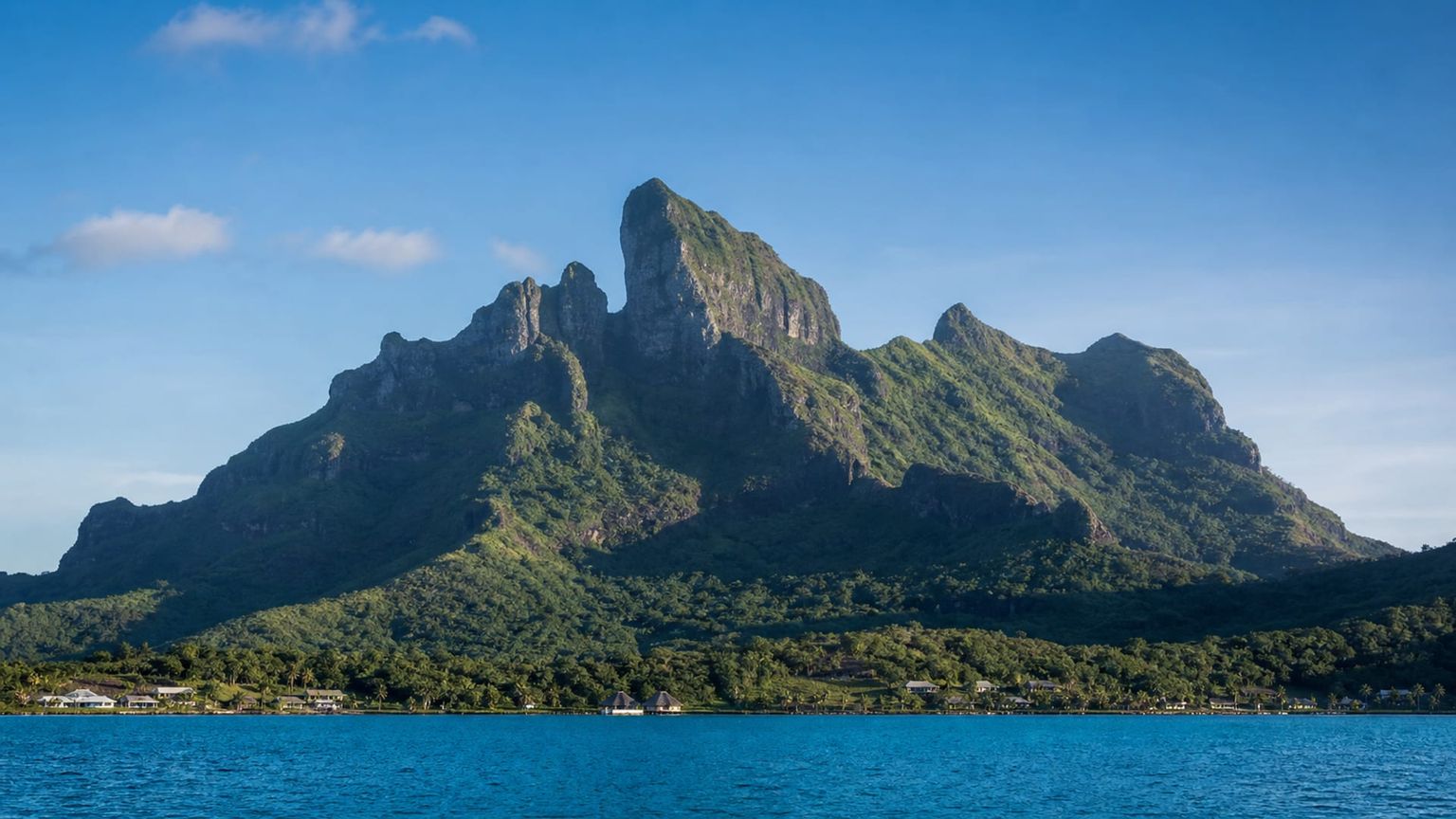
Mount Otemanu
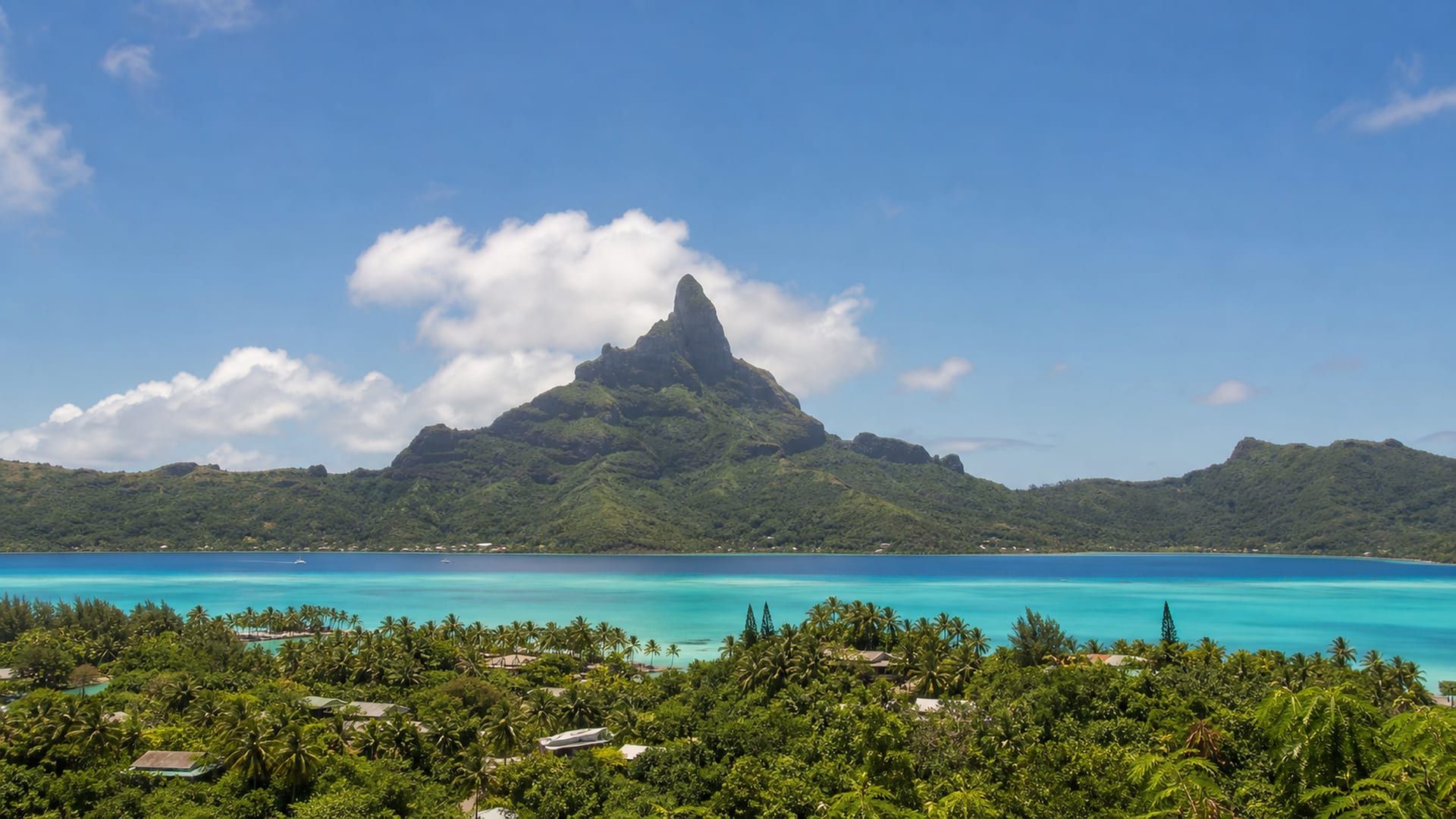
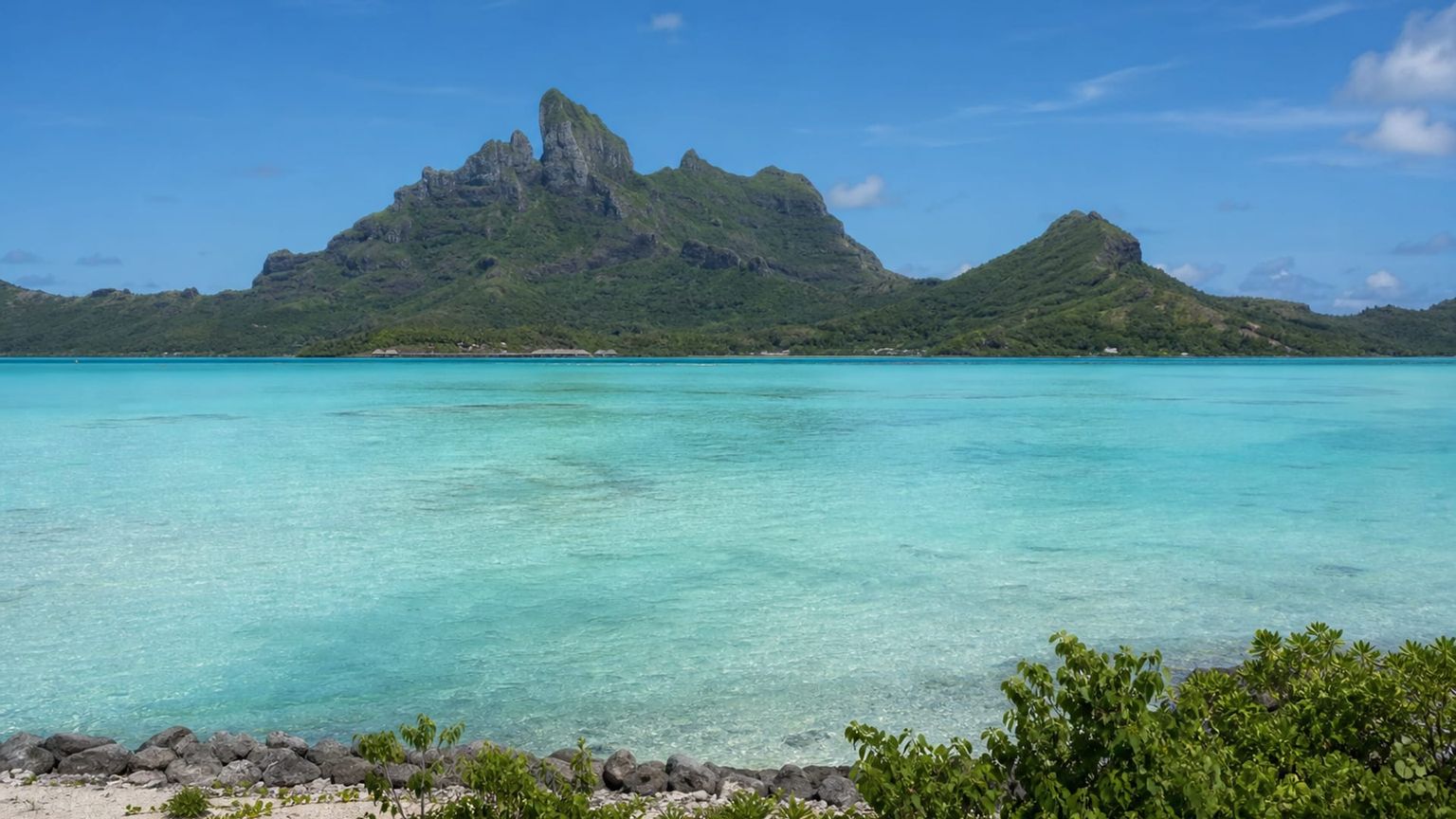
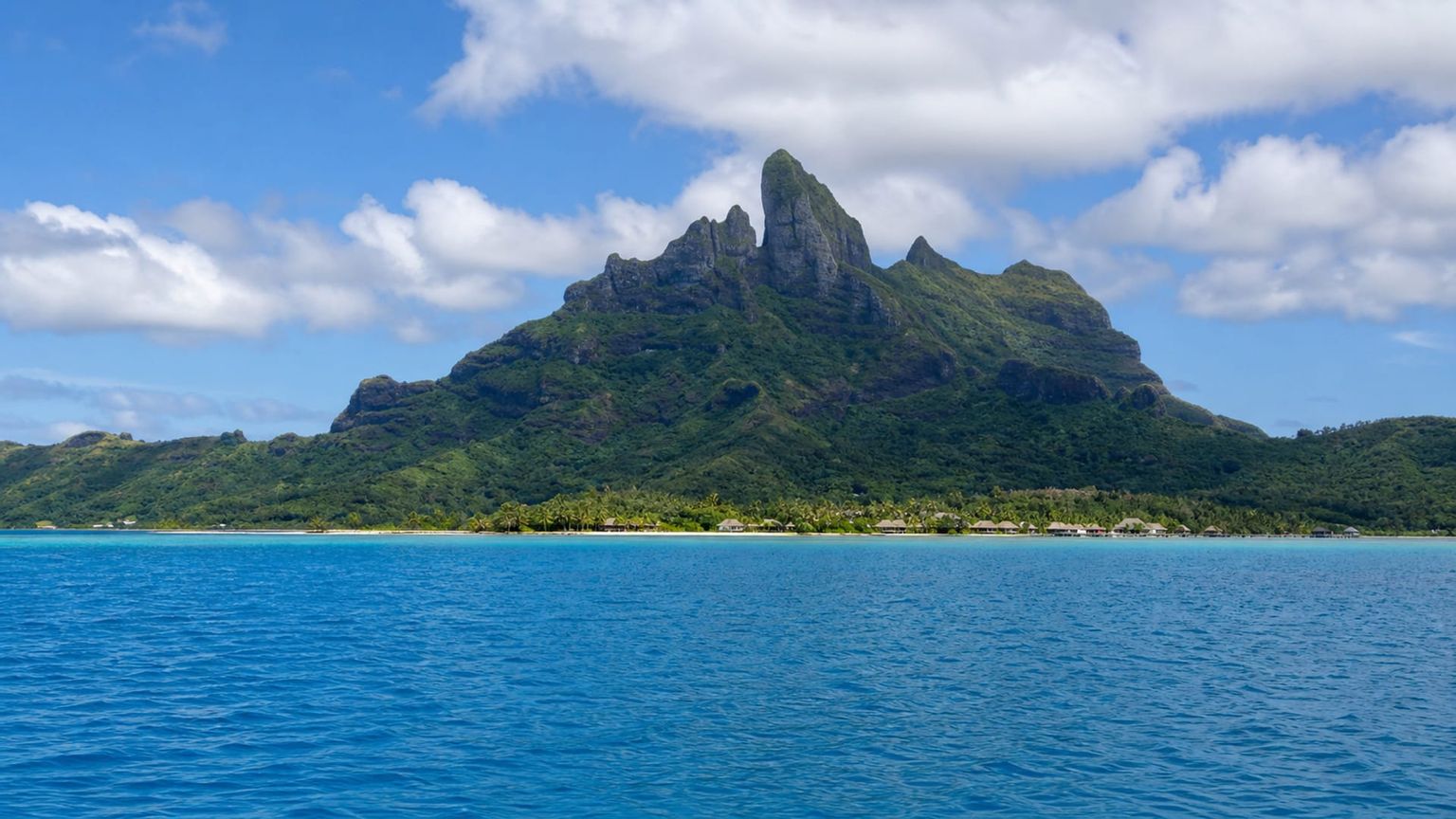
Bora Bora’s volcanic peak rises above the lagoon and shapes nearly every classic island view. You can see it from Matira Point, lagoon cruises, and inland ridge trails, with the clearest profiles on dry mornings.
Time needed: About 1 to 3 hours
Entry: Free to view from public lookout points; guided inland hikes and boat-based viewing tours are priced separately by operator and route.
Tip: Go early, before cloud cover builds over the summit and softens the outline.
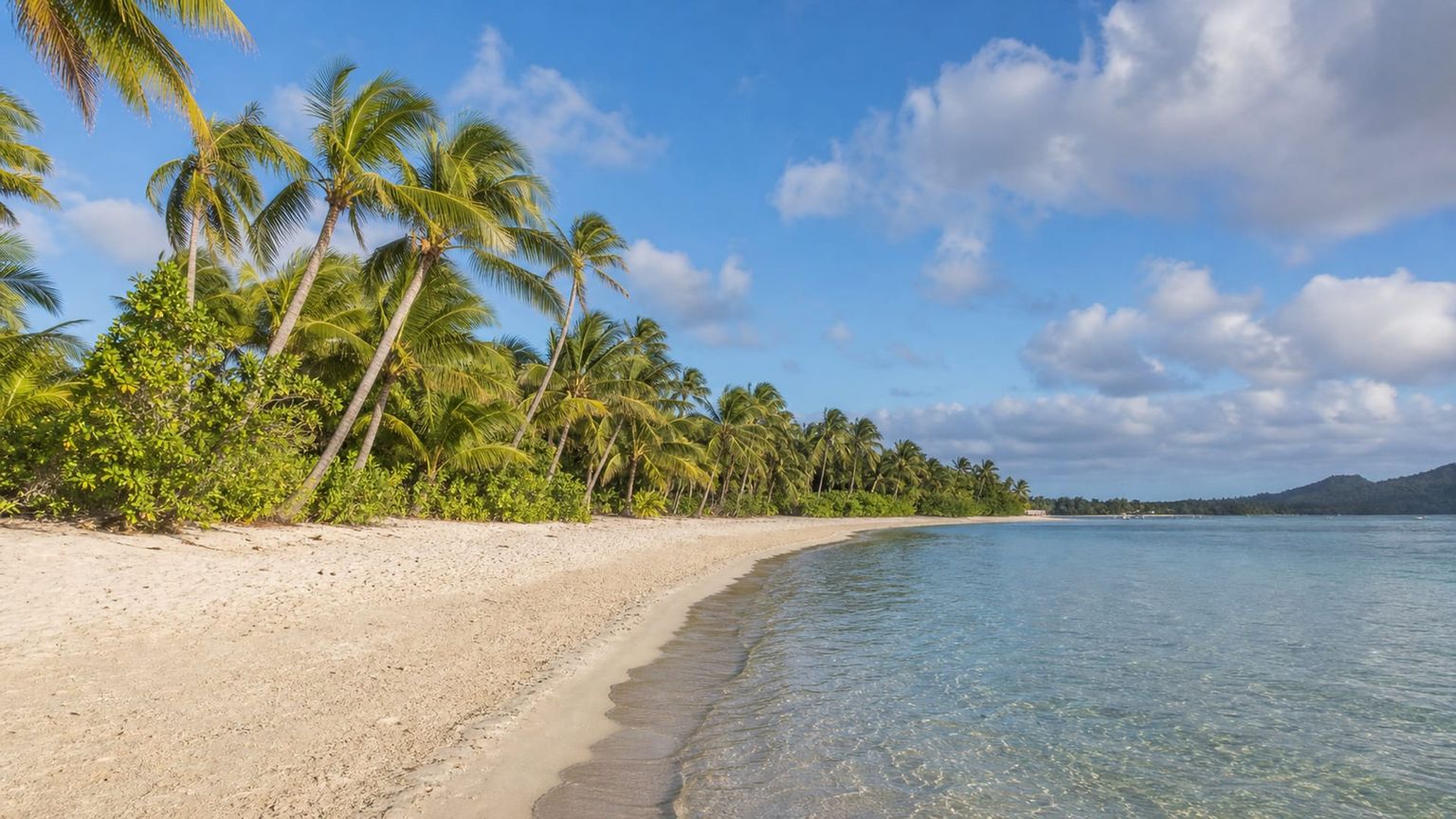
Matira Beach
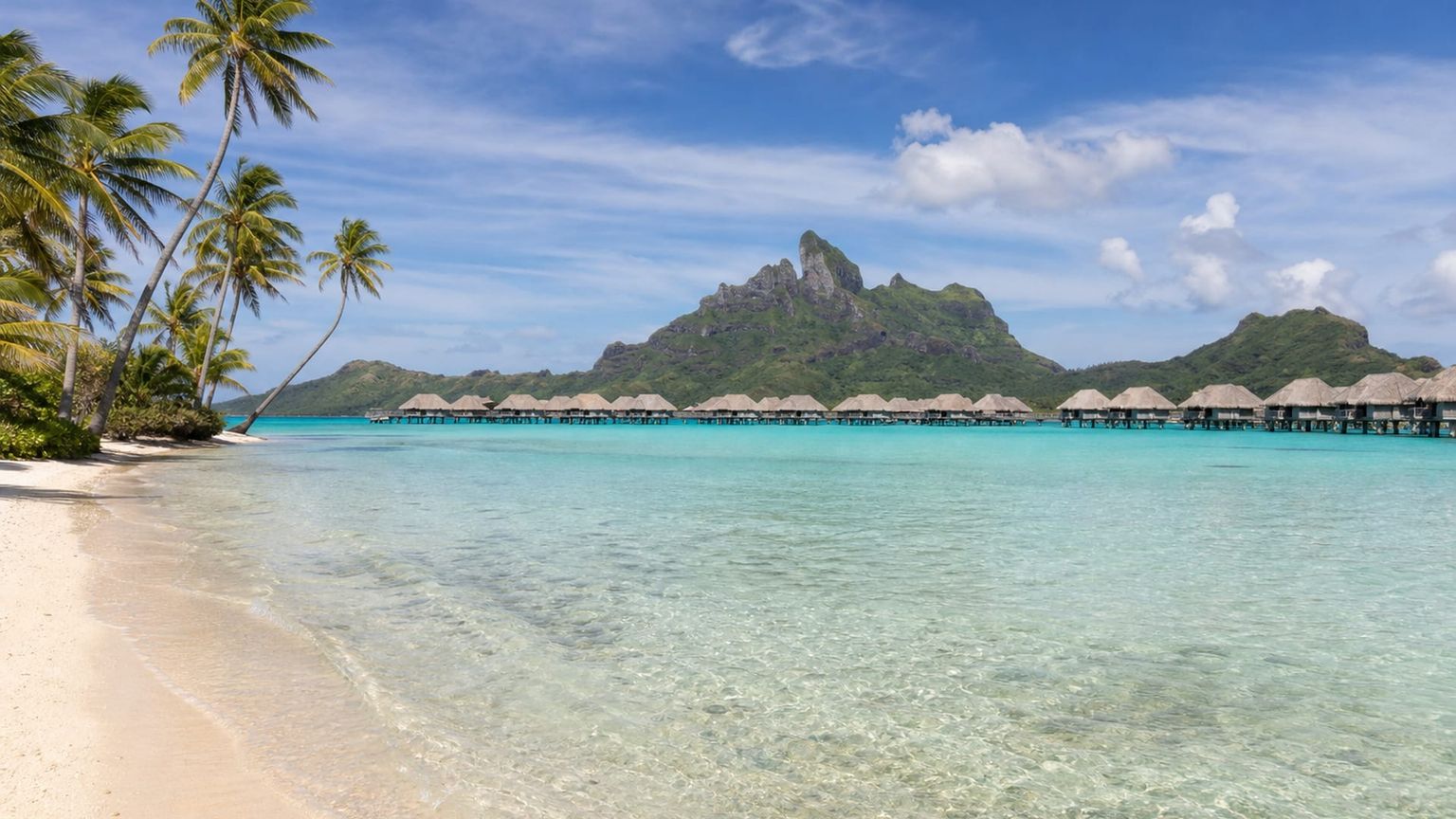
Matira is Bora Bora’s best-known public beach, with shallow turquoise water, soft sand, and wide views toward the lagoon entrance. It suits a swim at low wind, a sunset stop, or an easy shoreline walk.
Time needed: About 2 to 4 hours
Entry: Free to access; no timed ticket is required, and there is no charge for walking the beach or swimming from the public shoreline.
Tip: Visit late afternoon for softer light and cooler sand, then stay for sunset.
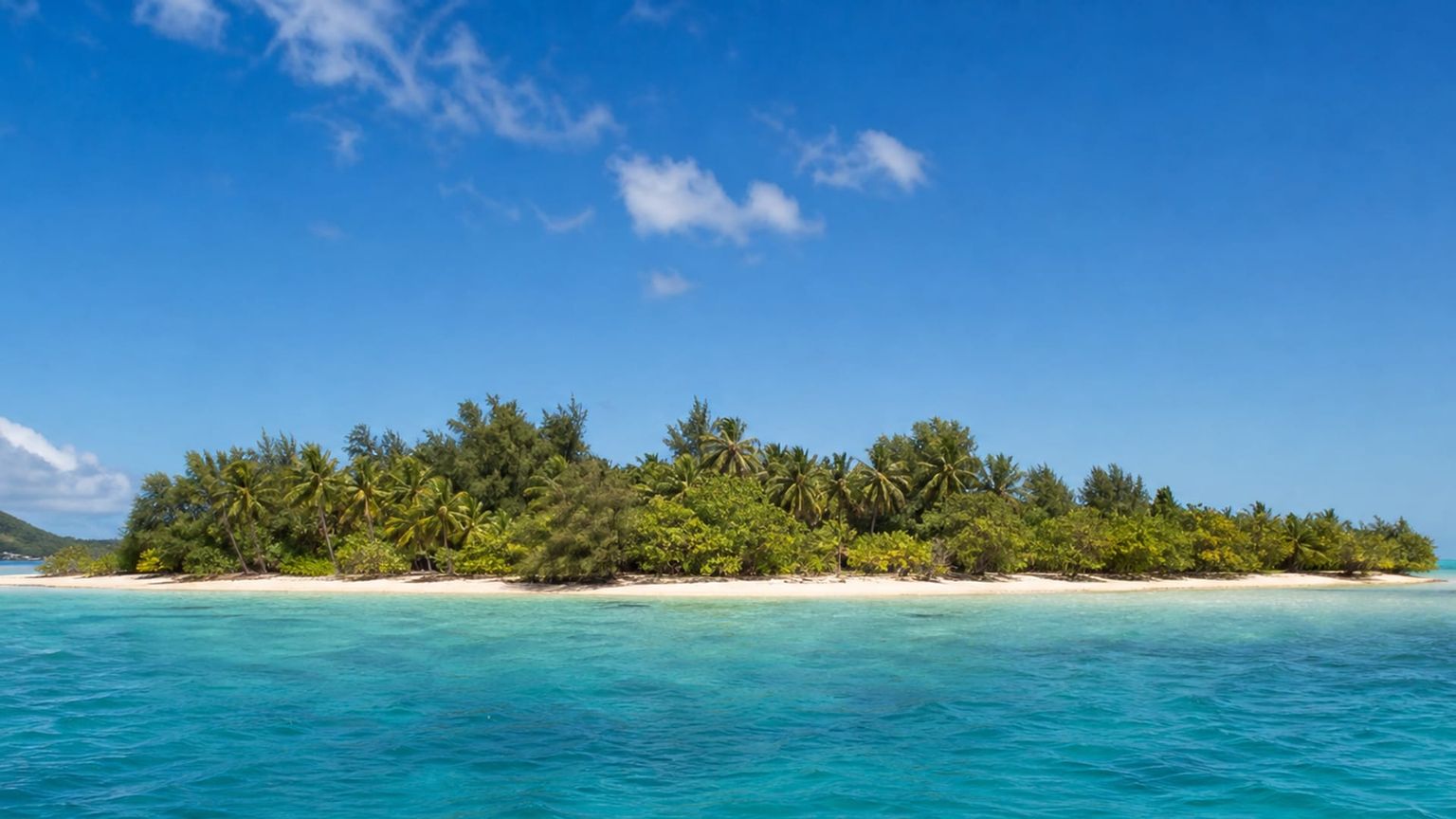
Motu Tapu
Motu Tapu is a small private islet in Bora Bora’s lagoon, known for pale sand, clear water, and high-contrast reef color. Most visits come by organized boat stop or private charter, with strong views back to the main island.
Time needed: About 2 to 5 hours
Entry: Access is by boat only, usually through paid lagoon tours or private charters; pricing varies by operator, duration, and included meals.
Tip: Choose a calm day, the crossing and snorkeling are better when the lagoon stays clear.
Overlooked sites worth visiting

Tupuna Pua Group's Pearl Farm
This small pearl farm explains black pearl grading and shell seeding in a compact setting, with a shop and short tour. It gives a clear look at an industry that shaped Bora Bora’s modern economy.
Time needed: About 45 minutes to 1 hour
Entry: Tours typically cost about $12 to $20 (1,300 to 2,300 XPF), with prices varying by tour length and whether you include a pearl demonstration or shop visit.
Tip: Go early to avoid tour groups from midday boats.

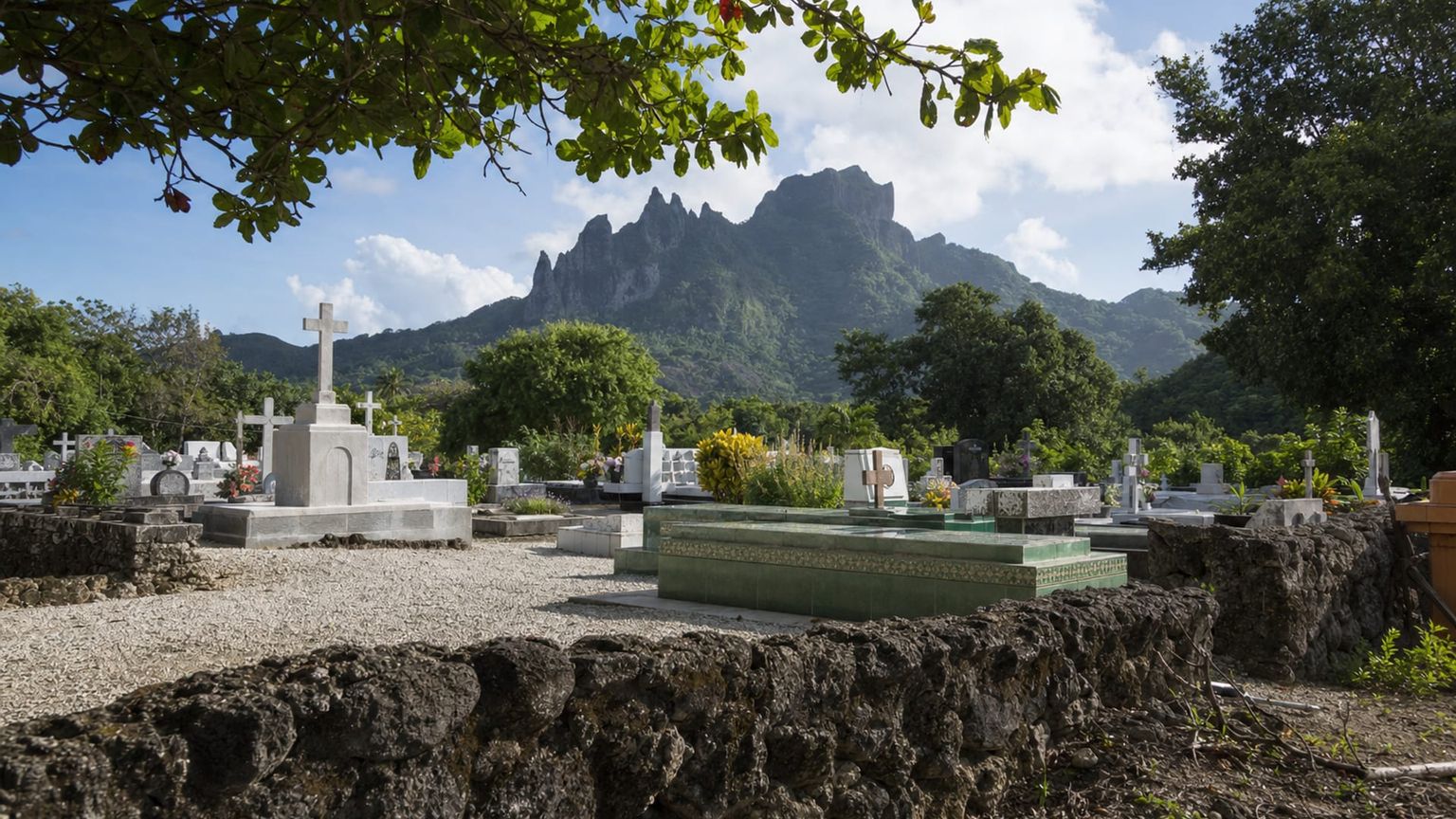
Anau Cemetery
White coral graves and carved markers line this lagoon-side cemetery, with palm shade and wide water views. It offers a quiet stop for travelers interested in local burial customs and island family names.
Time needed: About 20 to 30 minutes
Entry: Free to access
Tip: Visit in late afternoon for softer light and cooler paths.
Traditional food
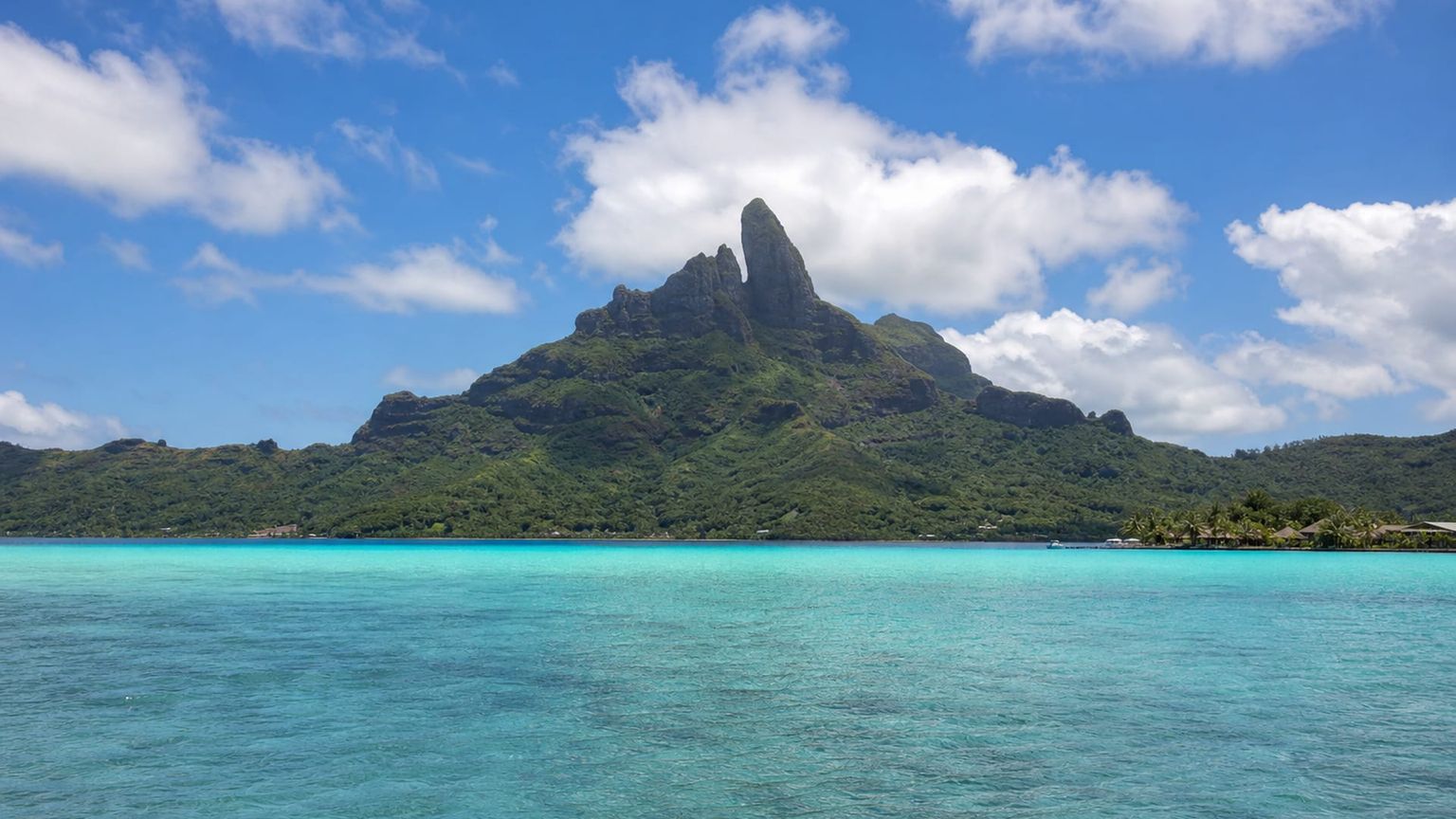
Bora-Bora’s cooking leans on reef fish, tuna, coconut, and simple island baking, with poisson cru, mahi mahi, tuna tataki, and coconut bread appearing across menus from casual cafés to resort dining rooms.
Poisson cru
Raw tuna marinated in lime and coconut milk, usually served with vegetables for a bright, cooling plate. St. James Bora Bora is a strong canonical stop for this Bora-Bora staple.
Tuna tataki
Lightly seared tuna with a clean center and a more savory finish than poisson cru. The dish fits well at Bloody Mary’s, where the menu leans into island seafood.
Mahi mahi
This firm white fish often arrives grilled or pan-seared, with local sauces and vegetables that keep the plate focused on the catch. Bora Bora Yacht Club is a natural place to order it.
Coconut bread
Soft bread with a gentle coconut note, usually served at breakfast or alongside a meal. The Westin Bora Bora Resort and Spa is a fitting place to look for it on the island.
Best time to visit Bora-Bora
Bora-Bora stays warm all year, but the drier months give you clearer lagoon water and easier beach days, while the wetter season brings heavier showers and fewer people on the sand.
Best for: Warm lagoon time and long beach afternoons
What you get: About 77 to 88°F (25 to 31°C), with higher humidity and the lightest crowds outside the holidays
Trade-offs: Rain is more frequent, and some days bring brief downpours
Best for: Swimming, boat days, and clearer views
What you get: About 76 to 87°F (24 to 31°C), with fewer crowds than peak winter and generally good visibility
Trade-offs: You may still catch occasional showers, especially early in the season
Best for: Peak conditions for lagoons and outlooks
What you get: About 73 to 84°F (23 to 29°C), with the most visitors and the steadiest weather window
Trade-offs: Rates rise, and popular beaches feel busier
Best for: Quieter resort stays and relaxed beach time
What you get: About 75 to 87°F (24 to 31°C), with moderate crowds and increasing humidity
Trade-offs: Late spring can turn wetter as the season changes
A realistic 5-day plan in Bora-Bora
The five-day plan starts with the practical arrival stop in Vaitape, then moves toward beaches, lagoon views, and quieter shoreline moments. It keeps transfers in view, so each day builds from the place you are already standing instead of adding unnecessary crossings.
A taxi from Bora-Bora Airport (BOB) to Vaitape usually takes about 10 to 15 minutes and costs roughly $20 to $35, while a boat transfer to a resort in Matira or Nūnu’e can take about 15 to 30 minutes depending on the property. Check in near Vaitape if you want an easy first night, then settle in with water, a short harbor walk, and a light dinner at a casual spot in town before an early stop. If you arrive with more energy, a sunset drink near the waterfront works well without pushing the pace.
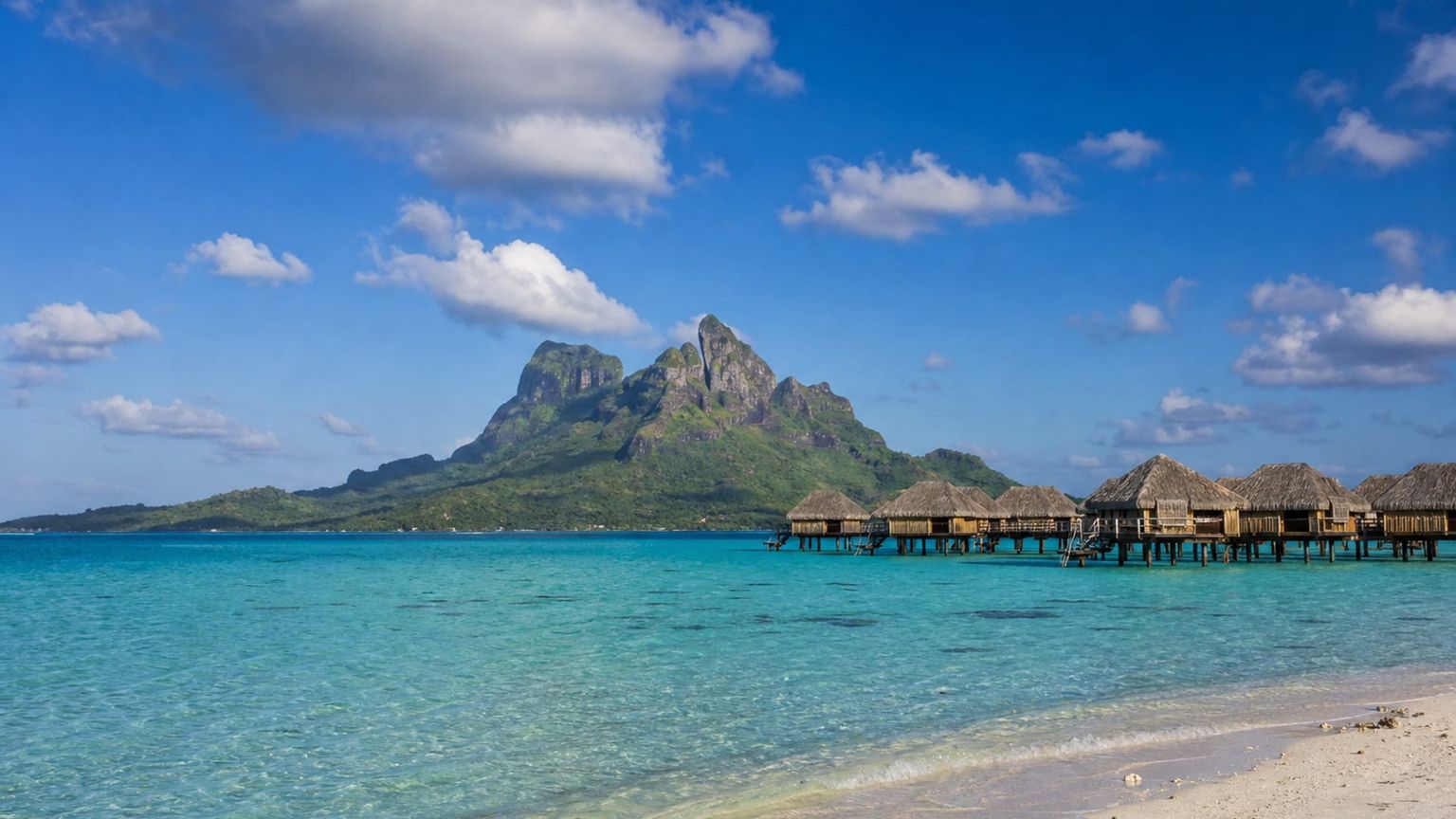
Begin in Vaitape with the Tupuna Pua Group’s Pearl Farm, about a 5 to 10 minute ride from the town center, for a compact look at black pearl grading and seeding. From there, drive about 20 to 25 minutes to Matira Beach for a swim and a long pause on the sand, then continue about 5 minutes farther to Matira Point for your clearest ground-level view of Mount Otemanu. Finish back at Matira Beach for sunset, where the shallow water and open lagoon give the day its strongest color.
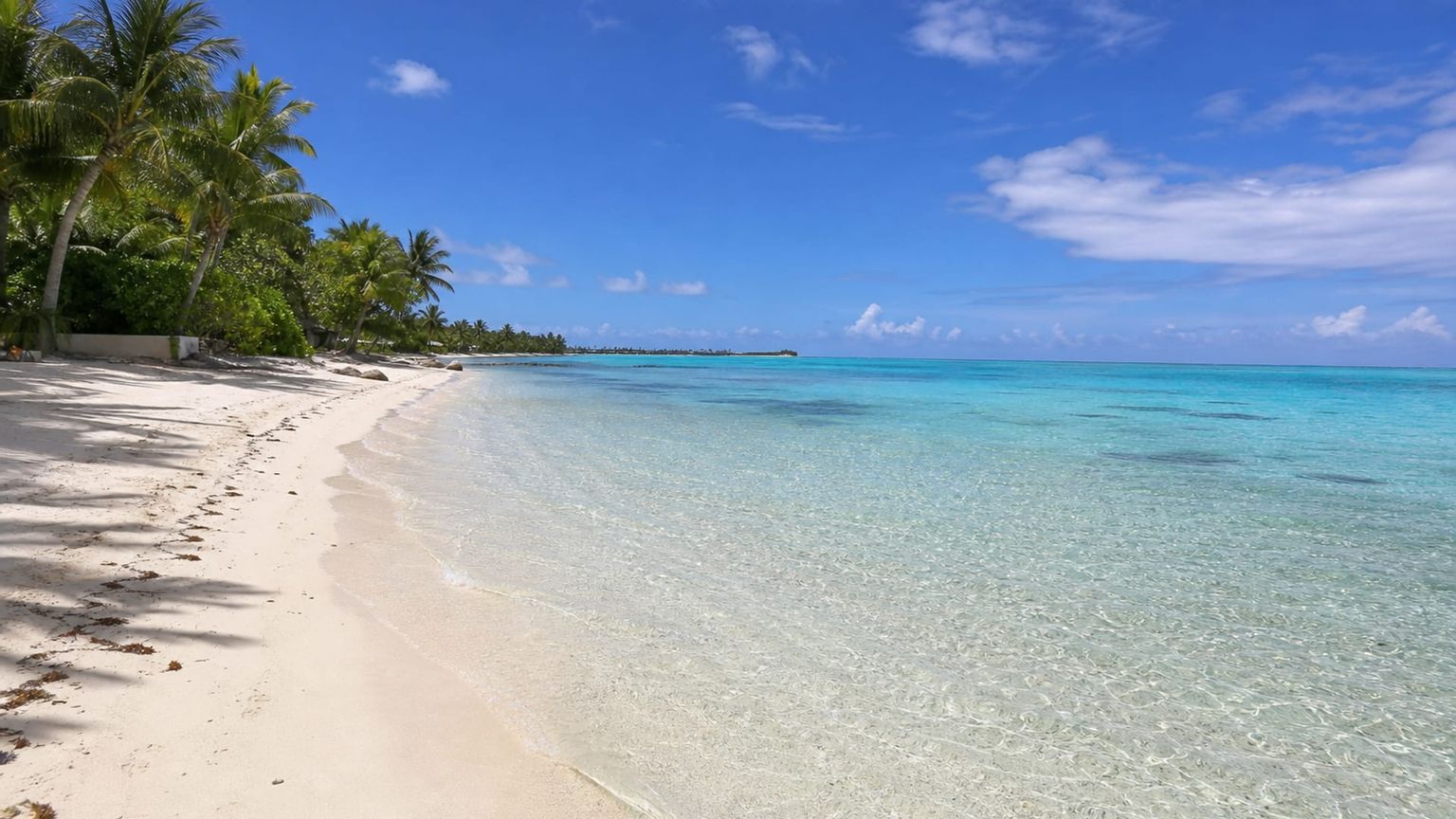
Start early at Mount Otemanu, because the summit looks sharpest before cloud cover builds. A lagoon cruise or guided boat outing can take you past the peak and on to Motu Tapu, where most stops last about 2 to 5 hours and add pale sand, reef water, and broad views back to the main island. After returning to shore, spend the late afternoon in Matira, with about 20 to 30 minutes by car from Vaitape if you are based there, so you can end the day with a quieter beach walk and an easy dinner nearby.
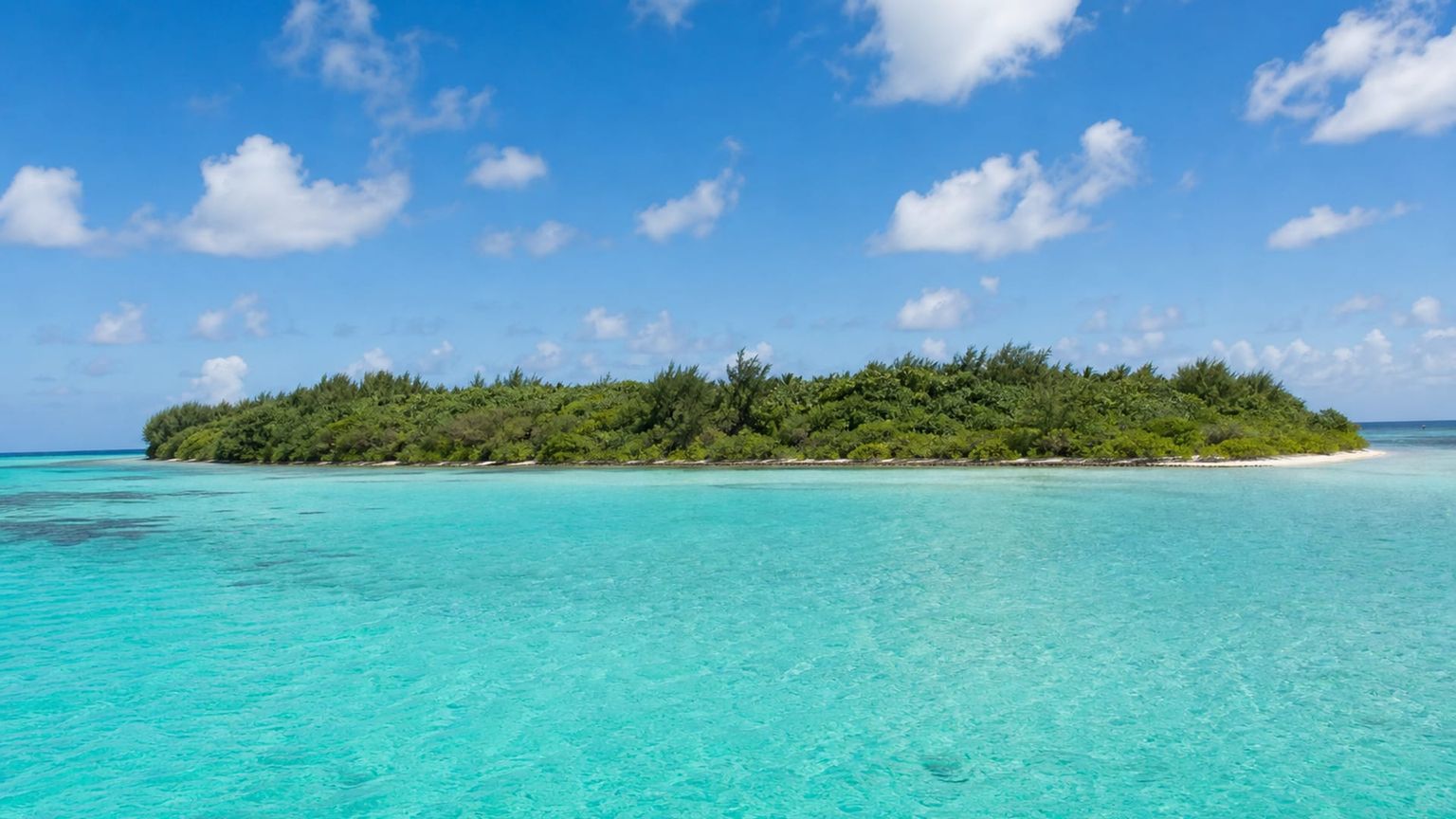
Anau Cemetery makes a thoughtful first stop, about a 15 to 20 minute drive from Vaitape or roughly 20 to 25 minutes from Matira, and the coral graves are best seen in late afternoon light. From there, continue to the lagoon side for another look at Mount Otemanu, then circle back toward Vaitape for a relaxed town stop, where ferries, docks, and small shops cluster within a short walk. If you prefer a slower pace, return to Matira afterward for one more swim before dinner.
For a departure day, split the morning between a last walk through Vaitape, where you can shop for pearls, snacks, and island gifts, and a final coffee stop near the waterfront. If your flight leaves later, return to Matira for one more swim or a beachside lunch, then head back to Bora-Bora Airport (BOB) with enough time for the boat or taxi transfer. A final hour in town works well for packing, picking up a few small items, and avoiding a rushed departure.
Business-class flights from the US to Bora-Bora
Flights to Bora-Bora usually connect through a larger Pacific or transatlantic hub, and the exact route matters more than the starting city. From both coasts, the trip is long enough that the layover plan can change the fare materially.
From New York, airlines such as Air Tahiti Nui, United Airlines, Air France, Delta Air Lines, and Air New Zealand sell itineraries that commonly run 18 to 24 hours with connections through LAX, SFO, PPT, HNL, or CDG. Business-class fares from New York to Bora-Bora usually run $4,500 to $8,500 round-trip.
Air Tahiti Nui, United Airlines, Air France, Delta Air Lines, and Air New Zealand all appear on Los Angeles itineraries, and common routings via Papeete (PPT) can cut the fare to about $2,200 to $3,200 round-trip instead of the usual $3,500 starting point. If you do not mind a layover, the trip often takes about 11 to 18 hours.
Bora-Bora feels different when you slow down
A deliberate Bora-Bora stay gives each area a role: Vaitape for ferries, pearls, and errands, Matira for swimming and sunset, and Nūnu’e for quieter resort time when you want the lagoon close by. Add a boat day to Motu Tapu, then keep taxis and hotel transfers in mind so the timing stays realistic. If you want help shaping that balance, the AranGrant experts can turn it into a clear Bora-Bora plan







