

Chapters:

Need help with your trip?
Our support team is available 24/7. Request a callback or call us directly at (833) 619-0908
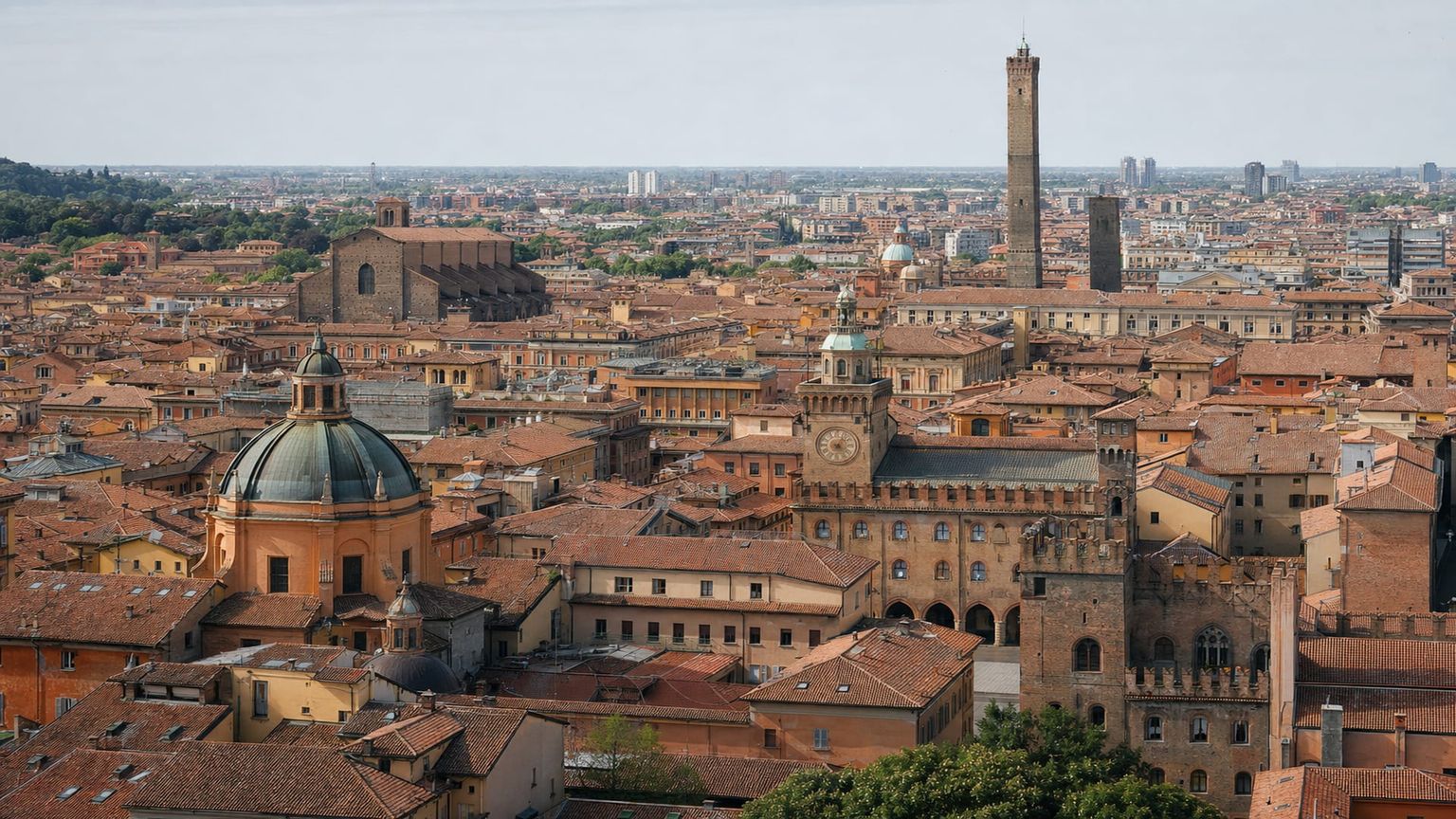
Bologna rewards travelers who slow down enough to notice what sits just off the obvious route. Many visitors cluster Piazza Maggiore, the towers, and a few pasta meals, then leave without seeing how the porticoes, student streets, and quieter southeast quarter shape daily life.
That narrow loop can work, but it leaves distance, opening hours, and crowd timing to chance. The result is often a rushed climb, a crowded basilica, and dinners that collide with the city’s late meal schedule.
This guide sets a cleaner order, pairing central sights with nearby neighborhoods, realistic transit, and food stops that match Bologna’s actual pace.
Useful things to know

Main language(s): Italian
Ciao (chow) – Hello
Per favore (pehr fah-VOH-reh) – Please
Grazie (GRAHT-see-eh) – Thank you
Parla inglese? (PAHR-lah een-GLAY-zeh) – Do you speak English?
Quanto costa? (KWAN-toh KOH-sta) – How much does it cost?

Currency: The local currency is the euro (EUR, €).

Cash and cards: Cards and contactless are widely accepted; carry about €20 to €40 ($22 to $44) in cash for small buys.

Tipping: Round up small bills; leave 5-10% in sit-down restaurants if service is good.

Traditional food: Tagliatelle al ragù, tortellini in brodo, lasagne alla Bolognese, crescentine

Water and coffee costs: Water about €1.50 ($2), bar espresso about €1.50 to €2 ($2 to $2).

Taxis and ride apps: Uber and local radio-taxi apps operate; late-night availability can be limited.

Plug and voltage: Type C/F socket, 230V

Dining and shop opening hours: Breakfast is about 7:00-10:00, lunch 12:30-14:30, and dinner 19:30-22:00. Many restaurants close midafternoon and some kitchens shut one day a week.

Emergency number: 112 for police, fire, and medical emergencies.
Where to stay in Bologna
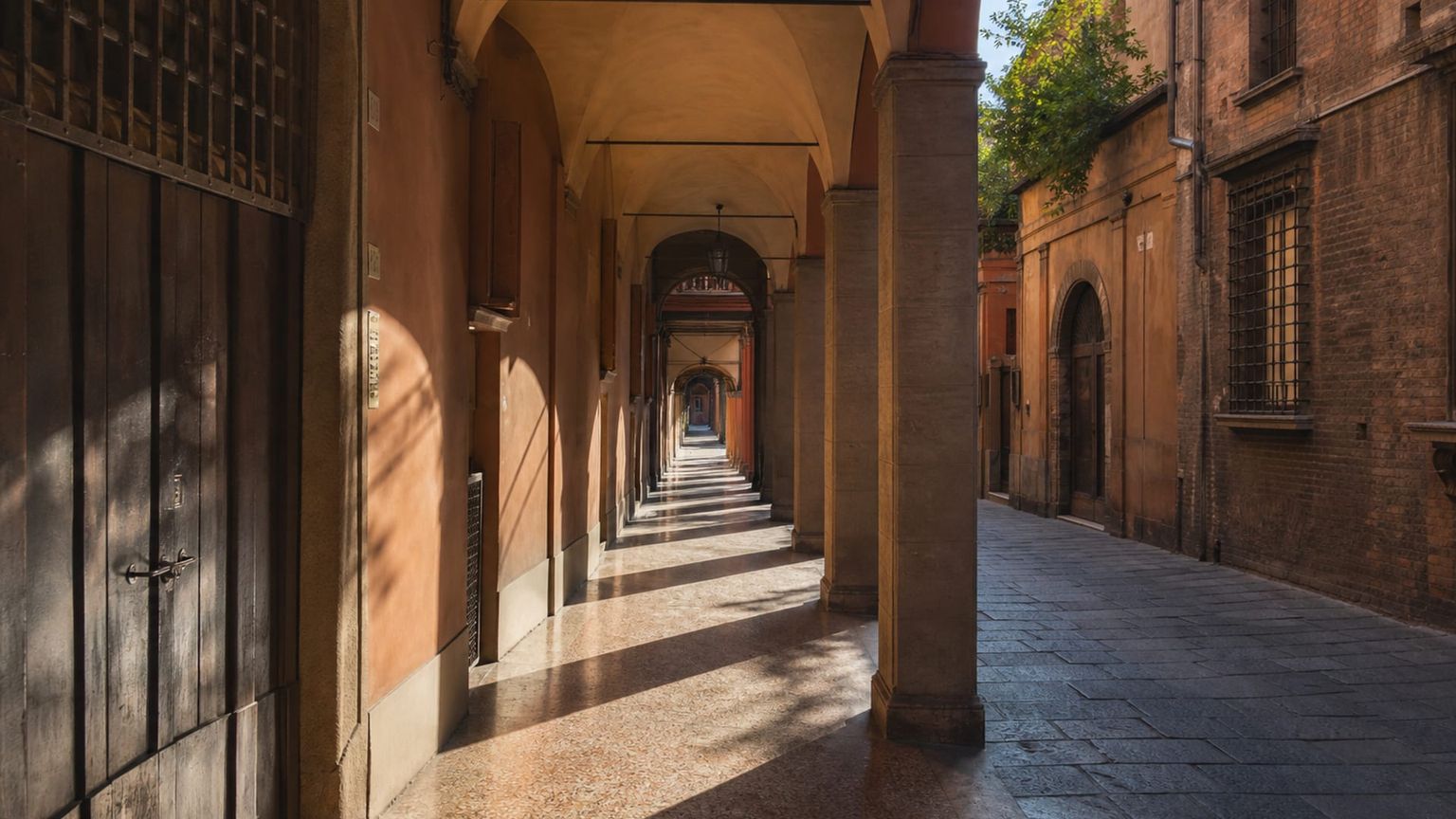
Bologna’s historic core wraps the Piazza Maggiore, the Two Towers, and the city’s main porticoed streets. Staying here puts museums, churches, cafés, and evening dining within an easy walk, so you can cover the old center without relying on transit.
Best for: First-time stays, sightseeing on foot, and travelers who want the main monuments close by
What to expect: Busy pedestrian streets, porticoes, student traffic, and a steady flow of visitors from morning until late evening.
Hotel prices: Usually about €140 to €260 (~$154 to ~$286) per night for well-rated stays
Distance to major sights: 5 to 15 minutes on foot to Piazza Maggiore and the Two Towers
Quietness: Lively all day, with more noise at dinner and later when the bars fill up.
Main trade-off: Central rooms cost more, and the busiest streets can pick up late-night noise, especially near popular bars.
Good to know: Choose a room on a side street or upper floor if you are sensitive to street noise after dinner.
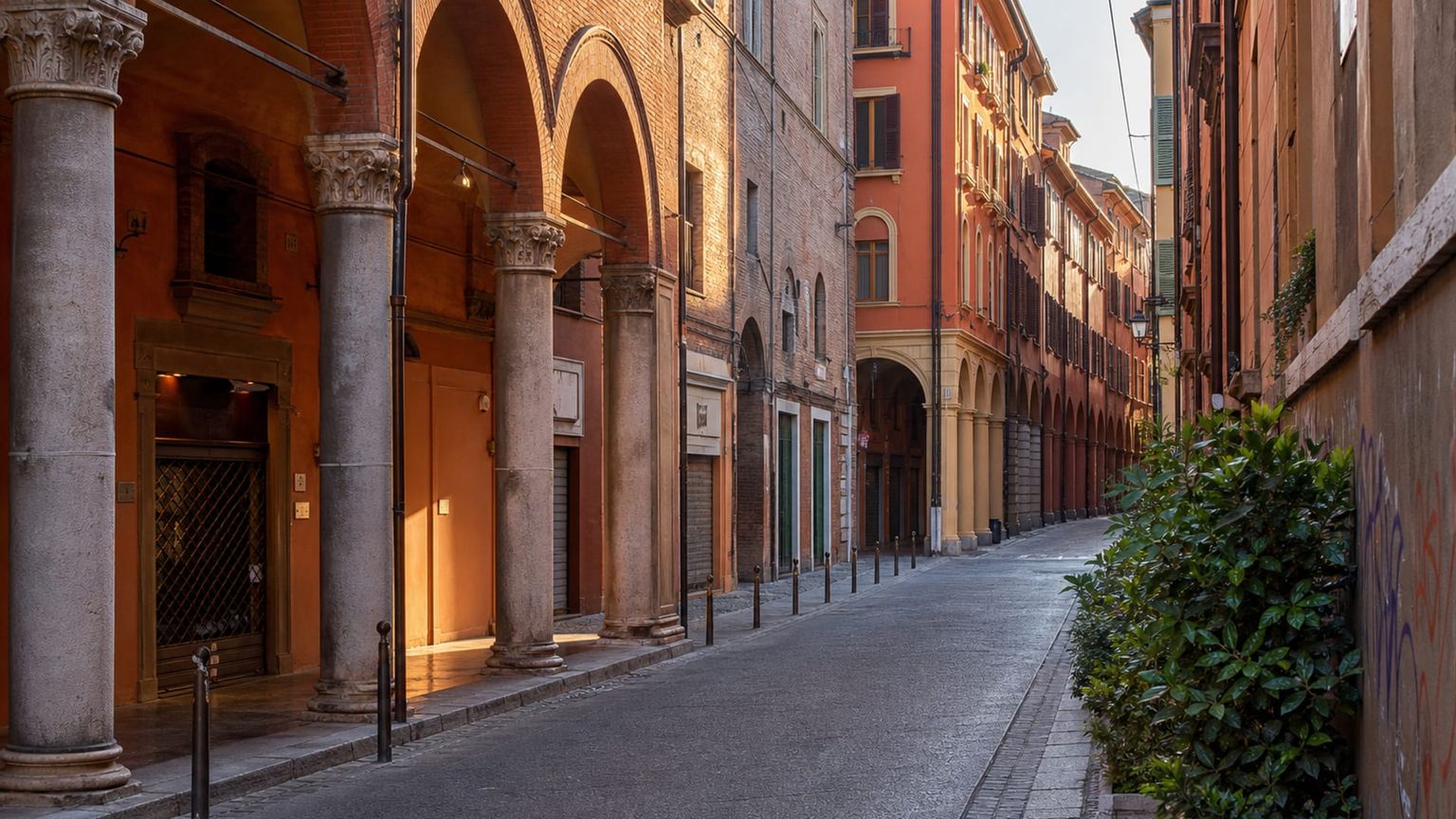
The University District sits east of the old center, anchored by the university area, student bars, and everyday shops. It gives you quick access to the historic core while offering a younger, more local mix of restaurants and lower rates than the most central blocks.
Best for: Budget-conscious travelers, nightlife, and visitors who do not mind a younger, busier atmosphere
What to expect: Student-heavy streets, late-opening bars, takeaway spots, and a lot of movement in the evenings.
Hotel prices: Usually about €110 to €210 (~$121 to ~$231) per night for well-rated stays
Distance to major sights: 10 to 20 minutes on foot to the Two Towers; 15 to 25 minutes on foot to Piazza Maggiore
Quietness: Busy by day and noticeably livelier after dark, especially near bars and main student streets.
Main trade-off: You save money, but the late-evening noise and bar traffic can be significant on weekends.
Good to know: If you want better sleep, avoid rooms facing the busiest stretches near Via Zamboni and the main nightlife strips.
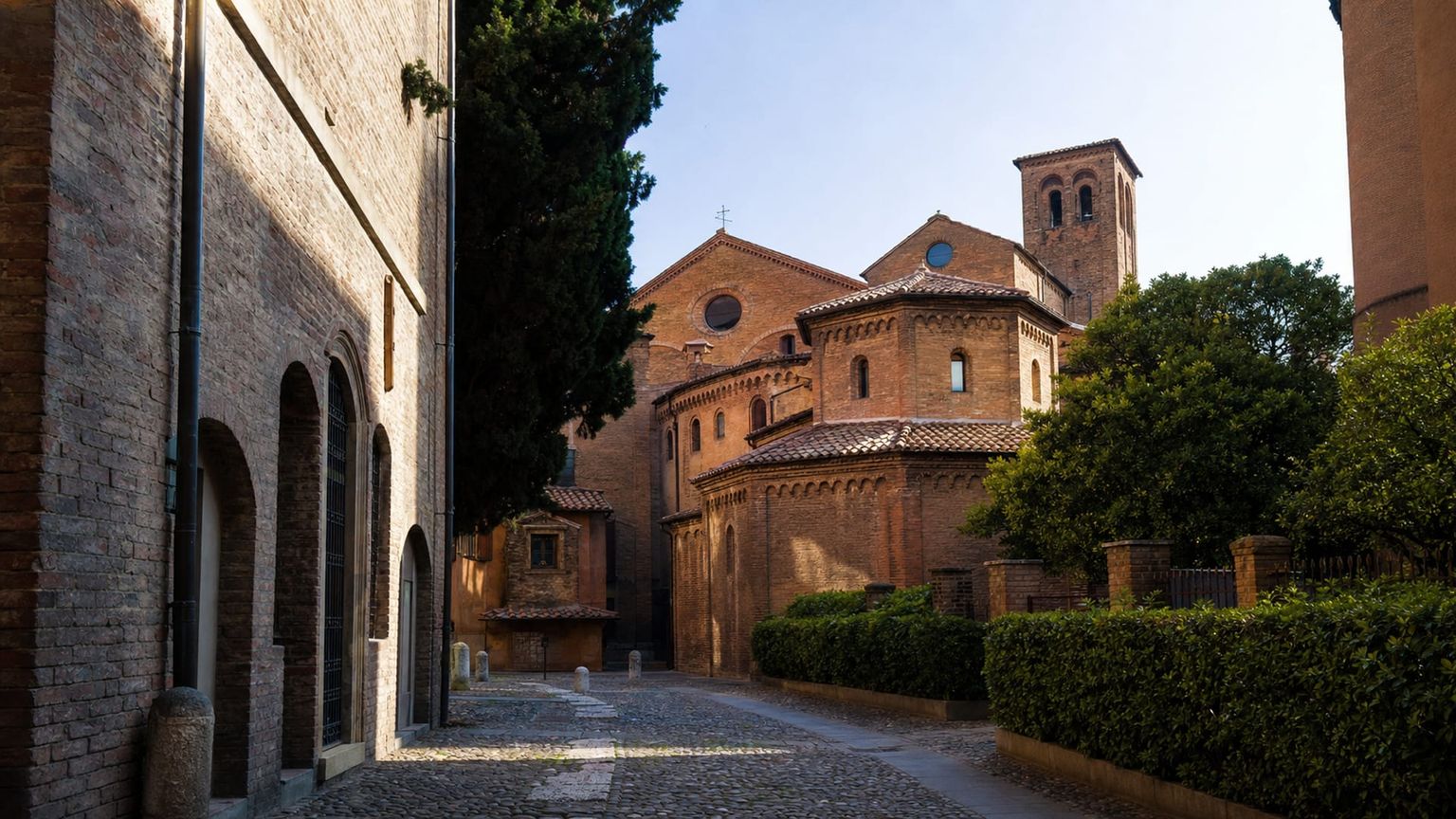
Santo Stefano sits just southeast of the center, with elegant residential streets, the Basilica of Santo Stefano, and easy access to the old town. It suits travelers who want a calmer base without losing a walkable connection to Bologna’s main sights.
Best for: Couples, slower-paced city stays, and travelers who want central access with fewer late-night crowds
What to expect: Tree-lined streets, local cafés, small hotels, and lighter foot traffic than the main squares.
Hotel prices: Usually about €130 to €240 (~$143 to ~$264) per night for well-rated stays
Distance to major sights: 10 to 20 minutes on foot to Piazza Maggiore; about 5 to 10 minutes on foot to the Basilica of Santo Stefano
Quietness: Calmer during the day and quieter at night than the center, with only modest evening restaurant activity.
Main trade-off: It is a touch farther from the train station, so arrivals with luggage take longer than in the central core.
Good to know: If you plan to arrive by train, factor in a longer walk or a short taxi from Bologna Centrale.
Travelers usually avoid staying in Bologna’s Bolognina, San Donato, and Borgo Panigale if they want to be close to the historic center, since these areas sit farther from Piazza Maggiore and the main sights, with fewer late-night visitor amenities. The Fiera district is also less convenient for a first visit, because it centers on the exhibition grounds rather than the old town, so evening trips back from dinner or sightseeing take longer.
Hotel deals
How to get around Bologna efficiently
Bologna’s transport choices are limited in the best way, because the airport train, local buses, taxis, and walking cover most visitor needs without forcing a complicated plan.

Metro
for longer distances
Bologna has no metro system. The closest high-capacity option is the suburban rail network, with Trenitalia and regional services linking Bologna Centrale to nearby towns, but most visitors rely on buses, walking, and taxis for the airport area.

Bus and tram
for convenience
At Bologna Guglielmo Marconi Airport, Marconi Express shuttles to Bologna Centrale in about 7 minutes, with tickets about $13 (€12) for 75 minutes. Local TPER buses cover the city and the airport area, and a standard urban ticket costs about $1.70 (€1.50) for 75 minutes; buy before boarding or on board with a card where available, then validate if required.

Taxi
for convenience or late hours
Licensed taxis use metered fares, with the airport to central Bologna usually about $20 to $30 (€18 to €27) depending on time and luggage. Use the official taxi rank outside arrivals or prebook through a licensed company; most cars take cards, though cash still works, and night, Sunday, and baggage supplements can raise the total.
*Prices are based on rates updated as of June 2026 and may change at the time of travel.
Walk in the center, use the Marconi Express for the airport, and lean on taxis or buses when you want to cross town or reach Certosa without spending time on connections.
Iconic landmarks
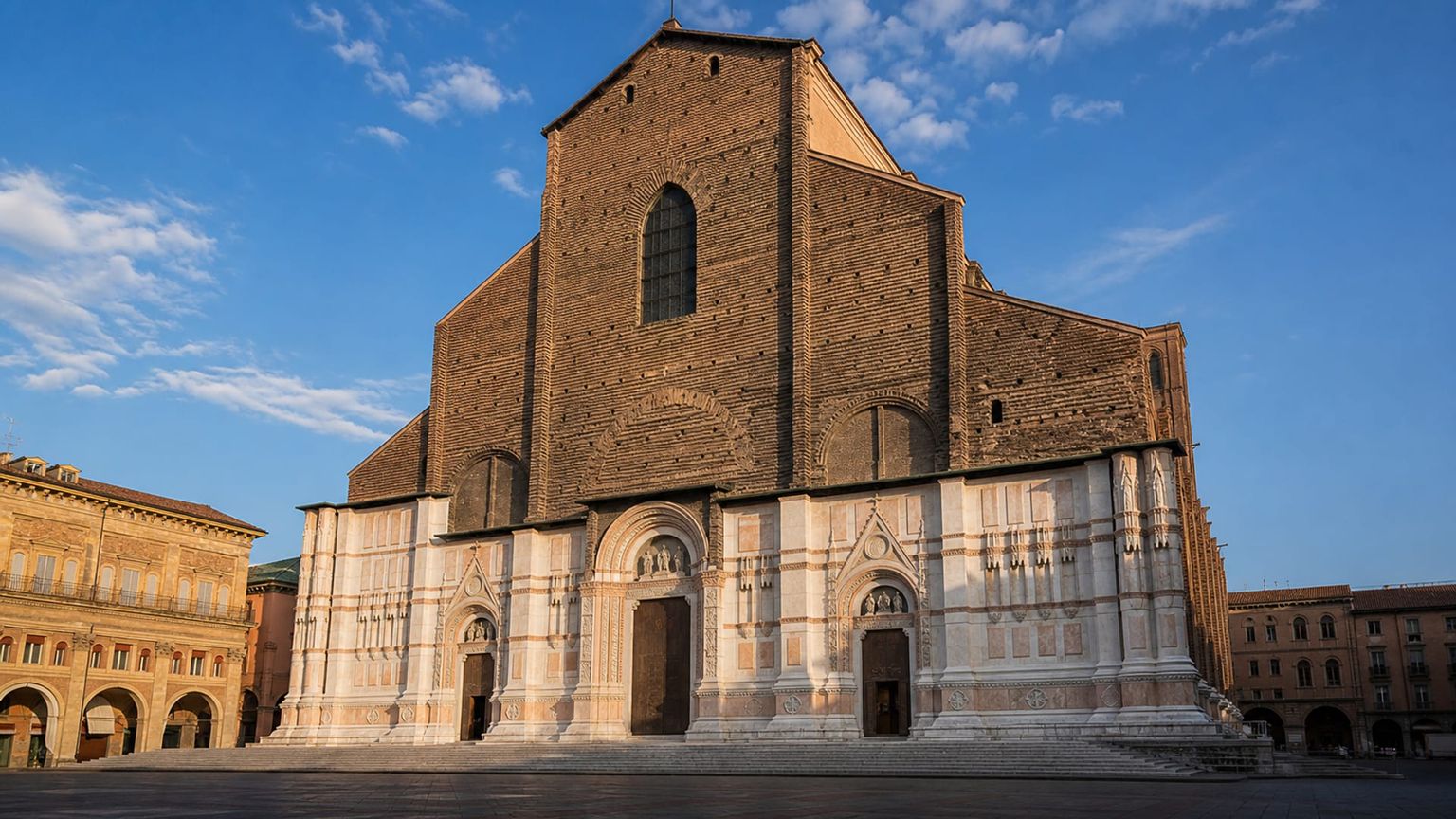
Basilica of San Petronio
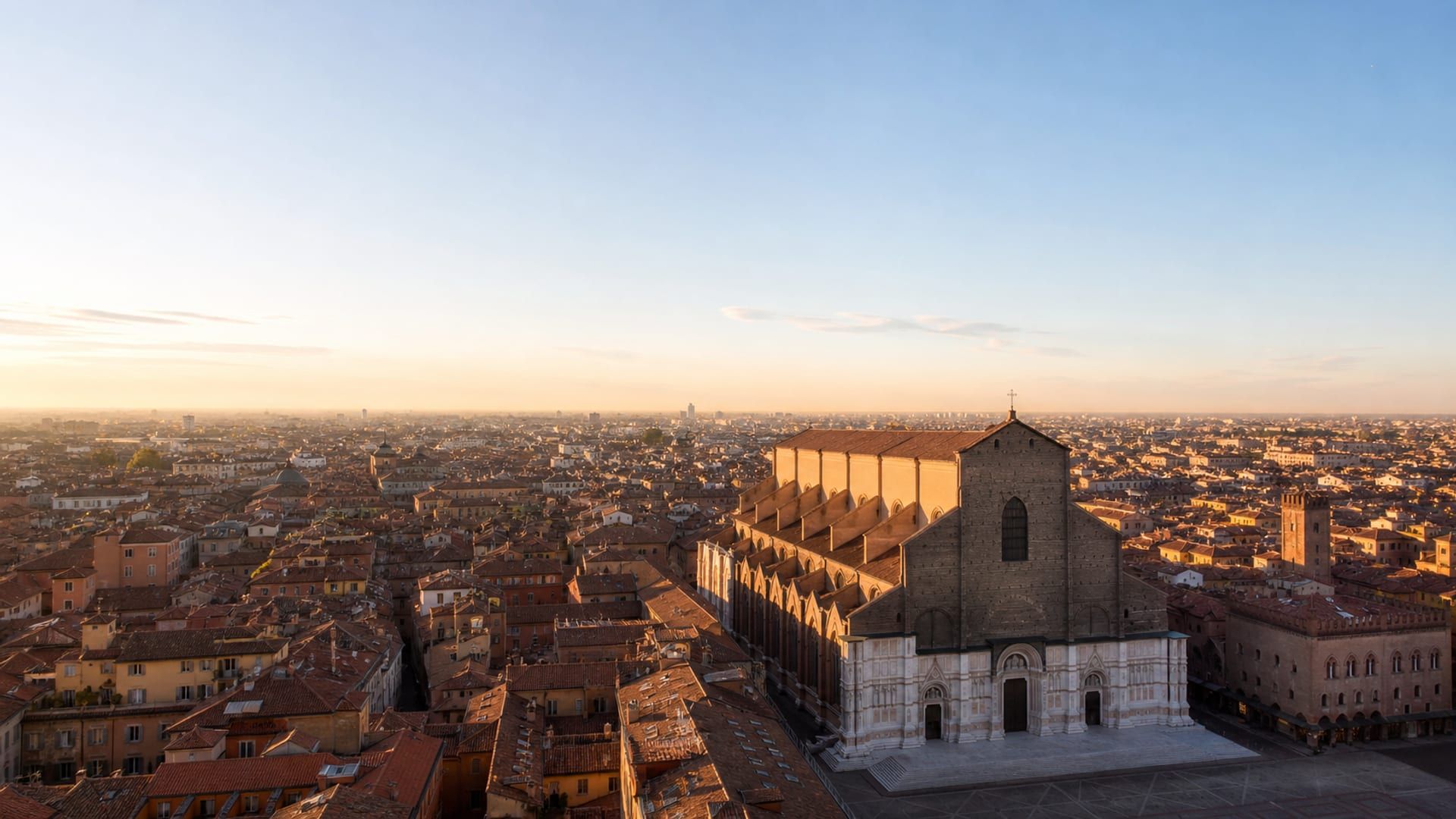
Bologna’s vast unfinished basilica anchors Piazza Maggiore with a brick facade and a nave lined by chapels. Inside, seek the 15th-century meridian line by Cassini and the stained-glass windows that catch late light.
Time needed: About 1 to 2 hours
Entry: Free to access; the meridian line and some chapels may charge a small separate fee for access or photography. Visit the official site for details.
Tip: Go late morning, when the nave is brightest and Piazza Maggiore is less crowded.
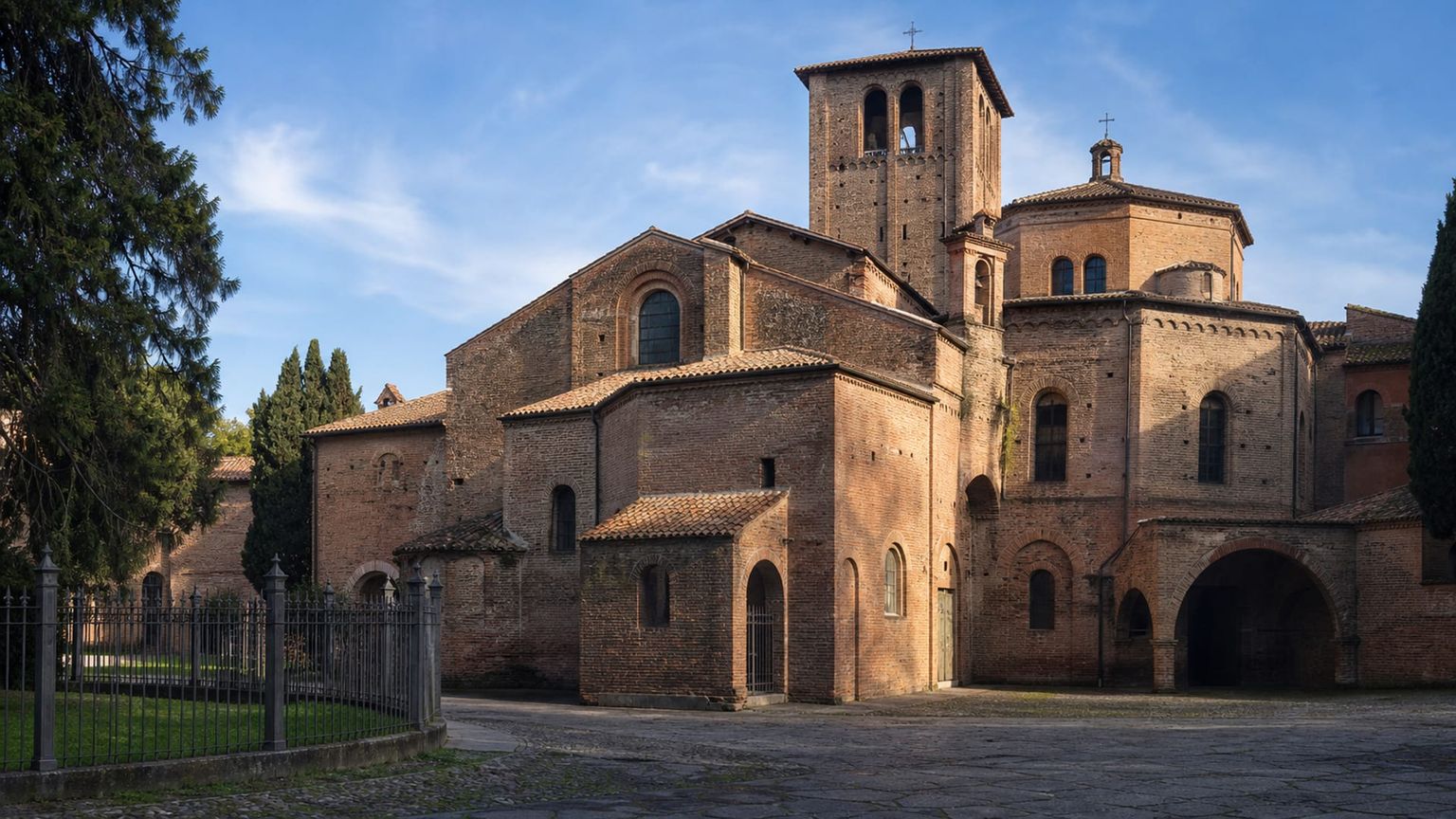
Basilica of Santo Stefano
This cluster of linked churches, courtyards, and arcades is often called the Seven Churches. Its layered layout, Romanesque brickwork, and quiet cloisters show Bologna’s religious history in one compact stop.
Time needed: About 1 to 2 hours
Entry: Free to access; some chapels or museum areas may ask a separate donation or small ticket at entry. Visit the official site for details.
Tip: Arrive early, before the courtyards fill and the arcades lose their quiet atmosphere.
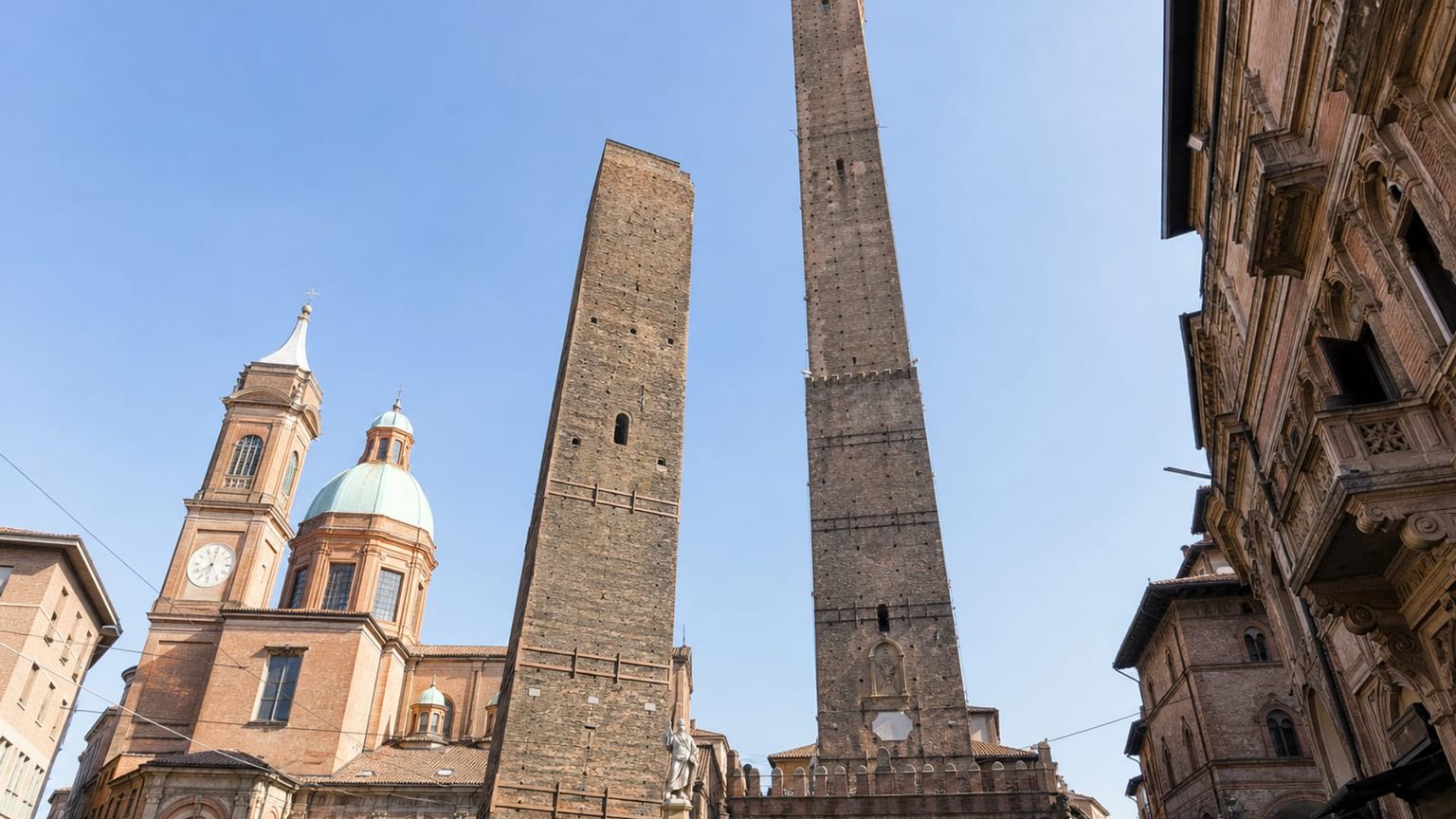
Bologna Towers, Asinelli and Garisenda
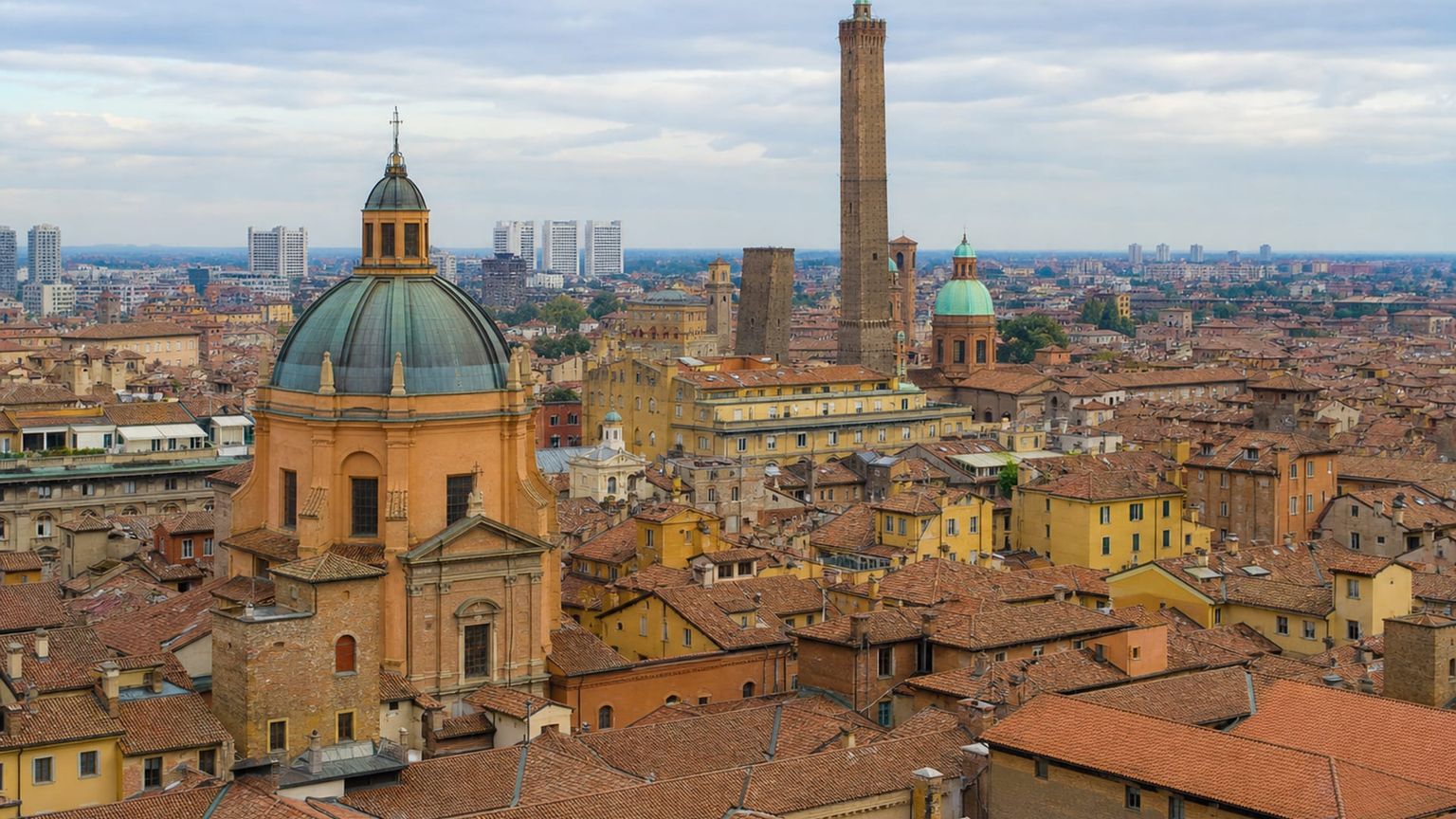
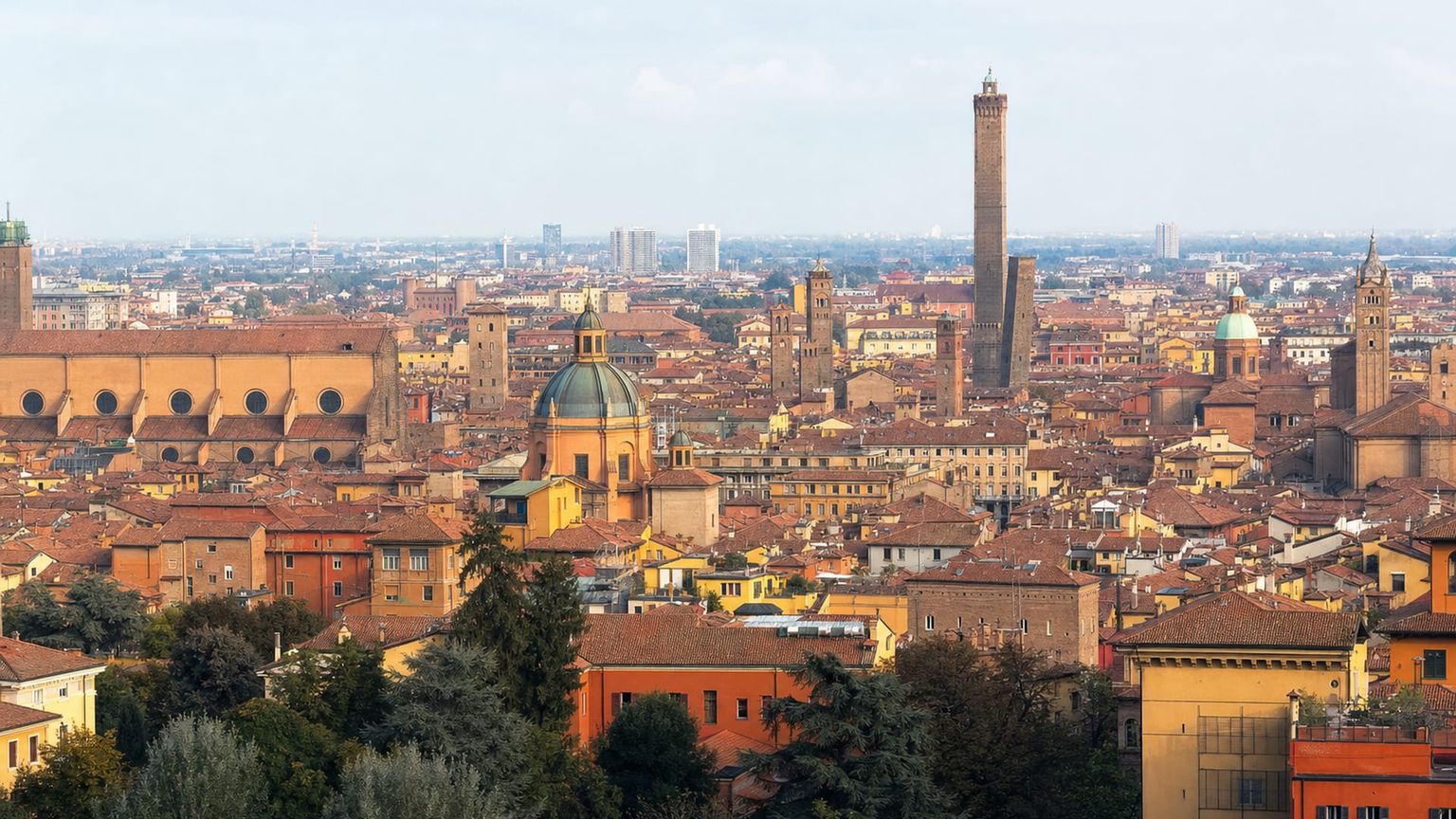
The medieval towers rising from the old center define Bologna’s skyline. The climb up Torre degli Asinelli gives wide views over red roofs, while nearby Garisenda shows the city’s famous lean.
Time needed: About 1 to 2 hours
Entry: Timed tickets for Torre degli Asinelli cost about $6 (€5); Garisenda is viewed from outside and is not open to visitors. Visit the official site for details.
Tip: Wear shoes with grip, the stairway is steep and narrow all the way up.
Overlooked sites worth visiting

Certosa di Bologna
This cemetery west of the center layers cloisters, arcades, and 19th-century funerary sculpture in a quiet route that rewards slow walking. It also preserves memorials for local artists, scholars, and musicians.
Time needed: About 1 to 2 hours
Entry: Entry is free for the grounds and open-air arcades; some guided tours, temporary exhibits, or special access areas may carry a fee, usually about $5 to $15 (€5 to €14), depending on the program and language.
Tip: Go late afternoon for softer light under the porticoes.

Museo di Palazzo Poggi
Inside a former university palace, this compact museum shows anatomy models, nautical maps, and 18th-century scientific displays in a tight sequence of rooms. The collection is small, but the objects are unusually varied.
Time needed: About 1 hour
Entry: Adult tickets cost about $7 to $10 (€6 to €9), with reduced rates for students and concessions often about $5 to $7 (€4 to €6). Some temporary exhibitions or combined tickets may price higher than the standard museum entry. Visit the official site for details.
Tip: Visit before lunch to avoid school groups.
Traditional food
Bolognese cooking leans on rich sauces, stuffed pasta, cured meats, and long lunch and dinner windows. Tagliatelle al ragù, tortellini in brodo, lasagne alla Bolognese, and crescentine all show why the city treats eating as a central part of the day.
Tagliatelle al ragù
Wide egg pasta with a meat sauce that defines Bologna’s most famous home cooking. Trattoria Meloncello serves a classic version near the hill route, with the city’s local flavors front and center.
Tortellini in brodo
Tiny stuffed pasta served in a clear broth, especially good when you want one of Bologna’s most traditional plates. Ristorante Diana has long been a canonical stop for this dish in the center.
Lasagne alla Bolognese
Layered pasta with ragù, béchamel, and baked richness, best treated as a sit-down lunch rather than a quick bite. Trattoria da Me is a strong reference point for a careful, well-made plate.
Crescentine
Puffed fried bread often served with cured meats and cheeses, a good match for aperitivo or an easy shared starter. Oltre. is a current Bologna address where the dish fits the room and the regional menu.
Best time to visit Bologna
Bologna changes most through heat, humidity, and the timing of crowds, so the best months depend on whether you want long walks under the porticoes or quieter museum time.
Best for: Best for walking the center before summer heat builds
What you get: About 46 to 72°F (8 to 22°C), with moderate crowds and busy weekends around Easter
Trade-offs: Rain can interrupt longer walks and outdoor meals
Best for: Best for long evenings and open-air dining
What you get: About 66 to 91°F (19 to 33°C), with heavier visitor traffic and more local movement in the evenings
Trade-offs: Midday heat and some midafternoon closures make pacing important
Best for: Best for museum visits, food trips, and comfortable city walking
What you get: About 50 to 74°F (10 to 23°C), with manageable crowds after the first weeks of September
Trade-offs: Cooler, wetter days arrive by late season
Best for: Best for lower crowd levels and slower café time
What you get: About 34 to 50°F (1 to 10°C), with lighter sightseeing demand and short daylight hours
Trade-offs: Cold mornings and shorter days limit lingering outdoors
A realistic 5-day plan in Bologna
The five-day plan follows a simple arc, from arrival and the central monuments to quieter churches, the cemetery arcades, and a final pass through the university streets before departure.
Land at Bologna (BLQ), then take the Aerobus or a taxi into Centro Storico or Santo Stefano in about 15 to 25 minutes, with taxis usually costing about $20 to $30 (€18 to €27) and the Aerobus costing about $6 (€6). After check-in, keep the evening close to your hotel, drink water, and have a light dinner near Piazza Maggiore or along the calmer streets in Santo Stefano, where a simple bowl of pasta or a plate of mortadella fits a low-key first night.
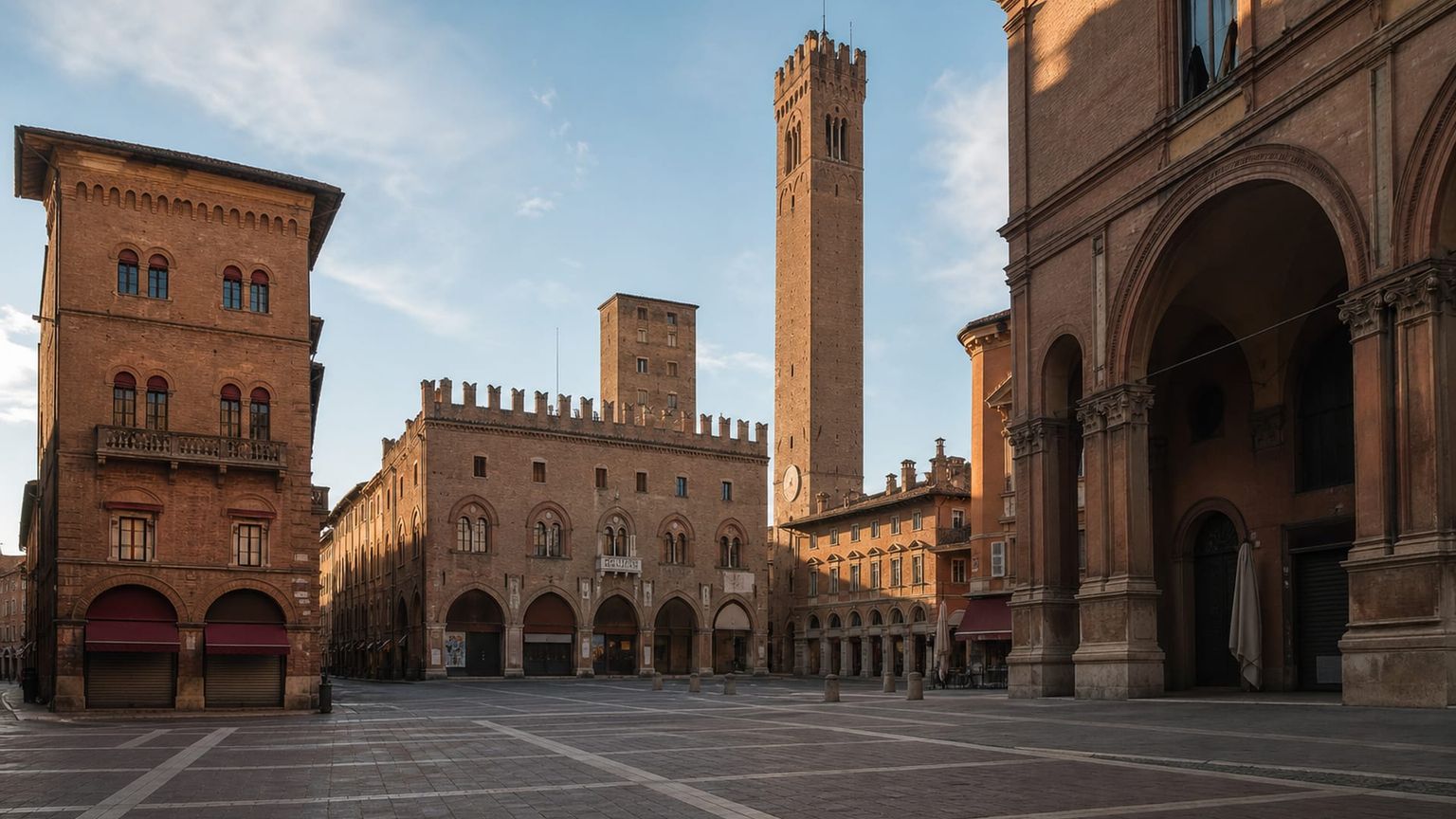
Start at Piazza Maggiore, then walk 2 to 5 minutes to the Basilica of San Petronio for the meridian line and chapels before continuing about 5 minutes to the Bologna Towers. Book Torre degli Asinelli for about $6 (€5), and plan roughly 1 to 2 hours for the climb and views. After that, walk about 10 minutes east into the University District for lunch near Via Zamboni, then spend the afternoon at Museo di Palazzo Poggi, which usually takes about 1 hour and sits an easy 5 to 10 minute walk from the student streets.
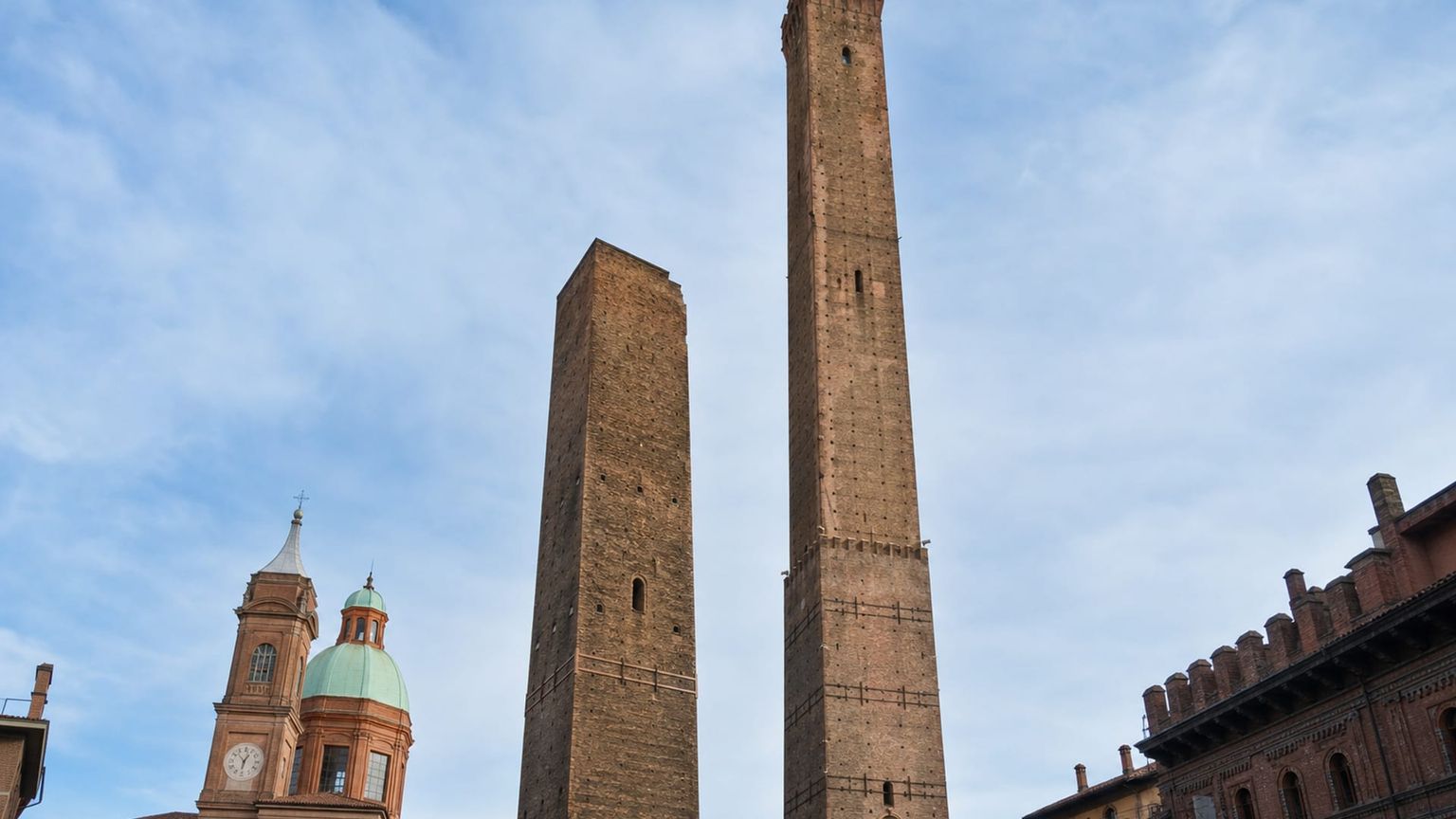
Begin early at the Basilica of Santo Stefano, then linger through the cloisters before walking about 10 to 15 minutes back toward the historic core for coffee and a slower look at the porticoes. From there, take a taxi or bus west to Certosa di Bologna, which takes about 15 to 20 minutes by taxi or roughly 25 to 30 minutes by bus, and spend about 1 to 2 hours among the arcades and sculpture. Return to Centro Storico for dinner, where the walk from the main squares back to many central stays usually takes about 5 to 15 minutes.
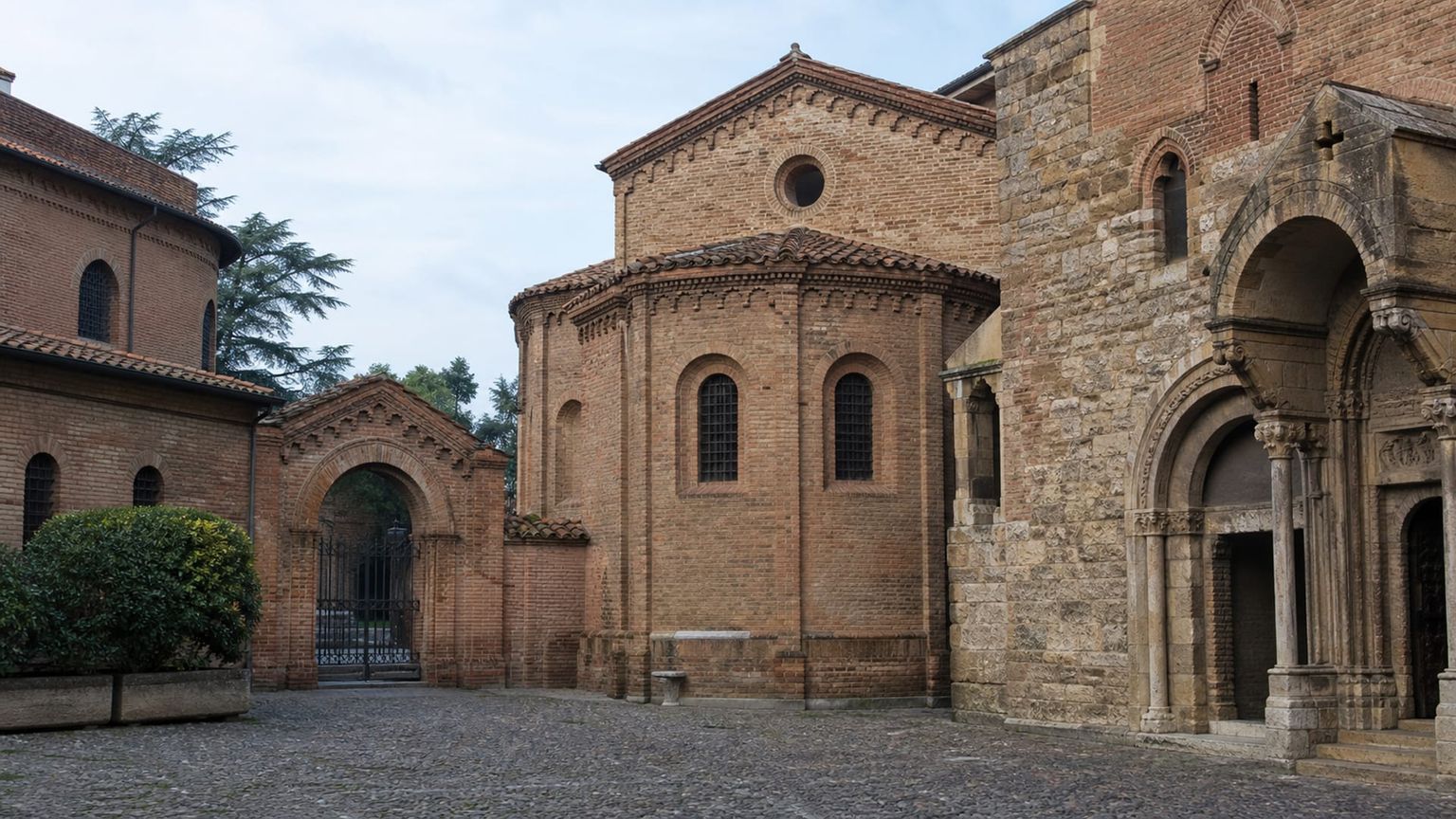
An afternoon split between the old center and the west side gives you Bologna at its most varied: begin with a second, unhurried pass through Piazza Maggiore, then spend about 1 to 2 hours inside Basilica of San Petronio if you want more time with the chapels and stained glass. After lunch, head by taxi or bus to Certosa di Bologna for the late light under the porticoes, then come back into town for aperitivo in Santo Stefano, about 10 to 20 minutes on foot from the center depending on your starting point.
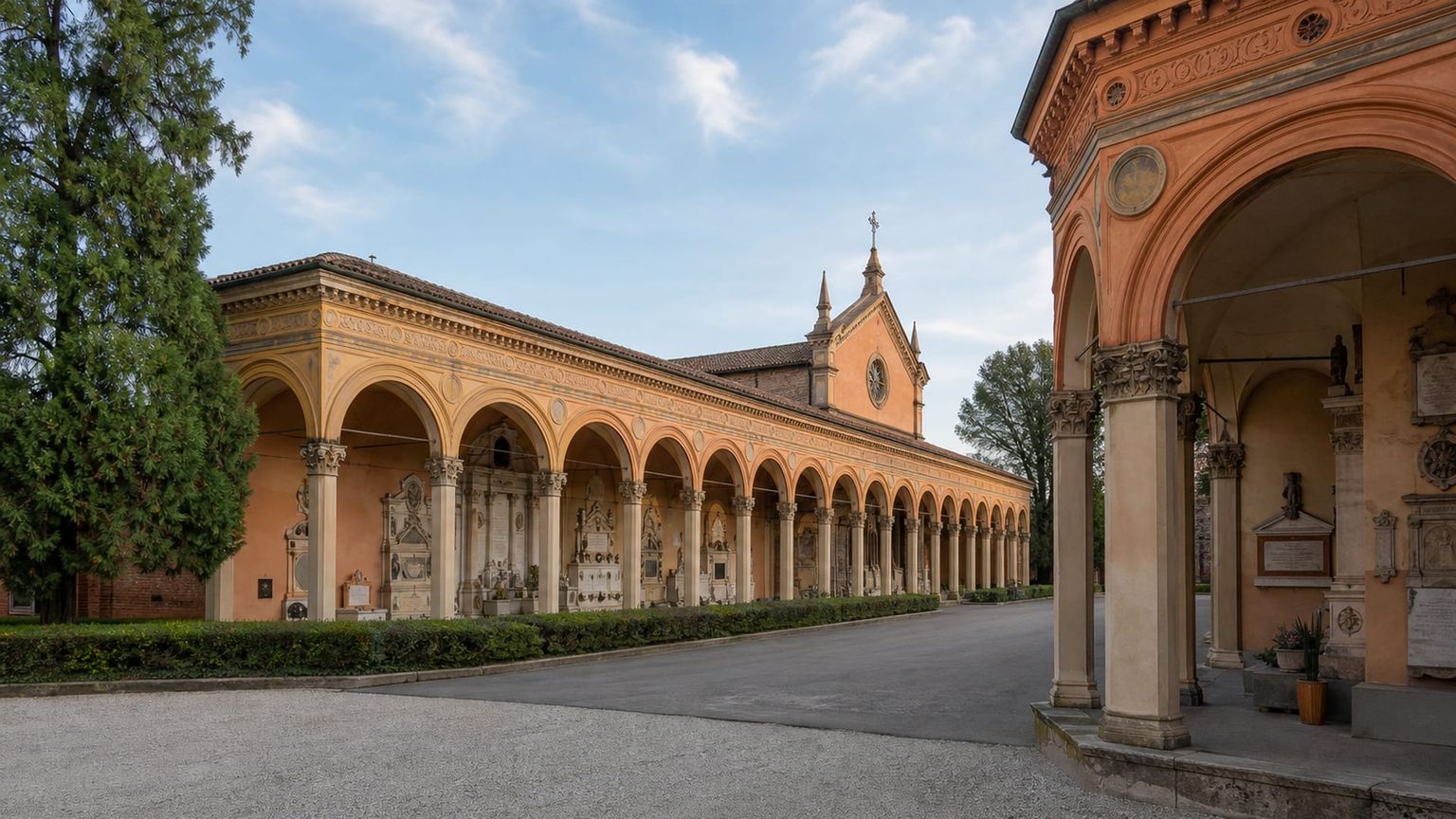
Begin with one last quiet stop at Museo di Palazzo Poggi if you missed it earlier, or return for a shorter visit if you want a compact finale, then head east into the University District for shopping in the bookstore-and-streetwear strips near Via Zamboni. Finish with coffee and a pastry in Santo Stefano, where you can sit in a neighborhood café, watch local errands unfold on the side streets, and then head back to your hotel for pickup to Bologna (BLQ).
Business-class flights from the US to Bologna
From New York and Los Angeles, the useful comparison is not just price, but also whether you can live with a stop in Europe or prefer a longer one-stop trip from the West Coast. The routes to Bologna usually funnel through a small set of major hubs, so the main difference comes down to duration and fare.
ITA Airways, Air France, Lufthansa, KLM, British Airways, and Swiss International Air Lines all serve the New York area, and nonstop travel takes about 8 to 9 hours when available. If you do not mind a stop, common connections via FRA, AMS, or CDG can cut fares to roughly $1,300 to $2,200, while round-trip prices usually start at $2,200 and can reach $5,500.
From Los Angeles, Lufthansa, Air France, British Airways, Swiss International Air Lines, KLM, and ITA Airways usually route you through FRA, MUC, AMS, CDG, LHR, or ZRH, with total travel time of about 15 to 20 hours. Round-trip fares start at about $3,100 and often climb to $7,500 on peak dates; one-stop itineraries through FRA, AMS, or CDG often come in below nonstop-priced options.
Bologna feels different when you slow down
A deliberate Bologna stay gives each part of the city a role, Piazza Maggiore for the first orientation, the Bologna Towers for the skyline, Santo Stefano for a slower morning, and Certosa for a quieter late-afternoon walk. Add the Marconi Express, a few short taxi rides, and meals that respect the city’s lunch and dinner hours, and the trip starts to line up naturally. If you want help matching those pieces, AranGrant experts can shape the flights and stay around your dates and preferred pace