

Chapters:

Need help with your trip?
Our support team is available 24/7. Request a callback or call us directly at (833) 619-0908
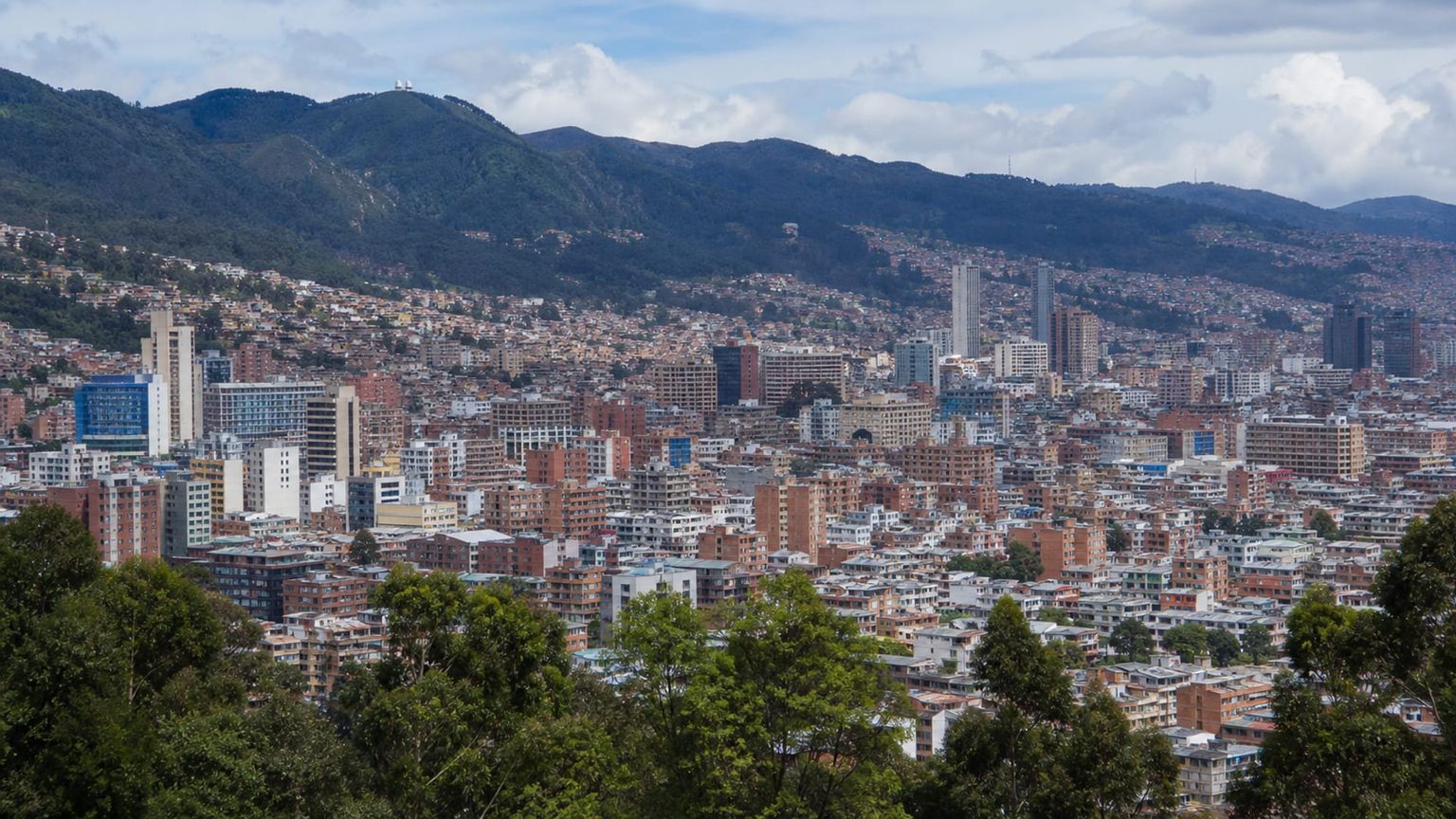
Bogotá trips often start with the same pair of choices, a historic-center hotel or a northern district, then a quick list of museums, Monserrate, and one or two dinners near the room. What many travelers miss is how much time the city asks for between those points.
Traffic can turn short distances into long rides, and museum days do not always line up with meal breaks or hill weather. If you cluster too many stops, you spend more time in taxis and less time in the neighborhoods that define the trip.
This guide keeps the city’s geography in view, pairing sights with the right area, the right time of day, and realistic transfers so each day has a clear purpose.
Useful things to know

Main language(s): Spanish
Hola (OH-lah) – Hello
Por favor (por fah-VOR) – Please
Gracias (GRAH-syahs) – Thank you
¿Habla inglés? (AH-blah een-GLAYS) – Do you speak English?
¿Cuánto cuesta? (KWAHN-toh KWES-tah) – How much does it cost?

Currency: The local currency is the Colombian peso (COP, $).

Cash and cards: Cards and contactless are widely accepted in Bogotá; carry about COP 50,000 to 100,000 ($13 to $26) in cash.

Tipping: Round up small bills and add 5-10% in restaurants if service is not included.

Traditional food: Ajiaco, bandeja paisa, tamal bogotano, changua

Water and coffee costs: Water about COP 4,000 to 6,000 ($1 to $2), bar espresso about COP 6,000 to 10,000 ($2 to $3).

Taxis and ride apps: Uber, DiDi, and Cabify operate here; confirm the plate before you get in.

Plug and voltage: Type A/C socket, 110V

Dining and shop opening hours: Breakfast is about 07:00-09:00, lunch 12:00-14:00, and dinner 19:00-21:00. Many restaurants close in the afternoon between lunch and dinner.

Emergency number: Dial 123 for police, fire, and medical emergencies.
Where to stay in Bogotá
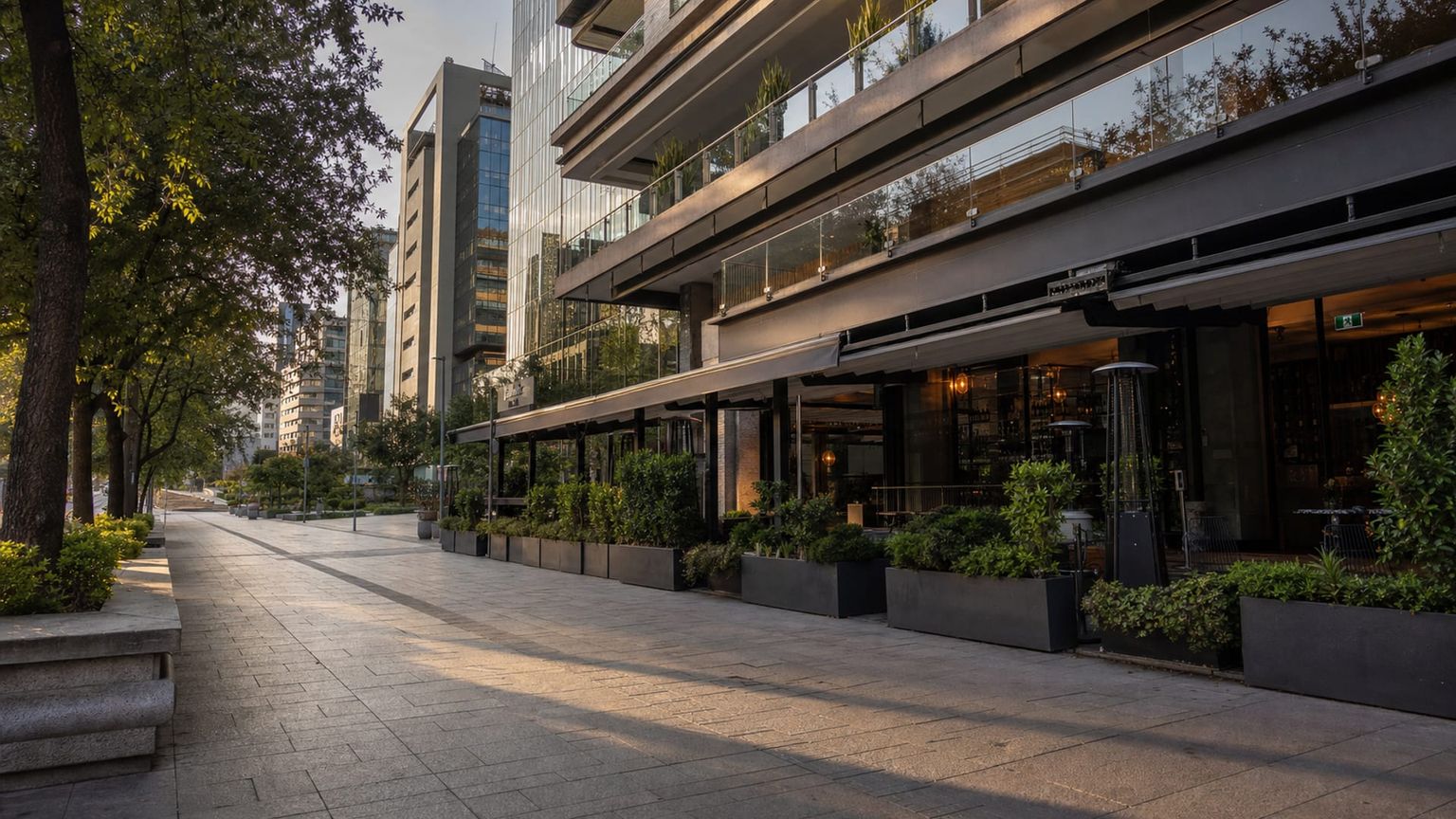
Bogotá’s nightlife and dining core sits inside the larger Chapinero district, with shopping malls, cocktail bars, and late restaurants clustered near one another. It matters if you want easy evening plans and a central base with fast access to the city’s north-south corridors.
Best for: Dining, nightlife, and travelers who want to stay in a busy north-central district
What to expect: Sidewalks stay active into the night, with restaurant queues, mall traffic, and plenty of taxis on the main streets.
Hotel prices: Usually about COP 350,000 to COP 750,000 (~$90 to ~$190) per night for well-rated stays
Distance to major sights: About 20 minutes by taxi to Museo del Oro and about 25 minutes to Monserrate
Quietness: Busy during the day and lively late into the evening; side streets are calmer than the main blocks.
Main trade-off: Prices run higher than in many other parts of Bogotá, and late-night noise can reach nearby rooms.
Good to know: Choose a room away from the main party blocks if you want sleep before midnight; traffic and weekend crowds can be loud on the busiest corners.
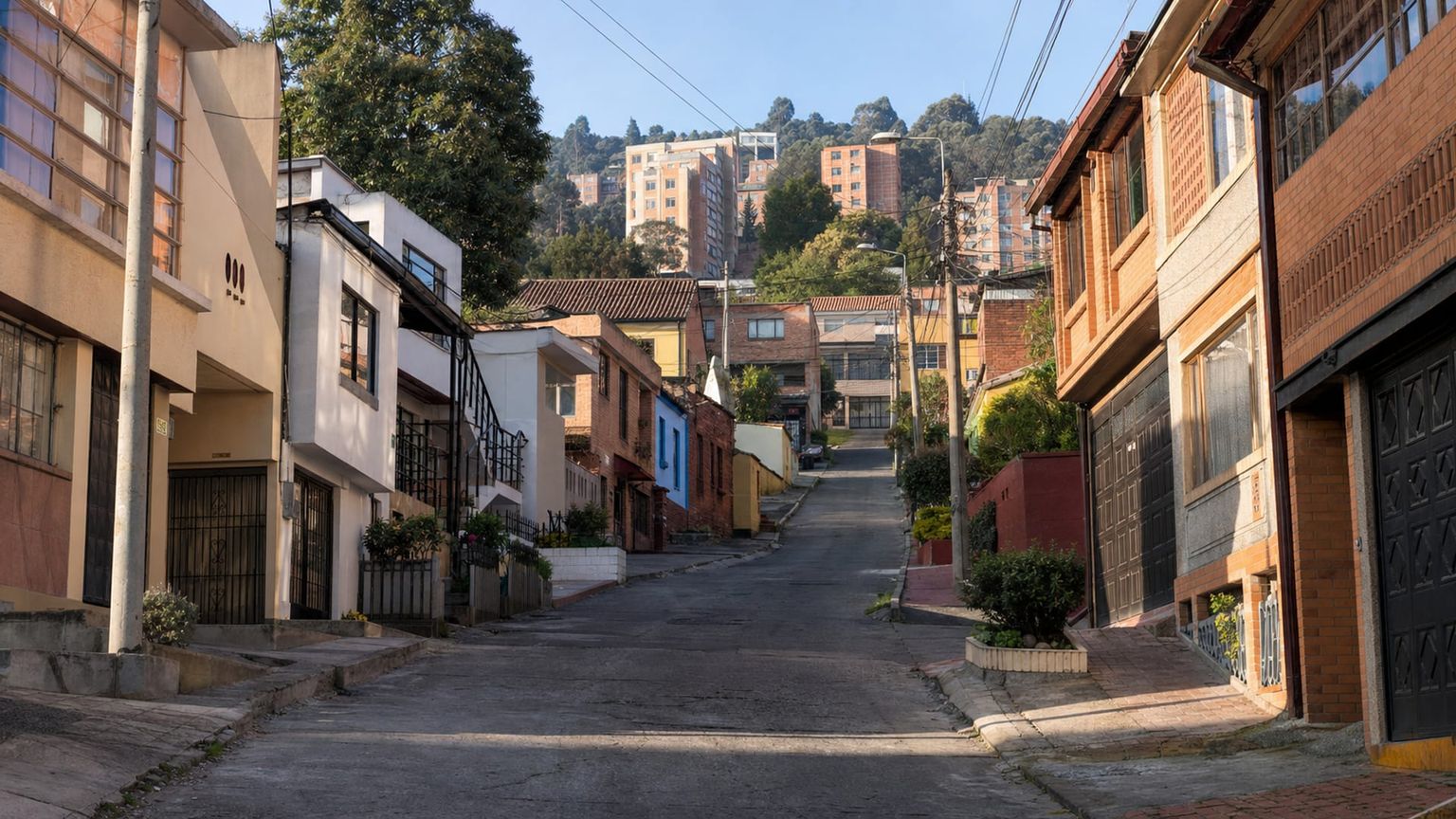
Chapinero Alto rises above the central commercial strip, mixing residential streets, independent cafes, and restaurants with easy access to the city’s most active north-side neighborhoods. It matters for travelers who want a base with more local life and shorter rides to dining and shopping.
Best for: Food-focused stays, independent cafes, and visitors who want a more residential setting
What to expect: Expect mixed traffic, neighborhood cafes, and a steady local flow rather than packed tourist streets.
Hotel prices: Usually about COP 250,000 to COP 550,000 (~$65 to ~$140) per night for well-rated stays
Distance to major sights: About 20 minutes by taxi to Museo Nacional and about 30 minutes to La Candelaria
Quietness: Quieter than Zona T after dinner, though main avenues still carry traffic through the evening.
Main trade-off: You gain a calmer setting, but nightly taxis matter more if you plan to stay out late in the entertainment districts.
Good to know: Pick lodging on a smaller side street, since the main avenues carry buses, motorcycles, and more horn noise.
Parque de la 93 centers on a landscaped park ringed by hotels, restaurants, and office towers in northern Bogotá. It matters because it gives visitors a polished base with walkable dining options and quick rides to the city’s upscale commercial areas.
Best for: Comfortable hotel stays, dining, and visitors who prefer an orderly northern district
What to expect: The park draws walkers, diners, and office workers by day, then the restaurant scene keeps the blocks active after dark.
Hotel prices: Usually about COP 400,000 to COP 850,000 (~$100 to ~$220) per night for well-rated stays
Distance to major sights: About 25 minutes by taxi to Monserrate and about 30 minutes to Museo del Oro
Quietness: Calmer on the park edges during the day, with more restaurant noise and traffic in the evening.
Main trade-off: It sits farther from the historic center, so museum visits and old-town dinners take longer by car.
Good to know: Reserve early if you want a park-facing room, since those units sell quickly and the busiest restaurant streets can run noisy on weekends.
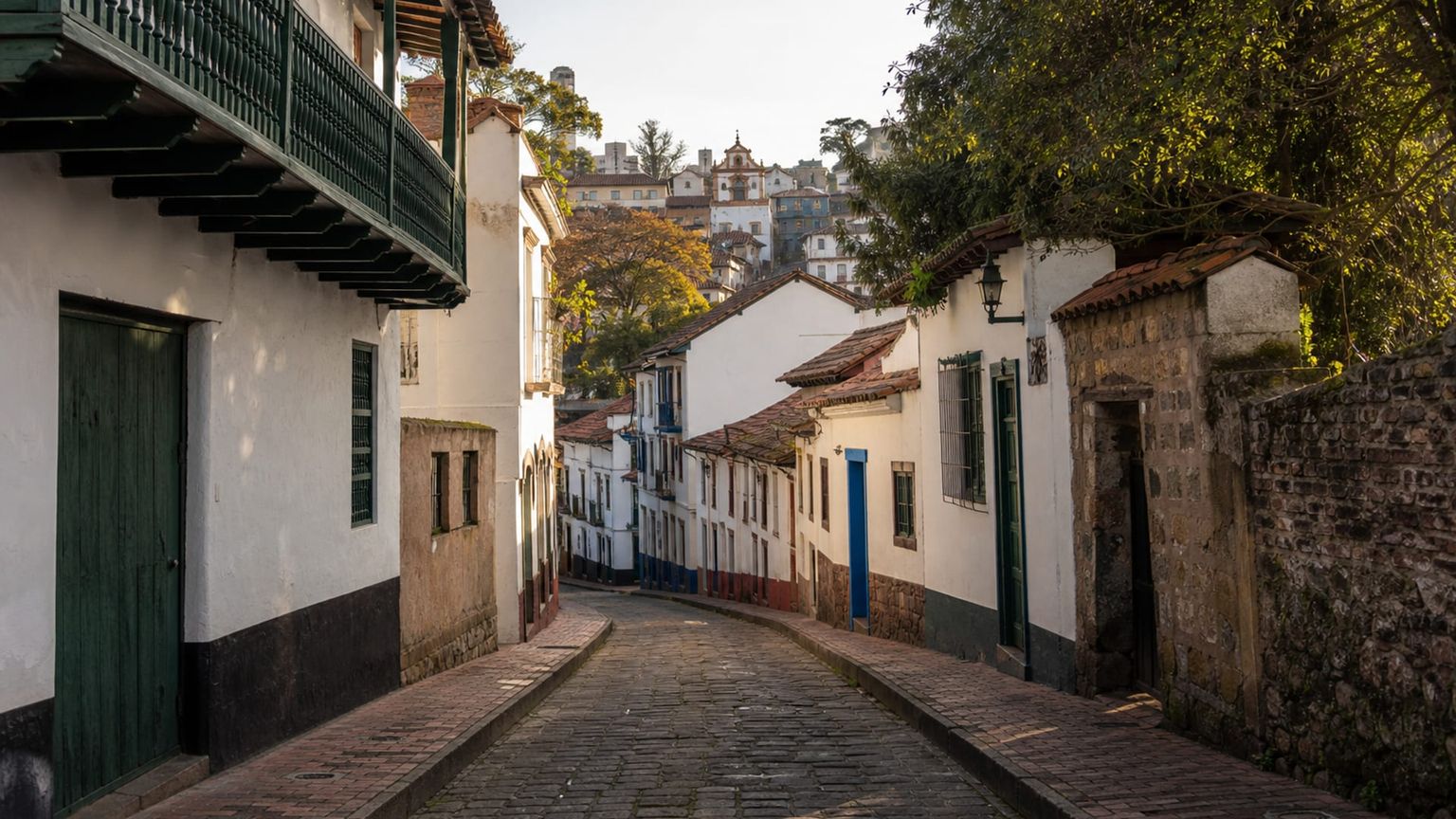
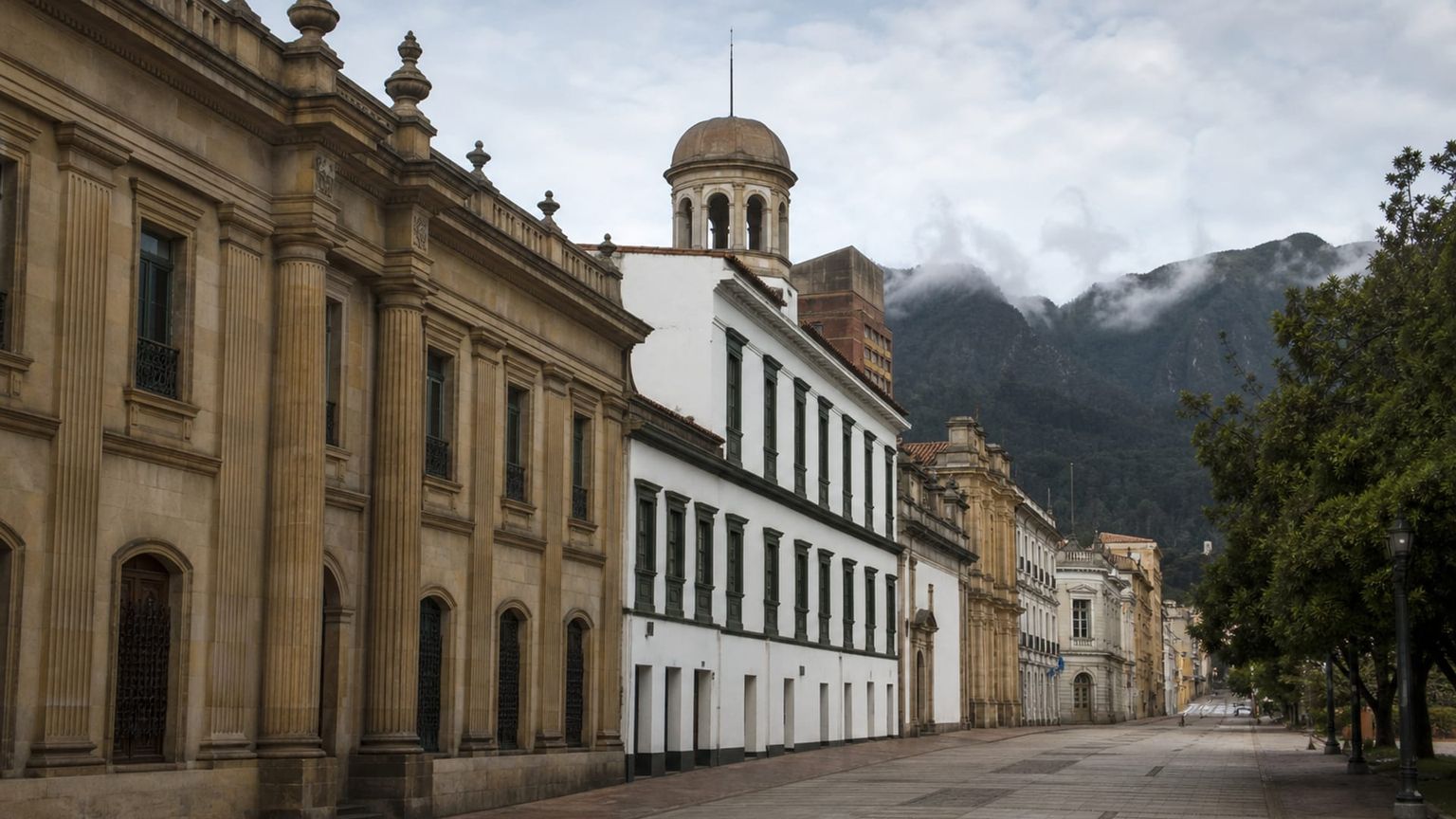
La Candelaria is Bogotá’s historic center, with colonial streets, museums, churches, and government buildings packed into a compact grid. It matters for travelers who want to step out near the city’s main sights and spend less time crossing town for daytime plans.
Best for: Museum visits, historic sightseeing, and travelers who plan to spend the day in the old center
What to expect: Daytime brings tour groups, school visits, and street vendors, while the pace thins after offices and museums close.
Hotel prices: Usually about COP 180,000 to COP 450,000 (~$45 to ~$115) per night for well-rated stays
Distance to major sights: About 5 to 15 minutes on foot to Museo del Oro and about 25 minutes on foot to Monserrate’s lower cable car station
Quietness: Busy and lively in daylight, then noticeably quieter after sunset on many blocks.
Main trade-off: Central access is excellent, but the area has fewer dining choices at night and some streets feel empty after dark.
Good to know: Plan evening taxis in advance, because restaurant and bar choices thin out once the museums close and some blocks are poorly lit.
Travelers usually avoid staying in Ciudad Bolívar, Sumapaz, and Usme, since they sit far from Bogotá’s main sights and have fewer visitor amenities for short stays. Bosa and parts of Kennedy are also less convenient for visitors, because they are far from the historic center and can mean long evening trips back after dinner or sightseeing.
Hotel deals
How to get around Bogotá efficiently
Bogotá has no metro yet, so TransMilenio, SITP buses, taxis, and ride apps do most of the work, with airport feeders linking El Dorado Airport to the city.

Metro
for longer distances
Bogotá has no metro yet, so the closest rail-like option is the TransMilenio BRT and its feeder buses; a single bus fare is about $0.75 (about COP 3,100) and a transfer is valid for roughly 2 hours, with dense trunk lines along Avenida Caracas, Calle 26, and NQS.

Bus and tram
for convenience
TransMilenio covers the main corridors, while SITP neighborhood buses fill the gaps and run through most districts, including access from El Dorado Airport on the Airport Route feeder and local buses; buy and tap a rechargeable card, then expect about $0.75 (about COP 3,100) per ride, with transfers typically valid for roughly 2 hours.

Taxi
for convenience or late hours
Licensed yellow taxis use metered fares, not fixed citywide prices, and airport trips usually cost about $7 to $15 (about COP 28,000 to COP 60,000) depending on traffic and distance; hail them at official stands or book by app, then confirm the meter starts at pickup, and most drivers take cash, with card payment less common.
*Prices are based on rates updated as of June 2026 and may change at the time of travel.
Use the buses for corridor trips, taxis or ride apps for door-to-door moves, and walking for compact areas like La Candelaria.
Iconic landmarks
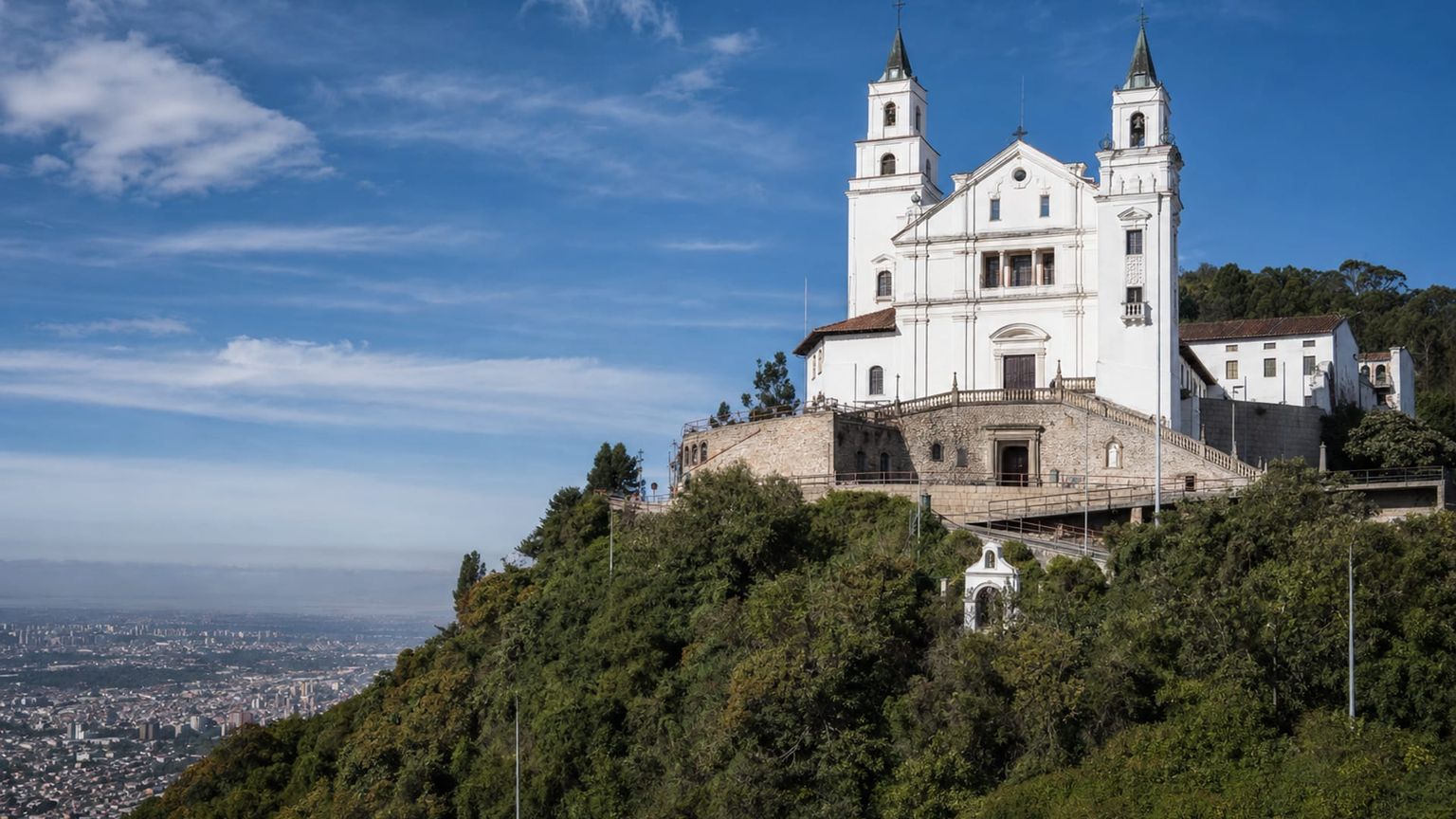
Monserrate Sanctuary
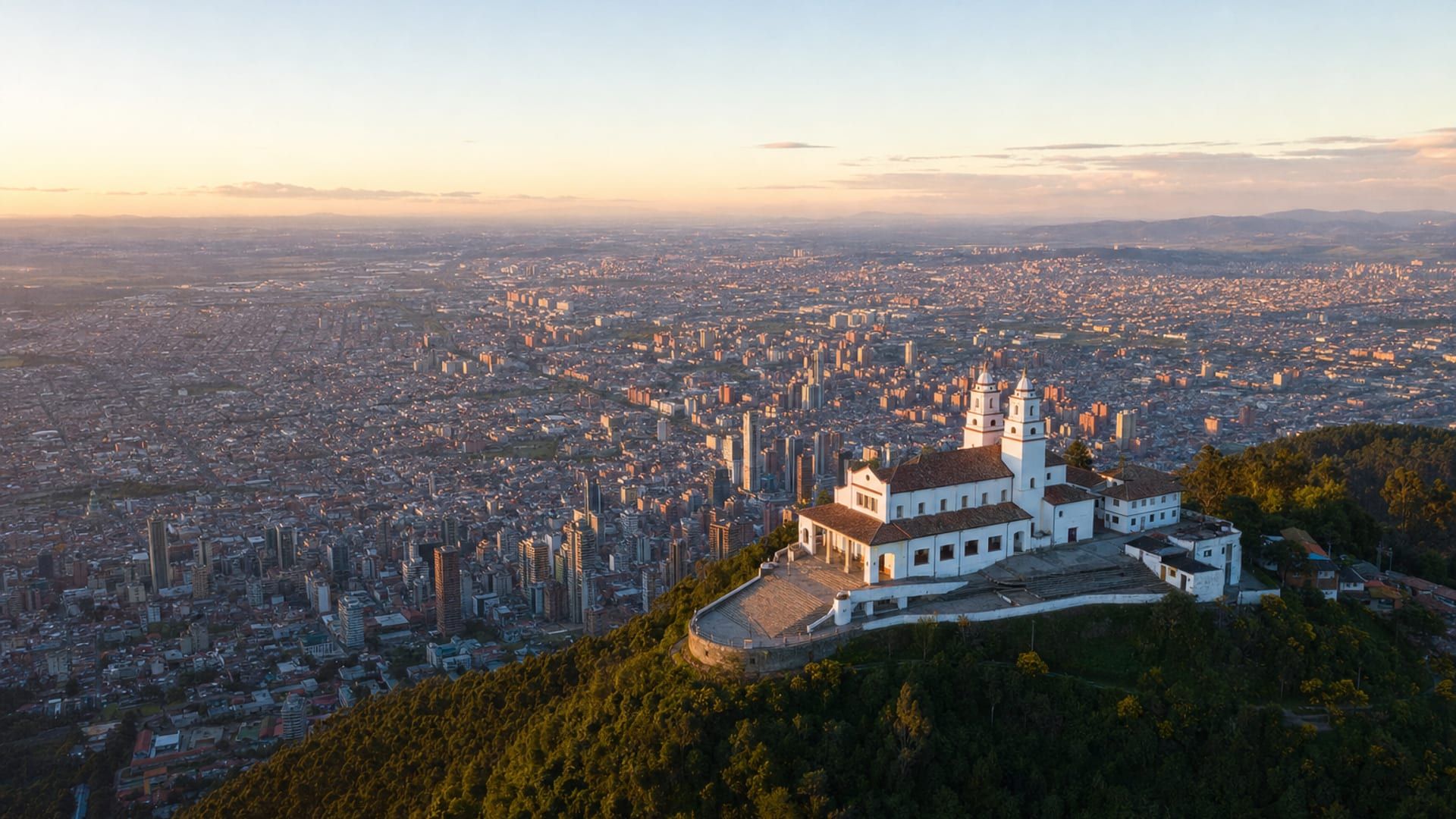
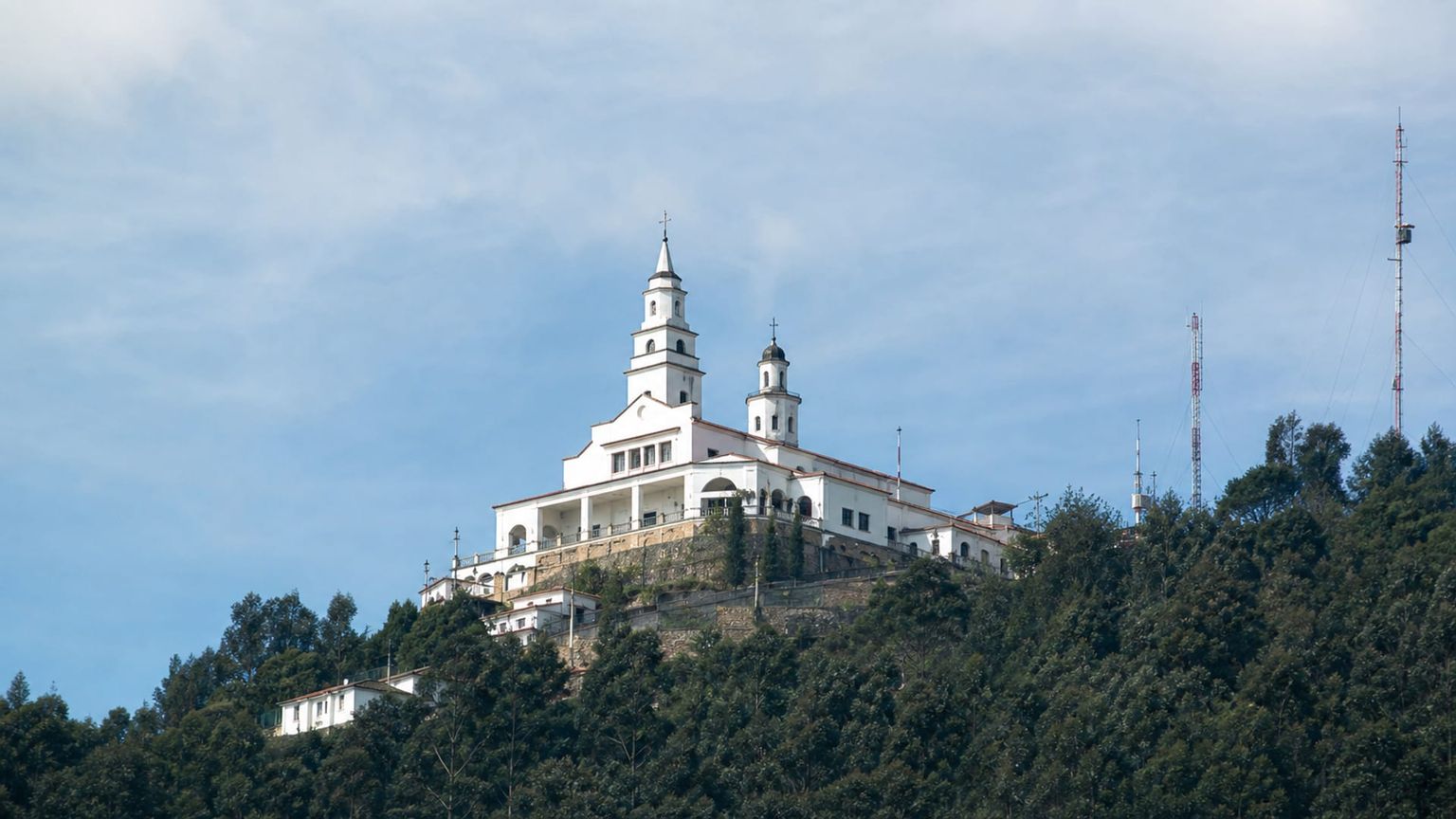
Perched on a 10,341-foot summit above the city, Monserrate pairs a whitewashed basilica with wide views over Bogotá and the Eastern Hills. The climb, by funicular, cable car, or the stair path, is a classic city outing.
Time needed: About 2 to 3 hours
Entry: Funicular and cable car tickets cost about $9 to $12 ($38,000 to $50,000) round trip; the church and viewpoints are free once you reach the top. Visit the official site for details.
Tip: Go early on a clear morning, when the city view is widest and queues are shorter.
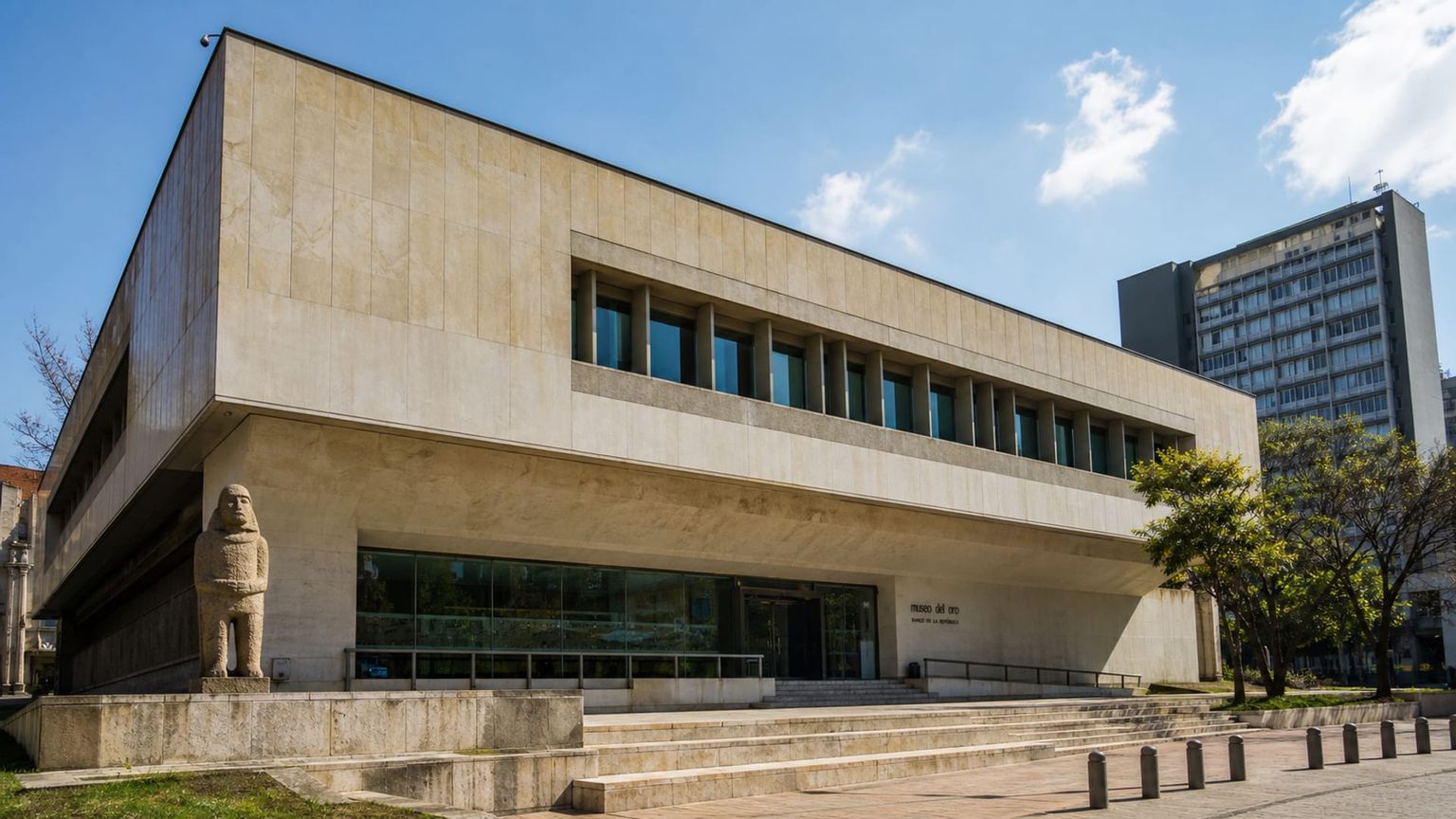
Gold Museum
The Gold Museum holds one of the world’s strongest collections of pre-Hispanic gold work, with thousands of pieces from Muisca, Quimbaya, and other cultures. Its galleries explain ritual use, craft methods, and the Spanish conquest’s impact on these objects.
Time needed: About 2 to 3 hours
Entry: Admission costs about $1.50 to $4 ($6,000 to $17,000), with free entry on Sundays and public holidays for some visitors, depending on age and residency. Visit the official site for details.
Tip: Visit midweek in the late morning, when galleries are calmer and labels are easier to read.
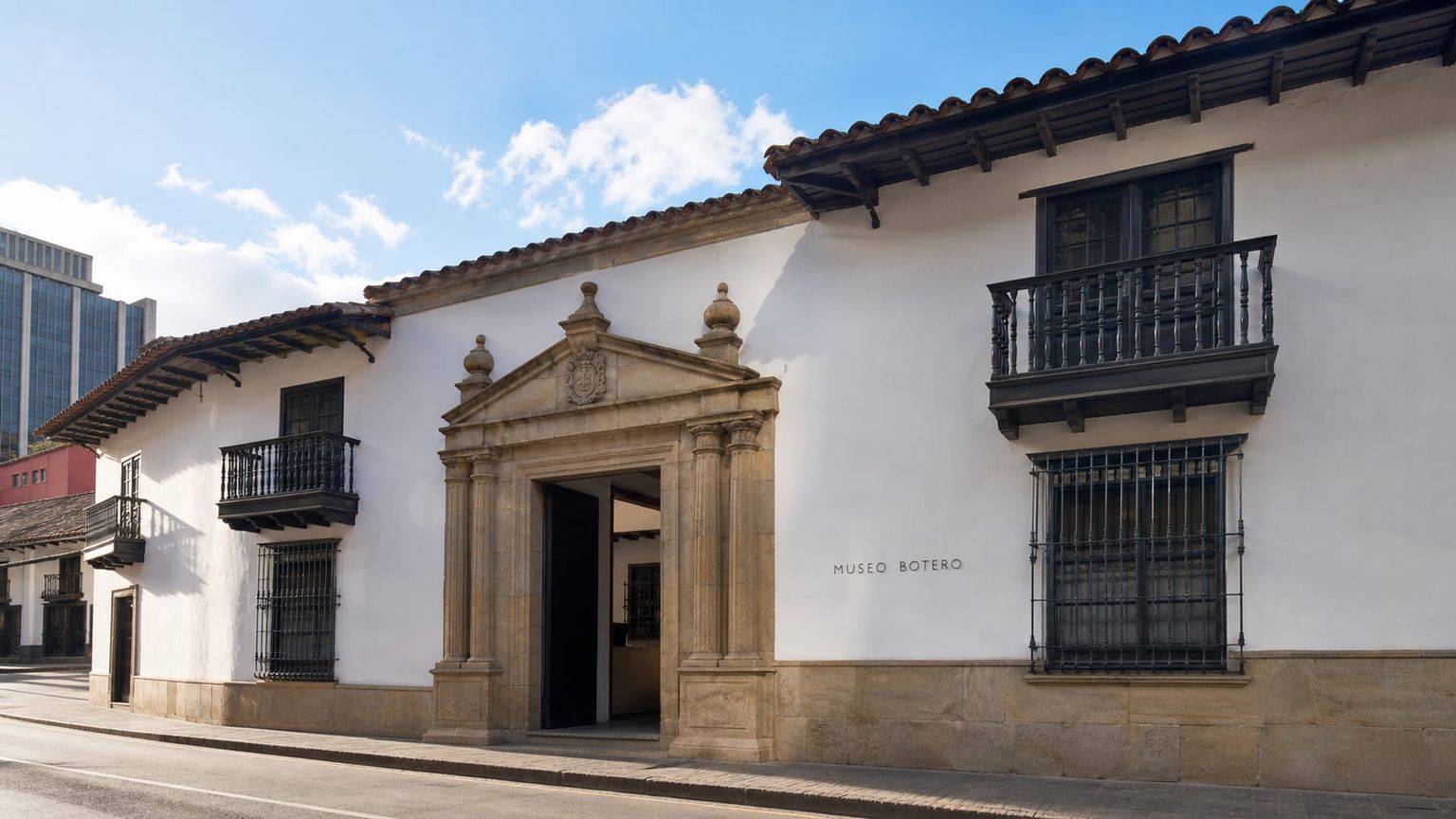
Botero Museum
Set in a colonial house in La Candelaria, the Botero Museum pairs Fernando Botero’s donated paintings and sculptures with works by Picasso, Monet, and Dalí. The tight arrangement makes it easy to see how scale and form shift from room to room.
Time needed: About 1 to 2 hours
Entry: Admission is free, and the museum accepts walk-ins during normal opening hours; special exhibits may have separate fees. Visit the official site for details.
Tip: Arrive in the early afternoon, then continue on foot through nearby La Candelaria streets.
Overlooked sites worth visiting

Parque Arqueológico de Usme
A quiet hillside park on Bogotá’s southern edge, it preserves Muisca-era terraces, paths, and carved stones in a dry ravine landscape. Visit for a low-key walk, views, and on-site interpretation.
Time needed: About 1 to 2 hours
Entry: Free to access, with no ticket required for general visits. Guided interpretation, when offered by the district, may have separate schedules, but the park itself can be explored on foot without a fee.
Tip: Go in the morning for cooler air and clearer ridge views.

Museo Santa Clara
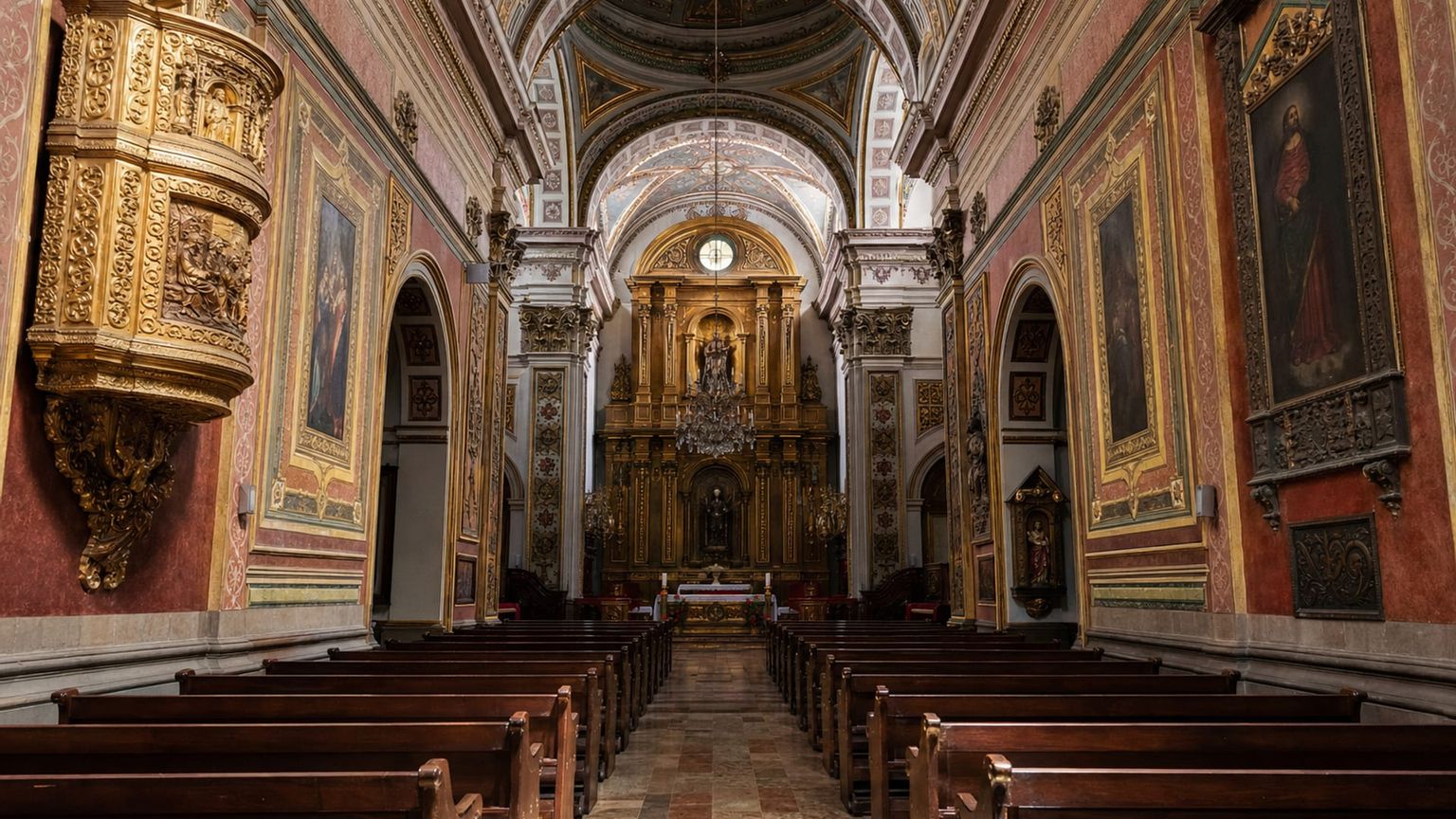
This former convent-turned-museum packs ornate colonial art into one compact stop near the center. Its gilded altar, painted ceiling, and enclosed nave make it a sharp contrast to Bogotá’s larger museums.
Time needed: About 45 minutes to 1 hour
Entry: Standard admission costs about $3 to $5 ($12,000 to $20,000 COP), with reduced rates for students, seniors, and children in many cases. Check the museum’s current policy before visiting, since temporary closures or special exhibitions can change access and pricing. Visit the official site for details.
Tip: Visit after lunch, when nearby streets are quieter and the light is softer.
Traditional food
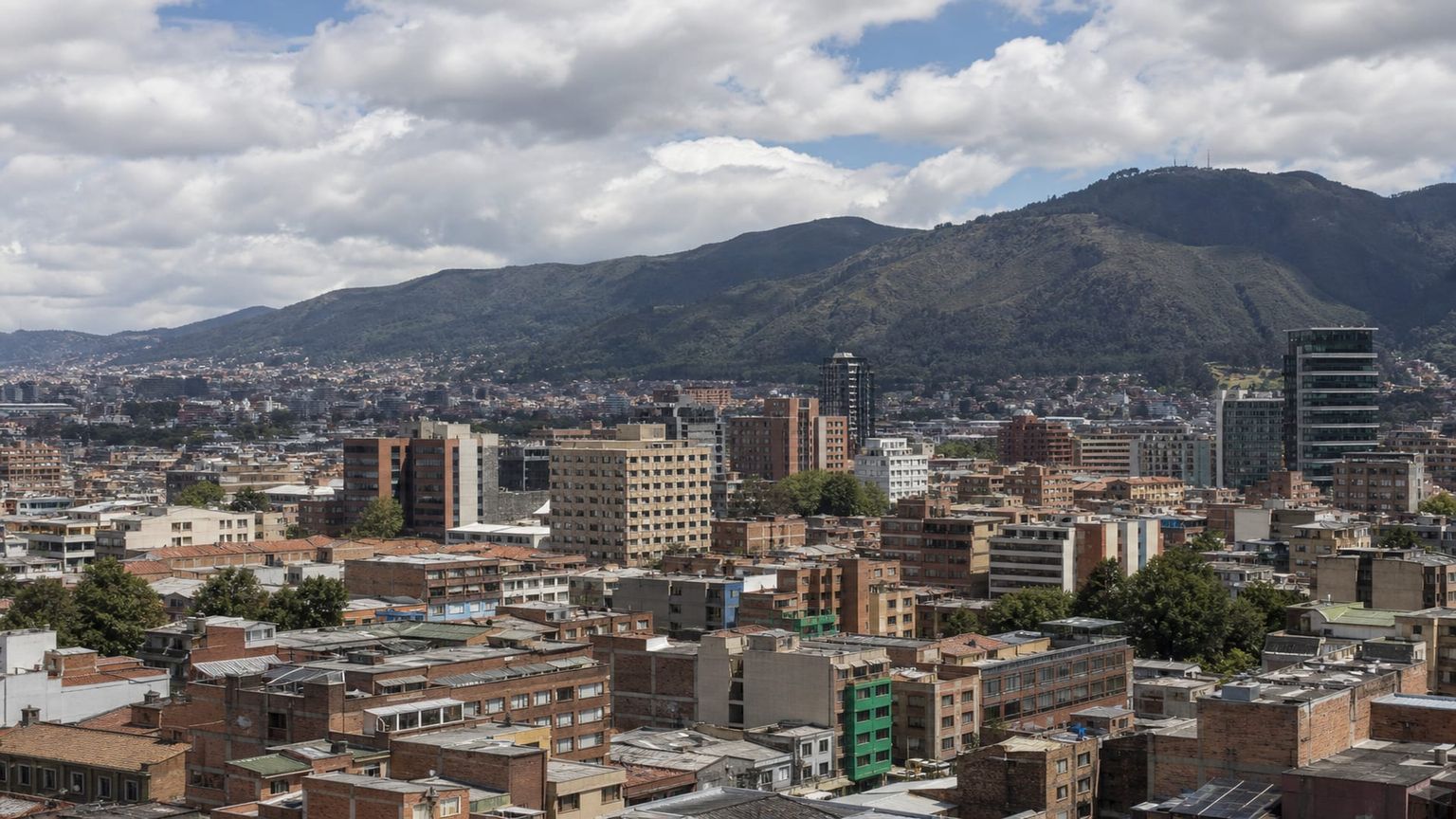
Bogotá’s table leans on corn, potatoes, broth, and hearty meats, with dishes like ajiaco, bandeja paisa, tamal bogotano, and changua showing how the city cooks for cool mornings and long lunches.
Ajiaco
This chicken and potato soup arrives with capers, cream, and avocado, and it suits Bogotá’s cool climate better than a light lunch would. La Puerta Falsa serves a classic version in La Candelaria, close to several historic stops.
Bandeja paisa
A generous plate of beans, rice, chicharrón, egg, plantain, avocado, and sausage, it gives Bogotá diners a filling midday meal. Andrés D.C. serves a high-profile version in Chía and in Bogotá, with the city location drawing the widest range of visitors.
Tamal bogotano
Wrapped corn dough with meat and vegetables makes a traditional breakfast or lunch, usually paired with hot chocolate. San Isidro in La Candelaria is a long-running place to order it in a setting that matches the dish’s heritage.
Changua
This milk-and-egg breakfast soup is simple, warm, and distinctly local, especially in the morning. La Puerta Falsa is the best-known stop for a traditional bowl, and it keeps the dish tied to the old center.
Best time to visit Bogotá
Bogotá stays fairly even through the year, but clearer skies and lighter rain make some months far better for Monserrate and long walks in the historic center.
Best for: Best for clearer hill views and festive city energy
What you get: Temperatures usually run about 39 to 67°F (4 to 19°C), with moderate crowds and holiday travel spikes in late December and early January
Trade-offs: Afternoon showers can still interrupt a hill visit
Best for: Best for museum days and lower hotel competition
What you get: Temperatures usually run about 40 to 66°F (4 to 19°C), with lighter visitor flow than peak holidays and some rain that comes and goes
Trade-offs: Showers can shorten outdoor plans in the southeast and on Monserrate
Best for: Best for dry spells and longer sightseeing days
What you get: Temperatures usually run about 40 to 68°F (4 to 20°C), with moderate crowds and especially busy weekends in the north
Trade-offs: Sun and rain can switch quickly, so you still need layers
Best for: Best for flexible city breaks with thinner museum queues
What you get: Temperatures usually run about 39 to 66°F (4 to 19°C), with fewer visitors outside major holiday weeks and frequent rain showers
Trade-offs: Cloud cover can hide the city view from Monserrate
A realistic 5-day plan in Bogotá
The five-day plan follows Bogotá’s geography instead of forcing it into a simple checklist. It starts with a quiet arrival, then groups the center, the hill, the northern districts, and the southern archaeological site into days that limit backtracking.
A taxi from Bogotá (BOG) to Zona T, Chapinero Alto, Parque de la 93, or La Candelaria takes about 25 to 45 minutes in normal traffic and usually costs about $8 to $15, depending on the hour and exact pickup point. After checking in, stay close to your hotel, drink plenty of water, and keep dinner simple: a cafe in Chapinero Alto or a quiet restaurant near Parque de la 93 works well if you want an easy first night. If you land late, choose lodging in Zona T or Parque de la 93, where you can find food without crossing town.
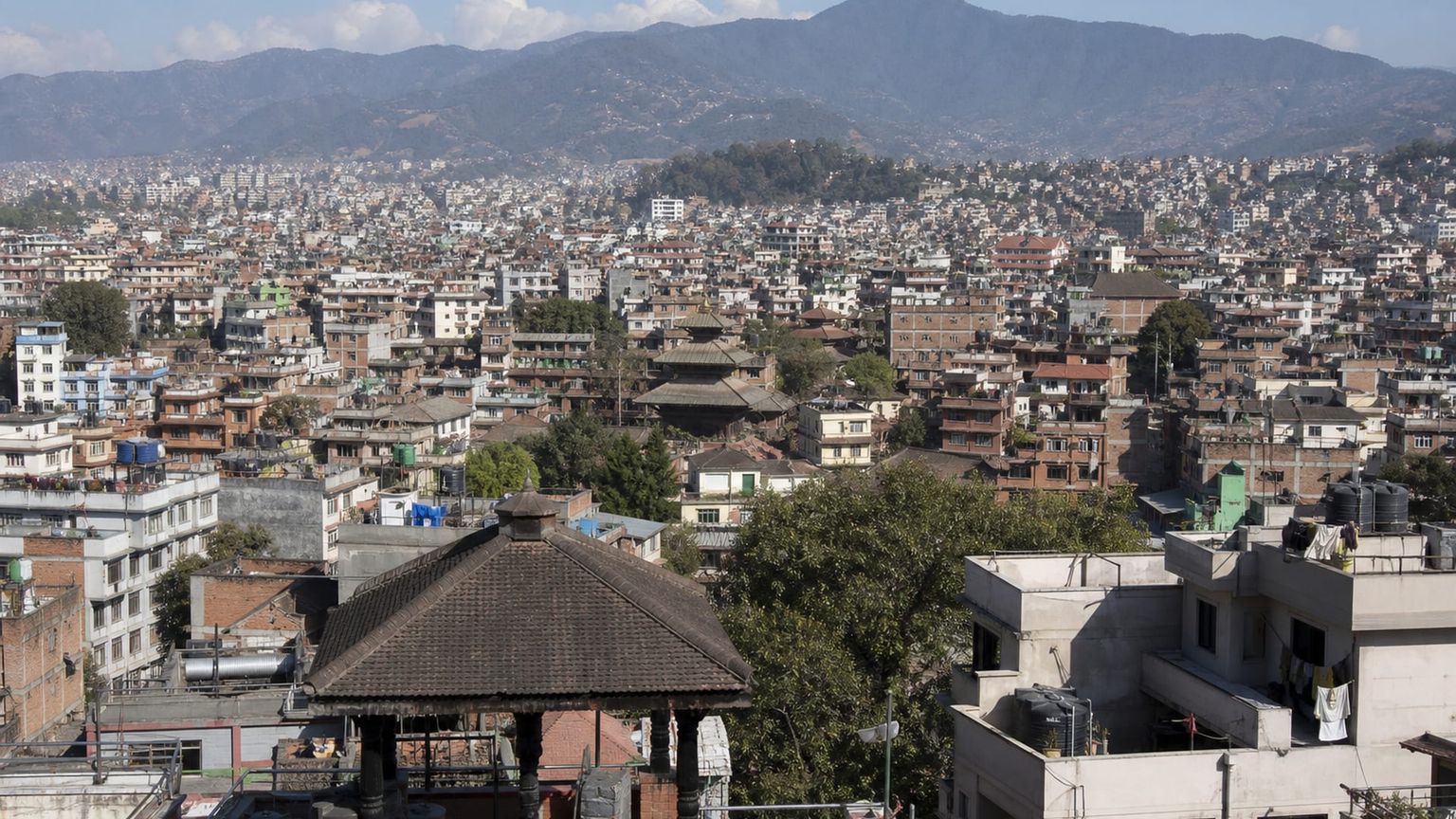
Start in La Candelaria, where the Gold Museum takes about 2 to 3 hours and the Botero Museum needs about 1 to 2 hours more; the walk between them takes roughly 10 minutes. From there, a taxi to Monserrate Sanctuary takes about 20 to 25 minutes, and the funicular or cable car round trip costs about $9 to $12 ($38,000 to $50,000). Save the hill for late afternoon if the weather stays clear, then head back to La Candelaria for an early dinner before the streets thin out after dark.
Begin with Museo Santa Clara after lunch, then continue on foot to nearby La Candelaria streets, a walk of about 10 minutes. From there, a taxi to Chapinero Alto takes about 20 to 25 minutes, where you can end the day with coffee or dinner in the neighborhood’s cafe and restaurant strip. This pairing keeps the day centered on colonial interiors in the morning and a more local dining scene by evening.
Parque Arqueológico de Usme makes a different kind of morning, with free access and about 1 to 2 hours needed for the terraces and ridge paths; plan on a taxi ride of roughly 40 to 60 minutes from the northern districts. Afterward, return north for Parque de la 93, where a late lunch or early dinner fits easily beside the park. If you still have energy, walk the block loops around the park before heading back, since the area stays active into the evening.
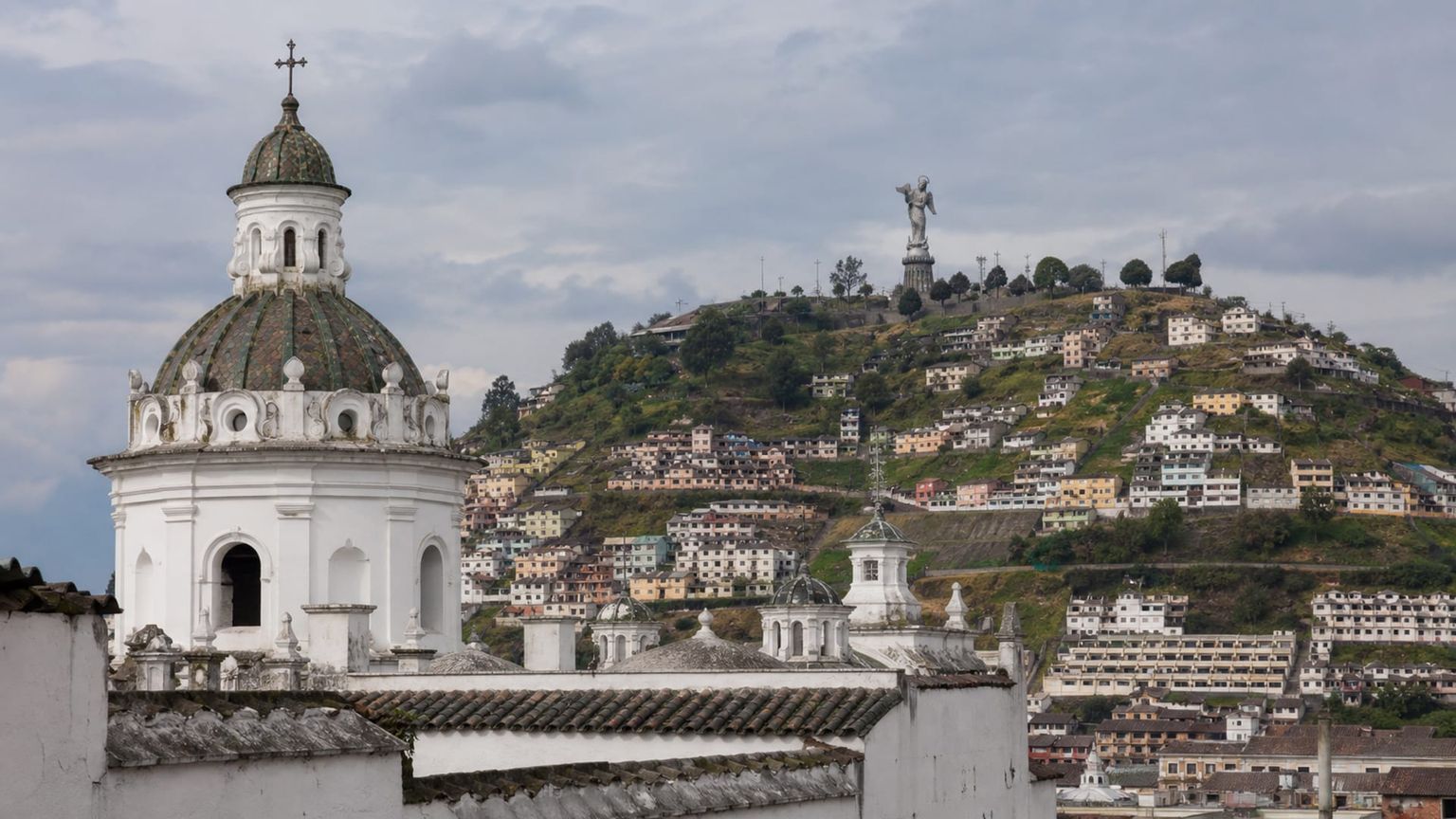
For a final day, keep the pace measured: start with a last museum stop in La Candelaria if you want one more look at the city center, then move to shopping in Zona T or Parque de la 93, where malls and fashion streets make an easy last circuit. Finish with coffee in Chapinero Alto, where independent cafes give you a quiet place to sort bags, review photos, and leave time for a taxi to Bogotá (BOG).
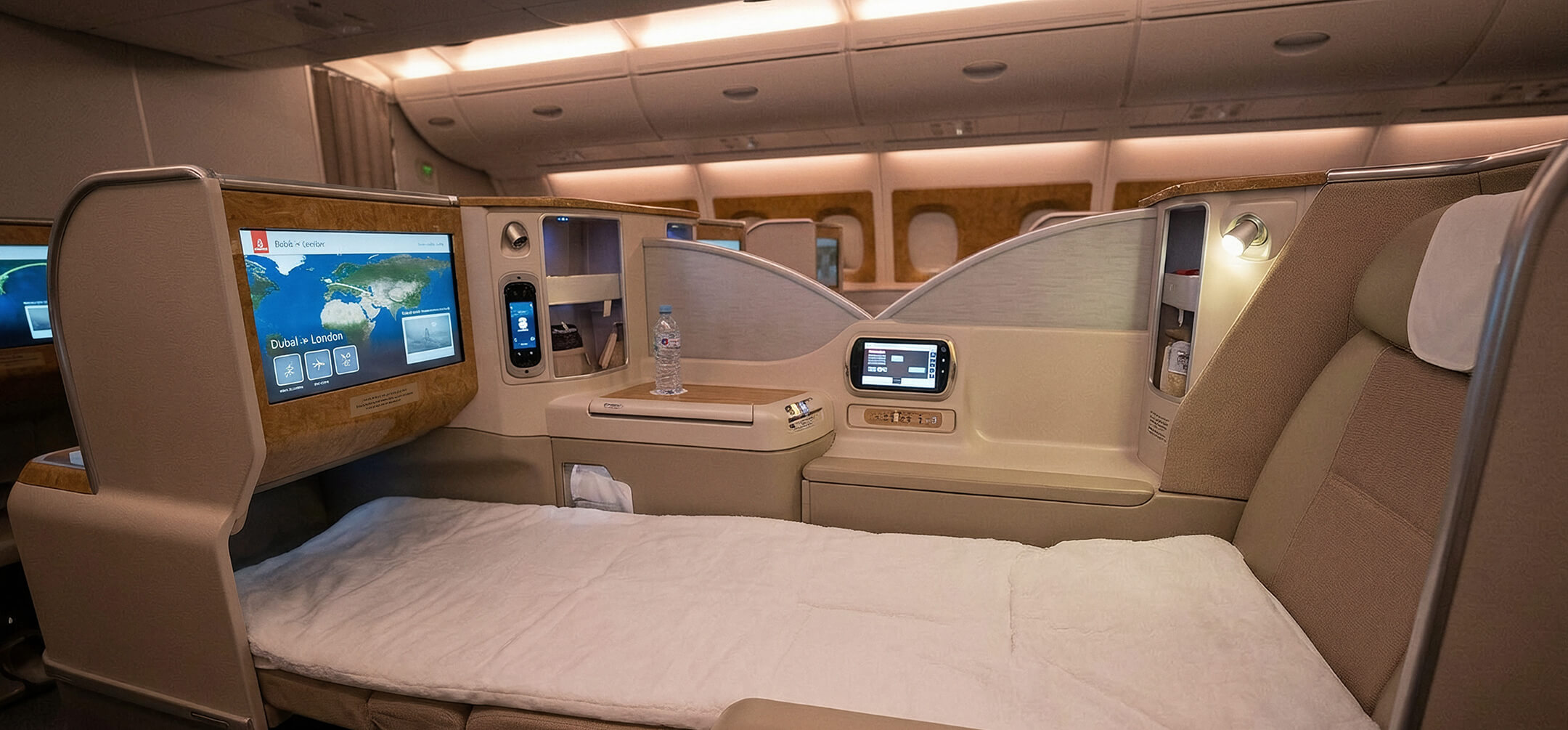
Business-class flights from the US to Bogotá
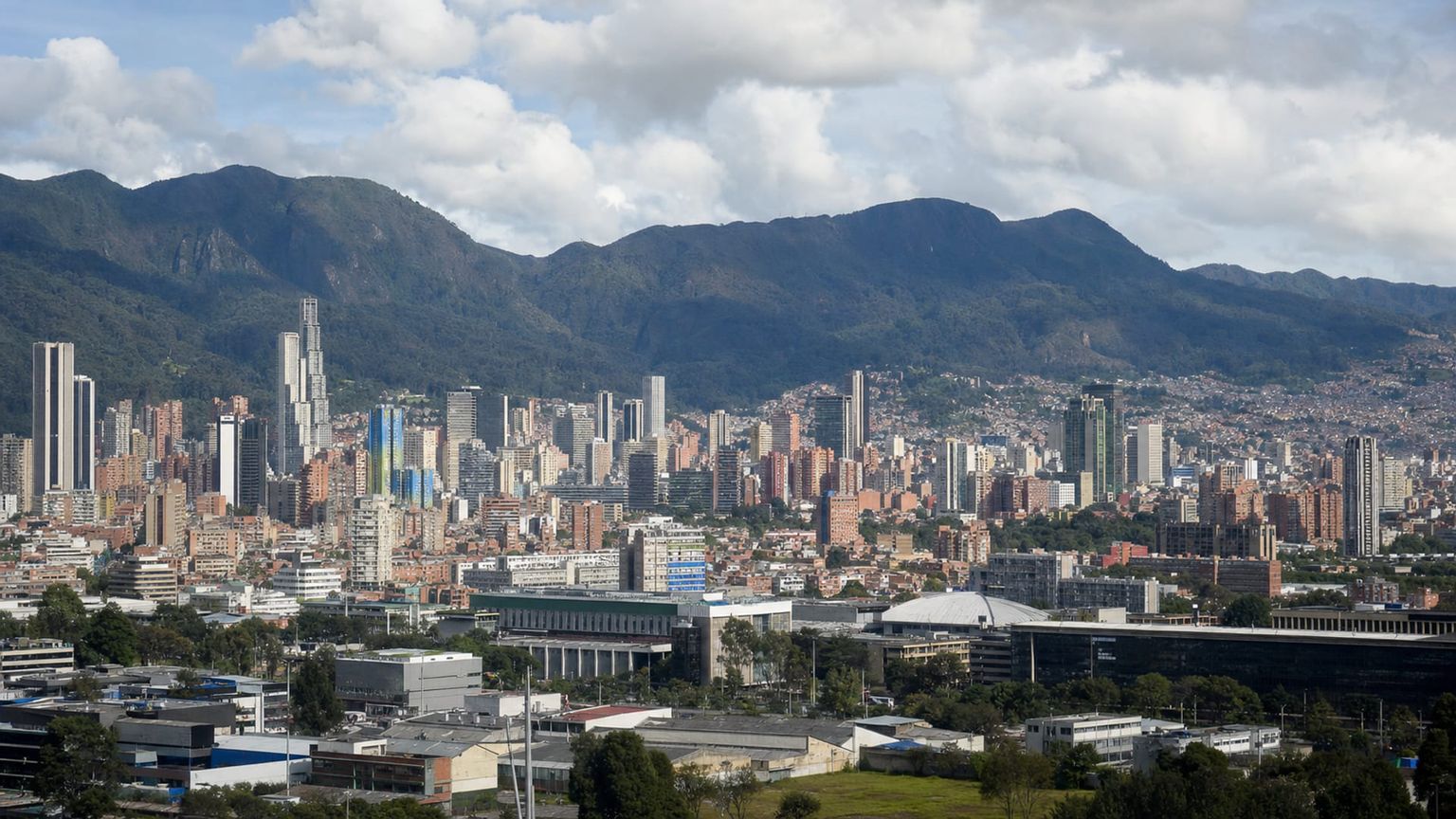
From both New York and Los Angeles, the trip to Bogotá is usually built on a few major carriers and, depending on the route, either a nonstop or a single connection. The price and timing shift enough that the best option depends on how much time you want to spend in transit.
Avianca, American Airlines, Delta Air Lines, Copa Airlines, LATAM Airlines, and United Airlines all operate on this corridor, and nonstop flights from New York typically take about 5.5 to 6.5 hours. When a connection makes more sense, common hubs include Panama City (PTY), Miami (MIA), Fort Lauderdale (FLL), Charlotte (CLT), and Houston (IAH); round-trip fares usually start at $1,200 and can reach $3,000, with nonstop seats often pricing above one-stop itineraries.
From Los Angeles, Avianca, American Airlines, Delta Air Lines, LATAM Airlines, and Copa Airlines are the main names to watch. Expect roughly $1,400 to $3,600 for round-trip premium fares from Los Angeles (LAX) to Bogotá (BOG), and if you do not mind a layover, common hubs such as Panama City (PTY), Miami (MIA), Dallas (DFW), Houston (IAH), and Santiago (SCL) can push the journey to about 10 to 16 hours while lowering the fare.
Bogotá feels different when you slow down
A deliberate Bogotá trip gives each district a defined role, La Candelaria for museums and old streets, Monserrate for the view, Chapinero Alto for dinner, and Parque de la 93 or Zona T for the last evening. Add TransMilenio when the route fits and taxis when it does not, and the city becomes much easier to read. If you want help shaping that balance, the AranGrant experts can plan it around your dates and neighborhood preferences