

Chapters:

Need help with your trip?
Our support team is available 24/7. Request a callback or call us directly at (833) 619-0908
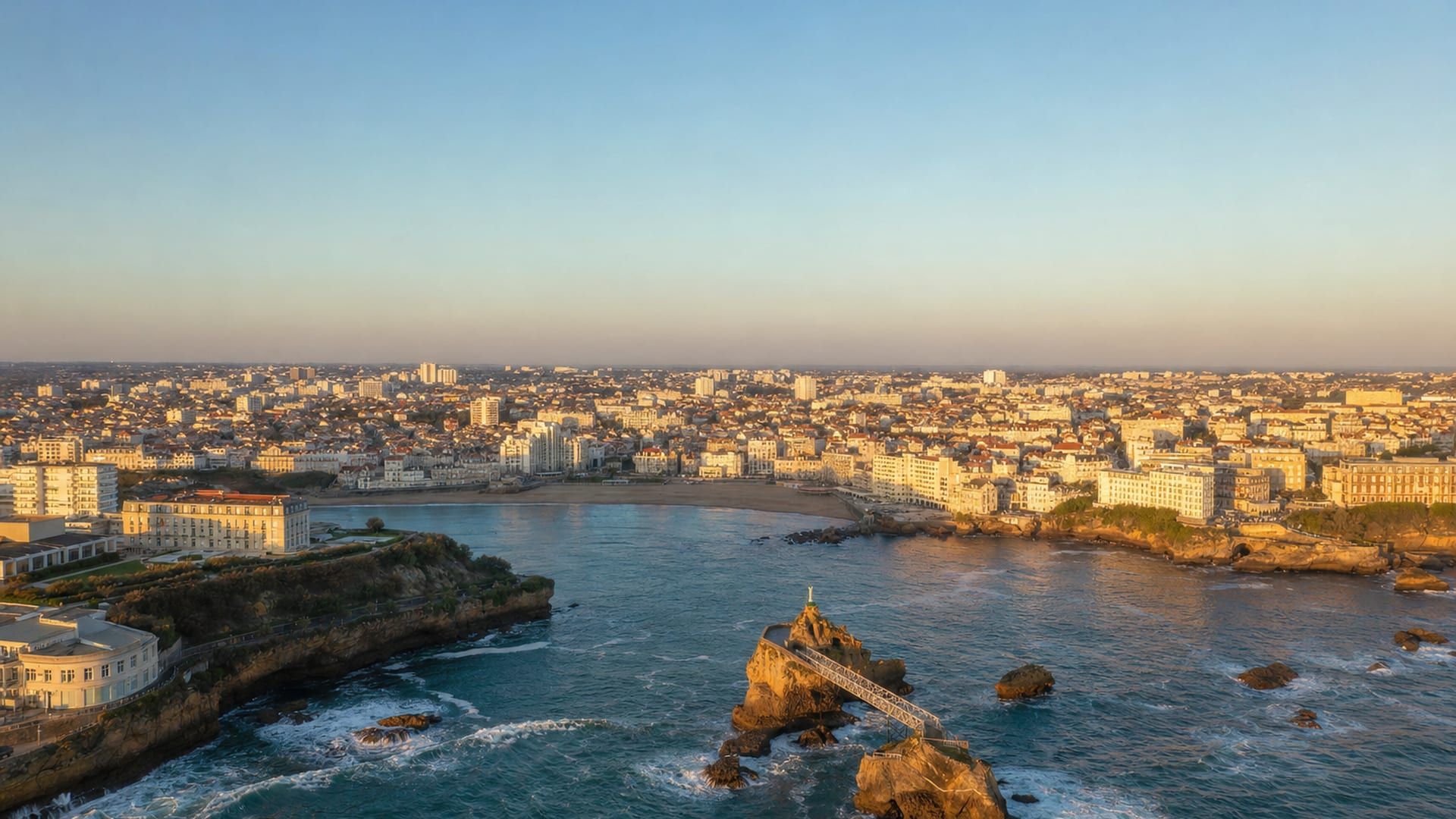
Biarritz trips often start with the beach, a café, and a quick look at the cliff line, but travelers can miss how much the town shifts between the seafront, the hilltop lighthouse, and the inland station district.
That mix matters because the main sights sit close together on a map yet still require short walks, bus rides, or taxis once you move beyond the center, and summer crowds can slow even simple cross-town trips.
This guide keeps the pace clear, from where to stay to how to divide your days, so you can move through Biarritz with fewer detours and better timing.
Useful things to know

Main language(s): French
Bonjour (bohn-zhoor) – Hello / good morning
S'il vous plaît (seel voo pleh) – Please
Merci (mehr-see) – Thank you
Parlez-vous anglais ? (par-lay voo ahn-glay) – Do you speak English?
Combien ça coûte ? (kohm-byen sah koot) – How much does it cost?

Currency: The local currency is the euro (EUR, €).

Cash and cards: Cards and contactless are widely accepted; carry about €20 to €40 ($22 to $44) for small purchases and taxis.

Tipping: Round up small bills; leave about 5% to 10% for good table service.

Traditional food: Axoa, Basque cake, piperade, ttoro

Water and coffee costs: Water ~€2 ($2), bar espresso ~€2.50 ($3).

Taxis and ride apps: Uber and Bolt operate here; taxis are often easier near the airport.

Plug and voltage: Type C/E socket, 230V

Dining and shop opening hours: Breakfast is about 07:00-10:00, lunch 12:00-14:00, and dinner 19:30-22:00. Many restaurants close one or two days a week, often Sunday or Monday.

Emergency number: 112 for police, fire, and medical emergencies.
Where to stay in Biarritz
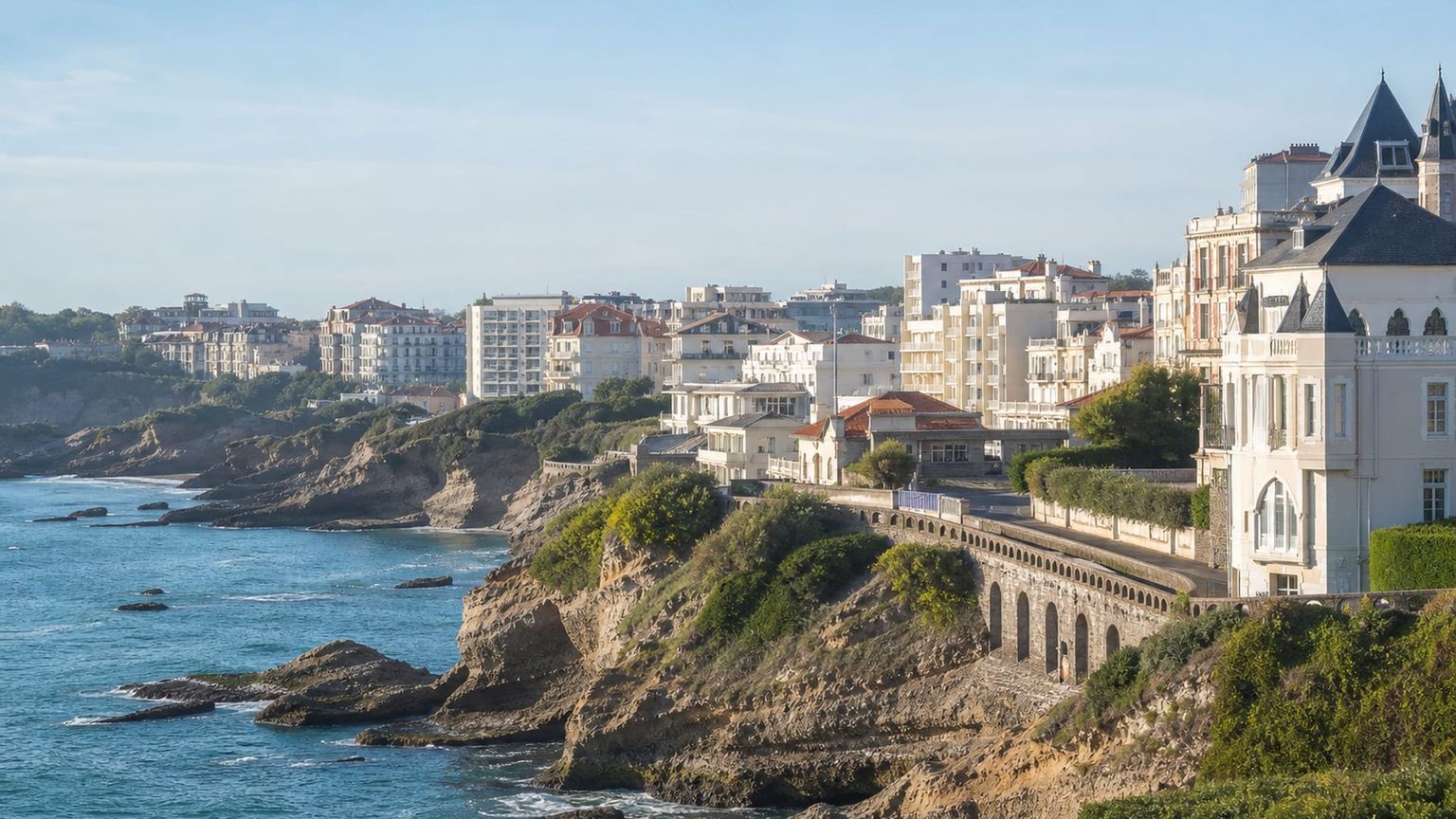
The center puts you close to the main shopping streets, cafés, and the seafront, with easy access to the Grande Plage and Les Halles. It suits travelers who want to walk to dinner, the beach, and most of the city’s headline sights.
Best for: First-time visits, beach access, dining, and easy walking access to major sights
What to expect: Busy pedestrian streets by day, with a livelier restaurant scene in the evening and a steady flow of visitors near the beach.
Hotel prices: Usually about €140 to €280 (~$150 to ~$305) per night for well-rated stays
Distance to major sights: 5 to 12 minutes on foot to Grande Plage; about 10 to 15 minutes on foot to Les Halles
Quietness: Lively all day, then moderate noise in the evening near restaurants and beach access streets.
Main trade-off: You pay more here, and the most central streets can pick up late foot traffic in summer.
Good to know: If you plan to walk most places, this area cuts down on taxi use and keeps your evenings simple after the beach.
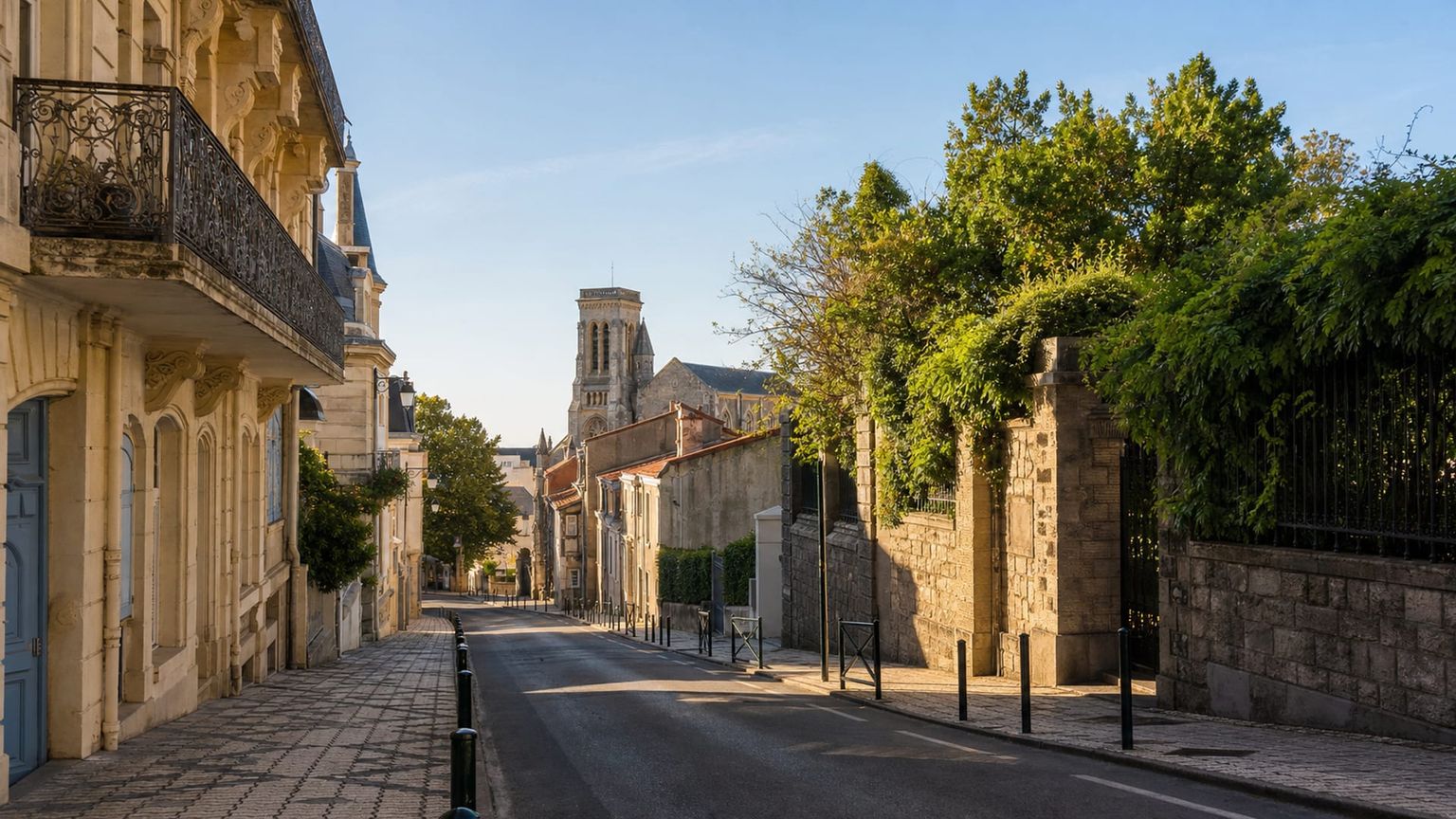
Saint-Charles sits just south of the center, anchored by the neighborhood’s market streets and compact apartment blocks. It gives you a slightly more local base while staying close enough to reach the beach and central Biarritz on foot.
Best for: Travelers who want a quieter base near the center, longer stays, and local cafés
What to expect: Residential streets, neighborhood shops, and lighter foot traffic than the seafront, with a modest dinner scene rather than late-night activity.
Hotel prices: Usually about €110 to €220 (~$120 to ~$240) per night for well-rated stays
Distance to major sights: About 12 to 18 minutes on foot to Grande Plage; about 10 minutes on foot to Les Halles
Quietness: Quieter in the day than the center, with only mild evening activity near main streets.
Main trade-off: You trade immediate beach frontage for lower rates and a bit more walking to reach the water.
Good to know: This is a good choice if you want cafés and groceries nearby, since you will use them more than hotel facilities.
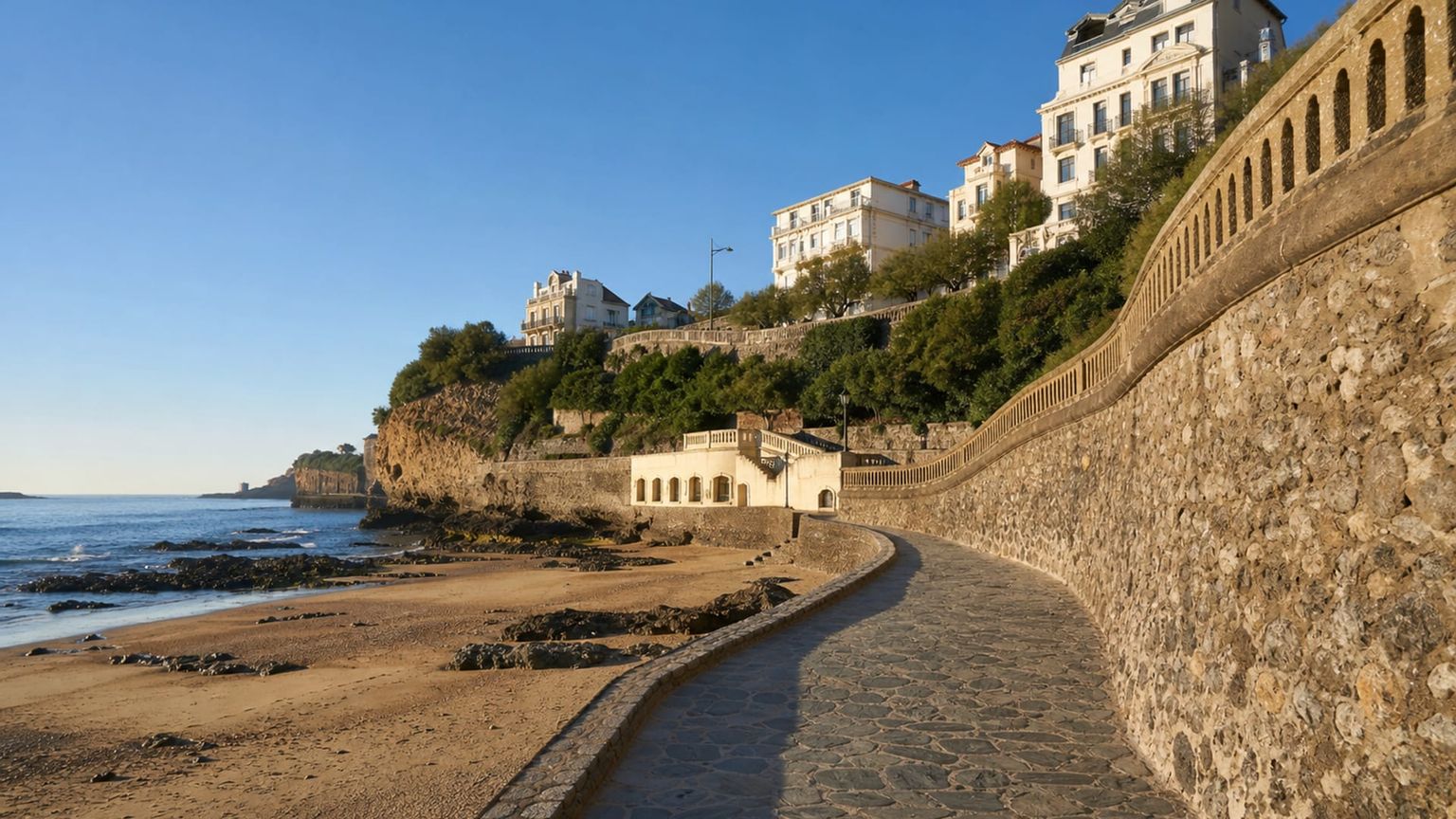
Port Vieux wraps around Biarritz’s small cove and waterfront, with quick access to the beach, coastal paths, and older streets above the shore. It works well if your trip centers on swimming, sunset walks, and the seaside setting.
Best for: Beach time, scenic walks, and travelers who want to stay beside the water
What to expect: High foot traffic near the cove in daylight, with a compact, seasonal atmosphere and a steadier pace once beachgoers leave.
Hotel prices: Usually about €150 to €320 (~$165 to ~$350) per night for well-rated stays
Distance to major sights: 1 to 5 minutes on foot to Port Vieux Beach; about 10 minutes on foot to the Aquarium de Biarritz
Quietness: Busy in the day, then calmer at night away from the waterfront restaurants.
Main trade-off: Rates rise for the location, and some rooms face noise from beach visitors and nearby dining spots.
Good to know: If you plan early swims or sunset walks, staying here saves time, but parking can be limited and costly.
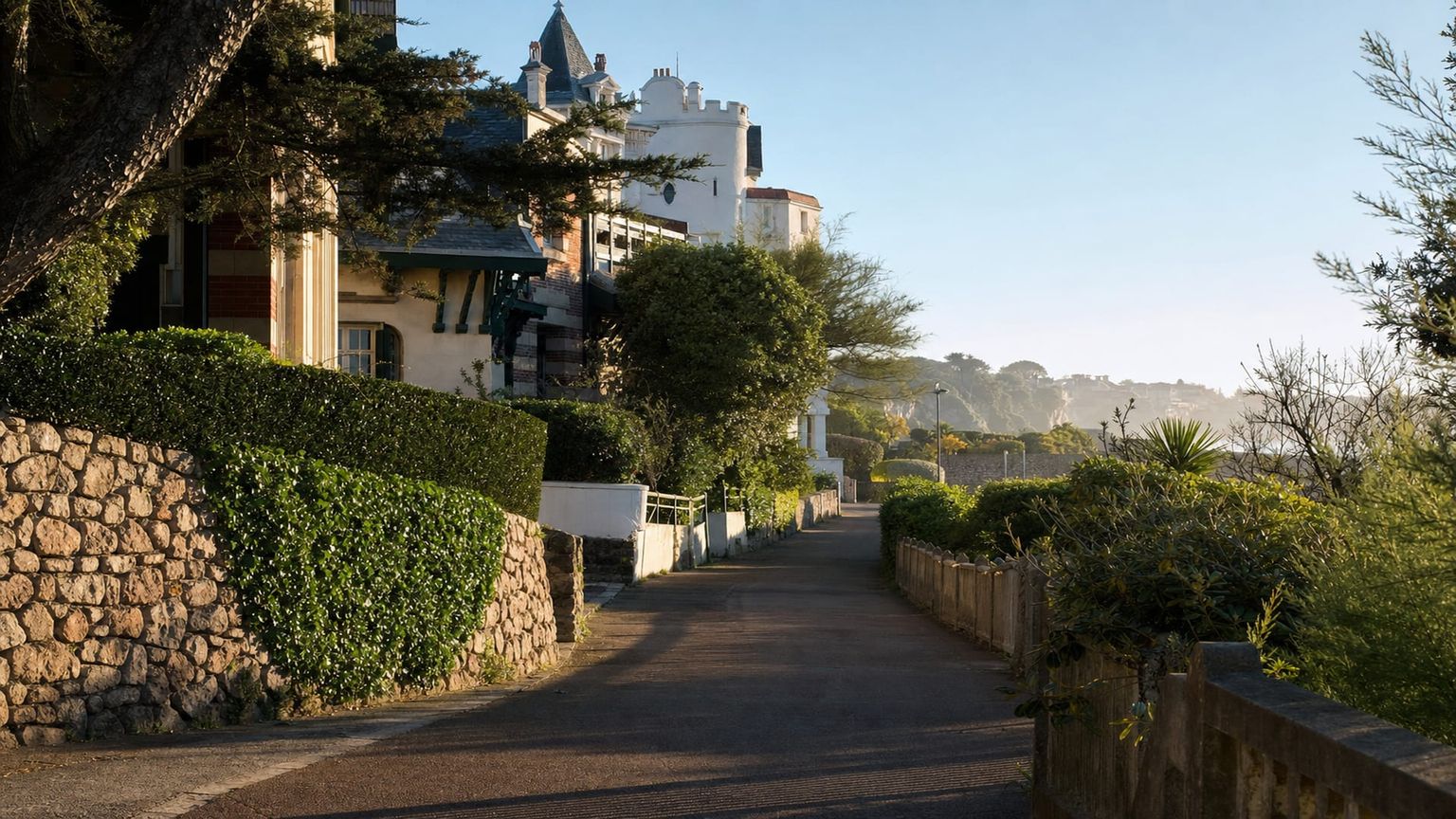
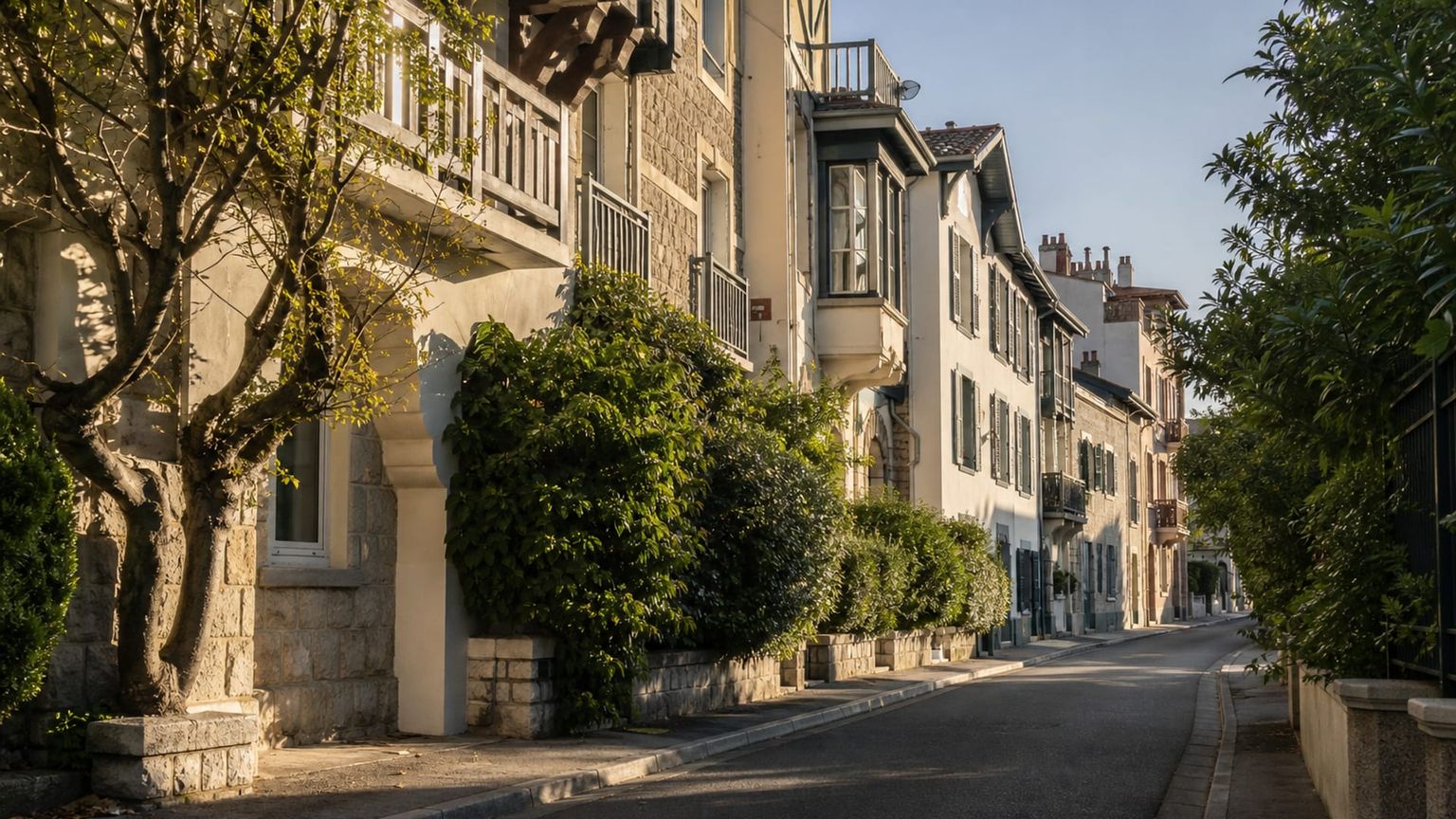
La Négresse sits inland from the coast near Biarritz station and the main road links toward the airport and Basque coastline. It suits travelers who prioritize transport access, lower rates, and an easier exit for train or car trips.
Best for: Train arrivals, car travelers, overnight stays, and budget-conscious trips
What to expect: More functional than scenic, with hotel clusters, road traffic, and fewer evening options than the coast.
Hotel prices: Usually about €80 to €160 (~$88 to ~$175) per night for well-rated stays
Distance to major sights: About 10 to 15 minutes by bus or taxi to Grande Plage; about 8 to 12 minutes on foot to Biarritz station
Quietness: Quieter at night than the center, though daytime traffic can be noticeable near the main roads.
Main trade-off: You save money and gain easier transit access, but you will depend more on buses, taxis, or a car for beach time.
Good to know: Choose this if you arrive late or leave early, since station access is better than in the seaside districts.
Travelers usually avoid staying in Biarritz (BIQ) in La Négresse, because it sits away from the seafront, the main sights, and the busiest restaurant streets. The northern edge near the airport and the more residential stretches toward Anglet are less convenient for visitors, with fewer hotels, fewer late-night options, and more dependence on buses or taxis after dinner.
Hotel deals
How to get around Biarritz efficiently
Biarritz has no metro, so buses, taxis, and walking do most of the work, with the Chronoplus network linking the airport, center, Bayonne, and Anglet.

Metro
for longer distances
Biarritz has no metro, so visitors rely on buses and taxis instead; the closest rail option is the regional train network from Biarritz station, which connects to Bayonne, Hendaye, and other towns on the coast. For airport transfers, expect about 10 to 15 minutes by taxi into central Biarritz, or use the bus network for a lower-cost trip if your luggage is light.

Bus and tram
for convenience
The Chronoplus bus network covers Biarritz, Bayonne, Anglet, and the airport, with airport links that usually take about 15 to 25 minutes to the town center depending on traffic. Single tickets cost about $2 to $3, with day passes and multi-ride tickets available; validate on boarding and check timetables closely on Sundays and public holidays, when frequency drops.

Taxi
for convenience or late hours
Licensed taxis queue at Biarritz Airport and at stands in the city center, and you can also book by phone through local taxi companies. Fares are metered, with airport trips into Biarritz often costing about $20 to $35, and longer runs to Bayonne or nearby beaches costing more; expect higher charges at night, on Sundays, and for luggage, and most taxis accept cards, though it is wise to confirm before departure.
*Prices are based on rates updated as of June 2026 and may change at the time of travel.
Walk for the center and seafront, use buses for short cross-town hops, and choose taxis when you need the quickest link between the airport, the station, and dinner.
Iconic landmarks
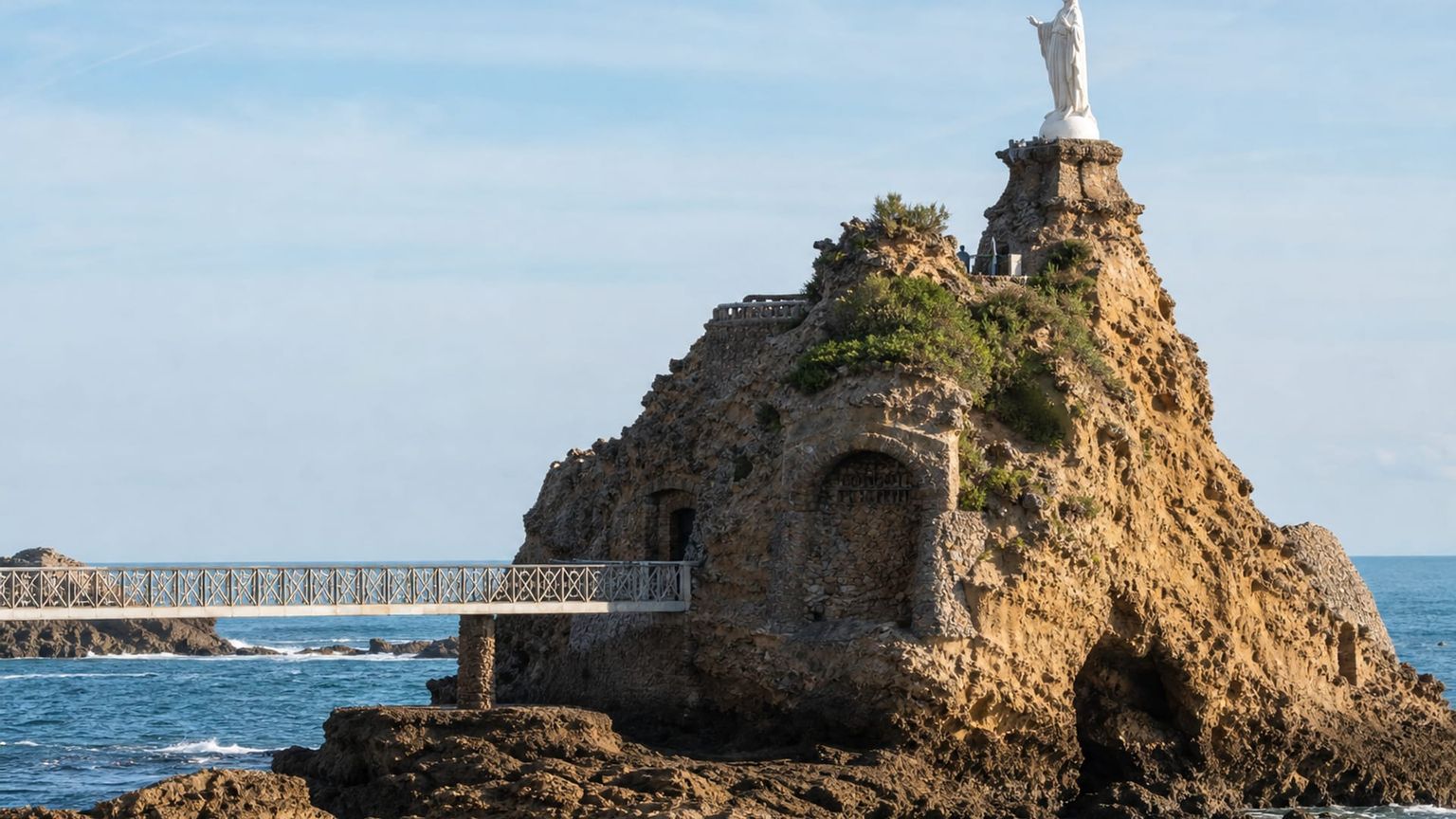
Rocher de la Vierge
This cliffside lookout links to the Virgin statue by a footbridge, with Atlantic views on one side and the port on the other. Go at high tide to see waves break below the rocks, then follow the path toward the harbor edge.
Time needed: About 45 minutes
Entry: Free to access, with no timed entry or ticket required, and the footbridge, lookout, and surrounding paths stay open day and night.
Tip: Visit near sunset for the best light on the bridge and the coastline below.
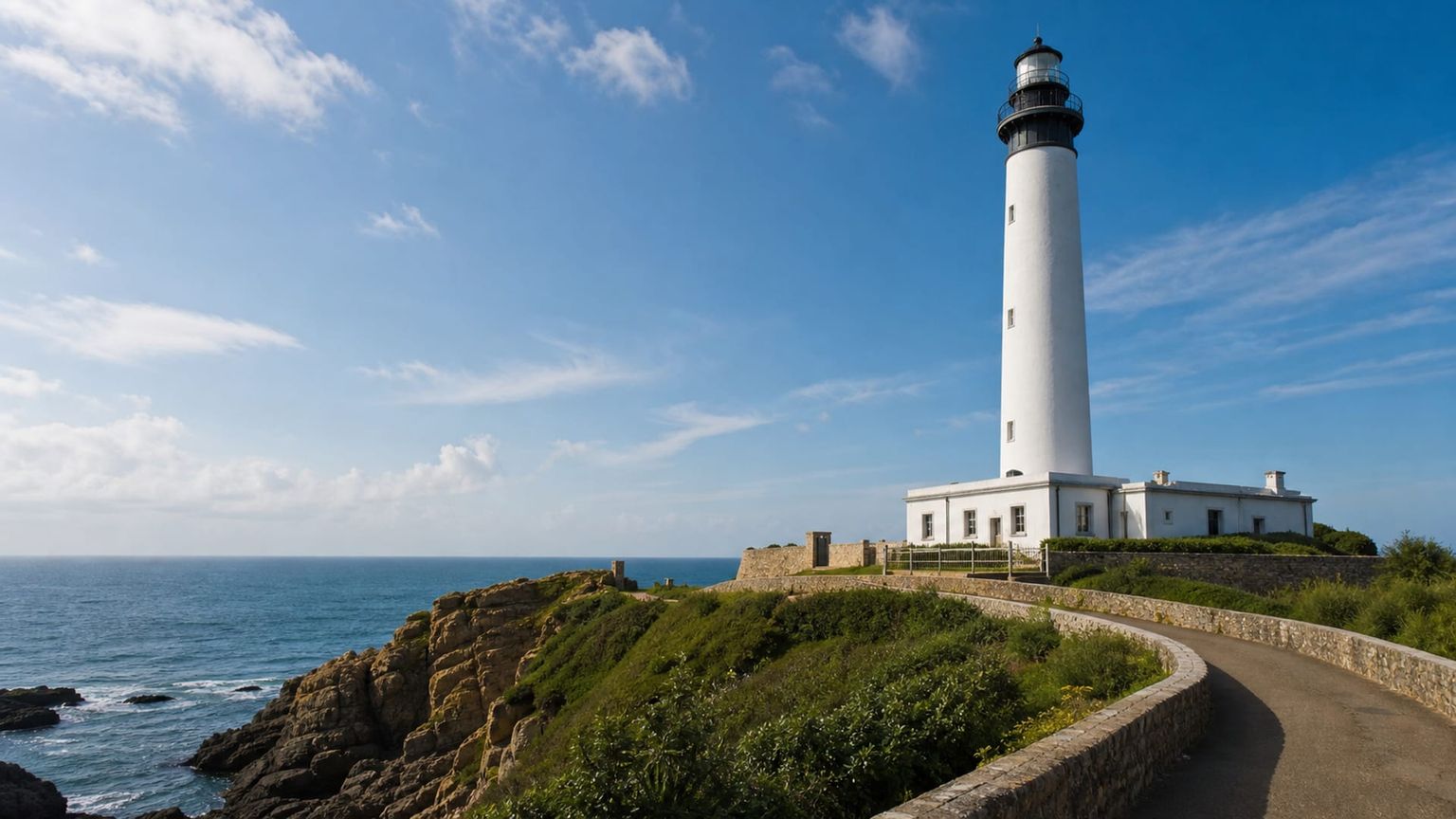
Biarritz Lighthouse
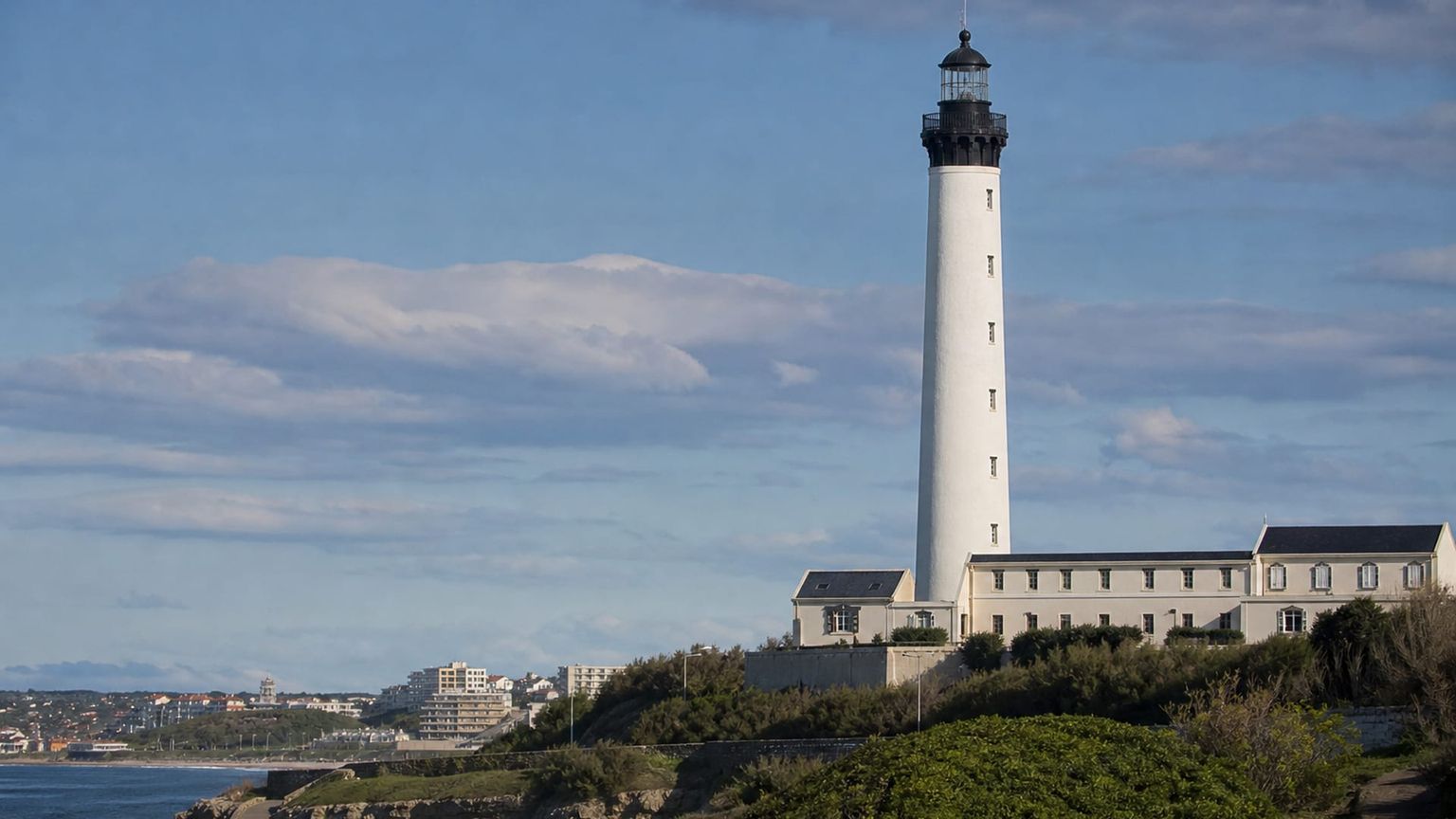
Built in 1834, the lighthouse stands on Pointe Saint-Martin and still marks the Bay of Biscay coast. Its hilltop setting gives wide views over Biarritz, Anglet, and the shoreline, with the staircase adding a short climb.
Time needed: About 1 hour
Entry: Standard tickets cost $4 ($4) for adults and $2 ($2) for children, with access to the tower staircase and the viewing platform on guided opening days. Visit the official site for details.
Tip: Go early or late in the day, when queues are shorter and the light is clearer.
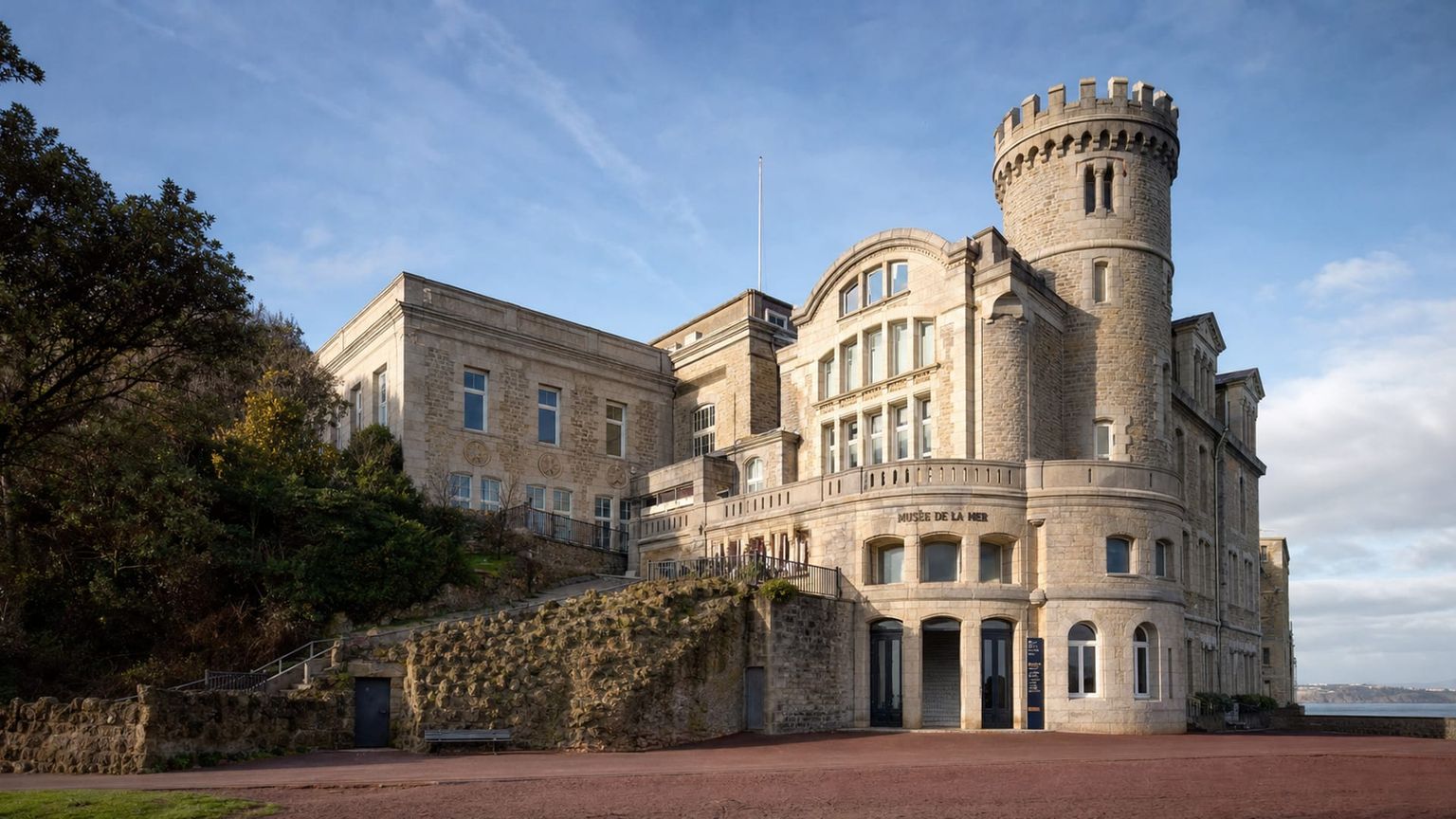
Musée de la Mer
Set on the waterfront near the old harbor, the Musée de la Mer combines aquarium tanks, seal exhibits, and marine displays in one compact visit. The building faces the Bay of Biscay, so the walk there adds a strong sea view.
Time needed: About 2 hours
Entry: Standard tickets cost $16 ($15) for adults and $12 ($11) for children, with reduced rates for students and family passes available at the desk. Visit the official site for details.
Tip: Start with the seal area, then finish at the terrace before the midday crowds build.
Overlooked sites worth visiting

Planète Museum of Chocolate
This small museum traces cacao from bean to bar with displays, tasting notes, and a compact shop. It works well as a brief indoor stop when you want a local specialty without a long visit.
Time needed: About 45 minutes to 1 hour
Entry: Tickets cost about $7 to $9 ($6 to €8) for adults, with reduced rates for children and families. The visit is timed by session, and the museum also sells chocolate products separately in its shop. Visit the official site for details.
Tip: Aim for a midmorning slot before the shop gets busy.

Rocher de la Vierge
A short footbridge leads to a rocky lookout above the Atlantic, with surf crashing below and wide views over Biarritz and the coast. Visit for sunset or a windy off-peak hour.
Time needed: About 30 to 45 minutes
Entry: Free to access. The walkway and viewpoint are open-air and self-guided, with no ticket required. Expect only your own costs if you want to stop for a drink or snack nearby, and note that the path can close temporarily in very rough weather or high surf.
Tip: Go late in the day for softer light and fewer crowds.
Traditional food
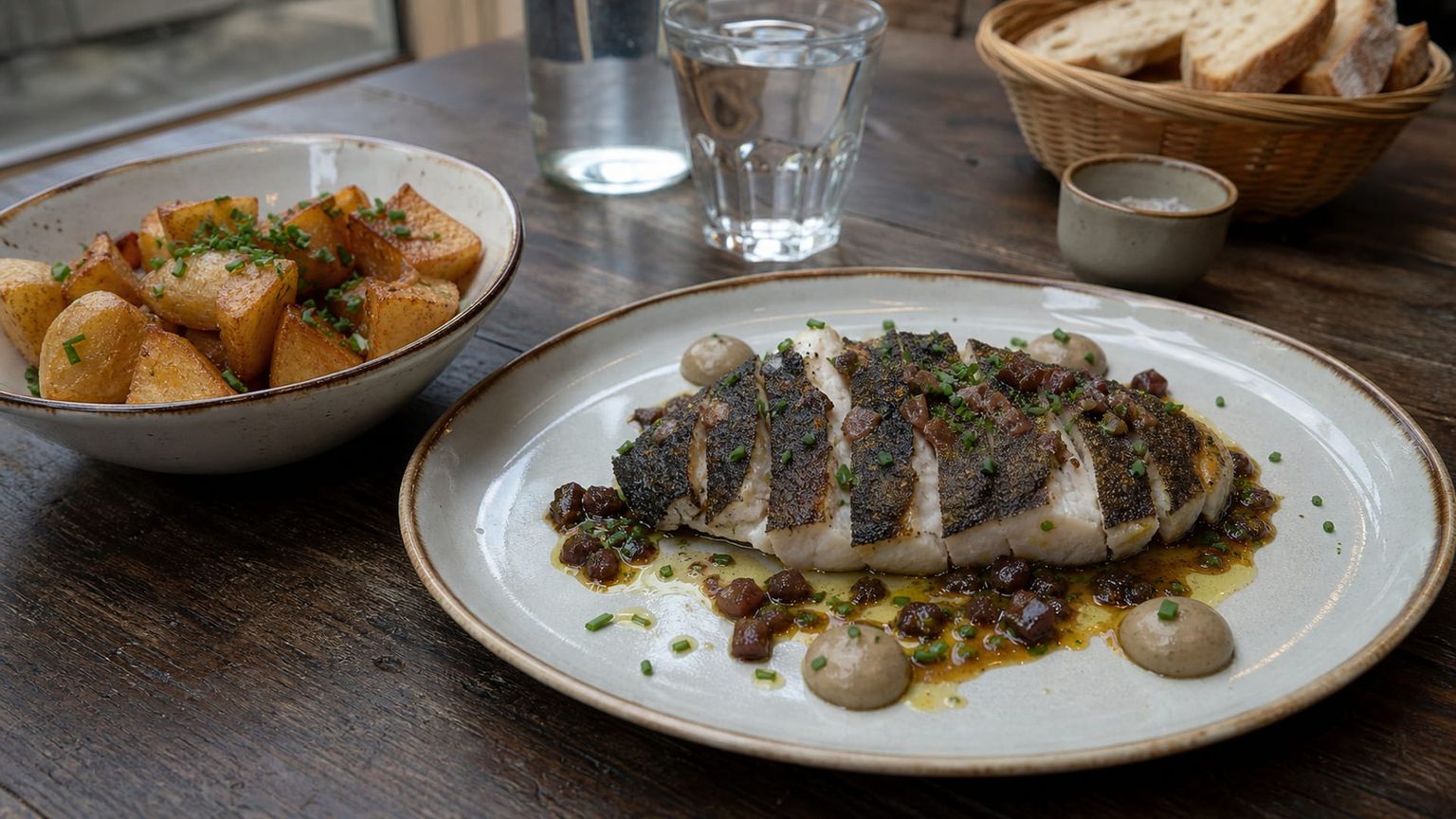
Biarritz dining leans on Basque produce, seafood, peppers, and cake, with axoa, piperade, ttoro, and local sweets appearing on menus from market cafés to more formal tables.
Axoa
A Basque veal or beef stew with peppers and espelette-style seasoning, served here in a way that suits a slow lunch. Le Comptoir de la Concha is a strong Biarritz address for it.
Basque cake
This almond-rich pastry often comes filled with cream or black cherry jam, and it closes a meal with a local note. Miremont remains one of the classic places in Biarritz to order it.
Piperade
Eggs, peppers, tomatoes, and onions make this bright Basque dish, usually served as a breakfast or light lunch plate. Chez Albert is a dependable place in Biarritz to try it.
ttoro
This Basque fish soup brings together several types of fish in a rich coastal broth, which suits a harbor meal after a day by the water. Aviron Bistronomie is a good Biarritz choice for it.
Best time to visit Biarritz
Biarritz changes most between summer beach season and the quieter shoulder months, when the same coastline becomes easier to cross and tables open up more quickly.
Best for: Good for coastal walks and lighthouse visits before summer crowds build
What you get: Temperatures run about 50 to 66°F (10 to 19°C), with moderate crowds and better availability in central neighborhoods
Trade-offs: Atlantic rain can still interrupt a beach day
Best for: Best for swimming, long evenings, and the fullest seafront atmosphere
What you get: Temperatures sit roughly at 63 to 79°F (17 to 26°C), with the busiest hotels, beaches, and restaurant streets
Trade-offs: Expect higher prices and slower movement near Grande Plage
Best for: Strong for food-focused trips and calmer walks along the coast
What you get: Temperatures usually fall around 54 to 73°F (12 to 23°C), with lighter crowds after early September
Trade-offs: Late-season weather can turn wet and windy
Best for: Best for quiet stays, short museum visits, and low hotel demand
What you get: Temperatures average about 43 to 57°F (6 to 14°C), with the fewest visitors and the shortest restaurant waits
Trade-offs: Some beach plans lose appeal in cold Atlantic weather
A realistic 5-day plan in Biarritz
The five-day plan follows Biarritz in layers, starting close to the water, then moving through the lookout points, market streets, and quieter neighborhood stops before departure.
Land at Biarritz (BIQ) and take a taxi into Biarritz Centre or Port Vieux, about 10 to 15 minutes and roughly $20 to $30. If you arrive by train instead, La Négresse is the easiest inland base, but for a first night near the water, Biarritz Centre or Saint-Charles keeps dinner and a short walk home simple. After checking in, drink water, settle in with an easy meal near Les Halles or along the streets behind Grande Plage, then turn in early so you have daylight for the coast.
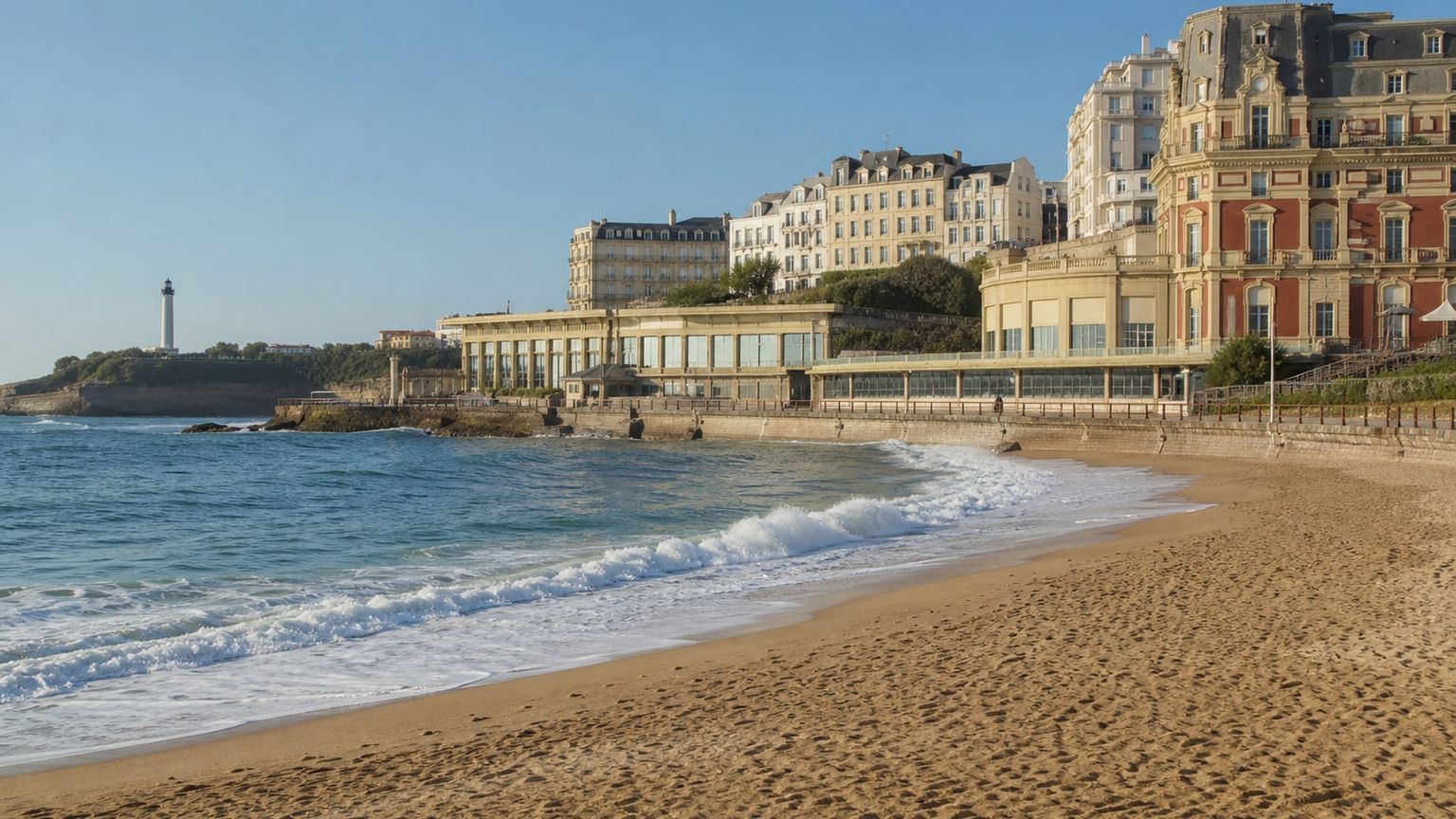
Start with the Musée de la Mer, then walk about 10 minutes to Rocher de la Vierge for the cliffside views and the bridge out to the lookout. From there, continue roughly 20 minutes on foot to Port Vieux for a slower stretch by the cove, or stay near the waterfront for lunch before looping back through the old harbor area. In the late afternoon, finish at Rocher de la Vierge near sunset, when the light hits the rocks and the Bay of Biscay.
Begin at Biarritz Lighthouse, a roughly 15-minute taxi ride or about a 35-minute walk north from Biarritz Centre, and spend about an hour on the hilltop for the coastal views. Then head back toward town, about 15 minutes by bus or taxi, and stop at Grande Plage for a seafront break before lunch. After that, make a short detour, about 10 to 15 minutes on foot from the center, to Les Halles for market snacks, then end the day with an easy dinner in Biarritz Centre.
Chocolate fits neatly into this day, so start at Planète Museum of Chocolate, which works best as a midmorning stop and takes about 45 minutes to 1 hour. From there, it is about a 10-minute taxi ride or roughly 25 minutes on foot back toward Biarritz Centre, where you can browse the shops along the main pedestrian streets and pause for a café break. In the afternoon, return to the seafront for a final coastal walk between Grande Plage and Port Vieux, then keep dinner close to your hotel so you do not spend the evening in transit.
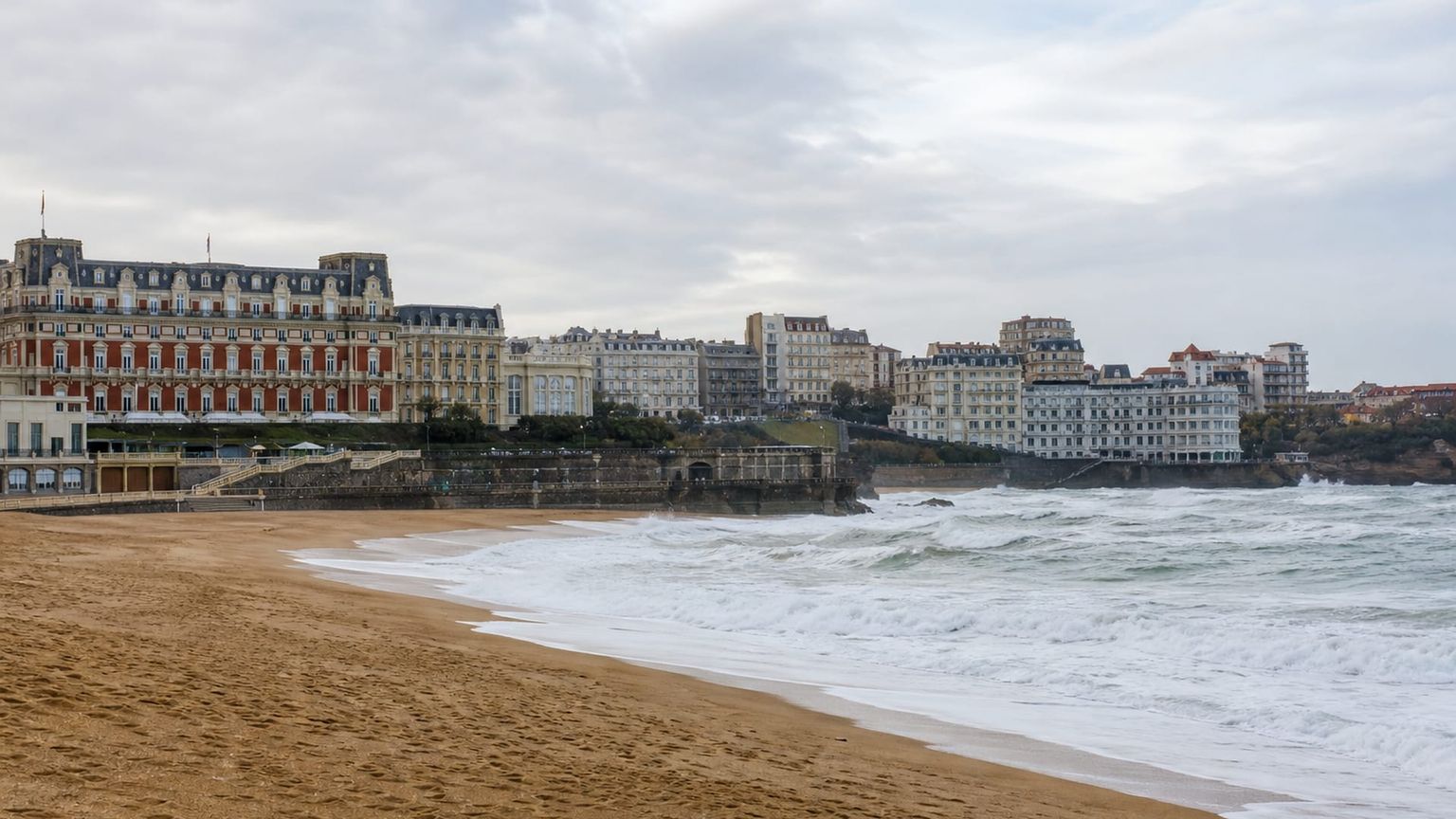
Begin with one last low-key stop at Musée de la Mer if you want a final indoor visit, then walk about 10 minutes back toward the center for shopping near Les Halles and the streets around Grande Plage. Saint-Charles makes a good café stop for a quieter last coffee, since it sits about 10 minutes from Les Halles on foot and still keeps you close to the core. If your flight or train leaves later in the day, linger over lunch in Biarritz Centre, then head out with enough time for a taxi or bus transfer.
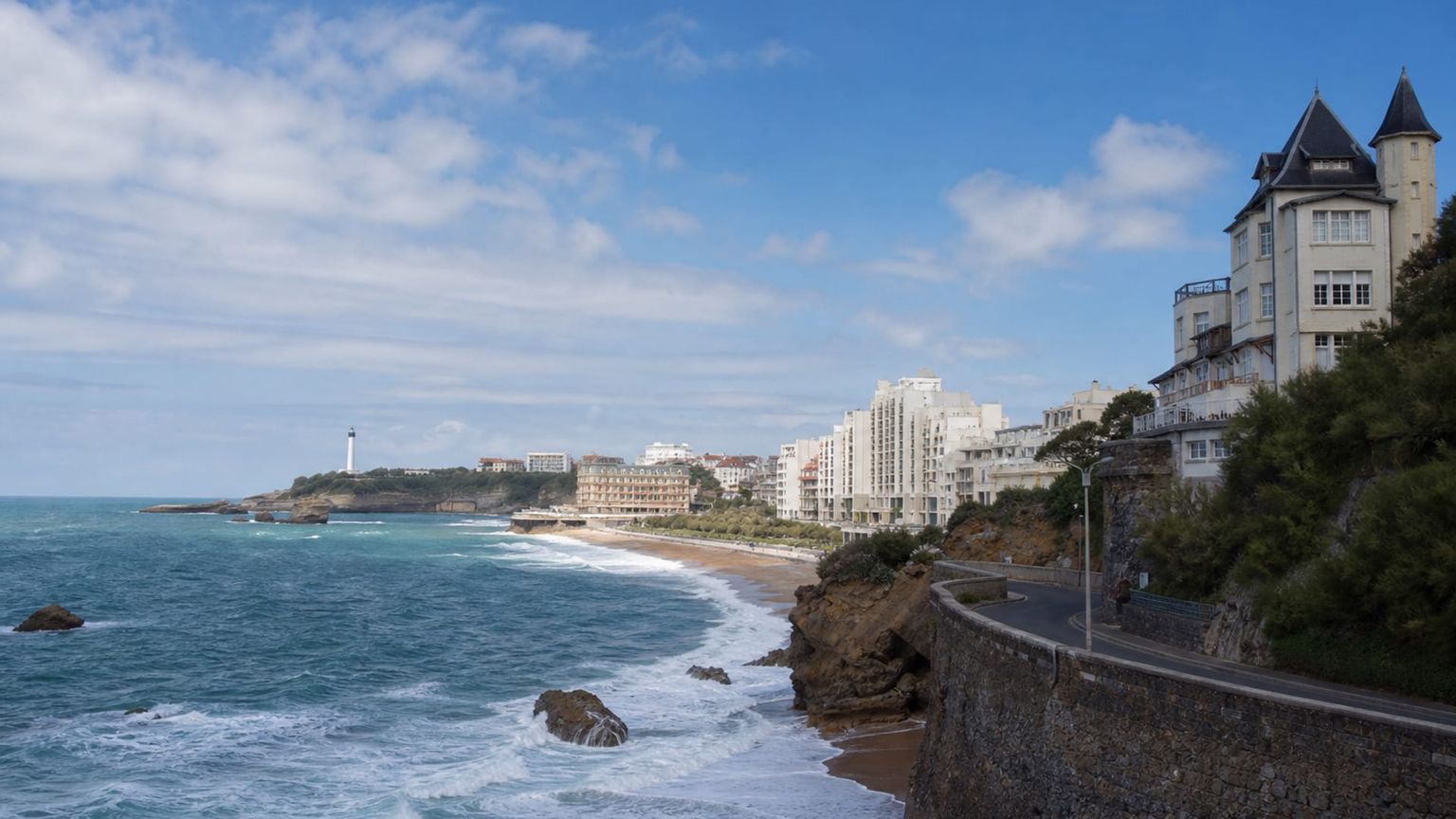
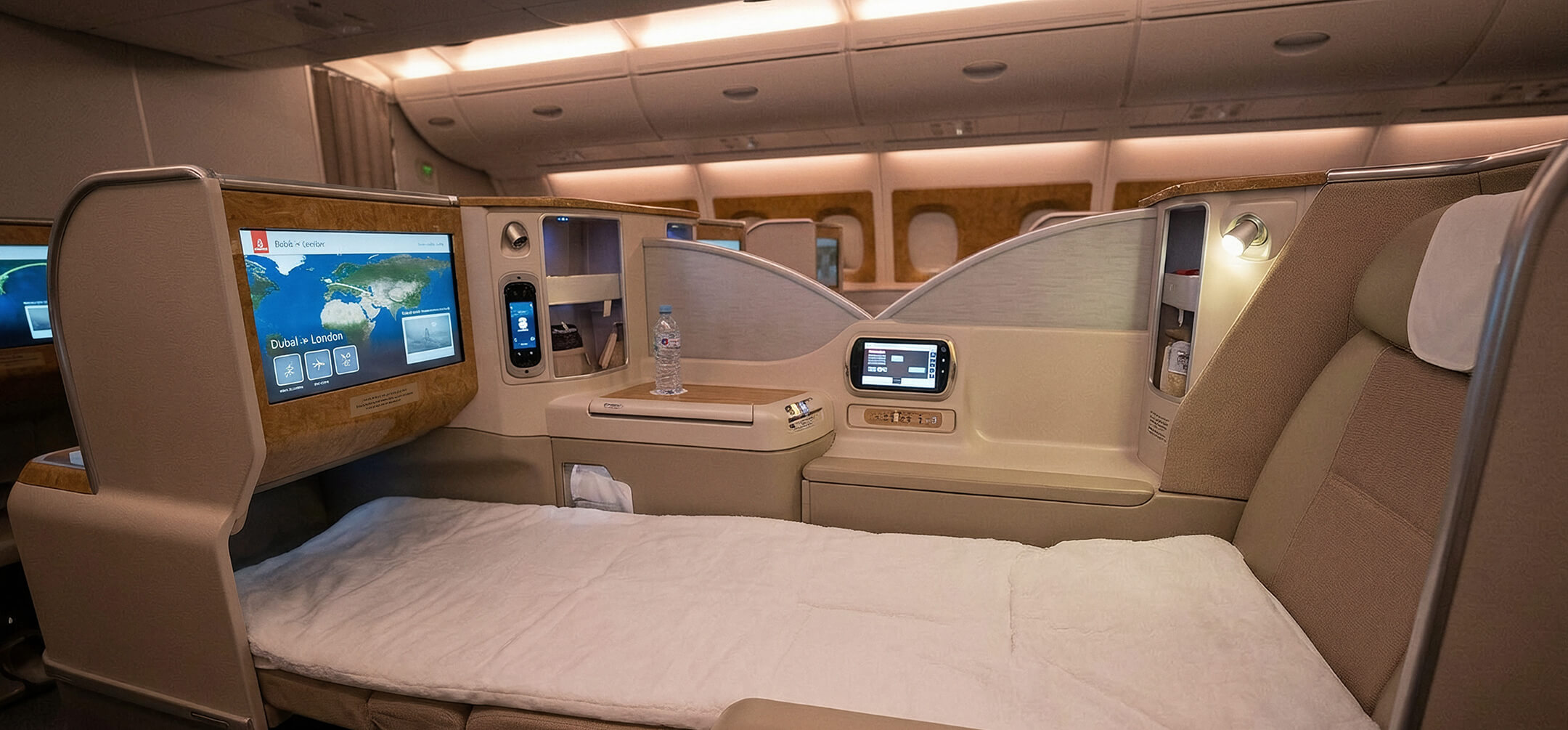
Business-class flights from the US to Biarritz
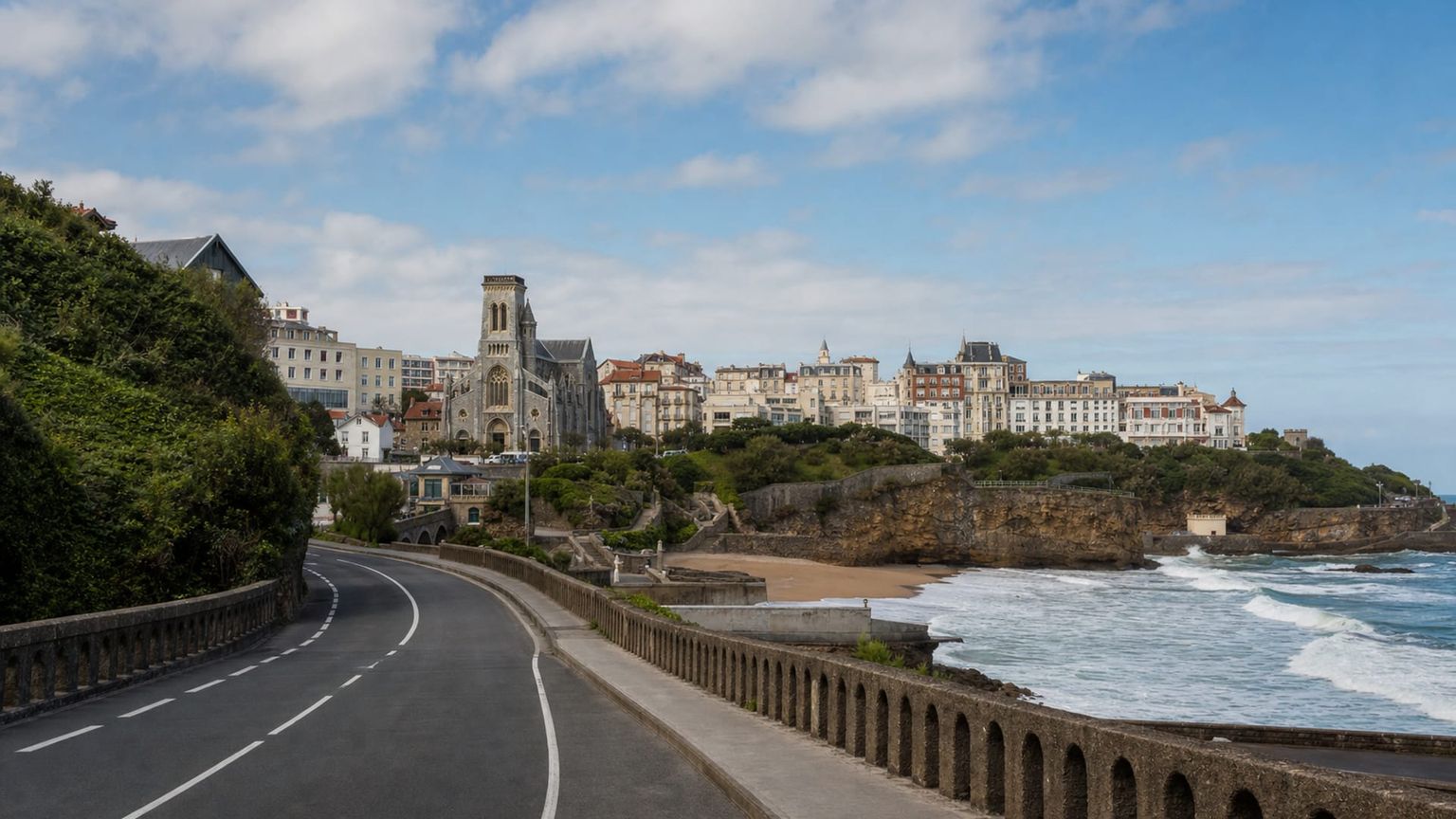
Biarritz usually arrives through one-stop long-haul trips, so the useful question is which hubs and timing fit your departure city. From New York and Los Angeles, the route mix leans on the big European connections that feed the coast.
Air France, Iberia, Lufthansa, British Airways, and TAP Air Portugal all appear on New York itineraries, with one-stop trips through Paris, Madrid, or Frankfurt trimming fares to roughly $2,100. Business-class round trips from New York to Biarritz usually start at about $3,200.
From about $3,600, Los Angeles round trips often price in that range, with the upper end reaching roughly $6,000. Air France, Iberia, Lufthansa, British Airways, and TAP Air Portugal typically connect through CDG, MAD, FRA, LHR, or LIS, and the layover usually runs about 14 to 18 hours.
Biarritz feels different when you slow down
A good Biarritz trip gives time to the parts that sit closest together on the map and still change the day, the cove at Port Vieux, the bridge at Rocher de la Vierge, the hill above the lighthouse, and the market streets near Les Halles. Buses and taxis fill the gaps, while a café stop in Saint-Charles or a dinner near Grande Plage keeps the plan grounded. If you want help shaping the route, the AranGrant experts can refine the trip around the season that suits you best