

Chapters:

Need help with your trip?
Our support team is available 24/7. Request a callback or call us directly at (833) 619-0908
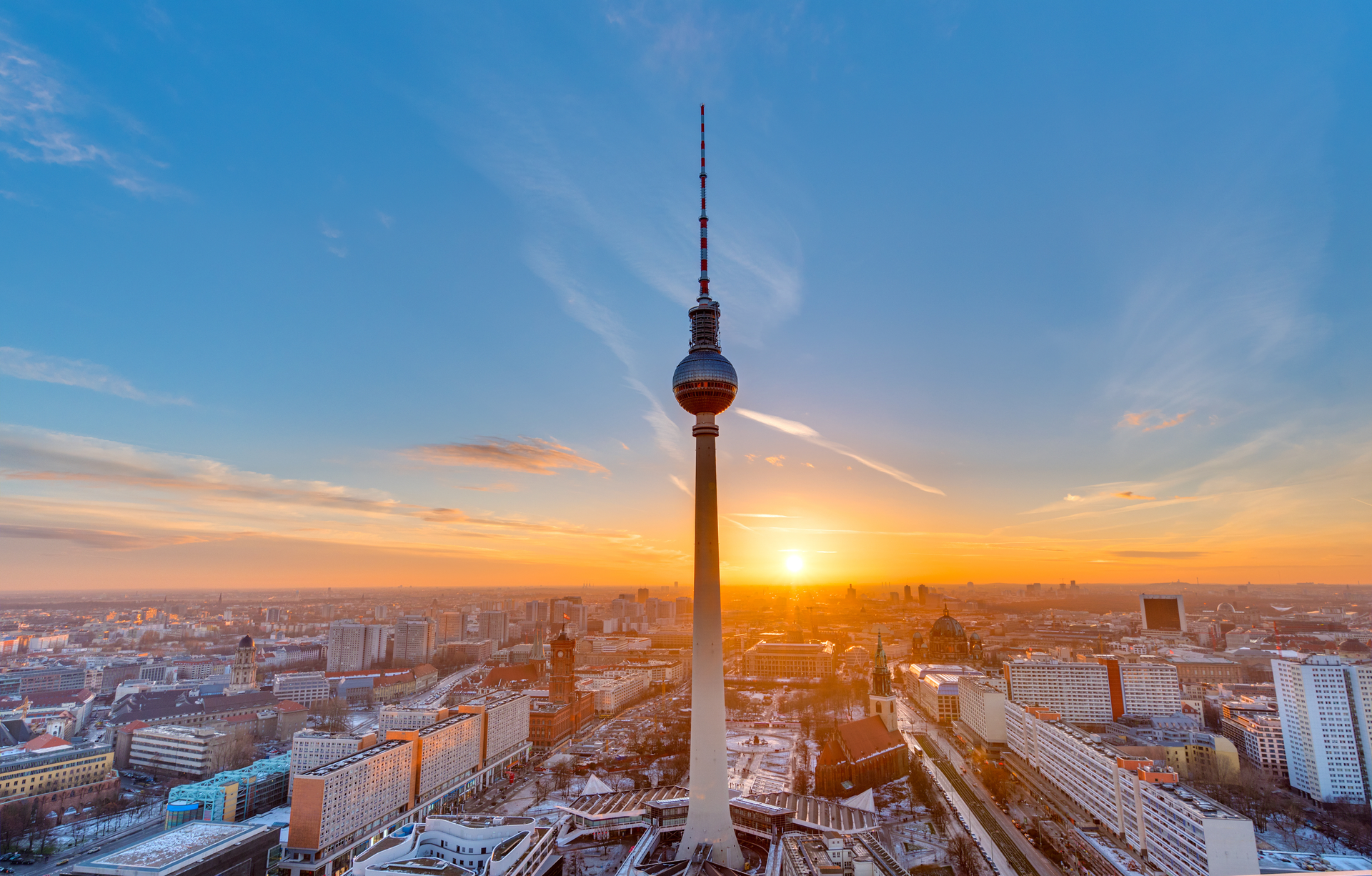
Berlin trips often start with the same shortlist, Brandenburg Gate, Museum Island, the Reichstag, then get squeezed by long cross-town moves and late dinners. Travelers frequently leave the neighborhoods between those landmarks unexplored.
That approach can waste time because Berlin covers real distance, and the city rewards planning around transit, opening hours, and meal timing. Crowds also bunch at the best-known sites, while some of the most useful evenings happen in Kreuzberg or Prenzlauer Berg.
This guide lays out the city in a cleaner sequence, so museum days, park time, west-side shopping, and airport transfers fit together without forcing you to improvise on the move.
Useful things to know

Main language(s): German
Hallo (HAH-loh) – Hello
Bitte (BIT-teh) – Please
Danke (DAHN-keh) – Thank you
Sprechen Sie Englisch? (SHPREH-khen zee ENG-lish?) – Do you speak English?
Wie viel kostet das? (vee feel KOS-tet dahs?) – How much does it cost?

Currency: The local currency is the euro (EUR, €).

Cash and cards: Cards and contactless are widely accepted, but carry about €20 to €50 ($22 to $54) in cash for small purchases.

Tipping: Round up the bill or add about 5 to 10% for good service.

Traditional food: Currywurst, Berliner Pfannkuchen, Eisbein, Königsberger Klopse

Water and coffee costs: Water ~€2 ($2), bar espresso ~€2.50 ($3).

Taxis and ride apps: Uber, Bolt, and Free Now operate here; taxis are often easier at the airport.

Plug and voltage: Type C/F socket, 230V

Dining and shop opening hours: Breakfast is about 7:00-10:00, lunch 12:00-14:30, and dinner 18:00-22:00. Many kitchens stop taking orders by about 22:00.

Emergency number: 112 for fire, ambulance, and police.
Where to stay in Berlin
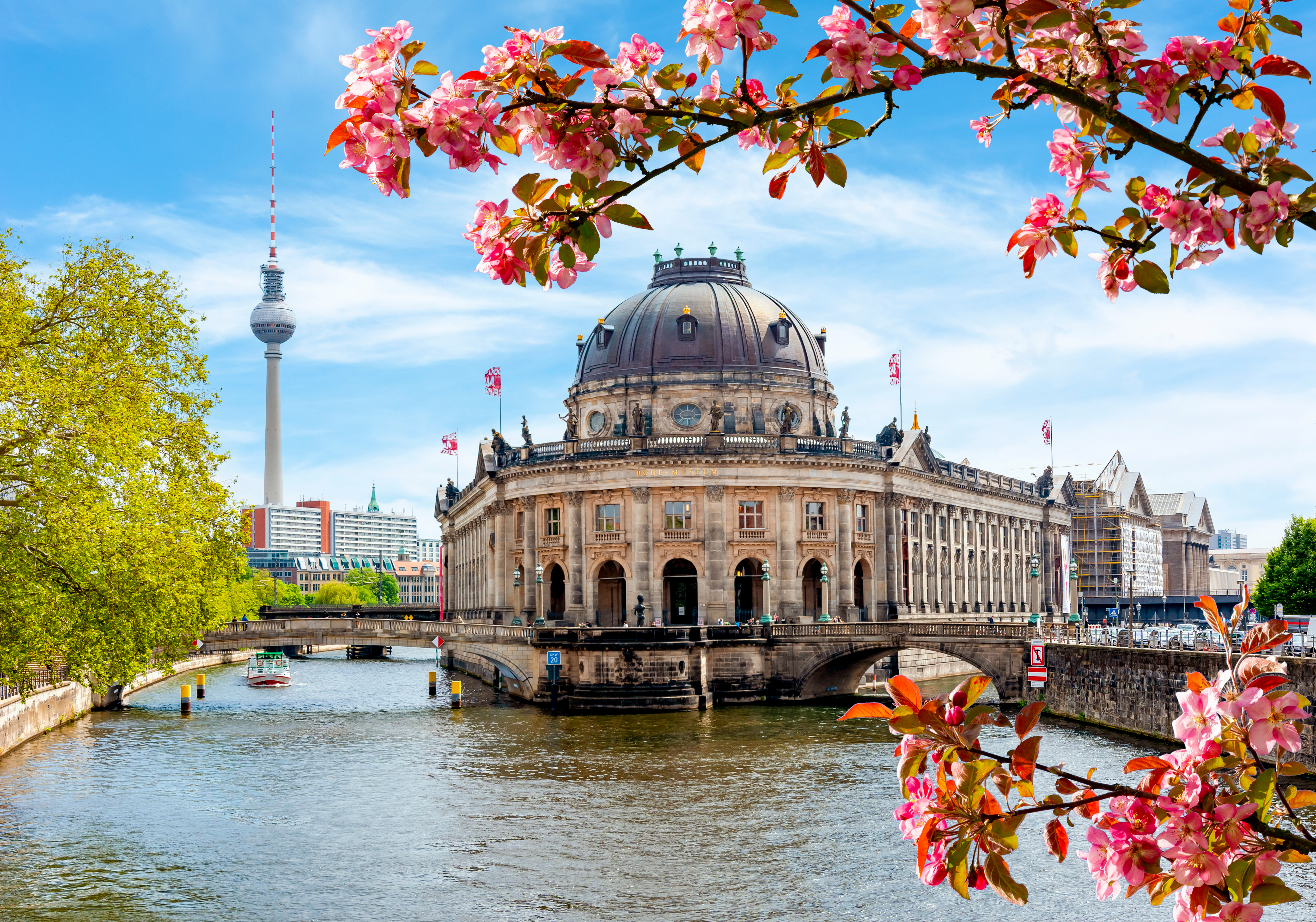
Berlin’s historic core puts the Reichstag, Museum Island, and many major sights close together, with broad transit links across the city. It suits travelers who want museums, government buildings, and easy same-day movement between landmarks.
Best for: Sightseeing, first-time visits, and easy access to major museums and landmarks
What to expect: Busy sidewalks, steady daytime foot traffic, and a mix of offices, cafes, and tourists.
Hotel prices: Usually about $170 to $320 per night for well-rated stays
Distance to major sights: About 10 to 20 minutes on foot to Museum Island; about 10 minutes by transit to the Reichstag
Quietness: Daytime is lively; evenings are calmer on side streets but still active near restaurants and bars.
Main trade-off: Central placement pushes rates up, and the most convenient blocks can book early in peak season.
Good to know: Choose a hotel close to a U-Bahn or S-Bahn stop, because walk times to different sights change quickly once you move off the main avenues.
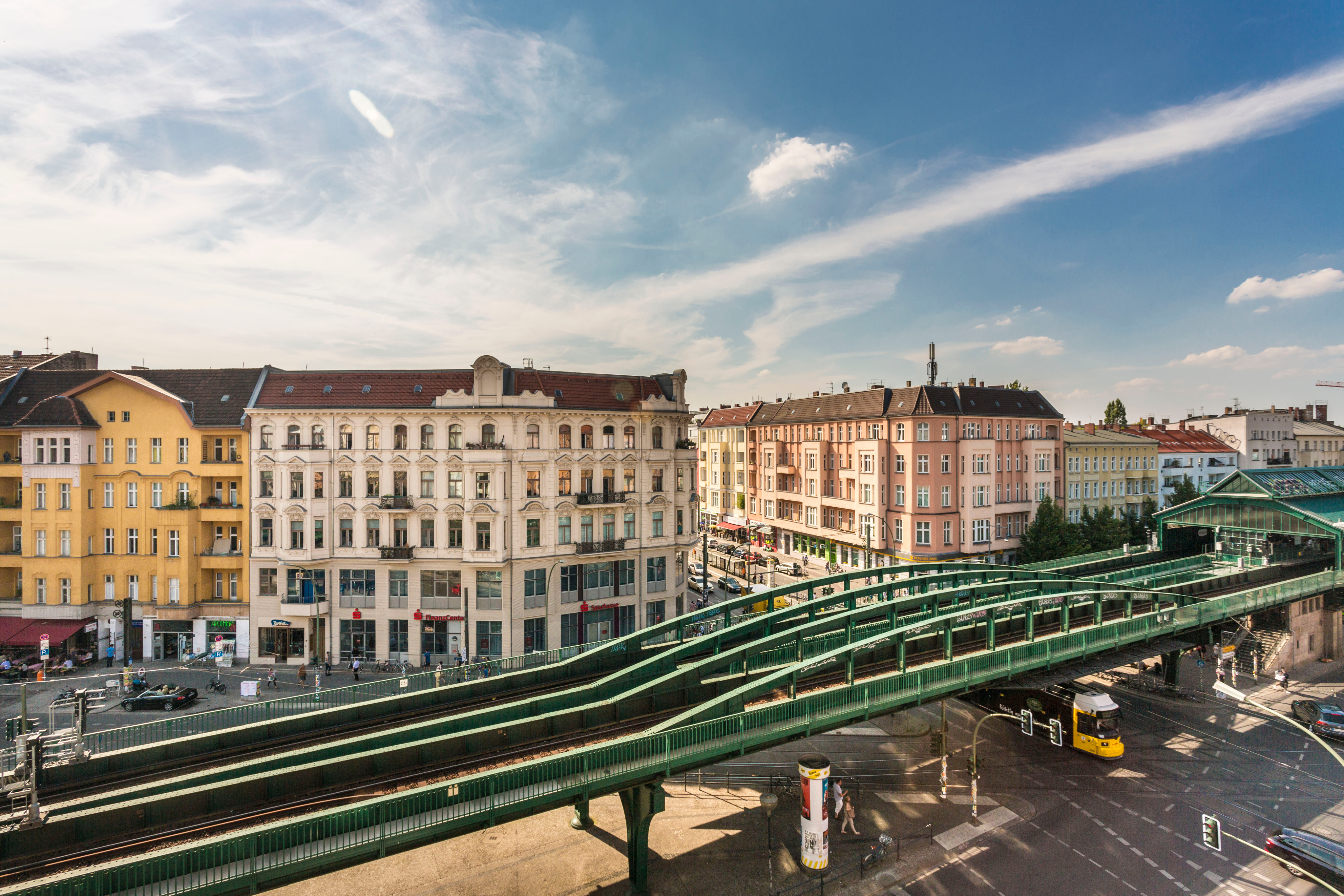
Prenzlauer Berg is a leafy residential district north of the center, known for renovated apartments, cafes, and a dense network of local restaurants. It matters for travelers who want a neighborhood feel with simple transit links to central Berlin.
Best for: Longer stays, cafes, family trips, and travelers who prefer a residential base
What to expect: Tree-lined streets, stroller traffic, brunch spots, and a local pace that picks up at mealtimes.
Hotel prices: Usually about $140 to $260 per night for well-rated stays
Distance to major sights: About 15 to 25 minutes by transit to Museum Island; about 20 minutes by transit to Alexanderplatz
Quietness: Quieter during the day than central Berlin; evenings stay active on dining streets and around tram stops.
Main trade-off: You gain more space and neighborhood life, but many sights need a transit ride rather than a walk.
Good to know: Late-night options thin out on smaller side streets, so plan dinners and drinks near major avenues if you want more choice after 10:00 pm.
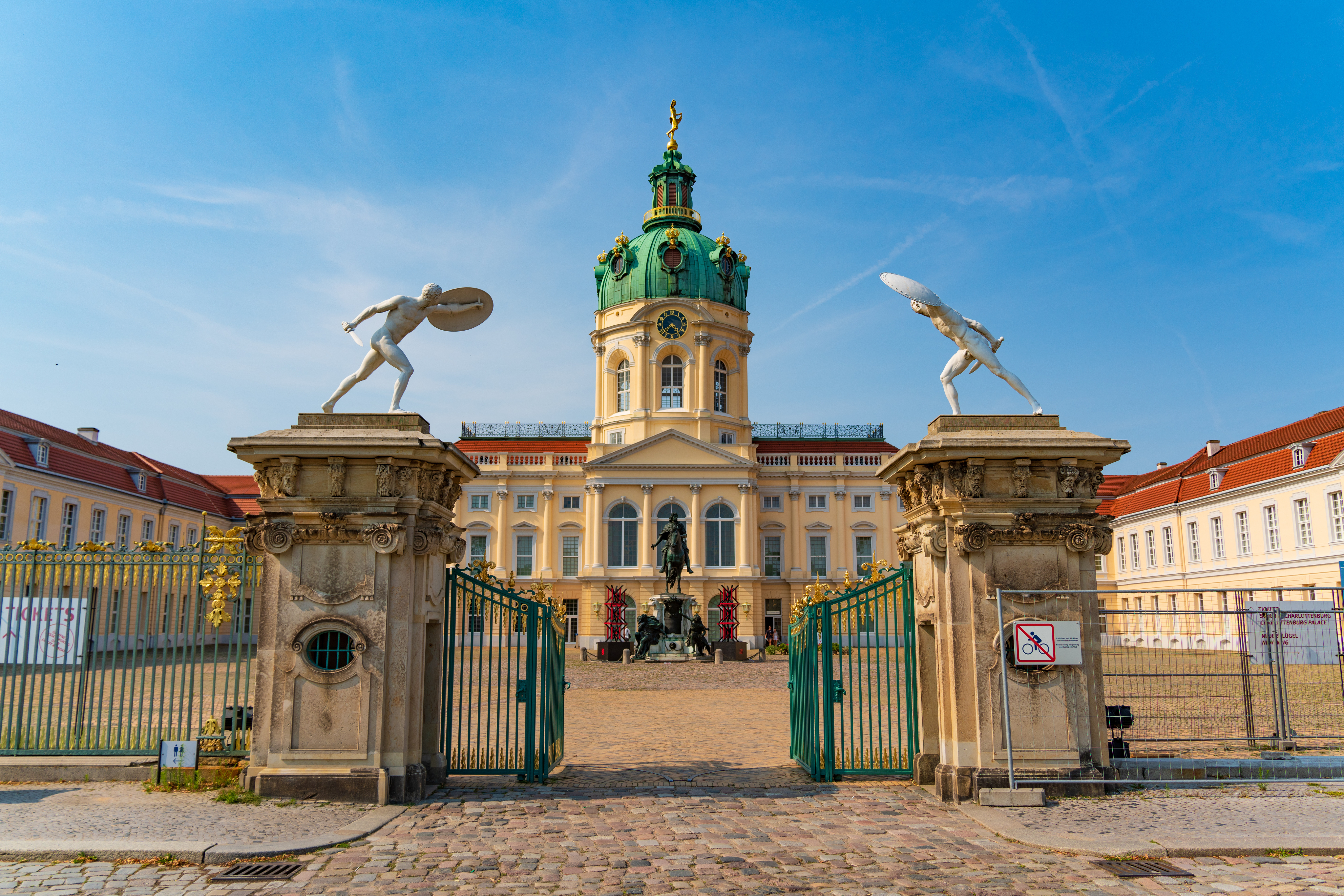
Charlottenburg sits west of the center and mixes upscale shopping streets, classic hotels, and the area near the Zoological Garden station. It works well for travelers who want a polished western base with direct rail access into the center and to the airport.
Best for: Shopping, western Berlin, and travelers who want good rail connections
What to expect: Broad boulevards, hotel traffic, department stores, and a busier feel near Kurfürstendamm.
Hotel prices: Usually about $130 to $280 per night for well-rated stays
Distance to major sights: About 20 to 25 minutes by transit to the Brandenburg Gate; about 15 minutes by transit to Tiergarten
Quietness: Quieter on residential side streets, but livelier near the shopping corridor and station areas into the evening.
Main trade-off: It sits farther from the historic core, so you will spend more time on transit if you plan heavy museum days.
Good to know: If you want airport links and broad hotel choice, stay near Zoological Garden or Savignyplatz, where rail and bus connections are easiest to use.
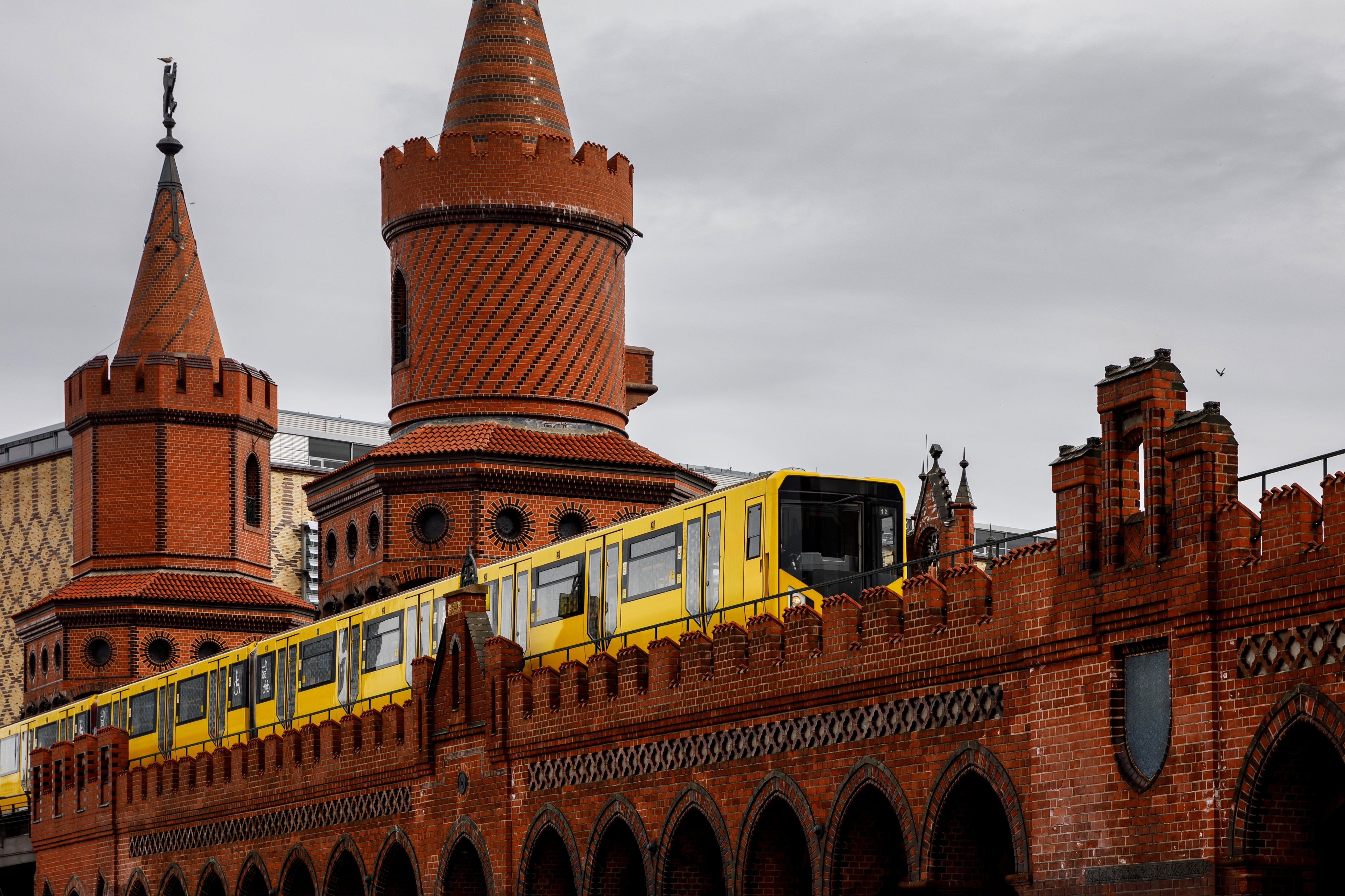
Kreuzberg is one of Berlin’s most energetic inner-city districts, with late-opening restaurants, bars, galleries, and a strong street culture. It matters for travelers who want nightlife, food, and a central base that still feels distinct from the museum zone.
Best for: Nightlife, dining, creative scene, and travelers who want a lively central base
What to expect: Dense foot traffic, plenty of restaurants and bars, and busy corners well into the night.
Hotel prices: Usually about $130 to $250 per night for well-rated stays
Distance to major sights: About 15 minutes by transit to Museum Island; about 20 minutes on foot to Checkpoint Charlie
Quietness: Days are busy and evenings get louder, especially near bars and major intersections.
Main trade-off: Noise rises on weekends, and some streets are less restful if your room faces a nightlife block.
Good to know: Pick a side street rather than a main bar strip if sleep matters, because the loudest stretches stay active late.
Travelers usually avoid Marzahn-Hellersdorf, Hohenschönhausen, and parts of Spandau for a short stay, since they sit far from the main museum and nightlife districts and have fewer visitor-oriented hotels and restaurants near transit. Outer sections of Neukölln and Treptow-Köpenick can also be less convenient if you plan late evenings in the center, because trips back take longer and the hotel stock is more residential than tourist-focused.
Hotel deals
How to get around Berlin efficiently
Berlin’s S-Bahn, U-Bahn, buses, and taxis each cover a different part of the city, and the airport links at Berlin Brandenburg Airport (BER) make it easy to choose by distance and timing.

Train
for longer distances
Berlin’s U-Bahn and S-Bahn link BER with the city, not a direct airport metro line. Use S9 or S45 to central Berlin, then transfer as needed; the airport to Alexanderplatz takes roughly 35 to 45 minutes. A single ABC ticket costs about $4.50 (€4.70) and stays valid for 2 hours, while a 24-hour ABC ticket costs about $13 ($13.90) and covers unlimited changes.

Bus and tram
for airport links and outer districts
Bus 164, 171, 240, and the X71 connect BER with nearby rail stations and south and southeast Berlin, with the X71 offering a faster link to Rudow and then the U7. The airport bus stop sits outside the terminals, and buses follow the same ABC fare as rail, about $4.50 (€4.70) for 2 hours of validity. Trams do not serve the airport directly, so bus connections matter most for local access before switching to the U-Bahn or S-Bahn.

Taxi
for late arrivals, luggage, or direct transfers
Licensed taxis at BER use metered fares, and drivers queue at official stands outside arrivals rather than taking street hails. A ride to central Berlin typically costs about $45 to $70 (€45 to €70), depending on traffic and destination, and the trip takes roughly 30 to 45 minutes. Cards are widely accepted, though it is smart to confirm before departure; there is no fixed airport flat fare for Berlin taxis.
*Prices are based on rates updated as of June 2026 and may change at the time of travel.
Use the S-Bahn for the airport and central corridors, the U-Bahn for dense inner-city stops, buses for airport-adjacent connections, and taxis when you want door-to-door travel late at night.
Iconic landmarks
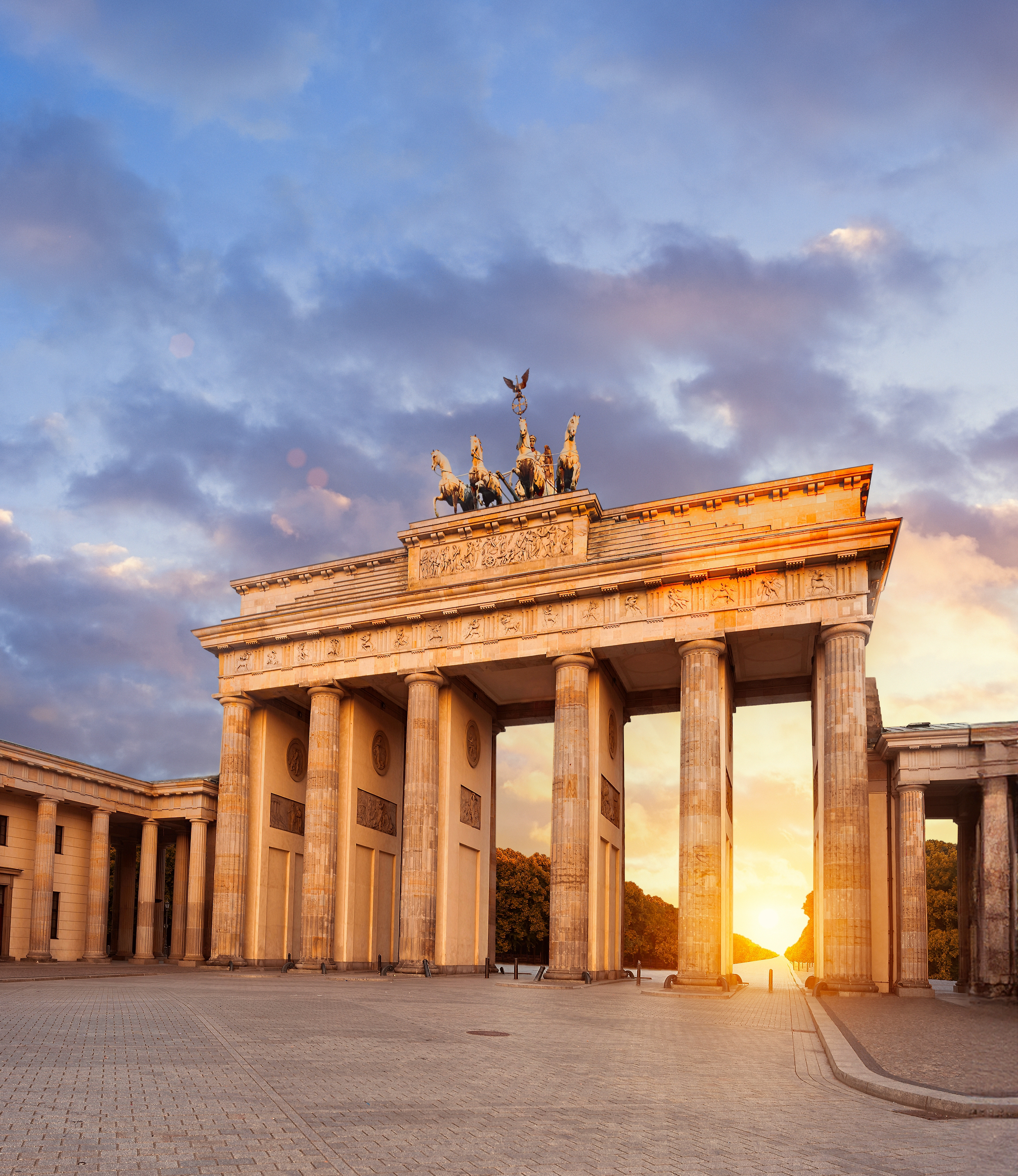
Brandenburg Gate
Berlin’s neoclassical city gate from the 18th century stands on Pariser Platz and marks the western end of Unter den Linden. It is one of the city’s most recognizable landmarks and a key stop for first-time visitors.
Time needed: About 30 to 45 minutes
Entry: Free to access; no ticket is required to walk through the gate or linger on Pariser Platz.
Tip: Visit early morning for lighter crowds and clearer photos across Pariser Platz.
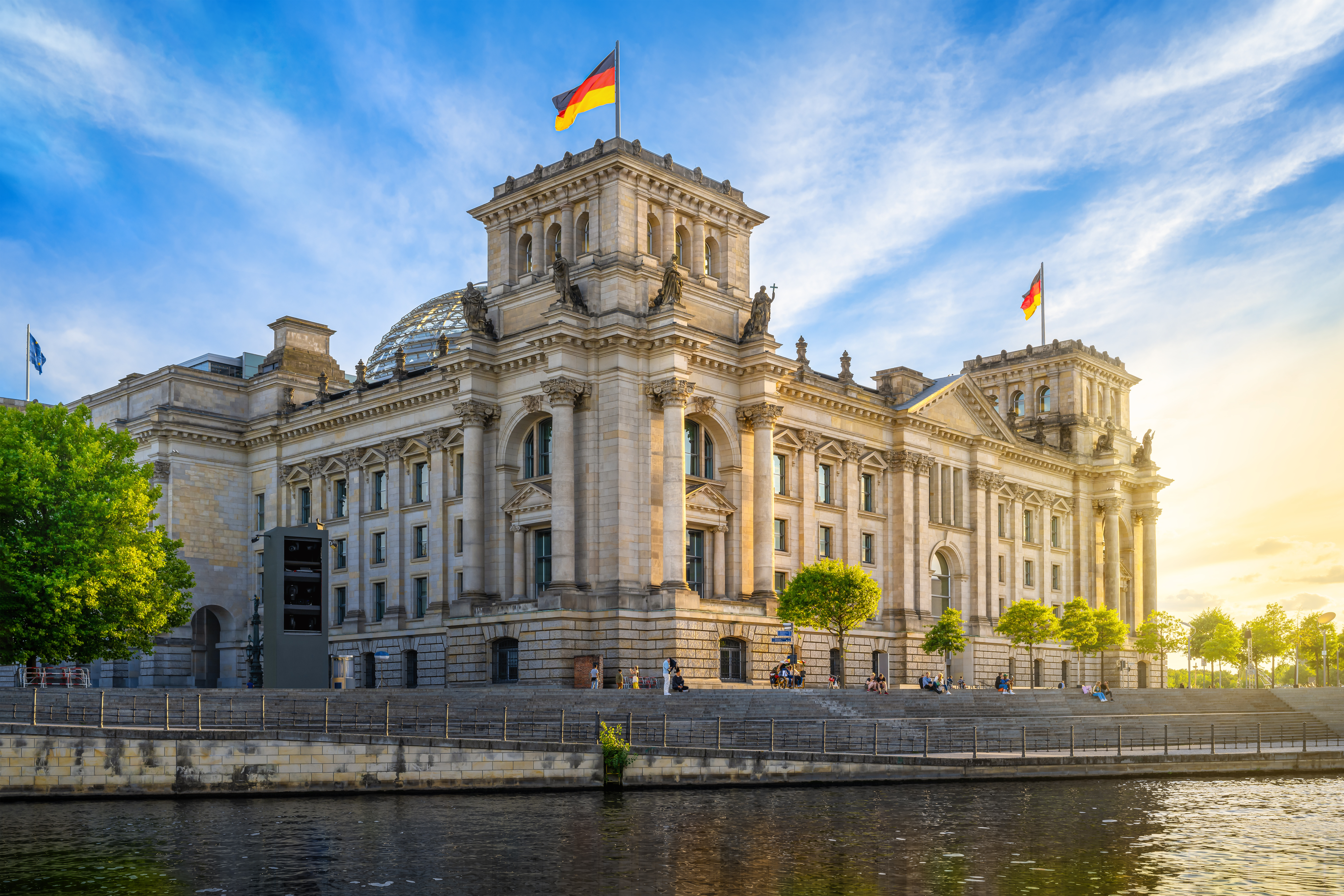
Reichstag Building
The Reichstag houses Germany’s parliament and pairs a 19th-century shell with Norman Foster’s glass dome. Visitors come for the architecture, the city views, and the look into the chamber from above.
Time needed: About 1 to 2 hours
Entry: Free to enter, but dome visits use timed admission and security screening Visit the official site for details.
Tip: Go near sunset if you want city views with the dome lit from below.
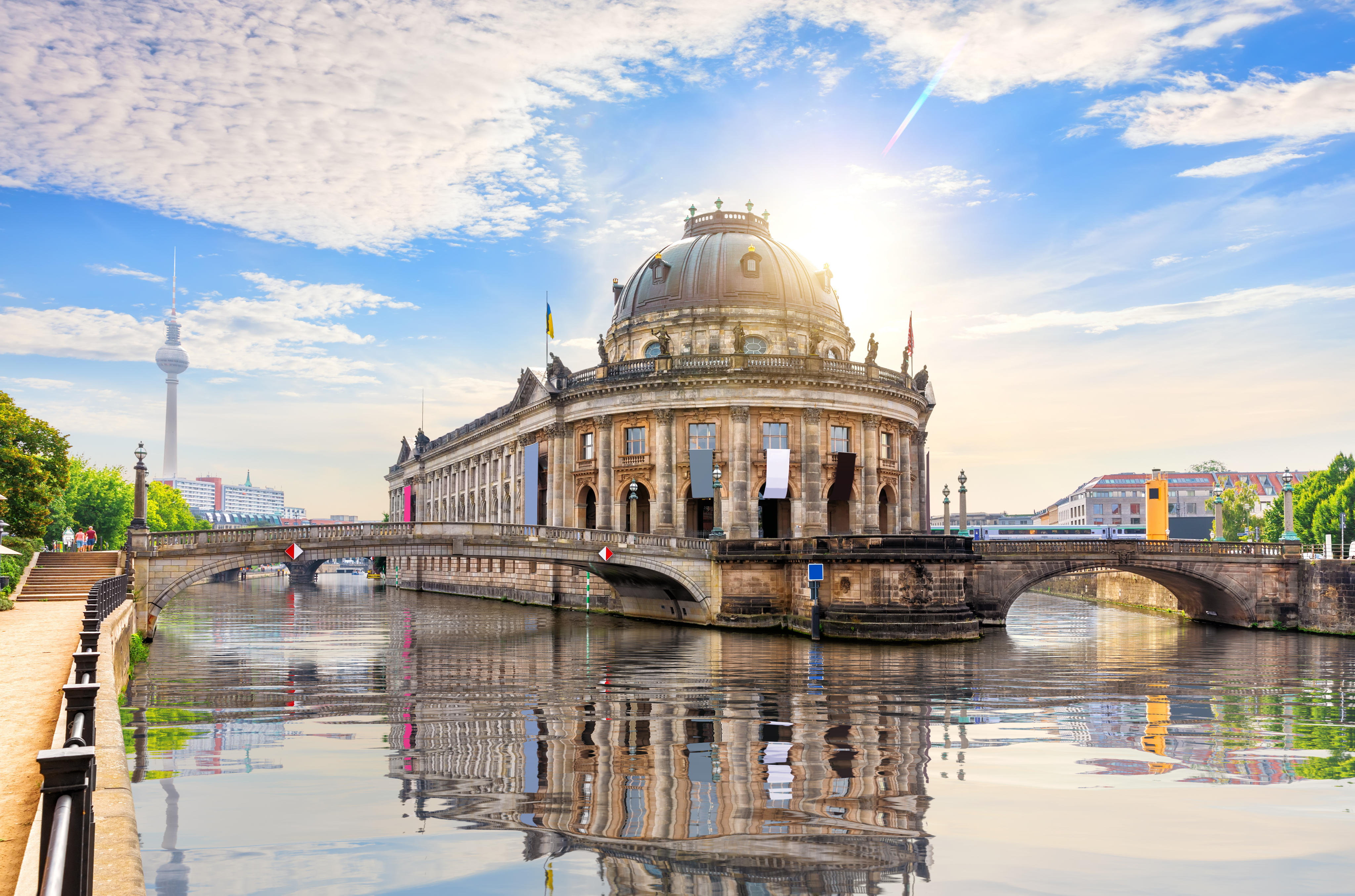
Museum Island
Museum Island groups five major museums on the Spree, including the Pergamon Museum and the Neues Museum. The UNESCO-listed complex is the city’s strongest concentration of classical, Egyptian, and archaeological collections.
Time needed: About 3 to 5 hours
Entry: Museum tickets usually cost $12 to $22 ($11 to €20), depending on the museum and special exhibitions Visit the official site for details.
Tip: Plan one or two museums only, then leave time for the river paths outside.
Overlooked sites worth visiting

Britzer Garten
This large landscape park south of the center has lakes, themed gardens, and long paths for walking or cycling. It suits a slower visit, with enough space to linger without a museum schedule.
Time needed: About 2 to 3 hours
Entry: Adults pay about $8 ($7.50), with reduced rates for children, students, and other eligible visitors. Seasonal pricing may change for special events, boat rental, or ticketed after-hours programs, so check the official site before you go Visit the official site for details.
Tip: Go in the morning for quieter paths and softer light.
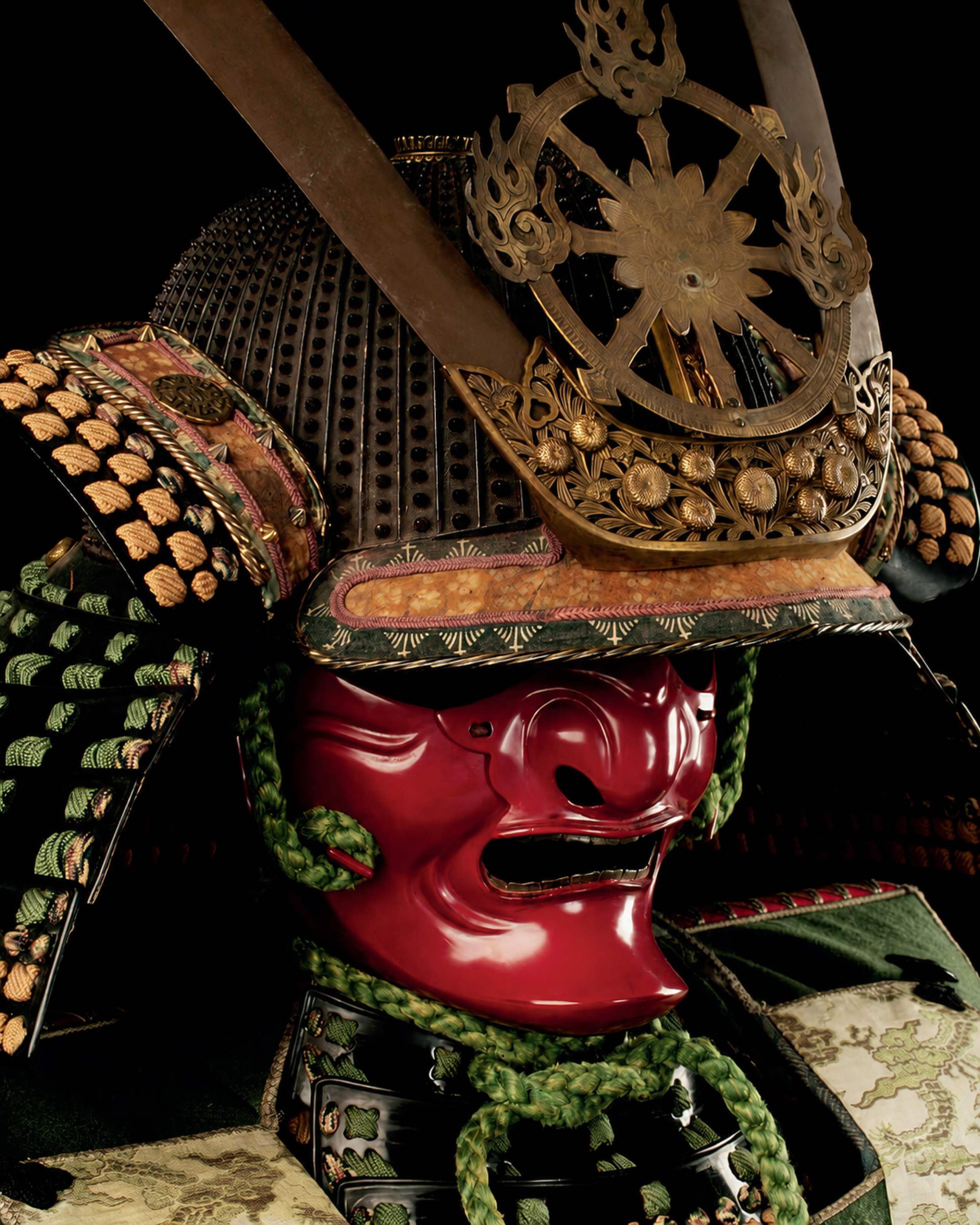
Samurai Museum Berlin
This compact museum in Mitte focuses on Japanese samurai culture, with armor, swords, and ritual objects shown in a tight display. It works well for an hour, not a full day, and the collection stays highly focused.
Time needed: About 1 hour
Entry: Tickets cost about $16 ($15), with discounts for children, students, and other eligible visitors. Timed admission may apply on busy days, and special exhibitions can add a small surcharge, so verify current rates on the museum’s official site Visit the official site for details.
Tip: Visit midweek to avoid the busiest entry times.
Traditional food

Berlin’s food leans on hearty meats, potatoes, rye bread, and sharp, sweet-sour sauces, with Currywurst as the city’s quick, iconic bite. Cafes and beer halls keep meals casual, while old-school dishes still anchor plenty of local menus.
Currywurst
Berlin’s defining street food pairs sliced sausage with spiced ketchup and curry powder. Konnopke’s Imbiss in Prenzlauer Berg is one of the city’s classic stops for it.
Berliner Pfannkuchen
These jam-filled doughnuts show up in bakeries across the city, especially with coffee at breakfast or as an afternoon sweet. Bäckerei Siebert in Berlin is a dependable place to look for them.
Eisbein
This boiled pork knuckle comes with sauerkraut and peas or potatoes, and it gives you a heavy, traditional Berlin meal. Zur Letzten Instanz serves a well-known version in the center.
Königsberger Klopse
These tender meatballs in a caper cream sauce belong on any classic Berlin table. Nolle in Charlottenburg is a solid place to order them.
Best time to visit Berlin
Berlin changes most in shoulder season, when outdoor walks and museum visits stay comfortable, while winter brings sharper air, shorter days, and more time spent indoors.
Best for: Museum days, first park walks, and lighter layers
What you get: About 45 to 68°F (7 to 20°C), with moderate crowds and some busy holiday weekends
Trade-offs: Rain can interrupt long walks, especially early in the season
Best for: Long evenings, outdoor dining, and park time
What you get: About 59 to 79°F (15 to 26°C), with the highest visitor numbers and lively transit
Trade-offs: Popular sights and restaurants can feel crowded by afternoon
Best for: Clear sightseeing days, photography, and café stops
What you get: About 41 to 68°F (5 to 20°C), with manageable crowds and cooler nights
Trade-offs: Daylight shortens quickly as November approaches
Best for: Museums, indoor dining, and holiday markets
What you get: About 28 to 41°F (-2 to 5°C), with lighter tourist numbers and frequent cold snaps
Trade-offs: Short days and damp weather limit relaxed outdoor plans
A realistic 5-day plan in Berlin
A five-day Berlin stay works best when you group nearby sights and leave room for a slower neighborhood evening after the heaviest museum or government-day outings. This plan follows that logic, moving from the center to the west, then south and north.
From Berlin (BER), take the Airport Express or a regional train into the center, then transfer by U-Bahn or taxi to a base in Mitte, Kreuzberg, or Charlottenburg. The ride to central Berlin usually takes about 30 to 40 minutes, and train fares are typically about $4 to $10 (€4 to €9), while a taxi into the center often costs about $45 to $70 (€41 to €64) depending on traffic and exact drop-off. After you check in, walk a few blocks for water and a simple dinner near your hotel, then turn in early so you can start the city with enough energy for museums and the government quarter.
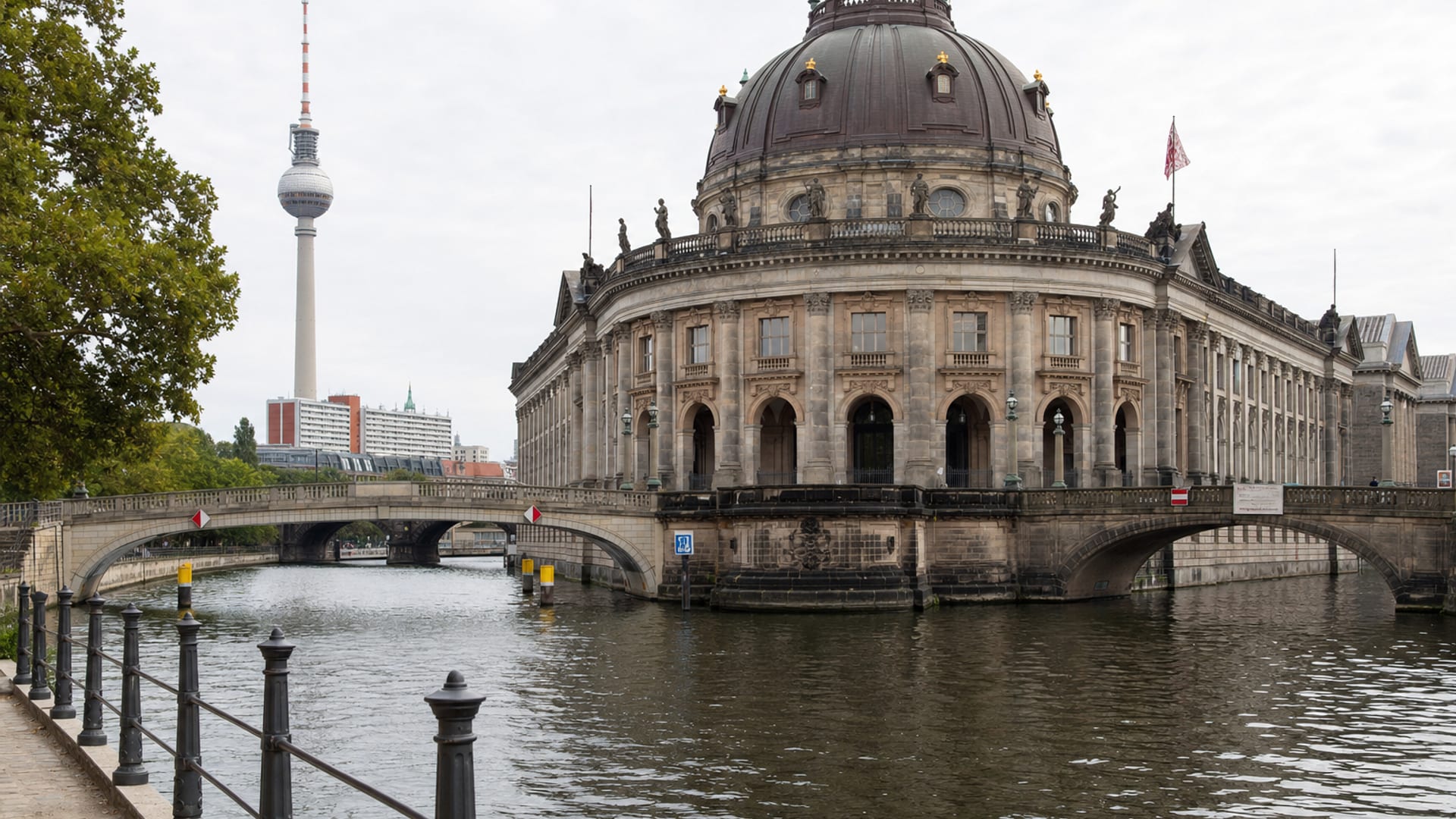
Start in Mitte with Museum Island, where you can spend about 3 to 5 hours inside one or two museums, then cross the area on foot to the Samurai Museum Berlin for a focused one-hour visit. From Museum Island, expect about 10 to 15 minutes on foot to the Samurai Museum, and from there it is roughly 15 minutes on foot to the Brandenburg Gate for an easy late-afternoon stop. Finish with the Brandenburg Gate, where the open space on Pariser Platz gives you room for photos before dinner nearby in Mitte.
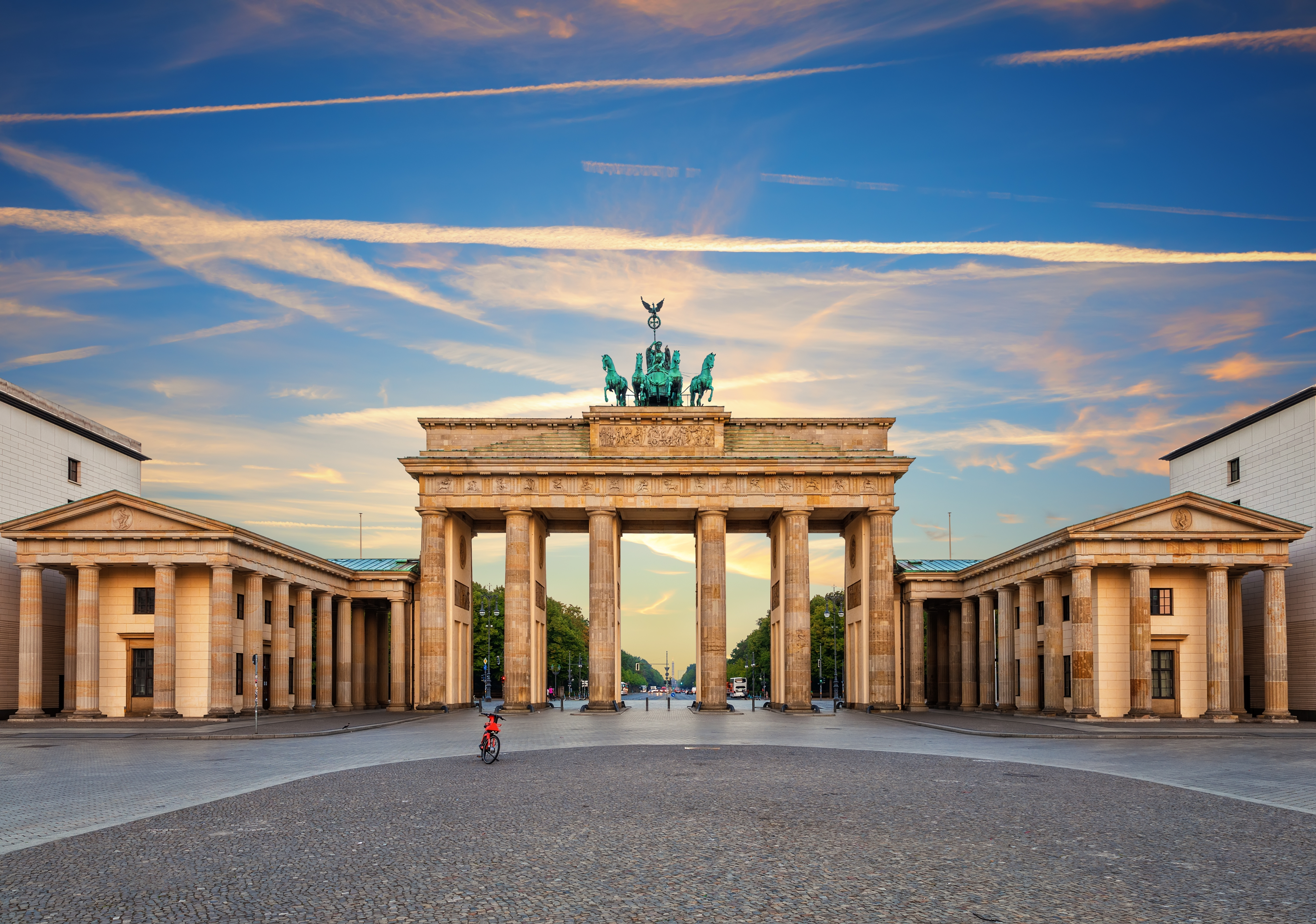
Begin at the Reichstag Building, and book the dome for a morning slot so you can pair the visit with city views before crowds build. The Reichstag sits about 10 minutes on foot from the Brandenburg Gate, so you can combine the two without a transit ride, then continue about 20 minutes on foot or a short U-Bahn trip back into the core for a lunch stop in Mitte. After lunch, take transit south to Kreuzberg, where the neighborhood streets, bars, and late-opening restaurants give the afternoon a different pace from the government district.
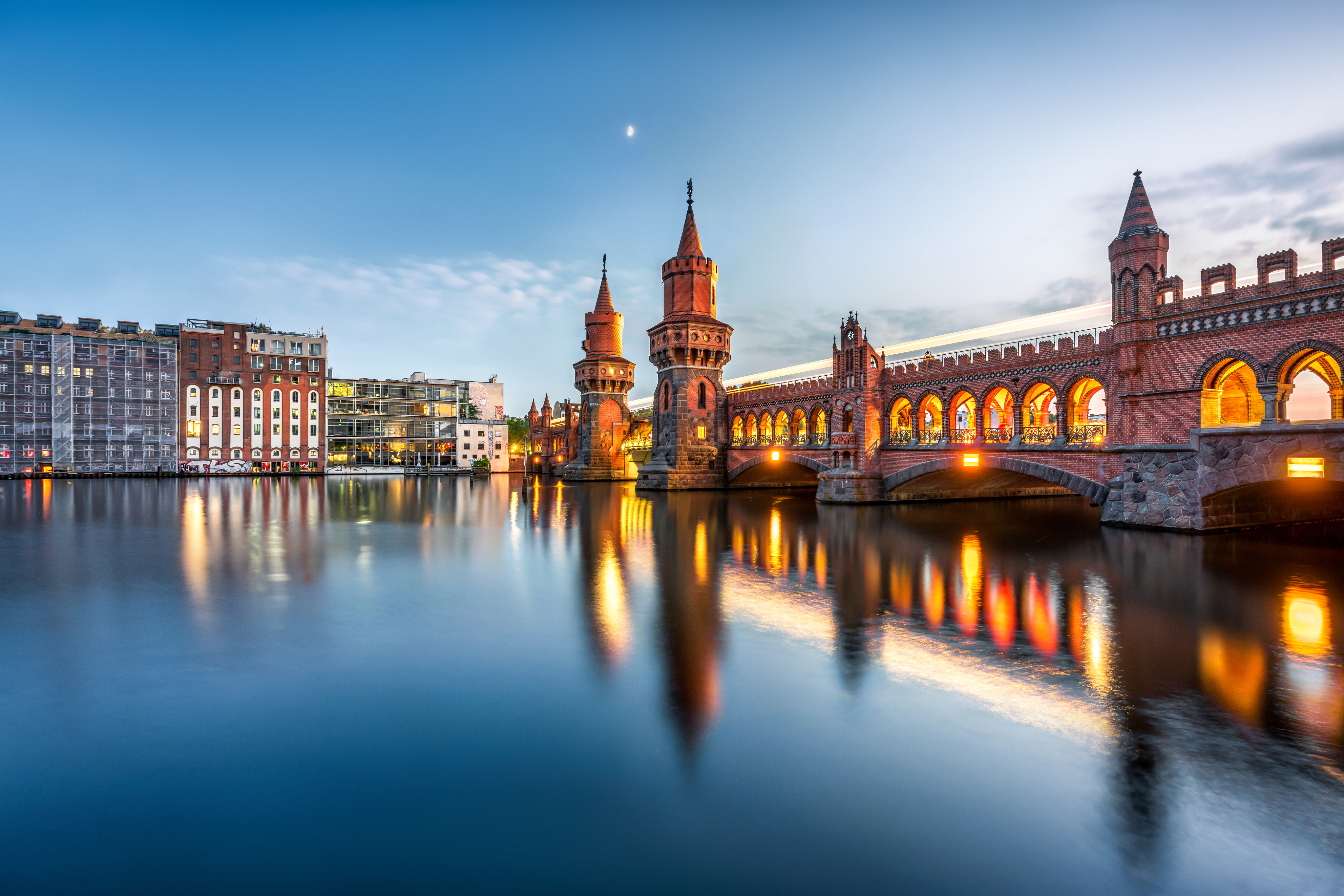
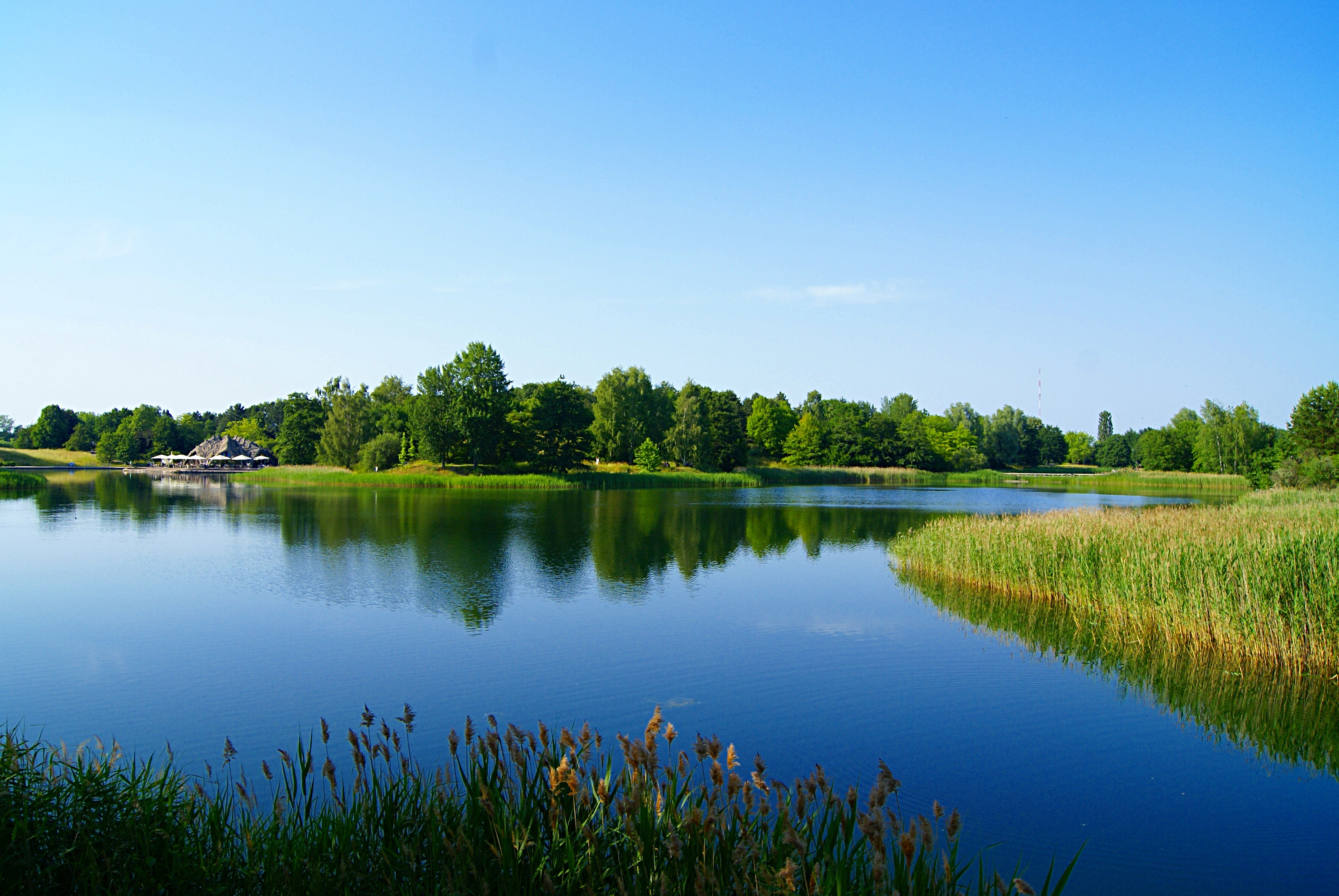
Head south early for Britzer Garten, where the lakes, long paths, and themed gardens fill about 2 to 3 hours without demanding a packed schedule. From central Berlin, plan on roughly 30 to 40 minutes by transit to reach the park, and after your walk you can return north to Prenzlauer Berg for coffee or an early dinner. That neighborhood shift gives you a quieter evening than Kreuzberg, with tree-lined streets and plenty of cafes near the tram stops.
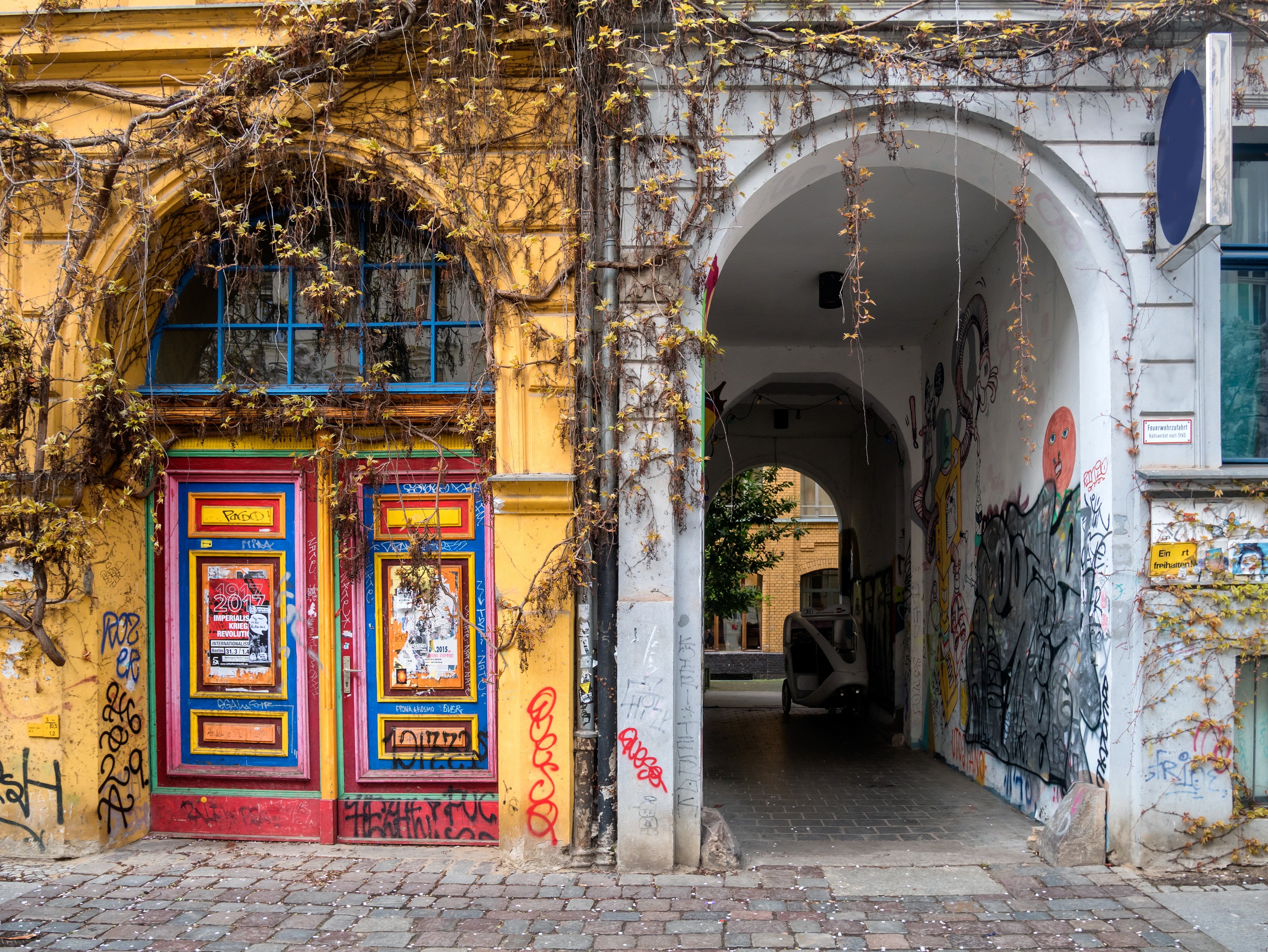
Start the last full day with a shorter museum stop in Mitte, or return to a favorite room on Museum Island if you want one more dose of Berlin’s major collections. Then move west to Charlottenburg for shopping near Kurfürstendamm and the area by Zoological Garden, where broad boulevards and department stores make an easy late-trip browse; from the center, transit usually takes about 20 to 25 minutes. End with coffee in Prenzlauer Berg, where a neighborhood cafe gives you a calm place to sort receipts, pack, and head to the airport the next day without rushing.
Business-class flights from the US to Berlin
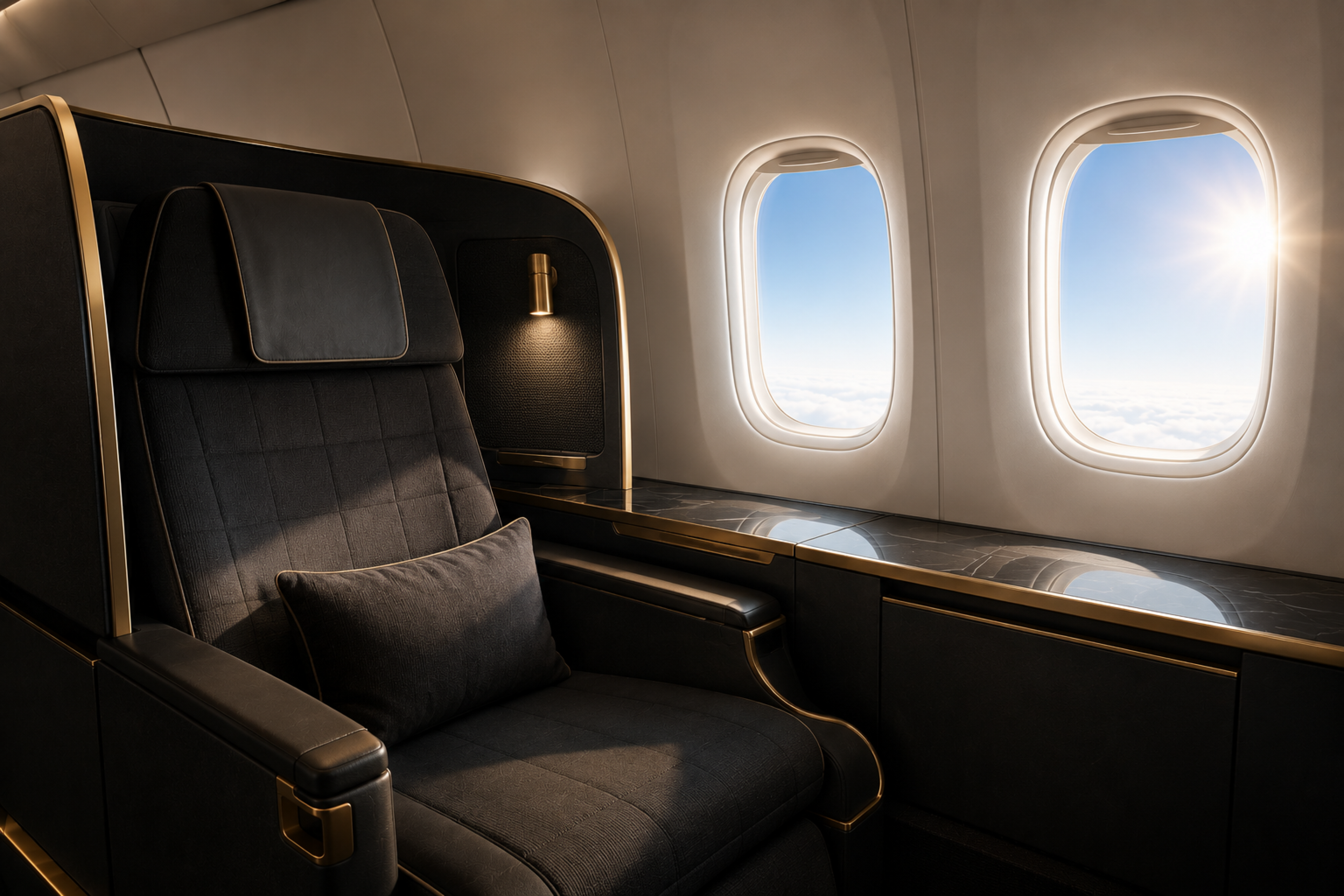
From the East Coast and West Coast, Berlin usually involves a one-stop long-haul pattern, with a small set of major European hubs carrying most of the connections. The best option often comes down to total travel time and where you would rather connect.
United Airlines, Lufthansa, Air France, British Airways, SWISS, and Turkish Airlines all show up on New York to Berlin itineraries. Nonstop flying takes about 8 to 9 hours, while one-stop trips route through FRA, MUC, CDG, LHR, ZRH, or IST and usually land in the 10 to 14 hour range. Round-trip fares from New York to Berlin usually start at $2,200 and can climb to about $5,500.
Los Angeles to Berlin itineraries usually run through one European hub, with Lufthansa, United Airlines, Air France, KLM, British Airways, and Turkish Airlines on the route list. Expect roughly $2,600 to $6,000 for a round-trip ticket from Los Angeles to Berlin, and plan on 14 to 18 hours when a connection is involved.
Berlin feels different when you slow down
A well-paced Berlin trip puts the day in the right district, then lets the trains do the connecting. That means Museum Island and the Reichstag in the center, Kreuzberg for dinner, Britzer Garten for an unhurried afternoon, and Prenzlauer Berg or Charlottenburg when you want a different evening before heading back to Berlin Brandenburg Airport. If you want help matching your dates to the right neighborhood base, AranGrant experts can narrow the options for your stay







