

Chapters:

Need help with your trip?
Our support team is available 24/7. Request a callback or call us directly at (833) 619-0908
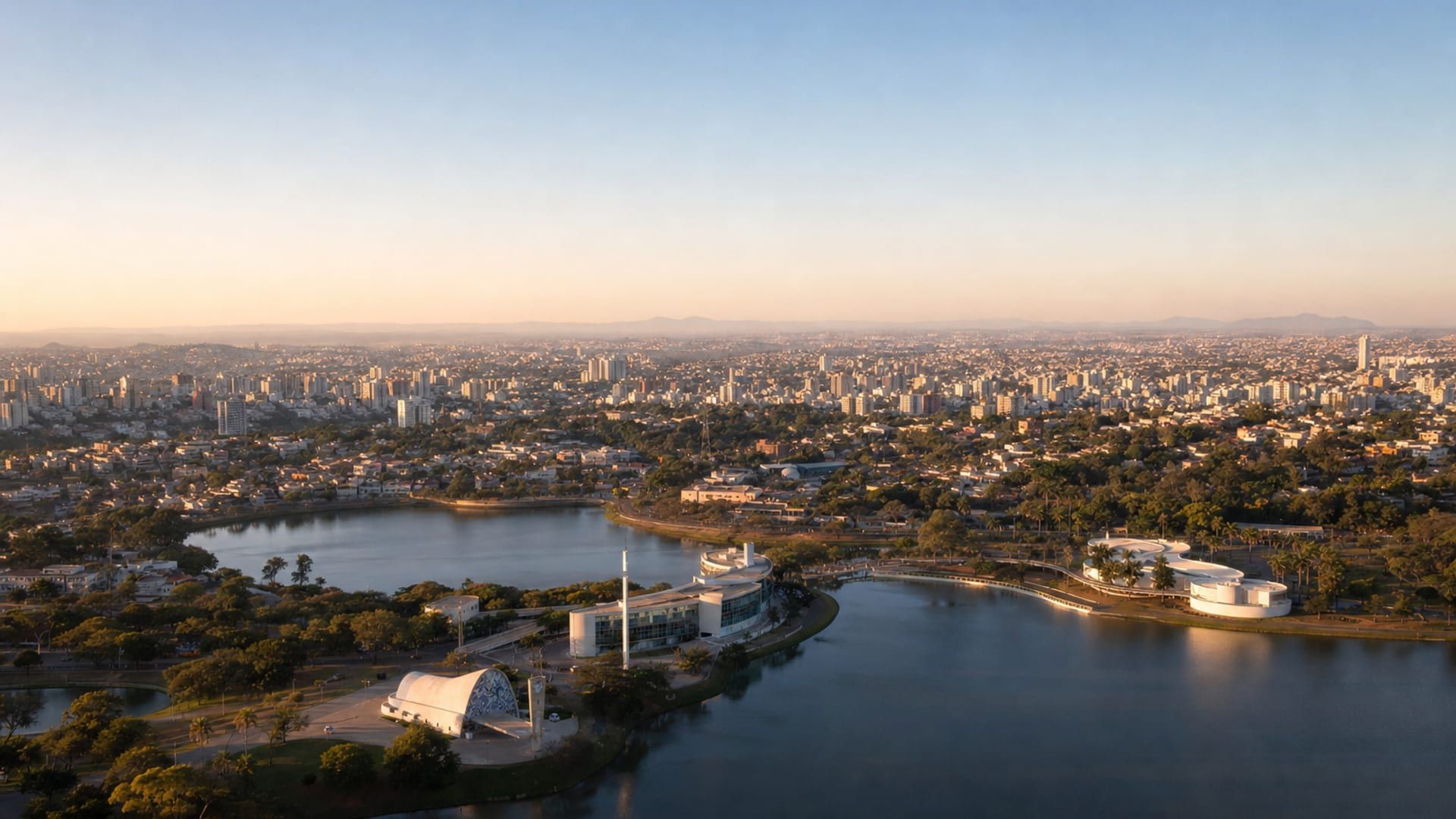
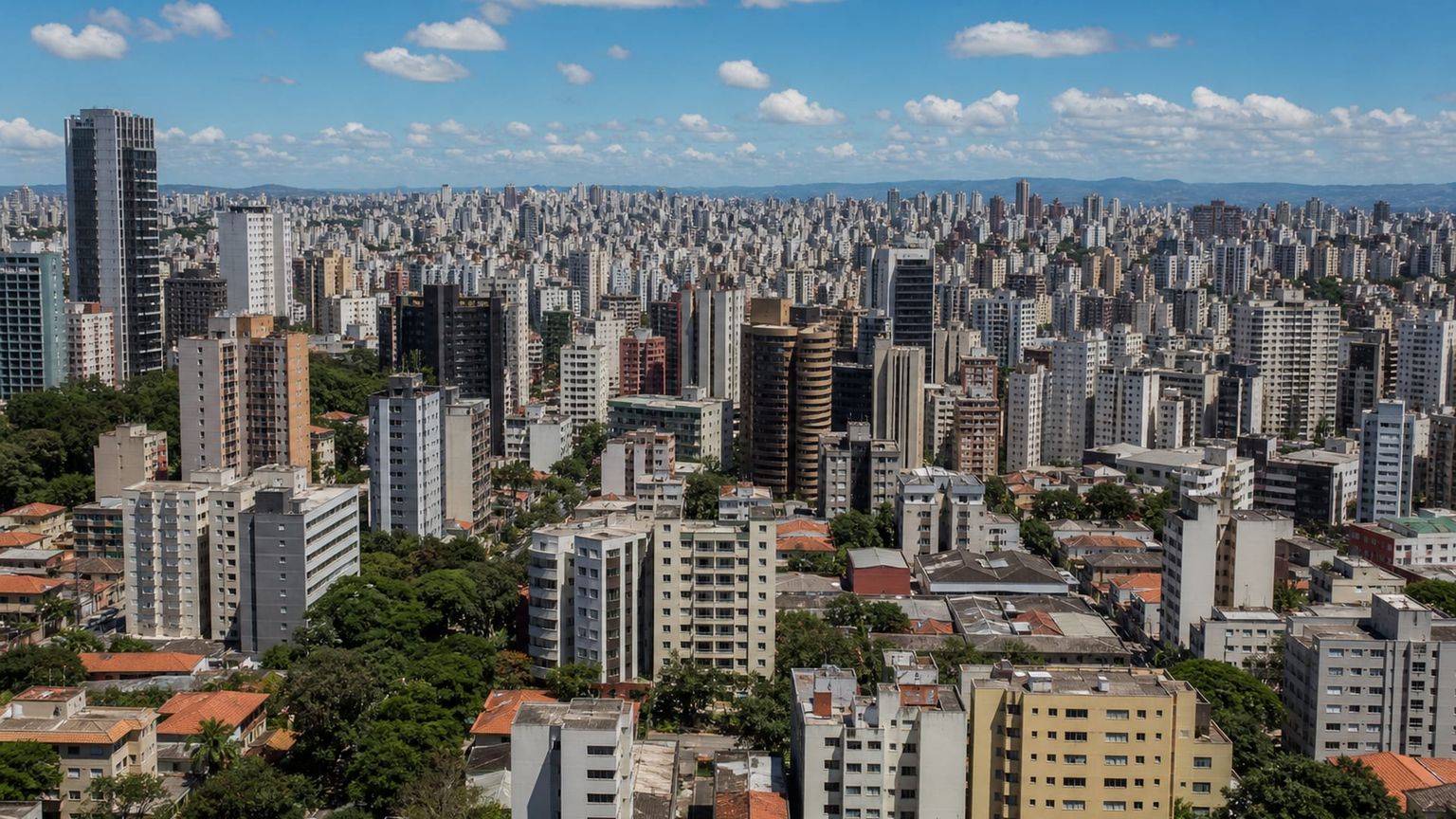
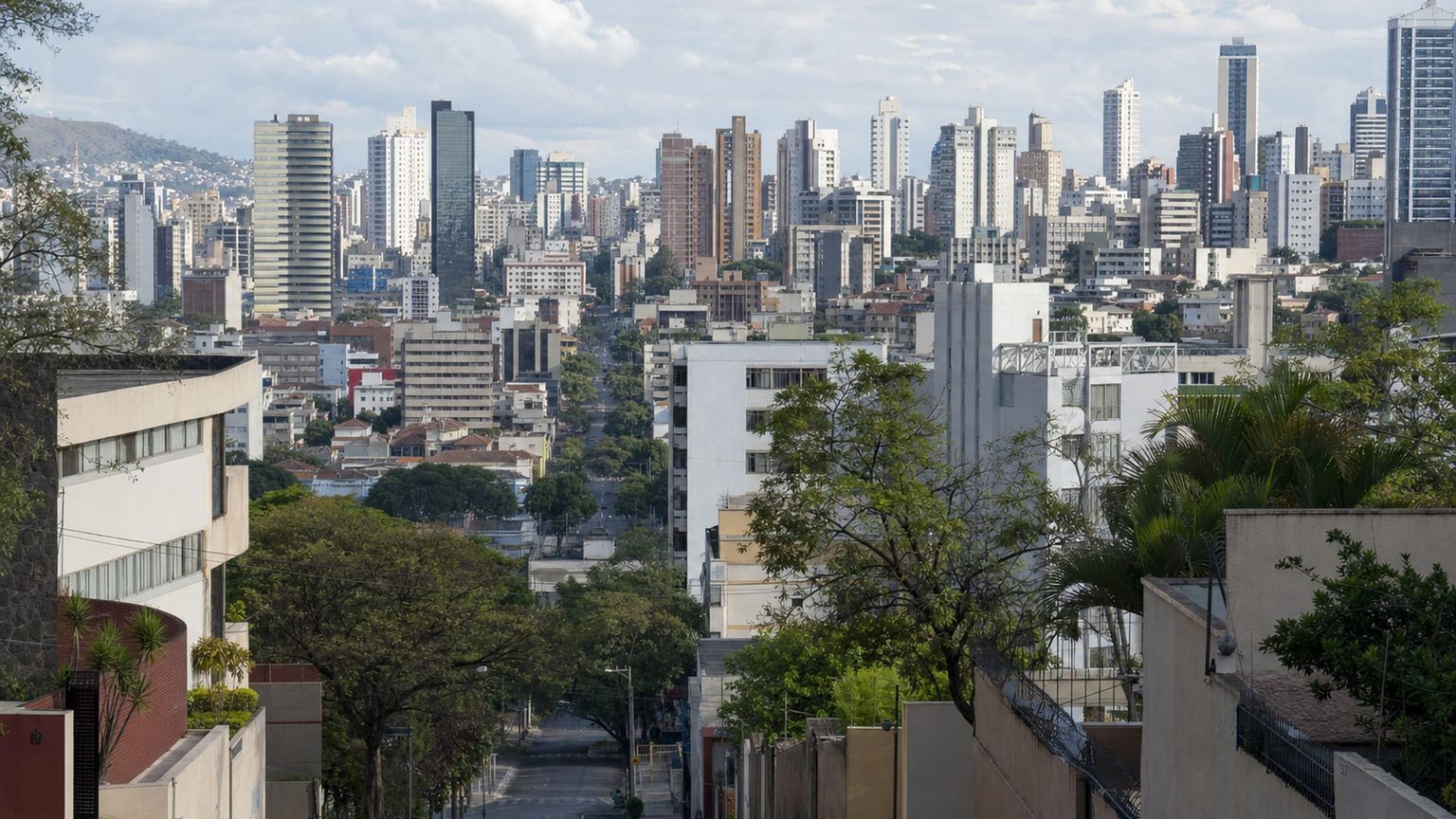
Belo Horizonte is known for its food, lively neighborhoods, and modern architecture, but the city also spreads farther than it first appears. You can spend the morning around Praça da Liberdade, have lunch near Mercado Central, and head to Savassi for dinner without leaving the central part of the city. Pampulha is different. Its lake, church, and Oscar Niemeyer landmarks are farther north and deserve their own part of the day. Traffic can also make short distances take longer, especially in the late afternoon. That is why it helps to plan Belo Horizonte by area instead of moving back and forth across the city.
This guide shows you where to stay, what to see, how to get around, and how to organize five days at a comfortable pace.
Useful things to know

Main language(s): Portuguese is the main language. English is more common at hotels and major attractions than in everyday shops or restaurants.
Olá (oh-LAH) – Hello
Por favor (por fah-VOR) – Please
Obrigado/a (oh-bree-GAH-doo/dah) – Thank you
Você fala inglês? (voh-SEH FAH-lah een-GLEHS?) – Do you speak English?
Quanto custa? (KWAN-toh KOOS-tah?) – How much does it cost?

Currency: Brazilian real (BRL, R$)

Cash and cards: Cards and contactless payments are widely accepted. Carry R$50–R$100 (US$10–US$19) for small shops, markets, and cash-only purchases.

Tipping: Restaurants often add or suggest a 10% service charge, but paying it is optional. Taxi drivers do not usually expect tips.

Traditional food: Feijão tropeiro, pão de queijo, tutu de feijão, frango com quiabo, and torresmo are among the best-known dishes from Minas Gerais.

Water and coffee costs: Bottled water costs R$6–R$10 (US$1.20–US$1.95), while an espresso is usually R$6–R$10 (US$1.20–US$1.95).

Taxis and ride apps: Uber and 99 operate in Belo Horizonte. Check the license plate and driver details in the app before getting into the car.

Plug and voltage: Brazil uses Type N plugs. Belo Horizonte commonly uses 127V, though some outlets are 220V; the frequency is 60Hz

Dining and shop opening hours: Lunch is served from noon until 2:30 pm and dinner from 7 pm. Street shops often close by 7 pm, while malls and restaurants stay open later.

Emergency number: Call 190 for police, 192 for ambulance services, and 193 for firefighters.
Where to stay in Belo Horizonte
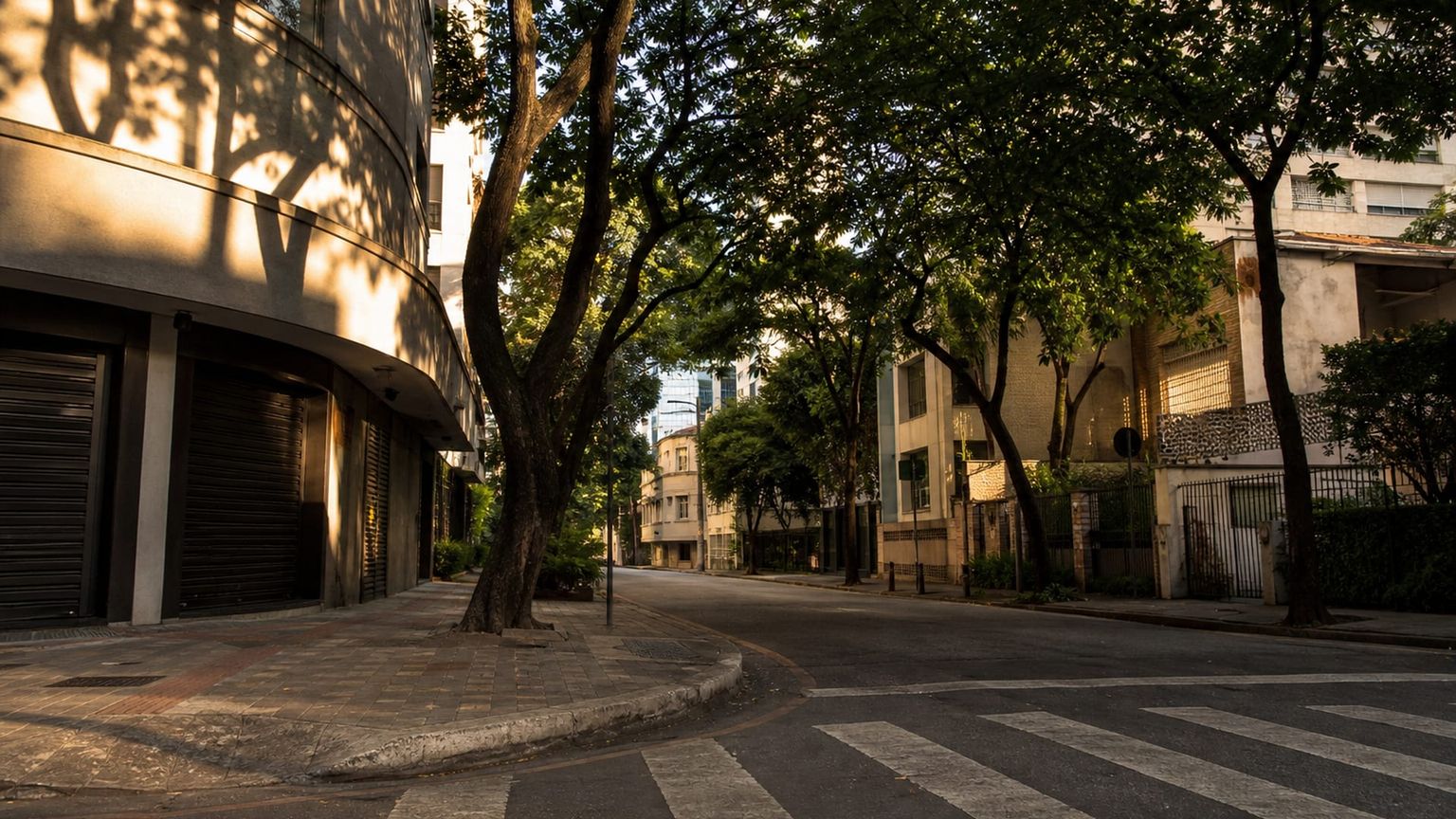
Savassi is one of Belo Horizonte’s main dining and nightlife areas, with cafés, bars, shops, and hotels around Praça da Savassi and nearby streets. Praça da Liberdade is also close, so you can combine museums and daytime sightseeing with dinner and drinks without a long ride across town.
Best for: Dining, nightlife, shopping, and first-time visitors who want an energetic base
What to expect: Busy sidewalks, late-opening bars, and steady evening traffic around the main streets.
Hotel prices: Usually about R$350 to R$700 (~$70 to ~$140) per night for well-rated stays
Distance to major sights: About 10 to 15 minutes by taxi to Praça da Liberdade, about 20 minutes to Mercado Central
Quietness: Lively through the evening, then quieter on side streets late at night.
Main trade-off: Higher room rates and more street noise near the main avenues, especially on weekends.
Good to know: Check the exact street before booking if you want restaurants nearby without being directly above nightlife.
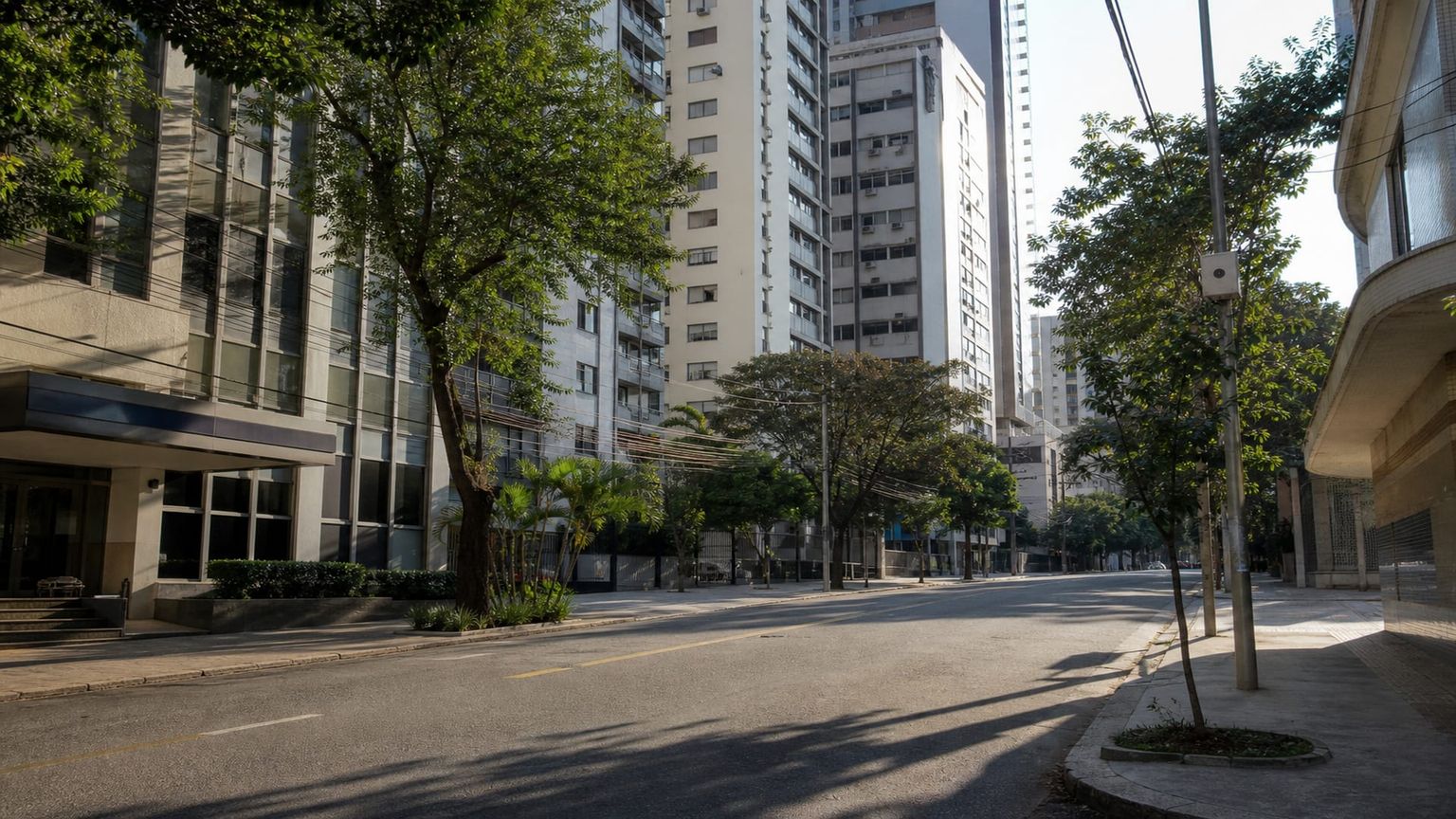
Lourdes lies west of Praça da Liberdade, with tree-lined streets, upscale restaurants, apartment buildings, and several well-rated hotels. Mercado Central and the cultural circuit are both easy to reach, while evenings are generally calmer than in the busiest parts of nearby Savassi.
Best for: Museums, business trips, and travelers who want a central but calmer base
What to expect: Tree-lined streets, dinner crowds at restaurants, and more residential activity than nightlife.
Hotel prices: Usually about R$320 to R$650 (~$64 to ~$130) per night for well-rated stays
Distance to major sights: About 5 to 10 minutes by taxi to Praça da Liberdade, about 15 minutes to Mercado Central
Quietness: Quieter by day and notably calmer at night than Savassi.
Main trade-off: You will pay for the location, and the area is less animated after dinner.
Good to know: Staying toward the eastern side keeps both Praça da Liberdade and Savassi within easier walking distance.
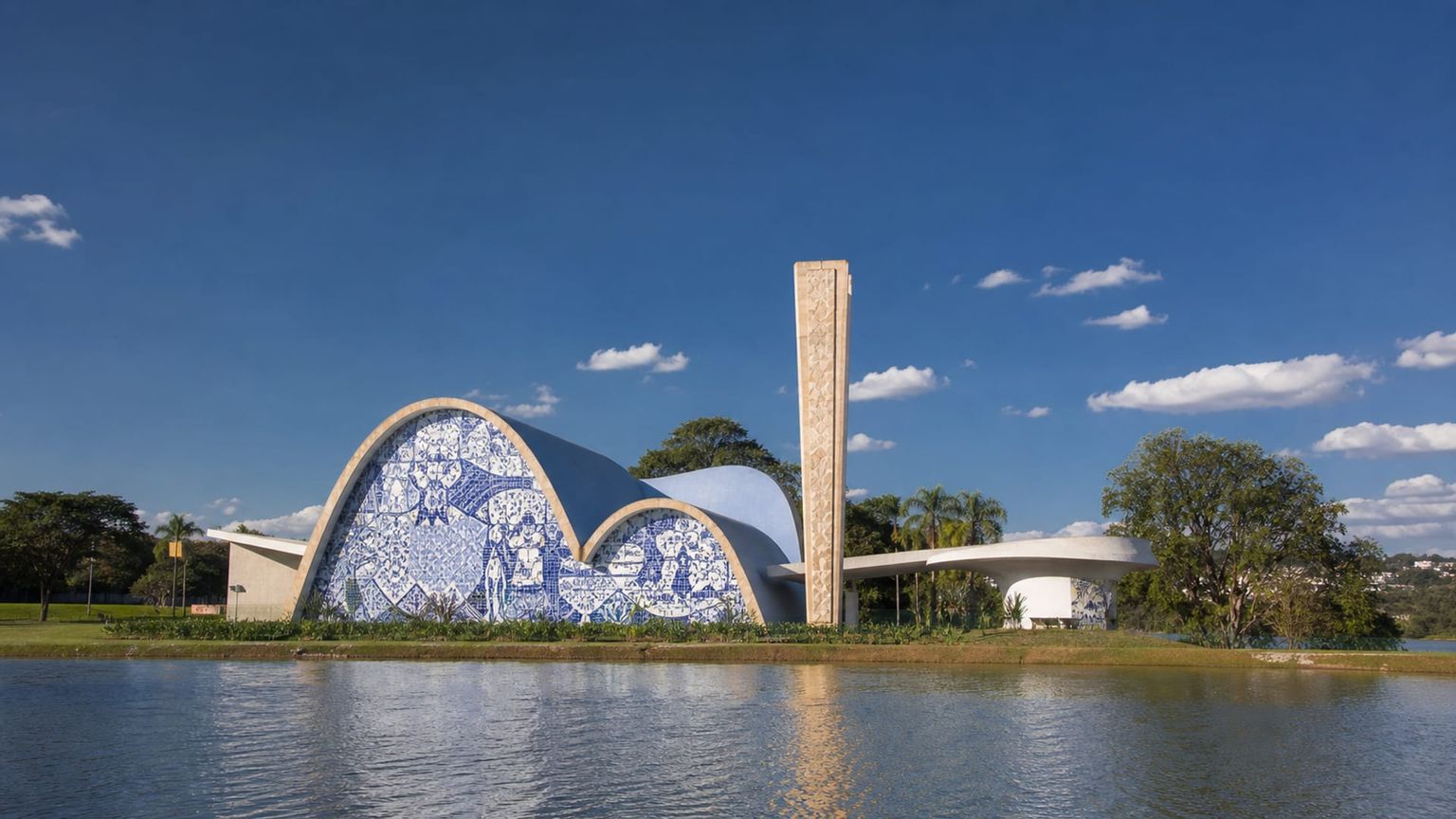
Funcionários stretches east of Praça da Liberdade toward Savassi, with apartment buildings, neighborhood shops, restaurants, and hotels along its main streets. It keeps both areas close without putting you directly in the busiest nightlife blocks, making daily sightseeing easy to organize.
Best for: Central sightseeing, short business stays, and travelers who want walkable access to nearby districts
What to expect: Moderate foot traffic, everyday neighborhood movement, and restaurant activity on the main avenues.
Hotel prices: Usually about R$280 to R$550 (~$56 to ~$110) per night for well-rated stays
Distance to major sights: About 10 minutes by foot to Praça da Liberdade, about 15 minutes on foot to Savassi
Quietness: Busy in the day, then calmer at night on residential streets.
Main trade-off: The area has fewer major attractions inside it, so you will still depend on short rides for some sightseeing.
Good to know: Check the exact location because staying closer to Praça da Liberdade or Savassi changes how much you can do on foot.
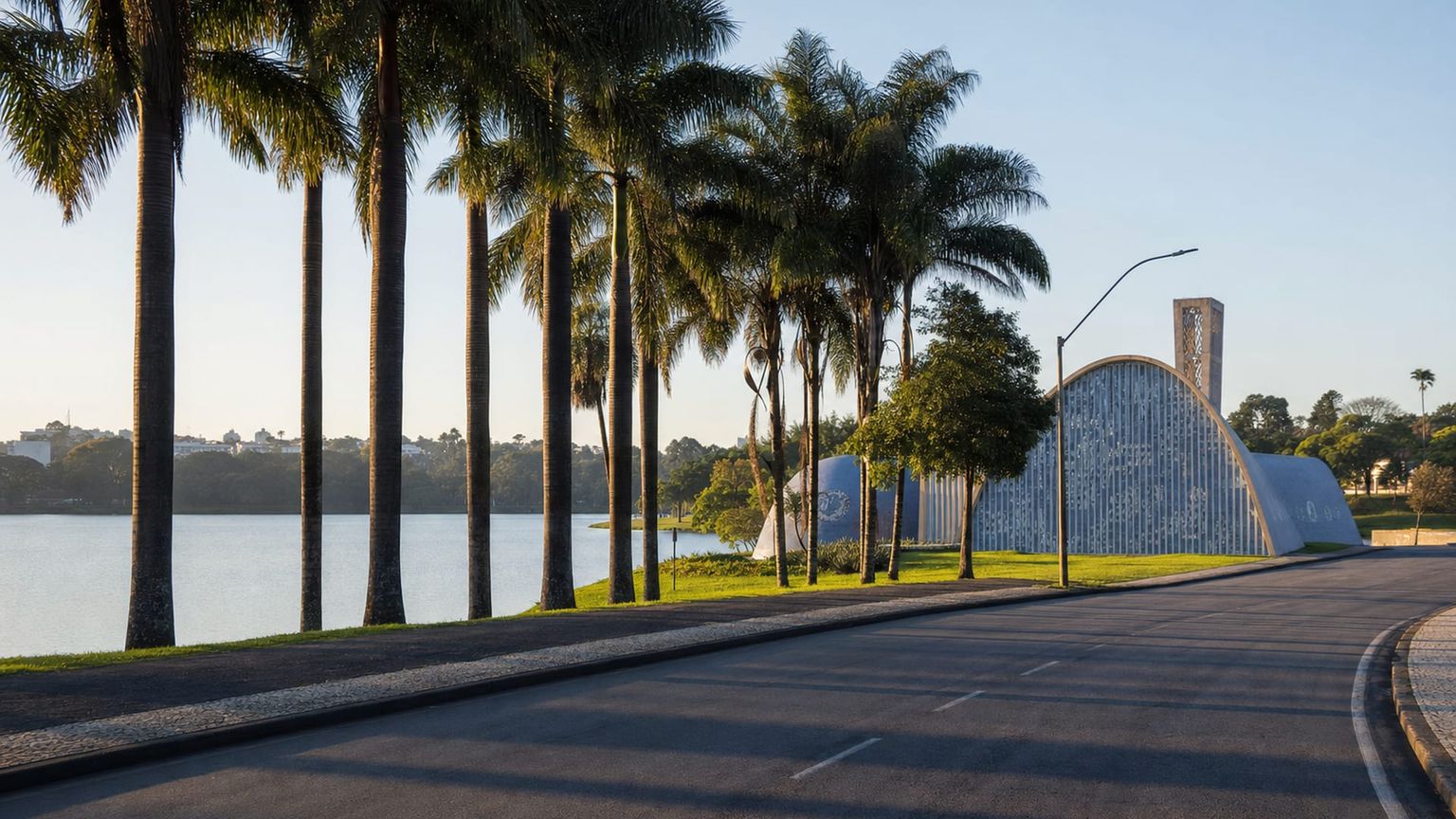
Pampulha is farther north around the lagoon, where Oscar Niemeyer’s church, Casa do Baile, the art museum, and other modernist landmarks form a UNESCO-listed cultural landscape. Hotels here suit trips focused on architecture and lake views more than central dining or nightlife nearby.
Best for: Architecture, lake walks, and travelers with an interest in northern Belo Horizonte
What to expect: More open streets, local traffic, and a calmer pace than the inner-city hotel districts.
Hotel prices: Usually about R$220 to R$480 (~$44 to ~$96) per night for well-rated stays
Distance to major sights: About 10 to 20 minutes by taxi to Pampulha Lagoon sights, about 35 to 45 minutes to Praça da Liberdade
Quietness: Calmer in the evening than central districts, with some areas very quiet after dark.
Main trade-off: You will spend longer reaching downtown restaurants, museums, and nightlife.
Good to know: Choose a hotel near the lagoon if the Pampulha Architectural Complex is one of your main reasons for visiting.
For the easiest access to restaurants, museums, and evening plans, choose Savassi, Lourdes, or Funcionários. Pampulha makes more sense if the lagoon and modernist landmarks are a major part of your trip.
Hotel deals
How to get around Belo Horizonte efficiently
Belo Horizonte has one metro line, a large bus network, and plenty of taxis and ride apps. Some trips are easier by car.

Metro
for trips along Line 1
Metro Line 1 is useful for trips between Central, Lagoinha, Minas Shopping, and northern or western neighborhoods. A ticket costs R$6.00 (US$1.17). Buy it at station machines, through the Bipay app, or tap a contactless card at the gate. The line does not reach Savassi, Pampulha, or the airport.

Buses
for wider city coverage
Buses cover Savassi, Lourdes, Funcionários, Pampulha, and most other parts of Belo Horizonte. A standard ticket costs R$6.25 (US$1.22). Pay with a BHBUS card or QR code through the BHBUS+ app, and allow extra time during rush hour.

Taxis and rideshare services
for convenience or late hours
Taxis, Uber, and 99 are useful for late dinners, trips between central neighborhoods and Pampulha, or rides to Belo Horizonte International Airport (CNF). Metered taxis start at R$5.15 (US$1), while ride-app fares appear before you book.
*Prices are based on rates updated as of September 2026 and may change at the time of travel.
Use the metro for stops along Line 1, buses for wider city coverage, and taxis or ride apps when luggage, distance, or timing calls for a direct trip.
Iconic landmarks
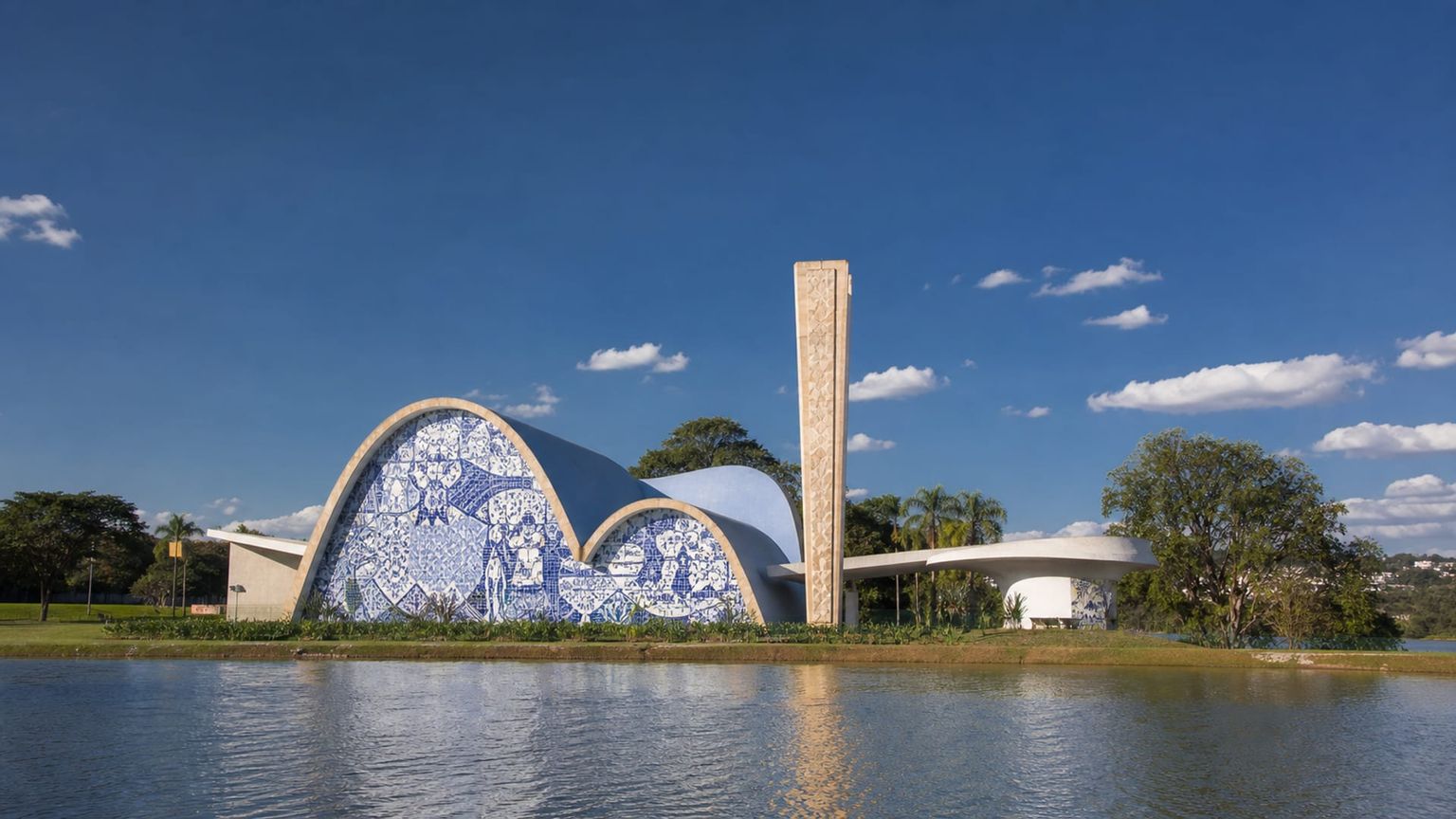
Pampulha Modern Ensemble
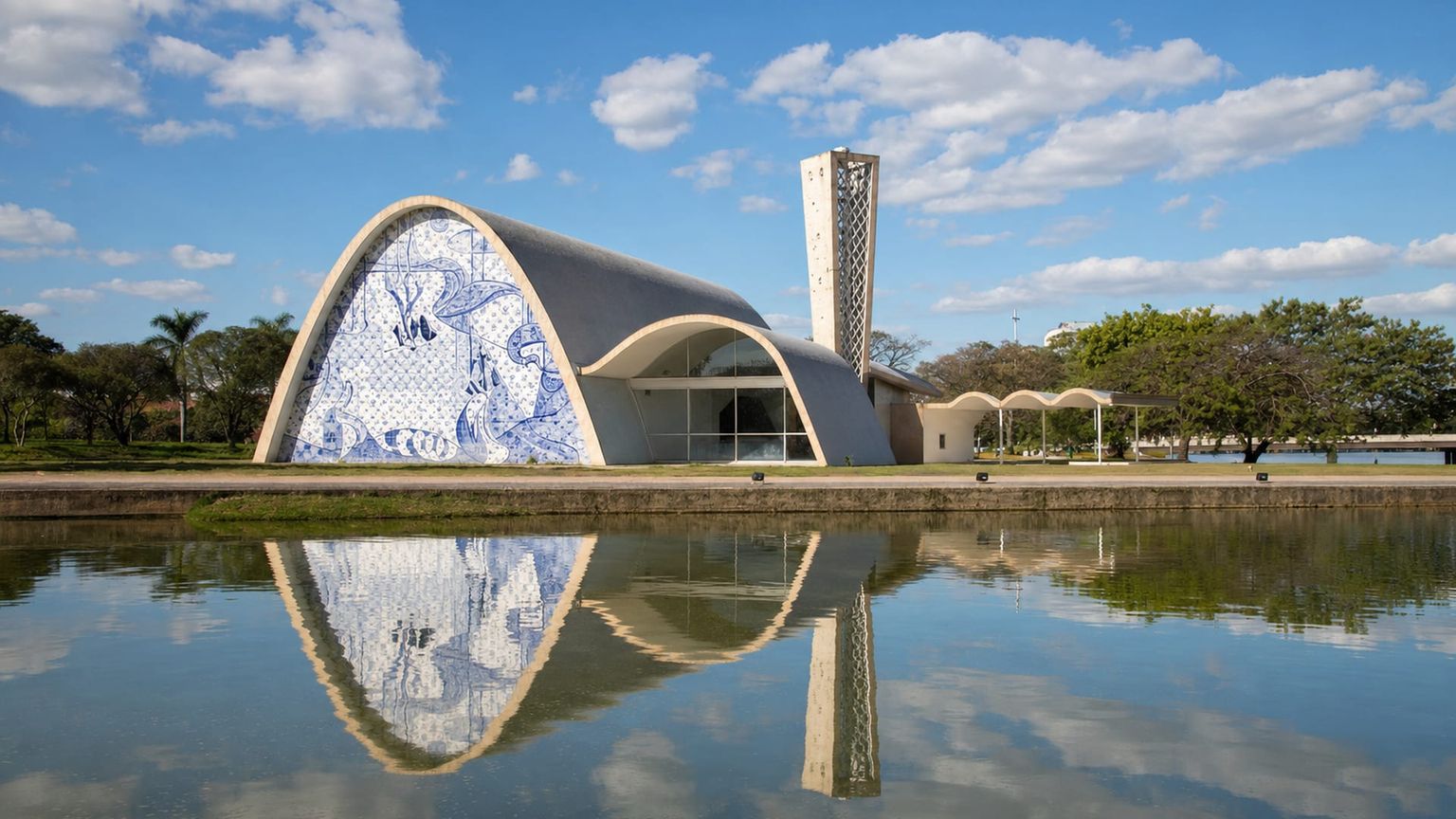
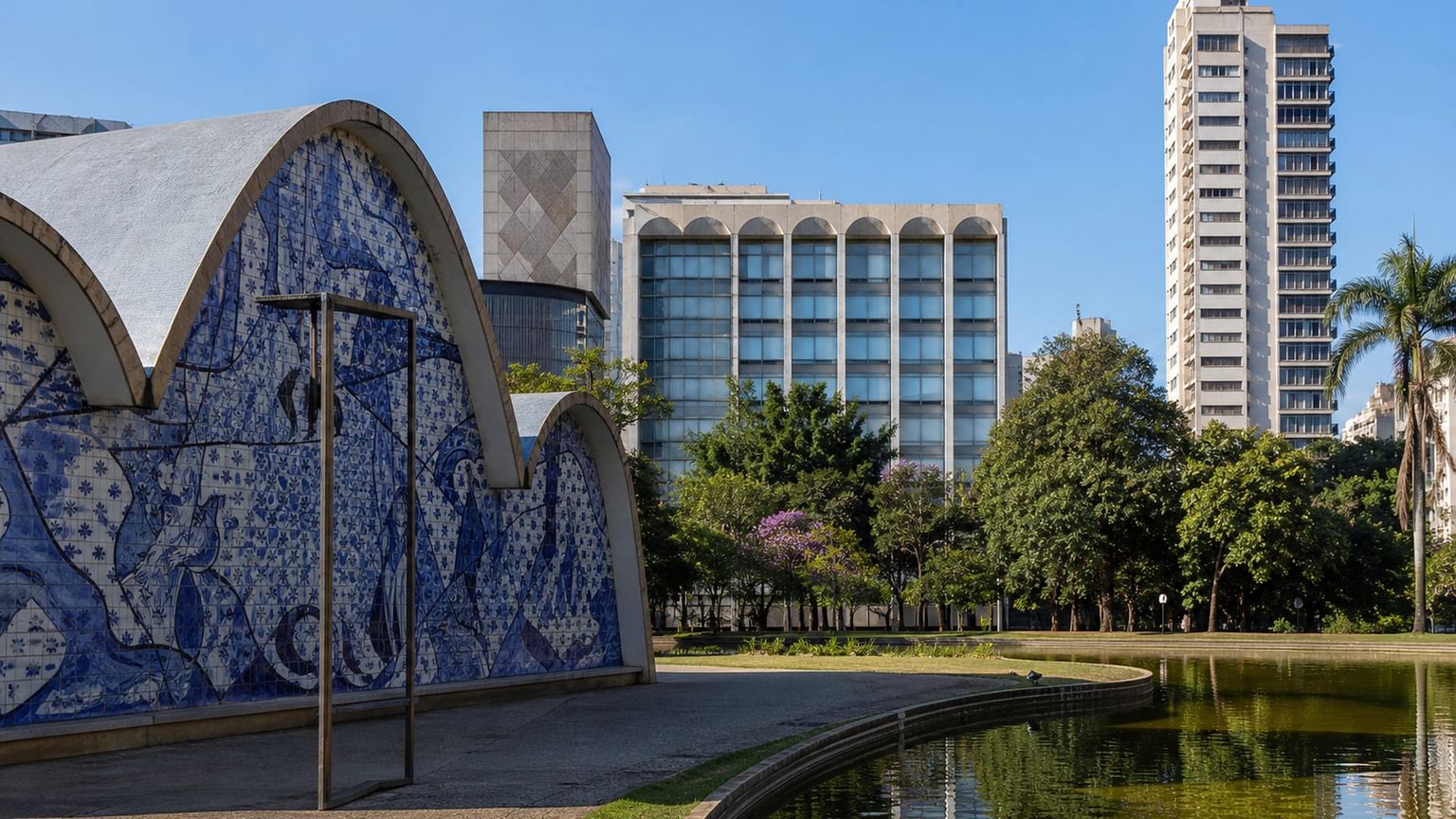
The Pampulha Modern Ensemble brings together Oscar Niemeyer’s Church of Saint Francis, Casa do Baile, former casino, and Yacht Club around Pampulha Lagoon. Created with artists including Cândido Portinari and Roberto Burle Marx, the complex has been a UNESCO World Heritage Site since 2016.
Time needed: 2–3 hours
Entry: The lakeside complex is free to explore; individual buildings follow their own hours. Find more information on the official website.
Tip: Start near the church, then continue toward Casa do Baile and the lagoon.
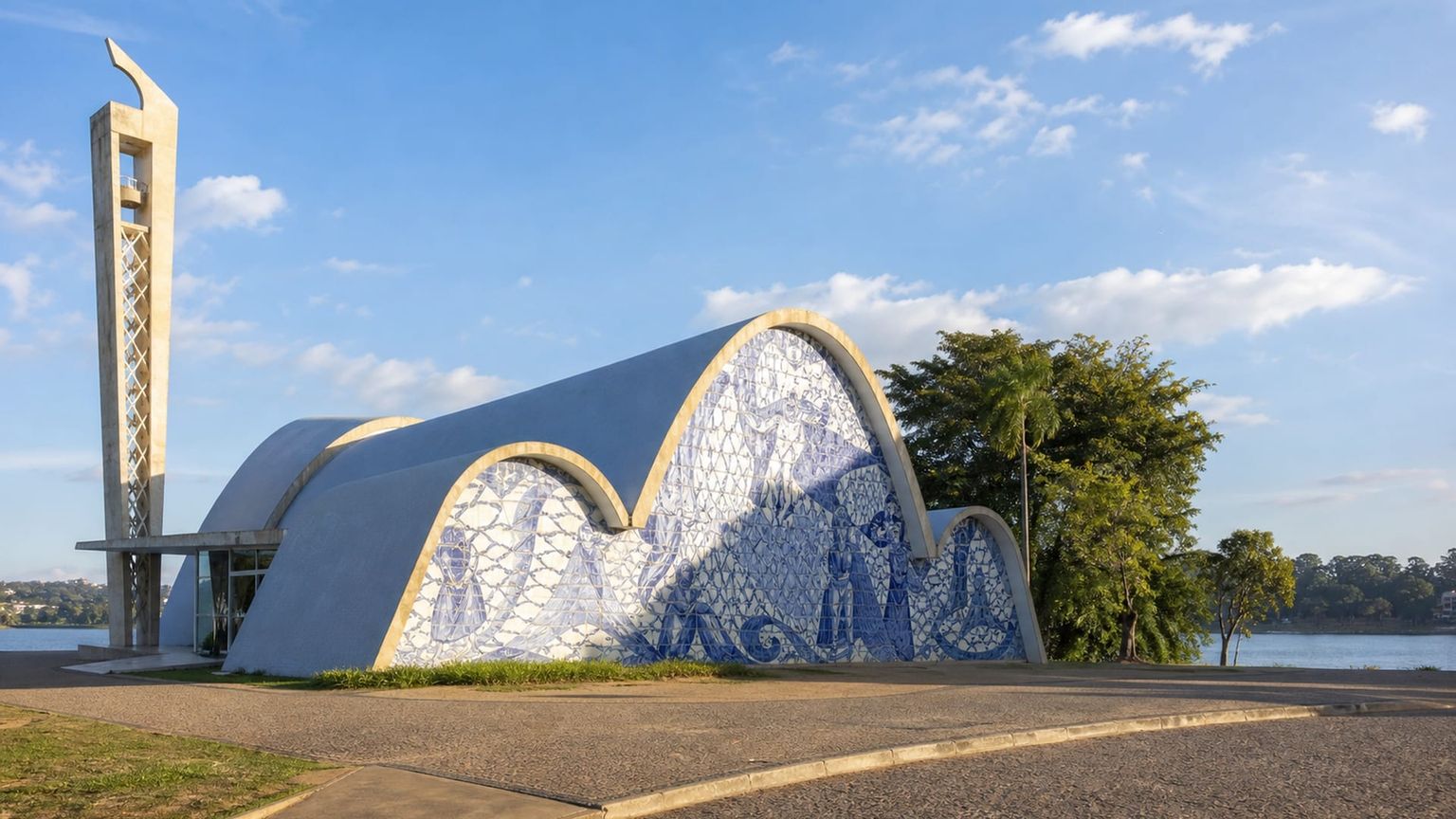
Mercado Central
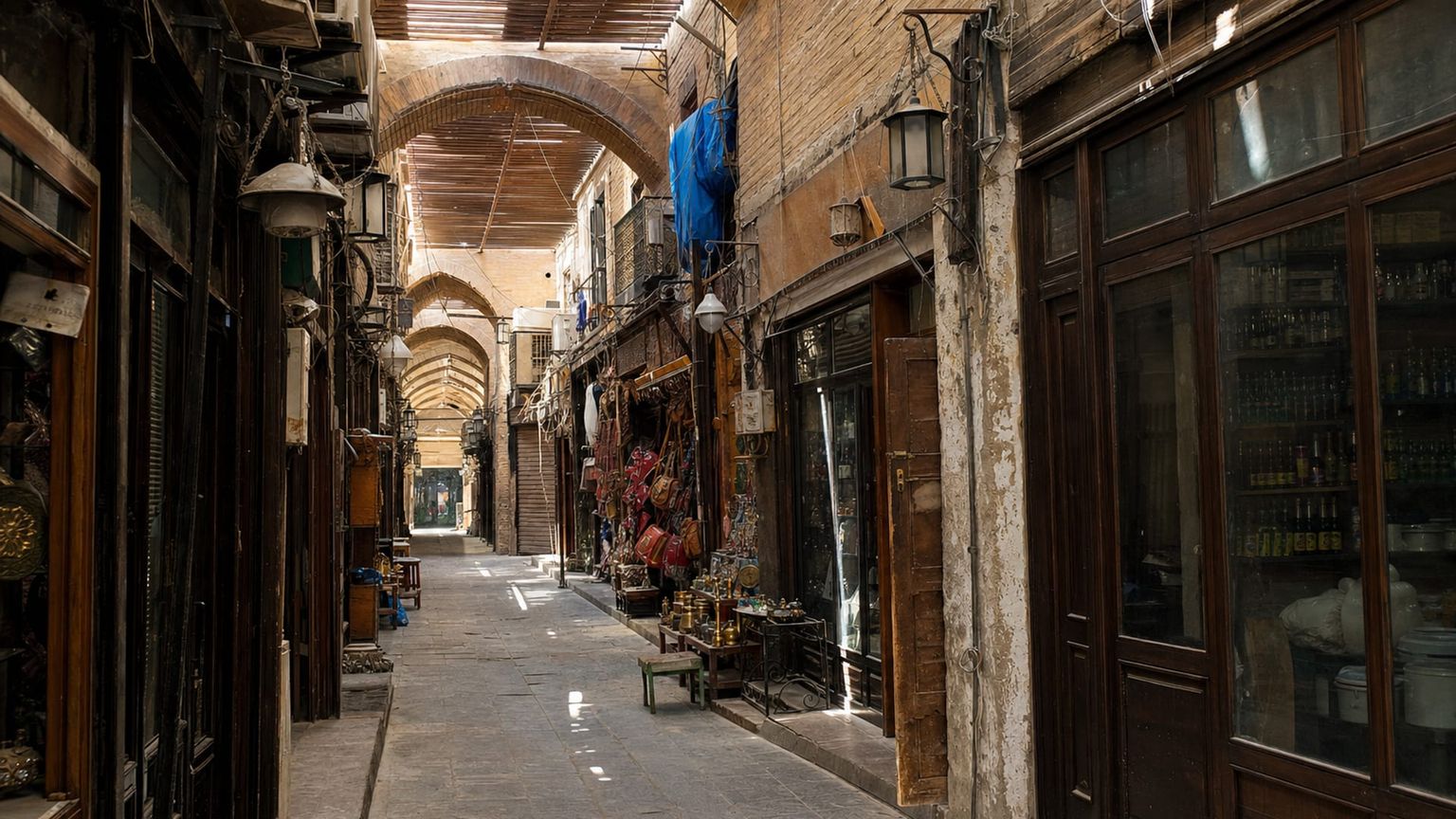
Mercado Central has been part of Belo Horizonte since 1929 and now brings together more than 400 shops selling Minas Gerais cheeses, sweets, spices, crafts, produce, and prepared food. Its busy aisles and traditional bars make it one of the clearest places to experience the city’s food culture.
Time needed: 90–120 minutes
Entry: Free. Find more information on the official website.
Tip: Go before lunch if you want time to browse before the busiest food counters fill up.
Praça da Liberdade
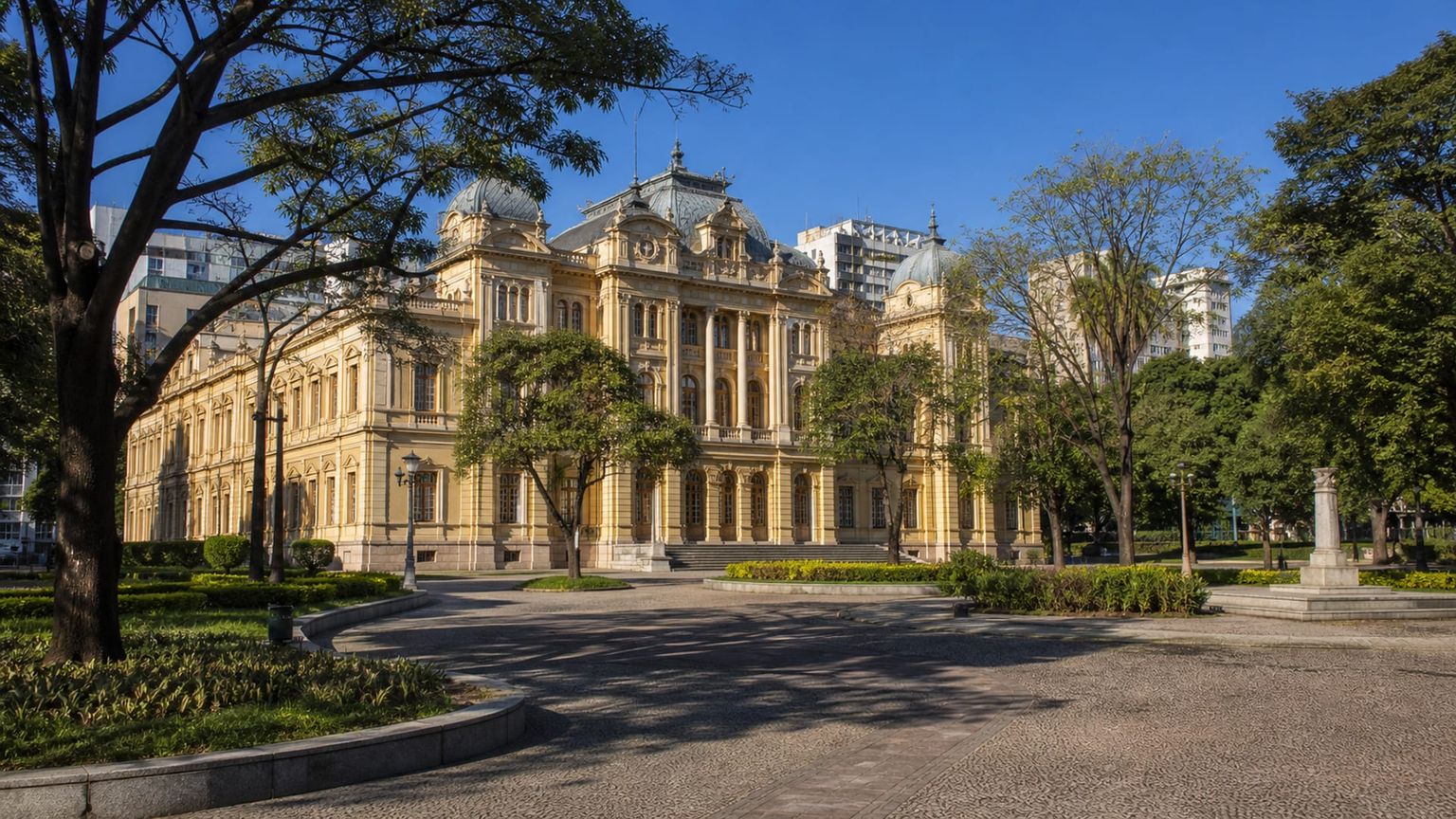
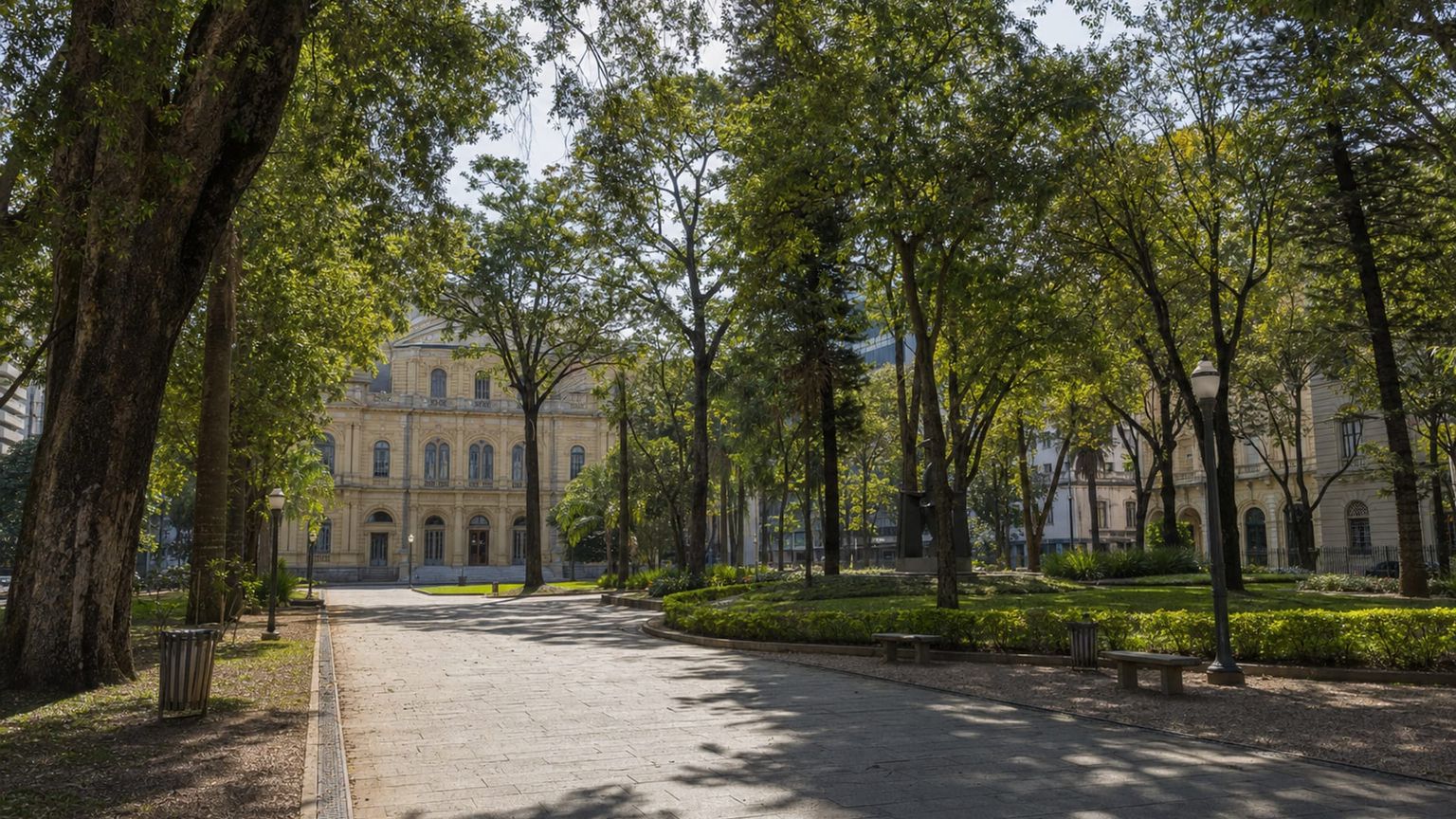
Praça da Liberdade is one of Belo Horizonte’s best-known public spaces, surrounded by former government buildings that now form part of the Circuito Liberdade. Palm-lined paths, gardens, fountains, museums, and cultural centers make the square an easy place to combine architecture, history, and art.
Time needed: 60–90 minutes
Entry: Free; surrounding museums and cultural spaces follow their own admission rules. Find more information on the official website.
Tip: Leave time for at least one museum or cultural center around the square.
Overlooked sites worth visiting

Museu de Artes e Ofícios
Museu de Artes e Ofícios occupies Belo Horizonte’s former railway station and displays more than 2,000 tools, machines, and objects connected to work and trades in Brazil.
Time needed: 60–90 minutes
Entry: Admission is free; guided visits require advance booking. Find more information on the official website.
Tip: Go on a weekday if you want more time to look through the galleries without rushing.

Parque Ecológico da Pampulha
Parque Ecológico da Pampulha has large lawns, wooded areas, walking and cycling paths, and open views near the lagoon, with plenty of space for a slower break from sightseeing.
Time needed: 60–90 minutes
Entry: Free. Find information on the official website.
Tip: Visit in the morning or early afternoon, since the park closes at 5 pm.
Traditional food
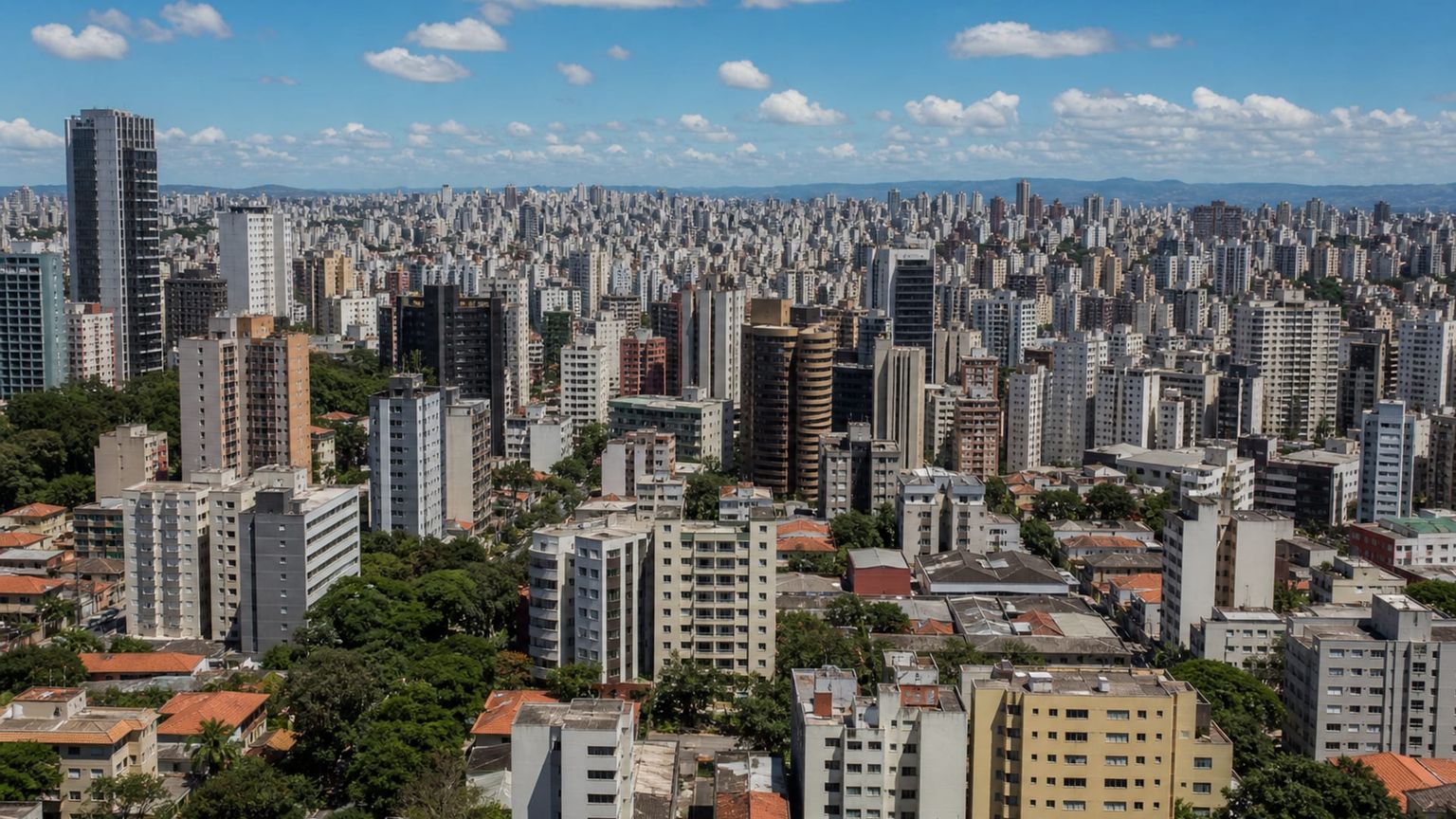
Belo Horizonte is known for Minas Gerais cooking, with beans, pork, cheese, cornmeal, greens, and slow-cooked meats appearing across traditional restaurants and bars.
Feijão tropeiro
Feijão tropeiro mixes beans with corn flour, sausage, bacon, egg, collard greens, and torresmo for a rich, filling plate. Feijoah Cozinha serves a traditional version in Belo Horizonte.
Pão de queijo
Pão de queijo is made with cassava starch, eggs, milk, and Minas cheese, then baked until crisp outside and soft inside. A Pão de Queijaria specializes in versions made with cheeses from several parts of Minas Gerais.
Tutu de feijão
Tutu de feijão turns cooked beans into a thick purée with cassava or corn flour, usually served with pork, rice, and greens. Nuúu Restaurante serves lombo de sol with tutu de feijão on its lunch menu in Savassi.
Frango com quiabo
Frango com quiabo combines chicken slowly cooked with okra, often served with rice and angu. Maria das Tranças prepares it with a whole chicken and okra cooked together in the same sauce.
Best time to visit Belo Horizonte
Belo Horizonte has a wet summer and dry winter, so the season changes how easy it is to plan Pampulha, parks, and long walks.
Best for: Green parks, museum days, evening dining, and indoor-outdoor city planss
What you get: Temperatures usually range from 68°F to 84°F (20°C–29°C), with warm mornings, humid afternoons, and frequent summer rain later in the day.
Trade-offs: Heavy afternoon rain can interrupt Pampulha visits and slow traffic across the city.
Best for: Long walks, food-focused days, museum visits, and milder afternoons outdoors
What you get: March still feels warm, then May cools to roughly 63°F–79°F (17°C–26°C) as the summer rains fade and drier weather becomes more common.
Trade-offs: Rain is still possible early in the season, especially in March and April.
Best for: Pampulha, outdoor sightseeing, viewpoints, and longer days spent on foot
What you get: Rain is scarce, skies are often clear, and temperatures generally stay near 59°F–77°F (15°C–25°C), with cooler mornings and evenings.
Trade-offs: Dry air can be noticeable, and evenings may feel cool after warm afternoons.
Best for: Parks, outdoor cafés, architecture walks, and warmer late-year weather
What you get: September begins dry near 63°F–81°F (17°C–27°C), then October and November become hotter and more humid as the rainy season returns again.
Trade-offs: Heat and afternoon storms become more common toward November.
A realistic 5-day plan in Belo Horizonte
Five days in Belo Horizonte gives you enough time to separate Pampulha from the central neighborhoods and still leave room for museums, markets, and long meals. This plan keeps each day focused on one area, so you spend less time crossing the city.
After landing at Belo Horizonte International Airport (CNF), take a taxi, ride app, or airport bus into the city. The airport is about 25 miles (40 km) from central Belo Horizonte, so keep the first evening close to your hotel. Check in, walk through Praça da Liberdade or nearby Savassi, then choose dinner in the same area. If you arrive late in the afternoon, skip any timed visits and leave the museums and longer rides for the next morning.
Spend the morning around Praça da Liberdade and choose one or two stops from the Circuito Liberdade, such as CCBB, MM Gerdau, or Memorial Minas Gerais Vale. The museums and cultural centers are grouped around the square, so you can move between them on foot and stop for coffee between visits. Have lunch in Lourdes or Savassi, then return for another museum if you still have time. Keep dinner nearby instead of adding another trip across the city.
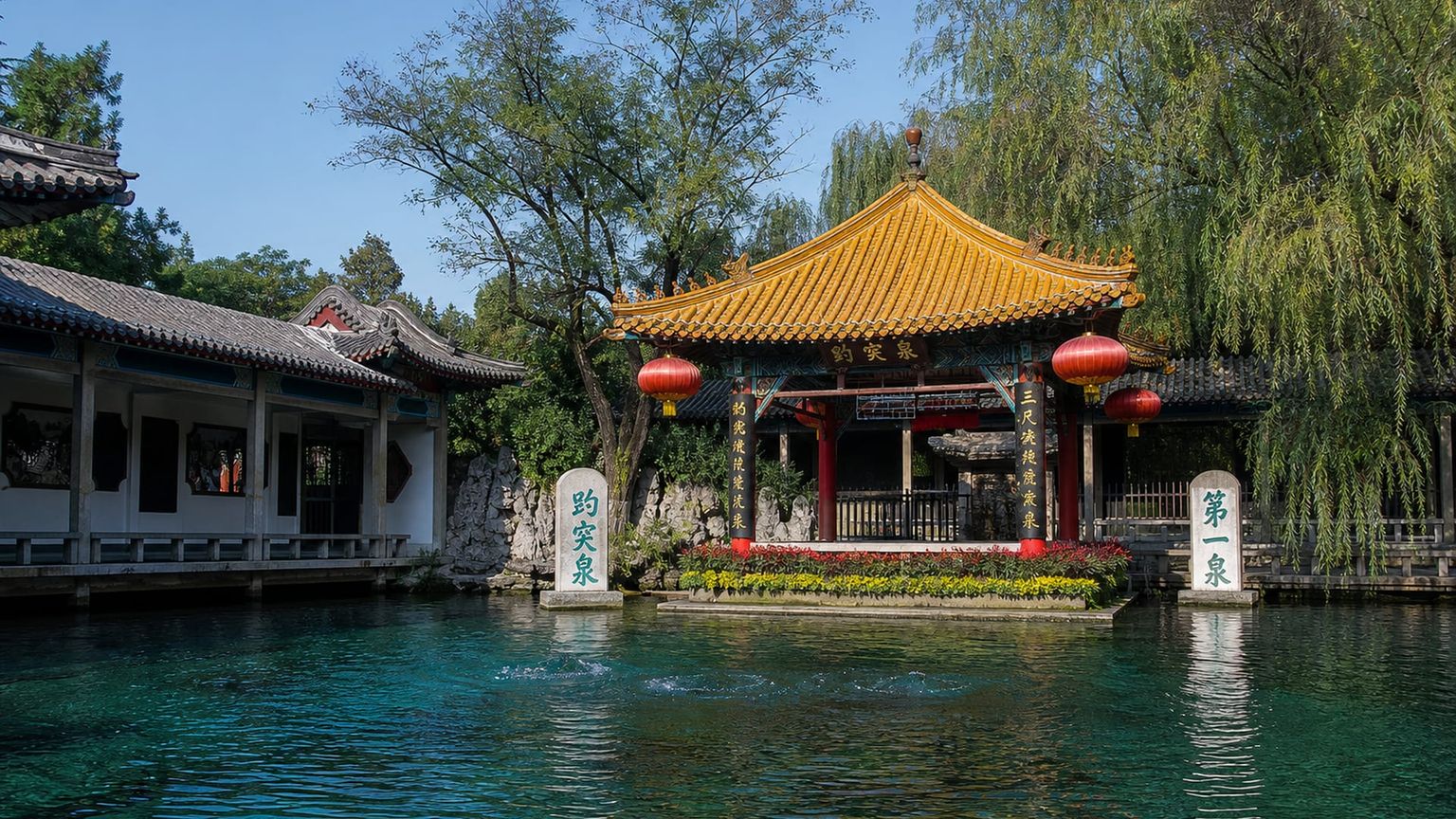
Give Pampulha its own day. Start at the Church of Saint Francis of Assisi, then continue to Casa do Baile and the other buildings that form the UNESCO-listed modernist ensemble around the lagoon. Stop for lunch nearby, then spend an hour or two at Parque Ecológico da Pampulha if you want more time outdoors. Check individual opening hours before you go, then return to Savassi or Lourdes for dinner.
Use the fourth day for central Belo Horizonte. Begin at Mercado Central, where you can browse cheeses, sweets, spices, crafts, and traditional food stalls before lunch. From there, continue through the center toward Praça da Estação and Museu de Artes e Ofícios, which occupies the former railway station. The museum is free, and most of this day stays within the central area, so you can finish with coffee or an early dinner without another long transfer.
Keep the final morning light. Stay near Savassi, Lourdes, or Funcionários for coffee, a short walk, and any last shopping before returning to your hotel for your bags. If your flight leaves later, add a relaxed lunch or one final stop at Praça da Liberdade instead of crossing the city for another attraction. Then head to Belo Horizonte International Airport (CNF) with plenty of time, since traffic can make the trip to Confins longer than expected.
Business-class flights from the US to Belo Horizonte
Flights from the US to Belo Horizonte (CNF) usually include one connection through São Paulo, Panama City, or Lisbon, depending on the airline and departure city.
New York (JFK) to Belo Horizonte (CNF)
From New York (JFK), LATAM connects through São Paulo (GRU), Copa Airlines through Panama City (PTY), and TAP Air Portugal through Lisbon (LIS). The shortest one-stop itineraries take roughly 11–13 hours, while those with layovers in Lisbon usually take longer. Round-trip business-class fares range from US$2,950 to US$4,500. The airline, layover length, and booking time all affect the price.
Los Angeles (LAX) to Belo Horizonte (CNF)
From Los Angeles (LAX), LATAM offers one-stop flights to Belo Horizonte through São Paulo (GRU), Copa Airlines through Panama City (PTY), and TAP Air Portugal through Lisbon (LIS). The shortest flights on this route usually take 13–15 hours; longer layovers can add several hours. Business-class tickets generally cost US$3,100–US$5,500 round trip, and booking earlier usually gives you more options near the lower end of that range.
See Belo Horizonte one area at a time
A well-paced Belo Horizonte trip usually follows the city’s own geography, a morning in Praça da Liberdade or the Museu de Artes e Ofícios, an afternoon in Pampulha, and evenings in Savassi or Lourdes rather than across town. Taxis, short walks, and the occasional bus ride keep the days connected without wasting time on long returns. If you are planning a trip to Belo Horizonte from the US, you can leave part of your research to our AranGrant experts; they can help you match business-class flights and hotels to your travel dates and preferred neighborhoods.







