

Chapters:

Need help with your trip?
Our support team is available 24/7. Request a callback or call us directly at (833) 619-0908
Belfast trips often start with Titanic Belfast, the Cathedral Quarter, and a quick look at the city center, then leave the rest of the day to chance. That pattern skips the places that need timing, from Botanic Gardens in daylight to Crumlin Road Gaol before the last tour slots.
The result is extra backtracking across a city that spreads into distinct quarters, with buses, taxis, and walking all working best in different combinations. If you do not plan those moves, dinner bookings, museum hours, and late-evening returns can crowd one another.
This guide organizes Belfast into a five-day sequence that groups nearby sights, sets clear transfer windows, and leaves room for food stops without padding the schedule.
Useful things to know

Main language(s): English

Currency: The local currency is the pound sterling (GBP, £).

Cash and cards: Cards and contactless are widely accepted; carry about £20 to £40 ($26 to $52) in cash for small shops or taxis.

Tipping: Round up small bills; tip about 10% in restaurants if the bill does not include service.

Traditional food: Ulster fry, Irish stew, soda bread, champ

Water and coffee costs: Water about £1.50 ($2), bar espresso about £3 ($4).

Taxis and ride apps: Free Now and Uber operate here; airport pick-up points can vary.

Plug and voltage: Type G socket, 230V

Dining and shop opening hours: Breakfast is roughly 07:00-09:00, lunch 12:00-14:00, and dinner 17:00-20:00. Many kitchens close by 21:00, earlier on Sundays.

Emergency number: Dial 999 or 112 for police, fire, ambulance, or coastguard.
Where to stay in Belfast
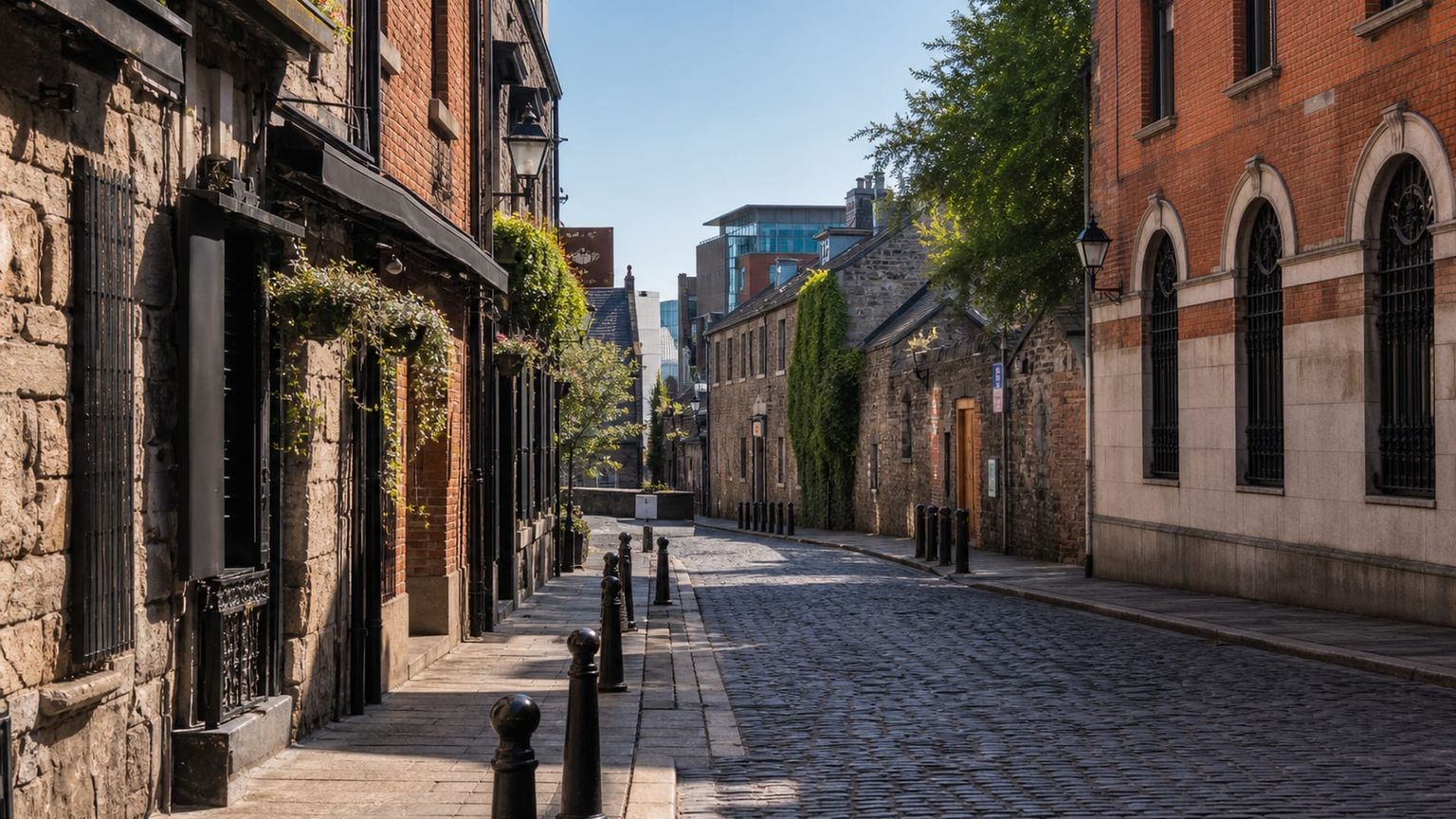
Belfast’s most characterful central district, centered on St Anne’s Cathedral, the MAC, and narrow streets lined with pubs, galleries, and restaurants. It suits travelers who want to step out into the city center and still reach major sights on foot.
Best for: Nightlife, dining, and visitors who want a central base for walking to key sights
What to expect: Expect busy pavements, late-opening bars, and the most animated evening scene in the city center.
Hotel prices: Usually about $140 to $240 per night for well-rated stays
Distance to major sights: 10 to 15 minutes on foot to City Hall; about 15 to 20 minutes on foot to the Titanic Belfast visitor area
Quietness: Busy by day and lively into the evening, with late noise on weekend nights.
Main trade-off: Rooms in the liveliest streets can pick up bar noise, and weekend rates tend to rise.
Good to know: If you sleep light, choose a room away from the main pub streets rather than a lower floor facing them.
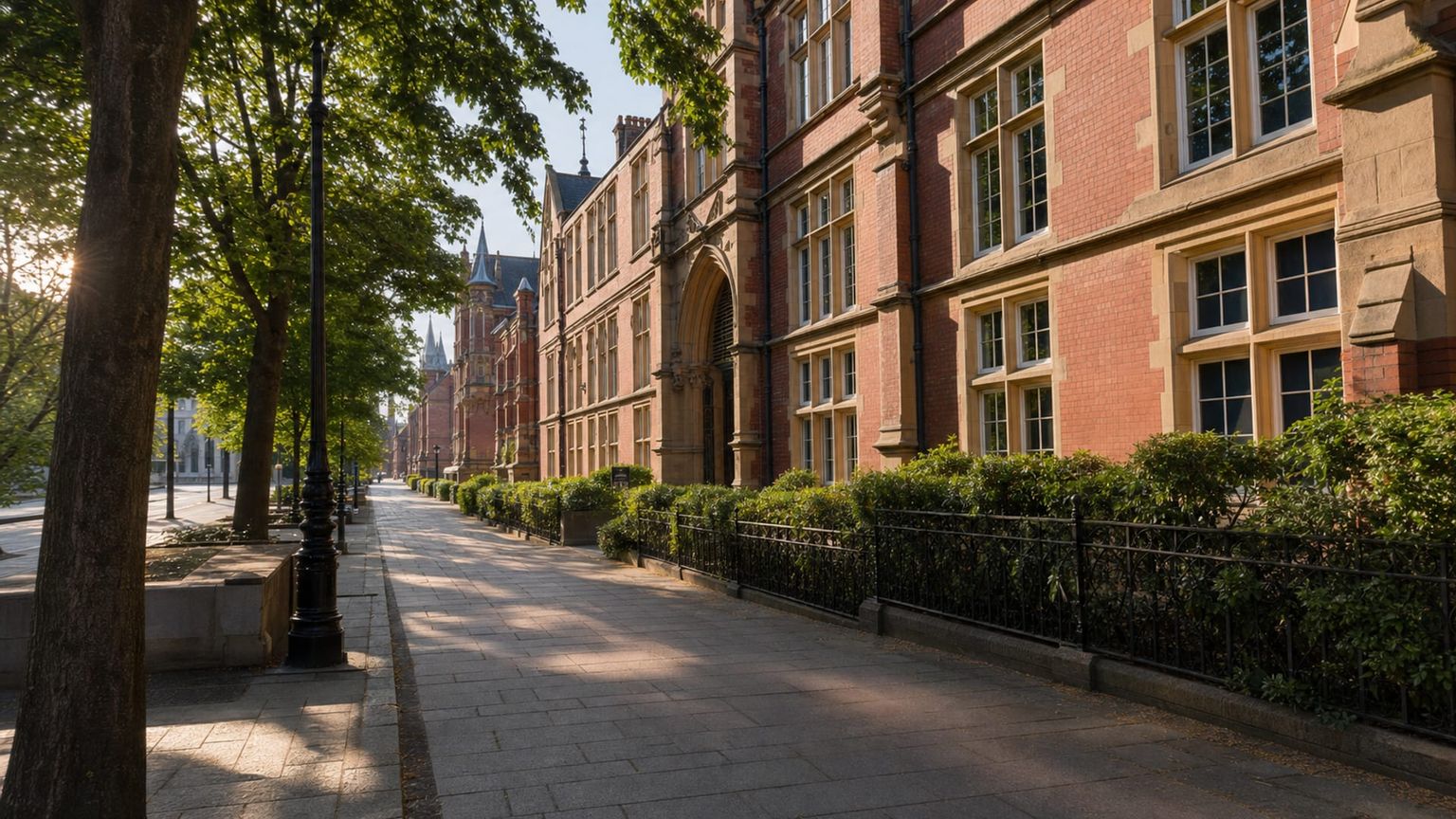
South of the center, Queen’s Quarter clusters around Queen’s University, the Botanic Gardens, and Ormeau Road. It gives you cafes, restaurants, and a younger local crowd, with an easy link back to the city core.
Best for: Dining, university-area streets, and travelers who want a slightly less intense central base
What to expect: Expect student energy, neighborhood restaurants, and a steady flow of people around the university and Botanic areas.
Hotel prices: Usually about $120 to $210 per night for well-rated stays
Distance to major sights: About 15 minutes on foot to City Hall; about 10 minutes on foot to the Botanic Gardens
Quietness: Calmer than the core in the daytime, then livelier near bars and student hangouts after dark.
Main trade-off: You trade a bit of central convenience for a longer walk to the cathedral quarter and waterfront.
Good to know: Late-night options are more scattered here, so plan on taking a taxi if you stay out after pubs close.
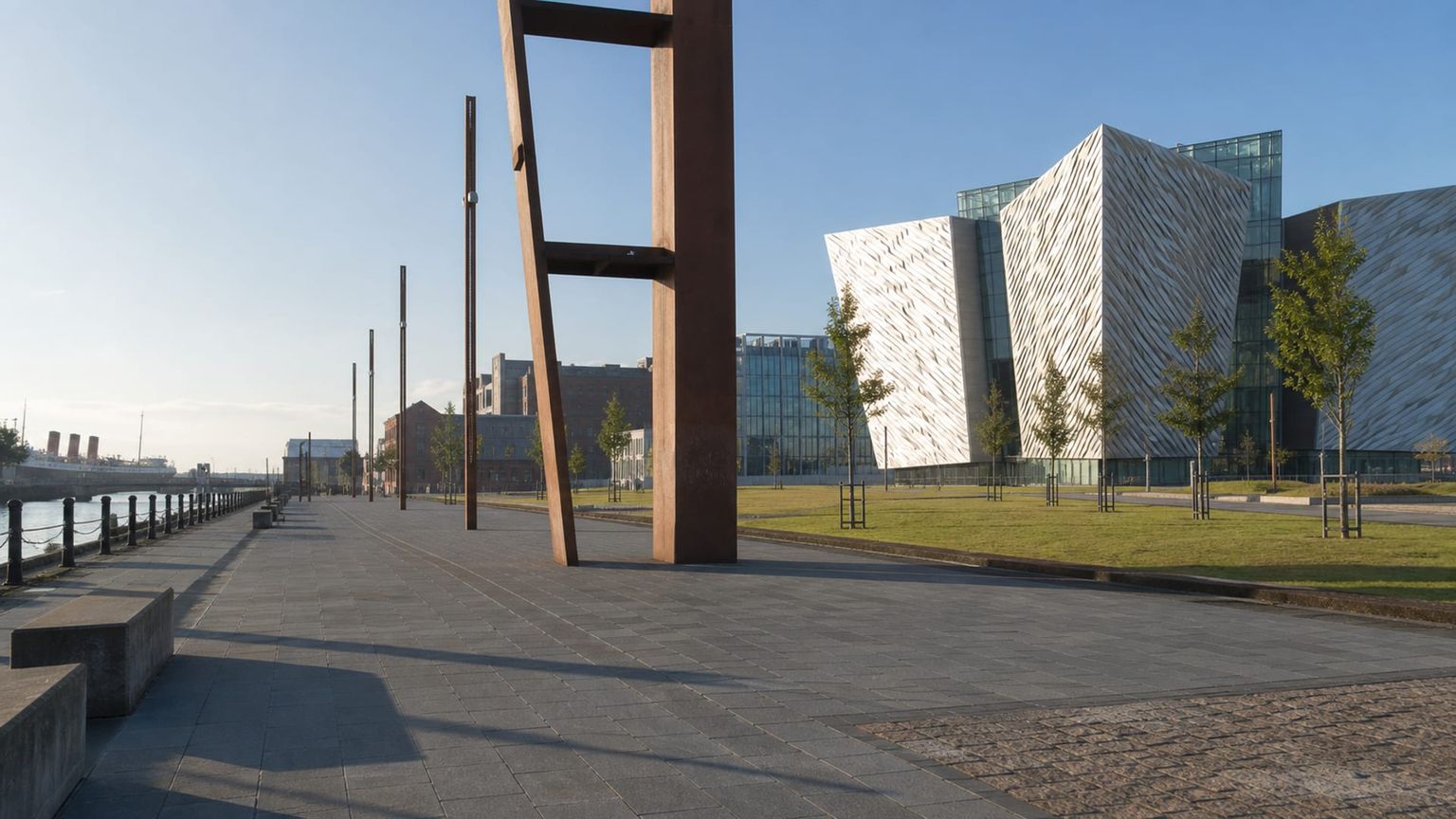
The waterfront district east of the city center, Titanic Quarter puts you beside Titanic Belfast, SSE Arena, and the former shipyard sites tied to Belfast’s maritime history. It works well if you want modern hotels and direct access to the docklands.
Best for: Titanic Belfast, arena events, waterfront walks, and modern hotels
What to expect: Expect wide streets, newer buildings, and quiet stretches between the main attractions and hotels.
Hotel prices: Usually about $150 to $260 per night for well-rated stays
Distance to major sights: About 10 minutes on foot to Titanic Belfast; about 20 to 25 minutes on foot to City Hall
Quietness: Quiet at night outside event dates, with noticeable traffic around arena shows and major cruise days.
Main trade-off: You gain proximity to the waterfront but lose the easiest walk-up access to the city’s densest bar and restaurant streets.
Good to know: Public transport is thinner here after dark, so check the return plan before booking a late arena ticket.
Travelers usually avoid staying in west Belfast far from the City Centre, since it adds time to visits to the Cathedral Quarter, Titanic Quarter, and main shopping streets, and late-night buses are less frequent. Parts of outer east Belfast near the airport road are also less convenient for a city break, because they sit away from the main visitor areas and have fewer hotels, restaurants, and evening options; similar trade-offs apply to the northern suburbs such as Glengormley, where travel into the center takes longer and most sights are not walkable.
Hotel deals
How to get around Belfast efficiently
Belfast has no metro, so most visitors mix walking with Translink buses, taxis, and rail for the longer hops between the center, the university area, and the waterfront.

Metro
for longer distances
Belfast has no metro or subway, so the closest equivalent is the rail network plus frequent city buses for cross-city trips; on Translink trains, a single fare from Belfast Grand Central or Belfast Lanyon Place to nearby suburbs such as Lisburn or Bangor is about $4 to $8 (£3 to £6), with journeys usually taking 15 to 25 minutes. Day and multi-journey tickets can trim costs if you make several hops in one day, and contactless payment works on many services.

Bus and tram
for convenience
Metro buses, run by Translink, cover the city center, Queen’s Quarter, Titanic Quarter, and outer districts such as Andersonstown and east Belfast; a typical short ride costs about $2.50 to $4.50 (£2 to £3.50), and most tickets are valid for a single trip or a day ticket valid until the end of service. Use exact change, contactless where accepted, or a mLink mobile ticket, and expect cross-city journeys to take about 20 to 40 minutes depending on traffic.

Taxi
for convenience or late hours
Licensed black taxis in Belfast usually use meters or fixed area fares, and a ride from Belfast city center to Belfast City Airport is roughly $14 to $22 (£11 to £17), while Belfast International Airport transfers often cost about $44 to $58 (£35 to £45) on metered or quoted fares. You can hail a black cab on the street or use a phone app or taxi rank, and most accept card payments, though it is wise to confirm before departure.
*Prices are based on rates updated as of June 2026 and may change at the time of travel.
Walk in the center, use buses for cross-city links, and take taxis for late returns or airport transfers when timing matters most.
Iconic landmarks
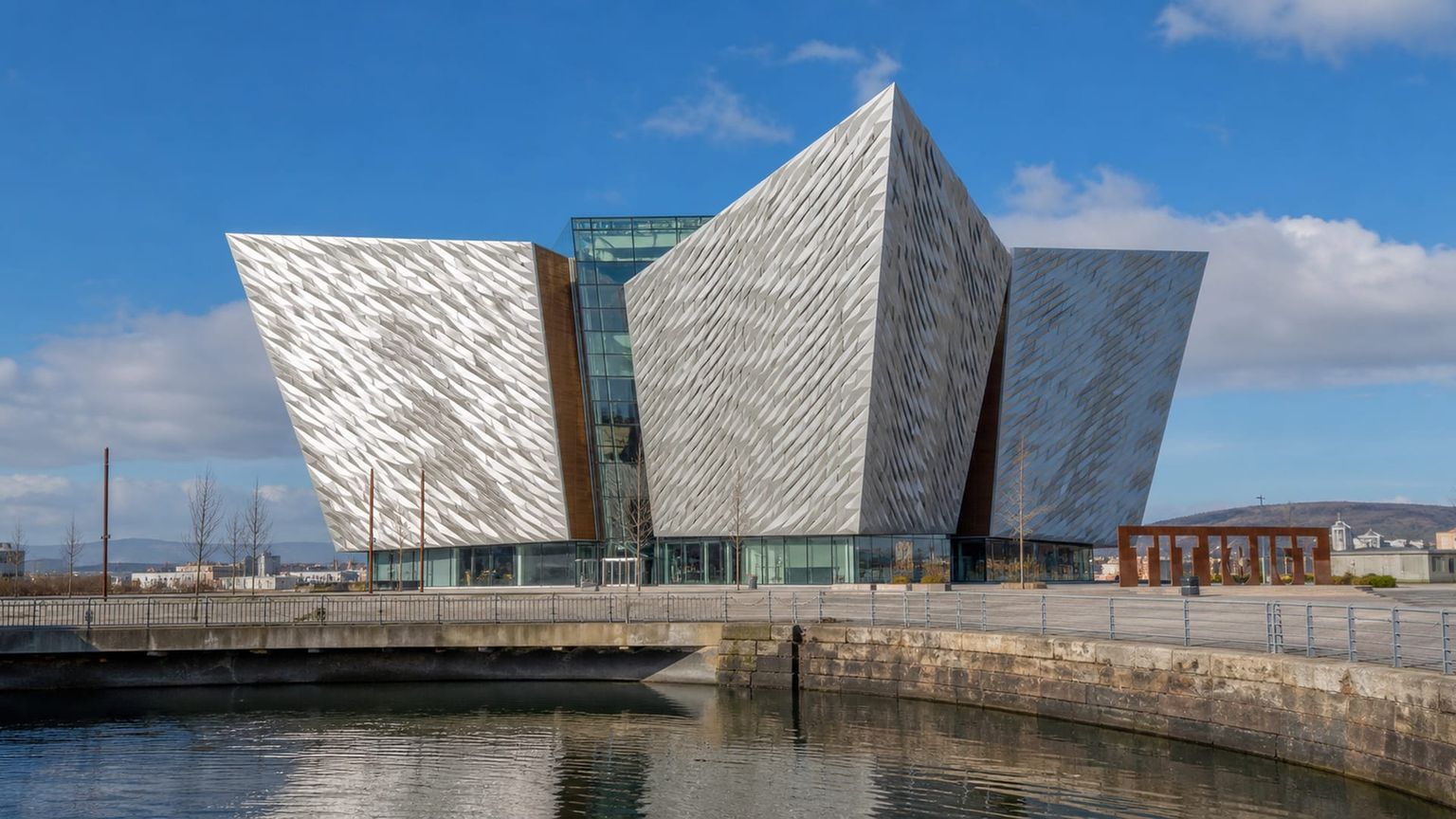
Titanic Belfast
Built on the slipways where RMS Titanic was designed and launched, this nine-gallery museum traces the ship’s construction, voyage, sinking, and legacy. The building’s faceted shell marks the city’s shipbuilding history on Queen’s Island.
Time needed: About 2 to 3 hours
Entry: Standard admission costs $26 (£20.95) for adults, $12 (£9.95) for children ages 5 to 16, and $67 (£53.95) for a family of four. Visit the official site for details.
Tip: Go early in the day, when galleries are quieter and the glass-fronted plaza has softer light.
Crumlin Road Gaol
This 19th-century prison opened in 1846 and now tells the story of incarceration, executions, and political conflict in Belfast. Guided and self-led visits cover the cells, tunnel, and execution chamber.
Time needed: About 1.5 to 2 hours
Entry: Standard admission costs $15 (£12.95) for adults, $10 (£8.95) for children ages 5 to 15, and $42 (£34.95) for a family ticket. Visit the official site for details.
Tip: Pair a morning visit with the nearby Cathedral Quarter before the afternoon crowds build up.
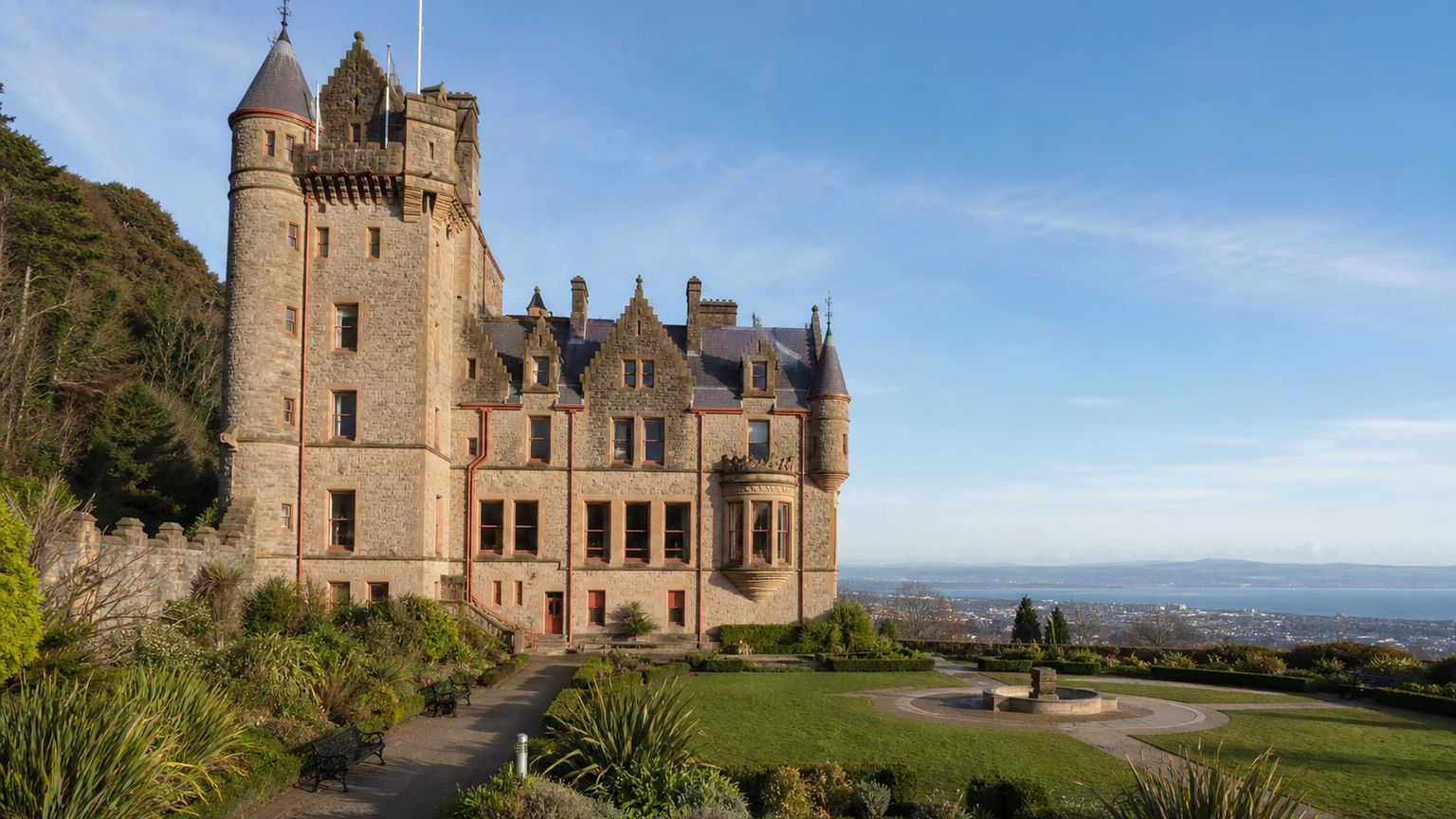
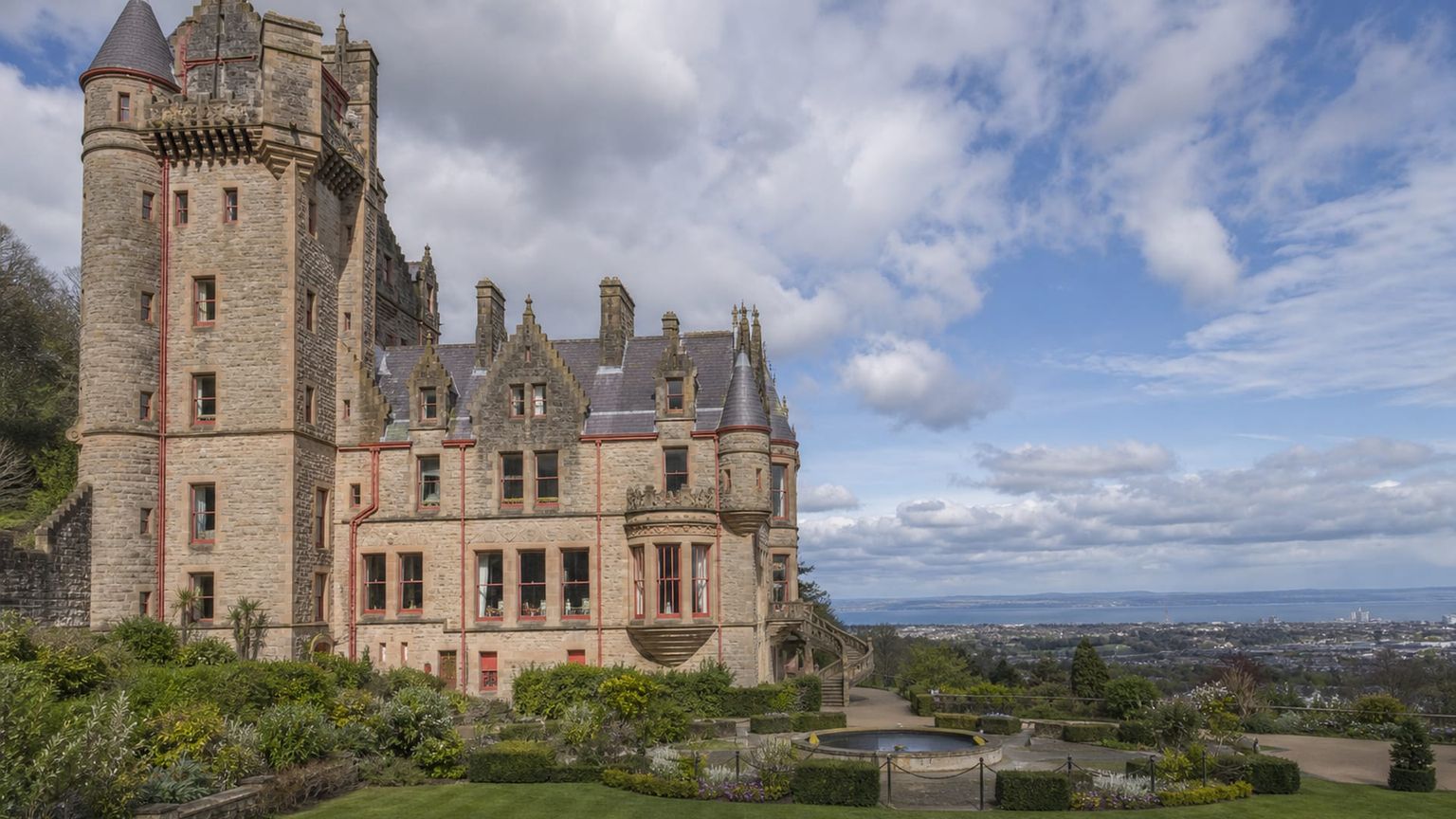
Belfast Castle
Set on the lower slopes of Cave Hill, this 19th-century castle gives wide views over Belfast Lough and the city below. Its terraces, gardens, and visitor rooms make it one of the clearest viewpoints within the city limits.
Time needed: About 1 to 2 hours
Entry: Free to access Visit the official site for details.
Tip: Visit near sunset for the best light over the lough and the city rooftops.
Overlooked sites worth visiting

Crumlin Road Gaol
This former Victorian prison gives a close look at Belfast’s penal history through cell blocks, the hanging bridge, and guided stories from staff. The architecture and exhibits reward unhurried visits.
Time needed: About 1.5 to 2 hours
Entry: Adult admission costs $13 to $15 (£10.50 to £12.50), with reduced rates for children, seniors, and students; guided tours add context to the cells, yard, and tunnel areas, and last entry times vary by season. Visit the official site for details.
Tip: Go early for quieter guided tours and better photos in the yard.

Belfast Botanic Gardens and Palm House
These gardens pair Victorian glasshouse architecture with wide lawns, mature trees, and quiet paths near Queen’s University. The Palm House anchors the visit, while the rest of the park suits a slow circuit.
Time needed: About 1 to 2 hours
Entry: Free to access, with no ticket required for the gardens or outdoor paths; the Palm House typically has separate opening hours for displays and events, and any special exhibition charges are posted by Belfast City Council.
Tip: Visit on a bright morning for the best light inside the Palm House.
Traditional food
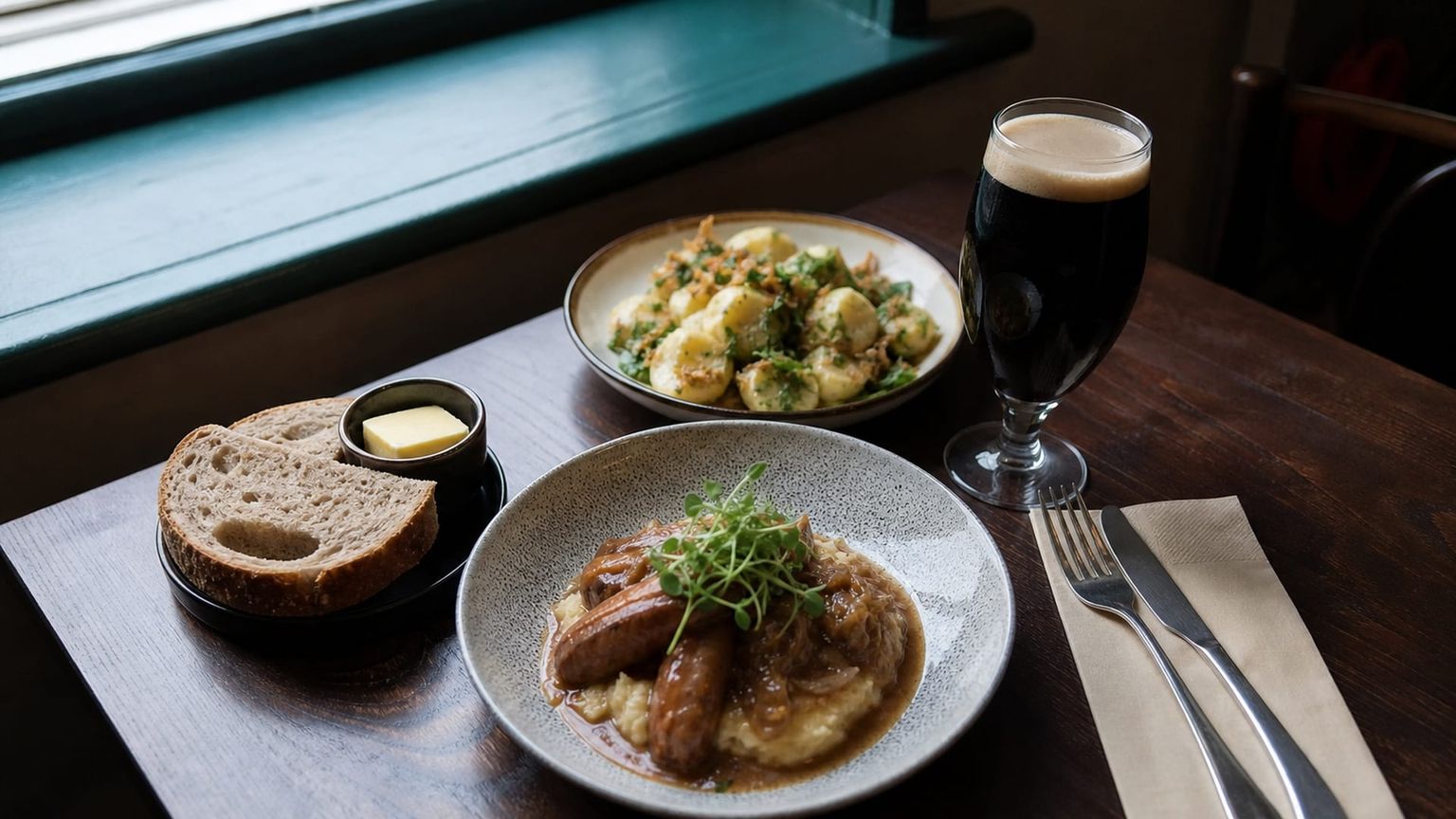
Belfast cooking leans on butter, potatoes, oats, and slow-cooked meats, with Ulster fry, Irish stew, soda bread, and champ anchored in pub tables and neighborhood cafes.
Ulster fry
A Belfast breakfast plate of eggs, bacon, sausage, black pudding, soda bread, and potatoes, best ordered early in the day. The café at St George’s Market is a canonical stop for it.
Irish stew
Lamb, potatoes, and root vegetables cook down into a comforting bowl that suits Belfast’s pub dining. The Crown Liquor Saloon is a classic place to try it.
Soda bread
This quick bread arrives warm beside breakfast plates or soups, with a dense crumb that works well with butter. Made in Belfast is a dependable spot for a simple version.
Champ
Mashed potatoes mixed with scallions, butter, and milk, champ often appears as a side with fish or sausages. Established Coffee in the city center is a strong place to find it at brunch.
Best time to visit Belfast
Belfast is usable year-round, though the best season depends on whether you want long daylight, lighter crowds, or the clearest chance of dry walking weather.
Best for: Gardens, longer walks, and early terrace visits
What you get: Temperatures hover about 45 to 59°F (7 to 15°C), with moderate crowds and changing rain patterns.
Trade-offs: You may still run into cool wind and passing showers.
Best for: Outdoor sightseeing, festival dates, and the longest evenings
What you get: Temperatures usually sit about 54 to 66°F (12 to 19°C), with the busiest hotel and dining demand of the year.
Trade-offs: Popular attractions and central rooms cost more and book faster.
Best for: Museum time, pub evenings, and calmer city-center walks
What you get: Temperatures often range from 46 to 59°F (8 to 15°C), with lighter crowds after peak summer.
Trade-offs: Shorter days reduce the time for late outdoor visits.
Best for: Indoor sightseeing and lower off-peak rates
What you get: Temperatures tend to stay about 37 to 46°F (3 to 8°C), with the quietest streets but limited daylight.
Trade-offs: Rain, wind, and early sunsets can compress the day.
A realistic 5-day plan in Belfast
A good Belfast stay works best when you group the waterfront, the university district, and the hilltop sights into separate days. That keeps transfers short, gives the museums enough time, and leaves dinner in the right part of town without forcing a cross-city detour.
Land at Belfast (BFS), then take a taxi or prebooked car into the center in about 20 to 30 minutes for roughly $30 to $40. If you are staying in the Cathedral Quarter, you can check in, hydrate, and keep dinner close by with an early meal on Waring Street or at a restaurant near St Anne’s Cathedral, then turn in early so you can start with a full day tomorrow.
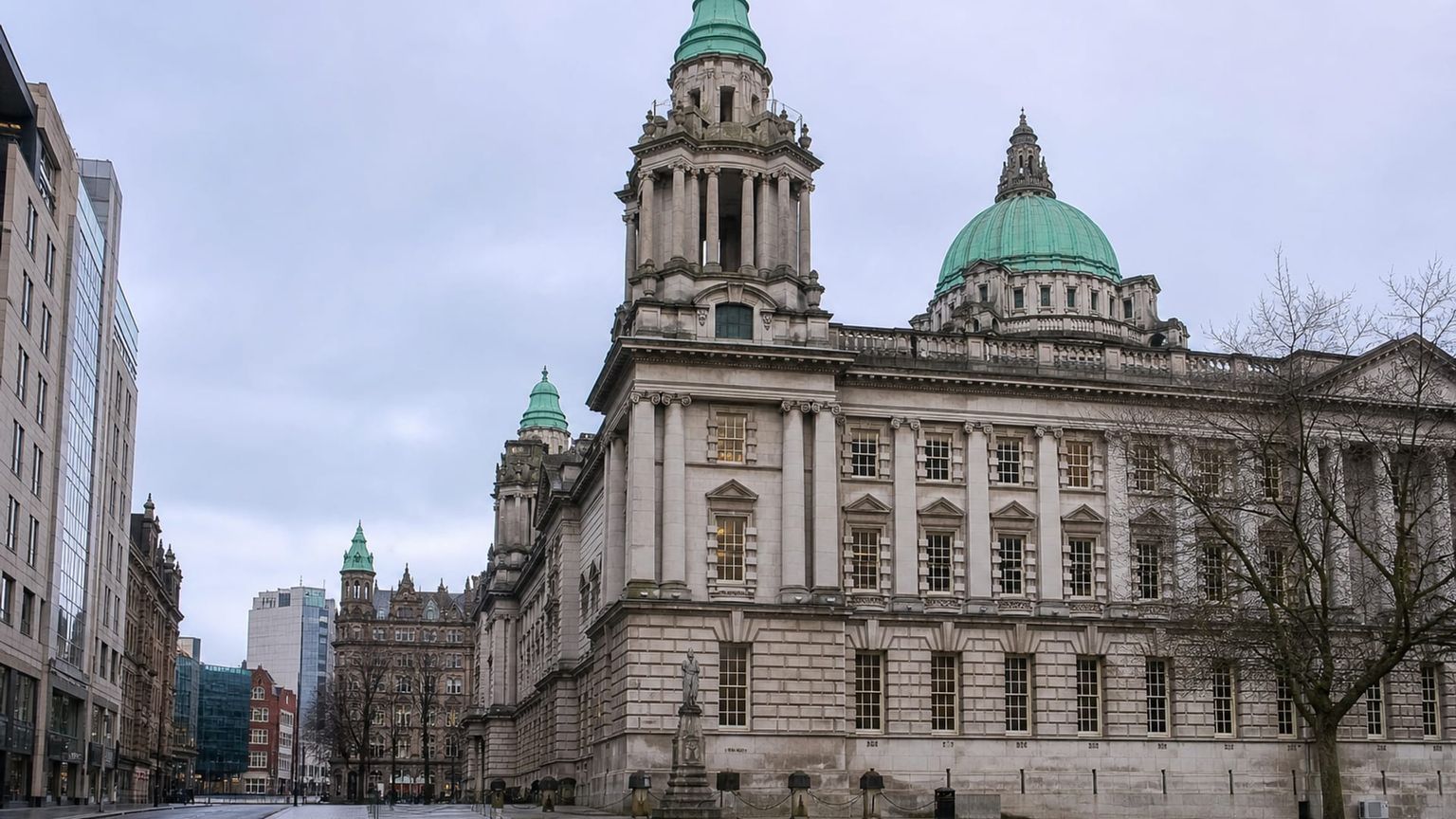
Start at Titanic Belfast on Queen’s Island, where the galleries take about 2 to 3 hours and standard admission costs $26 (£20.95) for adults. From the Titanic Quarter, it is about 20 to 25 minutes on foot or a short taxi ride to the Cathedral Quarter, where you can have lunch, then continue to the MAC and St Anne’s Cathedral before an evening of pubs or dinner nearby. If you want a shorter walk back, base yourself in the Cathedral Quarter so the day ends with an easy stroll.
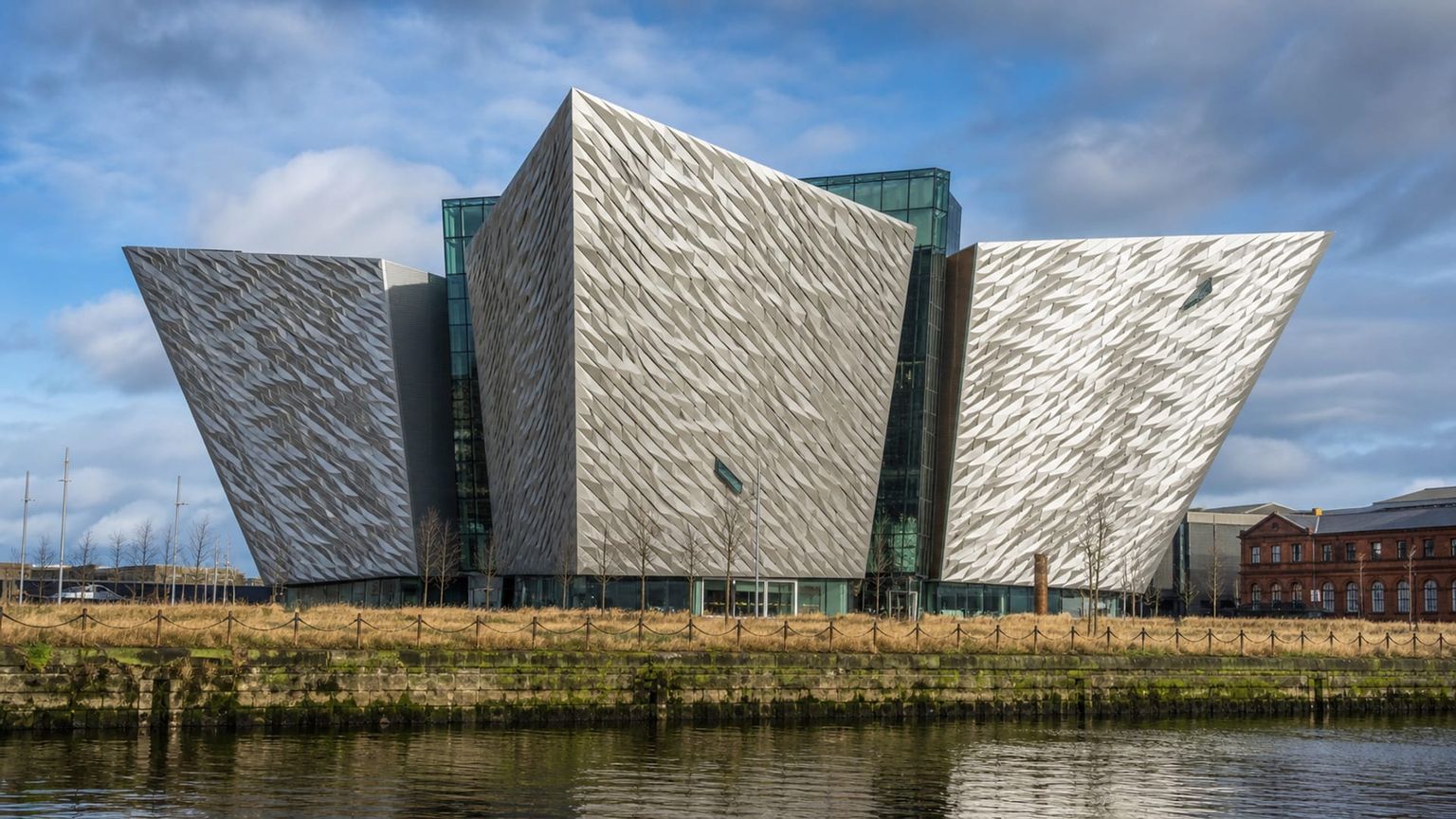
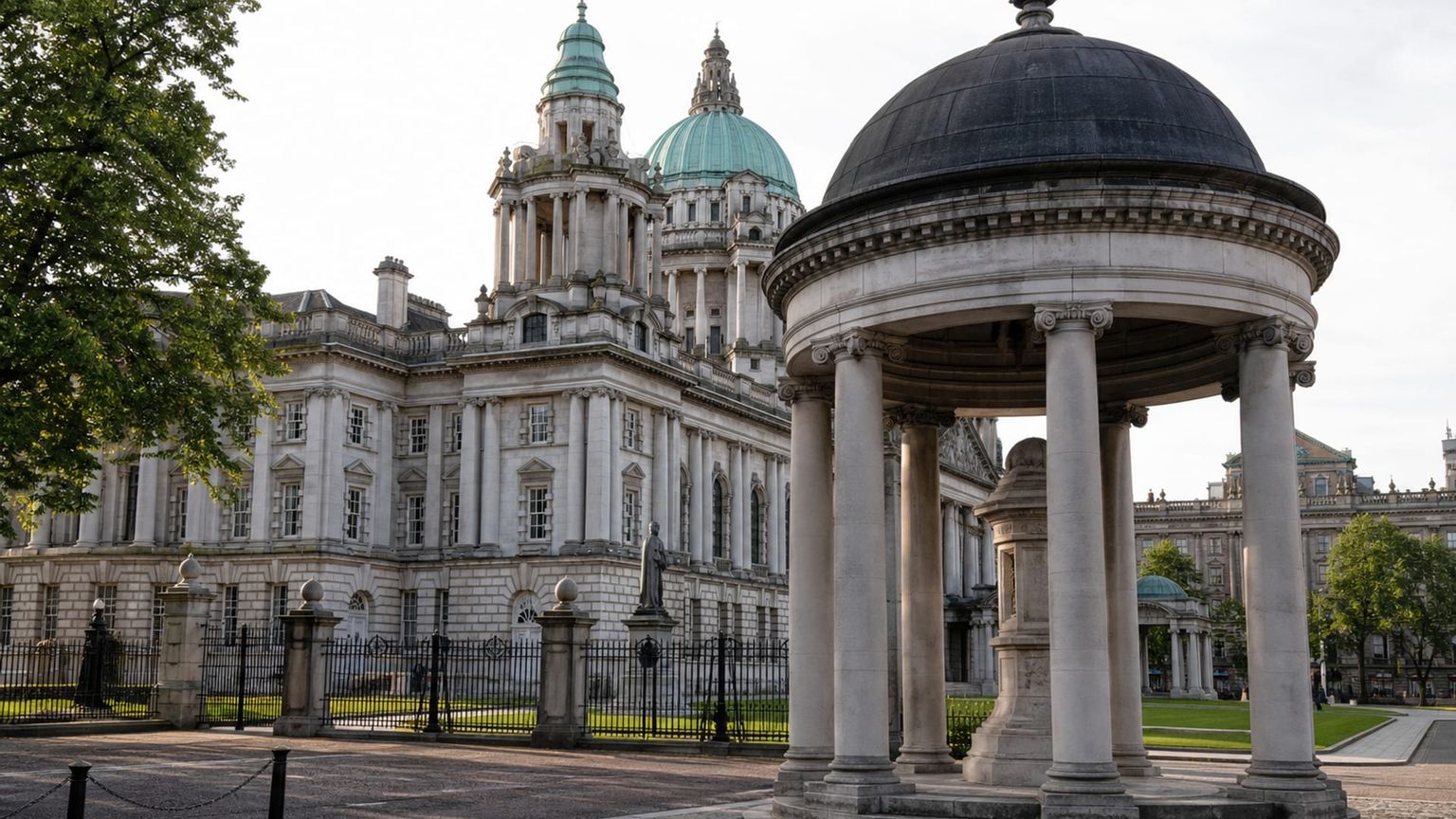
Begin in Belfast Botanic Gardens and the Palm House, then spend about 1 to 2 hours among the lawns and glasshouse before walking about 10 minutes to Queen’s University and the cafes of Queen’s Quarter. In the afternoon, head by taxi or bus to Crumlin Road Gaol, which takes about 10 to 15 minutes from the city center and about 1.5 to 2 hours to visit, with adult admission at $13 to $15 (£10.50 to £12.50). Return to the center for dinner in Queen’s Quarter or the Cathedral Quarter, depending on where you are staying.
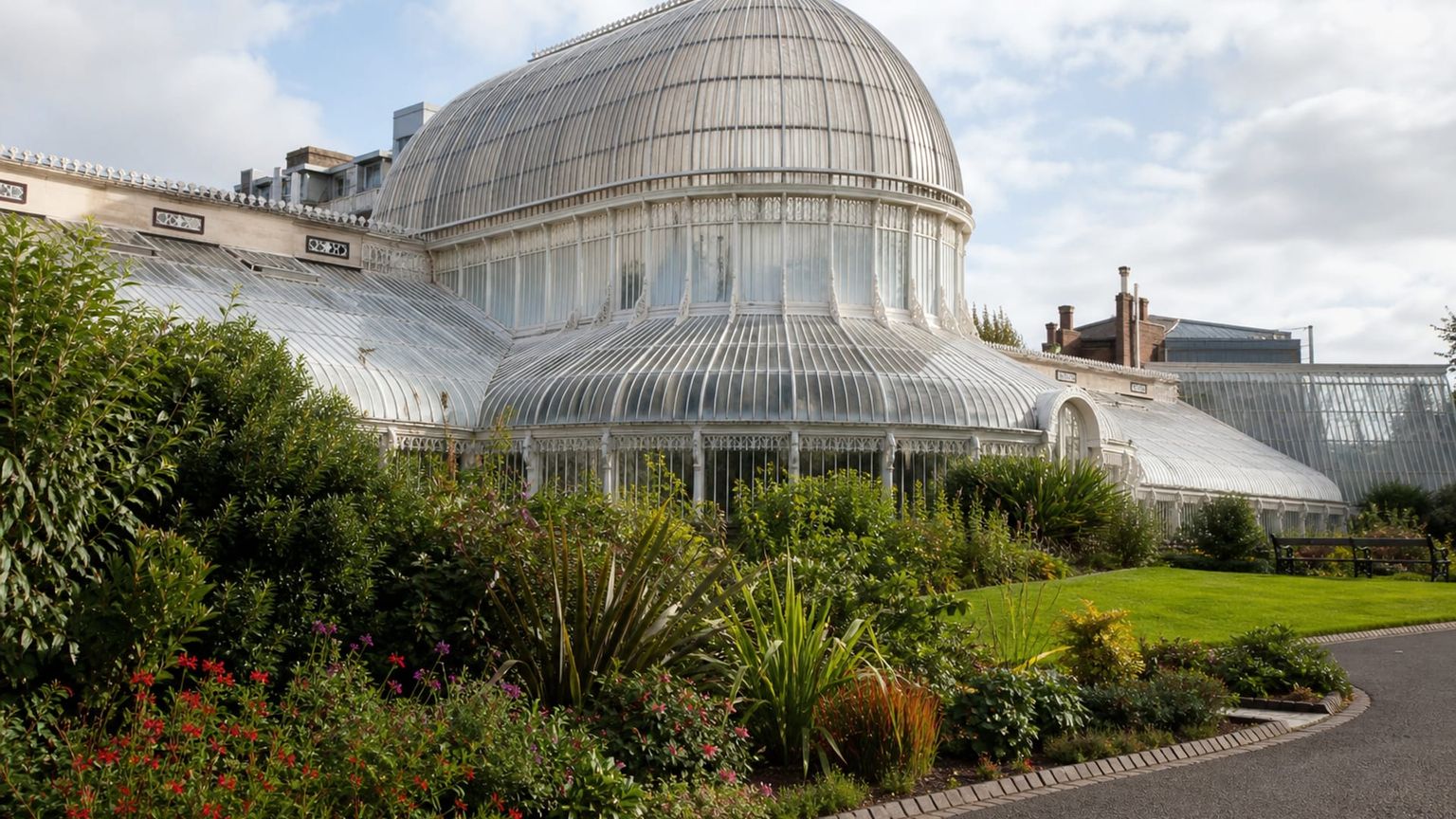
Set out for Belfast Castle in the late morning, since the drive or taxi from the city center usually takes about 15 to 25 minutes, and allow 1 to 2 hours for the terraces, gardens, and hilltop views over Belfast Lough. After that, make your way back downtown for a relaxed afternoon around the city center, then finish with an early evening walk through the waterfront edge of the Titanic Quarter if you want one more look at the shipyard skyline. This works best if you are already staying in the Titanic Quarter or the Cathedral Quarter, where the return trip stays simple.
For a final day, start with a late-morning coffee in Queen’s Quarter, then fit in one last museum stop if you missed anything near the center, or return to Titanic Belfast for another pass through the exhibits. Spend the afternoon shopping on Royal Avenue or browsing the lanes near the Cathedral Quarter, then choose an early dinner near your hotel so departure day stays unhurried. If your flight leaves later, a taxi from the center to Belfast (BFS) usually takes about 20 to 30 minutes, so you can time the transfer without rushing.
Business-class flights from the US to Belfast
From New York and Los Angeles, Belfast usually works best as a one-stop trip, with route choices shaped by the layover city and total time in transit. The fare spread is widest on long-haul itineraries, so it pays to compare the connection as carefully as the headline price.
Aer Lingus, British Airways, Delta Air Lines, JetBlue, and United Airlines all sell itineraries from New York, with trip times of about 6 to 7 hours nonstop when a direct option is available. More often, one-stop routes connect through DUB, LHR, AMS, CDG, or FRA, which usually pushes total travel time to roughly 10 to 14 hours. Round-trip fares from New York start at $2,300 and commonly reach $5,500.
Los Angeles travelers usually face a longer connection pattern, with Aer Lingus, British Airways, Lufthansa, and United Airlines offering routes that commonly run through LHR, FRA, AMS, DUB, or CDG. Expect about 14 to 20 hours total on one-stop itineraries, while nonstop flying time, when offered, lands near 11 to 12 hours. Round-trip fares from Los Angeles usually run from $3,100 to $6,800, and one-stop itineraries via London or Dublin sometimes trim the fare.
Belfast feels different when you slow down
A careful Belfast trip gives each quarter its own slot, Titanic Quarter in the morning, the Cathedral Quarter for lunch and dinner, Botanic Gardens in daylight, and Belfast Castle near sunset. Trains, buses, and taxis all have a role, but only if you match them to the right part of the day. If you want help shaping the route, AranGrant experts can turn those city blocks into a trip that fits your flight and your pace







