

Chapters:

Need help with your trip?
Our support team is available 24/7. Request a callback or call us directly at (833) 619-0908
Belém rewards travelers who pace the first two days well, because the city’s biggest sights sit near the river, but not always close to one another. Many visitors head straight to Ver-o-Peso, the docks, and a quick museum stop, then spend too much time in traffic or arrive after the market energy has faded.
That pattern misses how the historic center, waterfront, and central neighborhoods connect, and it also underestimates Belém’s midday heat and busy roads. If you try to stack too many cross-town moves into one day, the trip starts to feel longer than the map suggests.
This guide breaks the city into manageable blocks, with market mornings, riverfront afternoons, and quieter neighborhood pauses so each day has a clear purpose.
Useful things to know

Main language(s): Portuguese
Olá (oh-LAH) – Hello/good morning
Por favor (por fah-VOR) – Please
Obrigado (oh-bree-GAH-doo) – Thank you
Você fala inglês? (voh-SEH FAH-lah een-GLAYS?) – Do you speak English?
Quanto custa? (KWAHN-too KOOS-tah?) – How much does it cost?

Currency: The local currency is the Brazilian real (BRL, R$).

Cash and cards: Cards and contactless are widely accepted; carry about R$100 to R$200 ($20 to $40) in cash.

Tipping: Round up small bills; 10% is appreciated in restaurants if service is not already included.

Traditional food: tacacá, pato no tucupi, maniçoba, açaí

Water and coffee costs: Water about R$5 ($1), bar espresso about R$8 ($2).

Taxis and ride apps: Uber and 99 operate here; confirm the plate before boarding.

Plug and voltage: Type N socket, 127V

Dining and shop opening hours: Breakfast is about 7:00-10:00, lunch 12:00-14:30, and dinner 19:00-22:00. Many shops close for a midday break, and some restaurants open late.

Emergency number: 190 for police, 192 for ambulance, 193 for fire rescue.
Where to stay in Belém
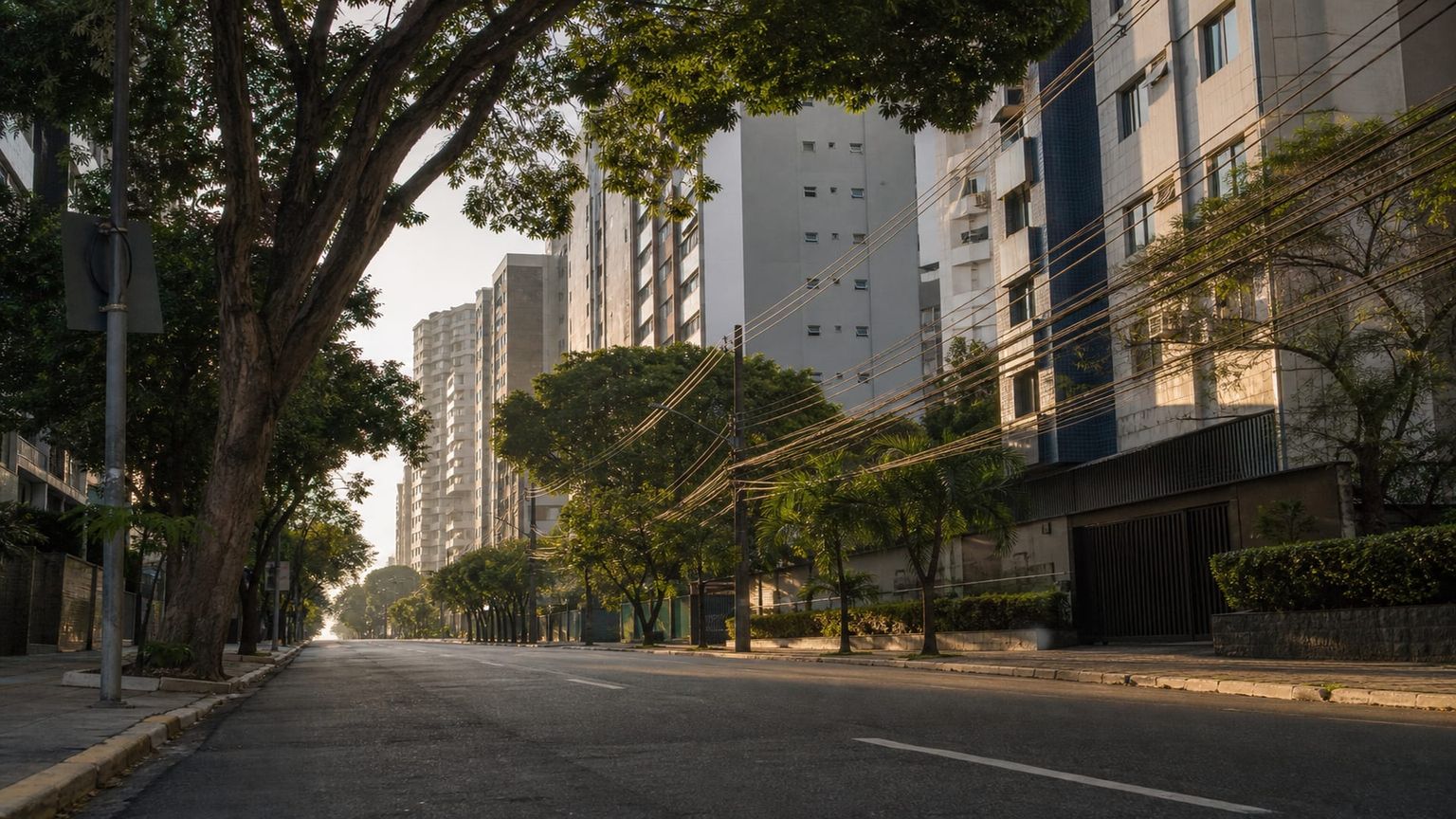
Central residential district with leafy streets, local shops, and easy access to restaurants. It gives you a comfortable base for moving between the historic center, port areas, and main commercial corridors without staying in the busiest riverfront zone.
Best for: Dining, central access, and travelers who want a residential base close to the historic core
What to expect: Expect apartment blocks, neighborhood restaurants, and steady daytime activity around shops and services.
Hotel prices: Usually about R$250 to R$500 (~$50 to ~$100) per night for well-rated stays
Distance to major sights: About 10 minutes by taxi to Estação das Docas and approximately 15 minutes to Mercado Ver-o-Peso
Quietness: Quieter in the morning and evening than the riverfront, with more local movement near main roads during the day.
Main trade-off: You will rely on taxis or rideshares for most sights, since the area is not the closest base for walking from one landmark to another.
Good to know: Traffic can slow cross-town trips at peak hours, so plan extra time if you have early museum visits or dinner reservations.
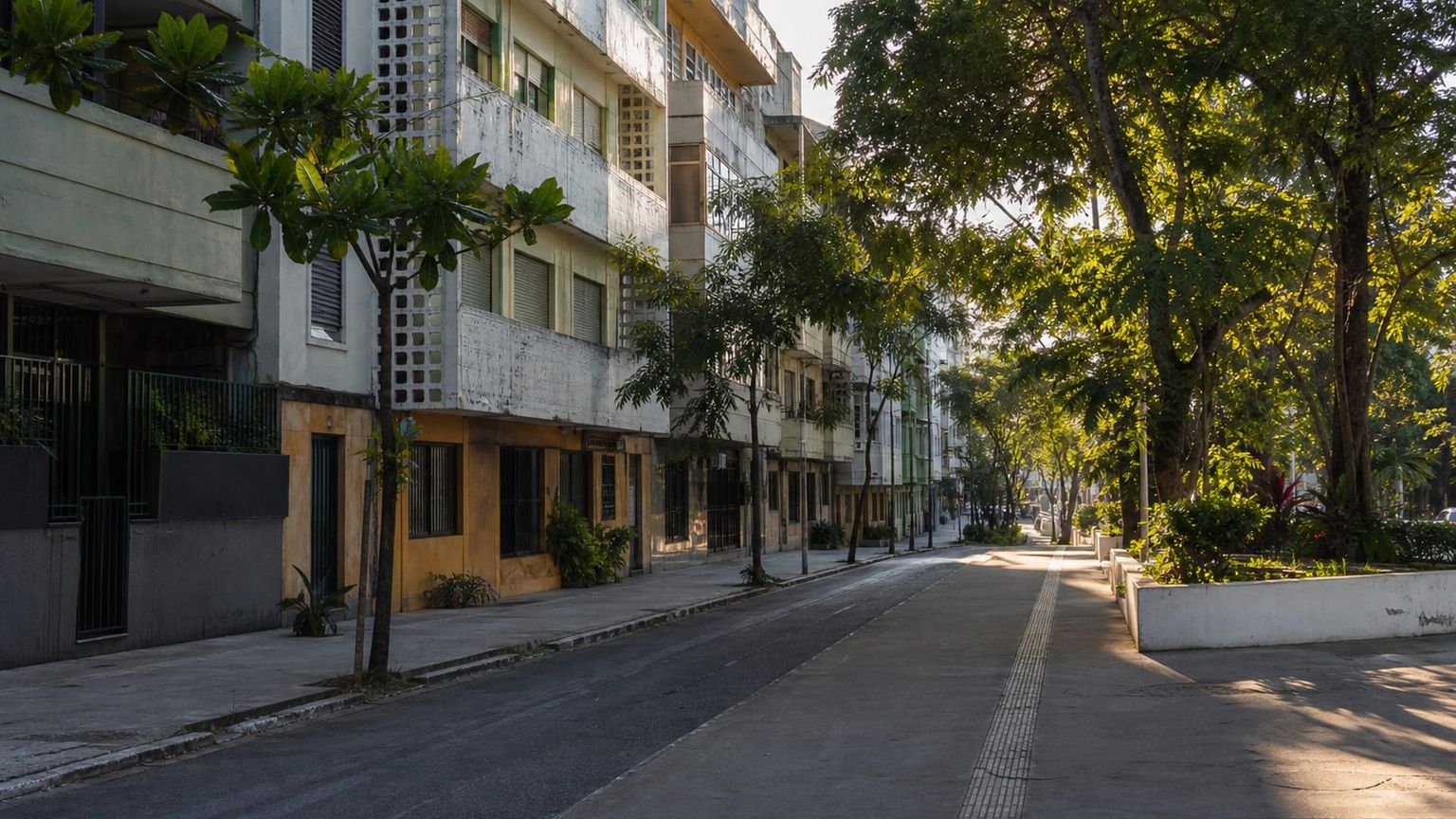
An established central neighborhood known for broad avenues, hotels, and close access to major institutions. It works well if you want a base near the main ceremonial and cultural spine of the city, with reliable transit links to other districts.
Best for: Museums, central sightseeing, and travelers who want hotel options near major avenues
What to expect: Expect busy streets, frequent buses, and a mix of hotels, offices, and everyday neighborhood traffic.
Hotel prices: Usually about R$220 to R$450 (~$45 to ~$90) per night for well-rated stays
Distance to major sights: About 10 minutes by taxi to Theatro da Paz and roughly 15 minutes to Estação das Docas
Quietness: Daytime is busy with traffic and errands, while evenings are calmer on side streets but still active near the main avenues.
Main trade-off: The area sits away from the riverfront, so you will spend more time commuting to waterfront dining and boat departures.
Good to know: Choose a room away from the avenue if you are sensitive to traffic noise, since buses and cars stay active late on major streets.
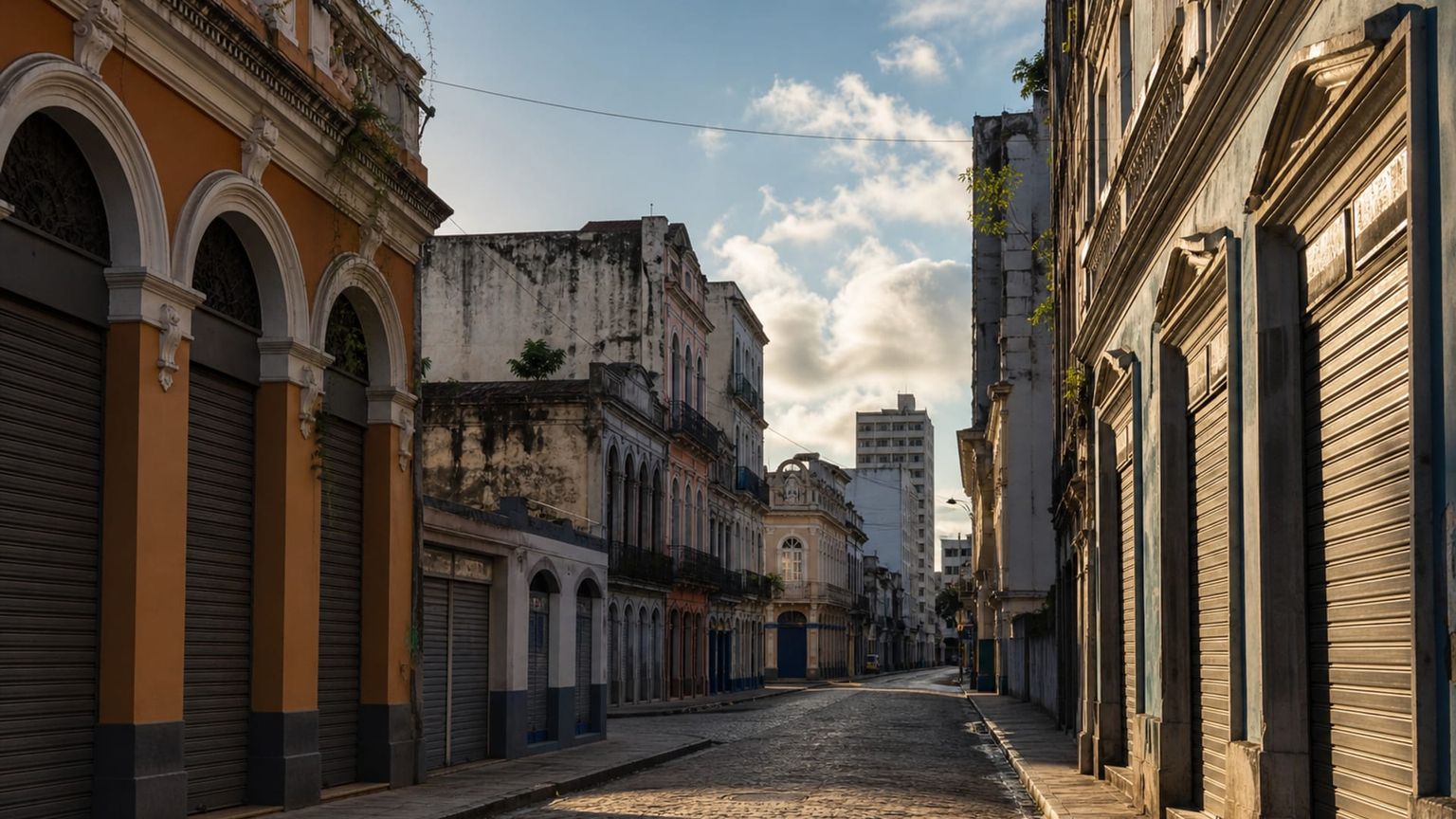
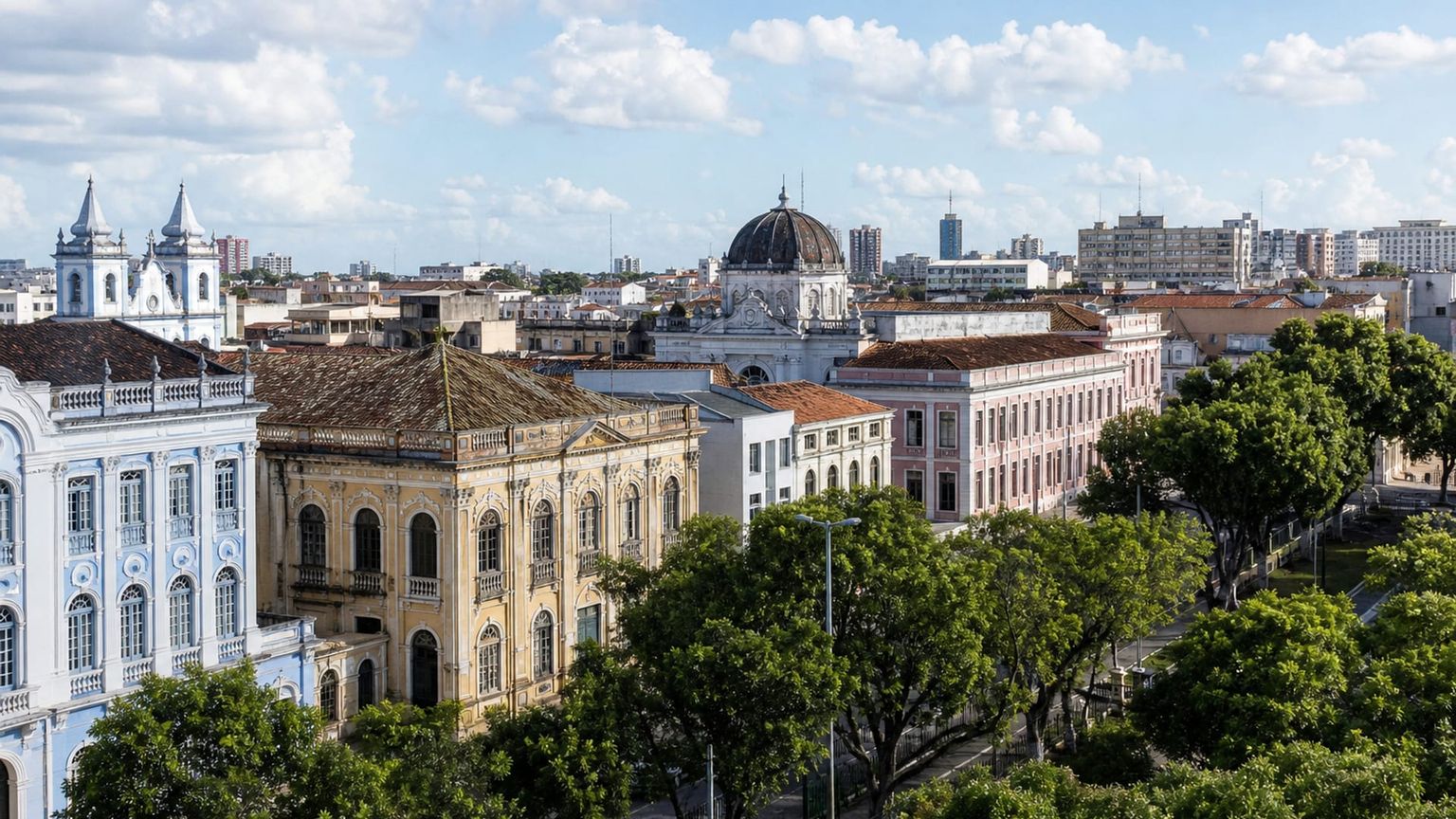
Historic center district with older streets, civic buildings, and direct access to Belém’s classic market and waterfront sights. It puts you closest to the city’s signature colonial-era landmarks, though the area feels busier and more utilitarian than residential quarters.
Best for: Historic sightseeing, market visits, and travelers who want to walk to the main downtown landmarks
What to expect: Expect dense street life by day, market crowds, and a more businesslike atmosphere after office hours.
Hotel prices: Usually about R$200 to R$420 (~$40 to ~$85) per night for well-rated stays
Distance to major sights: About 5 minutes on foot to Mercado Ver-o-Peso and roughly 10 minutes on foot to Estação das Docas
Quietness: Lively and noisy during the day, then much quieter after offices and market stalls close at night.
Main trade-off: Older buildings and a downtown setting can mean more street noise and fewer upscale stay options than in the better-groomed central neighborhoods.
Good to know: Check the exact block before booking, because some streets are quieter and better maintained than others near the historic core.
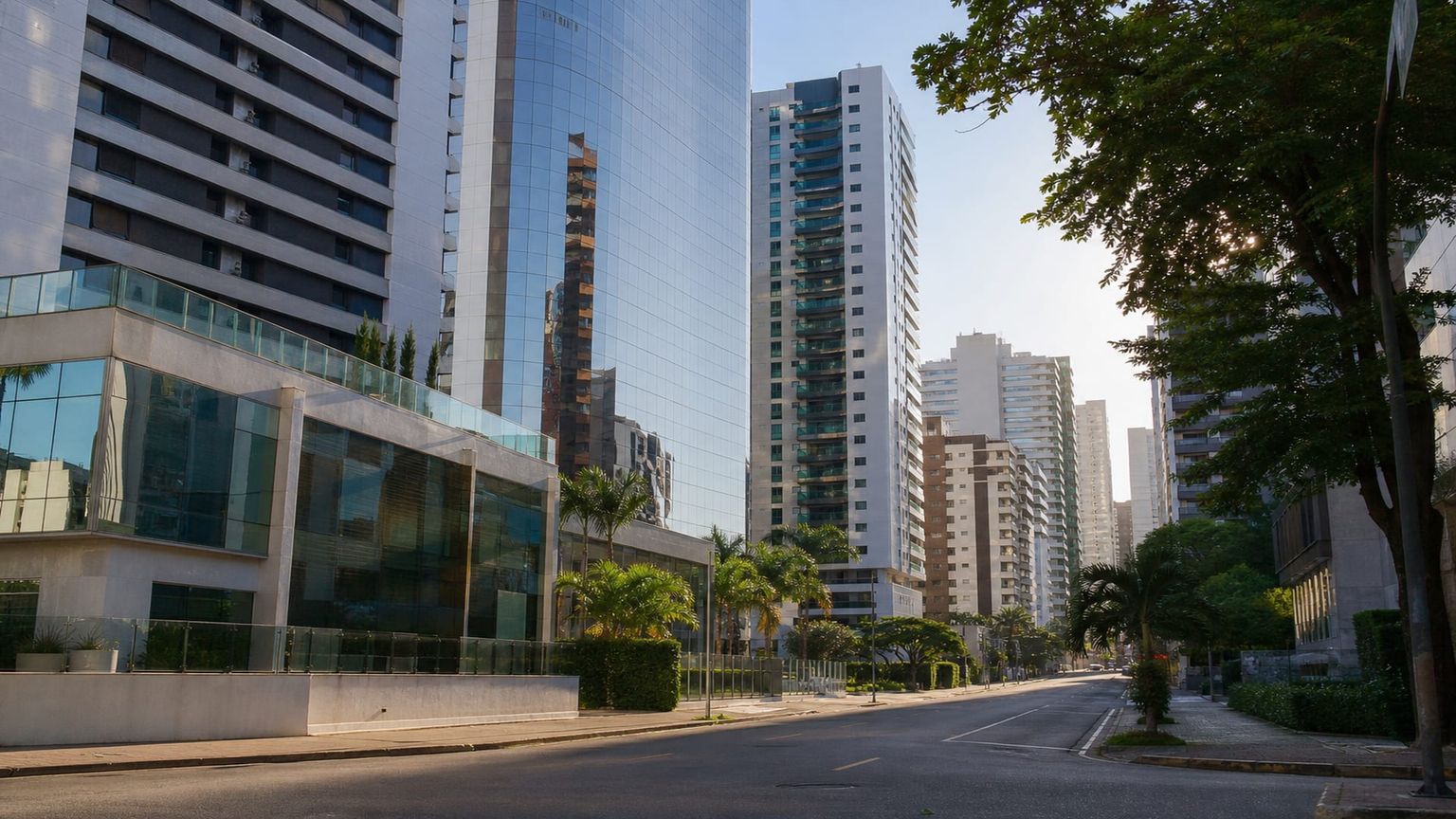
Upscale eastern neighborhood with newer towers, restaurants, and a denser concentration of modern apartments and hotels. It matters because it offers a more polished lodging stock than the older center while still keeping you within reach of central Belém.
Best for: Upscale stays, dining, and travelers who prefer newer buildings and a more modern neighborhood
What to expect: Expect busier evening dining streets, newer high-rises, and more cars than foot traffic on residential blocks.
Hotel prices: Usually about R$280 to R$600 (~$55 to ~$120) per night for well-rated stays
Distance to major sights: About 15 minutes by taxi to Theatro da Paz and roughly 20 minutes to Mercado Ver-o-Peso
Quietness: Quieter on residential side streets during the day, with more activity and noise near restaurants at night.
Main trade-off: You gain newer lodging choices, but you will be farther from the historic center and the main waterfront sights.
Good to know: Restaurants cluster on a few main avenues, so walking options thin out once you move away from the restaurant blocks.
Travelers usually avoid the far western and southern edges of Belém, including Val-de-Cans, Bengui, and Tapanã, because they sit far from the historic center and the main waterfront sights, with fewer visitor amenities nearby. Jurunas and Sacramenta are also less convenient for short stays, since they are residential areas with limited hotel choice and longer evening trips to the Mangal das Garças, Estação das Docas, and Ver-o-Peso area.
Hotel deals
How to get around Belém efficiently
Belém has no metro, so buses, taxis, and rideshares do most of the work between the airport, the historic core, and the riverfront.

Metro
for longer distances
Belém has no metro network, so there is no rail option to plan around. For cross-town trips, use buses or taxis instead; airport access depends on road traffic and often takes approximately 25 to 45 minutes to the central areas.

Bus and tram
for convenience
Belém’s bus network reaches the airport area and the main neighborhoods, with fares typically about $0.70 (R$4) per ride, valid for one boarding only. Look for routes serving the city center, Batista Campos, Umarizal, and other main corridors, then allow roughly 30 to 60 minutes depending on congestion and stops.

Taxi
for convenience or late hours
Licensed taxis at Belém (BEL) usually use metered fares rather than set airport flat rates, and a ride into central Belém often costs about $10 to $18 (R$55 to R$100), with late-night or heavy-traffic trips running higher. You can take one from the official airport rank, and most drivers accept cash, while card acceptance varies, so confirm payment before departure.
*Prices are based on rates updated as of June 2026 and may change at the time of travel.
Use buses for low-cost rides on main corridors, taxis or rideshares for point-to-point trips across town, and walking for the compact stretch between Campina, Ver-o-Peso, and the docks.
Iconic landmarks
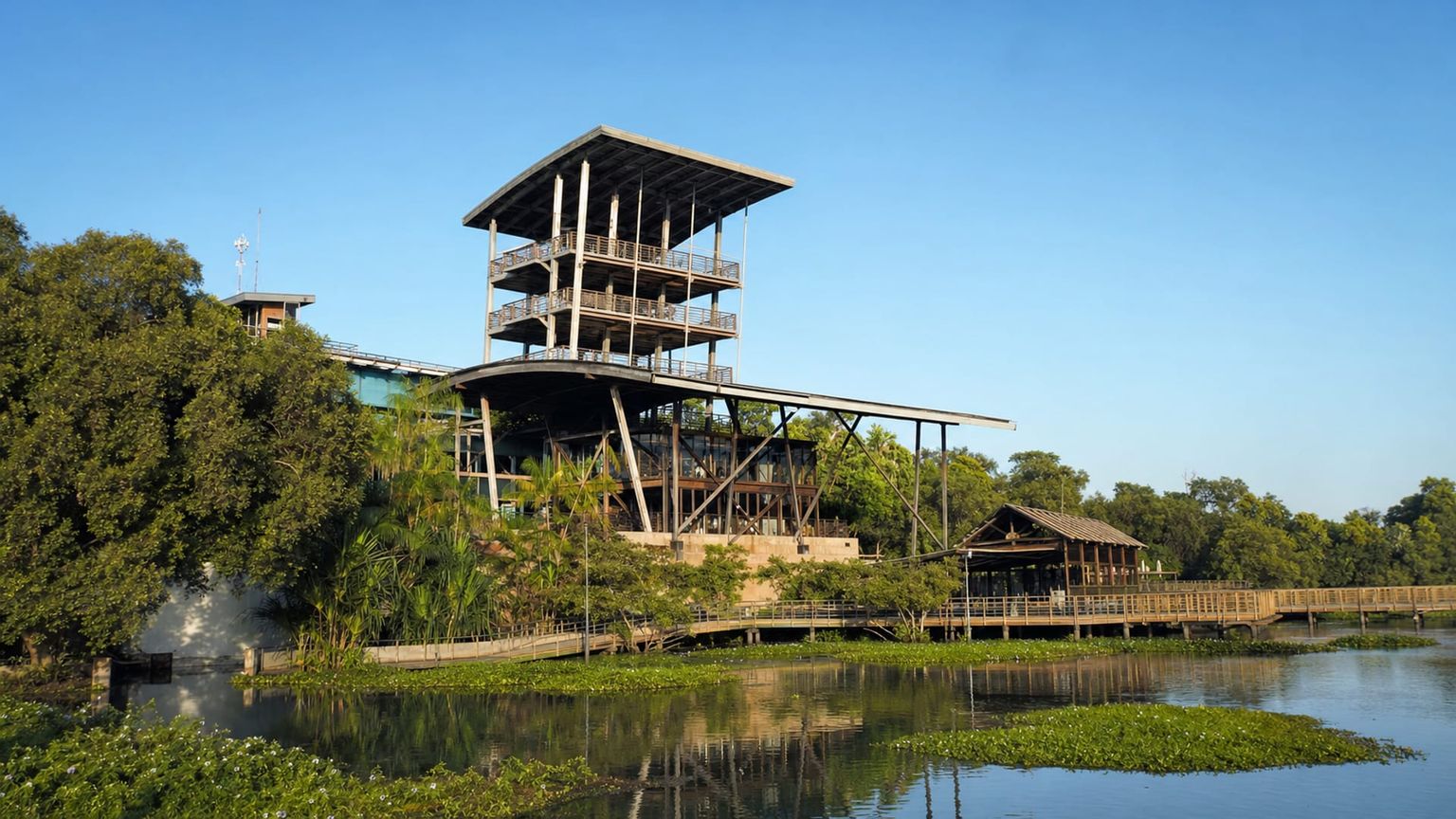
Mangal das Garças
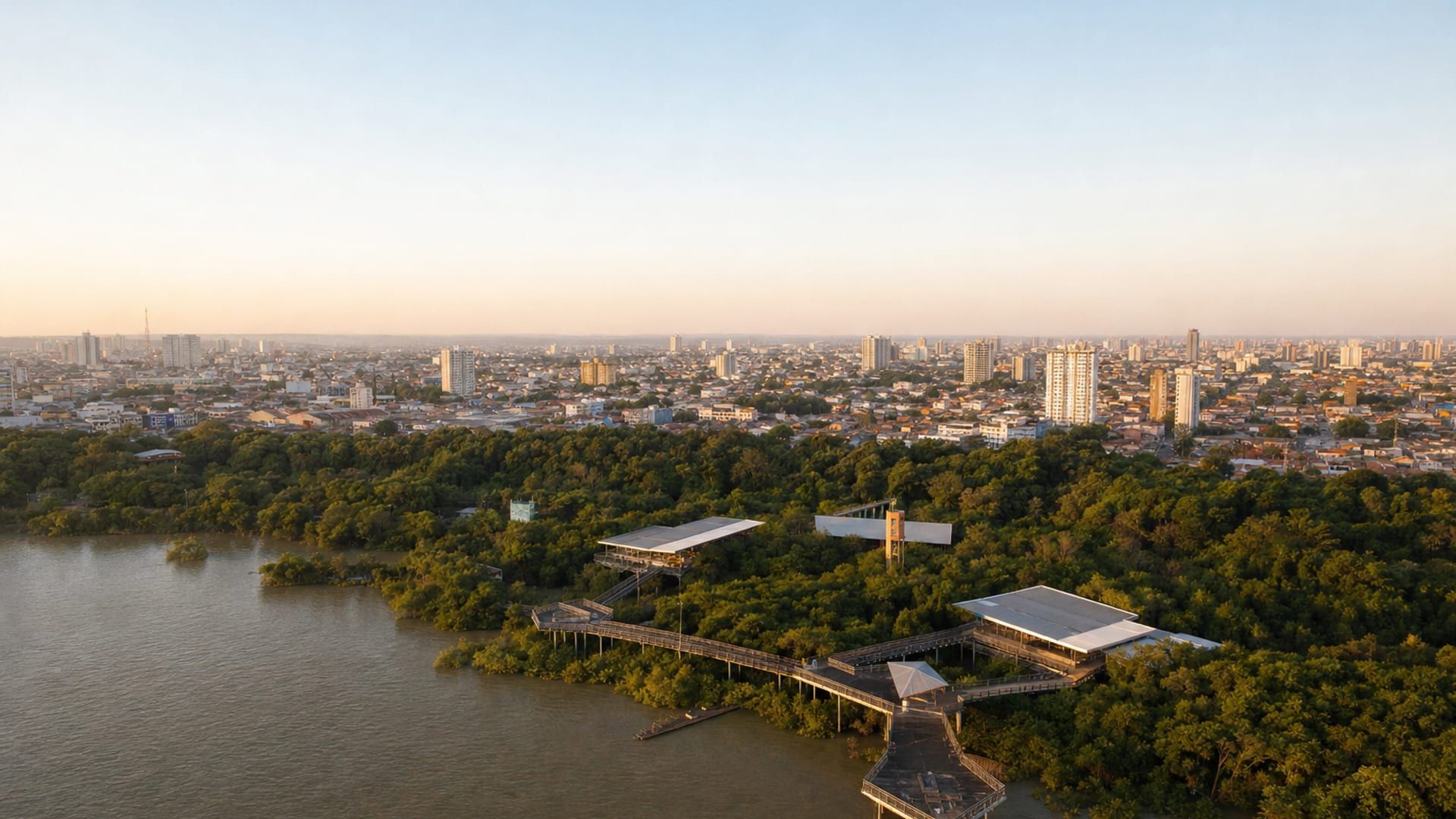
A landscaped riverside park on the Guajará Bay edge, Mangal das Garças combines bird habitats, a butterfly house, a lighthouse, and viewing decks. It gives one of Belém’s clearest looks at the waterfront without leaving the city center.
Time needed: About 2 to 3 hours
Entry: Admission is free for the park grounds; separate attractions inside, such as the butterfly house or tower, may charge small fees on site. Visit the official site for details.
Tip: Go late in the afternoon for cooler air and stronger light over the bay.
Ver-o-Peso Market
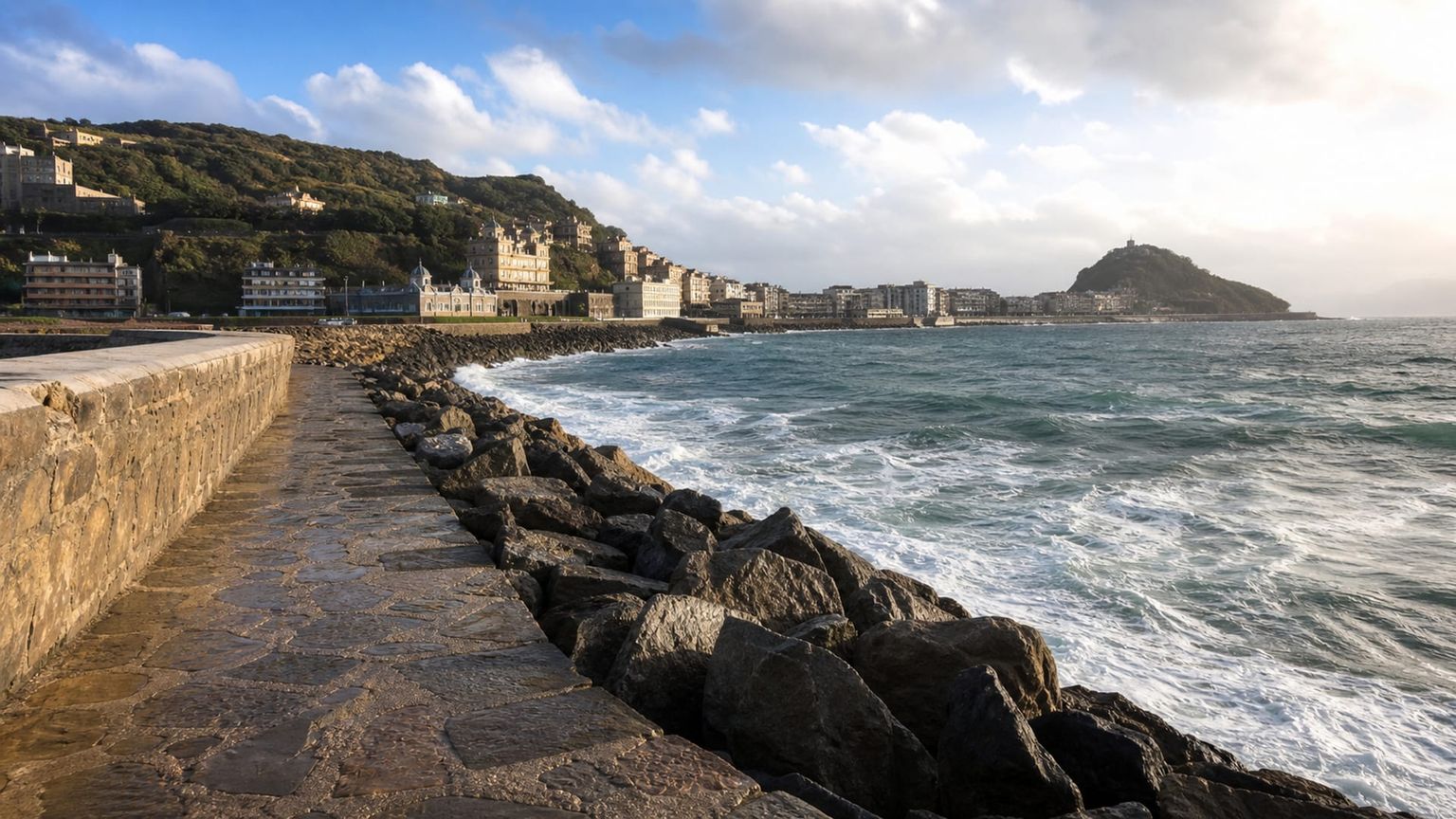
Ver-o-Peso is Belém’s most famous market complex, where dockside stalls, fish sheds, herb counters, and fruit sellers line the bayfront. The mix of architecture and trade makes it the city’s most direct window onto daily commerce.
Time needed: About 1 to 2 hours
Entry: Free to enter the market area; food, drinks, and purchases from individual stalls are priced separately and paid directly to vendors. Visit the official site for details.
Tip: Visit early, before midday heat and the busiest fish-market crowds build.
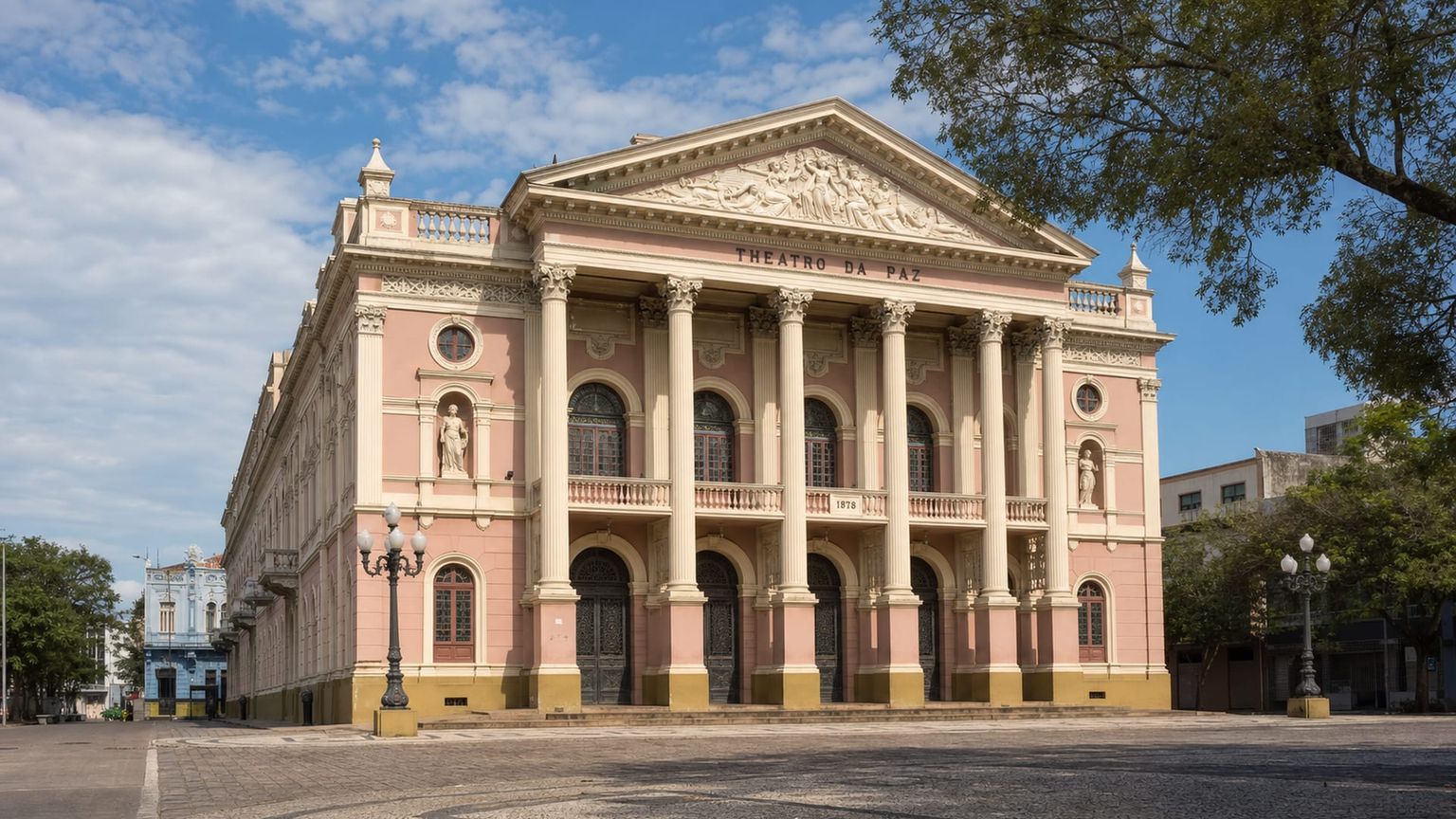
Theatro da Paz
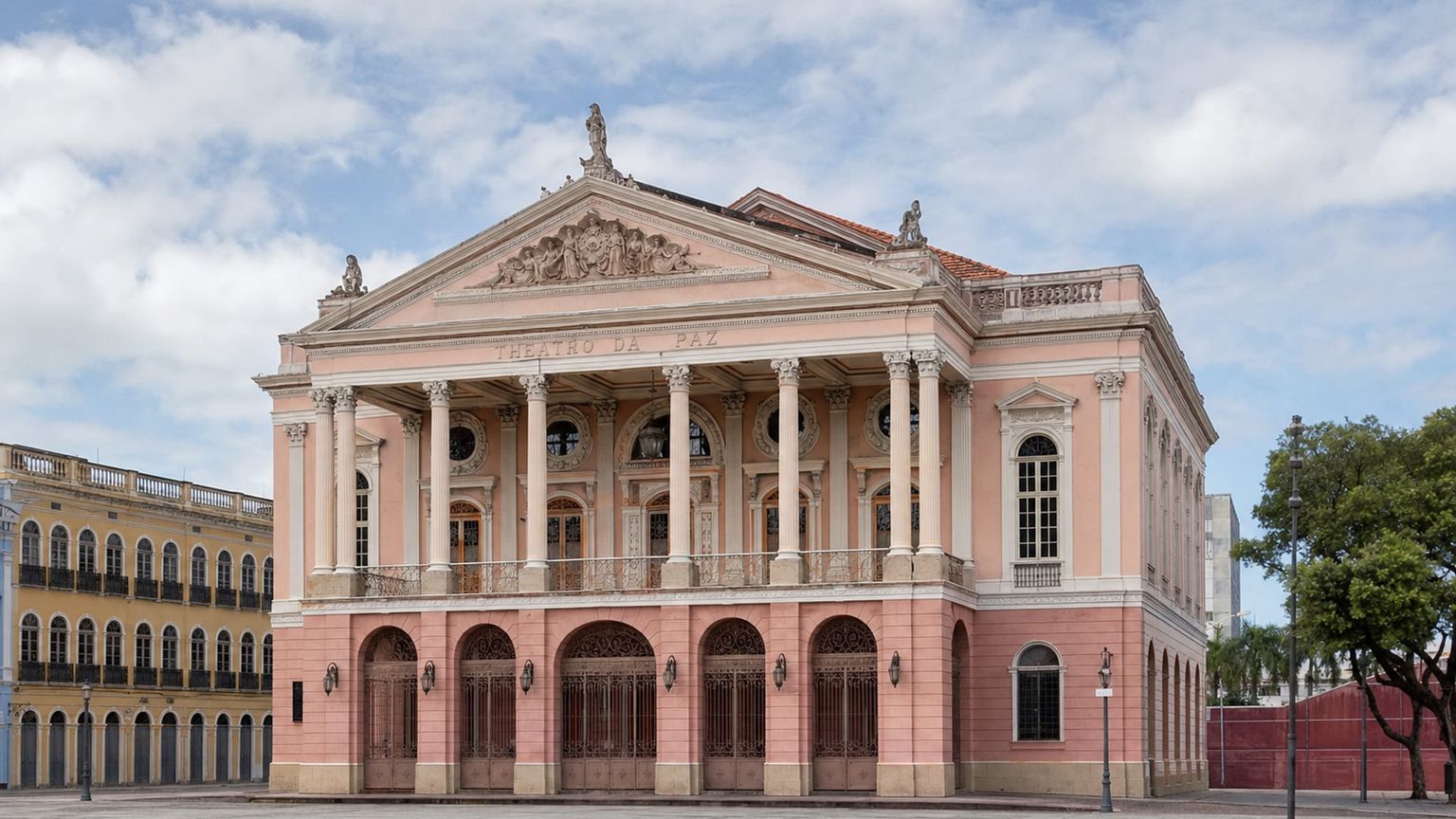
Opened in 1878, the Theatro da Paz is Belém’s grand 19th-century opera house, with a neoclassical facade, painted ceiling, and gilt interior. Guided visits reveal the auditorium and stage spaces, while performances add a second reason to go.
Time needed: About 1 to 2 hours
Entry: Guided visits and show tickets usually cost $4 to $16 (R$20 to R$80), with final prices varying by tour type, seat, and performance date. Visit the official site for details.
Tip: Choose a daytime tour, when you can see the painted ceiling and gilding clearly.
Overlooked sites worth visiting

Forte do Presépio
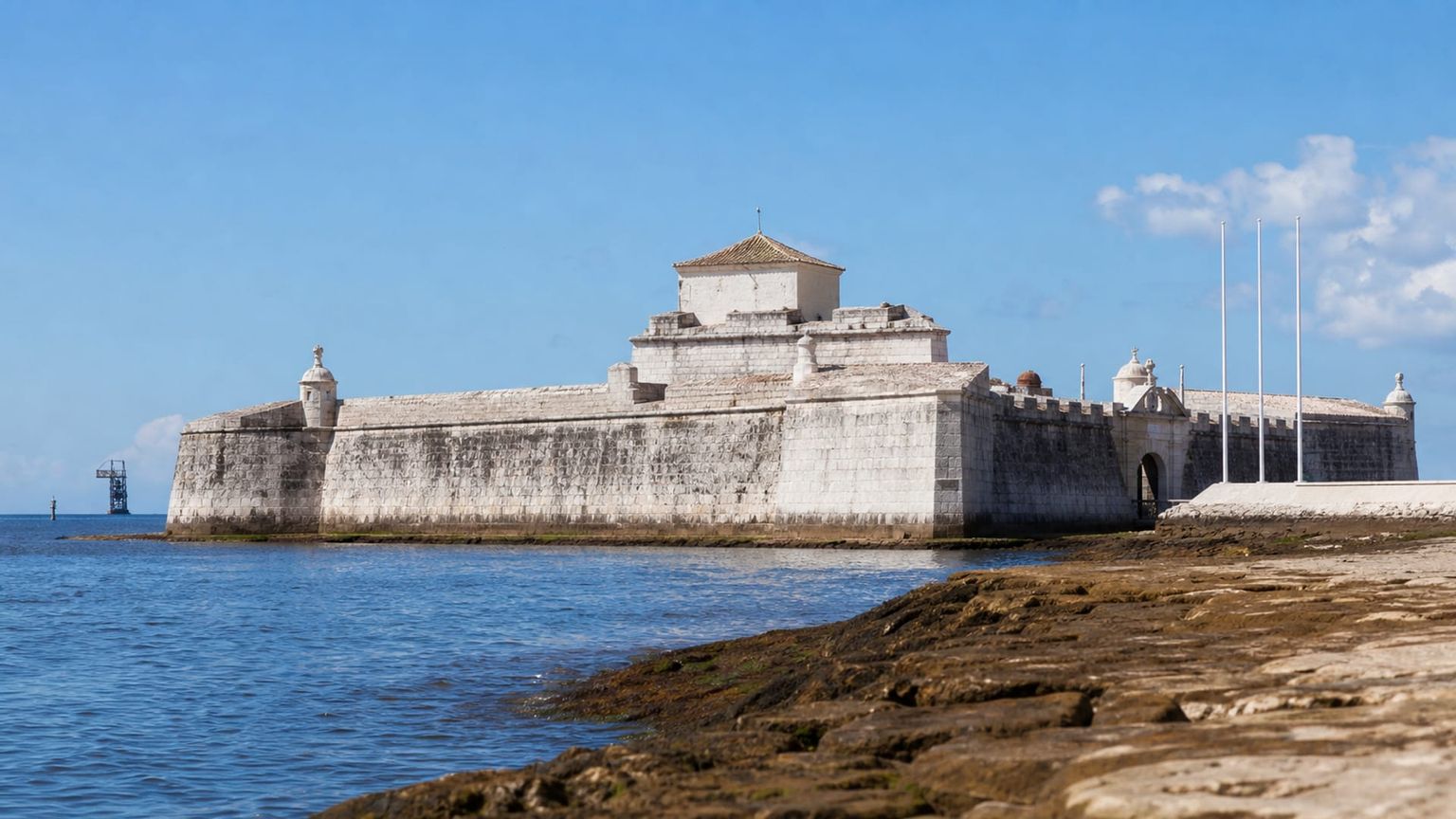
This 17th-century fortress marks the founding point of Belém and sits by Guajará Bay, with cannons, stone walls, and wide river views. The museum inside covers the city’s early Portuguese period.
Time needed: About 1 hour
Entry: Admission is typically free; some temporary exhibits may charge a separate fee. The site has open courtyards, historic ramparts, and a small museum, so visitors can combine the waterfront setting with a brief, focused stop without planning a long visit or committing to a paid tour.
Tip: Go near sunset for the bay view and cooler temperatures.

Museu Paraense Emílio Goeldi
This research museum pairs a compact zoology and ethnography collection with shaded grounds, giant trees, and a small zoo area in central Belém. It gives a clear look at Amazonian fauna and regional cultures.
Time needed: About 1 to 2 hours
Entry: Tickets are usually about $2 to $4 (R$10 to R$20), with reduced or free admission on some days for students and local visitors. Check posted hours before going, since the museum sometimes closes sections for maintenance or fieldwork and the grounds can open on a different schedule. Visit the official site for details.
Tip: Visit in the morning, before the heat builds.
Traditional food
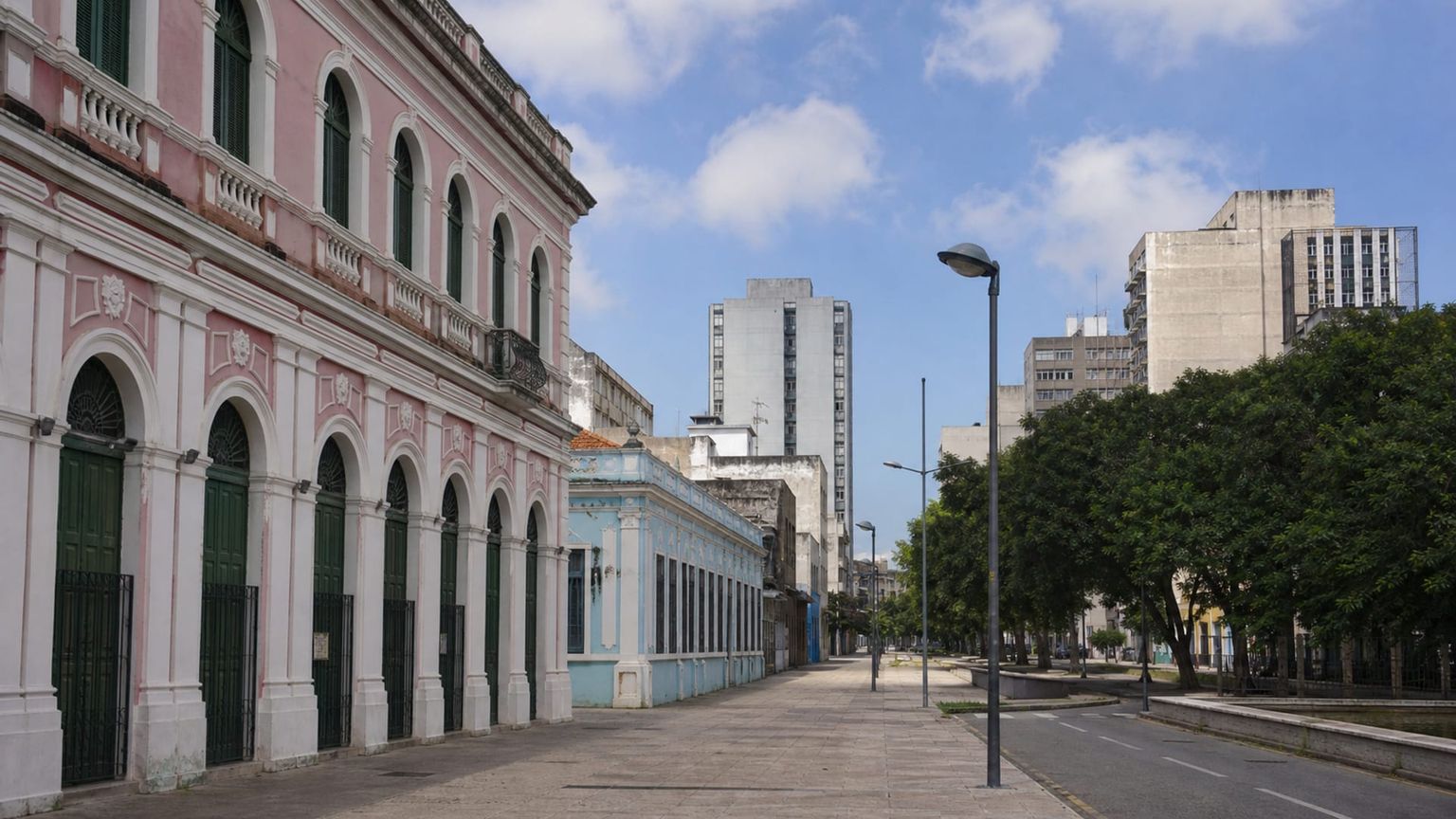
Belém’s cooking leans on river fish, Amazonian herbs, cassava, and fruit that adds sharp acidity or deep sweetness. Expect tacacá, pato no tucupi, maniçoba, and açaí in meals that often start early and run on local timing.
Tacacá
This hot soup blends tucupi, jambu, shrimp, and cassava starch for a distinctly Amazonian start to the meal. Point your first bowl toward Lá em Casa, a long-running Belém address that many travelers use for a classic version.
Pato no tucupi
Duck in tucupi is one of Belém’s signature plates, with deep broth and herbaceous acidity that suits a long lunch. Remanso do Bosque serves a well-known version in a polished setting and keeps the dish anchored in local ingredients.
Maniçoba
Maniçoba uses slow-cooked manioc leaves and rich pork, so the flavor is dense and savory rather than light. Remanso do Peixe is a strong choice for it in Belém, especially if you want a restaurant focused on regional food.
Açaí
In Belém, açaí often arrives with fish or farinha, not as a dessert bowl, and the texture is thicker than many visitors expect. Point your search to Point do Açaí, a local name that many diners use for this everyday staple.
Best time to visit Belém
Belém stays warm year-round, but rain, humidity, and riverfront crowds shift the pace enough to make some months better for market visits and outdoor afternoons.
Best for: Late afternoons at Mangal das Garças and short, indoor-heavy sightseeing days
What you get: About 74 to 89°F (23 to 32°C), with humid air and lighter crowd pressure outside holiday peaks
Trade-offs: Frequent showers can interrupt waterfront plans
Best for: Museum visits, market mornings, and flexible days around rain showers
What you get: About 73 to 88°F (23 to 31°C), with warm weather and fewer visitors than the dry season
Trade-offs: Rain can make cross-town trips slower
Best for: Ver-o-Peso, the docks, and long outdoor afternoons in drier weather
What you get: About 72 to 87°F (22 to 31°C), with the most comfortable stretch for walking and generally manageable crowds
Trade-offs: Popular sights feel busier, especially on weekends
Best for: Balanced city days with river views, food stops, and easier movement between neighborhoods
What you get: About 74 to 90°F (23 to 32°C), with heat rising again and visitor numbers still moderate
Trade-offs: The hotter afternoons can shorten outdoor visits
A realistic 5-day plan in Belém
Five days in Belém work best when you separate the market, museum, and riverfront pieces instead of treating the city as a single loop. This plan keeps movement measured, with the busiest sights early and the quieter neighborhood time where it can slow the pace.
Land at Belém International Airport (BEL), then take a taxi or rideshare into Nazaré, Batista Campos, or Campina, since each puts you within roughly 15 to 25 minutes of the historic core depending on traffic. Expect to pay about $8 to $15 (R$40 to R$75) for the ride, more if you arrive during a peak hour or late at night. Settle in, drink plenty of water, and keep dinner close to your hotel, perhaps on one of Nazaré’s main avenues or in Batista Campos, where neighborhood restaurants make an easy first stop.
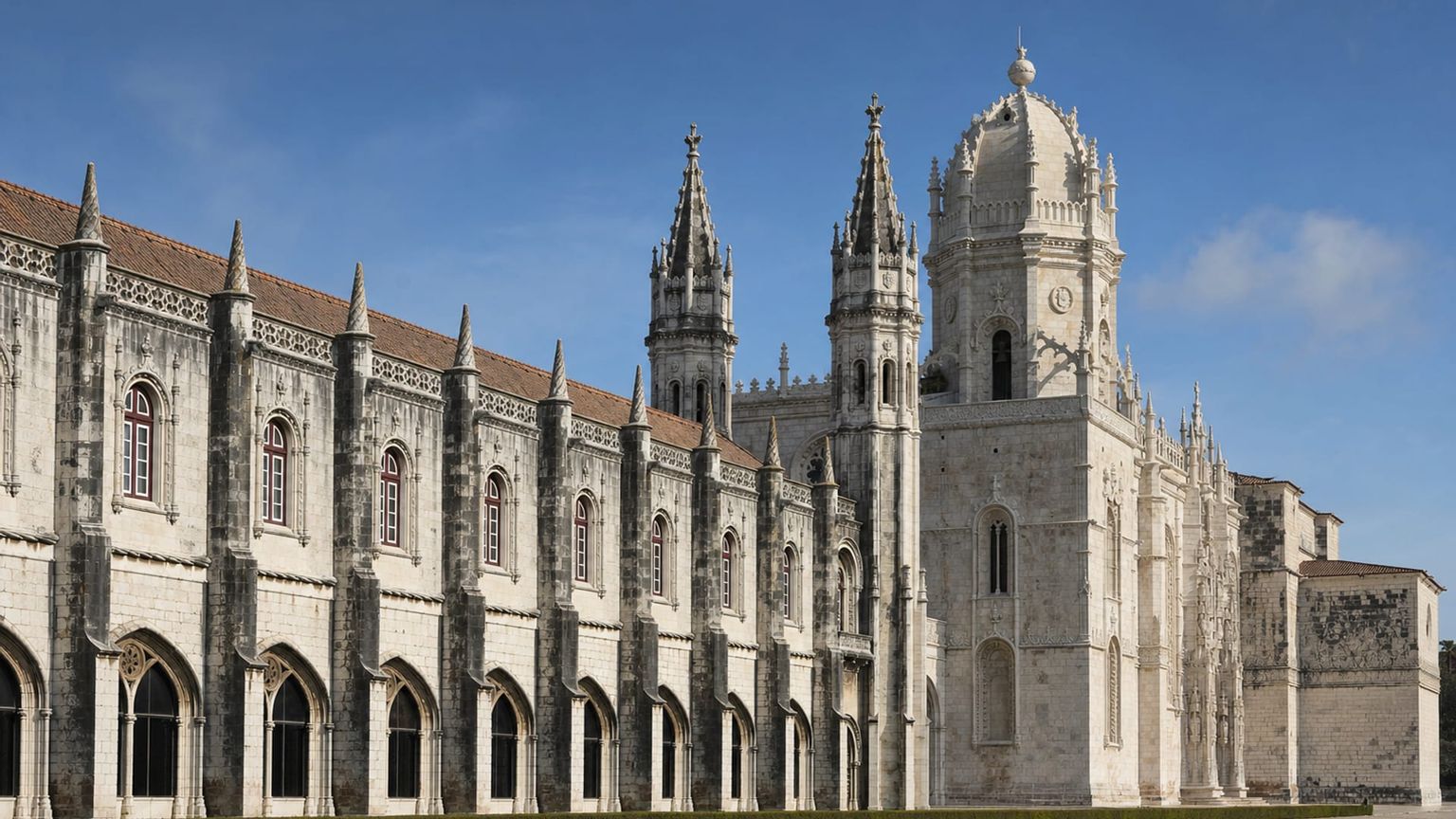
Start early at Ver-o-Peso Market, about 5 minutes on foot from Campina and roughly 10 minutes from a riverside hotel in Batista Campos, before the fish stalls and midmorning heat build. Walk about 10 minutes along the waterfront to Forte do Presépio for the bay views and the compact museum, then continue on to Estação das Docas for lunch and a shaded break by the river. In the late afternoon, ride about 10 minutes to Mangal das Garças, where the park grounds are free and the cooler light makes the bird habitats and viewing decks worth a longer look.
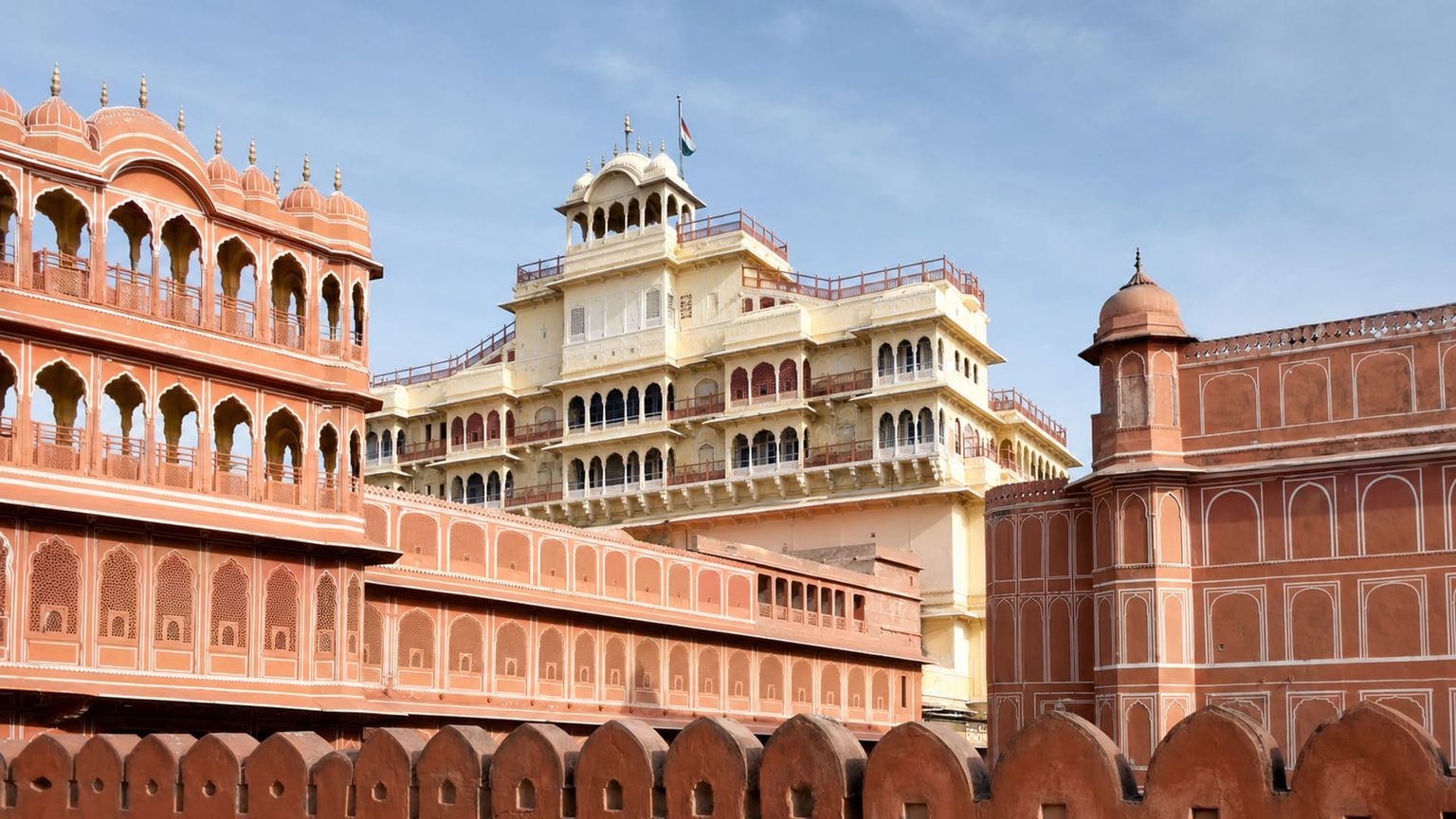
Begin the morning at Museu Paraense Emílio Goeldi in central Belém, then ride about 15 minutes to Theatro da Paz for a guided visit once the museum grounds start to warm up. After the theater, linger in Nazaré for lunch, or return to Batista Campos for a quieter meal and a short rest before dinner. If you want an evening performance, book seats ahead, because show times and guided visit slots vary by day.
Head back to the riverfront for a slower circuit that starts at Mangal das Garças, then continues by taxi or rideshare to Ver-o-Peso Market, about 10 to 15 minutes away depending on traffic. From there, spend time in Campina, where the older streets and civic buildings sit within easy reach of the market and the waterfront, and plan a late lunch near the port rather than a long cross-town transfer. Finish with sunset at Forte do Presépio, which takes about 5 to 10 minutes to reach from the main downtown waterfront stops and gives you one last look across Guajará Bay.
For a last day in Belém, pair a final museum stop with neighborhood browsing rather than a full sightseeing run. Return to Museu Paraense Emílio Goeldi in the morning if you missed it earlier, then head to Umarizal for lunch and a café break, since the district has newer restaurants and good options for a slower meal before departure. If you still want a little shopping, stay near Nazaré or Batista Campos, where local stores and easy taxi access make it simple to collect anything you need before going back to Belém International Airport (BEL).
Business-class flights from the US to Belém
Business-class trips to Belém usually route through a hub, so the best option depends on whether you start on the East Coast or in California. The prices and total travel time shift with layovers, especially on longer West Coast itineraries.
From New York, American Airlines, Air France, Copa Airlines, LATAM Airlines, TAP Air Portugal, and Turkish Airlines all appear on the market. One-stop trips through PTY, MIA, JFK, LIS, CDG, or IST usually take 13 to 18 hours, and fares run from $2,100 to $4,800 round-trip.
Los Angeles travelers usually see American Airlines, Air France, LATAM Airlines, Air Canada, and Copa Airlines on available itineraries. Round-trip fares usually start at $2,400 and can reach $5,600; one-stop itineraries via PTY, GRU, or SCL often sit below the nonstop market from New York, with total trip prices varying by season.
Belém feels different when you slow down
A deliberate Belém trip keeps the longest walks near Campina and Ver-o-Peso, uses taxis or rideshares for Nazaré, Batista Campos, and Umarizal, then saves late afternoons for Mangal das Garças or Forte do Presépio. That balance leaves room for museum time, market food, and a final meal without rushing between districts. If you want help shaping the right route and hotel base, the AranGrant experts can tailor Belém to your timing and flight plan