

Chapters:

Need help with your trip?
Our support team is available 24/7. Request a callback or call us directly at (833) 619-0908
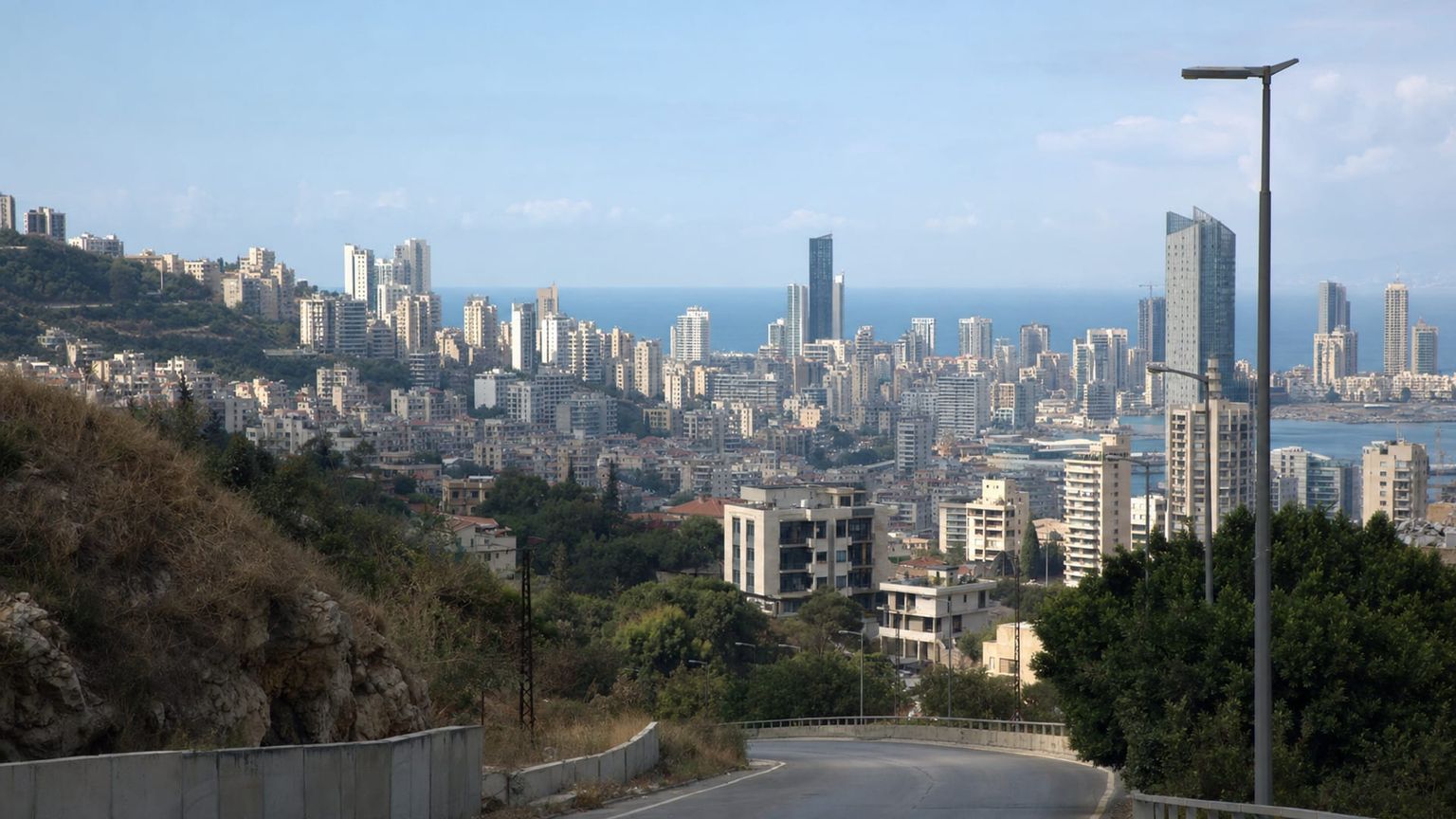
Beirut trips often start with the same loop, a central hotel, a coastal walk, a dinner in Gemmayzeh, then a rushed attempt to fit in everything else. What many visitors miss is how much time the city can absorb between districts, even when the map looks compact.
Downtown, Hamra, the Corniche, and the hills of Achrafieh each ask for a different pace, and peak traffic can turn a short hop into a long one. Crowded evenings, uneven sidewalks, and scattered opening hours also reward a plan that groups sights by area.
This guide does that work for you, with neighborhoods, food stops, day trips, and flight options arranged in a sequence that matches how Beirut actually moves.
Useful things to know

Main language(s): Arabic, French
marhaba (mar-ha-ba) – hello
min fadlak (min fad-lak) – please
shukran (shook-ran) – thank you
hal tatakallam al-ingliziya? (hal ta-ta-kal-lam al-in-gli-zi-ya) – Do you speak English?
kam ath-thaman? (kam ath-tha-man) – How much does it cost?

Currency: The local currency is the Lebanese pound (LBP, ل.ل.).

Cash and cards: Cards and contactless work in many hotels and larger venues, but carry about $50 to $100 in cash for taxis, cafes, and small shops.

Tipping: Round up small bills; add about 10% in restaurants if service is not included.

Traditional food: Hummus, falafel, tabbouleh, kibbeh

Water and coffee costs: Water ~LBP 90,000 ($1), bar espresso ~LBP 300,000 ($3).

Taxis and ride apps: Uber and Bolt operate here; confirm pickup points before leaving the terminal.

Plug and voltage: Type C/D/G socket, 220V

Dining and shop opening hours: Breakfast is about 7:00-10:00 am, lunch 1:00-3:00 pm, and dinner 8:00-11:00 pm. Many restaurants close in the afternoon, then reopen for dinner.

Emergency number: 112 for police, fire, and ambulance.
Where to stay in Beirut
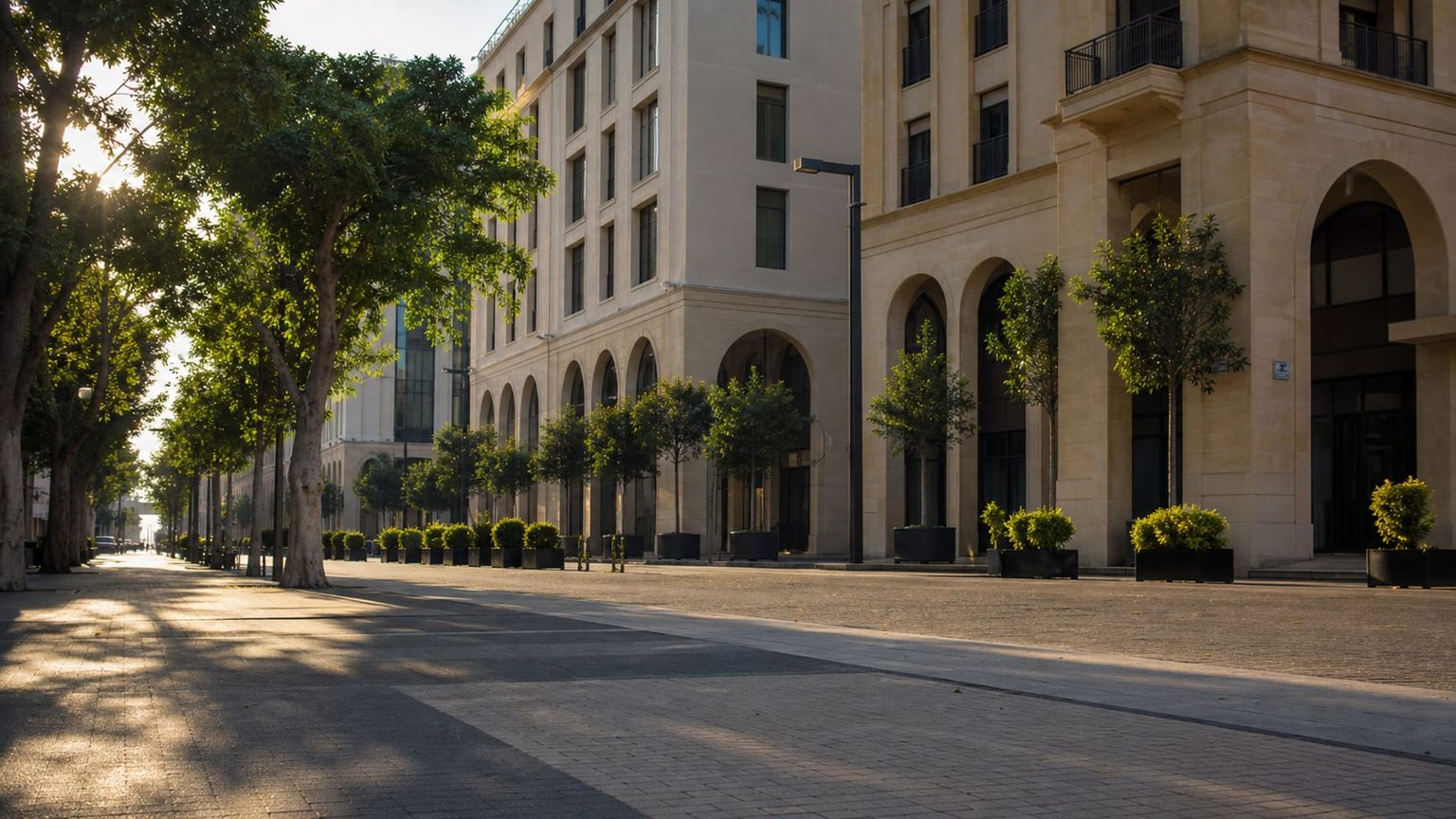
The rebuilt central district puts you near Martyrs’ Square, Nejmeh Square, and the waterfront. It suits visitors who want museums, restored promenades, and easy access to dining after a day of sightseeing.
Best for: First-time visits, business trips, and easy access to central sights
What to expect: Wide boulevards, upscale hotels, and steady daytime foot traffic, with quieter streets after offices close.
Hotel prices: Usually about $120 to $280 per night for well-rated stays
Distance to major sights: 5 to 15 minutes on foot to Martyrs’ Square and the Beirut Souks
Quietness: Busy in the day, notably quieter after dinner once office traffic drops.
Main trade-off: Hotels here often cost more than in nearby neighborhoods, and the area can feel subdued at night.
Good to know: Choose this if you want to walk to major central landmarks and do not mind paying a premium for that convenience.
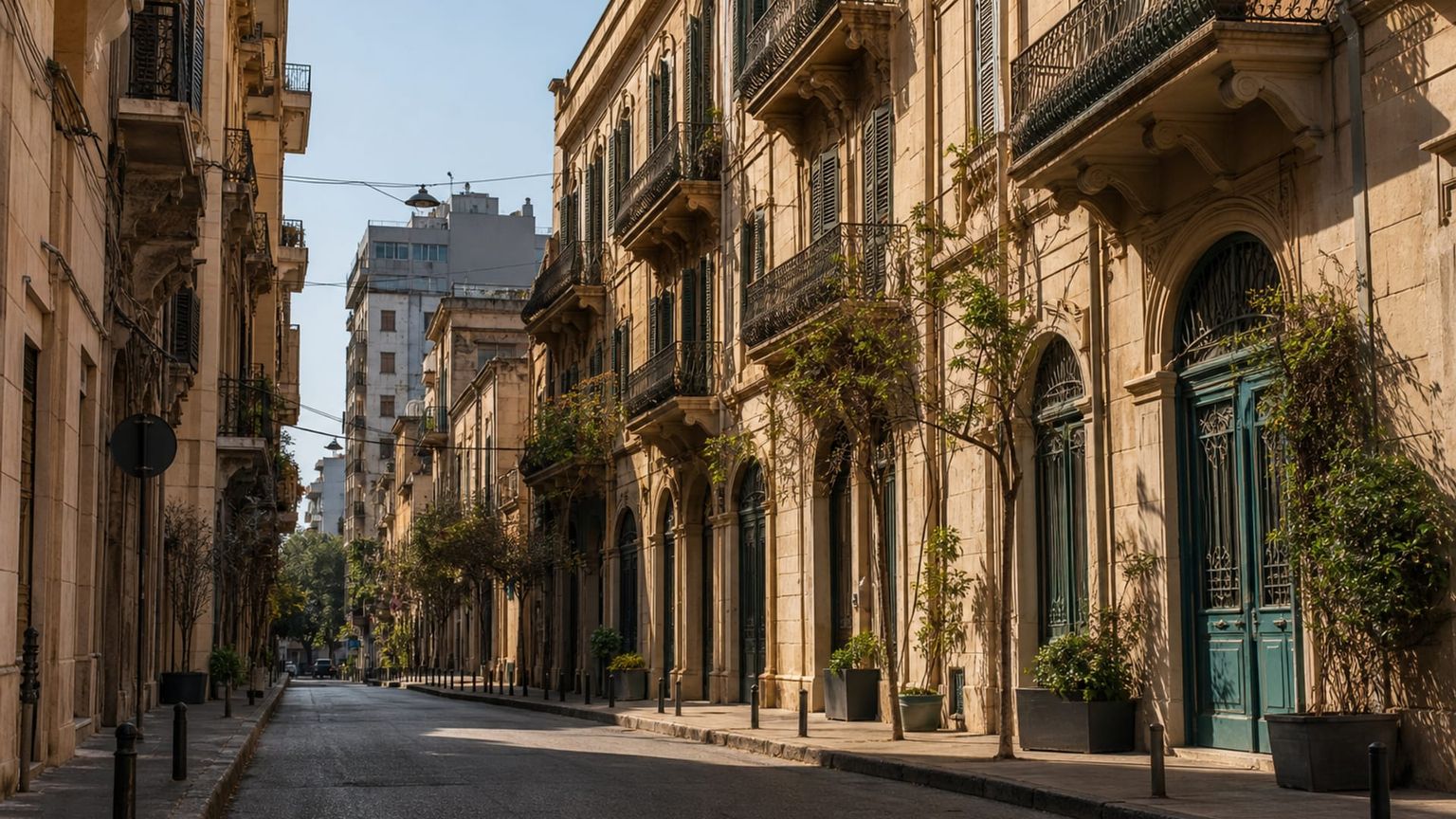
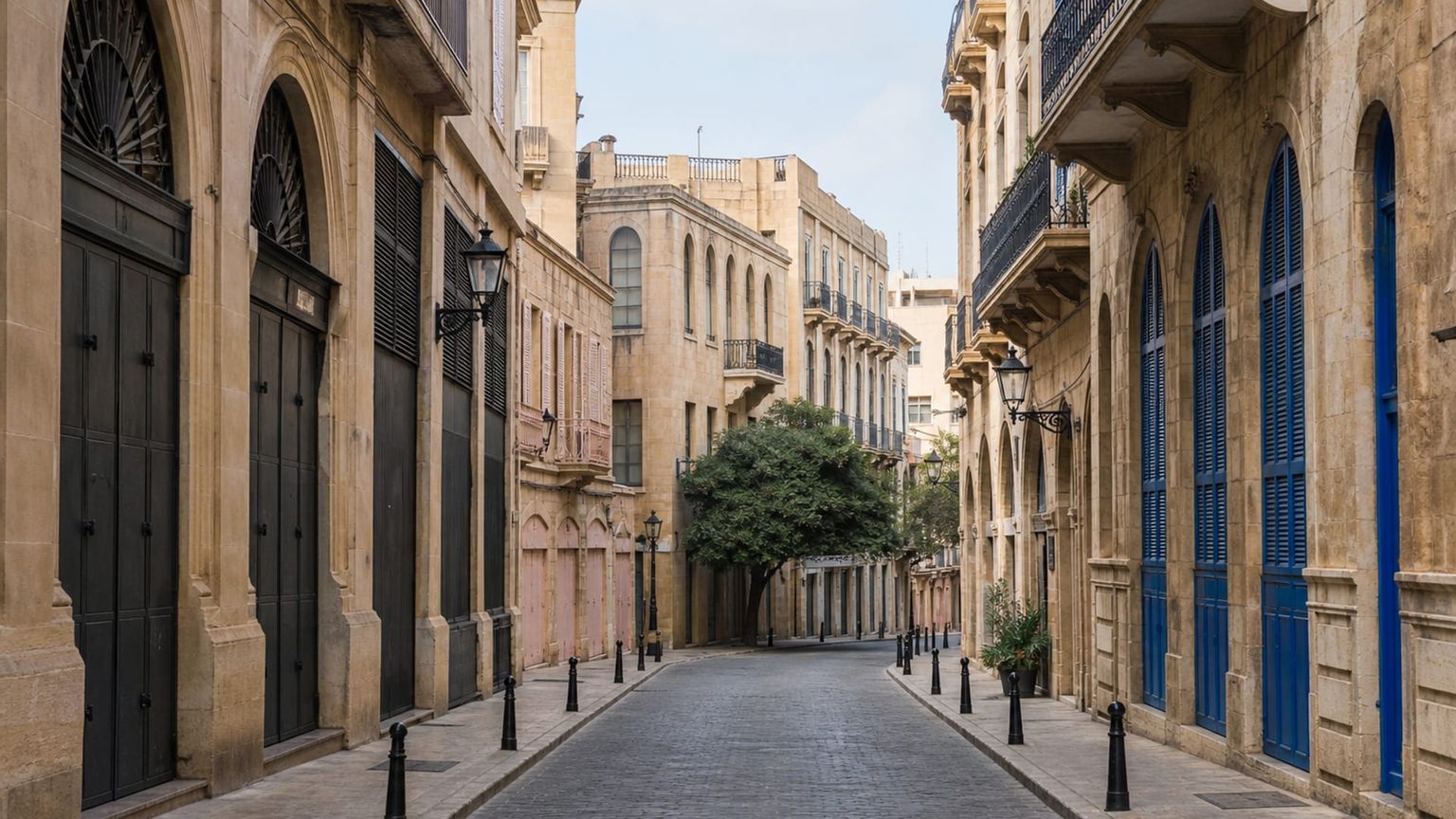
Gemmayzeh sits east of downtown and stretches along a narrow grid of heritage buildings, cafes, and bars. It matters for travelers who want an easy base for nightlife, creative spaces, and short rides into the center.
Best for: Nightlife, restaurant hopping, and travelers who want an animated evening scene
What to expect: Narrow streets, late-night diners, and heavy pedestrian activity, especially on weekends.
Hotel prices: Usually about $90 to $220 per night for well-rated stays
Distance to major sights: 10 to 20 minutes on foot to Downtown Beirut and the St. Nicholas Stairway
Quietness: Lively late into the evening, then quieter in the early morning except on main streets.
Main trade-off: Street noise and parking demand can be high, and some buildings sit close to active bars.
Good to know: If you are sensitive to late noise, ask for a room away from the street or choose a property with thicker windows.
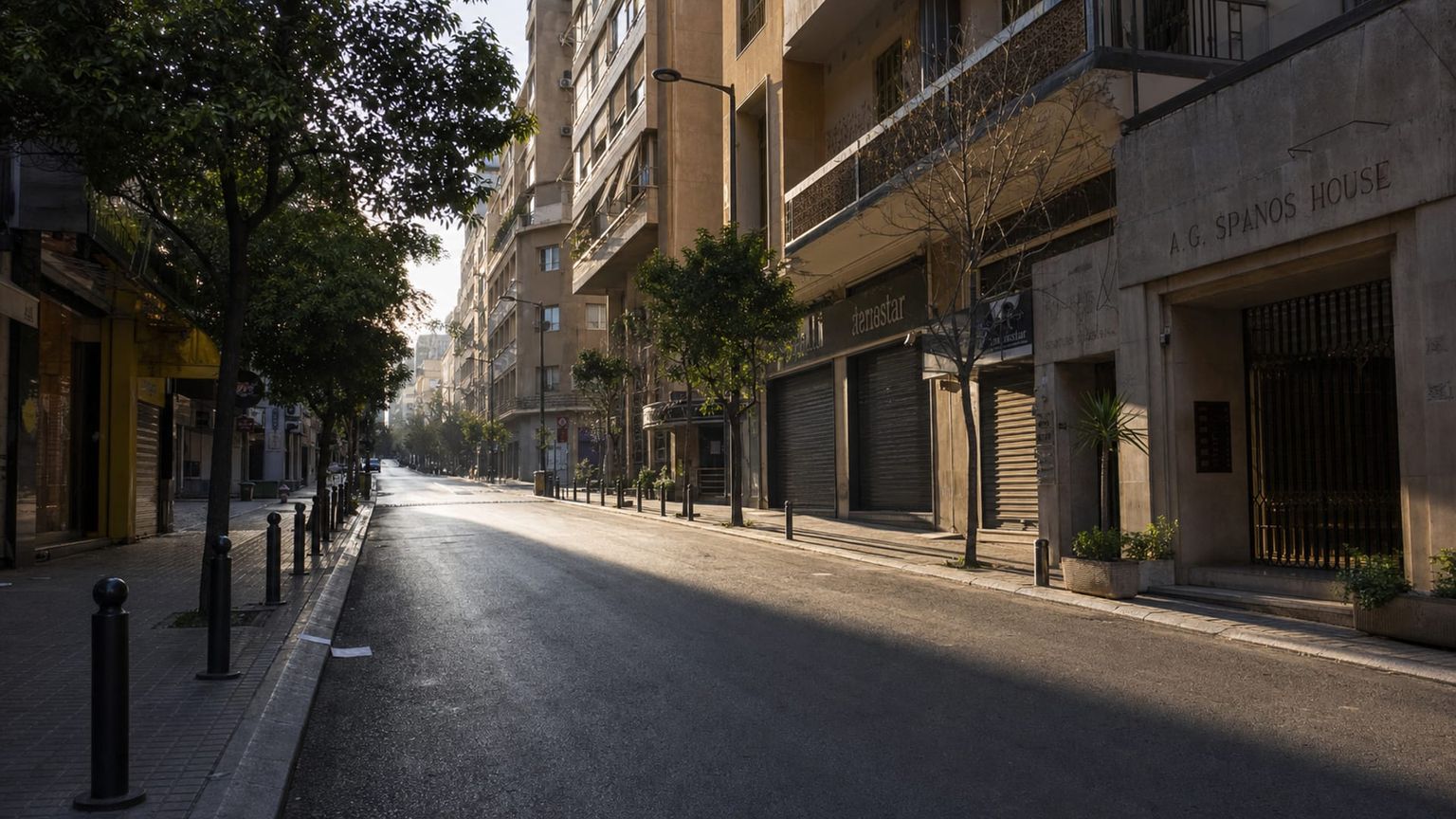
Hamra is Beirut’s long-running shopping and cafe district, anchored by the American University of Beirut and a dense mix of hotels, bookstores, and restaurants. It works well for travelers who want a lively west-side base with frequent taxis and simple access to the Corniche.
Best for: Shopping, casual dining, university visits, and west-side access to the Corniche
What to expect: Constant pedestrian movement, storefronts open late, and a mix of students, shoppers, and hotel guests.
Hotel prices: Usually about $70 to $180 per night for well-rated stays
Distance to major sights: 15 to 25 minutes on foot to the Corniche and about 20 minutes by car to Downtown Beirut
Quietness: Active through the day and evening, with side streets easing off later at night.
Main trade-off: Traffic can be slow at peak hours, and the busiest blocks can feel crowded nearly all day.
Good to know: Plan for taxi delays at rush hour, especially if you need to cross town for dinner or meetings.
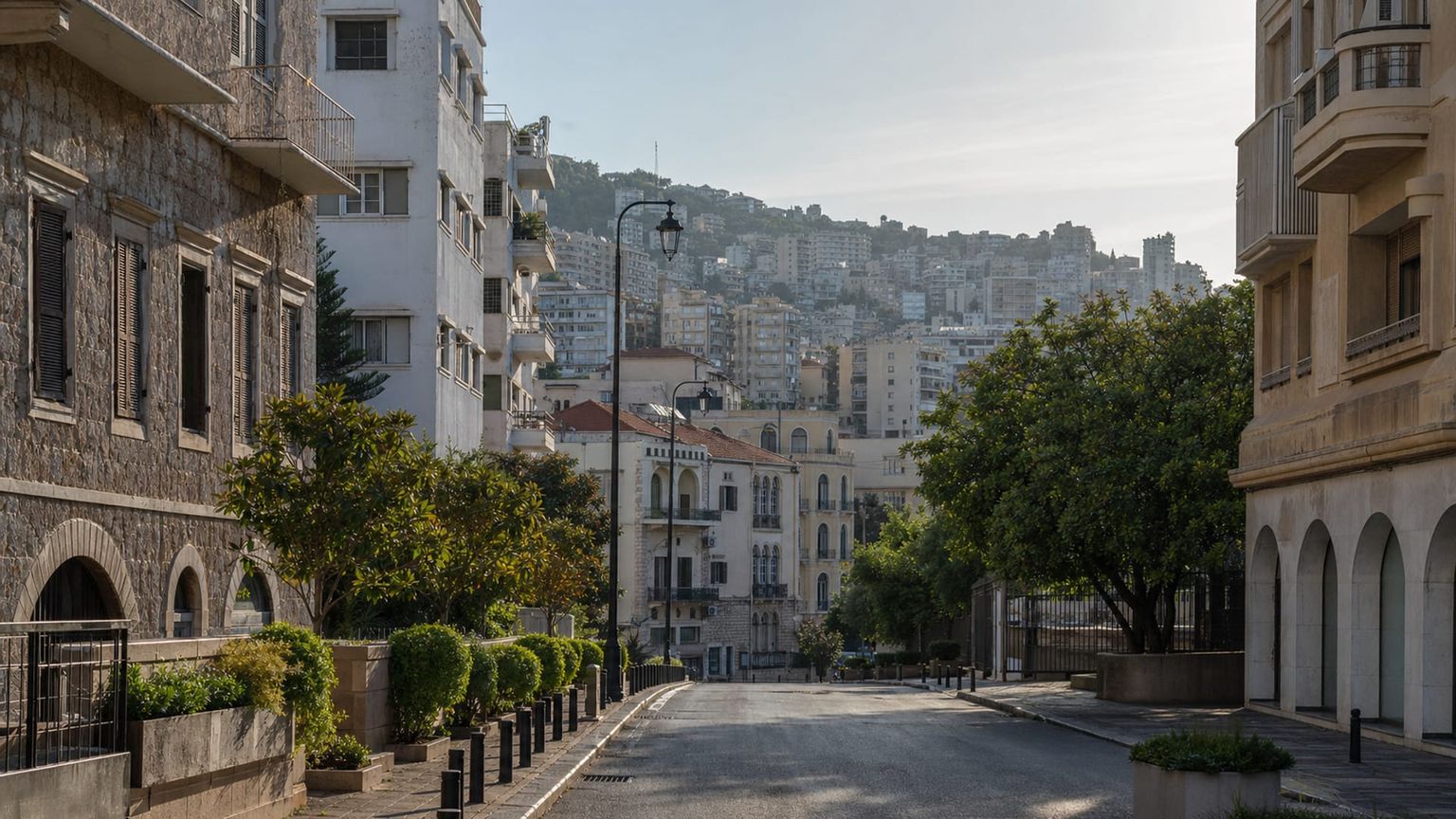
Achrafieh is a large hillside district east of the center, known for residential streets, older mansions, and clusters of cafes and galleries. It matters for visitors who want a neighborhood base with more local life and good access to central Beirut by car or taxi.
Best for: Longer stays, cafe culture, and travelers who prefer a residential setting
What to expect: Residential streets with neighborhood shops, moderate traffic, and active dining pockets near main roads.
Hotel prices: Usually about $80 to $200 per night for well-rated stays
Distance to major sights: 10 to 20 minutes by car to Downtown Beirut and about 15 minutes by car to the National Museum of Beirut
Quietness: Calmer on side streets, while main arteries stay busy into the evening.
Main trade-off: You may rely on taxis more than in downtown or Hamra, and some uphill streets are less walkable.
Good to know: If you plan to move around by car, confirm whether your hotel offers parking, since street parking can be tight.
Travelers usually avoid staying in Hay al-Sellom, Choueifat, and Dora, since they sit far from central Beirut sights, have fewer visitor-oriented amenities, and can make evening taxi trips back from the Corniche or Gemmayzeh longer and less convenient. Jnah and the airport corridor are also less convenient bases for a short stay because they are better suited to transit than to walking access to cafés, museums, and the city center.
Hotel deals
How to get around Beirut efficiently
Beirut has no metro, so most visitors rely on taxis, ride apps, and minibuses to link the center with Hamra, Raouche, Gemmayzeh, and Achrafieh.

Metro
for longer distances
Beirut has no metro, so the closest public-transit option is the shared minibus network, which links central districts with suburbs but runs without fixed schedules. Fares are typically about $0.50 to $1, paid in cash on board, and trips can take 15 to 45 minutes depending on traffic and how many times the driver stops.

Bus and tram
for convenience
City buses and minibuses cover much of Beirut and the surrounding corridor, with the strongest links along main roads to Hamra, Mar Mikhael, Cola, and Dora. Expect to pay about $0.50 to $1 per ride, in cash, and allow 20 to 60 minutes for cross-city trips because departures depend on demand rather than a published timetable.

Taxi
for convenience or late hours
Licensed taxis in Beirut use both metered cabs and fixed-fare cars, while app-based rides are common for airport trips and late-night travel. A short hop inside the city often costs about $5 to $12, a cross-town ride about $10 to $20, and Beirut (BEY) to central neighborhoods roughly $15 to $25; many drivers prefer cash, though some apps accept cards.
*Prices are based on rates updated as of June 2026 and may change at the time of travel.
Walking works best for short central stretches, taxis make cross-town trips manageable, minibuses suit budget-minded riders on main roads, and ride apps are useful when you want a fixed pickup at the airport or after dark.
Iconic landmarks
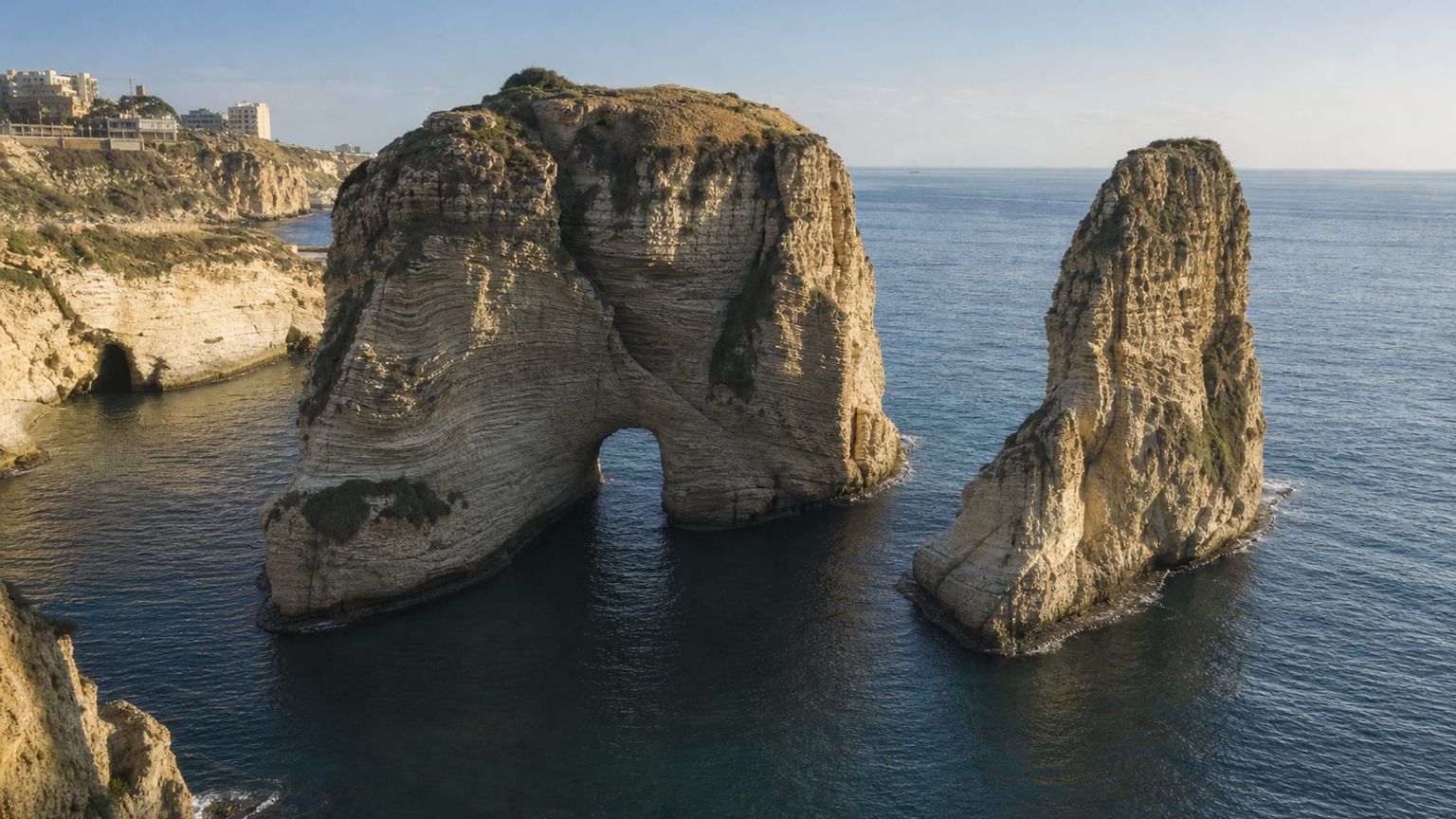
Pigeon Rocks
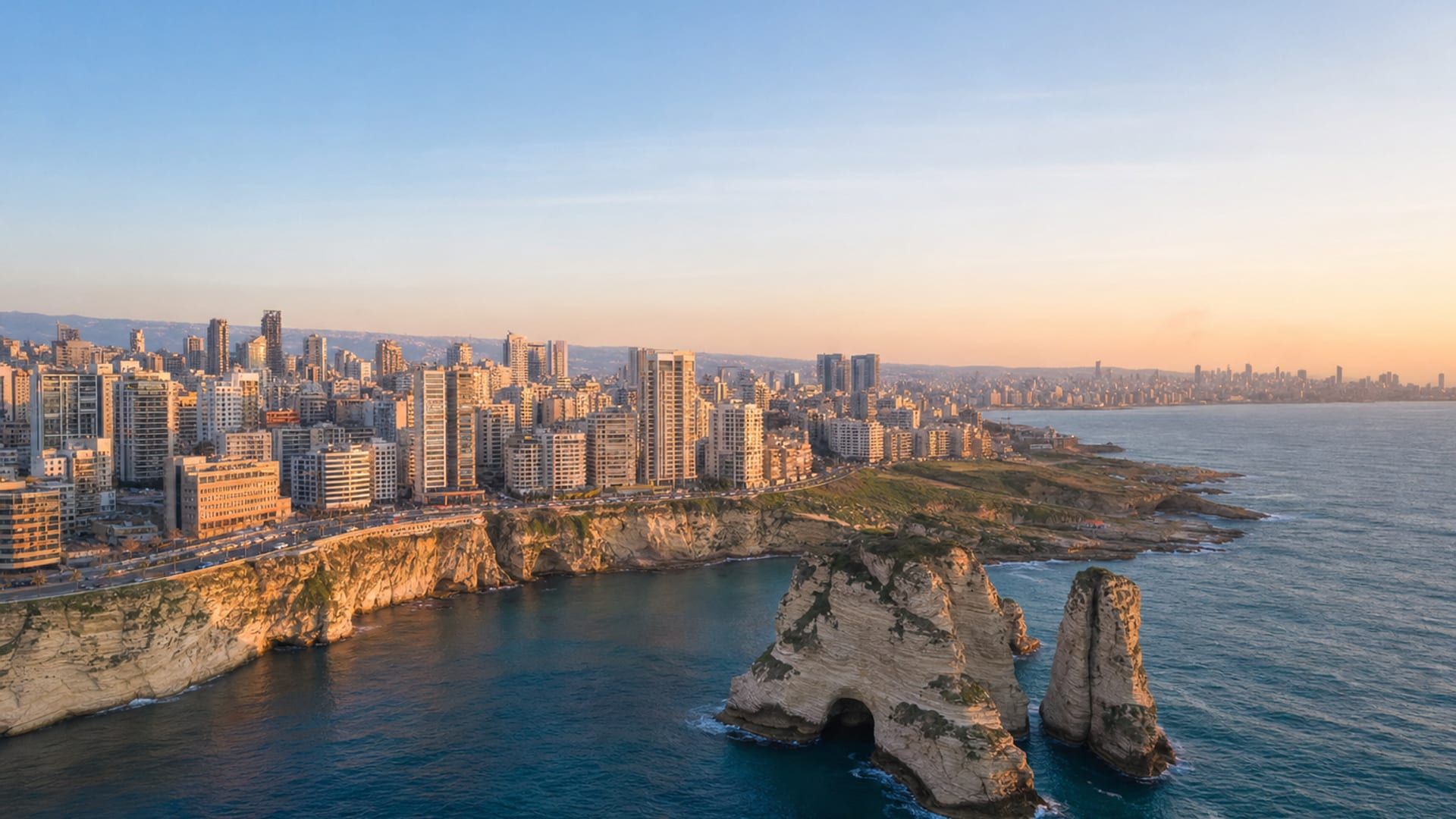
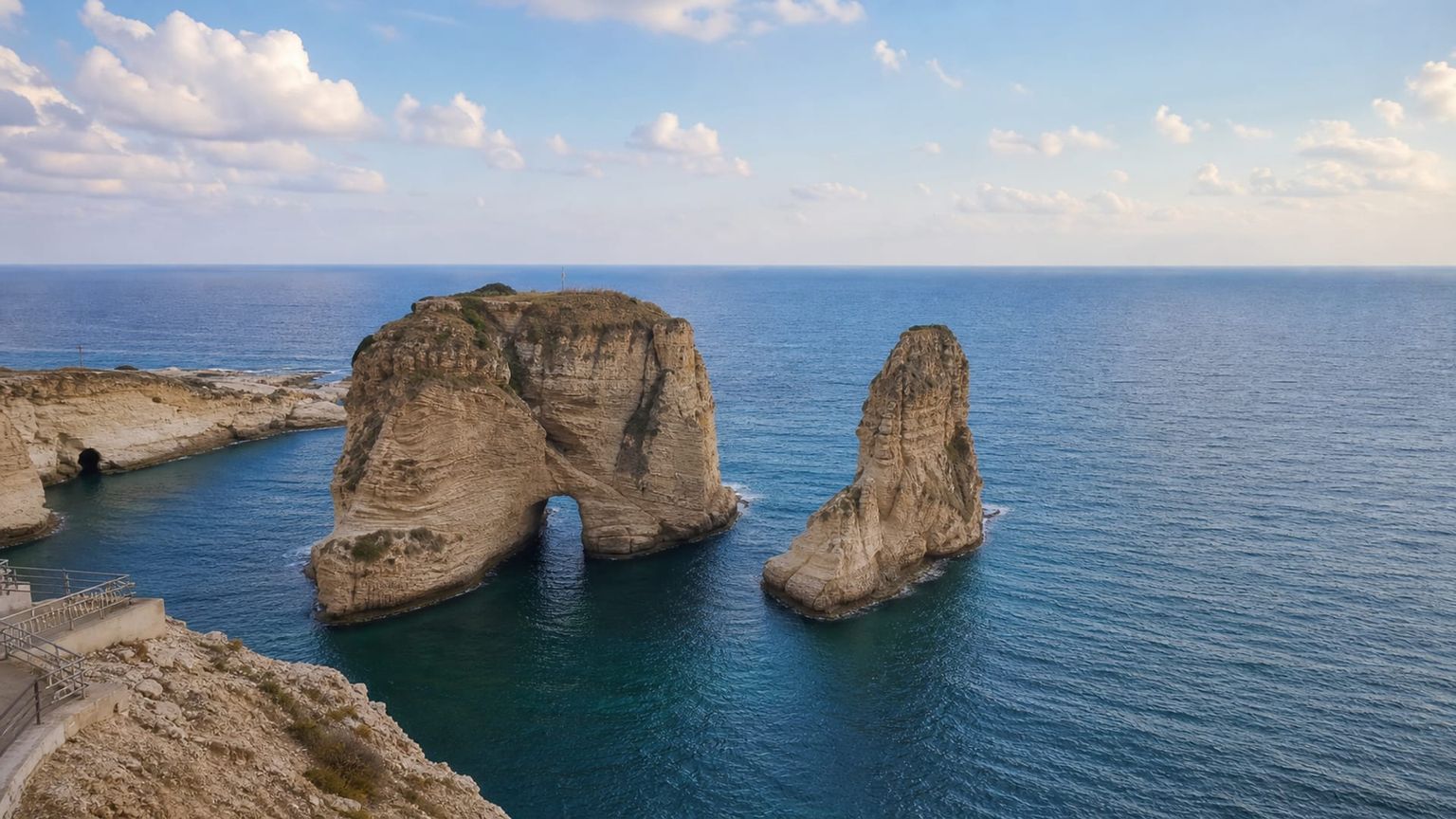
Beirut’s most photographed natural landmark rises off the Raouche coast, where two limestone arches stand in the sea just west of the center. Visit for sunset, when the cliffs and water take on the clearest color.
Time needed: About 45 minutes
Entry: Free to access, no ticket required, and there is no timed entry for the coastal viewpoint or the surrounding promenade
Tip: Arrive before sunset, then linger as the light changes over the sea and cliffs.
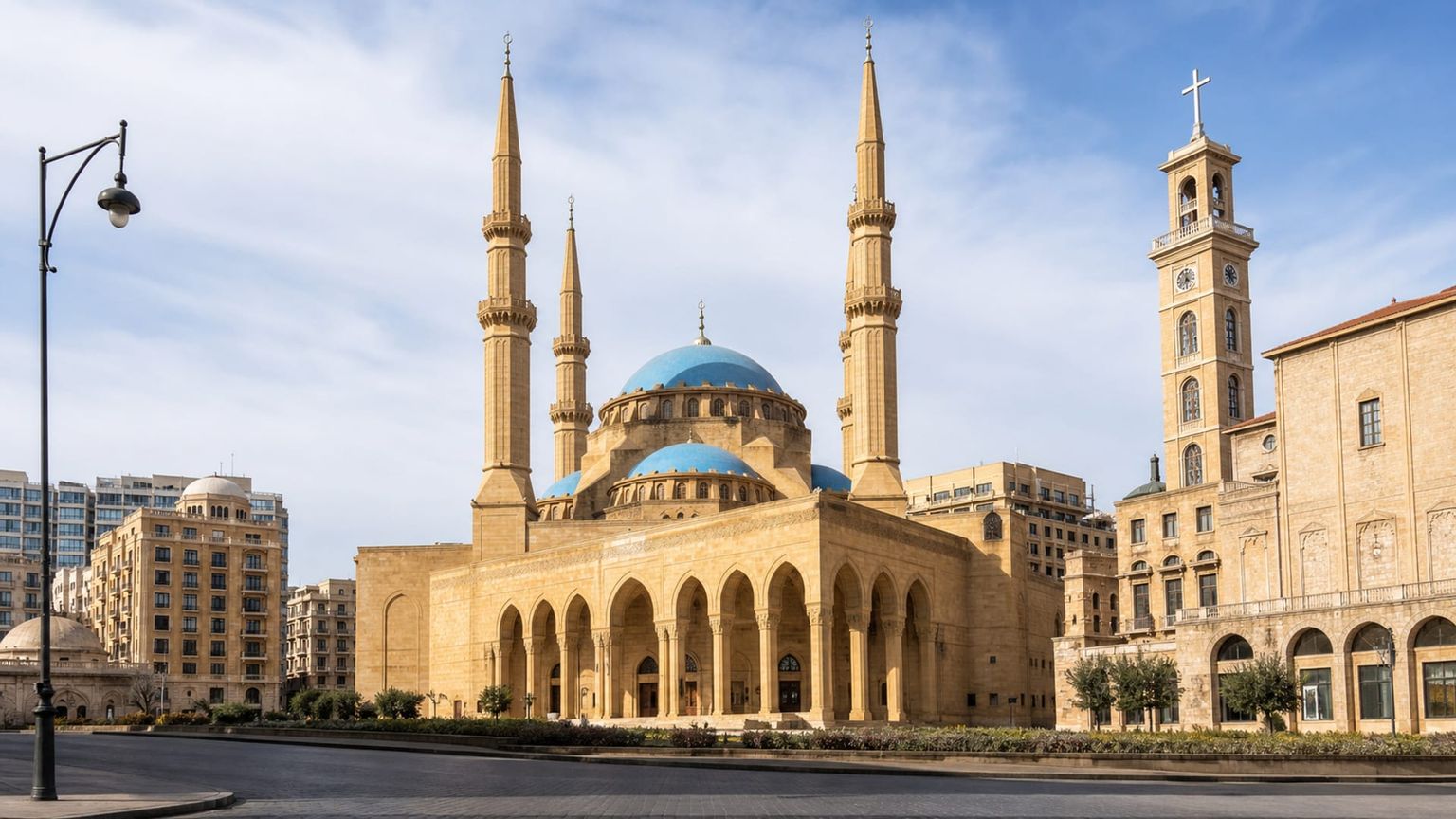
Mohammad Al-Amin Mosque
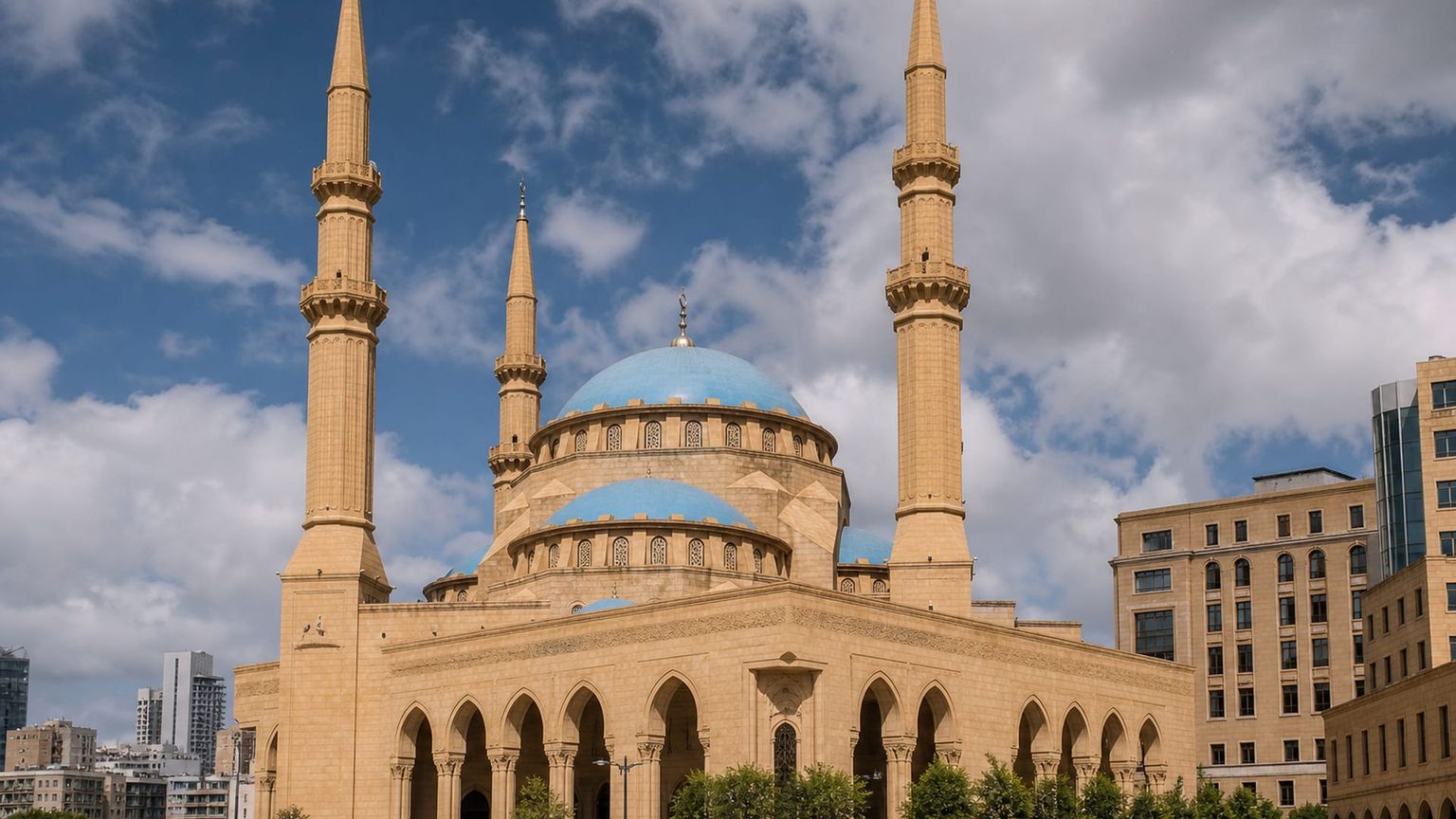
This downtown mosque anchors Martyrs’ Square with a blue dome, four minarets, and a bright stone facade. Non-Muslim visitors can enter outside prayer times, and the setting beside Saint George Maronite Cathedral adds contrast.
Time needed: About 30 to 45 minutes
Entry: Free to access, with no ticket required; modest dress and checks at the entrance apply for non-Muslim visitors outside prayer times
Tip: Visit outside prayer times, and dress conservatively to enter the prayer hall.
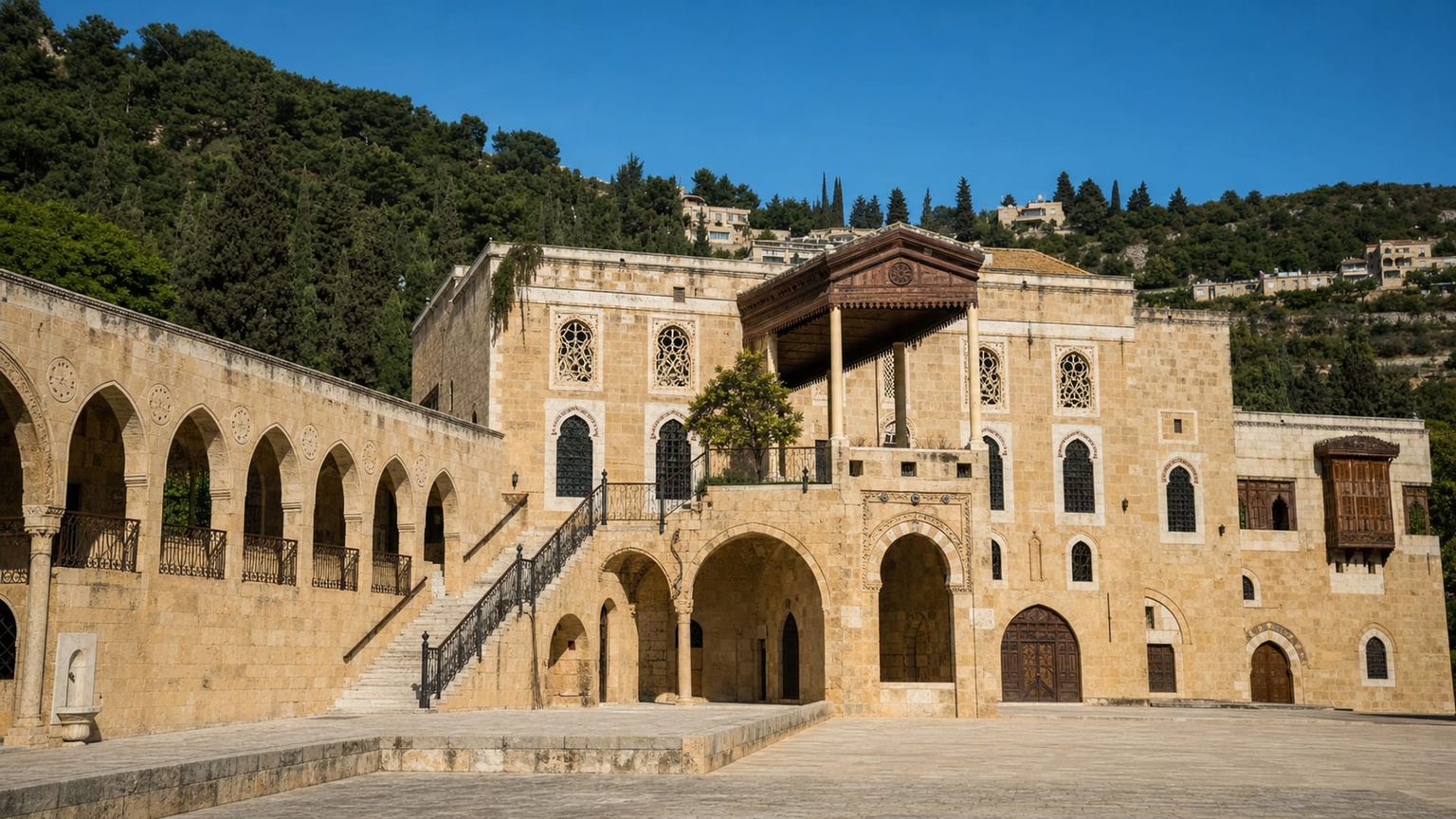
Beiteddine Palace
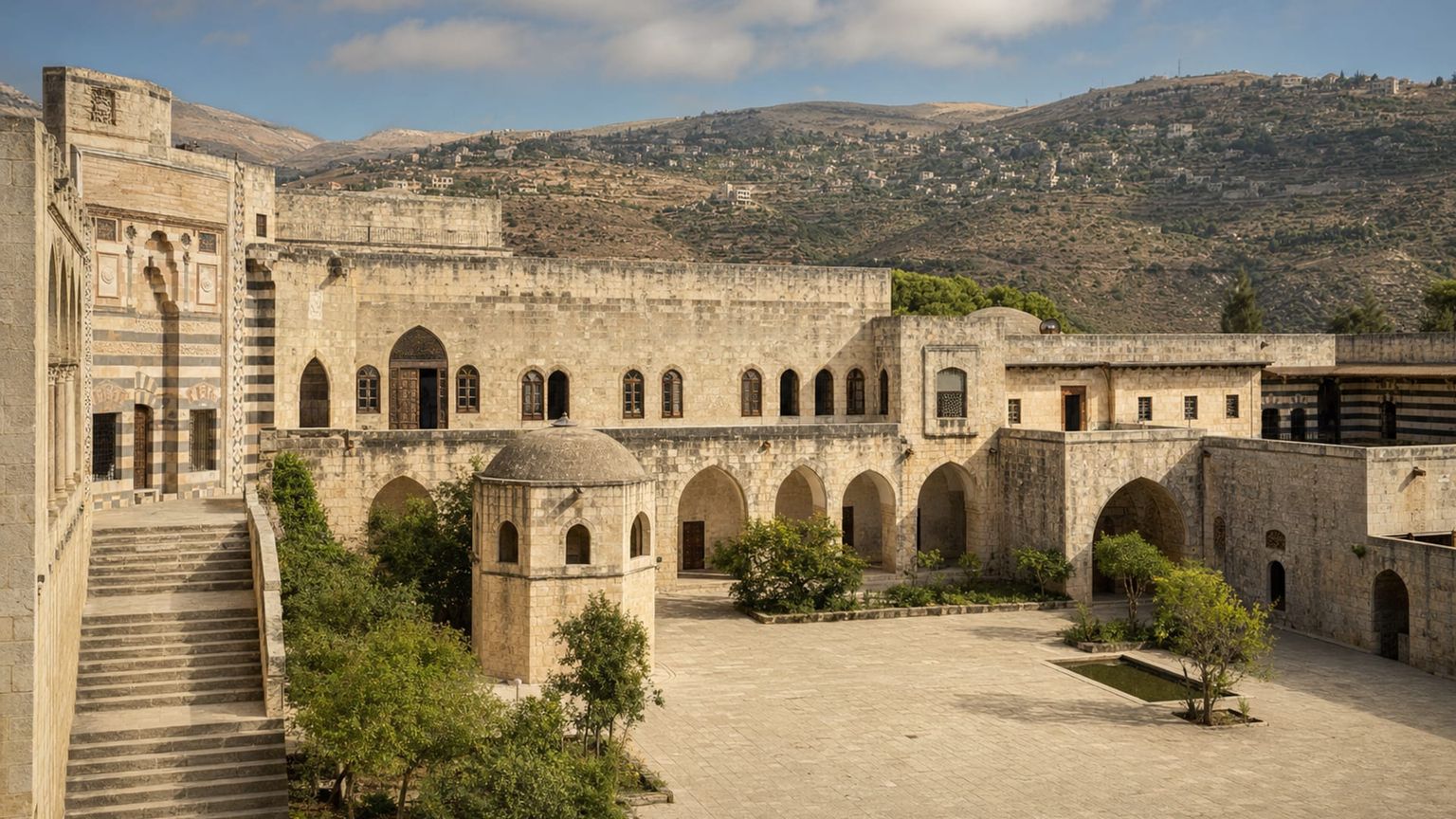
Built in the early 19th century by Emir Bashir Shihab II, Beiteddine Palace showcases courtyards, arcades, and richly carved halls in the Chouf, about 45 minutes from Beirut. The stone complex now serves as a museum and festival venue.
Time needed: About 2 to 3 hours
Entry: Standard admission costs about $5 to $10, with occasional festival pricing and separate fees for special exhibitions or events Visit the official site for details.
Tip: Go in the morning, then allow extra time for the drive through the mountain roads.
Overlooked sites worth visiting

Bahrain-style?
This is not a Beirut site.
Time needed: About 1 hour
Entry: Free to access
Tip: This cannot be completed as requested.
MIM Mineral Museum
A private mineral and fossil museum inside the Université Saint-Joseph campus, with more than 2,000 specimens from over 70 countries, including a complete pterodactyl fossil found in Lebanon.
Time needed: 1 to 2 hours
Entry: Typically free or a small fee of a few dollars, depending on current policy; check ahead before your visit
Tip: Ask about the guided tour, since staff can point out standout pieces easily missed on your own.
Traditional food
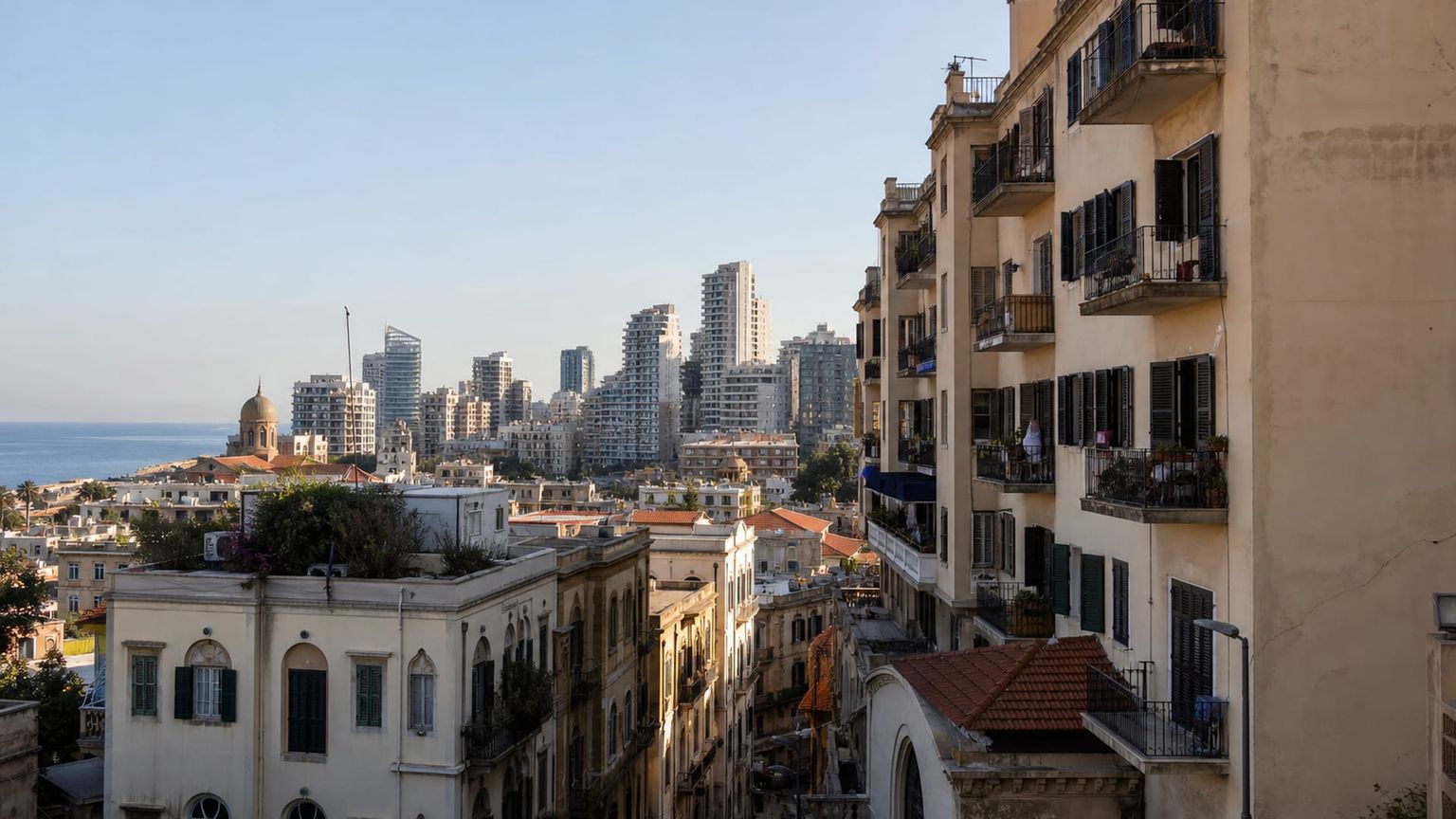
Beirut’s table leans on olive oil, herbs, lemon, garlic, and sesame, with hummus, falafel, tabbouleh, and kibbeh appearing from breakfast mezze to late dinners. Meals often arrive in rounds, and many kitchens pause in the afternoon before the evening rush.
Hummus
Silky chickpea puree with tahini, lemon, and olive oil, best ordered as part of a mezze spread. In Beirut, Liza is a strong canonical choice for a polished version rooted in the city’s dining style.
Falafel
Crisp-fried chickpea fritters with herbs and spices, usually served in pita with pickles and tahini. Barbar in Hamra is a classic Beirut stop for a fast, well-known take.
Tabbouleh
A parsley-forward salad brightened with mint, tomato, bulgur, lemon, and olive oil, and one of the city’s clearest signatures. Em Sherif is a canonical place to order it in a refined mezze setting.
Kibbeh
Seasoned bulgur and meat, shaped into croquettes or a baked tray dish, with a savory depth that anchors many Lebanese meals. Abdel Wahab in Zaitunay Bay is a dependable Beirut address for it.
Best time to visit Beirut
Beirut works best in spring and autumn, when the coast stays pleasant for long walks, while summer brings heavier humidity and winter can interrupt day trips with rain.
Best for: Corniche walks, cafe time, and day trips into the hills
What you get: About 68 to 82°F (20 to 28°C), with moderate crowds and comfortable evenings
Trade-offs: April and May can bring brief showers
Best for: Seaside evenings, late dinners, and longer daylight hours
What you get: About 77 to 90°F (25 to 32°C), with higher visitor traffic on the waterfront and at sunset spots
Trade-offs: Humidity makes midday sightseeing slower
Best for: Balanced sightseeing, restaurant visits, and mountain outings
What you get: About 70 to 84°F (21 to 29°C), with manageable crowds and clear skies early in the season
Trade-offs: November can turn wetter
Best for: Museum time, indoor dining, and quieter central streets
What you get: About 55 to 66°F (13 to 19°C), with lighter crowds and cooler coastal walks
Trade-offs: Rain can complicate road trips and outdoor plans
A realistic 5-day plan in Beirut
A five-day Beirut stay works well when you divide the city by district and keep the longer hill excursion in the middle. That leaves room for the center, the coast, and one slower departure day without cramming every landmark into the same block of time.
Land at Beirut (BEY) and take a taxi into Downtown Beirut or Hamra, usually about 15 to 30 minutes depending on traffic and roughly $10 to $20. Check in near Martyrs’ Square, Nejmeh Square, or the Corniche side of Hamra, then keep dinner close with a simple mezze meal and bottled water before an early night.
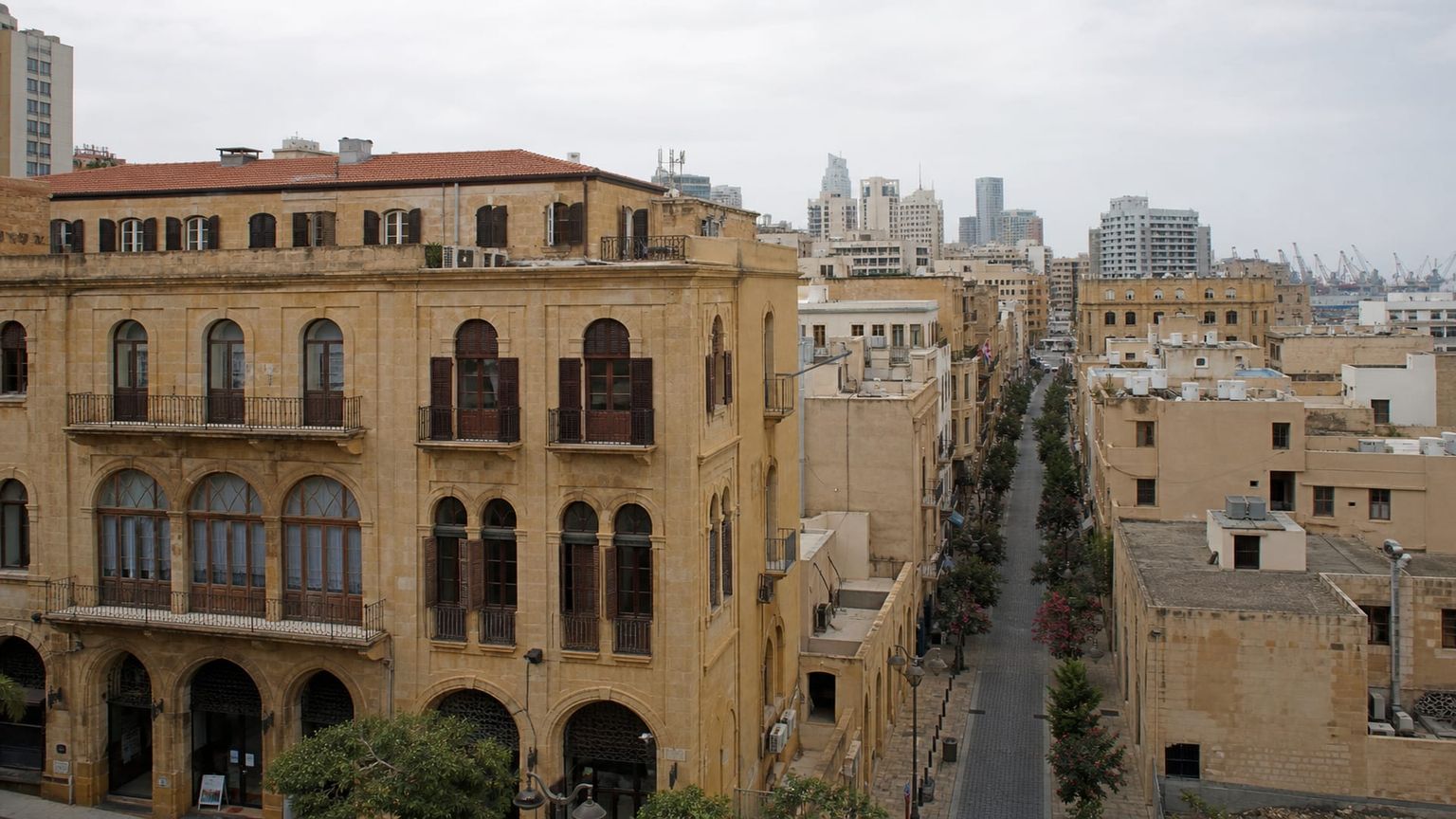
Start in Downtown Beirut with Mohammad Al-Amin Mosque, which takes about 30 to 45 minutes, then walk 5 to 10 minutes to Martyrs’ Square and Nejmeh Square for the rebuilt center and waterfront edges. From there, continue by taxi to Gemmayzeh in about 5 to 10 minutes for coffee, stairway walks, and a late lunch, then stay in the area for dinner among the narrow streets and heritage facades.
Begin the morning west of the center at Pigeon Rocks, where a walk along the promenade takes about 45 minutes and the sea cliff views are strongest before noon. After that, ride to Hamra in about 10 to 15 minutes for bookstore browsing and a cafe stop near the American University of Beirut, then end the day with another Corniche stretch or a seaside dinner back toward Raouche.
A full-day mountain outing works best here: depart early for Beiteddine Palace, about 45 minutes from Beirut by car, and plan on 2 to 3 hours for the courtyards, arcades, and carved halls. On the return, allow time for the drive back through the hills, then take a quiet evening in Achrafieh with dinner near its cafe clusters if you want to stay off the busiest central streets.
For the last day, start with a slower museum stop in Downtown Beirut or a short revisit to the National Museum area if you prefer a compact final outing, then move to Achrafieh for coffee and an easy lunch in its residential cafe pockets. If you have extra time before the airport, finish with light shopping in Hamra, where bookstores and local shops make a practical final stop before heading to Beirut (BEY).
Business-class flights from the US to Beirut
Long-haul trips into Beirut usually connect through a Gulf or European hub, so the useful comparison is often the route structure and fare spread rather than nonstop availability. The two examples below show what travelers from New York and Los Angeles typically see.
From New York, carriers such as Emirates, Turkish Airlines, Lufthansa, Air France, Qatar Airways, and Royal Jordanian usually sell itineraries in the $4,200 to $7,500 range round-trip. If you do not mind a layover, common routings via Istanbul (IST) or Doha (DOH) can cut fares to roughly $1,500 to $2,800.
Los Angeles travelers usually see Emirates, Turkish Airlines, Qatar Airways, Lufthansa, Air France, and Royal Jordanian in the market, with round-trip fares starting from about $4,800 and reaching $8,500. One-stop options often land in the middle of that range, which makes them the main comparison point for this origin.
Beirut feels different when you slow down
A deliberate Beirut trip usually means pairing Downtown Beirut with Gemmayzeh, setting aside one morning for Pigeon Rocks, and using taxis or ride apps when the hills start to stretch the map. It also means leaving space for Hamra cafes, an easy dinner near Achrafieh, and one slower museum stop before flying out. If you want AranGrant experts to shape that route around your dates, start with Beirut (BEY) and build from there







