

Chapters:

Need help with your trip?
Our support team is available 24/7. Request a callback or call us directly at (833) 619-0908
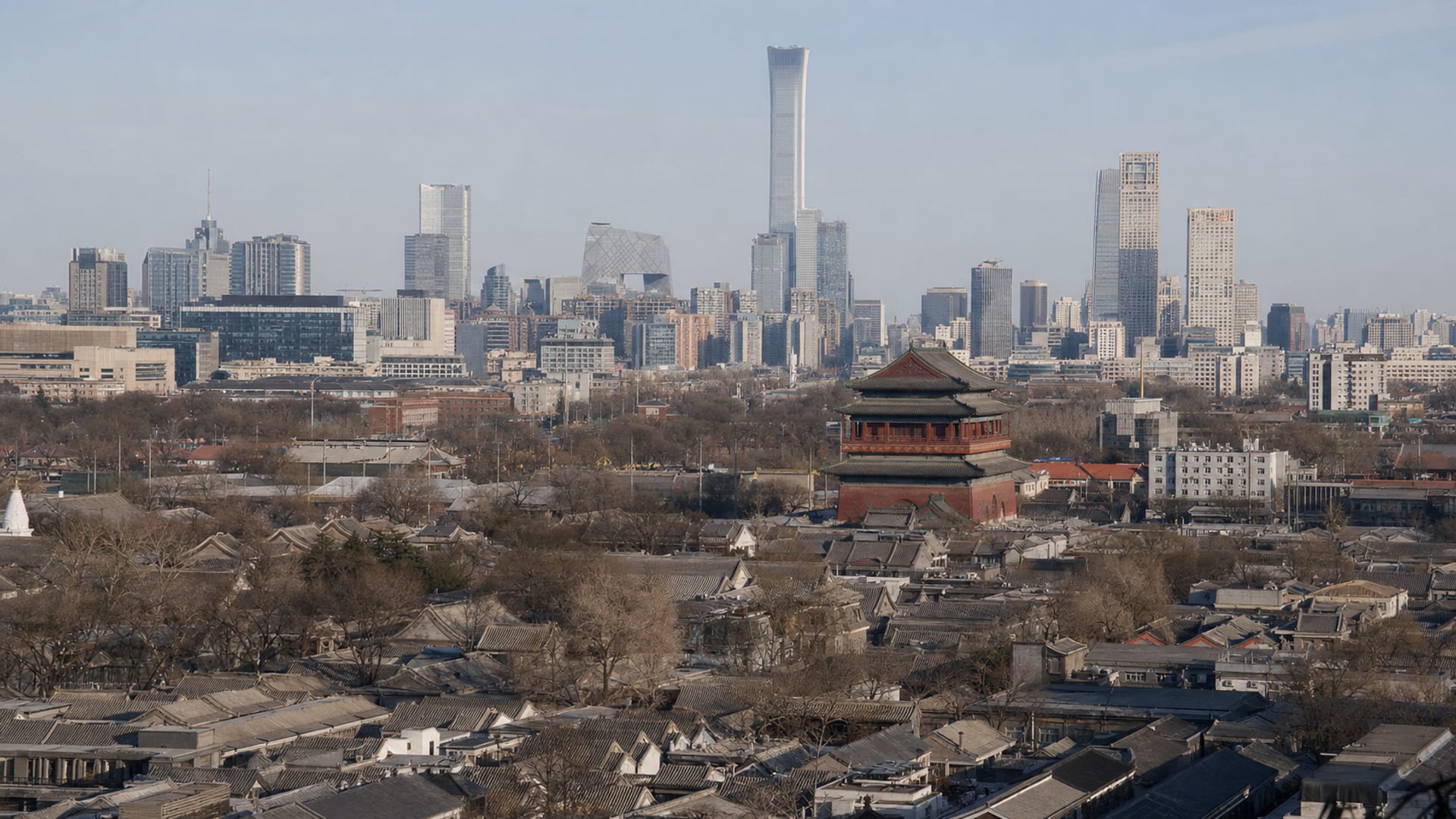
Beijing trips often start with the same checklist: the Forbidden City, a hotel near a subway line, and a quick scan of the food scene before the flight home. What many visitors miss is how much time the city asks for between those points, and how often the best hours are early in the day.
The distances between central districts, the scale of the palace sites, and the size of places like Chaoyang or Haidian can turn a simple plan into a long series of cross-town rides. Crowd timing matters too, because the main gates, parks, and museum entrances change character fast after midmorning.
This guide sets out a tighter route through the city, with neighborhoods, transit choices, meals, and day-by-day timing arranged to reduce guesswork and keep each stop in a sensible order.
Useful things to know

Main language(s): Mandarin Chinese
你好 (nǐ hǎo) – Hello
请 (qǐng) – Please
谢谢 (xièxie) – Thank you
你会说英语吗? (nǐ huì shuō yīngyǔ ma?) – Do you speak English?
多少钱? (duōshao qián?) – How much does it cost?

Currency: The local currency is the Chinese yuan (CNY, ¥).

Cash and cards: Cards and contactless are widely accepted; carry about ¥200 to ¥500 ($28 to $70) in cash for small shops and taxis.

Tipping: Tipping is not expected; round up small amounts or leave a little in upscale hotels and private tours.

Traditional food: Peking duck, zhajiangmian, jianbing, hot pot

Water and coffee costs: Water about ¥3 to ¥6 ($0.50 to $0.85), bar espresso about ¥25 to ¥40 ($3.50 to $5.60).

Taxis and ride apps: Didi works here; use Uber only if it routes you to Didi through the app.

Plug and voltage: Type A/C socket, 220V

Dining and shop opening hours: Breakfast is about 07:00-09:00, lunch 11:30-14:00, and dinner 18:00-21:00. Many restaurants close or quiet down after about 22:00.

Emergency number: 110 police, 120 ambulance, 119 fire.
Where to stay in Beijing
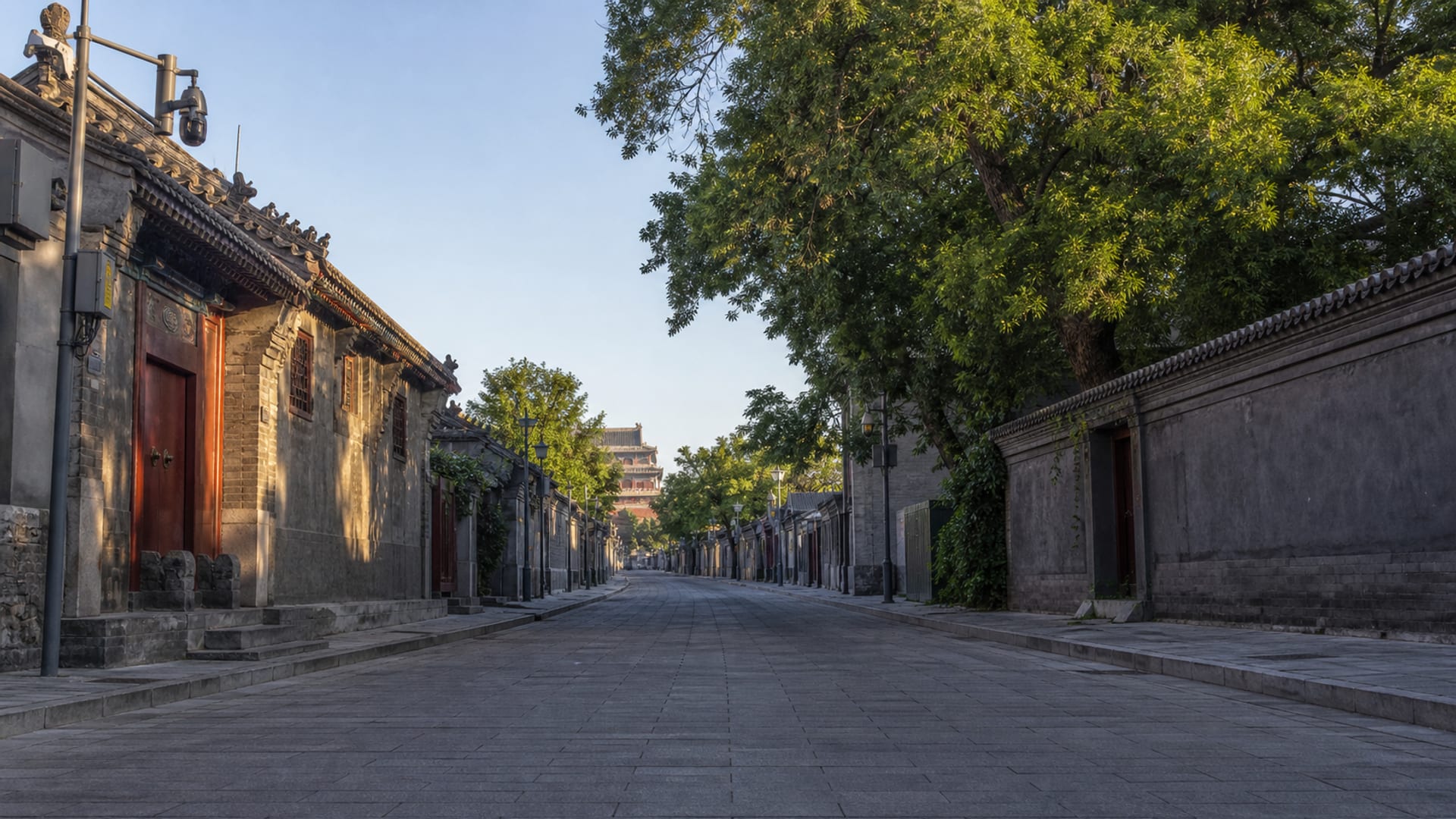
Dongcheng puts you beside many of Beijing’s classic sights, including the Forbidden City, Jingshan Park, and the Drum and Bell Towers. It suits travelers who want short transit times to major museums, hutong streets, and central dining without staying far from the historic core.
Best for: First-time sightseeing, hutong walks, and easy access to major museums
What to expect: Busy sidewalks, frequent tour groups, and a strong mix of local eateries, cafes, and hotels
Hotel prices: Usually about 800 RMB to 1,800 RMB (~$110 to ~$250) per night for well-rated stays
Distance to major sights: About 10 to 20 minutes by taxi to the Forbidden City, about 15 to 25 minutes to the Temple of Heaven
Quietness: Quieter in side streets by evening, though main roads and popular hutong lanes stay active late
Main trade-off: Central stays here cost more, and the most atmospheric lanes can get crowded during peak sightseeing hours
Good to know: Choose a hotel off the main roads if you want easier sleep, since traffic and group tours concentrate near the biggest attractions
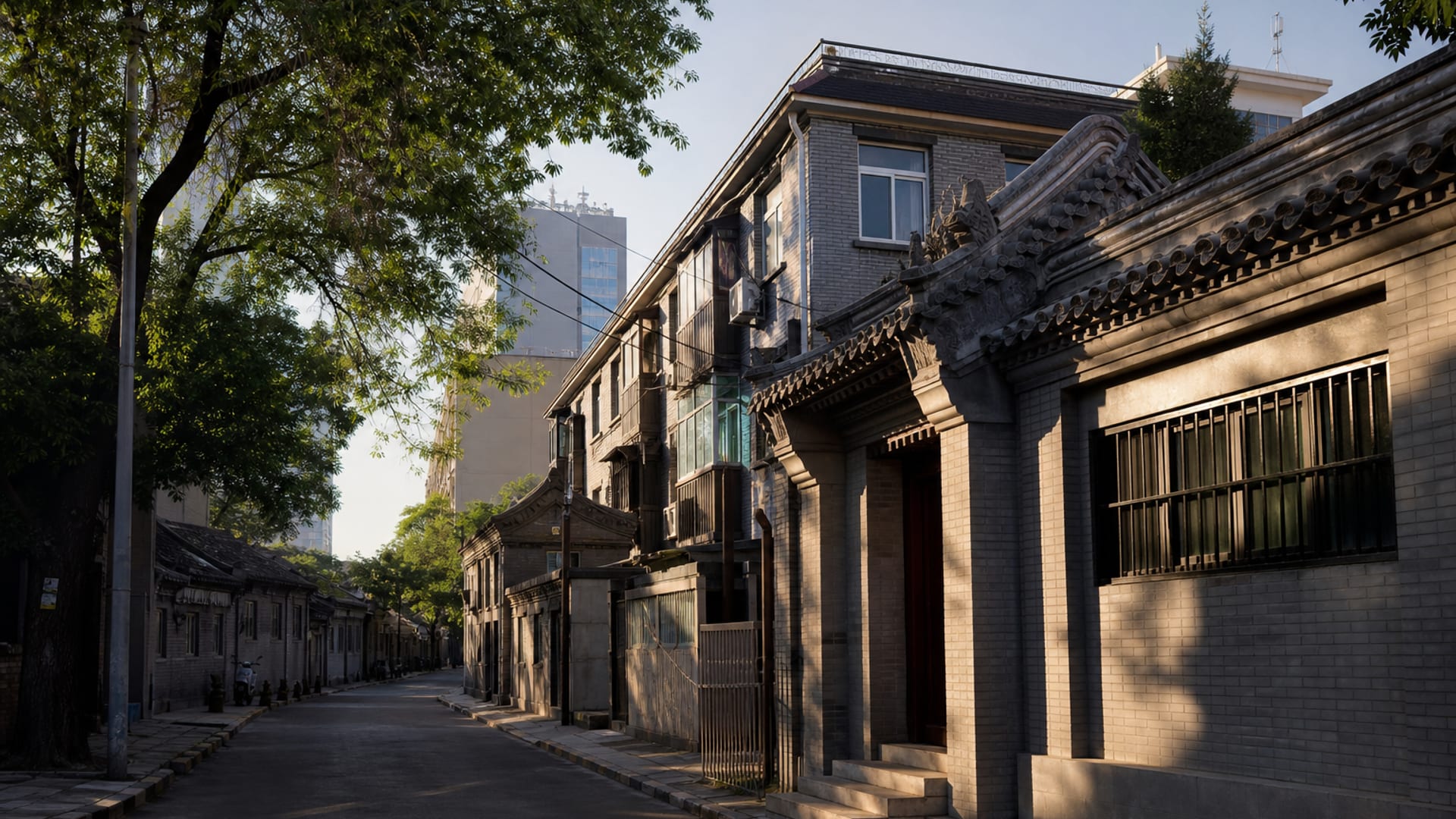
Xicheng is the western central district, home to lakeside hutongs, old residential streets, and several important government and cultural sites. It works well if you want a central base with fewer of the city’s biggest monument queues right outside the door.
Best for: Lakeside walks, traditional neighborhoods, and visitors who prefer a central but less tourist-heavy base
What to expect: Residential streets, neighborhood cafes, and steady local foot traffic rather than nonstop nightlife
Hotel prices: Usually about 700 RMB to 1,600 RMB (~$97 to ~$221) per night for well-rated stays
Distance to major sights: About 15 to 25 minutes by taxi to the Forbidden City, about 20 to 30 minutes by transit to the Temple of Heaven
Quietness: Often calm in the evening on side streets, with busier stretches near lakes and commercial corridors during the day
Main trade-off: You may have to plan a bit more for east-side sights, since the district spans a large area and transit times vary
Good to know: Check the exact subway stop before booking, because a good address in Xicheng can cut cross-town rides by a noticeable amount
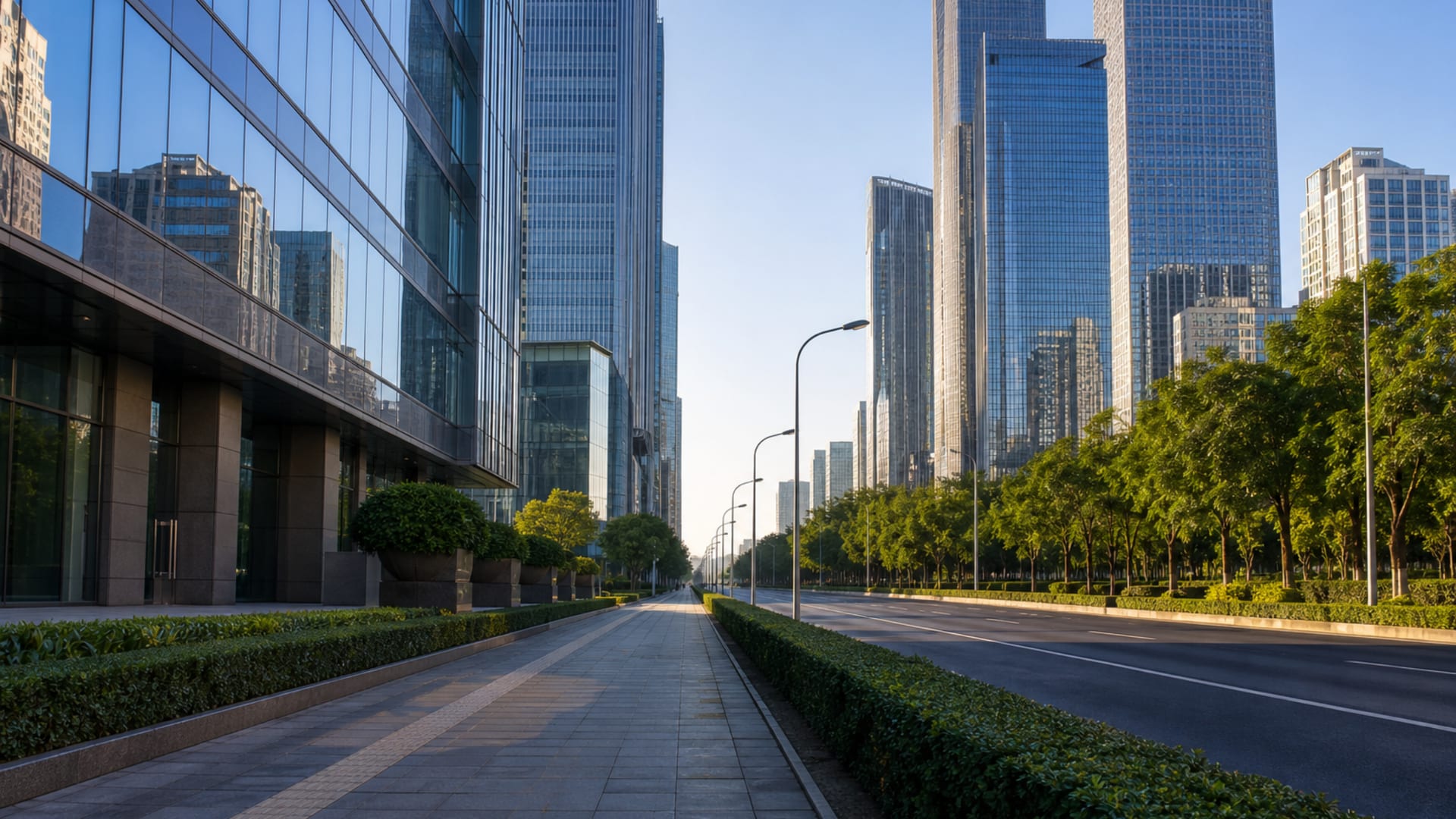
Chaoyang is Beijing’s modern east-side district, with embassy areas, business towers, shopping malls, and many international hotels. It fits travelers who want wider dining choices, newer rooms, and easy links to the airport and business centers.
Best for: Business trips, upscale hotels, shopping, and airport access
What to expect: Wide avenues, heavy car traffic, large malls, and a more international dining scene than the old center
Hotel prices: Usually about 900 RMB to 2,200 RMB (~$124 to ~$304) per night for well-rated stays
Distance to major sights: About 20 to 35 minutes by taxi to the Forbidden City, about 25 to 40 minutes to the Temple of Heaven
Quietness: Livelier in shopping and dining zones during the day, with calmer hotel blocks after dinner
Main trade-off: You gain newer rooms and broader dining options, but many classic sights require longer cross-town rides
Good to know: Pick a place near a subway interchange if you plan to sightsee daily, because the district’s size can make short distances take longer than expected
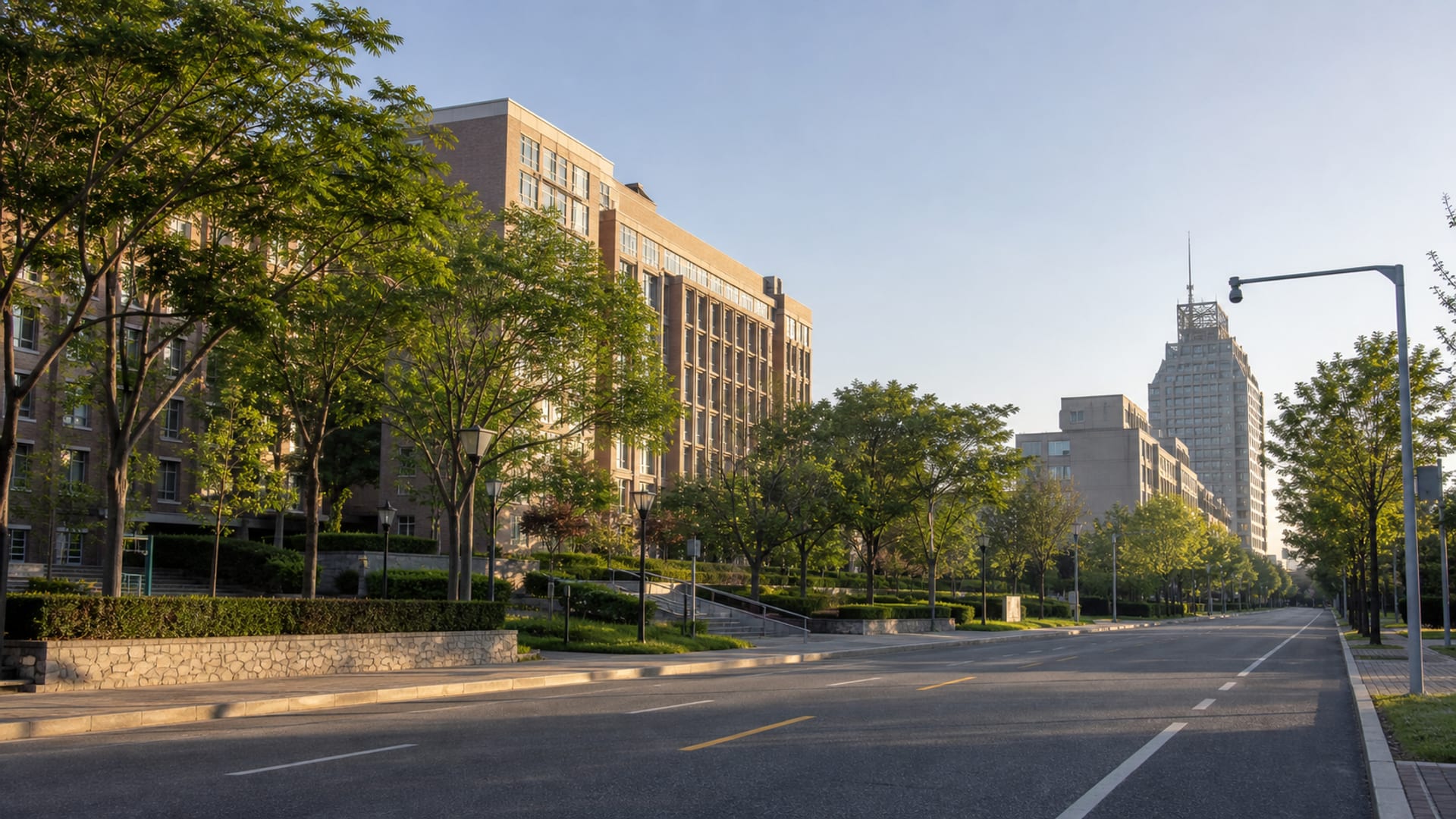
Haidian sits in the northwest and centers on universities, research campuses, parks, and large residential blocks. It suits travelers who value a lower-key base with access to the Summer Palace, the Old Summer Palace area, and several metro lines.
Best for: Summer Palace visits, university areas, and travelers who want a quieter base
What to expect: Student energy, large campuses, local restaurants, and fewer classic tourist streets at night
Hotel prices: Usually about 600 RMB to 1,400 RMB (~$83 to ~$193) per night for well-rated stays
Distance to major sights: About 25 to 40 minutes by taxi to the Forbidden City, about 20 to 30 minutes by transit to the Summer Palace
Quietness: Calmer after dark on most residential streets, while university and shopping pockets stay active into the evening
Main trade-off: It is farther from the main imperial sights, so you will spend more time on transit if your list is heavy on central Beijing
Good to know: If your itinerary centers on western sights, Haidian can shorten those trips, but crossing to the old core takes planning
Travelers usually avoid staying in Beijing’s far northeastern suburbs such as Shunyi and Huairou, which sit well away from the main sights and have fewer hotel, dining, and late-night transit options. Tongzhou can also be less convenient for a short visit because it is far from central attractions, and some airport-adjacent areas near Beijing Capital Airport (PEK) work better for an overnight layover than for sightseeing.
Hotel deals
How to get around Beijing efficiently
Beijing’s airport rail links, subway network, and metered taxis all work well, but each one fits a different part of the day and a different stretch of the city.

Metro
for longer distances
Beijing Capital International Airport (PEK) and Beijing Daxing International Airport (PKX) both connect to the subway via airport rail links, with the Airport Express from PEK to central Beijing and the Daxing Airport Express from PKX to Caoqiao. Expect about $4 to $8, with typical end-to-end trips of roughly 20 to 50 minutes depending on the airport and interchange. Trains usually run from early morning to late evening, and you will need to transfer to the wider metro network for most downtown destinations.

Bus
for convenience
Airport shuttle buses reach major rail stations, business districts, and selected hotels, and they are the lowest-cost public option, usually about $2 to $6. Many routes run at intervals of about 20 to 30 minutes, with longer journey times than the rail links, often roughly 45 to 90 minutes before traffic. Buy tickets at the airport counters or onboard where permitted, then check the stop list carefully because route coverage changes by terminal and time of day.

Taxi
for convenience or late hours
Licensed Beijing taxis use a meter rather than fixed fares for most trips, including airport rides, and airport access fees or highway tolls may be added. A ride from PEK or PKX into central Beijing often costs about $20 to $45, more in heavy traffic or late at night. Use the official taxi ranks, avoid unlicensed drivers in arrival halls, and pay by cash, card, or mobile wallet when the driver supports it.
*Prices are based on rates updated as of June 2026 and may change at the time of travel.
Use the subway for airport links and major corridors, taxis or Didi for point-to-point cross-town trips, and buses when price matters more than speed.
Iconic landmarks
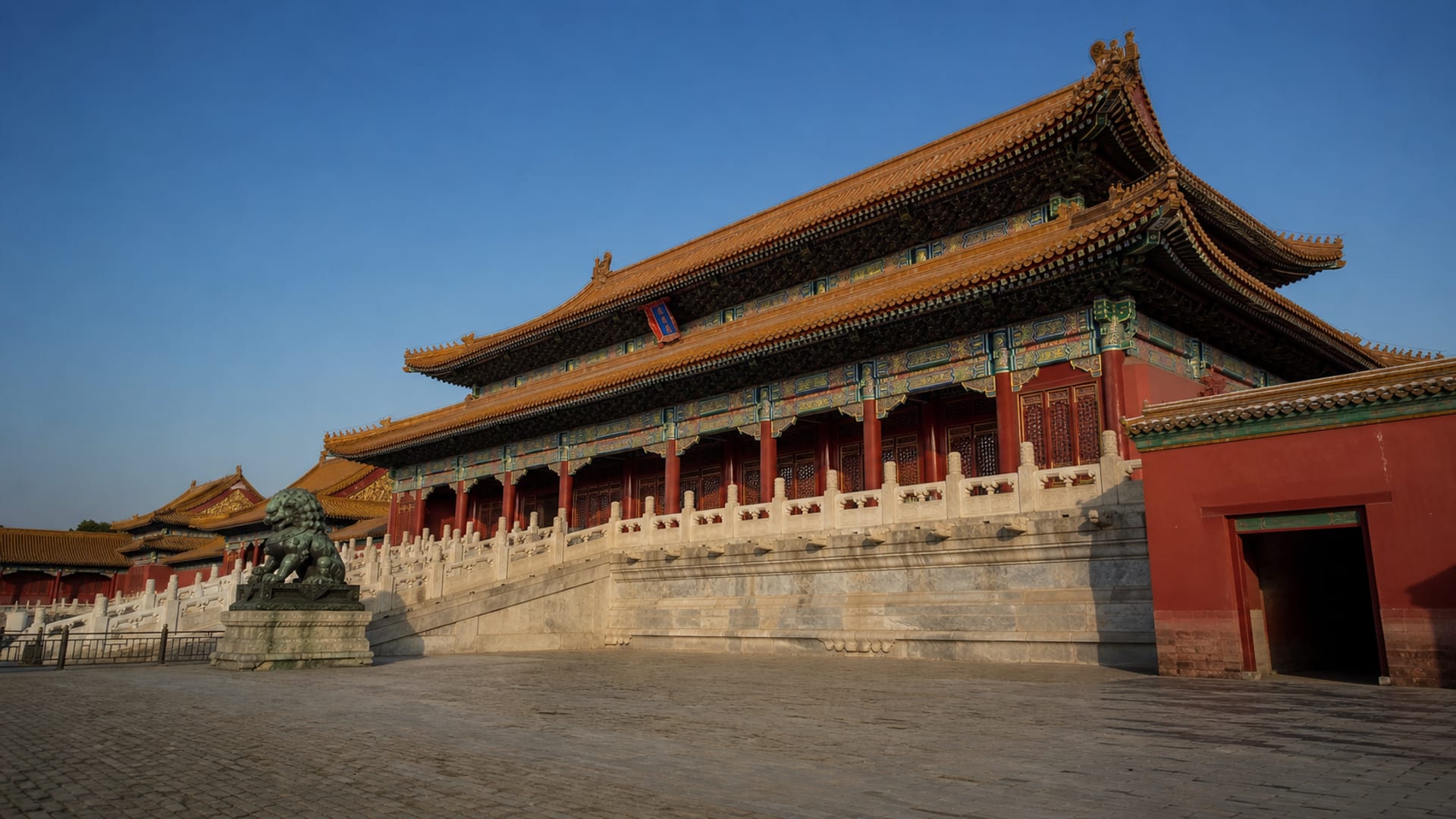
The Forbidden City
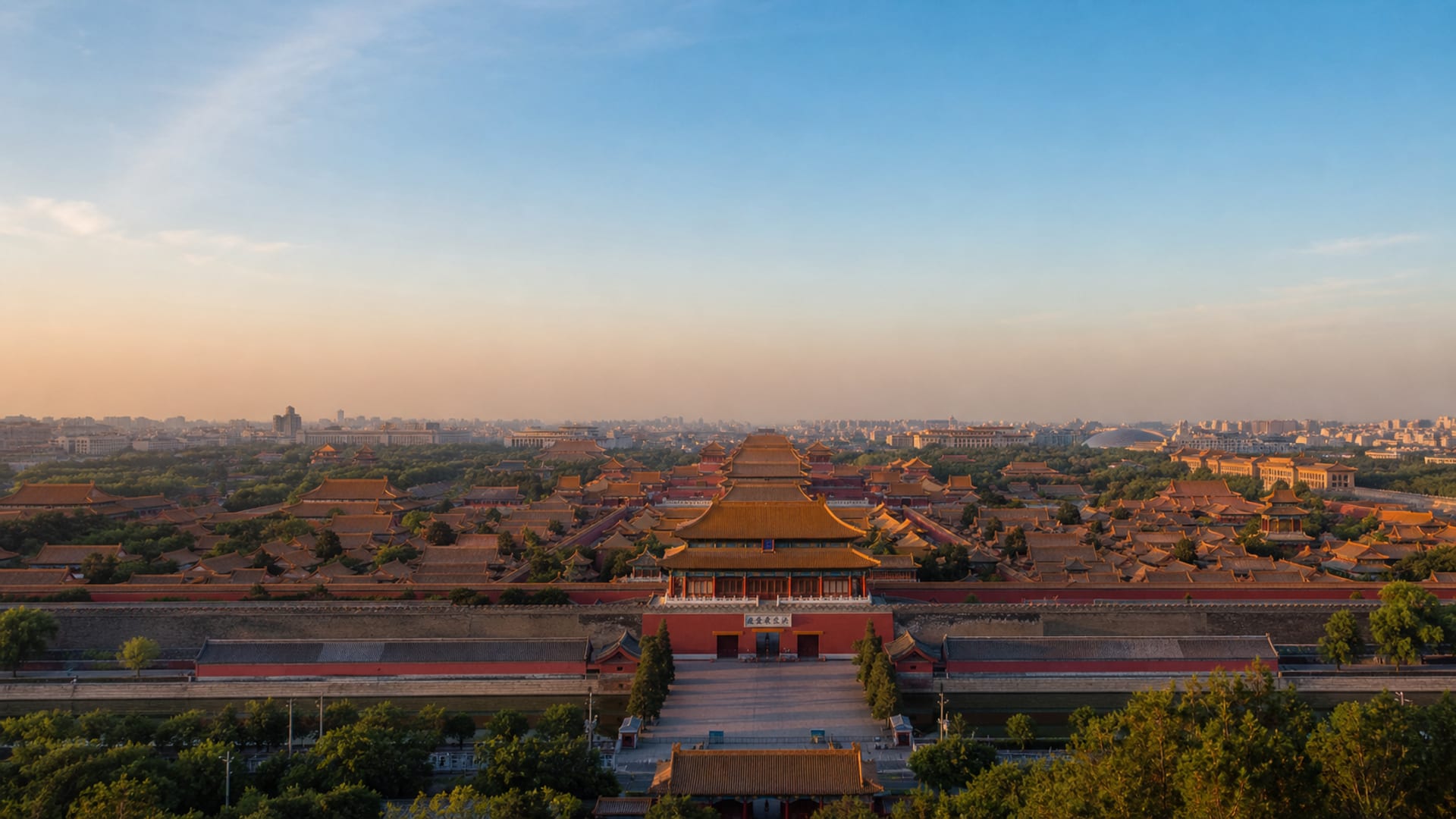
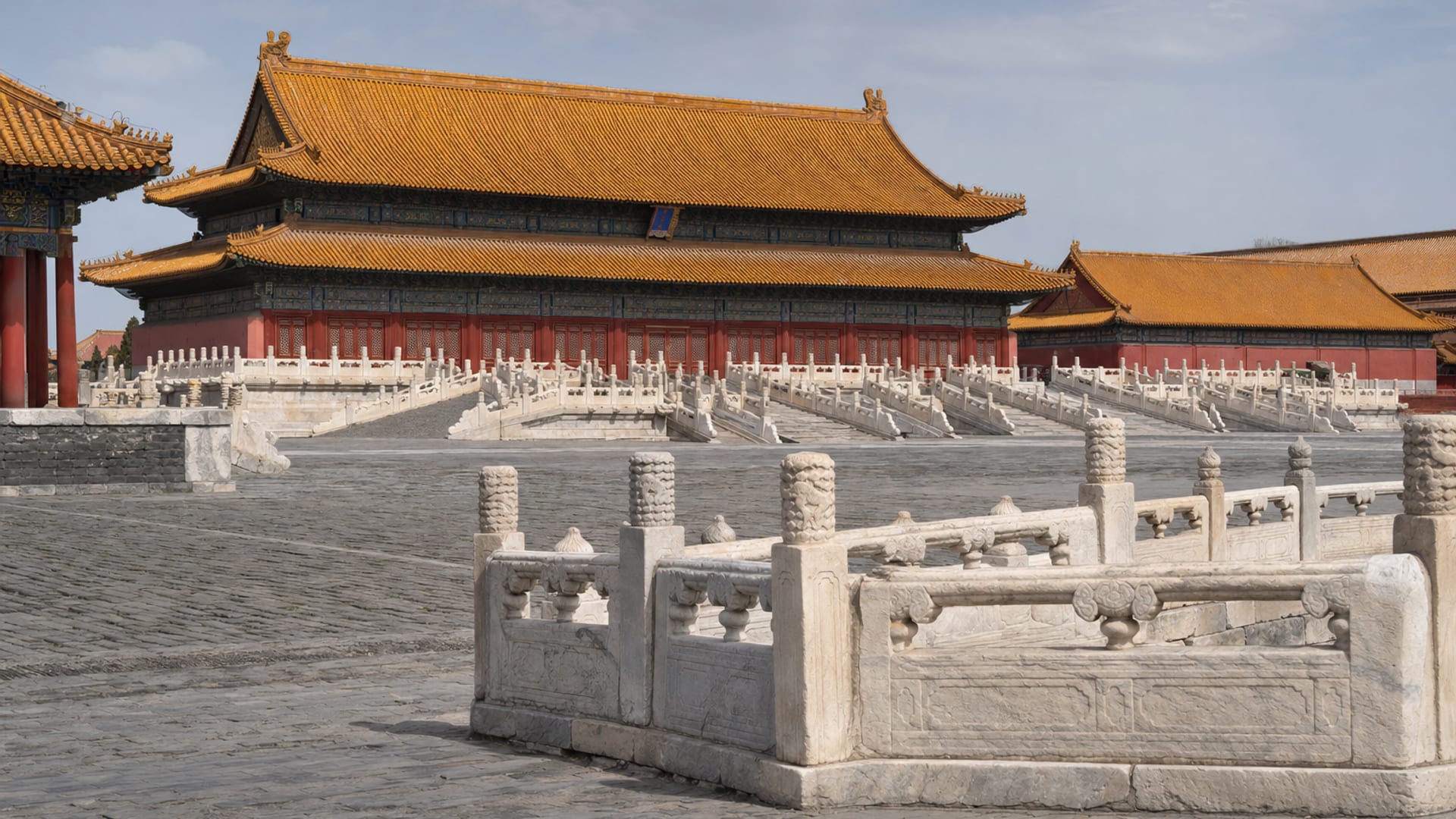
China’s imperial palace complex at the heart of Beijing holds the Palace Museum, layered courtyards, and the Hall of Supreme Harmony. Its main axis and gate sequence show the scale of Ming and Qing court life.
Time needed: About 3 to 4 hours
Entry: Standard admission costs $9 (¥60) in peak season and $7 (¥40) in low season; the Treasure Gallery and Clock Gallery charge extra Visit the official site for details.
Tip: Arrive at opening time, then cross the central axis before the midday crowd builds.
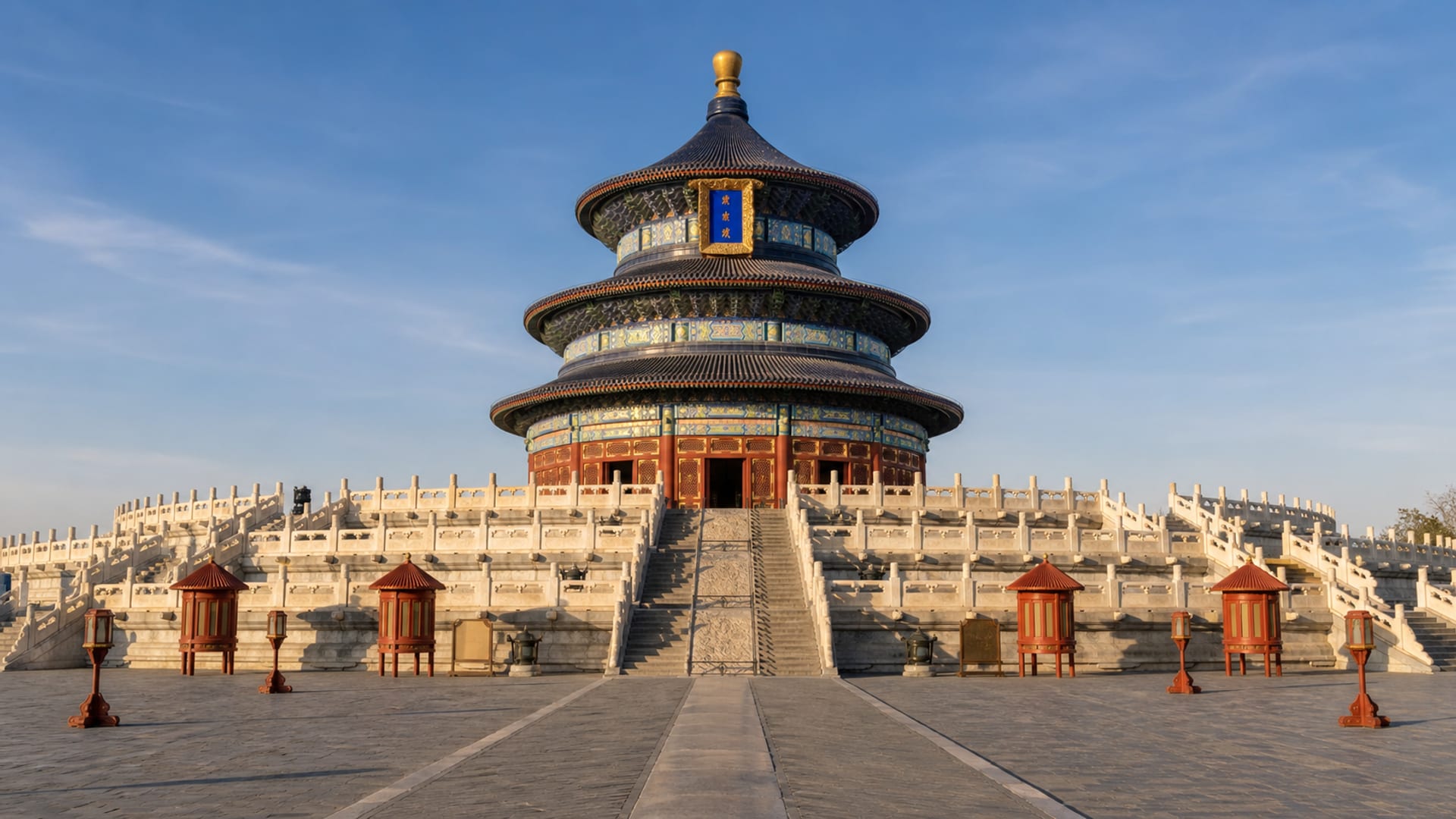
Temple of Heaven
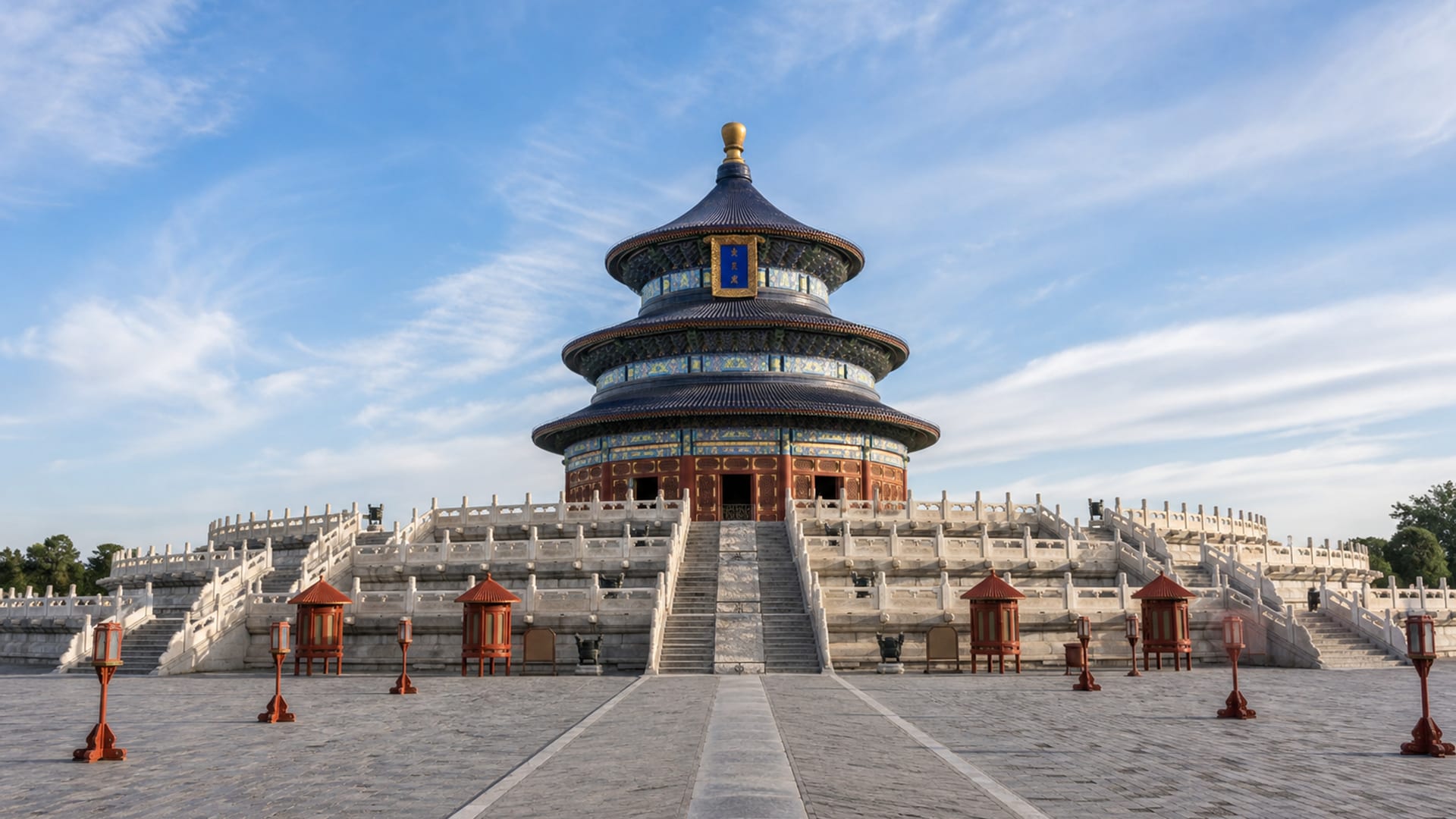
This Ming-era ritual complex pairs the Hall of Prayer for Good Harvests with a vast park and precise circular geometry. Emperors came here for harvest rites, and the park now draws tai chi groups, walkers, and photographers.
Time needed: About 2 to 3 hours
Entry: Admission costs $3 to $7 (¥20 to ¥34), depending on the area you enter; the Hall of Prayer for Good Harvests area costs the most Visit the official site for details.
Tip: Go before 9:00 am to catch tai chi in the park and softer light on the main hall.
Summer Palace
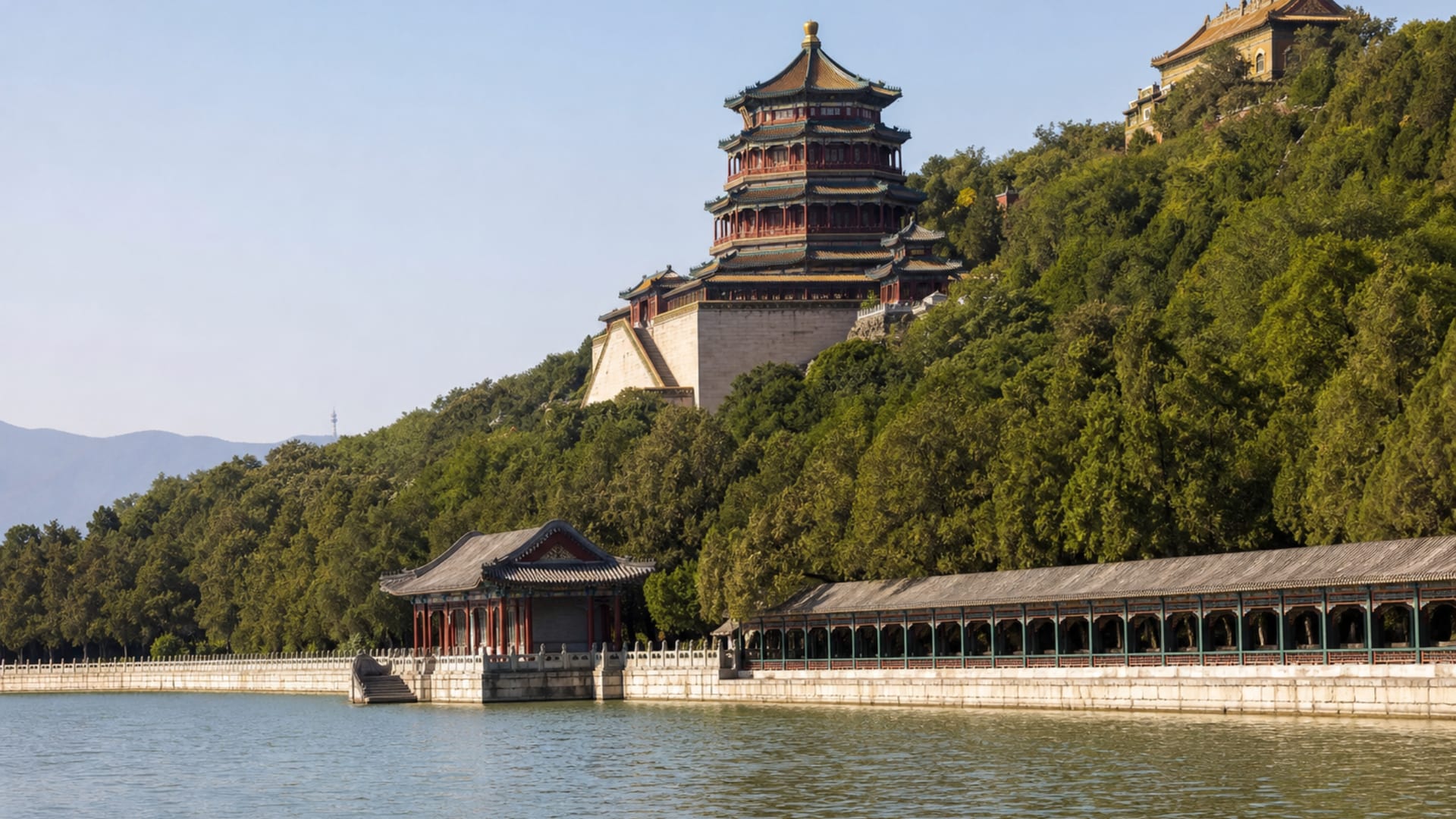
The Summer Palace combines Kunming Lake, Longevity Hill, pavilions, and long covered corridors into Beijing’s best-known imperial garden. Its bridges, hilltop views, and lakeside promenades show how the Qing court used scenery as part of palace life.
Time needed: About 3 to 5 hours
Entry: Admission costs $5 to $10 (¥30 to ¥60), with a combined ticket covering the main palace grounds and some scenic areas Visit the official site for details.
Tip: Start from the east gate, then walk the lakeside route before climbing Longevity Hill.
Overlooked sites worth visiting

Ritan Park
A lakeside park east of the diplomatic district, Ritan pairs willow-lined paths with a square altar from the Ming era. It draws locals for morning exercise, model boats, and late-afternoon walks.
Time needed: About 1 to 2 hours
Entry: Free to access. The park is open to the public without a ticket, and visitors can enter for free during normal opening hours. Some seasonal rides, boat rentals, and food stalls charge separately, usually in the low single digits to about $10 ($7).
Tip: Go near sunset for softer light on the water.

Beijing Ancient Observatory
This compact observatory near Jianguomen keeps a set of bronze astronomical instruments from the 17th century. Its rooftop platform gives a close look at historic star-gazing tools and the old city wall line.
Time needed: About 45 minutes to 1 hour
Entry: Admission is about $6 to $8 (CNY 40 to CNY 60). Tickets are sold at the gate, and entry usually includes access to the exhibition rooms and the roof platform. Check posted hours before visiting, since closing days can change with maintenance or weather.
Tip: Visit in the morning for fewer tour groups.
Traditional food
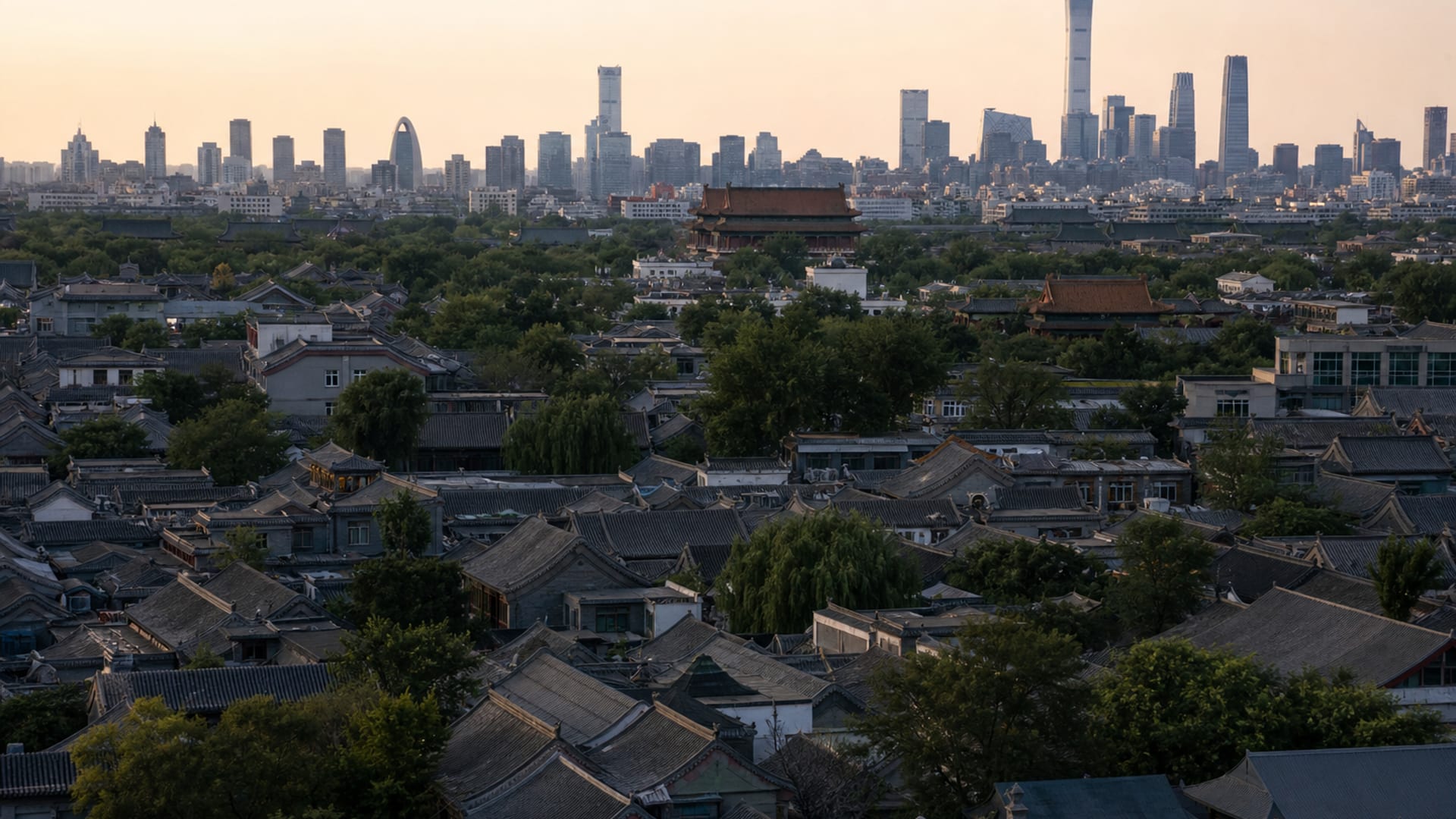
Beijing’s food runs on wheat noodles, pancakes, and rich northern flavors, with Peking duck, zhajiangmian, jianbing, and hot pot anchoring meals from breakfast stalls to late dinners.
Peking duck
Crisp-skinned duck with thin pancakes, scallions, and sweet bean sauce defines Beijing dining for many visitors. Quanjude Roast Duck Restaurant is one of the city’s best-known places to order it, with a long history tied to the dish.
Zhajiangmian
This noodle bowl uses thick wheat noodles, minced pork, and a fermented soybean sauce, then finishes with fresh vegetables. Haiwanju Restaurant serves a well-regarded version in Beijing and keeps the dish rooted in a local lunch tradition.
Jianbing
A Beijing breakfast staple, jianbing folds egg, sauces, herbs, and a crisp crepe-like wrapper into a fast meal. Siji Minfu has branches in Beijing that many travelers use for a dependable introduction to the style, even though it is better known for duck.
Hot pot
Shared pots of simmering broth turn dinner into a social meal, with sliced meat, vegetables, tofu, and noodles cooked at the table. Beijing Da Dong is not a classic hot pot house, so a better canonical pick is Duyichu, which is famous for northern dishes, though hot pot itself is better represented at specialized restaurants such as Haidilao in Beijing.
Best time to visit Beijing
Beijing changes with the calendar: spring and autumn are easiest for long walks and outdoor sites, while summer brings heat and winter rewards travelers who plan around shorter daylight and indoor stops.
Best for: Temple visits, hutong walks, and park time
What you get: About 43 to 77°F (6 to 25°C), with moderate crowds and a strong chance of clear walking weather
Trade-offs: Dust and sudden temperature swings can interrupt the first warm weeks
Best for: Evening sightseeing, museum stops, and lake walks
What you get: About 73 to 90°F (23 to 32°C), with heavier crowds at major sights and more domestic travel
Trade-offs: Heat, humidity, and rain can make midday sightseeing tiring
Best for: The strongest all-around season for a first trip
What you get: About 41 to 75°F (5 to 24°C), with comfortable conditions and steady visitor numbers
Trade-offs: National holiday periods and peak foliage weeks can push crowds higher
Best for: Museum days, palace visits, and lower hotel demand
What you get: About 14 to 37°F (-10 to 3°C), with lighter crowds outside holiday weeks and crisp air on clear days
Trade-offs: Cold wind and short daylight make outdoor sightseeing less forgiving
A realistic 5-day plan in Beijing
Five days gives Beijing enough room for the main imperial sites, a quieter park or two, and at least one unhurried neighborhood meal. The plan below keeps the long crossings to a minimum and pairs each major landmark with a nearby stop or an easier final leg.
Land at Beijing (PEK) or Beijing (PKX), then take an airport express, subway link, or taxi to Dongcheng if you want the shortest path to the historic core; expect roughly 40 to 60 minutes from Beijing Capital (PEK) and about 50 to 75 minutes from Beijing Daxing (PKX), with taxis often costing about $20 to $35 from PEK and about $25 to $45 from PKX depending on traffic. Settle into a hotel near Dongzhimen, Wangfujing, or another well-linked part of Dongcheng, drink plenty of water after the flight, and keep dinner close by with a light meal of noodle soup or dumplings before an early night.
Start at the Forbidden City at opening time, then spend about 3 to 4 hours moving through the main axis and courtyards before heading to Jingshan Park, which sits a short 10 to 15 minute walk north of the palace gates. From there, continue about 15 minutes on foot into the surrounding hutong lanes for a slower lunch, then end the afternoon at the Beijing Ancient Observatory near Jianguomen, about 15 to 20 minutes away by taxi or roughly 25 minutes by subway from the palace area. The observatory takes about 45 minutes to 1 hour, and it gives the day a compact finish without another long cross-town ride.
Set off early for the Temple of Heaven, arriving before 9:00 am so you can see tai chi groups in the park and the Hall of Prayer for Good Harvests in softer light. Plan on about 2 to 3 hours there, then take a taxi or subway east for roughly 20 to 30 minutes to Ritan Park for a quieter late-morning walk beside the water and the Ming-era altar. In the afternoon, stay in Chaoyang for an easier lunch and a slower pace, then return to Ritan near sunset if you want the lakeside paths and willow trees in better light.
A northwest day works well here: go to the Summer Palace first, which takes about 45 to 60 minutes by taxi from Dongcheng or roughly 35 to 45 minutes by transit, and spend 3 to 5 hours on the lakeside route, Longevity Hill, and the covered corridor. After that, keep the route simple and return to Haidian for a late lunch near the university area, or continue to a nearby park or café before heading back. The long walk by Kunming Lake gives you the clearest change of pace from the central imperial sites earlier in the trip.
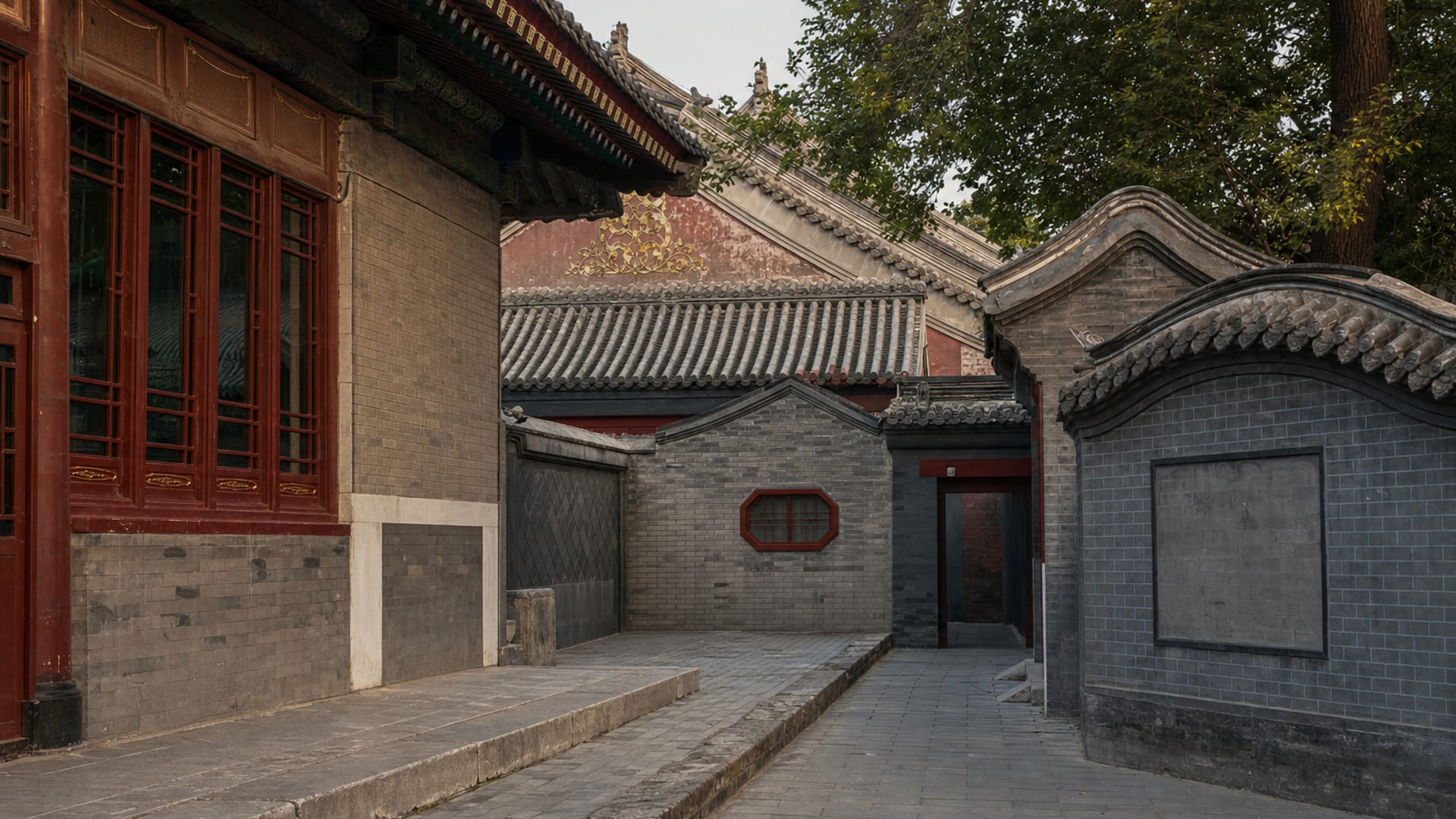
Before heading to the airport, fit in one last low-key stop, then keep the rest of the day close to your luggage and flight time. If you have a morning window, the Beijing Ancient Observatory takes about 45 minutes to 1 hour and sits well for a short stop near Jianguomen, after which you can browse a few shops in Wangfujing or nearby Dongcheng and pause at a café for coffee or tea. Travelers staying in Chaoyang can do the same kind of final errand run near the mall and embassy areas, then leave enough time for a taxi back to Beijing Capital (PEK) or Beijing Daxing (PKX).
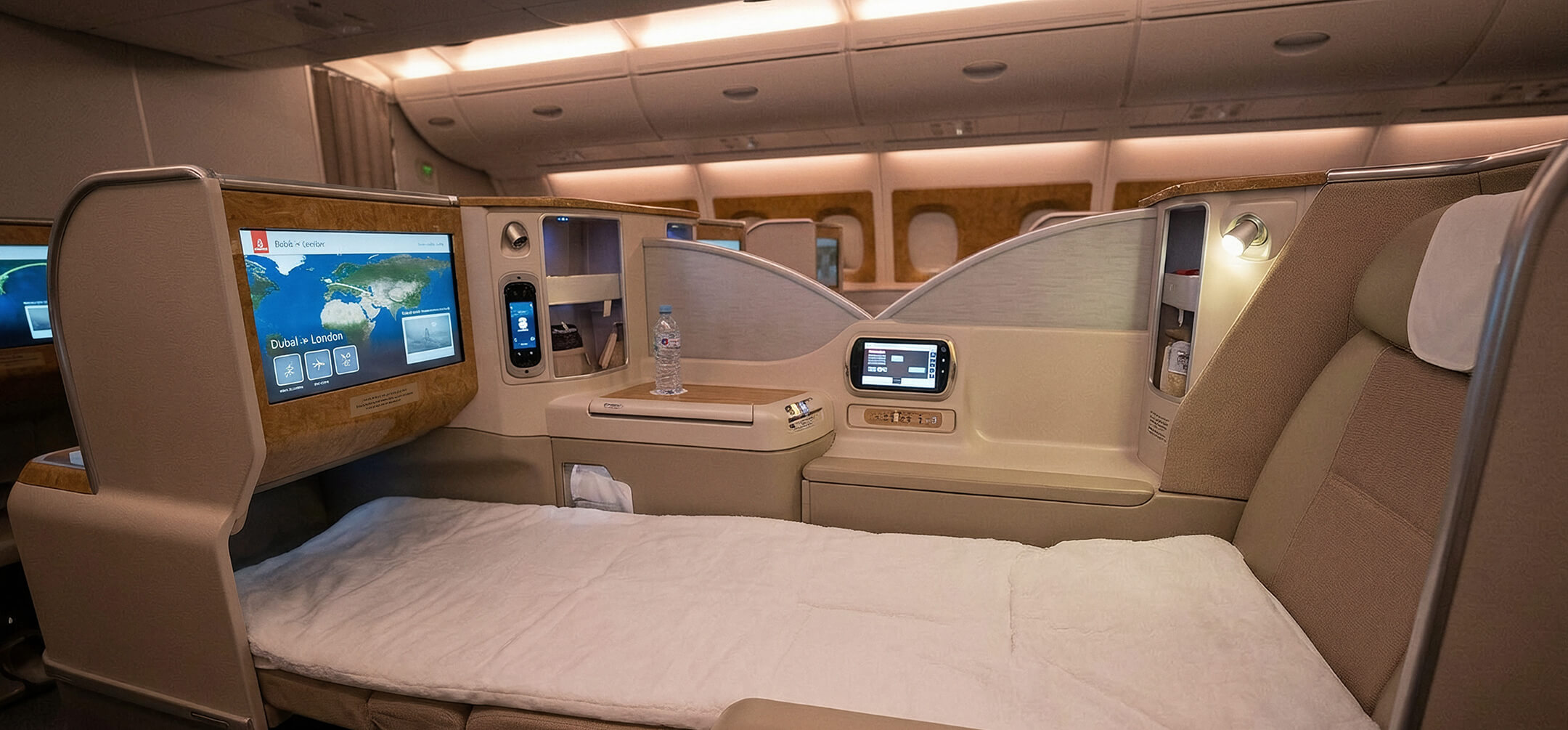
Business-class flights from the US to Beijing
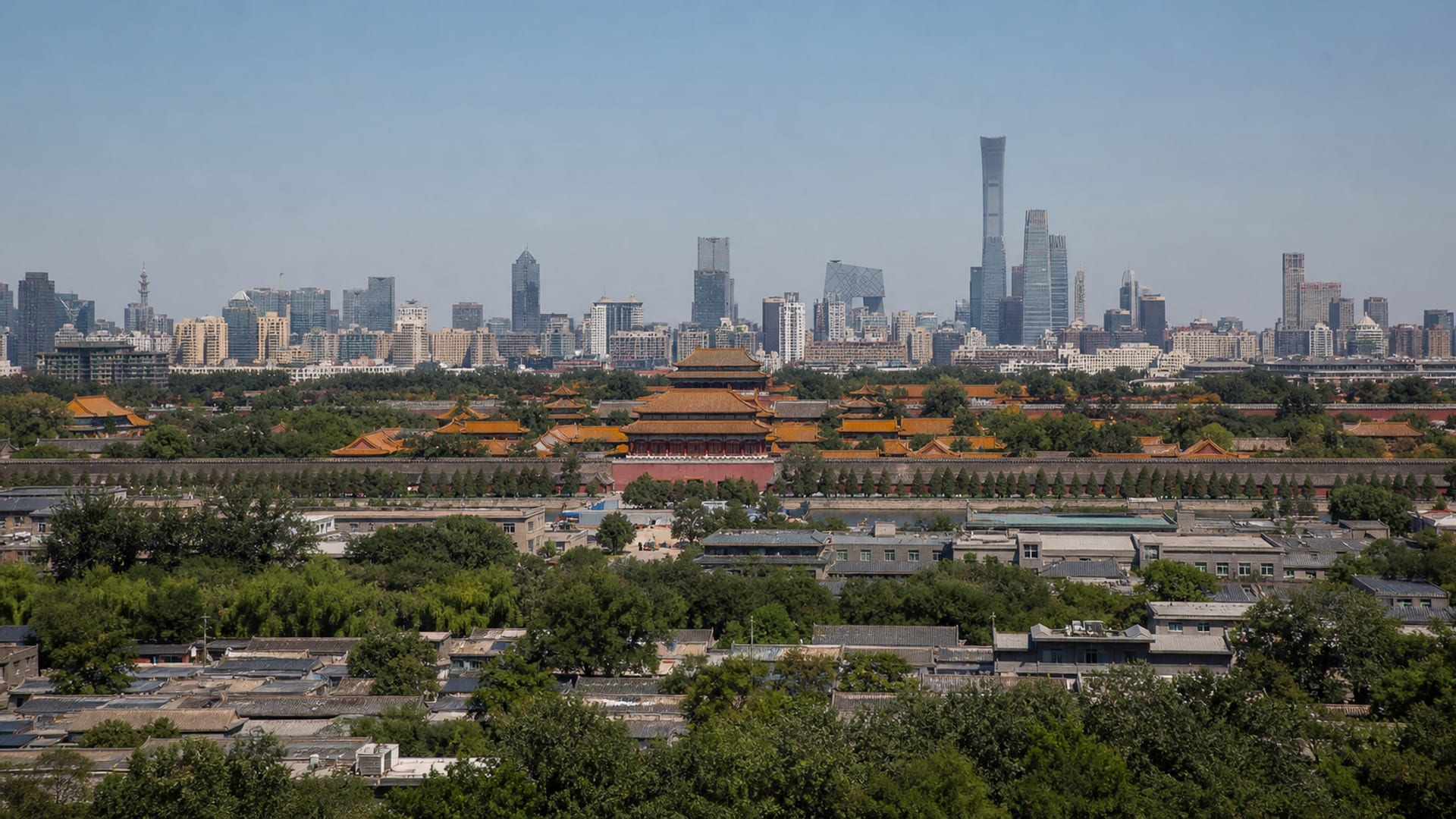
For long-haul flights into Beijing, the route details matter almost as much as the fare. The examples below show what travelers can expect from New York and Los Angeles when they book a higher-end itinerary.
From New York, carriers such as Air China, Cathay Pacific, China Eastern Airlines, Delta Air Lines, Hainan Airlines, and Korean Air sell itineraries to Beijing. Nonstop flights take about 14 to 15 hours, while one-stop options often connect through ICN, HKG, TPE, NRT, or CAN and can stretch the journey to about 18 to 26 hours. Round-trip fares from New York start at about $4,200 and can reach $8,500.
Los Angeles travelers usually see Air China, Cathay Pacific, China Eastern Airlines, EVA Air, Hainan Airlines, and Singapore Airlines on this route. Nonstop flights take about 13 to 14 hours, and one-stop itineraries often route through ICN, HKG, TPE, NRT, or SIN, with total travel time closer to about 16 to 24 hours. Expect roughly $4,000 to $8,000 for a round-trip ticket.
Beijing feels different when you slow down
A better Beijing trip usually starts early in Dongcheng, continues by subway or taxi to sites that fit together geographically, and leaves room for a quiet lunch in a hutong lane or a walk beside Kunming Lake. That approach keeps the day anchored in real distances, not wishful ones, and it makes room for places like the Temple of Heaven, Ritan Park, and the Beijing Ancient Observatory. If you want help shaping the route, ask the AranGrant experts for a plan built around Beijing’s neighborhoods and transit lines