

Chapters:

Need help with your trip?
Our support team is available 24/7. Request a callback or call us directly at (833) 619-0908
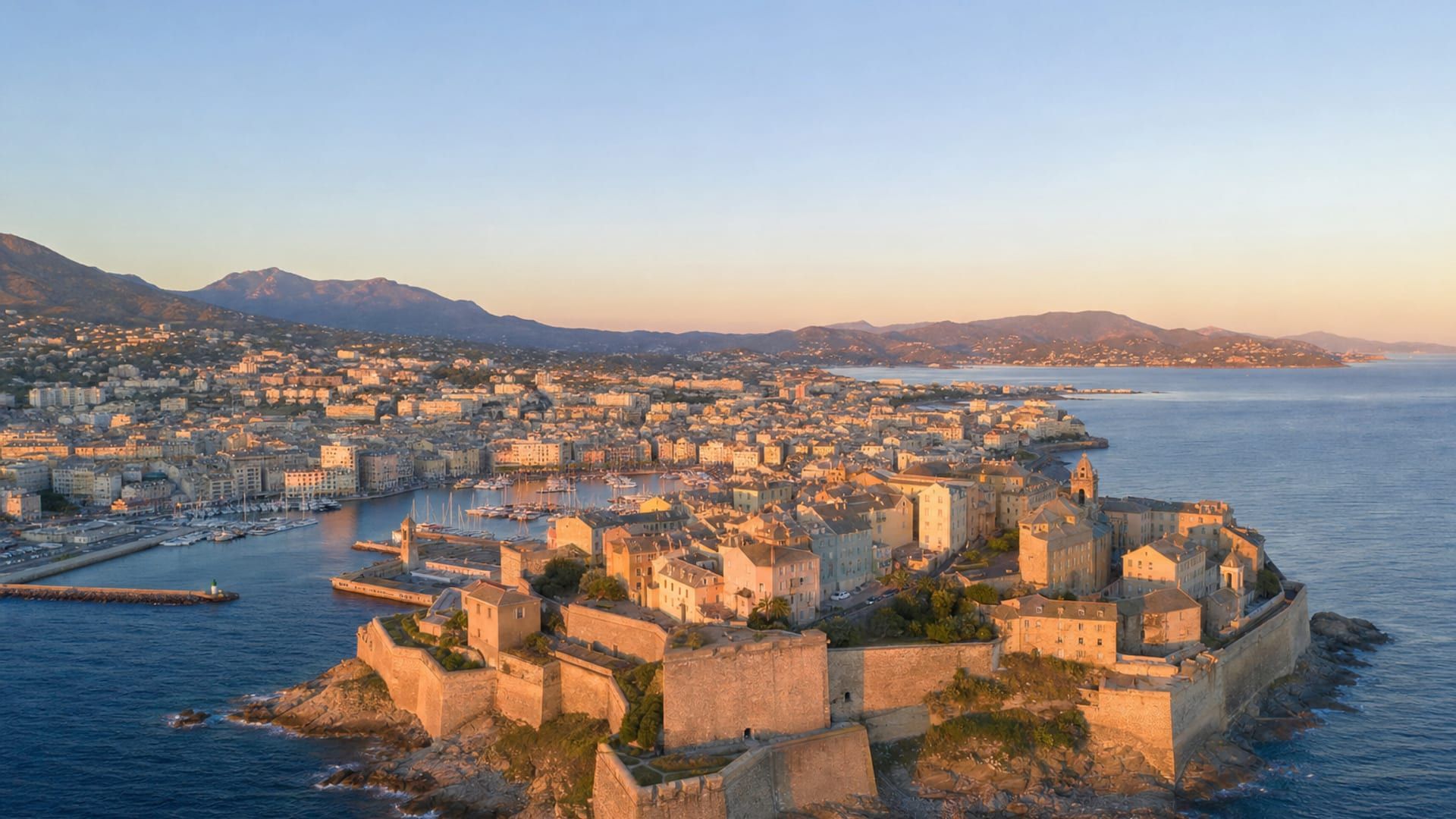
Bastia rewards travelers who slow the first day down, then miss little once they do. Many itineraries touch the harbor, the citadel, and a meal by the water, but skip the way the old town links those pieces on foot.
That approach leaves too much time in taxis and too little in the lanes above the port. Bastia is compact, yet the climbs, one-way streets, and lunch closures make pacing matter more than distance alone.
This guide keeps the center of gravity in Terra Nova, Vieux Port, and Place Saint-Nicolas, then layers in museums, ramparts, and meals at the right times of day.
Useful things to know

Main language(s): French, Corsican
Bonjour (bohn-zhoor) – Hello / good morning
S'il vous plaît (seel voo pleh) – Please
Merci (mehr-see) – Thank you
Parlez-vous anglais ? (par-lay voo ahn-gleh) – Do you speak English?
Combien ça coûte ? (kohm-byen sah koot) – How much does it cost?

Currency: The local currency is the euro (EUR, €).

Cash and cards: Cards and contactless are widely accepted; carry about €20 to €40 ($22 to $44) in cash for small shops, taxis, or markets.

Tipping: Round up small bills; leave about 5% to 10% at sit-down restaurants if service is good.

Traditional food: cazuela bastiaise, figatellu, brocciu, fiadone

Water and coffee costs: Water about €2 ($2), bar espresso about €1.80 to €2.50 ($2 to $3).

Taxis and ride apps: Uber and local taxis operate here; availability can be limited outside the center.

Plug and voltage: Type C/F socket, 230V

Dining and shop opening hours: Breakfast is about 07:00-09:00, lunch 12:00-14:00, and dinner 19:30-22:00. Many smaller restaurants close between lunch and dinner.

Emergency number: 112 for police, fire, and medical emergencies.
Where to stay in Bastia
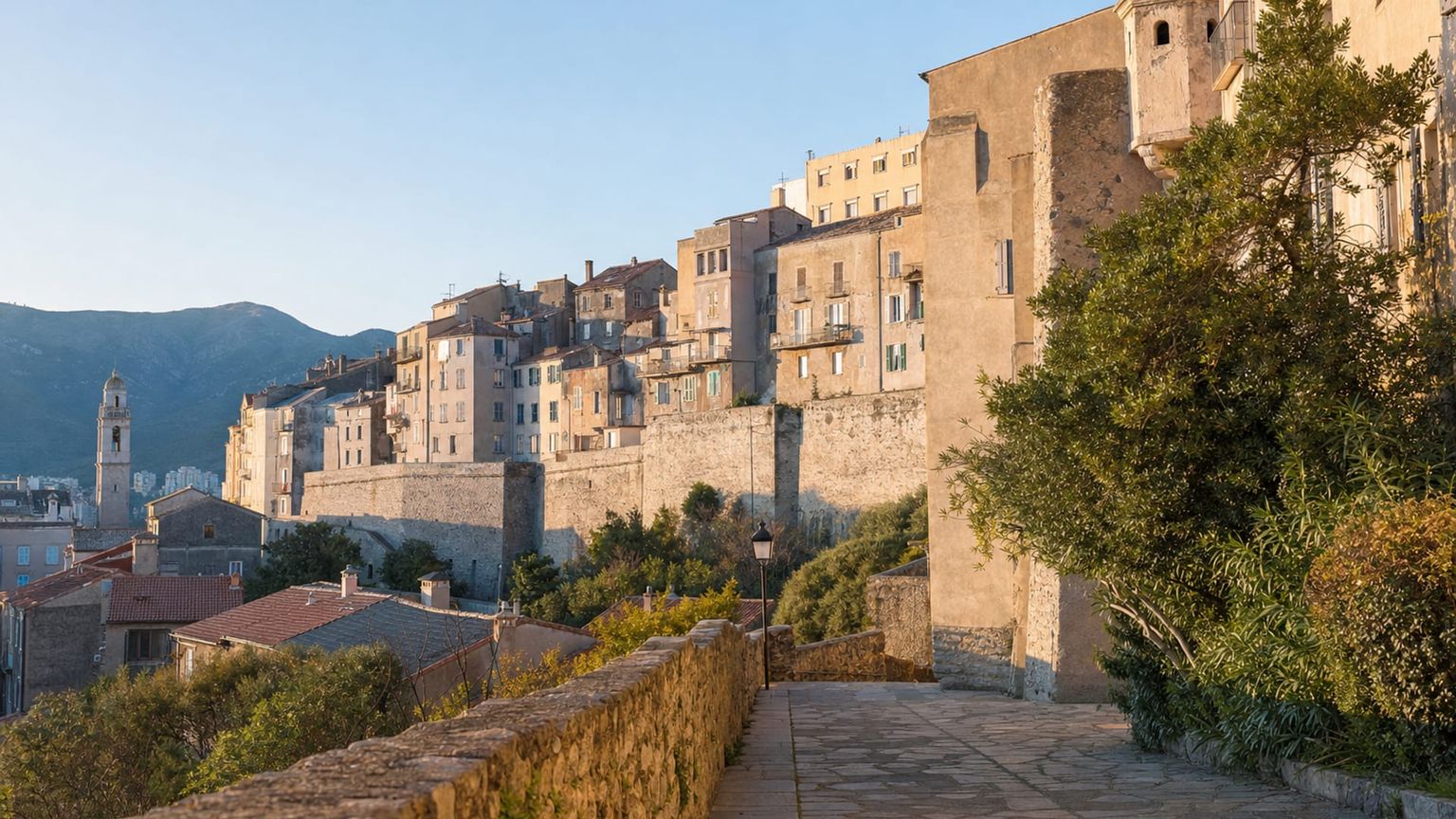
Bastia’s main harborfront district pairs the ferry port with the oldest core of the city, so you can reach cafés, the citadel climb, and the old streets on foot. It suits visitors who want a compact base with direct access to arrivals and departures.
Best for: Ferry travelers, short stays, and visitors who want to walk to the old town
What to expect: Busy quays, early-morning arrivals, and plenty of foot traffic near the port.
Hotel prices: Usually about €140 to €240 (~$154 to ~$264) per night for well-rated stays
Distance to major sights: 5 to 12 minutes on foot to Bastia Vieux Port, about 15 minutes on foot to the citadel
Quietness: Lively by day, with more movement near the port into the evening.
Main trade-off: Rooms closest to the harbor can pick up ferry noise and higher prices than streets a few blocks inland.
Good to know: If you have an early ferry, this is the easiest area for luggage and a very short transfer to the terminal.
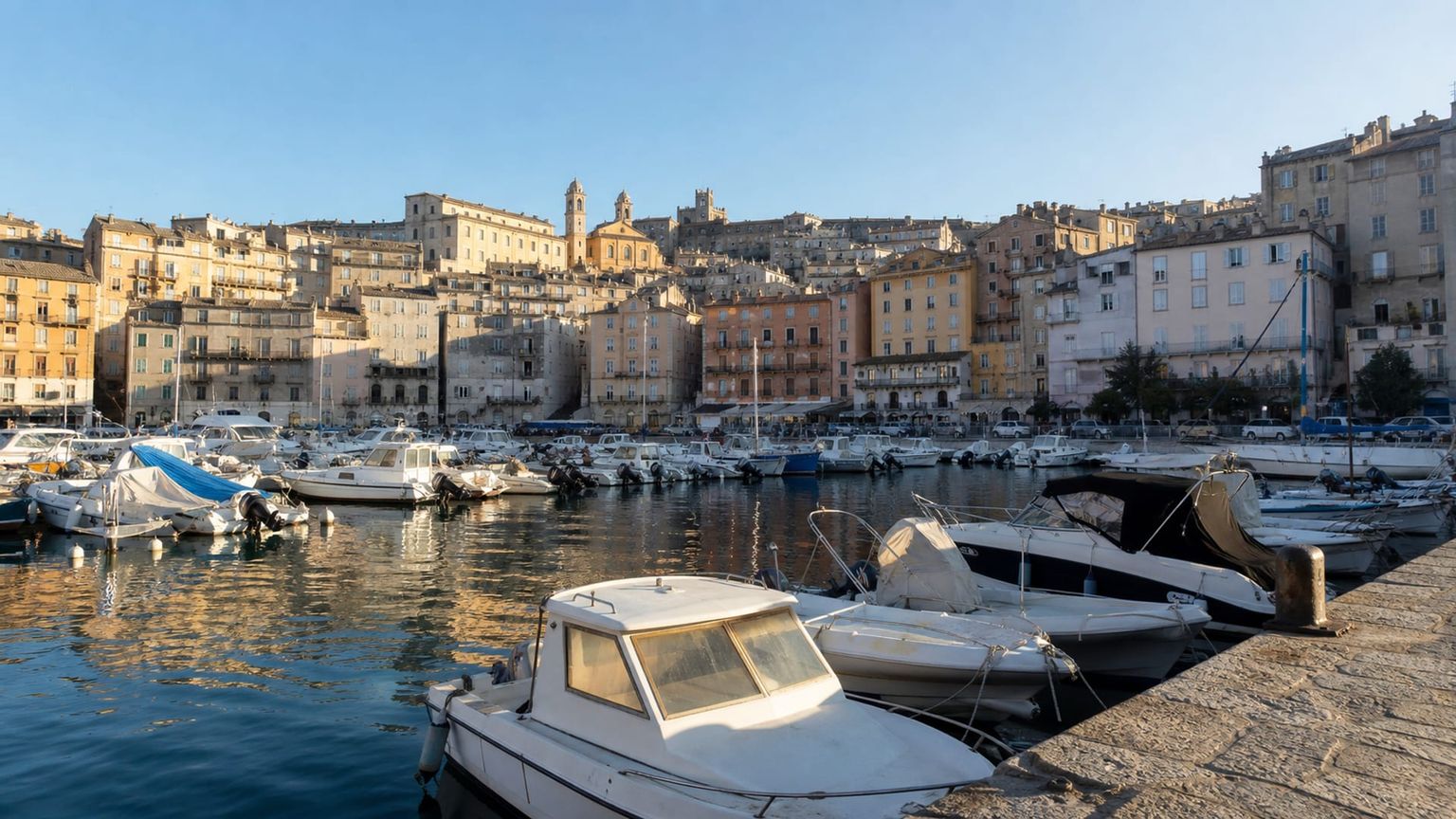
The old port wraps around the historic harbor, with seafood restaurants, tight streets, and views of the water that define Bastia’s visitor core. It works well if you want evenings on the waterfront and a setting that makes most sights feel close.
Best for: Dining by the water, first visits, and travelers who want to stay in the historic core
What to expect: Crowded waterfront evenings, café terraces, and steady activity around the harbor.
Hotel prices: Usually about €150 to €280 (~$165 to ~$308) per night for well-rated stays
Distance to major sights: 5 minutes on foot to Place Saint-Nicolas, about 12 minutes on foot to the citadel
Quietness: Busy through dinner and weekends, calmer late at night once the terraces close.
Main trade-off: The harbor setting brings more noise and tighter streets than nearby residential blocks.
Good to know: Parking is limited, so this area suits visitors arriving without a car or those ready to park once and explore on foot.
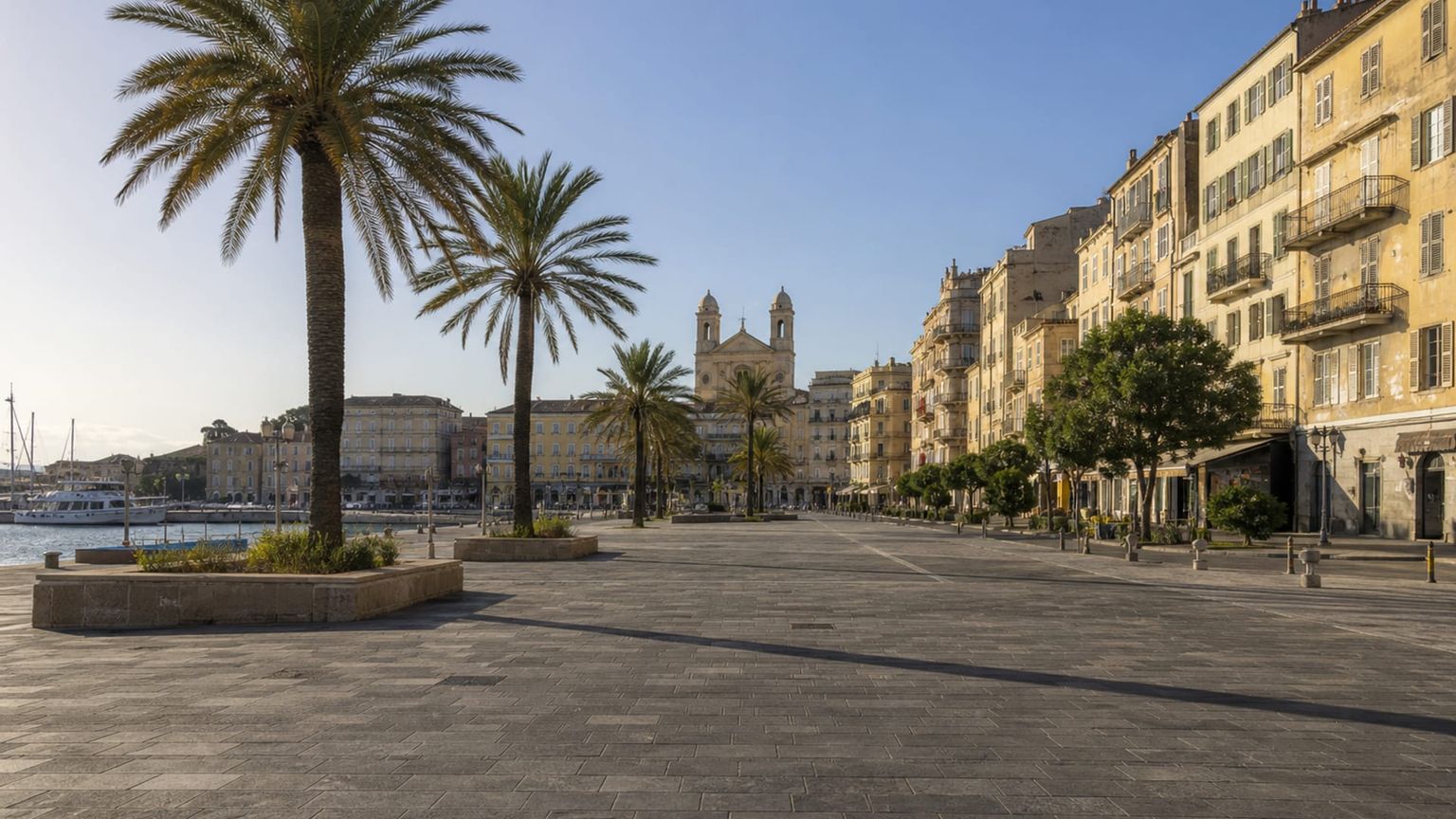
This broad square anchors Bastia’s upper waterfront, with shaded terraces, shops, and easy access to buses and the harbor below. It is a strong base if you want more space than the old port while staying close to the center.
Best for: Shopping, bus access, and visitors who prefer a central base with more open space
What to expect: Active all day, with locals meeting over coffee, shoppers passing through, and some evening terrace life.
Hotel prices: Usually about €120 to €220 (~$132 to ~$242) per night for well-rated stays
Distance to major sights: 5 to 10 minutes on foot to Bastia Vieux Port, about 15 minutes on foot to the citadel
Quietness: Busy in the afternoon, quieter late evening once the square empties.
Main trade-off: You are a bit farther from the waterfront restaurants than guests staying directly on the old port.
Good to know: This is the easiest central area if you plan to use buses for beach trips or day excursions outside the city.
Travelers usually avoid the southern port and industrial edge around the commercial harbor, since it sits well away from the old town, citadel, and most visitor-focused hotels. Furiani and Biguglia are also less convenient for a short stay, because they are more suburban, have fewer sights and restaurants within walking distance, and can mean longer evening taxi or bus rides back to Bastia.
Hotel deals
How to get around Bastia efficiently
Bastia has no metro, so the day-to-day choice is between walking the center, using the urban bus network for short hops, or taking a taxi from Bastia Poretta Airport (BIA) and for evening returns.

Metro
for longer distances
Bastia has no metro. The closest public-transport equivalent is the local bus network and regional rail for longer hops, with no underground or urban subway to plan around.

Bus and tram
for convenience
The main option is the urban bus network, which links Bastia (BIA), the harbor, the train station, and the center, with tickets typically about $1 to $2 (€1 to €2) and timed validity often about 60 to 90 minutes, depending on the operator. Services thin out in the evening and on Sundays, so check the timetable before you rely on a late connection.

Taxi
for convenience or late hours
Licensed taxis in Bastia use metered fares rather than a published airport flat rate, and a trip between Bastia (BIA) and the center usually costs about $20 to $35 (€18 to €32), with late-night, luggage, and extra-passenger charges lifting the total. You can take one at the rank, book ahead, or ask your hotel to call one, and most drivers accept cards, though cash is still worth carrying.
*Prices are based on rates updated as of June 2026 and may change at the time of travel.
Walk for the old town and harbor, use the bus for links beyond the center, and take taxis when luggage, late hours, or the airport make speed matter.
Iconic landmarks
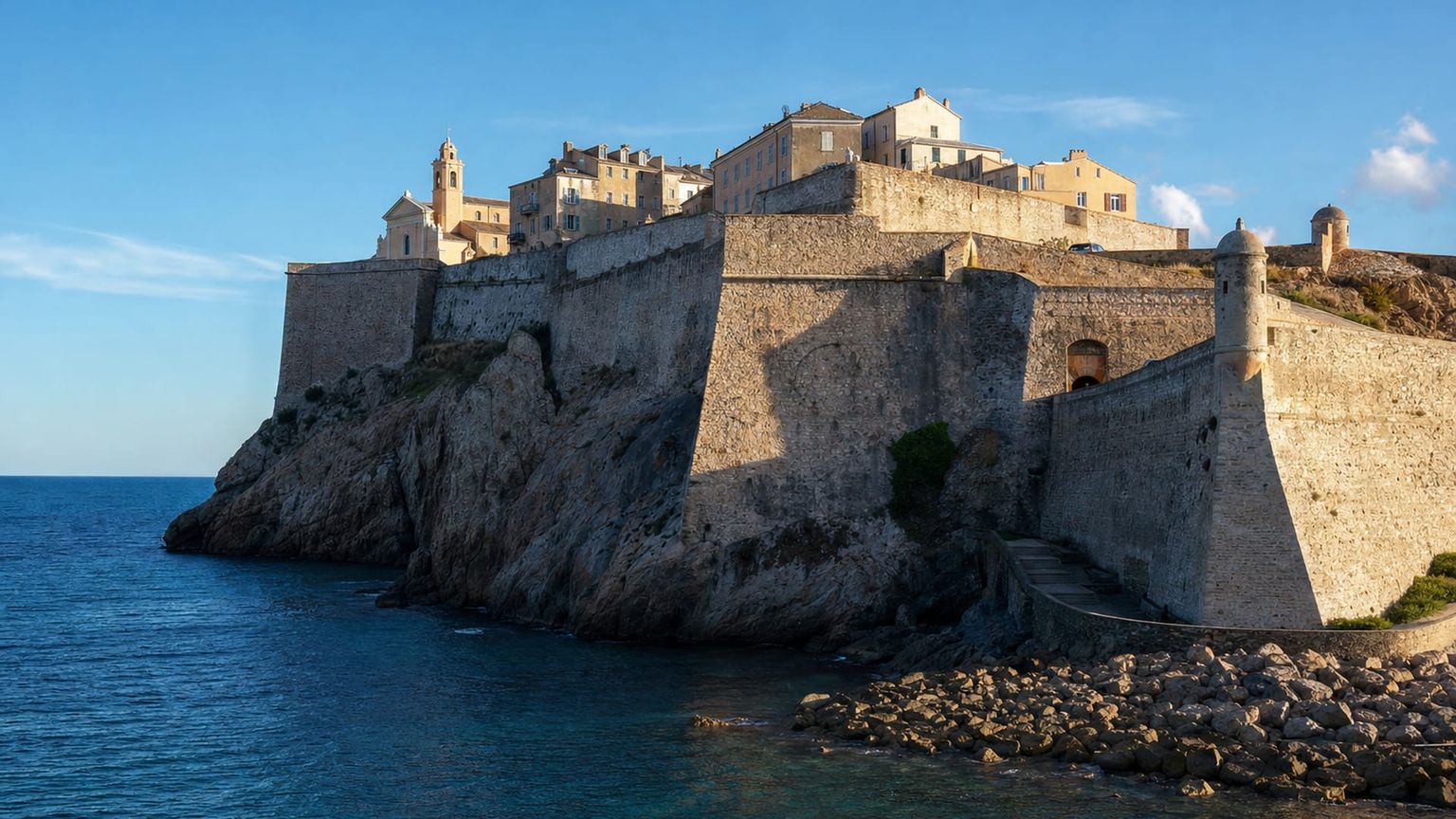
Citadel of Bastia
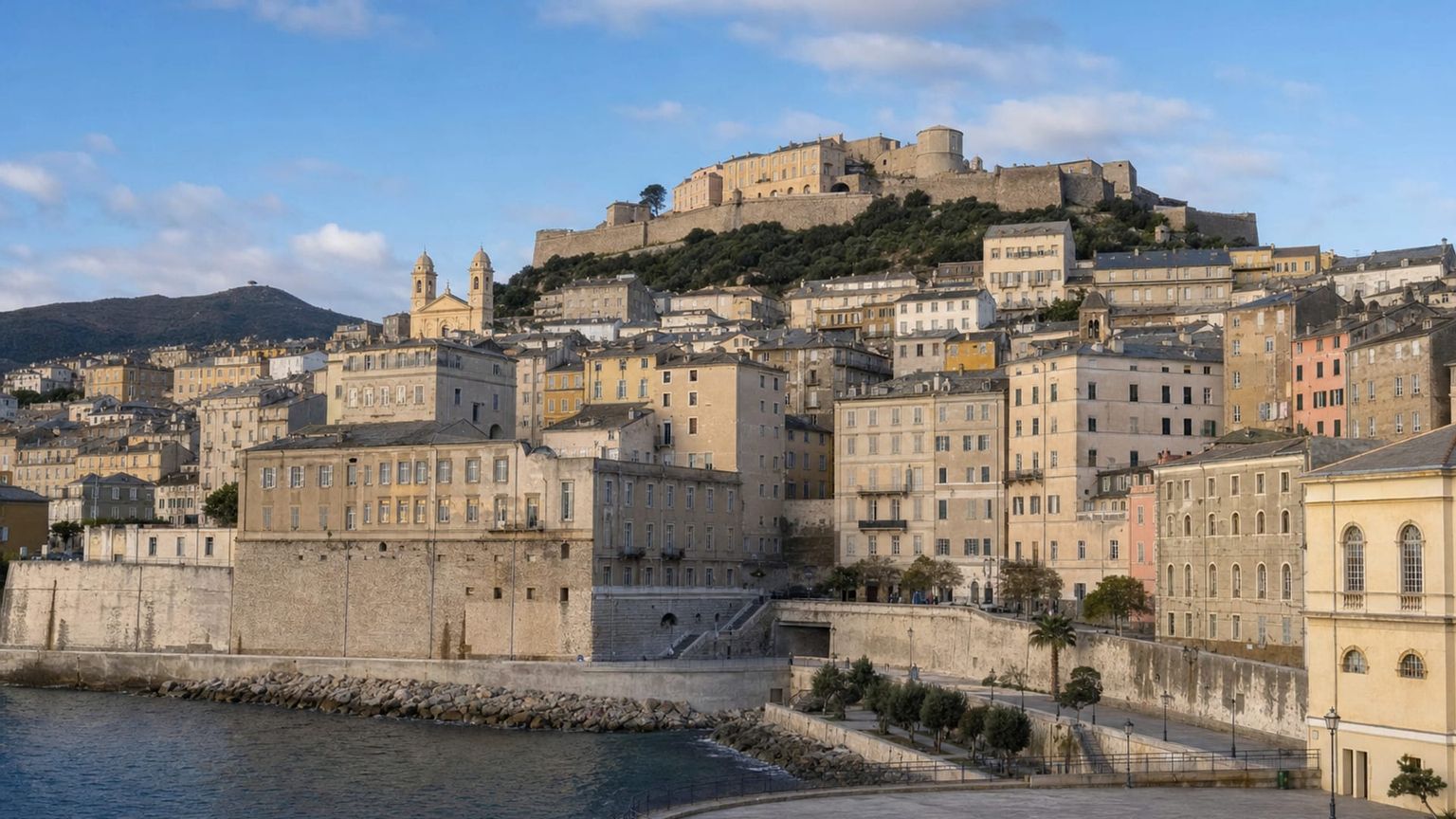
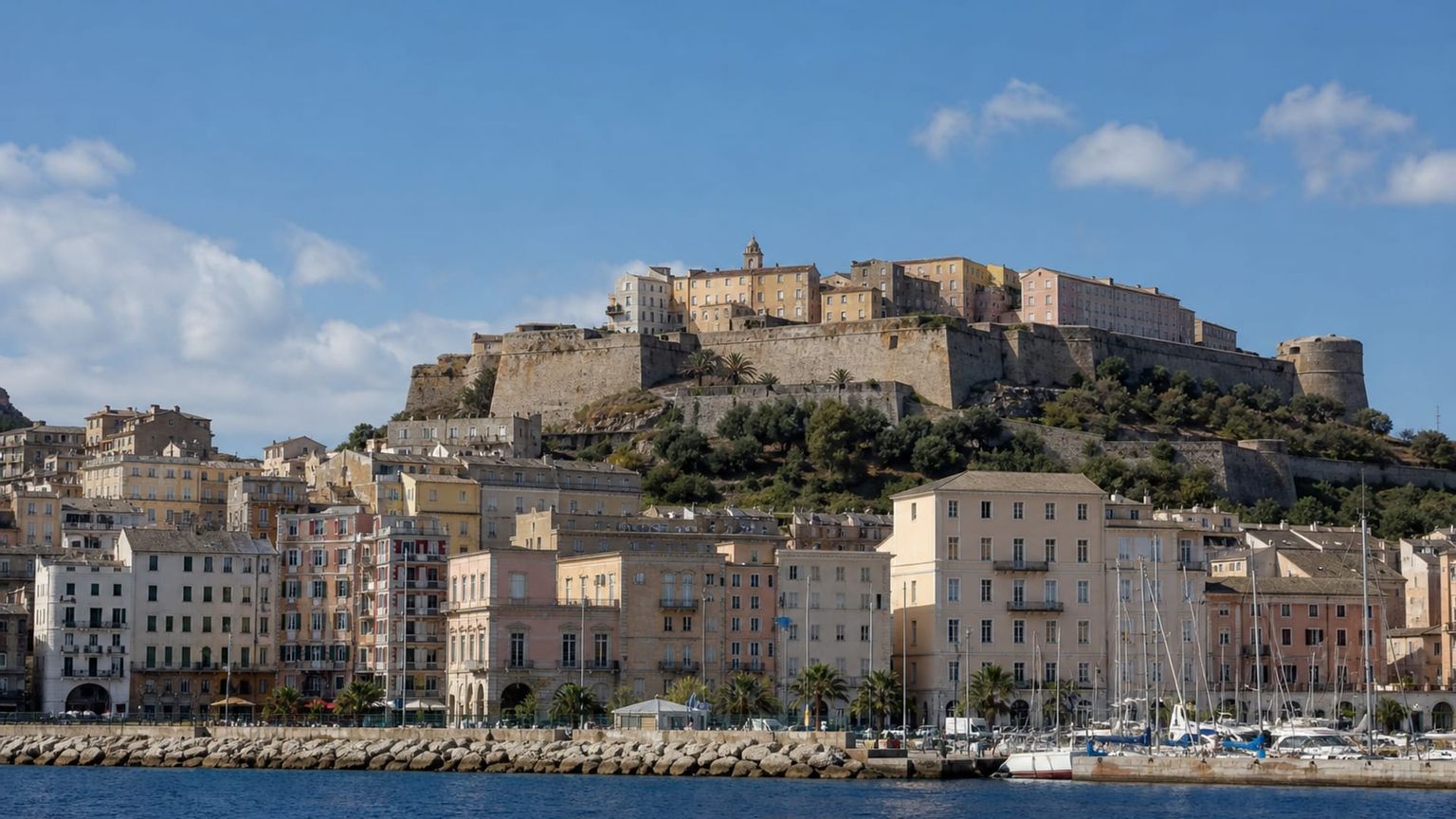
The 15th-century Genoese citadel crowns the old port, with ramparts, narrow lanes, and the cathedral of Saint John the Baptist inside the fortress walls. It gives clear views over the harbor and the Tyrrhenian Sea.
Time needed: About 2 to 3 hours
Entry: Free to access; the citadel grounds, lanes, and viewpoints have no ticketed entry, while some museums inside may charge separately.
Tip: Go late afternoon for softer light over the harbor and fewer tour groups on the walls.
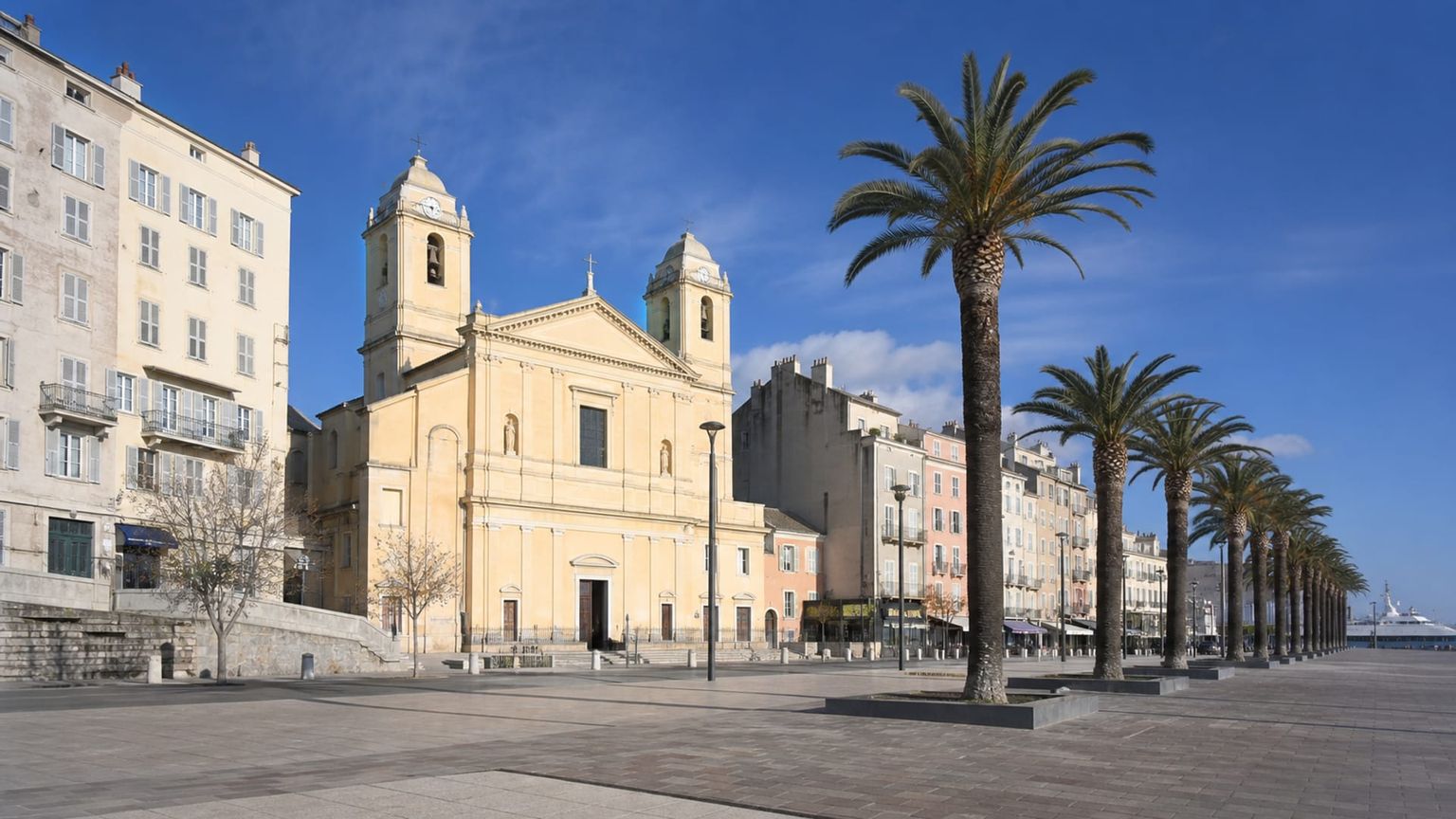
Place Saint-Nicolas
Bastia’s main square stretches beside the port, lined with plane trees, cafés, and the bandstand that anchors local events. It connects the waterfront to the old town and works as the city’s most open public space.
Time needed: About 1 to 2 hours
Entry: Free to access; the square and waterfront promenade are open public space, with charges only for cafes, events, and nearby paid facilities.
Tip: Visit early evening, when locals come out and the square looks best in warm harbor light.
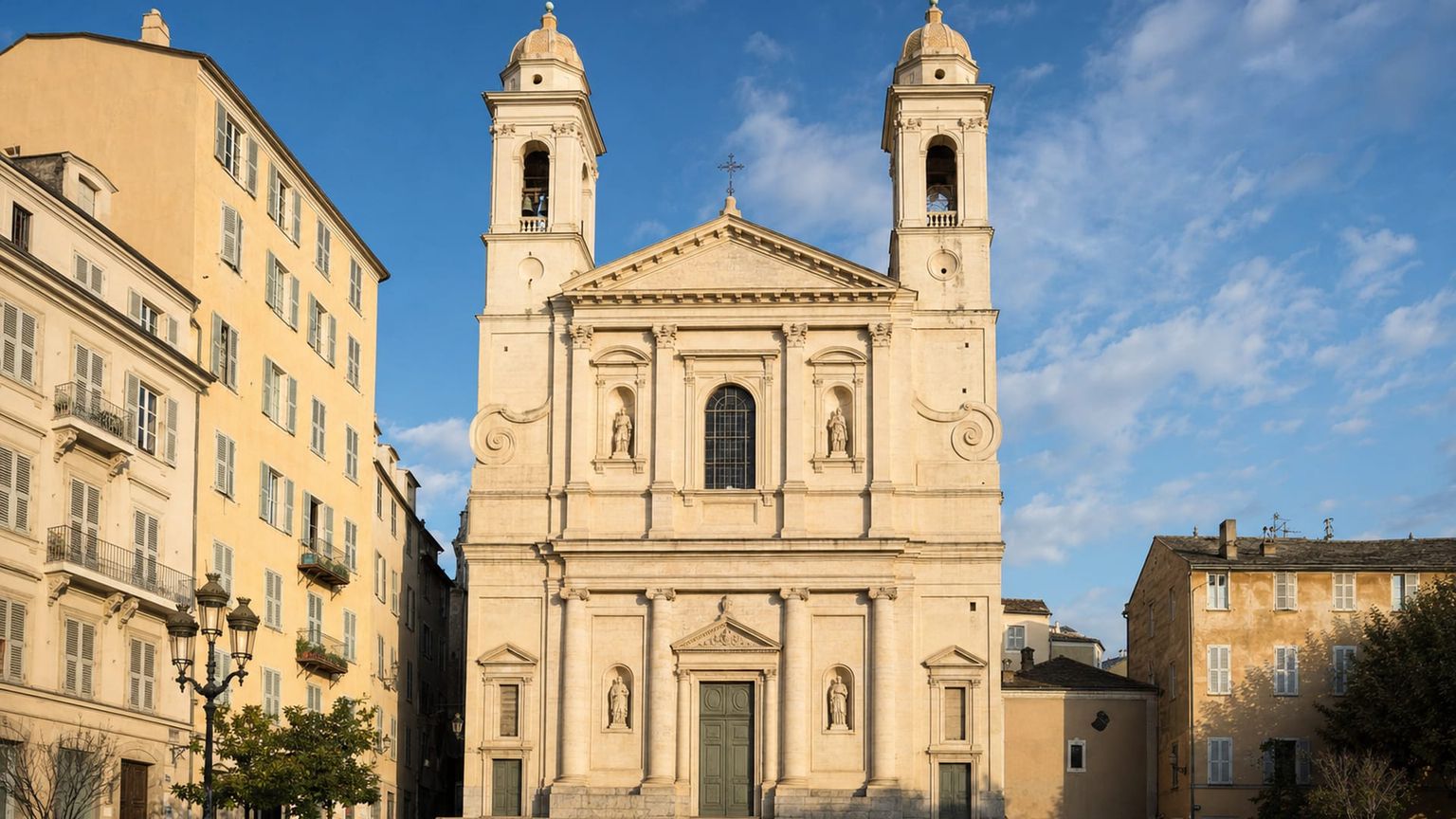
Église Saint-Jean-Baptiste
Bastia’s baroque parish church rises above the old port with two bell towers and a richly decorated interior. Its painted ceilings, marble altars, and deep nave make it one of Corsica’s largest churches.
Time needed: About 45 to 60 minutes
Entry: Free to access; church admission is free during opening hours, though donations are welcome and special concerts may have separate tickets.
Tip: Check the opening hours before you go, since services can limit access to the nave.
Overlooked sites worth visiting

Citadel of Bastia ramparts
Walk the stone ramparts above Old Port for harbor views, sea breezes, and narrow lanes that still trace the Genoese fortress. The path links lookout points, small squares, and quiet corners.
Time needed: About 1 to 2 hours
Entry: Free to access. The ramparts and viewpoint paths can be visited without a ticket, and there is no timed entry. Allow extra time if you want to combine the walk with the citadel’s lanes, the Place du Donjon area, and the harbor overlooks.
Tip: Go late afternoon for softer light over the port.

Musée de Bastia
Set in the former governors’ palace, this city museum follows Bastia’s rise through maritime trade, Corsican politics, and decorative arts. Its compact rooms make it easy to pair with a citadel visit.
Time needed: About 1 to 1.5 hours
Entry: Standard admission costs about $6 to $8 (€5 to €7). Prices can vary for special exhibitions, and reduced rates may apply for students and children. Check current hours before visiting, because the museum closes one day per week and holiday schedules can change. Visit the official site for details.
Tip: Visit before lunch to avoid the busiest late-afternoon hours.
Traditional food
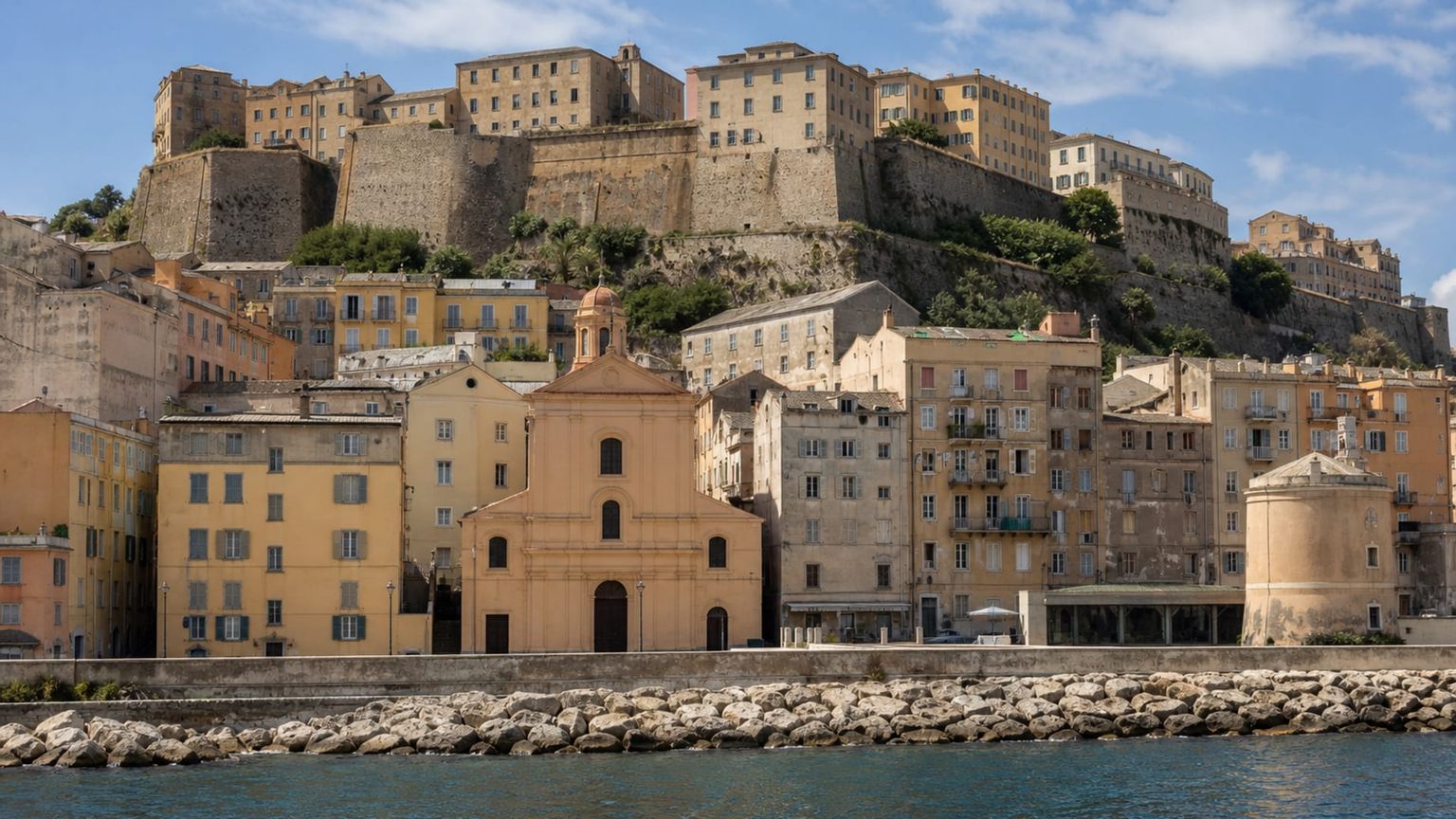
Bastia’s table leans on Corsican staples, with brocciu, figatellu, and seafood meeting olive oil, herbs, and baked desserts. Lunch and dinner follow local hours, so timing matters as much as the menu.
Cazuela bastiaise
A hearty harbor-style stew that suits Bastia’s seafood tables and coastal lunches. Le Petit Zinc in the old port is a good place to order it when you want a traditional plate near the water.
Figatellu
This Corsican sausage brings smoke and spice, often served with bread or seasonal sides. La Table de Mare e Monti is a solid Bastia address for a plate built around local charcuterie.
Brocciu
Fresh sheep’s milk cheese appears in salads, savory dishes, and desserts across the island. Chez Vincent, near the harbor, is a dependable Bastia stop for tasting it in local combinations.
Fiadone
This citrus-scented cheesecake is the dessert to order after a long walk through the citadel or old port. A Cantina di a Vulpaghja serves a memorable version in a setting that fits Bastia’s regional cooking.
Best time to visit Bastia
Bastia works in every season, though spring and early autumn give you the easiest mix of mild weather, open terraces, and manageable crowds around the harbor and citadel.
Best for: Harbor walks, citadel visits, and outdoor café time
What you get: About 54 to 69°F (12 to 21°C), with moderate crowds and a comfortable pace in the center
Trade-offs: Rain can interrupt longer walks
Best for: Evenings by the port and longer daylight for sightseeing
What you get: About 68 to 84°F (20 to 29°C), with the busiest terraces and fuller ferries
Trade-offs: Midday heat and stronger demand for rooms
Best for: Balanced sightseeing and relaxed meals in the old town
What you get: About 57 to 75°F (14 to 24°C), with lighter crowds after the main summer peak
Trade-offs: Some seasonal businesses shorten hours
Best for: Quiet museum visits and unhurried neighborhood walks
What you get: About 43 to 59°F (6 to 15°C), with the lightest crowds and the calmest hotel pricing
Trade-offs: Shorter days and cooler, wetter weather
A realistic 5-day plan in Bastia
Five days in Bastia work best as a sequence, not a checklist. The plan below starts at the harbor, moves uphill into the citadel, then uses a slower middle section and a final morning that leaves room for one last look at the square or museum.
Fly into Bastia (BIA), then take a taxi into Terra Nova, Vieux Port, or Place Saint-Nicolas in about 20 to 30 minutes for roughly €30 to €40 ($33 to $44). If you arrive by ferry, Terra Nova makes the easiest first stop because you can walk to the old streets, set your bag down, and reach dinner without another transfer. Keep the first evening simple, have water, then head to the harbor for an easy meal at the old port, where cafés and seafood tables stay lively without requiring much planning.
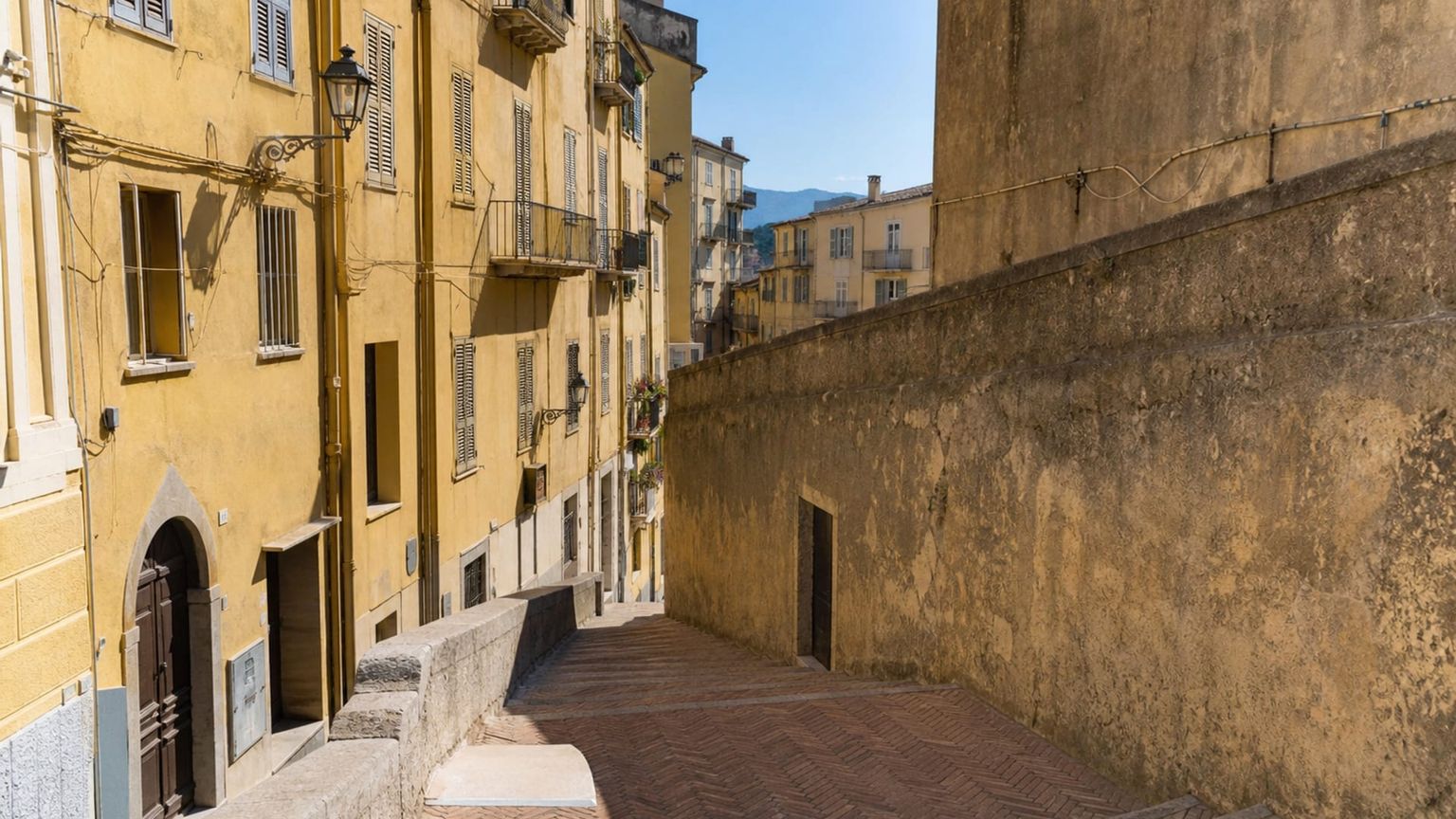
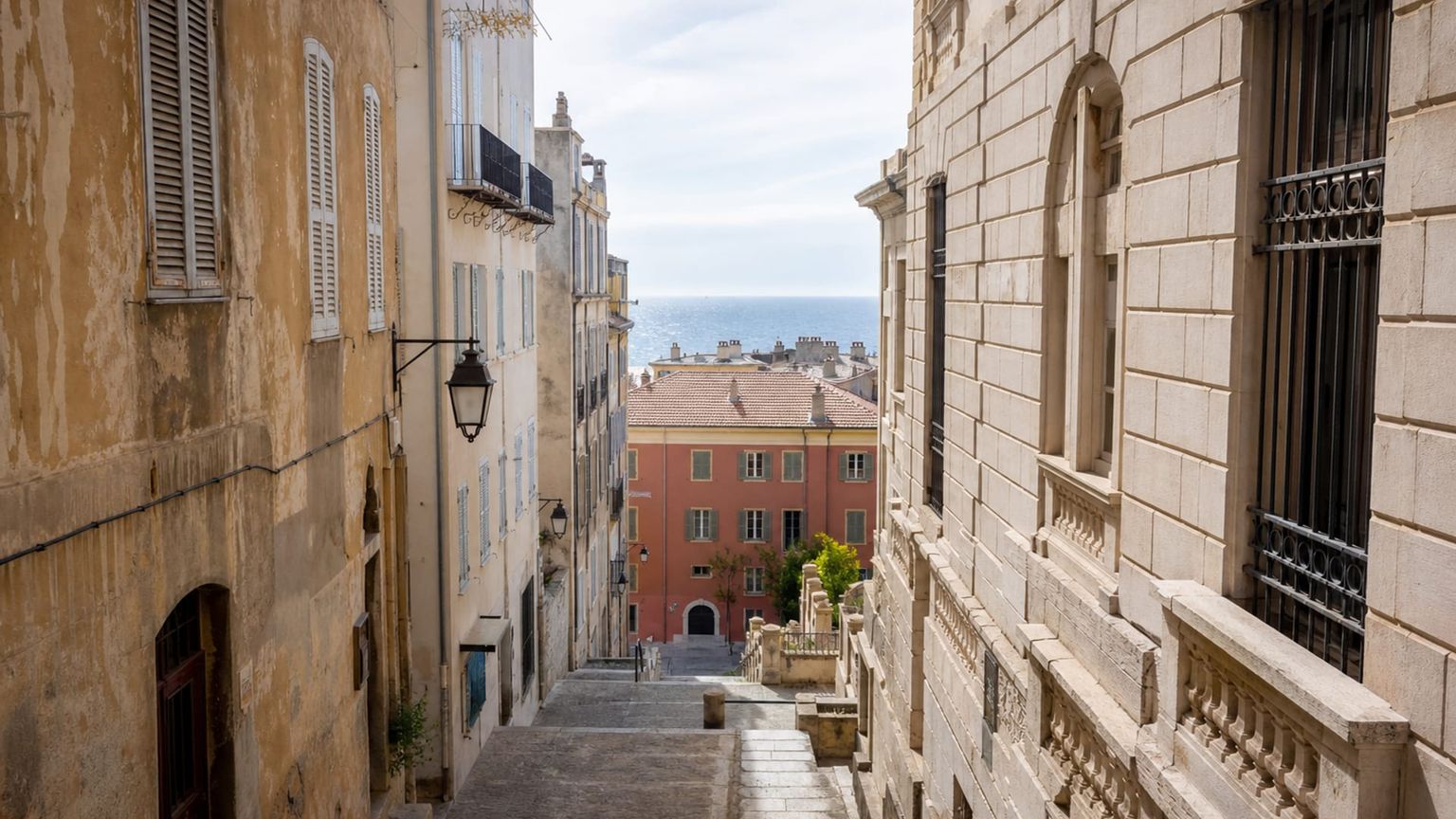
Begin at Place Saint-Nicolas, then walk about 5 to 10 minutes down toward Bastia Vieux Port and Église Saint-Jean-Baptiste, where the square, church, and waterfront make a compact first circuit. From the church, continue uphill in about 15 minutes to the Citadel of Bastia, stopping first at the citadel ramparts for harbor views before spending roughly 2 to 3 hours in the fortress lanes and the cathedral of Saint John the Baptist. Finish the afternoon with a museum stop at Musée de Bastia, about a 5-minute walk from the citadel core, where the former governors’ palace adds depth to the city’s maritime story.
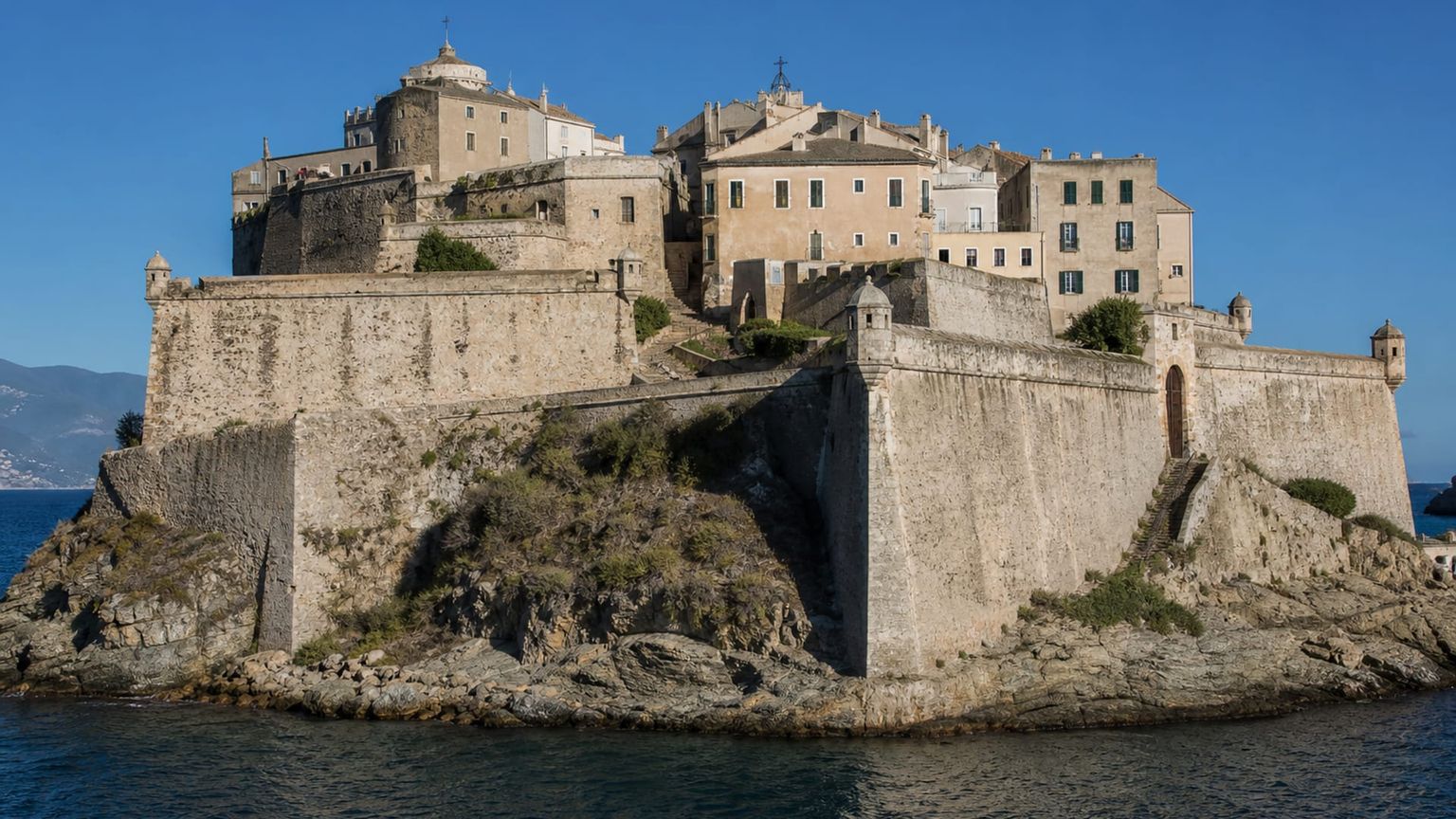
Start late enough to catch softer light on the stonework, then return to the Citadel of Bastia ramparts for the lookout paths and the quieter corners around the fortress walls. Spend about 1 to 2 hours walking the ramparts, then drop back toward the harbor and reach Place Saint-Nicolas in about 10 minutes on foot for a café break beside the plane trees. In the evening, stay in Vieux Port, where dinner by the water keeps you close to the old streets and makes it easy to walk back after dark.
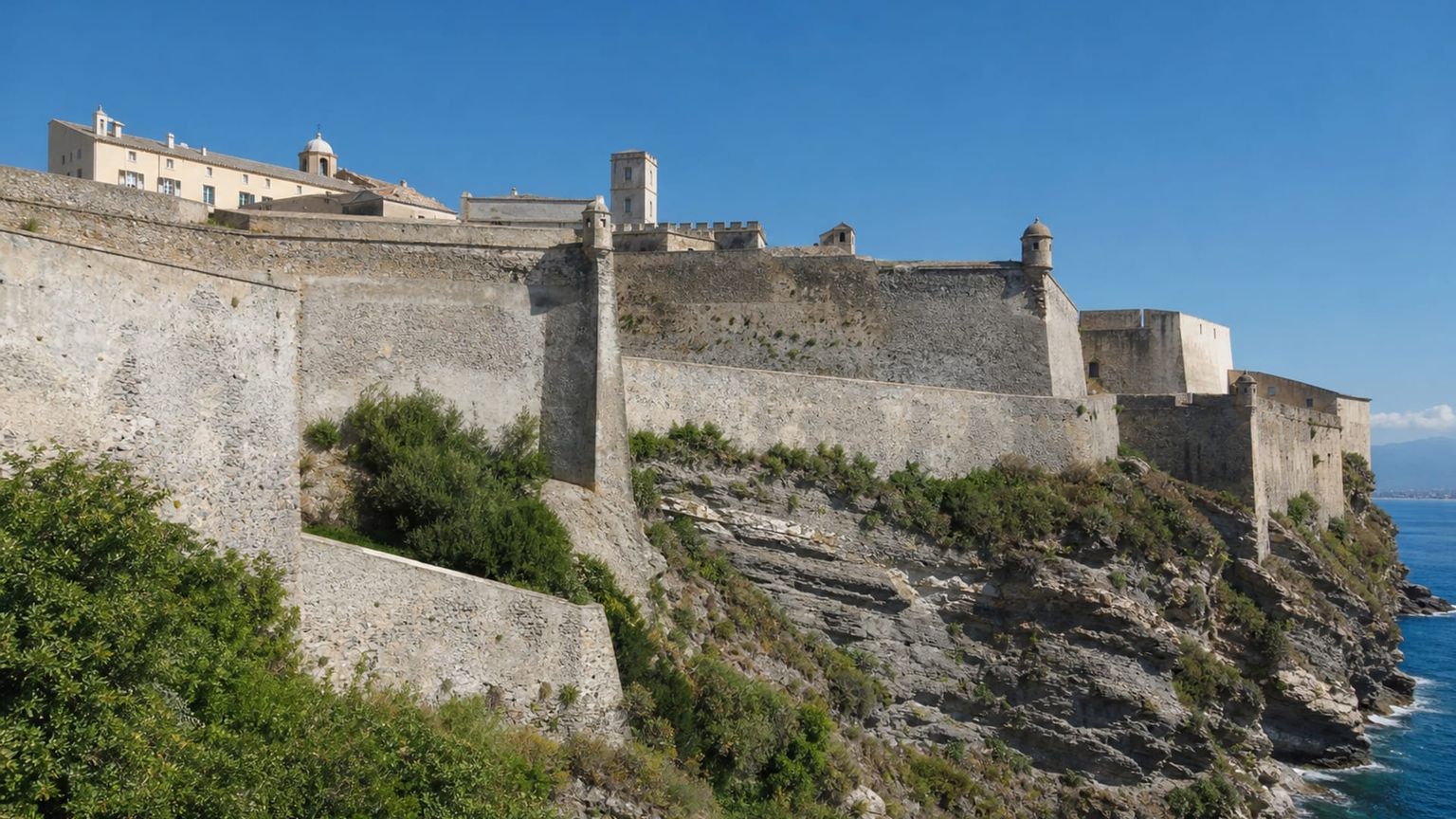
A slower morning works well in Bastia, so begin with Musée de Bastia if you want a second look, then allow about 15 minutes on foot to return to the citadel area for any lanes you skipped earlier. After lunch, move down to Place Saint-Nicolas for a broader promenade, then continue about 5 minutes more to Vieux Port for harbor views and a second coffee or an early aperitif. If you want a clear final scenic stop, return to the citadel walls at sunset, when the port and sea sit directly below the ramparts.
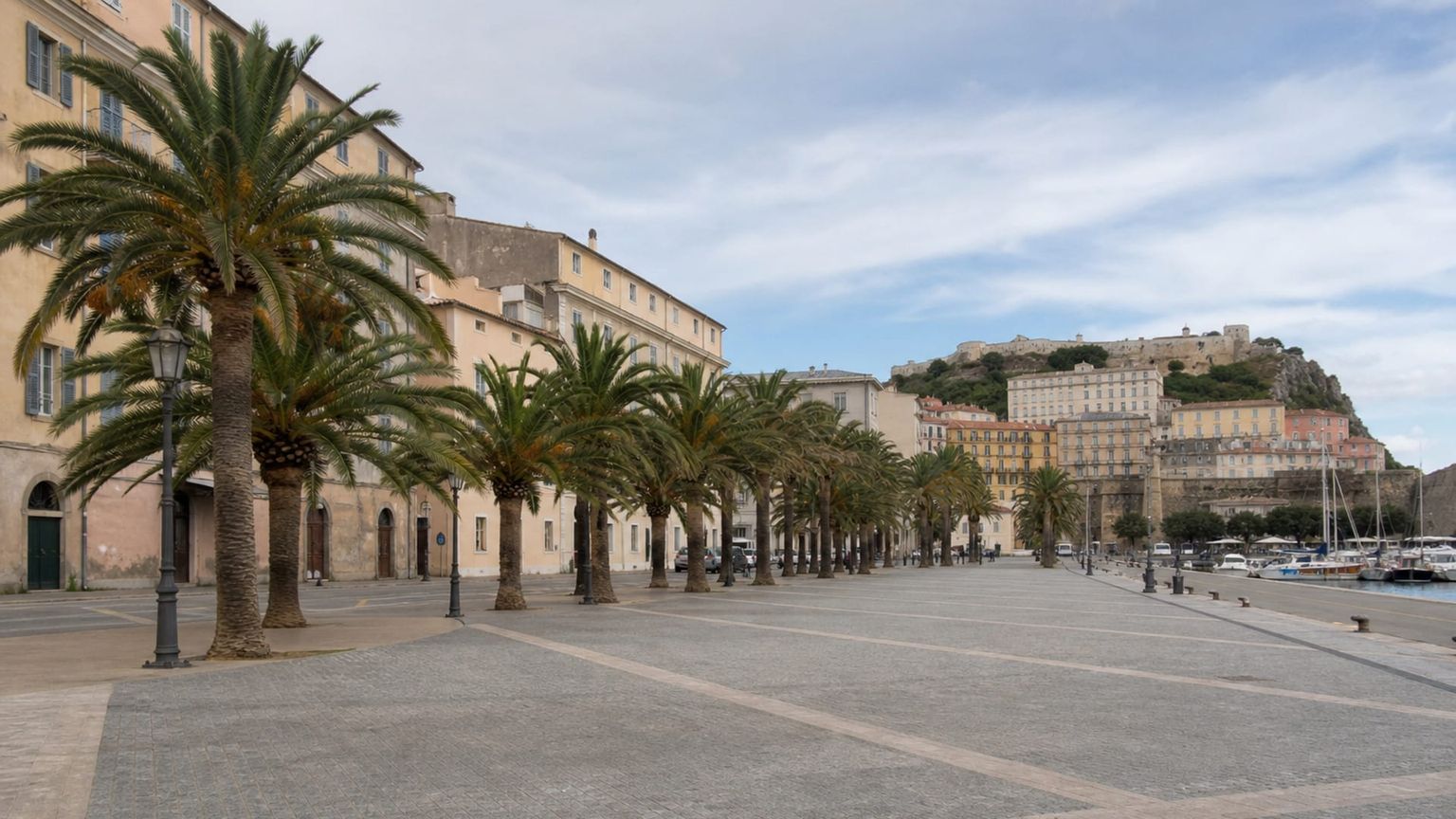
Before departure, stop by Musée de Bastia if you want one last cultural visit, then spend the rest of the morning in Place Saint-Nicolas for shopping, coffee, and an easy walk along the waterfront. If your flight leaves later, keep bags near the square or in Terra Nova, have a final drink in Vieux Port, and then head to Bastia (BIA) by taxi in about 20 to 30 minutes. That route keeps the day simple without cutting into your time in the center.
Business-class flights from the US to Bastia
Reaching Bastia usually means one-stop service, and the useful comparison is how the east and west coast itineraries connect through major European hubs. The route details matter more than the airline names alone, because layover length shapes the whole journey.
From New York, Air France, Lufthansa, ITA Airways, Swiss International Air Lines, and British Airways all appear on common itineraries, with fares from $2,300 to $4,800 round-trip. If you are flexible on timing, routes via CDG, FRA, or ZRH can bring the price down to roughly $1,300 to $2,200.
Los Angeles travelers usually connect through CDG, FRA, MUC, ZRH, or LHR with Air France, Lufthansa, ITA Airways, Swiss International Air Lines, or British Airways, and round-trip fares usually start at $2,600 and can reach $5,500. The shorter connections often cost more than the itineraries with a longer layover.
Bastia feels different when you slow down
A deliberate Bastia trip stays close to the city’s layers, the waterfront at Place Saint-Nicolas, the lanes of Vieux Port, the climb into Terra Nova, and the ramparts above the harbor. Move on foot when the streets connect cleanly, then use a taxi or the bus only when distance or timing demands it. If you want help shaping the right base and pace, AranGrant experts can match your stay to Bastia’s old port, citadel, or square







