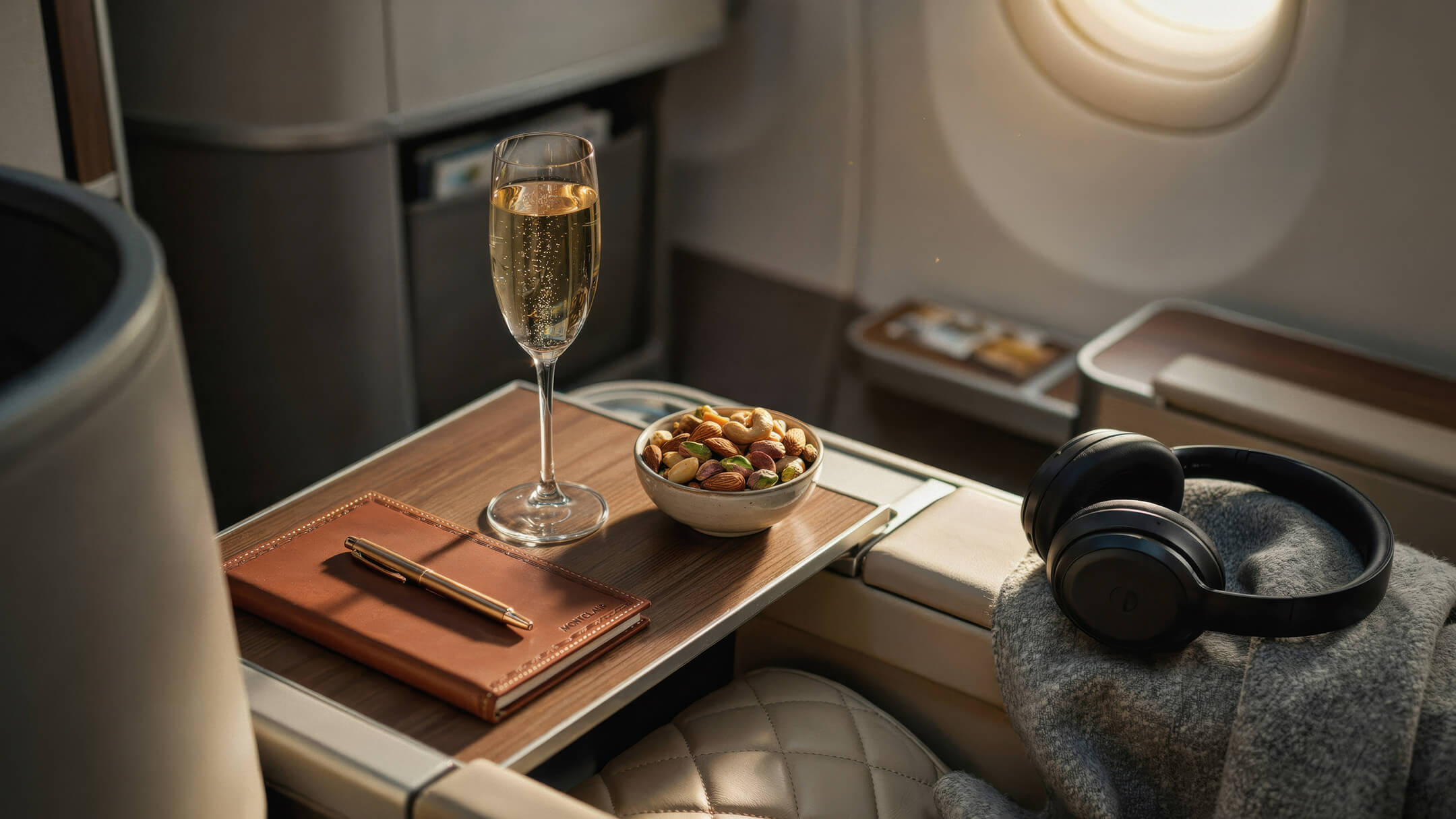



Business class has usually meant more than a larger seat. Travelers received lounge access, checked baggage, flexible ticket rules, priority services, upgrade options, and stronger loyalty credit to come with the cabin.
Some airlines have started separating those benefits into different business-class fare tiers. The lowest tier often keeps the business-class cabin and onboard service, but removes or limits some benefits around the flight.
Airlines use different names for these fares, including Base, Light, and Special. The industry often describes this model as basic business class: a lower business-class fare tier that keeps the cabin but removes or limits some benefits traditionally included with premium travel.
This article explains how basic business class fares work, which benefits usually stay, which benefits can move into higher fare tiers, and how to decide whether the lowest premium fare fits your trip.
Read in this post:
How airlines started separating the cabin from the fare
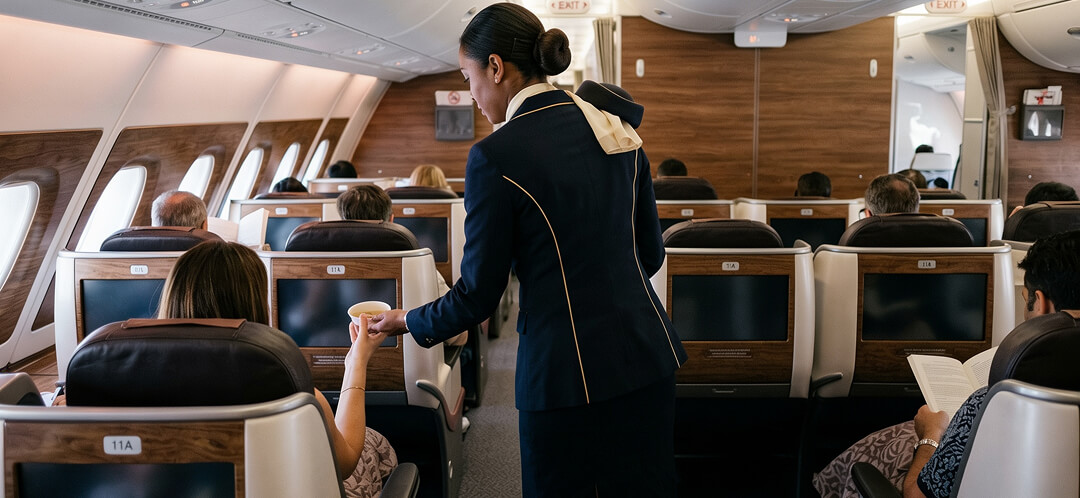
Airlines separated the seat from the ticket benefits in economy class some time ago. Instead of selling a single standard economy ticket with the same benefits, many airlines have created several economy fare types. The lowest fare gave travelers a seat in the economy cabin, while seat selection, checked baggage, changes, refunds, and other benefits moved into higher fare tiers or paid extras.
Some airlines are now applying a similar logic to business class. They usually keep the seat, meal service, and cabin experience in place. They change what the ticket includes around that cabin.
That is why basic business class can be confusing. A traveler may still book the business-class cabin and fly in the same seat type as other business-class passengers. The difference is that the lowest fare tier can remove benefits that a more inclusive business-class fare still includes.
For example, one business-class ticket may include advance seat selection, lounge access, two checked bags, flexible changes, upgrade eligibility, and full loyalty credit. Another ticket in the same cabin may limit some of those benefits because the airline sells it as the lowest business-class fare tier.
This is the main point to understand before booking. The cabin tells you what the onboard product is. The fare tier tells you what comes with the ticket.
How basic business class moved into the US market
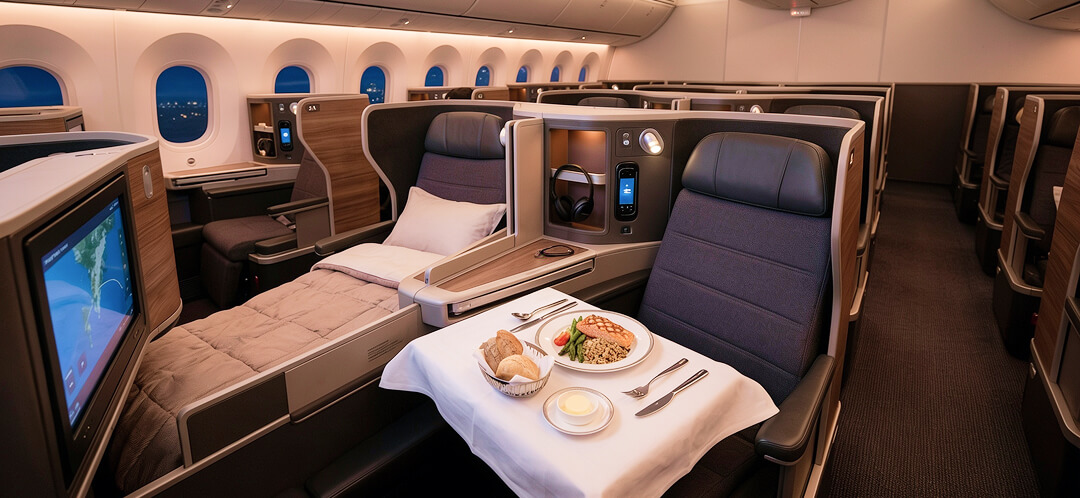
Basic business class did not start as a US airline trend. International carriers introduced lower business-class fares first.
Emirates gave travelers one of the clearest early examples in 2019 with its Business Special fare. The fare kept the onboard business-class product but limited benefits around the journey, including chauffeur service, lounge access without eligible status, and advance seat selection.
European carriers later made lower business-class fares part of regular premium pricing. Air France/KLM’s Business Light fares removed the included lounge access and reduced the checked baggage allowance compared with higher business-class fares, while keeping the same business-class cabin.
Lufthansa Group also sells lower Business Light fares on certain intercontinental routes across Lufthansa, SWISS, Austrian Airlines, Brussels Airlines, and Discover Airlines. These fares keep the business-class cabin and onboard service, but travelers pay separately for services such as seat reservations and additional baggage.
United Airlines has now made this fare structure familiar in the US market. The airline sells Base, Standard, and Flexible fare options for United Polaris and United Premium Plus on long-haul international, transcontinental US, and certain Hawaii flights. These are fare categories inside premium cabins, not separate cabins.
What the lowest business-class fare may remove

Before choosing the lowest business-class fare, check five criteria first:
| Benefit | What to check | How it changes the value |
|---|---|---|
| Seat selection | Whether the airline lets you choose a seat in advance and whether it charges a fee | Companion travelers may lose paired seats, and solo travelers may lose control over row, window, or aisle preference |
| Lounge access | Whether the fare includes lounge access, which lounge you can use, and whether the access comes from the ticket, elite status, or a credit card benefit | Long layovers and overnight departures become harder to manage without a quieter place to eat, rest, or work |
| Checked baggage | How many checked bags the fare includes and whether weight limits change | Longer trips, cruises, formal events, and multi-city itineraries often require more baggage allowance |
| Changes and refunds | Whether the ticket allows date changes, travel credit, or a cash refund | A lower fare loses value quickly if meetings, events, or travel dates change |
| Upgrades and loyalty credit | Whether the fare earns miles, elite credit, or allows upgrade instruments | The lowest fare can reduce the ticket’s long-term value if it earns less or blocks upgrades |
These details show whether the lower fare delivers smart value or only a lower price.
When the lowest business-class tier is a good decision
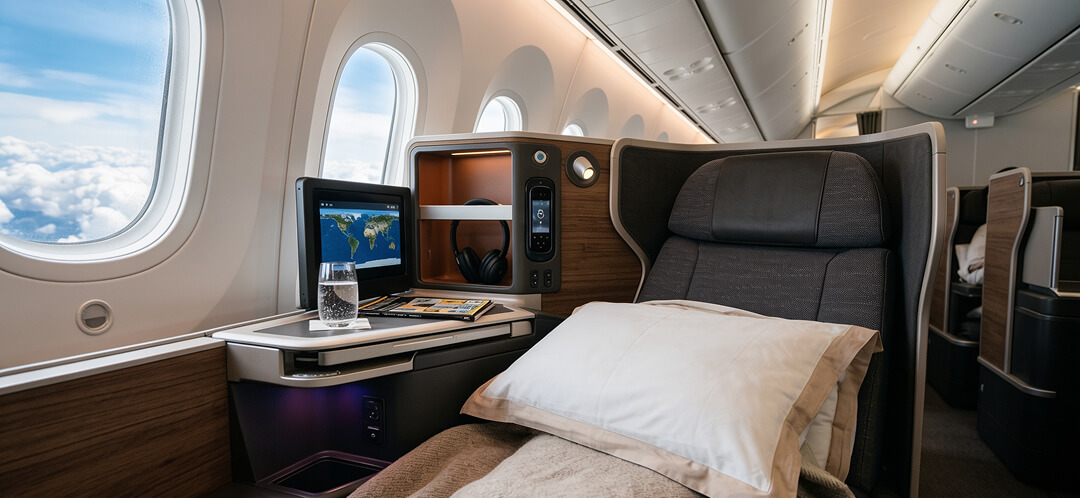
The lowest business-class tier is a practical choice when you are buying business class for the seat, not for the full set of airport and ticket benefits. It fits best when you travel alone, carry one checked bag or nonre, have fixed dates, and do not care about a specific seat.
It can also fit when another benefit replaces what the fare removes. Elite status, a premium credit card, or a separate lounge membership can give you lounge access even if the ticket itself does not include it.
Generally, the fare is a reasonable choice when the removed benefits do not affect your actual plans. If the lower tier gives you the same lie-flat seat, and you do not need extra baggage, advance seat selection, refunds, or date changes, the lower price is definitely a win.
The decision should come down to what the trip requires. The lower fare only saves money when you do not pay later, lose flexibility, or give up benefits you would have used.
When you should avoid the lowest business-class tier

Avoid the lowest business-class tier when the trip requires more than the onboard seat. The fare becomes harder to justify when you need advance seat choice, lounge access, extra baggage, flexible changes, refunds, upgrades, or full loyalty earning.
This is usually the case for:
- Companion travel: You may need advance seat selection to secure seats together before check-in.
- Work trips: Meetings can move, and strict change or refund rules can make the lower fare more expensive later.
- Long layovers or overnight departures: Lounge access gives you a quiet place to eat, rest, or work before boarding.
- Baggage-heavy trips: Cruises, formal events, longer stays, and multi-city itineraries often require more than one checked bag.
- Trips where loyalty credit matters: Lower fares can reduce mileage earning, elite credit, or upgrade eligibility.
Work travel needs one extra check. If a work trip is booked through a company-approved booking system, review the fare rules before accepting the itinerary. The system may show “business class” and select the lowest fare allowed under the policy, even if that fare removes benefits you normally use while traveling for work.
Before you confirm the booking, check whether the fare rules match the trip. If you need advance seat selection, lounge access, flexible changes, refunds, or full loyalty credit, make sure the fare includes those benefits. For work trips, also check whether the booking policy allows a Standard, Flexible, or similar fare type when the lowest fare removes benefits you need.
Elite status can help, but it does not automatically bring back every removed benefit. Seat selection, lounge access, baggage, upgrades, and earning rules can still depend on the fare type, airline, and route, so check the fare conditions even if you have elite status.
So, is basic business class worth it?
Basic business class is worth it when you are choosing it mainly for the flat seat, travel with carry-on only, and have fixed plans. It delivers the core cabin experience for less. It is not worth it when your trip needs the extras it strips away: lounge access, checked bags, changes, seat selection, or full mileage earning. In those cases, the higher tier costs more but usually beats buying each benefit back on its own.
The rule for booking is simple: read the fare rules as closely as the seat map. On the same aircraft, the lie-flat seat is identical across every tier. What changes is everything around it, and that is now where a business-class ticket’s real value is decided.