

Chapters:

Need help with your trip?
Our support team is available 24/7. Request a callback or call us directly at (833) 619-0908
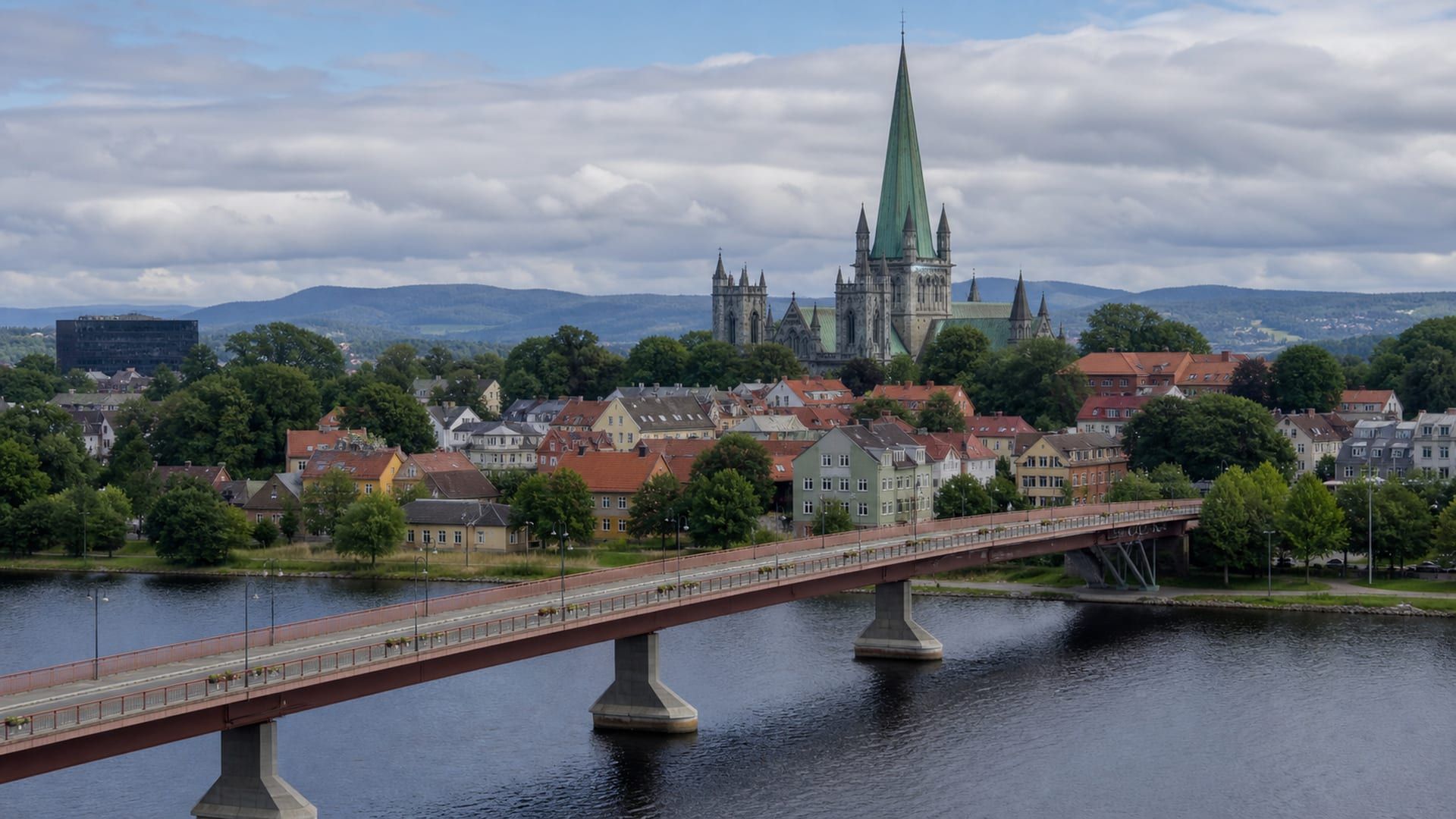
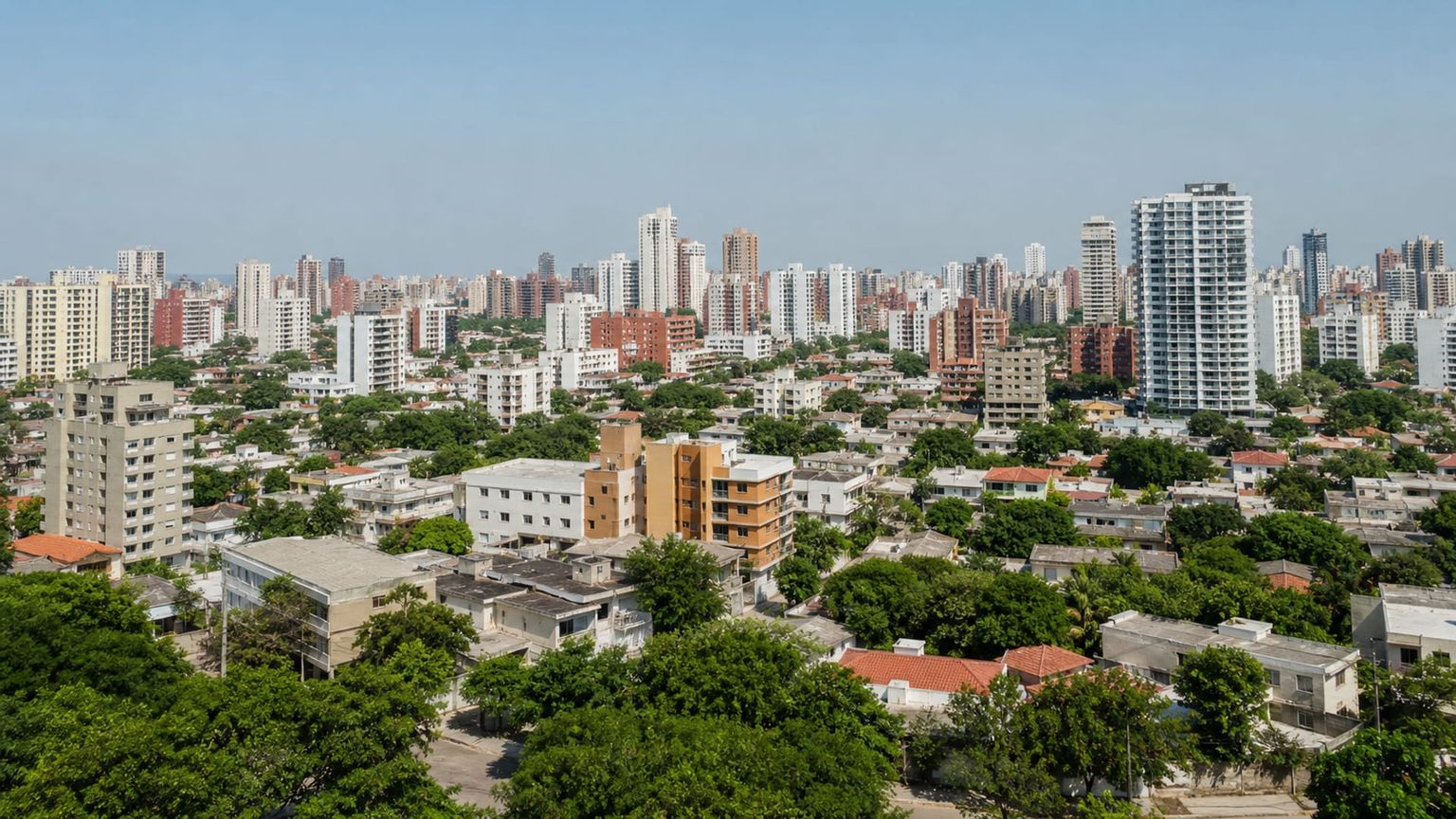
Barranquilla trips often settle into a simple loop, airport to hotel, museum to dinner, then a quick exit to Cartagena or Santa Marta. What many visitors miss is the city itself, especially the riverfront, Barrio Abajo, and the north side neighborhoods that shape daily life.
That default plan can leave you crossing town at the wrong hours, arriving at crowded music venues late, or treating long taxi rides as minor detours. Distances are manageable, but timing and neighborhood choice matter more than many first-timers expect.
This guide sets out the city in a clearer order, with neighborhood notes, transport choices, dining clues, and a five-day plan that matches Barranquilla’s pace.
Useful things to know

Main language(s): Spanish
Hola (OH-lah) – Hello
Por favor (por fah-VOR) – Please
Gracias (GRAH-syahs) – Thank you
¿Habla inglés? (AH-bla een-GLAYS) – Do you speak English?
¿Cuánto cuesta? (KWAN-toh KWEHS-tah) – How much does it cost?

Currency: The local currency is the Colombian peso (COP, $).

Cash and cards: Cards and contactless work at many hotels, malls, and restaurants; carry about COP 50,000 to 100,000 ($13 to $26) in cash.

Tipping: Round up small bills; leave about 10% in restaurants if service is good.

Traditional food: Arepa de huevo, enyucado, butifarra, sancocho de pescado

Water and coffee costs: Water about COP 4,000 to 6,000 ($1 to $2), bar espresso about COP 6,000 to 9,000 ($2 to $2.50).

Taxis and ride apps: Uber, DiDi, and inDrive operate here; confirm pickup points for airport trips.

Plug and voltage: Type A/B socket, 110V

Dining and shop opening hours: Breakfast runs about 07:00-09:00, lunch 12:00-14:30, and dinner 19:00-22:00. Many places close in the afternoon outside busy areas.

Emergency number: 123 for police, fire, and medical emergencies.
Where to stay in Barranquilla
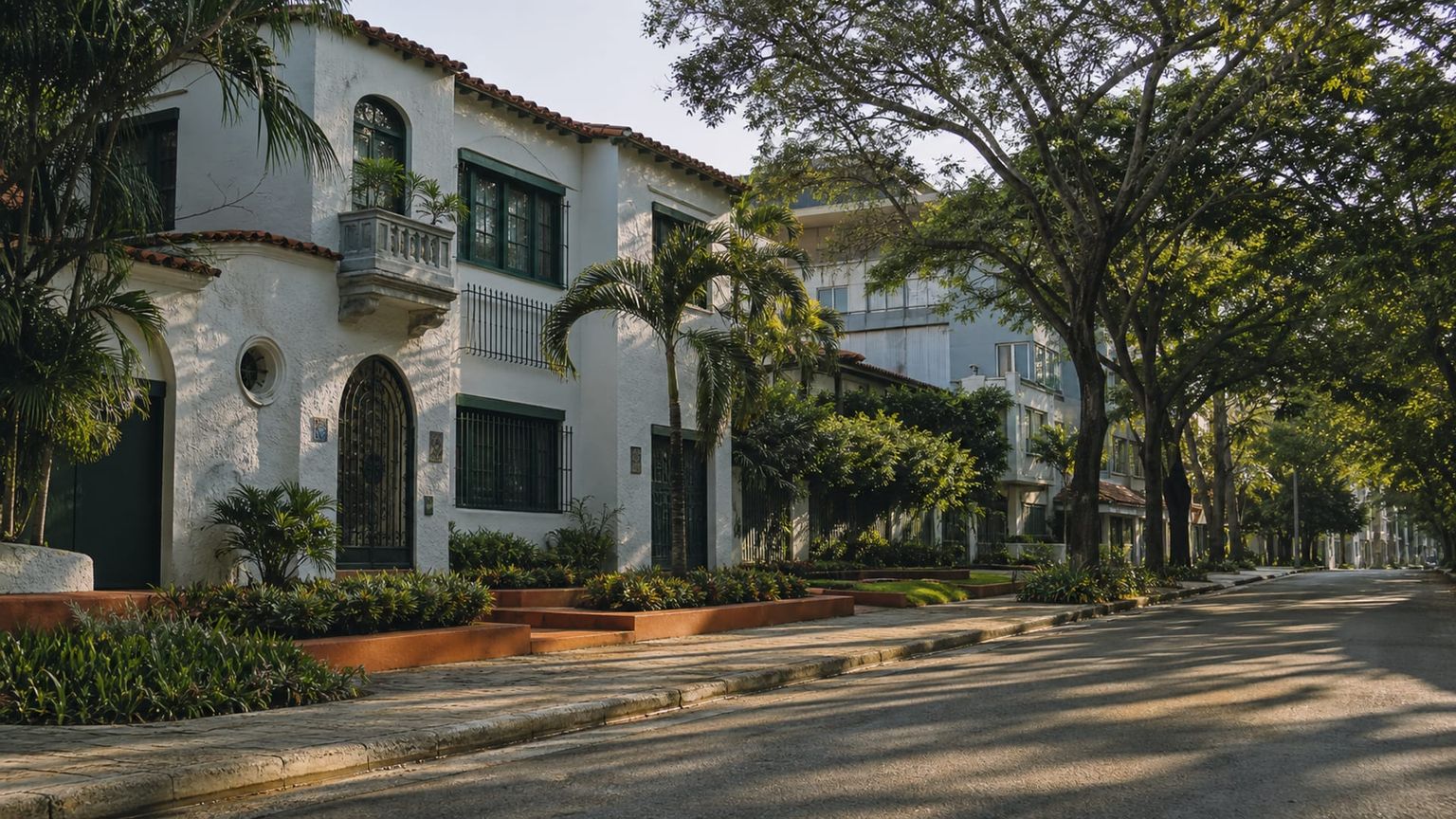
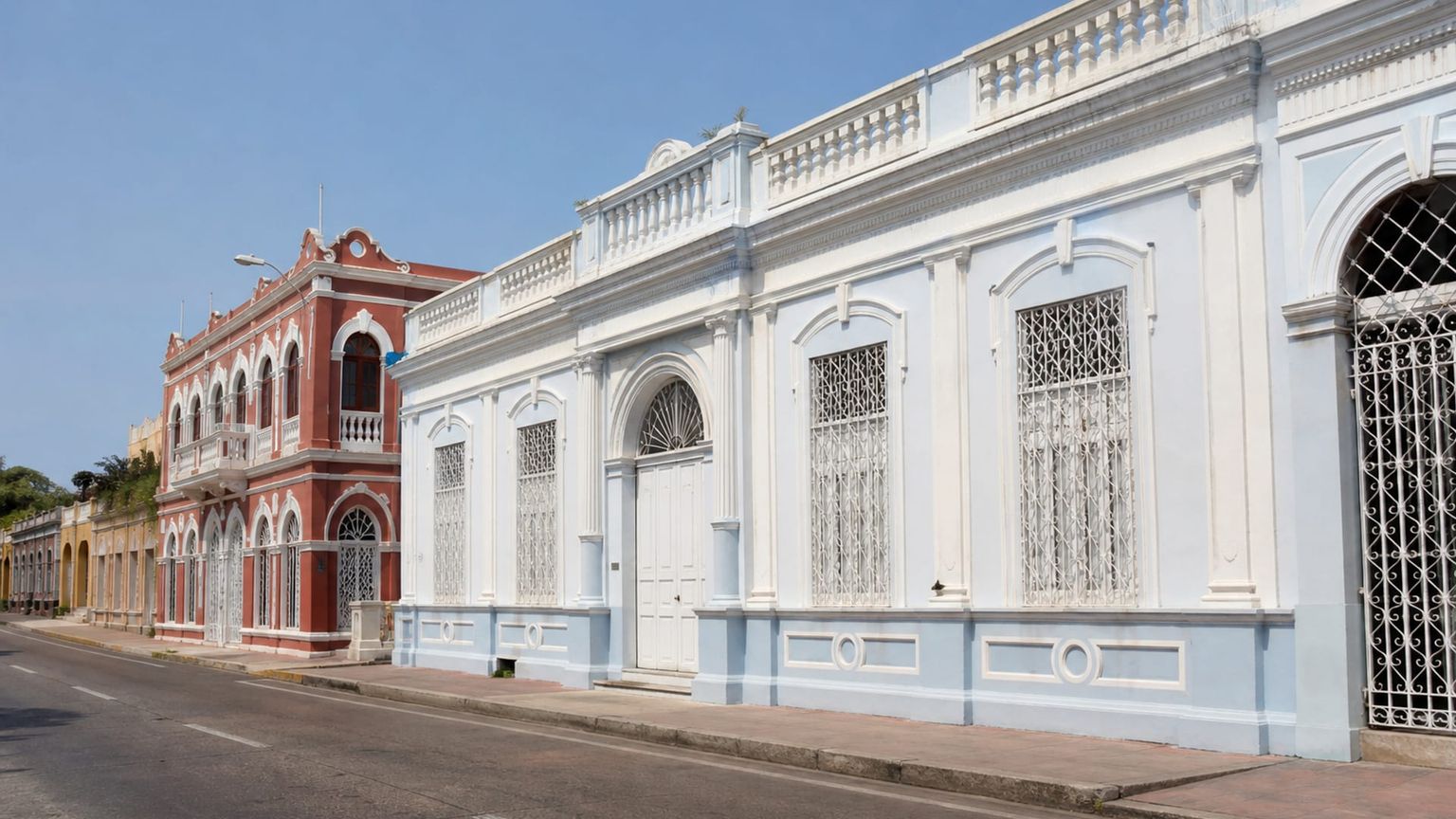
Barranquilla’s classic residential district pairs early 20th-century houses with mid-range and upscale hotels. It sits near central museums and the Gran Malecón, so you can split time between heritage streets, riverfront walks, and easier cross-town access.
Best for: Heritage walks, central access, and travelers who want a residential base near major sights
What to expect: Tree-lined streets, low-rise blocks, and calmer evenings, with more movement near main avenues and hotel clusters.
Hotel prices: Usually about $60 to $180 per night for well-rated stays
Distance to major sights: About 10 to 15 minutes by car to the Gran Malecón, and roughly 15 to 20 minutes to Museo del Caribe
Quietness: Quieter during the day on side streets, with modest traffic and some restaurant activity in the evening.
Main trade-off: You will pay more than in outlying districts, and getting to beach areas takes longer.
Good to know: Taxis and app-based rides are easy to find here, but late-night dining choices are thinner than in newer commercial zones.
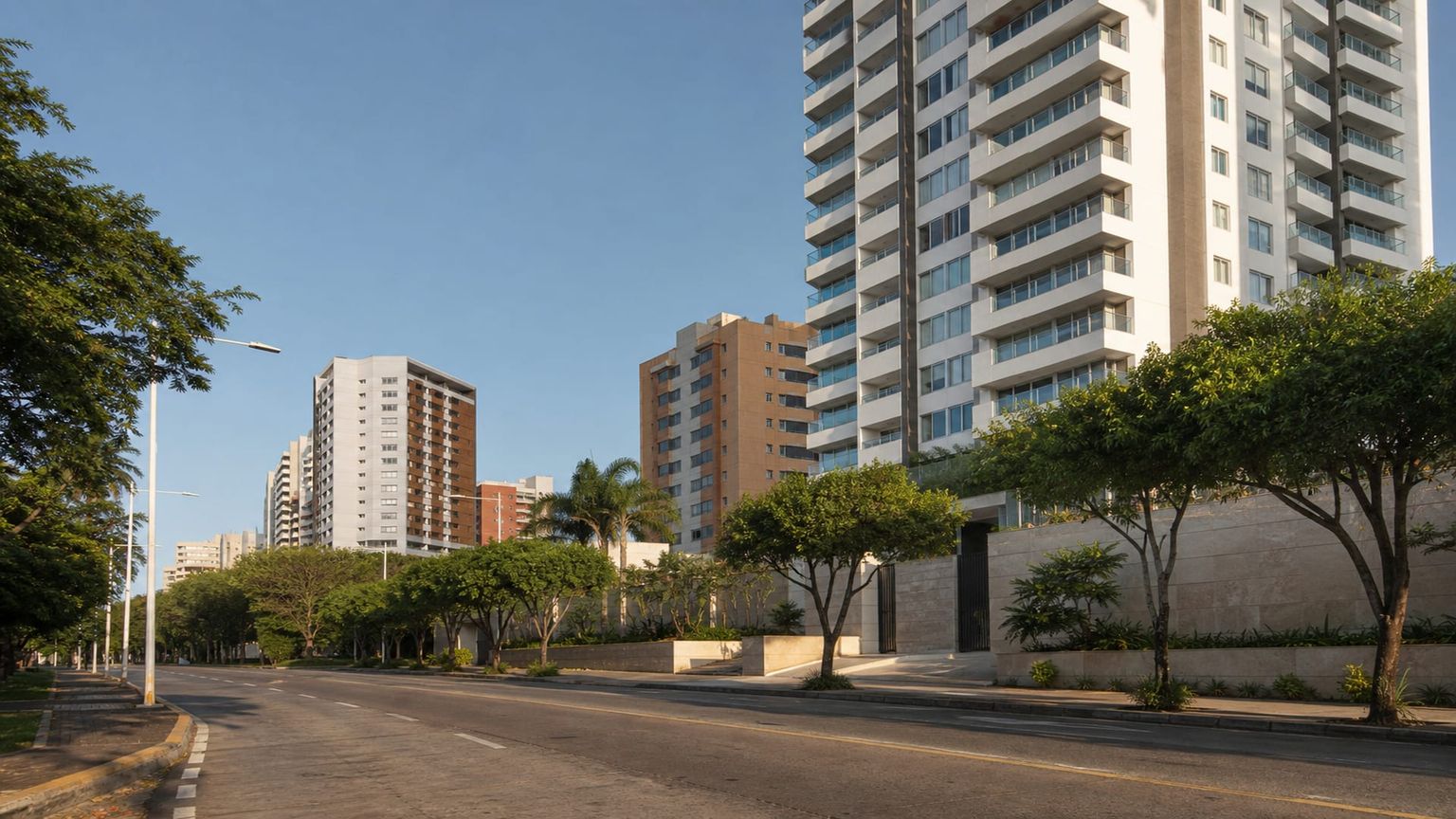
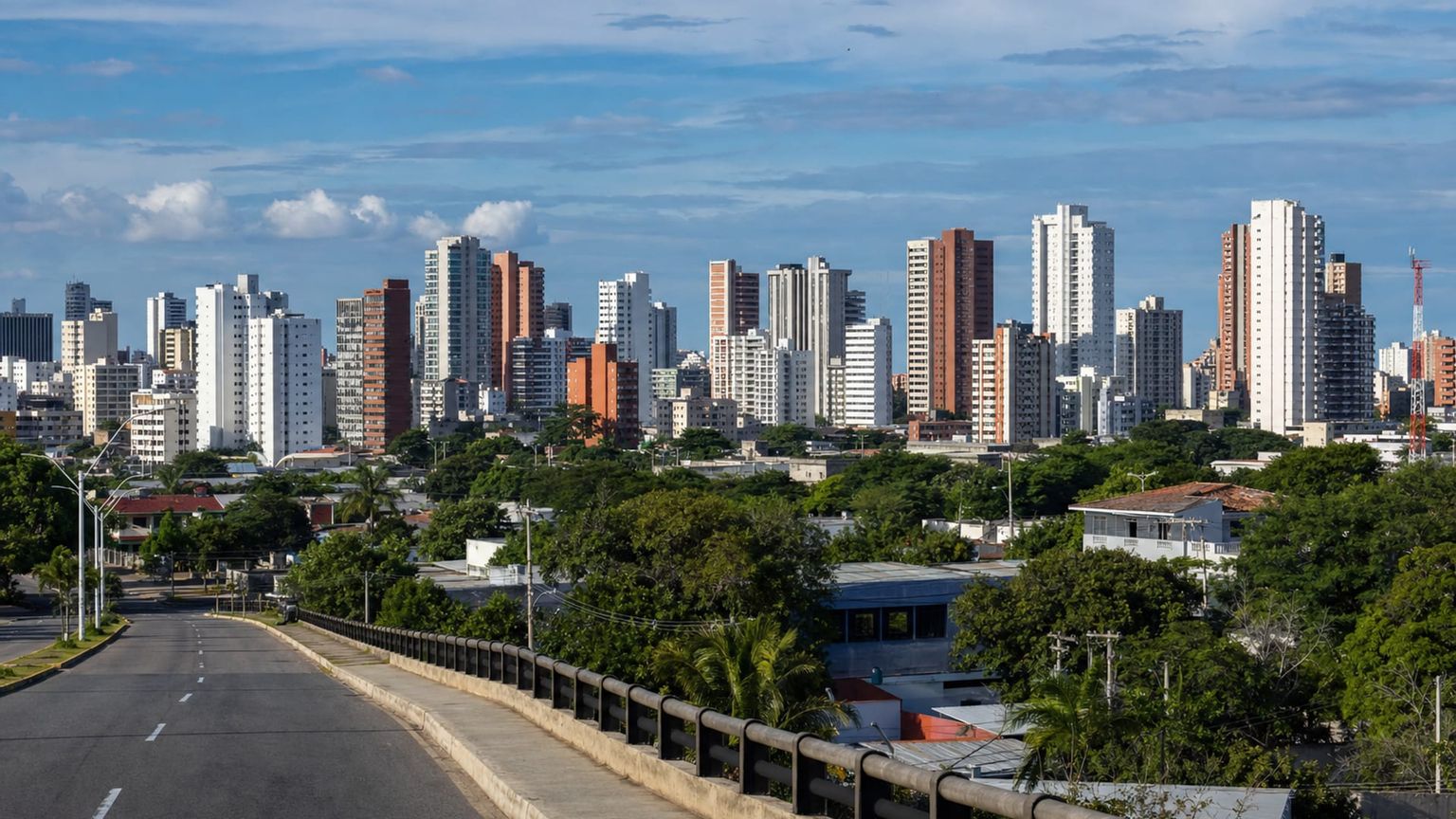
Riomar is one of Barranquilla’s main northern hotel and shopping districts, with newer apartment towers, business hotels, and malls. It suits visitors who want restaurants, retail, and a newer-feeling base with convenient access to the city’s northern corridor.
Best for: Business trips, shopping, and travelers who prefer newer hotels and easy car access
What to expect: Wide avenues, active malls, and steady traffic, especially near commercial centers and major intersections.
Hotel prices: Usually about $50 to $150 per night for well-rated stays
Distance to major sights: About 20 to 30 minutes by car to the Gran Malecón, and roughly 15 to 25 minutes to Buenavista Mall
Quietness: Busier in the day and early evening, then calmer on residential blocks after mall hours.
Main trade-off: It is farther from the historic core, so you will spend more time in transit for museums and older neighborhoods.
Good to know: If you plan to rely on rides, confirm the hotel is close to a main avenue because internal blocks can add extra minutes in traffic.
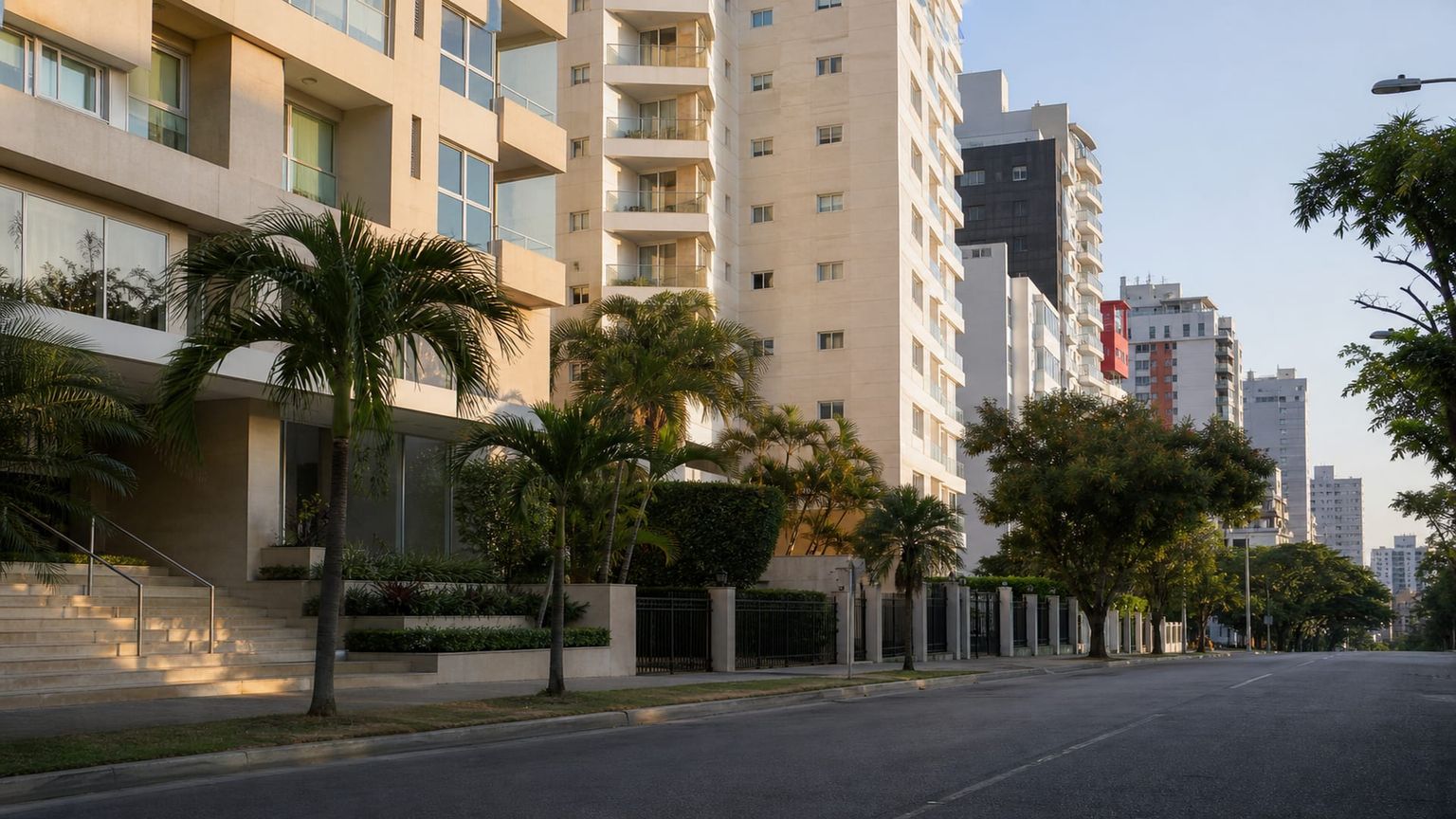
Alto Prado is an upscale northern neighborhood with apartment hotels, good dining, and quick links to Barranquilla’s business districts. It works well for travelers who want a residential setting close to restaurants without staying inside a mall-heavy zone.
Best for: Longer stays, dining, and travelers who want a quieter upscale area with good access by car
What to expect: Residential streets, restaurant clusters on main roads, and moderate evening activity near hotels and cafes.
Hotel prices: Usually about $70 to $200 per night for well-rated stays
Distance to major sights: About 15 to 20 minutes by car to the Gran Malecón, and roughly 10 to 20 minutes to Buenavista Mall
Quietness: Fairly calm by day on residential streets, with more noise near restaurants and traffic at night.
Main trade-off: Prices can run higher than in other north Barranquilla areas, especially for larger rooms and apartment-style stays.
Good to know: Choose a hotel on or near a main road if you want easier rides at night, since some side streets feel isolated after dinner.
Travelers usually avoid staying in Ciudadela 20 de Julio, Los Olivos, and parts of the urban fringe near Barranquilla (BAQ) because they sit far from the main sights in the north and along the riverfront, with fewer visitor amenities and longer taxi rides for evening outings. Miramar’s outer blocks can also be less convenient if you want walkable dining and a shorter trip to the city center, since most hotel options there sit closer to shopping and apartment zones than to major attractions.
Hotel deals
How to get around Barranquilla efficiently
Barranquilla has no metro, so most visitors move between hotel zones, museums, and the riverfront with a mix of Transmetro, taxis, and ride-hailing.

Metro
for longer distances
Barranquilla has no metro system, so visitors usually rely on buses, taxis, and ride-hailing for trips across the city and to BAQ. For airport transfers and longer cross-town rides, taxis often make the trip in roughly 20 to 45 minutes depending on traffic.

Bus and tram
for convenience
Transmetro, the city’s trunk bus network, links the main corridors with high-frequency service, while feeder buses extend coverage into nearby neighborhoods. A typical ride costs about $0.60 to $0.80, and a reloadable card is the usual way to pay; a trip across the core corridor often takes roughly 15 to 35 minutes.

Taxi
for convenience or late hours
Licensed taxis in Barranquilla usually use fixed fares for common trips, including airport runs, rather than a meter, and passengers should confirm the price before departure. From BAQ to central areas, expect roughly $7 to $15, with late-night or outlying destinations often landing higher; most drivers take cash, and some accept card or mobile payment if arranged in advance.
*Prices are based on rates updated as of June 2026 and may change at the time of travel.
Use Transmetro for corridor trips, taxis for airport and cross-town rides, and ride-hailing when you want a pickup in Alto Prado, Riomar, or near evening venues.
Iconic landmarks
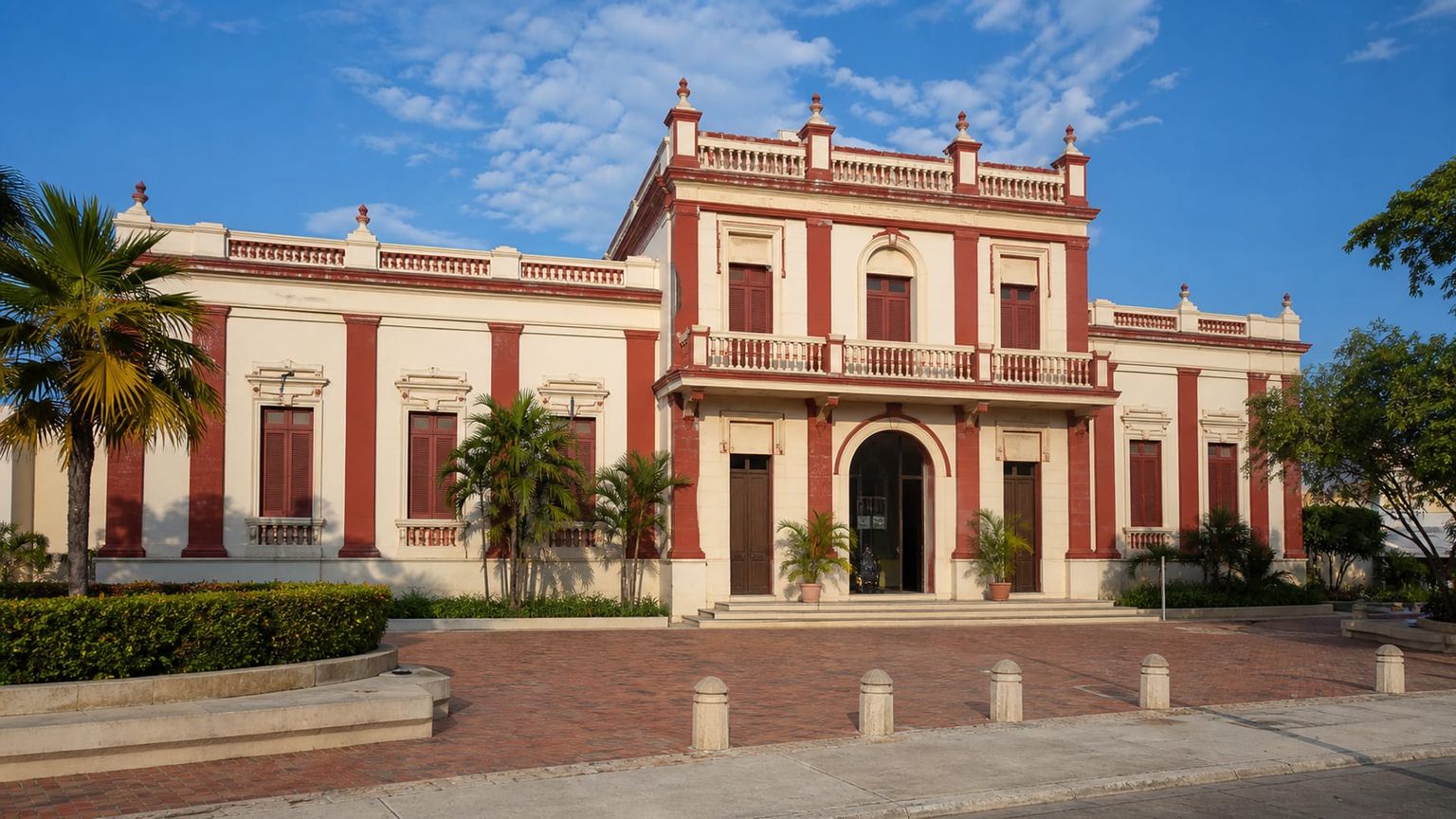
Museo del Caribe
This museum in Barranquilla’s historic center traces Caribbean Colombia through natural history, music, literature, and oral memory. The galleries give clear context for the city’s role as a port and cultural gateway.
Time needed: About 2 to 3 hours
Entry: Standard admission costs about $9 to $12 (about 35,000 to 47,000 COP) Visit the official site for details.
Tip: Go in the morning, then stay for the plaza and the riverfront walk nearby.
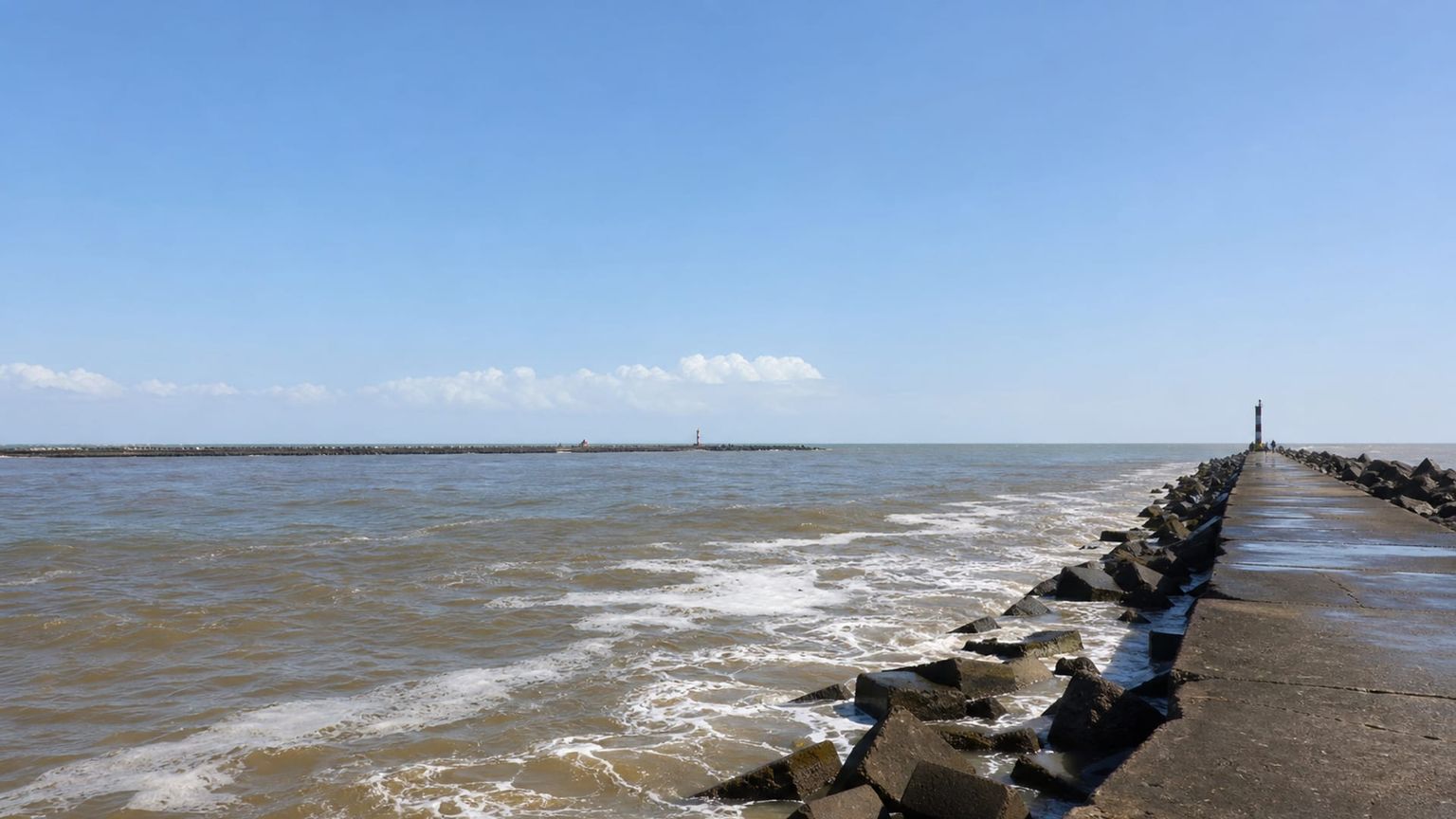
Bocas de Ceniza
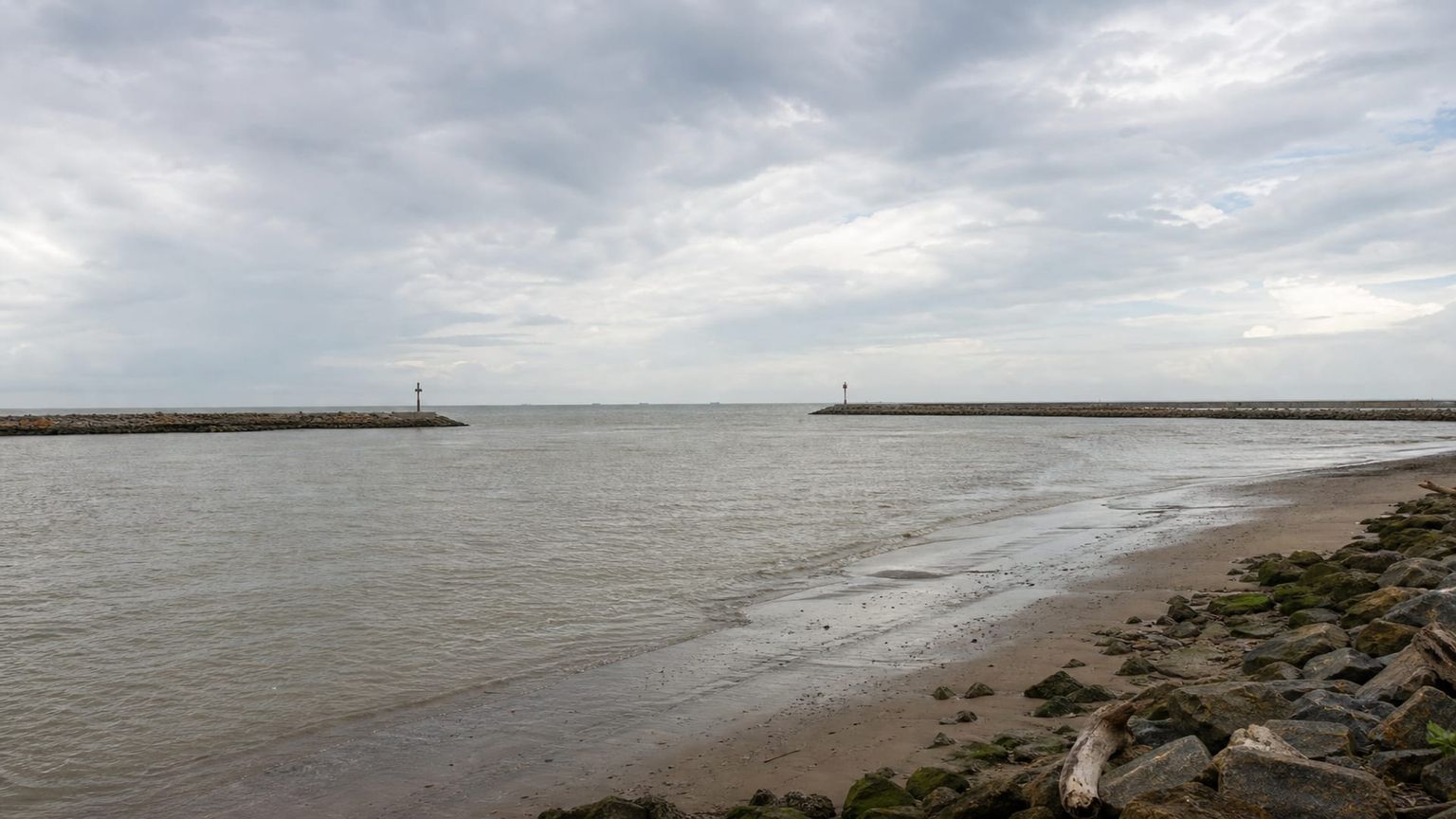
At the mouth of the Magdalena River, this lookout shows the meeting point of river and Caribbean Sea, with freight traffic, breakers, and the long industrial causeway in view. It is one of Barranquilla’s most distinctive coastal edges.
Time needed: About 1 to 2 hours
Entry: Free to access; boat or train transport may cost about $5 to $10 ($20,000 to 40,000 COP)
Tip: Visit late afternoon for stronger light and calmer heat along the causeway.
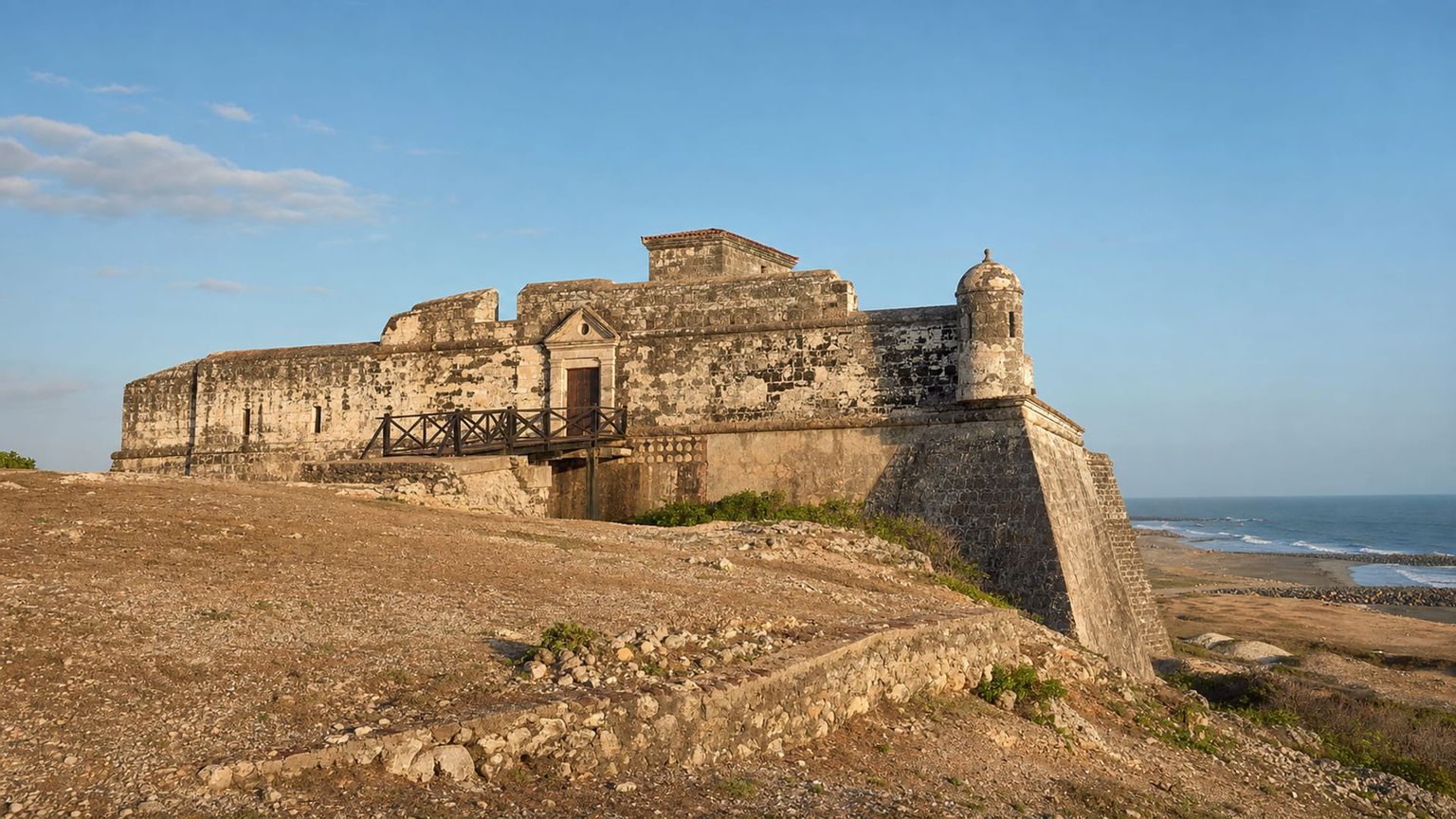
Castillo de Salgar
About 30 km from central Barranquilla, this 18th-century fortress overlooks the coast from a bluff above Puerto Colombia. Its stone walls, sea views, and restored rooms make it one of the area’s most notable historic landmarks.
Time needed: About 1 to 2 hours
Entry: Entry costs about $3 to $5 (about 12,000 to 20,000 COP) Visit the official site for details.
Tip: Go near sunset, when the bluff gets better light and the sea is calmer.
Overlooked sites worth visiting

La Troja
This long-running cumbia house in Barrio Abajo draws locals for live music, tiled walls, and late-night dancing. It gives a direct look at Barranquilla’s party tradition without a formal theater setting.
Time needed: About 1 to 2 hours
Entry: Cover charges vary by night, usually $5 to $15 ($5 to COP 60,000), with drinks sold separately. Live music nights can cost more during special events and holidays, so check the door policy before you go.
Tip: Arrive after 9:00 pm for the liveliest set.

Museo del Caribe
This compact museum pairs regional history, literature, and ecology in a single visit near downtown. Its exhibits on the Magdalena River and Caribbean culture make it a strong indoor stop on hot afternoons.
Time needed: About 1 to 2 hours
Entry: Adult admission is about $4 to $7 ($16,000 to COP 28,000), with discounts for students and children when available. Temporary exhibits or guided activities may carry separate fees, and rates can change on holidays. Visit the official site for details.
Tip: Go early to avoid school-group crowds.
Traditional food
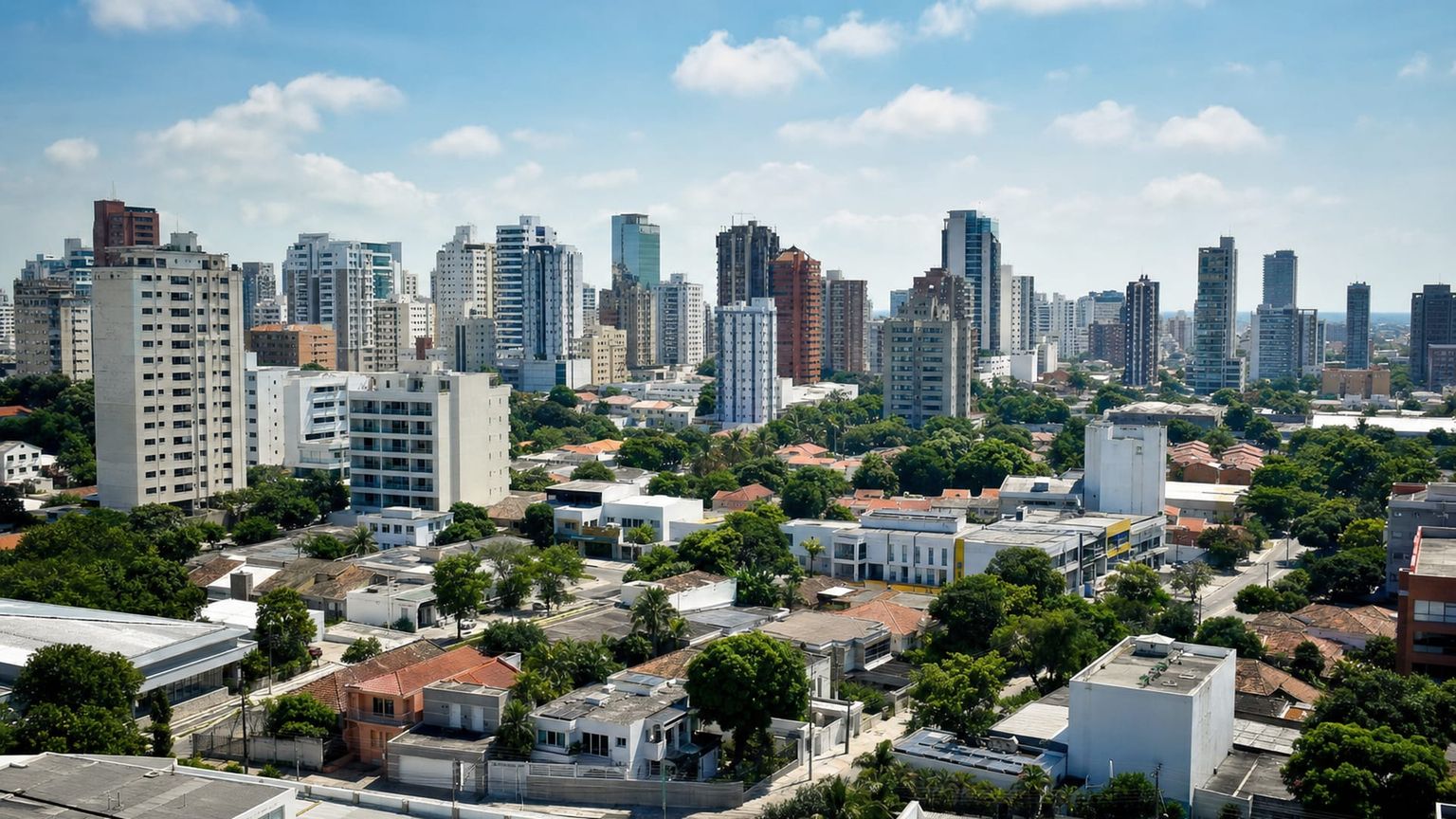
Barranquilla’s food leans on corn, cassava, river fish, and seasoned pork, with fried breakfasts, hearty stews, and sweets like enyucado. Meals often start early, pause in the afternoon, then pick up again after sunset.
Arepa de huevo
This corn arepa is fried, split, and filled with an egg, making it one of Barranquilla’s most recognizable breakfast bites. Try it at La Cueva, which has a strong local following and a fitting setting for regional cooking.
Butifarra
These small, seasoned pork sausages often arrive with lime and a cold drink, and they make an easy snack between sights. Cocina 33 in Barranquilla serves a version that suits a casual lunch or early evening stop.
Enyucado
Enyucado is a cassava cake with coconut and cheese, usually served as a sweet finish rather than a heavy dessert. La Casa de Doris in Barranquilla is a solid place to try it alongside other Caribbean sweets.
Sancocho de pescado
This fish stew brings together broth, herbs, plantain, and cassava in a dish that fits the city’s river and coastal setting. At Varadero, you can order a polished version in a restaurant that knows Caribbean flavors well.
Best time to visit Barranquilla
Barranquilla stays hot year-round, but the drier months make outdoor plans easier, while wetter stretches call for more indoor time and later outings.
Best for: Best for riverfront walks, festivals, and drier sightseeing days
What you get: About 77 to 91°F (25 to 33°C), with lighter rain and more visitors during holiday and carnival periods
Trade-offs: Hotel demand rises, and popular venues fill faster
Best for: Best for museum time, dining, and a slower city pace
What you get: About 78 to 92°F (26 to 33°C), with heat building and showers becoming more common
Trade-offs: Afternoon rain can interrupt cross-town plans
Best for: Best for flexible days split between indoor sights and evening meals
What you get: About 77 to 90°F (25 to 32°C), with warm weather and periodic rain
Trade-offs: Humidity can make midday walking tiring
Best for: Best for travelers who do not mind rain in exchange for fewer crowds
What you get: About 77 to 90°F (25 to 32°C), with the wettest conditions of the year and less tourist traffic
Trade-offs: Outdoor sightseeing needs more backup time
A realistic 5-day plan in Barranquilla
A five-day Barranquilla stay works best when you separate the city into clear blocks: the historic center and riverfront, then the north side for meals, museums, and easier evenings. That keeps transit shorter and leaves room for a coastal day without rushing.
Land at Barranquilla (BAQ) and head by taxi or app-based ride to Alto Prado, El Prado, or Riomar, depending on where you booked, with the trip usually taking about 25 to 45 minutes and costing roughly $8 to $18, or about 32,000 to 72,000 COP. Settle in, drink plenty of water in the afternoon heat, and keep dinner close to your hotel, ideally on a main road in Alto Prado or near the restaurant strips in Riomar, so you can rest early after a travel day.
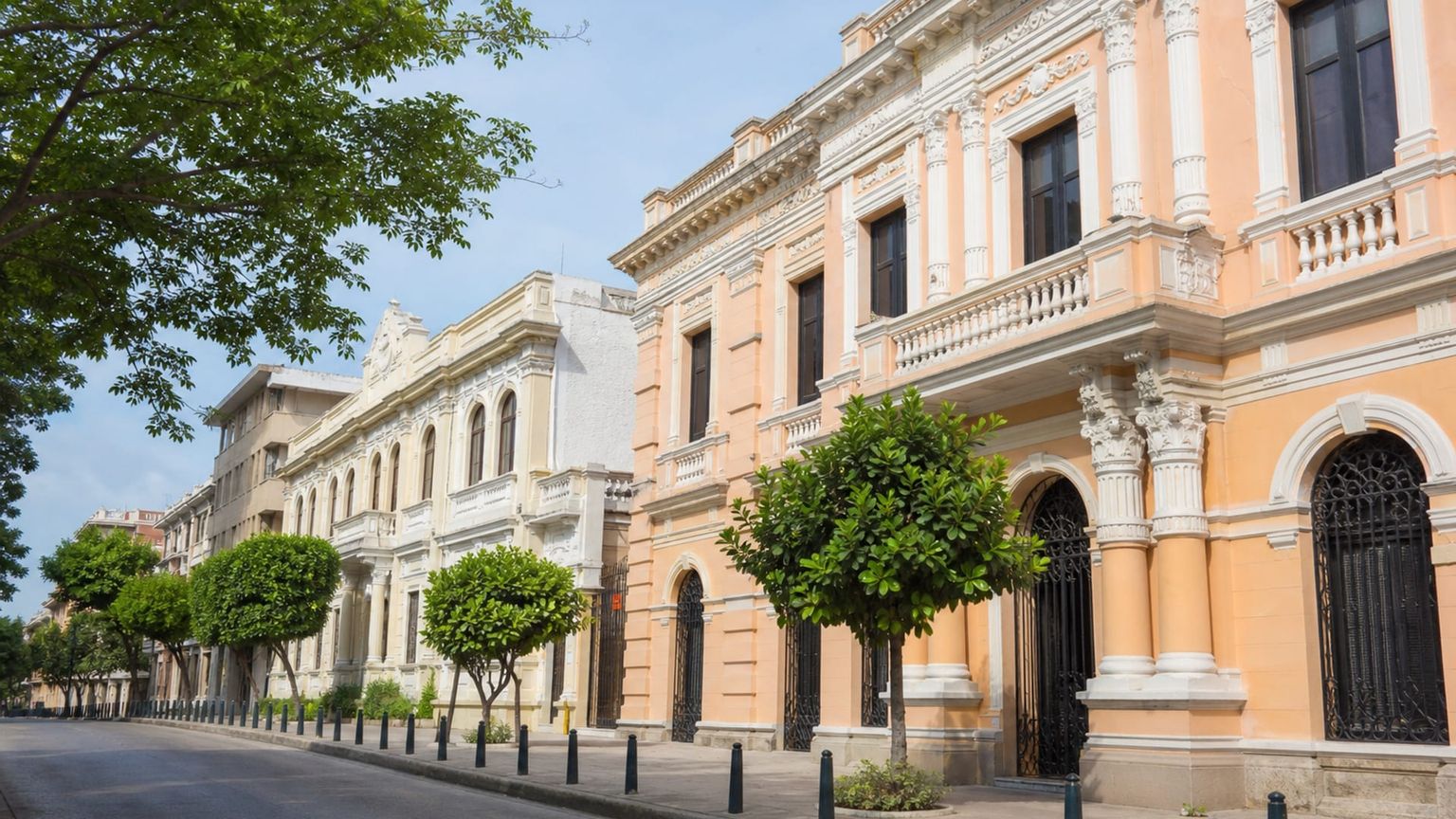
Start in Museo del Caribe, then walk about 10 to 15 minutes to the surrounding riverfront area for a slower look at the downtown edge and the plaza. After lunch, continue by taxi to La Troja in Barrio Abajo, about 10 to 15 minutes from the museum area, and return later for live music after 9:00 pm if you want the room at its liveliest.
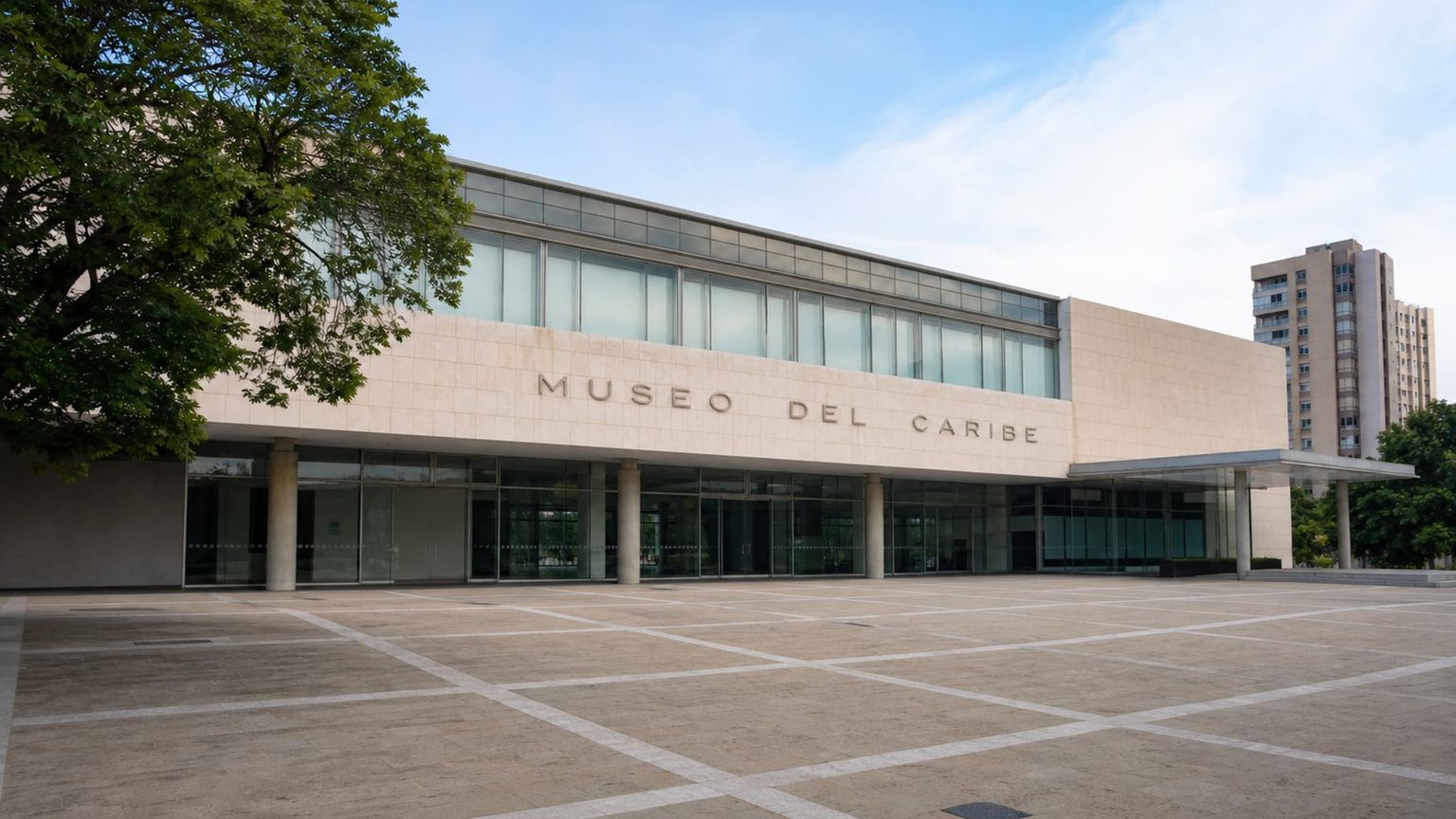
Begin with a late-afternoon visit to Castillo de Salgar, about 45 to 60 minutes by car from central Barranquilla, and stay about 1 to 2 hours for the bluff views and fortress rooms. From there, continue about 20 to 30 minutes by car to the Puerto Colombia coast for a relaxed seaside meal before heading back to Alto Prado or El Prado for the night.
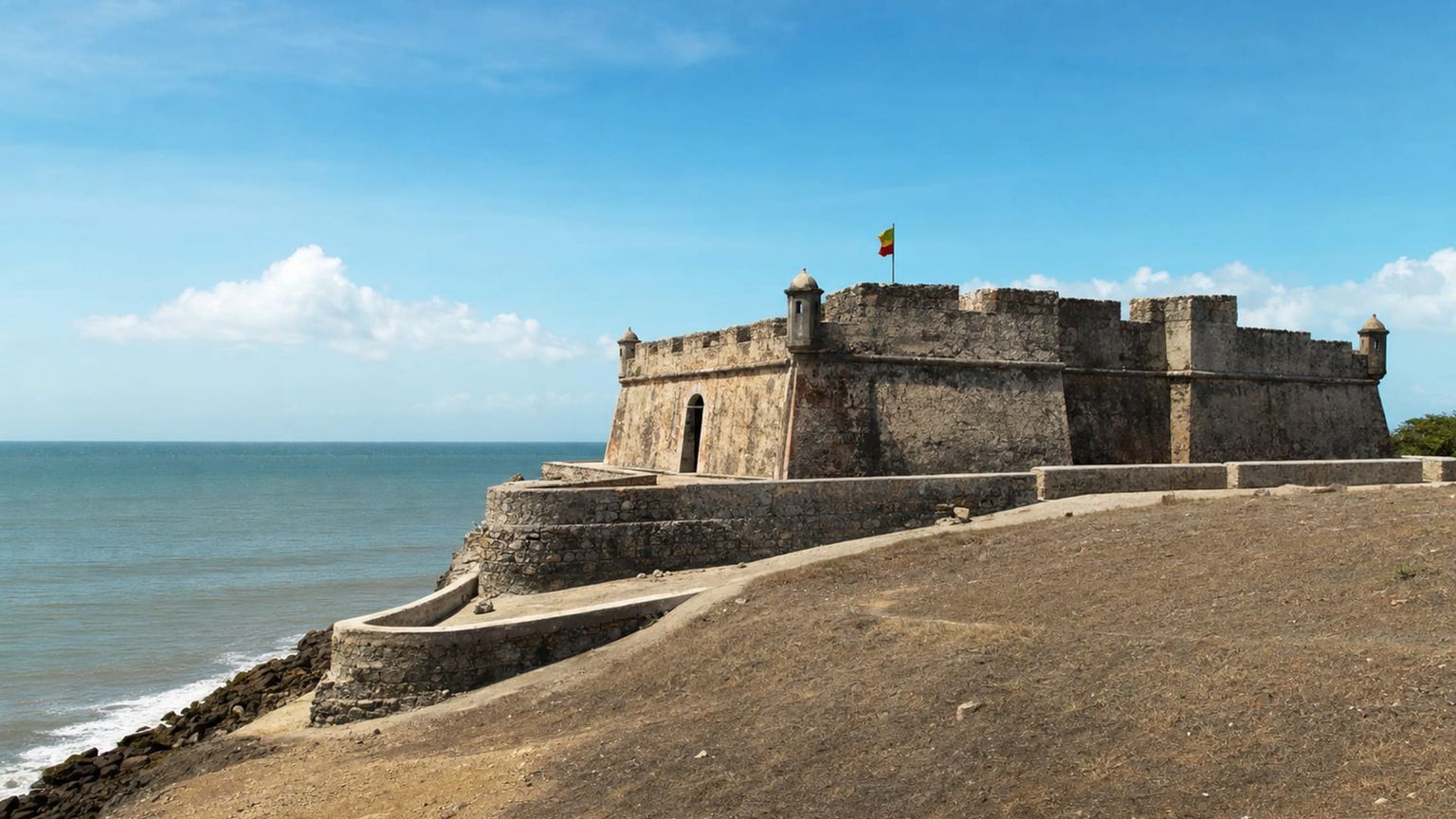
Head out early for Bocas de Ceniza, which works best before the heat builds, and expect the trip from central Barranquilla to take about 30 to 45 minutes by car plus the access ride or boat segment. Spend 1 to 2 hours at the river mouth, then return to the city for a final easy afternoon in Riomar, where Buenavista Mall and the nearby commercial blocks make a natural stop for shopping and an unhurried dinner.
For a final day in Barranquilla, begin with one last museum stop at Museo del Caribe if you missed it earlier, then move to Buenavista Mall in Riomar for shopping and any last-minute essentials, about 20 to 30 minutes by car from the central hotel zones. Finish with coffee or an early snack in Alto Prado, where the restaurant streets are an easy last pause before an evening transfer to Barranquilla (BAQ).
Business-class flights from the US to Barranquilla
Reaching Barranquilla usually means a one-stop itinerary from either coast of the United States. The route choice matters most in timing, since connections can widen the trip by several hours.
From New York (JFK), airlines such as American Airlines, Avianca, Copa Airlines, Delta Air Lines, and LATAM Airlines sell the main options to Barranquilla. Some itineraries run about 6 to 11 hours with a stop, commonly via BOG, PTY, MIA, MDE, or CLT, and round-trip fares from New York City to Barranquilla usually start at $1,200 and can reach $3,000.
Los Angeles travelers usually see American Airlines, Avianca, Copa Airlines, United Airlines, and LATAM Airlines on the schedule. Round-trip fares from Los Angeles often run from $1,500 to $3,600, and if you do not mind a stop, common connections through BOG and PTY take about 8 to 14 hours and often lower the price.
Barranquilla feels different when you slow down
A deliberate Barranquilla trip gives you time for El Prado’s older streets, Riomar’s mall district, and the riverfront around Museo del Caribe and Bocas de Ceniza, with taxis filling the gaps between each stop. Add a late night at La Troja if you want the city’s music scene in context, then keep the final morning open for coffee in Alto Prado before the airport run. If you want help shaping that plan, ask the AranGrant experts to build it around your dates







