

Chapters:

Need help with your trip?
Our support team is available 24/7. Request a callback or call us directly at (833) 619-0908
Most first trips to Banjul follow the same pattern, airport to hotel, market to monument, then a quick exit to the coast. What travelers often miss is how much of the city still runs on short taxi hops, early closing hours, and streets that change character by the block.
That can make a rushed plan feel thin. Distances are short on a map, but heat, traffic, and limited late-night options shape what you can reasonably fit into a day. Even a simple dinner can become a long detour if you base yourself too far out.
This guide puts the center, the market lanes, and the nearby day trips in a clearer order, so you can move through Banjul with fewer guesses and a better sense of when to stay put.
Useful things to know

Main language(s): English

Currency: The local currency is the Gambian dalasi (GMD, D).

Cash and cards: Cards and contactless are accepted in a limited number of hotels and larger shops; carry about GMD 2,000 to 5,000 ($28 to $70) in cash.

Tipping: Round up small bills and leave 5-10% in nicer restaurants if service is good.

Traditional food: domoda, benachin, yassa chicken, akara

Water and coffee costs: Water about GMD 20 to 40 ($0.30 to $0.60), bar espresso about GMD 80 to 150 ($1.10 to $2.10).

Taxis and ride apps: Yango and inDrive operate here; confirm the fare before you start.

Plug and voltage: Type G socket, 230V

Dining and shop opening hours: Breakfast is roughly 07:00-09:00, lunch 13:00-15:00, and dinner 20:00-22:00. Many smaller places close in the afternoon.

Emergency number: 999 for police, fire, and ambulance.
Where to stay in Banjul
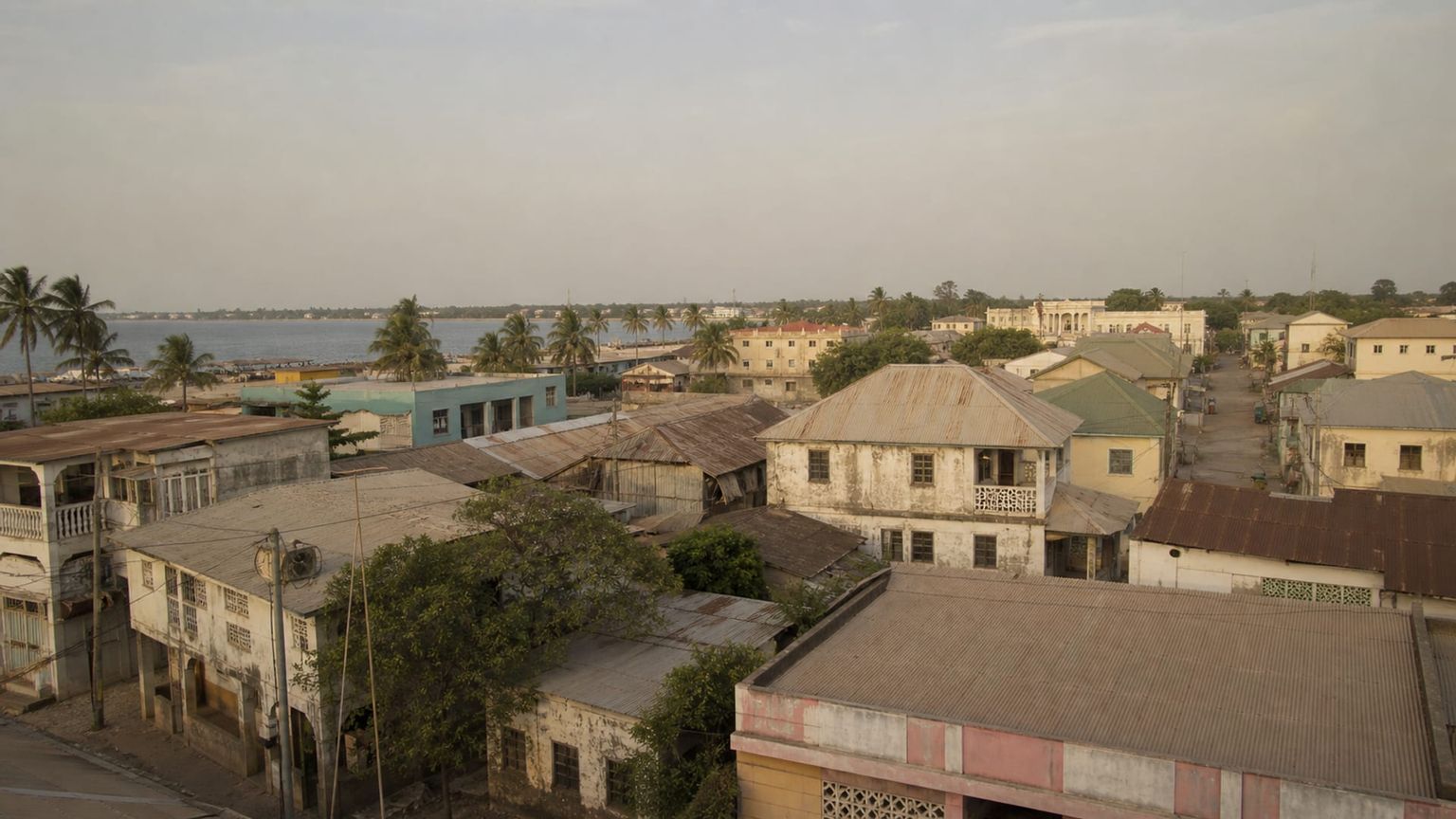
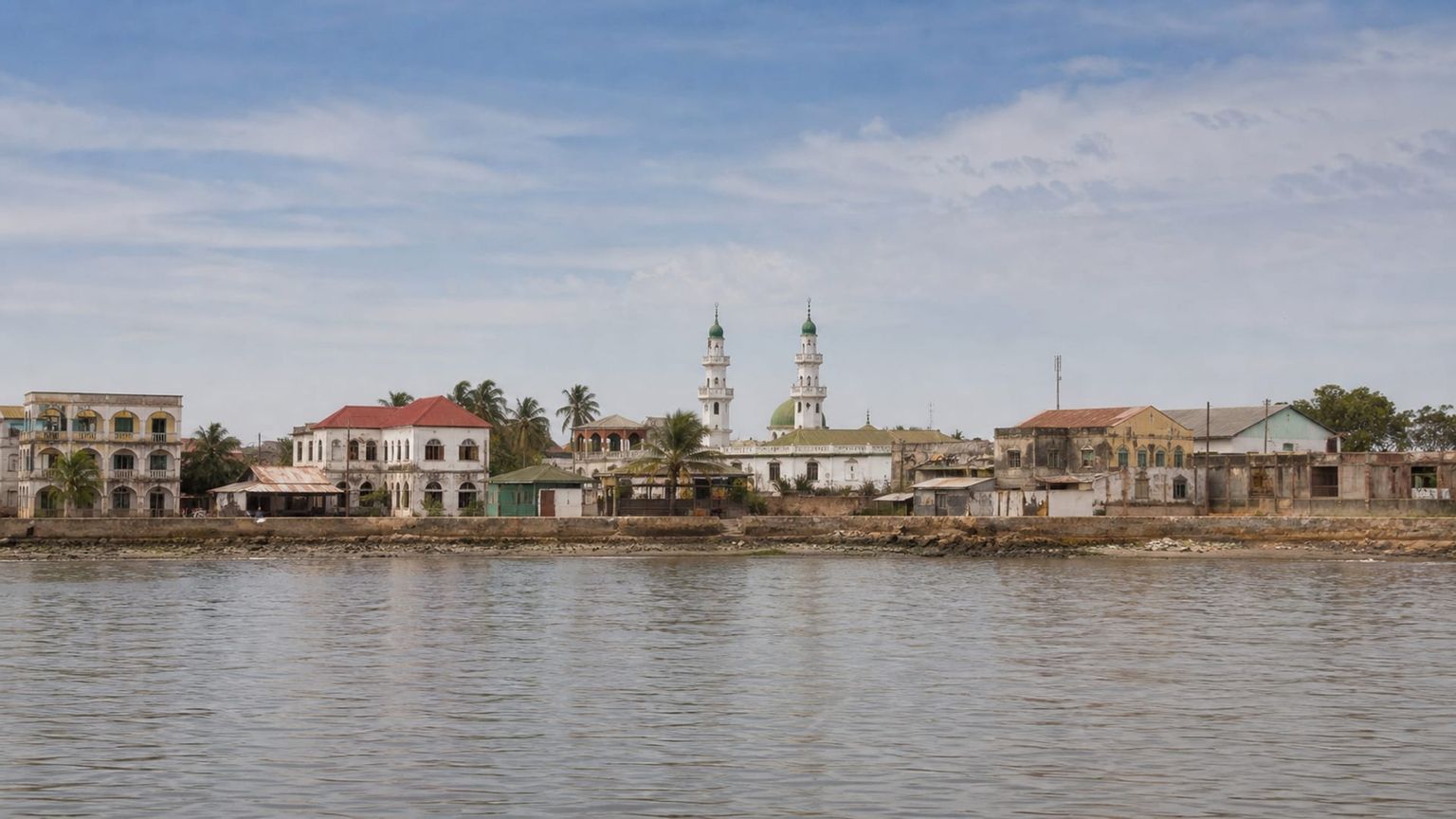
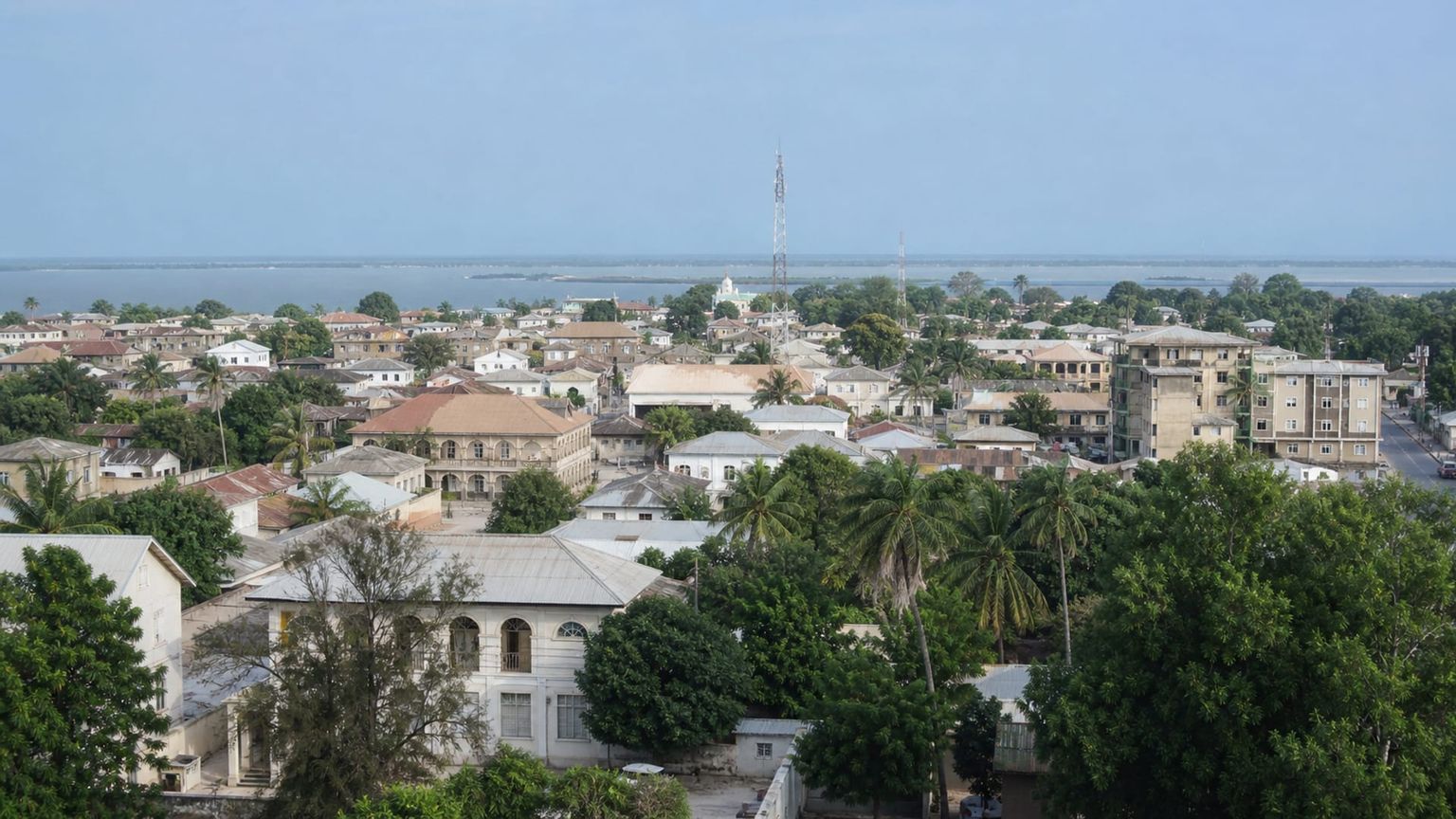
The compact downtown core holds government offices, ferry links, and the main market streets. It matters for visitors who want the shortest hops to museums, the port, and the city’s public face.
Best for: Ferry access, market visits, and travelers who want to stay in the city center
What to expect: Busy daytime streets, traders, taxis, and light foot traffic near offices and market lanes.
Hotel prices: Usually about $60 to $140 per night for well-rated stays
Distance to major sights: 5 to 15 minutes on foot to the Albert Market and National Museum
Quietness: Quieter in the evening, with much of the daytime bustle easing after business hours.
Main trade-off: Hotel choice is limited, and some buildings feel older than properties in the tourist strip farther west.
Good to know: If you plan to cross the ferry or do errands in town, this base cuts down on taxi use and keeps you close to services that close early.
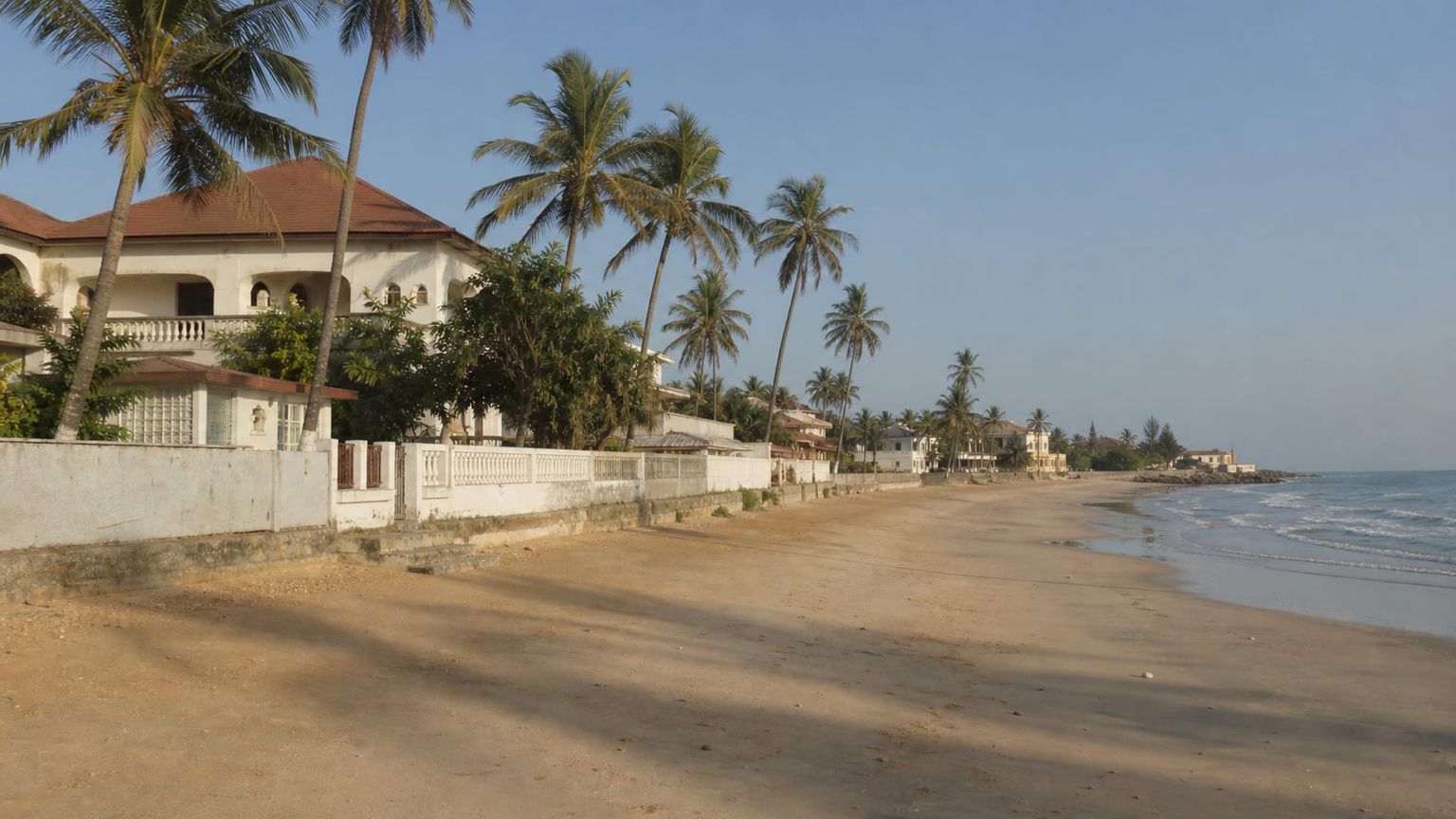
Cape Point sits at the far end of the Banjul peninsula, where low-rise homes meet beach access and coastal views. It matters for longer stays because it offers more space than the city core while keeping the capital within easy reach.
Best for: Beach time, a quieter base, and travelers who do not mind taxi rides into town
What to expect: Low-rise streets, small guesthouses, and a local pace with occasional beach traffic.
Hotel prices: Usually about $50 to $120 per night for well-rated stays
Distance to major sights: Approximately 15 to 25 minutes by taxi to the Albert Market
Quietness: Calm during the day and usually even quieter at night, aside from occasional beach-area activity.
Main trade-off: You will spend more on taxis if you plan to visit the market, museum, or ferry dock often.
Good to know: Evening dining and late-night choices are limited, so plan to eat before heading back from the center.
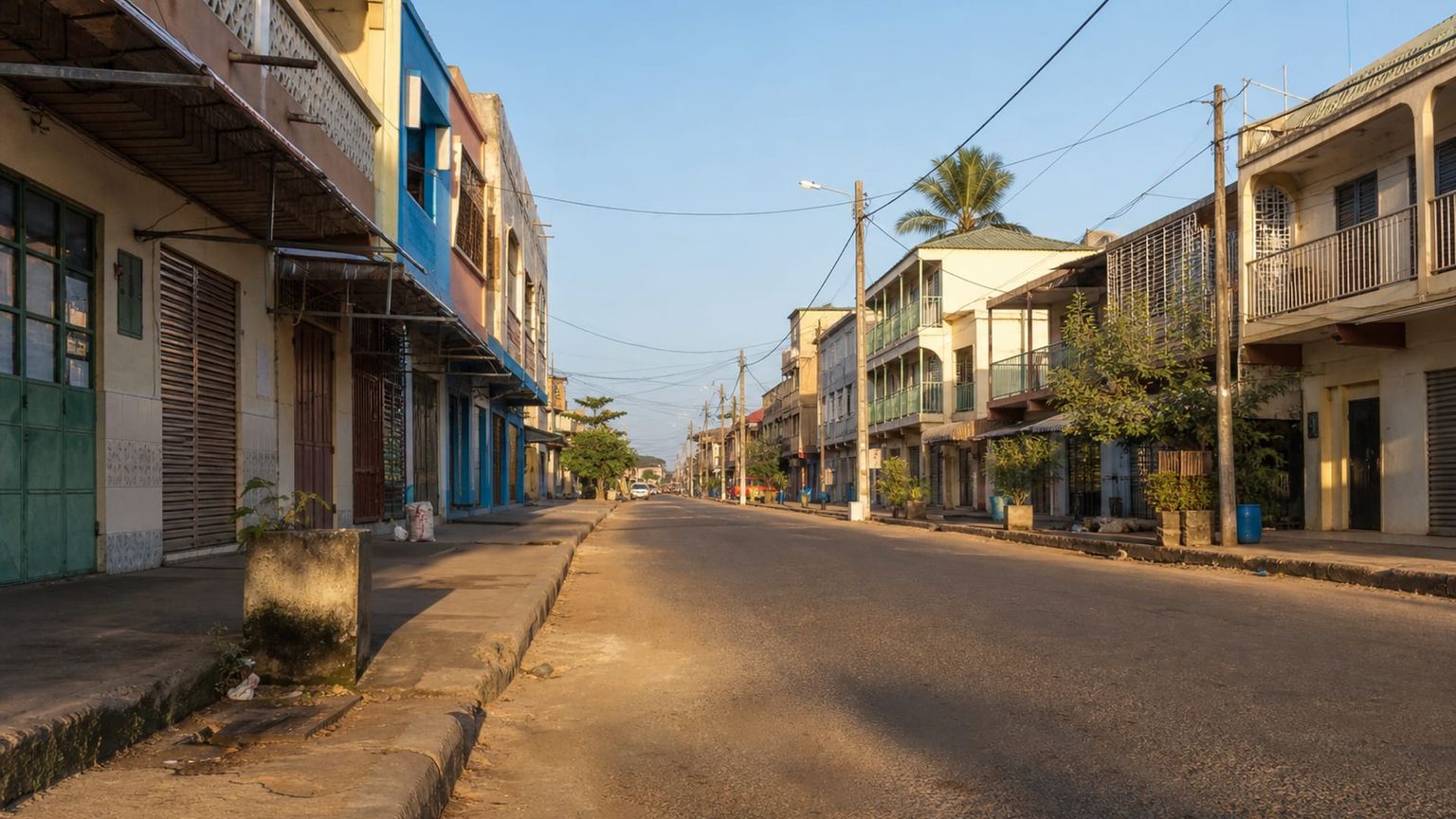
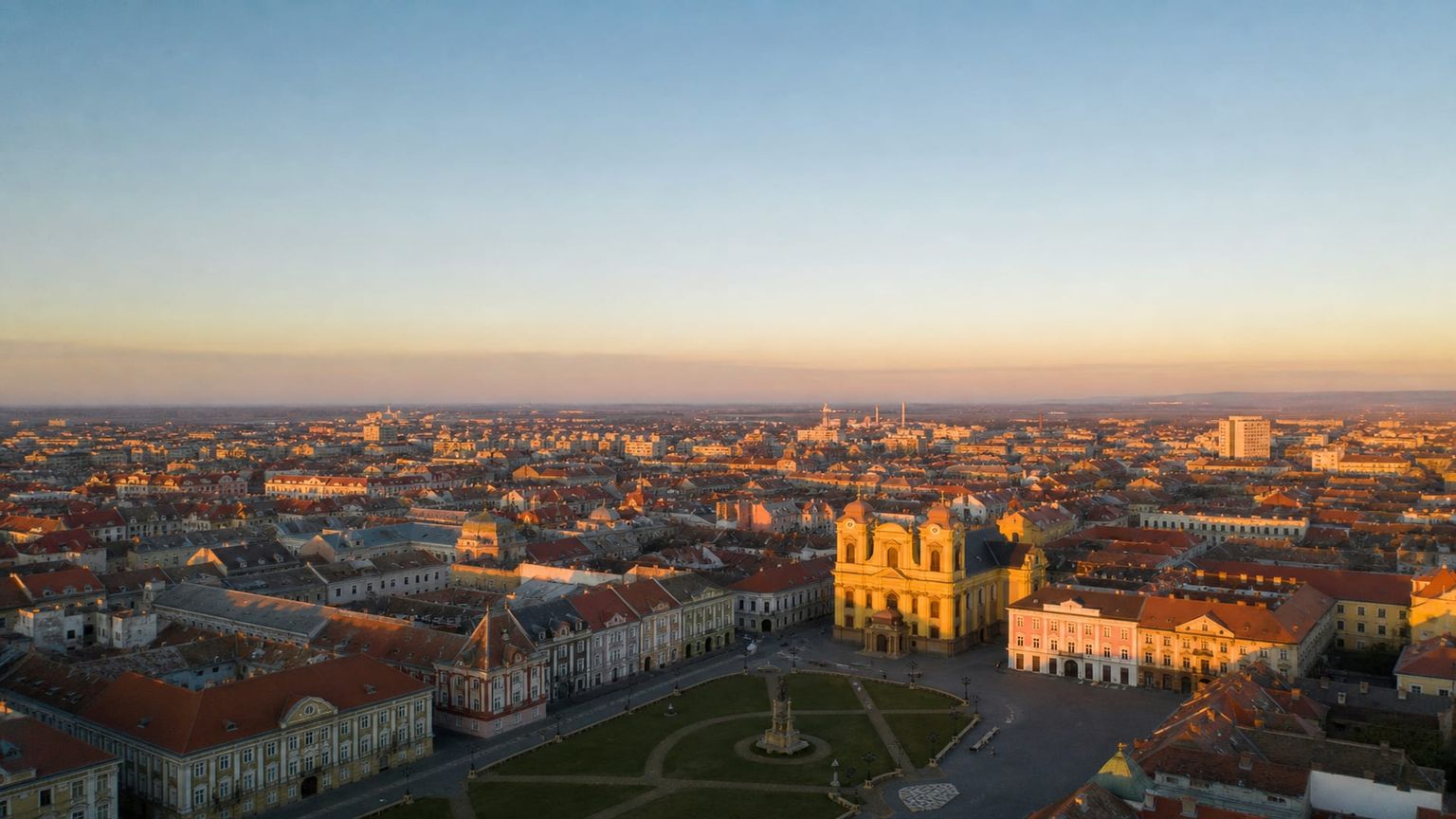
Serrekunda is the largest commercial area in the metro region, just east of Banjul, with dense markets, transport links, and a wide range of places to stay. It matters for visitors who want more hotel choice and easier access to the wider city region.
Best for: Market browsing, wider hotel choice, and access to transport across the metro area
What to expect: Crowded streets, busy minibuses, shopfronts, and active market life from morning through evening.
Hotel prices: Usually about $40 to $110 per night for well-rated stays
Distance to major sights: Approximately 20 to 35 minutes by taxi to the Albert Market in Banjul
Quietness: Lively all day and still active after dark on the main roads, with quieter side streets.
Main trade-off: Traffic can be slow at peak times, so short distances may still take longer than expected.
Good to know: If you want to split time between Banjul and the coast, this is the easiest area for finding a room at short notice.
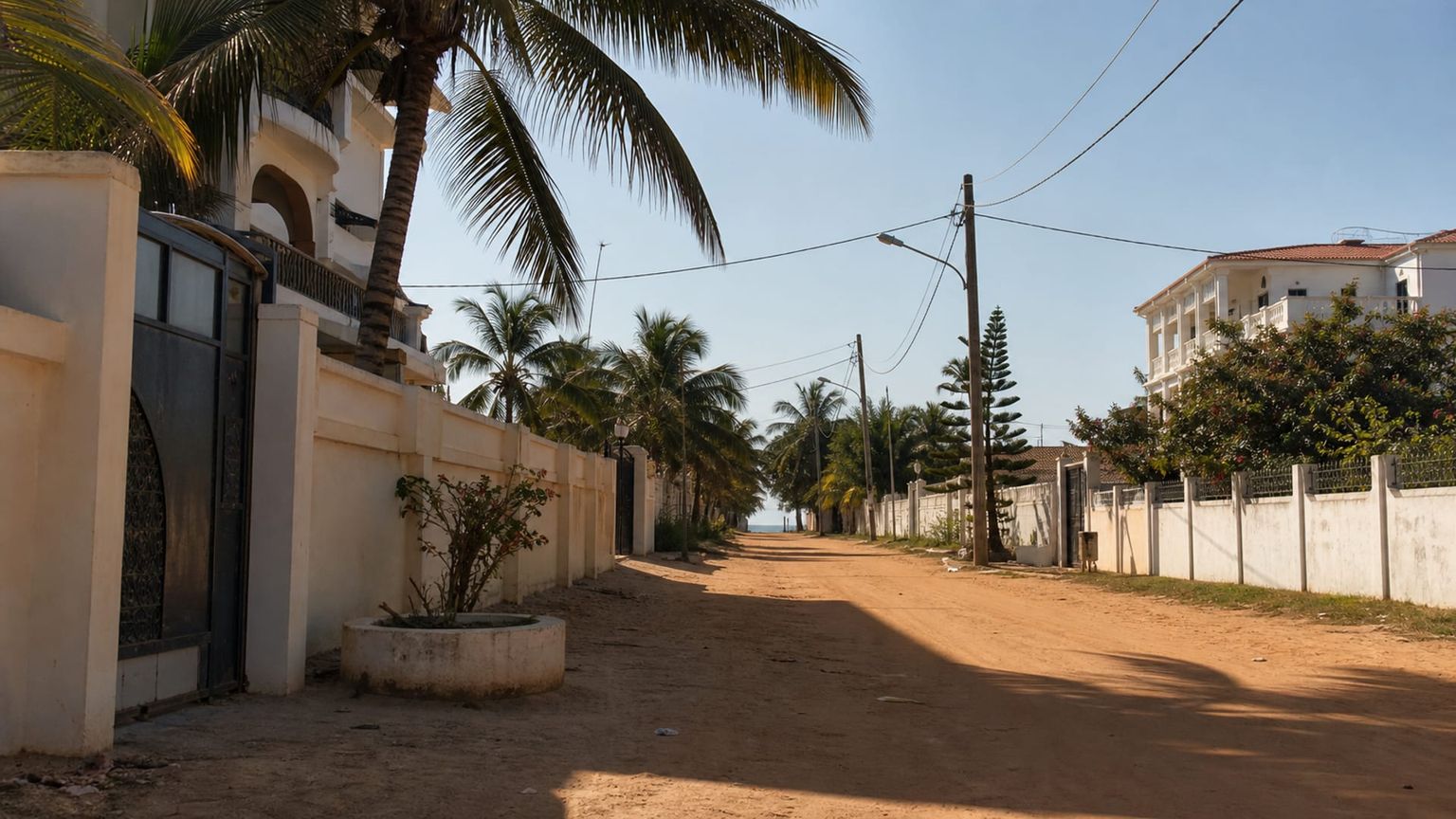
Kotu is a beach-side district in the greater Banjul area, known for resorts, restaurants, and easy access to the Atlantic coast. It matters for leisure trips because it combines the broadest choice of visitor lodging with simple beach time and restaurant options.
Best for: Beach holidays, resort stays, and travelers who want more dining choices
What to expect: Tourist-oriented streets, beach traffic, and a mix of resort guests and local workers.
Hotel prices: Usually about $70 to $180 per night for well-rated stays
Distance to major sights: Approximately 25 to 40 minutes by taxi to the Albert Market in Banjul
Quietness: Busier in the day and early evening, then quieter once resort guests head in.
Main trade-off: It sits farther from Banjul’s museums and ferry dock than central or Cape Point stays.
Good to know: Choose Kotu if you want the sea close at hand, but expect to budget extra time for trips into the capital.
Travelers usually avoid staying in Old Yundum, Brusubi, and Yundum because they sit well outside central Banjul and the main beach-and-market areas, so getting back after dinner takes longer. Kanifing Industrial Area is also less convenient for overnight stays, since it has few visitor amenities and is geared more toward commerce than sightseeing.
Hotel deals
How to get around Banjul efficiently
Banjul has no metro or suburban rail, so most visitors move between the city center, Serrekunda, and the coast by taxi or minibuses along the main roads.

Metro
for longer distances
Banjul has no metro or suburban rail network, so there is no rail pass or timed ticket to use for airport-area trips. For movement across the city and toward Serekunda or Serrekunda, rely on taxis or minibuses instead; most journeys from the BJL area take about 20 to 40 minutes, depending on traffic.

Bus and tram
for convenience
No tram network operates in Banjul, and public buses are limited, with shared minibuses and vans doing most of the work on main corridors. Fares are usually about $0.20 to $0.50 per hop, paid in cash, and riders board along the road rather than at formal stops; services are crowded and irregular, so allow about 30 to 60 minutes for short cross-town trips.

Taxi
for convenience or late hours
Licensed taxis do not use meters in Banjul, so you should agree on the fare before departure. From the BJL airport area, a typical ride into central Banjul or to nearby hotel zones costs about $8 to $15, while trips to Serekunda are about $10 to $20; longer cross-city rides can run about $20 to $30. Drivers usually prefer cash in dalasi, though some accept USD for airport runs.
*Prices are based on rates updated as of June 2026 and may change at the time of travel.
Use taxis for airport runs and evening returns, minibuses for short low-cost hops on busy corridors, and walking when you are already in Banjul central.
Iconic landmarks
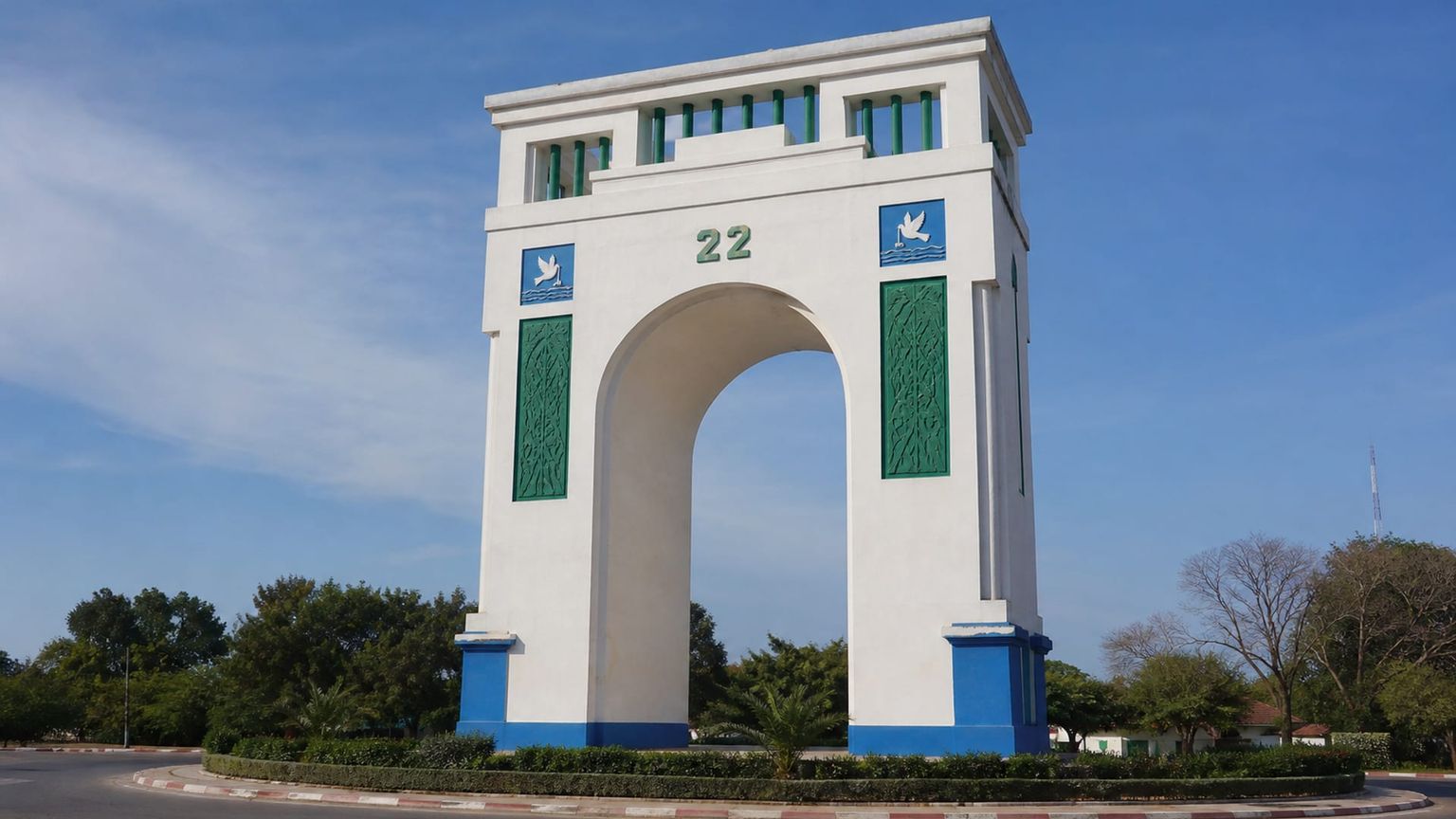
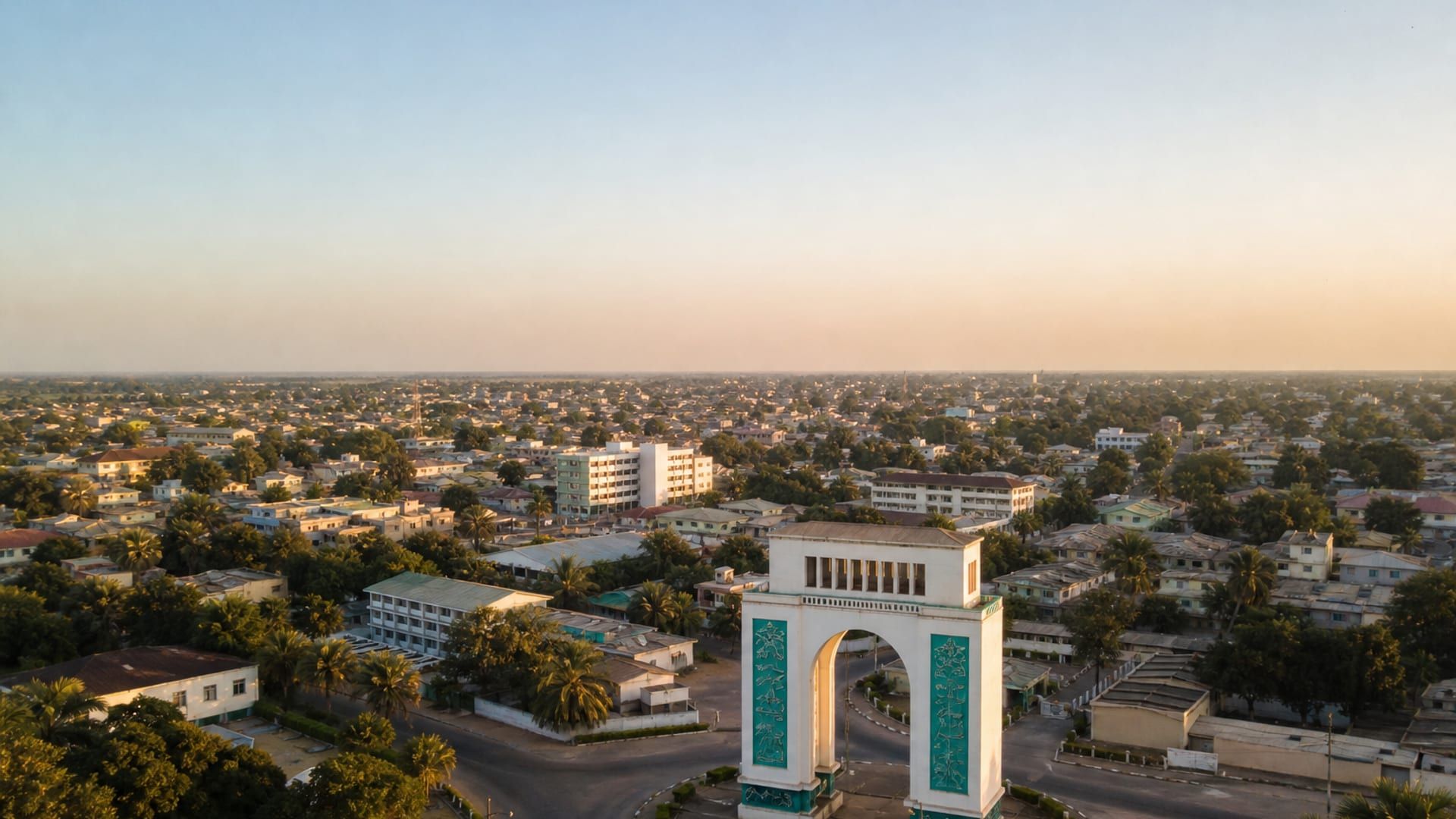
Arch 22
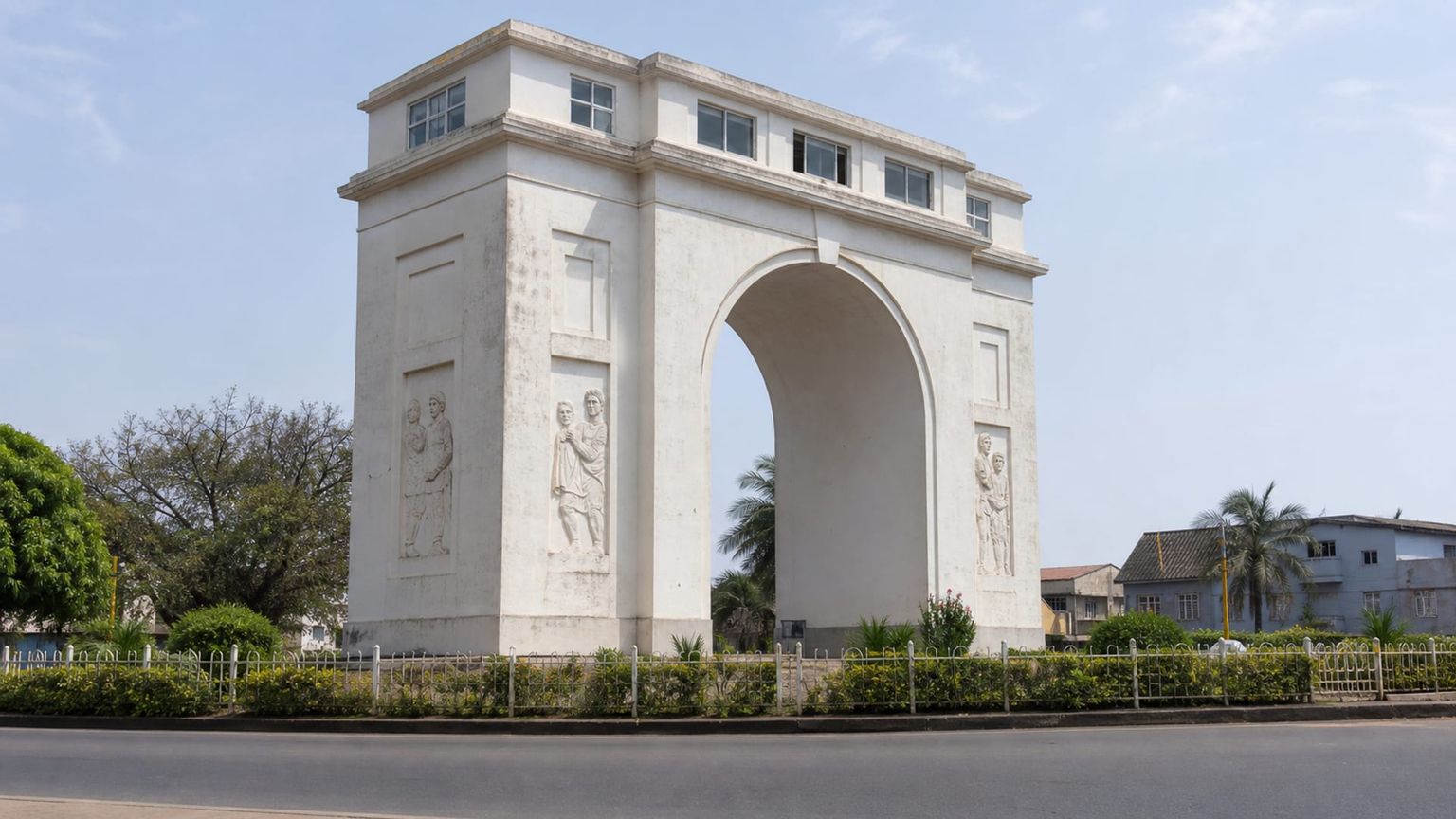
Arch 22 marks the ceremonial gateway to Banjul and opens wide views over the city, the River Gambia, and the road to Barra. The monument also houses a small military museum with photographs, uniforms, and historical exhibits.
Time needed: About 1 to 2 hours
Entry: Admission costs about $3 to $5 (about 150 to 250 dalasi) for the monument and museum, with rates subject to change.
Tip: Go in the morning for clearer river views and softer light on the arch façade.
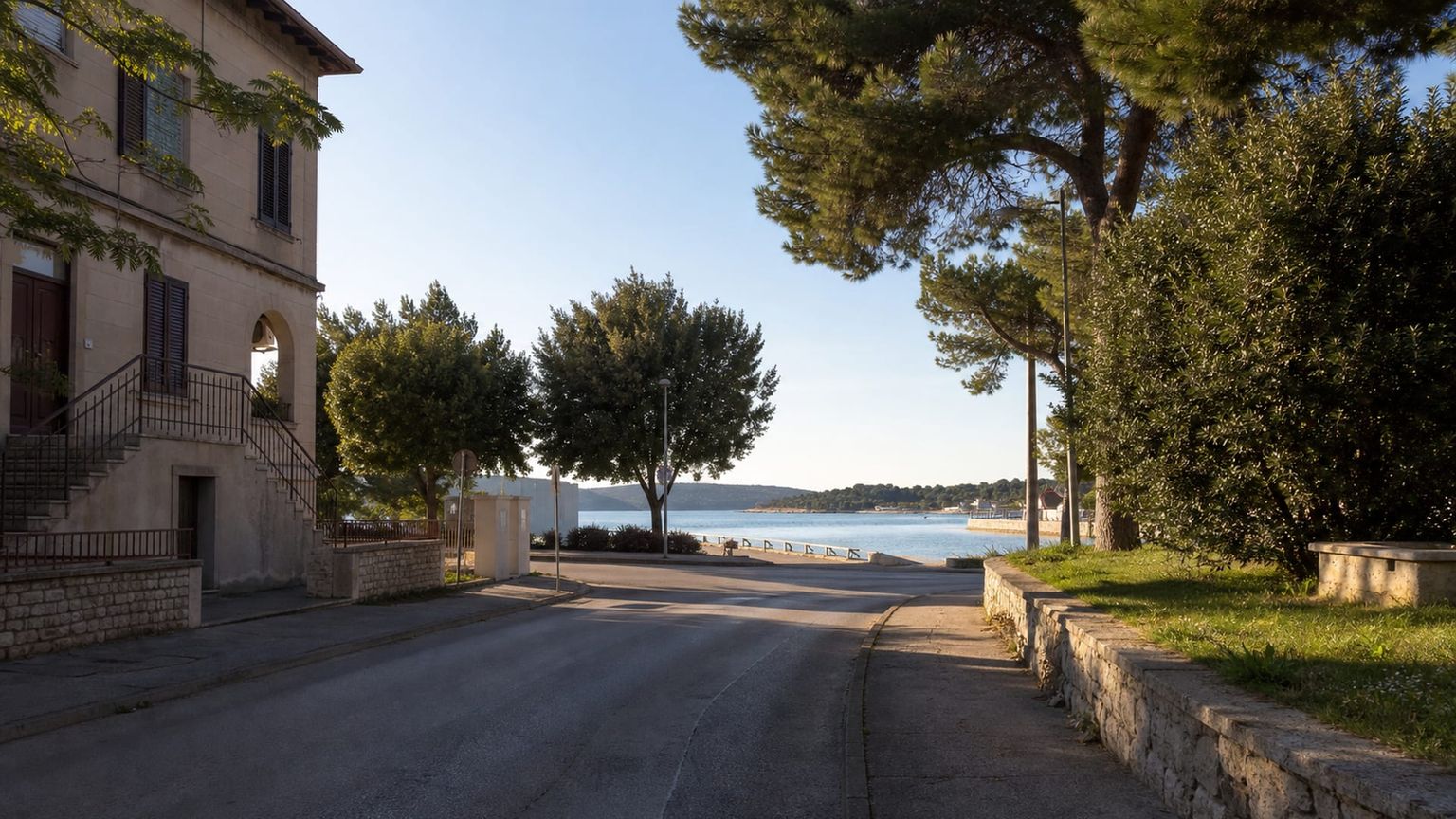
Albert Market
Albert Market is Banjul’s main market, with stalls for textiles, produce, spices, carved wood, and everyday household goods. It gives a direct view of the city’s trade life and the pace of its busiest commercial streets.
Time needed: About 1 to 2 hours
Entry: Free to enter, with purchases priced individually in dalasi or about $1 to $20 (about 50 to 1,000 dalasi).
Tip: Visit early to see fuller stalls and avoid the hottest midday hours.
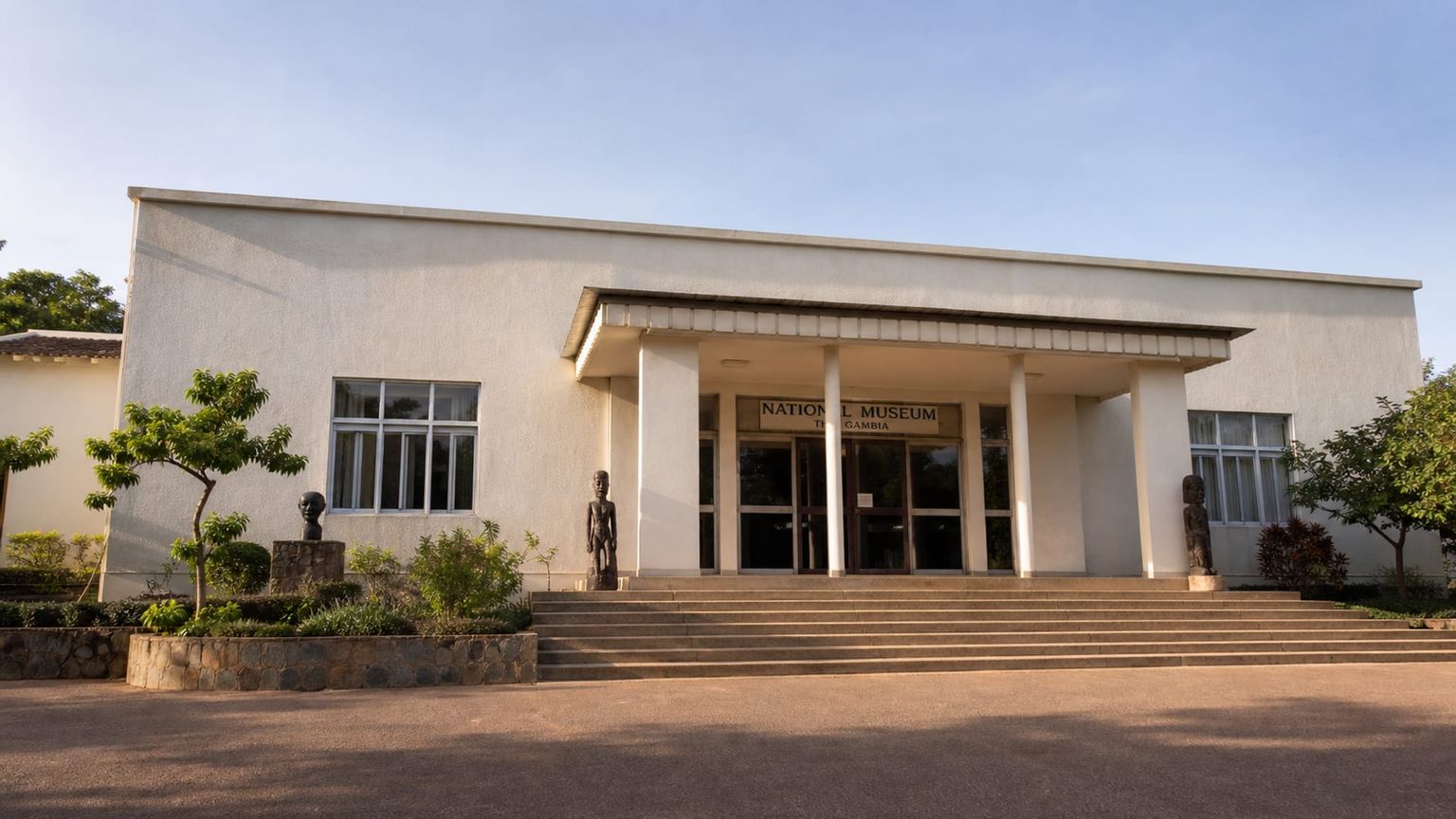
National Museum of The Gambia
The National Museum of The Gambia presents archaeology, ethnography, colonial-era material, and photographs that trace the country’s past. Its compact galleries make it the best place in Banjul for a focused introduction to national history.
Time needed: About 1 to 2 hours
Entry: Admission costs about $2 to $4 (about 100 to 200 dalasi) per person, with small extra fees for some camera use.
Tip: Pair the museum with nearby city sights so you can finish before afternoon heat builds.
Overlooked sites worth visiting

Makasutu Culture Forest
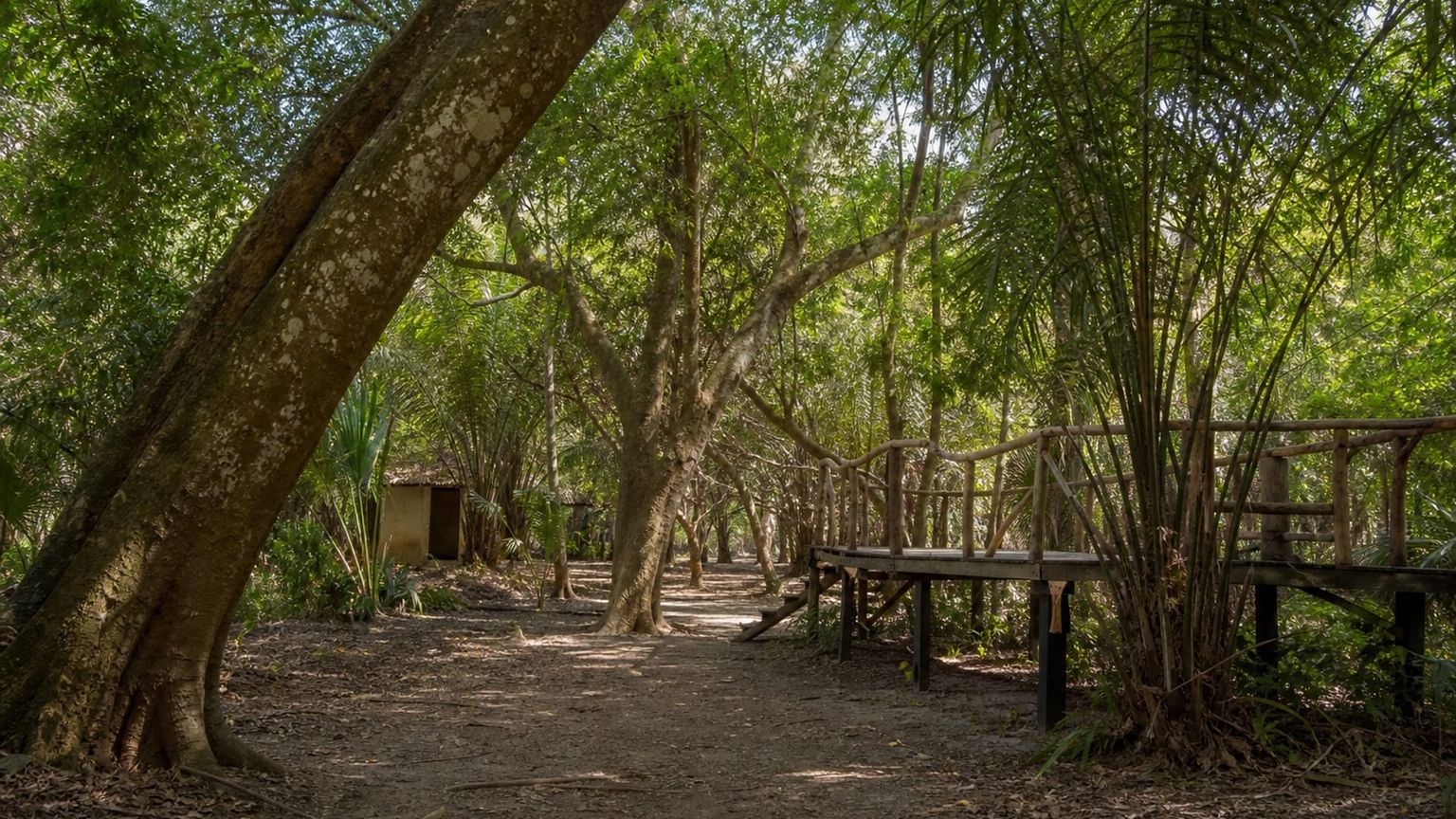
A riverfront forest reserve near Brikama with mangroves, canoe channels, and small walking trails. Local guides also explain healing plants, making it one of the region’s most varied low-key outings.
Time needed: About 2 to 3 hours
Entry: Guided visits typically cost about $10 to $25 ($675 to D1,690) per person, depending on transport, canoe use, and the length of the walk. Check current rates with the site before you go, since fees can change with season and group size.
Tip: Go early for cooler trails and better bird activity.

Albert Market
Banjul’s main market is busy, but the back lanes reward slower browsing with groundnuts, dyed cloth, dried fish, and mosque-side vendors. It offers a sharper look at daily trade than the waterfront streets nearby.
Time needed: About 1 hour
Entry: Free to enter. You only pay for anything you buy, and small purchases such as fruit, tea, or cloth are inexpensive by city standards, though prices vary by stall and season.
Tip: Visit before noon, when produce stalls are fullest.
Traditional food
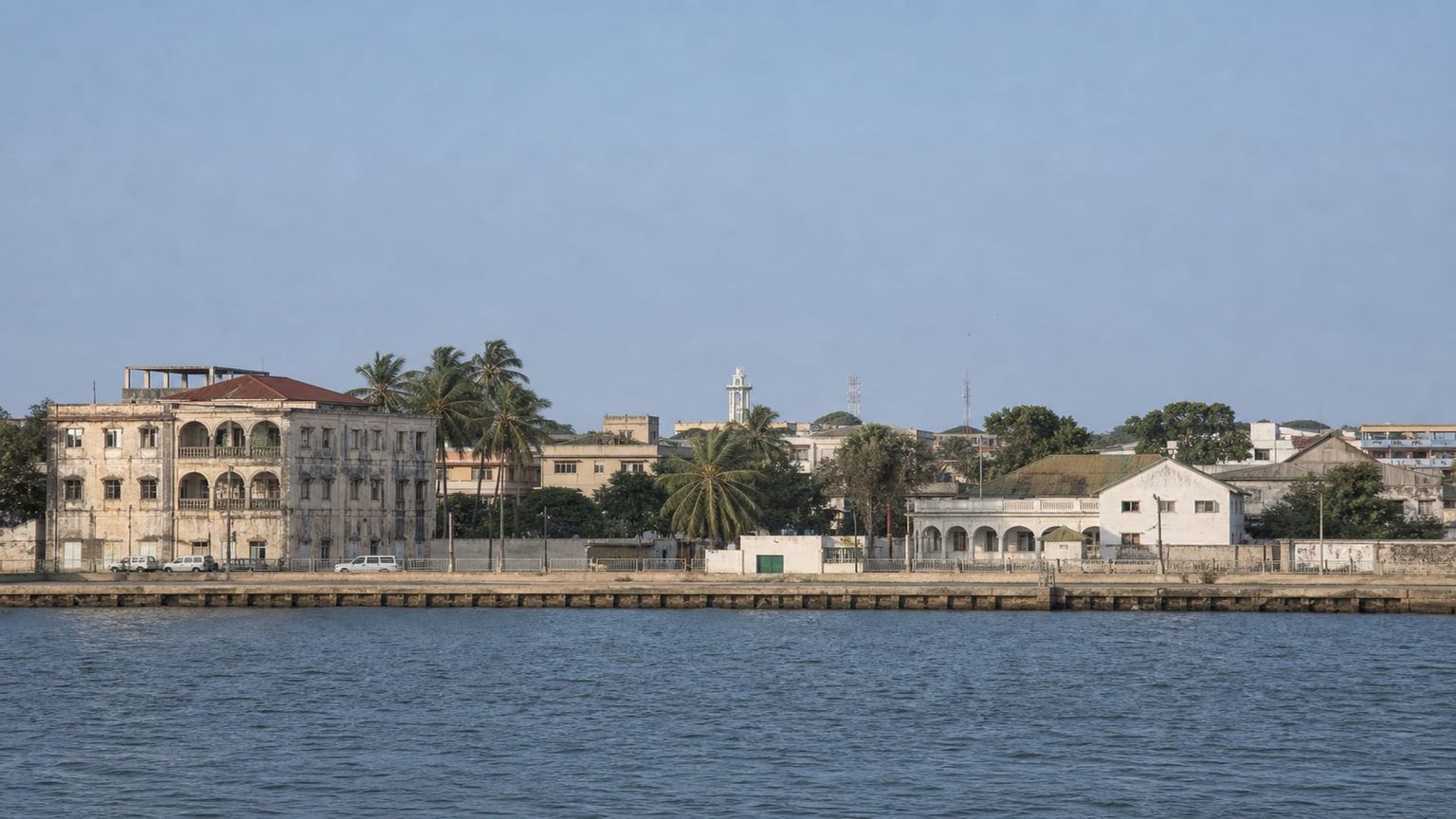
Banjul’s cooking leans on rice, groundnuts, fish, and chicken, with domoda, benachin, yassa chicken, and akara appearing on many menus. Meals tend to be unhurried, with lunch and dinner windows shaped by heat and early closing hours.
Domoda
A peanut stew with a deep savory base, often served with rice. At the city center, Nefertiti Resturant is a dependable place to try it in a setting that keeps lunch and dinner simple.
Benachin
This one-pot rice dish brings tomato, vegetables, and fish or meat into a single plate with layered seasoning. El Sol Restaurant in Banjul serves a version that fits a relaxed central meal.
Yassa chicken
Chicken marinated with onion, citrus, and pepper, then cooked until the sauce turns bright and savory. The Kora Bar and Restaurant in Banjul is a strong place to order it near the center.
Akara
These fried black-eyed pea cakes work well as breakfast or a light snack, especially with tea. At Ali Baba in Banjul, they fit an easy stop before the market gets busy.
Best time to visit Banjul
Banjul’s dry months suit longer walks and day trips, while the wetter season brings more humidity, greener landscapes, and the need to plan around heavier showers.
Best for: Best for dry weather, easier city walking, and beach time near Cape Point
What you get: About 77°F to 90°F (25°C to 32°C), with lighter crowds than peak holiday periods and comfortable mornings for sightseeing
Trade-offs: Dusty harmattan winds can reduce visibility on some days
Best for: Best for market visits and museum time before the rains start
What you get: About 79°F to 95°F (26°C to 35°C), with lighter tourist flow outside Easter and hotter afternoons in the city
Trade-offs: Heat builds quickly, so midday walking takes more effort
Best for: Best for greener day trips and quieter streets
What you get: About 75°F to 88°F (24°C to 31°C), with fewer visitors and more afternoon rain, especially in July and August
Trade-offs: Showers can interrupt road plans and outdoor visits
Best for: Best for the clearest balance of warm weather and manageable sightseeing
What you get: About 77°F to 90°F (25°C to 32°C), with lighter rain than midsummer and moderate crowds
Trade-offs: Humidity can still be high, especially in September
A realistic 5-day plan in Banjul
Five days in Banjul works best as a mix of central sights, one green excursion, and one last shopping morning. The plan below keeps the market, museum, Arch 22, and Makasutu in a sequence that limits backtracking.
Land at Banjul (BJL) and take a taxi to Banjul central, about 25 to 35 minutes from the airport and roughly $15 to $25, depending on traffic and the time of day. Check in near the market and ferry quarter, then keep the evening simple with bottled water, a short walk for orientation, and an early dinner at a downtown restaurant before the streets quiet down.
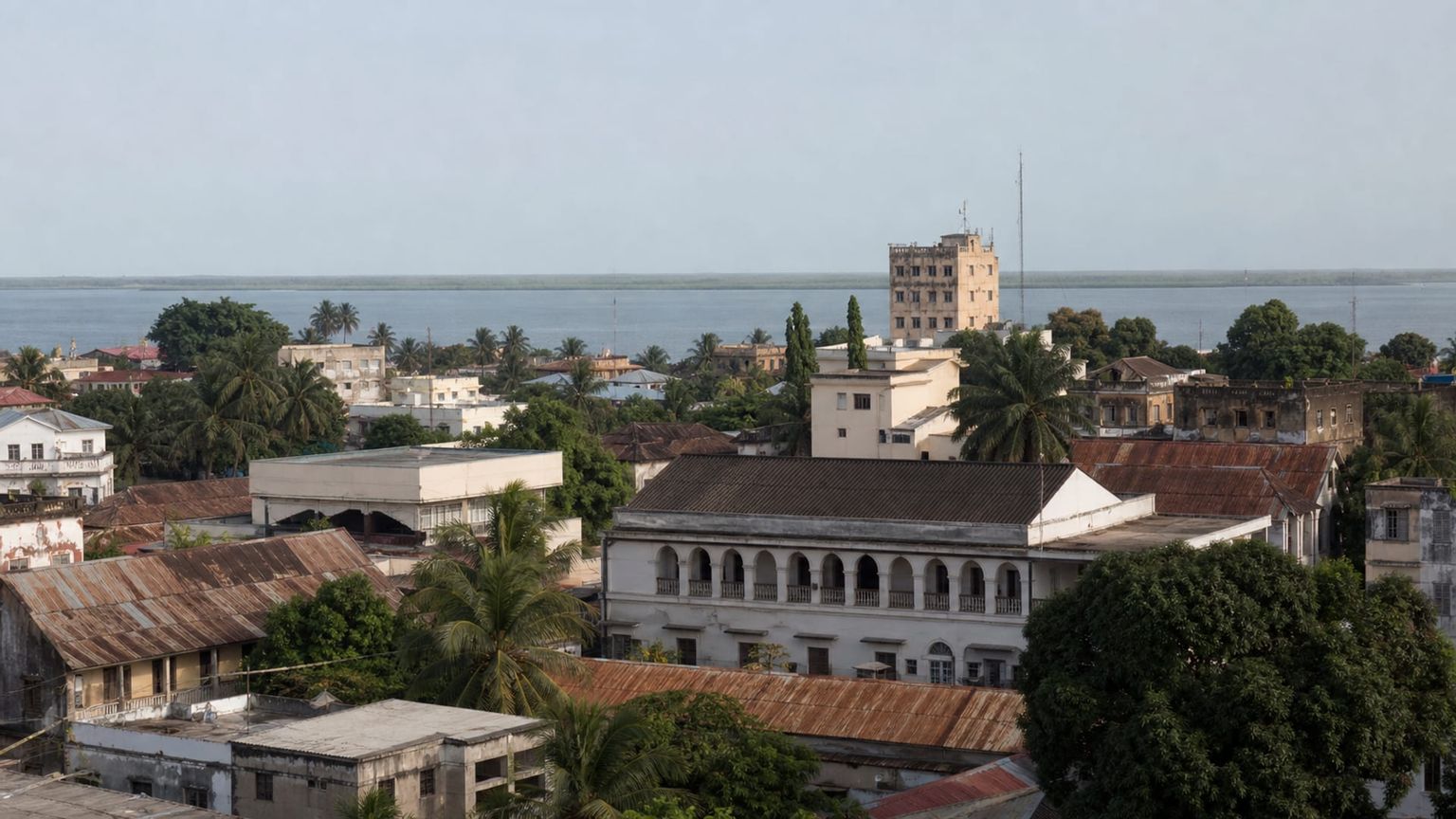
Start at Albert Market, ideally by 9:00 am, when the stalls are fuller and the heat is still manageable. Spend about 1 to 2 hours among textiles, spices, and produce, then walk about 10 minutes to the National Museum of The Gambia for a focused look at archaeology, photographs, and colonial-era material. After lunch in Banjul central, head to Arch 22, roughly a 5-minute taxi ride from the museum, and allow 1 to 2 hours for the monument, rooftop views, and small military museum before returning to the center for an early dinner.
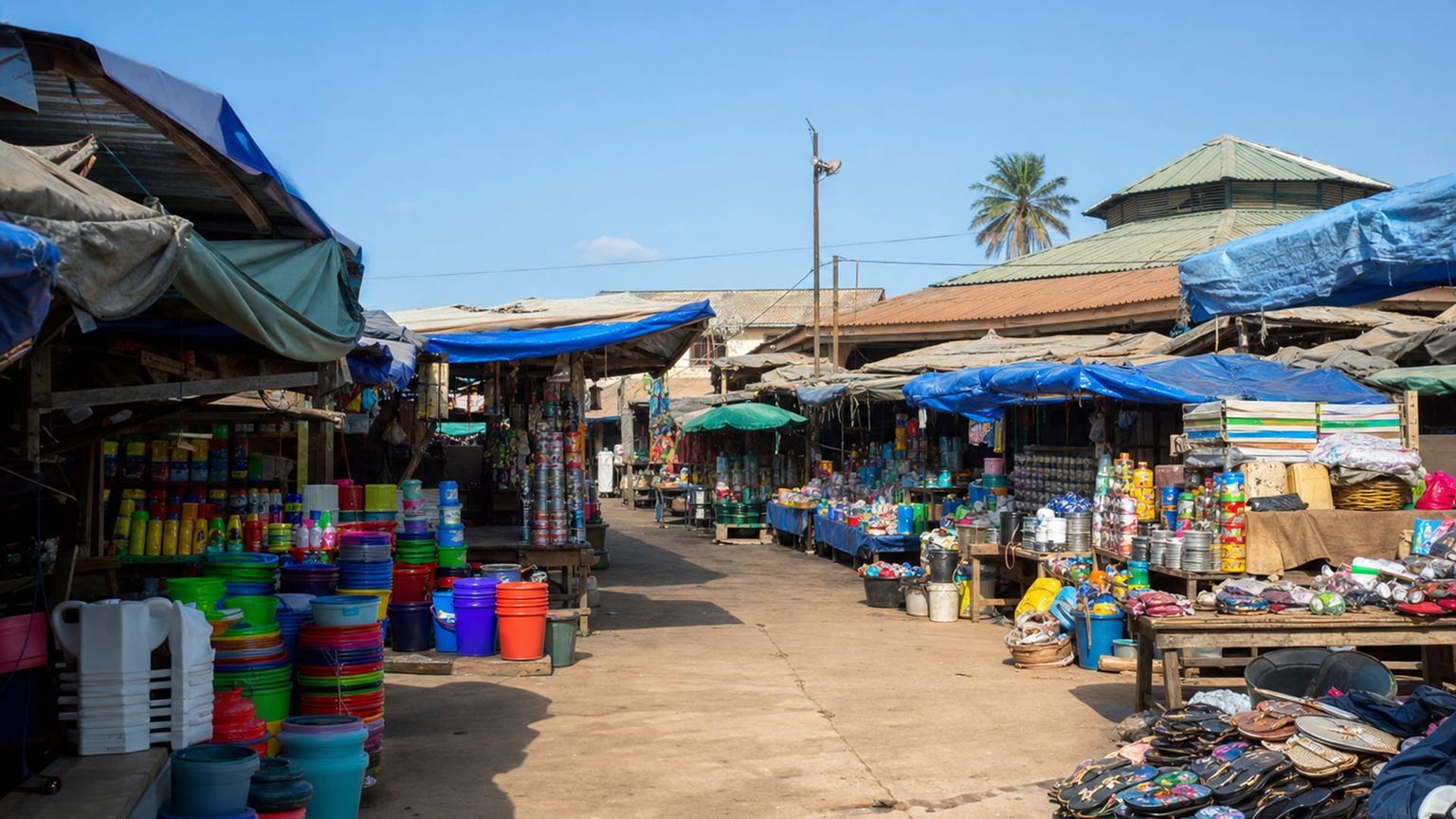
Begin with the National Museum of The Gambia, then continue on foot to nearby downtown streets so you can see more of Banjul central without rushing. From the museum, plan on about 10 to 15 minutes to reach Albert Market again, this time for the back lanes and everyday trade rather than a full shopping run, and spend about an hour there. In the afternoon, take a taxi about 10 minutes to Arch 22 for river views in softer light, then finish with a waterfront walk back toward the market and port area before dinner.
A day trip to Makasutu Culture Forest adds a greener side to the Banjul area, and it works best as an early departure. Leave the city after breakfast, expect about 1 to 1.5 hours by road to the reserve near Brikama, and join a guided visit that lasts about 2 to 3 hours with mangrove paths, canoe channels, and local plant knowledge. Return to Banjul in the late afternoon, then keep supper near your base in Banjul central so you do not spend the evening in transit.
Before you leave, spend the morning at Albert Market for last-minute cloth, spices, and small gifts, then follow that with one final stop at the National Museum of The Gambia if you want a quieter indoor visit before checkout. If your flight is later, cross to Serrekunda for a different shopping run, or sit down for coffee in Cape Point, where the coast gives you an easy final pause before heading to Banjul (BJL).
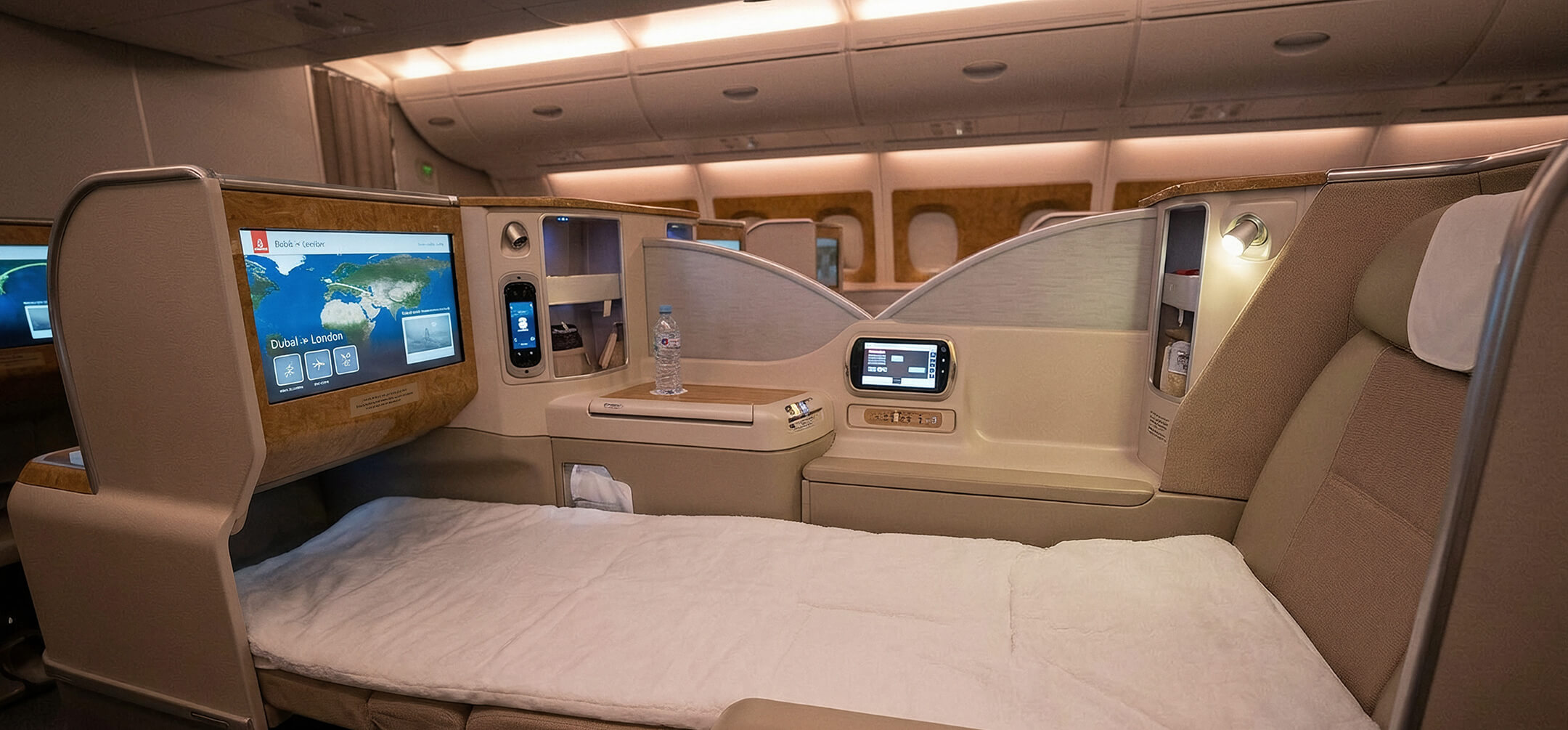
Business-class flights from the US to Banjul
Flights to Banjul usually involve one stop, so route choice matters as much as price. From New York and Los Angeles, the best itineraries tend to cluster through a handful of European and North African hubs.
From New York, airlines such as Royal Air Maroc, Air France, Turkish Airlines, British Airways, and TAP Air Portugal typically publish itineraries with a total travel time of about 13 to 22 hours. Common connections run through Casablanca, Paris, Istanbul, London, or Lisbon, and round-trip fares usually start at $1,100 and can reach $1,900 if you are willing to build in a layover.
Los Angeles itineraries usually run through Royal Air Maroc, Air France, Turkish Airlines, or British Airways, with total travel times of about 15 to 24 hours. Round-trip fares usually run $4,800 to $8,200 for a one-stop itinerary, so it pays to compare connection length as well as the fare itself.
Banjul feels different when you slow down
A well-paced Banjul trip gives you time in Banjul central, a slow pass through Albert Market, and one outing beyond the city, whether that is Arch 22 at sunset or Makasutu after an early breakfast. Taxis do the heavy lifting, walking fills the gaps, and dinner works best before the streets empty out. If you want to shape the route more tightly, AranGrant experts can help you match the days to your flight and hotel base